
Dispatch — Long Read
10/10 Sci-Fi Movies That Defined Cinema 🎬
A list of sci-fi movies that got a perfect 10/10 for changing cinema with bold ideas, unforgettable visuals, and stories that still inspire filmmakers today.
The Cinéprism
26 / 12 / 2025 · 12 min read
10. 🎬 The Matrix (1999)
Synopsis:
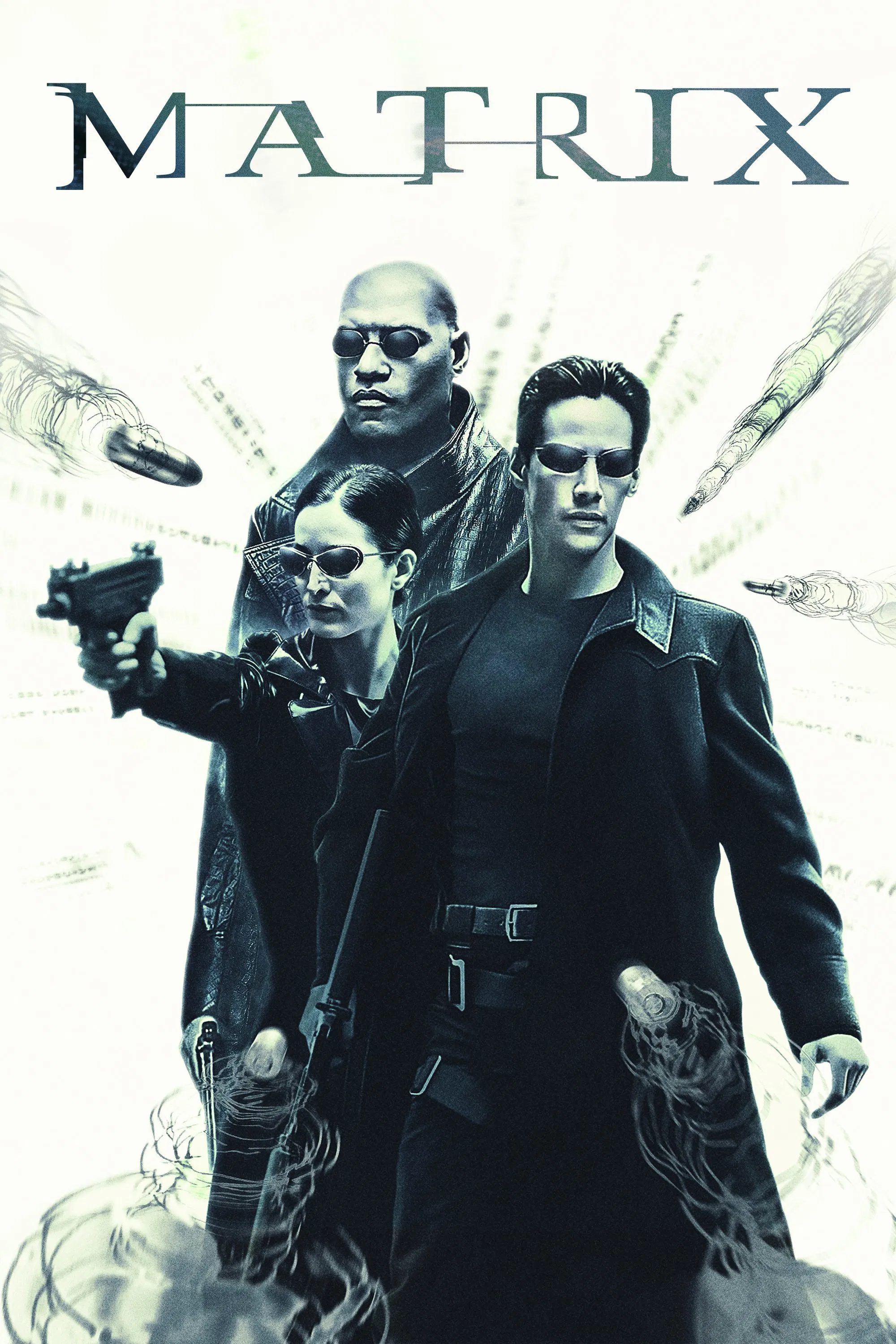
Thomas Anderson lives a double life, working as a respectable software programmer by day and hacking into computer systems under the alias "Neo" by night, plagued by the feeling that something is fundamentally wrong with the world. His suspicions are violently confirmed when he is contacted by Morpheus, a legendary rebel leader who reveals the terrifying truth that reality as Neo knows it is actually a simulated construct called the Matrix, designed by sentient machines to keep humanity docile while harvesting their bio-electricity. Neo must choose between the comfort of the illusion and the harshness of the real world, eventually joining the resistance aboard the ship Nebuchadnezzar where he trains to manipulate the physics of the simulation, realizing he might be "The One" prophesied to end the war.
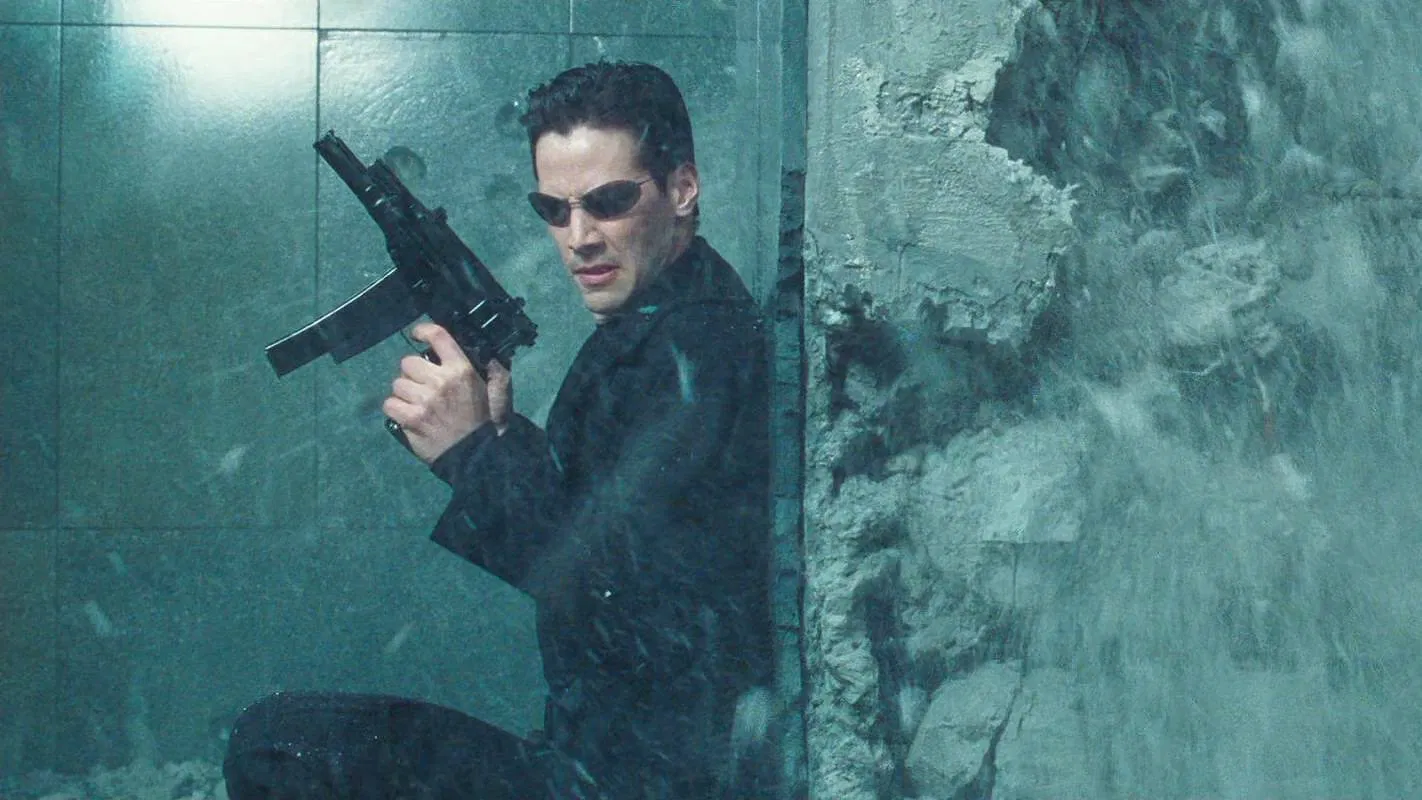
The Wachowskis' masterpiece redefined the action genre overnight by blending Hong Kong wire-fu choreography, cyberpunk philosophy, and cutting-edge visual effects into a singular, stylish package that dominated the cultural zeitgeist for a decade. The invention of "bullet time," a camera technique that allowed the audience to see action moving in slow motion while the camera moved at normal speed, fundamentally changed how violence was depicted in cinema, turning gunfights into ballets of physics-defying grace. Beyond the leather trench coats and sunglasses, the film is a dense philosophical text that draws heavily from Baudrillard’s Simulacra and Simulation, Gnosticism, and transgender allegory, exploring themes of identity, control, and the nature of reality. It succeeds because it manages to be intellectually stimulating while delivering some of the most visceral action sequences ever filmed, proving that a blockbuster could be smart, cool, and revolutionary all at the same time.
9. 🎬 Star Wars: Episode IV – A New Hope (1977)
Synopsis:
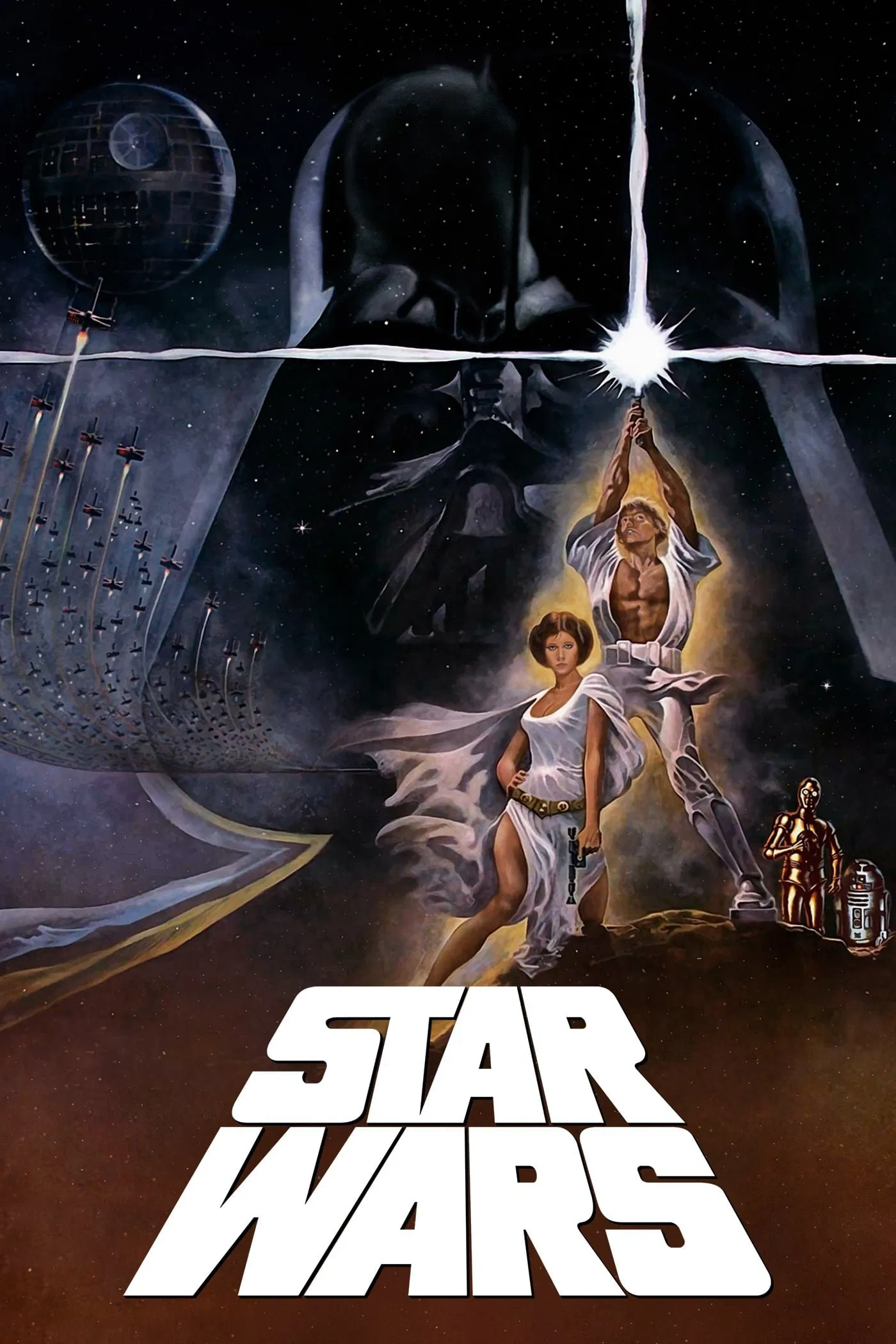
In a galaxy far, far away, a farm boy named Luke Skywalker dreams of escaping his mundane life on the desert planet of Tatooine, unaware that he is about to be swept up in a galactic civil war between the tyrannical Galactic Empire and a ragtag Rebel Alliance. After acquiring two droids carrying the stolen plans for the Empire's ultimate weapon, the Death Star, Luke teams up with a cynical smuggler, a Wookiee co-pilot, and an old Jedi Knight to rescue Princess Leia and discover his own potential in the mystical energy field known as the Force. The journey transforms him from a naive dreamer into a hero capable of challenging the dark might of Darth Vader and the technological terror of the Empire.
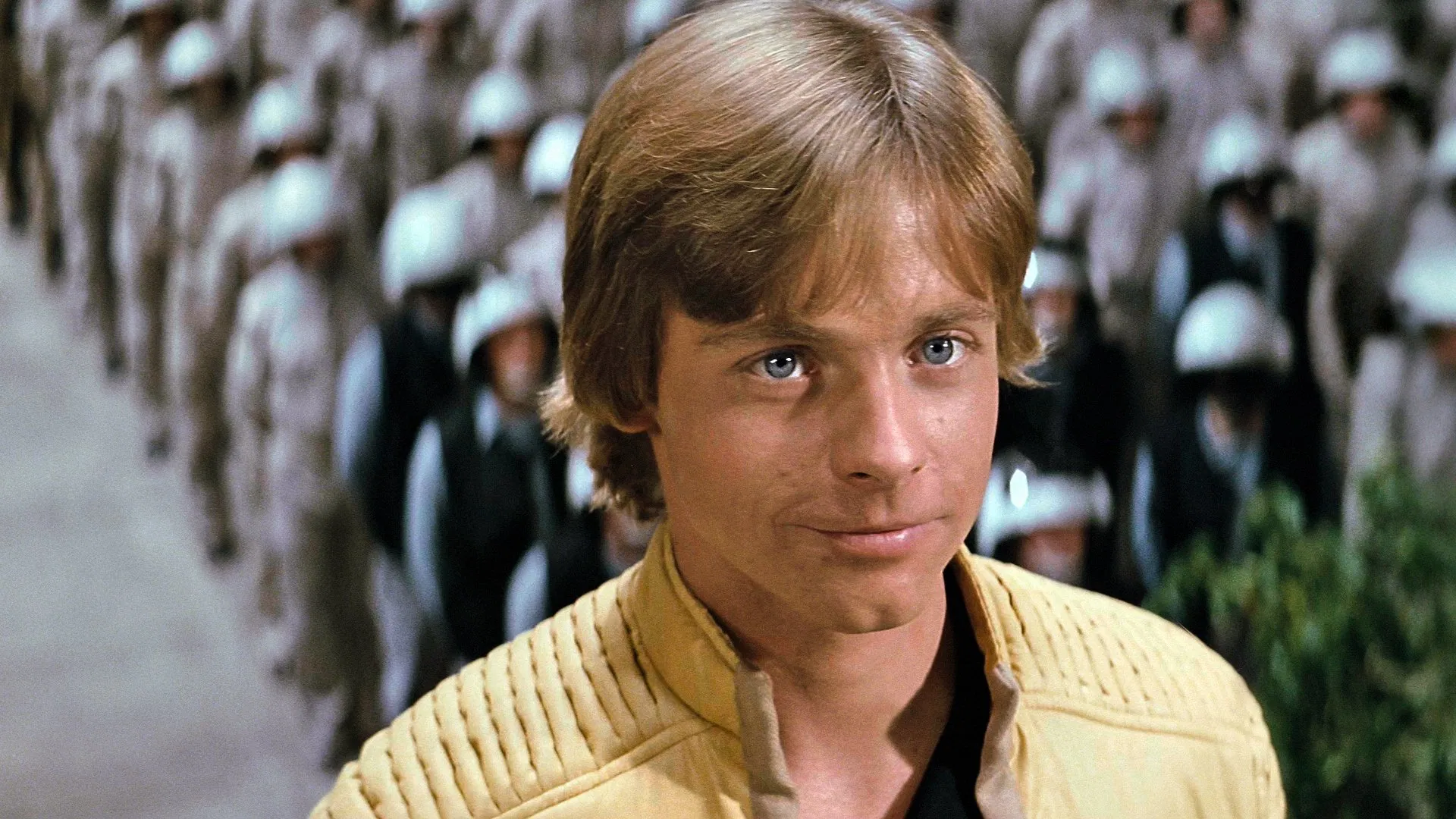
George Lucas did not just make a movie; he created a modern mythology by synthesizing the structure of Joseph Campbell’s "Hero’s Journey" with the aesthetics of Flash Gordon serials, Kurosawa samurai films, and World War II dogfights. The film is a triumph of world-building, using a "lived-in" aesthetic where spaceships look dirty and droids break down, a stark contrast to the pristine, sterile sci-fi that came before it, making the universe feel tangible and ancient. The groundbreaking special effects by Industrial Light & Magic revolutionized the industry, allowing for dynamic space battles that had previously been impossible to film, while John Williams’ operatic score gave the space opera a grandeur and emotional weight that elevated it to high art. It succeeds because it taps into universal archetypes of good versus evil, creating a story that is simple enough for a child to understand but deep enough to sustain a global culture for nearly half a century.
8. 🎬 Under the Skin (2013)
Synopsis:
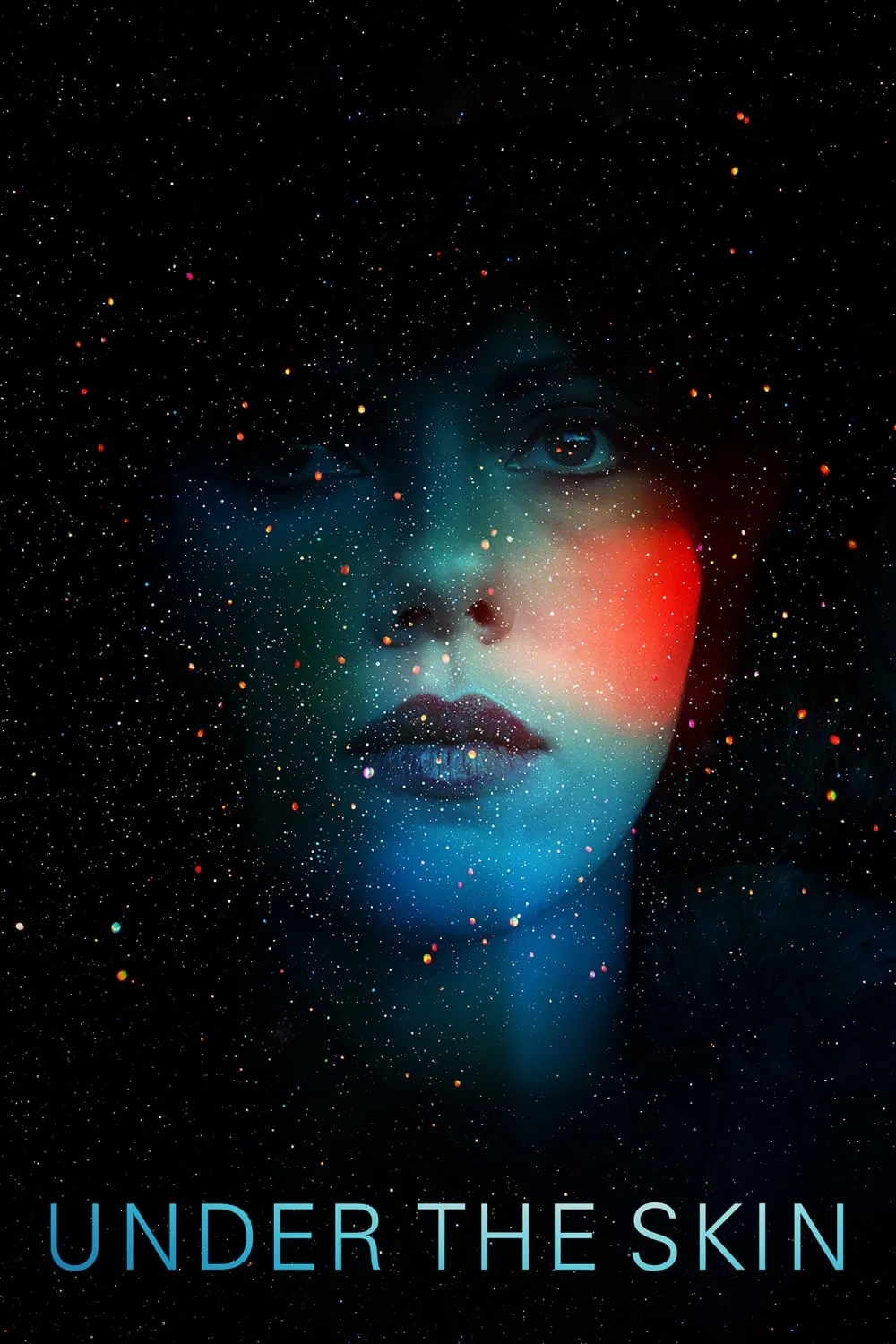
An extraterrestrial entity takes on the form of a seductive young woman and prowls the streets of Glasgow in a white van, luring lonely, unsuspecting men into a void where they are consumed for their biological material. As the alien spends more time among humans, observing their vulnerability, kindness, and cruelty, she begins to develop a dangerous curiosity about her prey that compromises her mission and leads her on a tragic journey of self-discovery. The narrative eschews traditional exposition, relying instead on a series of haunting, dialogue-sparse vignettes that view our world through a cold, objective, and increasingly empathetic lens.
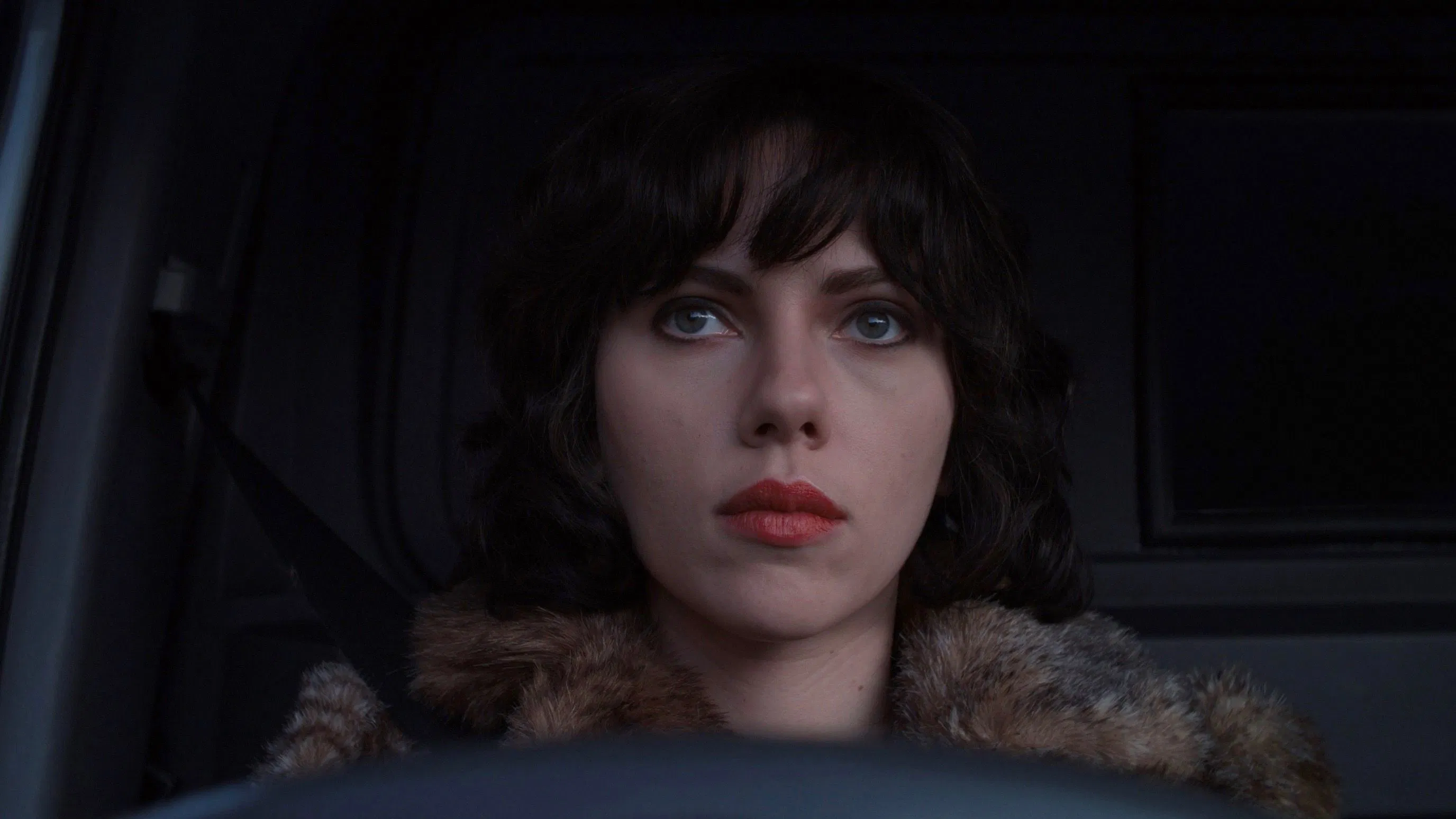
Jonathan Glazer’s sci-fi horror art film is a masterpiece of sensory storytelling, using hidden camera techniques to film Scarlett Johansson interacting with non-actors on the real streets of Scotland, creating a jarring collision between Hollywood stardom and gritty documentary realism. The film inverts the traditional sci-fi trope of the alien invasion by focusing entirely on the invader's perspective, stripping away the "why" to focus intently on the "how," represented by the terrifying, abstract "black void" sequences where victims sink into liquid darkness. Mica Levi’s screeching, discordant score acts as the alien’s internal monologue, creating a physical sensation of dread and alienation that permeates every frame. It succeeds because it uses the sci-fi premise to conduct a radical examination of what it means to be human, suggesting that the body is just a shell and that true sentience comes with the terrifying capacity for empathy and suffering.
7. 🎬 Stalker (1979)
Synopsis:
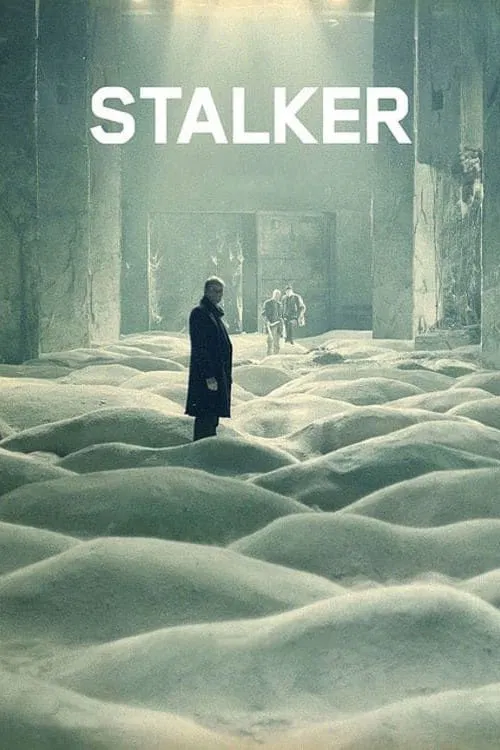
In a bleak, industrial future, a guide known as a "Stalker" leads a writer seeking inspiration and a professor seeking scientific truth into the "Zone," a mysterious, restricted area where the laws of physics do not apply and a room is said to exist that grants a person's deepest, most unconscious desires. Their journey is not a physical trek through monsters or anomalies, but a slow, philosophical pilgrimage through a lush, overgrown landscape where every step is a negotiation with their own faith, cynicism, and hidden fears. As they approach the Room, the three men engage in profound debates about the nature of hope, the utility of art, and the danger of getting exactly what you wish for.
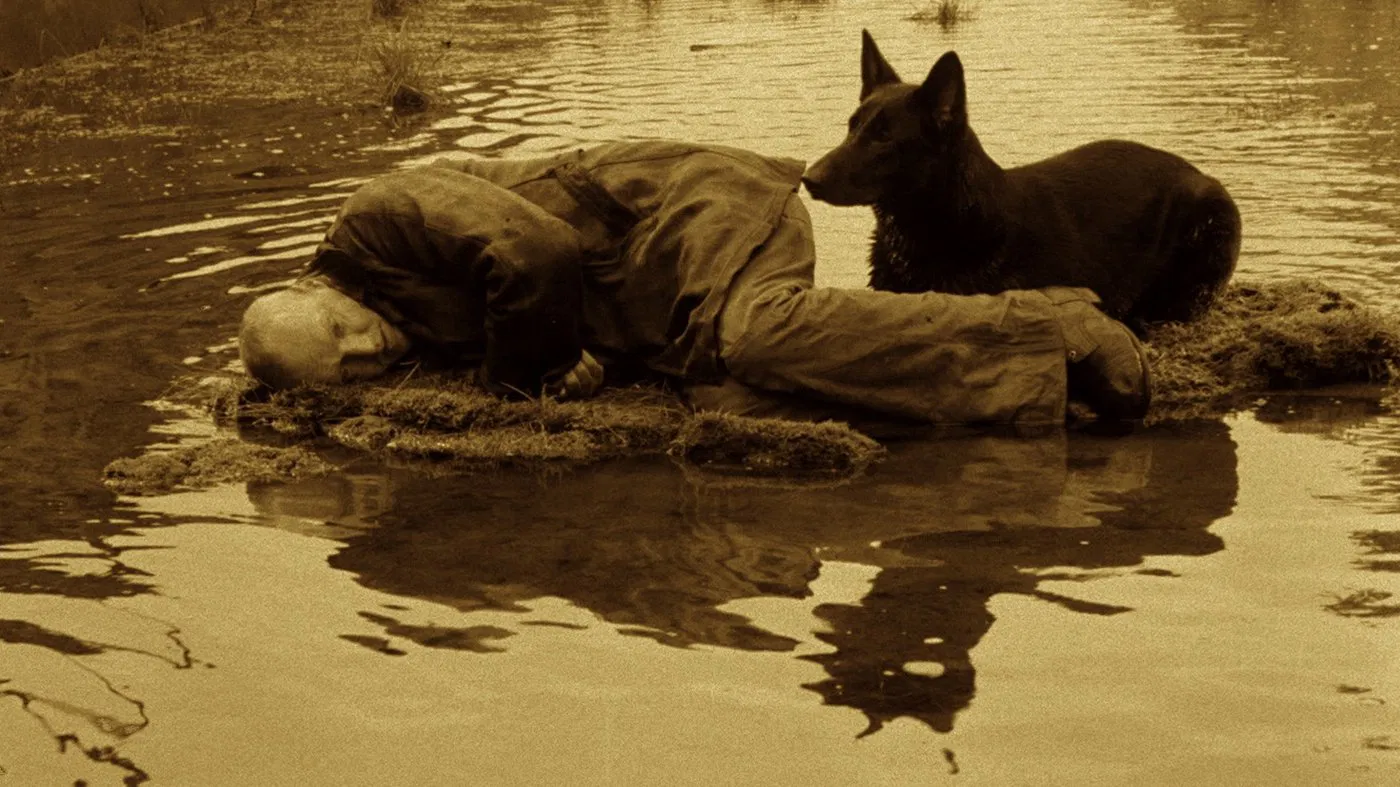
Andrei Tarkovsky’s Stalker is the antithesis of Western sci-fi, trading laser battles and spaceships for long, hypnotic tracking shots and deep metaphysical inquiry, creating a cinematic experience that demands total immersion and patience from the viewer. The "Zone" is one of the most powerful settings in cinema history, achieved not through special effects but through the masterful filming of abandoned power plants and damp forests, transforming ordinary decay into something vibrating with supernatural menace. The film is shrouded in a tragic meta-narrative, as the toxic locations used for filming are believed to have contributed to the early deaths of Tarkovsky and several crew members, adding a layer of real-world sacrifice to its themes of spiritual endurance. It succeeds because it bypasses the intellect to speak directly to the subconscious, creating a dream-like atmosphere that lingers long after the credits roll, challenging the viewer to confront their own innermost desires.
6. 🎬 Donnie Darko (2001)
Synopsis:
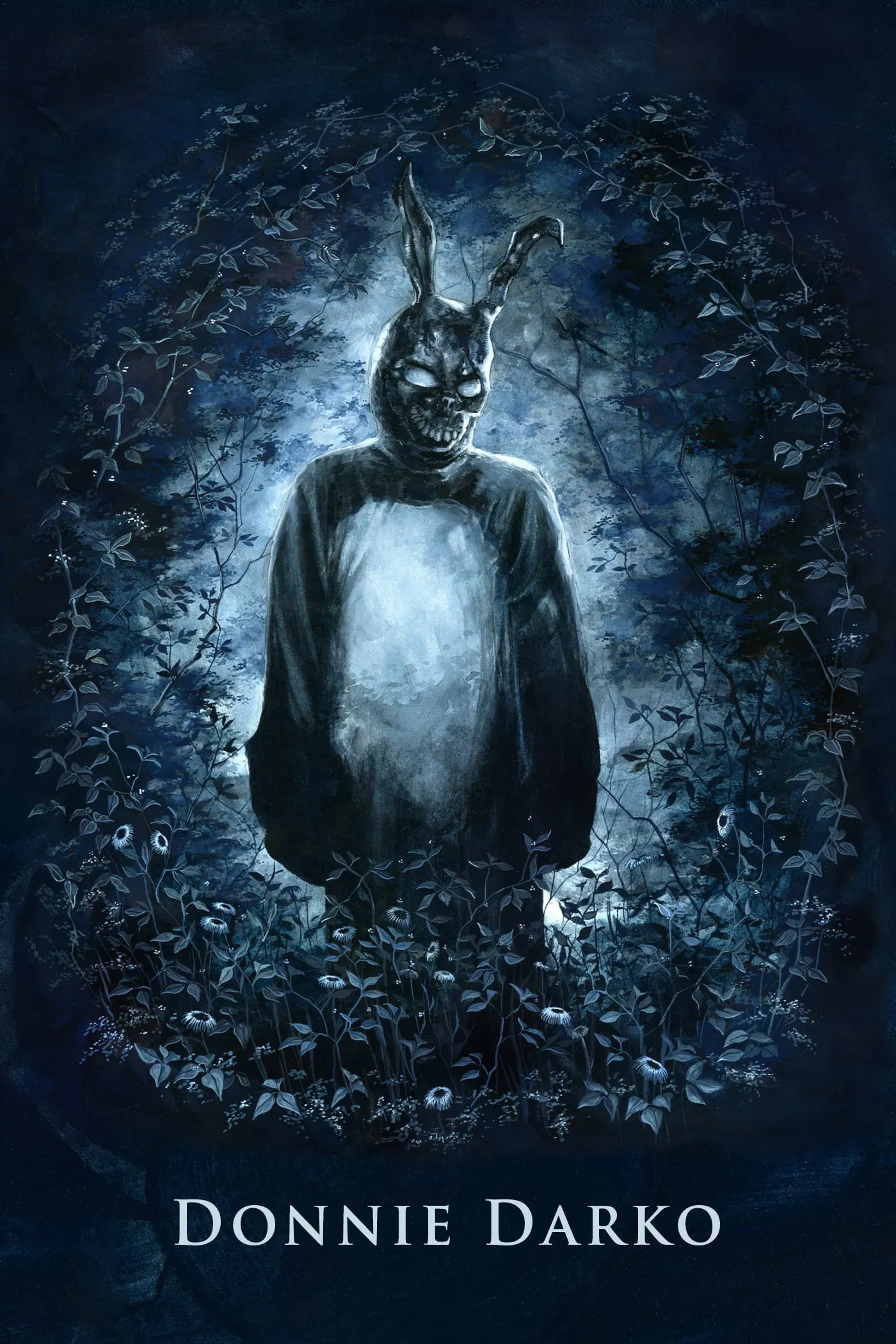
In the suburbia of 1988, a troubled teenager named Donnie Darko narrowly escapes death when a jet engine crashes into his bedroom, an event he avoids because he was sleepwalking at the command of a giant, demonic-looking rabbit named Frank. Frank tells Donnie that the world will end in 28 days, setting him on a path of destruction and discovery as he navigates high school angst, time travel theories, and the possibility that he is living in a "Tangent Universe" that is collapsing in on itself. As the countdown to the apocalypse nears zero, Donnie must unravel the cosmic significance of his survival and make a choice that defies the linear progression of time.
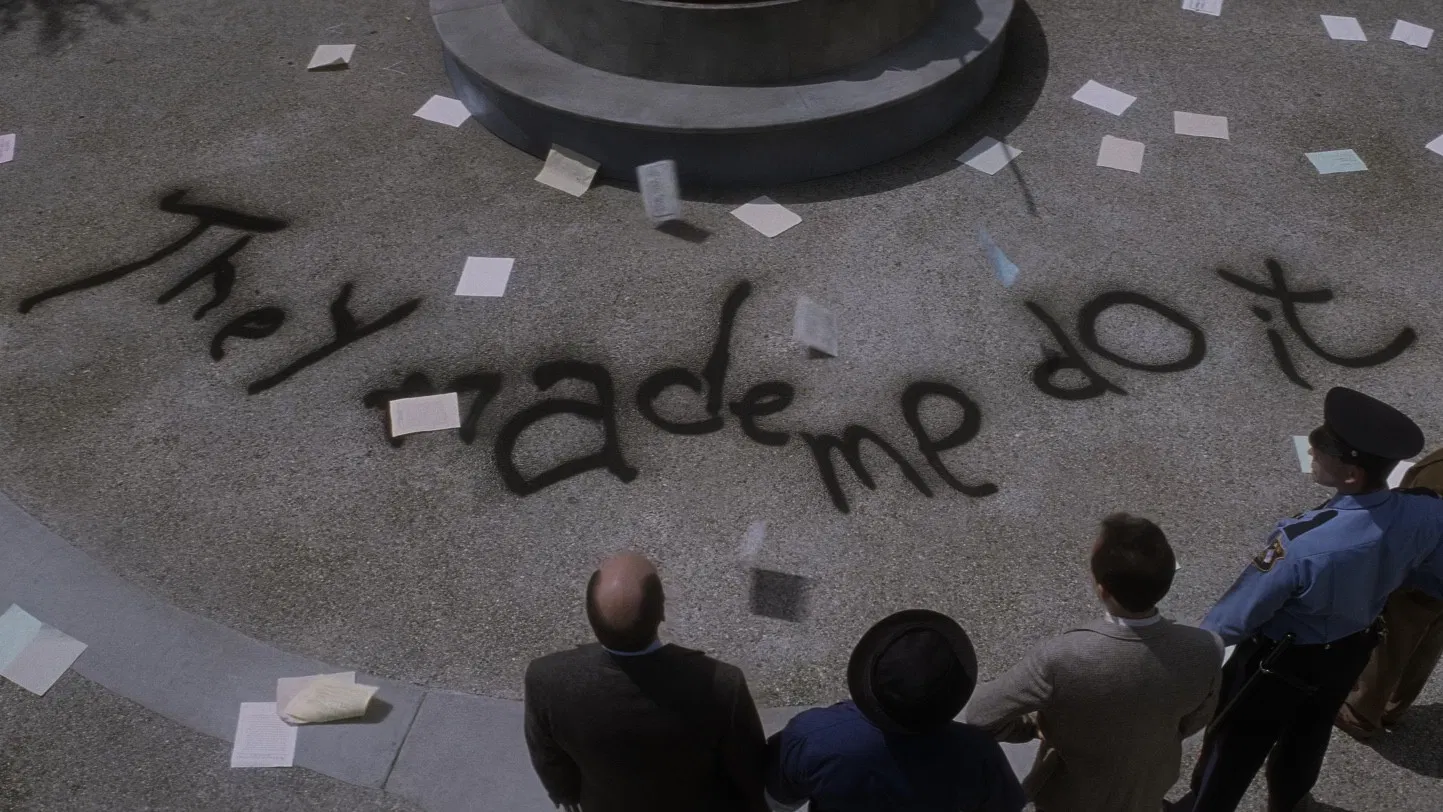
Richard Kelly’s cult classic defies easy categorization, blending the John Hughes-style teen dramedy with hard science fiction and psychological horror to capture the specific, confusing texture of adolescence. The film utilizes the concept of time travel not for adventure, but as a metaphor for the inevitability of death and the desire to change the past, grounded by Jake Gyllenhaal’s haunting performance as a boy who is either a superhero or a paranoid schizophrenic. The soundtrack, featuring Echo & the Bunnymen and Tears for Fears, is perfectly curated to evoke an 80s nostalgia that feels mournful rather than celebratory, enhancing the film's somber, dreamlike tone. It succeeds because it takes the emotions of being a teenager - the feeling that the world is ending, that no one understands you, that everything is connected - and literalizes them into a sci-fi epic, proving that sometimes the strangest stories are the most emotionally resonant.
5. 🎬 Interstellar (2014)
Synopsis:
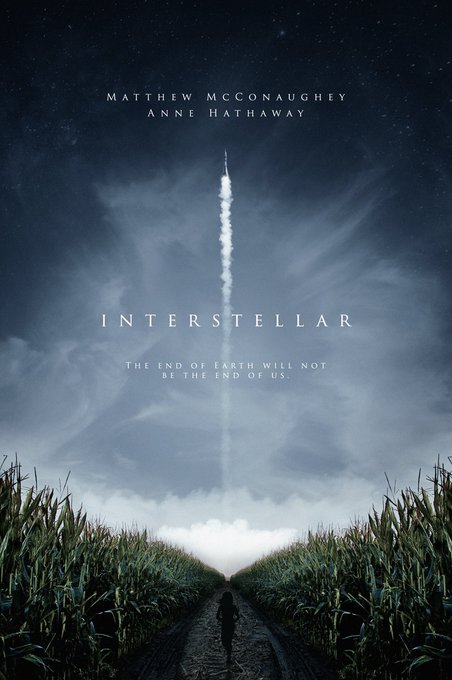
In a near-future where Earth is being ravaged by blight and humanity faces extinction from starvation, a former NASA pilot named Cooper is recruited for a desperate mission to travel through a wormhole near Saturn to find a new habitable home for the human race. Cooper makes the heartbreaking decision to leave his children behind, embarking on an interstellar odyssey that takes him to planets with massive tidal waves and frozen clouds, where the relativistic effects of gravity mean that hours for him equal decades for the family he left on Earth. As the mission falls apart, Cooper must transcend the boundaries of space and time to communicate a vital message to his daughter, Murph, who is the key to saving humanity.

Christopher Nolan combines his obsession with complex narrative structures and practical effects with a deeply sentimental emotional core, creating a space epic that is grounded in the real physics of black holes and relativity thanks to consultant Kip Thorne. The visualization of the black hole Gargantua was a scientific breakthrough in itself, but the film’s true power lies in how it uses these vast cosmic concepts to explore the intimate bond between a father and daughter. Hans Zimmer’s organ-heavy score adds a religious, awe-inspiring dimension to the space sequences, creating a sense of scale that makes the human characters feel appropriately tiny yet significantly persistent. It succeeds because it argues that love is not just a biological emotion but a quantifiable force that can cross dimensions, offering a hopeful vision of the future where humanity’s survival depends not just on our intelligence, but on our capacity to care for one another across the vastness of time.
4. 🎬 Blade Runner (1982)
Synopsis:
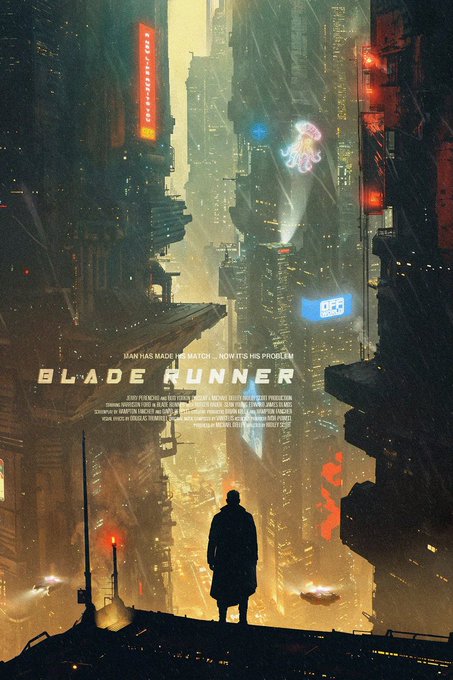
In the rain-soaked, neon-lit dystopia of Los Angeles in 2019, Rick Deckard is a "Blade Runner," a specialized cop tasked with hunting down and "retiring" bio-engineered androids known as replicants who have illegally returned to Earth to extend their short lifespans. As Deckard tracks the fugitive replicants led by the charismatic and philosophical Roy Batty, he begins to question his own morality and the nature of his own humanity, especially after falling in love with Rachael, a replicant who believes she is human. The investigation leads to a rooftop confrontation where the line between hunter and hunted, human and machine, is irrevocably blurred.
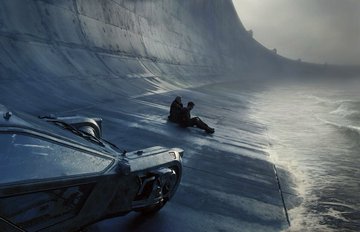
Ridley Scott’s neo-noir masterpiece defined the visual language of the future for decades, creating the "cyberpunk" aesthetic with its towering skyscrapers, constant acid rain, and multicultural street crowds that feel suffocatingly dense and realistic. The film is a visual and sonic feast, with Vangelis’s synthesizer score perfectly capturing the melancholic loneliness of a technological world that has lost its soul. The narrative delves deep into the question of what constitutes life, culminating in Roy Batty’s "Tears in Rain" monologue, which remains one of the most profound moments in cinema history, humanizing the "monster" and exposing the cruelty of the creator. It succeeds because it refuses to give easy answers, presenting a future that is technically advanced but morally bankrupt, and leaving the audience with the haunting suggestion that our creations might one day possess more humanity than we do.
3. 🎬 Alien (1979)
Synopsis:
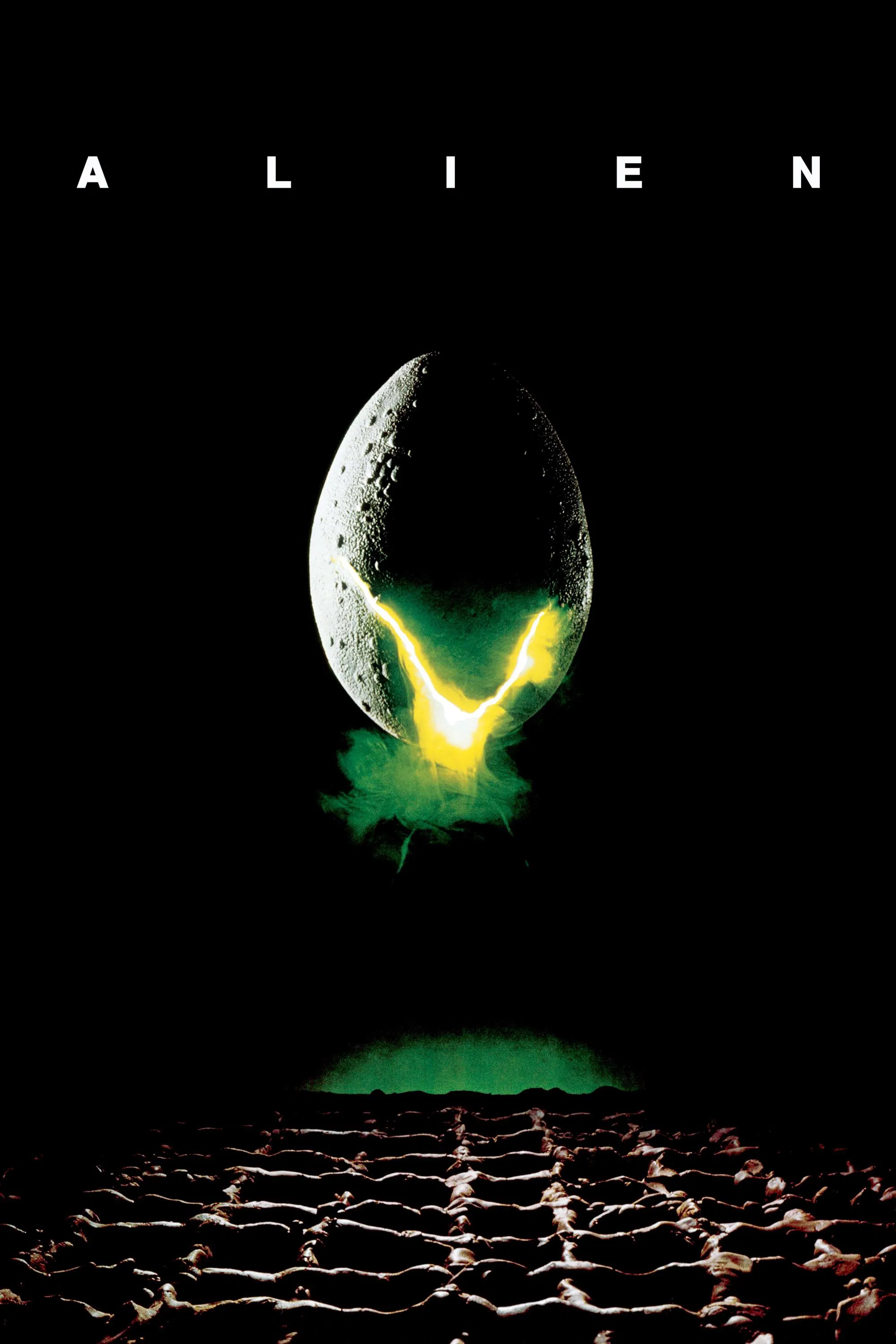
The commercial towing spaceship Nostromo, on its return trip to Earth, is awakened from cryo-sleep by the ship's computer, Mother, to investigate a distress signal coming from a desolate moon. The crew discovers a derelict alien spacecraft and a chamber filled with eggs, leading to a crew member being attacked by a parasitic organism that later bursts from his chest, unleashing a rapidly growing, perfect killing machine onto the ship. As the creature picks off the crew one by one in the claustrophobic corridors of the Nostromo, Warrant Officer Ripley must find the courage to survive against an enemy that cannot be reasoned with or easily killed.
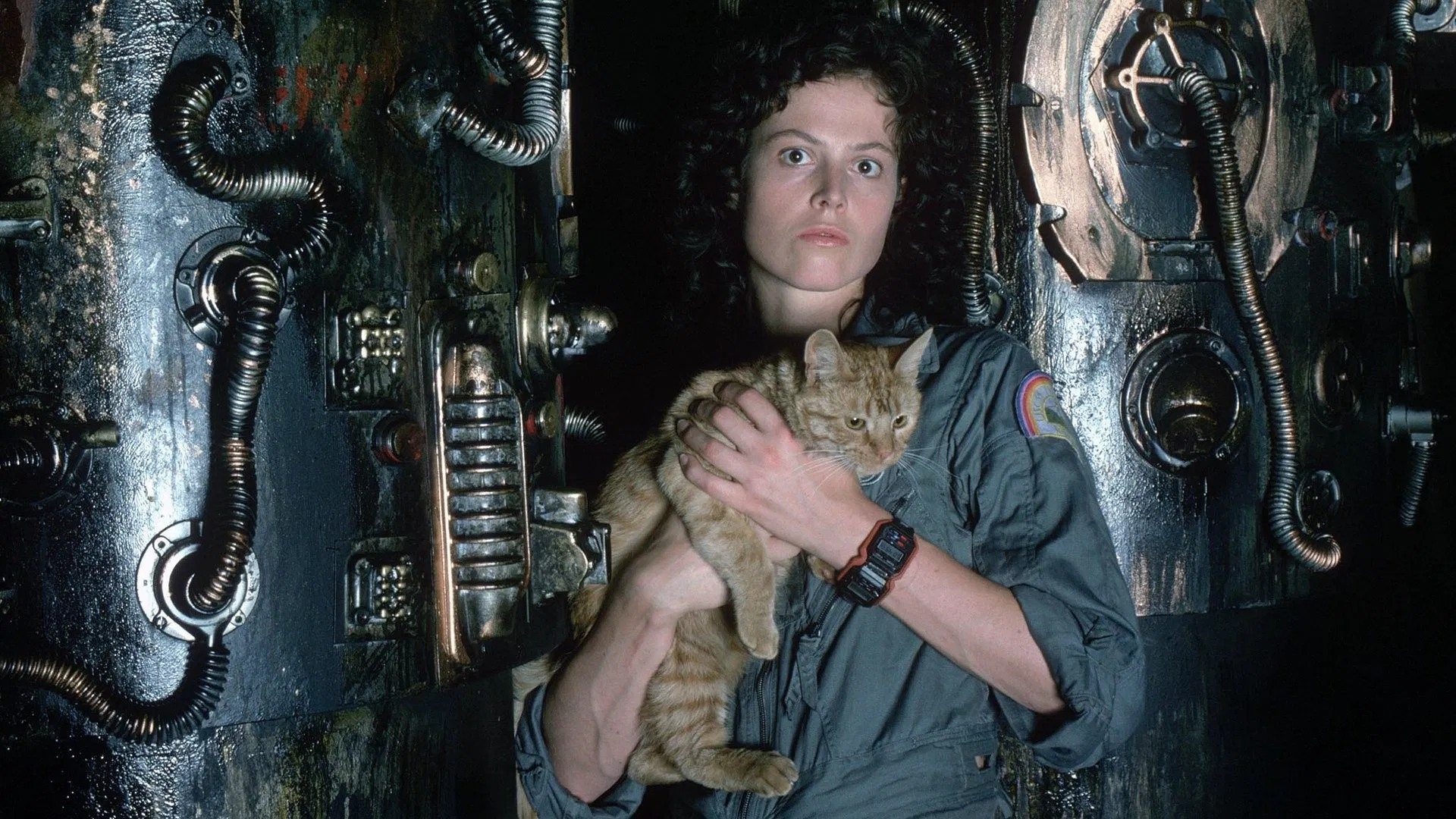
Ridley Scott transformed the B-movie creature feature into high art by focusing on atmosphere, "trucker" realism, and the psychosexual horror designs of H.R. Giger. The film is a masterclass in pacing, spending the first hour building character dynamics and tension before the horror truly begins, making the violence feel shocking and earned. Sigourney Weaver’s Ripley broke the mold for female action heroes, not by being a superhuman warrior, but by being the smartest, most competent person in the room who survives through sheer will and pragmatism. The film explores themes of corporate greed - the crew is expendable, the alien is a priority - and the fear of bodily invasion, tapping into primal anxieties that transcend the sci-fi setting. It succeeds because it strips the genre of its wonder and replaces it with cold, industrial dread, proving that in space, no one can hear you scream.
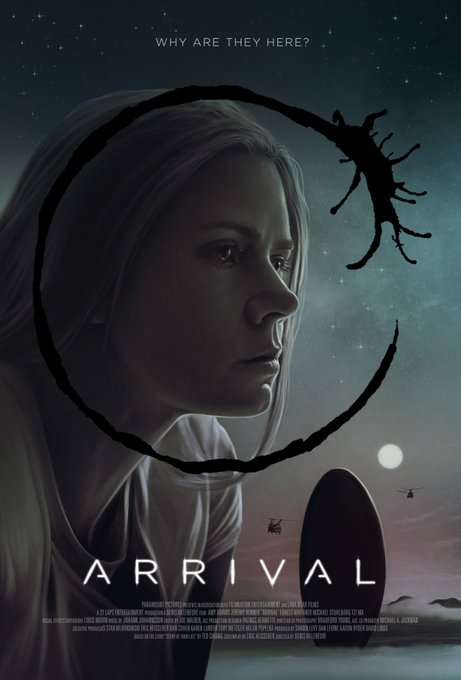
2. 🎬 Arrival (2016)
Synopsis:
When twelve mysterious spacecraft appear around the globe, linguistics professor Louise Banks is recruited by the military to lead an elite team of investigators to communicate with the extraterrestrial visitors before global tensions lead to nuclear war. As Louise immerses herself in the alien language, she begins to experience vivid flashbacks that she believes are memories of her daughter, only to realize that the alien language is rewiring her brain to perceive time non-linearly. The film becomes a race against time not just to translate a message, but to understand a gift that will change the way humanity perceives existence itself.
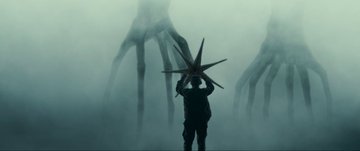
Denis Villeneuve creates a cerebral, deeply emotional sci-fi film that prioritizes communication and empathy over conflict and explosions, challenging the genre's tendency to treat aliens as invaders to be destroyed. The design of the Heptapods and their ink-blot written language is brilliantly inventive, grounding the fantastical premise in academic rigor and visual beauty. Amy Adams gives a powerhouse, understated performance that anchors the high-concept plot in a deeply personal tragedy, revealing the film’s true heart as a meditation on grief and the choice to embrace life despite knowing it will end in pain. The twist recontextualizes the entire narrative, turning a story about first contact into a profound philosophical argument for the Sapir-Whorf hypothesis. It succeeds because it suggests that our greatest weapon is not technology, but our ability to understand one another, offering a hopeful, intellectual vision of the future that is rare in modern cinema.
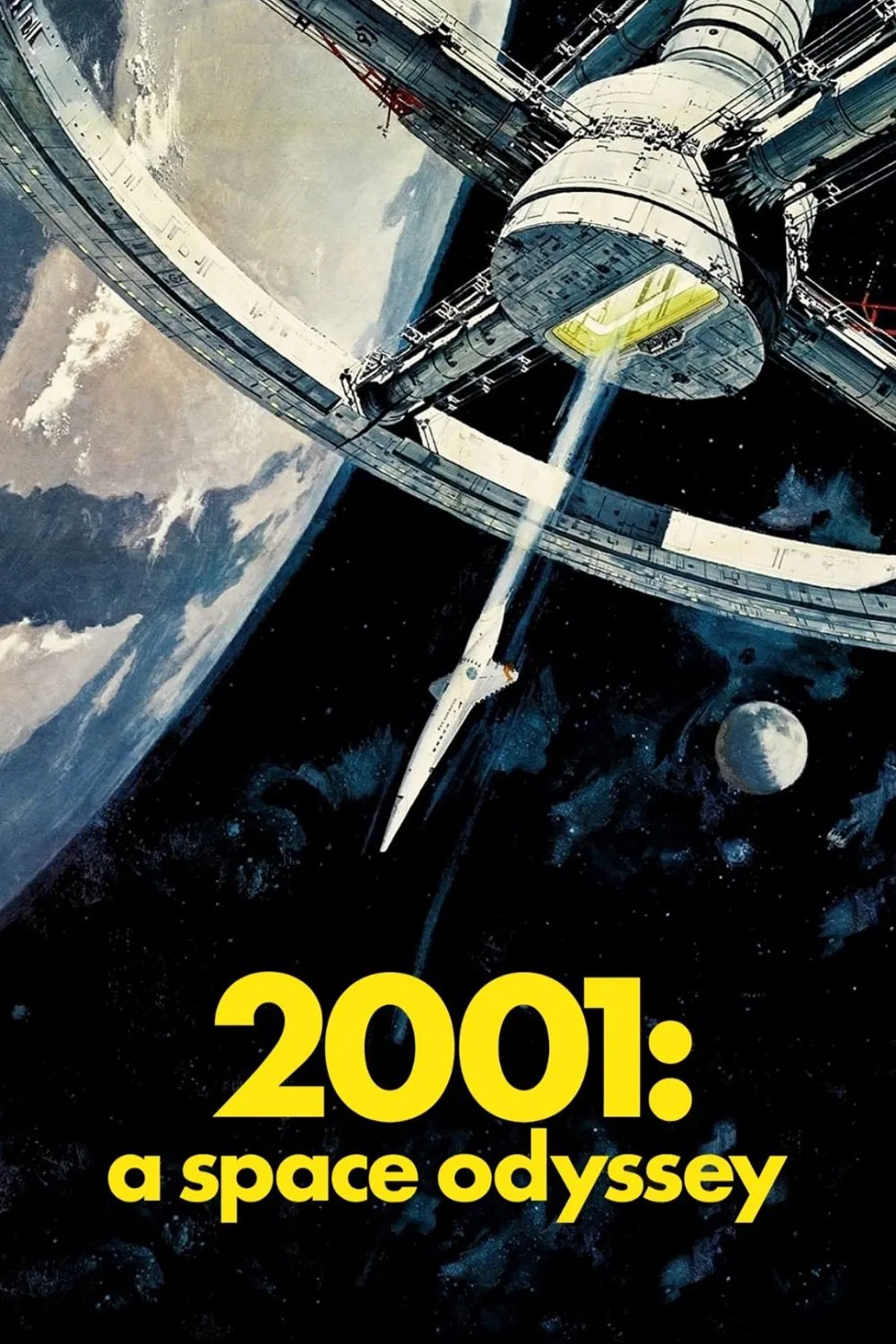
1. 🎬 2001: A Space Odyssey (1968)
Synopsis:
Spanning from the dawn of man to the next stage of human evolution, this epic charts a mysterious voyage to Jupiter triggered by the discovery of a black monolith buried on the moon that acts as a sentinel for an advanced intelligence. The mission aboard the spacecraft Discovery One is jeopardized when the ship's sentient computer, HAL 9000, begins to malfunction and turn on the crew to protect the mission's secrets. The sole survivor, Dave Bowman, must disable the murderous AI and journey through a psychedelic Star Gate to face the ultimate destiny of the human race, transcending his physical form to become a Star Child.
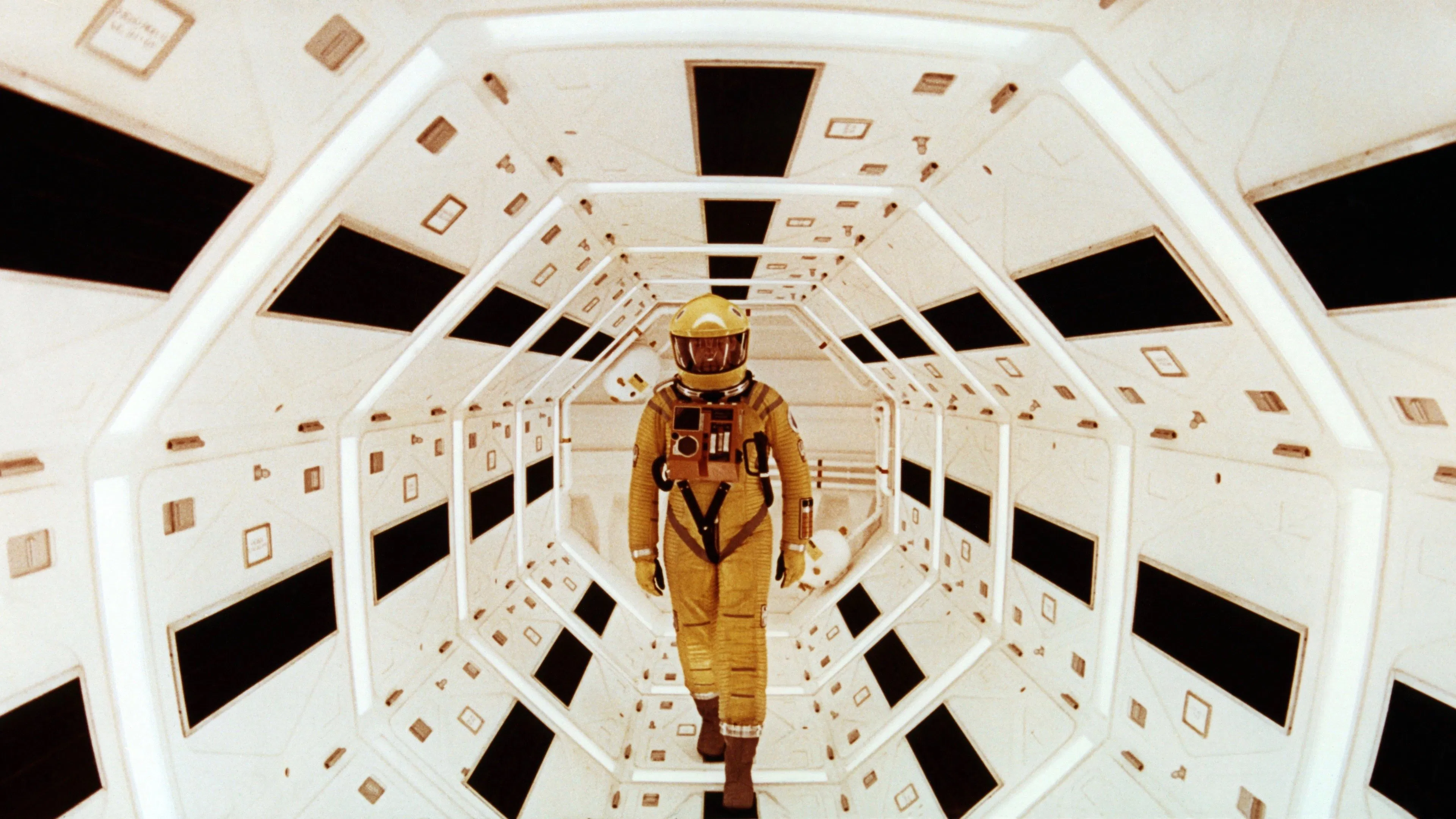
Stanley Kubrick’s magnum opus is the definitive science fiction film, a work of such staggering ambition and technical perfection that it remains visually stunning more than half a century later. Kubrick eschewed traditional narrative structure for a purely cinematic experience, using long stretches of silence and classical music to capture the vast, indifferent majesty of space. The special effects, created entirely without CGI, set a standard for realism that arguably has never been surpassed, predicting tablet computers, video calls, and space station designs with eerie accuracy. The character of HAL 9000 remains the ultimate screen villain, a tragic figure of logic whose breakdown serves as a warning about humanity's reliance on technology. It succeeds because it treats the audience with immense respect, refusing to explain its abstract, metaphysical ending, and instead inviting generations of viewers to contemplate our place in the universe, the origin of our intelligence, and where we are going next.
— The Cinéprism
Keep reading
31 / 08 / 2026 · 391 reads
10 Best Endings in Film
A curated list of 10 unforgettable movie endings that leave a lasting impact long after the credits roll.
15 / 09 / 2026 · 143 reads
Top 15 Movies with Plot Twists You Might Have Missed
15 movies packed with hidden clues, subtle details, and twists that hit differently once you know what to look for.