
Dispatch — Long Read
15 Favorite Organized Crime Movies
A curated list of 15 Favorite Organized Crime Movies that capture the rise, power, and downfall of criminal empires, timeless films that defined the genre and continue to fascinate audiences.
The Cinéprism
03 / 01 / 2026 · 13 min read
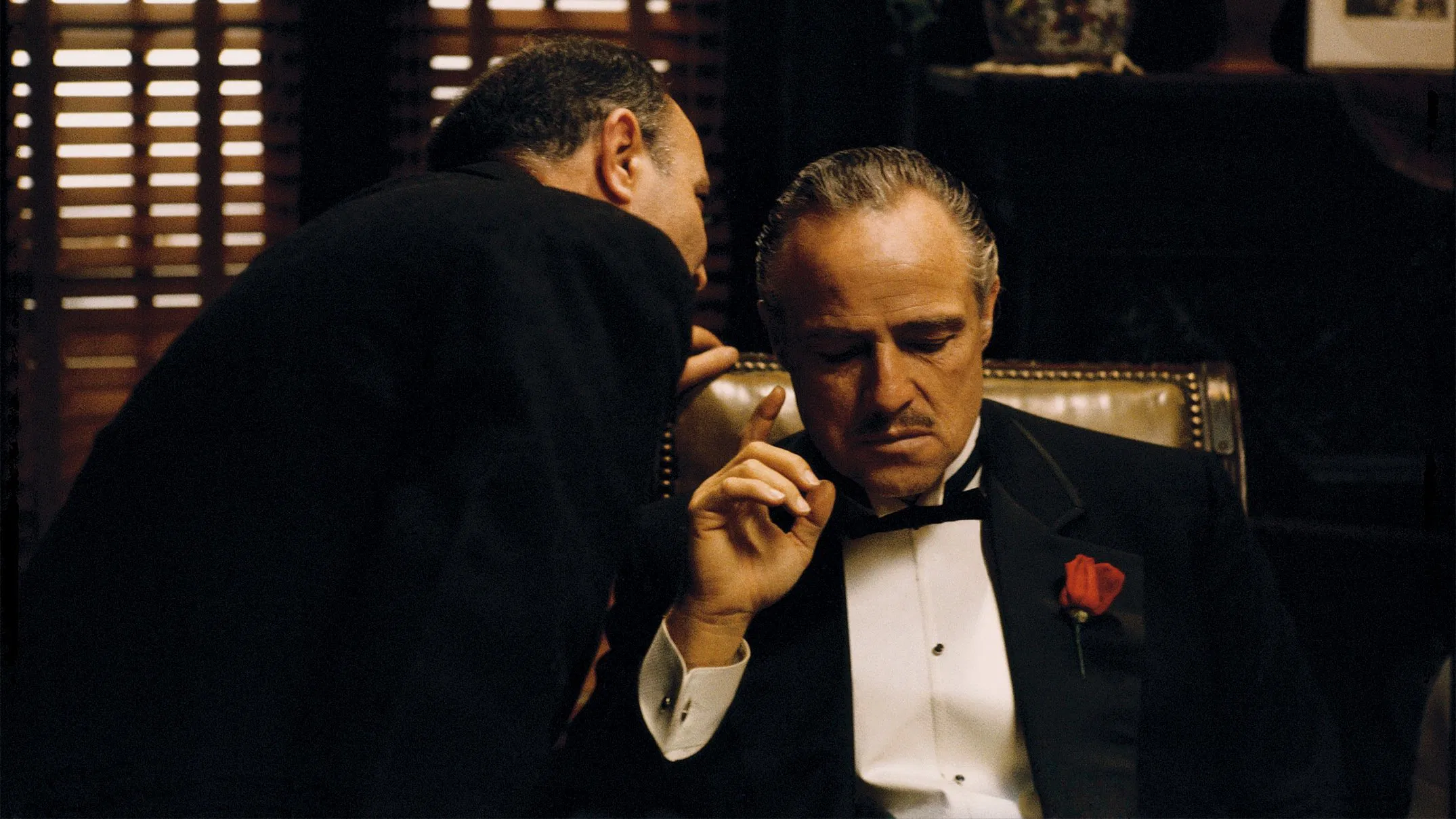
15. 🎬 Road to Perdition (2002)
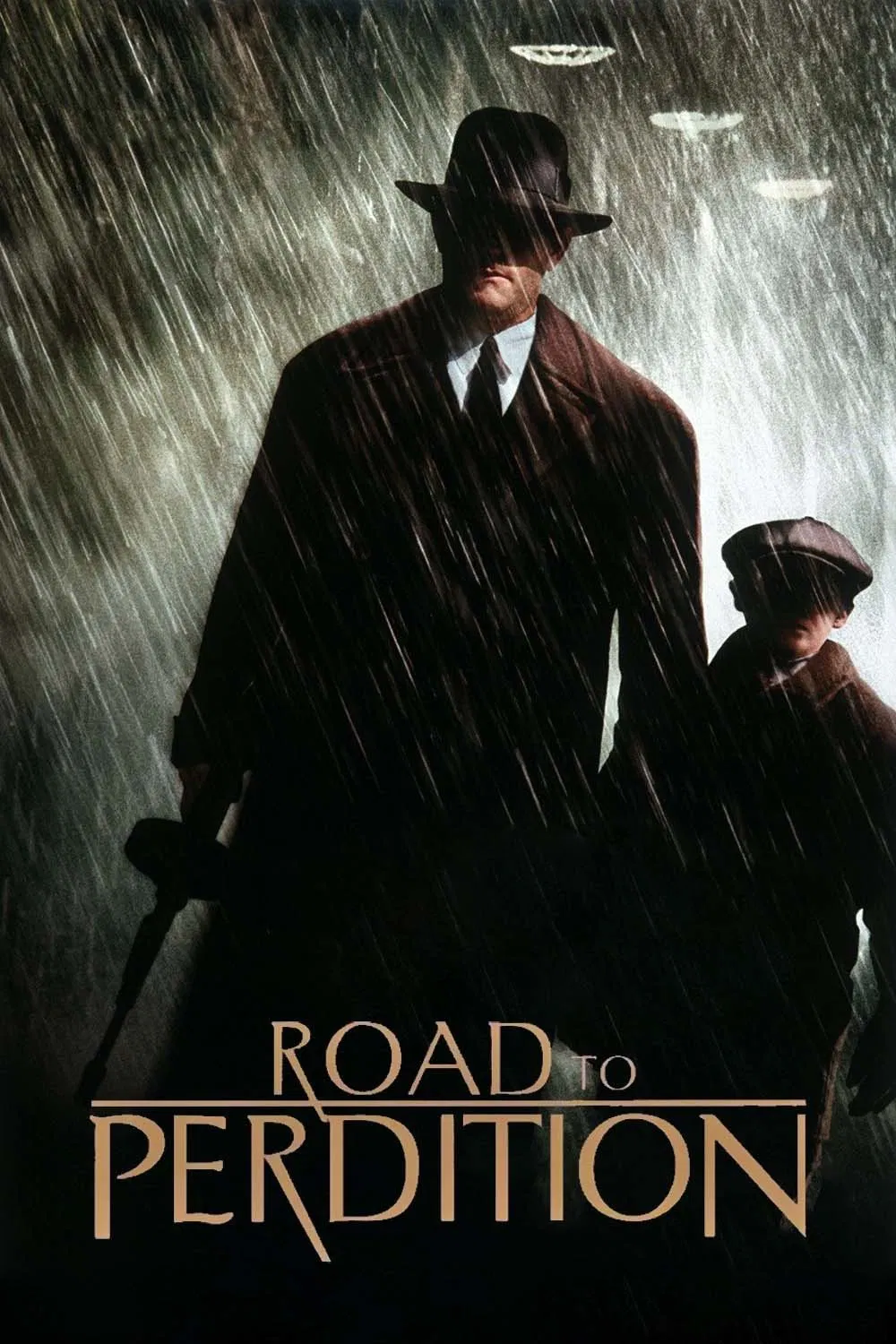
Synopsis: Set in 1931 Illinois during the Great Depression, Michael Sullivan is an enforcer for Irish mob boss John Rooney, a man who raised him like a son. When Sullivan's curious twelve-year-old boy witnesses a brutal gangland murder committed by Rooney's unstable biological son, Connor, the Sullivan family becomes a liability that must be erased. After his wife and youngest son are murdered, Sullivan goes on the run with his surviving child, seeking vengeance against the crime family he once served while trying to protect his son’s soul from the same violence that consumed his own.
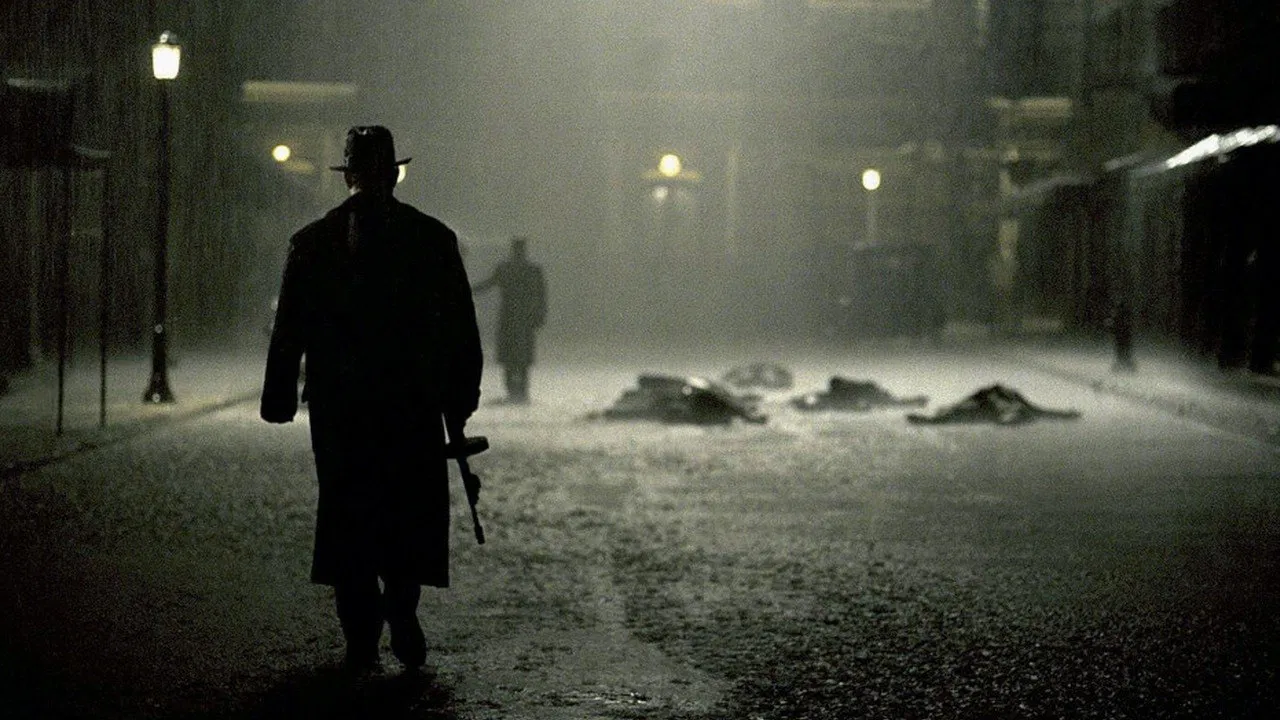
Sam Mendes follows up American Beauty with this visually breathtaking graphic novel adaptation that feels more like a somber visual poem than a typical gangster shoot-em-up. The film is defined by the cinematography of Conrad Hall, who uses rain, shadows, and glass to create a world that is drowning in sorrow. Tom Hanks plays against type as a cold, silent killer, while Paul Newman delivers a heartbreaking final performance as the mob boss who must choose between his biological blood and the son of his heart. It is a tragedy about fathers and sons, exploring the terrifying possibility that our sins are hereditary.
14. 🎬 The Irishman (2019)
Synopsis: Frank Sheeran, a World War II veteran and truck driver, falls in with the Bufalino crime family in Pennsylvania and becomes a hitman and top enforcer for mob boss Russell Bufalino. The narrative spans decades, chronicling Frank's rise in the underworld and his complex, close friendship with the legendary Teamster leader Jimmy Hoffa. As Hoffa's power struggles with the federal government and the mob intensify, Frank is placed in an impossible position where his loyalty to the crime family forces him to betray the one man who truly trusted him, leading to a lonely, guilt-ridden old age.
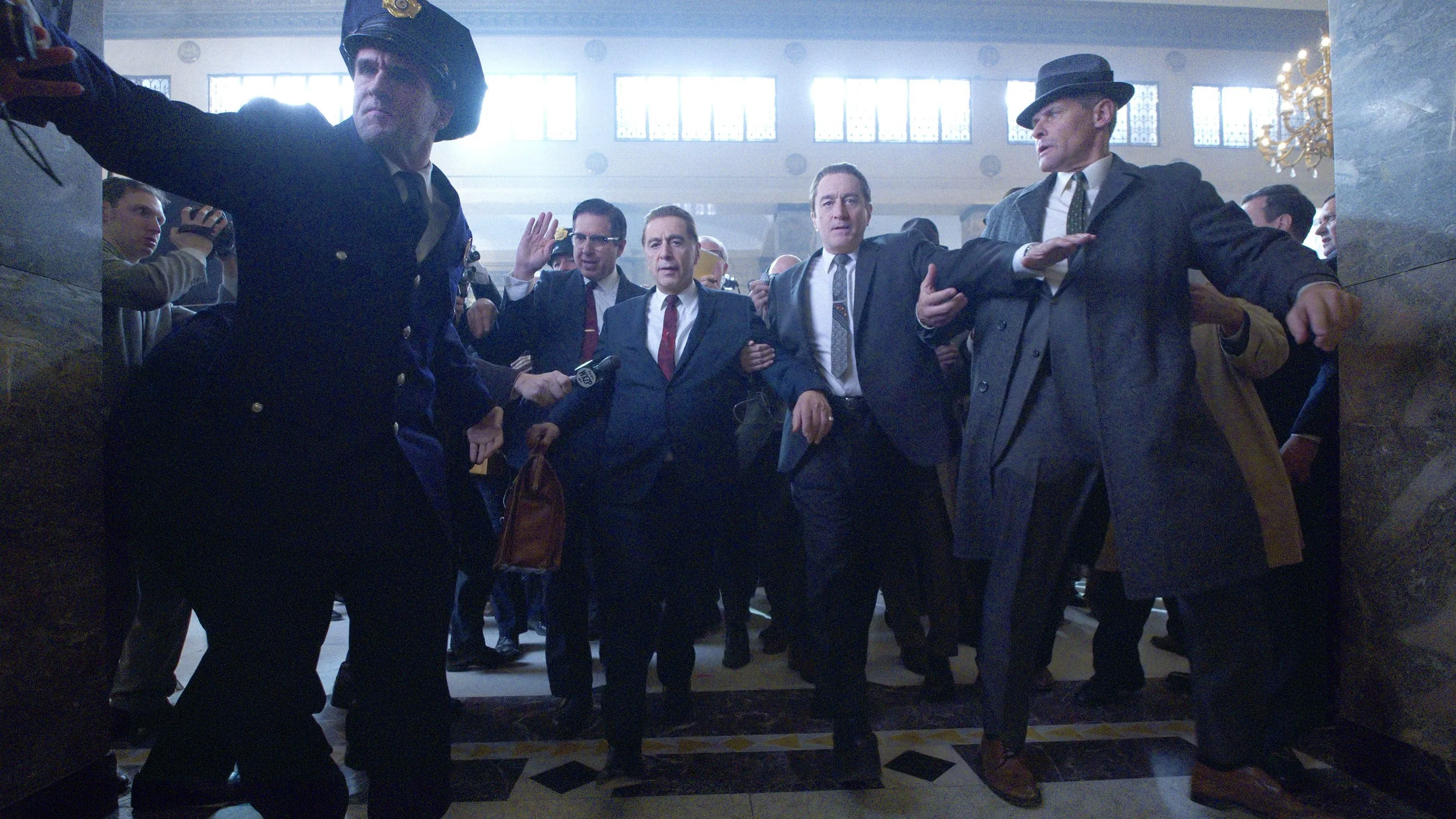
Martin Scorsese returns to the genre he defined, but instead of the kinetic energy of Goodfellas, he delivers a funereal meditation on mortality, regret, and the banality of evil. The film utilizes de-aging technology to allow Robert De Niro, Al Pacino, and Joe Pesci to play their characters across fifty years, a choice that adds a ghostly quality to the proceedings. It is a film about the long, slow consequence of a life of crime, ending not in a blaze of glory but in a nursing home where the only thing left is silence and an open door.
13. 🎬 Donnie Brasco (1997)
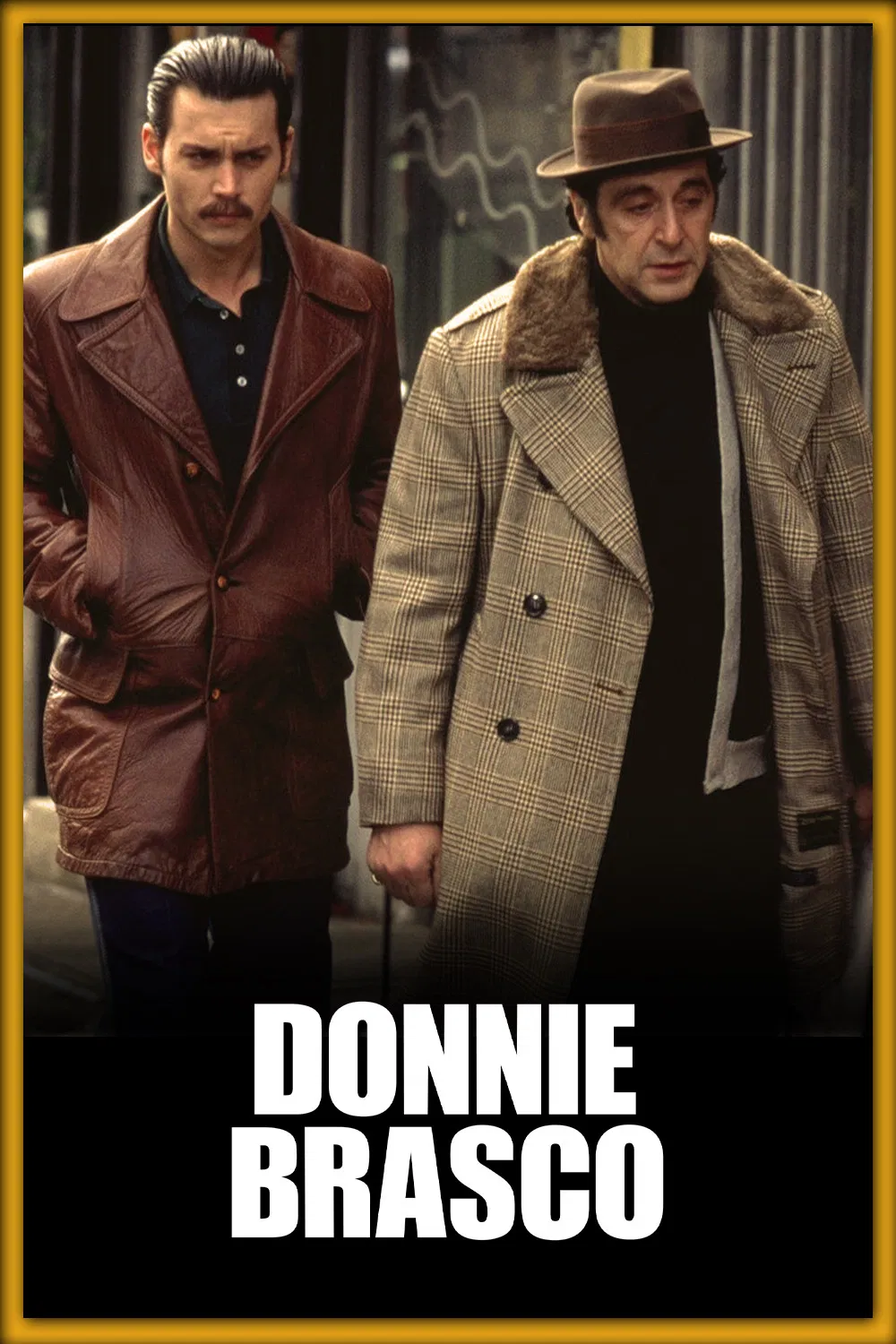
Synopsis: In the late 1970s, FBI agent Joe Pistone goes undercover as a jewel thief named "Donnie Brasco" to infiltrate the Bonanno crime family in New York City. He is taken under the wing of Lefty Ruggiero, an aging, low-level hitman who constantly complains about being passed over for promotion. As Donnie gets deeper into the mafia hierarchy, he gathers crucial evidence but also develops a genuine, deep friendship with Lefty, knowing that the moment he completes his mission and reveals his true identity, he will be signing his best friend's death warrant.
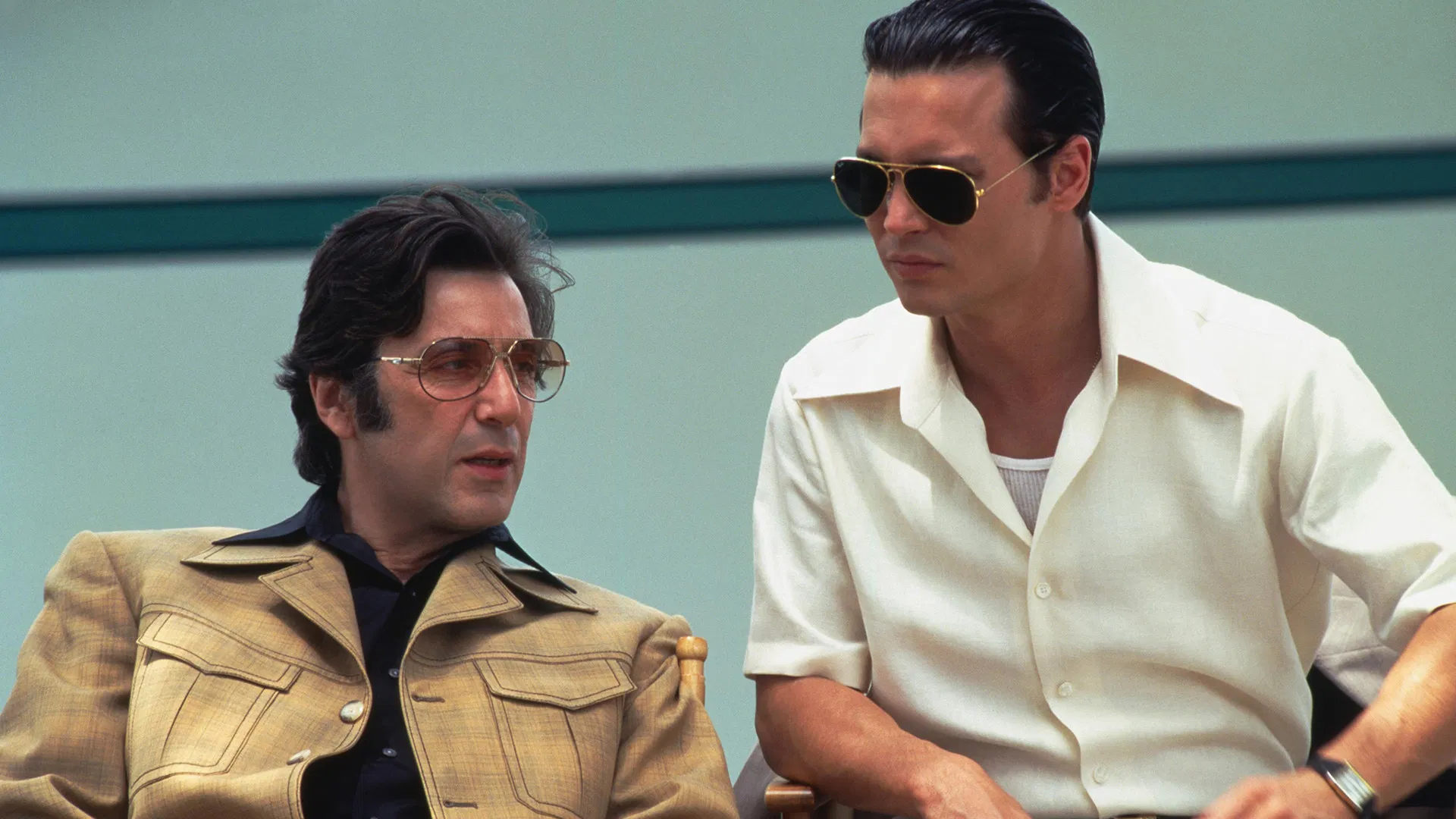
This film distinguishes itself by focusing on the blue-collar grind of mob life rather than the glamour of the bosses. Al Pacino gives one of his most understated and tragic performances as Lefty, a man who is a pathetic failure in his career but a loyal friend, while Johnny Depp captures the psychological fracturing of a man who forgets where the mask ends and his real face begins. It explores the moral ambiguity of undercover work, asking whether the betrayal required to uphold the law is any less sinful than the crimes being investigated.
12. 🎬 Once Upon a Time in America (1984)
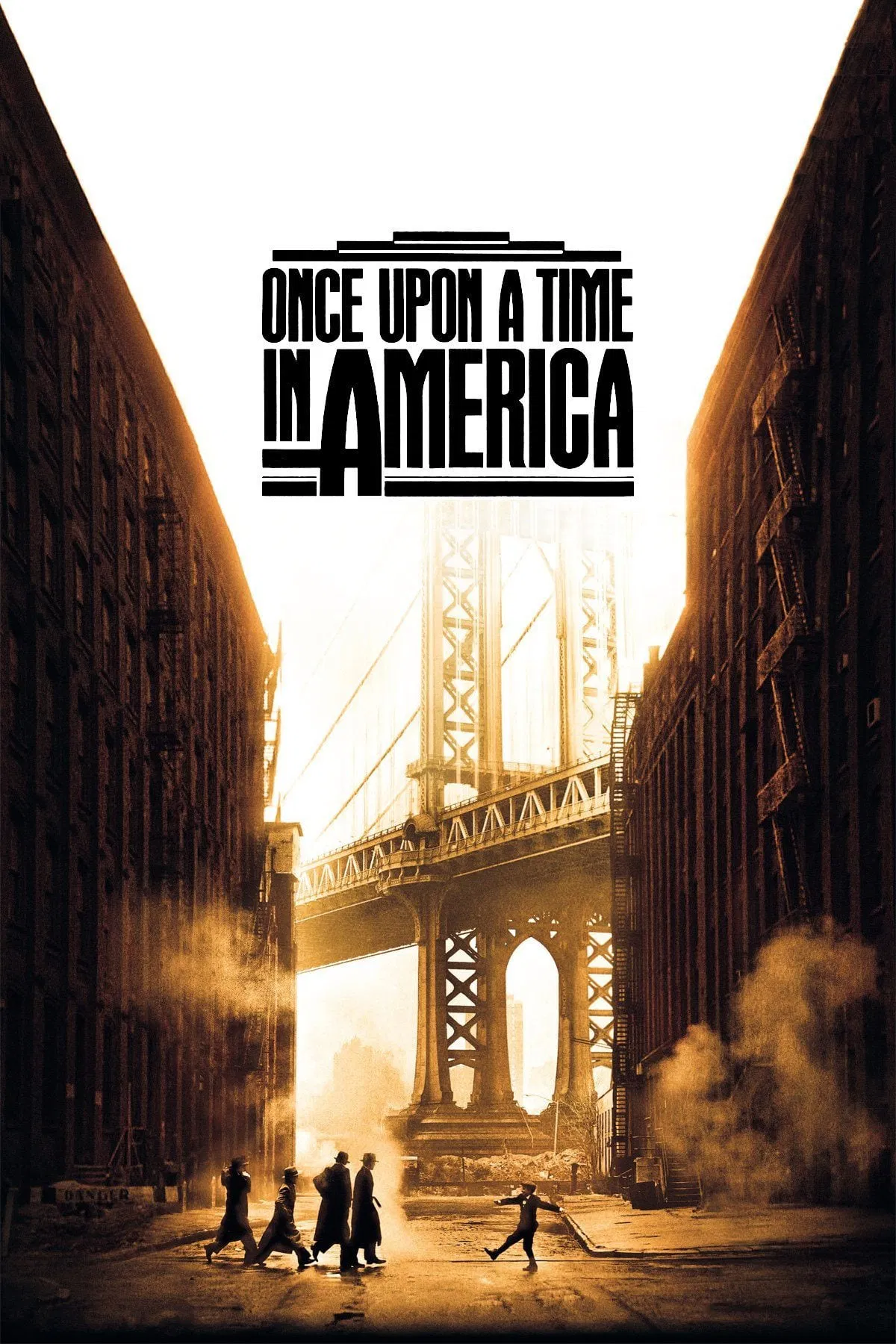
Synopsis: Spanning forty years of American history, the film follows David "Noodles" Aaronson and his group of Jewish ghetto friends as they rise from petty street thugs in the 1920s to powerful organized crime figures during Prohibition. The narrative fractures and jumps between three different time periods: their childhood, their prime in the 1930s, and Noodles' return to New York as an old man in 1968 to uncover the mysterious truth about the death of his friends and the missing syndicate money. It is a sprawling, opium-hazed recollection of loyalty, betrayal, and lost love.
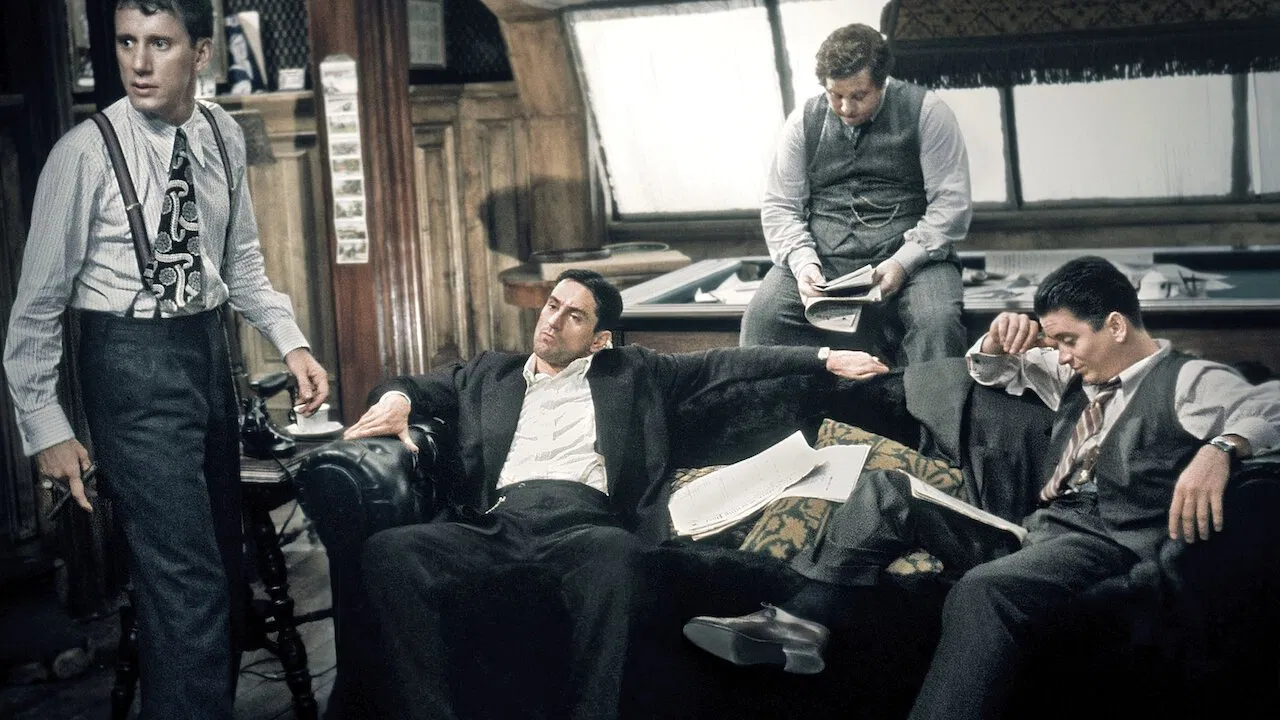
Sergio Leone’s final masterpiece is an operatic, four-hour epic that deconstructs the American Dream through the lens of memory and regret. The film is famous for its non-linear structure and Ennio Morricone’s haunting pan flute score, which permeates the scenes with a sense of ghostly nostalgia. It portrays violence not as business but as a byproduct of broken men, particularly in its controversial and brutal depiction of sexual violence. It is a demanding, hypnotic experience that suggests time is the ultimate thief, stealing everything we ever fought to possess.
11. 🎬 Gangs of New York (2002)
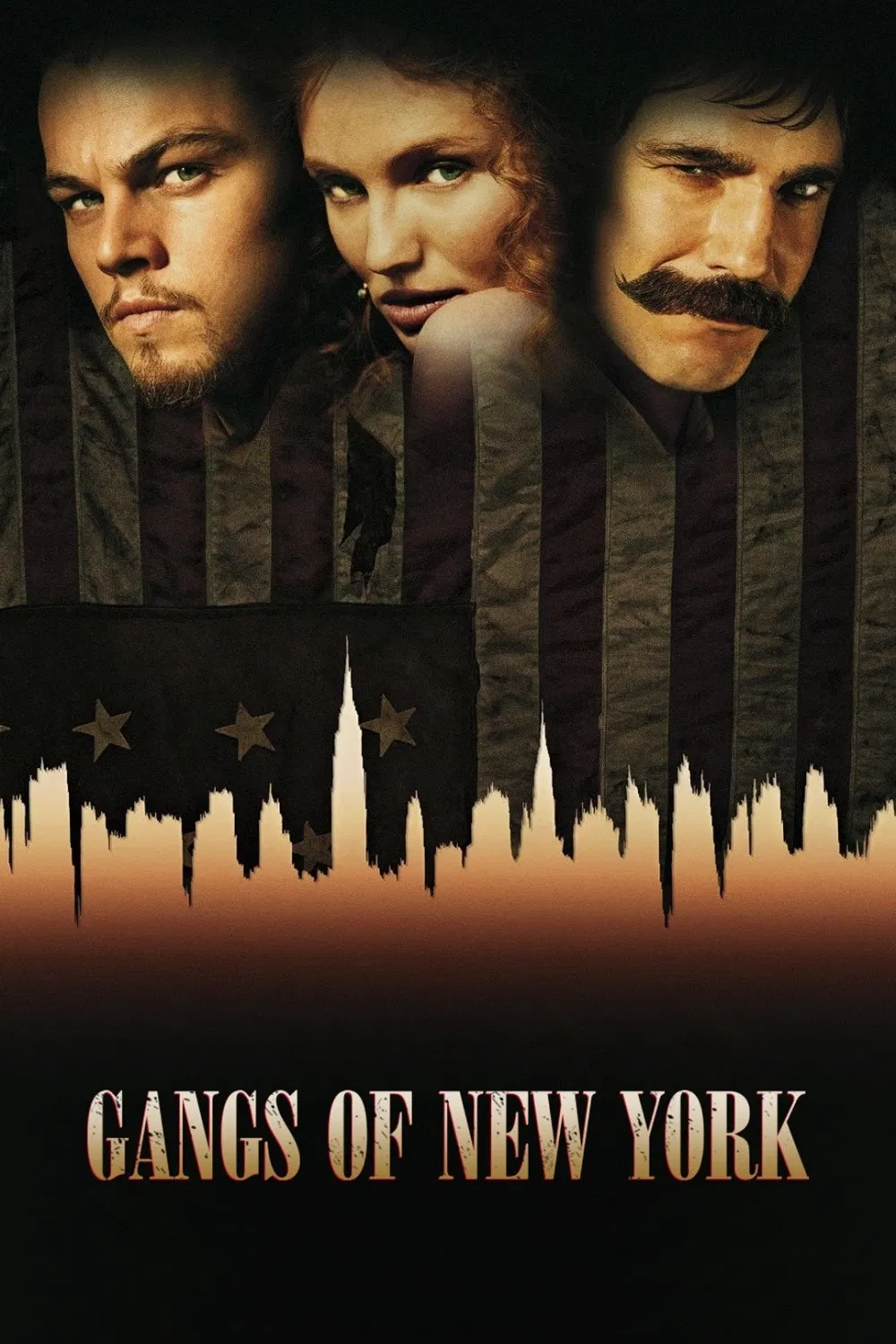
Synopsis: In 1862, Amsterdam Vallon returns to the Five Points district of lower Manhattan seeking revenge against William "Bill the Butcher" Cutting, the nativist gang leader who killed his father in a street battle years earlier. Amsterdam infiltrates Bill's inner circle, becoming his protégé while secretly planning his assassination. However, he finds himself torn between his desire for vengeance and his grudging respect for the Butcher's warped code of honor, all while the city around them begins to burn from the draft riots of the Civil War.
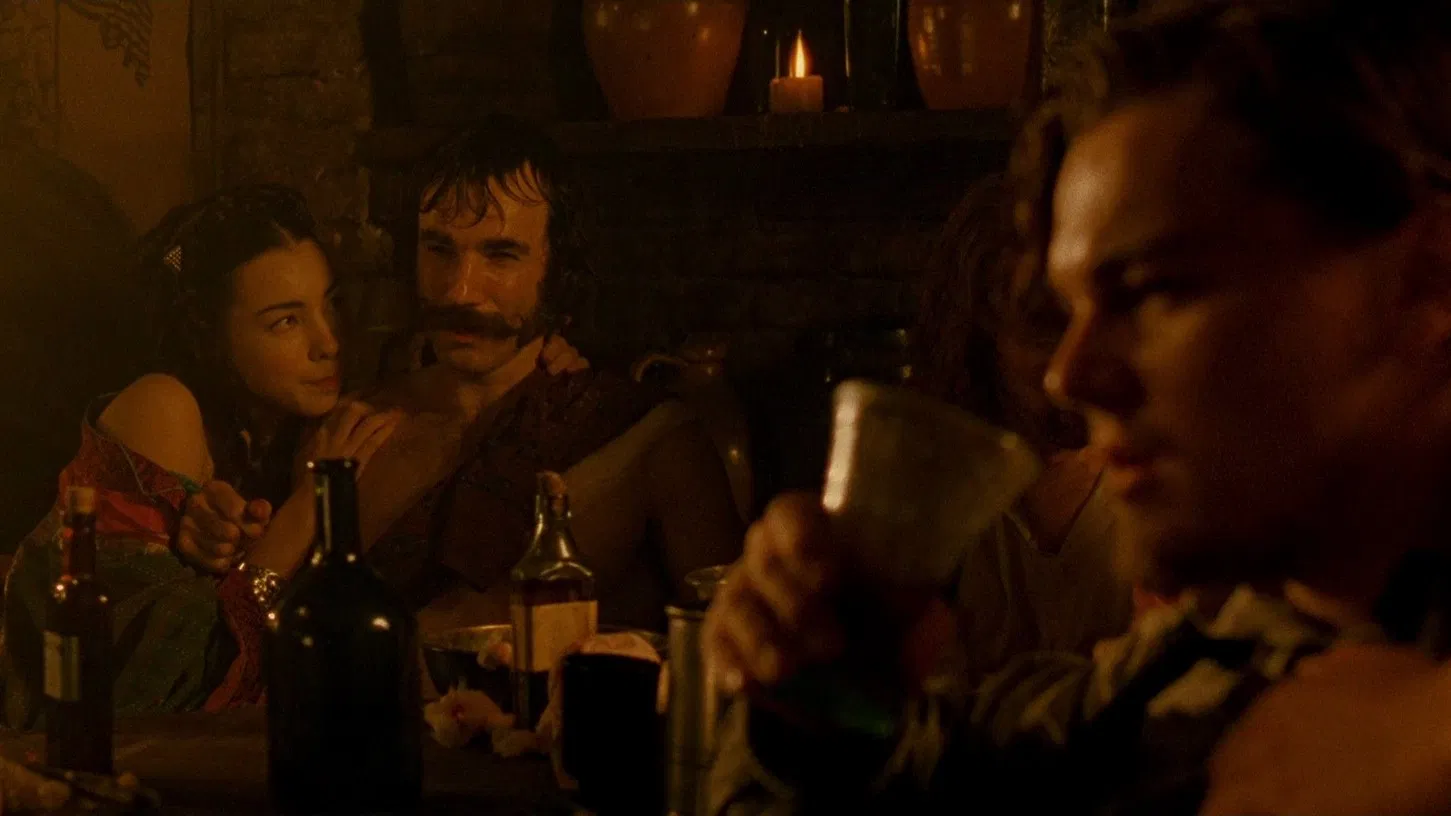
Scorsese turns New York City into a medieval battlefield, exploring the violent tribalism that birthed modern democracy. Daniel Day-Lewis delivers a towering, terrifying performance as Bill the Butcher, a villain who is intellectually complex and physically imposing, completely overshadowing the rest of the cast. The film is a sensory overload of mud, blood, and fire, depicting a version of history that is usually sanitized in textbooks. It argues that America was not forged by agreements in courthouses, but by knives in the street.
10. 🎬 Reservoir Dogs (1992)
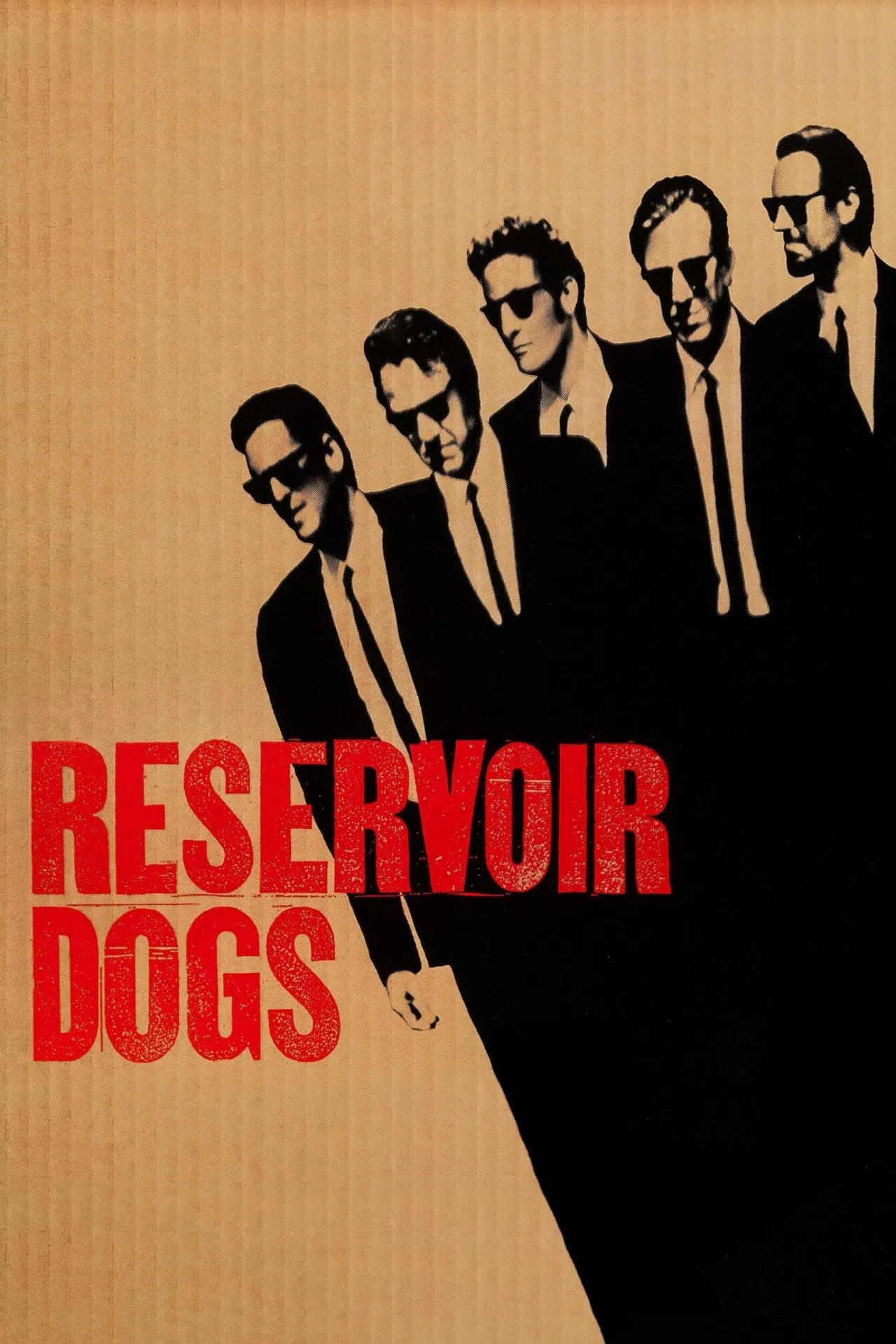
Synopsis: Six criminals, strangers to each other and using color-coded aliases, are hired by a crime boss to pull off a diamond heist. The robbery takes place off-screen and goes terribly wrong, turning into a police ambush that leaves several dead and one man severely wounded. The survivors regroup at an empty warehouse, where paranoia sets in as they realize one of them is an undercover cop. The film plays out in real-time in the warehouse, interspersed with flashbacks explaining how each man was recruited, leading to a bloody Mexican standoff.
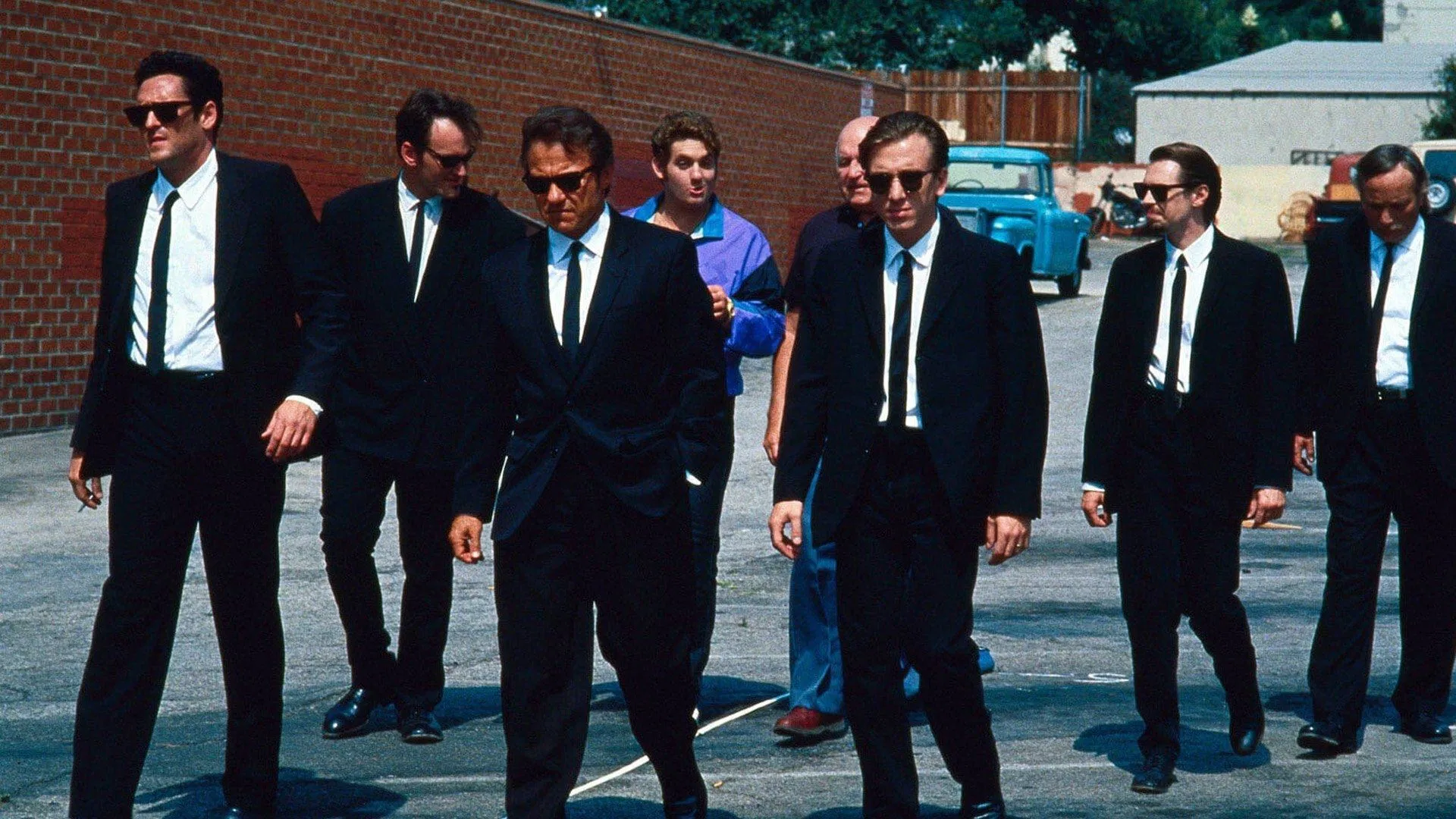
Quentin Tarantino’s debut shattered the conventions of the heist movie by never showing the heist itself, focusing instead on the aftermath and the profane, pop-culture-obsessed dialogue of the criminals. The film introduced Tarantino’s signature non-linear storytelling and his ability to mix extreme violence with dark humor. It is a study in tension and masculinity, exploring how "professionalism" breaks down when trust evaporates. The "Stuck in the Middle with You" torture scene remains one of the most disturbing and iconic moments in cinema history.
9. 🎬 The Untouchables (1987)
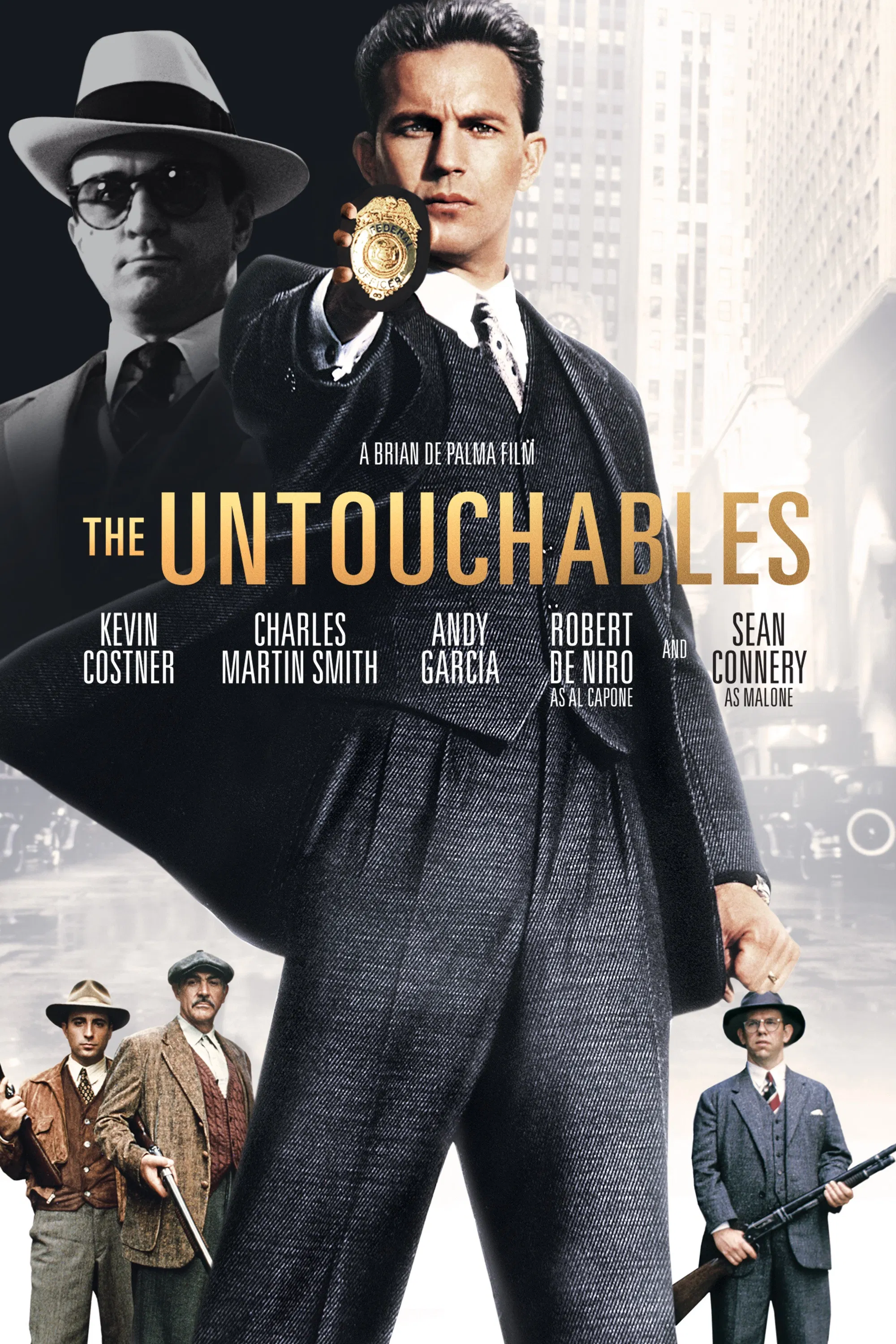
Synopsis: In Prohibition-era Chicago, federal agent Eliot Ness arrives with a mandate to take down Al Capone, but finds his efforts thwarted by a corrupt police force bought and paid for by the mob. Desperate, Ness recruits a small, incorruptible team: Jim Malone, an honest beat cop; Oscar Wallace, a bookish accountant; and George Stone, a sharp-shooting trainee. Together, they wage a guerilla war against Capone's empire, using tax laws to cripple his operation while facing violent retaliation that threatens their lives and families.
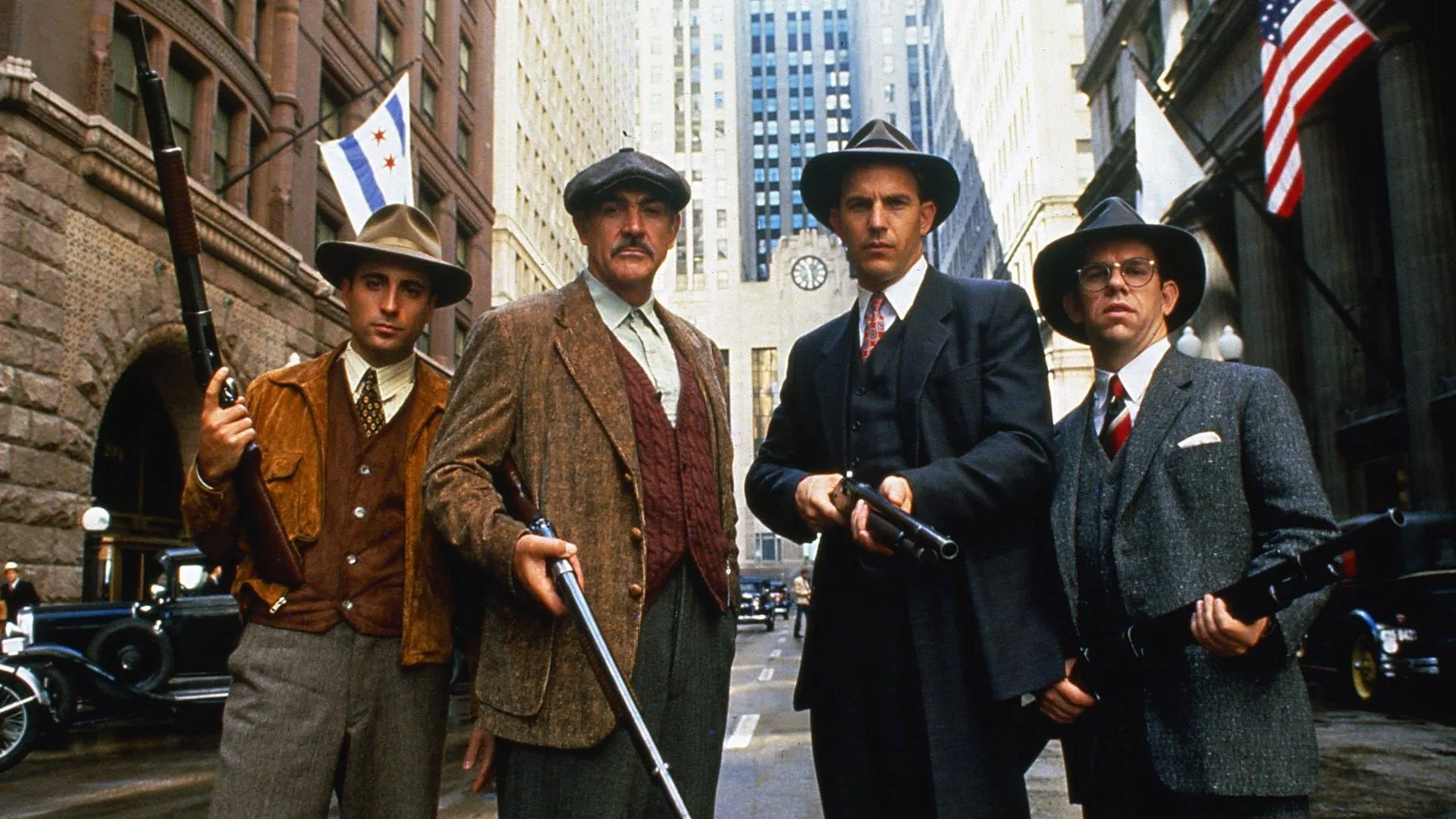
Brian De Palma creates a stylish, old-fashioned morality play that feels like a western set in the city. The film is visually spectacular, featuring the famous "Odessa Steps" homage in the train station shootout, but it is anchored by Sean Connery’s Oscar-winning performance as the mentor who teaches Ness the Chicago Way: "He pulls a knife, you pull a gun." It simplifies the history but amplifies the myth, presenting a clear-cut battle between good and evil that is satisfying, heroic, and tragical.
8. 🎬 Casino (1995)
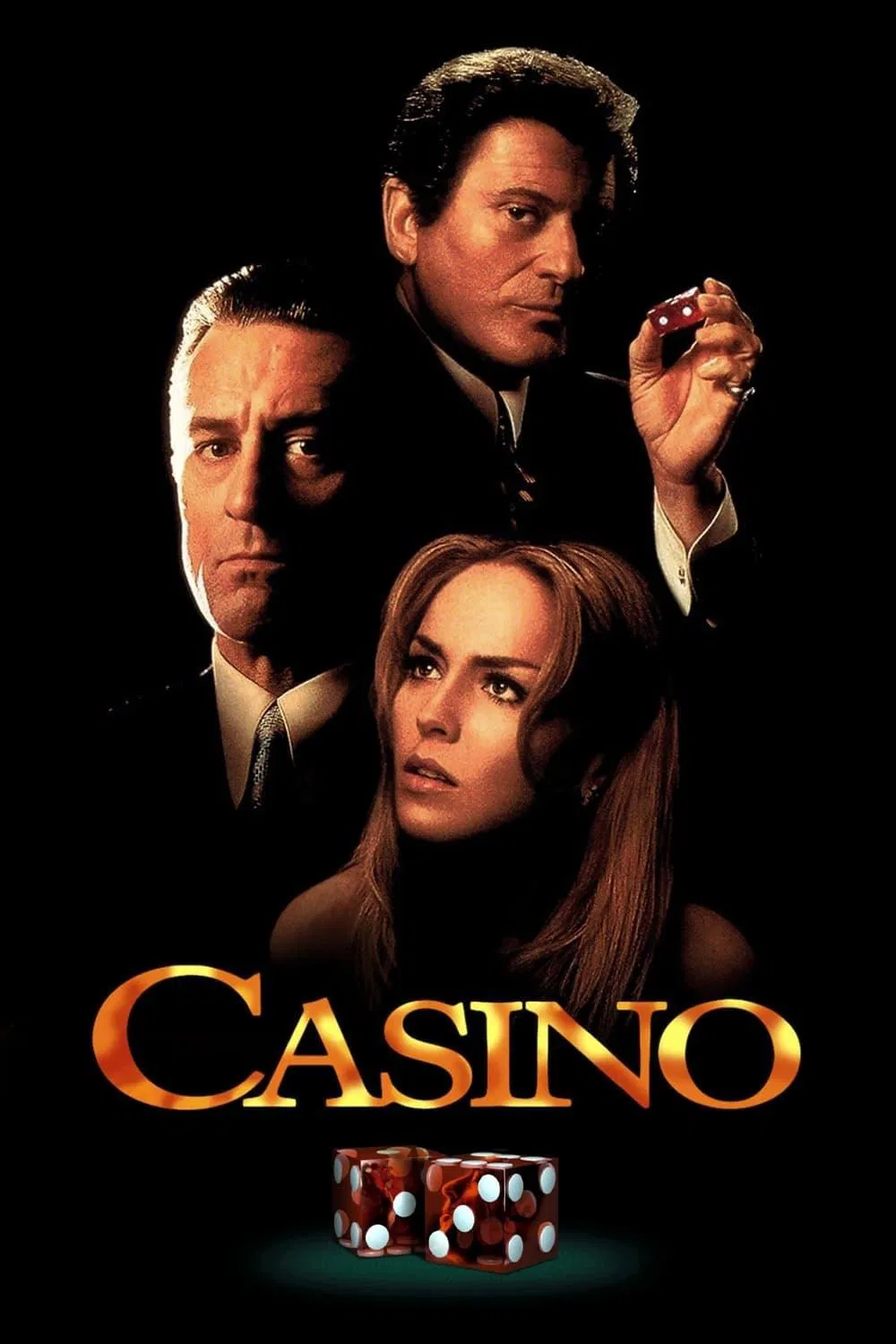
Synopsis: Sam "Ace" Rothstein, a meticulous gambling handicapper, is sent by the Chicago Outfit to run the Tangiers Casino in Las Vegas during the 1970s. He doubles the mob's profits through sheer competence, but his empire is threatened by two uncontrollable forces: his volatile, gold-digging wife Ginger and his childhood friend Nicky Santoro, a violent enforcer sent to protect him. As Nicky’s reckless behavior draws the attention of the FBI and Ginger’s instability destroys Ace’s home life, the house of cards begins to collapse, marking the end of the mob’s control over Vegas.
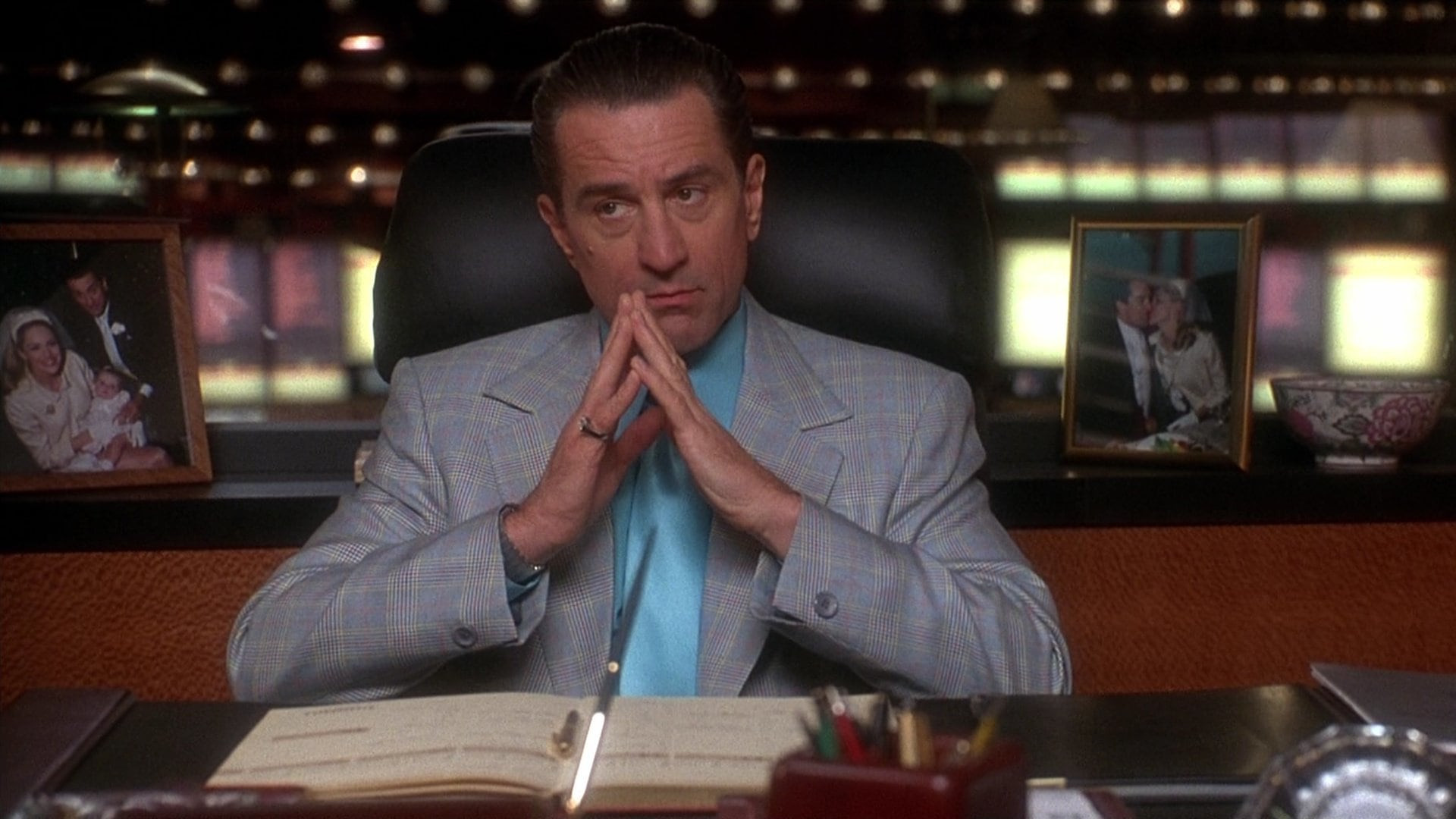
If Goodfellas is about the street-level soldiers, Casino is about the executives and the excess of the American Dream. The film is a visual feast of neon lights and velvet suits, edited at a breakneck pace to mirror the cocaine-fueled energy of the era. Sharon Stone gives a career-best performance as Ginger, a tragic figure who is arguably the most destructive character in a movie full of killers. It is a documentary-style epic about greed, showing how the mob lost paradise not because of the law, but because they couldn't stop reaching for more.
7. 🎬 The Usual Suspects (1995)
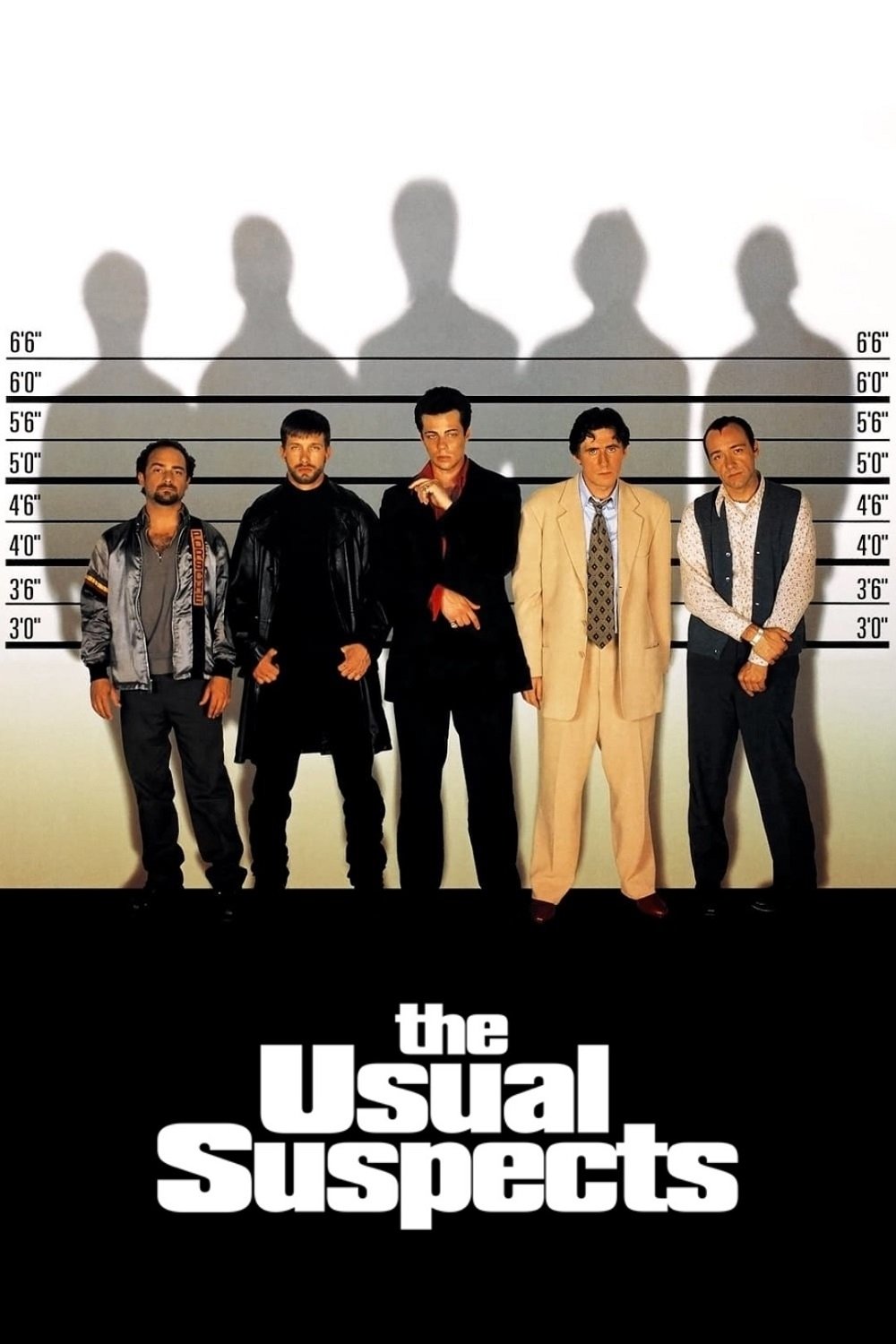
Synopsis: Following a massacre on a ship in the Port of Los Angeles that leaves 27 people dead, a customs agent interrogates one of the two survivors, a small-time con artist with cerebral palsy named Verbal Kint. Verbal weaves a complex flashback narrative about how he and four other career criminals were brought together in a police lineup and subsequently blackmailed by a legendary, almost mythical crime lord named Keyser Söze into pulling off a suicidal heist. As the story unfolds, the agent tries to determine if Söze is real or a ghost story used to cover up the truth.
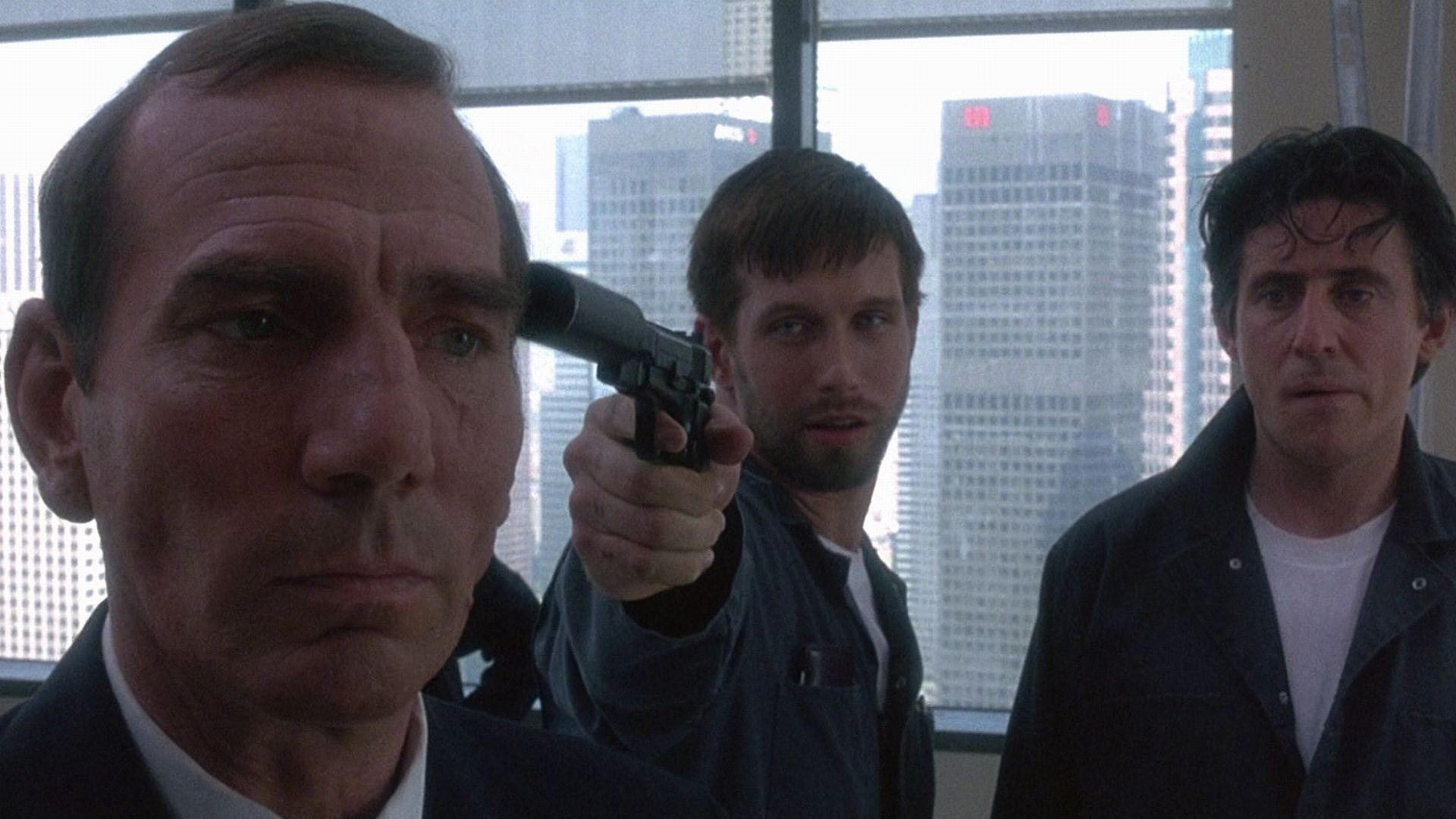
This film is defined by its script and its twist ending, which fundamentally changes the viewer's understanding of everything they have just watched. It is a puzzle box of a movie that relies on the unreliable narrator technique to keep the audience off-balance. Kevin Spacey’s performance is the linchpin, creating a character who appears pathetic and harmless, acting as the perfect camouflage for the film’s deception. It remains a masterclass in misdirection, proving that the greatest trick the devil ever pulled was convincing the world he didn't exist.
6. 🎬 Heat (1995)
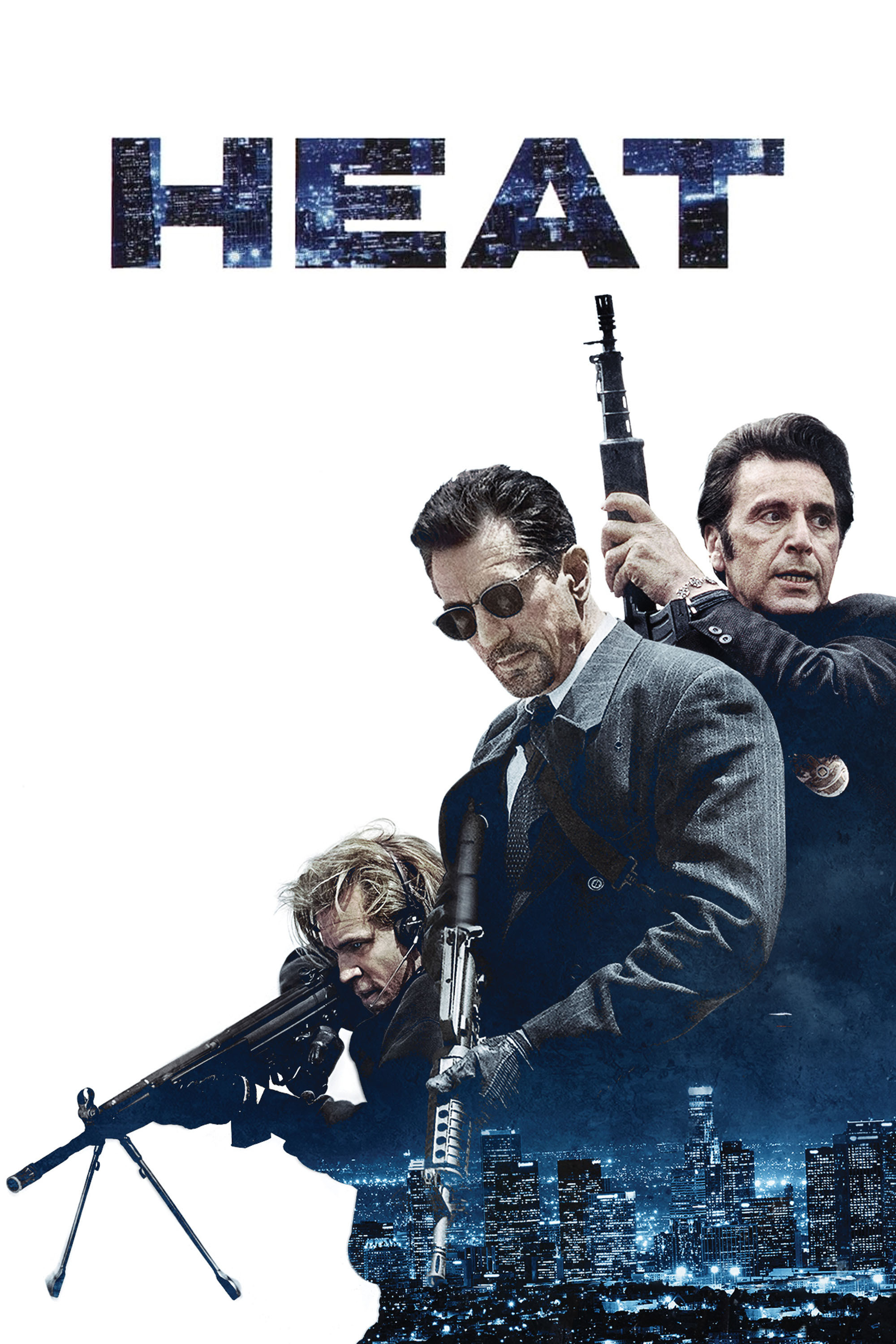
Synopsis: Neil McCauley is a disciplined master thief who leads a crew of professionals on high-stakes heists in Los Angeles, living by a code that forbids attachment to anything he can't walk away from in thirty seconds. Lieutenant Vincent Hanna is the obsessive, brilliant robbery-homicide detective hunting him, whose dedication to his job has destroyed his personal life. The two men engage in a game of cat and mouse, recognizing in each other a kindred spirit and a shared loneliness, even as they careen toward a violent collision in the streets of downtown LA.
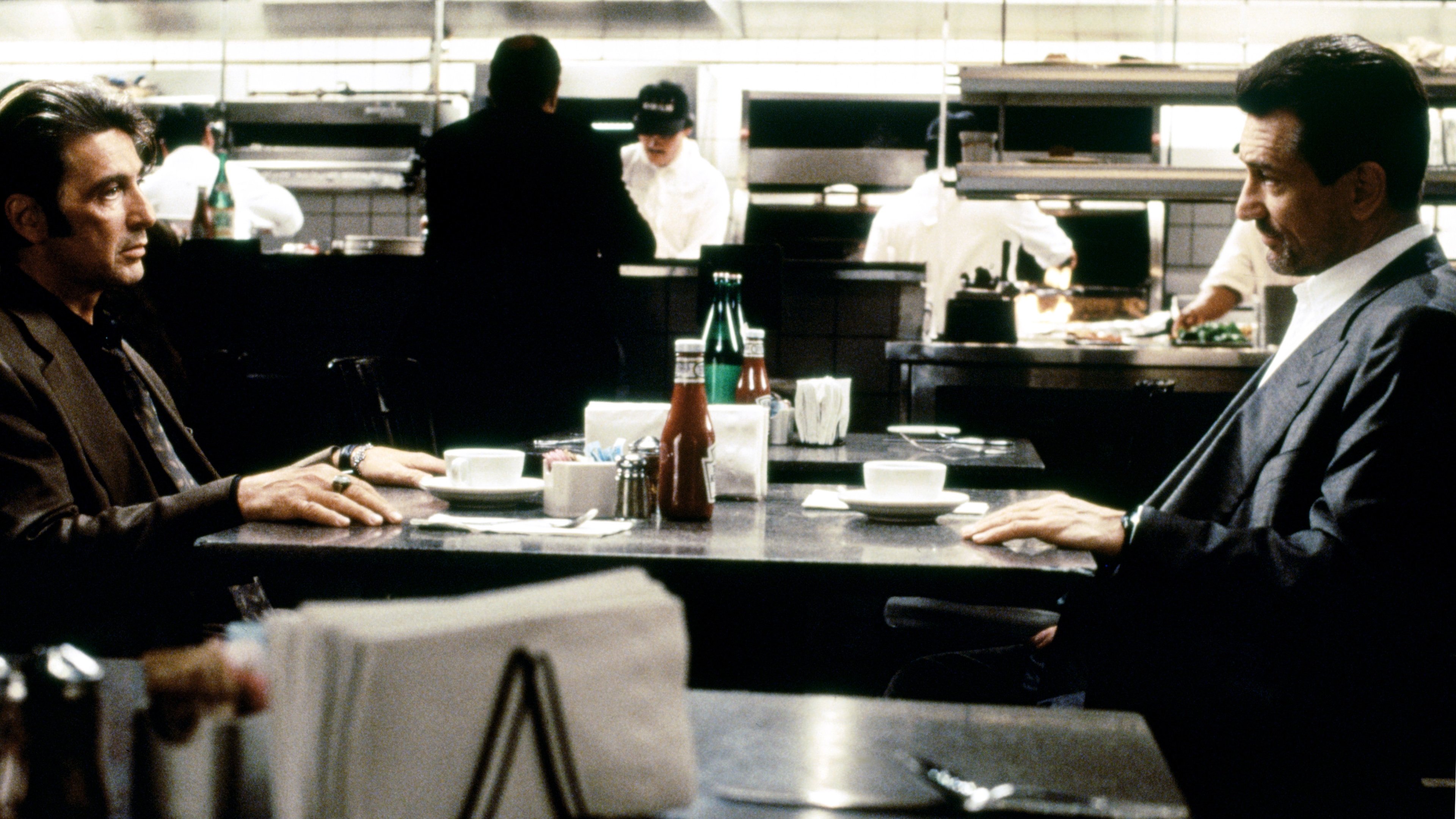
Michael Mann delivers the definitive LA crime saga, treating the city itself as a character with its sprawling freeways and cold, blue-lit architecture. The film is famous for finally putting Al Pacino and Robert De Niro on screen together, most notably in the quiet coffee shop scene where they discuss their philosophies without a weapon in sight. The climactic bank robbery shootout is renowned for its tactical realism and deafening sound design, influencing action cinema for decades. It is a tragic romance between two men on opposite sides of the law who are the only people who truly understand each other.
5. 🎬 Scarface (1983)
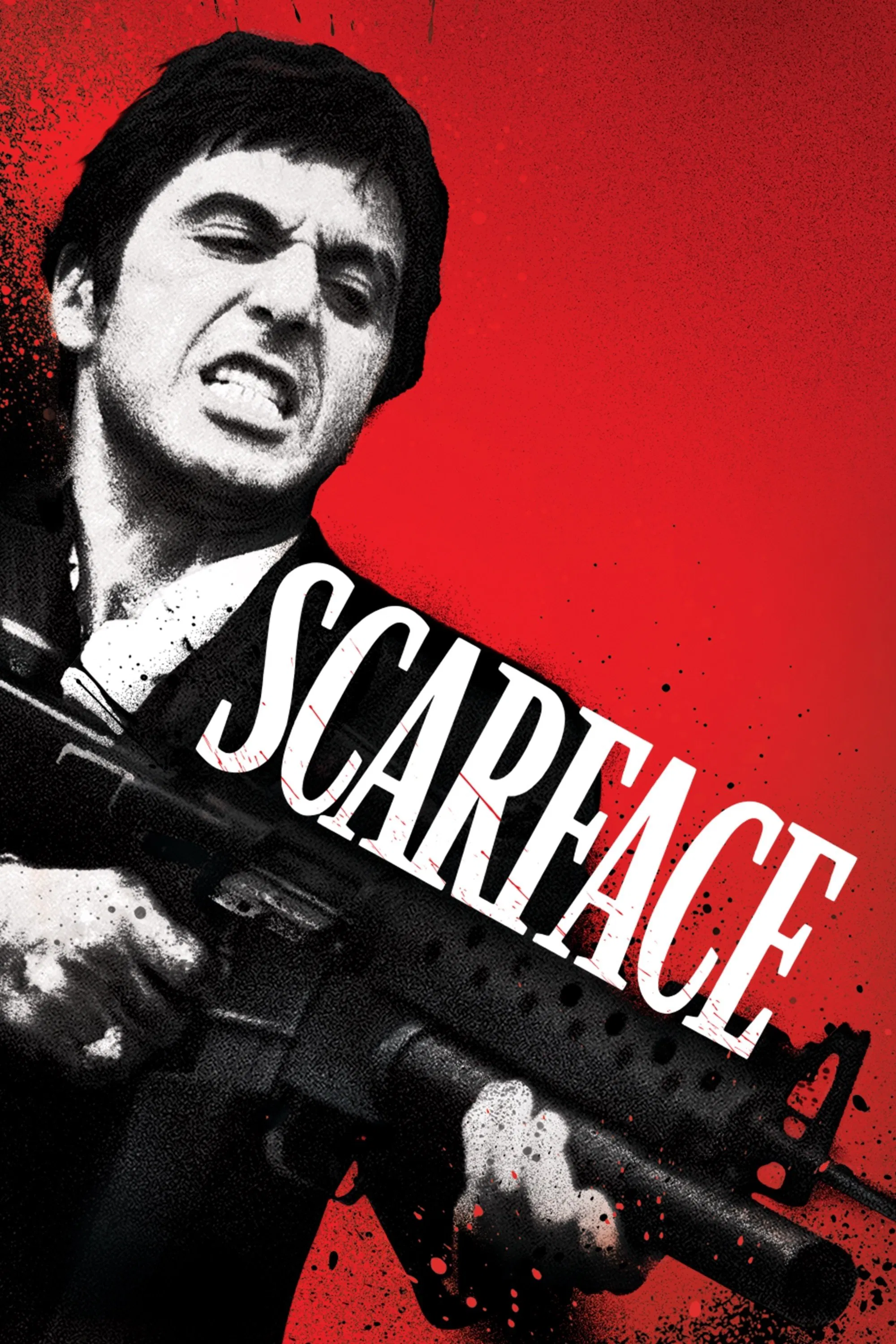
Synopsis: Tony Montana, a Cuban refugee with a criminal past, arrives in Miami during the Mariel boatlift with nothing but ambition and a violent temper. Through a series of brutal murders and bold business moves, he rises from a dishwasher to the biggest cocaine kingpin in Florida. However, his empire is built on paranoia and excess, and as his addiction to his own product grows, he alienates his wife and best friend, leading to a self-destructive war against his Colombian suppliers and the inevitable, bloody siege of his mansion.
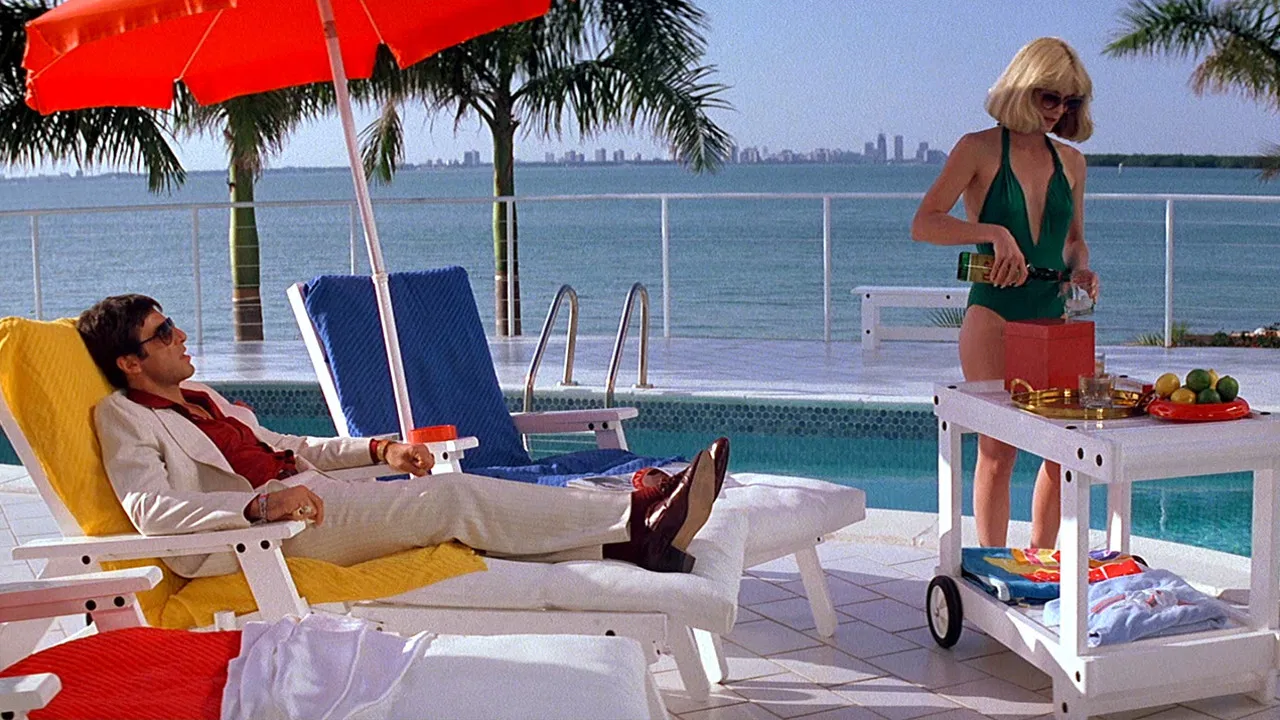
Brian De Palma and writer Oliver Stone created a pop-culture icon in Tony Montana, a character who embodies the perversion of the American Dream: "First you get the money, then you get the power, then you get the women." Al Pacino’s performance is operatic and over-the-top, perfectly matching the garish, 80s synthesizer aesthetic of the film. It is a movie about excess in every form - violence, language, and drug use - serving as a cautionary tale that is often misinterpreted as a hero's journey. It remains a brutal, unforgettable portrait of a man who loved nothing but himself.
4. 🎬 American Gangster (2007)
Synopsis: Based on a true story, Frank Lucas is the quiet, disciplined driver for a Harlem crime boss who takes over the empire when his mentor dies. He revolutionizes the heroin trade by flying pure product directly from Vietnam in the coffins of dead American soldiers, selling it cheaper and stronger than the competition. Richie Roberts is an honest, outcast cop who leads a task force to bring him down. The film tracks the parallel lives of these two men - one a criminal living like a businessman, the other a cop with a chaotic personal life - until their paths finally cross.
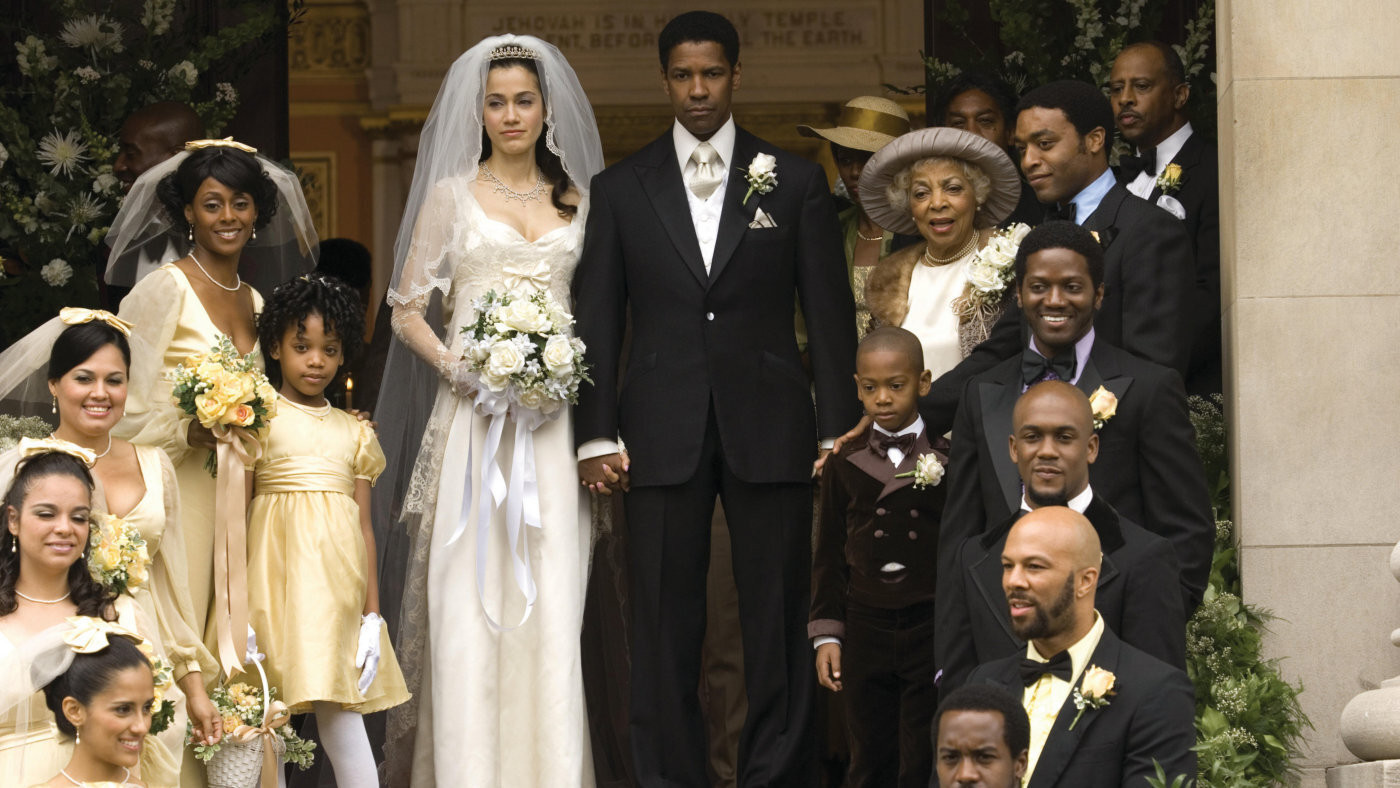
Ridley Scott directs a slick, intelligent procedural that focuses on the economics of crime as much as the violence. Denzel Washington plays Lucas with a terrifying, charismatic charm, making him a villain you respect for his business acumen even as he destroys his community. The film flips the script on racial expectations of the era, showing how the authorities underestimated Lucas simply because they couldn't believe a Black man could run an enterprise more efficiently than the Mafia. It is a dual character study of two obsessives who are more alike than they care to admit.
3. 🎬 The Departed (2006)
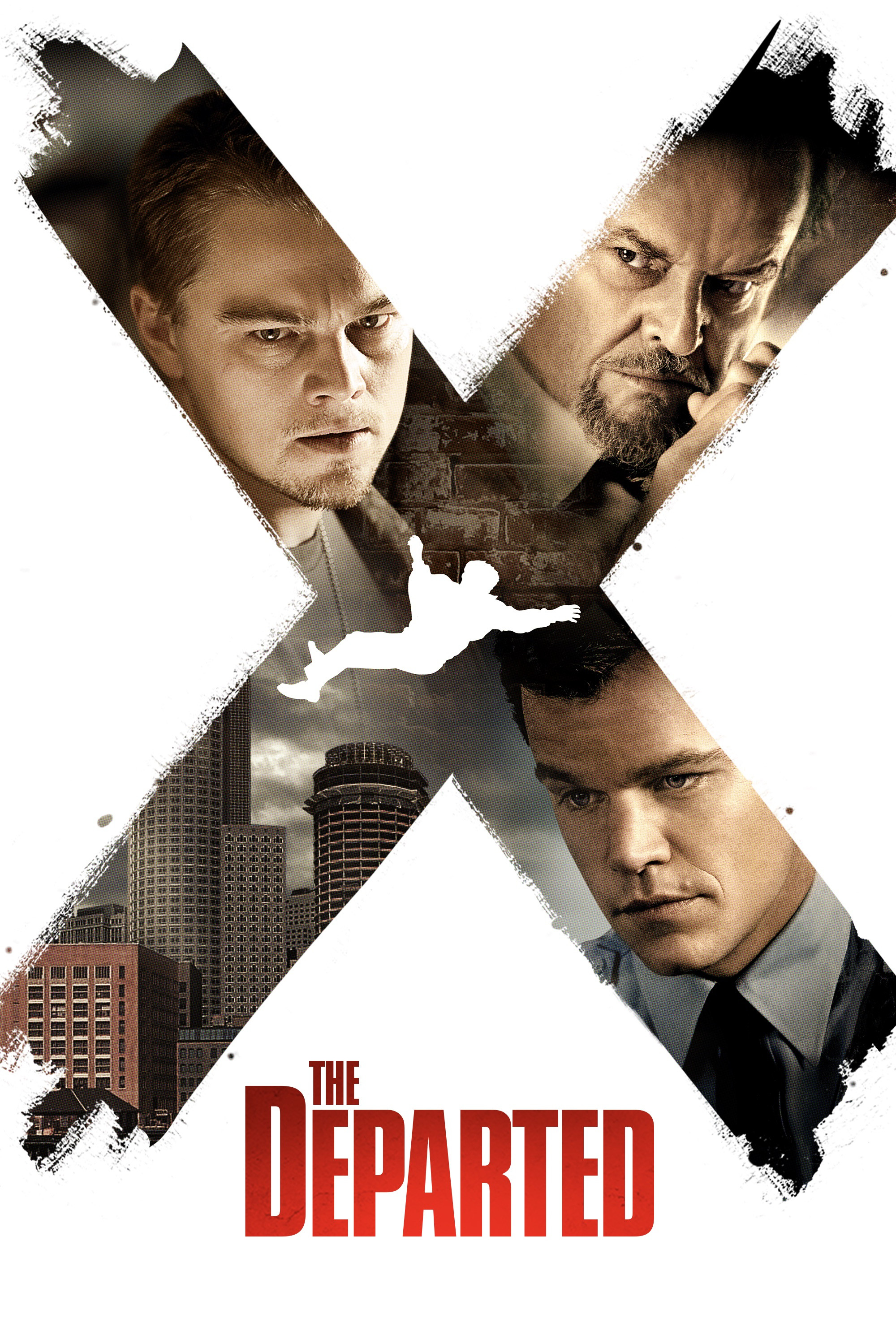
Synopsis: In Boston, the state police place a young undercover trooper, Billy Costigan, inside the inner circle of Irish mob boss Frank Costello. Simultaneously, Costello has groomed a mole, Colin Sullivan, who rises through the ranks of the Special Investigations Unit to become a sergeant. Both men live in constant terror of being discovered, feeding information to their respective masters while hunting for the identity of the other mole. As the police net tightens and Costello's paranoia grows, the two infiltrators spiral toward a rooftop confrontation where only one can survive.
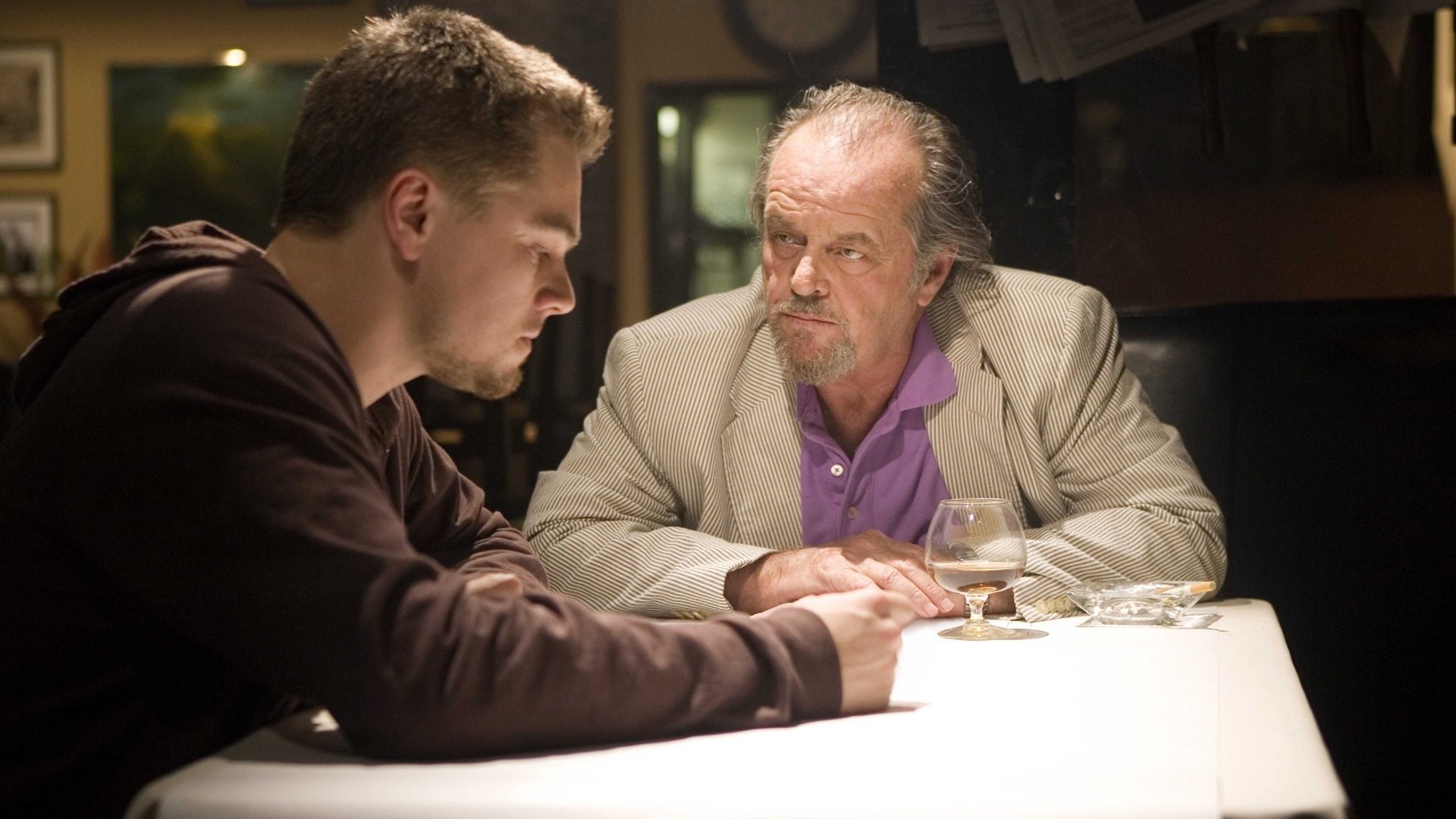
Martin Scorsese finally won his Best Director Oscar for this remake of the Hong Kong thriller Infernal Affairs, transplanting the action to the gritty streets of South Boston. The film is a masterclass in tension and editing, with Leonardo DiCaprio giving a frantic, nerve-shredded performance that contrasts perfectly with Matt Damon’s slick, sociopathic charm. Jack Nicholson improvises a terrifyingly unhinged villain, adding a layer of chaos to the tightly plotted script. It explores themes of identity and fatherhood, asking whether we become the mask we wear.
2. 🎬 Goodfellas (1990)
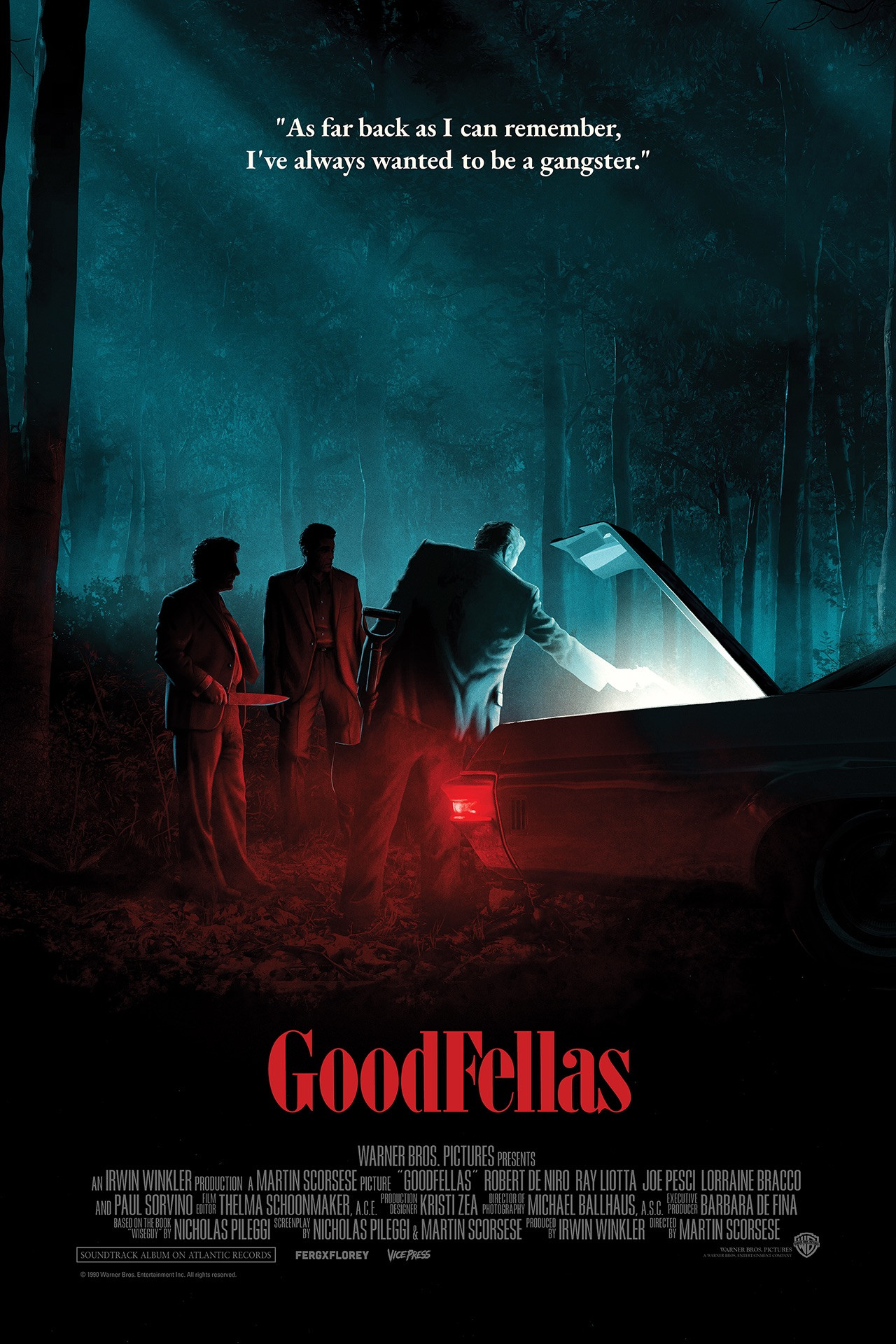
Synopsis: Based on the true story of Henry Hill, the film chronicles his life in the mob from a young boy running errands in 1950s Brooklyn to a cocaine-addicted snitch in the 1980s. Henry, along with his volatile partners Jimmy Conway and Tommy DeVito, enjoys the "good life" of money, respect, and freedom from the law. But as they get involved in major heists and the drug trade, the code of silence begins to fracture under the weight of paranoia and prison sentences, forcing Henry to choose between his lifestyle and his life.
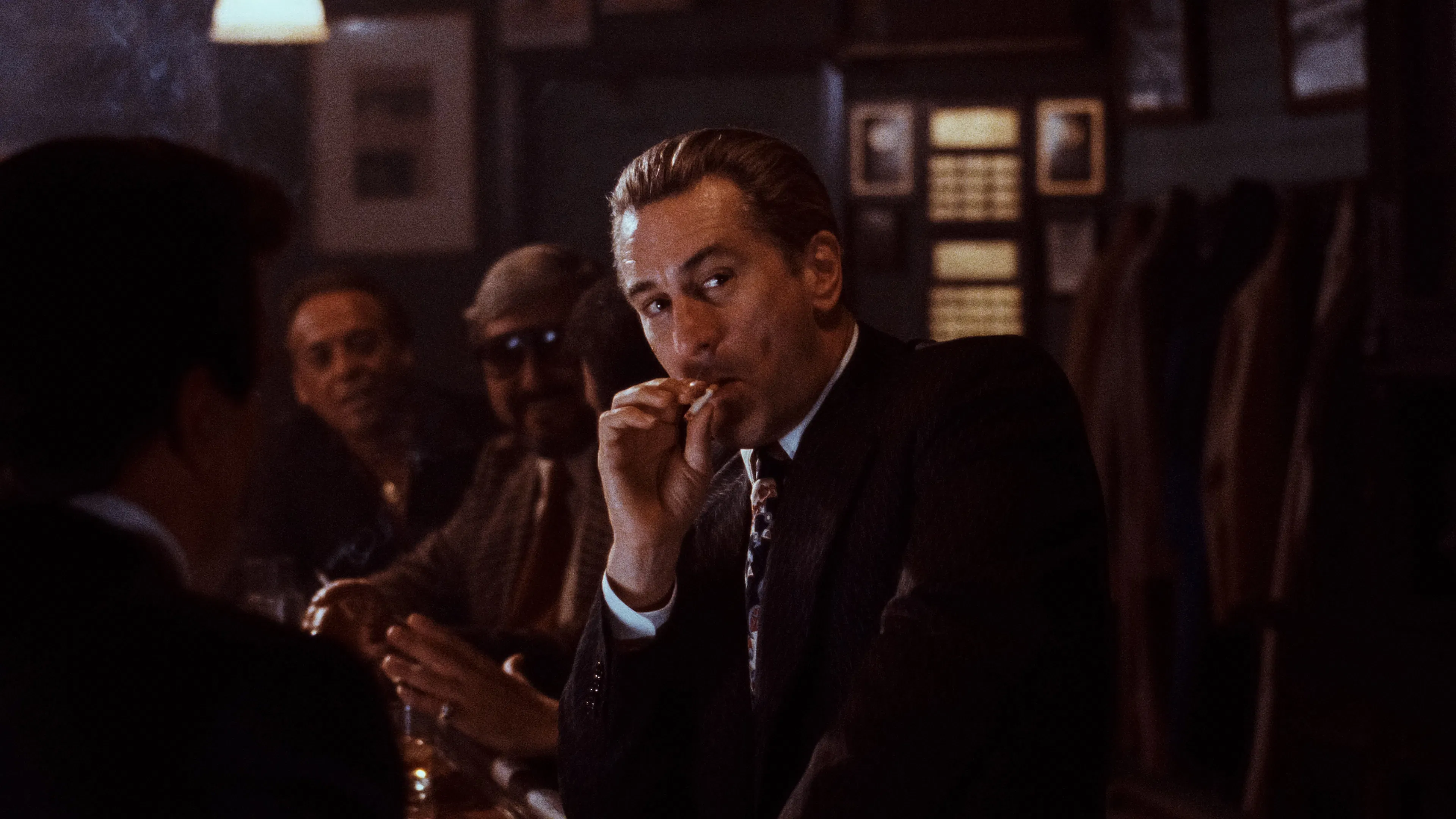
This is widely considered the greatest gangster movie ever made because of its intoxicating energy and style. Scorsese uses freeze-frames, long tracking shots, and a killer soundtrack to seduce the audience into the mob lifestyle, only to brutally expose its ugliness in the second half. Ray Liotta, Robert De Niro, and Joe Pesci (who won an Oscar) share incredible chemistry, making their conversations feel improvised and real. It demystifies the mafia, showing them not as honorable men, but as violent, greedy sociopaths who will kill their best friend for a few dollars.
1. 🎬 The Godfather (1972)
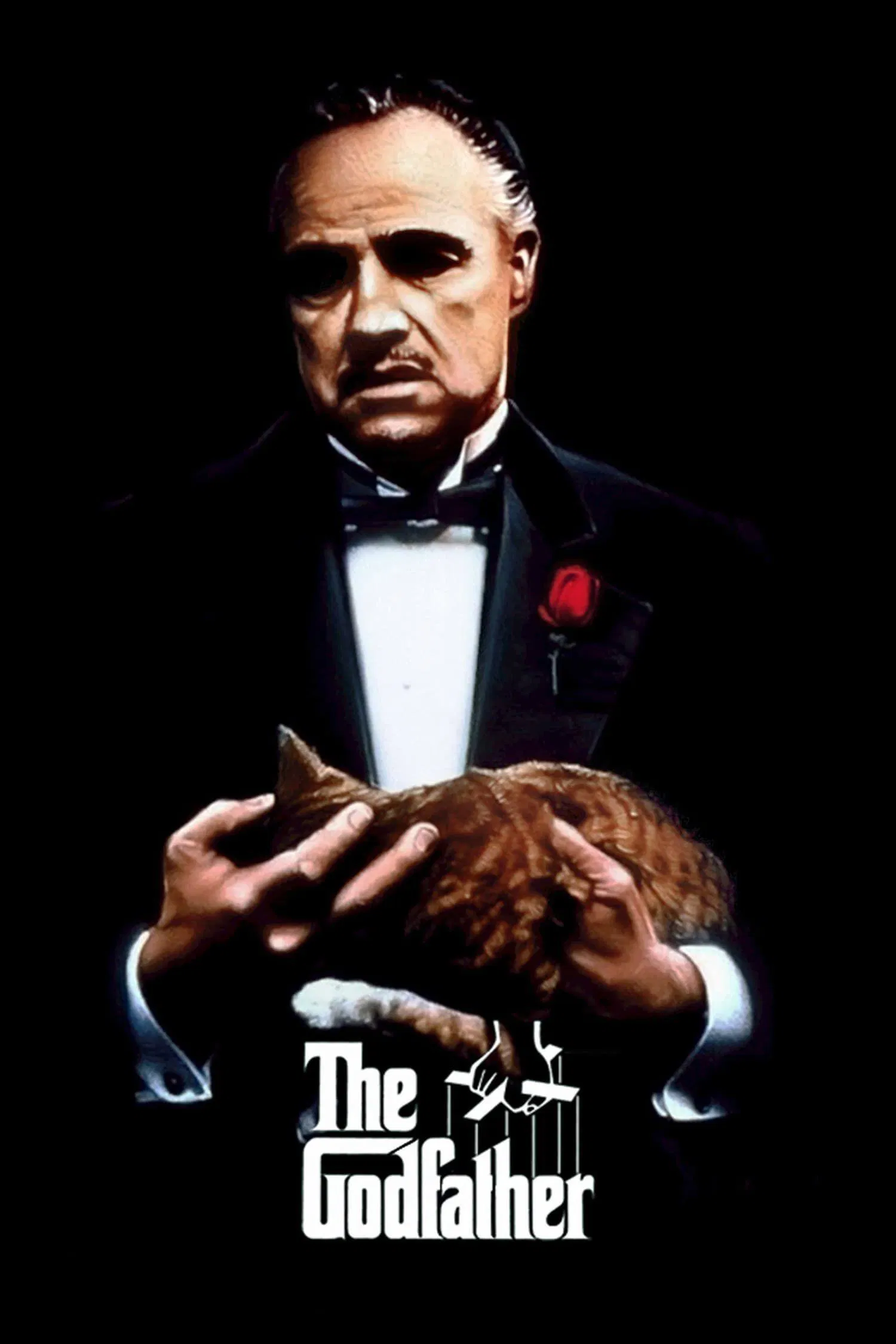
Synopsis: The aging patriarch of the Corleone crime family, Don Vito Corleone, seeks to transfer power to his reluctant youngest son, Michael, a decorated war hero who wants nothing to do with the family business. When an assassination attempt leaves Vito incapacitated, Michael is drawn into a cycle of violence to protect his father. He slowly sheds his idealism and morals, ordering the murders of rival bosses and family traitors to consolidate power, ultimately transforming into a ruthless Don who is far colder and more dangerous than his father ever was.
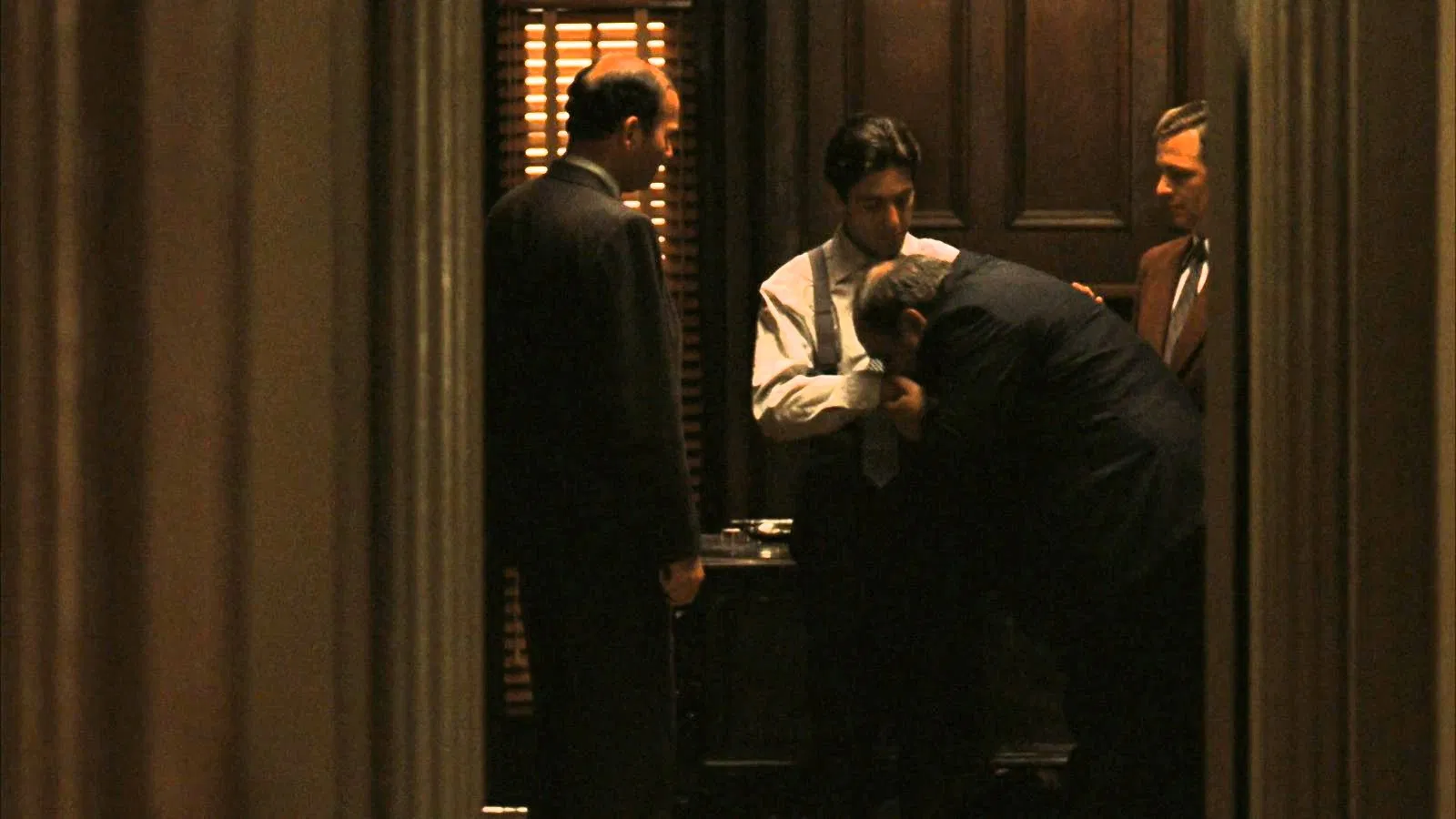
Francis Ford Coppola’s masterpiece is not just a crime movie; it is a Shakespearean tragedy about the corruption of the American Dream. Marlon Brando created the archetype of the Don, but the film truly belongs to Al Pacino, whose subtle transformation from innocent civilian to monster is one of the greatest character arcs in cinema. The film is visually dark and rich, emphasizing the "family" aspect of the crime family, making the characters sympathetic even as they commit horrific acts. It set the standard for storytelling, lighting, and acting, influencing every single film on this list that came after it.
— The Cinéprism
Keep reading
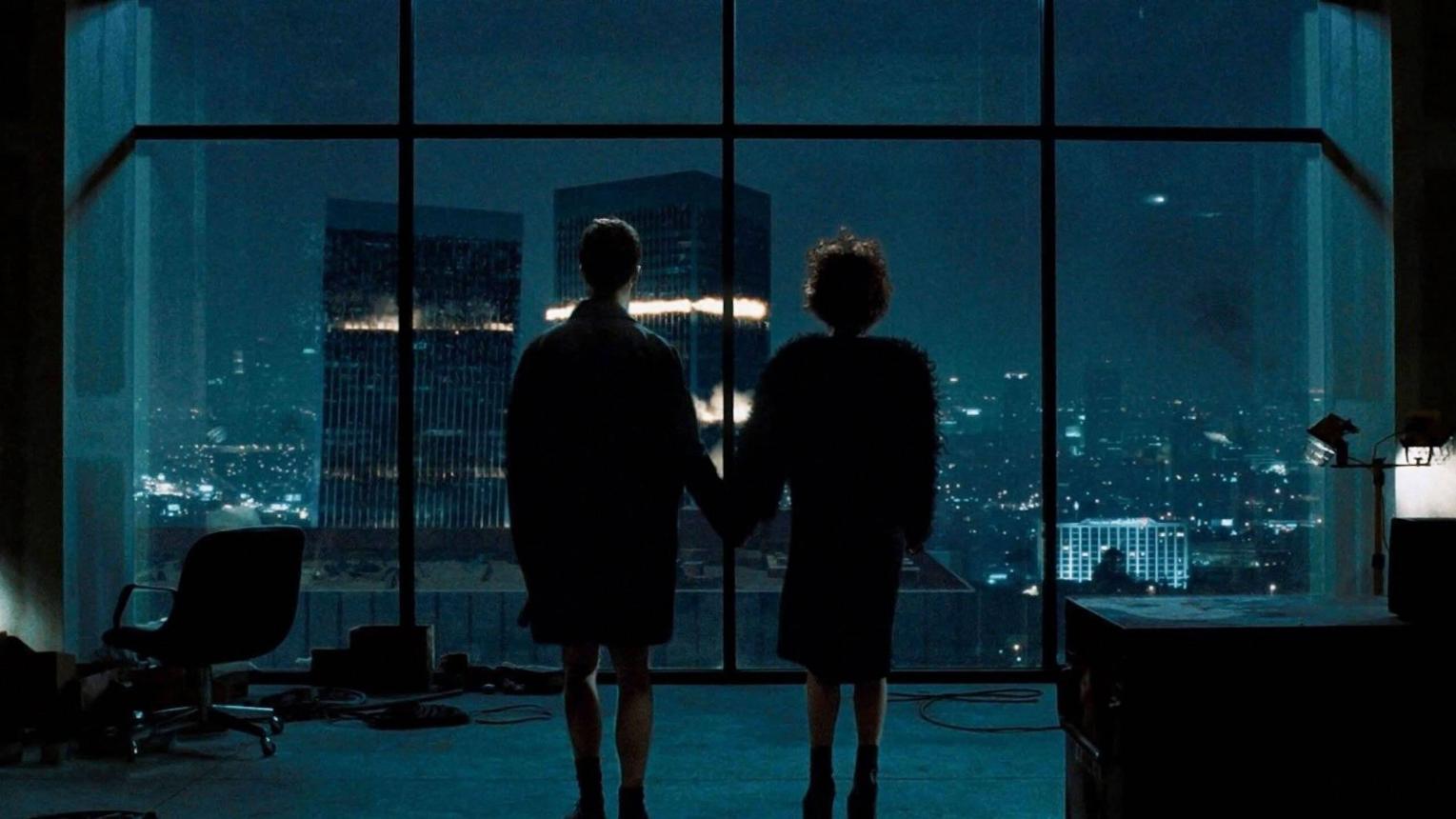
31 / 08 / 2026 · 389 reads
10 Best Endings in Film
A curated list of 10 unforgettable movie endings that leave a lasting impact long after the credits roll.
11 / 01 / 2026 · 504 reads
11 Critically Acclaimed Netflix Shows
From royal sagas and psychological thrillers to groundbreaking true crime, discover the 11 essential series that define Netflix's golden era.