
Dispatch — Long Read
15 Feel-Good Movies to Watch When You're Feeling Low.
A handpicked list of 15 feel-good movies to lift your mood and comfort your soul - perfect for when you need a smile, warmth, and a little hope.
The Cinéprism
15 / 12 / 2025 · 20 min read
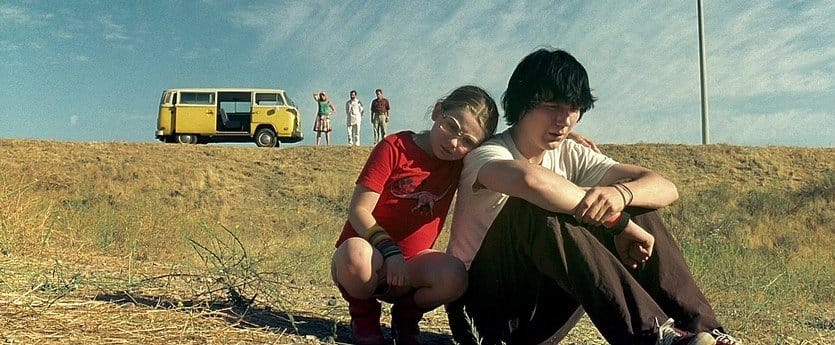
1. 🎬 Little Miss Sunshine (2006)
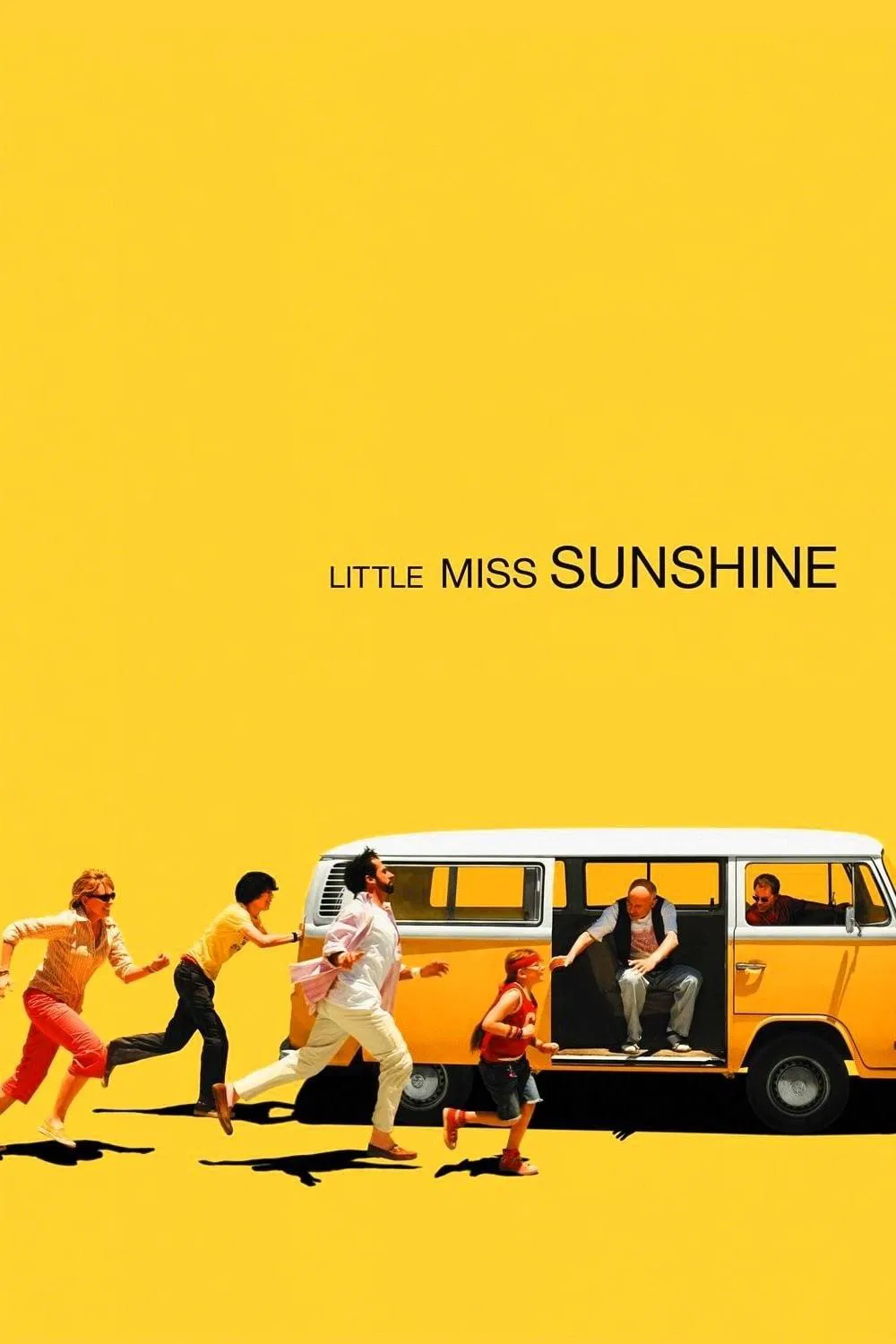
A dysfunctional family road trip movie that becomes something far more profound, following the Hoovers as they pile into a breaking-down VW bus to get young Olive to a beauty pageant in California. What begins as comedy of errors transforms into celebration of failure and family solidarity, each character carrying dreams that haven't worked out while supporting Olive's unlikely ambition. Abigail Breslin's Olive is the film's innocent heart, a girl who shouldn't succeed in beauty pageant culture but whose family's love makes her immune to judgment. The ensemble creates believable dysfunction where everyone's flaws are visible but no one's condemned for them, Greg Kinnear's motivational speaker father whose success philosophy is constantly undermined by reality, Toni Collette's exhausted mother holding everyone together, Steve Carell's suicidal Proust scholar finding reasons to live through family chaos, Paul Dano's silent teenager learning that dreams can die but life continues, and Alan Arkin's foul-mouthed grandfather providing wisdom disguised as inappropriate behavior

The film's climactic beauty pageant performance, where Olive's routine shocks everyone and her family joins her onstage rather than let her face humiliation alone, creates moment of pure joy born from refusing to accept society's narrow definitions of success and beauty. It succeeds because it argues that family means showing up for each other's failures, that real success is the support system you build rather than conventional achievement, and that sometimes the most radical act is embracing who you are when everyone expects you to be someone else.
2. 🎬 Lady Bird (2017)

A coming-of-age film following Christine "Lady Bird" McPherson through her senior year of Catholic high school in Sacramento, navigating her relationship with her mother while dreaming of escape to East Coast colleges. Greta Gerwig's directorial debut captures the specific texture of being seventeen with such precision that it feels like recovered memory rather than fiction, Lady Bird's desire to reinvent herself and escape her hometown's perceived mediocrity universal adolescent experience rendered with specificity that makes it feel brand new. Saoirse Ronan plays Lady Bird with perfect balance of confidence and insecurity, someone performing the person she wants to become while still being the person she actually is, her every gesture suggesting teenager trying on different identities to see what fits. Laurie Metcalf's Marion is the film's secret weapon, a mother whose love manifests as criticism and practical concerns about money and future, her relationship with Lady Bird creating constant tension between care and control.

What makes Lady Bird special is its refusal to make either character simply right or wrong, showing how both are trying their best while hurting each other, how class anxiety and different temperaments create conflicts that love alone can't solve. The film captures Sacramento with unexpected affection, Gerwig showing how the places we're desperate to leave shape us in ways we don't appreciate until we've gained distance, that sometimes you need to escape home to recognize what it gave you. It succeeds because Gerwig understands that coming of age isn't about grand revelations but accumulated small moments of recognition, that the most important relationships are often the most difficult ones, and that loving your mother and needing to leave her aren't contradictory but complementary parts of becoming yourself.
3. 🎬 Scott Pilgrim vs. The World (2010)

A film that transforms comic book romance into live-action video game, following Toronto slacker Scott Pilgrim who must defeat his new girlfriend Ramona's seven evil exes to continue dating her. Edgar Wright creates purely visual cinema where the form is the content, using video game logic and aesthetics to externalize relationship dynamics, making emotional obstacles literal boss battles that Scott must win through combat. Michael Cera plays Scott as lovable manchild whose refusal to grow up is presented as both charming and genuinely problematic, his treatment of his current girlfriend and his obsession with Ramona revealing someone who sees relationships as achievements rather than partnerships with actual people. Mary Elizabeth Winstead's Ramona is mysterious delivery girl whose colored hair changes and mysterious past make her seem more interesting than she might actually be, the film examining how we project fantasies onto people rather than seeing them clearly.
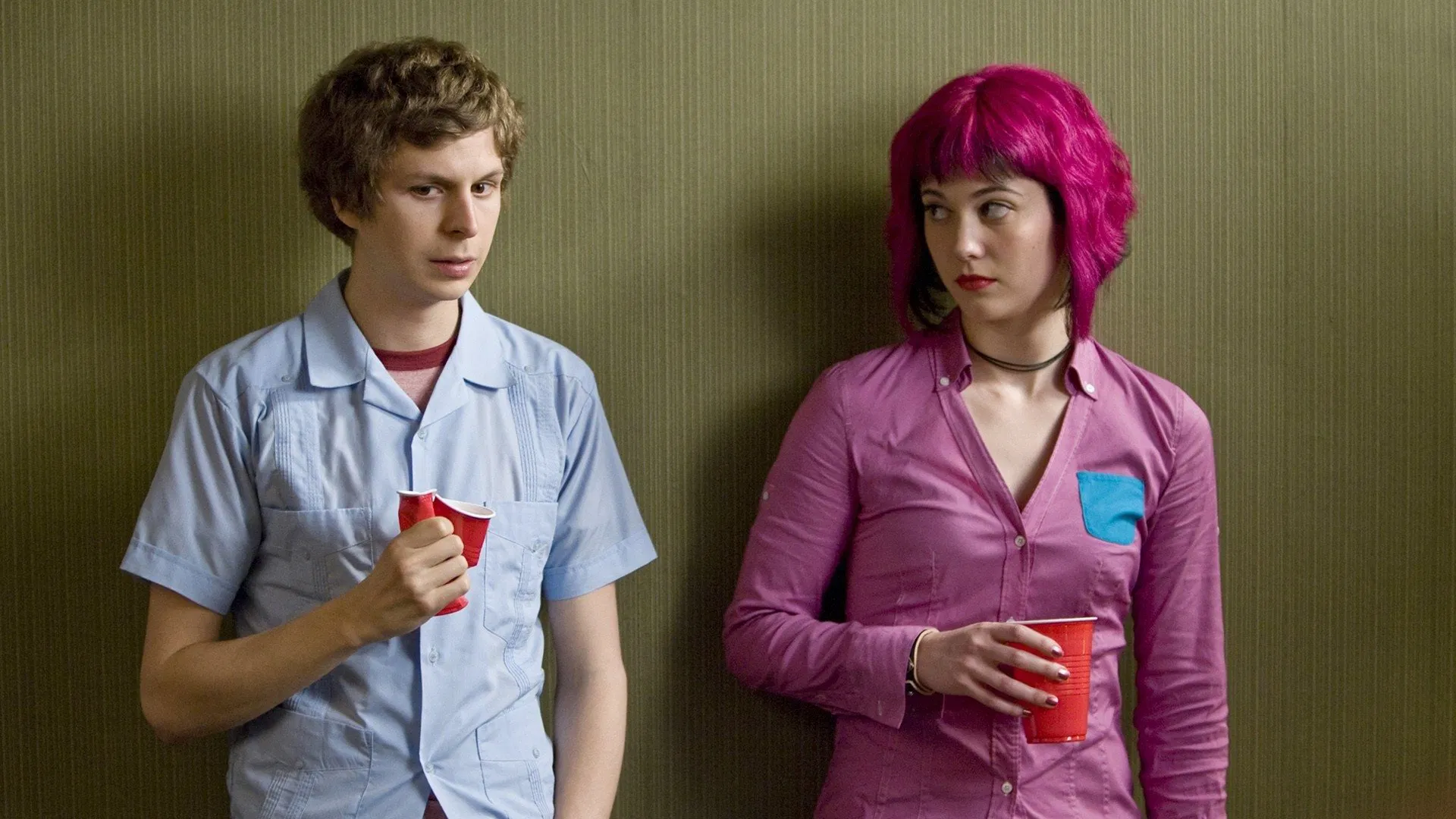
The supporting cast creates complete world of twentysomethings navigating post-college life in Toronto, their various bands and relationships and quarter-life crises rendered with genuine affection despite the heightened stylization. What makes Scott Pilgrim work is Wright's commitment to the conceit, every fight choreographed like Street Fighter matches, defeated enemies exploding into coins, on-screen text and sound effects making reality function like game. The film's examination of how we level up in relationships, learning from past mistakes and becoming better partners, gets communicated through literal combat where Scott must earn the right to be with Ramona by proving he's grown enough to deserve her. It succeeds because Wright uses video game vocabulary to make emotional growth tangible, showing that relationships require effort and learning from failures, that you can't just charm your way through life without consequences, and that sometimes the most important battle is against your own immaturity rather than external obstacles.
4. 🎬 Queen (2013)

A Bollywood film about Rani, a sheltered Delhi woman who goes on her honeymoon to Paris and Amsterdam alone after her fiancé calls off their wedding, discovering independence and self-worth through solo travel. Vikas Bahl creates film that could have been bitter revenge fantasy but instead becomes joyful exploration of self-discovery, Rani's journey about finding herself rather than punishing the man who rejected her. Kangana Ranaut plays Rani with such natural charm and vulnerability that her transformation from timid girl to confident woman feels completely earned, every small victory over her fear and inexperience registering as genuine triumph. The film shows how sheltered upbringing and patriarchal expectations can make women strangers to themselves, how Rani has spent her life preparing to be good wife without developing her own interests or identity beyond that role. What makes Queen exceptional is its celebration of female friendship and chosen family, Rani's connections with hostel mates in Amsterdam and with Vijaylakshmi, a single mother working as pole dancer, showing her that there are multiple ways to be woman beyond the narrow path her upbringing prescribed.

The film's examination of how travel expands consciousness works because it shows Rani learning practical skills like navigating foreign cities alongside emotional growth, her increasing confidence visible in how she carries herself and interacts with strangers. The ending, where her ex-fiancé realizes his mistake and tries to reconcile but Rani has already moved beyond needing his validation, provides satisfaction not through revenge but through her recognition that she deserves better than someone who would abandon her so callously. It succeeds because Bahl makes Rani's journey feel universal despite cultural specificity, showing how patriarchal structures limit women everywhere, and that sometimes the best thing that can happen is having your conventional path disrupted, forcing you to discover who you actually are beneath who you were raised to become.
5. 🎬 Chungking Express (1994)
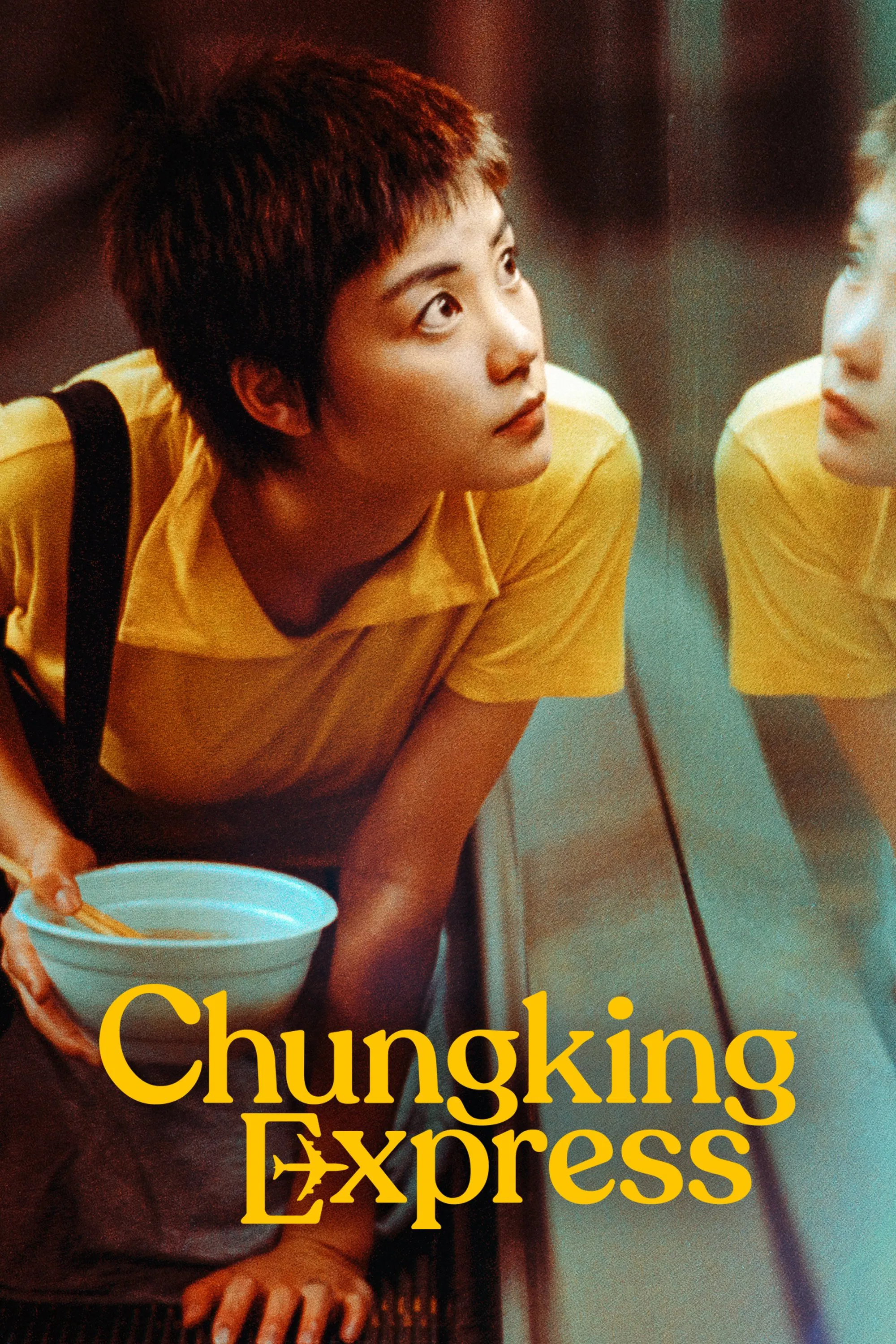
A hyperkinetic Hong Kong romance told in two loosely connected stories about lovesick cops and the women who briefly enter their lives, all set against the dense urban backdrop of Hong Kong's Chungking Mansions. Wong Kar-wai creates film that feels like it was made on pure instinct, the handheld cameras and step-printed footage giving everything restless energy that mirrors characters' emotional states. The first story follows Cop 223 buying canned pineapples as his relationship expires, eventually spending night with mysterious drug smuggler, while the second follows Cop 663 whose flight attendant girlfriend leaves him, replaced by quirky snack bar worker Faye who breaks into his apartment to redecorate it. What makes Chungking Express irresistible is its optimism about urban loneliness and chance encounters, Wong showing Hong Kong as place where anyone you pass could become significant if you're paying attention.

The film's use of pop music, particularly The Mamas & the Papas' "California Dreamin'" as Faye's theme, creates emotional landscape where longing for elsewhere coexists with appreciation for where you are. Takeshi Kaneshiro and Tony Leung play the cops with different approaches to heartbreak, one obsessive and one oblivious, while Brigitte Lin and Faye Wong create memorable women despite limited screen time. The film's treatment of how we cope with rejection through arbitrary rituals and how new love arrives when we've stopped looking makes romantic comedy feel fresh despite familiar beats. It succeeds because Wong captures the specific feeling of being young and lonely in a crowded city where possibility feels infinite but connection remains elusive, showing how heartbreak opens us to encounters we'd normally dismiss, and suggesting that sometimes the best relationships begin when someone breaks into your apartment and starts improving your life without asking permission, that love requires someone making aggressive move while the other catches up.
6. 🎬 Silver Linings Playbook (2012)
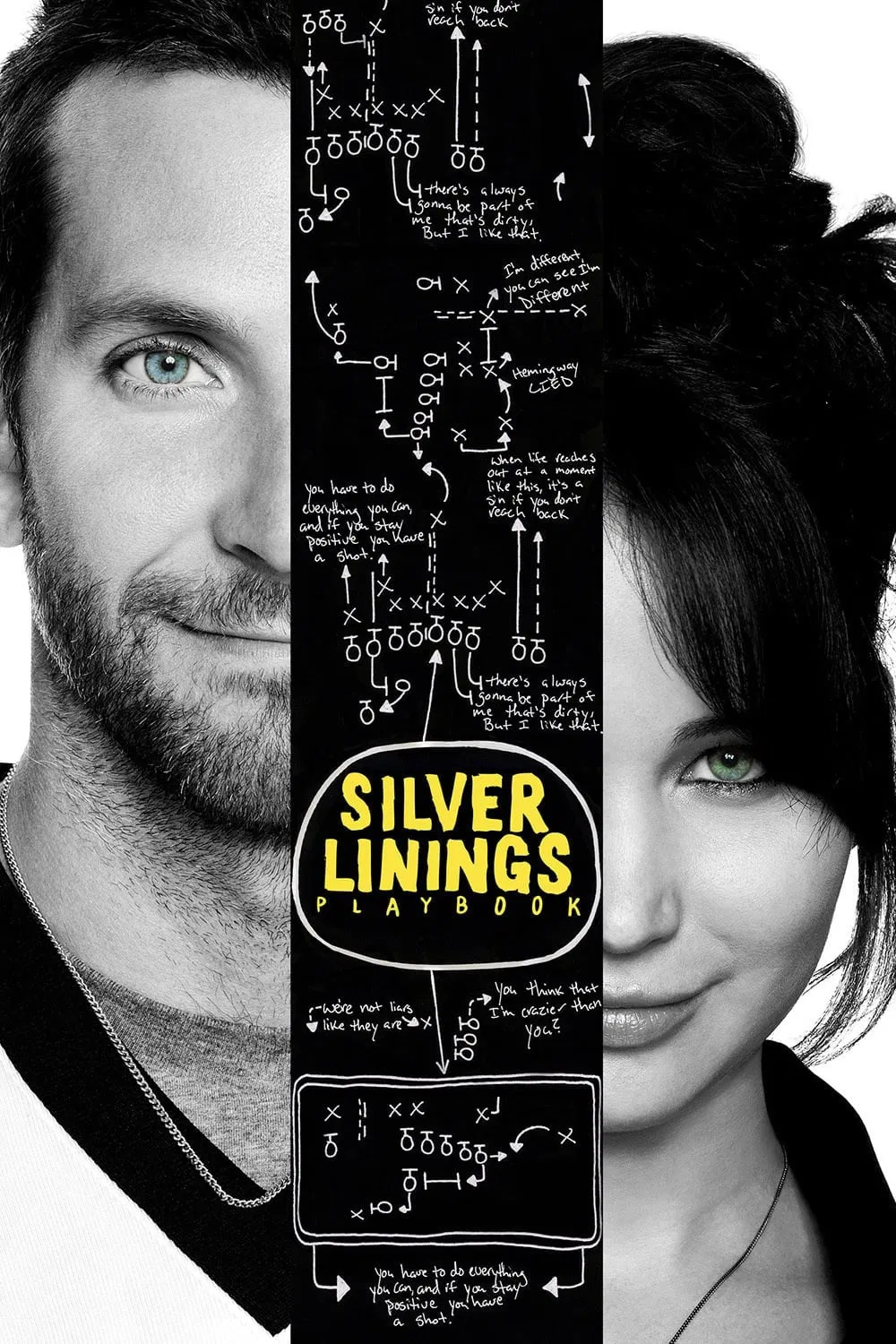
A romantic comedy about Pat, recently released from psychiatric hospital after bipolar episode, trying to reconcile with his ex-wife while developing connection with Tiffany, a young widow dealing with her own mental health struggles. David O. Russell creates film that treats mental illness with humor and respect simultaneously, showing characters whose conditions are real challenges but don't define them completely. Bradley Cooper plays Pat with manic energy barely contained by medication and therapy, his obsessive focus on winning back his ex-wife blinding him to how Tiffany actually sees and understands him. Jennifer Lawrence's Tiffany is grieving widow using sex and confrontation as coping mechanisms, her bluntness and emotional volatility making her perfect match for Pat even though neither recognizes it initially. Robert De Niro as Pat's father provides surprising emotional depth, his OCD rituals around Eagles games mirroring his son's illness, showing how mental health issues run in families and manifest differently across generations.

What makes Silver Linings Playbook work is its refusal to make mental illness either tragic or inspirational, showing instead how Pat and Tiffany's conditions complicate their lives without preventing them from finding connection and happiness. The film's centerpiece dance competition, where Pat and Tiffany perform routine she choreographed to help him communicate with his ex, becomes moment where their partnership proves more valuable than Pat's fantasy of reconciliation, their chemistry on the dance floor making obvious what Pat has been too obsessed to notice. It succeeds because Russell shows mental illness as ongoing management rather than something cured by love, that Pat and Tiffany help each other not by fixing each other but by accepting each other's struggles, and that sometimes the person perfect for you is the one you initially find most irritating because they challenge rather than enable your delusions.
7. 🎬 Begin Again (2013)

A musical drama about Gretta, a songwriter stranded in New York after her boyfriend's success destroys their relationship, connecting with Dan, a music producer whose career has collapsed due to his drinking. John Carney creates film that's really about rediscovering passion for art when commercial concerns have killed it, both characters needing to remember why they loved music before the industry corrupted it. Keira Knightley's Gretta writes honest songs about relationships while her boyfriend transforms into pop star chasing hits, her authenticity making her unmarketable in industry that values image over substance. Mark Ruffalo's Dan has lost his record label and family to his alcoholism, his ear for talent intact but his ability to navigate modern music business obsolete. What makes Begin Again charming is its celebration of collaboration and DIY spirit, Gretta and Dan recording album around New York City using ambient sounds and borrowed locations, creating something authentic rather than polished
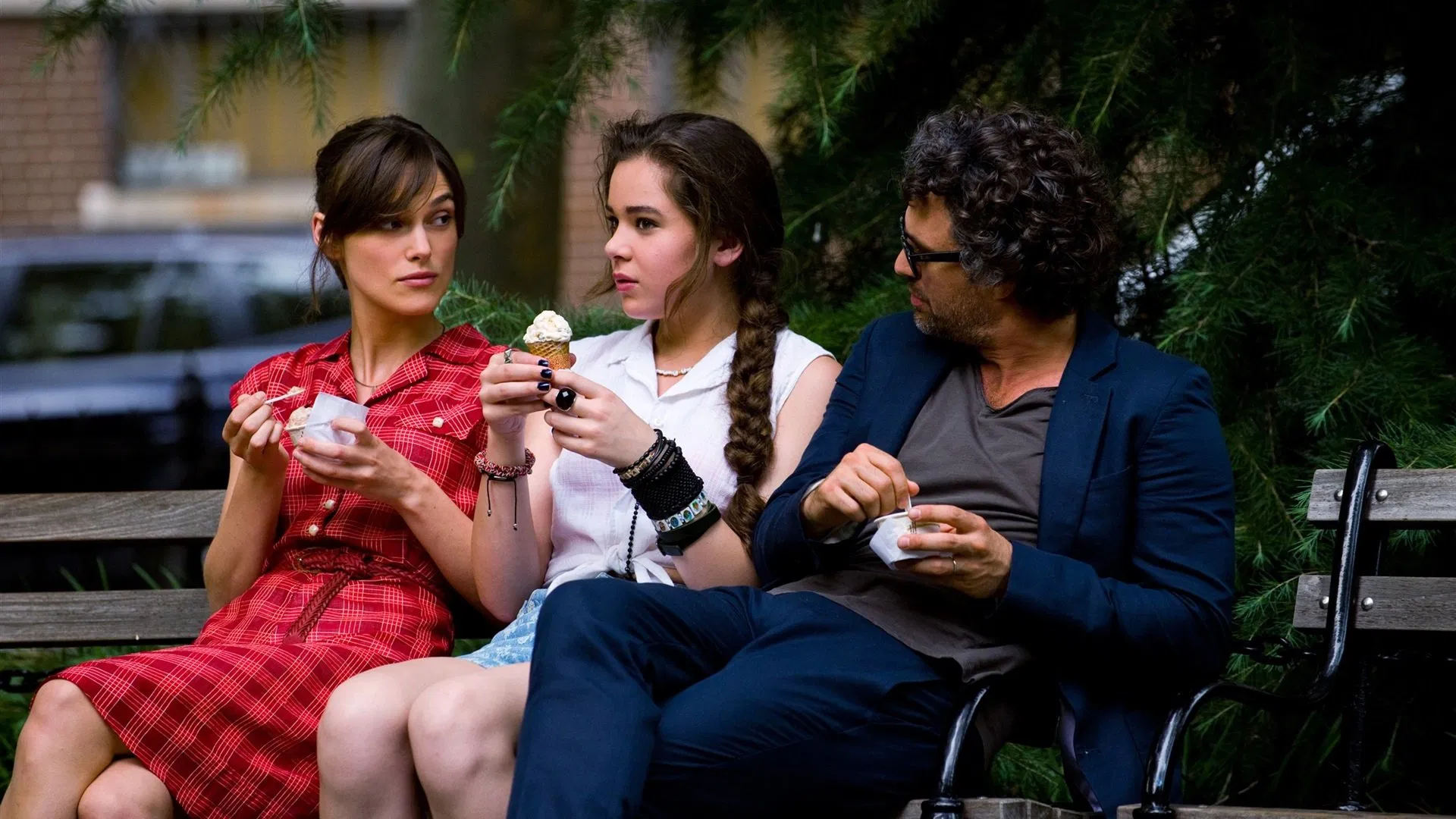
The film examines how the music industry destroys what it claims to love, turning art into product and artists into brands, Dan and Gretta's project becoming rebellion against commercialization even as they hope it will succeed commercially. The supporting cast, including Hailee Steinfeld as Dan's daughter and Adam Levine as Gretta's ex-boyfriend, creates believable ecosystem where personal and professional relationships blur constantly. The film's ending, where Gretta chooses to release her album independently rather than sign with Dan's former label, represents artistic integrity over commercial opportunity, suggesting that success on your own terms matters more than conventional achievement. It succeeds because Carney understands that making art is about community and process rather than final product, that collaboration can be healing when it's based on mutual respect rather than exploitation, and that sometimes failing by conventional standards while creating something meaningful is more valuable than succeeding in ways that require compromising everything you believe in.
8. 🎬 English Vinglish (2012)
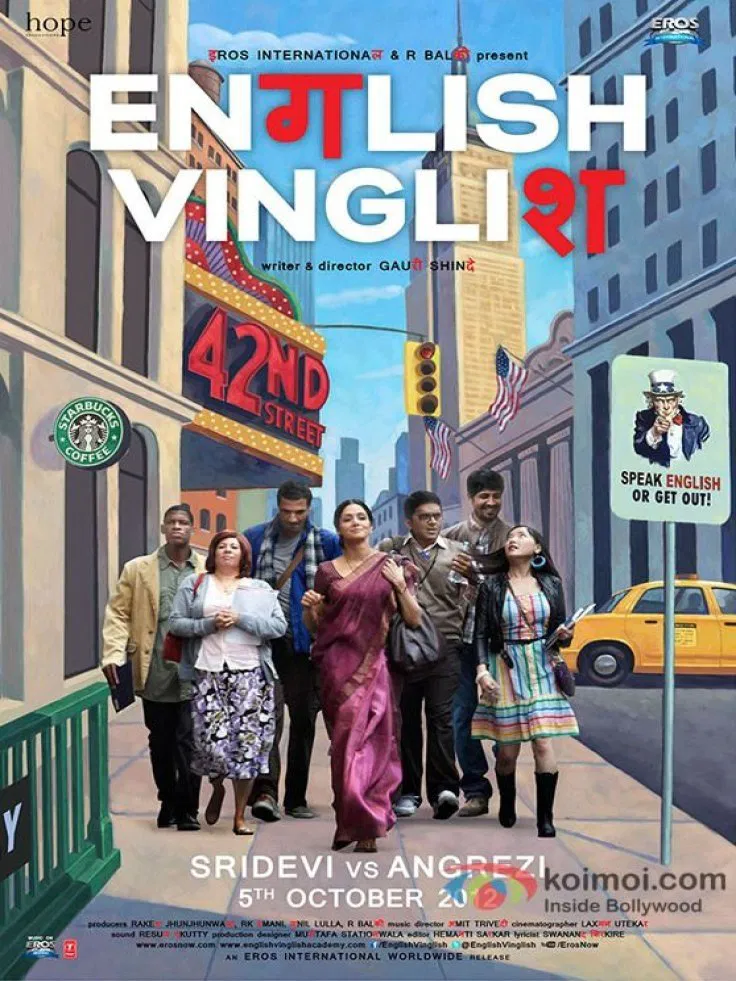
A Bollywood film about Shashi, a middle-aged housewife mocked by her husband and daughter for not speaking English, who secretly enrolls in English classes while visiting New York for her niece's wedding. Gauri Shinde creates gentle film about dignity and self-worth, showing how language becomes proxy for larger questions about value and respect within families and societies. Sridevi's comeback performance is remarkable for its restraint, playing Shashi's hurt and determination without melodrama, making her small victories in learning English feel genuinely triumphant. The film examines how fluency in colonial language determines social status in postcolonial India, how Shashi's domestic skills and business running a catering service from home are dismissed as worthless because she can't speak English. What makes English Vinglish moving is its examination of how families take mothers and wives for granted, how Shashi's husband and children treat her labor as invisible while mocking her perceived inadequacy, not recognizing how their casual cruelty damages her self-esteem.

The English class sequences in New York show Shashi connecting with other immigrants and foreigners, all struggling with language but supporting rather than mocking each other, creating community based on shared vulnerability rather than competition. The film's climax, where Shashi gives wedding toast in English, proves her competence to her family while also making clear that their respect shouldn't have required her to learn their language, that she deserved dignity regardless of her English fluency. It succeeds because Shinde makes linguistic confidence stand in for broader questions about how we value different forms of intelligence and labor, showing how women's domestic work is devalued even as it's essential, and suggesting that sometimes the most radical thing is demanding respect rather than constantly trying to earn it through meeting others' arbitrary standards.
9. 🎬 About Time (2013)
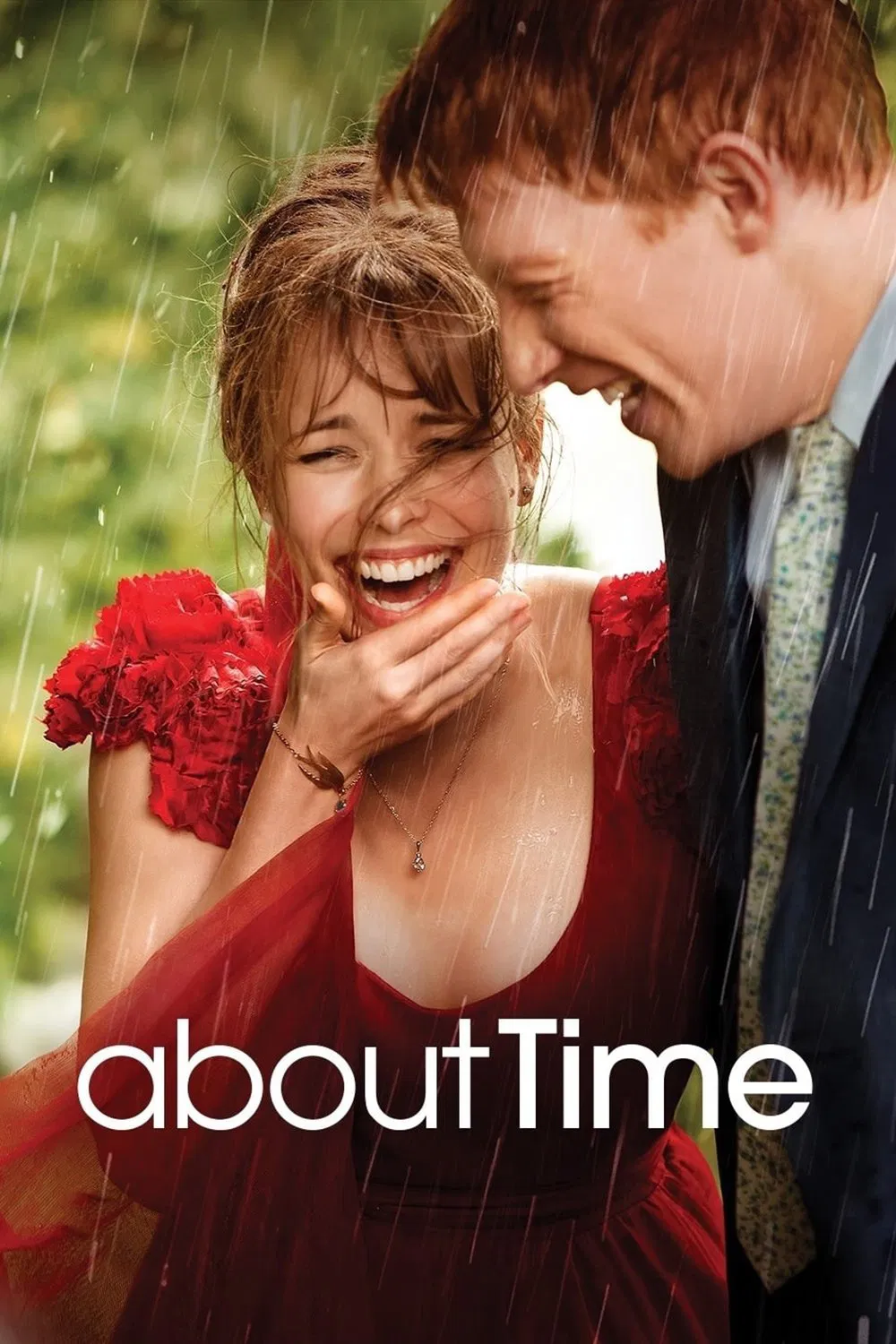
A romantic comedy with science fiction element, following Tim who learns on his 21st birthday that men in his family can time travel, using this ability to improve his life and relationships. Richard Curtis creates film that starts as wish fulfillment fantasy before becoming meditation on mortality and appreciating the present, Tim's time travel initially used to fix romantic mistakes before he learns some things can't or shouldn't be changed. Domhnall Gleeson plays Tim with endearing awkwardness, his attempts to optimize his life through time travel teaching him that perfection is impossible and unnecessary. Rachel McAdams's Mary is the woman Tim meets and re-meets through various timelines, their relationship developing through accumulated small moments rather than grand gestures. What makes About Time unexpectedly powerful is its shift from romantic comedy to family drama, Tim's relationship with his father becoming the emotional core as he learns his time travel can't prevent death, only delay recognition of it.

Bill Nighy as Tim's father brings wisdom and melancholy to role, teaching Tim that the real gift isn't changing the past but learning to appreciate the present, that living each day twice, once normally and once savoring it, reveals how much beauty exists in ordinary moments. The film's examination of how we'd use time travel becomes thought experiment about regret and acceptance, showing how Tim's ability to fix mistakes doesn't actually make him happier because life's messiness is what makes it meaningful. It succeeds because Curtis uses fantastical premise to arrive at simple truth about presence and gratitude, that trying to optimize life through control means missing what's actually happening, that the best response to mortality isn't trying to escape it but learning to value the time you have with people you love before it's gone.
10. 🎬 Amelie (2001)

A French film following Amelie, a shy Parisian waitress who decides to secretly improve the lives of people around her while struggling to connect with someone romantically herself. Jean-Pierre Jeunet creates visual feast of hyper-stylized Paris rendered in saturated colors and whimsical production design, the city transformed into storybook setting. Audrey Tautou plays Amelie with wide-eyed wonder that could be precious but instead becomes charming, her character's isolation and elaborate schemes to help others revealing someone who finds indirect connection easier than direct vulnerability. The film's structure as series of interconnected vignettes shows Amelie manipulating circumstances to bring happiness to neighbors and strangers, her interventions ranging from reuniting a man with his childhood treasures to matchmaking her lonely concierge. What makes Amelie irresistible despite its potential for cuteness overload is Jeunet's genuine affection for his characters and his commitment to visual storytelling, every frame packed with detail and invention that rewards repeated viewing.

The romance with Nino, a photo booth collector, develops through increasingly elaborate games that mirror Amelie's inability to approach connection directly, her shyness making her create treasure hunt rather than simply introducing herself. The film's examination of how fear of rejection keeps us isolated resonates despite the fantastical embellishments, showing how Amelie's elaborate schemes to help others are easier than risking her own heart. It succeeds because Jeunet creates world where kindness has tangible effects and where whimsy isn't escape from reality but enhancement of it, suggesting that attention to small details and genuine interest in others' happiness can transform ordinary life into adventure, that sometimes the most revolutionary act is deciding to make the world slightly better for people you barely know while working up courage to pursue your own happiness.
11. 🎬 Chef (2014)

A film about Carl, a Los Angeles chef who quits his prestigious restaurant job after public confrontation with food critic, buying a food truck to reconnect with his creativity and his young son. Jon Favreau writes, directs, and stars in what feels like personal statement about artistic integrity versus commercial pressures, using food as metaphor for creative work that gets compromised by others' expectations. The film is celebration of craft and passion, showing Carl rediscovering joy in cooking when he's freed from restaurant owner's demands to play it safe, the food truck allowing him creative freedom and direct connection with customers. What makes Chef feel-good is its gentle conflict resolution, characters talking through problems rather than engaging in melodrama, Carl's ex-wife supporting his new venture and his son becoming his social media manager and sous chef. The film's depiction of cooking is genuinely sensual, Favreau shooting food preparation with same attention other directors give to action sequences, making the craft of cooking visually compelling.

The road trip structure, driving the truck from Miami to Los Angeles, becomes journey of reconnection between father and son, their relationship deepening through shared work and adventure. The film examines how pursuing your passion might mean financial instability but provides satisfaction that conventional success can't match, that artistic integrity has value beyond monetary compensation. It succeeds because Favreau makes work look joyful rather than burdensome, showing how craft mastery and creative freedom are their own rewards, that sometimes starting over at lower level is necessary to remember why you loved something before external pressures corrupted it, and that the best success is doing what you love with people you care about watching you do it well.
12. 🎬 Paggalit (2021)

A Hindi short film about a woman confronting her anger and grief after a personal loss, exploring how suppressed emotions manifest in everyday interactions and relationships. Umesh Bist creates intimate character study that examines how women, particularly in Indian society, are expected to suppress rage and maintain composure even when circumstances justify fury, the film's title literally translating to "anger" or "to get angry" as statement about claiming emotional space that's typically denied. The central performance carries the film's weight, the actress navigating between societal expectations of feminine patience and the volcanic rage building beneath that performance, her character's journey toward expressing legitimate anger becoming act of reclamation rather than breakdown. What makes Paggalit powerful despite its brief runtime is its examination of how grief and anger intertwine, how women are told to be sad quietly but never allowed to be furious loudly, how the pressure to remain likable and accommodating even in crisis creates internal pressure that eventually must release.

The film's domestic settings emphasize how private spaces become containers for emotions that can't be expressed publicly, showing how home life continues demanding labor and emotional regulation even when you're actively falling apart. The supporting characters represent different responses to female anger, some dismissing it as hysteria while others recognize it as justified response to systemic unfairness, creating ecosystem where every interaction becomes negotiation about whether her feelings are valid or excessive. It succeeds because Bist treats anger as rational and necessary rather than character flaw, showing how women's rage is pathologized specifically because it threatens structures that depend on their compliance, that sometimes the most healing thing is allowing yourself to be furious without apologizing for it, and that claiming the right to anger is itself revolutionary act in cultures that have taught women their primary value lies in making others comfortable regardless of personal cost.
13. 🎬 Ratatouille (2007)

An animated film about Remy, a rat with refined palate who dreams of becoming chef, partnering with Linguini, a garbage boy with no cooking talent, to create great food in Parisian restaurant. Brad Bird creates Pixar's most thematically ambitious film, using restaurant kitchen as stage for examining art, criticism, and who gets to create. Remy's passion for cooking despite being rat creates obvious metaphor for how talent is often dismissed based on origin rather than merit, how arbitrary barriers prevent gifted people from pursuing their callings. The film's examination of Auguste Gusteau's philosophy that "anyone can cook" becomes nuanced discussion about democratizing art while maintaining standards, that the motto doesn't mean everyone will be great but that greatness can come from unexpected sources. What makes Ratatouille exceptional is its treatment of criticism, Anton Ego becoming the film's secret protagonist, a critic whose harsh reviews have real power over chefs' careers but whose own passion for food has been lost to cynicism.

Peter O'Toole voices Ego with sepulchral authority that makes his eventual breakdown and redemption more powerful, his review of Remy's restaurant acknowledging that defending the new and unexpected is critic's highest calling. The film's climax, where Ego tastes ratatouille and is transported to childhood memory of his mother's cooking, creates moment of pure emotional truth that validates both the importance of simple, honest food and the power of criticism to recognize excellence regardless of source. It succeeds because Bird takes the premise seriously enough to make genuine statements about art and authenticity, showing how innovation requires respecting tradition while moving beyond it, that greatness comes from passion and skill rather than pedigree, and that sometimes the most radical thing is taking chances on talent from unexpected sources while maintaining the standards that make the work meaningful.
14. 🎬 Bridesmaids (2011)
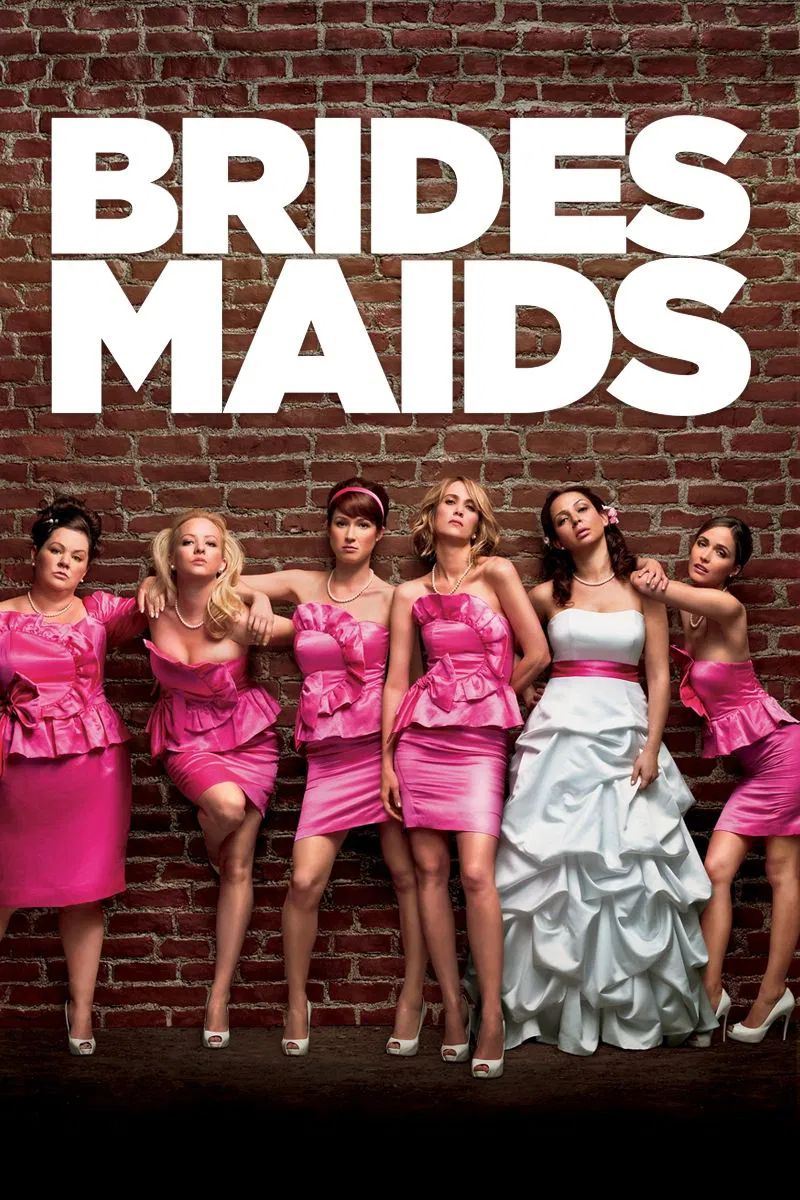
A comedy about Annie, whose life is falling apart just as her best friend Lillian gets engaged, her attempts to be good maid of honor complicated by jealousy, financial stress, and competition with Lillian's new wealthy friend Helen. Paul Feig and Kristen Wiig create female-centered comedy that proves women can be just as funny and crude as men while also addressing real anxieties about friendship, aging, and success. Wiig plays Annie with desperation that's both funny and genuinely painful, her self-sabotage stemming from feeling left behind as her best friend moves forward into marriage and adulthood. The ensemble creates complete world of women at different life stages, Maya Rudolph's bride trying to maintain sanity while managing competing personalities, Rose Byrne's Helen performing perfection while hiding her own insecurities, and Melissa McCarthy's Megan stealing scenes through pure force of personality and surprising emotional wisdom. What makes Bridesmaids work beyond its gross-out comedy is its honest examination of how female friendships change when life circumstances diverge, how Annie's jealousy of Helen stems from fear of losing Lillian rather than actual dislike, how class differences make her feel inadequate even though Lillian doesn't care about wealth.

The film's depiction of Annie hitting rock bottom, losing her apartment and job and relationship, creates genuine stakes beneath the comedy, making her eventual recovery feel earned rather than inevitable. The film examines how we self-destruct when we feel unworthy of good things, how Annie pushes away the cop who genuinely cares about her because she doesn't believe she deserves happiness. It succeeds because Feig and Wiig balance comedy with emotional honesty, showing that you can make poop jokes and also create real characters whose struggles resonate, that female friendship is complicated and sometimes painful but ultimately worth fighting for, and that sometimes the person you need to compete with isn't your rival but your own self-defeating patterns that keep you from accepting that you're worthy of love and success.
15. 🎬 Easy A (2010)

A high school comedy inspired by The Scarlet Letter, following Olive who pretends to sleep with unpopular boys to improve their social status, her reputation as school slut becoming costume she can't remove. Will Gluck creates smart teen comedy that examines how rumors spread and reputations are constructed, using social media and gossip to show how quickly lies become accepted truth. Emma Stone's Olive is witty narrator who starts her scheme as empowerment before discovering she can't control how others interpret her actions, her confidence gradually eroding as the whole school believes the worst about her. The film's examination of sexual double standards shows how girls are punished for behavior boys are celebrated for, how Olive's fake promiscuity makes her target while the boys she supposedly slept with gain status. What makes Easy A work is Stone's charisma and the film's genuine intelligence about high school social dynamics, showing how Christian students are often the most judgmental, how rumors serve specific social functions in maintaining hierarchies, and how once you're labeled it's nearly impossible to change others' perceptions.
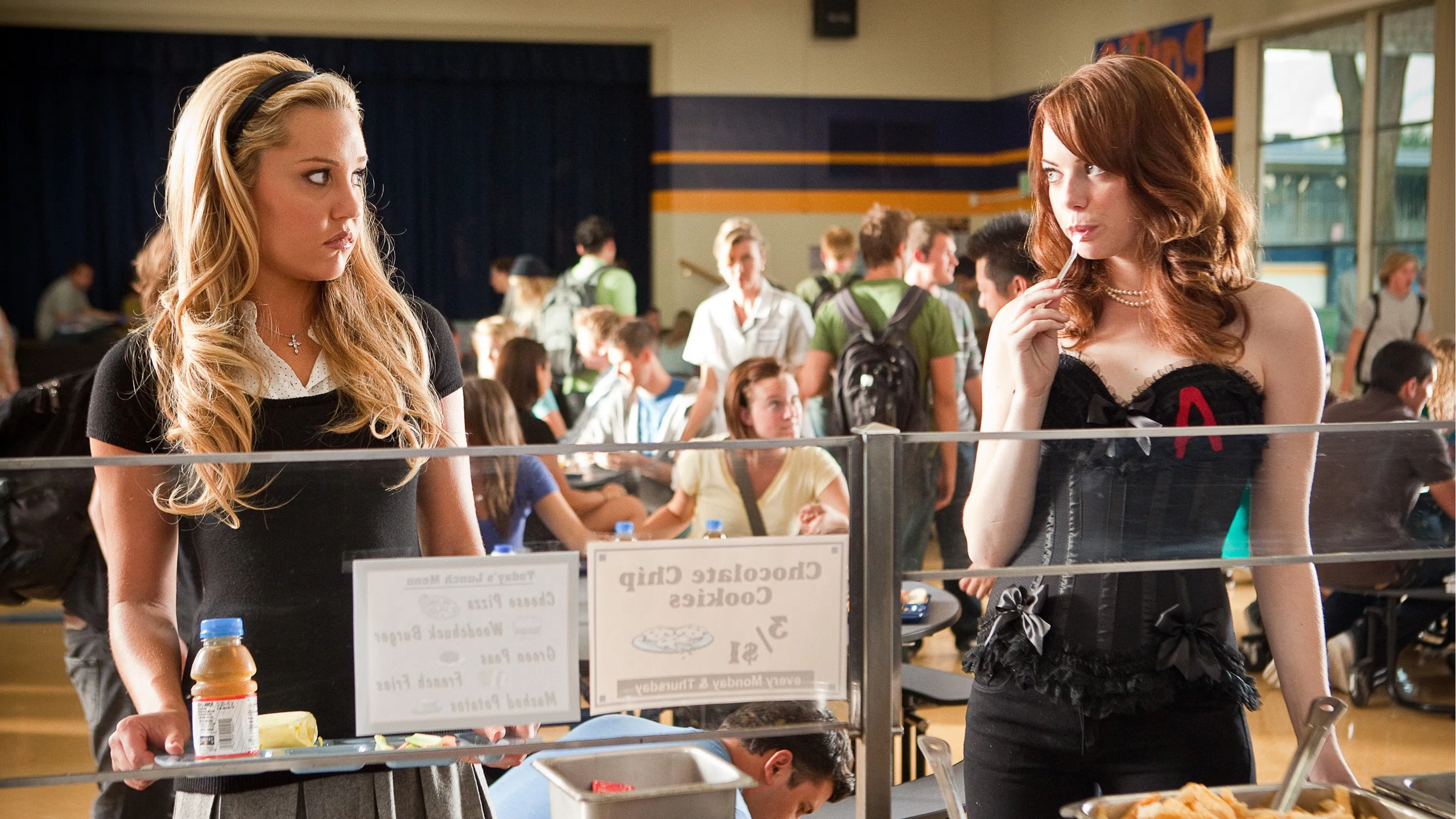
The supporting cast creates believable high school ecosystem, Amanda Bynes as the Christian student leading the charge against Olive, Thomas Haden Church and Lisa Kudrow as teachers with their own secret relationship, and Penn Badgley as the nice guy who sees beyond Olive's reputation. The film's resolution, where Olive broadcasts the truth via webcast, represents reclaiming narrative from gossip by telling your own story on your own terms. It succeeds because Gluck uses clever premise to examine real anxieties about reputation and judgment, showing how quickly we judge others based on incomplete information, how empowerment can backfire when you underestimate others' willingness to believe the worst, and that sometimes the only way to fight lies is radical honesty that forces people to confront their assumptions about who you actually are versus who they've decided you must be.
— The Cinéprism
Keep reading

31 / 08 / 2026 · 391 reads
10 Best Endings in Film
A curated list of 10 unforgettable movie endings that leave a lasting impact long after the credits roll.
15 / 09 / 2026 · 143 reads
Top 15 Movies with Plot Twists You Might Have Missed
15 movies packed with hidden clues, subtle details, and twists that hit differently once you know what to look for.