
Dispatch — Long Read
15 films that might change your life:
From heart-wrenching dramas to inspiring tales of resilience, explore 15 cinematic masterpieces that challenge perspectives, stir the soul, and leave an indelible mark on how you view the world.
The Cinéprism
25 / 12 / 2025 · 16 min read
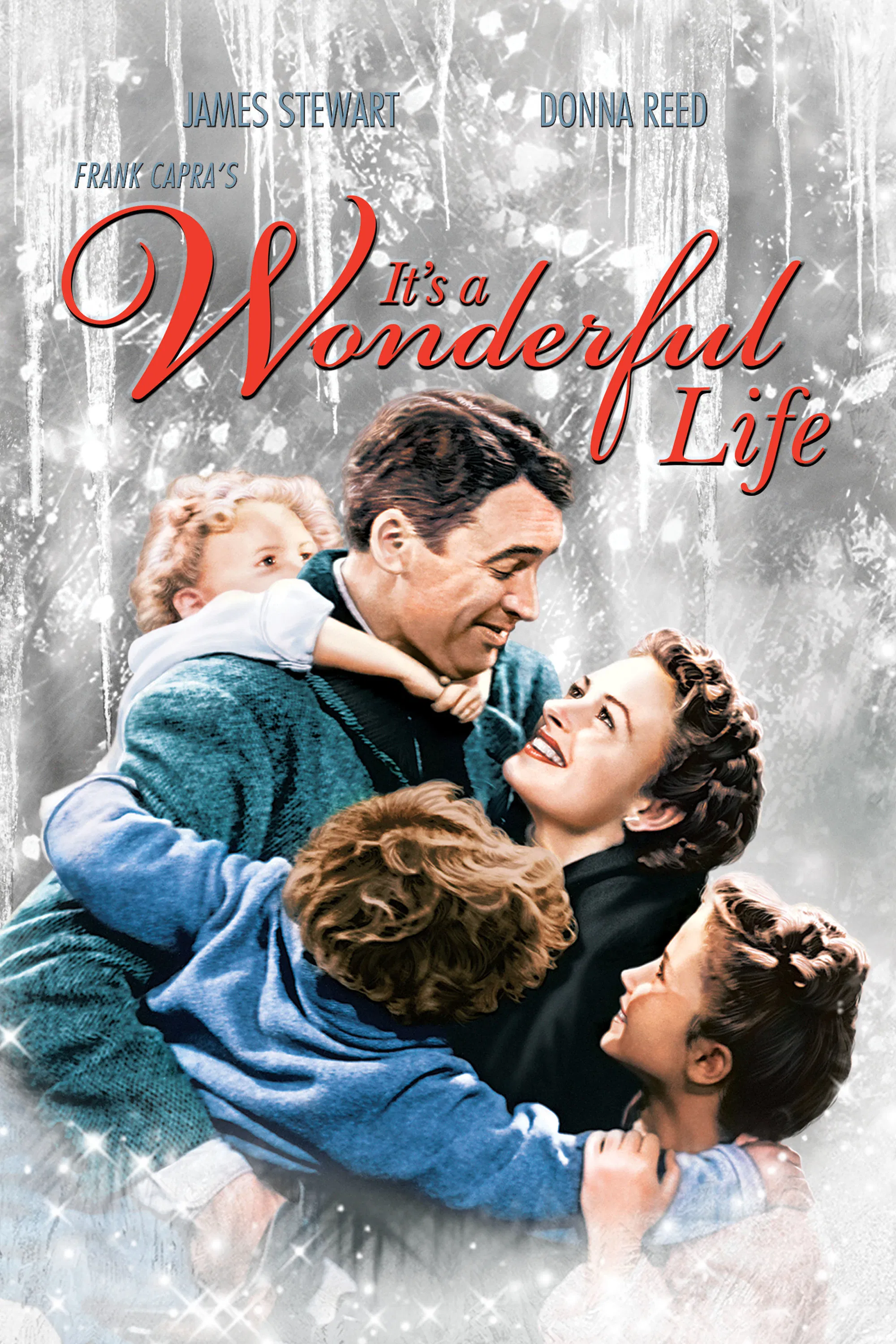
15. 🎬It's a Wonderful Life (1946)
Synopsis:
An angel is sent from Heaven to help a desperately frustrated businessman by showing him what life would have been like if he had never existed. It is a profound existential drama that uses a supernatural premise to explore the value of a single human life and the interconnectedness of a community.
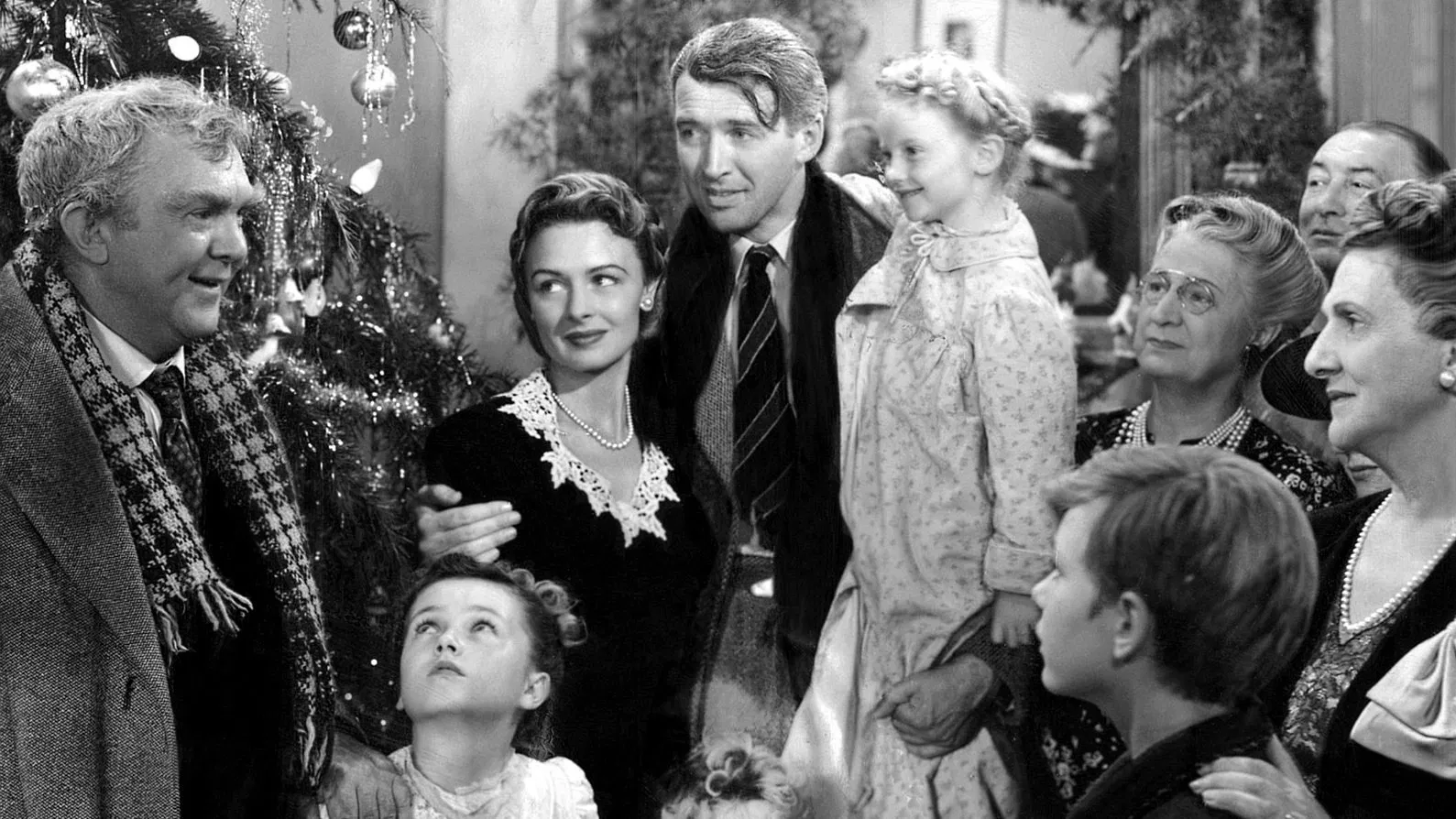
Frank Capra’s magnum opus is often misremembered as a sentimental fluff piece, but it is actually a dark, noir-adjacent examination of American despair and the crushing weight of responsibility. James Stewart plays George Bailey not as a saint but as a man simmering with repressed ambition and rage, his sacrifices for Bedford Falls slowly eating away at his dreams until he contemplates suicide. The "Pottersville" sequence is a terrifying vision of unchecked capitalism and moral decay, contrasting sharply with the communal warmth of Bailey Park to visualize the film's thesis that ethical living is a bulwark against darkness. The climax, where the town rallies to save George, is emotionally devastating not because of magic but because it represents the accumulation of years of small, thankless kindnesses returning all at once. It succeeds because it refuses to solve George’s financial problems with a miracle, instead offering the harder truth that a meaningful life is defined by relationships rather than bank accounts.
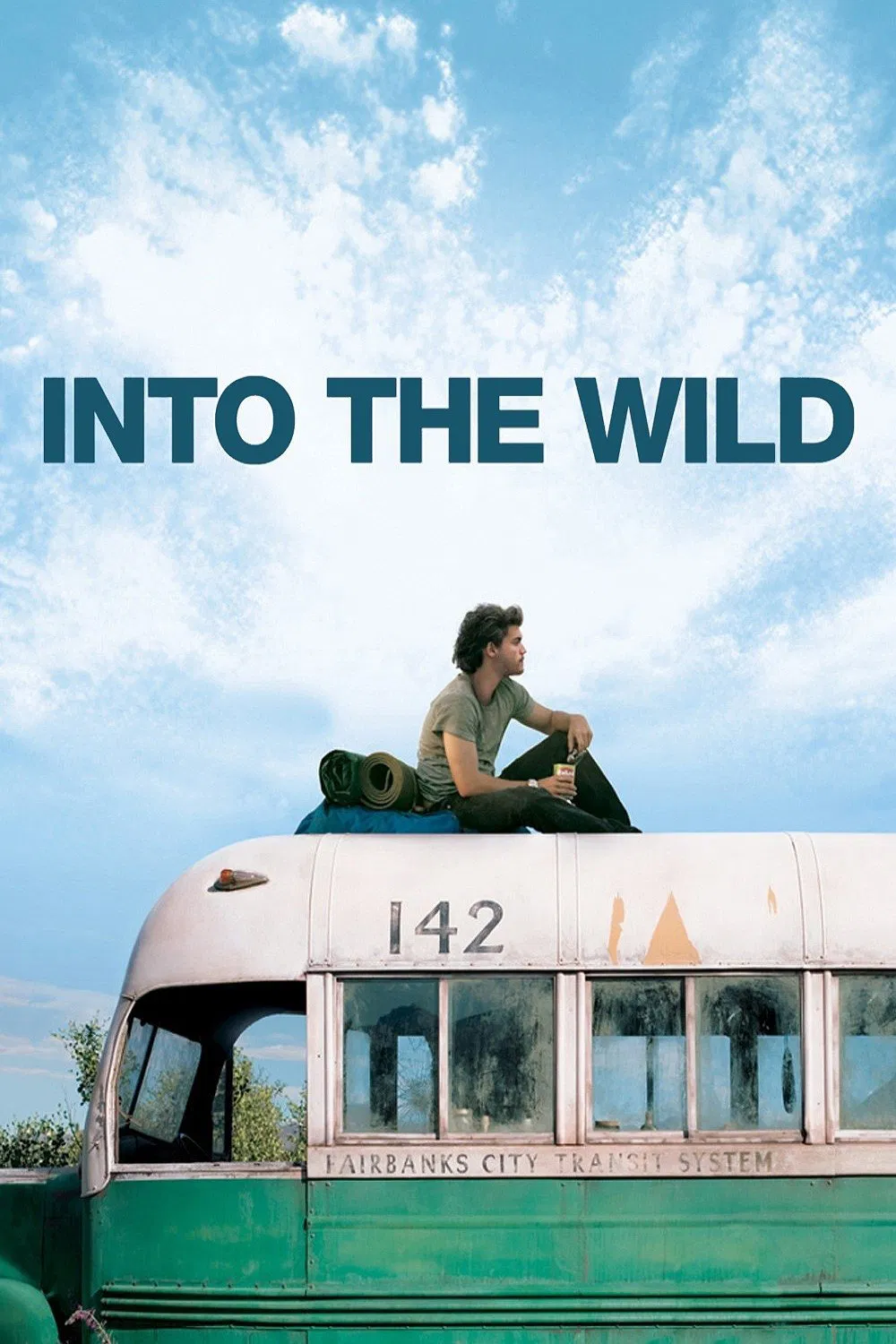
14. 🎬 Into the Wild (2007)
Synopsis:
Based on the true story of Christopher McCandless, a top student and athlete who abandons his privileged life, donates his savings to charity, and hitchhikes to Alaska to live in the wilderness. It is a visually stunning and tragic exploration of idealism, the rejection of materialism, and the fatal consequences of seeking absolute freedom in nature.

Sean Penn captures the restless spirit of youth with a raw, poetic intensity, portraying McCandless not as a fool or a saint, but as a complex seeker trying to heal a deep existential wound caused by his parents' toxic marriage. Emile Hirsch delivers a transformative performance, capturing both the charismatic joy of McCandless’s travels and the terrifying physical deterioration of his final days in the "Magic Bus." The film is structurally complex, weaving between his joyful encounters with fellow drifters on the road and his solitary, starving existence in the Alaskan bush, illustrating the dichotomy between the beauty of shared human experience and the harsh indifference of the natural world. Eddie Vedder’s haunting acoustic score acts as the narrator of McCandless’s soul, filling the vast, empty landscapes with a sense of yearning and sorrow. It succeeds because it refuses to romanticize or condemn its protagonist, ultimately delivering the crushing, life-altering realization found in McCandless's final diary entry: "Happiness only real when shared," a lesson that arrives too late to save him but just in time to change the audience.
13. 🎬 The Truman Show (1998)

Synopsis:
Truman Burbank is the star of a 24-hour reality TV show that broadcasts every aspect of his life to the world, but he is the only one who doesn't know it. As cracks begin to appear in his perfect, artificial world, he must overcome his fears to escape the massive studio dome that has been his entire universe.
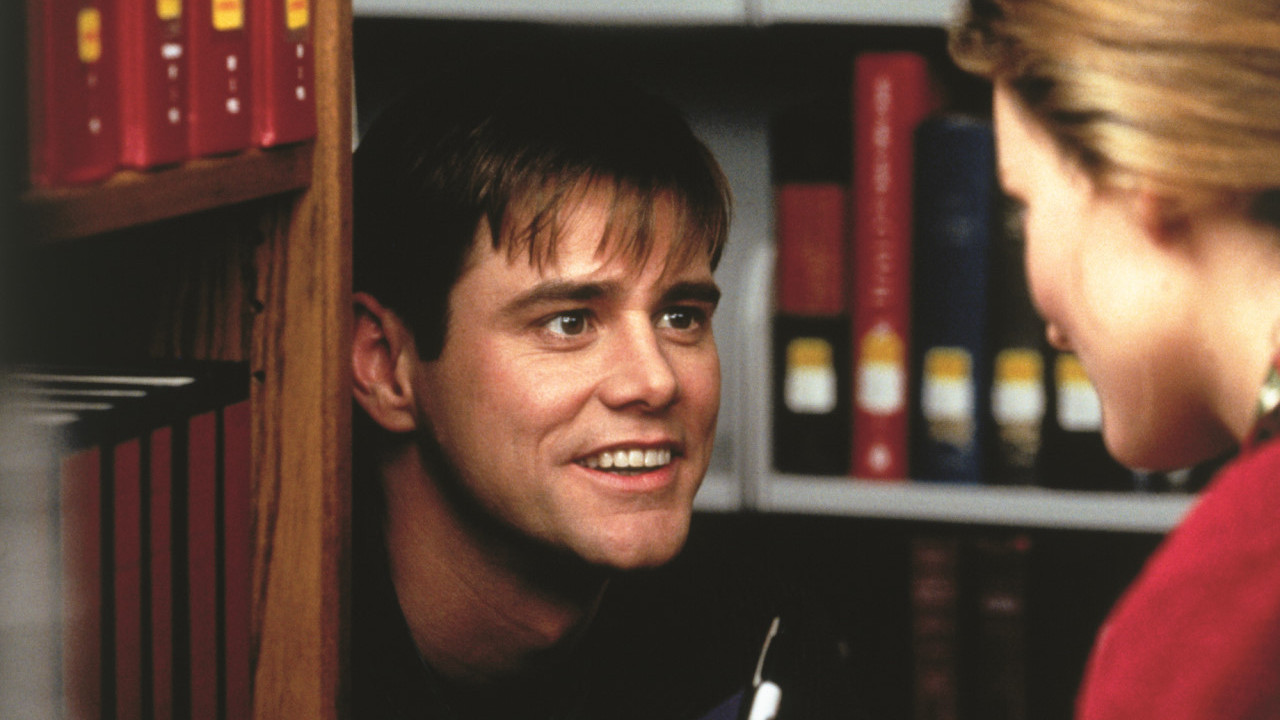
Peter Weir’s prophetic satire anticipates the modern obsession with surveillance and reality fame, but beneath its high-concept premise lies a profound allegory for the Gnostic struggle of awakening to a false reality. Jim Carrey plays Truman with a manic, desperate energy that masks a deep sadness, his cheerfulness becoming a prison bar that keeps him trapped in the role of the "happy neighbor." The film examines the god-complex of the creator, Christof, who believes that the safety of a controlled, fake world is superior to the chaotic danger of freedom, posing the ultimate philosophical question of whether comfort is worth the loss of agency. The visual language of the film, with its vignette shots and hidden camera angles, forces the audience into the uncomfortable position of voyeur, making us complicit in Truman’s imprisonment. It succeeds because it transforms a sci-fi concept into a universal human story about the courage required to walk away from the script society has written for you, culminating in a final bow that is both a polite rejection of tyranny and a terrifying step into the unknown dark.
12. 🎬 Schindler's List (1993)

Synopsis:
The harrowing true story of Oskar Schindler, a German businessman and member of the Nazi party who saves the lives of more than a thousand Jewish refugees during the Holocaust by employing them in his factories. It is a monumental historical drama that examines the nature of good and evil, and how a flawed, opportunistic man can be transformed by the witnessing of absolute atrocity.
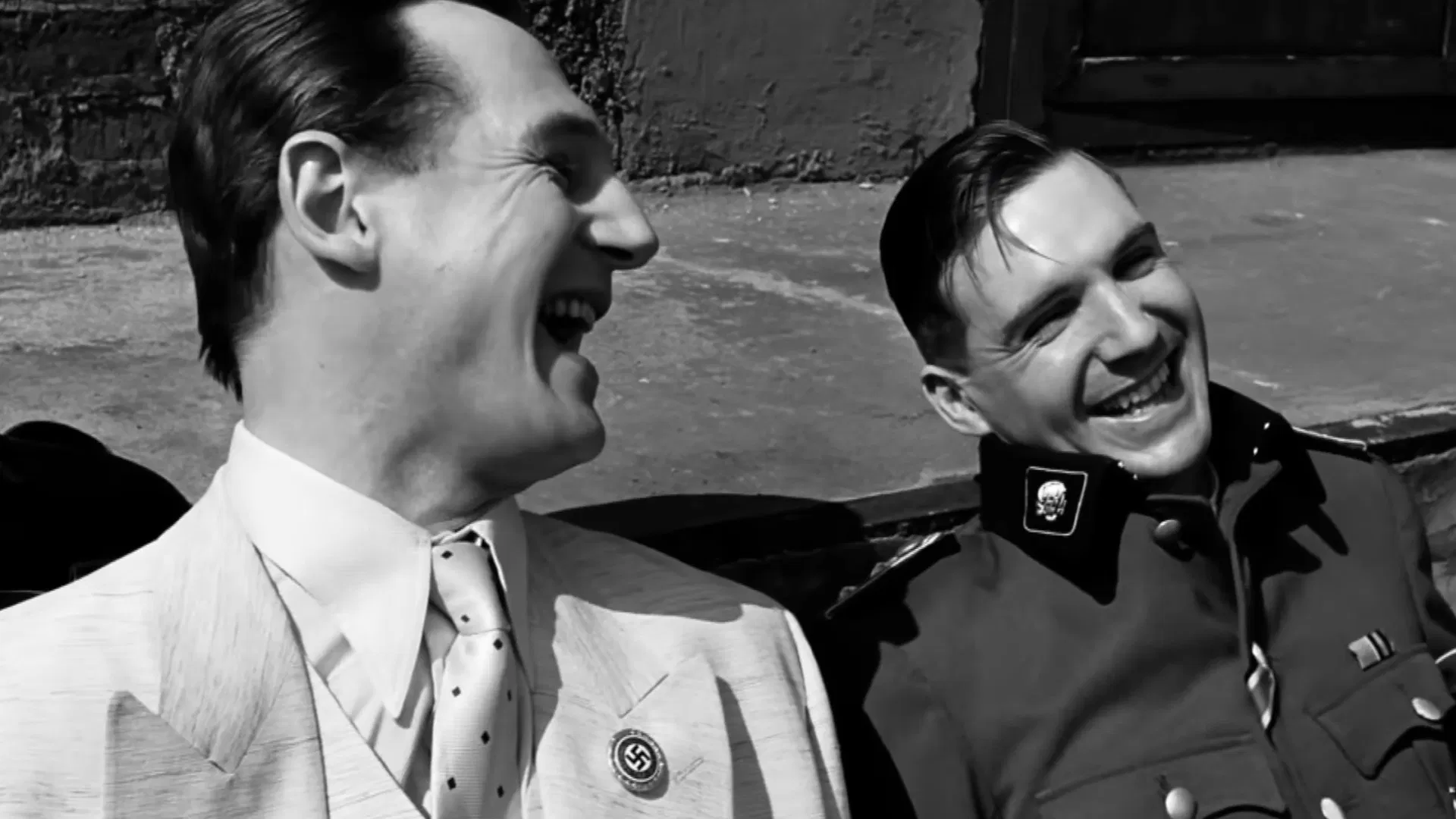
Steven Spielberg eschews the polished aesthetics of Hollywood to create a film that feels like a docu-drama found in the ruins of history, shooting in stark black and white to strip away any sense of comfort or distance. Liam Neeson’s Schindler is portrayed not as a conventional hero, but as an enigma whose initial motivation is greed, his transformation occurring gradually and silently as the industrial machinery of genocide grinds on around him. Ralph Fiennes plays Amon Göth as a terrifying study in psychopathy, a man who treats murder with the casualness of a morning routine, serving as the dark mirror to Schindler’s awakening conscience. The film’s use of the "girl in the red coat" remains one of cinema's most powerful visual metaphors, a singular splash of color that represents the individual humanity lost within the staggering statistics of death. It succeeds because it forces the viewer to confront the limits of their own morality, asking what they would do in the face of such darkness, and proving the Talmudic verse that "whoever saves one life, saves the world entire."
11. 🎬 Fight Club (1999)

Synopsis:
An insomniac office worker looking for a way to change his life crosses paths with a devil-may-care soap maker, forming an underground fight club that evolves into something much more sinister. It is a stylish, kinetic satire on consumer culture and toxic masculinity that questions what it means to be a man in a society that has lost its spiritual center.
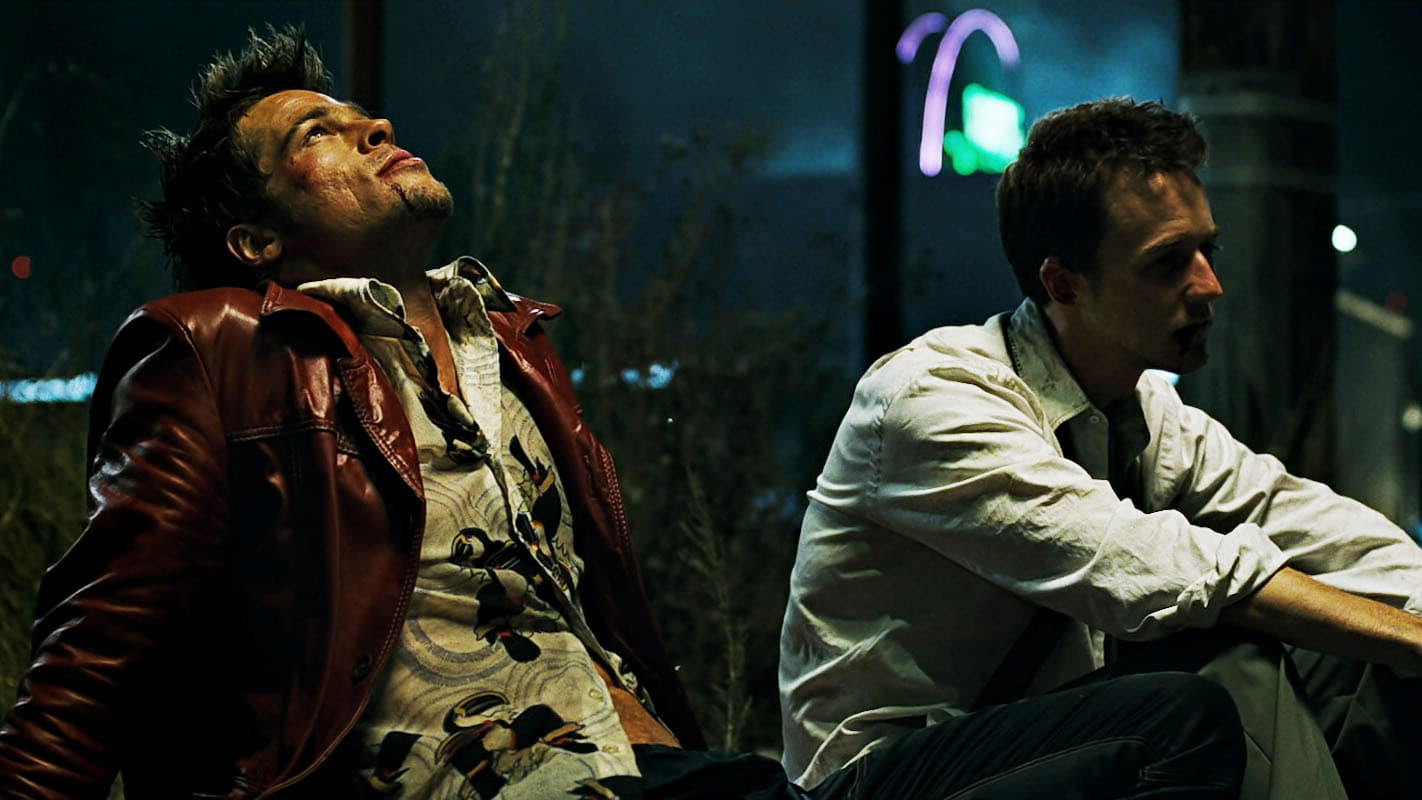
David Fincher creates a grimy, sepia-toned fever dream that visualizes the internal rot of Generation X, using subliminal editing and a breaking-the-fourth-wall narrative to destabilize the viewer. Edward Norton plays the Narrator as a man hollowed out by the "IKEA nesting instinct," seeking identity through catalogs, while Brad Pitt’s Tyler Durden represents the dangerous allure of absolute nihilism and physical reclamation of the self. The film’s violence is grotesque yet seductive, serving as a metaphor for the desire to feel something real in a numbed world, while the Dust Brothers’ electronic score adds a sense of relentless, industrial dread. The famous plot twist recontextualizes the entire story from an external revolution to an internal civil war, revealing that the destruction of society was actually a projection of one man's shattered psyche. It succeeds because it dares to ask uncomfortable questions about why modern comfort feels so suffocating, suggesting that the things you own really do end up owning you.
10. 🎬 12 Angry Men (1957)
Synopsis:
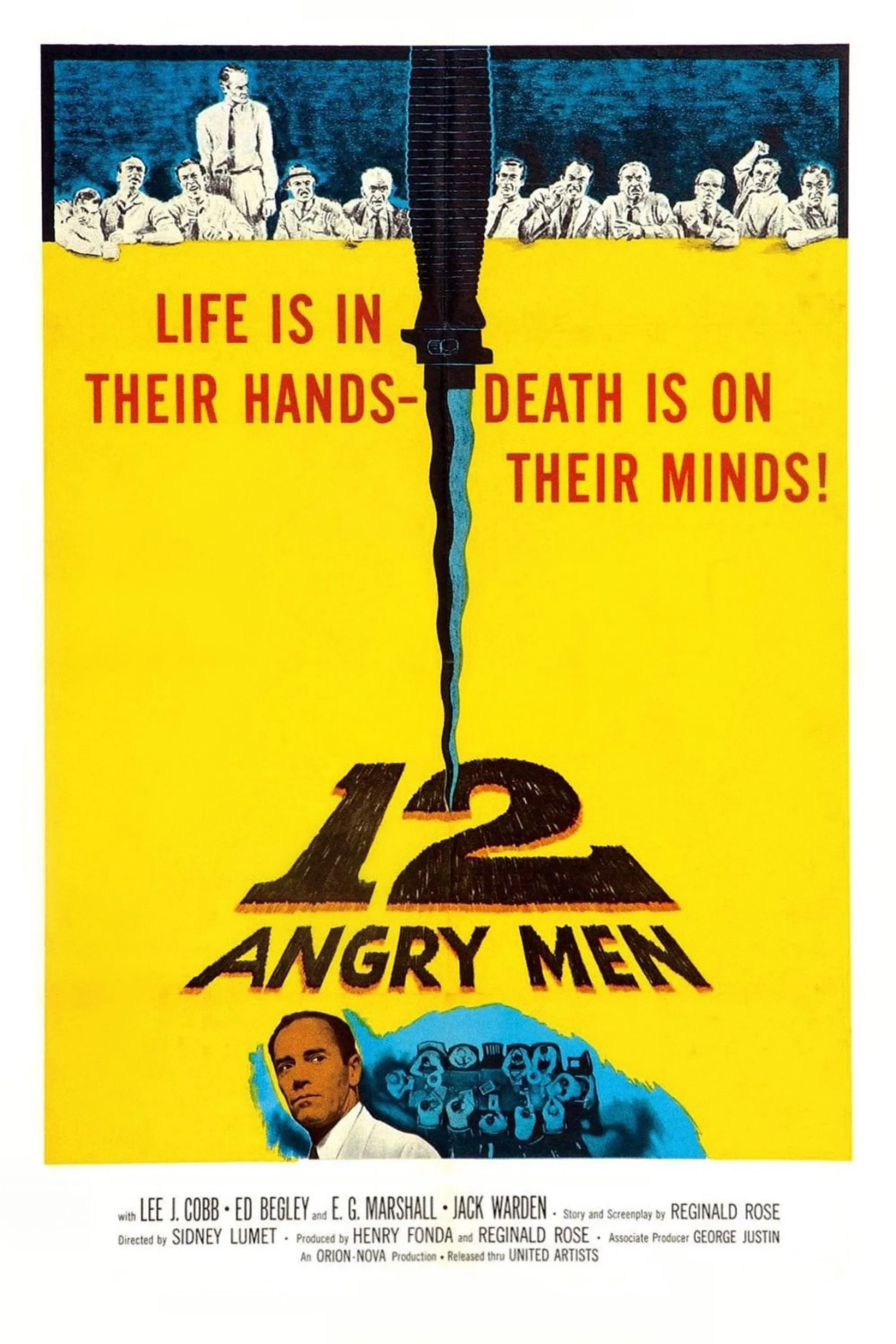
Following the closing arguments in a murder trial, twelve jurors enter a small, sweltering room to decide the fate of a teenager accused of killing his father. What begins as an open-and-shut case for eleven of them turns into a tense, claustrophobic drama when one juror refuses to vote guilty without a discussion.
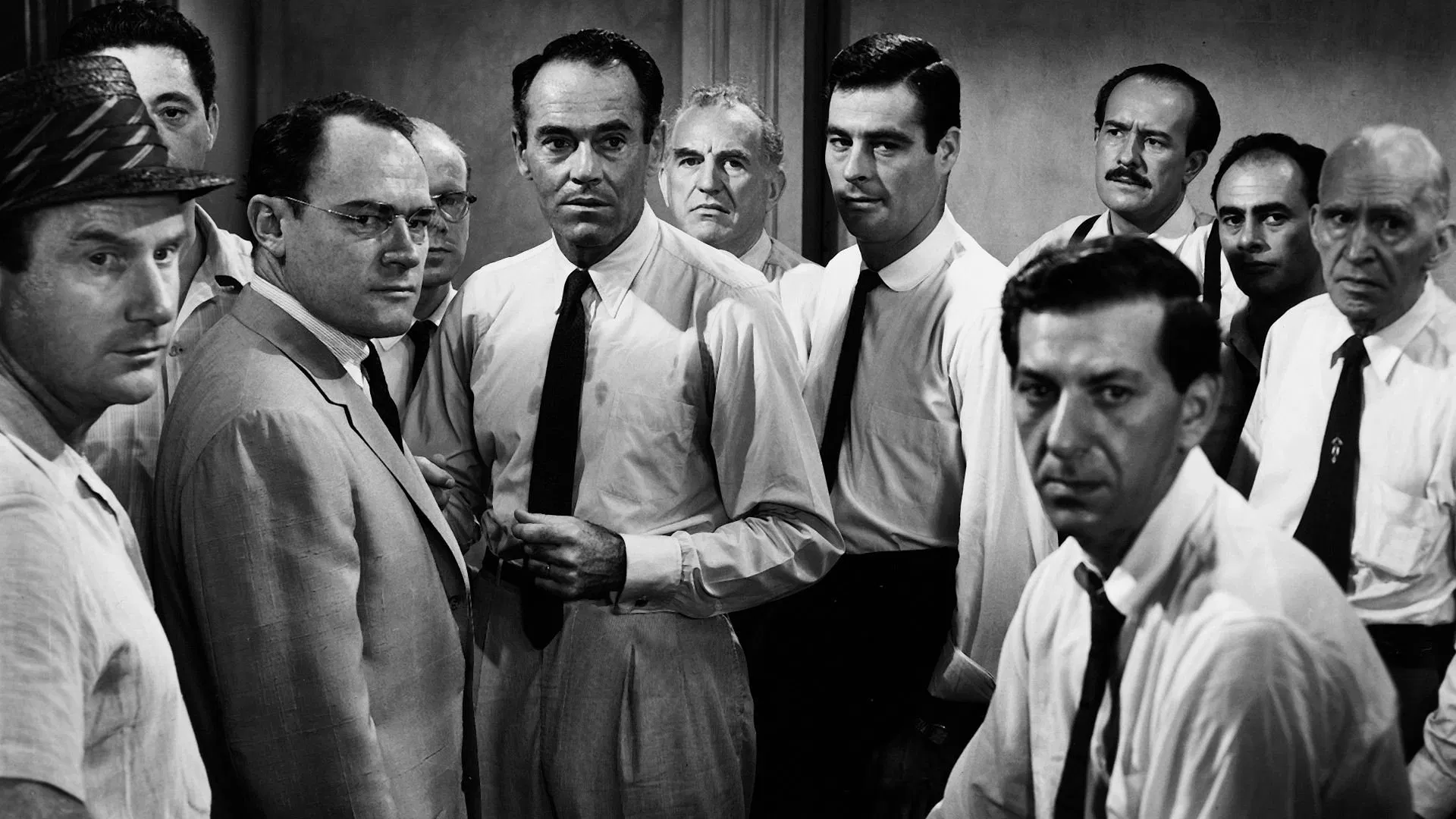
Sidney Lumet’s directorial debut is a masterclass in tension and blocking, proving that you don't need explosions or special effects to create one of the most gripping films ever made. Henry Fonda plays Juror #8 as the voice of reasonable doubt, a man who doesn't necessarily believe the boy is innocent but insists that the system must work as intended, stripping away prejudice and laziness to find the truth. The film is a microscopic examination of human bias, showing how each juror’s personal baggage—classism, racism, or a broken relationship with a son—colors their perception of the facts. As the room gets hotter and the debate gets fiercer, Lumet slowly changes the camera lenses to close-ups, creating a sense of physical and psychological entrapment that forces the audience to confront the weight of a life hanging in the balance. It succeeds because it is a timeless defense of the democratic process and the importance of standing alone when you believe you are right, reminding us that justice is not a machine, but a fragile thing sustained only by the integrity of individuals.
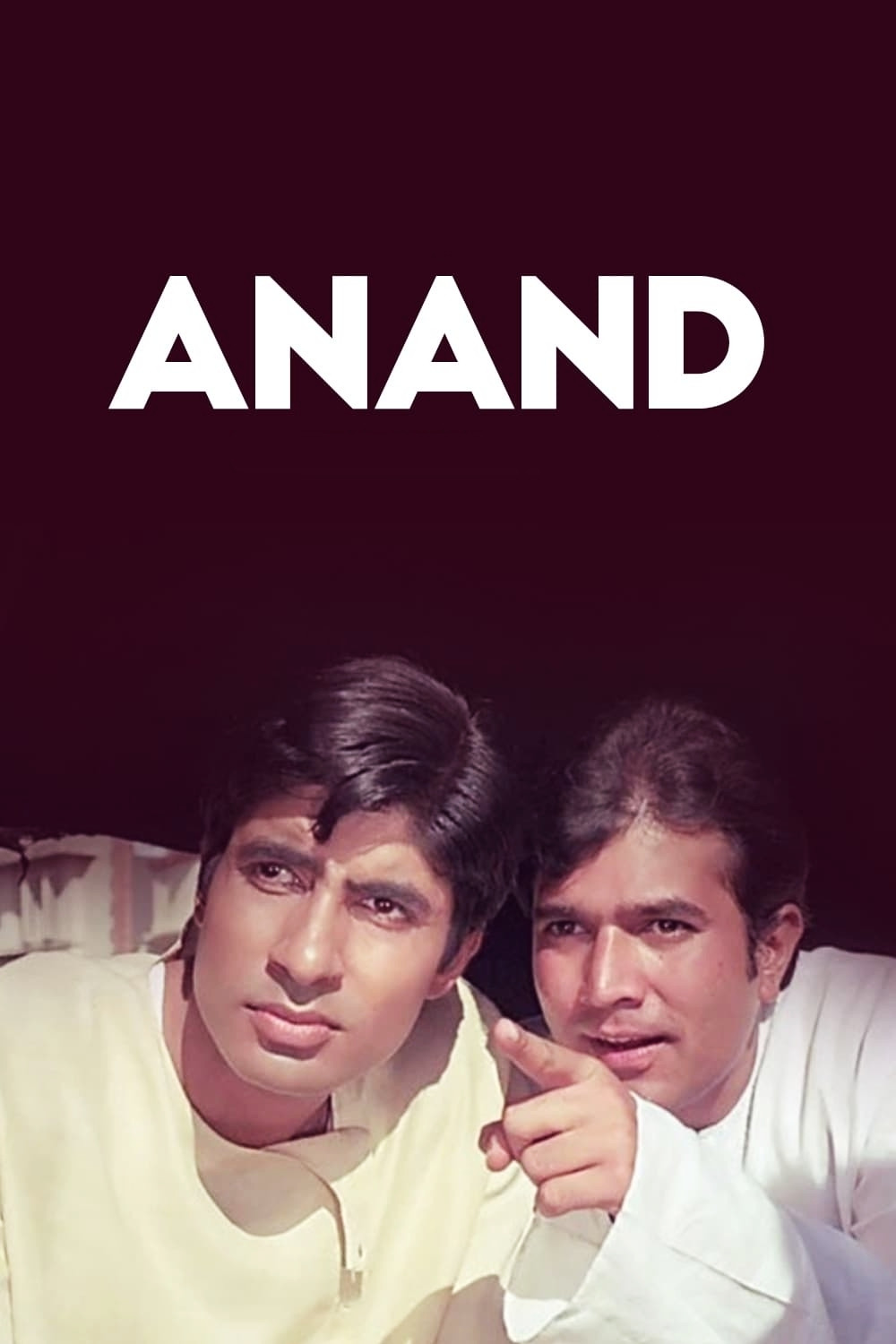
9. 🎬 Anand (1971)
Synopsis:
A terminally ill man named Anand decides to spend his remaining months spreading joy and laughter to everyone he meets, profoundly affecting the life of his pessimistic doctor, Bhaskar. It is a poignant, philosophical drama about the inevitability of death and the choice to embrace life fully until the very last breath.
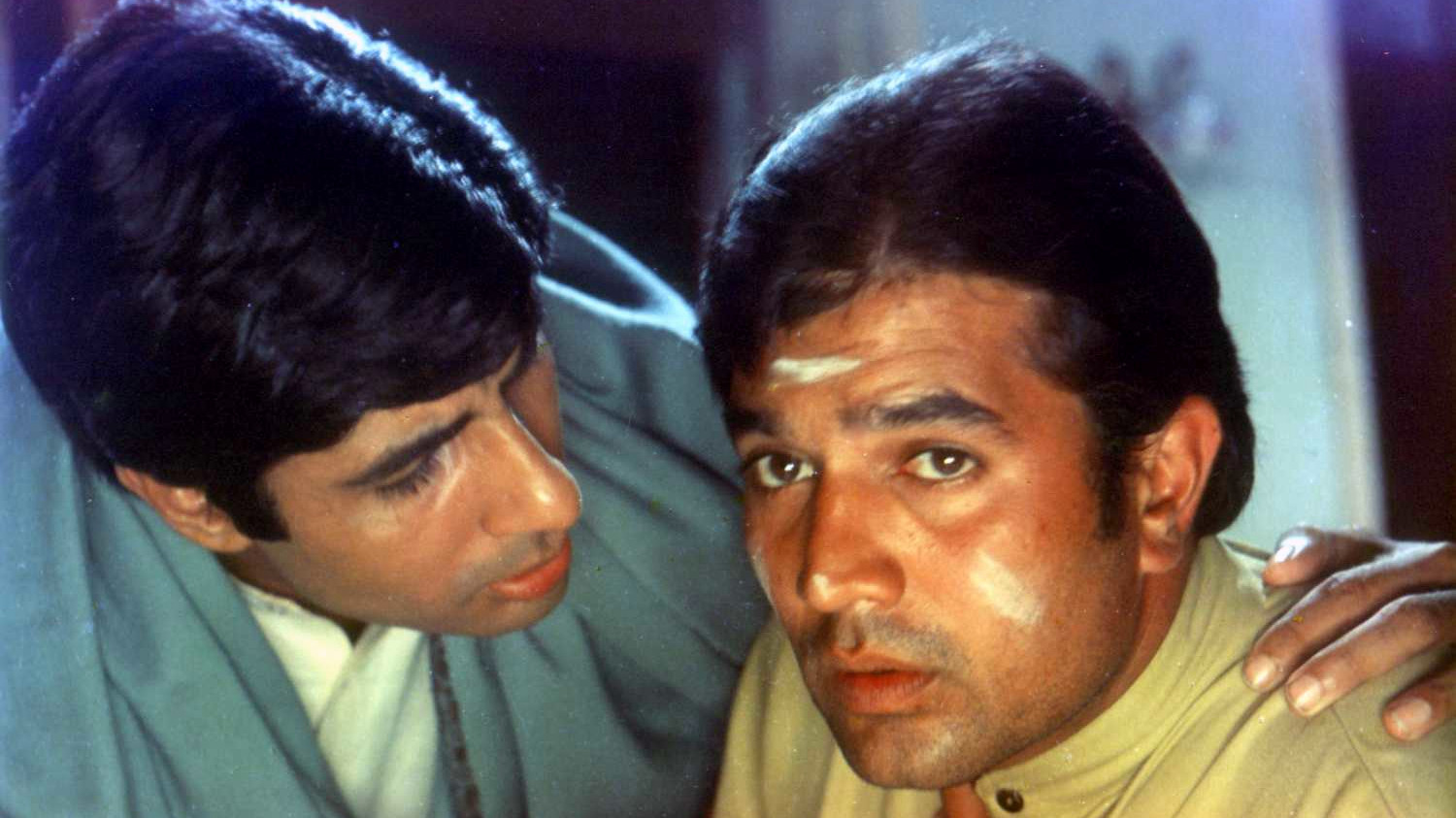
Hrishikesh Mukherjee creates a character in Anand, played by the legendary Rajesh Khanna, who defies the tragedy of his condition with an infectious, almost rebellious optimism. The film avoids the melodramatic excesses typical of the era, focusing instead on the quiet, transformative friendship between the talkative patient and the brooding "Babu Moshai" (Amitabh Bachchan), whose cynicism is slowly dismantled by Anand’s vitality. The narrative is framed as a memory from the doctor’s perspective, instantly casting a shadow of inevitable loss over the humor, making every laugh feel precious and fleeting. The dialogue by Gulzar is poetic and profound, delivering lines like "Life should be big, not long" that have become cultural proverbs. It succeeds because it teaches the viewer how to die with grace, framing death not as a defeat but as a poem that ends, leaving the audience with the life-changing realization that our legacy is defined by the warmth we leave in the hearts of others.
8. 🎬 Eternal Sunshine of the Spotless Mind (2004)

Synopsis:
After a painful breakup, Joel discovers that his ex-girlfriend Clementine has undergone a medical procedure to erase him from her memory. devastated, he decides to do the same, but as the process begins, he rediscovers his love for her within his own decaying mind and fights to hide her in the recesses of his subconscious.

Michel Gondry and writer Charlie Kaufman create a surreal, science-fiction romance that deconstructs the very nature of memory and identity, asking whether it is better to have loved and lost than to never have loved at all. Jim Carrey gives a restrained, internal performance as Joel, contrasting perfectly with Kate Winslet’s chaotic, vibrant Clementine, their relationship playing out in reverse from bitterness back to the initial spark. The film’s visual ingenuity, using practical effects to show the world crumbling and fading around the characters, creates a visceral representation of how memory loss feels like a death of the self. It explores the idea that our pain is an essential part of us, and that erasing the bad parts of a relationship inevitably destroys the good parts too. It succeeds because it rejects the Hollywood ending for something more profound and realistic: the choice to try again, even knowing that it might end in pain, because the experience of being known by another person is worth the inevitable heartbreak.
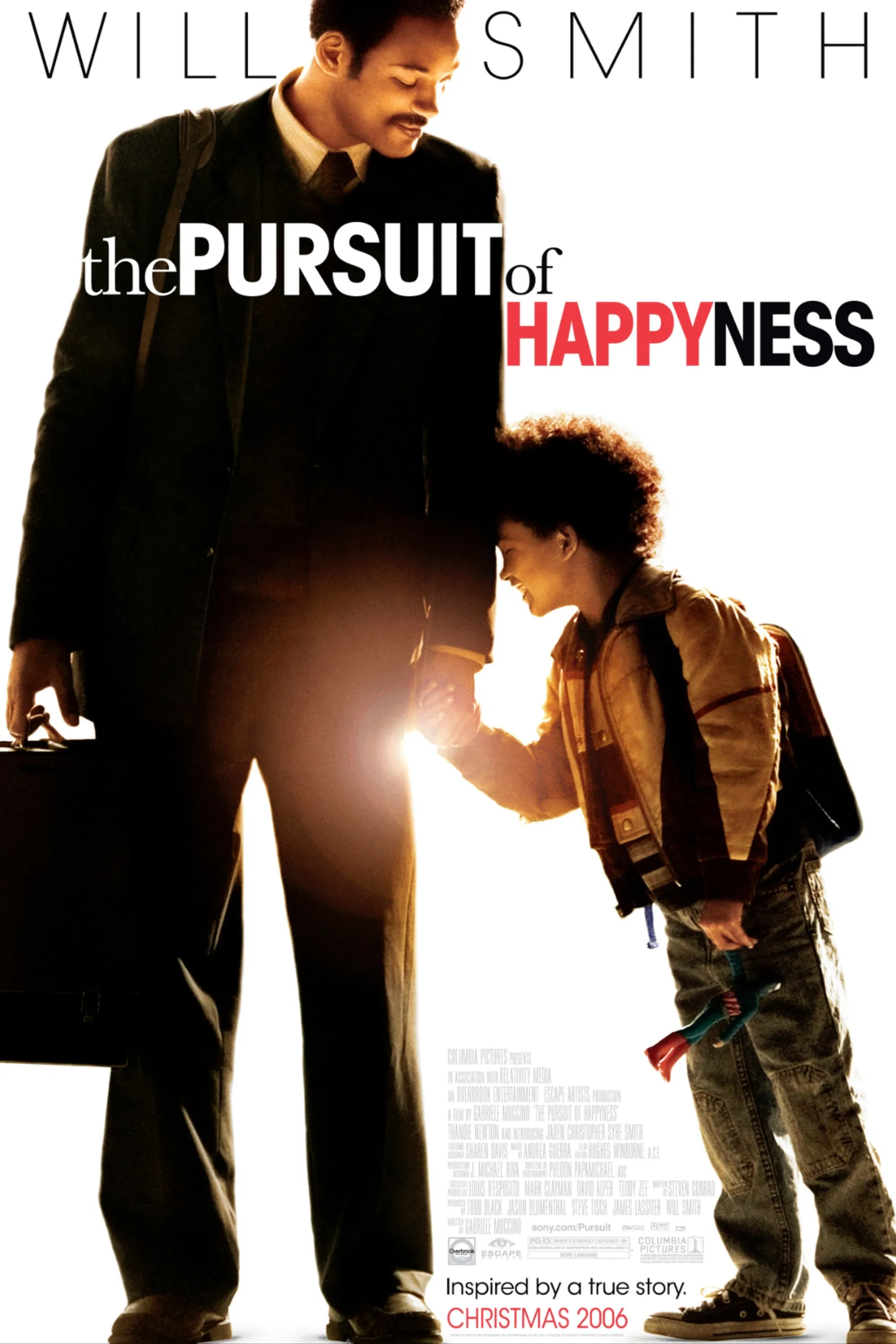
7. 🎬 The Pursuit of Happyness (2006)
Synopsis:
Based on a true story, a struggling salesman named Chris Gardner loses his wife, his house, and his bank account, and is left to raise his young son alone while undergoing an unpaid internship at a prestigious stock brokerage. It is a grueling, emotional drama about resilience, fatherhood, and the crushing weight of poverty in a land of plenty.
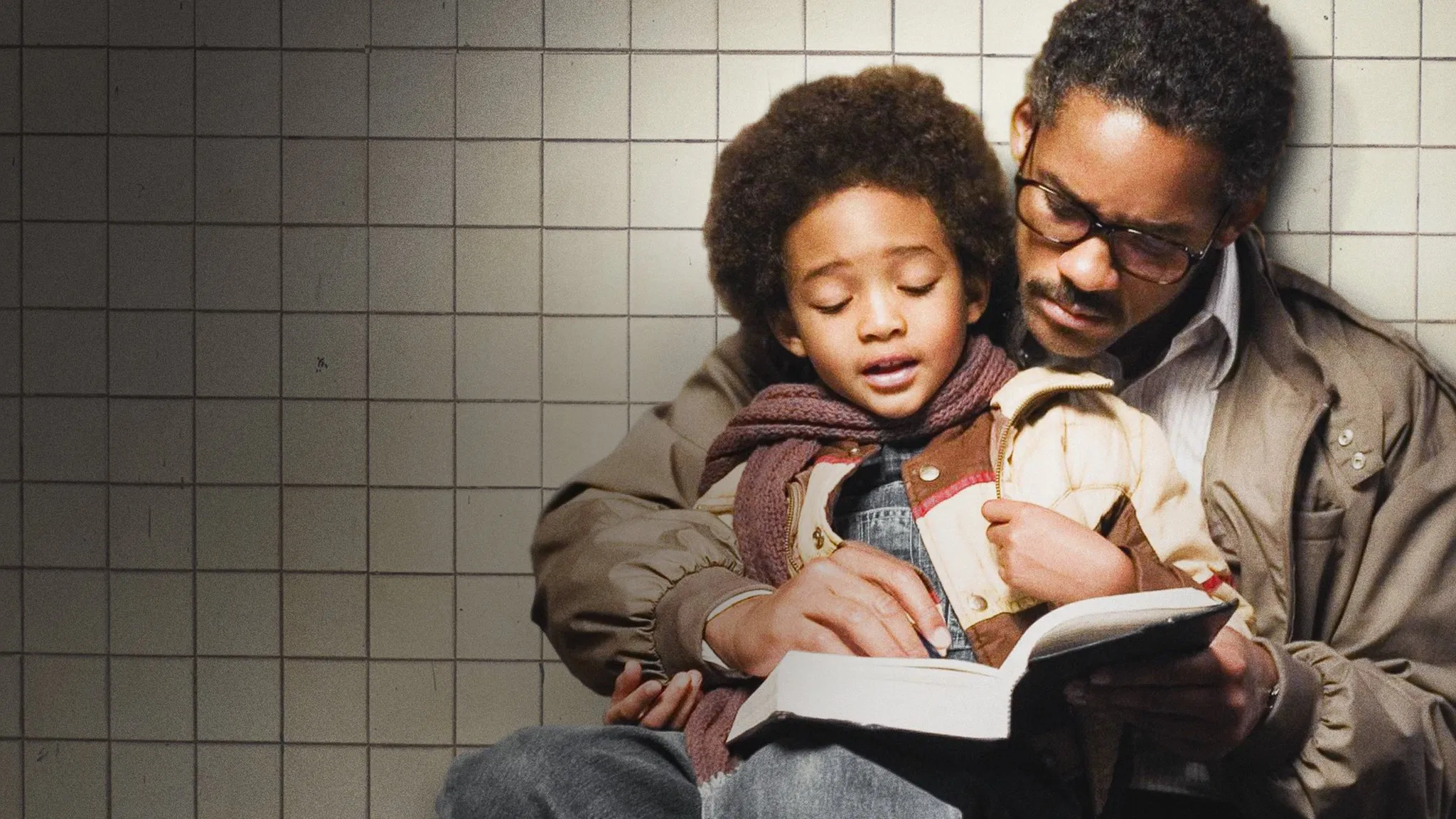
Gabriele Muccino directs a film that is almost physically painful to watch in its depiction of bad luck and systemic indifference, stripping Will Smith of his usual charisma to reveal a desperate, terrified father hanging on by a thread. The film distinguishes itself by focusing on the mundane indignities of being poor - the missing shoe, the parking tickets, the nights spent in a subway bathroom—showing how poverty is a full-time job that leaves little room for "happiness." The relationship between Smith and his real-life son Jaden adds a layer of raw authenticity to their interactions, making the stakes feel incredibly personal. The title, with its misspelling, serves as a metaphor for the imperfect, scrappy nature of Gardner’s journey. It succeeds because it doesn't present success as a stroke of luck, but as a result of superhuman endurance, culminating in a final scene of validation that is one of the most cathartic moments in cinema history, reminding us that the darkest hour really is just before the dawn.
6. 🎬 The Shawshank Redemption (1994)
Synopsis:
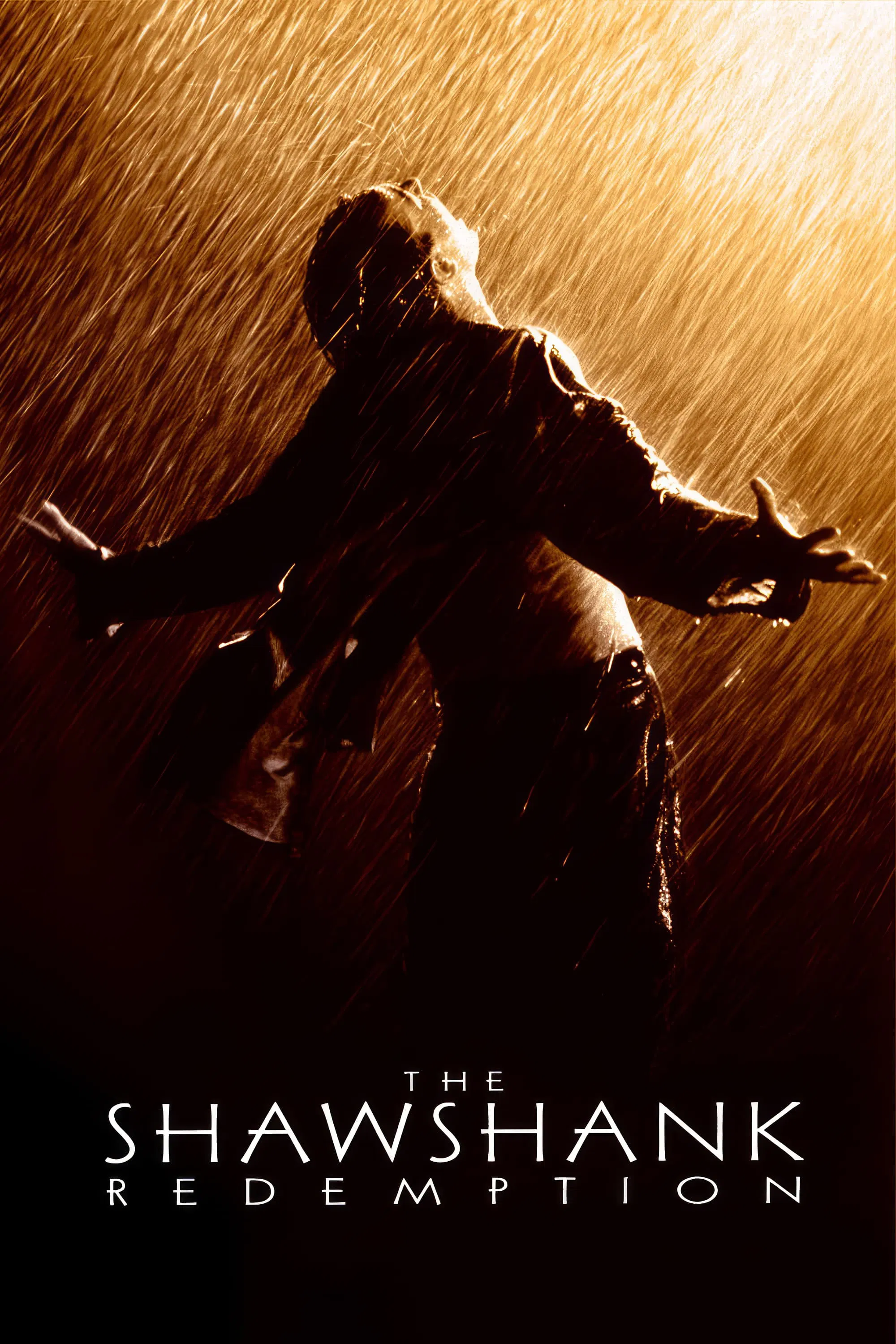
Andy Dufresne, a banker wrongly convicted of murdering his wife and her lover, is sentenced to life in Shawshank State Penitentiary. Over the course of two decades, he maintains his innocence and befriends a fellow inmate named Red, eventually finding a way to redeem himself and those around him through quiet acts of hope.
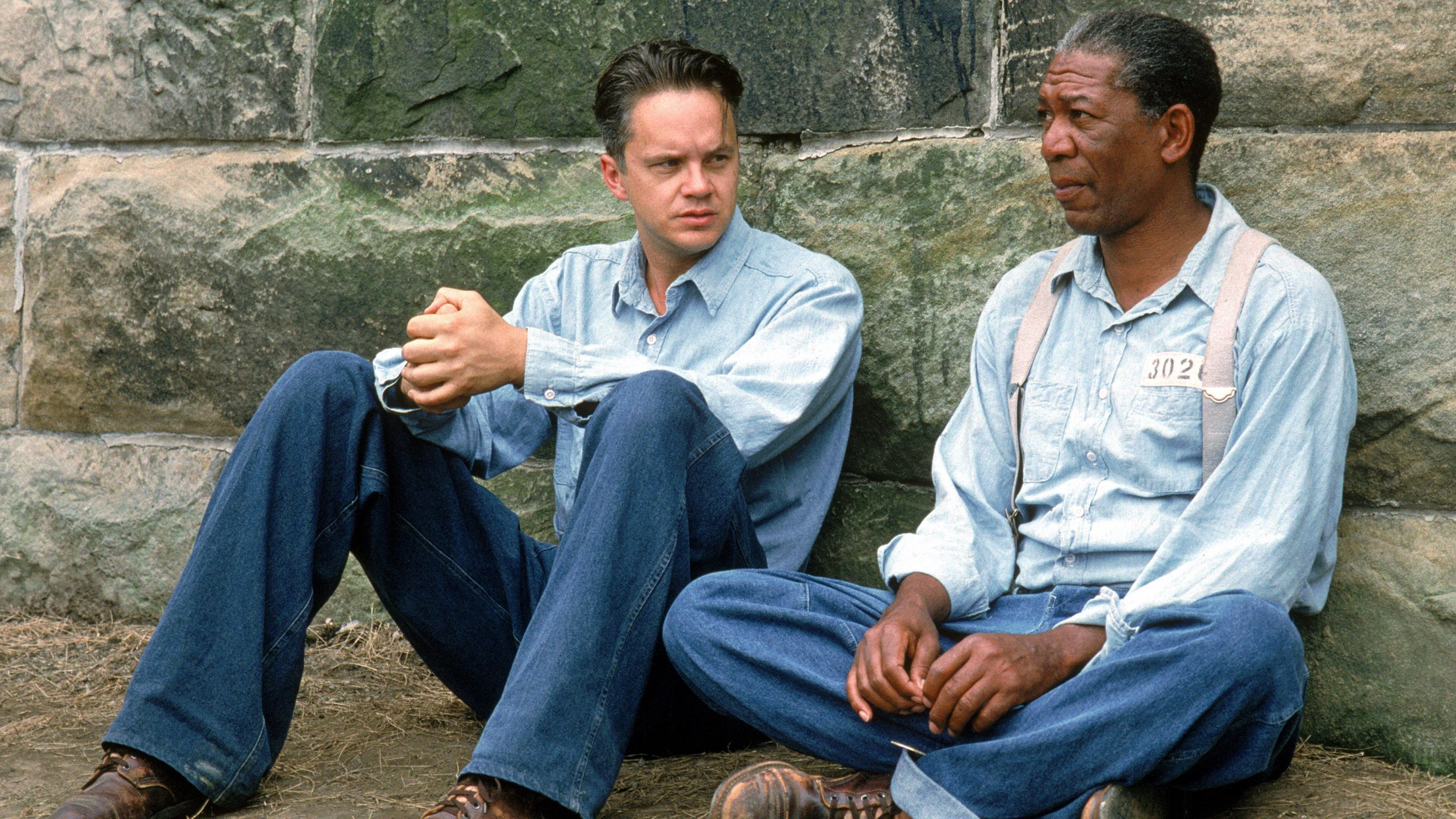
Frank Darabont adapts Stephen King’s novella into a modern fable about the durability of the human spirit, transforming the grim setting of a prison into a cathedral of patience and friendship. Tim Robbins plays Andy with an enigmatic reserve, a man who wears his freedom like an invisible coat that the guards cannot strip away, while Morgan Freeman’s Red serves as the soul of the film, his narration guiding us from institutionalized despair to the belief in a life beyond the walls. The film explores the concept of "institutionalization," showing how the prison system crushes the spirit until inmates become dependent on their cages, making Andy’s refusal to break a radical act of rebellion. The operatic scene where Andy plays Mozart over the loudspeakers is a transcendent moment that argues beauty is a necessity, not a luxury. It succeeds because it is a slow-burn story that rewards patience, delivering a climax of escape and reunion that feels like a spiritual cleansing, teaching the viewer that "hope is a good thing, maybe the best of things, and no good thing ever dies."
5. 🎬 Forrest Gump (1994)

Synopsis:
A slow-witted but kind-hearted man from Alabama witnesses and unwittingly influences several defining historical events of the 20th century in the United States, all while longing to be reunited with his childhood sweetheart, Jenny. It is a sweeping epic that views history through the lens of innocence and unconditional love.
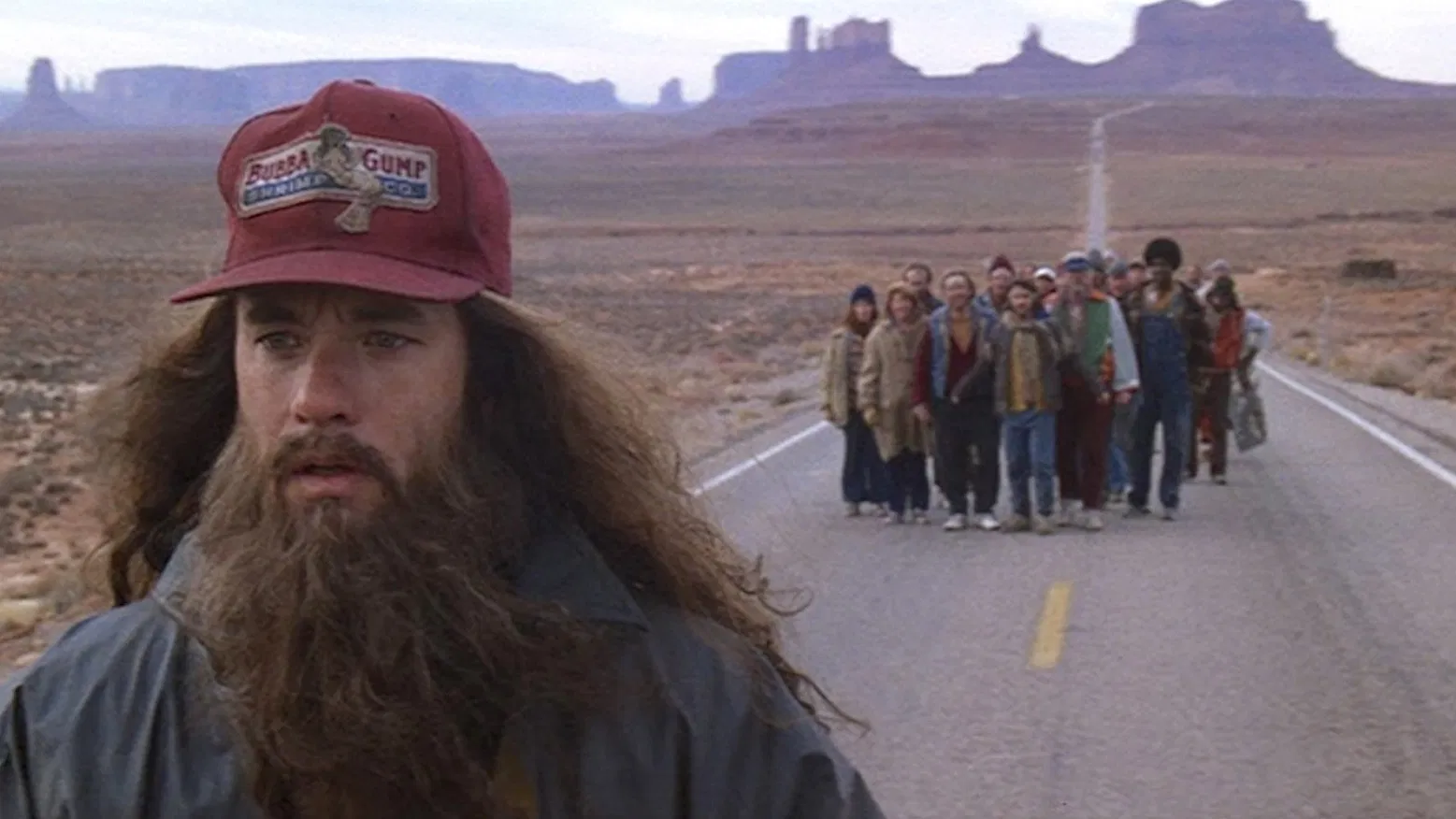
Robert Zemeckis utilizes groundbreaking visual effects to insert Tom Hanks into archival footage, creating a revisionist history where the chaos of the 60s and 70s is anchored by Forrest’s unwavering moral compass. Tom Hanks delivers a performance of profound gentleness, creating a character who, despite his limited intelligence, possesses a clarity of heart that the "smart" characters around him lack. The film contrasts Forrest’s destiny - floating like a feather on the breeze - with Jenny’s tragic struggle against the trauma of her childhood, illustrating two very different American experiences. It explores themes of loyalty, destiny, and the arbitrary nature of life, suggesting that sometimes the only way to survive a crazy world is to just keep running. It succeeds because it is a fable that champions simple decency over cynicism, leaving the viewer with the comforting thought that even if we don't know what we're doing, we might still end up exactly where we need to be.
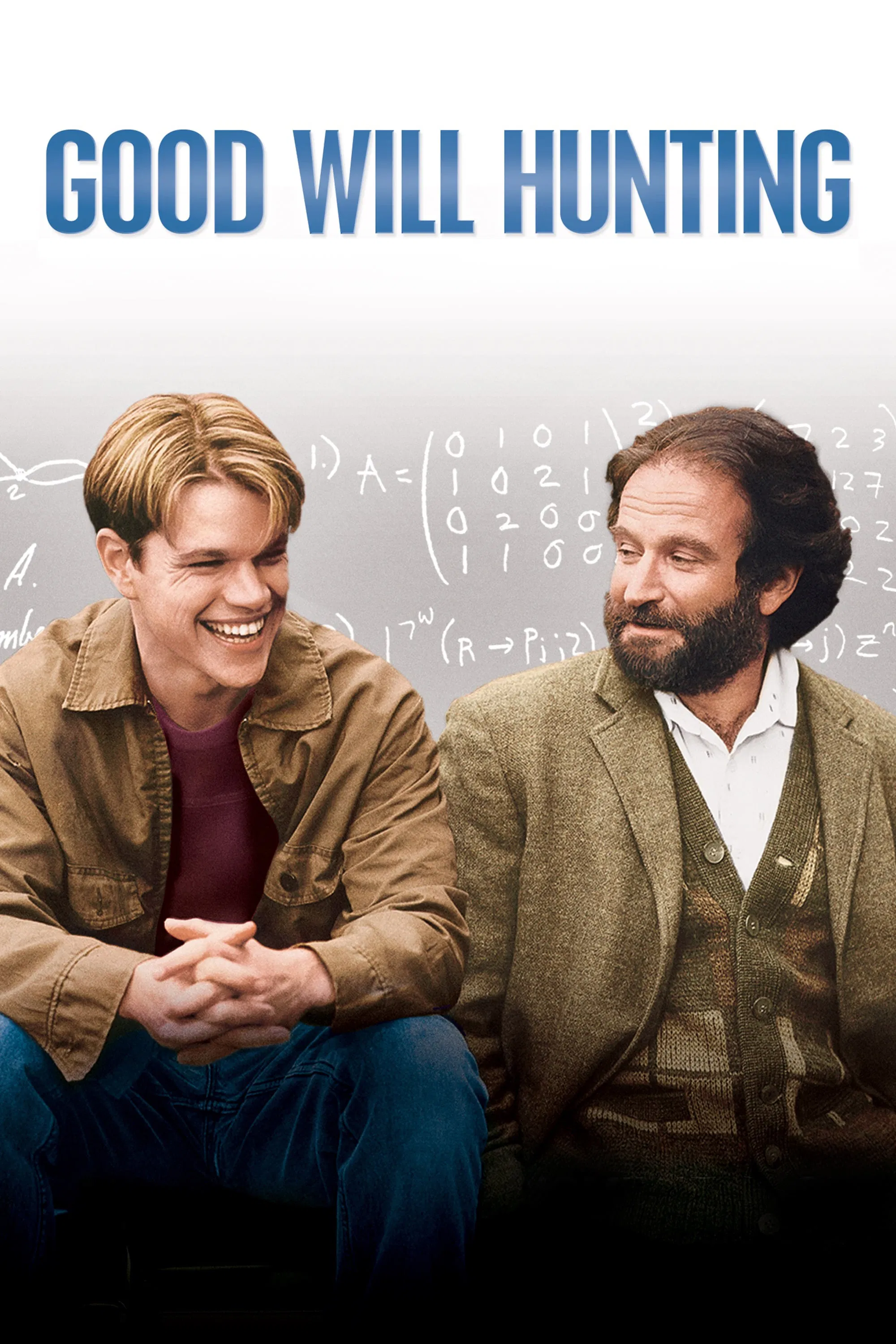
4. 🎬 Good Will Hunting (1997)
Synopsis:
Will Hunting is a janitor at MIT who has a gift for mathematics but needs help from a psychologist to find direction in his life. As he faces jail time, he enters therapy with Sean Maguire, a grieving therapist who challenges Will to confront his abusive past and the defense mechanisms that keep him from intimacy and potential.
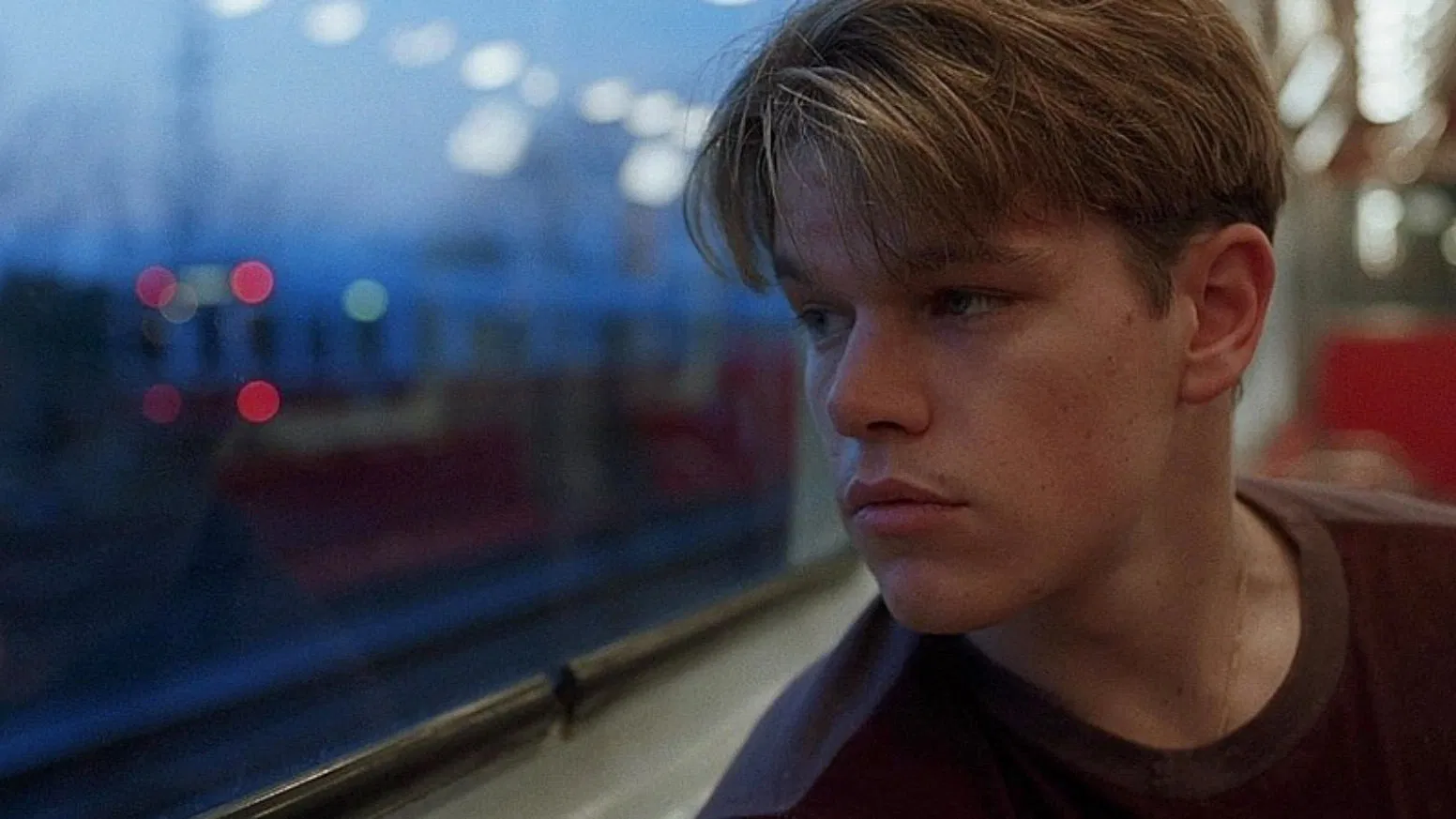
Gus Van Sant directs a script by Matt Damon and Ben Affleck that balances the intellectual thrill of genius with the raw, messy reality of trauma recovery. Robin Williams gives a career-defining performance as Sean, a man who refuses to be impressed by Will’s intellect, instead piercing through his armor with emotional honesty and shared pain. The film deconstructs the "tortured genius" trope, showing that Will’s brilliance is useless as long as he uses it to push people away, and that true courage is not solving a theorem but allowing someone to love you. The "It's not your fault" scene is a masterpiece of therapeutic breakthrough, visually and emotionally stripping Will down to the terrified child hiding inside the tough Southie exterior. It succeeds because it validates the importance of mentorship and vulnerability, teaching us that no matter how smart we are, we cannot solve the equation of our own lives without help.
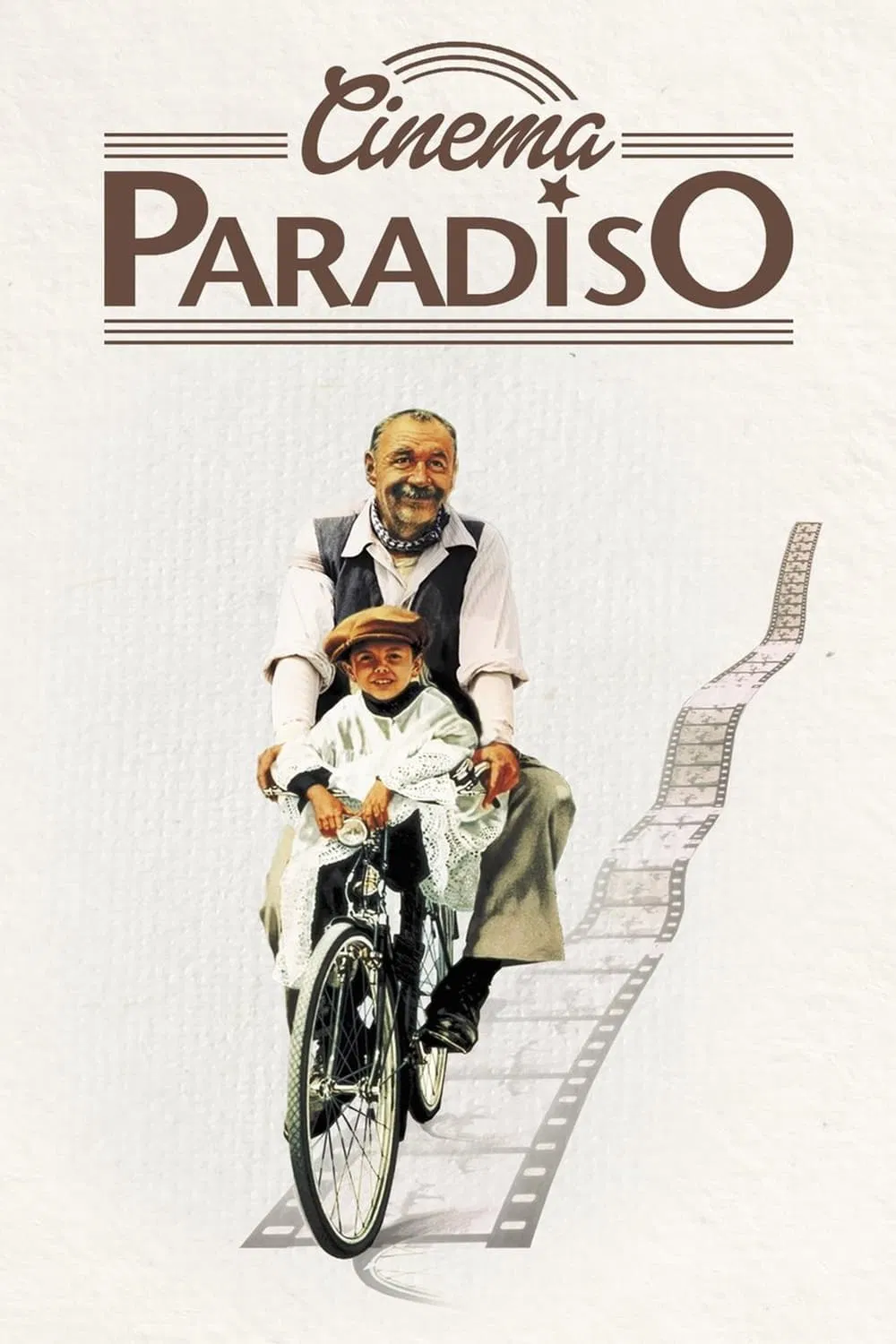
3. 🎬 Cinema Paradiso (1988)
Synopsis:
A famous filmmaker recalls his childhood in a small Sicilian village, where he formed a deep friendship with the projectionist of the local movie theater, the Cinema Paradiso. It is a nostalgic, bittersweet love letter to the movies and a poignant exploration of how the places we leave behind continue to shape who we become.

Giuseppe Tornatore captures the magic of the communal movie-going experience, portraying the theater not just as a building, but as the town’s church, school, and public square where life unfolds in the flickering light. The relationship between the young Toto and the gruff but loving Alfredo, played by Philippe Noiret, is one of the most tender portrayals of fatherhood in cinema, showing how Alfredo pushes Toto away to save him from a life of stagnation. The film is drenched in the golden light of memory and accompanied by Ennio Morricone’s heartbreakingly beautiful score, which elevates the small-town drama to operatic heights. The famous final montage of the "censored kisses" serves as a devastating metaphor for all the love and passion that was cut out of Toto’s life, returned to him only when it is too late to live it, but just in time to cherish it. It succeeds because it understands that moving forward often means leaving something precious behind, reminding us that life is a movie we can only watch once.
2. 🎬 Life is Beautiful (1997)

Synopsis:
A Jewish librarian named Guido uses his fertile imagination and humor to shield his son from the horrors of a Nazi concentration camp, convincing the boy that their imprisonment is actually a complicated game where the winner gets a tank. It is a daring, controversial fable about the power of love to preserve innocence in the face of absolute evil.
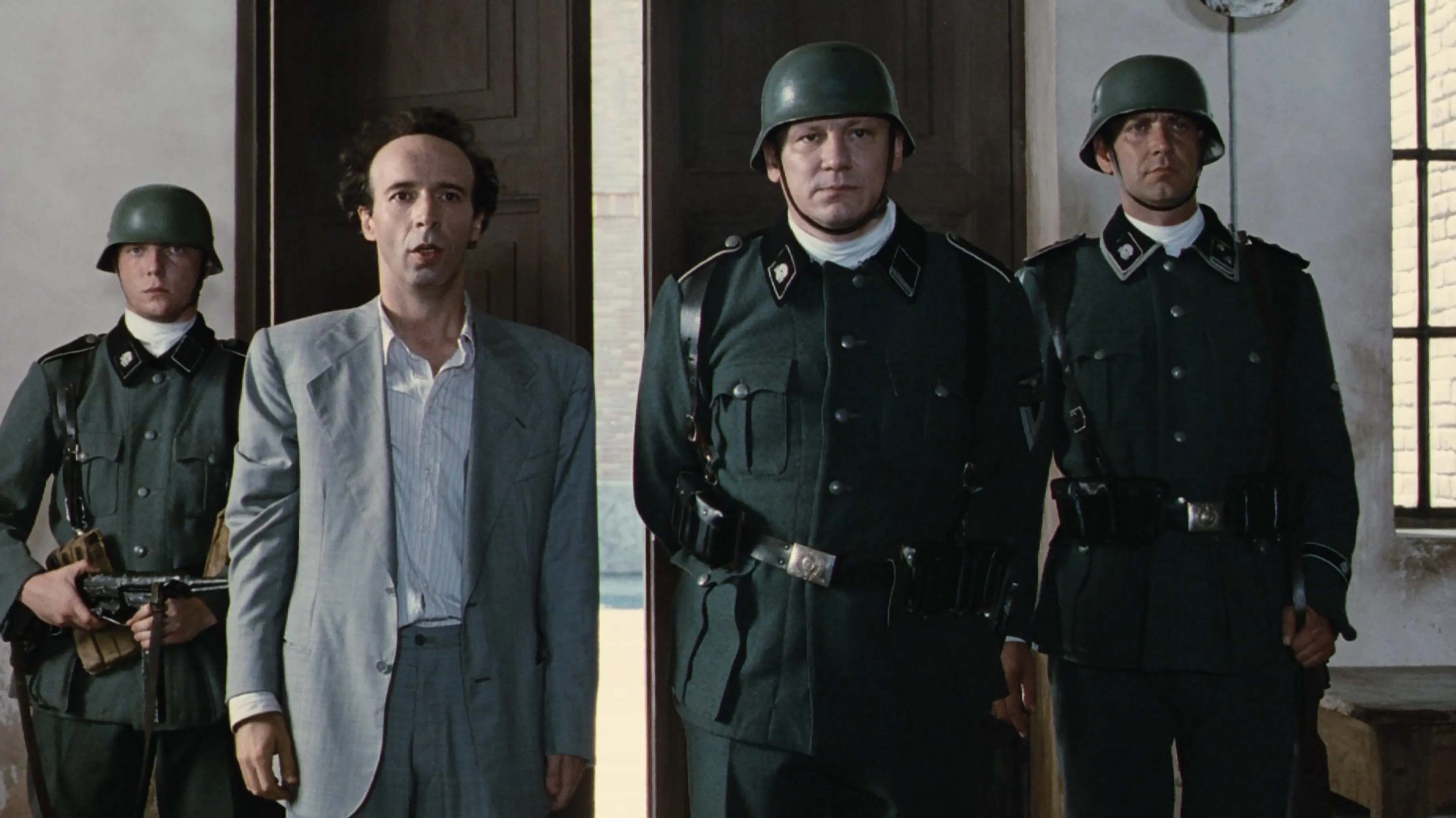
Roberto Benigni directs and stars in a film that begins as a Chaplinesque romantic comedy and shifts jarringly into a Holocaust tragedy, a structural choice that mirrors the sudden destruction of the protagonist's world. Guido’s frantic, desperate comedy in the camp is heartbreaking because the audience knows the reality that the child does not, transforming every joke into an act of heroic sacrifice. The film argues that while we cannot control the external reality, we can control how we perceive it, and that the human spirit can create light even in the deepest darkness. The juxtaposition of the grim, industrial setting of the camp with the bright, fairy-tale logic of Guido’s "game" creates a unique tension that highlights the absurdity of hatred. It succeeds because it celebrates the protective power of fatherhood, leaving the viewer with a tearful realization that the greatest gift a parent can give a child is the belief that the world is still beautiful, even when it is not.
1. 🎬 Dead Poets Society (1989)
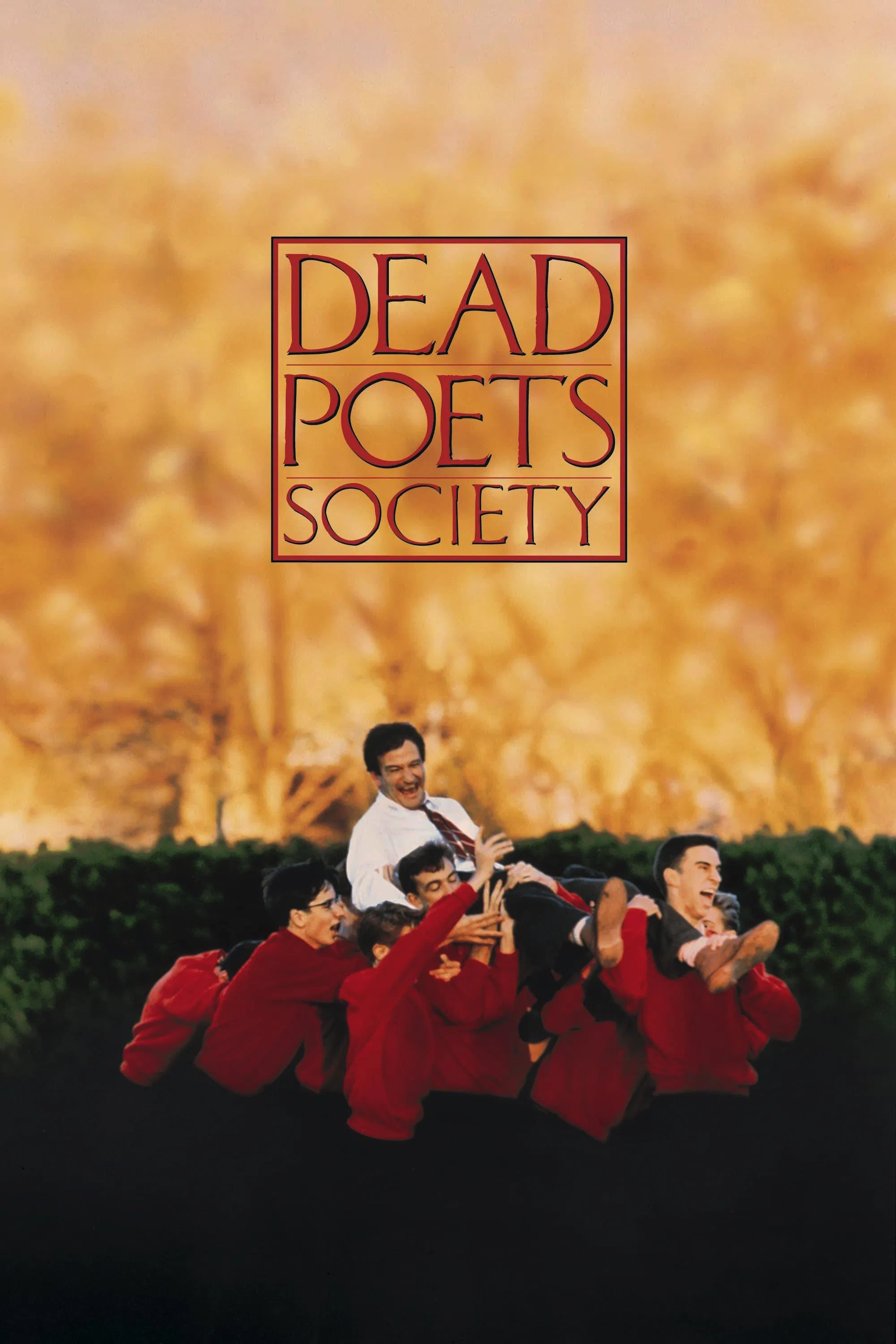
Synopsis:
An unconventional English teacher named John Keating inspires his students at a strict, conservative boarding school to discover their love for poetry and to seize the day ("Carpe Diem"). As the boys form a secret club to pursue their passions, they clash with the rigid expectations of their parents and the school administration, leading to tragic and transformative consequences.
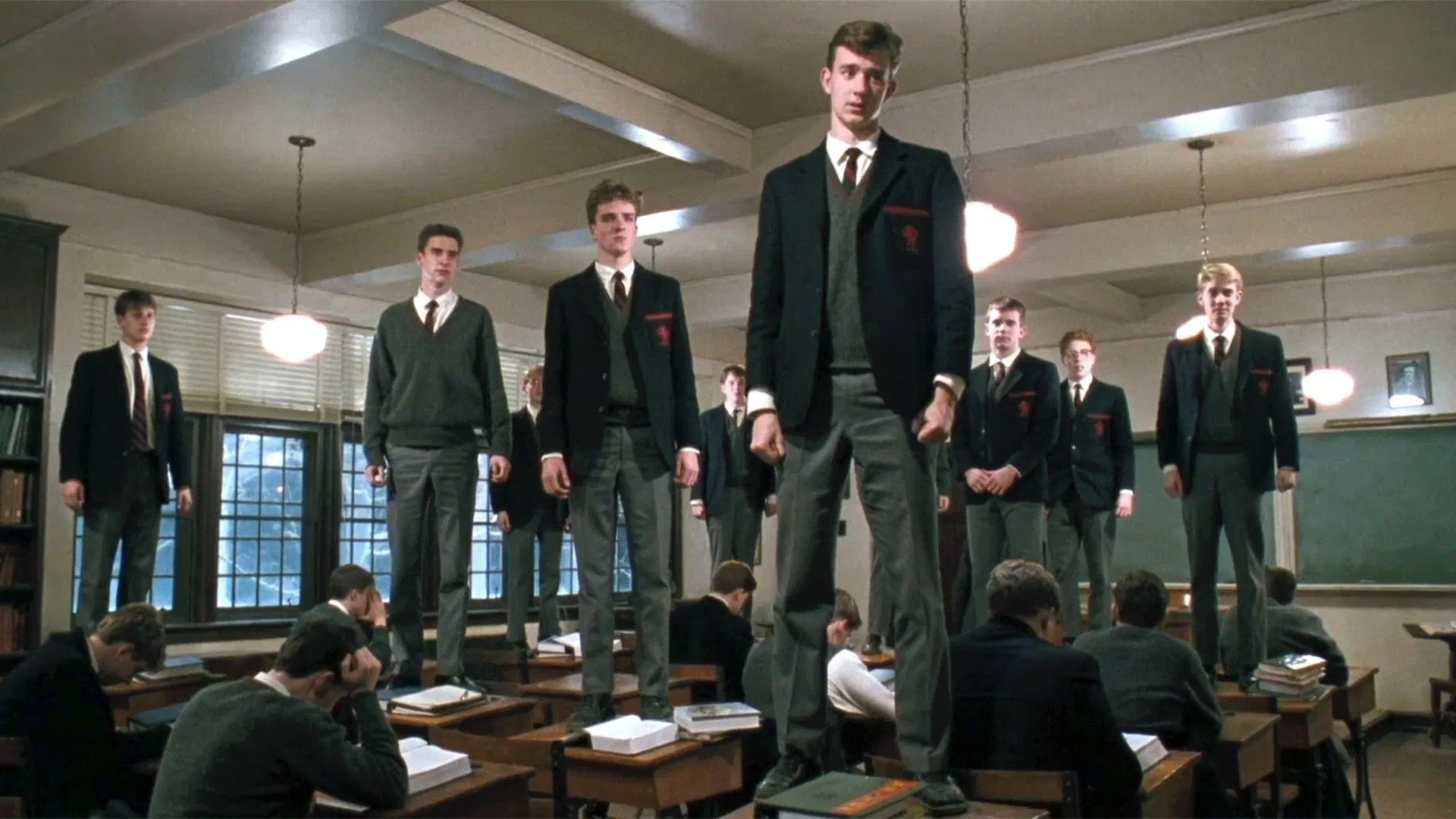
Peter Weir creates a visually lush, emotionally resonant film that captures the specific texture of autumn in New England - a season of beauty and dying - mirroring the transition from childhood to adulthood. Robin Williams restrains his manic energy to play Keating with a quiet, burning intensity, a teacher who treats his students not as vessels to be filled, but as fires to be lit. The film explores the crushing weight of conformity and the dangerous, intoxicating power of free thought, showing how art is not a pleasant hobby but a matter of survival for the soul. The tragedy of Neil Perry serves as a brutal reminder of the cost of suppressing one's true self, turning the film’s message into a desperate plea. The final scene, with the boys standing on their desks, is an iconic moment of silent defiance that affirms Keating’s legacy. It succeeds because it asks the ultimate life-changing question: "What will your verse be?", challenging the viewer to stop sleepwalking through life and to dare to live deliberately before it is too late.
— The Cinéprism
Keep reading
31 / 08 / 2026 · 391 reads
10 Best Endings in Film
A curated list of 10 unforgettable movie endings that leave a lasting impact long after the credits roll.
15 / 09 / 2026 · 143 reads
Top 15 Movies with Plot Twists You Might Have Missed
15 movies packed with hidden clues, subtle details, and twists that hit differently once you know what to look for.