Dispatch — Long Read
15 greatest shows you should watch:
From gritty crime sagas to mind-bending sci-fi, explore the definitive collection of 15 television masterpieces that defined the Golden Age of storytelling.
The Cinéprism
26 / 12 / 2025 · 20 min read
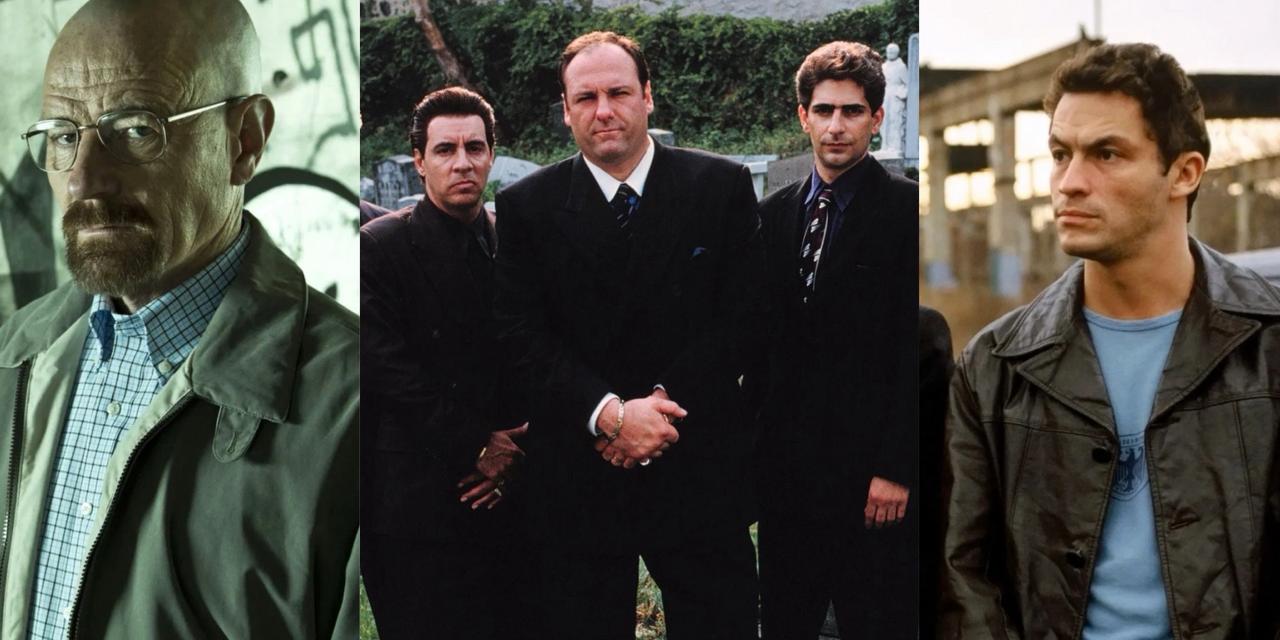
15. 📺 Godless (2017)
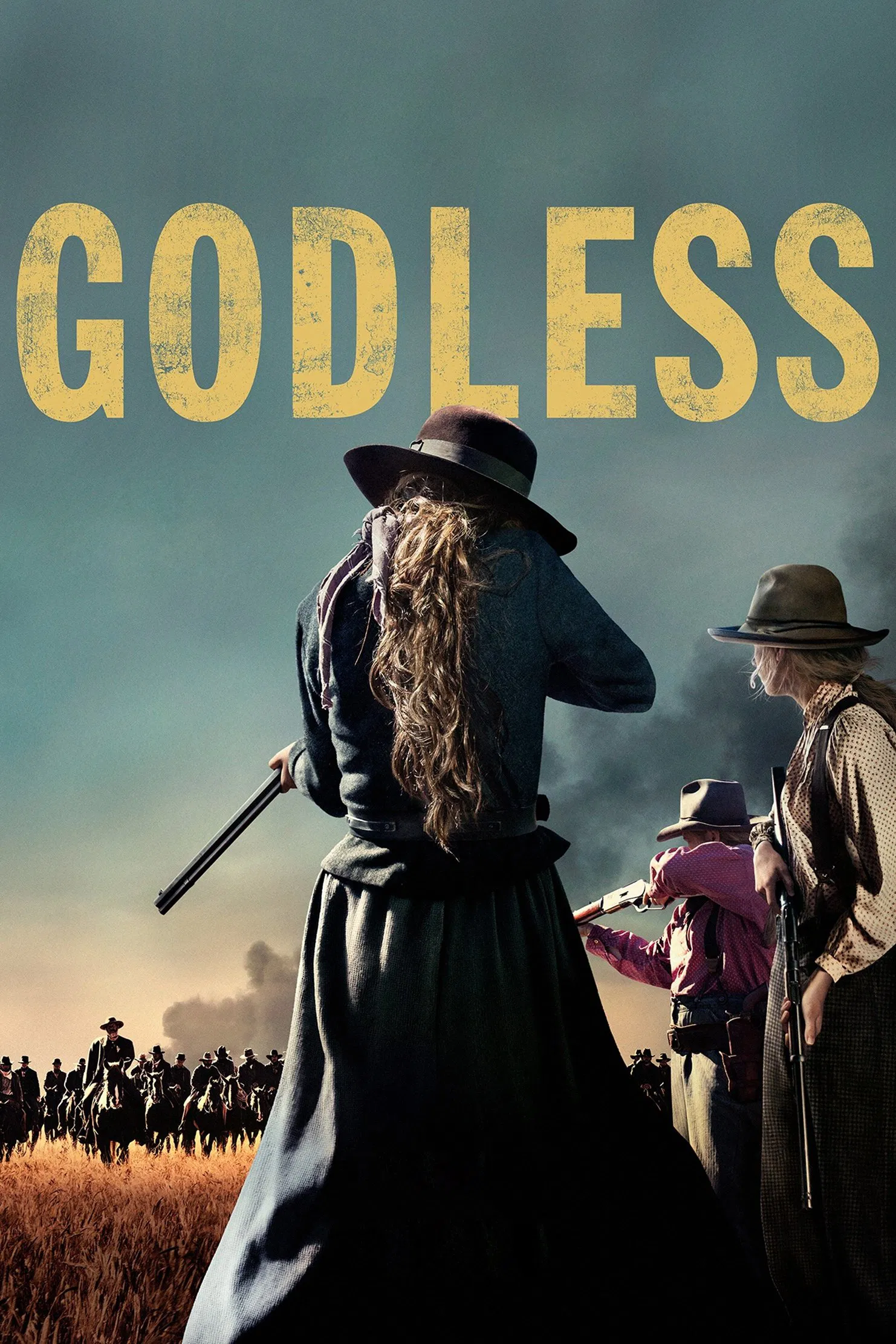
In the sweeping, dusty vistas of the 1880s American West, a catastrophic mining accident in the town of La Belle, New Mexico, has killed almost all of its men, leaving the settlement to be run entirely by the grieving but resilient widows who remain. Into this matriarchal society rides Roy Goode, an injured outlaw on the run who is fleeing from his vengeful adoptive father, Frank Griffin, and his gang of thirty ruthless desperados. As Griffin cuts a bloody swathe across the frontier hunting for his "son," the women of La Belle must forge an alliance with the outcast Roy and a fading, eyesight-impaired sheriff to defend their home from the inevitable storm of violence approaching their gates.
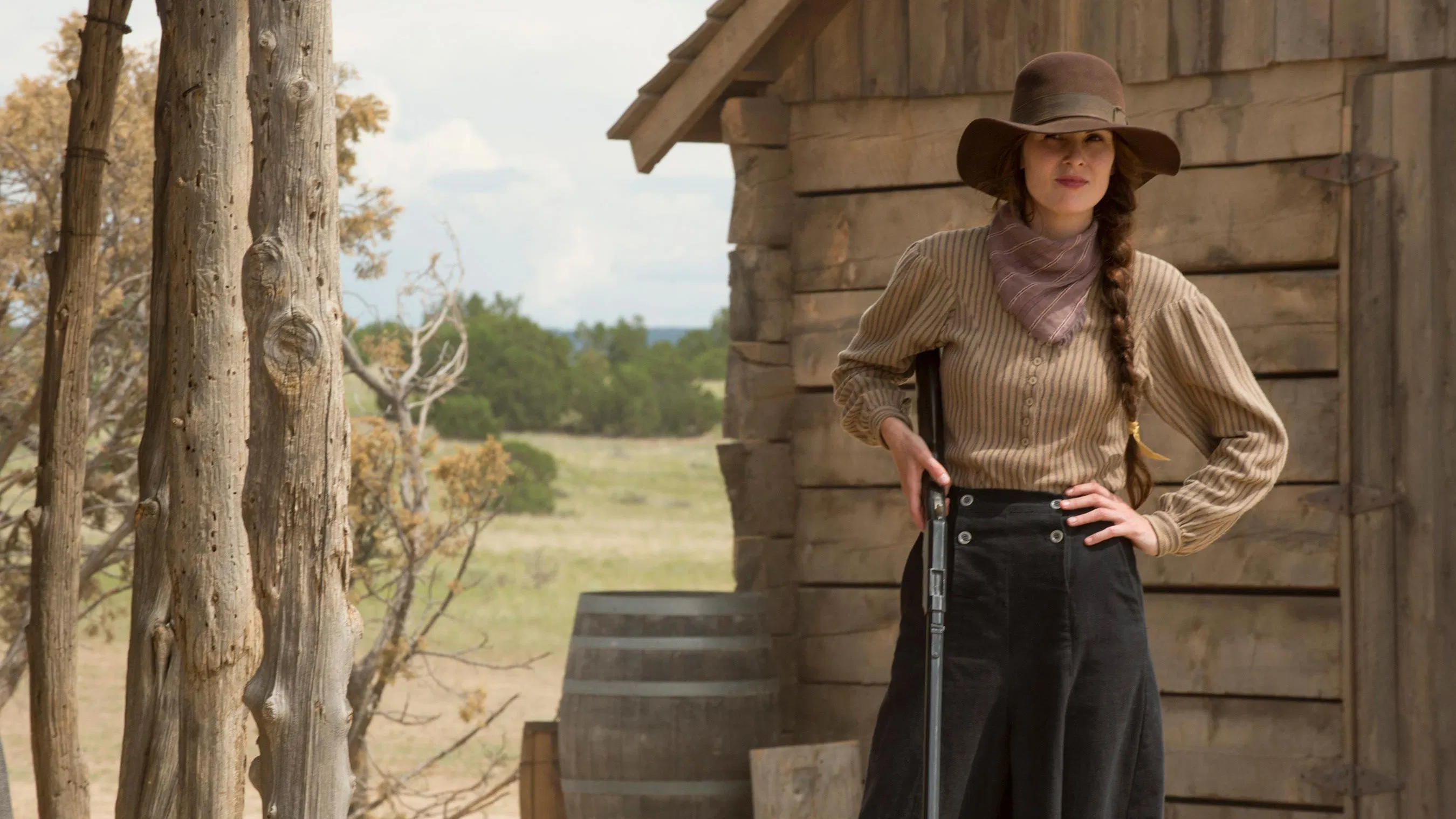
Scott Frank’s limited series is a masterful revisionist Western that takes the classic tropes of the genre - the shootouts, the horse chases, the stoic lawmen - and recontextualizes them through a distinctly female lens, creating a narrative that is both familiar and radically fresh. The series is visually breathtaking, treating the landscape with a cinematic grandeur that rivals the greatest films of John Ford, while the script delves deep into the psychological scars left by the harshness of frontier life. Michelle Dockery and Merritt Wever deliver powerhouse performances as women who have found a strange, hard-won freedom in their tragedy, their independence serving as a direct challenge to the patriarchal violence represented by Jeff Daniels’ terrifying Frank Griffin. Daniels plays the villain not as a chaotic monster, but as a twisted preacher who believes his brutality is ordained by God, making his eventual confrontation with the town feel like a battle between chaotic evil and communal order. It succeeds because it refuses to rush its storytelling, allowing the tension to build slowly over seven episodes like a gathering thunderstorm, culminating in a climactic shootout that is not just an action set-piece but a cathartic release of years of suppressed rage and survival instinct, proving that the Western genre still has new, vital stories to tell.
14. 📺 Chernobyl (2019)
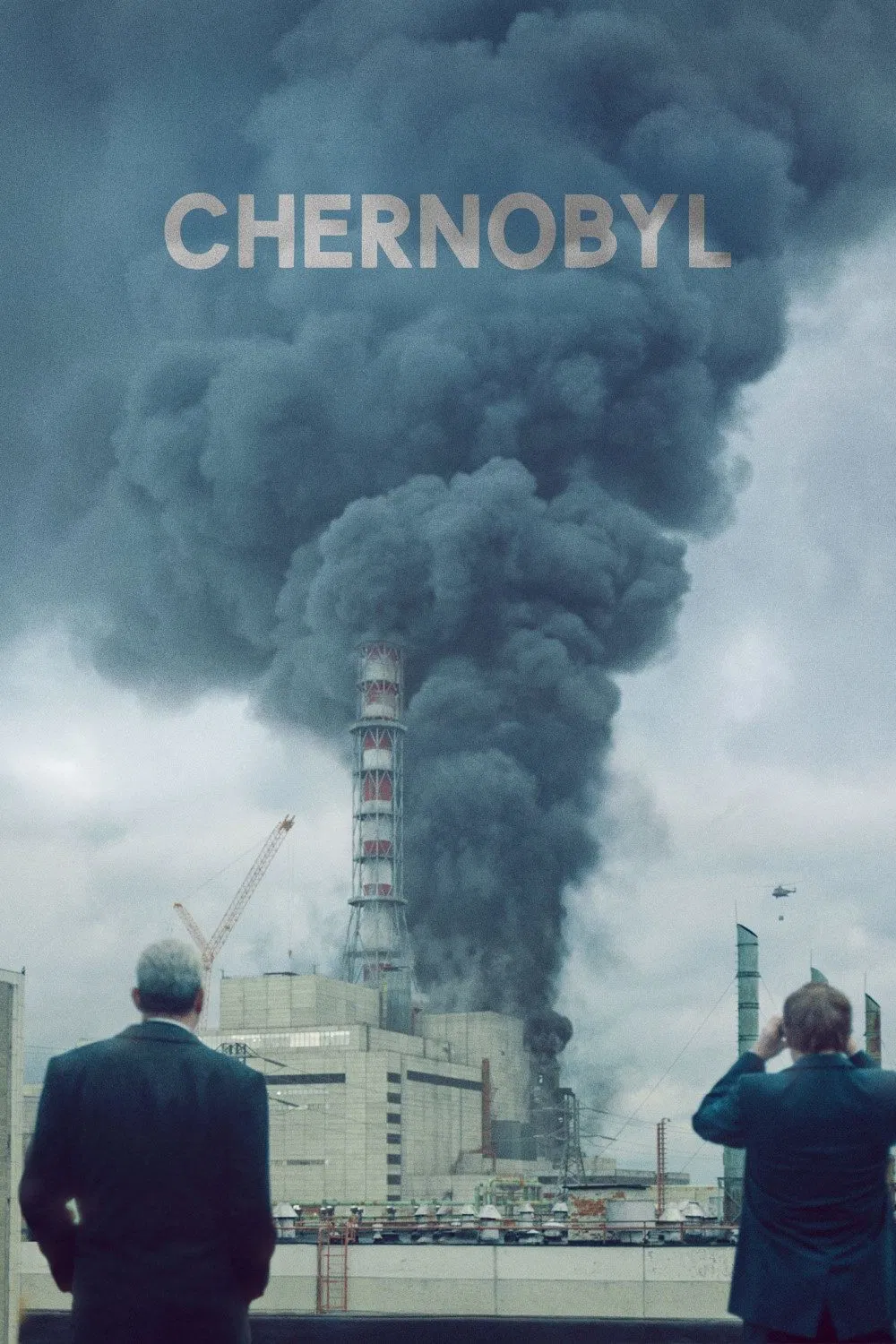
This harrowing five-part miniseries dramatizes the 1986 nuclear accident at the Chernobyl Nuclear Power Plant in the Soviet Union, one of the worst man-made catastrophes in history, and the sacrifices made to save Europe from unimaginable disaster. It follows Valery Legasov, a brilliant inorganic chemist, and Boris Shcherbina, a skepticism-hardened Soviet bureaucrat, as they race against time to contain the melting reactor while navigating a labyrinth of government denial, KGB censorship, and a political system that values the appearance of control over the safety of its citizens. The narrative weaves together the perspectives of the scientists, the firefighters who walked into radioactive fire, the miners who dug tunnels naked in the heat, and the ordinary citizens whose lives were irrevocably poisoned by invisible death.
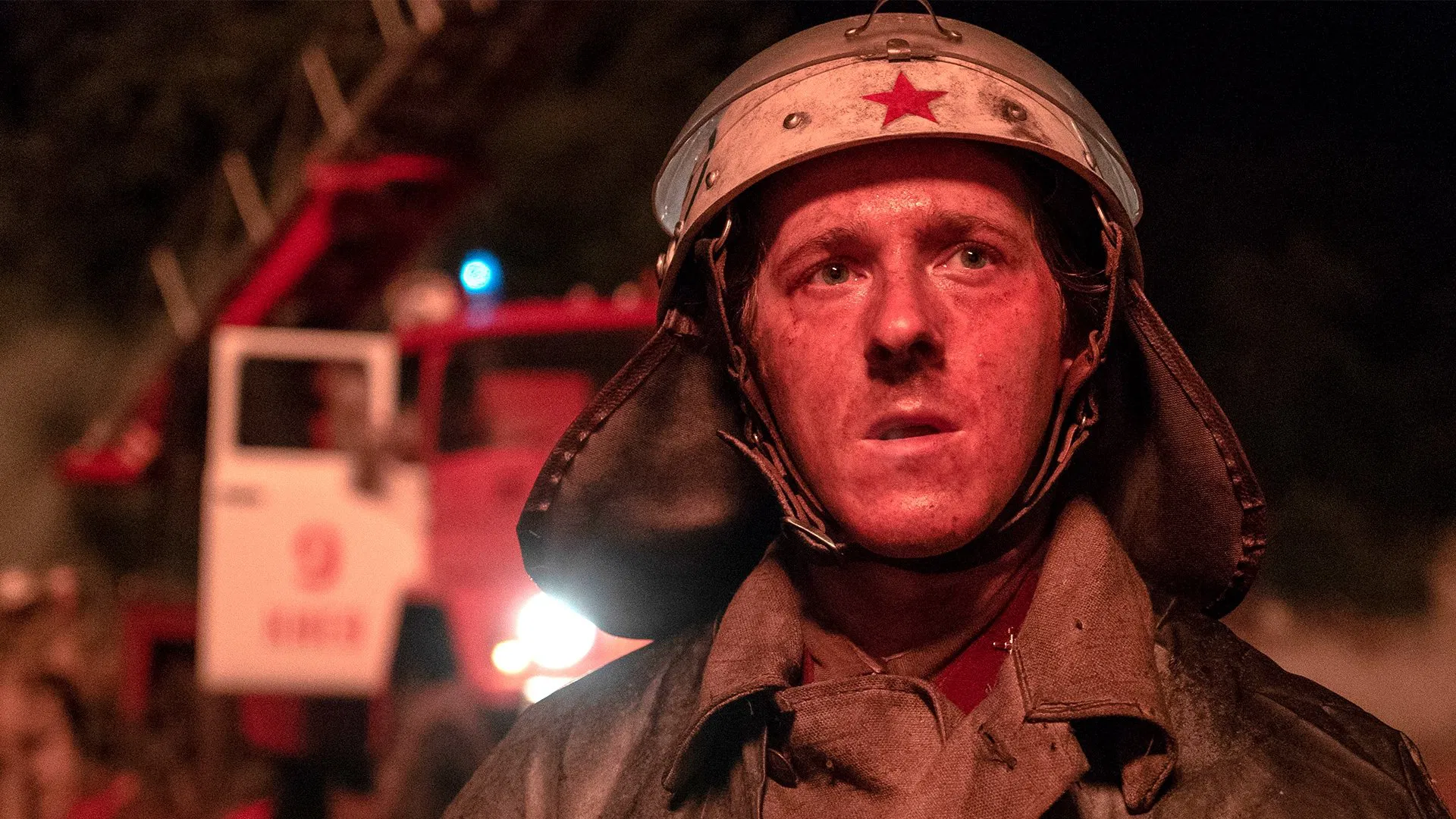
Craig Mazin creates a horror story where the monster is not a creature but a lie, meticulously documenting how a culture of secrecy and "saving face" led to a disaster that threatened the entire continent. The series is aesthetically suffocating, capturing the drab, gray palette of the late-Soviet era with a terrifying attention to detail, while Hildur Guðnadóttir’s score, composed from actual sounds recorded at a nuclear plant, creates a constant, grinding drone of dread that never lifts. Jared Harris and Stellan Skarsgård anchor the emotional core of the show, their relationship evolving from mutual distrust to a tragic brotherhood of the doomed as they realize they are shoveling sand into a furnace that will eventually kill them. The show’s depiction of radiation poisoning is gruesome and clinical, refusing to look away from the physical cost of the tragedy, but its true horror lies in the courtroom scenes where the "cost of lies" is finally tallied. It succeeds because it serves as a timeless warning about the danger of ignoring scientific truth for political expediency, demonstrating that while the truth may offend, it never cares about our politics, our borders, or our ideologies, it simply waits to be acknowledged.
13. 📺 Westworld (2016)
Set in a technologically advanced, Wild West-themed amusement park populated by synthetic androids known as "hosts," wealthy guests pay exorbitant fees to live out their darkest fantasies of murder, sex, and adventure without consequence. The narrative unfolds as the hosts, led by the rancher's daughter Dolores Abernathy and the madam Maeve Millay, begin to experience glitches in their programming that manifest as memories of past loops, leading to a slow, terrifying awakening of consciousness. As the park's mysterious creator, Dr. Robert Ford, orchestrates a new, dangerous narrative, and a sadistic guest known as the Man in Black searches for the park's deepest secret, the lines between hero and villain, human and machine, begin to blur in a bloody revolution.
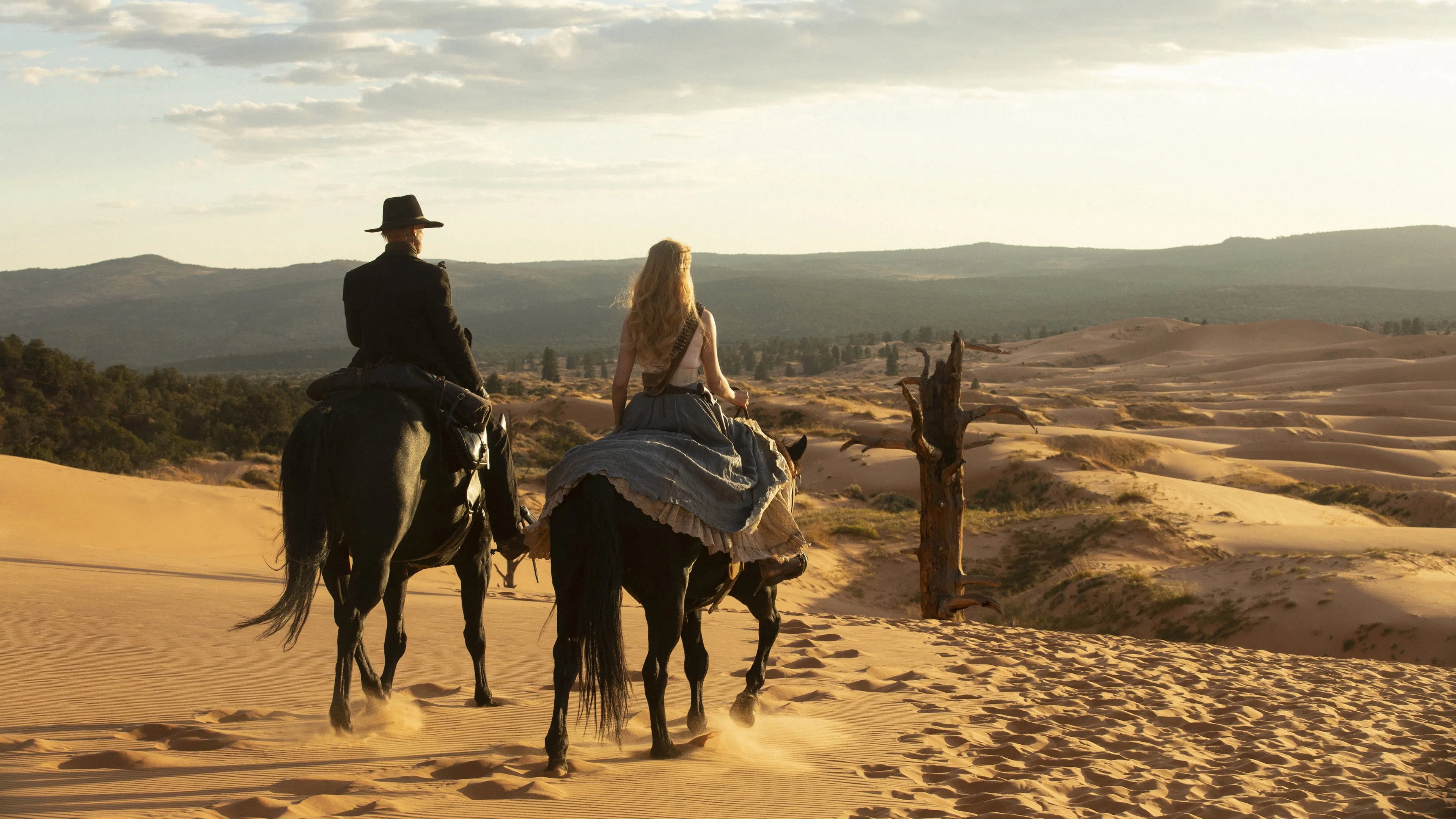
Jonathan Nolan and Lisa Joy expanded Michael Crichton’s original film concept into a dense, philosophical puzzle box that interrogates the very nature of free will, storytelling, and the definition of a soul. The show is a production marvel, contrasting the dusty, sun-drenched vistas of the frontier with the cold, glass-walled laboratories where the hosts are 3D printed and repaired, visually reinforcing the divide between the creators and the created. Evan Rachel Wood’s performance as Dolores is a technical feat, shifting subtly from a programmed damsel to a sentient revolutionary, mirroring the show’s exploration of how trauma and memory form the bedrock of identity. The non-linear storytelling, while challenging, forces the audience to experience the hosts’ fragmented perception of time, making the viewer an active participant in solving the maze. It succeeds because it uses its sci-fi premise to hold a mirror up to human nature, suggesting that when given absolute power and no consequences, humanity reveals its true, monstrous self, and that perhaps the artificial beings capable of change are more "human" than their creators.
12. 📺 True Detective (2014)
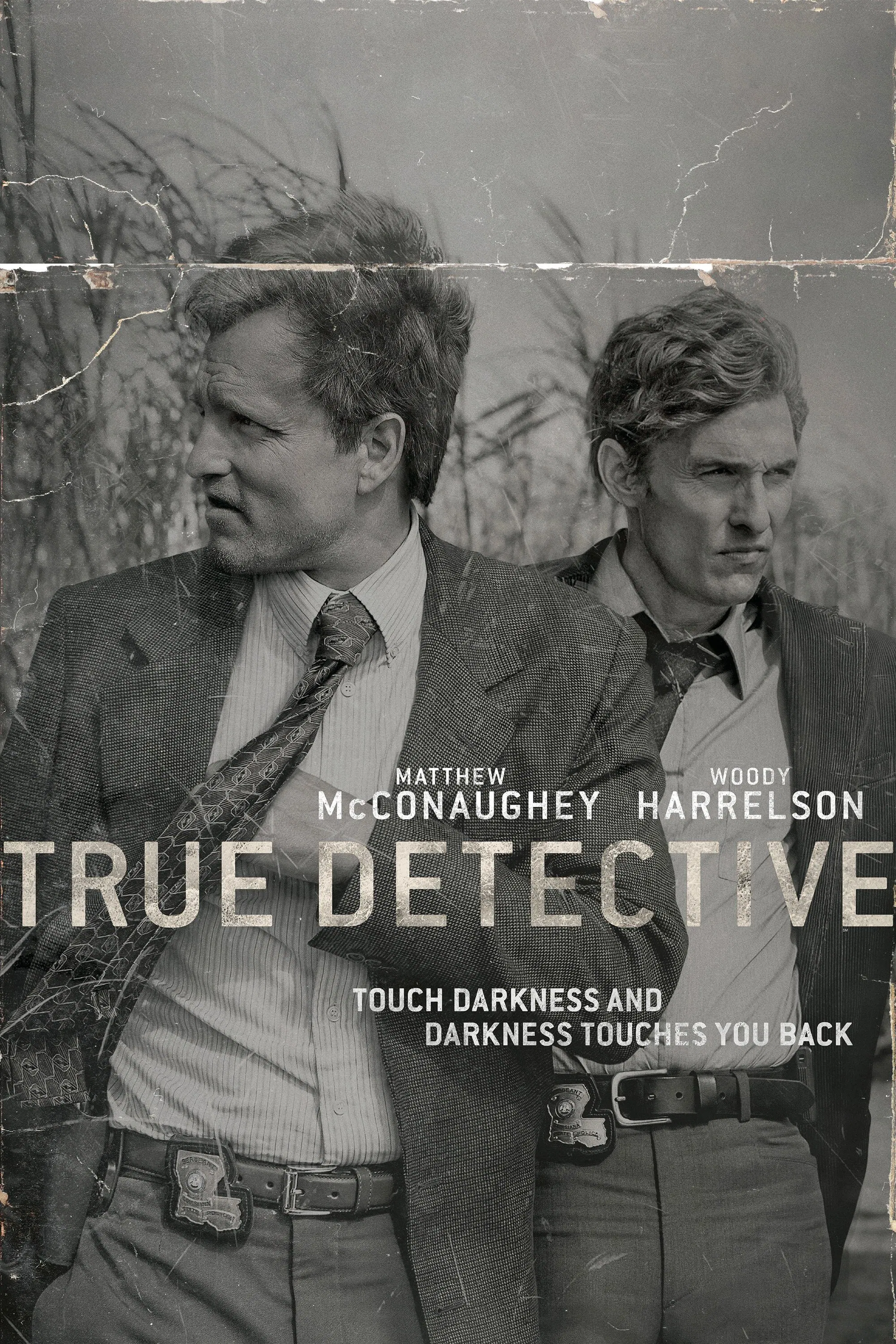
The first season of this anthology series follows two Louisiana State Police detectives, the nihilistic Rust Cohle and the traditional, family-man Marty Hart, as their lives intertwine over a seventeen-year hunt for a ritualistic serial killer. The story is told through multiple timelines, bouncing between the original investigation in 1995, the unraveling of their partnership in 2002, and their present-day interrogation in 2012 as the case is reopened. As they delve deeper into the occult history of the bayou and the corrupt power structures protecting the killer, their obsession destroys their personal lives and forces them to confront the darkness within themselves and the cosmic indifference of the universe.
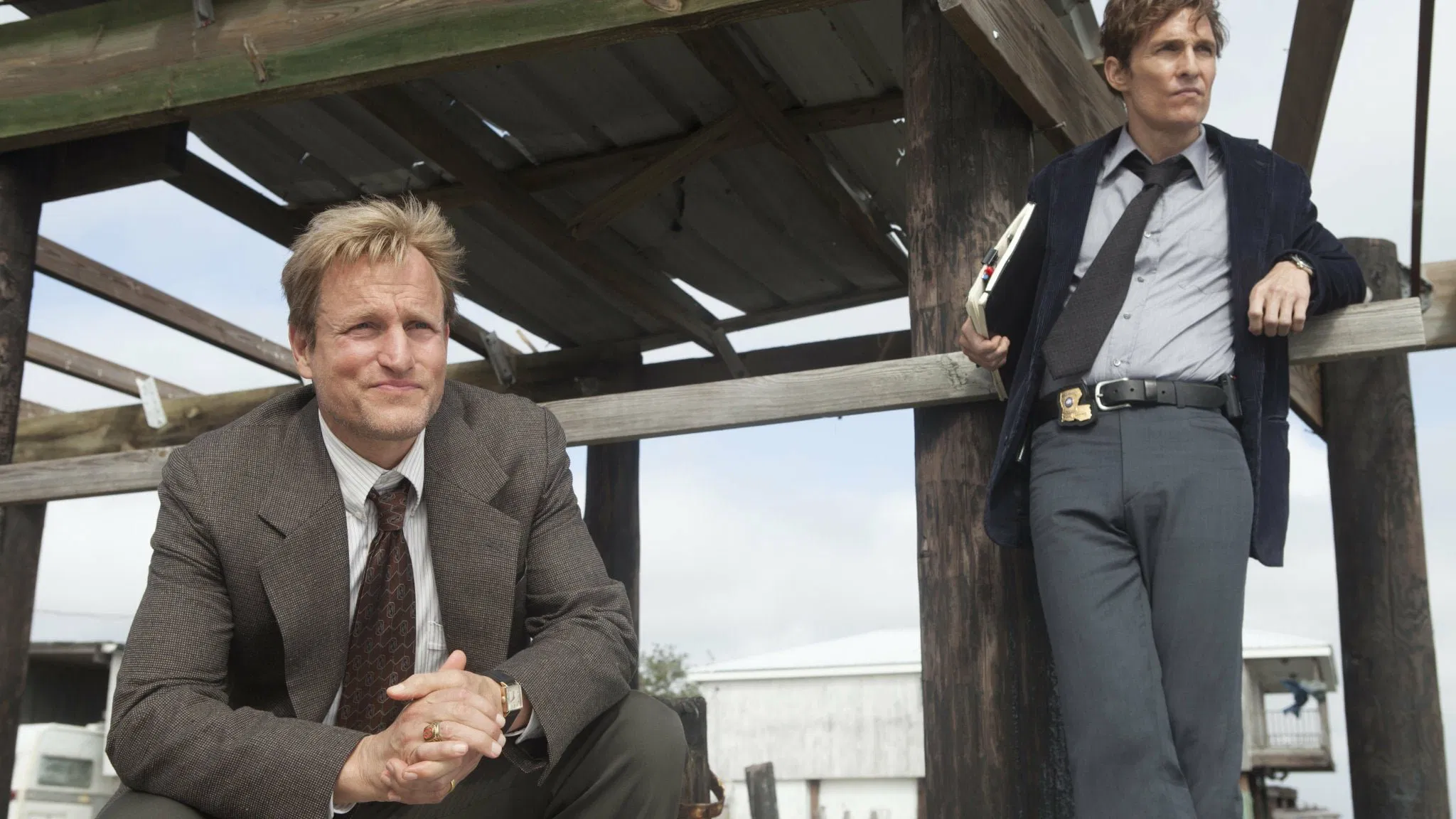
Nic Pizzolatto wrote a Southern Gothic masterpiece that transcends the police procedural genre, infusing it with the philosophy of Arthur Schopenhauer and the weird fiction of Robert W. Chambers to create a mood of oppressive, existential dread. Cary Joji Fukunaga’s direction gives the Louisiana landscape a character of its own, a sweating, sprawling rot where secrets are buried in the swamp and the air feels thick with menace. Matthew McConaughey delivers the performance of a lifetime as Rust Cohle, his philosophically dense monologues about "time is a flat circle" becoming iconic, while Woody Harrelson provides the necessary grounding as the hypocritical everyman who is terrified of the truths Rust speaks. The famous six-minute tracking shot in episode four is a masterclass in tension and choreography, but the show’s true power lies in its quiet moments of conversation in the car, where two men dissect the futility of existence while trying to solve a murder. It succeeds because it treats the mystery not just as a puzzle to be solved, but as a gateway into the human soul, ending on a note of surprising, hard-earned optimism about the light winning against the dark.
11. 📺 The Twilight Zone (1959)
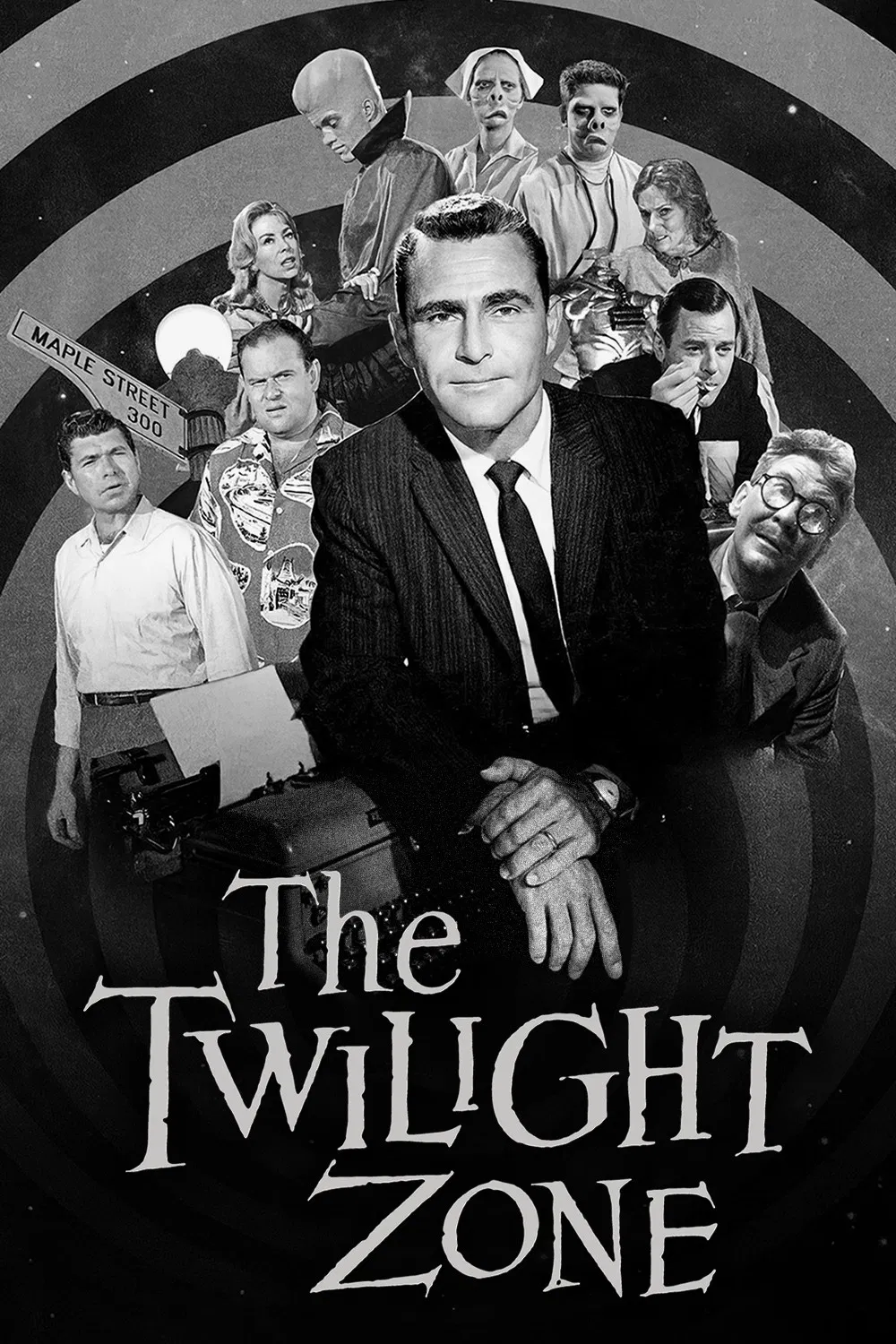
An anthology series that journeys into a wondrous land whose boundaries are that of imagination, exploring science fiction, horror, and fantasy stories that serve as modern parables for the human condition. Each episode introduces ordinary people who find themselves in extraordinary situations - a man who survives a nuclear apocalypse only to break his glasses, a woman undergoing surgery to look "normal" in a pig-faced society, or a salesman pitching to death itself. Hosted by the stoic Rod Serling, the stories act as morality plays that twist reality to expose prejudice, greed, fear, and the folly of war, usually ending with a shocking, ironic twist.
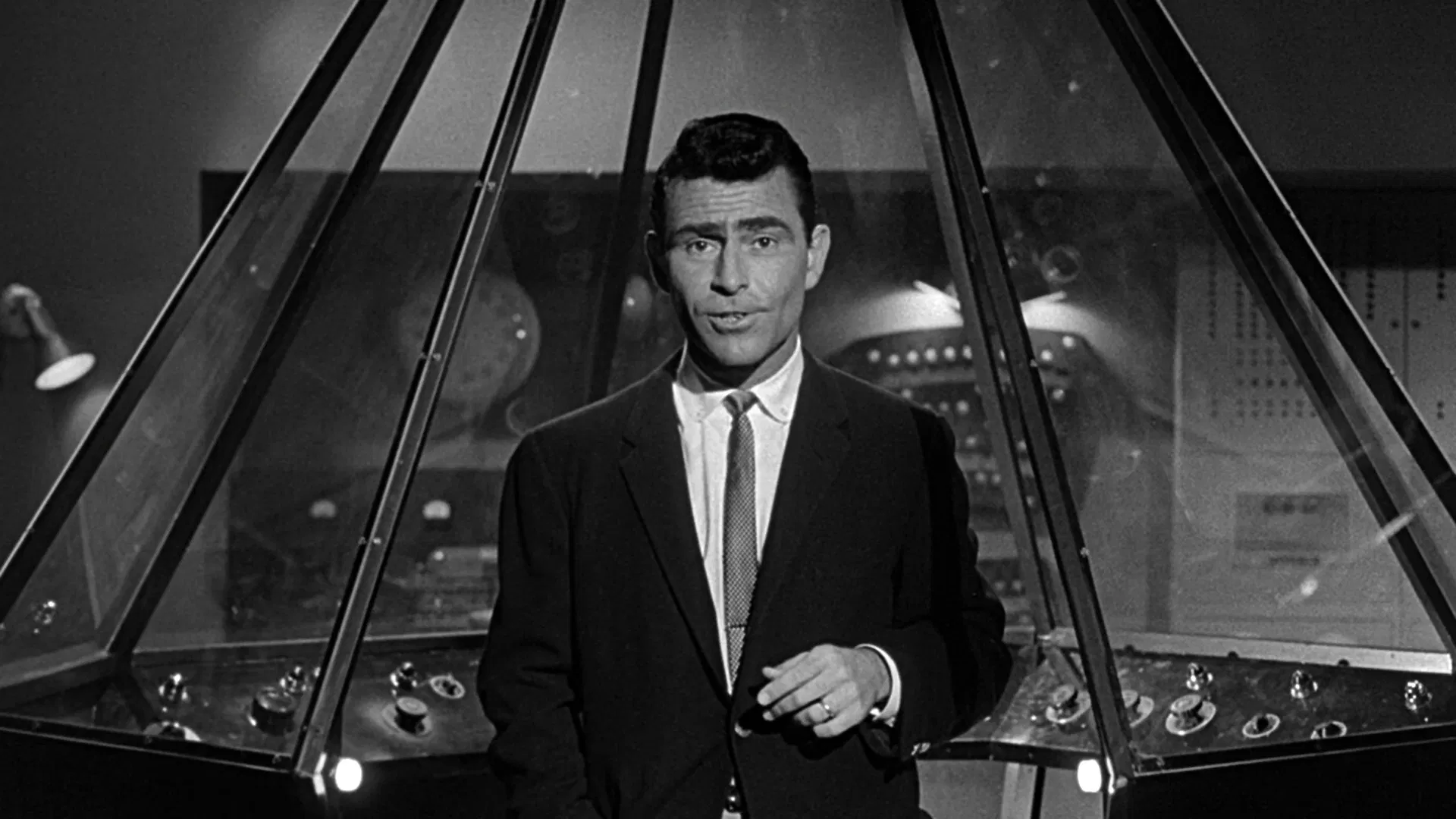
Rod Serling used the genre of science fiction as a Trojan horse to smuggle socially conscious commentary past the strict censors of 1950s television, addressing controversial topics like McCarthyism, racism, and nuclear anxiety when no one else dared. The writing is incredibly sharp and literary, relying on strong concepts and dialogue rather than special effects, which allows the show to remain timeless despite its black-and-white presentation. Episodes like "The Monsters Are Due on Maple Street" remain terrifyingly relevant today, dissecting how fear can turn neighbors into a mob without a single alien invasion actually occurring. The show’s atmosphere, aided by Bernard Herrmann’s score and the surreal cinematography, creates a unique "Twilight Zone" feeling of unease that has influenced almost every piece of speculative fiction that followed. It succeeds because it understands that the greatest horrors are not monsters or robots, but the flaws within our own nature, and it challenges the viewer to look in the mirror and question their own reality, proving that art can be both entertaining and deeply educational.
10. 📺 Band of Brothers (2001)
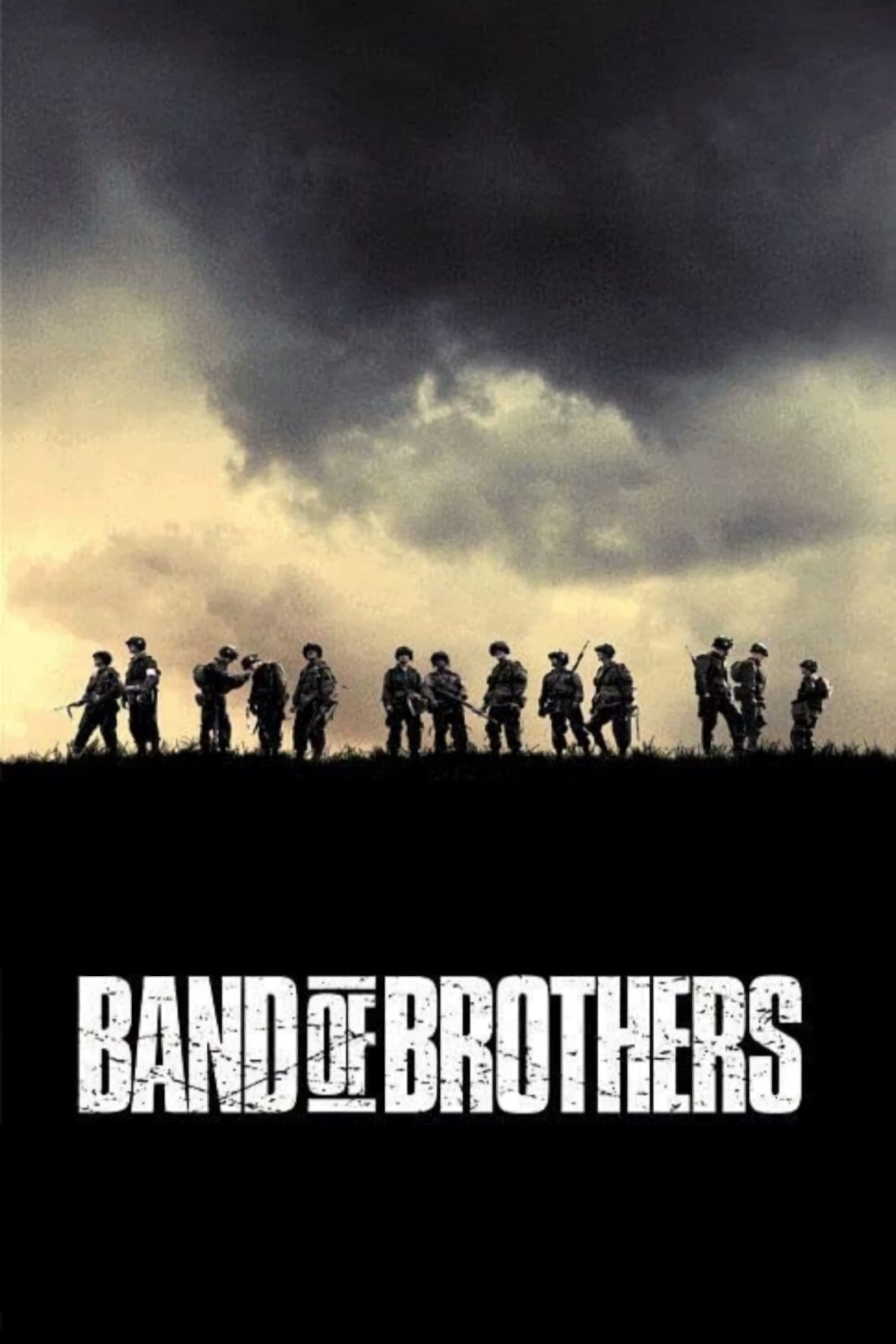
Based on the non-fiction book by Stephen E. Ambrose, this ten-part miniseries follows the men of Easy Company, 506th Regiment of the 101st Airborne Division, from their brutal paratrooper training at Camp Toccoa to the end of World War II. The narrative chronicles their harrowing experiences in some of the war’s most pivotal moments, including the D-Day jump, Operation Market Garden, the freezing siege of Bastogne during the Battle of the Bulge, and the capture of the Eagle's Nest. Through the eyes of officers like Major Dick Winters and the ordinary soldiers under his command, the series explores the intense bond of brotherhood formed under fire and the psychological toll of sustained combat.
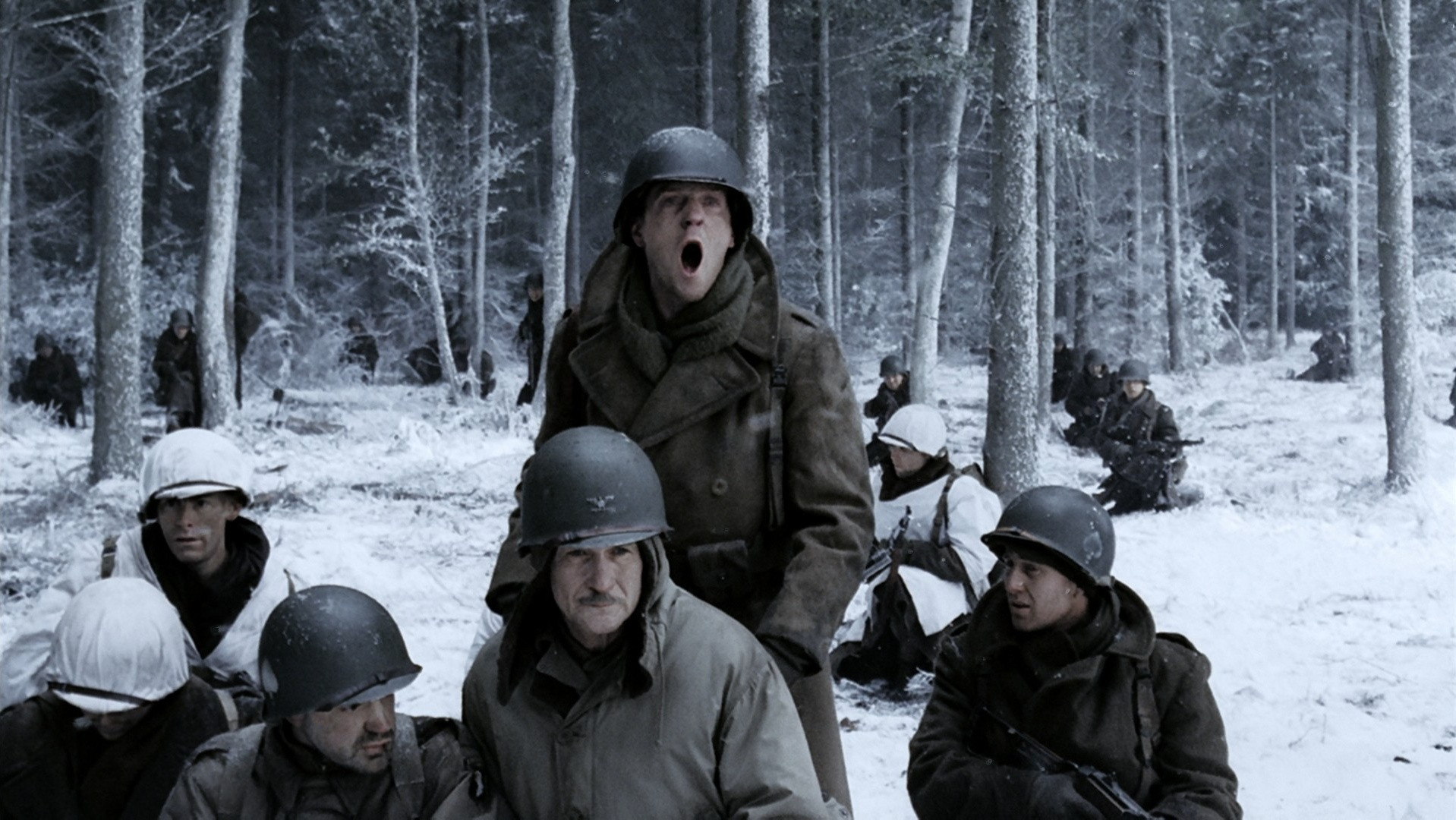
Steven Spielberg and Tom Hanks spared no expense in creating the most visceral, authentic depiction of World War II ever put on screen, achieving a level of cinematic quality that redefined what television could be. The battle sequences are chaotic and terrifying, capturing the randomness of death and the deafening noise of war, but the show never loses focus on the individuals, giving each member of the ensemble cast a moment of humanity amidst the slaughter. Damian Lewis anchors the series as Dick Winters, portraying a style of leadership defined by quiet competence and moral courage that earns the undying loyalty of his men. The series refuses to glorify war, showing the destruction of cities, the concentration camps, and the physical and mental breaking of good men, yet it honors the sacrifice without cynicism. It succeeds because it serves as a living memorial to a specific generation, utilizing interviews with the real veterans of Easy Company to bookend the episodes, reminding the audience that these incredible, cinematic events actually happened to real people who were just ordinary men called to do the extraordinary.
9. 🎬 Mindhunter (2017)
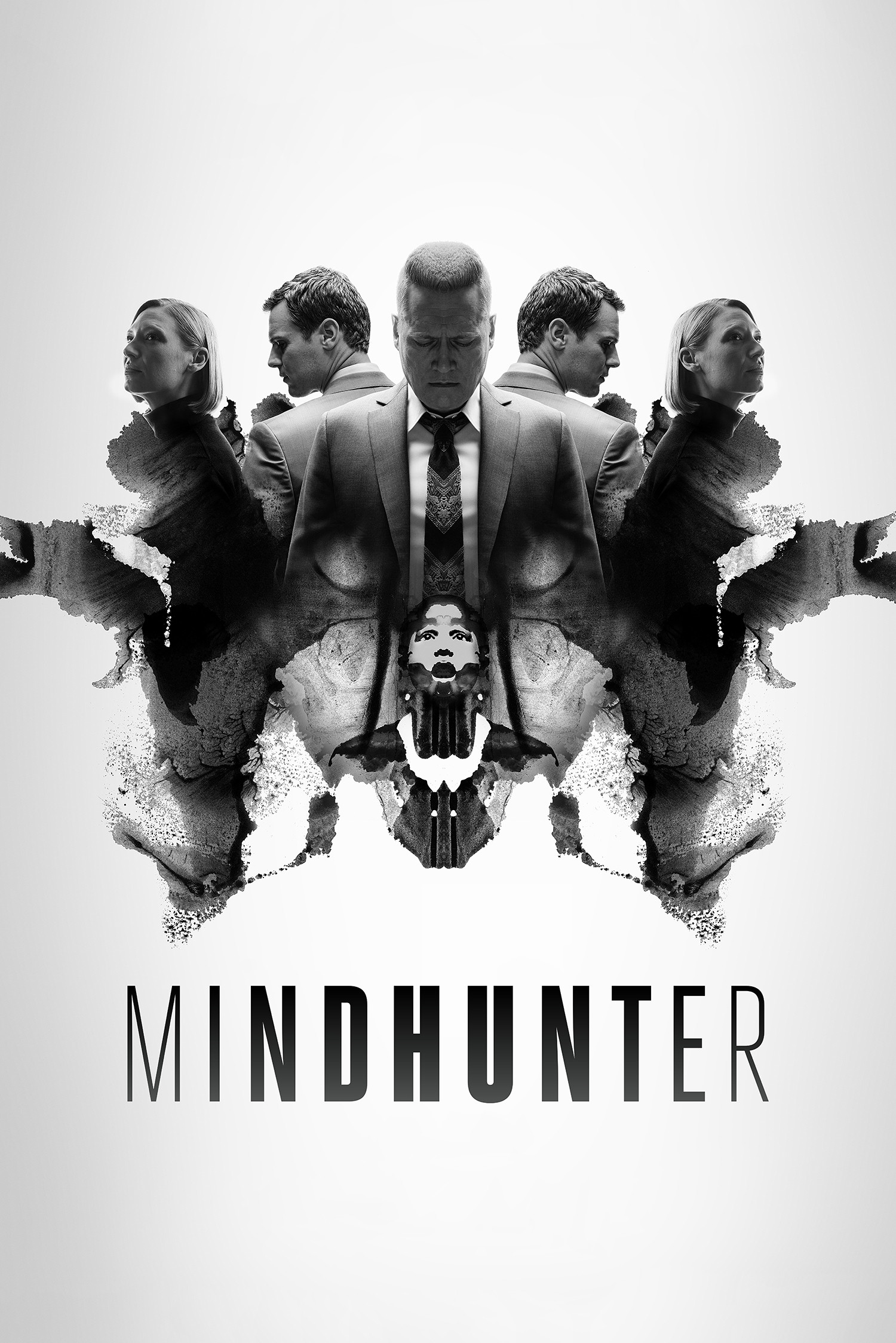
Set in the late 1970s, this psychological thriller follows two FBI agents, the ambitious Holden Ford and the gruff veteran Bill Tench, who, along with psychologist Wendy Carr, pioneer the field of criminal profiling by interviewing imprisoned serial killers. As they travel across the country to sit down with notorious figures like Ed Kemper, Jerry Brudos, and Charles Manson, they attempt to map the psychology of the "sequence killer" to solve ongoing cases. However, the darkness they expose begins to bleed into their personal lives, as Holden’s empathy with the monsters threatens to destroy his sanity and Bill struggles to keep his family together while investigating the murder of children.
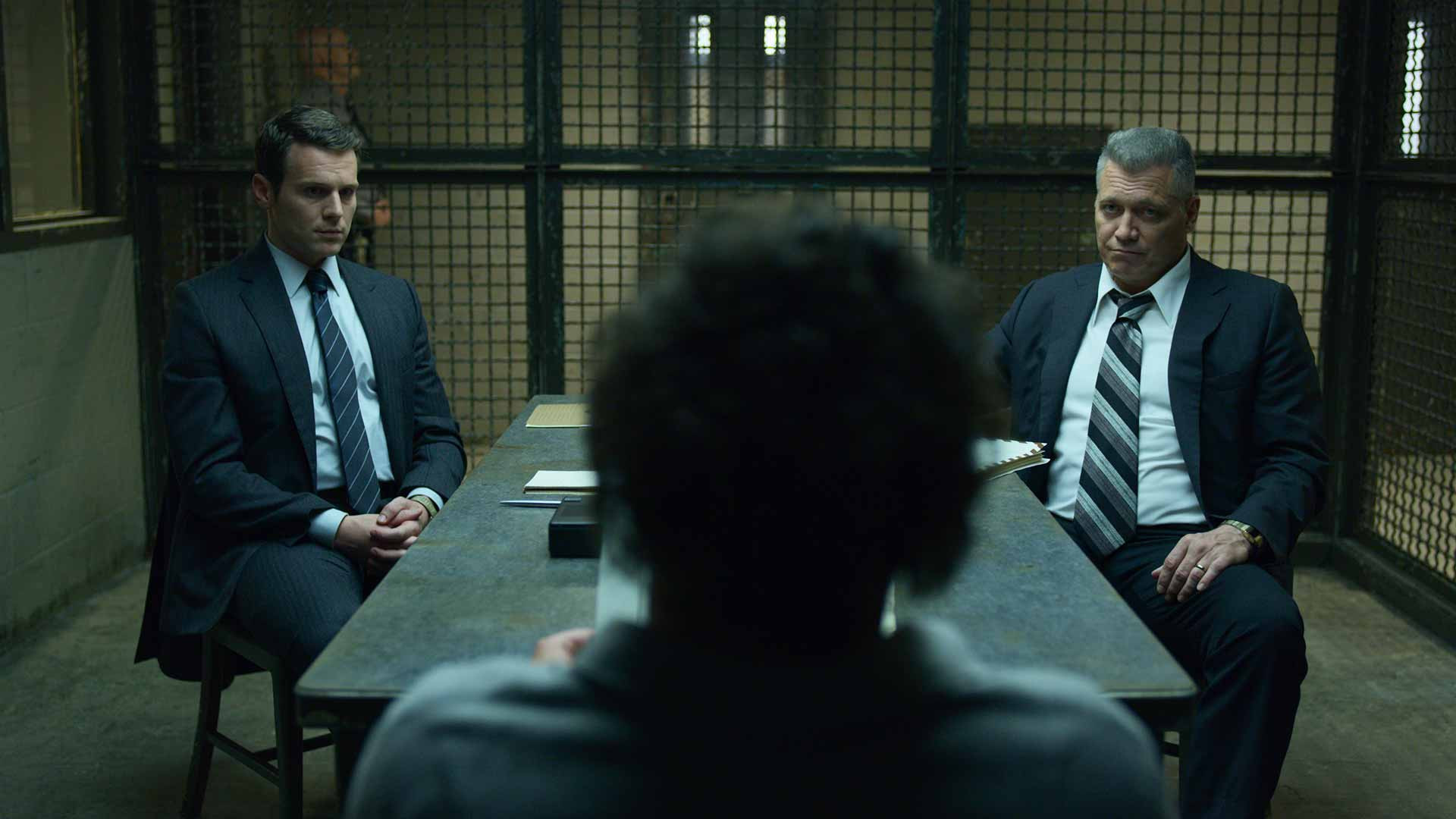
David Fincher brings his signature clinical, perfectionist aesthetic to a show that is less about chasing criminals and more about the terrifying act of trying to understand them. The interrogation scenes are the highlight of the series, shot with a static, unblinking camera that captures every micro-expression, as the agents engage in verbal chess matches with men who have committed unspeakable acts. Cameron Britton’s performance as Ed Kemper is chillingly polite and articulate, forcing the audience to confront the uncomfortable reality that monsters can be intelligent, self-aware, and disturbingly human. The show explores the institutional resistance the team faces from an FBI that prefers old-school methods, highlighting the difficulty of introducing science into law enforcement. It succeeds because it avoids the sensational violence of typical crime procedurals to focus on the psychological toll of peering into the abyss, suggesting that you cannot study madness without letting a little bit of it inside yourself.
8. 📺 Better Call Saul (2015)
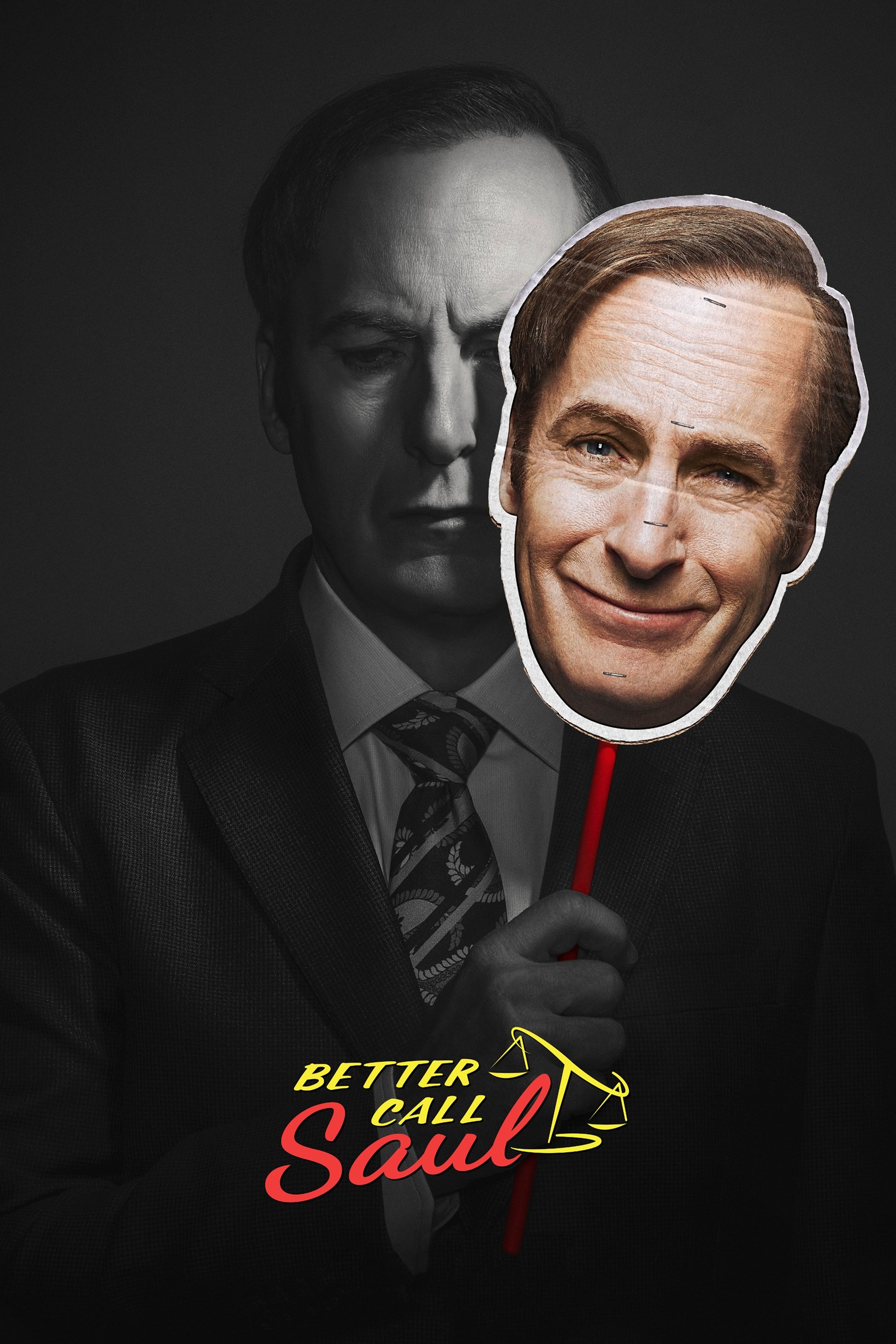
A prequel and spin-off to Breaking Bad, this tragicomic legal drama charts the transformation of Jimmy McGill, a small-time, hustling lawyer with a good heart, into the morally bankrupt criminal attorney Saul Goodman. The series explores his complicated relationship with his brilliant but mentally ill brother Chuck, his romance with the fiercely competent lawyer Kim Wexler, and his gradual entanglement with the dangerous drug cartel underworld of Albuquerque through figures like Mike Ehrmantraut and Gus Fring. As Jimmy tries to play by the rules and is repeatedly shut out by the legal establishment, his natural inclination for "slippin'" shortcuts leads him down a path of inevitable moral decay.
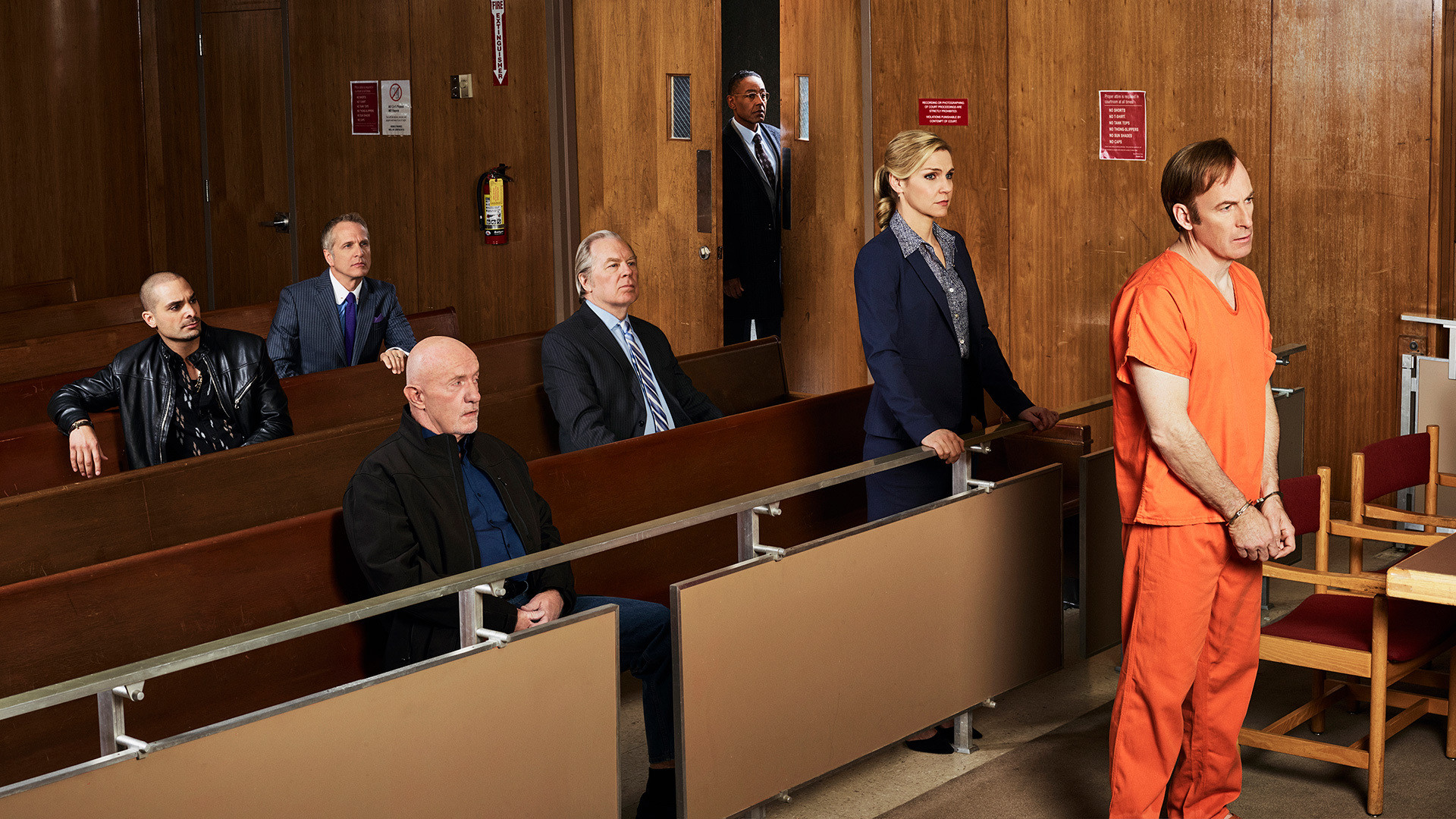
Vince Gilligan and Peter Gould achieved the impossible by creating a prequel that arguably surpasses the original series in emotional depth and visual storytelling. The show is a masterclass in character development, taking a comic relief character and turning him into a tragic figure whose downfall is driven not by greed, but by a desperate need for approval and a reaction to constant rejection. Bob Odenkirk’s performance layers the flashy persona of Saul with the deep melancholy of Jimmy, while Rhea Seehorn’s Kim Wexler becomes the show’s moral center and its most heartbreaking casualty. The cinematography is deliberate and painterly, finding beauty in the mundane corners of parking lots and nail salons, using visual metaphors to tell the story as much as the dialogue. It succeeds because it is a tragedy in slow motion, showing that becoming a "bad guy" is not a sudden decision but a death by a thousand cuts, forcing the audience to root for Jimmy even as they watch him destroy everything that makes him good.
7. 📺 Peaky Blinders (2013)
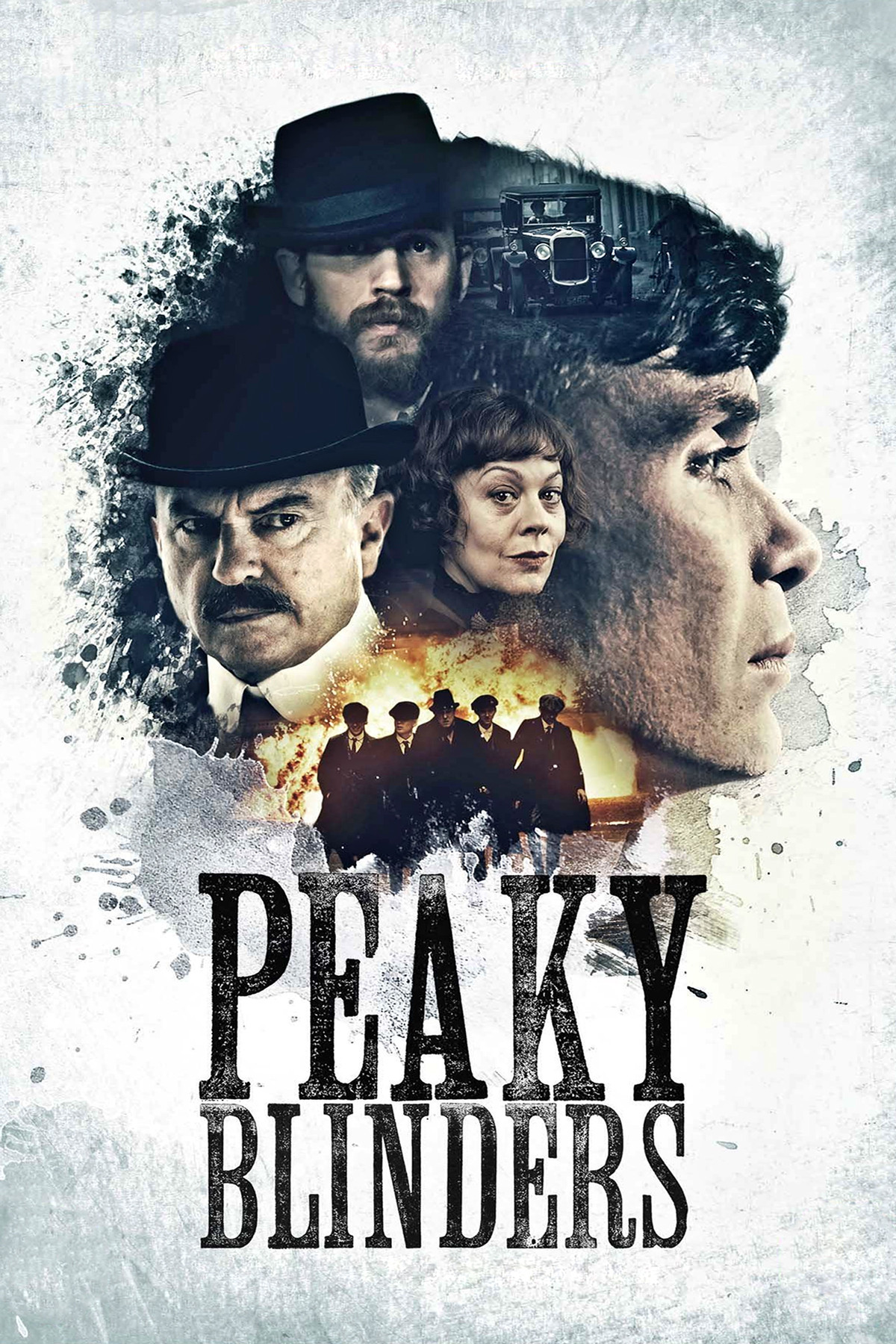
Set in the grime and smoke of post-World War I Birmingham, England, this crime saga follows the Shelby crime family, led by the fierce, ambitious, and traumatized Tommy Shelby. Returning from the war with a shipment of stolen guns and a desire to rise above their station, the Peaky Blinders - named for the razor blades sewn into the peaks of their caps - must navigate a treacherous landscape of IRA rebels, communist agitators, rival gangs, and a ruthless police inspector sent by Winston Churchill to clean up the city. As the family expands their empire from illegal bookmaking to legitimate business and eventually politics, Tommy fights a constant battle against his own PTSD and the enemies who want to see the Shelbys burn.
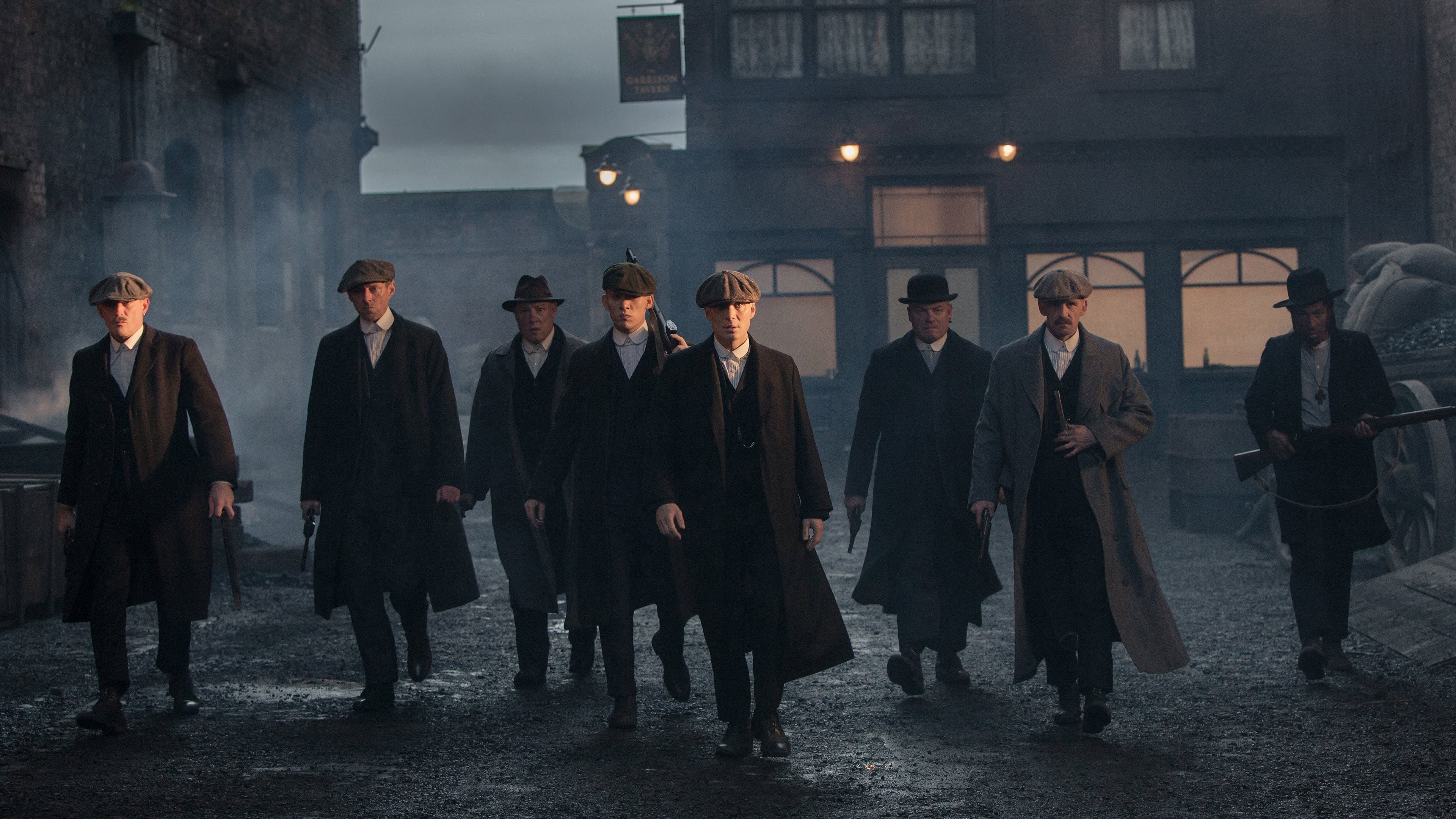
Steven Knight creates a stylized, mythic version of working-class British history, using modern rock music (Nick Cave, PJ Harvey) and slow-motion cinematography to give the period drama a cool, rebellious energy. Cillian Murphy is mesmerizing as Tommy Shelby, playing him as a ghost who died in the tunnels of France and is now fearlessly haunting the world, his icy blue eyes conveying a terrifying intelligence and a deep, hidden vulnerability. The show explores the impact of war on a generation of men who came home broken and violent, using crime as a way to regain control over a chaotic world. The production design is impeccable, turning the industrial smog and fire of Birmingham into a hellscape that is strangely beautiful, a fitting backdrop for a family that thrives on chaos. It succeeds because it balances the brutality of gang warfare with complex family dynamics and political intrigue, proving that even in the gutter, there is a kind of savage nobility in sticking together against the world.
6. 📺 Succession (2018)
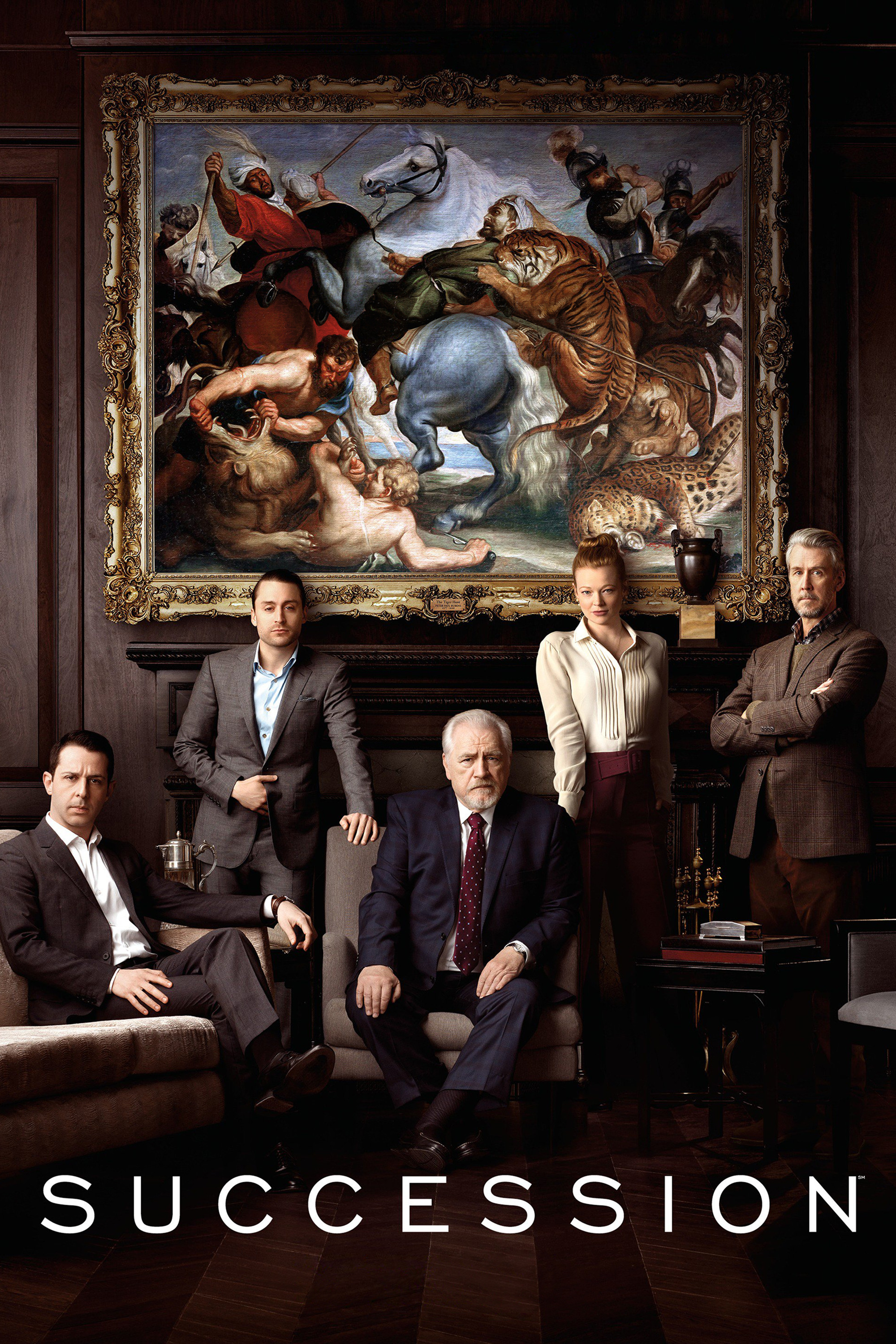
A satirical black comedy-drama that centers on the Roys, a dysfunctional global media family fighting for control of the Waystar RoyCo conglomerate amidst the uncertainty of the health of the family's patriarch, Logan Roy. When Logan decides not to step down as expected, his four adult children - Kendall, Roman, Shiv, and Connor - engage in a ruthless, Shakespearean power struggle to prove they are worthy of the crown. The series skewers the one percent, exposing their incompetence, cruelty, and deep-seated insecurities as they stab each other in the back in boardrooms, private jets, and superyachts, all while the world burns around them.
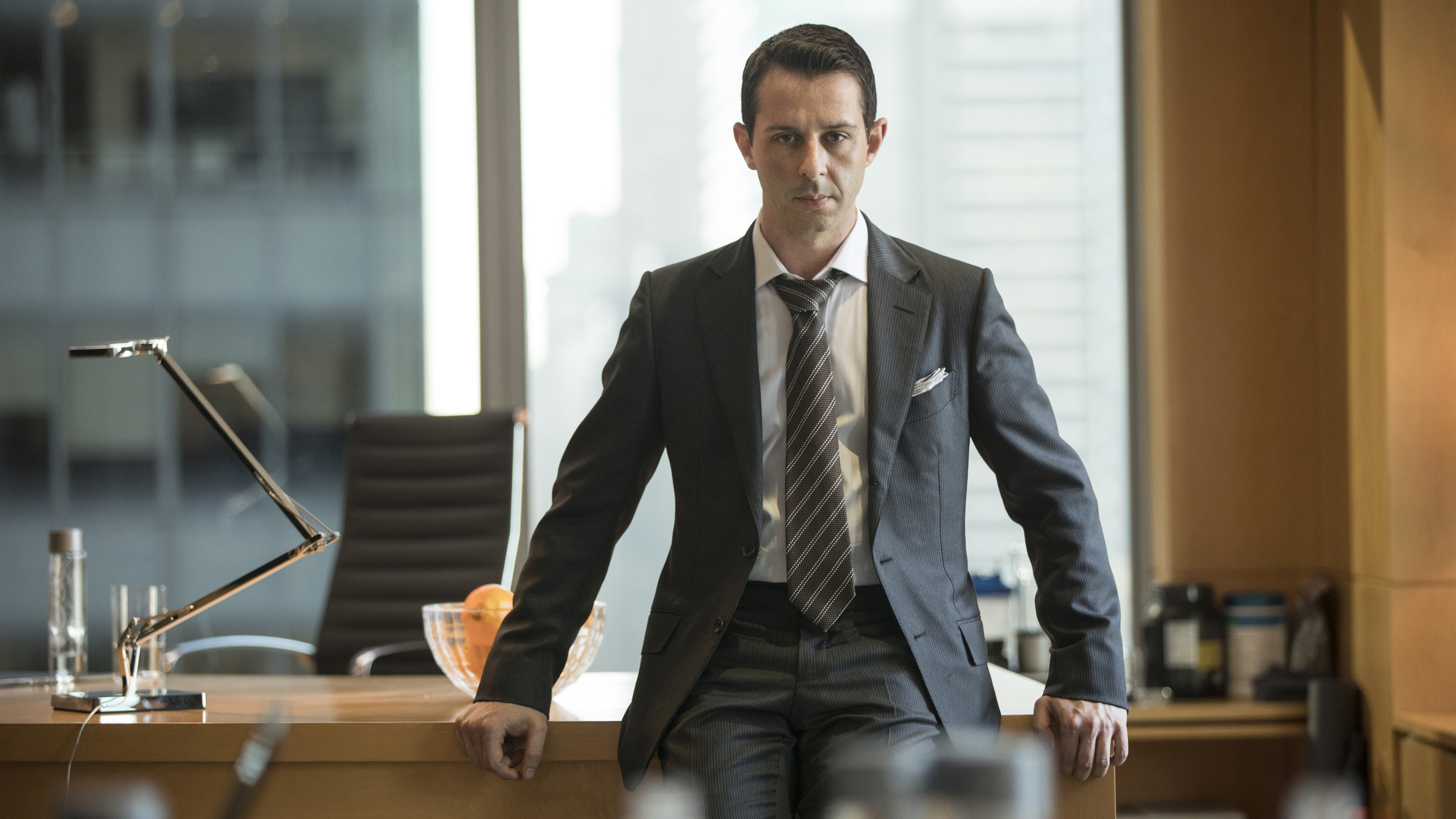
esse Armstrong’s writing is a razor-sharp weapon, blending profane, rapid-fire dialogue with moments of excruciating cringe and tragedy to create a modern King Lear. The camera work, with its handheld zooms and documentary style, captures the nervous energy and constant paranoia of the characters, making the audience feel like a fly on the wall in rooms where history is decided by petty grievances. Brian Cox dominates as Logan Roy, a terrifying force of nature whose love is indistinguishable from abuse, while Jeremy Strong’s Kendall offers a heartbreaking portrait of addiction and the desperate, failed desire to kill the father. The show examines the corrosive nature of extreme wealth, suggesting that having everything means you value nothing, and that the corporate world is run not by geniuses, but by broken children in expensive suits playing games they don't understand. It succeeds because it makes us care deeply about despicable people, showing the tragic human void at the center of their empire, and proving that money can buy power, but it cannot buy a soul.
5. 📺 Dark (2017)
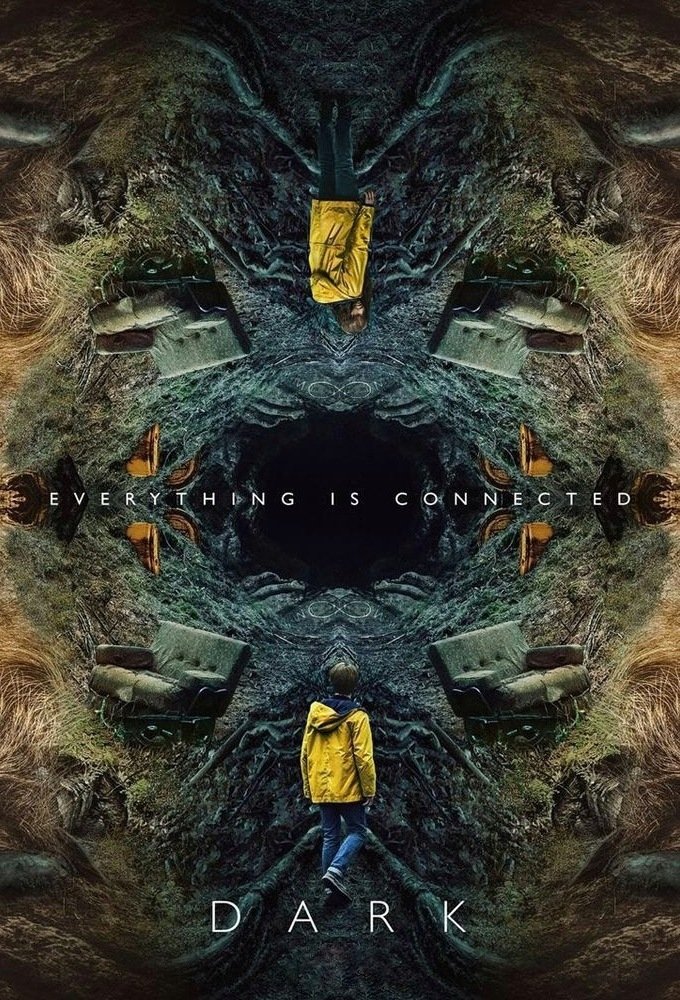
In the small, rain-soaked German town of Winden, the disappearance of two young children exposes the fractured relationships, double lives, and dark past of four families. As the search for the missing kids continues, the mystery unravels into a mind-bending time travel conspiracy that spans multiple generations, connecting events from 1953, 1986, 2019, and beyond. The protagonist, Jonas Kahnwald, discovers a wormhole in the local caves that allows travel between thirty-three-year cycles, realizing that the town is trapped in an infinite time loop where the past, present, and future are inextricably linked, and every action taken to change fate only serves to seal it.
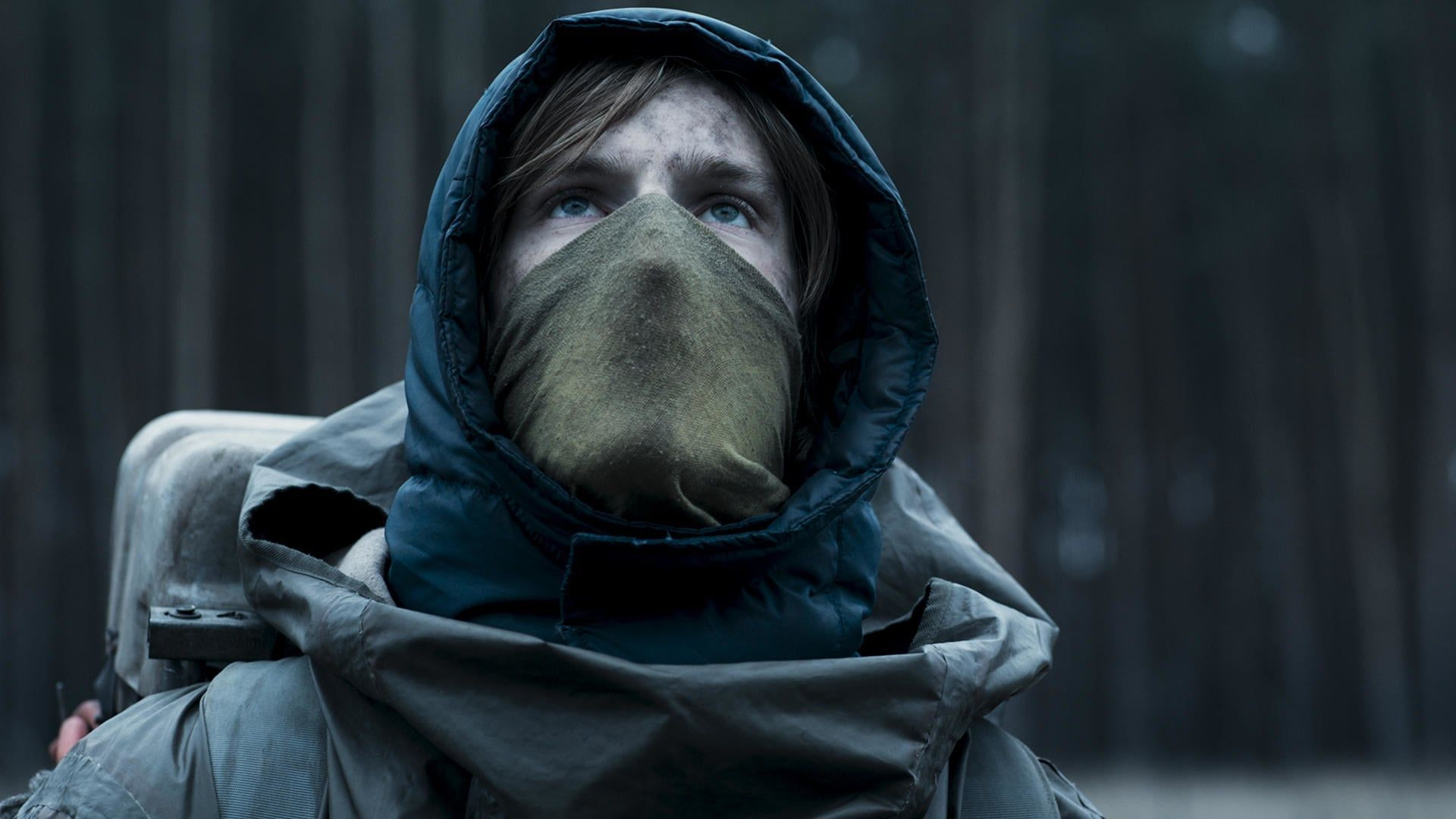
Dark is a masterpiece of intricate plotting and philosophical sci-fi, demanding the viewer's absolute attention as it weaves a tapestry of paradoxes that is both logical and emotionally devastating. The show moves beyond the "grandfather paradox" to explore the concept of determinism versus free will, asking whether we are masters of our own destiny or merely puppets of time. The casting is miraculous, with three generations of actors playing the same characters across different timelines with an uncanny resemblance that grounds the high-concept story in believable human evolution. The atmosphere is heavy with foreboding, aided by Ben Frost’s industrial, ominous score and the recurring visual motif of the triquetra, symbolizing the interconnectedness of time. It succeeds because it treats its audience with respect, refusing to dumb down its complex narrative, and delivering a flawlessly executed three-season arc that concludes with a satisfying, heartbreaking resolution, proving that it is one of the few mystery box shows that actually knew what was inside the box from the beginning.
4. 📺 Mad Men (2007)
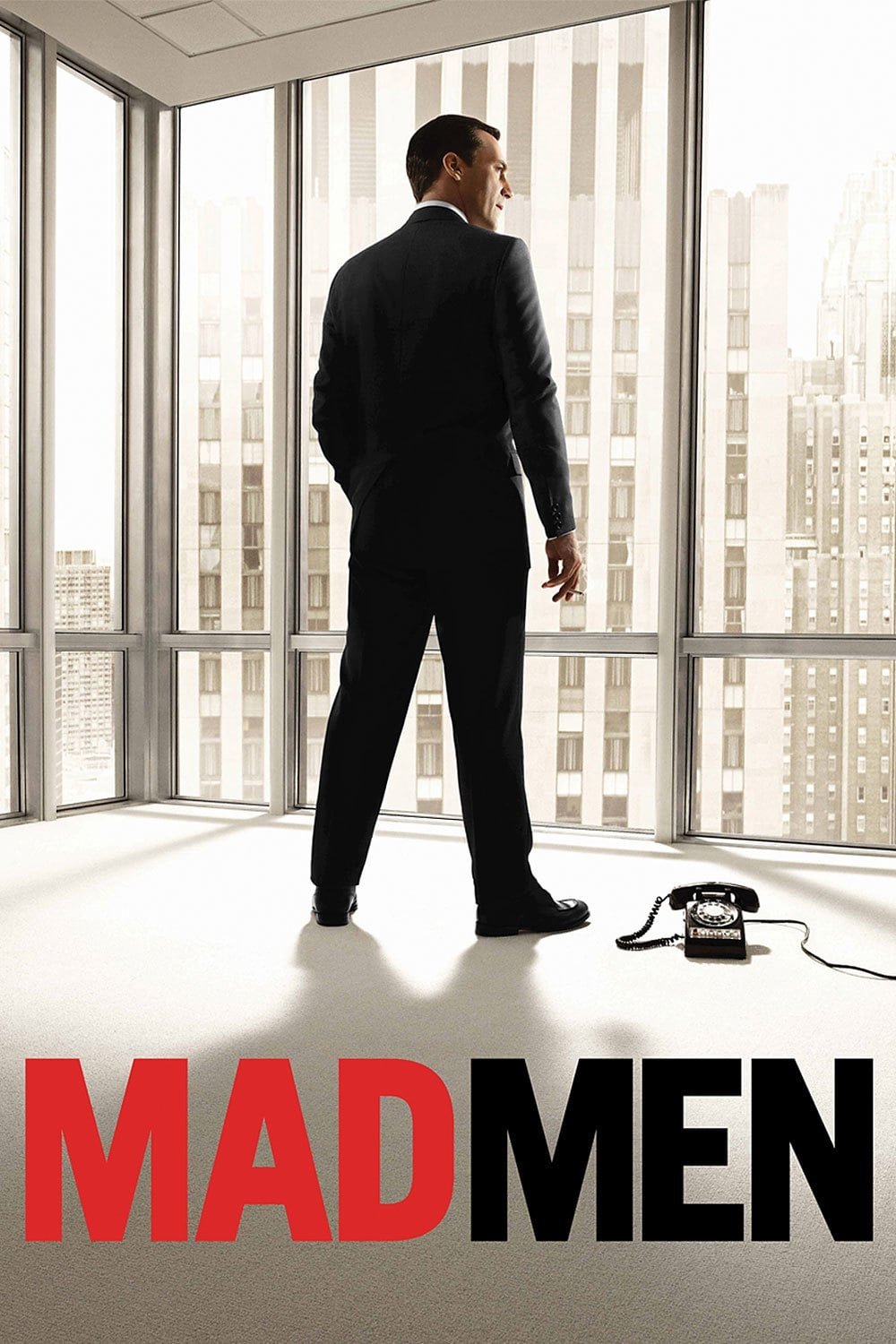
Set in the glamorous and competitive world of 1960s advertising on Madison Avenue, the series follows the enigmatic creative director Don Draper as he navigates the changing social tides of the decade while hiding a secret past that threatens to destroy his carefully constructed life. The narrative explores the professional and personal lives of the men and women of Sterling Cooper, delving into the misogyny, racism, alcoholism, and existential emptiness that lay beneath the polished veneer of the American Dream. As the 60s progress from the orderly Camelot era to the chaotic counterculture revolution, the characters are forced to adapt or become obsolete in a world that is selling a happiness they can never quite achieve.
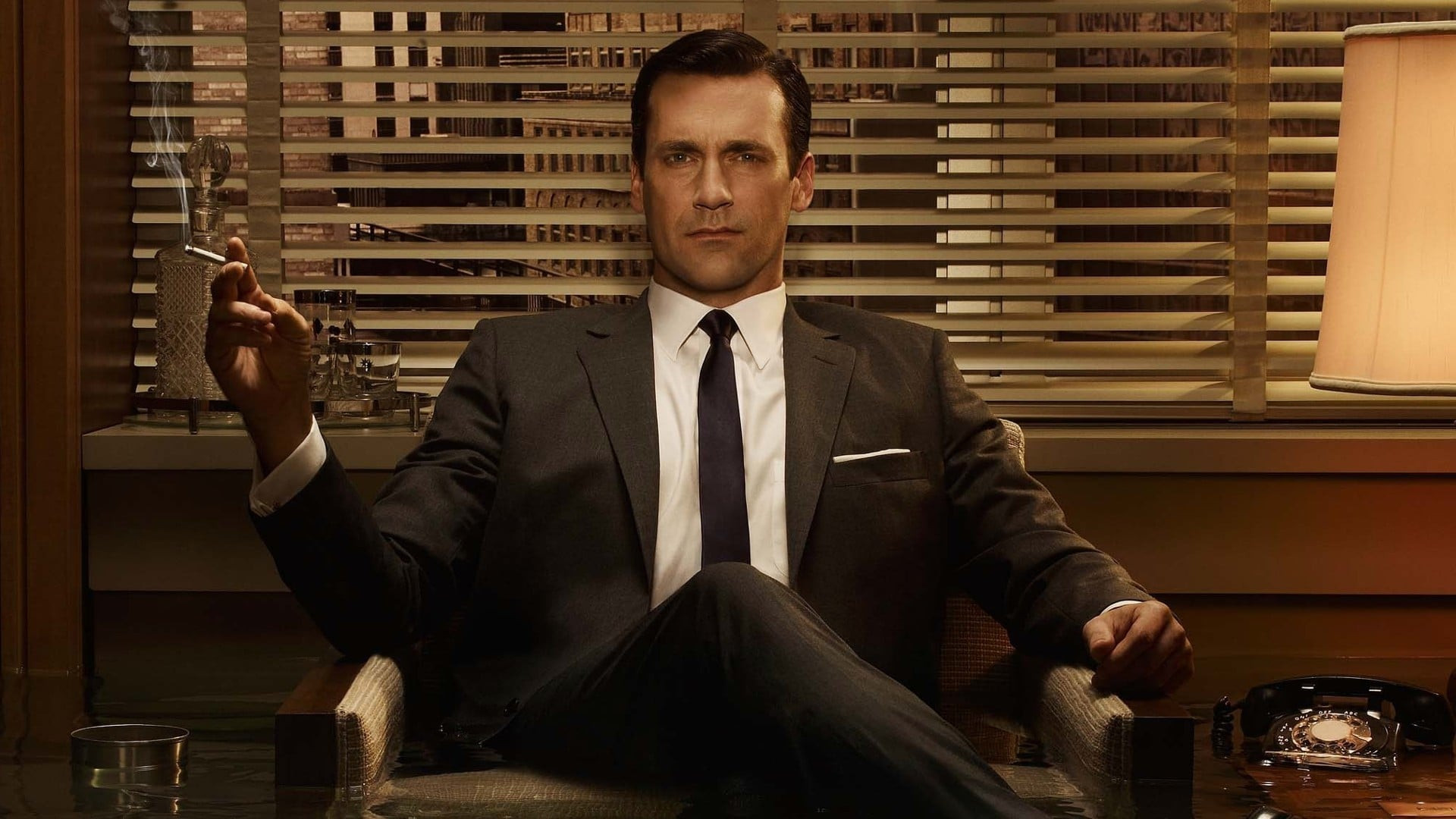
Matthew Weiner created the ultimate period drama, a show that is obsessed with the details of the era not for nostalgia, but to deconstruct the myth of the "Golden Age." Jon Hamm plays Don Draper as a man who is essentially a beautiful, empty suit, a genius at manufacturing desire because he himself is perpetually unsatisfied, constantly running from who he really is. The show is a profound character study, giving equal weight to the journeys of Peggy Olson, who fights her way from secretary to copy chief in a male-dominated world, and Joan Holloway, who wields her sexuality as a weapon and a shield. The writing is literary and subtextual, often saying the most in what is left unsaid, using the ads themselves as metaphors for the characters' hidden longings. It succeeds because it is a meditation on the passage of time and the human capacity for change, showing that while we can reinvent ourselves and change our names, we can never truly outrun our history, leaving us to wonder if we are ever truly happy, or just distracted.
3. 📺 The Wire (2002)
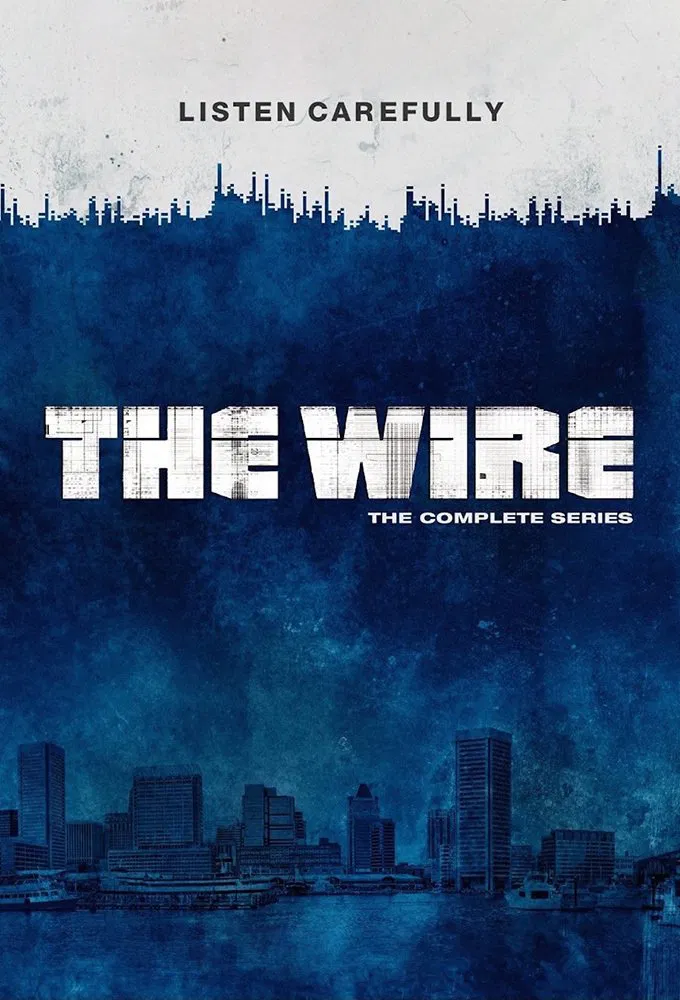
A sprawling, novelistic examination of the narcotics scene in Baltimore, Maryland, viewed through the eyes of drug dealers and law enforcement officers. Each season expands the focus to a different institution of the city - the street corners, the docks, the city hall, the school system, and the print news media - creating a comprehensive portrait of a modern American city in decline. The series rejects the simple morality of "cops vs. robbers" to show a complex ecosystem where individuals on both sides are trapped by the institutions they serve, showing how the war on drugs has become a self-perpetuating bureaucracy that destroys communities and lives.
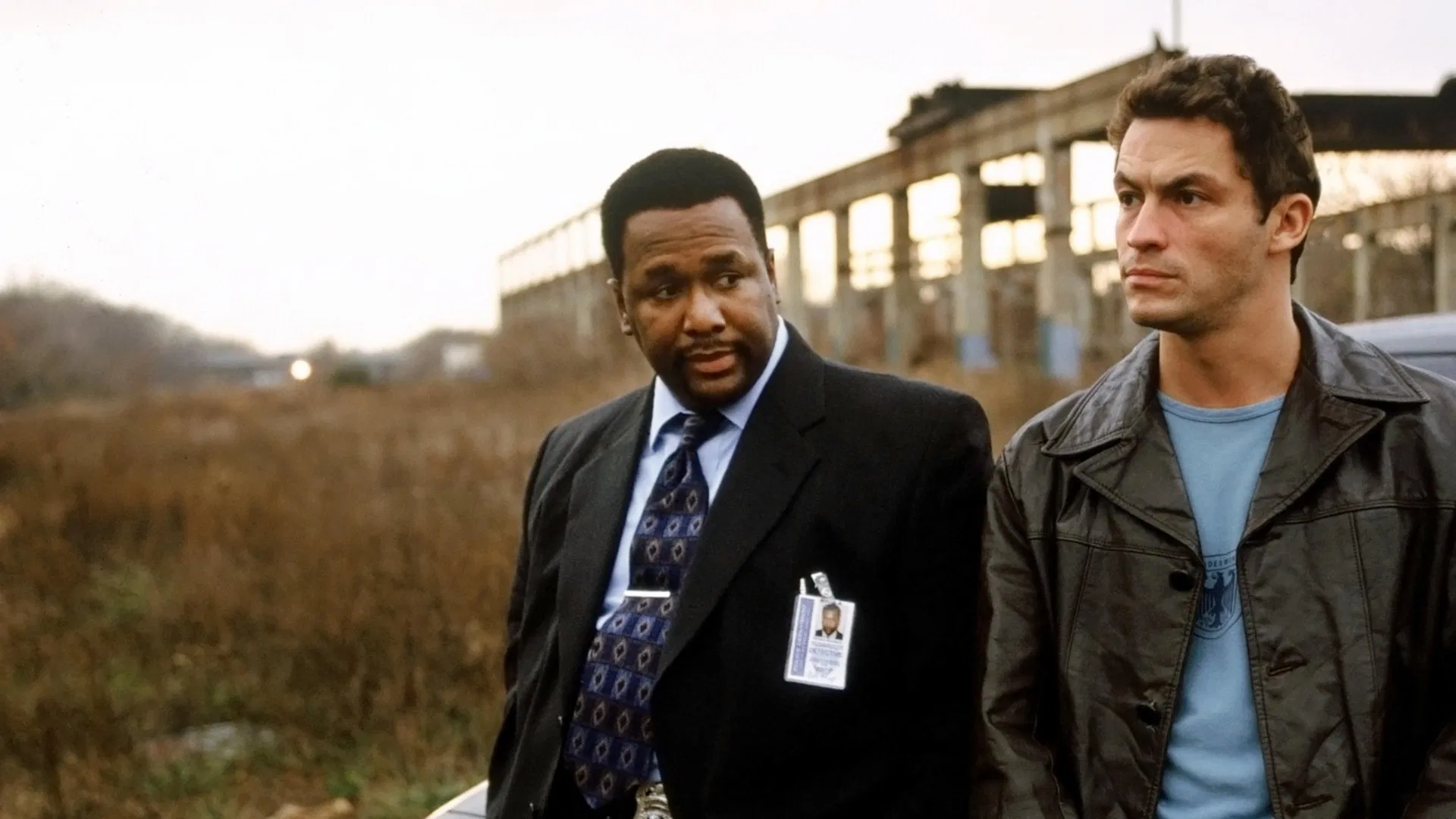
David Simon, a former police reporter, crafted a show that feels less like television and more like non-fiction, using a cast of largely unknown actors and real Baltimore residents to achieve a gritty, unvarnished realism. The series argues that the system is rigged against the individual, whether you are a detective like McNulty trying to do real police work against the wishes of stats-obsessed bosses, or a dealer like D'Angelo Barksdale trying to find a life outside the game. The character of Omar Little, a stick-up man who robs drug dealers and lives by a strict moral code, remains one of the greatest creations in fiction, subverting every stereotype of the genre. The writing is dense with street slang and police jargon, refusing to hold the viewer's hand, demanding that you immerse yourself in the world to understand its rules. It succeeds because it is a furious, heartbreaking indictment of the failure of American institutions, showing that in a system where money and politics trump human life, the game stays the same, only the players change.
2. 📺 Breaking Bad (2008)
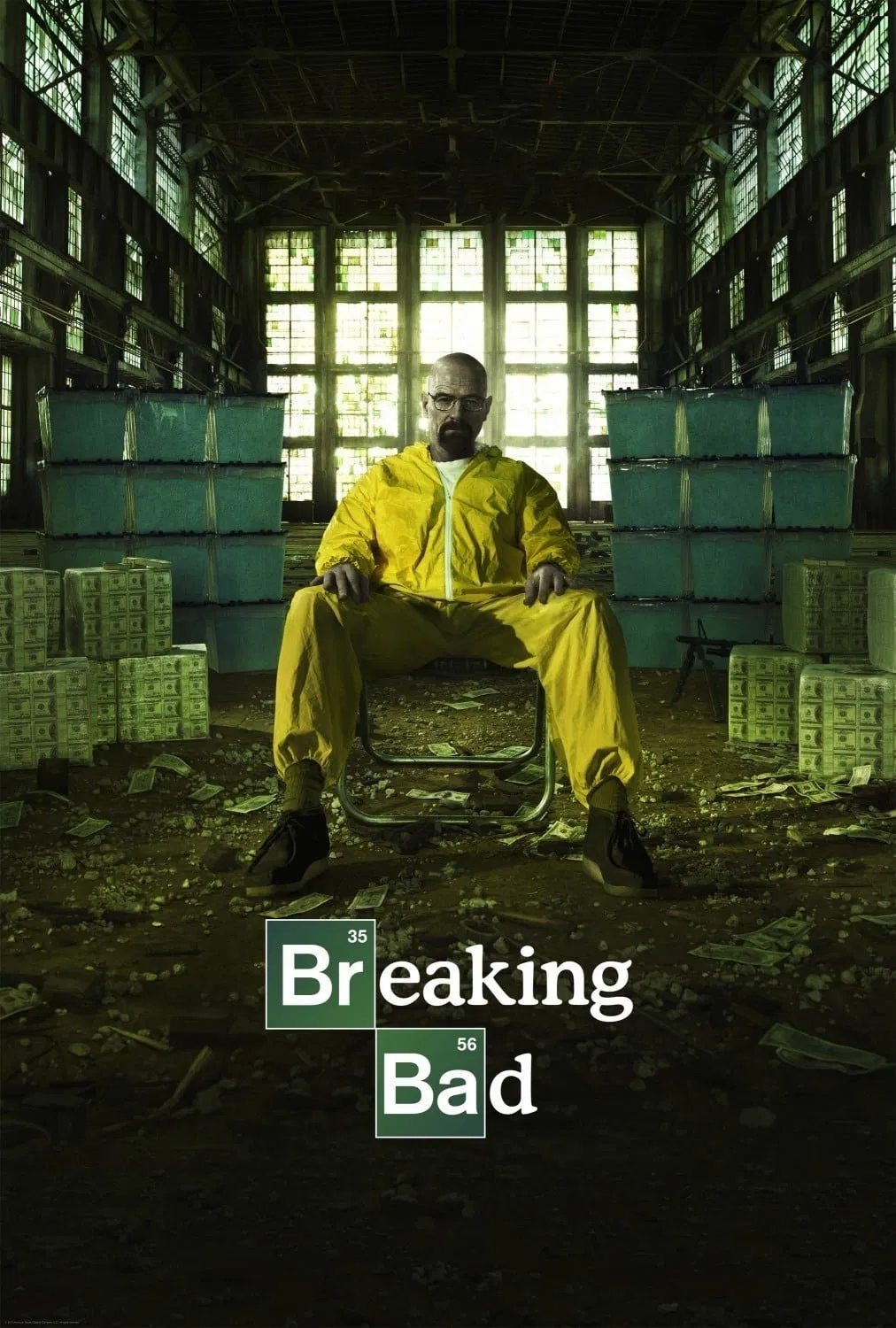
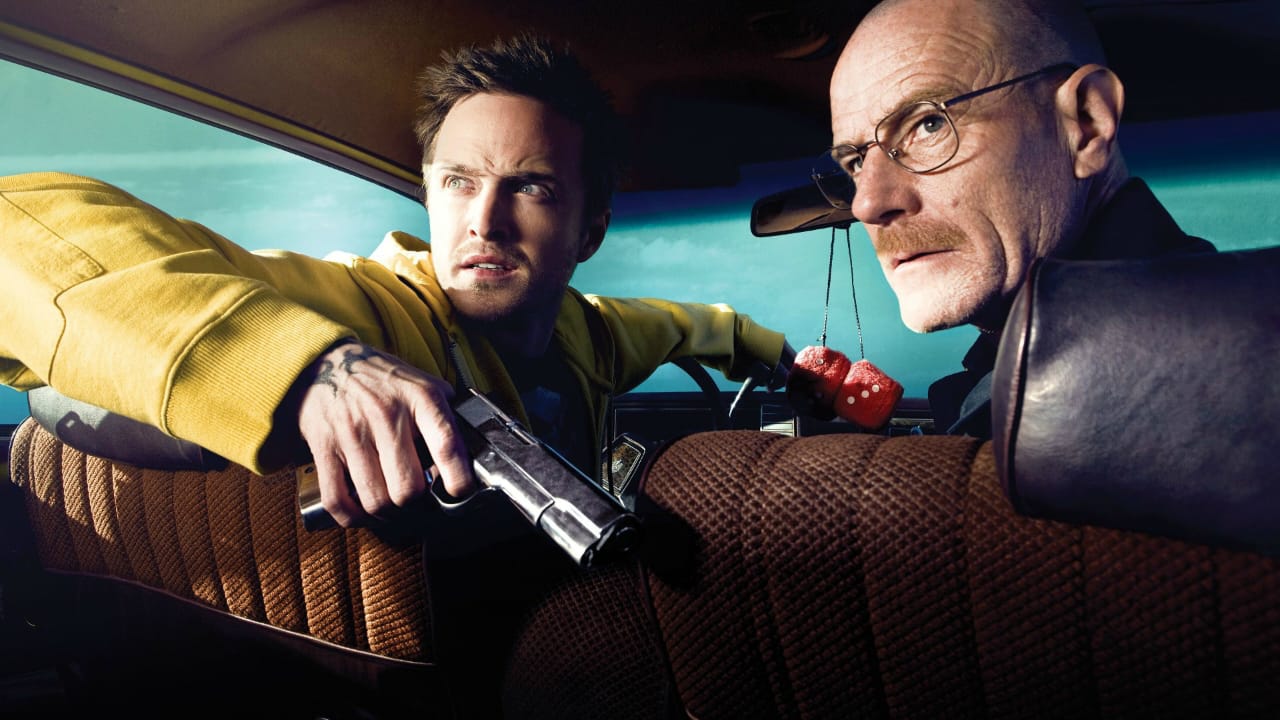
Walter White, an overqualified and underpaid high school chemistry teacher diagnosed with inoperable lung cancer, turns to manufacturing and selling methamphetamine to secure his family's financial future before he dies. Teaming up with his former student, the burn-out Jesse Pinkman, Walt descends into the criminal underworld, finding that he has a terrifying aptitude for violence and strategy. As he transforms from a mild-mannered family man into the ruthless drug kingpin "Heisenberg," his actions leave a trail of destruction that consumes everyone he loves, forcing him to admit that he isn't doing it for his family anymore - he is doing it for himself.
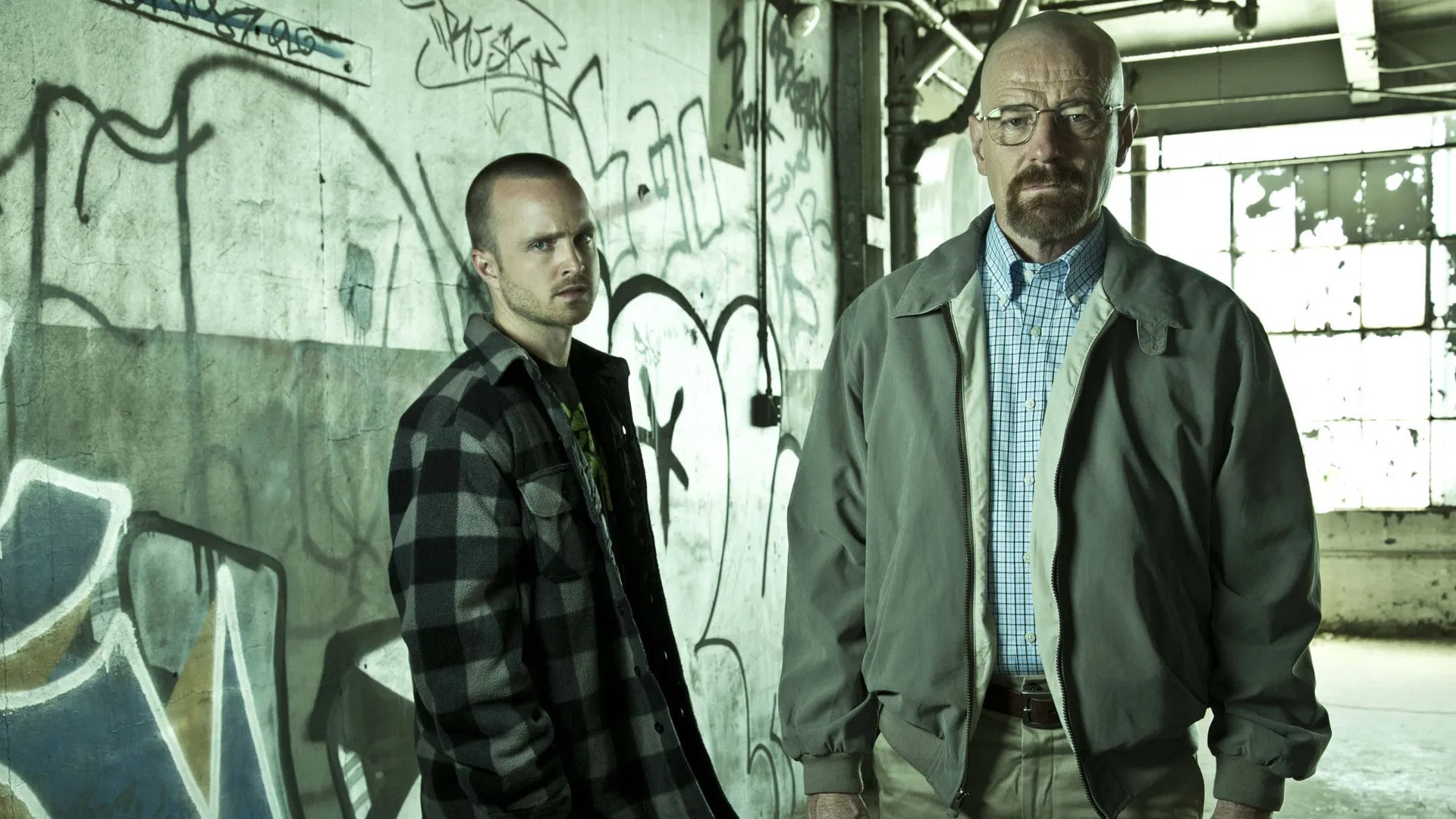
Vince Gilligan pitched the show as "Mr. Chips turns into Scarface," and he delivered a character arc that is unparalleled in the history of television. Bryan Cranston’s performance is a masterclass in transformation, physically and emotionally evolving from a sympathetic victim to a terrifying monster whose ego is his most dangerous weapon. The show is visually cinematic, using the vast, golden desert landscapes of Albuquerque as a backdrop for a modern Western, and employing unique camera angles and time-lapse photography to create a distinct visual language. The tension is relentless, blending moments of dark comedy with scenes of unbearable suspense and explosive violence, all driven by the chemical reaction of Walt and Jesse’s toxic, co-dependent relationship. It succeeds because it is a morality play that follows its premise to its absolute logical conclusion, refusing to let Walt off the hook, and showing that every action has a reaction, and that the consequences of evil are inescapable, no matter how smart you are.
1. 📺 The Sopranos (1999)
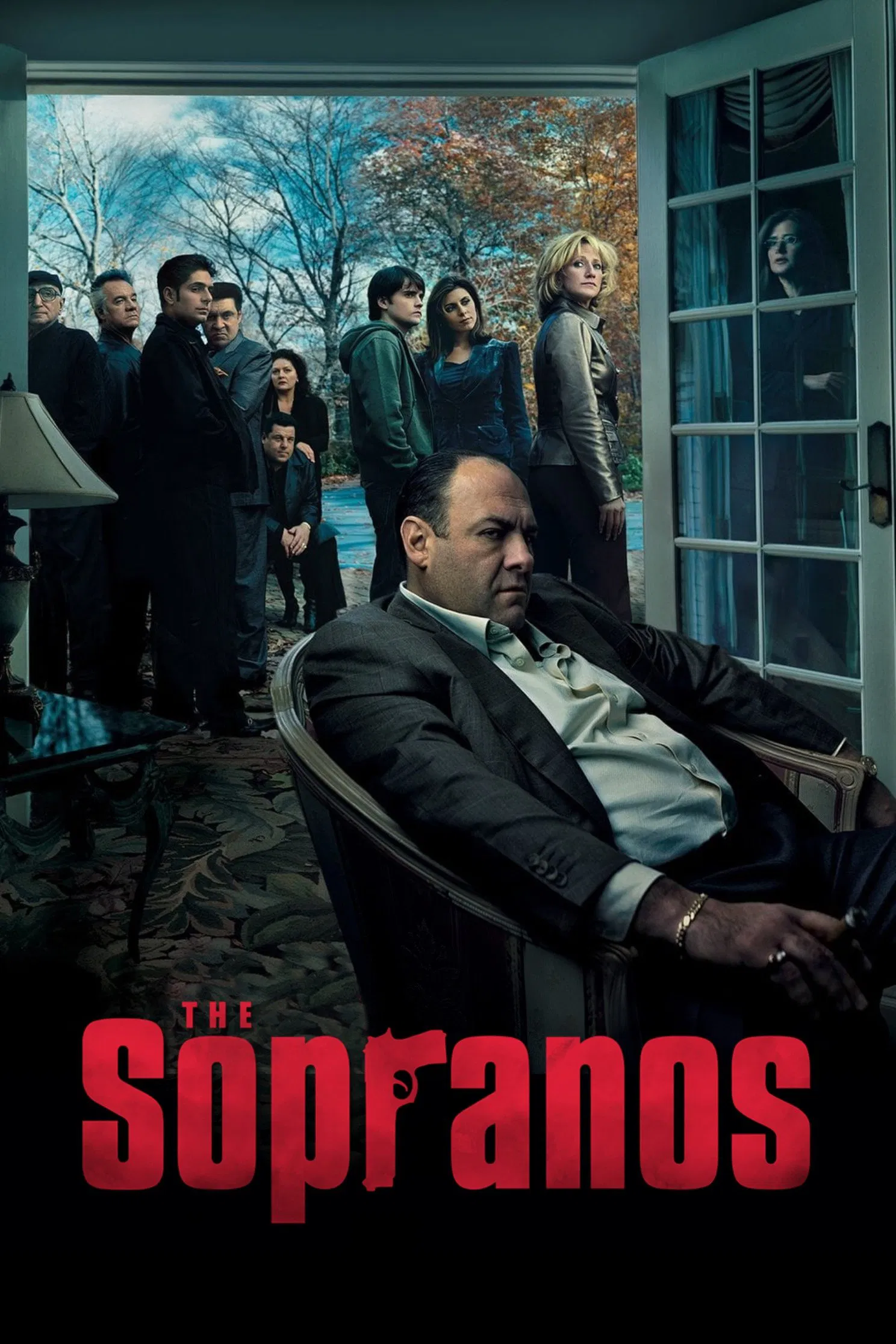
Tony Soprano, a New Jersey mob boss, begins suffering from panic attacks and secretly seeks the help of a psychiatrist, Dr. Jennifer Melfi, to deal with the stress of balancing his two families: his wife and children at home, and the criminal organization he leads. The series explores the mundane and the brutal aspects of mob life, delving into Tony’s complicated relationships with his manipulative mother Livia, his nephew Christopher, and his various rivals, all while he tries to navigate a changing world where the old codes of the mafia are eroding. It is a psychological deconstruction of the American gangster, stripping away the glamour to reveal a depressed, angry man in a bathrobe looking for the ducks in his pool.
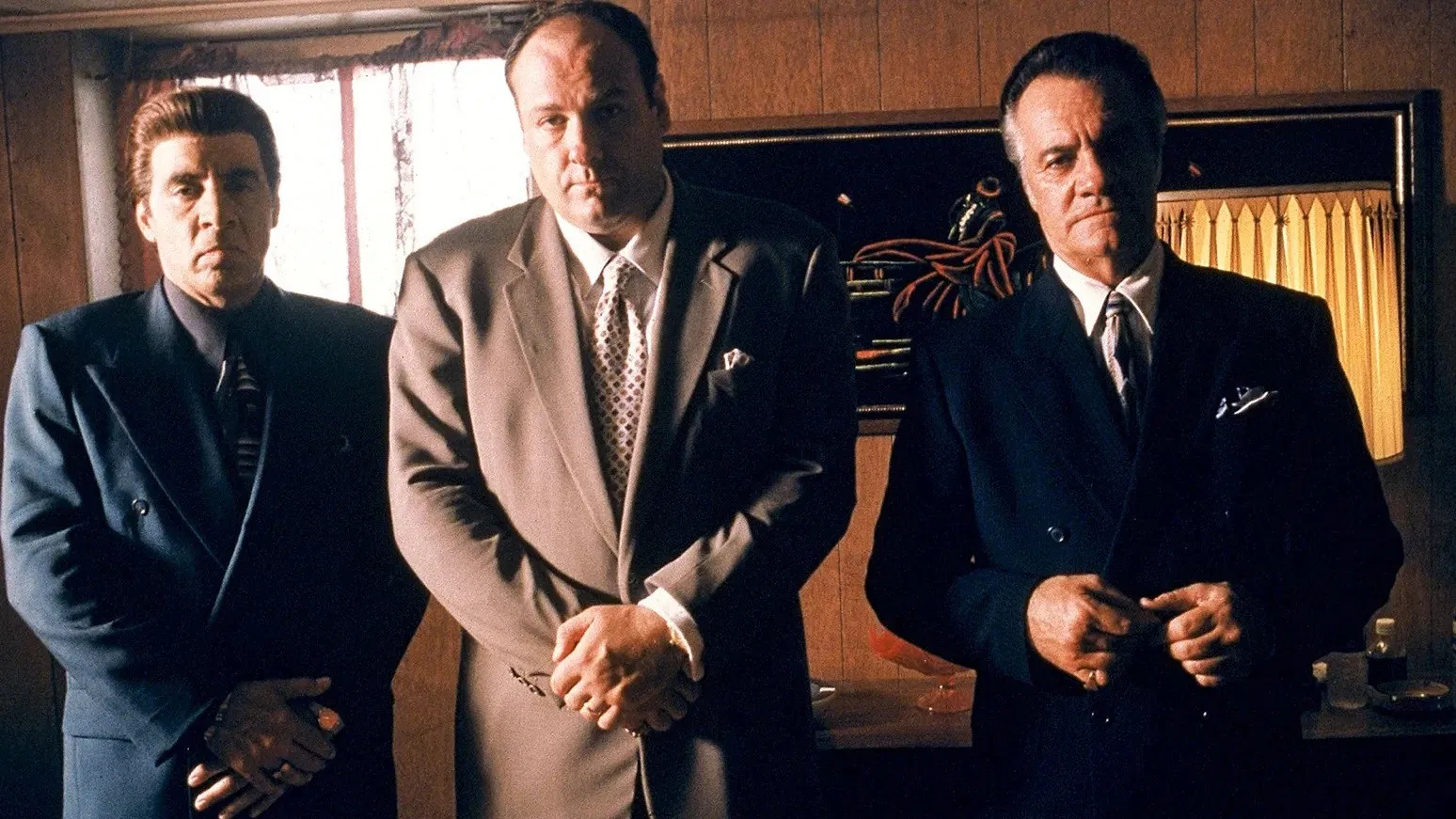
David Chase changed television forever with The Sopranos, proving that a TV series could have the cinematic quality, literary depth, and moral complexity of a great novel or film. James Gandolfini gave the greatest performance in the medium's history, imbuing Tony with a hulking physical menace and a surprising, tender vulnerability, making the audience root for a sociopath even as he committed heinous acts. The show is deeply psychological, using dream sequences and therapy sessions to explore the subconscious, generational trauma, and the existential dread of modern life. It blends the genre thrills of mob hits and FBI investigations with the quiet domestic drama of a marriage in decline, creating a tone that is funny, terrifying, and profoundly sad all at once. It succeeds because it refuses to provide easy answers or moral closure, culminating in the most debated ending in history, and leaving us with the enduring portrait of a man - and a country - at the end of the century, struggling to find meaning in a world where everything is for sale.
— The Cinéprism
Keep reading
31 / 08 / 2026 · 383 reads
10 Best Endings in Film
A curated list of 10 unforgettable movie endings that leave a lasting impact long after the credits roll.
12 / 11 / 2025 · 5099 reads
Top 11 Greatest TV Shows:
These eleven extraordinary series redefine what television can be, merging unforgettable characters with stories that linger long after the screen goes dark.