Dispatch — Long Read
15 Korean Films That Perfected the Art of Dread
Where every frame conceals a twist, every character harbors secrets, and genre boundaries dissolve into something darker and more unsettling than Hollywood ever dared to imagine.
The Cinéprism
17 / 12 / 2025 · 26 min read
1. 🎬 Memories of Murder (2003) | Dir. Bong Joon-ho
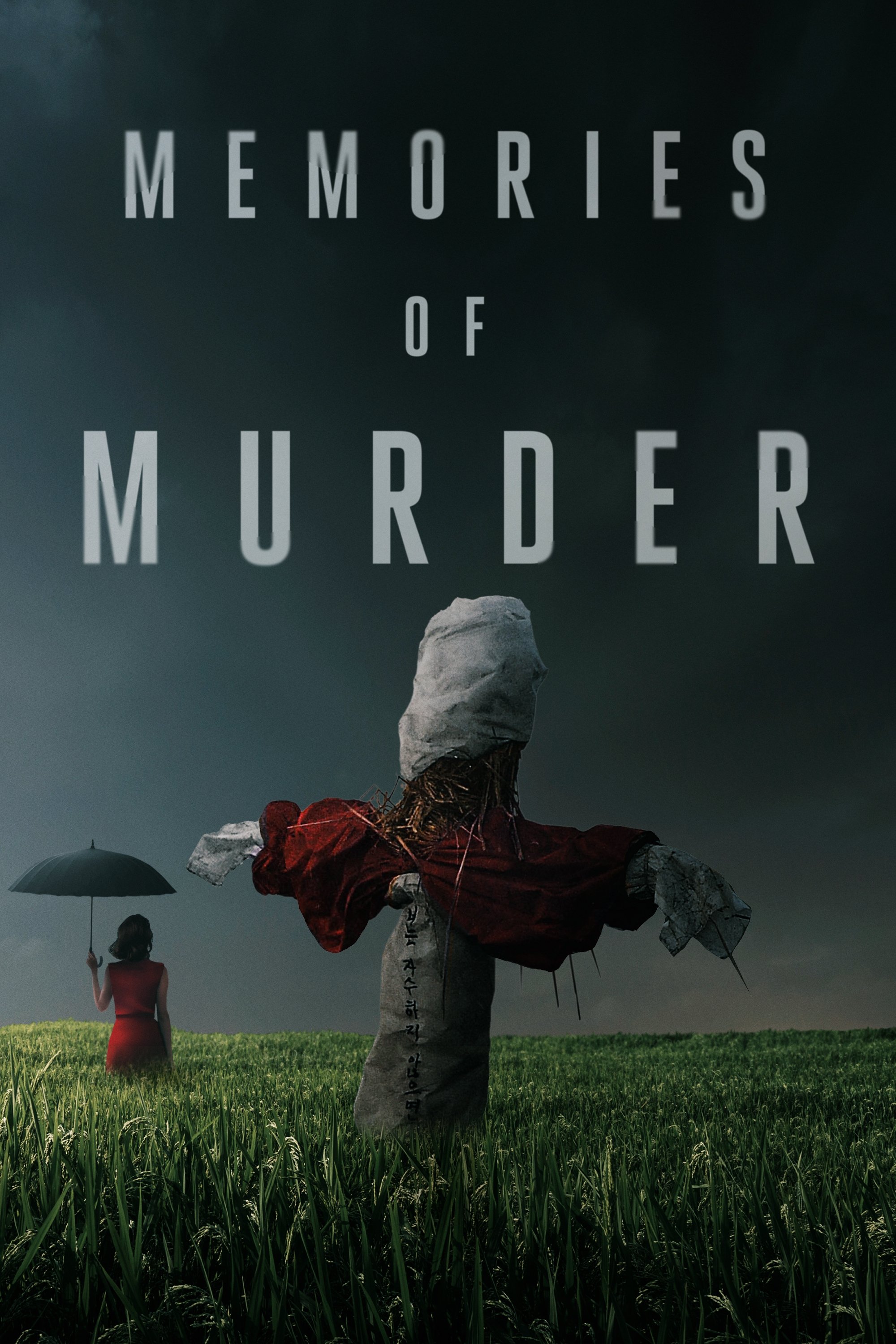
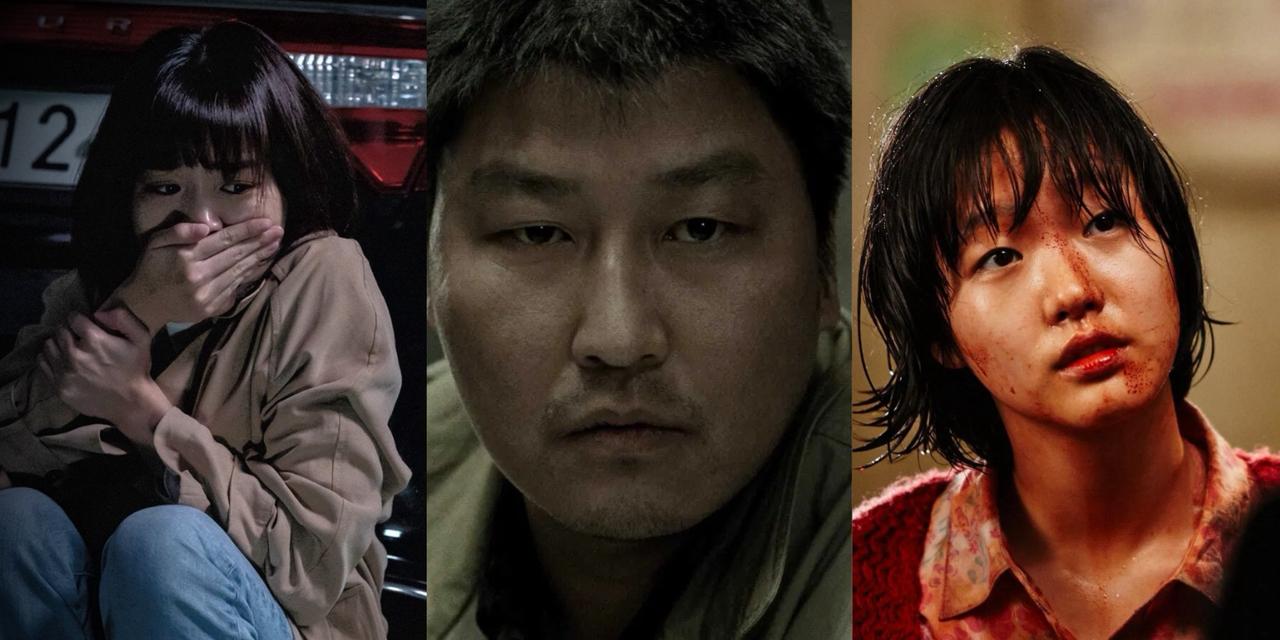
A Korean crime film based on real unsolved serial killings, following detectives in 1980s provincial town as they investigate series of rape-murders while lacking training, resources, or experience for such investigation. Bong Joon-ho creates procedural that's really about institutional failure and how authoritarianism makes solving crimes impossible when police are trained for political suppression rather than investigation. Song Kang-ho plays Detective Park, a local cop whose investigative methods consist primarily of torture and forced confessions, his incompetence protected by system that values obedience over competence. Kim Sang-kyung's Detective Seo is Seoul cop transferred to help, his more sophisticated methods clashing with local approach, their partnership representing modernizing South Korea's tension between old and new approaches. What makes Memories of Murder essential is its examination of how dictatorships create conditions where solving crimes becomes impossible, how Park's torture-based investigation contaminates evidence and creates false confessions that prevent finding actual killer, showing how state violence against citizens makes them unable to protect those same citizens from criminal violence.
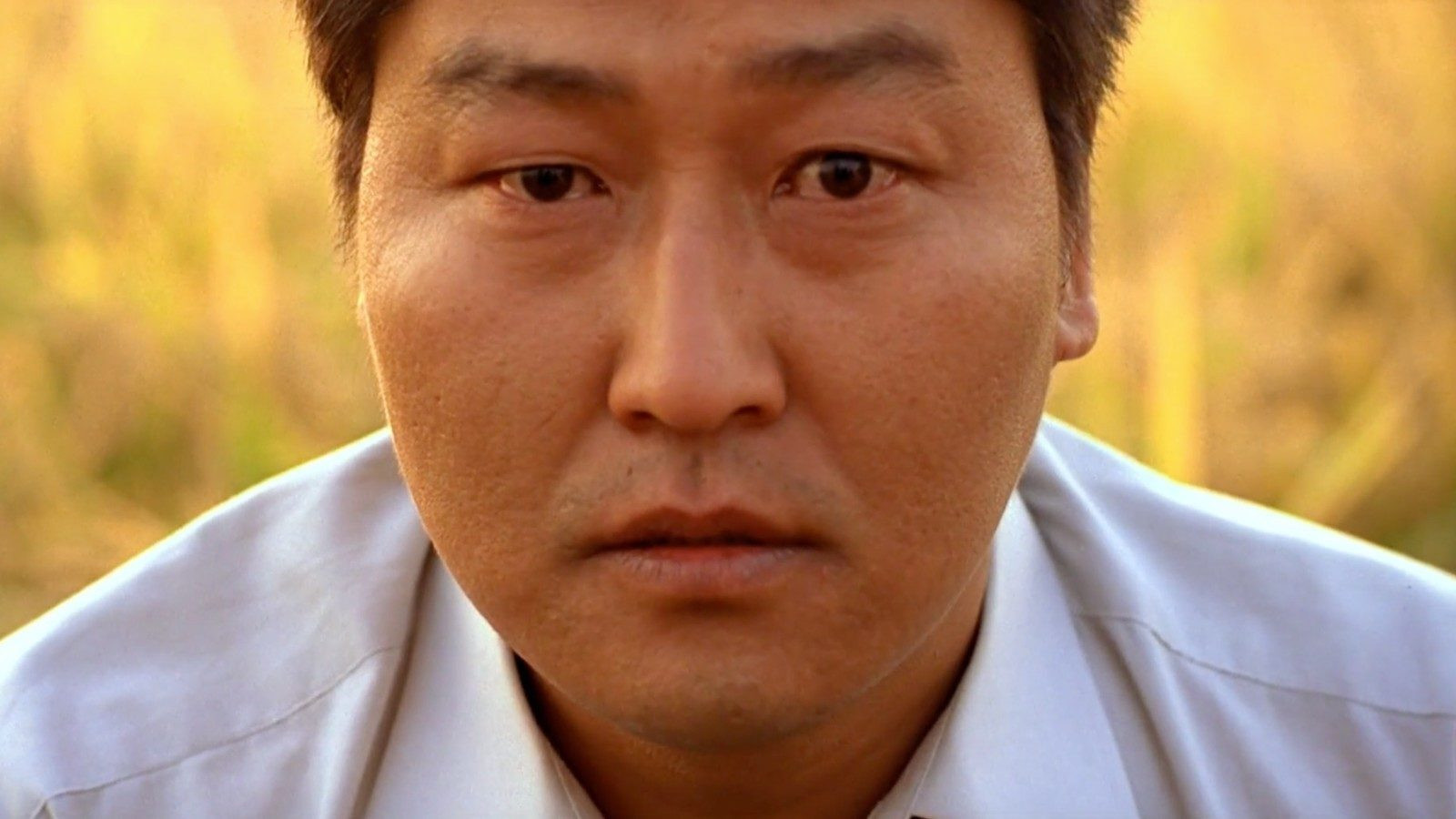
The film's treatment of the investigation shows accumulation of small failures and missed opportunities, witnesses intimidated, evidence mishandled, suspects released due to lack of proper procedure, creating portrait of institutional dysfunction where everyone's trying their best within system designed for different purposes. Bong shoots the rural settings with attention to how modernization is transforming Korea, factories and highways appearing alongside rice fields, suggesting that economic development happens faster than institutional capacity to manage its consequences. The film's ending, where Park returns to the field where first body was found and learns a little girl saw someone there recently, looking directly into camera as though addressing the actual killer, creates chilling recognition that he's still out there, that this case remains unsolved in reality as well as film. It succeeds because Bong uses true crime to examine political transition, showing how South Korea's democratization required rebuilding institutions from scratch because authoritarian systems created competent at oppression but incompetent at everything else, that justice requires institutional capacity as much as individual dedication.
2. 🎬 I Saw the Devil (2010) | Dir. Kim Jee-woon
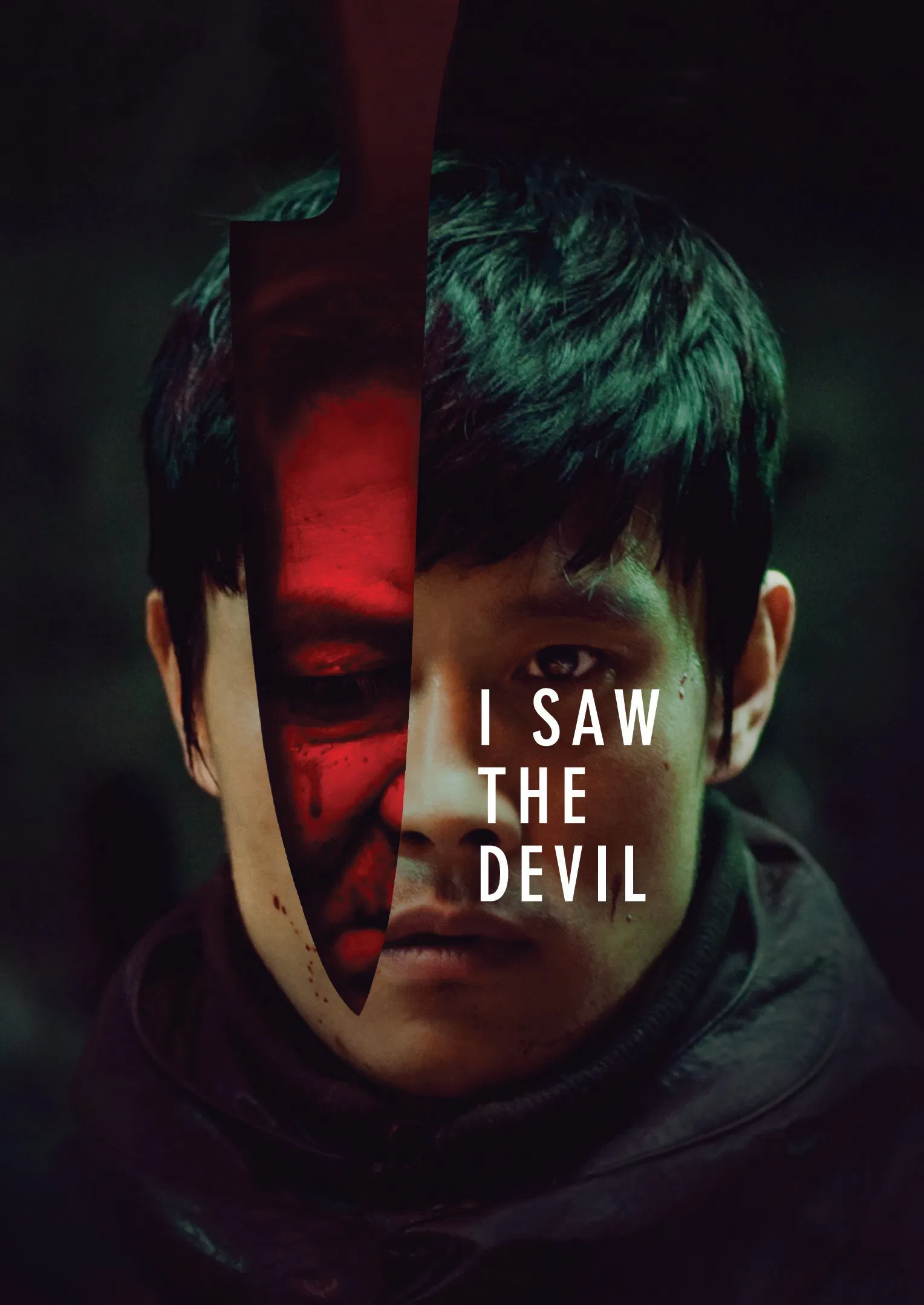
A revenge thriller following secret agent Kim Soo-hyun who captures the serial killer who murdered his fiancée, repeatedly torturing and releasing him to inflict maximum suffering before recapturing him. Kim Jee-woon creates film that examines how revenge transforms the avenger into mirror of the person they're punishing, how the desire to make someone suffer means descending to their level of brutality. Lee Byung-hun plays Soo-hyun with cold determination that gradually reveals itself as psychological breakdown, his training as intelligence operative giving him skills to track and torture Kyung-chul but also making him capable of sustained cruelty that destroys his own humanity. Choi Min-sik's Kyung-chul is monster who delights in his crimes, his lack of remorse or fear making Soo-hyun's torture ineffective as deterrent while providing him with opponent who understands the game they're playing. What makes I Saw the Devil genuinely disturbing is its examination of how the cat-and-mouse dynamic creates perverse intimacy between hunter and prey, how Soo-hyun's repeated releases of Kyung-chul allow him to commit more murders, making Soo-hyun complicit in subsequent deaths because his need for revenge outweighs his concern for potential victims.
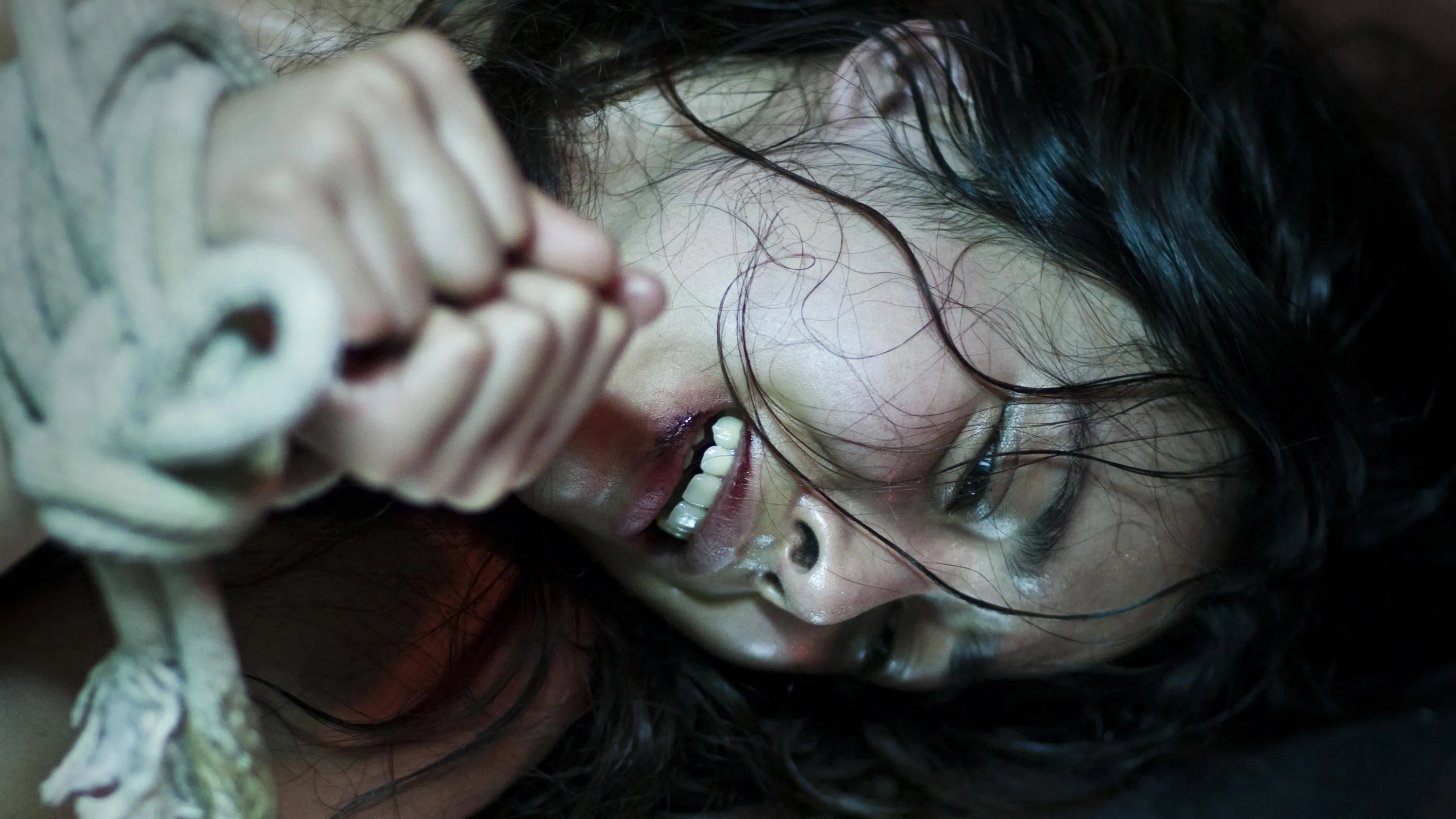
The film's violence is extreme and unflinching, Kim shooting the brutality with clinical precision that makes it horrifying rather than entertaining, showing how torture damages everyone involved regardless of whether it's justified by the victim's crimes. The visual language emphasizes darkness and enclosed spaces, the film's aesthetic suggesting that revenge is trap that closes around the avenger as much as the target, that once you begin this cycle there's no escaping without becoming the thing you hate. The ending, where Soo-hyun finally kills Kyung-chul but finds no satisfaction or closure, only the recognition that he's destroyed himself in pursuit of vengeance that solved nothing, creates devastating portrait of how revenge hollows out everyone it touches. It succeeds because Kim refuses to make the violence cathartic or the revenge satisfying, showing instead how pursuing vengeance means sacrificing your humanity, that becoming monster to fight monsters leaves you incapable of returning to normal life, proving that some victories cost more than any defeat.
3. 🎬 Confession of Murder (2012) | Dir. Jung Byung-gil
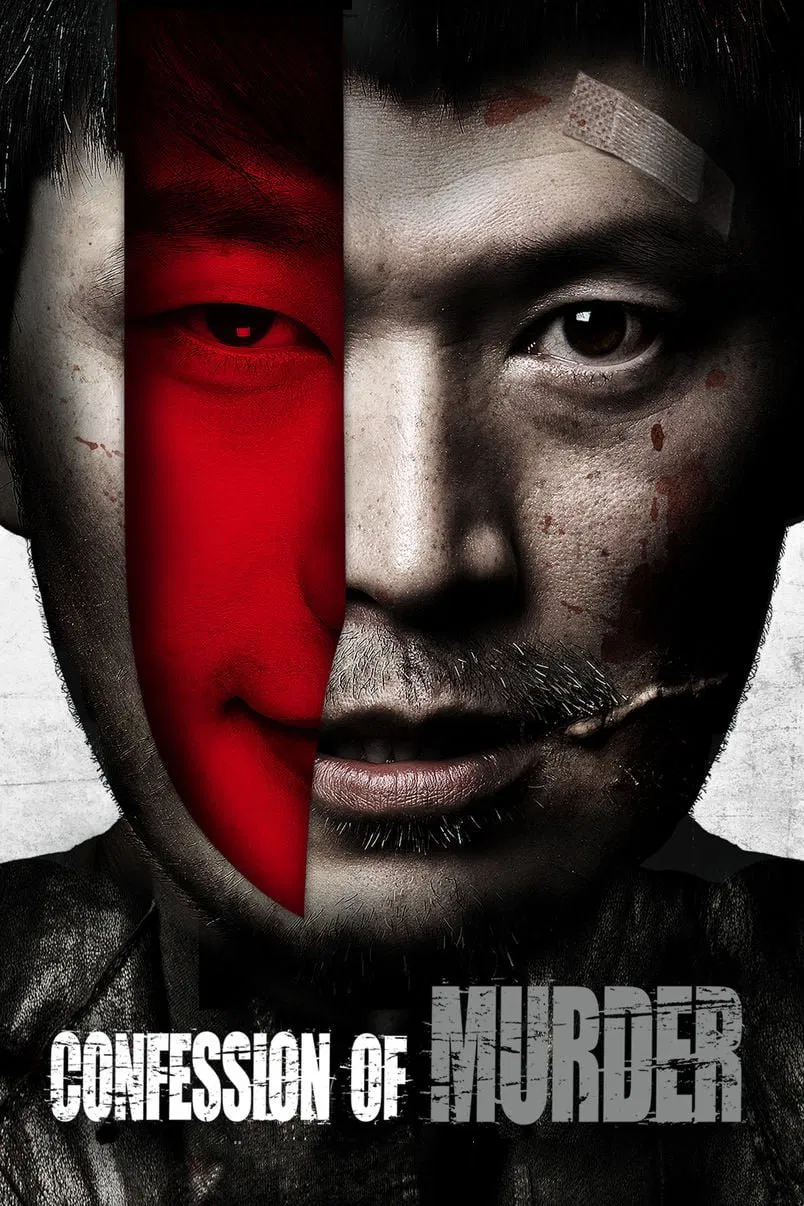
A thriller about detective whose failure to catch serial killer fifteen years earlier gets reopened when someone publishes memoir confessing to the murders after statute of limitations expires, creating media spectacle and race to determine if confessor is actual killer. Jung Byung-gil creates high-concept premise that examines how media transforms crime into entertainment, how statute of limitations creates absurd situations where killers can confess without legal consequences, and how obsession with unsolved cases damages everyone involved. Jung Jae-young plays the detective Choi whose career and life have been defined by his failure to catch the killer, his obsession making him unable to move forward, the new confession reopening wounds he's never managed to heal. Park Si-hoo plays the handsome confessor who becomes media celebrity through his book signings and talk show appearances, his charm and remorse making public sympathize with him despite his claimed crimes. What makes Confession of Murder compelling is its examination of how South Korean media creates spectacle from tragedy, how the confessor's book tour becomes entertainment event where victims' families are forced to watch their pain commodified, how celebrity culture makes even admitted murderers into stars if they're attractive and articulate enough.
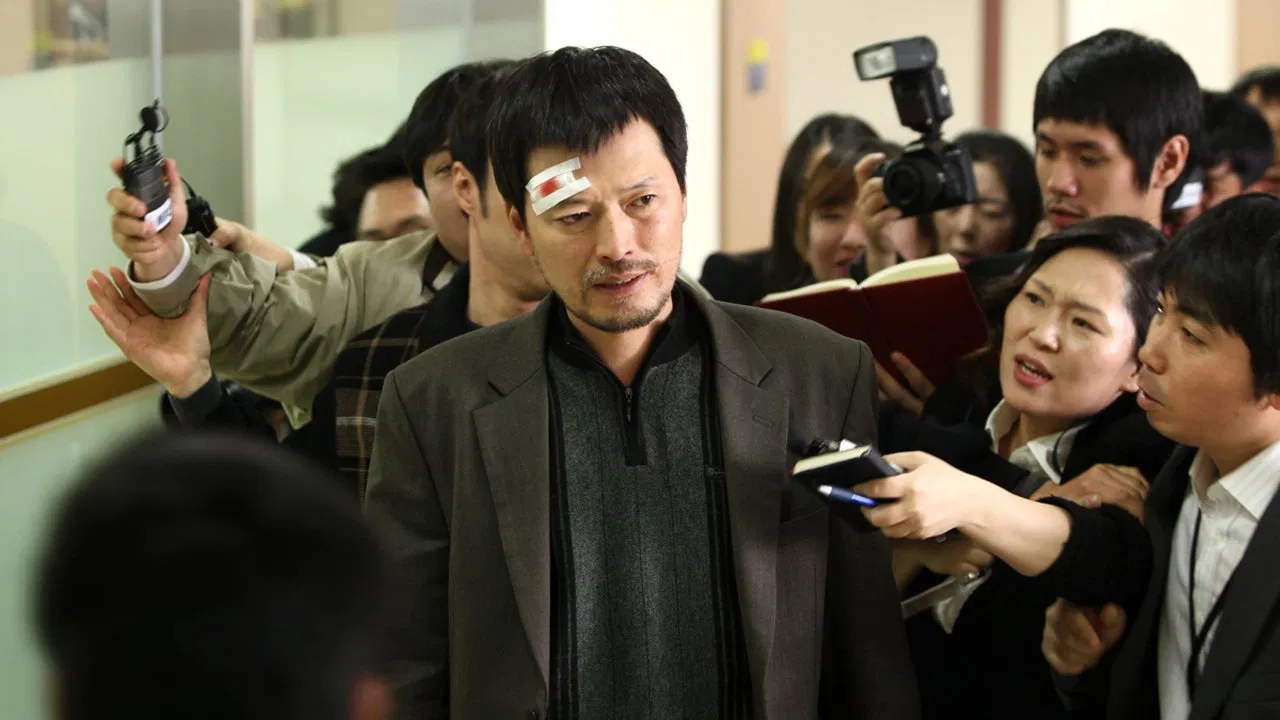
The film's structure builds tension through uncertainty about whether the confessor is genuine or impostor, introducing actual killer as third party who begins murdering people connected to the original investigation, creating three-way conflict between detective, confessor, and real killer. Jung shoots the action sequences with kinetic energy that makes the film's thriller elements genuinely exciting even as it maintains serious examination of media ethics and justice system failures. The film's treatment of statute of limitations asks whether legal technicalities should allow killers to escape justice simply because enough time has passed, whether confession without consequences constitutes closure for victims' families or just adds insult to injury. It succeeds because Jung balances entertainment and critique, creating film that's both thrilling action movie and serious examination of how obsession with true crime can become form of exploitation, how media attention rewards criminals with exactly the fame they desire, and whether justice deferred until it's legally impossible is justice at all.
4. 🎬 The Chaser (2008) | Dir. Na Hong-jin
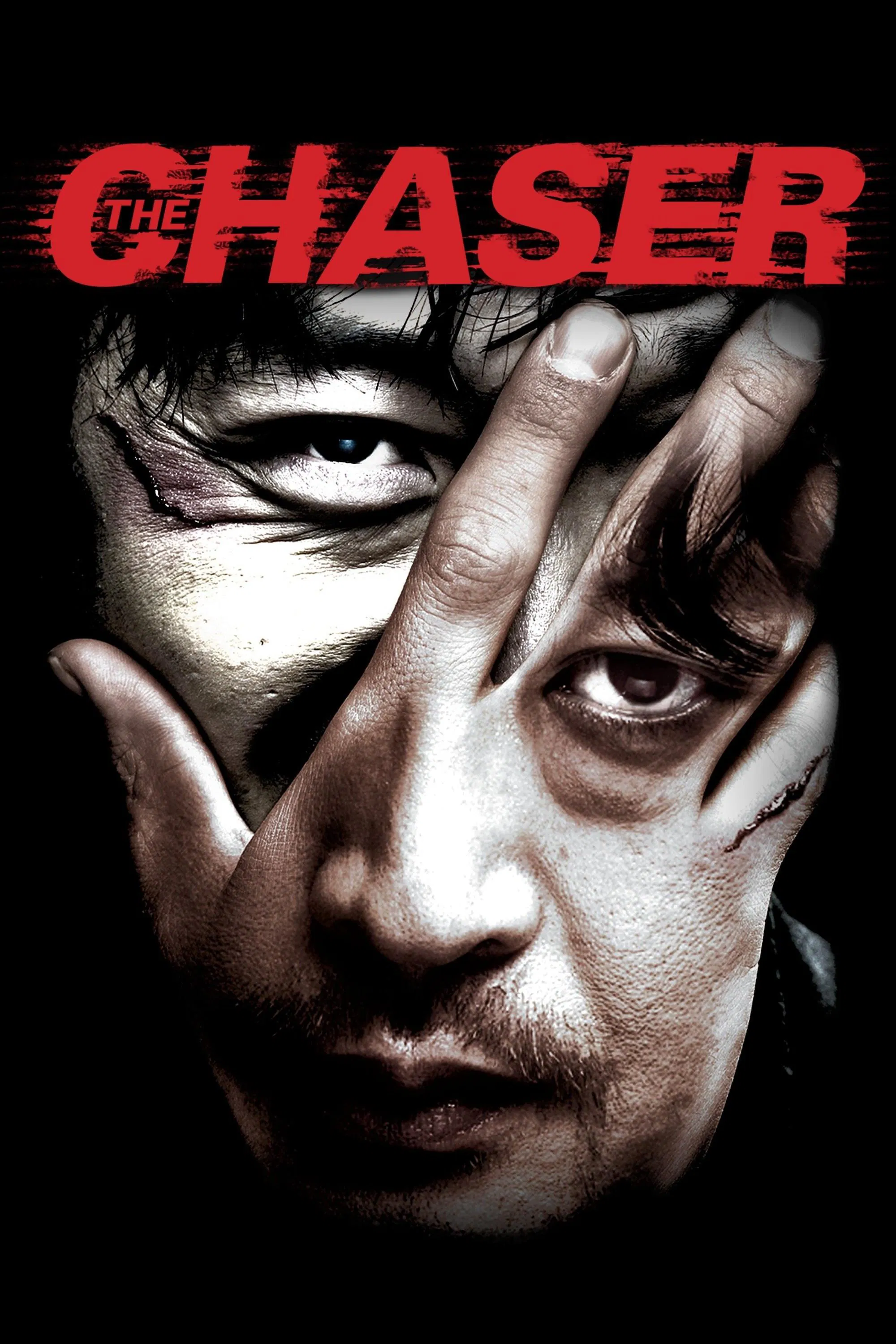
A thriller following ex-detective turned pimp who realizes his missing prostitutes have been murdered by serial killer, racing against time to find his latest victim before she's killed while navigating police incompetence and bureaucratic indifference. Na Hong-jin creates relentlessly grim procedural that examines how institutional dysfunction allows serial killers to operate freely, how police failures result from structural problems rather than individual incompetence, and how marginalized people become invisible victims because society doesn't value their lives. Kim Yoon-seok plays Jung-ho, the pimp whose concern for his employees stems from economic rather than humanitarian motives but whose desperation to save them reveals genuine human connection beneath his criminality. Ha Jung-woo's Yeong-min is the killer, caught early in the film but released due to lack of evidence, his continued freedom creating agonizing tension as Jung-ho tries to find the victim while knowing exactly who killed her but unable to make police believe him. What makes The Chaser devastating is its examination of how bureaucracy and incompetence create conditions where killer is captured multiple times but keeps getting released, how Jung-ho's status as pimp makes police dismiss his claims, how institutional structures value procedure over human life, allowing killer to escape while victim slowly dies in his house.
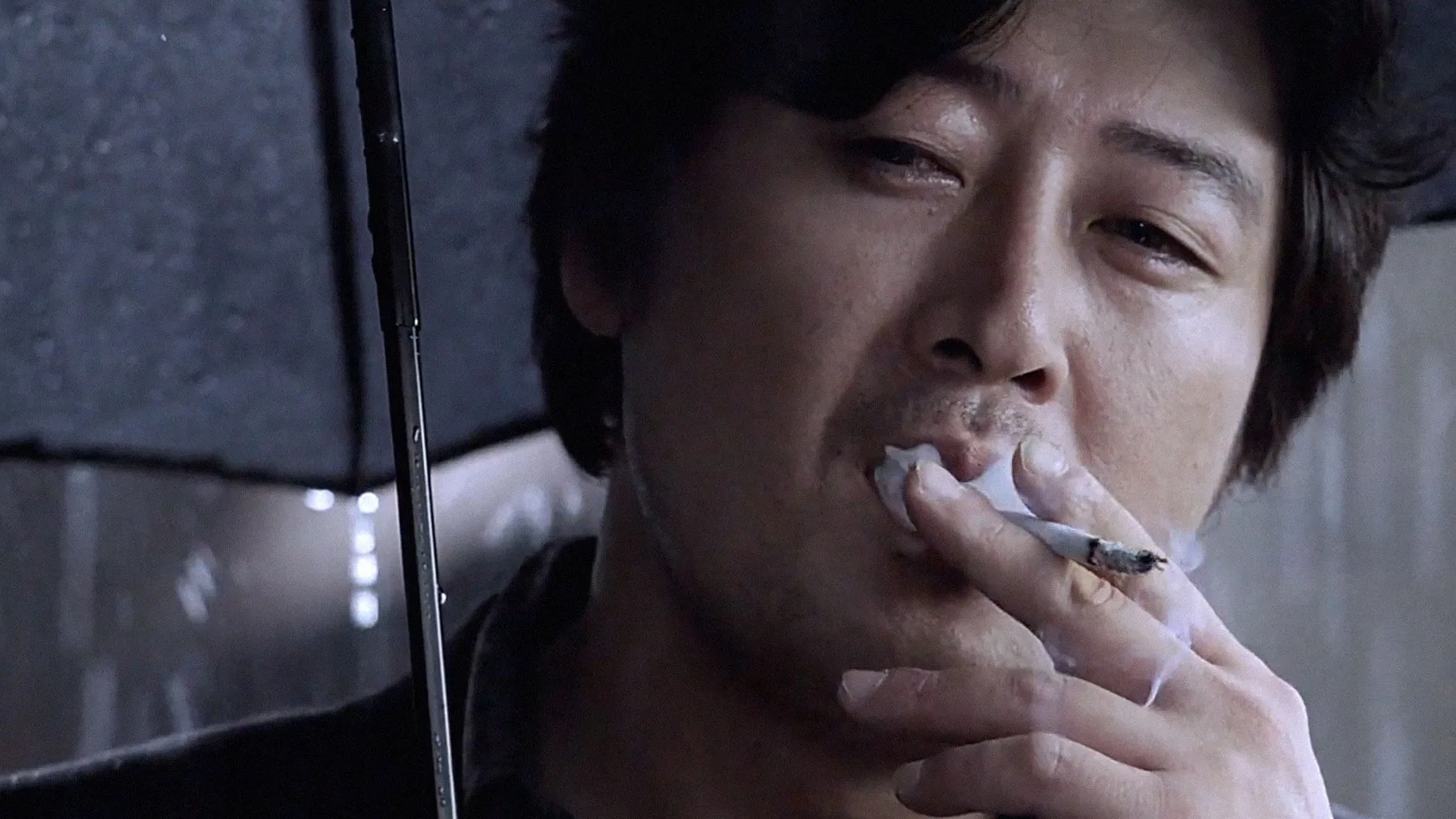
The film's visual approach is deliberately ugly, handheld cameras and grimy locations creating aesthetic that matches the moral squalor, showing Seoul's underbelly where prostitutes and pimps and killers operate in spaces invisible to respectable society. Na shoots the climactic chase through Seoul's alleyways and streets with documentary-like immediacy, the city's geography becoming maze where Jung-ho's familiarity with marginalized spaces is his only advantage against police who can't navigate terrain they typically ignore. The ending, where the victim dies despite Jung-ho's efforts and killer eventually gets caught through luck rather than competence, provides no catharsis or satisfaction, just exhausted recognition that systemic failures killed her as surely as the murderer did. It succeeds because Na shows how thriller conventions collide with institutional reality, how catching the killer means nothing when bureaucracy prevents doing anything with that information, that justice requires functional systems not just determined individuals, and that society's failure to protect marginalized people creates conditions where their murders become inevitable outcomes of collective indifference.
5. 🎬 Burning (2018) | Dir. Lee Chang-dong
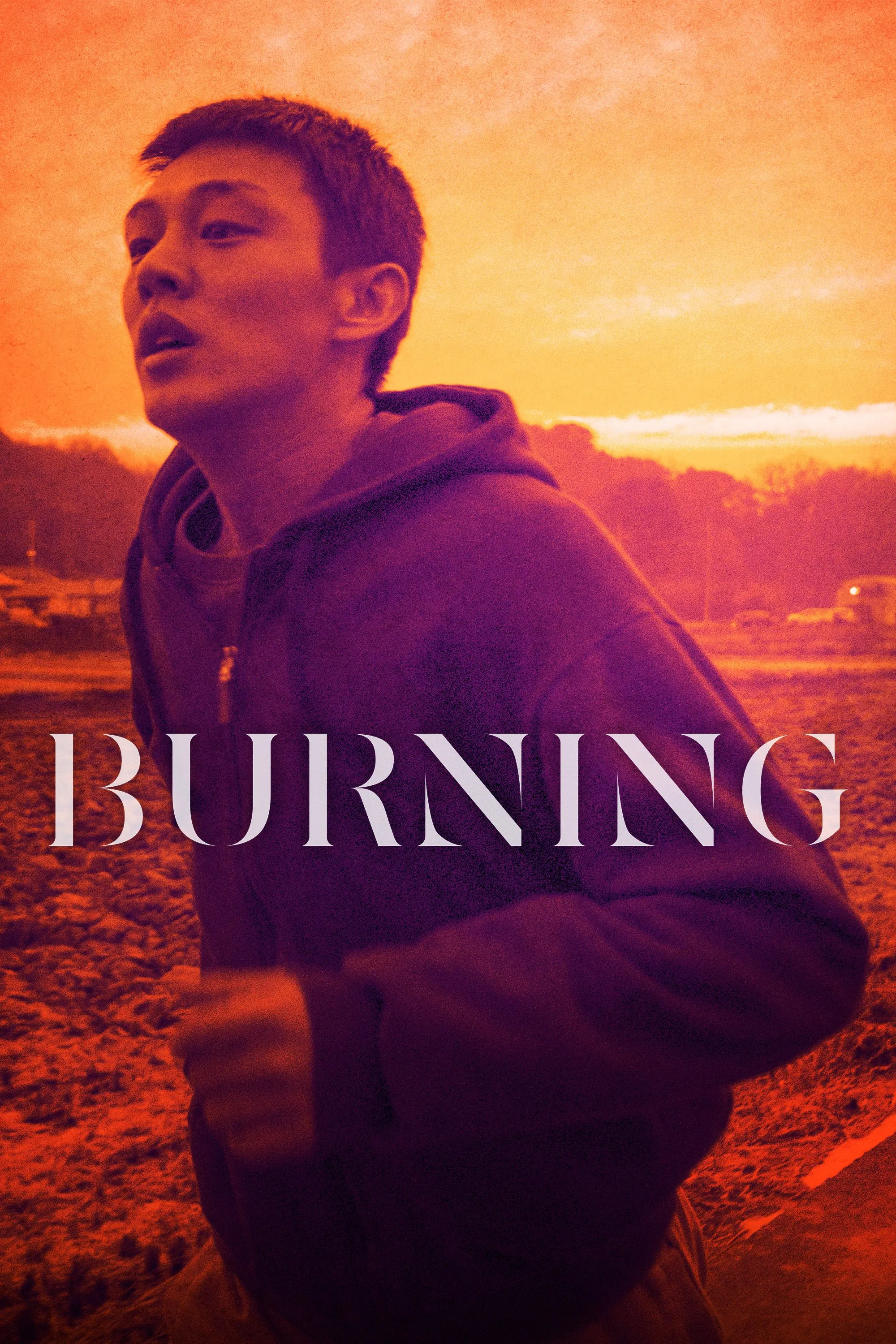
A slow-burn psychological thriller following aspiring writer Jong-su who reconnects with childhood neighbor Hae-mi, their relationship complicated by her new friend Ben, a wealthy man whose mysterious hobby might be murder. Lee Chang-dong adapts Haruki Murakami's short story into examination of class resentment and male rage, showing how economic inequality creates conditions where violence simmers beneath every interaction. Yoo Ah-in plays Jong-su with inarticulate frustration, a working-class man whose literary aspirations can't overcome his lack of connections and resources, his attraction to Hae-mi inseparable from his resentment of her choices. Jeon Jong-seo's Hae-mi is free spirit whose economic precarity makes her dependent on men, her disappearance after returning from Africa creating mystery that might be murder or might be her choosing to leave a life she found unbearable. Steven Yeun's Ben is wealthy sophisticate whose cultivated cool masks something potentially sociopathic, his hobby of burning greenhouses that nobody cares about either metaphor for his relationships or confession to serial murder. What makes Burning essential is its refusal to clarify whether Ben is killer or if Jong-su's class resentment has created paranoid fantasy, the film maintaining ambiguity that makes viewers project their own interpretations onto evidence that supports multiple readings.
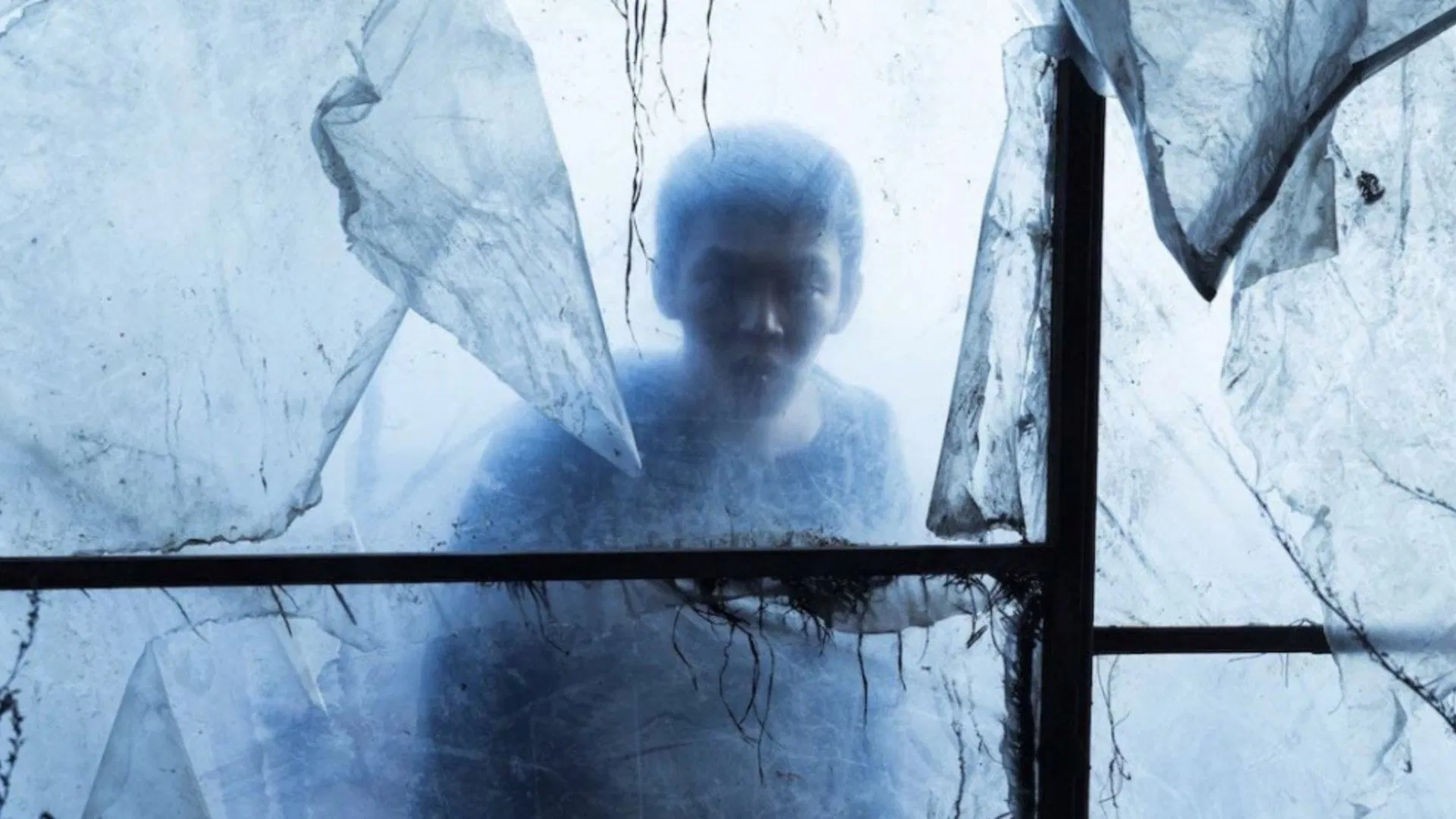
The film's visual language emphasizes the beauty of South Korean landscapes while also showing economic disparities, Ben's expensive apartment and imported car contrasted with Jong-su's family farm being taken for debts, making visible how wealth creates access to experiences and spaces that working-class people can only witness as outsiders. Lee shoots with patient observation that trusts audiences to find meaning in accumulated details rather than requiring dramatic incident, the film's deliberate pacing creating atmosphere where unspoken tensions matter more than explicit action. The climactic violence, where Jong-su kills Ben, either represents justified revenge or unhinged murder depending on whether you believe Ben killed Hae-mi or if Jong-su's rage at being humiliated by wealthy rival found outlet in violence against someone he couldn't compete with economically. It succeeds because Lee examines how economic inequality breeds resentment that can explode into violence, how working-class men's rage at their circumstances finds targets in those who remind them of their failure, whether killing Ben is justice or just another crime committed by someone whose limited options made violence seem like rational response to humiliation he couldn't otherwise address.
6. 🎬 The Witch: Part 1. The Subversion (2018)
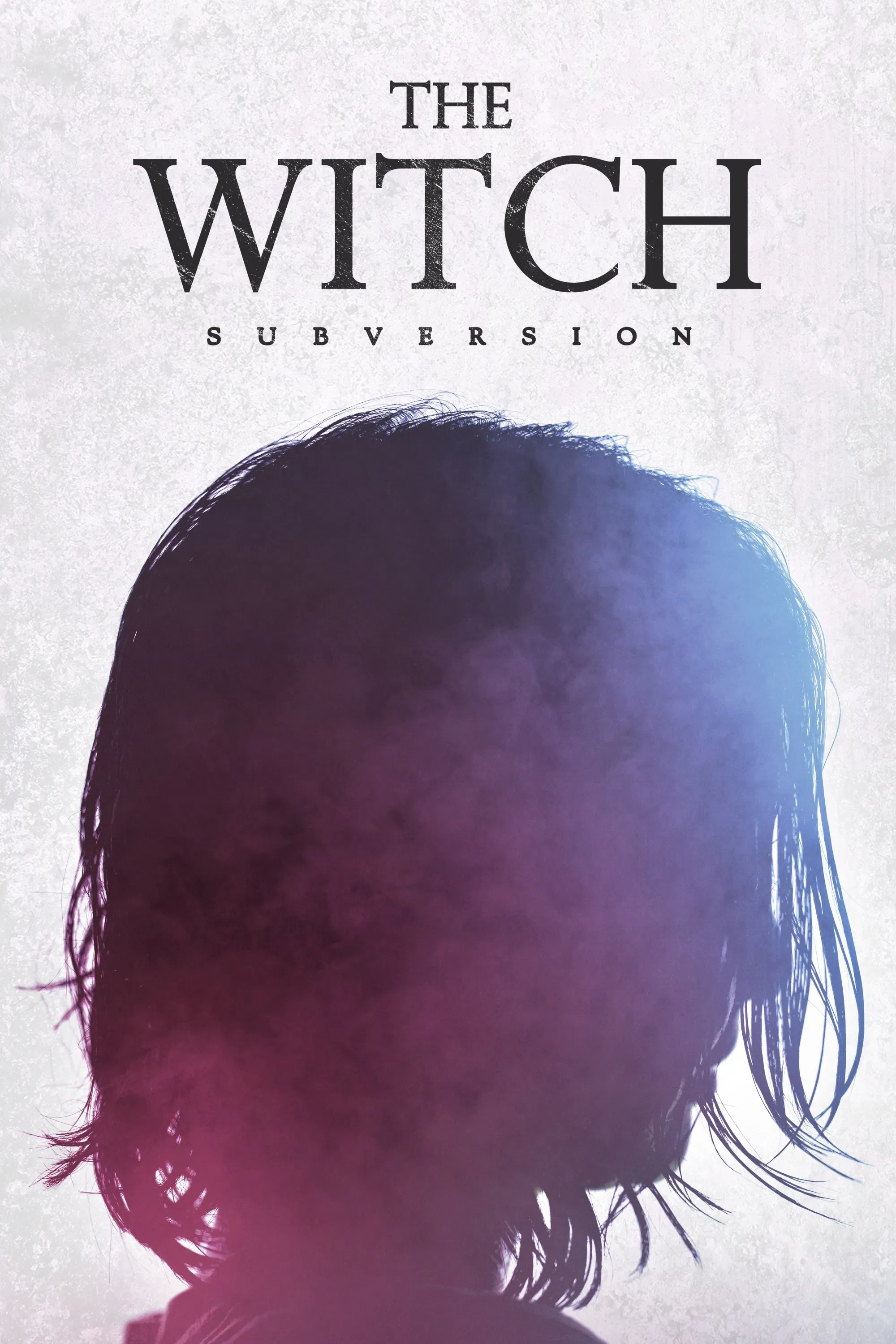
A supernatural thriller following Ja-yoon, a teenage girl with amnesia who lives on a farm with adoptive parents, her appearance on talent show attracting attention from mysterious organization that experimented on her as child. Park Hoon-jung creates genre hybrid that combines coming-of-age drama with extreme violence, showing how Ja-yoon's lost memories hide superhuman abilities that make her weapon rather than victim. Kim Da-mi plays Ja-yoon with innocent exterior that conceals capacity for devastating violence, her performance shifting between vulnerable teenager and efficient killer, making clear that trauma and experimentation have created someone fundamentally different from normal humans even if she doesn't remember what was done to her. The supporting cast represents different factions trying to control or kill Ja-yoon, the organization that created her wanting to recapture their asset while rival subjects seek to eliminate competition, creating three-way conflict where everyone has superhuman abilities that make the violence operatic and brutal. What makes The Witch compelling is its examination of how secret government experiments create monsters they can't control, how treating children as weapons produces adults with no loyalty to their creators, showing Ja-yoon's protection of her adoptive family as the only genuine relationship she's formed despite having no memory of her childhood.
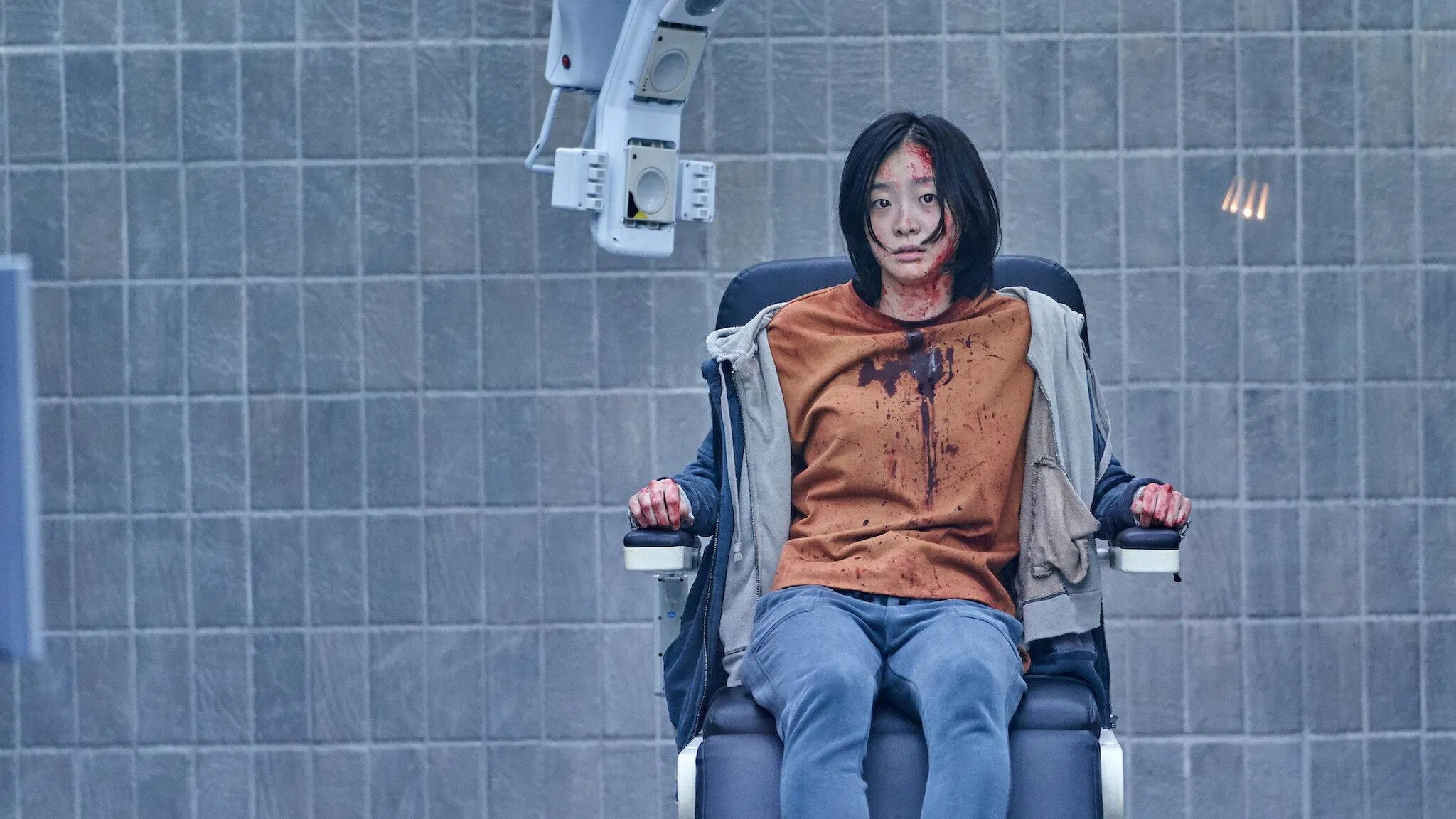
The film's action sequences escalate from regular violence to superhuman combat that borders on horror, Park shooting the fights with combination of wire work and practical effects that makes the abilities feel tangible rather than digitally weightless, blood and bodies flying with impact that matches the characters' enhanced strength. The film's structure as first part of planned trilogy means it ends on cliffhanger, Ja-yoon's victory revealing she's more powerful than anyone suspected but also that there are others like her, creating mythology about secret programs creating super-soldiers that has familiar resonance while maintaining Korean specificity. It succeeds because Park balances genre thrills with genuine character work, making Ja-yoon's relationships with her adoptive parents emotionally grounding even as the plot becomes increasingly fantastical, showing how found family matters more than biological origins or created purpose, that humanity persists even in people engineered to be weapons, proving that Korean thriller cinema can play with international genre conventions while maintaining distinct identity.
7. 🎬 Unlocked (2023) | Dir. Kim Tae-joon
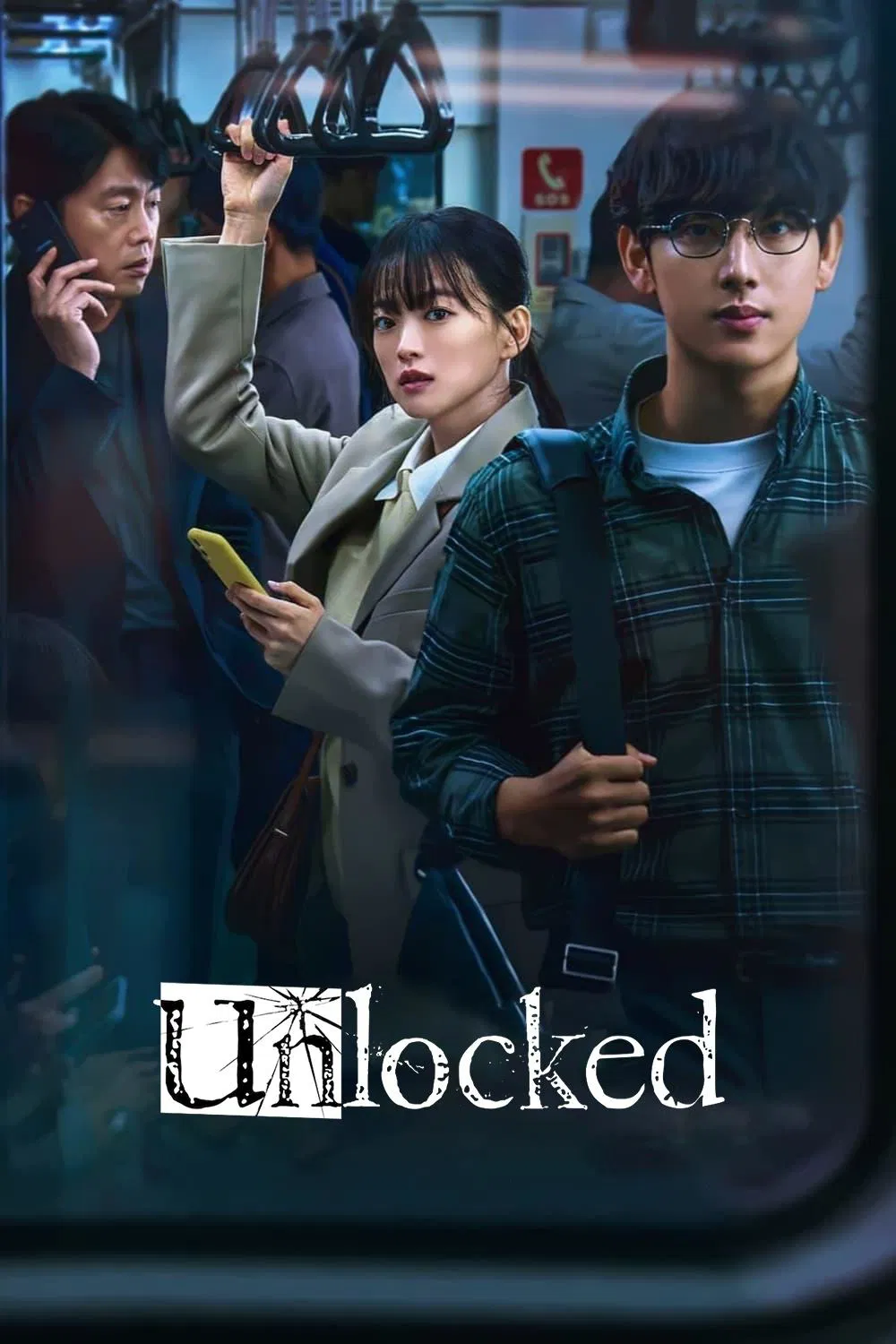
A techno-thriller about a woman whose lost phone falls into hands of stalker who uses her unlocked device to access her entire digital life, tracking her movements and relationships while planning something sinister. Kim Tae-joon creates film that examines how smartphone dependency creates vulnerabilities that stalkers can exploit, how our digital lives contain enough information to make us completely transparent to anyone with access. Im Si-wan plays the stalker with chilling normality, his character neither obviously monstrous nor particularly distinctive, showing how predators hide in plain sight by appearing unremarkable, his technical skills allowing him to manipulate Na-mi's life through her own device. Chun Woo-hee's Na-mi is ordinary woman whose phone contains her banking, social media, photos, and communication, her loss of the device becoming loss of identity and safety simultaneously, the film making visceral how dependent we've become on technology that can be turned against us. What makes Unlocked effective despite its familiar premise is its examination of how stalking has evolved in digital age, how traditional restraining orders and police responses are inadequate when stalker doesn't need physical proximity to terrorize victims, when he can track their location, monitor their communications, and sabotage their relationships through their own devices.
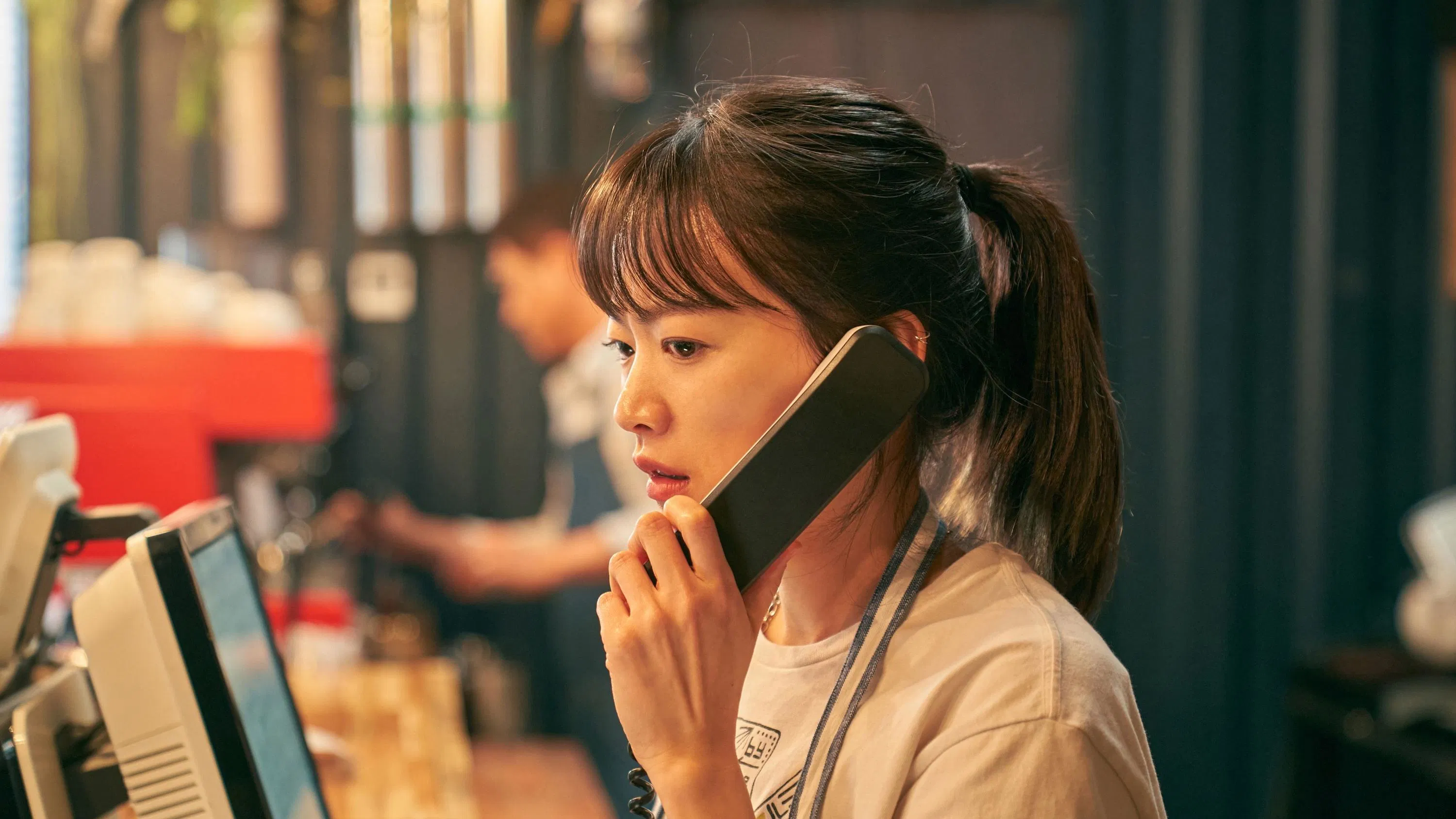
The film's visual language emphasizes screens and surveillance, showing how the city is covered with cameras that the stalker can access, how smart devices in homes become monitoring equipment, creating portrait of urban life where privacy is illusion and safety is impossible once someone with technical knowledge decides to target you. Kim builds tension through escalating invasions, the stalker's actions moving from passive observation to active manipulation to physical threat, each stage showing how digital access enables real-world violence. The ending provides satisfying confrontation but also acknowledges systemic problems that make such stalking possible, showing how tech companies and law enforcement are unprepared for crimes that operate through digital means, that victims are blamed for not protecting their devices rather than predators being held accountable for exploiting vulnerabilities. It succeeds because Kim makes technology-specific thriller that feels immediate and relevant, showing how innovations meant to make life convenient have created new vectors for abuse, that our digital lives are simultaneously essential and dangerous, proving that horror doesn't require supernatural elements when our actual reality provides sufficient material for dread.
8. 🎬 The Call (2020) | Dir. Lee Chung-hyun
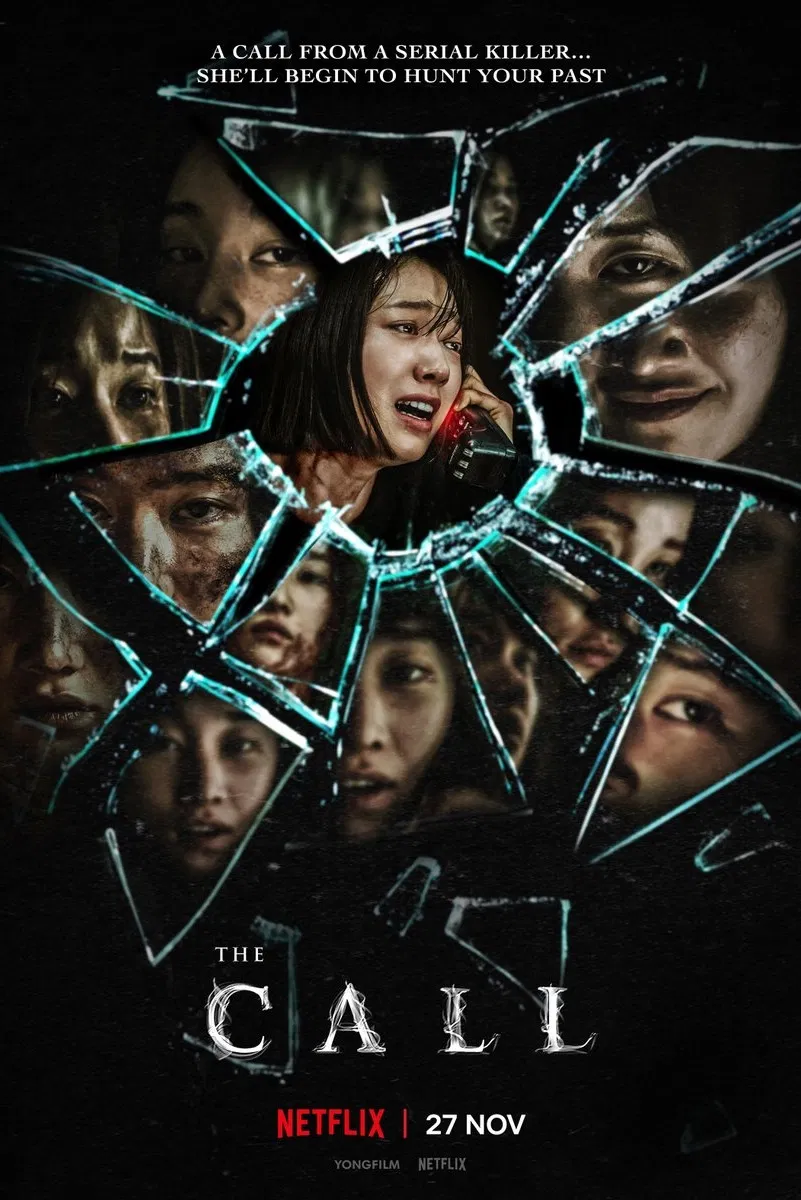
A time-crossing thriller about Seo-yeon who moves into her childhood home and discovers a phone that connects her across twenty years to Young-sook, their attempts to change the past creating cascading alterations to the present. Lee Chung-hyun creates high-concept premise that examines how time travel paradoxes would actually operate if possible, showing how small changes compound into radically different timelines, how helping someone in the past might create worse present than you're trying to fix. Park Shin-hye plays Seo-yeon as someone whose good intentions to help Young-sook escape her abusive mother inadvertently creates timeline where Young-sook becomes serial killer, showing how intervening in past requires understanding full context of consequences that ripple forward. Jeon Jong-seo's Young-sook begins as sympathetic abuse victim before revealing herself as sociopath whose newfound power through future knowledge transforms her into monster, her performance shifting from vulnerable to terrifying as she realizes she can rewrite reality to serve her desires. What makes The Call compelling is its examination of how time travel would be weaponized by those willing to be most ruthless, how Young-sook's lack of ethical constraints means she can change the past in ways Seo-yeon can't match because Seo-yeon still cares about not erasing people from existence, showing how morality becomes disadvantage when your opponent has none.
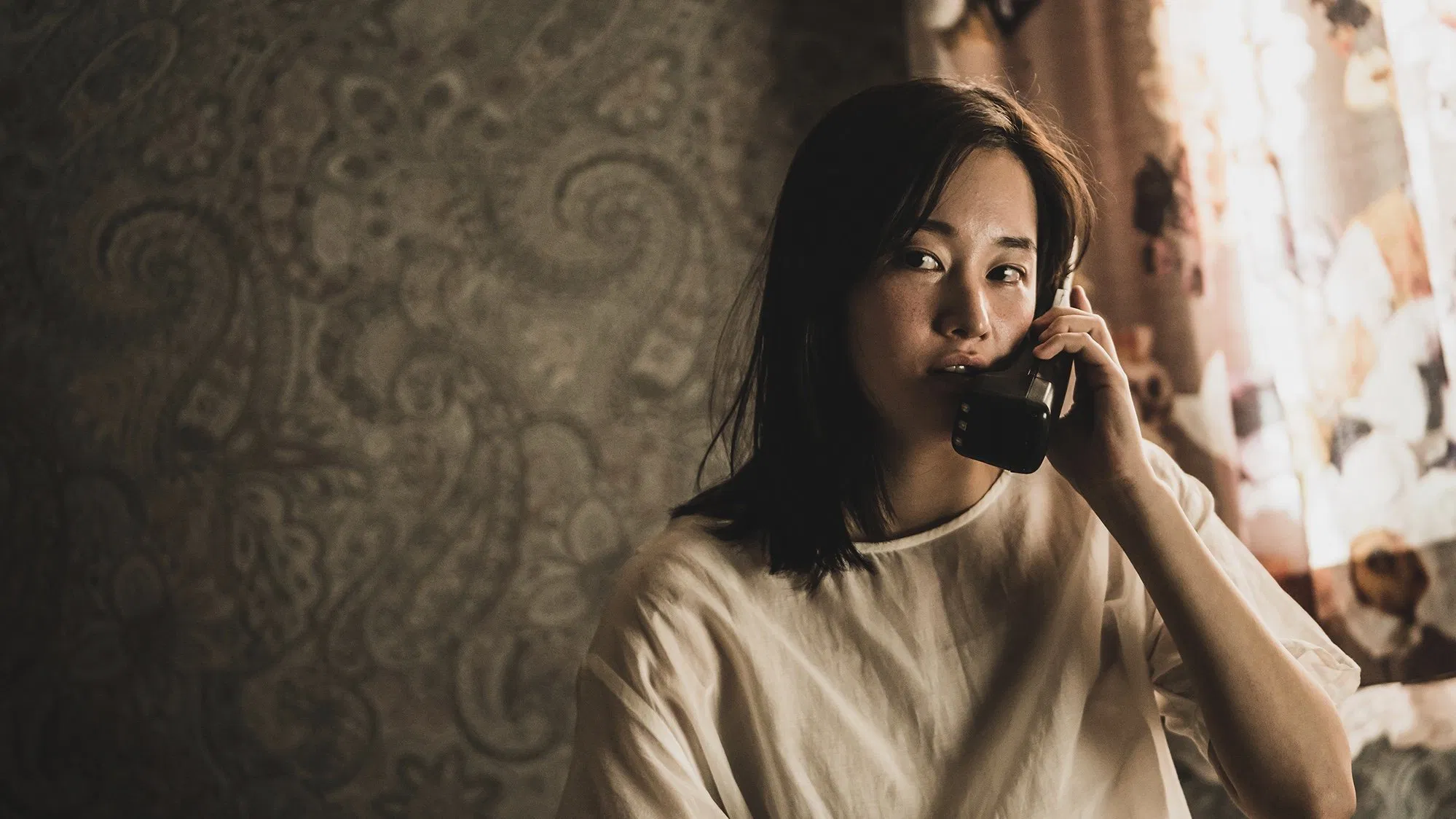
The film's structure creates multiple timeline shifts, each conversation between the women potentially altering present that Seo-yeon inhabits, the changes ranging from subtle to catastrophic, creating paranoid atmosphere where Seo-yeon must constantly verify what's real in her current timeline. Lee shoots the time shifts with visual clarity that makes it obvious when changes occur, showing Seo-yeon's present transforming around her as past gets rewritten, making the mechanics comprehensible even as the paradoxes accumulate. The climactic confrontation forces Seo-yeon to make impossible choice between saving her mother in the present or preventing Young-sook from ever getting the phone, the film's resolution showing that some time loops can't be escaped, that trying to fix the past might be what creates the terrible present you're trying to prevent. It succeeds because Lee uses time travel mechanics to examine moral questions about whether changing past is justified when it erases current timeline's people, whether preventing someone's abuse means accepting responsibility for what they become, and how power to rewrite reality corrupts absolutely when wielded by someone without conscience.
9. 🎬 Parasite (2019) | Dir. Bong Joon-ho
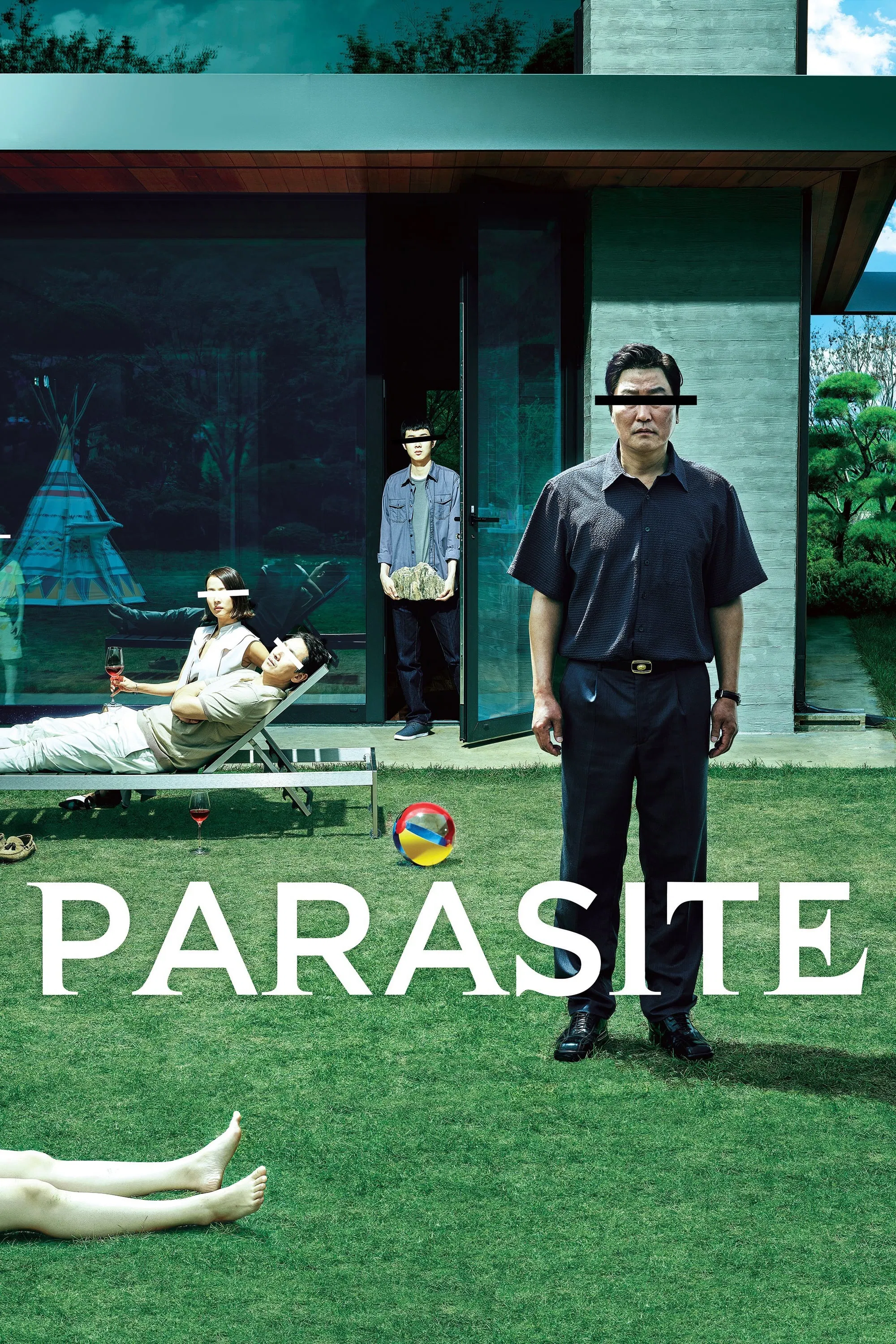
A Korean black comedy thriller following the Kim family who infiltrate the wealthy Park household by posing as unrelated skilled workers, their con succeeding until another family's claim to the house creates violent class warfare. Bong Joon-ho creates genre-defying film that operates as comedy, thriller, and class allegory simultaneously, using the vertical geography of the two families' homes to visualize inequality, the Parks' modernist house on hill contrasted with the Kims' semi-basement flooding with sewage. Song Kang-ho leads the Kim family as father Ki-taek, his scheming and his eventual violence showing how the poor are forced to perform servility for the rich while harboring justified resentment they can never express without consequences. Lee Sun-kyun's Park Dong-ik is wealthy father whose casual cruelty emerges through his comfort, his complaints about Ki-taek's smell revealing how the rich literally find the poor repulsive, how class divisions operate through disgust disguised as aesthetic preference. What makes Parasite essential is Bong's examination of how class hierarchy operates through spatial segregation and performance, how the Kims must adopt elaborate disguises to access wealth while the Parks remain oblivious to the deception because they can't imagine the poor as fully human or capable of sophisticated planning.
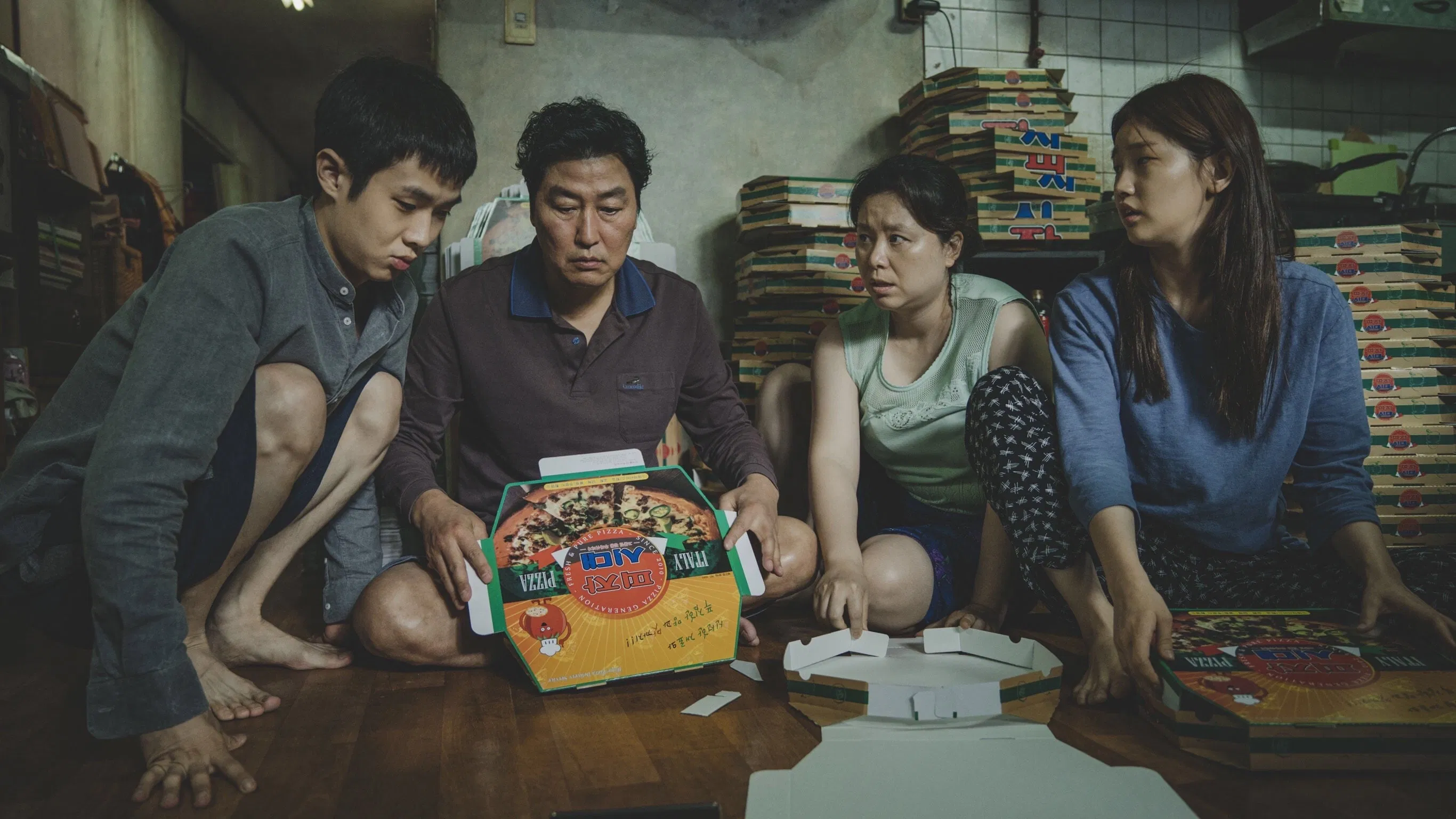
The film's structure shifts dramatically from comedy to horror after the discovery of the bunker dweller, showing how the real conflict isn't between rich and poor but between different tiers of poverty competing for scraps, how capitalism makes the oppressed fight each other rather than challenge actual wealth. Bong shoots with meticulous attention to production design, every space revealing character and class position, the Parks' house beautiful and cold while the Kims' home is cramped but alive, the bunker representing those so poor they're literally underground, invisible even to other poor people. The climactic violence at the birthday party shows class resentment erupting after Ki-taek has performed subservience beyond his capacity to maintain, his murder of Park representing accumulated rage at casual cruelty that Park never recognized as cruelty because to him the poor simply don't matter enough to consider their feelings. It succeeds because Bong uses genre entertainment to make serious statements about inequality, showing how capitalism requires underclass while pretending they don't exist, how the rich benefit from poverty while remaining deliberately ignorant of how that poverty is maintained through their own consumption, and whether class mobility is possible within current structures or if the system itself must be dismantled for any real change to occur.
10. 🎬 Ballerina (2023) | Dir. Lee Chung-hyun

A revenge thriller following Ok-ju, a former bodyguard who hunts down the men responsible for her childhood friend's suicide after sex trafficking and exploitation destroyed her. Lee Chung-hyun creates stylized action film that examines how women's friendships provide the only reliable protection in world where institutional responses to sexual violence remain inadequate. Jeon Jong-seo plays Ok-ju with contained fury, her military training and bodyguard skills making her efficient killing machine, her stoic exterior barely containing grief and rage over her friend's death. The film's visual language is deliberately stylized, using saturated colors and composed frames that make the violence look like ballet, the title's reference to Ok-ju's friend's ballet dreams creating thematic connection between grace and violence, how both require disciplined bodies performing precise movements. What makes Ballerina work despite its familiar revenge plot is its examination of how sex trafficking operates through layers of complicity, showing how the men who directly abused Ok-ju's friend are protected by lawyers, police, and businessmen who all profit from the exploitation, making revenge require working through multiple layers of enablers.
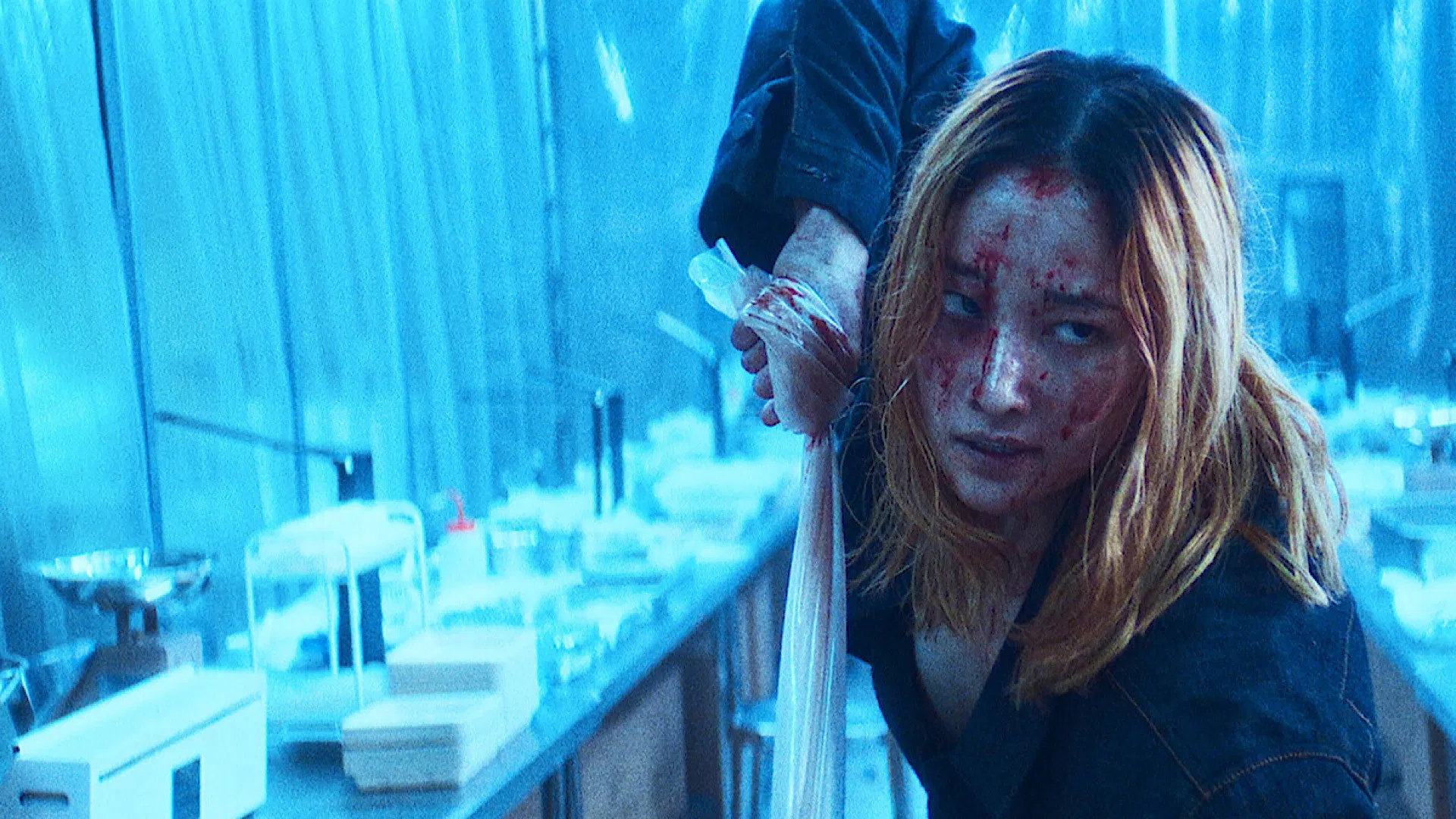
The action sequences showcase Jeon's physical performance, fights choreographed to emphasize efficiency rather than spectacle, Ok-ju's kills methodical and joyless, showing revenge as work rather than catharsis, each death necessary but unsatisfying because it doesn't restore what was lost. Lee shoots the violence with clarity that makes choreography visible while maintaining brutality that prevents it from becoming entertaining, the kills brutal enough that you never forget these are real people dying even if they deserve it. The film's treatment of the friend's story through flashbacks shows how she was groomed and trafficked, how shame and trauma prevented her from asking for help until it was too late, making Ok-ju's revenge both justified and tragic because it comes after prevention was possible. It succeeds because Lee examines how friendship between women can be more powerful than romantic love, how Ok-ju's devotion to avenging her friend drives her even though it won't bring her back, that sometimes revenge is less about justice than about ensuring the dead are remembered and their suffering is acknowledged through violence against those who caused it.
11. 🎬 Forgotten (2017) | Dir. Jang Hang-jun
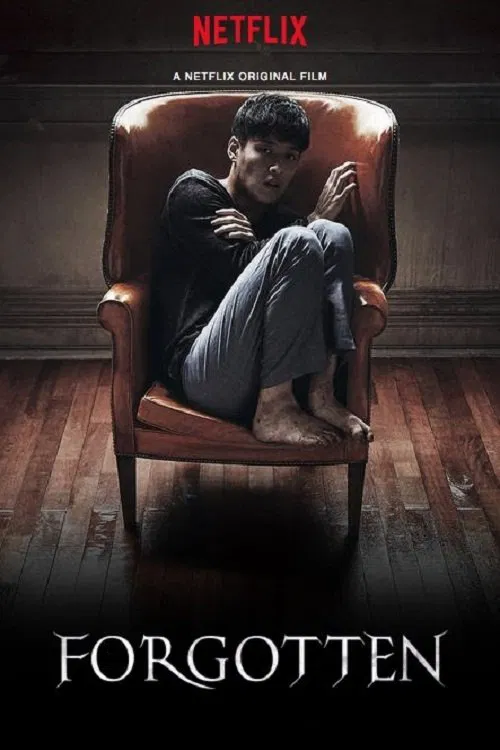
A psychological thriller about Jin-seok whose brother Yoo-seok returns after being kidnapped for nineteen days, his strange behavior making Jin-seok suspicious that this might not actually be his brother or that something terrible happened during the kidnapping. Jang Hang-jun creates film that operates as mystery where nothing is as it seems, each revelation recontextualizing what came before until the final twist transforms the entire narrative into something completely different from what it appeared to be. Kang Ha-neul plays Jin-seok as increasingly paranoid investigator of his own family, his certainty that something is wrong driving him to spy on his brother and parents, creating tension between his intuition and everyone else's insistence that he's imagining things. Kim Moo-yul's Yoo-seok is either victim of trauma or impostor or something else entirely, his performance maintaining ambiguity that keeps viewers guessing about what actually happened during those nineteen days. What makes Forgotten compelling is its structure as nested reveals, each answer generating new questions until the final act where everything gets reframed and you realize the genre itself was misdirection, that you've been watching different kind of film than you thought.
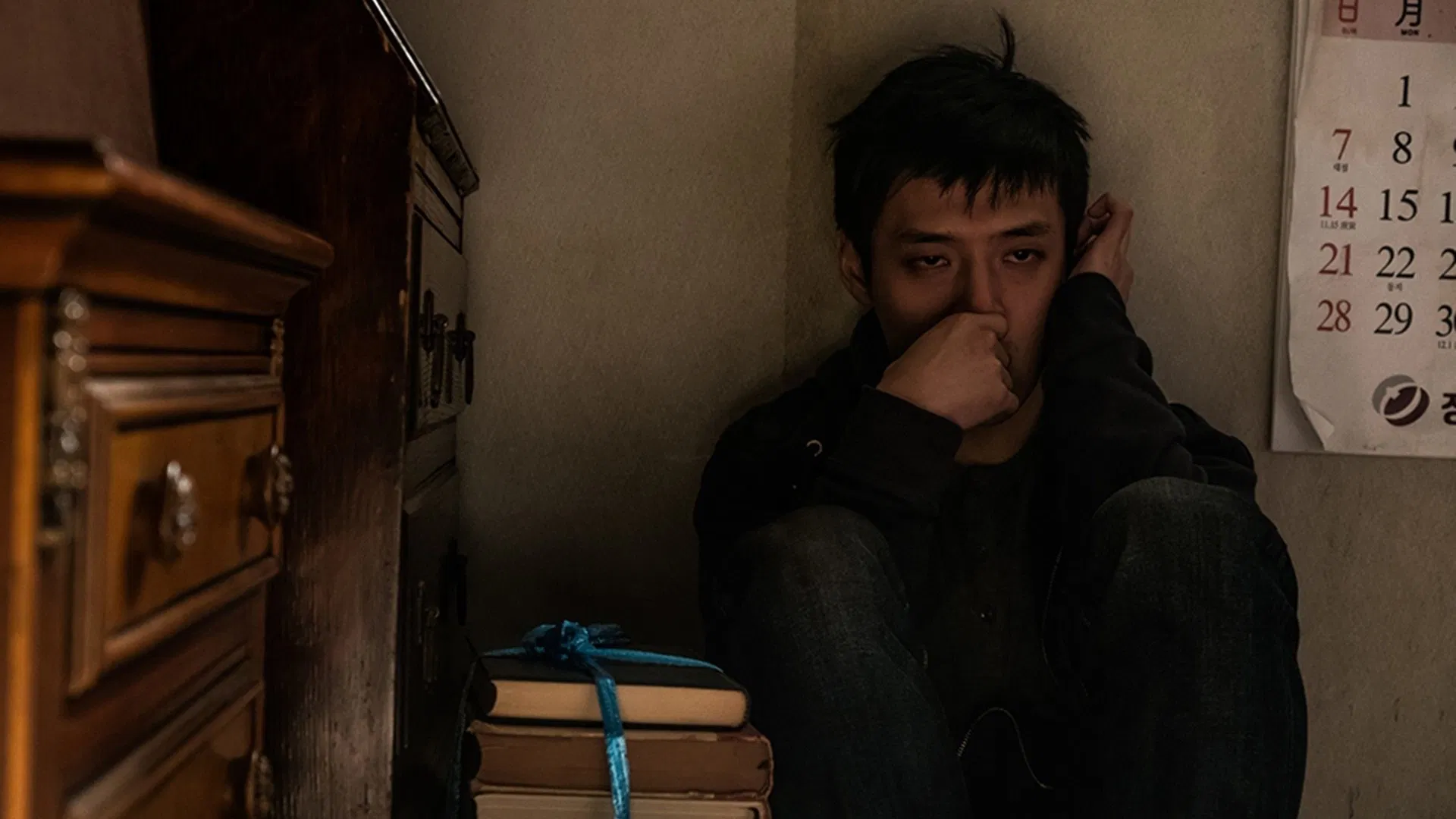
The film's visual approach uses domestic spaces to create claustrophobia, Jin-seok's investigation confined primarily to his family's house, making familiar spaces threatening through implication that terrible secrets are hidden in rooms he's lived in his whole life. Jang shoots with emphasis on reflections and windows, characters frequently seen through glass or mirrors, creating visual language that suggests layers of reality and distorted perception. The film's treatment of memory and truth examines how easily we can be made to doubt our own perceptions, how institutional authority can gaslight individuals by dismissing their concerns as paranoid delusion, showing Jin-seok's increasing isolation as everyone tells him he's wrong about what he's experiencing. The final reveal reframes the entire film, showing that Jin-seok's investigation was both right and completely wrong about what was actually happening, that the truth is more tragic than any conspiracy he imagined. It succeeds because Jang understands that the best twist endings don't just surprise but force you to rewatch the film understanding it completely differently, that maintaining ambiguity about what's real creates more effective psychological horror than clarity, proving that sometimes the most disturbing possibility is that your entire understanding of your life has been constructed by others for reasons you can't comprehend.
12. 🎬 The Silenced (2015) | Dir. Lee Hae-young
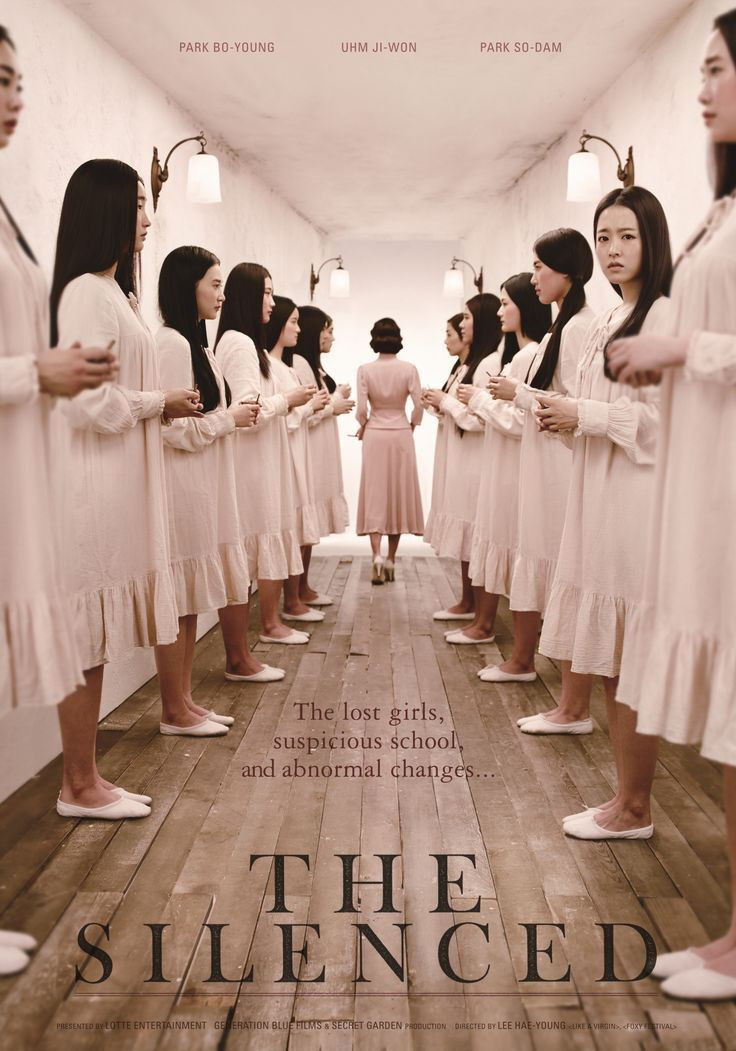
A period thriller set in 1938 Japanese-occupied Korea, following Ju-ran who's sent to secluded boarding school where students are mysteriously disappearing and undergoing strange transformations. Lee Hae-young creates Gothic horror that uses genre elements to examine colonial occupation and how institutions use medical experimentation to control colonized populations. Park Bo-young plays Ju-ran as someone whose tuberculosis diagnosis makes her vulnerable to the school's real purpose, her investigation of what's happening to students revealing experiments designed to create superhuman soldiers for Japanese empire. The film's visual language emphasizes the school's isolation and beauty, the traditional Korean architecture and mountain setting creating appearance of sanctuary that masks its function as laboratory where Korean girls are test subjects. What makes The Silenced work as both horror and political allegory is its examination of how colonialism operates through institutions that claim to help while actually exploiting, how the school promises healing while performing experiments that kill most subjects and transform survivors into weapons. The film's treatment of the students' transformations shows them developing superhuman abilities that come at cost of their humanity, their bodies weaponized through medical intervention they didn't consent to, making literal how colonialism treats colonized peoples as resources to be exploited rather than humans deserving autonomy.
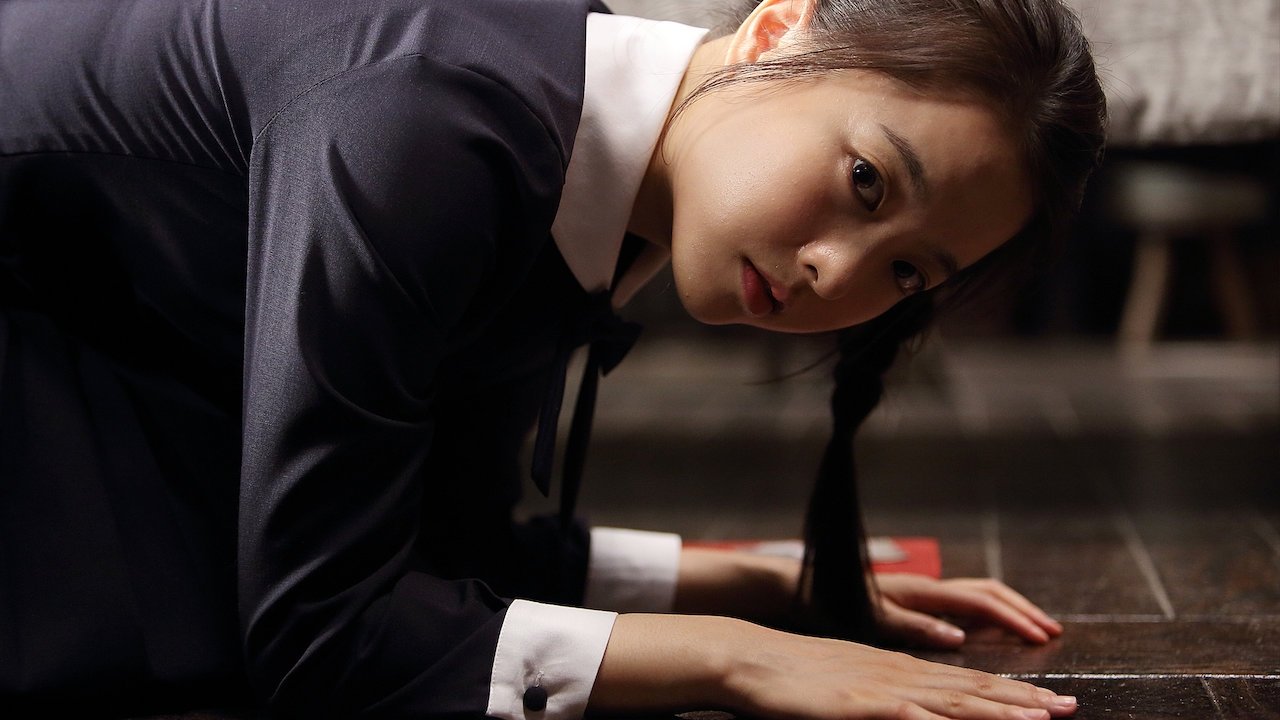
Lee shoots the horror elements with restraint that makes them more effective, the transformations and violence emerging from mundane boarding school life, showing how institutional horror is often more frightening than supernatural threats because it's enabled by people who convince themselves they're advancing science. The film's examination of collaboration and resistance shows how some students accept their transformation while others fight it, how survival in colonial context requires calculations about whether resistance or compliance offers better odds, that there are no good options when all choices involve betraying either yourself or others. It succeeds because Lee uses period setting and genre conventions to examine actual historical horrors of Japanese colonialism, showing how medical experiments on unwilling Korean subjects were real atrocities disguised as scientific progress, that Gothic horror's traditional elements of isolated institutions and bodily transformation provide perfect vocabulary for depicting colonial violence that operated through similar mechanisms of isolation and forced transformation.
13. 🎬 Midnight (2021) | Dir. Kwon Oh-seung
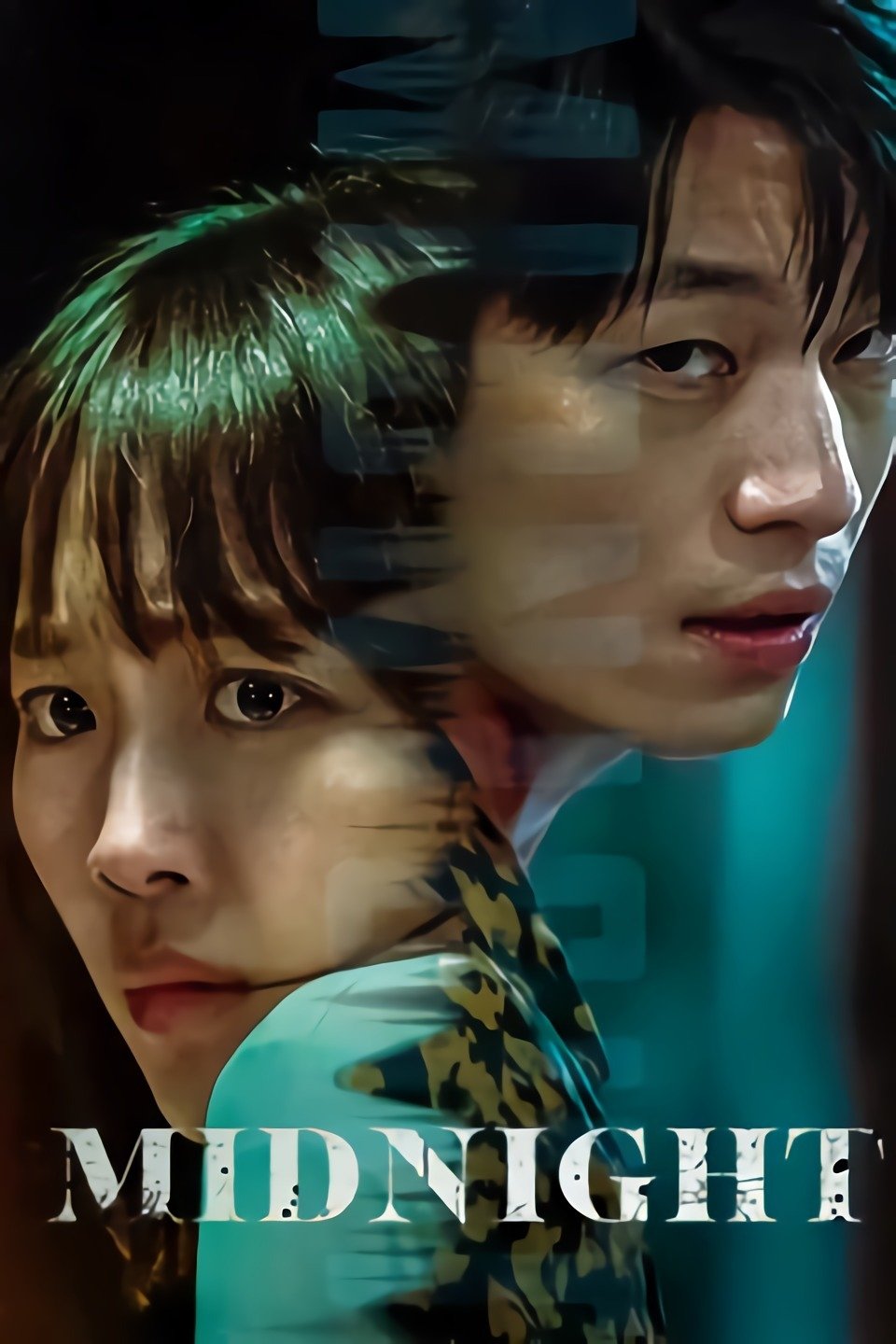
A cat-and-mouse thriller following Kyung-mi, a deaf woman who witnesses serial killer Do-sik murdering someone and becomes his next target, her disability making her vulnerable while also providing unique survival strategies. Kwon Oh-seung creates thriller that examines how disability shapes both vulnerability and capability, showing how Kyung-mi's deafness means she can't hear Do-sik approaching but also means she's developed visual awareness that hearing people lack. Jin Ki-joo plays Kyung-mi with resourcefulness that avoids inspiration porn, her character using sign language, lip reading, and technology to communicate and defend herself, the film showing her disability as factor that complicates survival without making her helpless or miraculous. Wi Ha-jun's Do-sik is serial killer who sees Kyung-mi's deafness as making her easy target, his underestimation of her capabilities creating suspense as she proves more difficult to kill than he anticipated. What makes Midnight compelling is its examination of how society's failure to accommodate disability creates additional dangers for disabled people, how Kyung-mi's attempts to get help are complicated by communication barriers and by people's assumptions that her disability makes her unreliable witness.
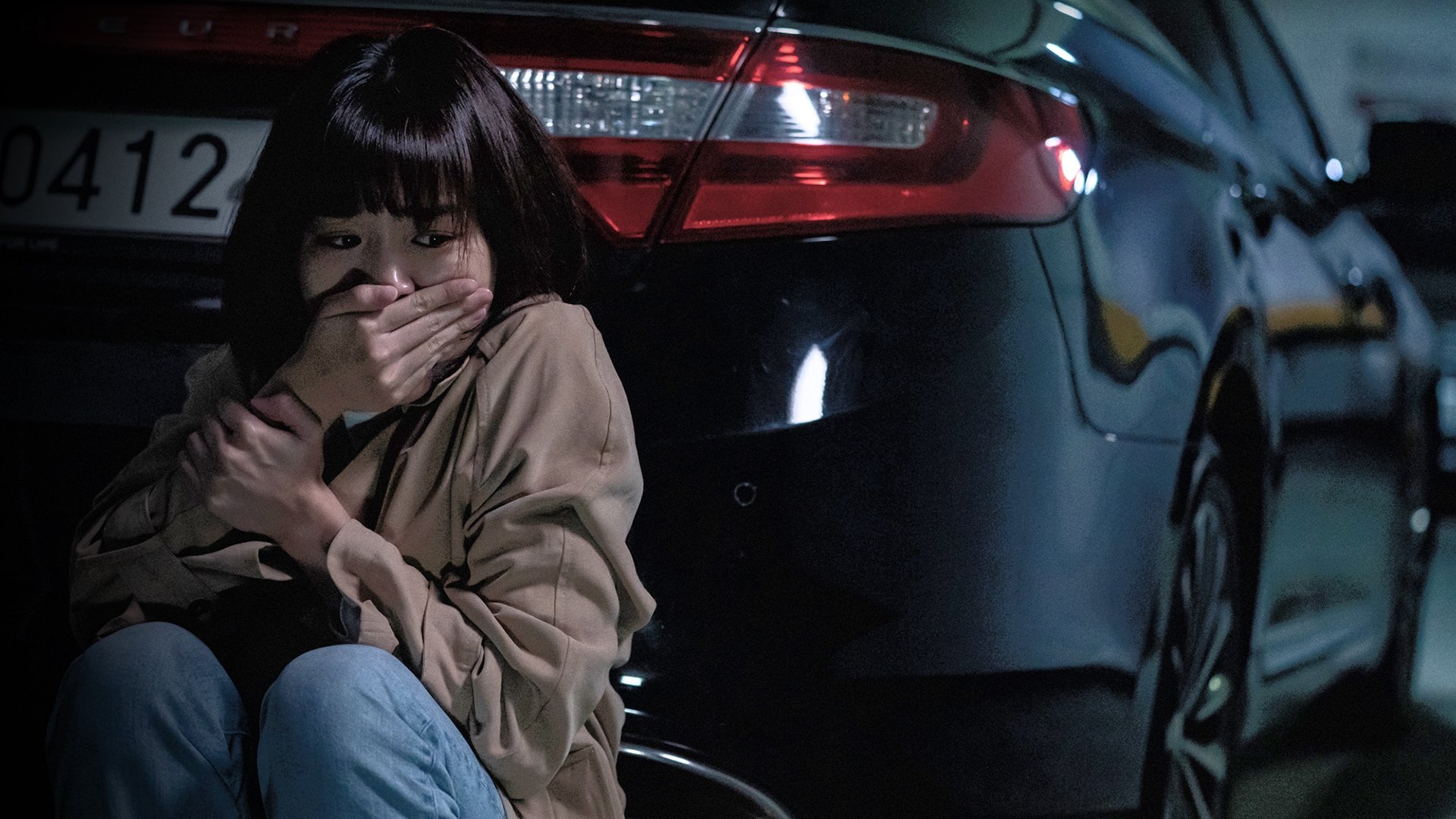
The film's visual language emphasizes sound and its absence, using subtitles to show when characters are speaking but having silent sequences from Kyung-mi's perspective, creating moments where audience shares her experience of navigating world without hearing. Kwon shoots the nighttime Seoul streets with emphasis on how urban spaces become mazes when you can't hear, how Kyung-mi must rely on sight and vibration to know where Do-sik is, making the geography and lighting crucial to both characters' strategies. The film's treatment of Do-sik's pursuit shows him adapting his tactics when he realizes Kyung-mi isn't as vulnerable as he thought, their conflict becoming game where his physical advantages are offset by her knowledge of how to navigate as deaf person in hearing world, showing how lived experience of disability provides skills that abled people don't possess. It succeeds because Kwon treats disability as neither defining limitation nor irrelevant detail, showing instead how Kyung-mi's deafness shapes her experience while not reducing her to her disability, that survival thriller's familiar beats gain new dimension when protagonist navigates different sensory reality than audience expects, proving that representation matters not just ethically but creatively, that centering disabled characters creates genuinely different narrative possibilities rather than just putting disabled actors in roles that could be played by anyone.
14. 🎬 Monster (2014) | Dir. Hwang In-ho
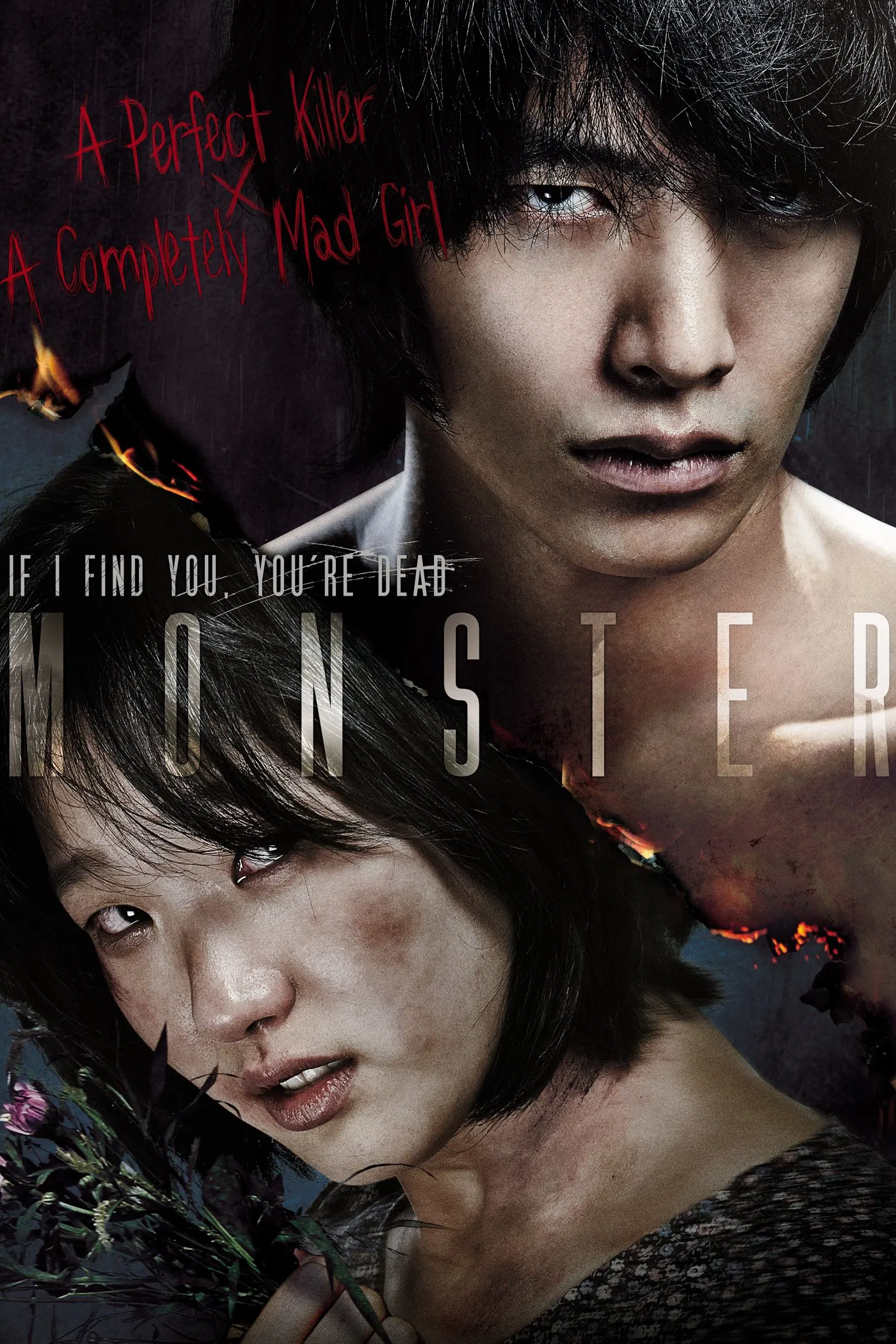
A psychological thriller following prosecutor Tae-soo who's investigating serial murder case when he realizes the killer might be his adopted son, forcing him to choose between family loyalty and justice. Hwang In-ho creates moral dilemma that examines how far parents will go to protect children even when those children might be monsters, showing how love can make us complicit in atrocities. Lee Min-ki plays Tae-soo as someone whose professional dedication to justice conflicts with parental instinct to believe his son is innocent despite accumulating evidence, his investigation forcing him to confront whether he's been willfully blind to signs that were always there. The film's structure creates parallel investigations, Tae-soo pursuing the killer professionally while privately investigating his son, each discovery making the two cases seem more connected until maintaining separation between them becomes impossible. What makes Monster compelling is its examination of nature versus nurture, showing how adoption creates questions about whether Tae-soo's son inherited violent tendencies or if Tae-soo's own emotional distance and professional obsession created conditions for psychopathy to develop, making both explanations plausible and neither entirely satisfying. The film's visual language emphasizes domestic spaces made threatening by suspicion, Tae-soo's home no longer safe haven but crime scene he's investigating, family dinners becoming interrogations where every word might be confession or lie.
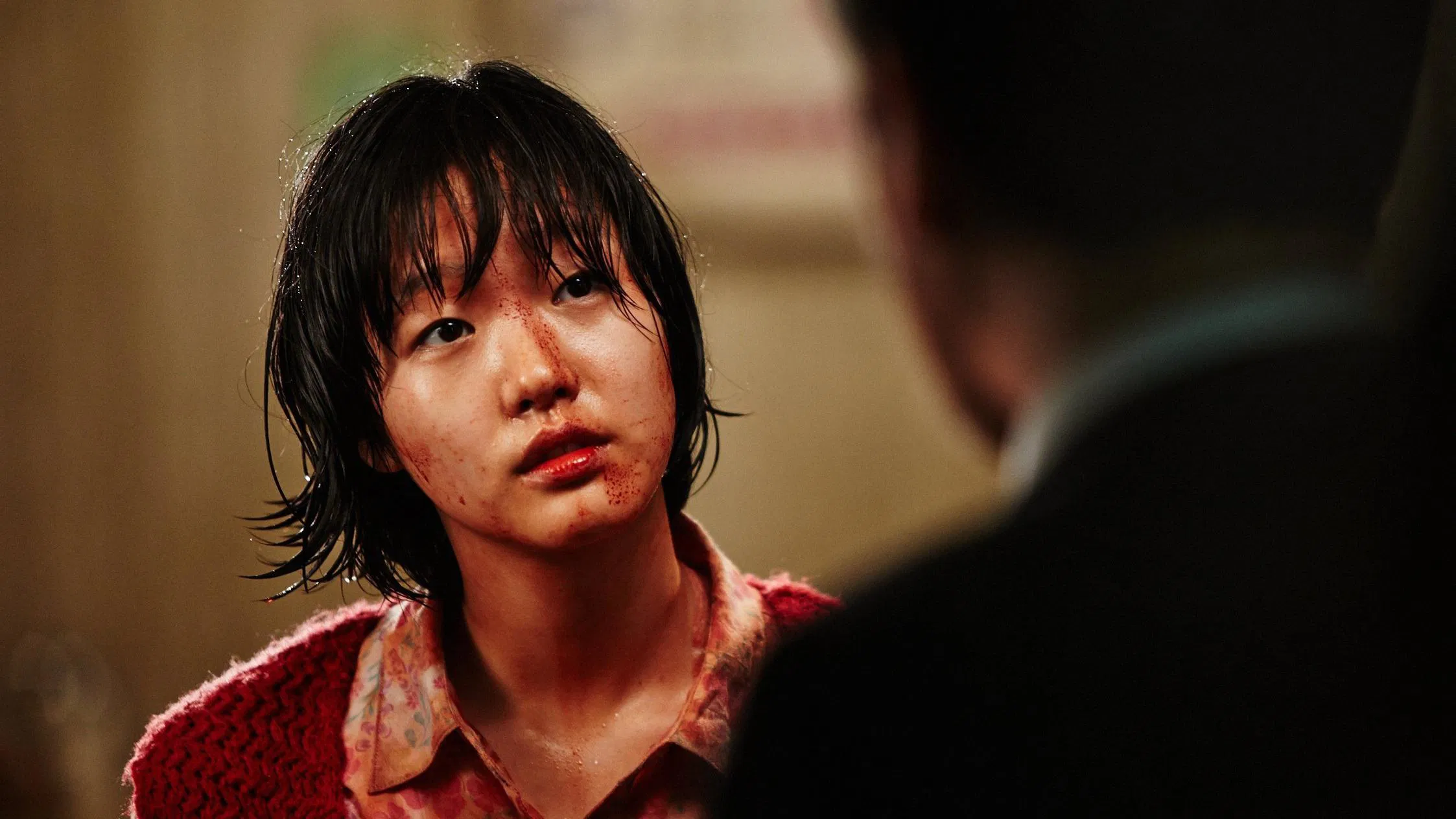
Hwang shoots the violence with restraint that makes it more disturbing, showing aftermath rather than graphic detail, suggesting that the real horror isn't the murders but the possibility that someone you love and raised could commit them. The film's treatment of Tae-soo's wife shows how she refuses to believe their son could be guilty, her denial contrasted with Tae-soo's growing certainty, creating domestic conflict where maintaining their marriage requires one of them to be catastrophically wrong. The ending forces Tae-soo to choose between protecting his son and delivering justice for the victims, the film refusing to make this choice easy or to suggest there's a right answer, showing how some moral dilemmas have only bad options where every choice means betraying someone you have obligations to. It succeeds because Hwang examines how family loyalty can corrupt even people dedicated to justice, how love makes us capable of rationalizing or covering up crimes we'd never excuse in strangers, that sometimes the most terrifying possibility is that monsters aren't created by obviously abusive circumstances but can emerge from seemingly normal families, forcing recognition that evil doesn't always have clear origin story.
15. 🎬 Time to Hunt (2020) | Dir. Yoon Sung-hyun
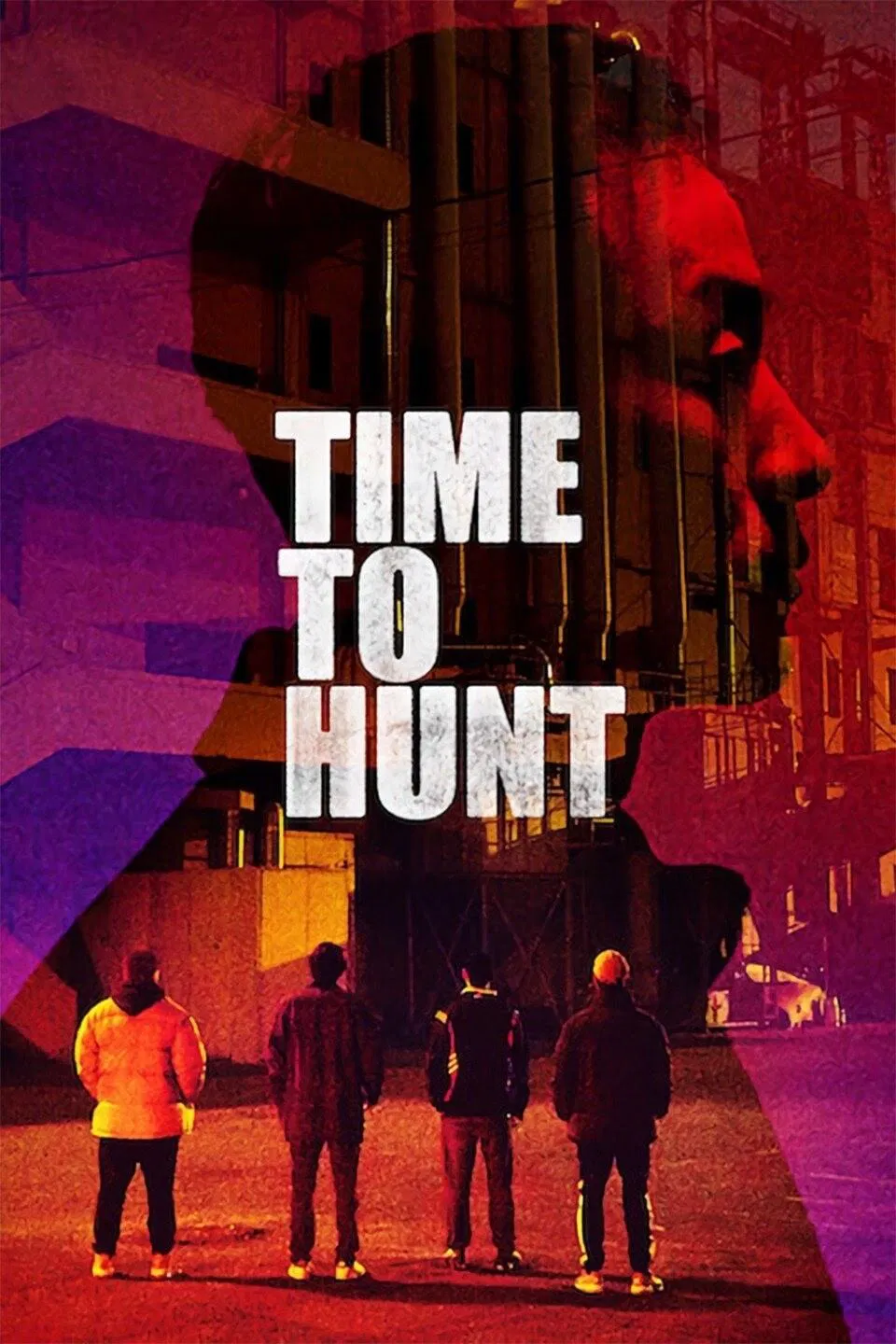
A dystopian thriller following four friends who rob gambling house to fund their escape from economic collapse, their heist attracting attention of ruthless killer who pursues them across ruined cityscape. Yoon Sung-hyun creates near-future Korea that's collapsed economically, hyperinflation and unemployment making the country feel post-apocalyptic even though infrastructure still functions, showing how economic crisis is its own form of societal breakdown. Lee Je-hoon plays Jun-seok as someone whose desperation to escape makes him willing to risk everything, his planning of the robbery meticulous but his inability to predict what comes after showing how survival requires more than just money when the entire system has failed. The ensemble cast creates believable friendship group where loyalty is tested by crisis, their relationships strong enough to commit crime together but potentially not strong enough to survive the consequences. What makes Time to Hunt compelling is its examination of how economic collapse creates conditions where crime becomes rational choice for people with no legitimate opportunities, showing how the friends' heist is less about greed than about desperation to leave country where futures don't exist for people of their class. The film's visual approach creates dystopian Seoul through subtle details rather than obvious destruction, showing familiar city made strange through economic markers like empty buildings and desperate crowds, making the collapse feel plausible rather than fantastical. Yoon shoots the heist and subsequent chase with genre proficiency that makes the thriller elements work while maintaining focus on how economic anxiety drives every character's choices, creating action that's motivated by material circumstances rather than just plot requirements.
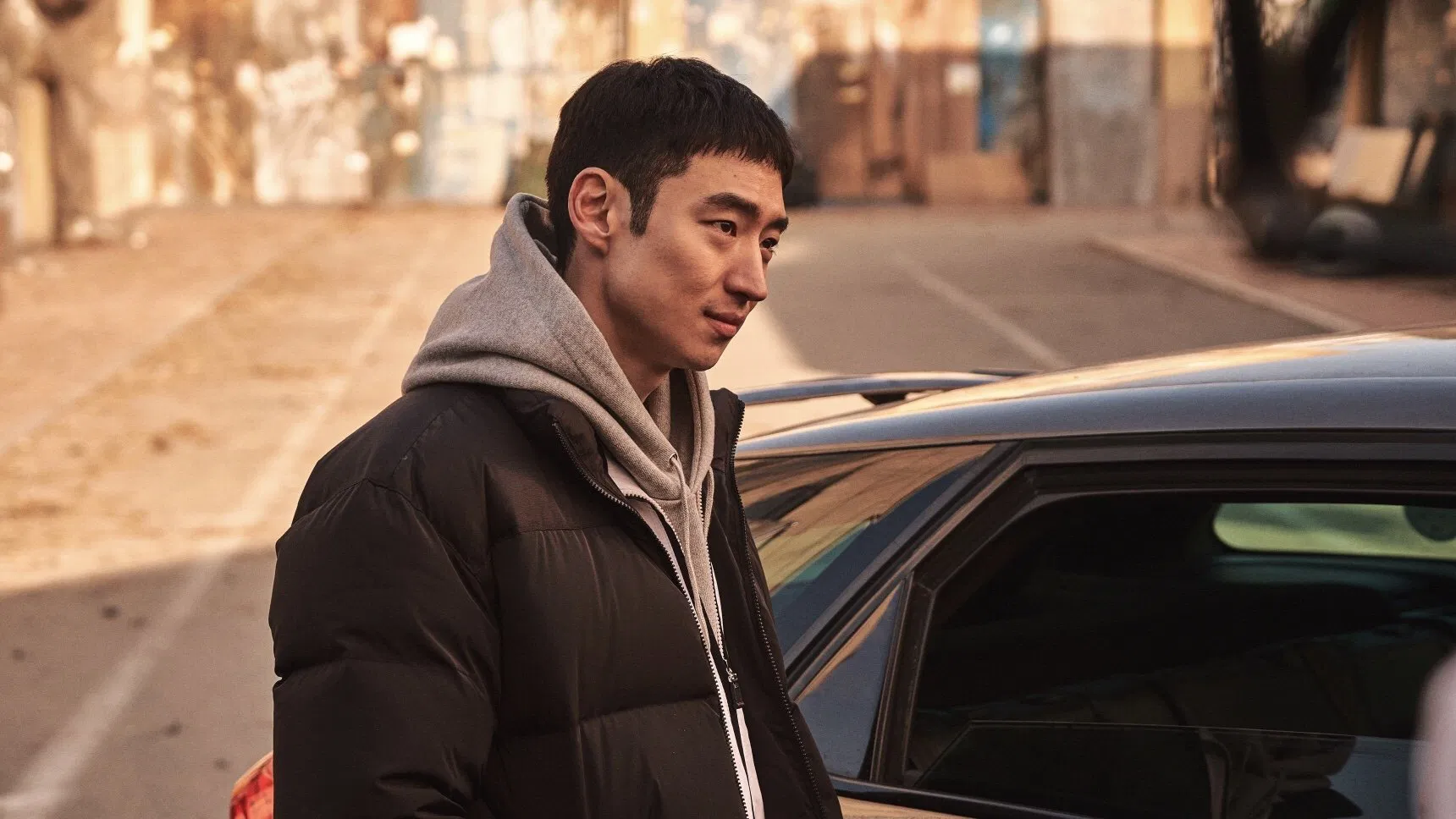
The mysterious killer pursuing them represents both literal threat and metaphor for how the system punishes those who try to escape, his relentless pursuit suggesting that even when you think you've gotten away, the structures that trapped you will find ways to drag you back. The ending provides no easy escape or catharsis, showing how even successful heists don't guarantee survival when you're operating in failed state where violence is norm and institutions that should protect citizens have collapsed into protection rackets. It succeeds because Yoon uses genre framework to examine economic anxiety specific to South Korea but recognizable globally, showing how youth unemployment and rising inequality create conditions where crime seems like only viable path, that dystopian futures don't require alien invasions or supernatural events when economic systems failing is sufficient to make society collapse, proving that most effective thrillers are often those that show us fears about our actual futures rather than impossible scenarios we can dismiss as fantasy.
— The Cinéprism
Keep reading
31 / 08 / 2026 · 383 reads
10 Best Endings in Film
A curated list of 10 unforgettable movie endings that leave a lasting impact long after the credits roll.
12 / 11 / 2025 · 5099 reads
Top 11 Greatest TV Shows:
These eleven extraordinary series redefine what television can be, merging unforgettable characters with stories that linger long after the screen goes dark.