
Dispatch — Long Read
15 Must Watch Bollywood Crime Thrillers
Gripping lineup of intense, twist-driven Bollywood thrillers that dive deep into crime, mystery, and moral conflict - perfect for anyone who loves smart, edge-of-the-seat storytelling.
The Cinéprism
15 / 11 / 2025 · 11 min read
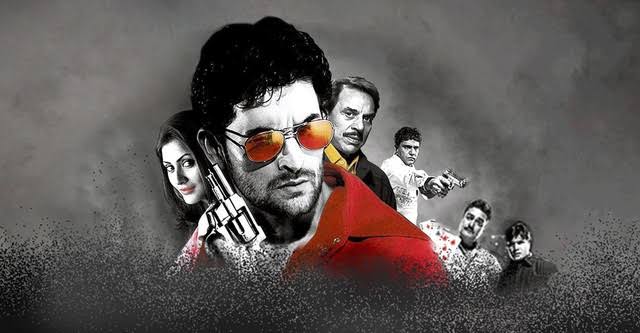
1. Ugly
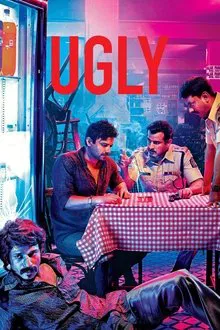
When a ten-year-old girl disappears, her divorced parents, the mother's new husband, and various other characters engage in blame-shifting and self-preservation rather than genuine effort to find her. Anurag Kashyap's most unforgiving film strips away any pretense of heroism or redemption, showing us people whose first instinct is always to protect themselves, even when a child's life hangs in the balance. The ensemble cast, including Rahul Bhat, Ronit Roy, and Vineet Kumar Singh, commits fully to playing despicable characters without seeking audience sympathy.
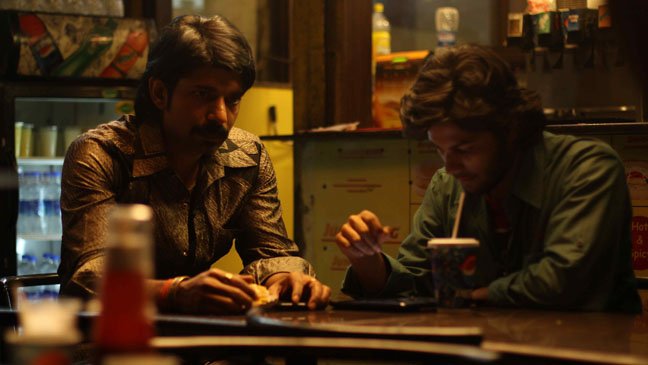
Kashyap's direction is claustrophobic and urgent, using handheld cameras and Mumbai's oppressive urban landscape to create constant unease. What makes Ugly devastating is its refusal to offer catharsis or moral clarity; everyone is complicit, everyone is ugly, and the real horror is recognizing these aren't monsters but ordinary people whose selfishness has catastrophic consequences. It's a film that leaves you shaken not by what happens but by what it reveals about human nature when crisis exposes our priorities.
2. Kahaani
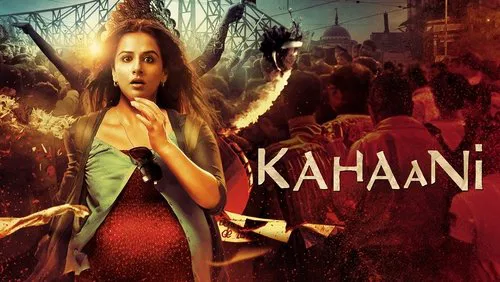
Vidya Bagchi arrives in Kolkata from London, heavily pregnant and searching for her missing husband, but everyone she encounters claims the man she describes doesn't exist. Sujoy Ghosh crafts a narrative that keeps viewers constantly off-balance, using unreliable information and shifting perspectives to maintain suspense while exploring deeper themes about identity and revenge. Vidya Balan delivers a fearless performance, using her physical vulnerability as pregnant woman to mask fierce determination and intelligence.

The film's use of Kolkata during its most important festival creates both visual richness and thematic resonance, the city's transformation mirroring the story's own revelations. What elevates Kahaani beyond genre exercise is its final twist, which recontextualizes everything we've seen while making thematic sense, showing how grief and rage can motivate elaborate deception. It's a thriller that respects its audience's intelligence, planting clues fairly while maintaining genuine surprise.
3. A Wednesday!
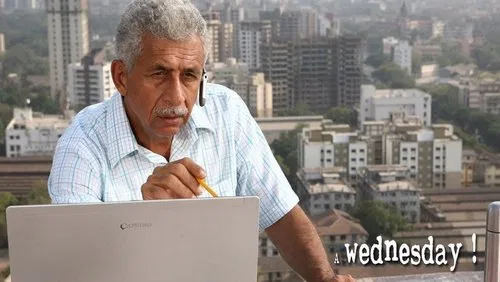
A common man contacts the police commissioner claiming to have planted bombs across Mumbai, demanding the release of four terrorists in exchange for defusing them. Neeraj Pandey's debut is a masterclass in tension built through dialogue and performance rather than action, as the caller and commissioner engage in philosophical debate about justice, terrorism, and the state's failures. Naseeruddin Shah brings gravitas to the commissioner, a career policeman forced to confront uncomfortable truths, while Anupam Kher's mysterious caller is all controlled rage wrapped in polite civility.
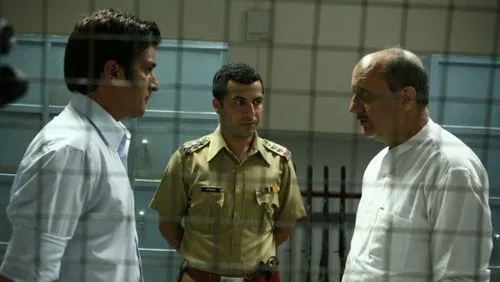
The film's power lies in its exploration of how ordinary citizens feel abandoned by institutions meant to protect them, and how helplessness can metastasize into vigilante justice that mirrors the terror it opposes. The climax is both cathartic and disturbing, forcing viewers to examine their own responses to questions about justice versus revenge. A Wednesday! succeeds because it understands that the most effective thrillers make us complicit in questioning our own moral certainties.
4. Talaash
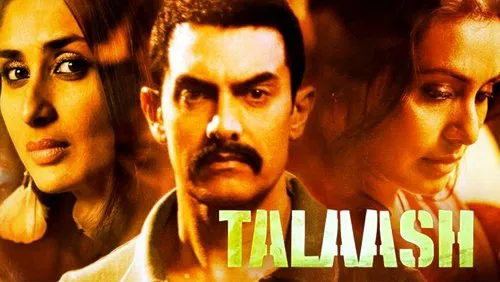
Inspector Surjan Singh Shekhawat investigates what appears to be an accident but gradually uncovers connections to the city's underworld and a mysterious woman who may hold the key to everything. Reema Kagti's film operates on multiple levels simultaneously, functioning as genre mystery while exploring deeper themes about how loss paralyzes us and prevents moving forward. Aamir Khan brings understated intensity to Shekhawat, playing a man whose professional competence masks profound personal trauma.

Kareena Kapoor Khan's enigmatic Rosie provides the film's emotional and supernatural core, her presence both seductive and melancholic. The revelation that shifts the film's entire framework divided audiences, but the supernatural element serves thematic purpose, literalizing how the past haunts us until we confront it. What makes Talaash work is its commitment to atmosphere over explanation, using Ram Sampath's haunting score and Mumbai's nocturnal spaces to create a world where grief and mystery become inseparable.
5. Manorama Six Feet Under
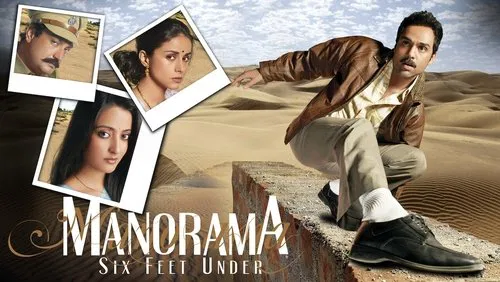
Satyaveer Randhawa is a failed author working as a public works engineer in a small Rajasthani town, writing pulp detective fiction to escape his mundane existence. When a mysterious woman hires him to investigate her husband, Satyaveer's fantasy of being a real detective leads him into a conspiracy involving local politics, water rights, and powerful interests willing to kill to protect their secrets. Navdeep Singh's debut is remarkably assured, creating a world-weary noir aesthetic in dusty, sun-baked locations where desperation and corruption have become normalized.
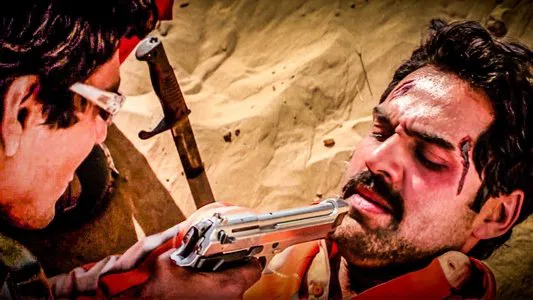
Abhay Deol brings hangdog charm to Satyaveer, playing him as an ordinary man whose literary pretensions make him simultaneously perceptive and dangerously naive. The film's visual language uses Rajasthan's arid landscape to emphasize moral drought, where water is currency and human life is cheap. What makes Manorama exceptional is its understanding of noir's essential pessimism, showing how individual investigations into systemic corruption are futile because the rot extends too deep, and how curiosity in the wrong places becomes death sentence.
6. Ek Hasina Thi
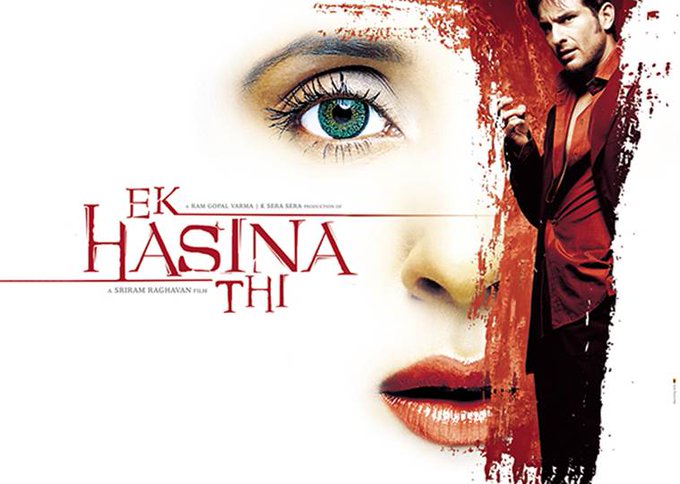
Sarika falls in love with Karan, whose charm masks his criminal connections. When she's arrested for crimes he committed and sentenced to prison while he walks free, her love curdles into hatred and her prison education becomes preparation for elaborate vengeance. Sriram Raghavan's debut established his mastery of thriller mechanics and moral ambiguity, creating a protagonist whose transformation from victim to perpetrator we root for even as we recognize the monster she's becoming.

Urmila Matondkar delivers a career-defining performance across two distinct phases, from naive romantic to hardened schemer, the shift visible in her eyes and body language. Saif Ali Khan makes Karan charming enough that we understand Sarika's initial attraction while never hiding the sociopath beneath. The film's visual palette shifts from warm romantic colors to cold blues and grays as Sarika's world and soul darken. What makes Ek Hasina Thi resonate is its understanding that revenge, no matter how justified, requires becoming what you hate, and that justice achieved through deception is hollow victory that changes the victor irreversibly.
7. The Stoneman Murders

In 1980s Bombay, homeless people are being murdered by someone crushing their heads with stones, but police attention only arrives when media coverage makes ignoring the killings politically untenable. Manish Gupta's film uses the serial killer framework to indict systemic indifference toward marginalized communities, showing how investigations move at different speeds depending on victims' social status. Kay Kay Menon anchors the film with intense performance as the suspended cop brought back to solve the case, playing him as man whose obsession with catching the killer stems from guilt about previous failures.
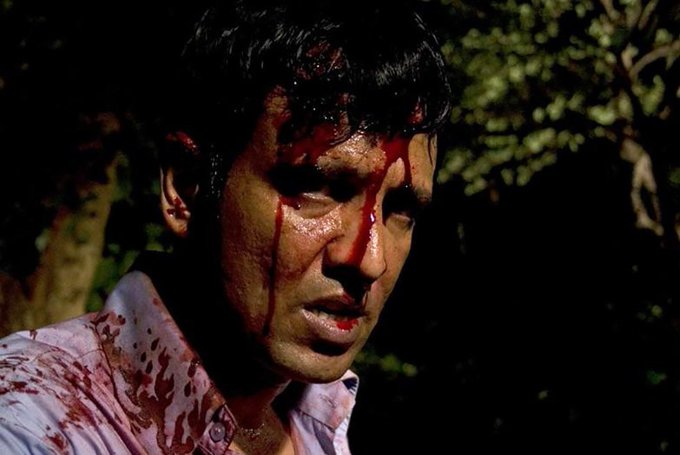
The film's recreation of 1980s Mumbai is authentically grimy, shooting the city's streets as dangerous spaces where poverty makes people invisible until death forces acknowledgment. What distinguishes The Stoneman Murders is its refusal to sensationalize violence or glorify the investigation, instead maintaining focus on how institutions fail the vulnerable and how media attention is currency determining whose lives matter. It's a reminder that true crime, when handled responsibly, becomes social commentary about who we protect and who we abandon.
8. Shaitan

Five wealthy young people accidentally kill a man in a drunk driving incident, then make increasingly bad decisions to cover it up, drawing them deeper into criminal underworld beyond their comprehension. Bejoy Nambiar's debut is formally audacious, using split screens, rapid editing, and pulsing soundtrack to capture both the hedonistic energy of youth culture and the mounting paranoia as events spiral out of control. The ensemble cast, including Kalki Koechlin, Gulshan Devaiah, and Rajkummar Rao, creates believable group dynamics where privilege and immaturity prove catastrophic combination.
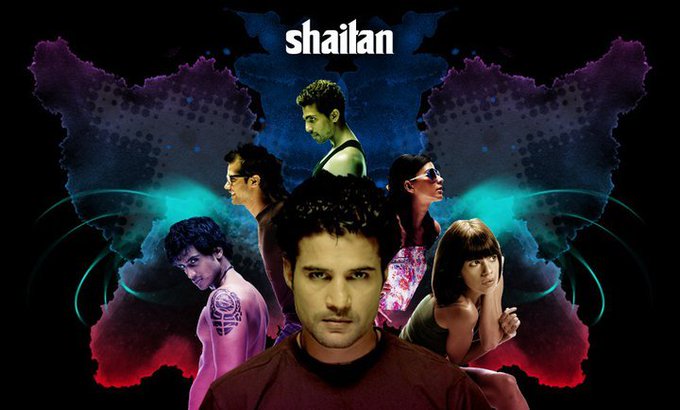
The film's visual excess mirrors its characters' lifestyles, all surface glamour masking moral emptiness. What makes Shaitan work despite its stylistic flourishes is its understanding that class privilege only protects until you cross invisible lines, and that wealthy kids playing at danger eventually encounter real consequences they're unprepared to handle. It's a cautionary tale about how inequality breeds contempt and how those insulated from reality make the worst decisions when reality finally intrudes.
9. Gulaal
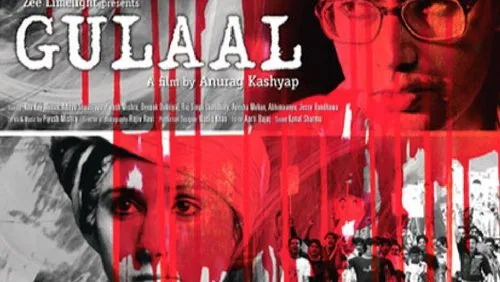
Dilip Singh, a law student from small town, arrives at university and gets dragged into factional politics involving Rajput pride, caste hierarchies, and revolutionary ideologies that mask personal ambitions. Anurag Kashyap creates a fever dream of violence and ideology, where student politics serves as microcosm for larger failures of Indian democracy and how romantic nationalism conceals brutal power plays. Kay Kay Menon is magnetic as Dukey Bana, a failed actor turned political operative whose Shakespearean monologues reveal both his brilliance and madness. Raj Singh Chaudhary's Dilip undergoes the film's most profound transformation, from innocent observer to willing participant in violence he initially abhors.
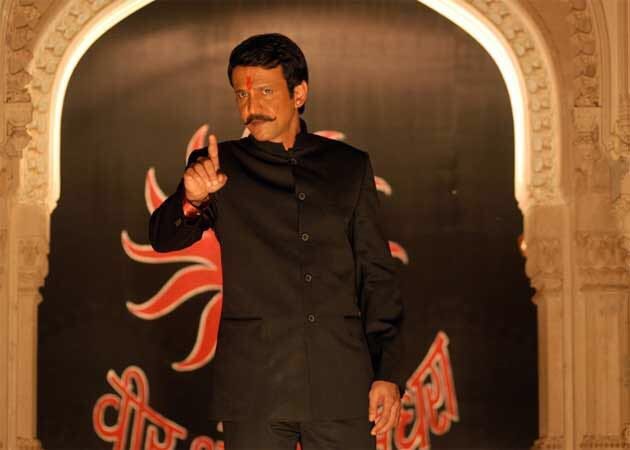
Piyush Mishra's music and his performance as the ideologue poet provide the film's emotional and philosophical core. What makes Gulaal powerful is its willingness to show how easily ideology becomes excuse for violence, how institutions meant to educate instead radicalize, and how the personal and political are inseparable when power is at stake. It's messy, excessive, and deliberately overwhelming, mirroring the chaos it depicts.
10. Droh Kaal
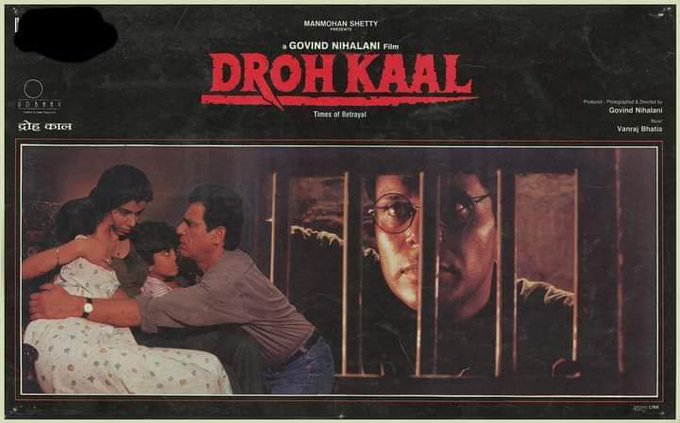
A honest police officer is transferred to Punjab during peak militancy, where he must navigate institutional pressure to use extrajudicial methods, militant violence, and his own moral code under extreme circumstances. Govind Nihalani's film is remarkable for its refusal to take easy political positions, showing how state brutality and militant terrorism feed each other in cycles that destroy innocent lives while empowering extremists on both sides. Om Puri delivers a towering performance as the cop whose integrity gradually erodes under pressure, showing the psychological cost of maintaining humanity in inhuman circumstances.
The film's visual approach is uncompromisingly realistic, shooting Punjab not as exotic backdrop but as war zone where normalcy has collapsed. What makes Droh Kaal essential is its courage in depicting state violence honestly when most films presented police as unambiguous heroes, and its understanding that institutions designed to protect can become instruments of terror when political will replaces legal oversight. It remains devastatingly relevant decades later.
11. Shanghai
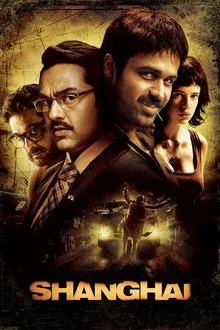
When a social activist opposing a controversial infrastructure project is killed in an accident, various characters including a pornography-addicted bureaucrat, a videographer, and a party worker begin investigating, uncovering corruption that reaches the highest levels. Dibakar Banerjee adapts Z with boldness, relocating the story to contemporary India where development has become unquestionable ideology regardless of human cost. Abhay Deol's bureaucrat is both comic and tragic, a man whose private failings reflect larger institutional dysfunction. Emraan Hashmi and Kalki Koechlin provide moral clarity as characters demanding accountability in system designed to diffuse responsibility.
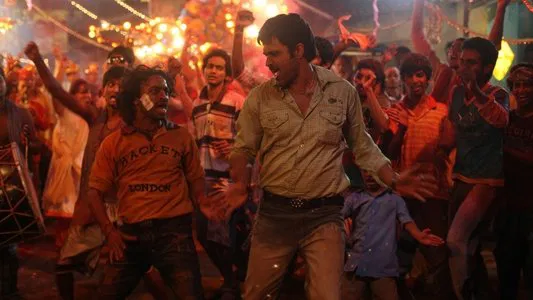
The film's visual language uses handheld cameras and naturalistic lighting to create documentary-like authenticity. What makes Shanghai significant is its willingness to question the development narrative that dominates contemporary Indian politics, showing how land acquisition and infrastructure projects displace the powerless while enriching the connected. It's a thriller that understands political cinema must challenge power rather than reinforce it, and that asking who benefits is always the right question.
12. Black Friday
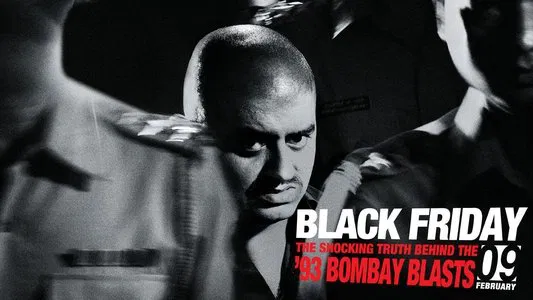
Based on S. Hussain Zaidi's book, the film chronicles the planning, execution, and investigation of the coordinated bomb attacks that killed hundreds, following both the conspirators and the police working to catch them. Anurag Kashyap's breakthrough film demonstrates how docudrama can be both gripping cinema and serious social document, using the blast as entry point into examining communal tensions, police methods, and how ordinary people get radicalized into committing atrocities.

The ensemble cast, including Kay Kay Menon, Pavan Malhotra, and Aditya Srivastava, brings authenticity to roles based on real people without reducing them to types. Kashyap's direction avoids manipulation, presenting events with minimal editorializing and allowing the horror to emerge from accumulated detail. The film's controversial release, delayed years due to legal challenges, speaks to its power and the discomfort it causes by refusing to simplify complex events into good versus evil narratives. Black Friday succeeds because it insists on showing how violence has context without excusing it, how investigations involve both dedication and brutality, and how trauma echoes across communities long after bombs stop exploding.
13. Paanch
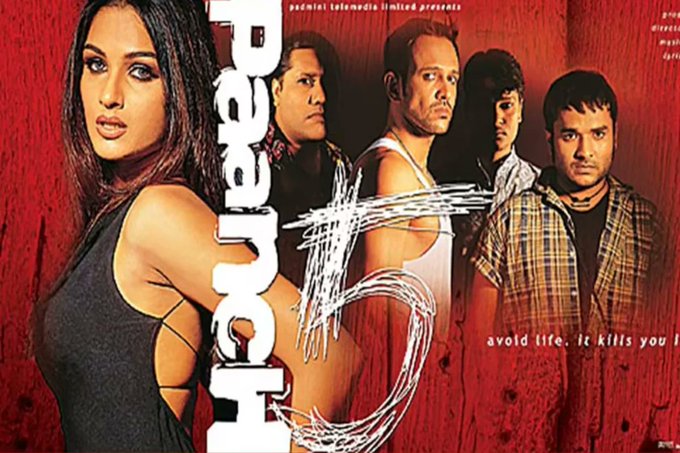
Five young people from privileged backgrounds form a gang, their initial petty crimes escalating into murder as they discover violence as the only thing that makes them feel alive. Based loosely on the Joshi-Abhyankar serial murders, Kashyap's film was deemed too disturbing for release by censors, creating a cult reputation that has only grown as bootleg copies circulated. The film's raw aesthetic and unflinching portrayal of youth without moral compass or consequences apparently proved too confrontational for authorities comfortable with sanitized cinema.
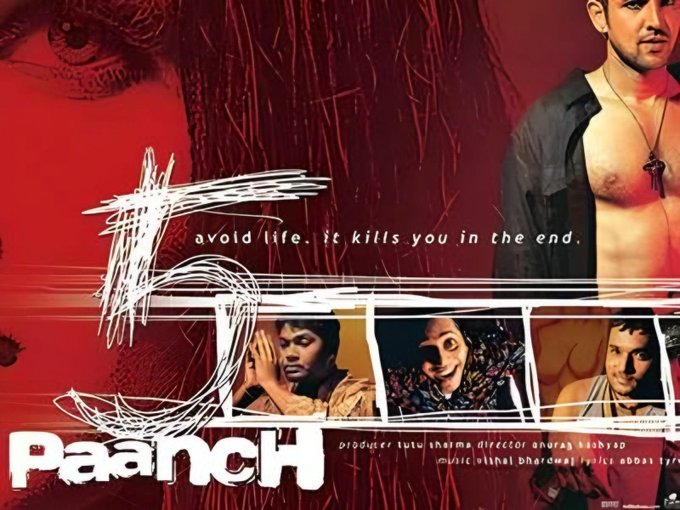
Those who have seen it report performances of feral intensity from a cast including Kay Kay Menon and Tejaswini Kolhapure, and direction that refuses to provide the safety of moral judgment or redemptive arcs. What makes Paanch significant despite its unreleased status is how it represents a road not taken in Hindi cinema, a willingness to show darkness without mitigation that mainstream industry rejected. It stands as both artistic statement and cautionary tale about censorship's chilling effects on creative expression, a ghost film haunting conversations about what Indian cinema could be if freed from institutional constraints.
14. Johnny Gaddaar
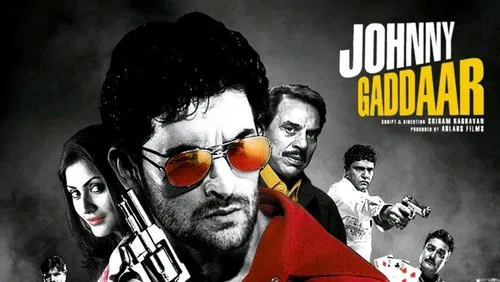
Five criminals plan what should be a routine smuggling operation, but Johnny, the youngest member, decides to betray his partners and steal the money, setting off a chain of violence and paranoia. Sriram Raghavan constructs a narrative that functions as both loving tribute to classic Hindi thrillers and as taut modern crime film, using split screens, retro aesthetics, and period music to create a world that exists outside time. Neil Nitin Mukesh is revelation in the title role, playing Johnny's transformation from trusted protégé to ruthless betrayer with chilling precision, his boyish face masking calculation that emerges gradually.
The ensemble, including Dharmendra, Vinay Pathak, and Rimi Sen, creates believable criminal family where trust is currency and betrayal is death sentence. Raghavan's direction maintains clockwork precision, each twist and turn feeling both surprising and inevitable. What makes Johnny Gaddaar exceptional is its understanding that noir is fundamentally about fatal choices made in moments of weakness, and how greed doesn't just corrupt but reveals the selfishness that was always lurking beneath civility.
15. Andhadhun

Akash pretends to be blind to enhance his piano performances and avoid social obligations, but this deception traps him when he witnesses a murder he's supposed to be unable to see, launching a series of blackmails, betrayals, and desperate improvisations. Sriram Raghavan orchestrates chaos with surgical precision, using Akash's ambiguous blindness to create constant uncertainty about who knows what and who's playing whom. Ayushmann Khurrana delivers a technically brilliant performance, maintaining the physicality of blindness even in scenes where we suspect he can see, making every interaction a question of authenticity.
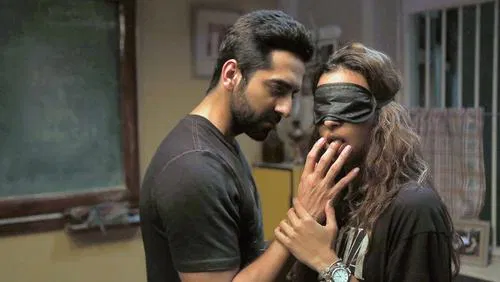
Tabu is magnificently ruthless as the murderous wife, playing her with such pragmatic amorality that she becomes the film's most entertaining monster. Radhika Apte provides grounded counterpoint as the romantic interest whose own agenda remains tantalizingly unclear. The film's tonal control is remarkable, balancing dark comedy with genuine thriller tension, never letting one undermine the other. What makes Andhadhun extraordinary is its refusal to provide definitive answers, its ending deliberately ambiguous in ways that force viewers to question everything they've seen, and its understanding that in a world where everyone is performing, authenticity becomes impossible to verify and perhaps irrelevant.
— The Cinéprism
Keep reading

31 / 08 / 2026 · 383 reads
10 Best Endings in Film
A curated list of 10 unforgettable movie endings that leave a lasting impact long after the credits roll.

12 / 11 / 2025 · 5099 reads
Top 11 Greatest TV Shows:
These eleven extraordinary series redefine what television can be, merging unforgettable characters with stories that linger long after the screen goes dark.