Dispatch — Long Read
25 Greatest Films of the 21st Century
Cinema's defining masterpieces that shaped modern moviegoing, redefined genres, and proved that audacious storytelling still matters in an age of franchises and reboots.
The Cinéprism
17 / 12 / 2025 · 39 min read
1. 🎬 Memento (2000) | Dir. Christopher Nolan
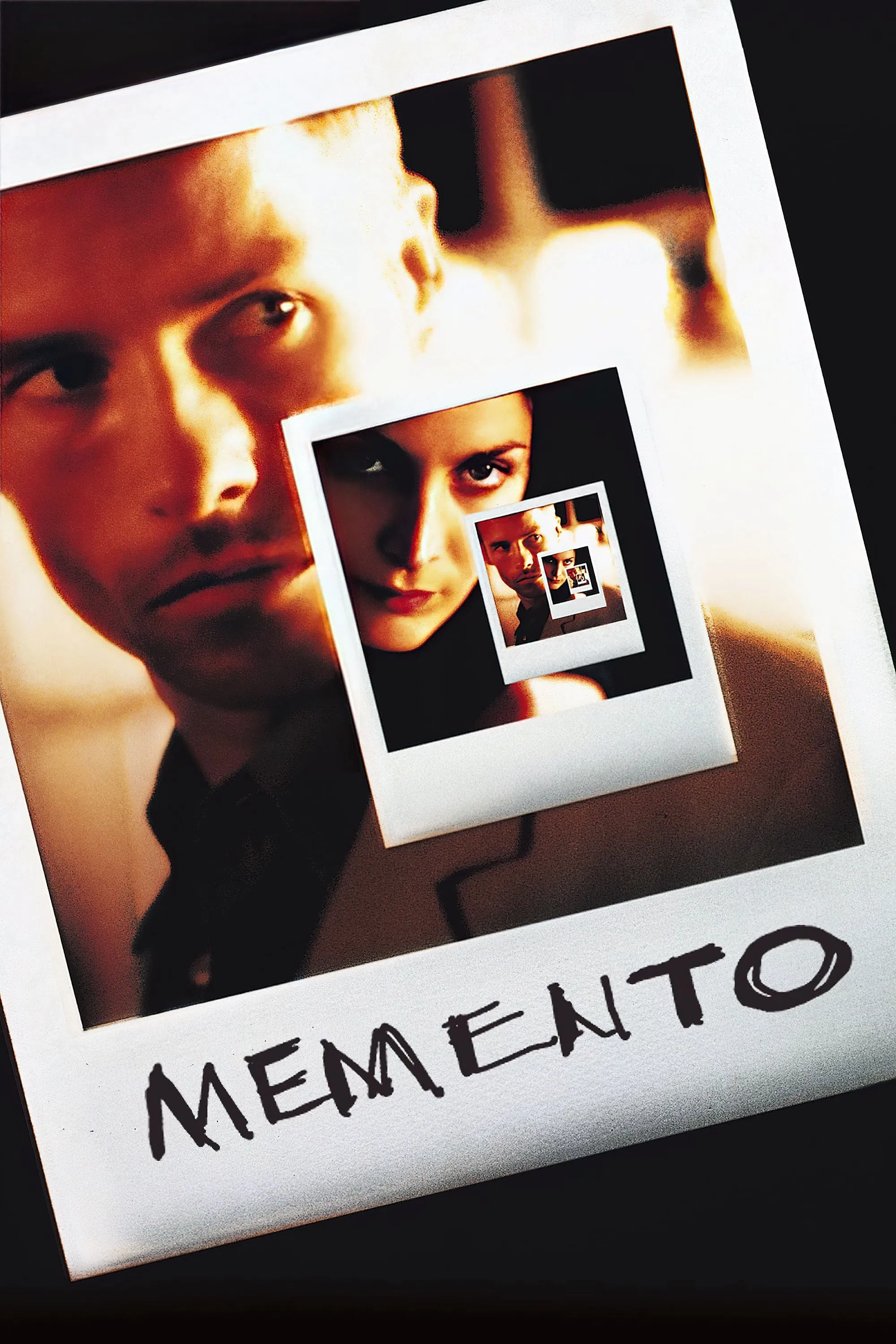
A film that uses reverse chronological structure to make viewers experience the protagonist's condition, following Leonard Shelby who cannot form new memories as he searches for his wife's killer using Polaroids and tattoos to track information he'll forget within minutes. Christopher Nolan creates puzzle box narrative that's simultaneously gimmick and profound examination of how memory constructs identity, how we become stories we tell ourselves about who we are. Guy Pearce plays Leonard with desperate focus, someone whose condition makes him vulnerable to manipulation by everyone he encounters, his certainty about his mission gradually revealed as potentially constructed by others for their own purposes. The film's structure forces viewers to share Leonard's confusion, each scene beginning without context that would normally orient us, creating empathy through formal choice rather than emotional manipulation.
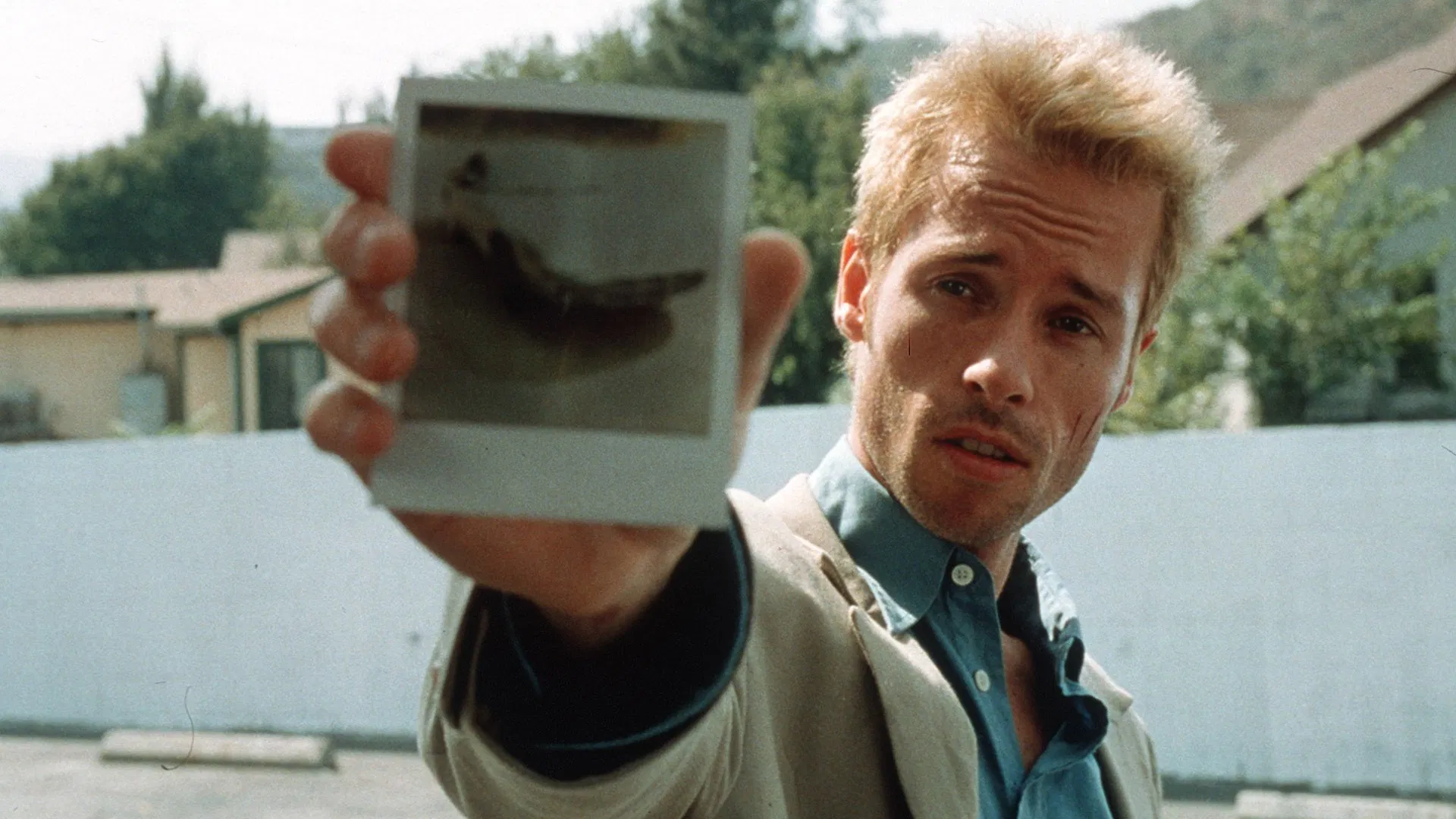
What makes Memento essential is its examination of how unreliable memory is for everyone, not just Leonard, how we all construct narratives about our lives that smooth over contradictions and serve our psychological needs rather than representing objective truth. The film operates as noir detective story where the detective can't trust his own investigation, where every clue might be planted and every ally might be enemy, creating paranoid atmosphere where certainty becomes impossible. It succeeds because Nolan uses the condition as more than plot device, making formal structure embody thematic concerns about memory, identity, and revenge, showing how Leonard's quest might be meaningless exercise in perpetual motion, how he's trapped in loop of forgetting and rediscovering the same information, whether his wife's killer has already been found or never existed as he remembers.
2. 🎬 Snatch (2000) | Dir. Guy Ritchie
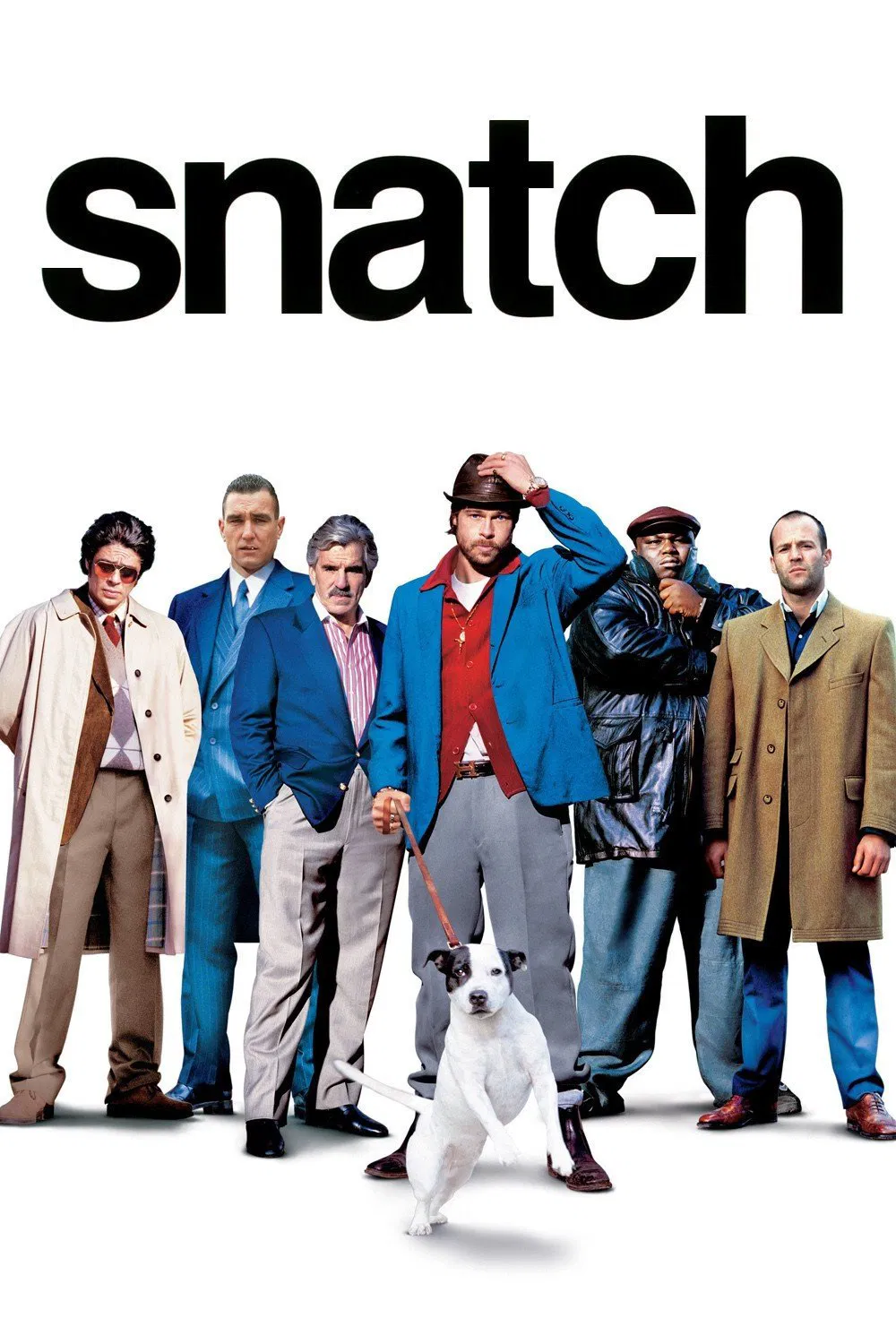
A hyperkinetic crime comedy that turned British gangster films into MTV-paced puzzles, following multiple storylines involving a stolen diamond, illegal boxing matches, and incompetent criminals whose plans consistently fail in spectacular fashion. Guy Ritchie creates ensemble where everyone is trying to con everyone else and most of them aren't smart enough to succeed, the convoluted plotting less about narrative clarity than about maintaining relentless energy and finding humor in criminal incompetence. Brad Pitt steals the film as Mickey, an Irish Traveller bare-knuckle boxer whose incomprehensible accent and unpredictable behavior make him wildly entertaining chaos agent, while Jason Statham and Stephen Graham anchor the film as small-time promoters who get in over their heads. The supporting cast creates complete criminal ecosystem where everyone from diamond thieves to pawn shop owners to dog-nappers intersect in increasingly unlikely ways, Ritchie's plotting circling back on itself as characters' paths cross and recross.
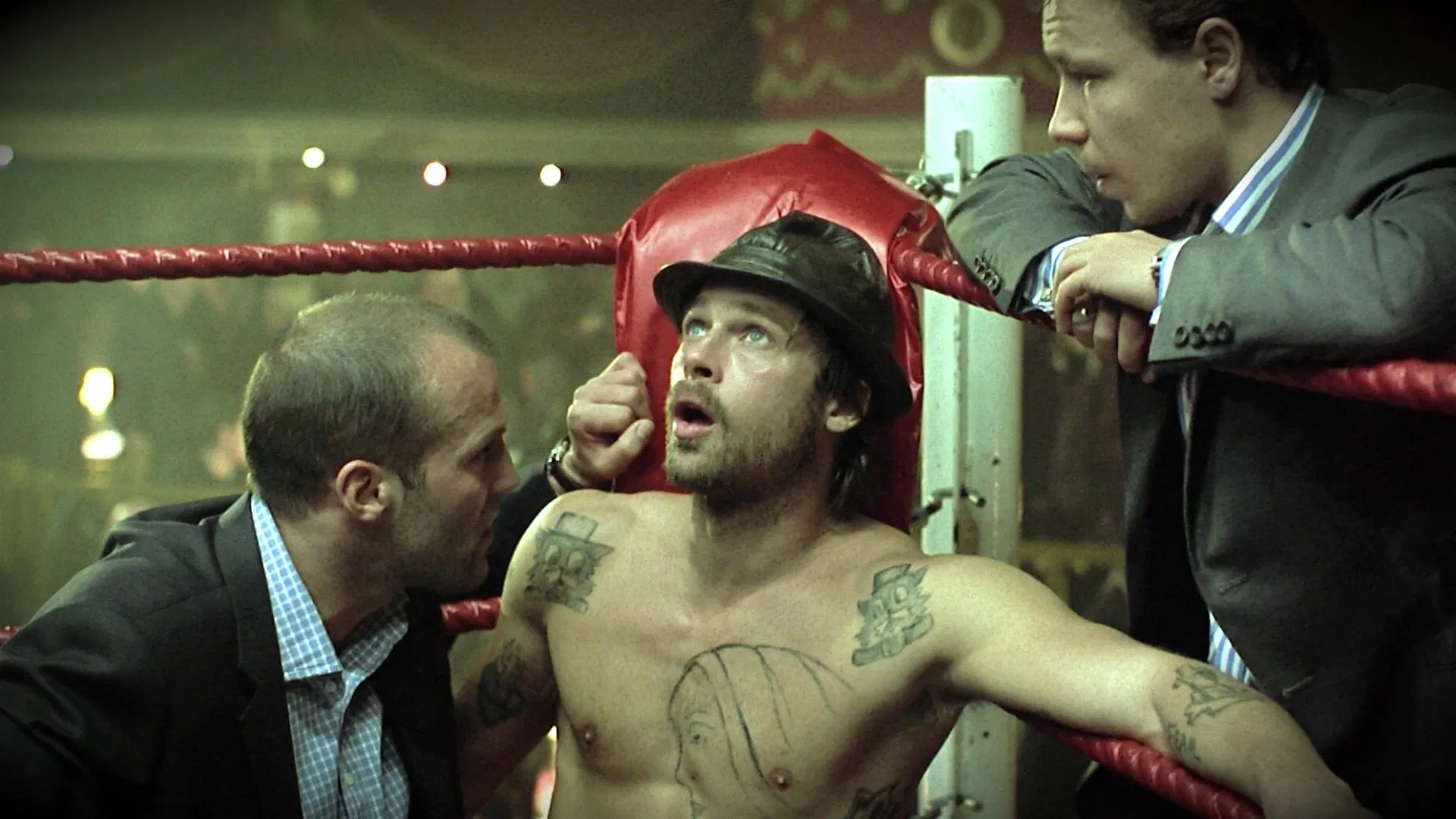
What makes Snatch irresistible despite its potentially exhausting style is Ritchie's genuine affection for his characters' stupidity, finding humor in their failures rather than contempt, showing how most criminals aren't masterminds but ordinary people who got in too deep and are improvising desperately. The film moves with breathless pacing, fast cuts and freeze frames and split screens creating visual vocabulary that mirrors the characters' frantic scheming, Tim Maurice-Jones's cinematography using oversaturated colors and Dutch angles to make London's criminal underworld feel like cartoon come to life. It succeeds because Ritchie balances style with actual storytelling, his formal excess married to narrative that rewards attention even as it pretends to be mere surface, proving that you can make crime films that are pure entertainment without being empty, that style can be substance when deployed with this much energy and wit.
3. 🎬 Gladiator (2000) | Dir. Ridley Scott
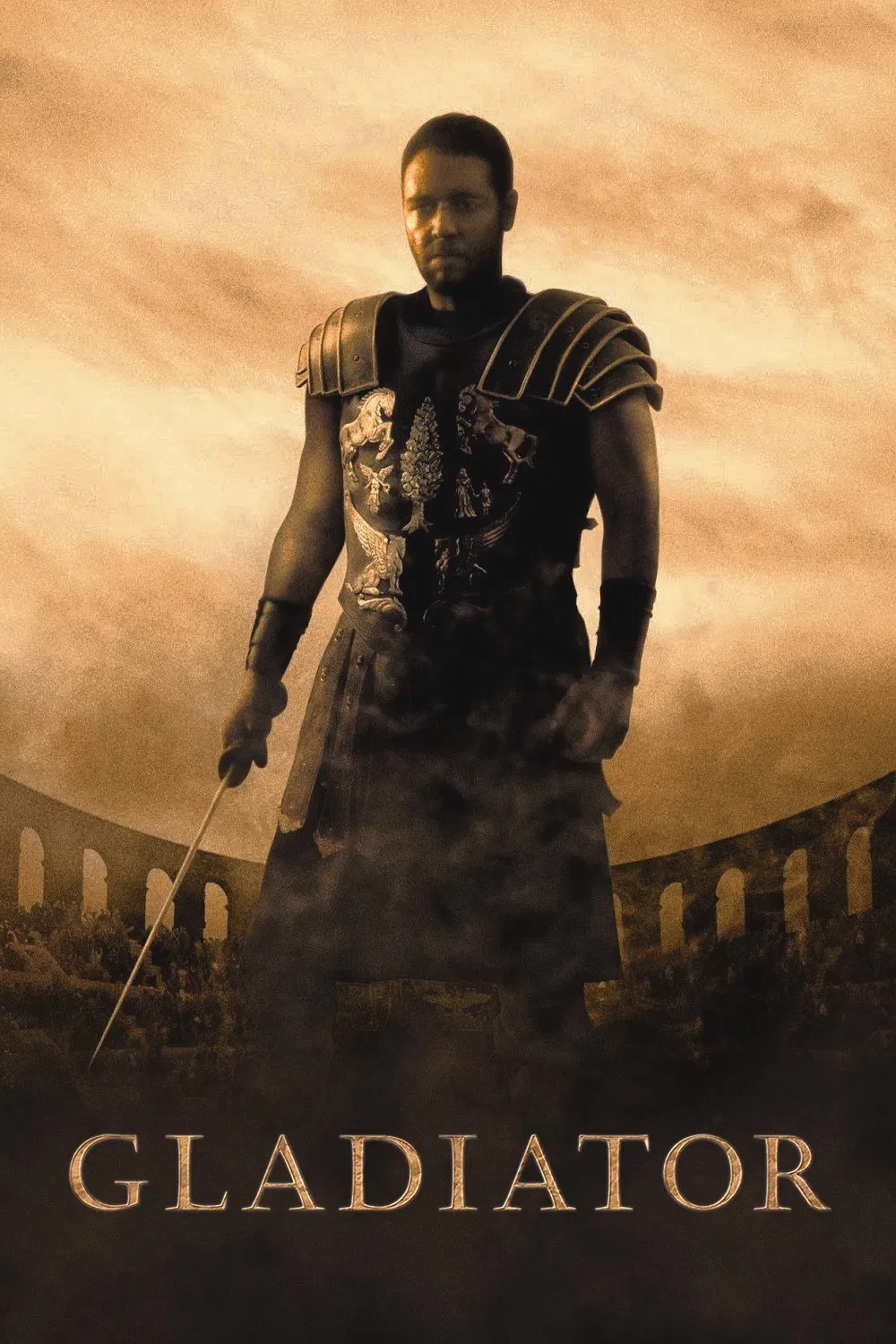
A sword-and-sandal epic that resurrected the historical spectacle, following Roman general Maximus who's betrayed by Emperor Commodus and forced into slavery, fighting as gladiator to avenge his murdered family and restore Rome to Senate rule. Ridley Scott creates film that's simultaneously old-fashioned Hollywood epic and something grittier, using digital effects to recreate ancient Rome while maintaining focus on physical combat and political intrigue. Russell Crowe plays Maximus with wounded dignity, a soldier whose competence and honor make him threat to Commodus's rule, his journey from general to slave to arena champion providing classical rise-fall-rise structure. Joaquin Phoenix's Commodus is the film's secret weapon, playing the emperor as insecure narcissist whose need for his father's approval has curdled into patricide and tyranny, his weakness making him more dangerous than straightforward villain would be. What makes Gladiator work beyond its spectacle is its examination of how Rome's republic has decayed into dictatorship, how the games serve as bread and circuses to distract populace from lost freedoms, Maximus's popularity in arena becoming political threat because it reminds Romans of virtues their leaders lack.
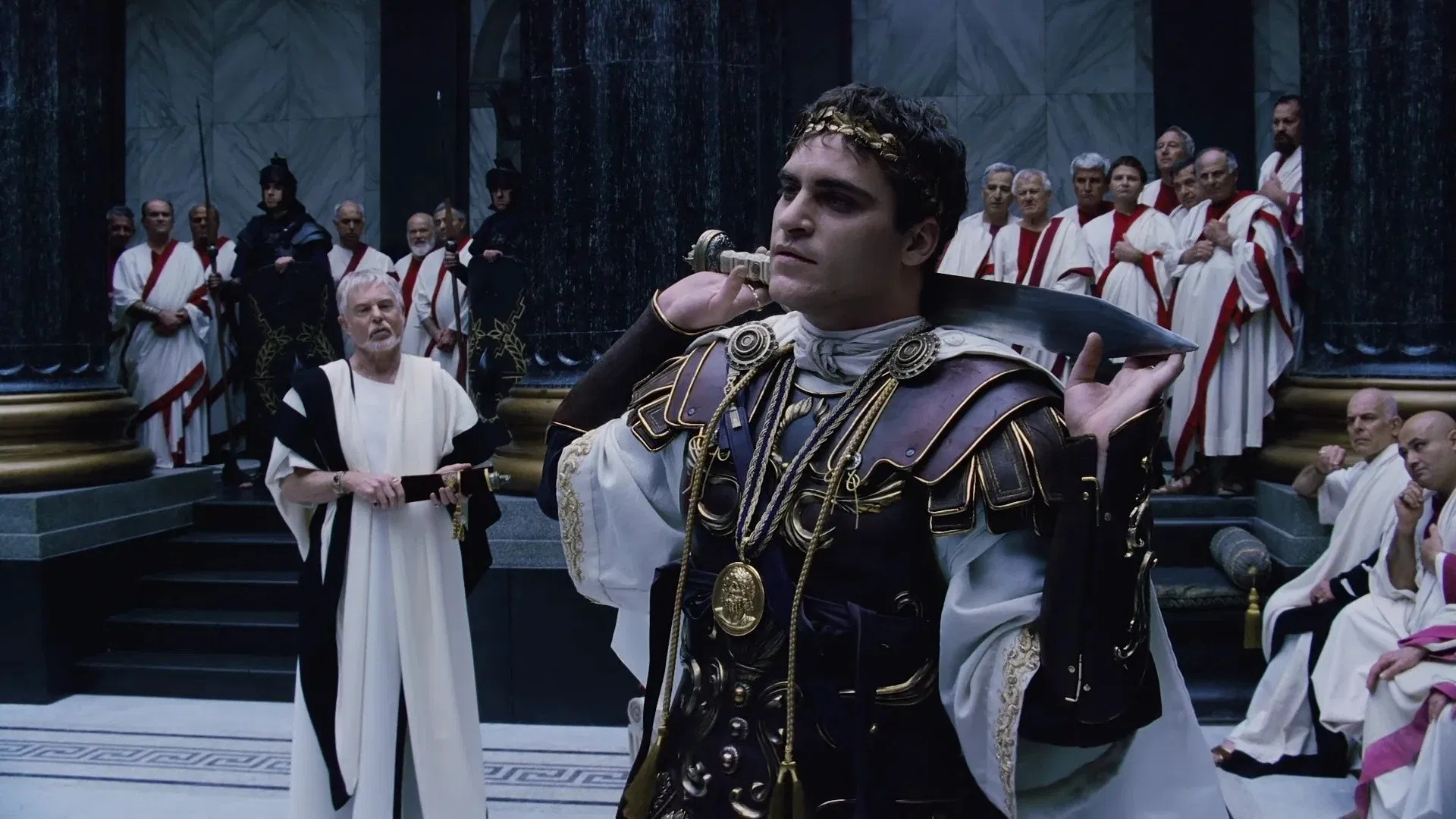
The action sequences, particularly the opening Germania battle and various arena fights, combine practical effects with digital augmentation to create combat that feels visceral and dangerous, Scott shooting the violence with clarity that makes choreography visible while maintaining sense of chaos. The film's treatment of entertainment and politics shows how the games are both genuine spectacle and carefully managed propaganda, how Commodus tries to control narrative even as Maximus's performances escape his script. It succeeds because Scott takes the genre seriously enough to make genuine statements about power and spectacle, showing how charisma and competence threaten tyranny, how sometimes the most political act is simply being good at your job when that competence reveals leadership's inadequacy.
4. 🎬 Yi Yi (2000) | Dir. Edward Yang

A three-hour Taiwanese family drama spanning one year in the lives of the Jian family, from a wedding to a funeral, examining how each family member navigates their own crisis while trying to maintain appearance of normalcy. Edward Yang creates his final film as sprawling examination of contemporary Taipei, showing how modernization and globalization create pressures on traditional family structures, how different generations respond to changes they can't control. The ensemble creates complete portrait of middle-class Taiwanese life, the father NJ questioning his career and contemplating affair with old girlfriend, his wife leaving for month-long meditation retreat after her mother's stroke, their teenage daughter navigating first love, and their young son Yang-Yang photographing the backs of people's heads to show them what they can't see. What makes Yi Yi essential is Yang's patient observation of how ordinary life contains profound moments, how the everyday accumulation of small choices and conversations gradually reveals character and theme without requiring dramatic incident.

The film's examination of how we see and are seen operates through Yang-Yang's photography project, showing how perspective shapes understanding, how what we show the world differs from what exists behind us, literally and metaphorically. Yang shoots with characteristic distance and composition, often filming through windows or doorways that frame characters within frames, creating visual language that emphasizes observation and separation even in moments of intimacy. The film examines how business and personal relationships intertwine in ways that complicate both, how NJ's work requiring him to partner with Japanese video game developer creates complications when personal and professional interests conflict. It succeeds because Yang trusts that ordinary life, observed with sufficient attention and patience, reveals as much about human experience as any melodrama, that three hours spent with this family teaches more about contemporary existence than plot-driven films accomplish through artificial crisis, showing how we're all navigating between tradition and modernity, between who we were and who we're becoming.
5. 🎬 Training Day (2001) | Dir. Antoine Fuqua
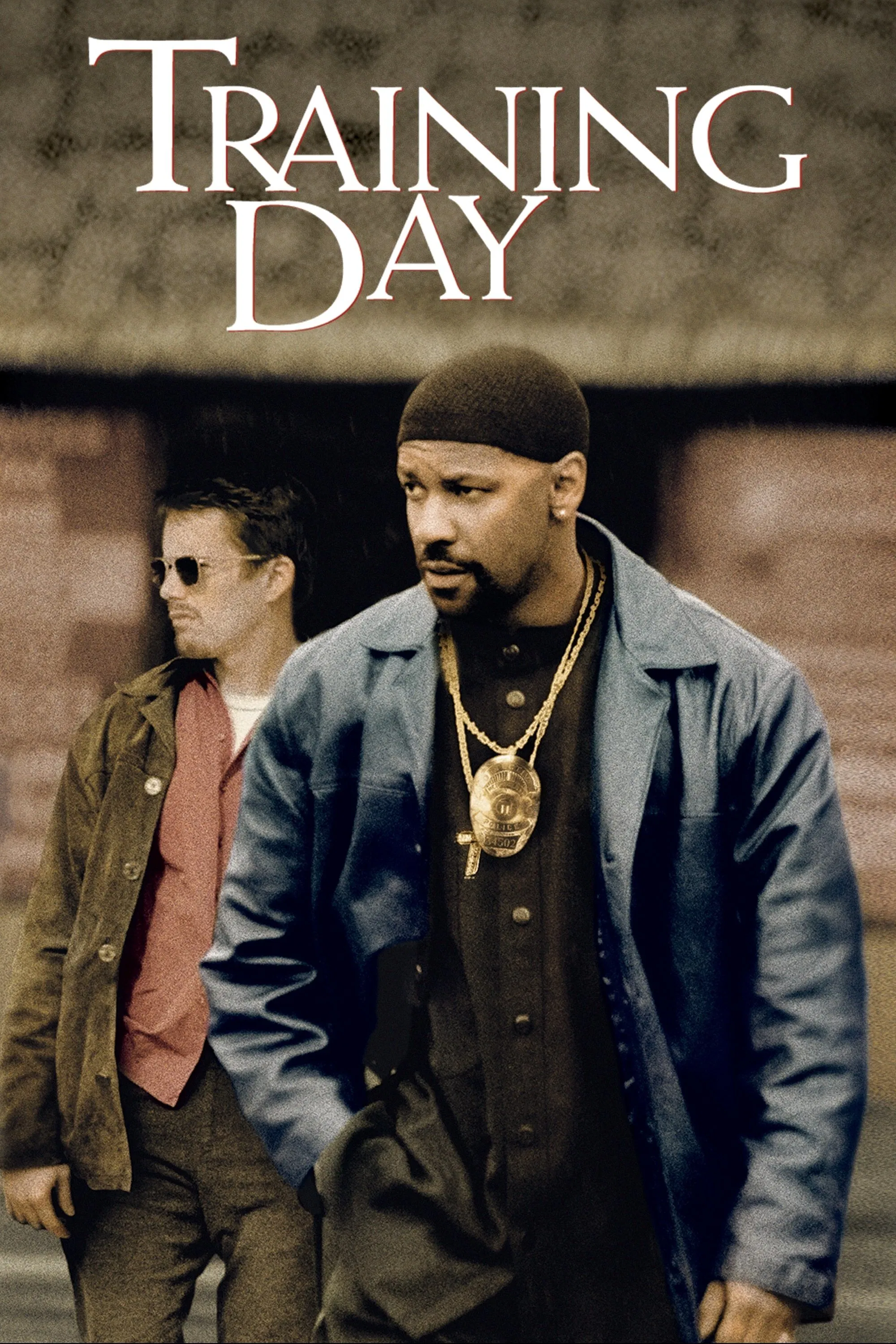
A cop thriller following rookie narcotics officer Jake Hoyt during his first day training with veteran detective Alonzo Harris, gradually discovering his mentor is corrupt cop who operates as criminal he's supposed to be fighting. Antoine Fuqua creates moral descent that compresses into single day, Jake's initiation into Alonzo's methods revealing how the drug war has created conditions where cops and dealers operate using identical tactics, where the badge provides permission structure for behavior that would be criminal without it. Denzel Washington plays Alonzo with charismatic menace that earned him an Oscar, his performance making the corruption seductive rather than simply villainous, showing how Alonzo justifies his actions through street philosophy that sounds reasonable until you recognize it as rationalization for theft and murder. Ethan Hawke's Jake is audience surrogate, someone whose idealism about policing gets systematically dismantled as he's forced to participate in Alonzo's schemes, his attempts to maintain integrity becoming increasingly compromised as the day progresses and he realizes refusing means Alonzo will kill him.
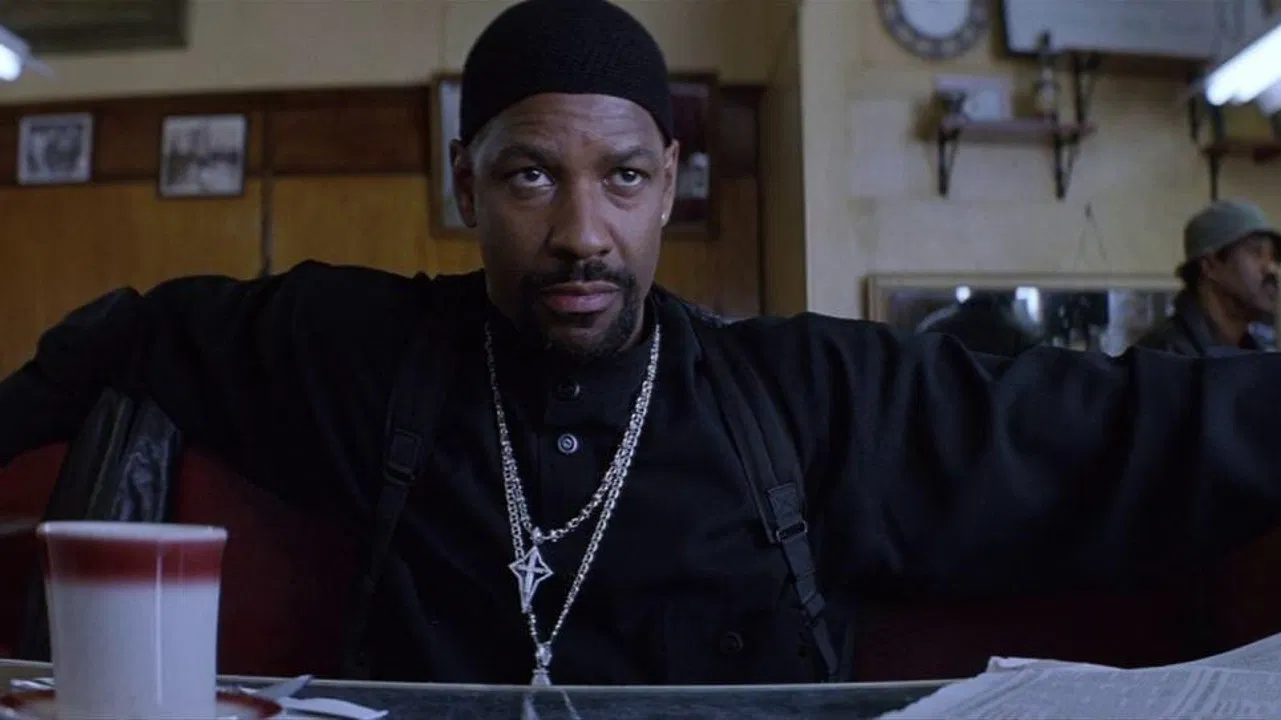
What makes Training Day compelling is its examination of how corruption operates not through dramatic heel turn but through incremental compromises, how Alonzo presents each ethical violation as necessary evil until Jake's complicit in crimes he came to prevent. The film uses Los Angeles locations with documentary-like attention to actual neighborhoods, showing how the drug war is fought in communities already suffering from poverty and neglect, making visible how police tactics often make life worse for people they claim to protect. Fuqua shoots the escalating tension with increasing claustrophobia, Jake's realization that Alonzo is setting him up creating paranoid atmosphere where every interaction might be test or trap. It succeeds because it shows how institutional corruption corrupts individuals, how the drug war's logic requires becoming as ruthless as those you're fighting, and whether maintaining integrity when the system rewards corruption means you're hero or just naive fool who won't survive.
6. 🎬 Y Tu Mamá También (2001) | Dir. Alfonso Cuarón

A road trip film following two teenage boys and an older woman traveling through Mexico, their sexual adventures and friendship dynamics gradually revealing class divisions and political realities that complicate their journey. Alfonso Cuarón creates film that operates as coming-of-age story, class critique, and elegy for Mexico simultaneously, using the road trip structure to show both the characters' personal growth and the country's inequality. Gael García Bernal and Diego Luna play Tenoch and Julio, best friends whose class differences and sexual insecurities drive their competitive pursuit of Luisa, played by Maribel Verdú as woman escaping her own crisis by indulging the boys' fantasies while maintaining ironic distance. What makes Y Tu Mamá También essential is Cuarón's use of voiceover narration that provides political and social context the characters ignore, showing how their privileged road trip passes through communities dealing with poverty and violence, how their personal dramas play out against larger national tragedies. The film's treatment of sexuality is frank without being exploitative, showing how teenage male friendship is charged with homosocial desire and competitive masculinity, how their threesome with Luisa reveals attractions to each other they've been suppressing.
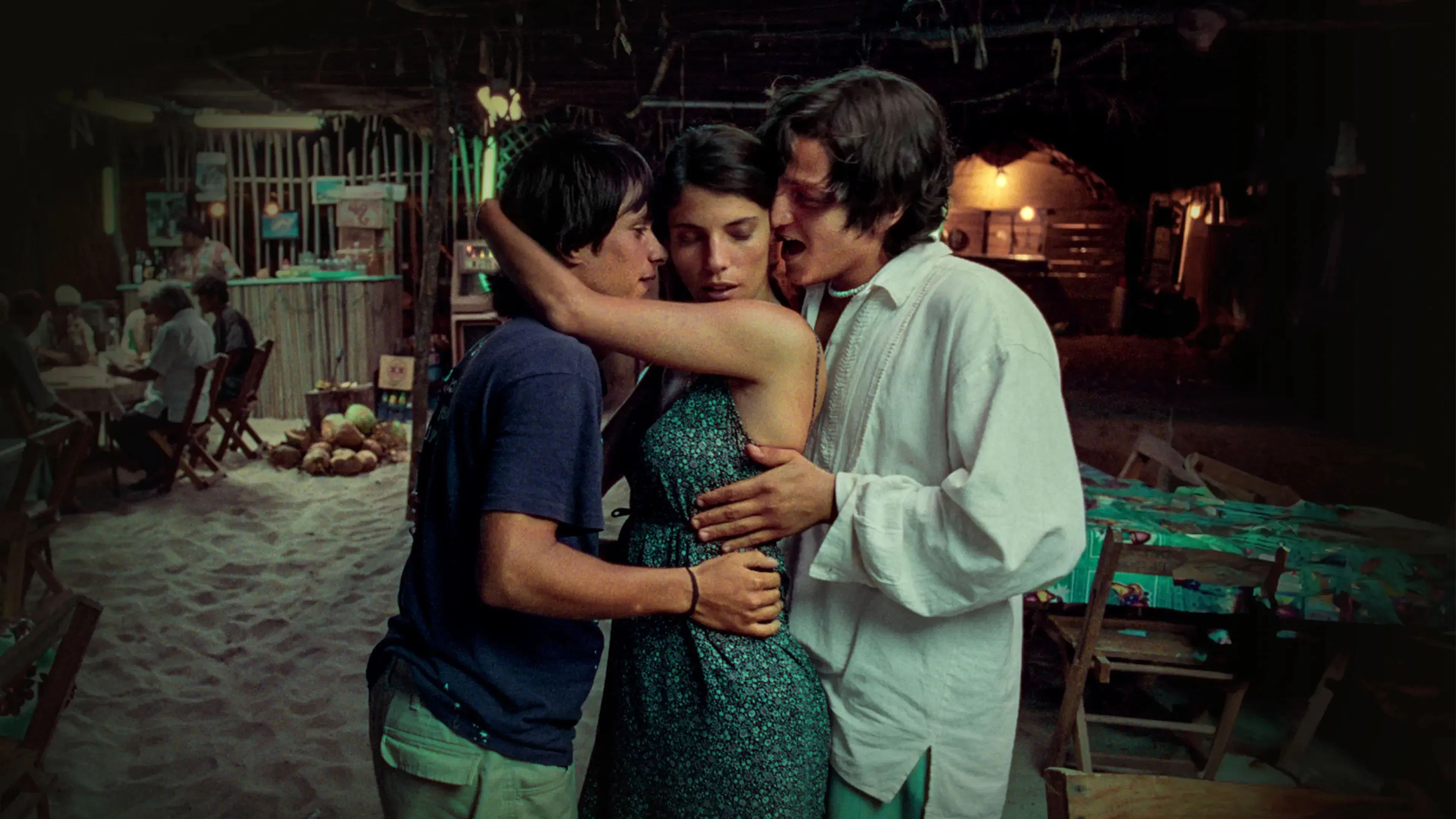
The cinematography by Emmanuel Lubezki creates naturalistic beauty, Mexico's landscapes gorgeous and the poverty visible within them, making clear that this is country of stark contrasts where the wealthy and poor inhabit completely different realities. The film's ending, revealing Luisa's terminal illness and the boys' friendship ending, transforms what seemed like lighthearted sex comedy into something more melancholic, showing how this journey was escape from realities that eventually reassert themselves. It succeeds because Cuarón uses personal story to examine national one, showing how class divisions in Mexico make genuine connection difficult even between friends who genuinely care for each other, that privilege blinds them to realities around them, and that sometimes the most important journeys are the ones that show you how much you don't see.
7. 🎬 A Separation (2011) | Dir. Asghar Farhadi
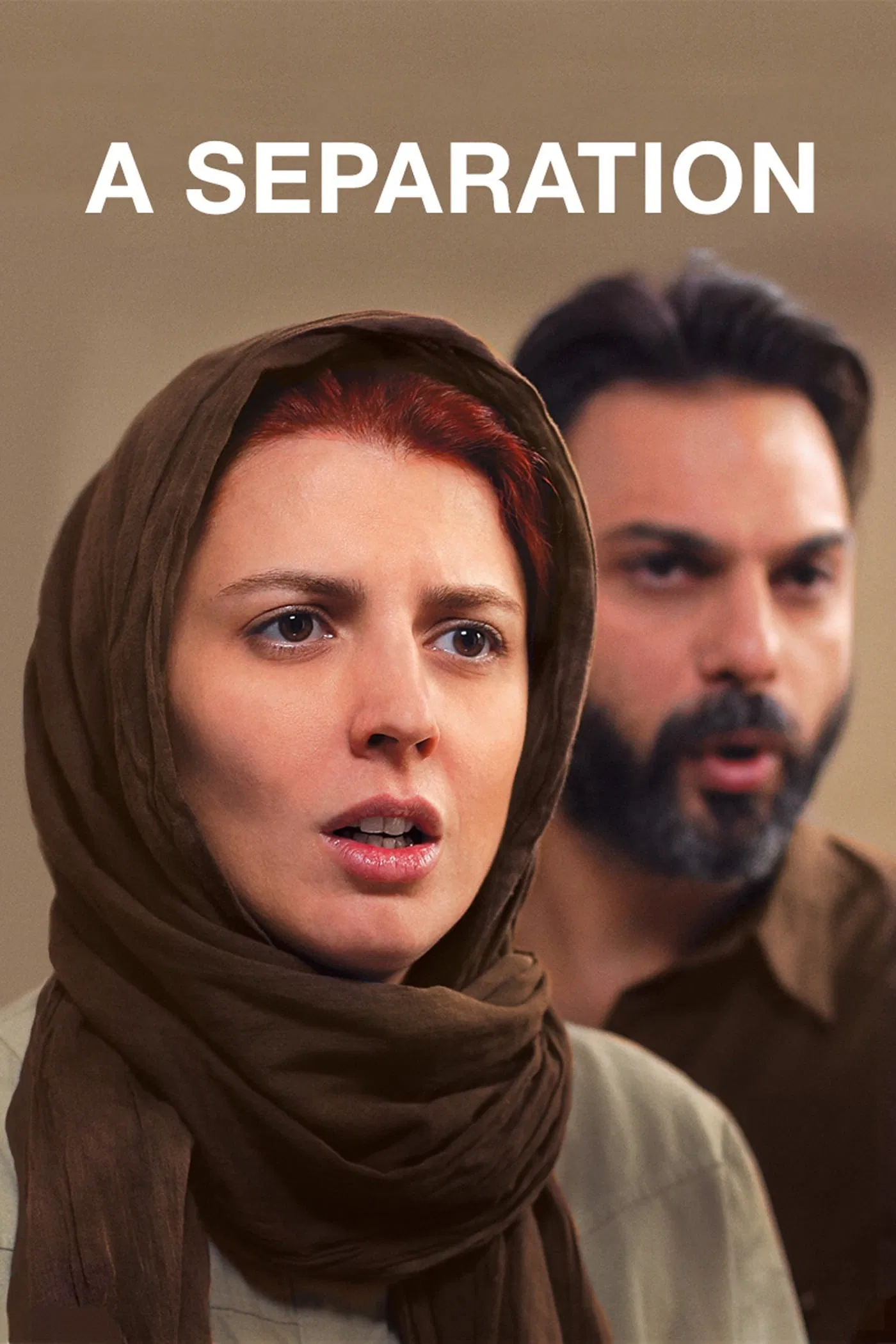
An Iranian domestic drama about a couple whose separation becomes complicated when the hired caregiver for the husband's father accuses him of assault, the case revealing how personal conflicts intersect with religious law and class divisions. Asghar Farhadi creates moral puzzle where every character has legitimate grievances and understandable motivations, showing how good people can destroy each other through accumulated misunderstandings and rigid adherence to principle. Peyman Moaadi and Leila Hatami play the separating couple, their conflict beginning over whether to leave Iran for their daughter's opportunities becoming proxy for larger questions about duty and desire, tradition and modernity. Sareh Bayat's Razieh is the caregiver whose accusation creates crisis, her religious scruples and economic desperation making her both sympathetic and potentially dishonest, the film refusing to clarify whether her version of events is accurate. What makes A Separation devastating is Farhadi's examination of how truth becomes contested when filtered through class, gender, and religious interpretation, how the legal system's attempts to determine what happened can't account for complexity of human motivation and circumstance.
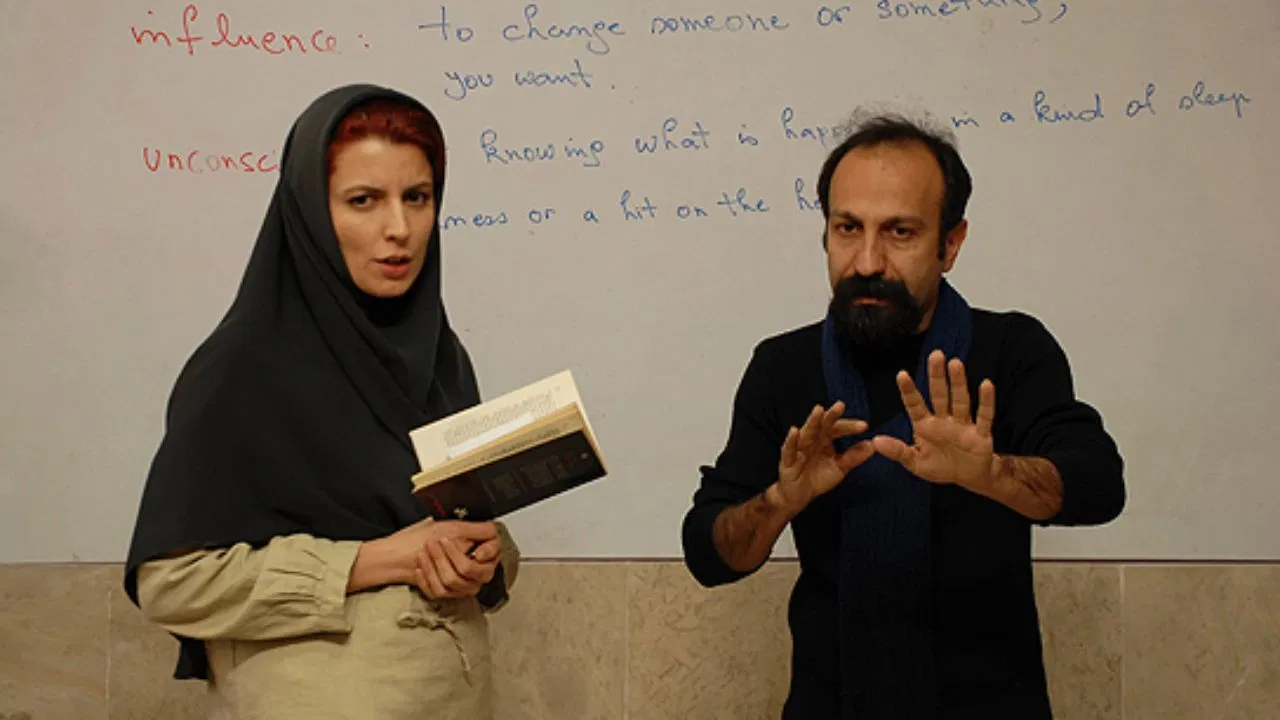
The film operates as procedural where evidence accumulates but certainty remains elusive, each testimony revealing new information while also showing how self-interest shapes what people claim to remember. Farhadi shoots with documentary-like realism, handheld cameras following characters through apartments and corridors and courtrooms, creating intimacy that makes every conversation feel like eavesdropping on real lives. The ending, where the couple's daughter must choose which parent to live with, forces decision that represents choosing between irreconcilable worldviews, her inability to decide reflecting how the film refuses easy resolution. It succeeds because Farhadi shows how personal and political are inseparable, how Iran's legal system shapes domestic disputes, how class divisions make empathy difficult even when everyone's suffering is genuine, proving that the most powerful political films are often the ones that seem most intimate.
8. 🎬 Mulholland Drive (2001) | Dir. David Lynch
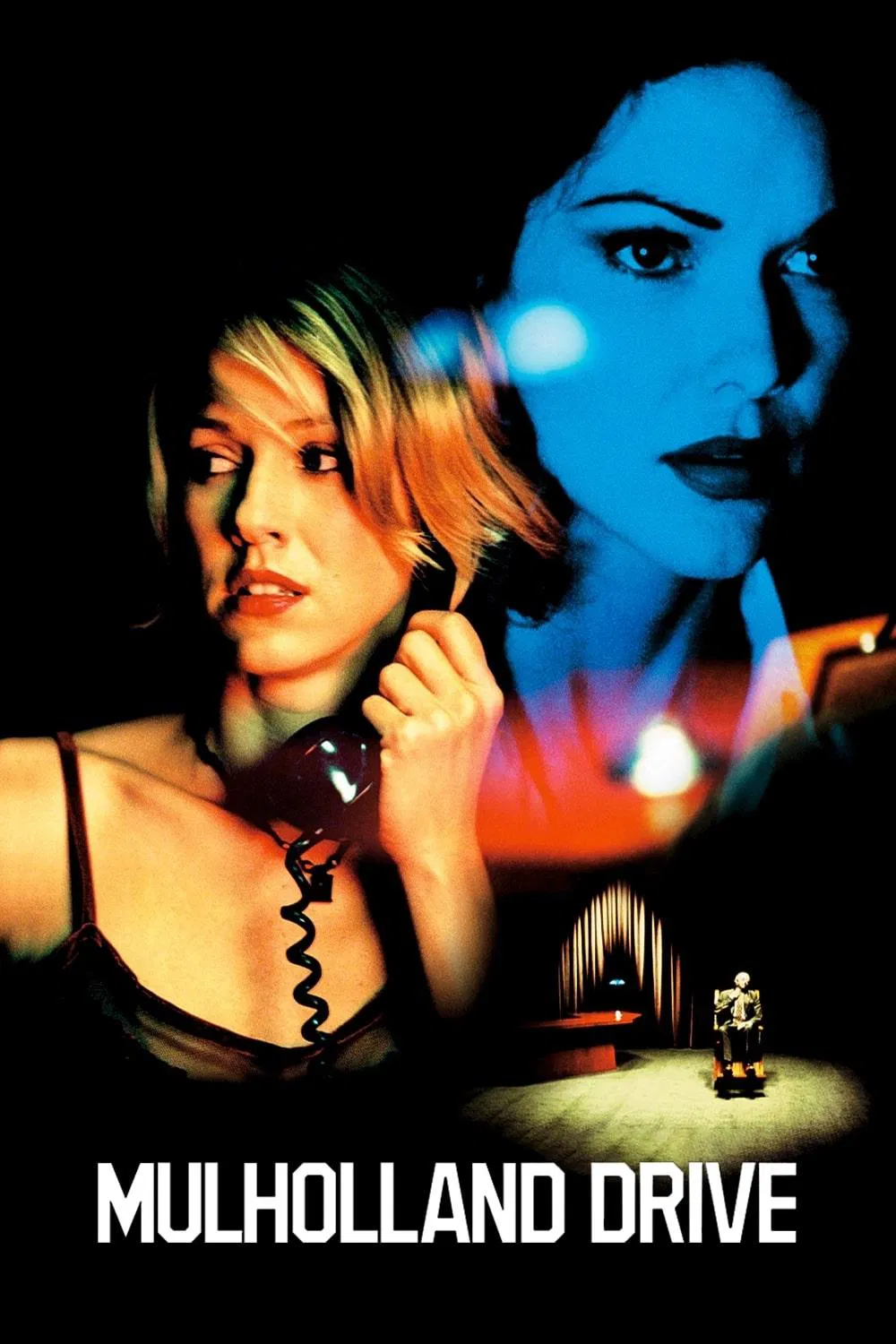
A psychological thriller about Betty, an aspiring actress arriving in Los Angeles who meets Rita, an amnesiac woman recovering from car accident, their investigation of Rita's identity gradually revealing that reality is more complicated and darker than initial sunshine noir suggests. David Lynch creates film that operates as puzzle box where solving the mystery means recognizing the first two-thirds as fantasy constructed by the final third's actual narrative, showing how Hollywood dreams mask desperate realities. Naomi Watts plays both Betty, the innocent ingénue with talent and optimism, and Diane, the failed actress whose jealousy and rejection drove her to hire hitman to kill her former lover, the contrast between versions showing how we imagine ourselves versus who we actually are. Laura Harring's Rita/Camilla is the object of desire who becomes villain in Diane's fantasized revision, her success and beauty making her target for resentment. What makes Mulholland Drive essential is Lynch's examination of Hollywood as dream factory that produces nightmares, showing how the industry's promise of stardom destroys most people who pursue it, how failure in Los Angeles feels like existential rather than merely professional crisis.

The film's structure, where the tone and logic shift dramatically after the Club Silencio sequence, forces viewers to reinterpret everything they've seen, recognizing Betty and Rita's investigation as dying woman's fantasy of how things might have been different. Lynch shoots Los Angeles with his characteristic attention to surfaces and spaces that suggest hidden threats, bright sunshine and noir shadows coexisting, making the city feel like place where dreams and nightmares are equally real. The film's famous blue box serves as portal between fantasy and reality, its opening revealing truth that Diane has been avoiding through elaborate self-deception. It succeeds because Lynch understands that Hollywood is already surreal, that trying to make it in entertainment industry requires creating fictional version of yourself, and that when that performance fails, the crash back to reality can be psychologically catastrophic, leaving you unable to distinguish between the person you performed and whoever you might have been underneath.
9. 🎬 In the Mood for Love (2000) | Dir. Wong Kar-wai

A Hong Kong romance about two neighbors who discover their spouses are having an affair with each other, their shared betrayal drawing them together in relationship that remains unconsummated despite obvious mutual attraction. Wong Kar-wai creates masterpiece of restraint and visual poetry, using confined spaces, repetition, and gorgeous cinematography to examine desire, fidelity, and the roads not taken. Tony Leung's Chow and Maggie Cheung's Su discover their spouses' affair by comparing clues and rehearsing confrontations they never actually have, their investigation becoming excuse for spending time together while maintaining plausible deniability about their own developing feelings. What makes In the Mood for Love extraordinary is its visual language, Christopher Doyle and Mark Lee Ping-bin's cinematography creating images of such saturated beauty that every frame could stand alone as photograph, the reds and ambers of the cramped apartments and rain-slicked streets suggesting passion that characters refuse to express. Wong shoots through doorways and windows, using frames within frames to show characters as isolated even when together, their inability to consummate their connection visualized through barriers that separate them.
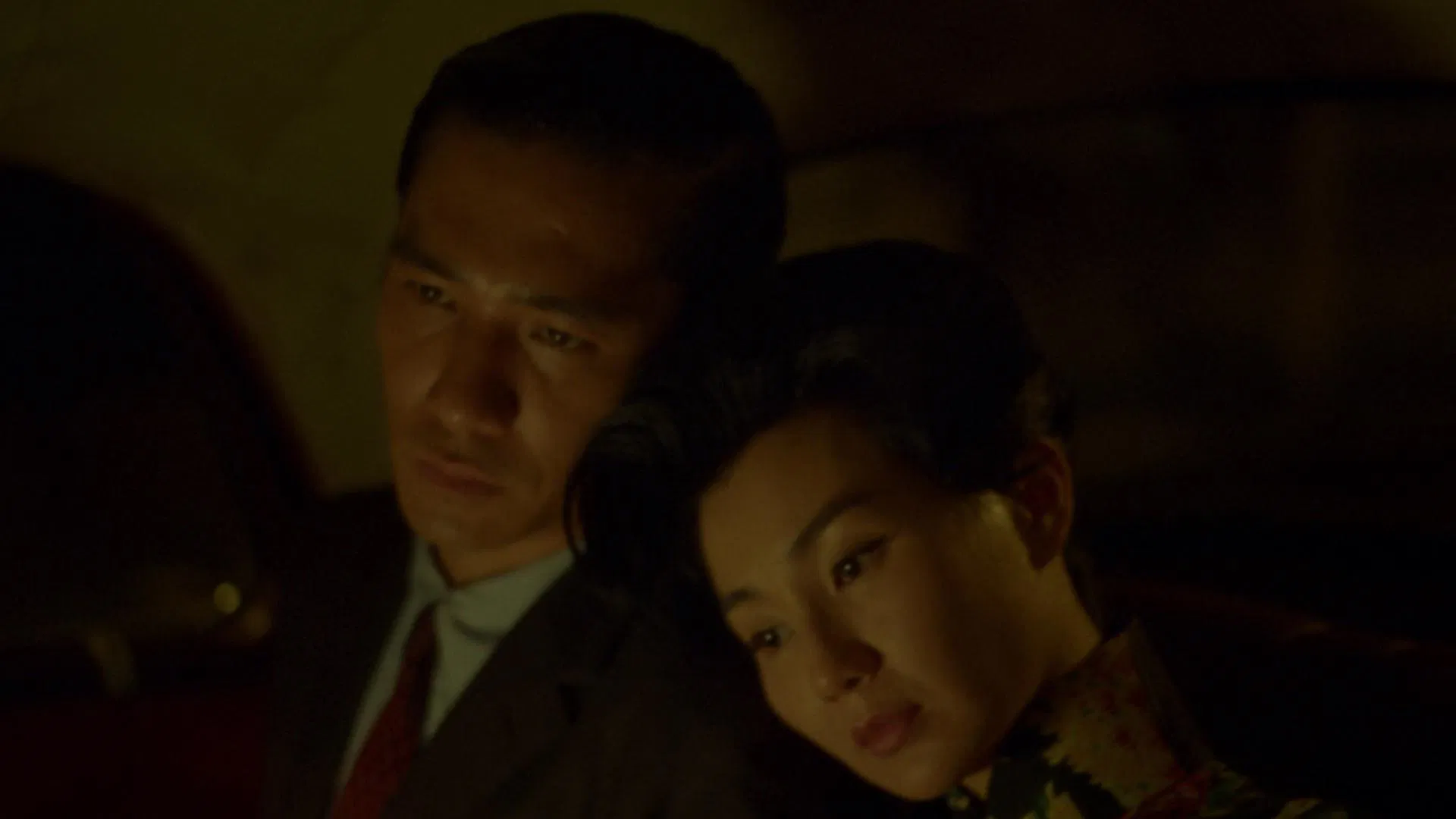
The film's use of repetition, showing variations of the same scenes with slight differences, creates rhythm that mirrors how Chow and Su replay their encounters, imagining how they might have been different. The qipao dresses Su wears, different in nearly every scene, become expression of interiority she can't voice, the beautiful confining garments suggesting how propriety and self-respect prevent her from acting on desires that might free her from loveless marriage. The ending, where Chow whispers his secrets into a hole in Angkor Wat walls, suggests that some feelings can never be expressed directly, that what remains unsaid might be more powerful than confession. It succeeds because Wong uses restraint as formal principle, showing that the affairs we don't have matter as much as those we do, that choosing duty over desire is both admirable and tragic, and that sometimes the most romantic gesture is respecting boundaries even when crossing them would satisfy immediate longing.
10. 🎬 City of God (2002) | Dir. Fernando Meirelles & Kátia Lund
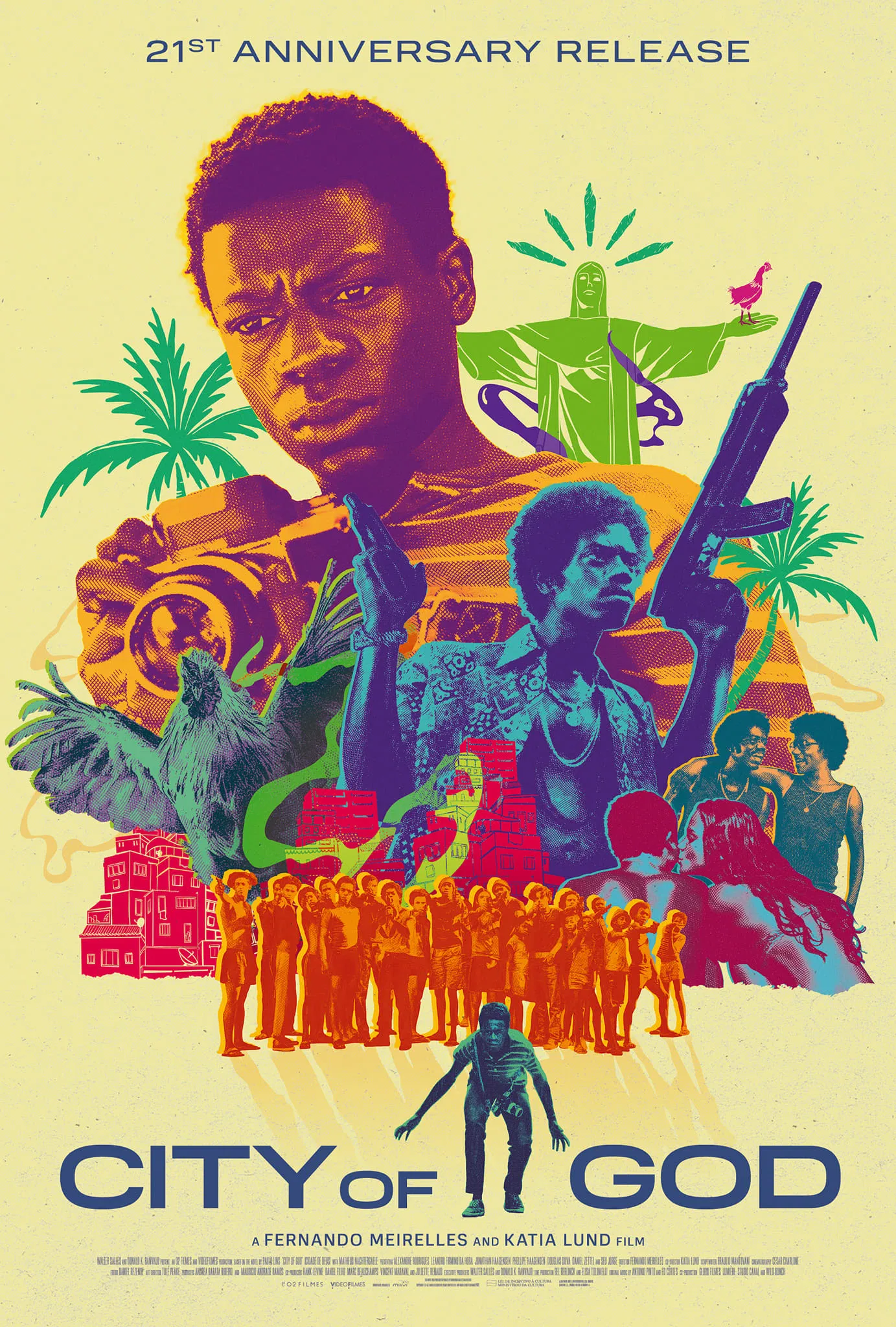
A Brazilian film that uses favela gang warfare to examine how poverty and systemic neglect create cycles of violence that consume entire generations, spanning three decades in Rio's Cidade de Deus. Fernando Meirelles and Kátia Lund shoot with documentary-like immediacy that makes the violence feel urgent and real, using handheld cameras and natural lighting to capture the favela's beauty and brutality. Alexandre Rodrigues's Rocket is our guide, someone who witnesses the violence without fully participating, whose desire for photography offers possible escape from the only world he's known. Leandro Firmino's Li'l Zé is terrifying precisely because he's not a monster but a product of environment that offered no legitimate paths to power or respect, his transformation from rejected child to sociopathic gang leader showing how violence becomes logical response to poverty and exclusion.
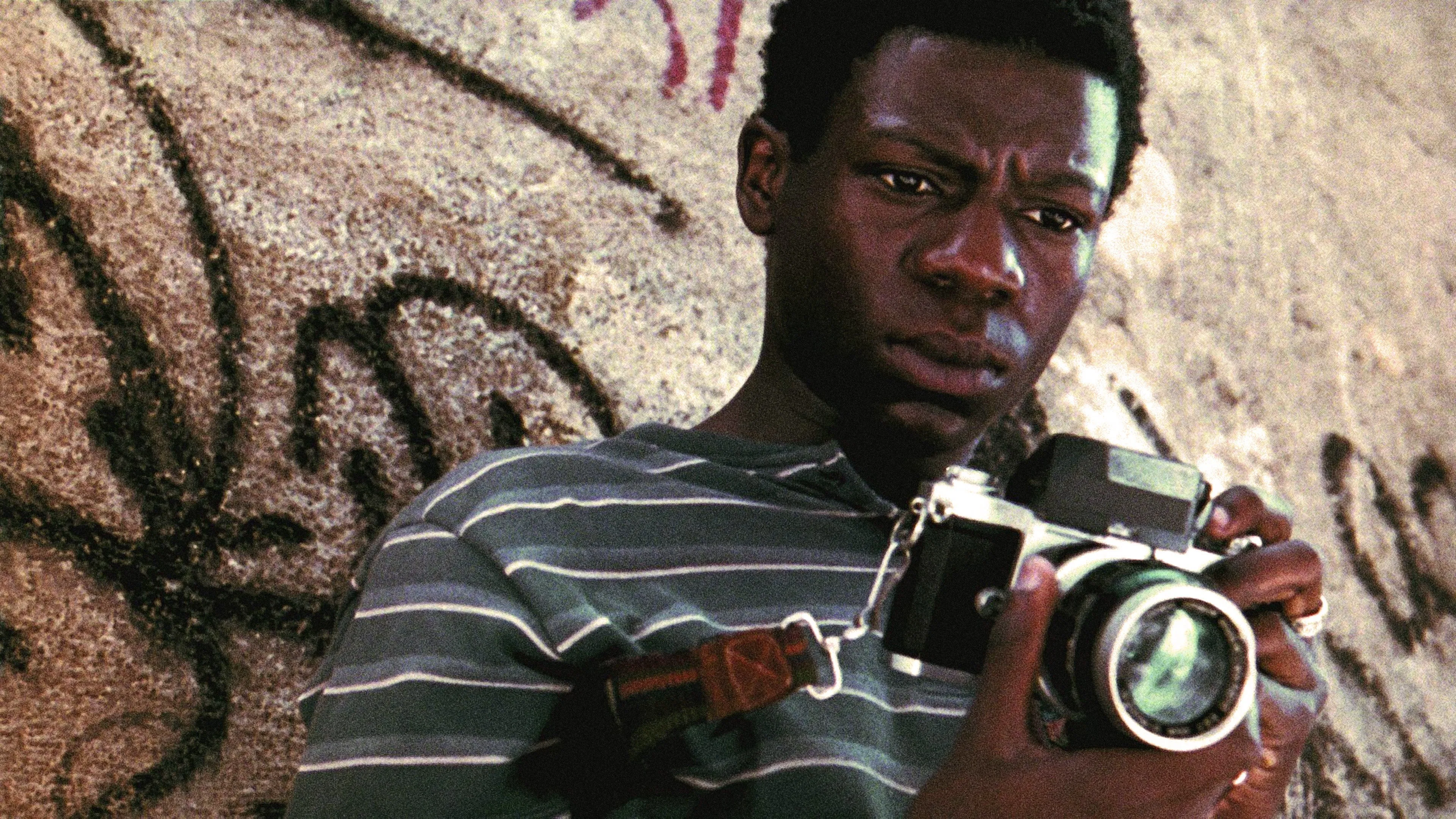
What makes City of God essential is its refusal to exoticize favela life or offer simple solutions, showing instead how drug trade and gang violence are symptoms of larger failures in Brazilian society, how kids pick up guns because that's the only power available to them. The film's structure, looping back to show how current conflicts have roots in past grievances and childhood slights, creates sense that violence perpetuates itself, that each generation inherits hatreds they didn't create and passes them on intensified. César Charlone's cinematography captures the favela as vibrant community destroyed by gang warfare, showing both the life that exists there and the death that increasingly dominates it. It succeeds because it makes the favela's violence comprehensible without excusing it, showing how rational people make terrible choices when survival requires it, forcing viewers to recognize their complicity in systems that abandon entire communities to violence and then blame them for predictable results.
11. 🎬 The Pianist (2002) | Dir. Roman Polanski
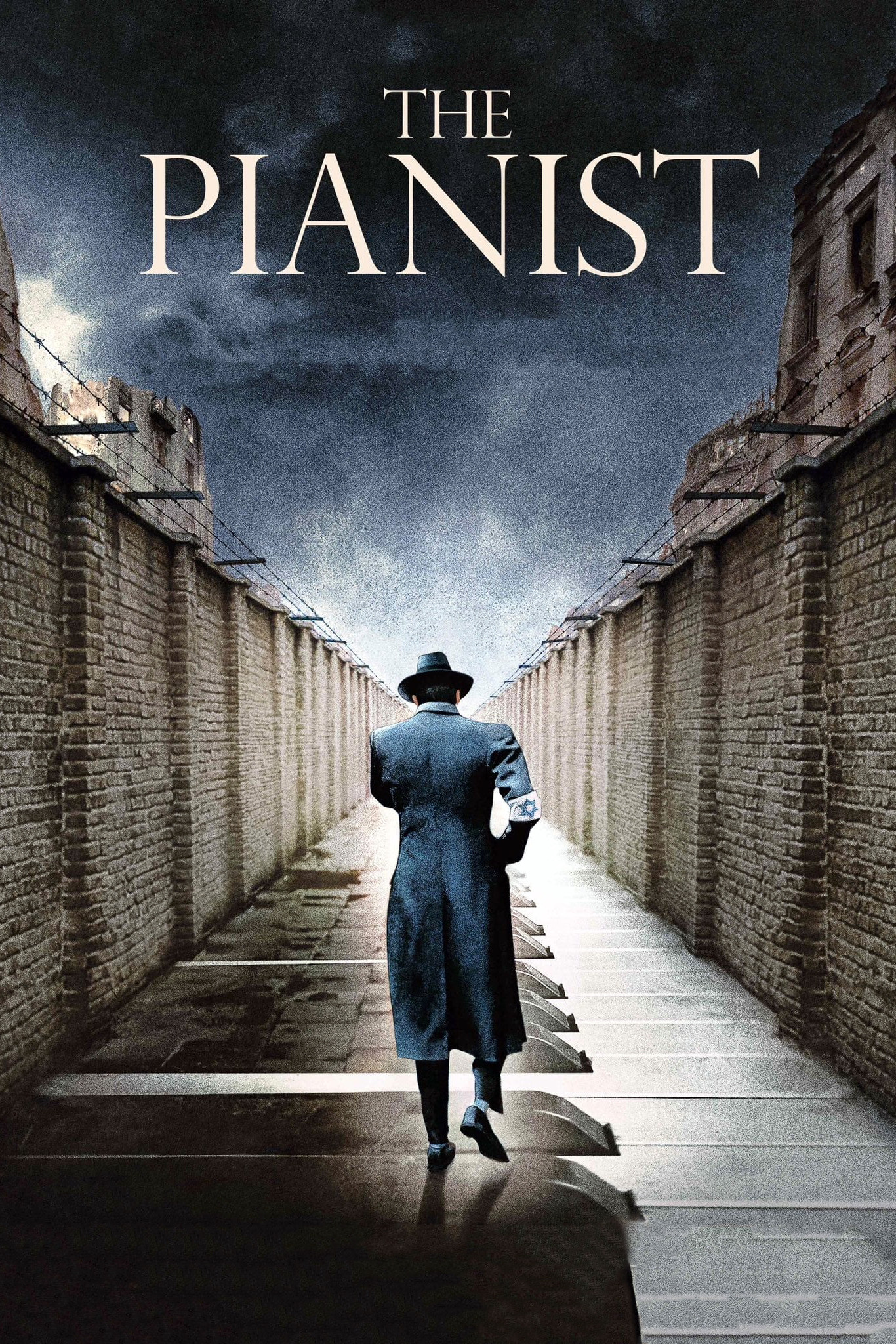
A Holocaust survival story following Władysław Szpilman, a Polish Jewish pianist who survives the Warsaw Ghetto and Nazi occupation through combination of luck, help from others, and sheer will to live. Roman Polanski creates his most personal film, using Szpilman's memoir to examine survival without heroics or melodrama, showing how staying alive during genocide requires compromises and depends on factors beyond individual control. Adrien Brody plays Szpilman with gaunt desperation, his physical transformation across the film making visible the toll of starvation and hiding, his performance almost wordless in the final act as he becomes ghost haunting the ruins of Warsaw. What makes The Pianist essential is Polanski's refusal to make the Holocaust redemptive or find meaning in suffering, instead showing how Szpilman survives through accidents of timing and assistance from people who risk their lives to hide him, his survival less about his own heroism than about others' decency. The film's depiction of the Warsaw Ghetto shows the escalating horrors with restraint that makes them more powerful, Polanski understanding that showing the routine cruelty and random violence is more effective than graphic spectacle, that the true horror is in the systematization of murder rather than individual atrocities.
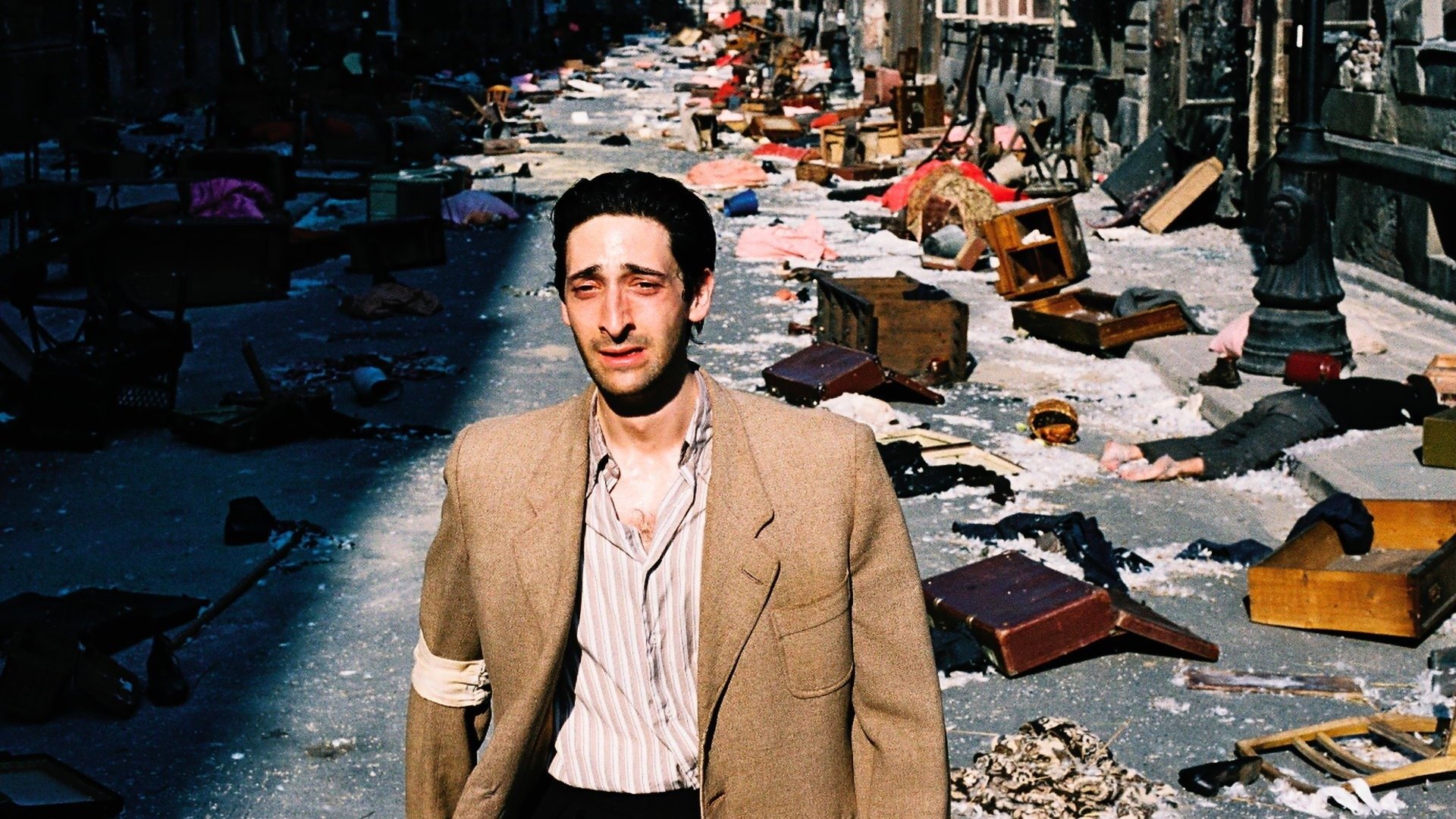
Paweł Edelman's cinematography uses the ruined city as character, Warsaw's destruction creating landscape where Szpilman hides in plain sight because there's nowhere left to hide, the architecture of genocide making survival nearly impossible. The film's climax, where German officer Hosenfeld hears Szpilman play piano and chooses to help him rather than report him, suggests that humanity persists even in circumstances designed to destroy it, that art can create connection that transcends ideology. It succeeds because Polanski treats the Holocaust with appropriate seriousness while also showing Szpilman as individual rather than symbol, his survival both miraculous and accidental, proving that bearing witness doesn't require making genocide meaningful, just showing what happened and that some people survived despite everything.
12. 🎬 Oldboy (2003) | Dir. Park Chan-wook
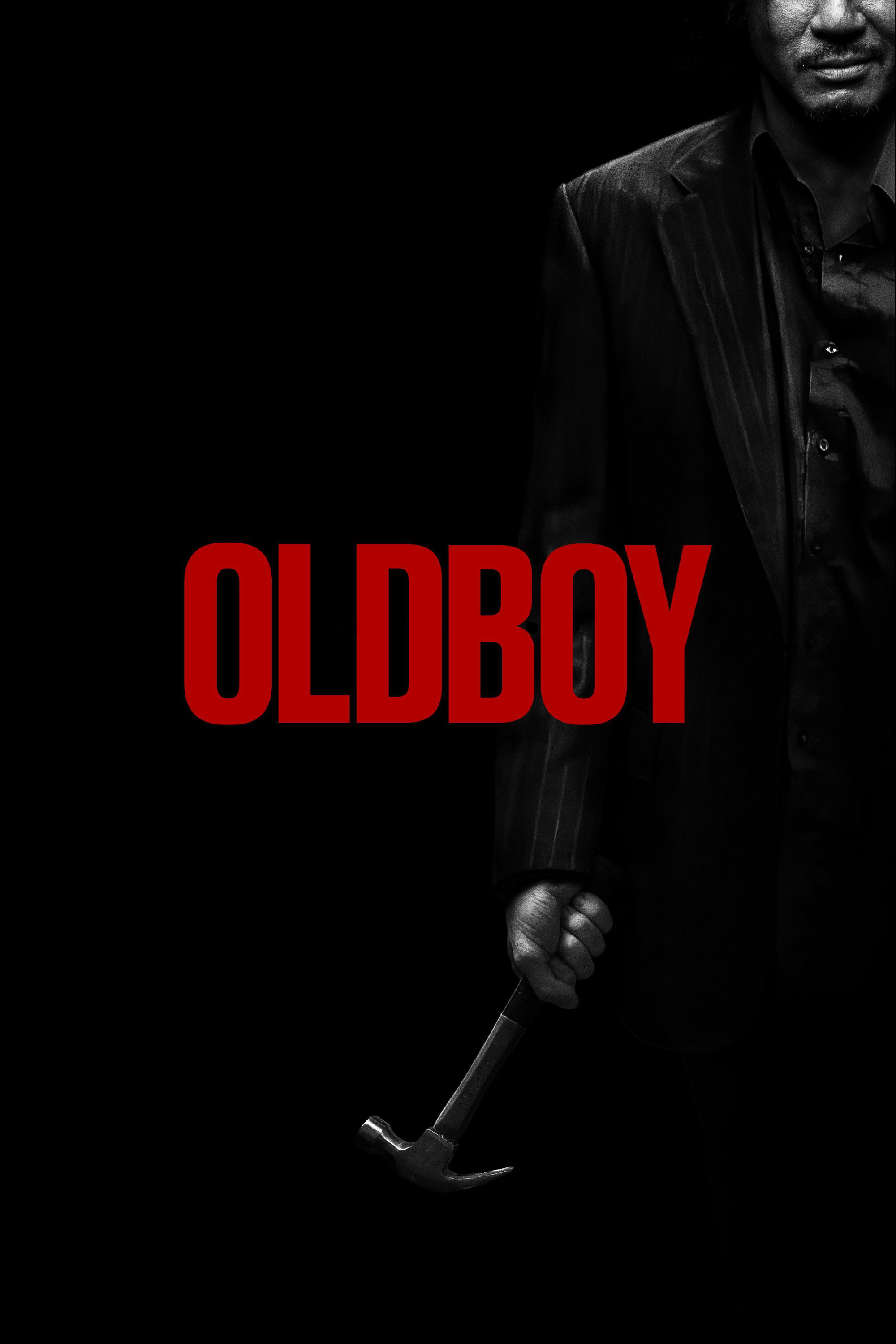
A Korean revenge thriller following Oh Dae-su, who's imprisoned in private cell for fifteen years without explanation, released and given five days to discover who imprisoned him and why before the truth is revealed. Park Chan-wook creates operatic tragedy disguised as action thriller, using extreme violence and plot twists to examine how revenge destroys everyone it touches, how the past cannot be escaped or undone regardless of how much violence you commit. Choi Min-sik plays Dae-su with feral intensity, his transformation from ordinary drunk into hardened fighter shown through training montages in his cell, his release making him weapon pointed at mystery he must solve to regain his humanity. What makes Oldboy essential is its examination of how revenge is trap set by the person seeking it as much as by their enemy, how Dae-su's quest for answers leads him exactly where his captor wants him to go, his agency revealed as illusion created by someone who's been controlling his life for decades.
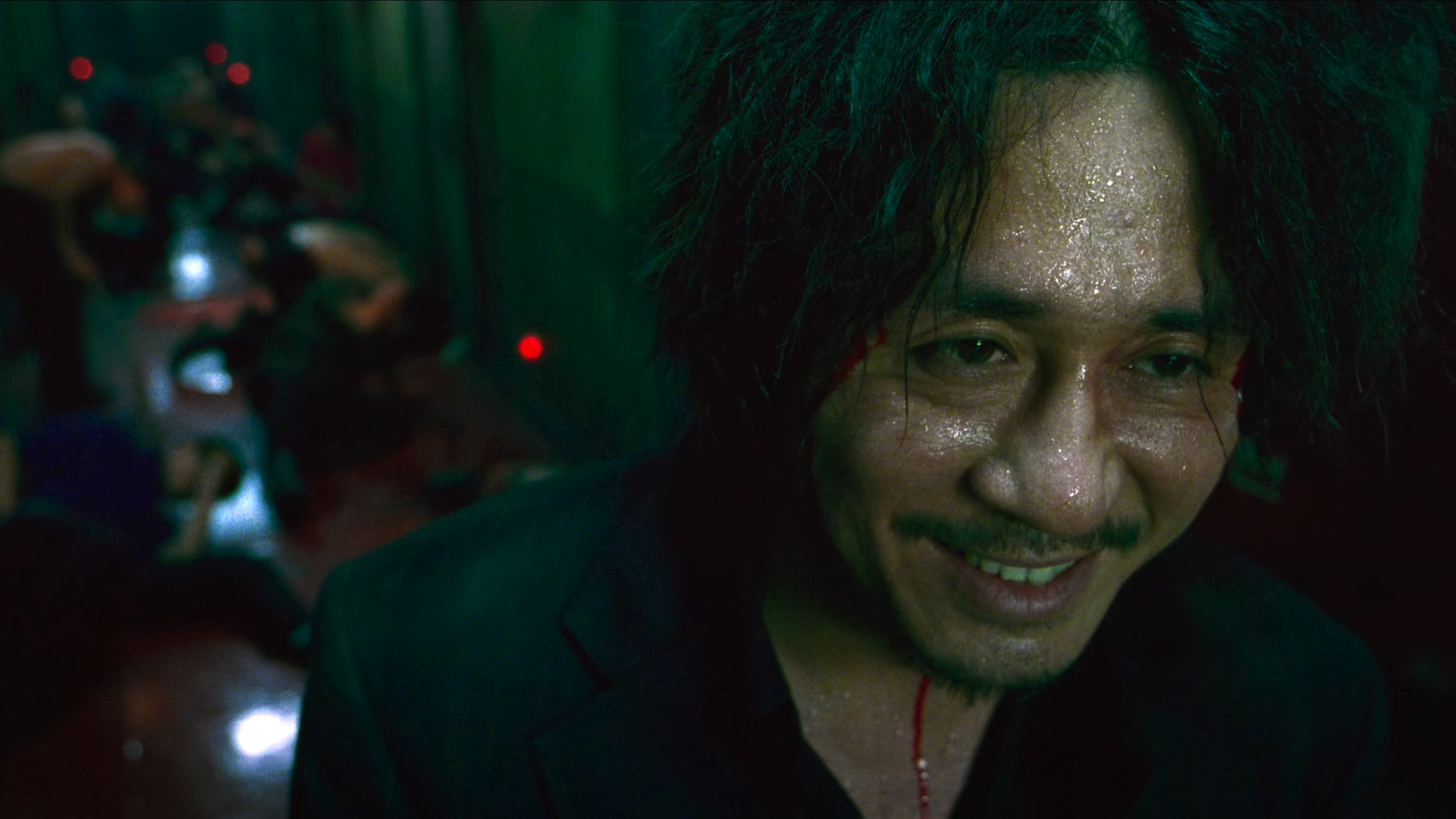
The film's famous corridor fight scene, shot in single take as Dae-su fights through dozens of attackers with only a hammer, creates brutal ballet that makes violence exhausting rather than exhilarating, showing combat as desperate survival rather than heroic triumph. Park shoots with operatic grandeur, the stylized violence and heightened emotions creating aesthetic that acknowledges the story's debt to Greek tragedy, where characters are doomed by past actions they can't undo. The film's devastating reveal about why Dae-su was imprisoned and his relationship with the young woman helping him creates twist that transforms everything that came before, showing how elaborate the revenge plot was and how thoroughly Dae-su's life has been manipulated. It succeeds because Park uses extreme premise to examine how revenge provides no satisfaction, how destroying your enemy means destroying yourself, and whether some truths are so unbearable that ignorance might be preferable to knowledge that makes living impossible.
13. 🎬 Memories of Murder (2003) | Dir. Bong Joon-ho
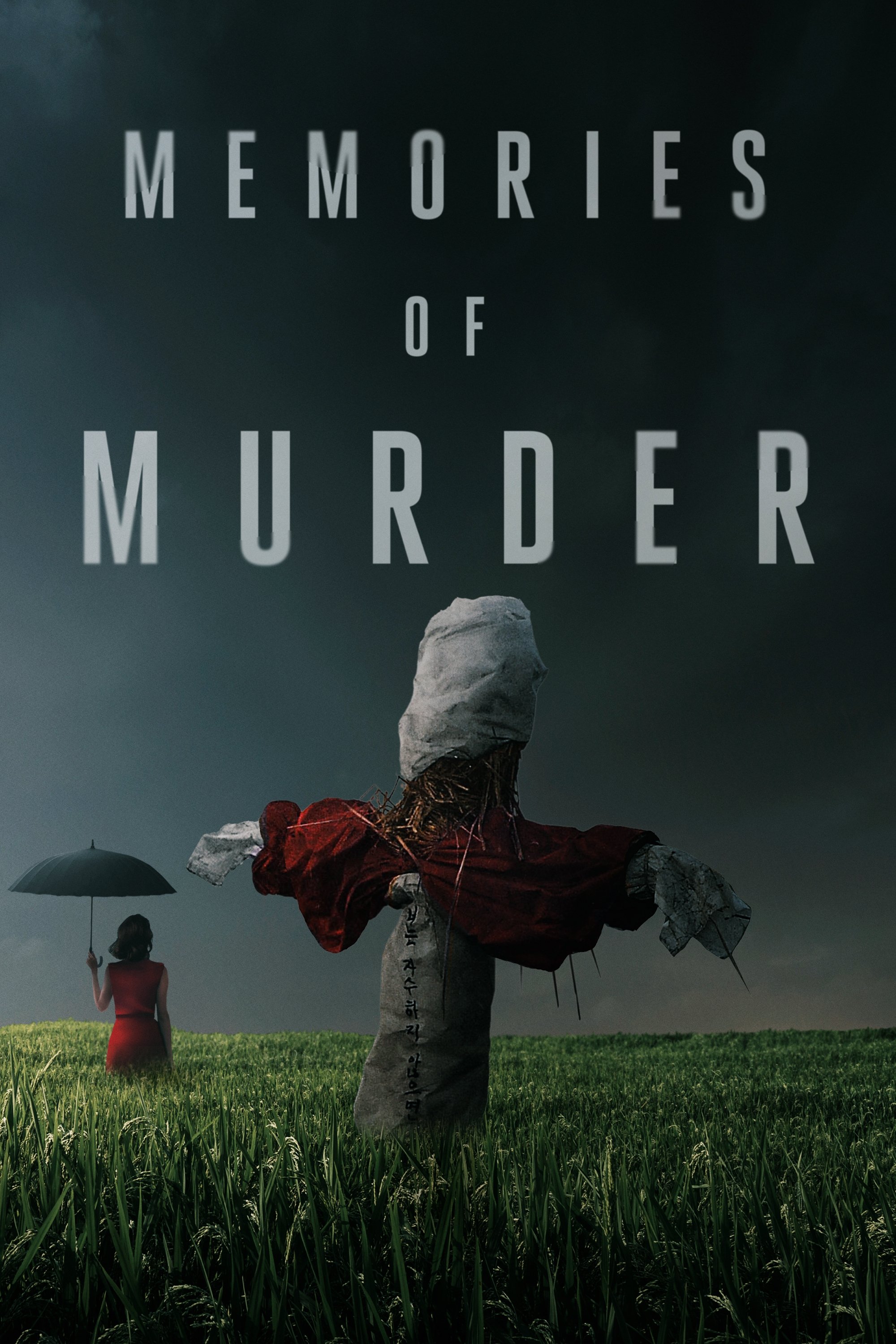
A Korean crime film based on real unsolved serial killings, following detectives in 1980s provincial town as they investigate series of rape-murders while lacking training, resources, or experience for such investigation. Bong Joon-ho creates procedural that's really about institutional failure and how authoritarianism makes solving crimes impossible when police are trained for political suppression rather than investigation. Song Kang-ho plays Detective Park, a local cop whose investigative methods consist primarily of torture and forced confessions, his incompetence protected by system that values obedience over competence. Kim Sang-kyung's Detective Seo is Seoul cop transferred to help, his more sophisticated methods clashing with local approach, their partnership representing modernizing South Korea's tension between old and new approaches. What makes Memories of Murder essential is its examination of how dictatorships create conditions where solving crimes becomes impossible, how Park's torture-based investigation contaminates evidence and creates false confessions that prevent finding actual killer, showing how state violence against citizens makes them unable to protect those same citizens from criminal violence.
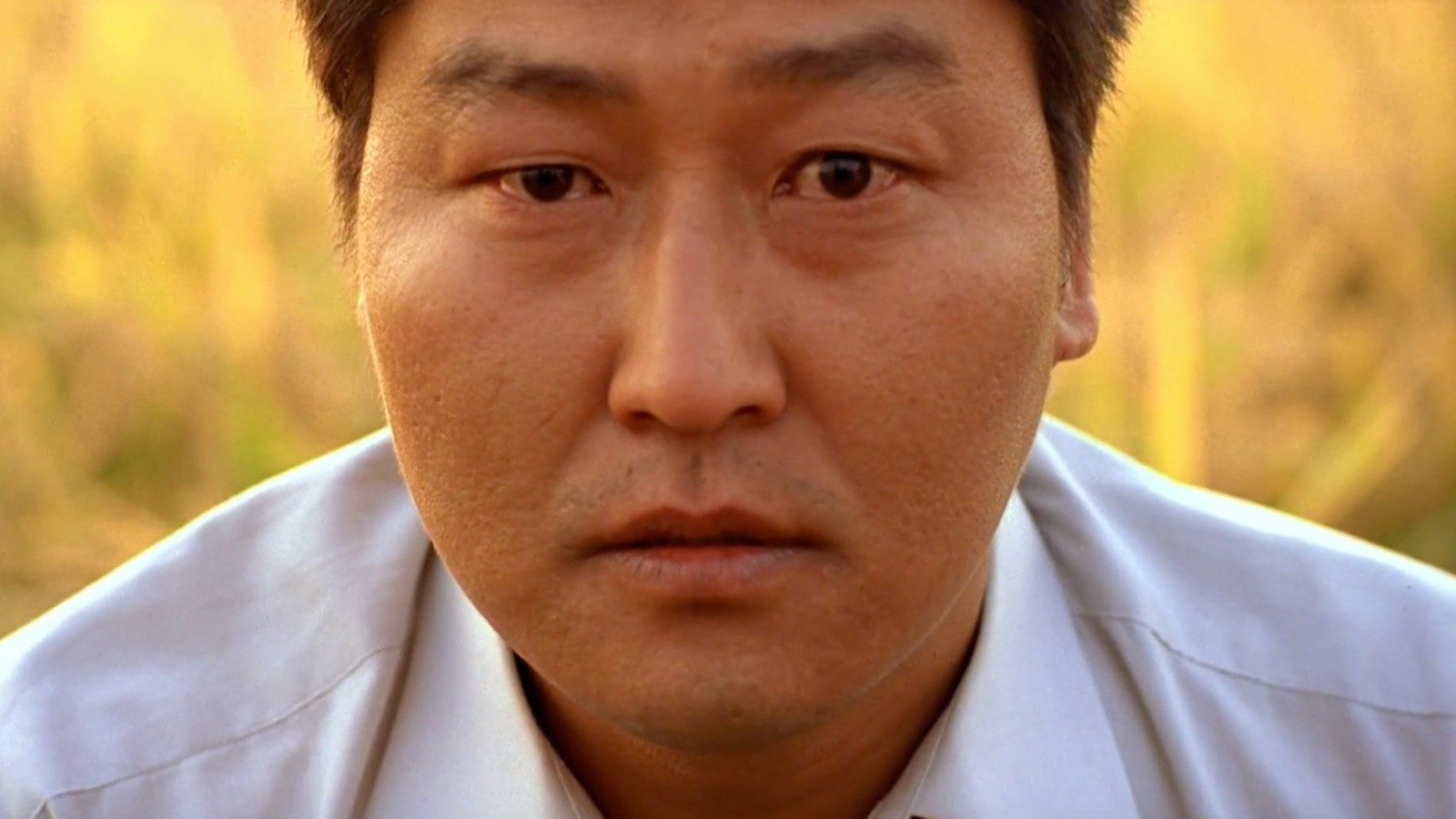
The film's treatment of the investigation shows accumulation of small failures and missed opportunities, witnesses intimidated, evidence mishandled, suspects released due to lack of proper procedure, creating portrait of institutional dysfunction where everyone's trying their best within system designed for different purposes. Bong shoots the rural settings with attention to how modernization is transforming Korea, factories and highways appearing alongside rice fields, suggesting that economic development happens faster than institutional capacity to manage its consequences. The film's ending, where Park returns to the field where first body was found and learns a little girl saw someone there recently, looking directly into camera as though addressing the actual killer, creates chilling recognition that he's still out there, that this case remains unsolved in reality as well as film. It succeeds because Bong uses true crime to examine political transition, showing how South Korea's democratization required rebuilding institutions from scratch because authoritarian systems created competent at oppression but incompetent at everything else, that justice requires institutional capacity as much as individual dedication.
14. 🎬 Spirited Away (2001) | Dir. Hayao Miyazaki

An animated film about Chihiro, a young girl whose parents are transformed into pigs after eating food from an abandoned theme park that's actually entrance to spirit world, forcing her to work in bathhouse for spirits to survive and free them. Hayao Miyazaki creates his most commercially successful and thematically complex work, using fantasy framework to examine Japanese identity, environmental destruction, and how children must navigate adult world's corruptions. Chihiro begins as sullen child upset about moving to new town, her journey through spirit world becoming coming-of-age story where she develops courage and compassion through work and relationships with creatures who initially terrify her. What makes Spirited Away essential is Miyazaki's creation of complete spirit world with its own logic and economy, the bathhouse operating as service industry where spirits come to cleanse themselves, the work hierarchies and customer service creating fantastical version of capitalism's dehumanizing labor. The film's examination of greed shows how Chihiro's parents' gluttony literally transforms them into pigs, how No-Face's consumption of everything around him makes him monstrous, suggesting that unchecked consumption destroys both consumer and what's consumed.
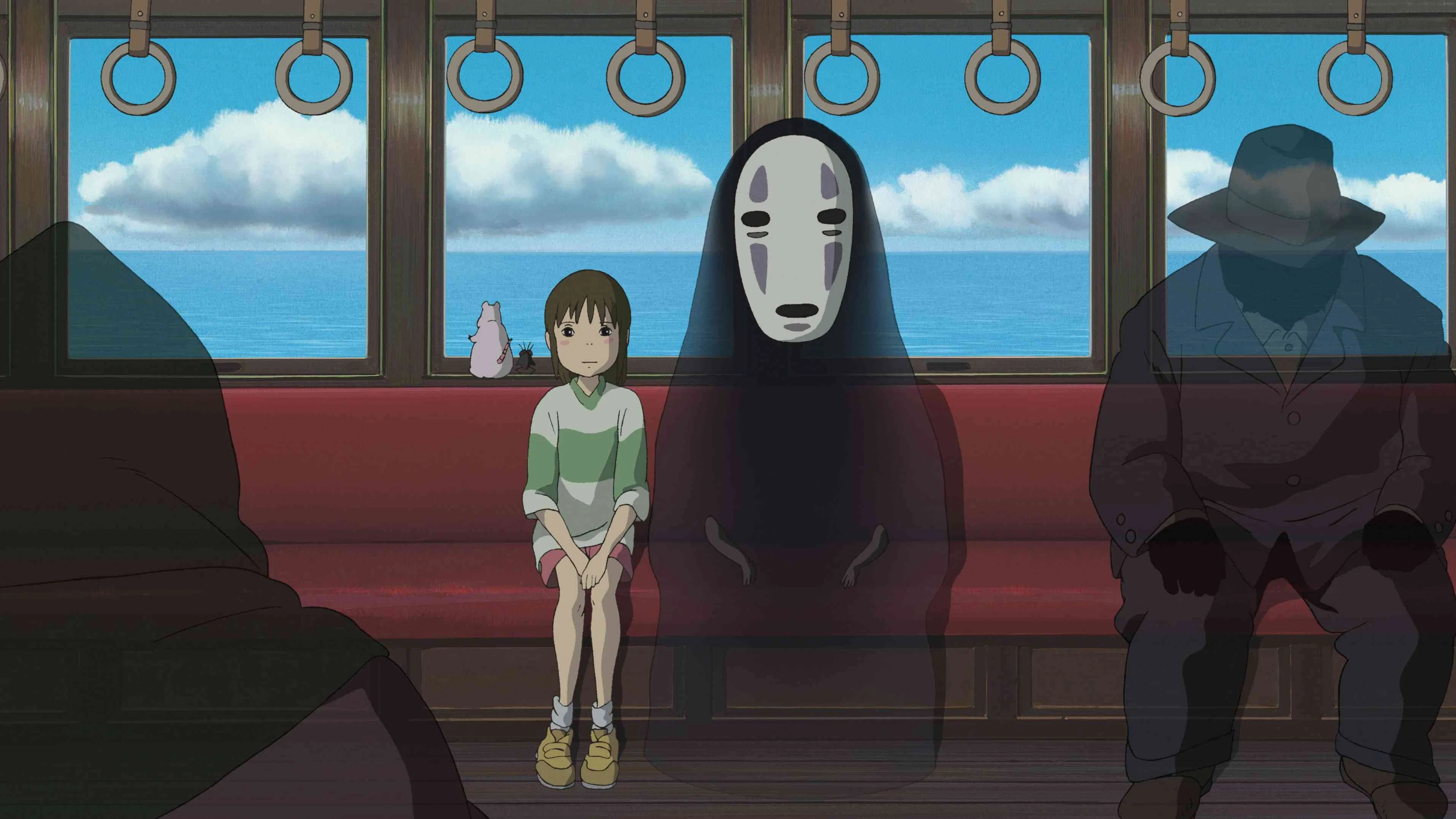
Miyazaki's animation creates images of such beauty and imagination that every frame feels like painting come to life, the spirit world populated by creatures both adorable and terrifying, making the fantastic feel tangible and lived-in. The film's environmental themes show the river spirit covered in pollution, his cleansing becoming restoration of natural world from industrial contamination, suggesting that healing nature requires recognizing spirits and respecting what modernization has destroyed. The relationship between Chihiro and Haku, a river spirit who's forgotten his true name, creates emotional core where identity is recovered through connection with others and memory of who you were before corruption. It succeeds because Miyazaki uses fantasy to make visible what realistic drama couldn't show, how work shapes identity, how capitalism commodifies everything including ourselves, and how children's ability to adapt and show compassion might be what saves world that adults have broken through greed and forgetfulness.
15. 🎬 Eternal Sunshine of the Spotless Mind (2004)
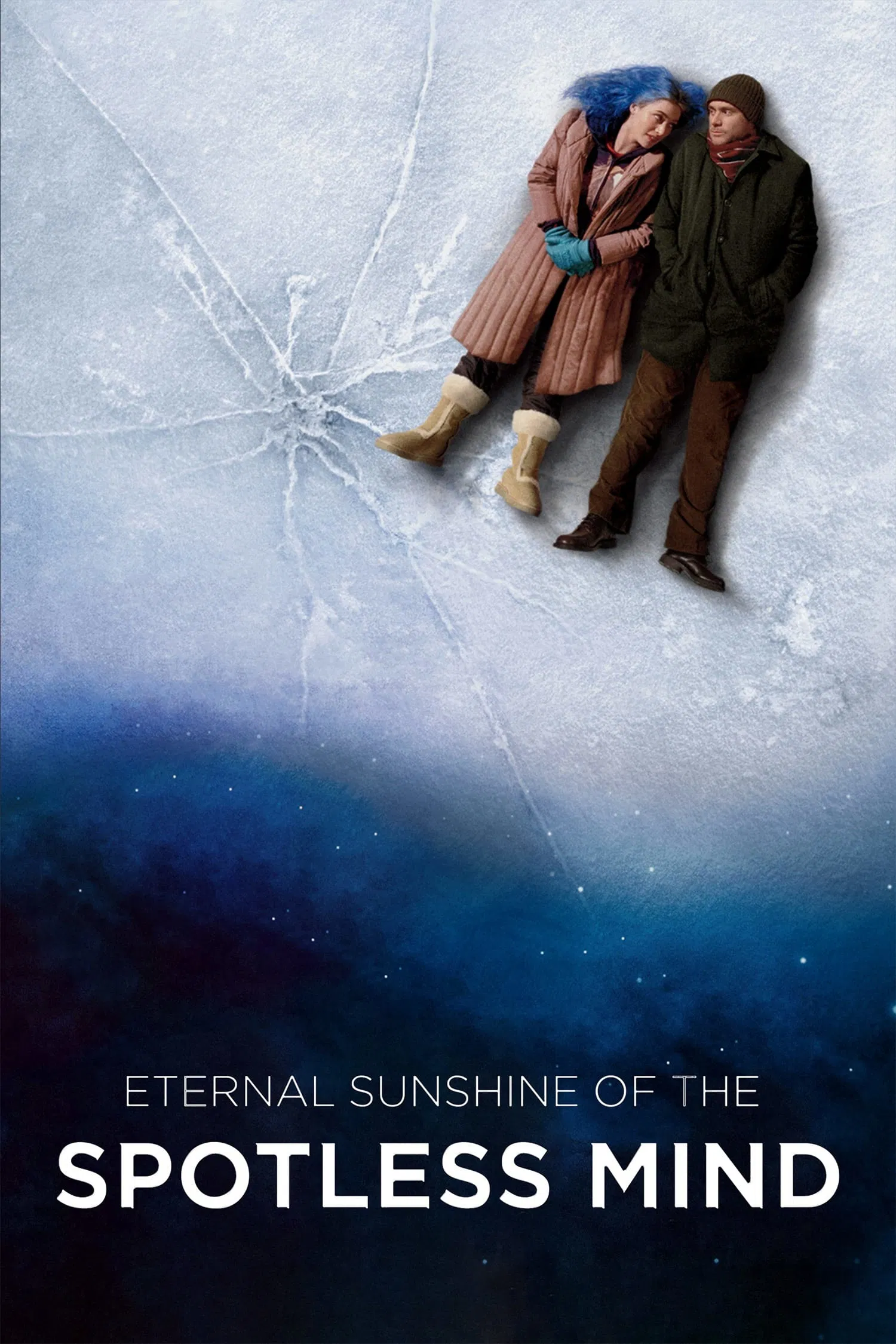
A science fiction romance where Joel discovers his ex-girlfriend Clementine has undergone procedure to erase all memories of their relationship, prompting him to do the same, only to realize mid-erasure that he wants to keep the memories despite the pain they carry. Michel Gondry and Charlie Kaufman create film that examines whether love worth having is love worth remembering even when it ends badly, whether painful memories have value, and what remains of relationship after all evidence of it disappears. Jim Carrey plays Joel with subdued vulnerability rare for him, a withdrawn man whose emotional guardedness contributed to the relationship's failure but whose desperation to preserve memories shows how much Clementine meant despite their incompatibility. Kate Winslet's Clementine is impulsive and colorful, changing her hair color constantly as visible manifestation of her need for reinvention and escape from patterns that trap her. What makes Eternal Sunshine brilliant is its structure, moving backward through Joel's memories as they're erased, starting with the relationship's bitter end and progressing to early excitement and tenderness, showing how even relationships that fail contain moments of genuine connection and happiness. Gondry's visual approach makes the erasure process surreal and dreamlike, memories fragmenting and disappearing around Joel as he tries to hide Clementine in parts of his mind the technicians won't think to look, buildings crumbling and scenes bleeding into each other as consciousness dissolves.

The film's treatment of the Lacuna employees, particularly the revelation that Mary had the procedure herself and forgot her affair with Dr. Mierzwiak, creates parallel story about how erasing pain doesn't prevent repeating patterns, that we might be doomed to make same mistakes regardless of whether we remember making them before. The ending, where Joel and Clementine learn about their erased relationship and choose to try again despite hearing recordings of everything that went wrong, represents either hopeful belief in love's persistence or tragic acknowledgment that we're compelled to repeat destructive patterns even when warned. It succeeds because Kaufman and Gondry examine how we can't selectively remember only good parts of relationships, how pain and joy are package deal, whether happiness achieved through erasure is genuine or just another form of denial, proving that even failed relationships contain value in what we learned from loving someone.
16. 🎬 The Departed (2006) | Dir. Martin Scorsese
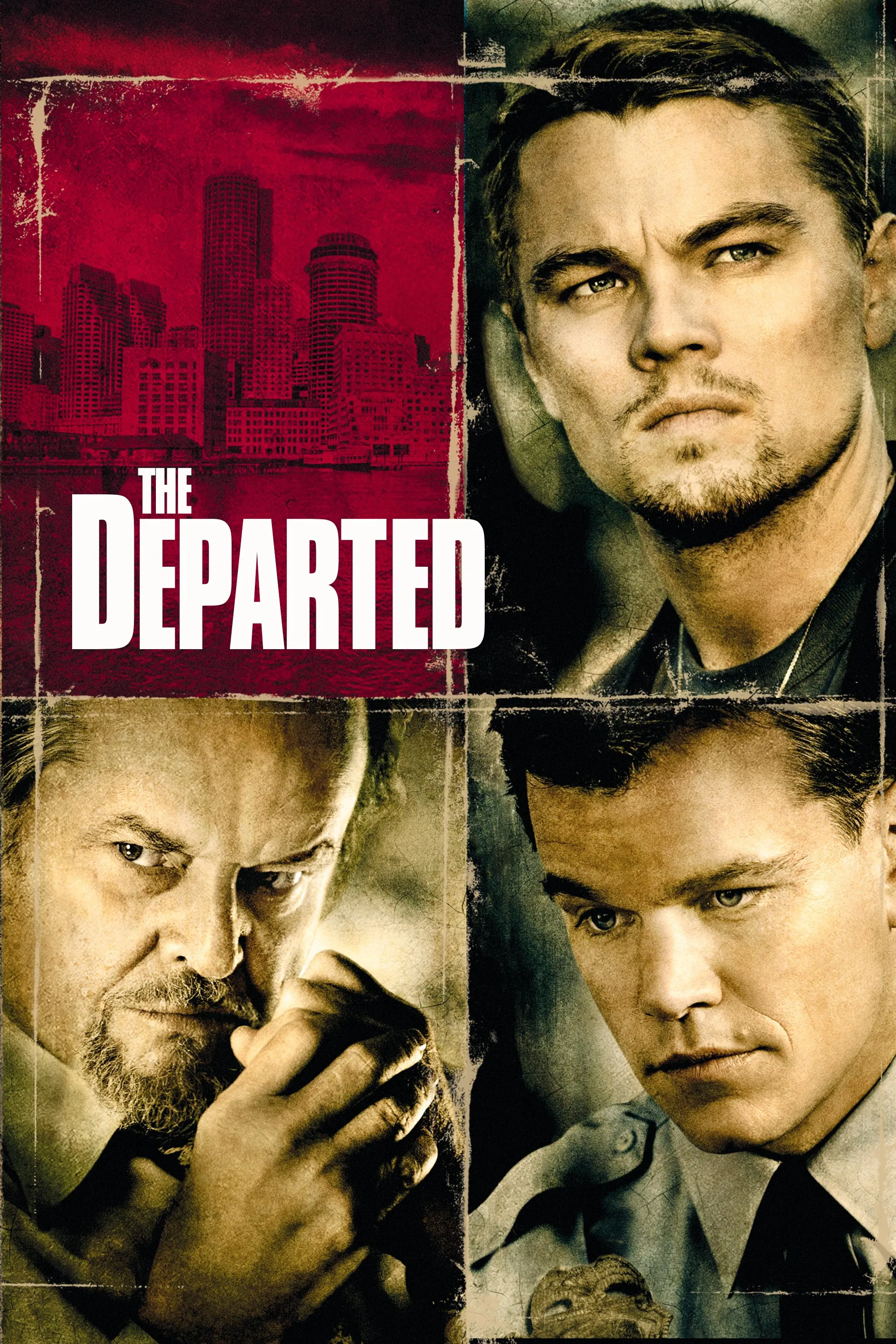
A film that operates as both quintessential Scorsese and his most commercially accessible work, stripping the gangster genre down to its essential tension: identity as performance and the cost of living double lives. Set in Boston, the story follows two moles, Billy Costigan embedded in Frank Costello's Irish mob and Colin Sullivan planted in the Massachusetts State Police, both trying to expose the other before their covers are blown. What begins as cat-and-mouse thriller evolves into something far more unsettling, meditation on how pretending to be someone else eventually erases who you actually were. DiCaprio plays Costigan with frayed-nerve intensity, a cop so deep undercover he's forgotten how to separate performance from reality, while Damon's Sullivan is all smooth surface, a man who's been lying so long he might not have anything underneath. Jack Nicholson's Costello is pure theatrical menace, a gangster who sees everyone as either entertainment or threat, his unpredictability making every scene he's in feel dangerous.
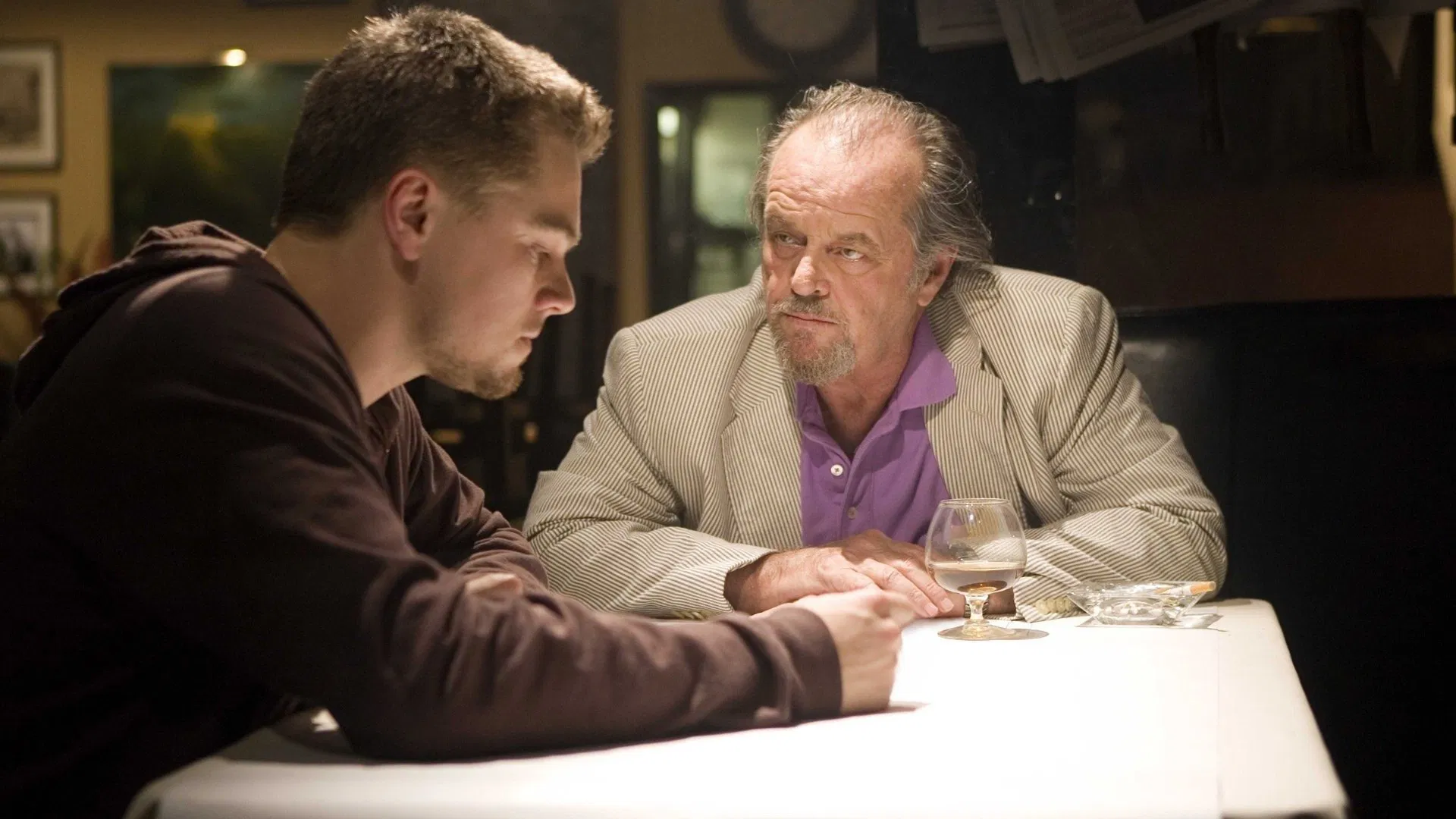
What elevates The Departed beyond its Hong Kong source material is Scorsese's understanding that crime films are really about masculinity and its performances, about men proving themselves through violence and deception until they can't remember what they were trying to prove. The film's shocking ending, where nearly everyone dies in quick succession, refuses the catharsis typical genre narratives provide, suggesting instead that this cycle of violence and deception simply continues with new players. It succeeds because it understands that the real tragedy isn't death but living so long as someone else that you've lost any coherent sense of self, that in the war between cops and criminals, the soldiers on both sides become indistinguishable.
17. 🎬 Zodiac (2007) | Dir. David Fincher
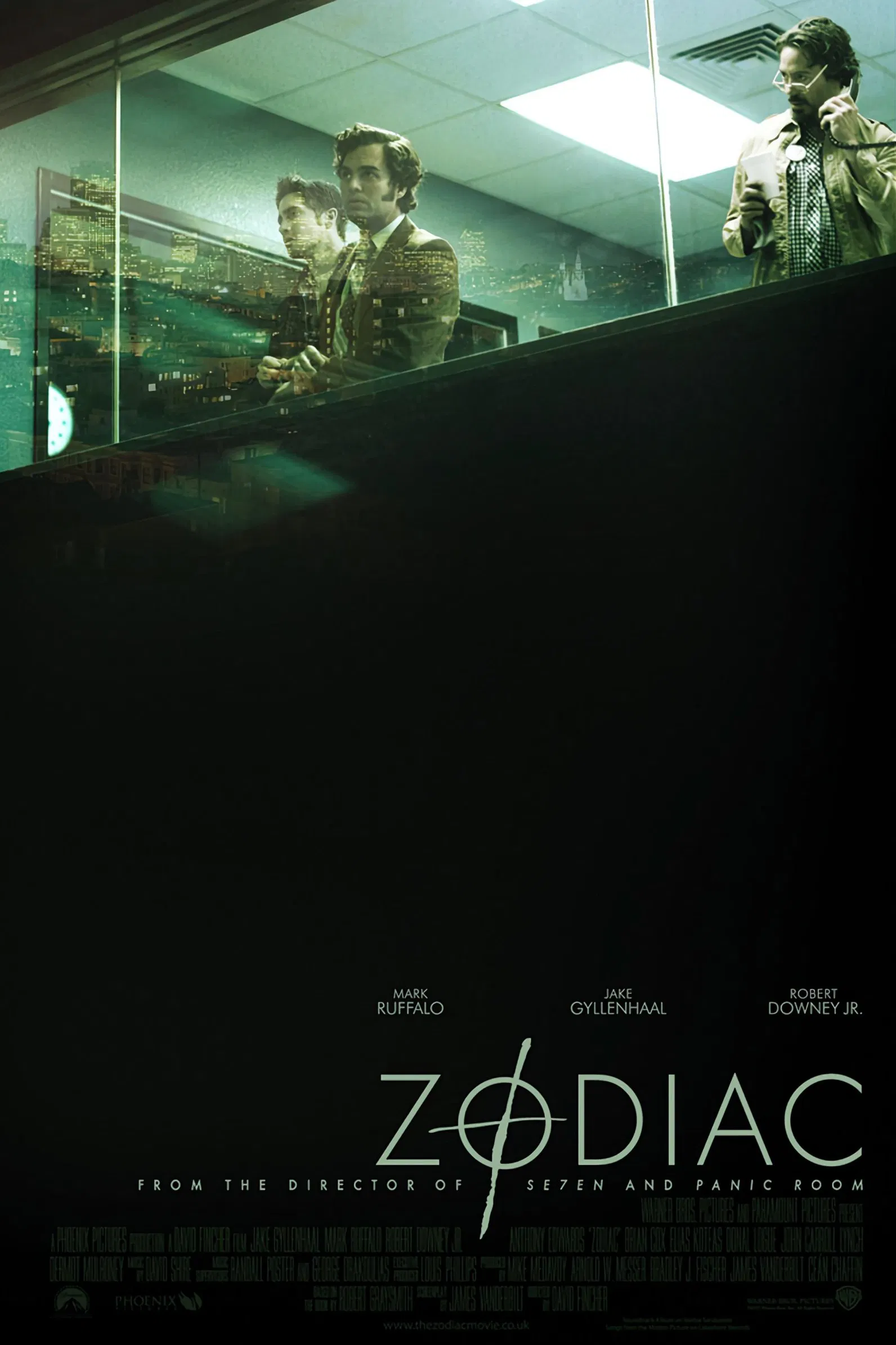
A procedural about the Zodiac killer investigation that's really about obsession and how unsolved cases consume the people pursuing them, following cartoonist Robert Graysmith, journalist Paul Avery, and detective Dave Toschi across decades as they chase a killer who may never be caught. David Fincher creates anti-thriller that refuses conventional satisfactions of the genre, showing investigation as accumulation of dead ends and false leads, creating portrait of how pursuing truth can destroy you even when you never find it. Jake Gyllenhaal plays Graysmith with increasing monomania, his amateur investigation of the Zodiac ciphers gradually consuming his marriage and career, his certainty about the killer's identity based on circumstantial evidence that will never be sufficient for conviction. Robert Downey Jr.'s Avery is journalist whose coverage of the case makes him target and whose alcoholism destroys his career, while Mark Ruffalo's Toschi is detective whose professionalism can't overcome institutional limitations and lack of inter-jurisdictional cooperation.
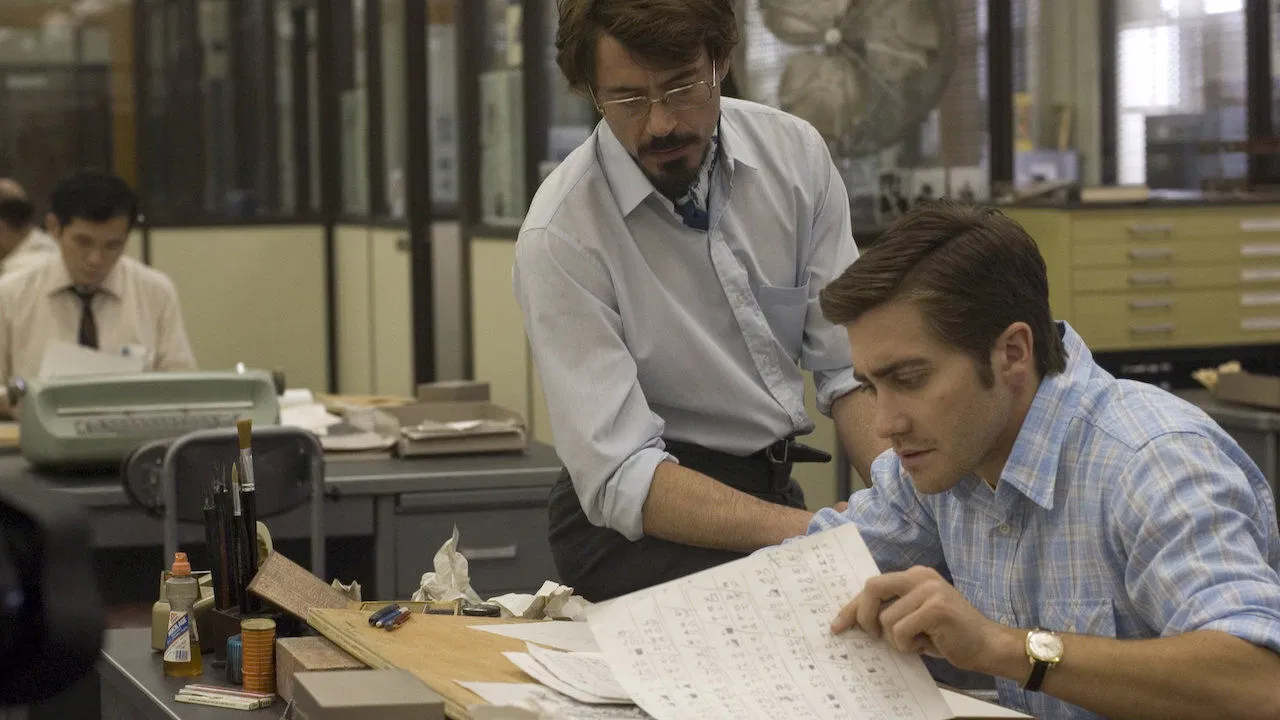
What makes Zodiac essential is Fincher's commitment to procedure over spectacle, showing the investigation's tedious reality rather than dramatizing it, making clear how much police work is dead ends and paperwork, how rarely crimes are solved through dramatic breakthroughs. The film's visual approach uses digital cinematography to create period-specific look that feels both contemporary and nostalgic, Harris Savides's photography capturing 1970s San Francisco and Bay Area with meticulous attention to detail. The film's treatment of the killer shows him primarily through his communications and crimes, refusing to make him fascinating villain or provide psychological explanation for his murders, suggesting that sometimes evil is banal rather than extraordinary. The ending, where Graysmith believes he's identified the killer but can never prove it, creates frustration that mirrors the actual case's unresolved status. It succeeds because Fincher understands that the most terrifying thing about the Zodiac case isn't the killer but the randomness of his victims and the impossibility of stopping someone who kills without pattern or motive, showing how unsolved crimes haunt not just victims' families but everyone who tried and failed to provide answers.
18. 🎬 There Will Be Blood (2007) | Dir. Paul Thomas Anderson
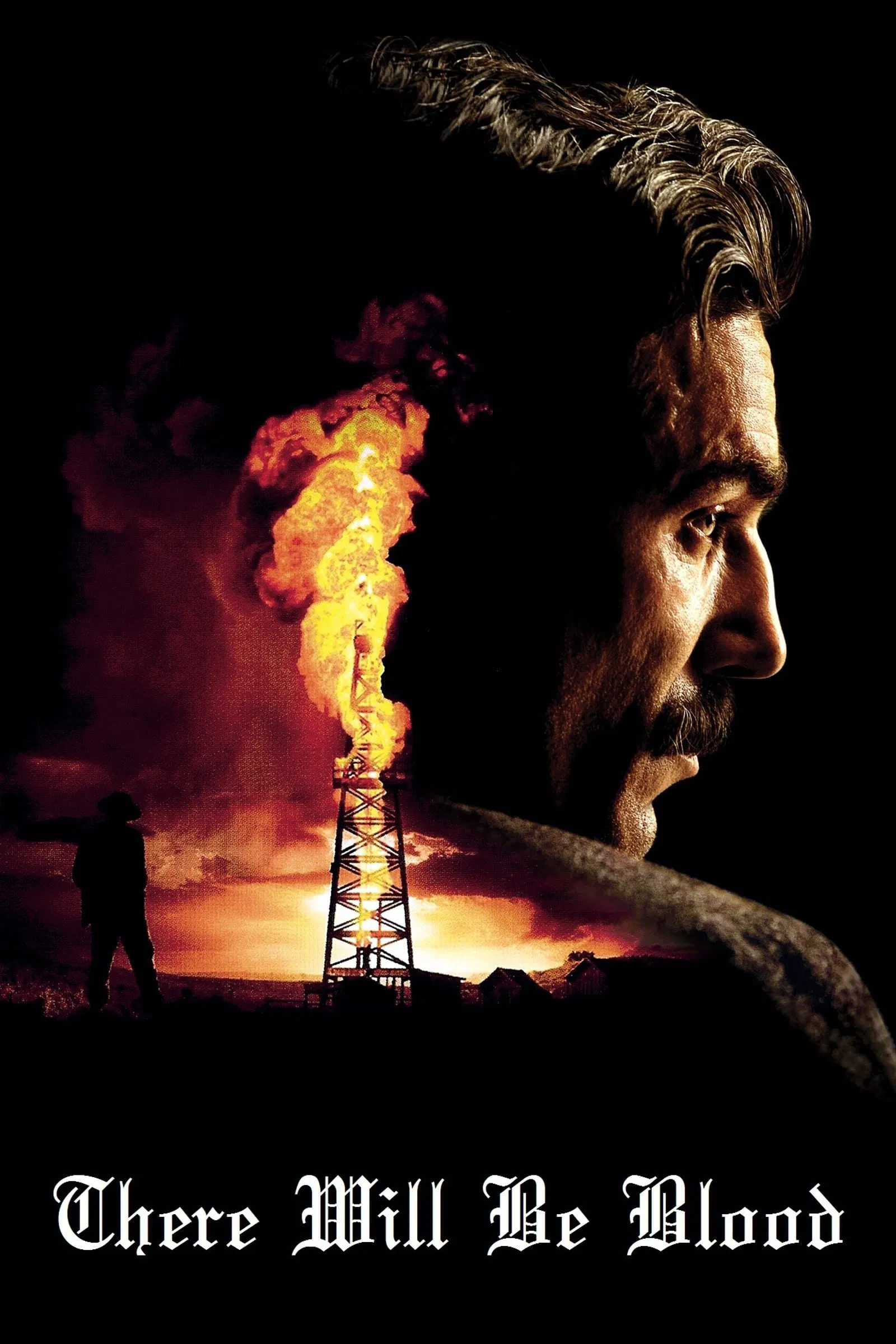
An epic about oil prospector Daniel Plainview's rise from single wildcatter to industrial titan, examining how American capitalism operates through violence, exploitation, and the destruction of any relationship that doesn't serve acquisition. Paul Thomas Anderson creates character study disguised as period epic, using the early California oil boom to examine how wealth is accumulated through ruthlessness disguised as ambition, how capitalism requires treating everyone as either resource or obstacle. Daniel Day-Lewis plays Plainview with terrifying intensity, his performance showing someone who's sublimated every human impulse into pursuit of wealth and power, his adoption of orphaned H.W. revealed as strategic move to present himself as family man rather than expression of actual paternal feeling. Paul Dano's Eli Sunday is snake oil preacher whose religious manipulation mirrors Plainview's economic exploitation, their battle for community control becoming war between competing forms of false consciousness. What makes There Will Be Blood essential is its examination of how American capitalism was built through violence that's been mythologized as entrepreneurship, how Plainview's success requires destroying competitors, exploiting workers, and commodifying every relationship.
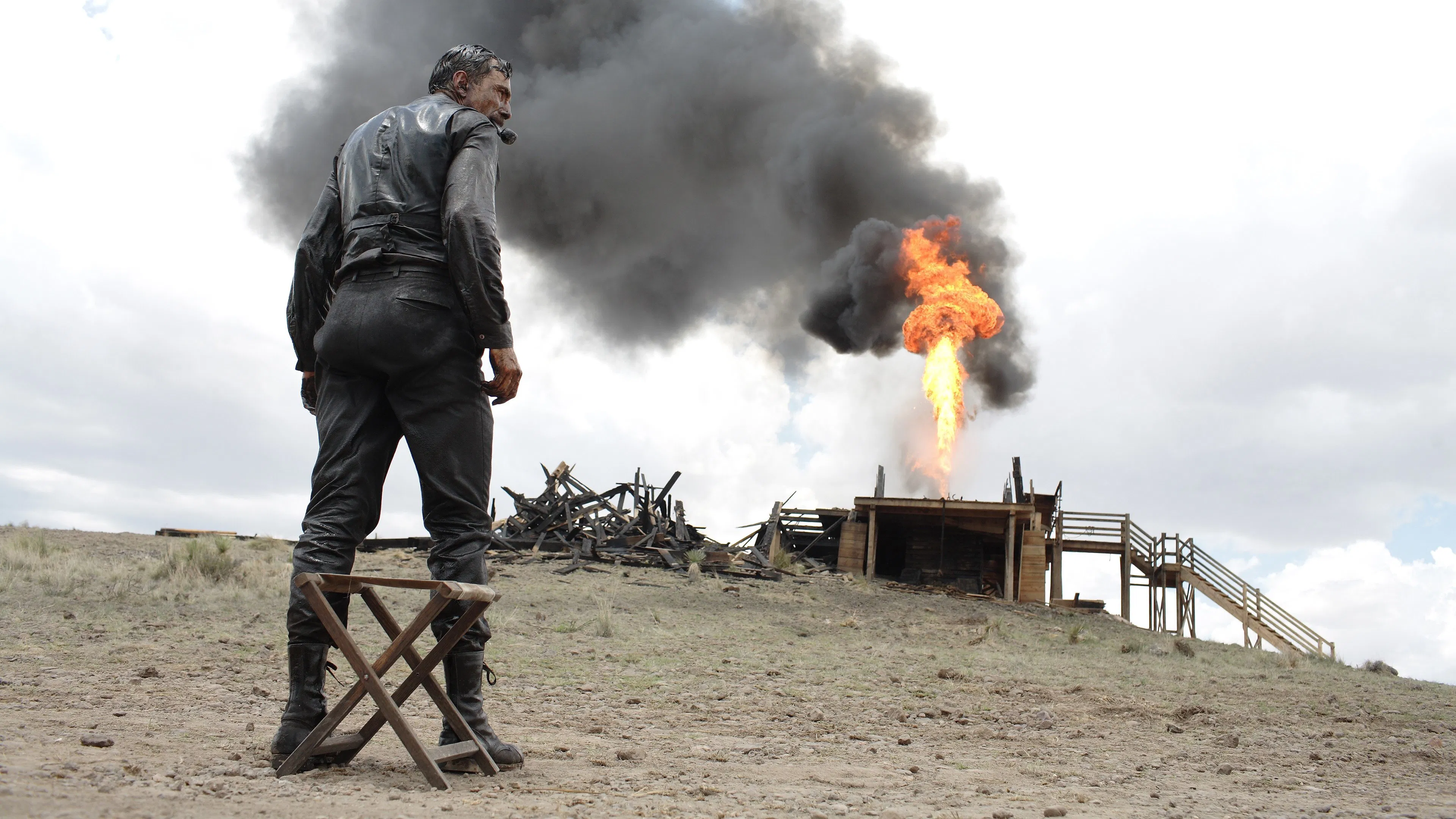
The film's visual language emphasizes empty landscapes that Plainview fills with oil derricks, Jonny Greenwood's atonal score creating atmosphere of persistent dread that suggests something fundamentally wrong beneath the prosperity. Anderson shoots the oil strikes and disasters with documentary-like attention to how dangerous and destructive the work is, making visible the human and environmental costs that profit requires. The film's climax, where Plainview beats Eli to death in his bowling alley while declaring "I'm finished," suggests that achieving total wealth means destroying everything that made wealth desirable, that Plainview has won but has nothing left worth having. It succeeds because Anderson shows capitalism as essentially nihilistic, that pursuing wealth for its own sake hollows out everything human until you're rich and alone and empty, that Plainview's misanthropy is both cause and effect of his success, that American dream requires becoming monster to achieve it.
19. 🎬 No Country for Old Men (2007) | Dir. Joel & Ethan Coen
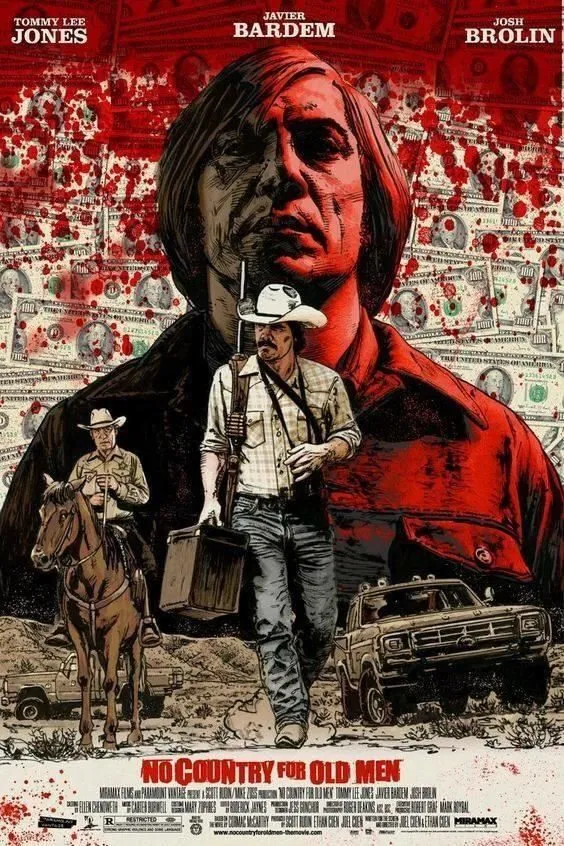
A neo-western following Vietnam veteran Llewelyn Moss who finds drug money at botched deal's crime scene and takes it, pursued by psychopathic hitman Anton Chigurh while Sheriff Ed Tom Bell tries to prevent the inevitable violence. The Coen Brothers adapt Cormac McCarthy's novel with absolute fidelity to its bleak vision, creating film about how random violence disrupts any notion of moral order or justice, how the old codes of honor have been replaced by pure chaos. Josh Brolin plays Moss with working-class pragmatism, his decision to take the money understandable given his economic circumstances but also dooming him, his survival skills from Vietnam insufficient against enemy who operates by different rules. Javier Bardem's Chigurh is one of cinema's most terrifying villains, his bowl haircut and cattle gun creating memorable image, his philosophical justifications for murder making him more disturbing than simple psychopath. Tommy Lee Jones's Sheriff Bell provides the film's moral center and its elegiac tone, a lawman recognizing that the world has changed in ways he can't understand or prevent, that violence has become so random and extreme that traditional law enforcement is obsolete.
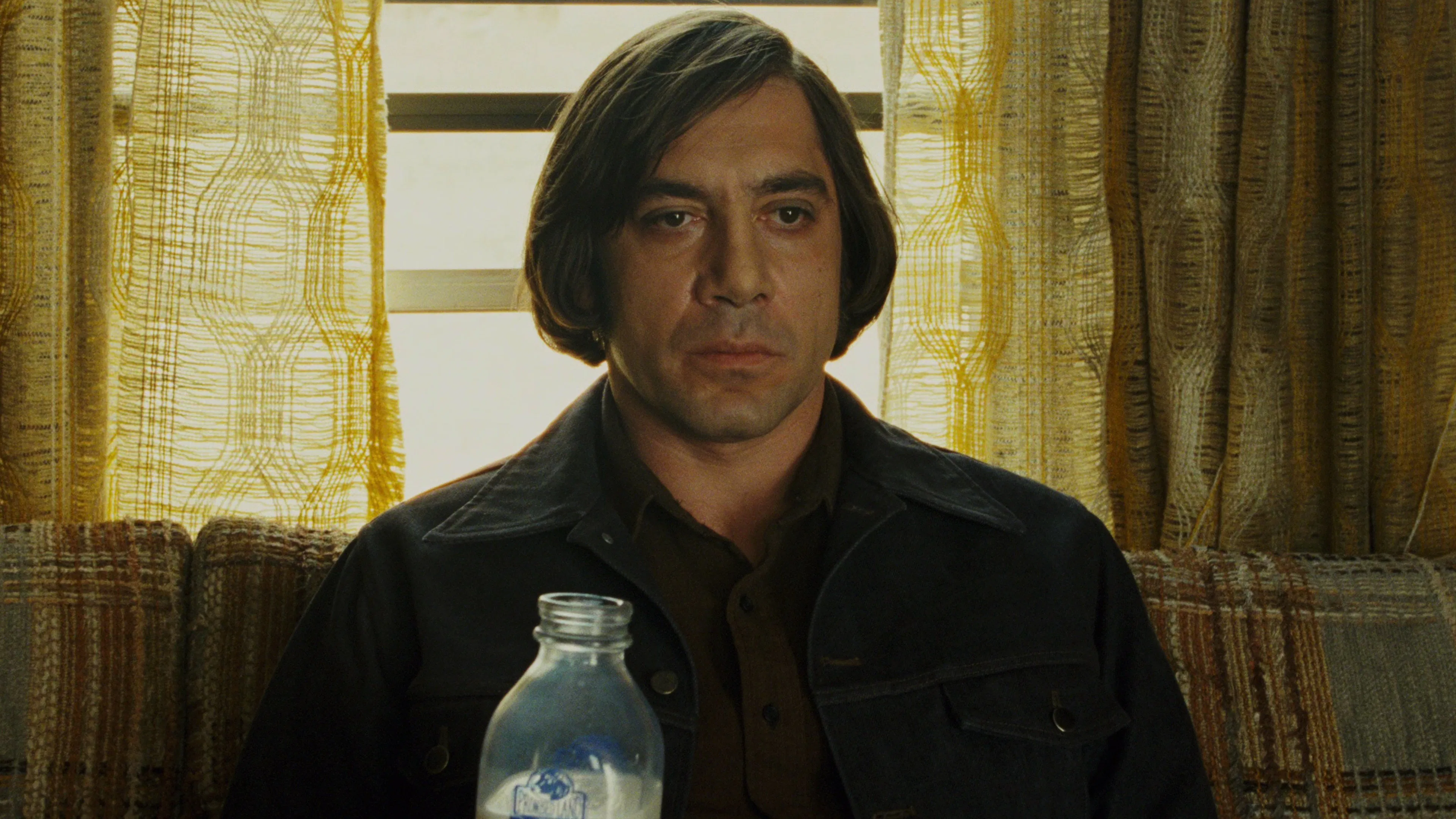
What makes No Country for Old Men essential is its refusal to provide the confrontation between protagonist and antagonist that genre conventions promise, showing how Moss is killed off-screen by people we never see, how Bell arrives too late to do anything except witness aftermath, creating profound frustration that mirrors how violence actually operates rather than how movies typically depict it. The Coens shoot the Texas-Mexico border with Roger Deakins's typically gorgeous cinematography that makes the landscape beautiful and hostile, empty spaces suggesting both freedom and exposure, nowhere to hide from violence that's coming regardless of what you do. The film's ending, where Bell recounts dreams about his father to his wife, provides no resolution or meaning to the violence we've witnessed, just recognition that the world has become incomprehensible to people raised with different values. It succeeds because the Coens and McCarthy understand that evil doesn't require explanation or motivation, that sometimes people die randomly and violently for reasons that make no sense, that law and order are comforting fictions that collapse when confronted with someone like Chigurh who simply doesn't care about the rules everyone else follows.
20. 🎬 The Social Network (2010) | Dir. David Fincher

A film about Facebook's creation that's really about ambition, betrayal, and how the platform promising connection was built through destroyed friendships and exploited labor. David Fincher and Aaron Sorkin create origin story that treats Mark Zuckerberg not as visionary hero but as someone whose emotional inadequacies and ruthless ambition made him perfect for creating technology that monetizes human relationships. Jesse Eisenberg plays Zuckerberg with affectless intensity, his social awkwardness making him simultaneously sympathetic and monstrous, his genius for coding inseparable from his inability to understand why people feel betrayed by his actions. Andrew Garfield's Eduardo Saverin is Facebook's CFO and Zuckerberg's best friend, whose dilution from the company becomes the film's emotional core, showing how Zuckerberg destroys the one genuine relationship he had in pursuit of expansion. Justin Timberlake's Sean Parker is Napster founder who becomes Zuckerberg's devil on shoulder, teaching him that loyalty and ethics are obstacles to the scale Facebook needs to achieve. What makes The Social Network essential is its examination of how social media was created by people with questionable social skills, how platforms promising to connect us were built by those who struggle with actual human connection, that technology's limitations often reflect its creators' psychology.
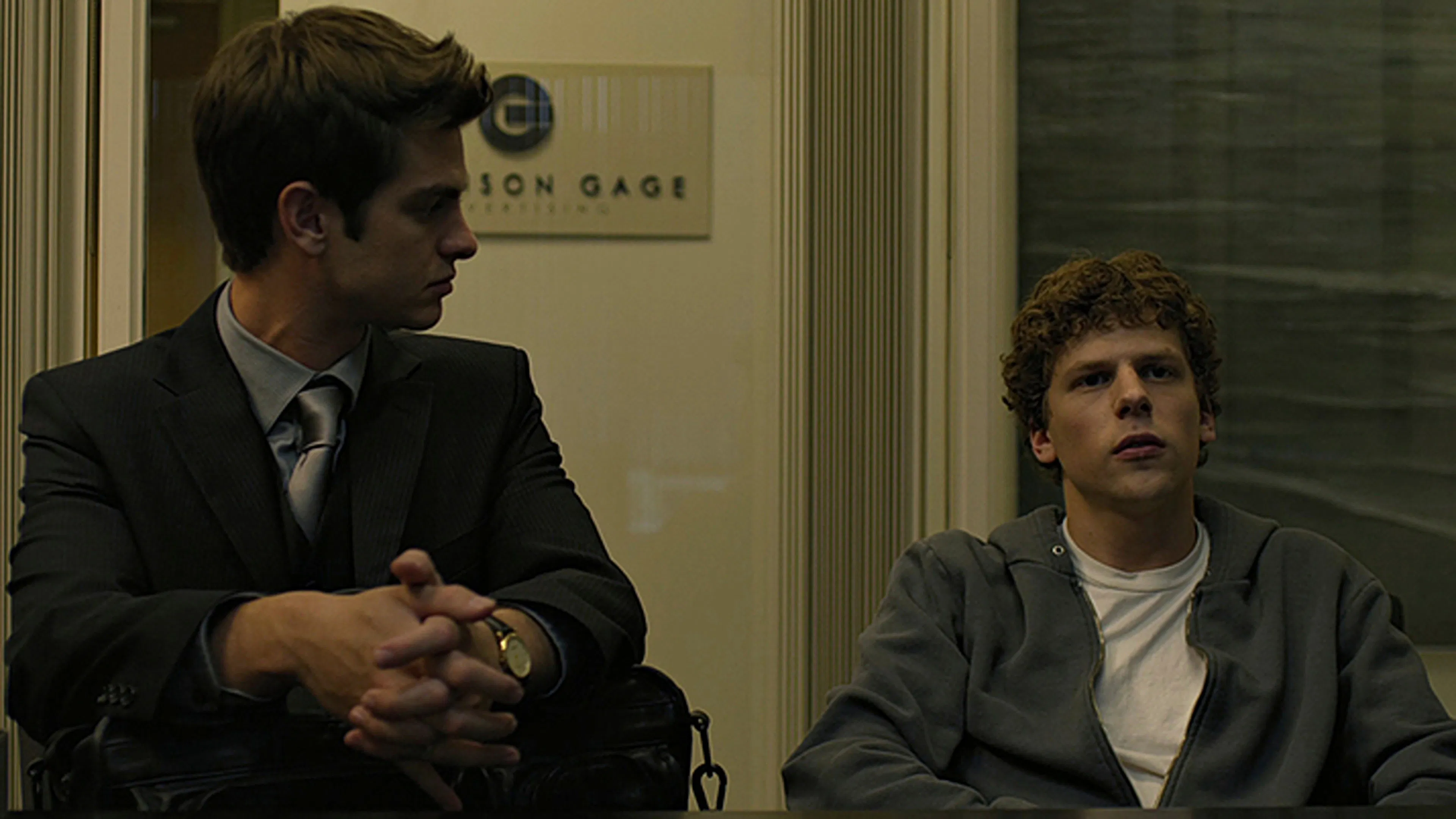
The film's structure, framing the narrative through depositions from lawsuits against Facebook, creates multiple competing versions of events where everyone is protagonist of their own story and villain in someone else's, showing how disputes about money are really disputes about credit and respect. Fincher shoots with clinical precision, Jeff Cronenweth's cinematography creating cold digital aesthetic that mirrors Facebook's interface, making everything feel slightly removed and performative. Trent Reznor and Atticus Ross's score uses electronic minimalism to create persistent unease, suggesting that something is wrong beneath the success story. It succeeds because Fincher and Sorkin recognize that Facebook's story is tragedy disguised as triumph, that creating platform worth billions required destroying personal relationships and exploiting ideas from people too trusting or too naive to protect themselves, that Zuckerberg's need for validation drives him to create technology that reduces human connection to data points while leaving him alone with wealth that can't substitute for the friendship he destroyed to achieve it.
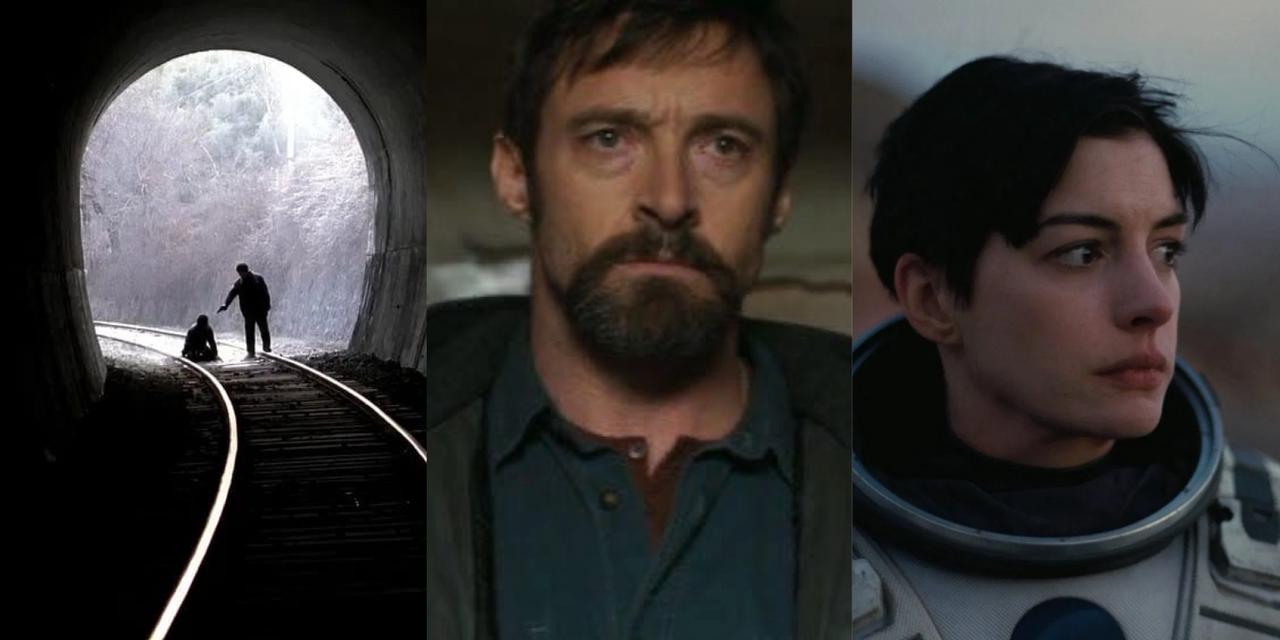
21. 🎬 Prisoners (2013) | Dir. Denis Villeneuve
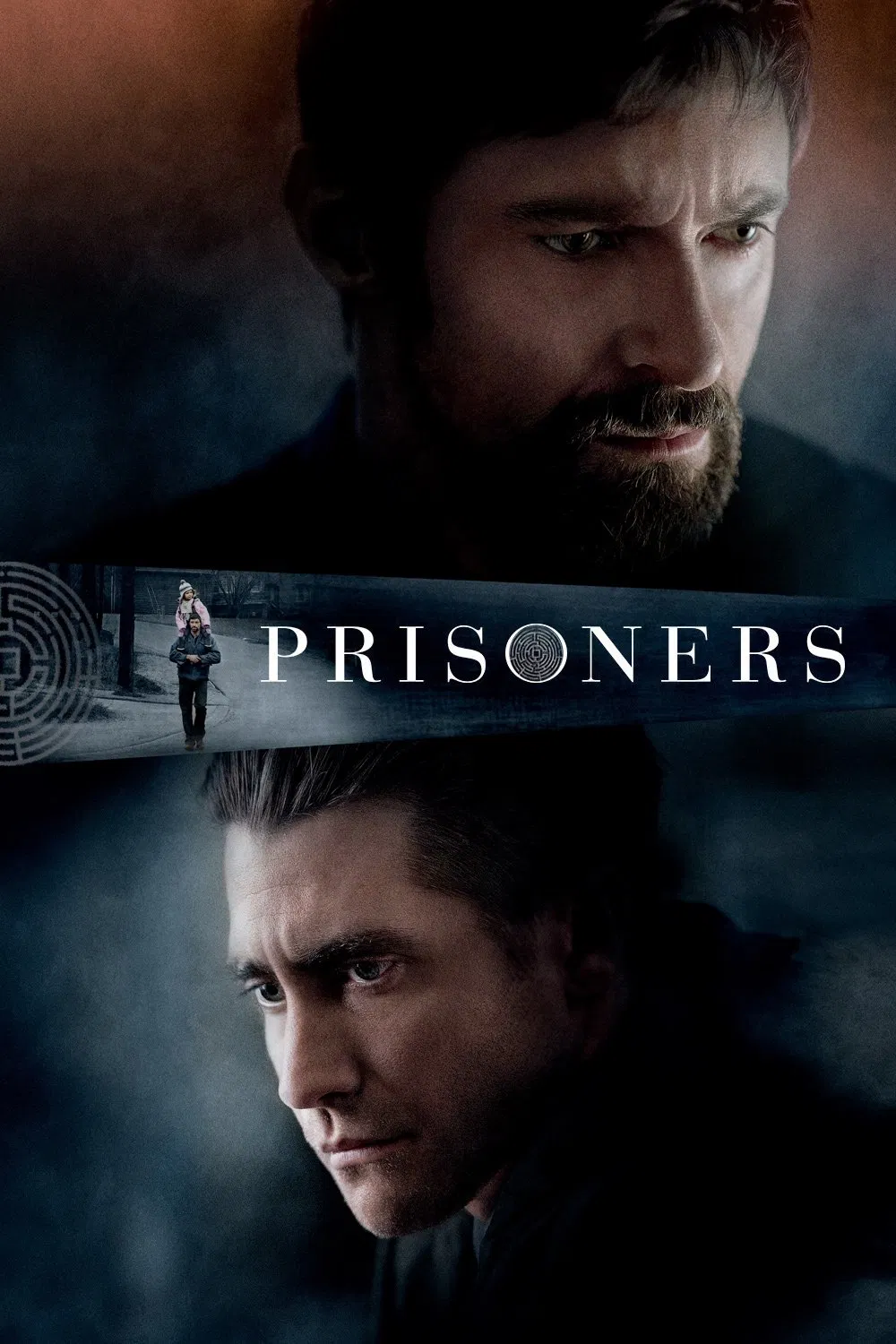
A thriller about working-class father Keller Dover whose daughter and her friend are kidnapped, his decision to torture the prime suspect when police release him creating moral crisis about how far parents should go to protect children. Denis Villeneuve creates film that uses crime framework to examine vigilante justice and whether certainty about someone's guilt justifies violence when legal system fails to provide answers fast enough for desperate parents. Hugh Jackman plays Dover with ferocious desperation, his blue-collar masculinity making him believe that action, any action, is better than waiting for police to work, his torture of Alex Jones revealing someone whose moral certainty masks his own terror about helplessness. Jake Gyllenhaal's Detective Loki is investigation's methodical center, his professional competence contrasted with Dover's emotional chaos, showing how actual police work requires patience that parents of kidnapped children don't possess. Paul Dano's Alex seems obviously guilty given his presence at crime scene and his mental disability making him suspicious, but the film gradually complicates what initially seems straightforward, showing how our desire for simple answers makes us see guilt where evidence is ambiguous. What makes Prisoners devastating is its examination of how good people can commit atrocities when motivated by love and fear, how Dover's torture of Alex is both understandable given circumstances and absolutely wrong, creating moral complexity that refuses easy judgment.
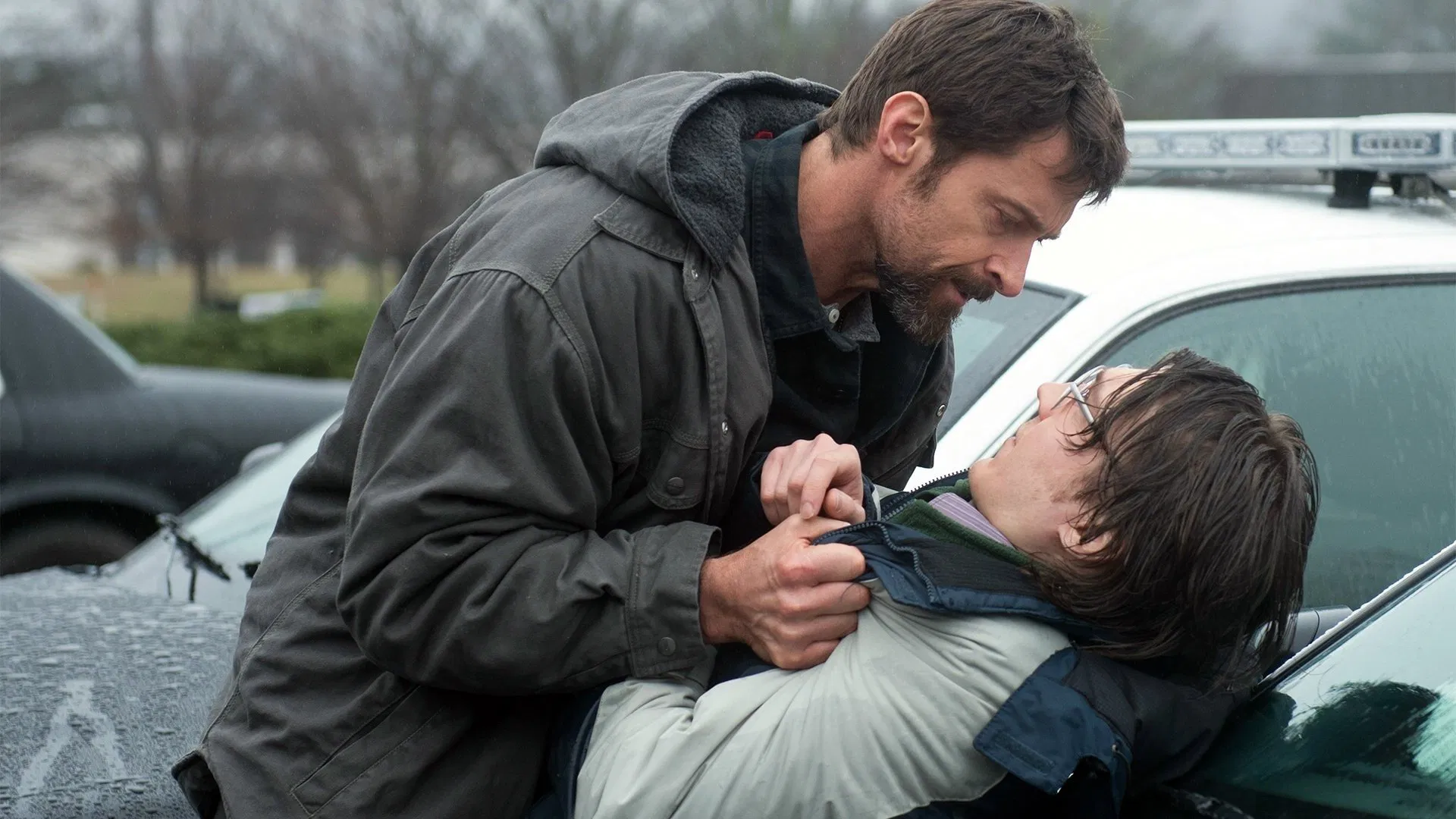
The film's visual language emphasizes darkness and rain, Roger Deakins's cinematography creating atmosphere of persistent gloom that mirrors the moral murkiness, making the Pennsylvania setting feel oppressive and claustrophobic. Villeneuve's pacing is deliberately patient, allowing tension to build through accumulated detail rather than cheap shocks, making the few moments of violence more impactful because they're not constant. The ending, revealing the actual kidnapper and Dover's fate, provides solution to mystery while leaving moral questions unresolved about whether his actions were justified by circumstances or if desperation doesn't excuse torture. It succeeds because Villeneuve treats the premise seriously enough to examine its implications, showing how vigilante justice operates through certainty that's often misplaced, how torture produces confessions rather than truth, and whether we can maintain moral high ground when we're willing to commit evil to prevent worse evil from happening to those we love.
22. 🎬 The Wolf of Wall Street (2013) | Dir. Martin Scorsese
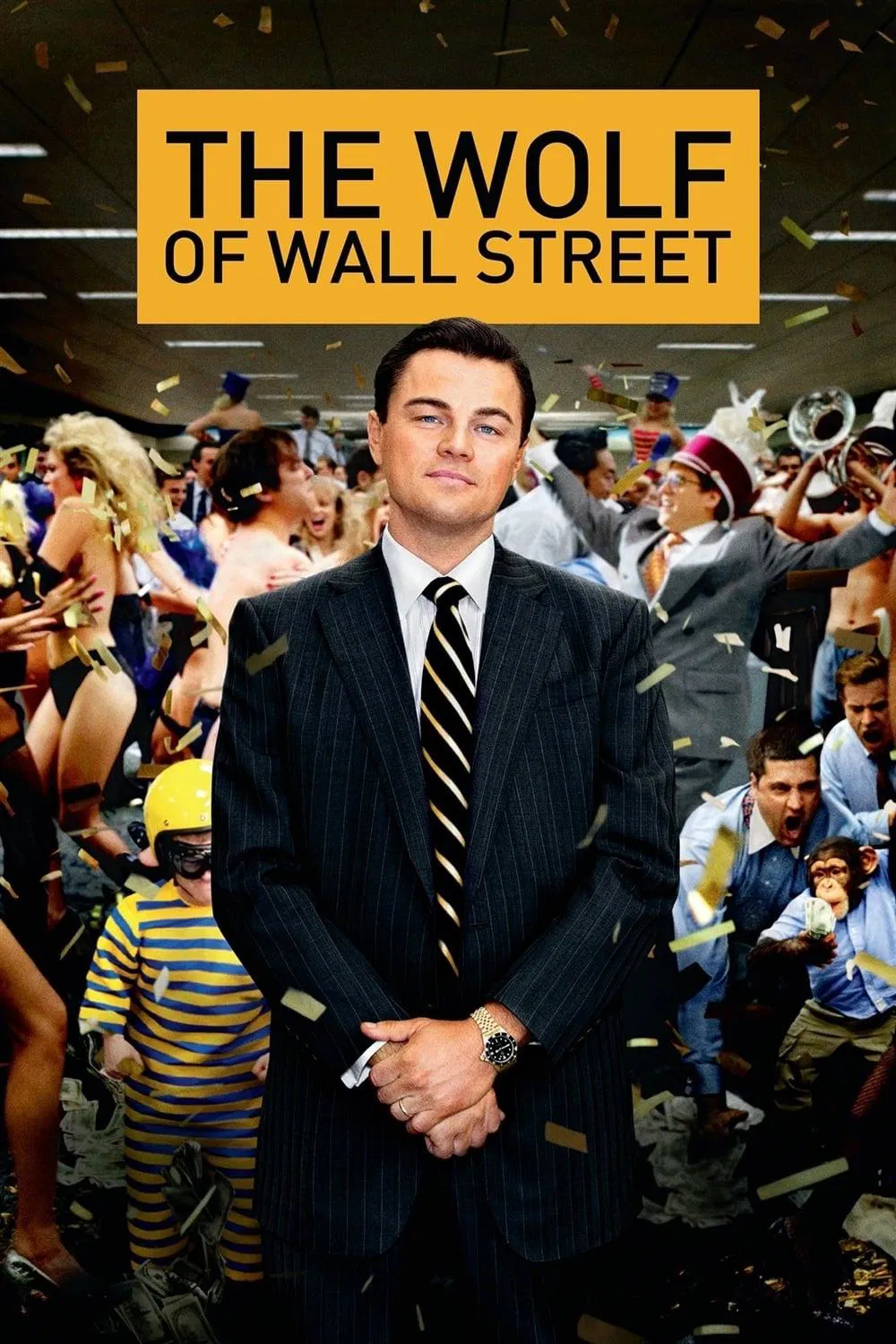
A biographical crime film about Jordan Belfort's rise as stockbroker running massive fraud operation, examining how financial crime operates through charisma and excess, how Wall Street rewards exactly the behavior it claims to condemn. Martin Scorsese creates three-hour epic that operates as both exhilarating chronicle of excess and damning indictment of capitalism's moral bankruptcy, showing how Belfort's crimes are just more obvious version of what legitimate financial industry does legally. Leonardo DiCaprio plays Belfort with manic energy that makes him magnetic despite being obviously terrible person, his ability to sell worthless stocks to desperate people requiring charisma that the film acknowledges even as it shows the destruction that charisma enables. Jonah Hill's Donnie Azoff is Belfort's right hand, matching his excess and enabling his worst impulses, their partnership representing how capitalism rewards those willing to abandon all ethical constraints. What makes The Wolf of Wall Street compelling despite its potentially exploitative subject matter is Scorsese's refusal to moralize explicitly, showing Belfort's life as series of escalating highs from money and drugs and sex, making the audience complicit in the appeal even as we recognize it's wrong.

The film's examination of how financial fraud operates shows Belfort's company as sophisticated criminal organization that uses legitimate brokerage infrastructure to commit crimes, how the industry's complexity makes prosecution difficult because regulators struggle to distinguish between legal and illegal behavior when both look similar. Scorsese shoots the excess with energetic abandon, Rodrigo Prieto's cinematography and Thelma Schoonmaker's editing creating visual assault that mirrors Belfort's lifestyle, everything moving too fast to process completely, drugs and money and bodies blurring together. The film's ending, where Belfort serves minimal prison time and reinvents himself as motivational speaker teaching sales techniques, suggests that financial criminals rarely face real consequences, that wealth accumulated through fraud gets to keep it even after prosecution, and that America loves redemption narratives even for people who've never actually shown remorse. It succeeds because Scorsese understands that showing excess without apparent judgment is its own form of critique, that three hours of watching Belfort destroy lives while accumulating wealth makes visible how our economic system rewards sociopathy, that the film's final image of people eagerly paying to hear Belfort speak shows how capitalism worships success regardless of how it was achieved.
23. 🎬 Interstellar (2014) | Dir. Christopher Nolan

A film that uses relativity and black holes to examine sacrifice, paternal love, and whether humanity deserves saving given how we've destroyed our planet. Christopher Nolan creates space epic that operates simultaneously as adventure, meditation on time and love, and examination of whether individual happiness matters when civilization hangs in balance. Matthew McConaughey plays Cooper with raw emotional vulnerability that grounds the cosmic scale, his practical astronaut competence giving way to devastating grief when he watches decades of his children's video messages in single sitting, relativity making what was days for him into years for them. Anne Hathaway's Brand provides both scientific rigor and emotional argument that love might be quantifiable force rather than mere chemical reaction, her attachment to potentially inhabitable planet creating tension between mission objectives and personal desires. What makes Interstellar extraordinary despite its occasional narrative stumbles is Nolan's commitment to depicting space travel with scientific accuracy while maintaining emotional urgency, consulting physicist Kip Thorne to ensure the visualization of black holes and wormholes reflected actual theoretical physics.

The result is cinema that educates even as it entertains, making relativity comprehensible through dramatic consequences: Cooper returns from Miller's planet where massive time dilation means twenty-three years have passed on Earth during their few hours on world of massive tidal waves. The film's controversial climax, where Cooper falls into black hole and encounters tesseract allowing him to communicate across time with his daughter, either represents Nolan's most ambitious conceptual achievement or his most self-indulgent excess, depending on your tolerance for sentimentality wrapped in theoretical physics. Hans Zimmer's organ-heavy score builds emotional crescendos that mirror the film's themes about time running out, creating urgency even in scenes of characters floating through void. It succeeds because it asks whether love persists across impossible distances, whether humanity deserves saving given how we've destroyed our planet, and whether there's meaningful difference between staying with those you love and leaving to ensure they have future, even if you won't be there to see it, using science fiction to examine most human questions about sacrifice and connection.
24. 🎬 Parasite (2019) | Dir. Bong Joon-ho
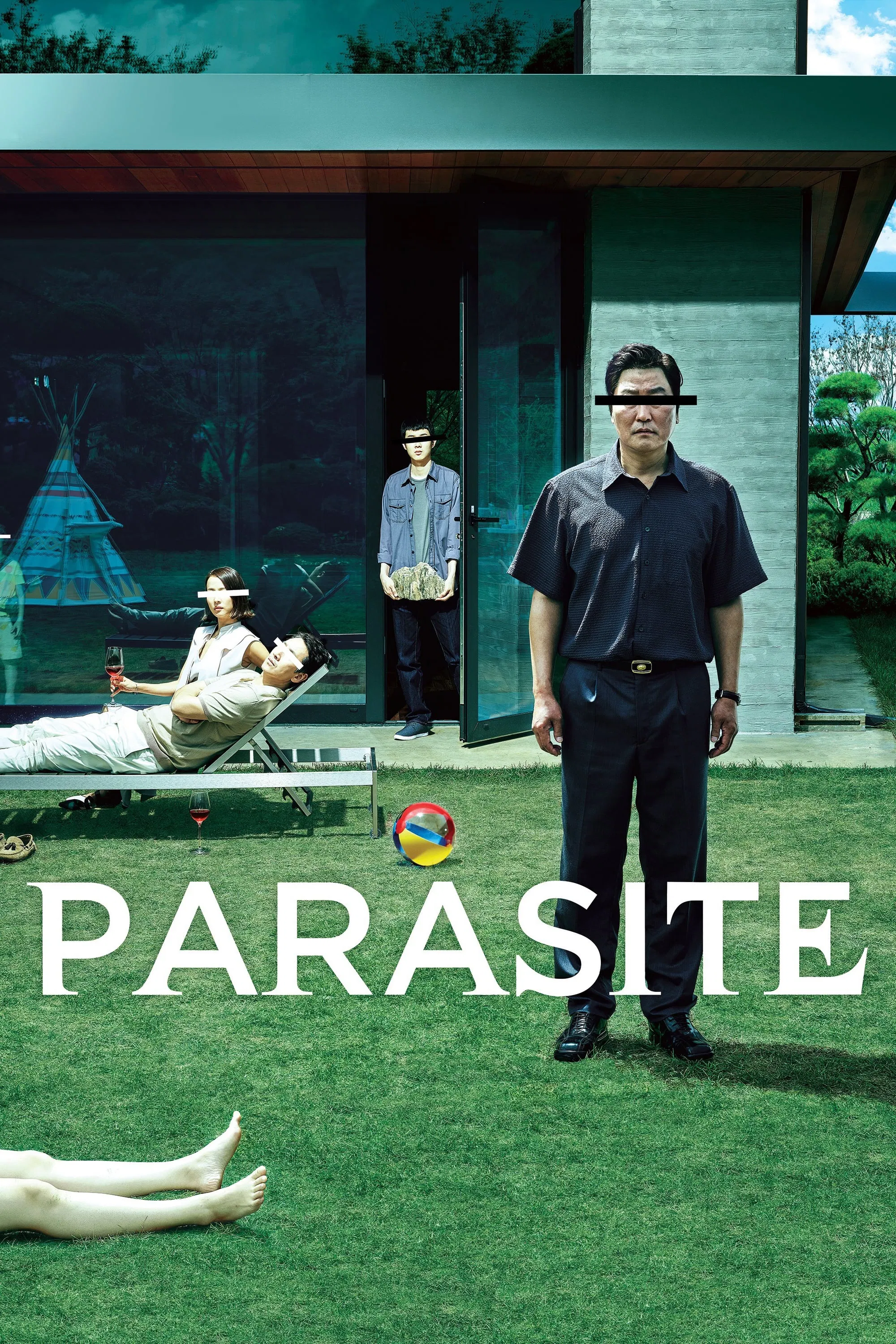
A Korean black comedy thriller following the Kim family who infiltrate the wealthy Park household by posing as unrelated skilled workers, their con succeeding until another family's claim to the house creates violent class warfare. Bong Joon-ho creates genre-defying film that operates as comedy, thriller, and class allegory simultaneously, using the vertical geography of the two families' homes to visualize inequality, the Parks' modernist house on hill contrasted with the Kims' semi-basement flooding with sewage. Song Kang-ho leads the Kim family as father Ki-taek, his scheming and his eventual violence showing how the poor are forced to perform servility for the rich while harboring justified resentment. Lee Sun-kyun's Park Dong-ik is wealthy father whose casual cruelty emerges through his comfort, his complaints about Ki-taek's smell revealing how the rich literally find the poor repulsive. What makes Parasite essential is Bong's examination of how class hierarchy operates through spatial segregation and performance, how the Kims must adopt elaborate disguises to access wealth while the Parks remain oblivious to the deception because they can't imagine the poor as fully human.

The film's structure shifts dramatically from comedy to horror after the discovery of the bunker dweller, showing how the real conflict isn't between rich and poor but between different tiers of poverty competing for scraps, how capitalism makes the oppressed fight each other rather than challenge actual wealth. Bong shoots with meticulous attention to production design, every space revealing character and class position, the Parks' house beautiful and cold while the Kims' home is cramped but alive. The climactic violence at the birthday party shows class resentment erupting after Ki-taek has performed subservience beyond his capacity to maintain, his murder of Park representing accumulated rage at casual cruelty that Park never recognized as cruelty because to him the poor simply don't matter. It succeeds because Bong uses genre entertainment to make serious statements about inequality, showing how capitalism requires underclass while pretending they don't exist, how the rich benefit from poverty while remaining deliberately ignorant of how that poverty is maintained, and whether class mobility is possible or if the structure itself must be dismantled for any real change to occur.
25. 🎬 The Secret in Their Eyes (2009) | Dir. Juan José Campanella
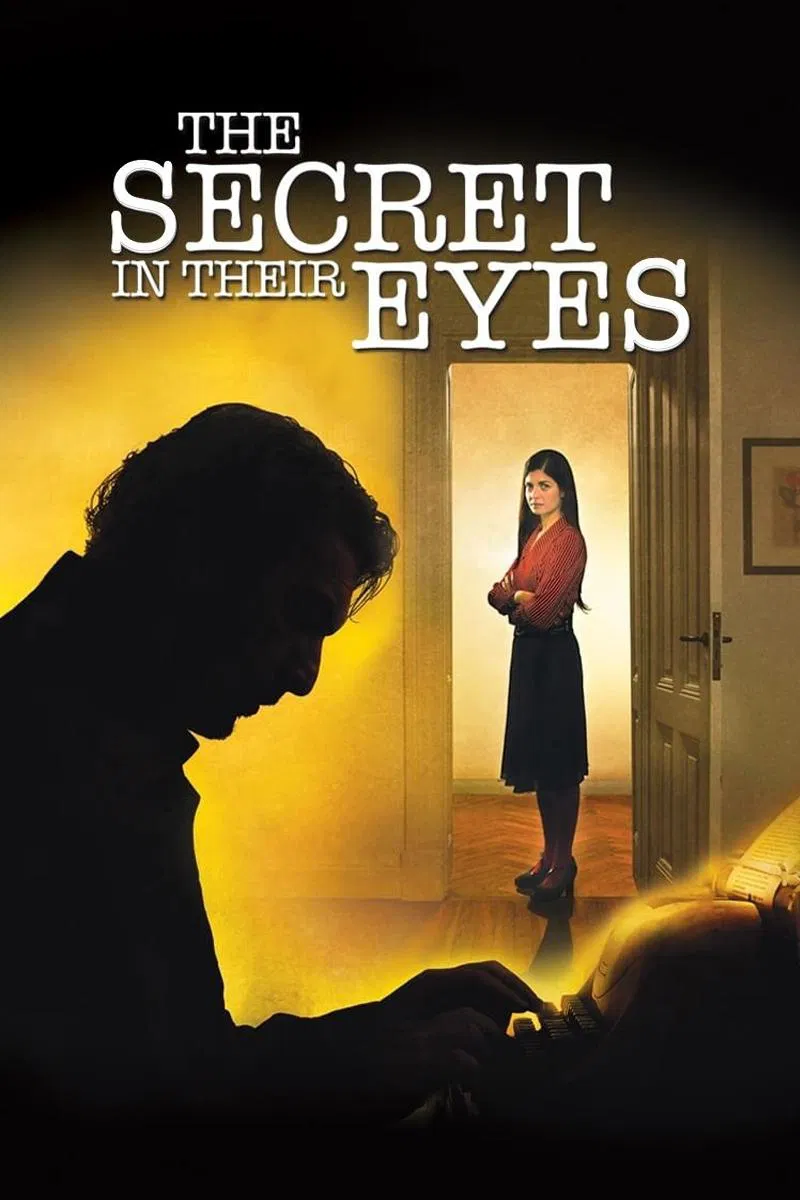
An Argentine crime drama following retired legal counselor Benjamín Espósito who decides to write a novel about a decades-old rape and murder case that has haunted him, the process forcing him to confront his own unresolved feelings for his former supervisor Irene and the case's devastating conclusion. Juan José Campanella creates film that operates as murder mystery, romance, and examination of how Argentina's political violence corrupted justice system, showing how personal and national histories remain unfinished business that refuses to stay buried. Ricardo Darín plays Benjamín with melancholic obsession, his return to the case after twenty-five years representing both professional dedication and personal avoidance, his inability to solve this crime or confess his love to Irene creating parallel narratives about things left undone. Soledad Villamil's Irene is the supervisor whose class position makes romance with Benjamín impossible within their workplace hierarchy, her own investigation of the case revealing she shares his commitment to justice even when institutions abandon it. What makes The Secret in Their Eyes essential is its examination of how Argentina's Dirty War era corruption allowed violent criminals to escape justice if they were useful to the regime, showing how the murdered woman's husband's obsessive pursuit of the killer parallels Benjamín's obsession with both the case and Irene, creating three men defined by what they cannot achieve or accept.
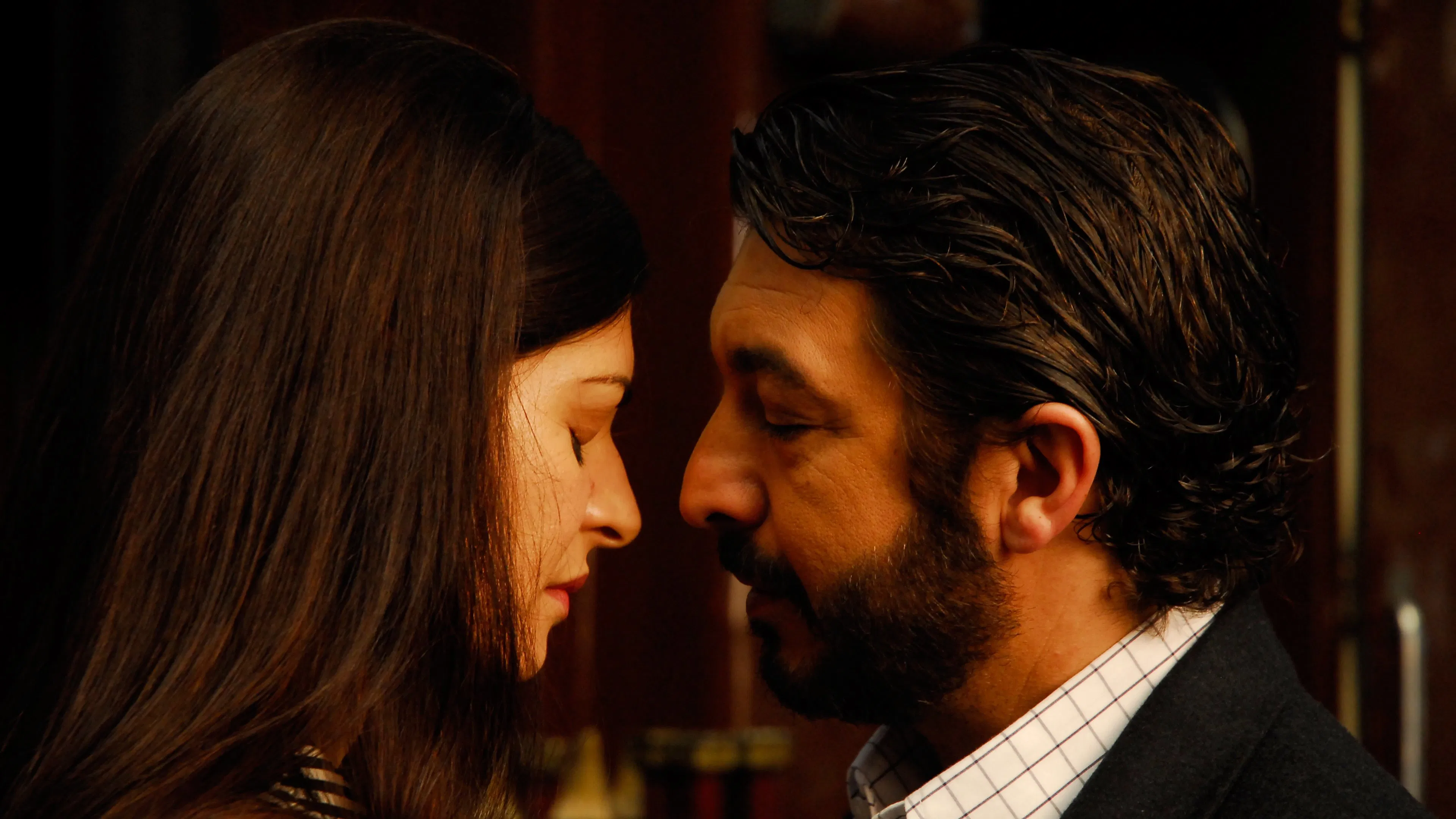
The film's structure moves fluidly between 1974 and 1999, the investigation and its aftermath shown through Benjamín's writing process and memory, making clear how the past remains present for those who experienced trauma and injustice that was never properly addressed. Campanella's most celebrated sequence is the football stadium scene, a five-minute unbroken take following the detectives through crowds searching for the suspect, the technical achievement subordinate to how it makes visceral the chaos and determination of detective work in era before digital surveillance. Félix Monti's cinematography captures both periods with visual distinction while maintaining tonal continuity, showing how Buenos Aires has changed physically while emotional landscapes remain frozen for characters still processing unresolved grief and rage. The film's treatment of Pablo Sandoval, Benjamín's alcoholic assistant played by Guillermo Francella, provides comic relief that gradually reveals itself as tragedy, his drinking and jokes masking someone destroyed by the same institutional failures that haunt Benjamín but without Benjamín's coping mechanisms. What distinguishes the film is its examination of how the husband Ricardo Morales has spent twenty-five years in his own prison, maintaining surveillance on the killer who was released and given new identity by the regime, showing how the desire for justice can become form of self-destruction when systems deny closure.
— The Cinéprism
Keep reading
31 / 08 / 2026 · 391 reads
10 Best Endings in Film
A curated list of 10 unforgettable movie endings that leave a lasting impact long after the credits roll.
15 / 09 / 2026 · 143 reads
Top 15 Movies with Plot Twists You Might Have Missed
15 movies packed with hidden clues, subtle details, and twists that hit differently once you know what to look for.