
Dispatch — Long Read
25 Malayalam Films That Capture the Heart of Kerala 🎬
Malayalam cinema deepens my love for Kerala, capturing its vibrant culture, traditions, and artistic brilliance with every frame.
The Cinéprism
23 / 10 / 2025 · 15 min read
1. Vanaprastham (1999)
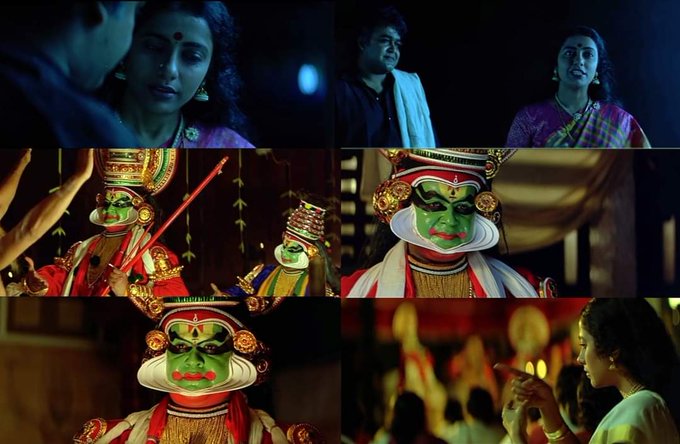
Vanaprastham is a haunting exploration of the space between performance and reality. The world of Kathakali, with its ritualistic precision and vibrant, ornate costumes, forms the soul of the film. Every frame is meticulously composed, allowing the camera to linger on the intricate gestures and expressions that convey more than words ever could. The interiors, whether dimly lit theaters or intimate domestic spaces, reflect the tension between the protagonist’s public and private selves, while the Kerala backwaters provide a poetic counterpoint of freedom and introspection. The story is as much about suppressed desire and societal expectation as it is about art itself. Relationships in the film are layered and conflicted: mentorship, loyalty, and forbidden affection intersect in ways that feel organic and deeply human. One of the most striking sequences is the silent, meditative practice sessions, where rhythm, expression, and emotion fuse into a visual symphony. The film’s music is restrained, enhancing rather than dominating the scenes, allowing the audience to inhabit the inner life of the characters. Vanaprastham is a cinematic poem, slow, deliberate, and unforgettable.
2. Sandesam (1991)
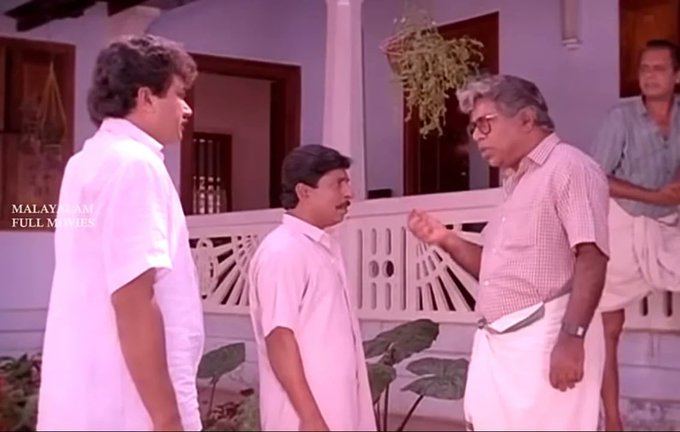
Sandesam transforms a small household into a microcosm of political chaos. The confined interiors, the narrow hallways, and the intimate framing of living spaces heighten the tension and comedy as family members clash over party loyalties. The cinematography never calls attention to itself; instead, it lets the characters’ expressions, timing, and body language carry the narrative. Lighting is soft yet deliberate, emphasizing the realism of domestic life while allowing subtle moments of absurdity to shine. The brilliance of Sandesam lies in its satire. Characters embody ideologies, yet remain human and relatable. Scenes of heated arguments, frustrated sighs, and silent exasperation strike a delicate balance between comedy and commentary. One unforgettable moment is the quiet despair of the parents, observing their home torn apart by obsession with politics, which makes the laughter bittersweet. The film endures because it captures both the ridiculousness and the tragedy of human behavior, all while keeping the narrative grounded, intelligent, and emotionally resonant.
3. Manichitrathazhu (1993)
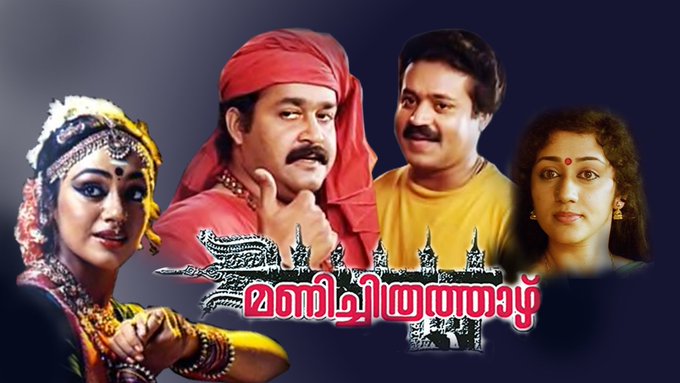
Manichitrathazhu is a masterclass in psychological horror intertwined with familial drama. The ancestral mansion, with its high ceilings, shadowed corridors, and ornate interiors, functions almost as a character in itself, mirroring the labyrinthine complexities of the mind. The cinematography alternates between intimate close-ups and wide shots that underscore isolation and vulnerability, while the lighting manipulates fear and suspense subtly, never overwhelming the narrative. The story’s core tension arises from the collision of superstition and rationality, and the characters navigate this with nuance and depth. Their psychology unfolds gradually, making the revelation of hidden truths both satisfying and poignant. The scene in the attic, with its claustrophobic framing and suspenseful pacing, is emblematic of the film’s mastery over space, emotion, and timing. Manichitrathazhu is more than a thriller; it is a carefully structured exploration of identity, fear, and the fragility of the human mind.
4. Vidheyan (1994)

Vidheyan is austere and meditative, immersing the audience in a world governed by power and submission. The rural landscape, captured with muted colors and naturalistic lighting, reinforces the narrative’s themes of oppression and resilience. Every shot, whether it is the cracked walls of a home or the barren stretches of farmland, carries symbolic weight, reflecting the psychological dynamics between the oppressor and the oppressed. The story is quiet yet devastating, focusing on micro-interactions that reveal profound truths. The restrained performances and minimal dialogue amplify the film’s intensity, allowing the audience to feel the gravity of every gesture and look. One sequence of silent labor, where domination is enforced not through words but through presence, lingers in memory as an example of cinema at its most precise. Vidheyan is a study of human morality and endurance, a film that refuses to compromise its meditative rigor or emotional impact.
5. Drishyam (2013)
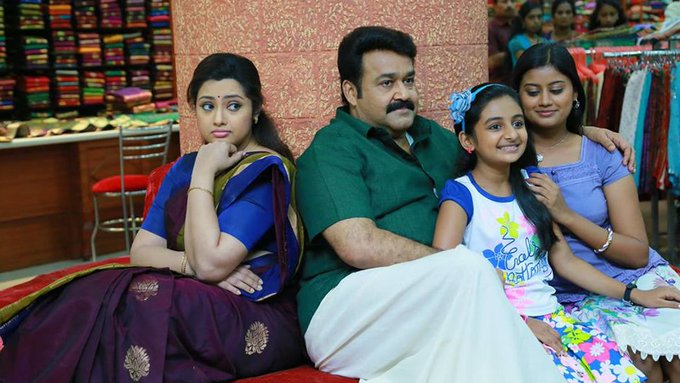
Drishyam is a masterclass in suspense rooted in realism. The story revolves around ordinary people confronting extraordinary circumstances, and the cinematography mirrors this tension through its warm, lived-in interiors and quiet, deliberate framing. The lighting subtly distinguishes spaces of safety from spaces of danger, and long takes allow suspense to build organically, emphasizing the power of observation and strategy over spectacle. The narrative’s strength lies in its character-driven tension. Every interaction within the family, every calculated move, and every silent glance contributes to a meticulously woven moral and emotional tapestry. The climax is satisfying not through flashy reveals but through cumulative logic and the weight of consequence. One unforgettable sequence is the protagonist’s improvisation to protect the family, where the mundane becomes extraordinary, and human ingenuity shines under pressure. Drishyam is a taut, immersive thriller that blends intelligence, empathy, and narrative control with emotional authenticity.
6. Thaniyavarthanam (1987)
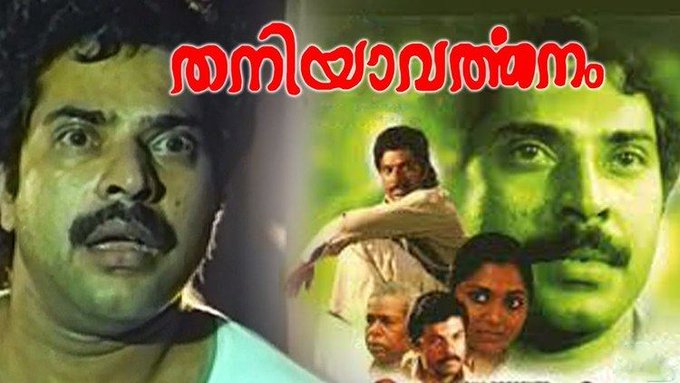
Thaniyavarthanam is a heartbreaking meditation on fear, stigma, and familial bonds. The village setting feels suffocating, with cramped interiors and muted colors reinforcing the social pressures that weigh on the protagonist. The cinematography captures the intensity of small, intimate moments a glance, a hesitated step, or a sigh that speak volumes about internal turmoil. Lighting is understated but deliberate, often casting long shadows that reflect the darkness of suspicion and isolation that descends upon the family. The story unfolds slowly, exploring the subtle disintegration of a man’s dignity under the weight of hereditary paranoia. Relationships are deeply layered; the protagonist’s bond with his family is tender yet strained by society’s gaze, and each interaction is charged with unspoken emotion. One of the most memorable sequences is the gradual unraveling during the family’s daily routines, where ordinary acts become laden with tension and dread. Thaniyavarthanam lingers as a poignant examination of human fragility and the cruelty of collective fear.
7. Ramji Rao Speaking (1989)

Ramji Rao Speaking is a masterful blend of humor, suspense, and social observation. The film thrives in its authentic depiction of urban Kerala, with cramped apartments, bustling streets, and chaotic offices becoming more than mere backdrops, they shape the narrative and the characters’ actions. The cinematography is simple yet effective, letting the physical comedy, timing, and expressions of the ensemble drive the story. Lighting accentuates the mood subtly, highlighting both comedic and tense moments without ever feeling artificial. At its core, the film explores human resilience and ingenuity in the face of unexpected challenges. The chemistry among the characters is organic; their interactions pulse with energy, wit, and occasional exasperation, grounding the story in authenticity. Scenes of frantic problem-solving, miscommunication, and creative improvisation are both hilarious and deeply human. Ramji Rao Speaking endures not merely as comedy but as an insightful reflection on friendship, morality, and the chaos of everyday life, making it a timeless piece of cinematic storytelling.
8. Bharatham (1991)
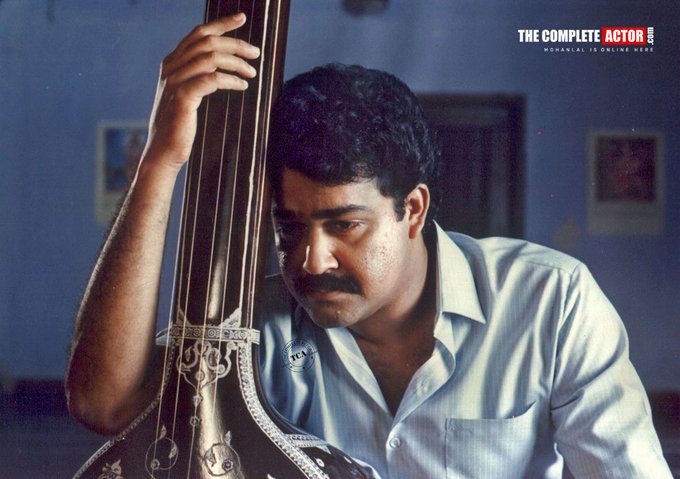
Bharatham is a lyrical exploration of artistry, familial bonds, and human vulnerability. Music is not merely a thematic element; it structures the narrative and shapes the characters’ identities. The cinematography captures performances with reverence, lingering on hands, instruments, and expressions to convey emotion with subtlety and precision. Interiors are warm and textured, from dimly lit practice rooms to sunlit verandas, creating spaces that feel intimate yet alive with history and expectation. The story delves into rivalry, love, and unspoken sacrifices within a family bound by music. The relationship dynamics are nuanced, the love, envy, and responsibility between siblings are portrayed with delicacy and depth. One unforgettable sequence is a performance where emotion overtakes technical mastery, encapsulating the film’s core theme of humanity’s imperfection within artistic pursuit. Bharatham resonates because it captures the fragility of life, the inevitability of loss, and the transcendence of music as both solace and expression.
9. Amaram (1991)
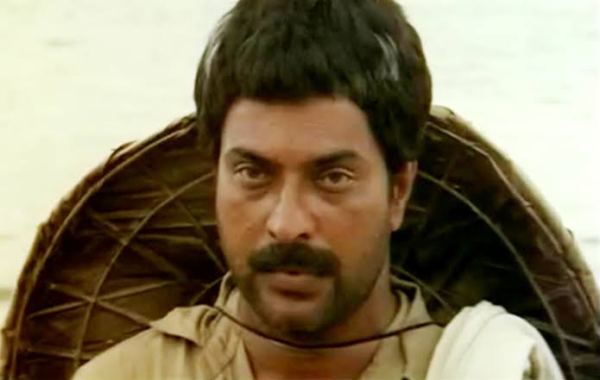
Amaram is an intimate, contemplative journey through fatherhood, love, and societal expectation. Set along a sleepy coastal village, the cinematography captures the rhythms of daily life, the ebb and flow of fishing boats, the play of sunlight on nets, the quiet intimacy of a simple home. Lighting and color palette evoke a naturalistic, lived-in aesthetic that amplifies the authenticity of the story. The narrative explores the evolving relationship between father and son, highlighting themes of pride, protection, and aspiration. Each moment, from casual laughter to heated tension, is layered with emotion and grounded in realism. One particularly moving sequence depicts a quiet morning where the father observes his son preparing to step into the wider world, blending hope, fear, and love in a single, unspoken gesture. Amaram lingers because it transforms ordinary human experience into cinematic poetry, capturing the tender, fleeting nature of life and relationships.
10. Kireedam (1989)
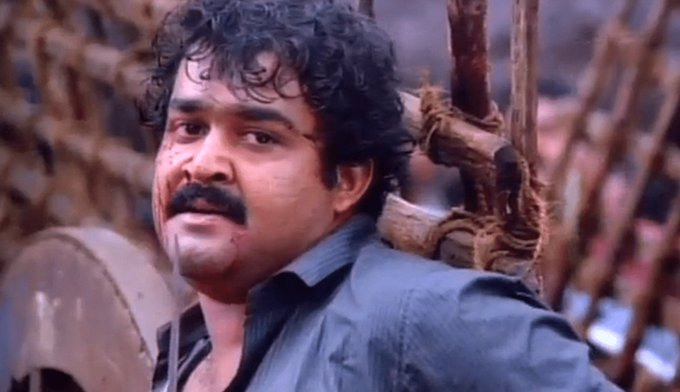
Kireedam is a tragic, deeply human story of expectations, societal pressure, and the inexorable pull of destiny. The film’s visual language reinforces the narrative’s weight; narrow streets, dimly lit homes, and confined interiors mirror the protagonist’s entrapment, while the framing of confrontations emphasizes the emotional gravity of everyday actions. Lighting is used subtly to reflect the contrast between innocence and encroaching despair. The story charts the slow unraveling of a man’s dreams under the force of circumstance and societal judgment. Relationships are meticulously crafted, portraying the tension between parental hopes, personal desires, and social reality. A striking scene involves the gradual escalation of conflict in a local street, where small provocations and misunderstandings spiral into irrevocable consequences. Kireedam is devastating because it captures inevitability and human fragility with unflinching honesty, leaving a lingering emotional impact long after the final frame.
11. In Harihar Nagar (1990)
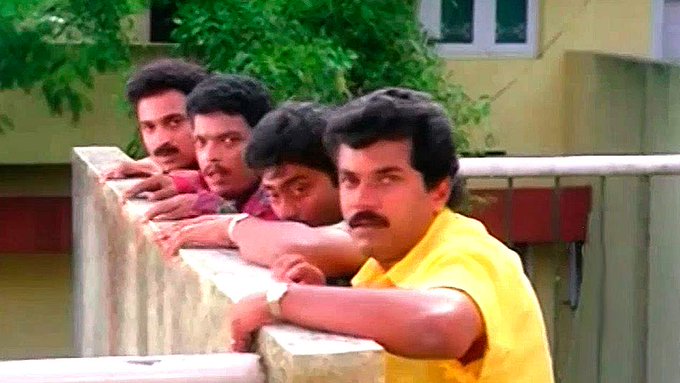
A timeless classic comedy, still as hilarious as ever. The enduring camaraderie of four friends in their uproarious escapades remains an iconic and evergreen journey of laughter.
12. Angamaly Diaries (2017)
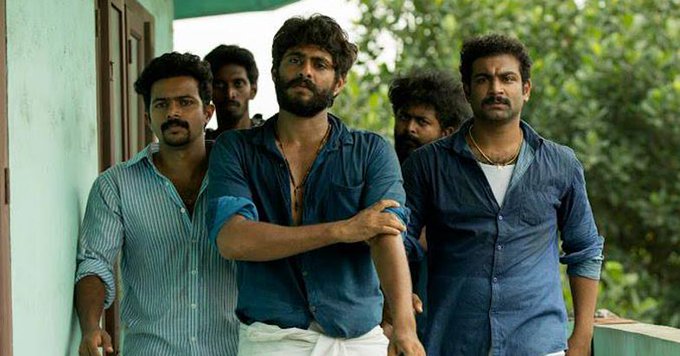
A cinematic riot of energy, capturing the essence of a bustling town. Lijo Jose Pellissery's frenetic storytelling and a cast of non-professional actors make this a raw, authentic masterpiece. It's an explosive slice of life.
13. Maheshinte Prathikaaram (2016)
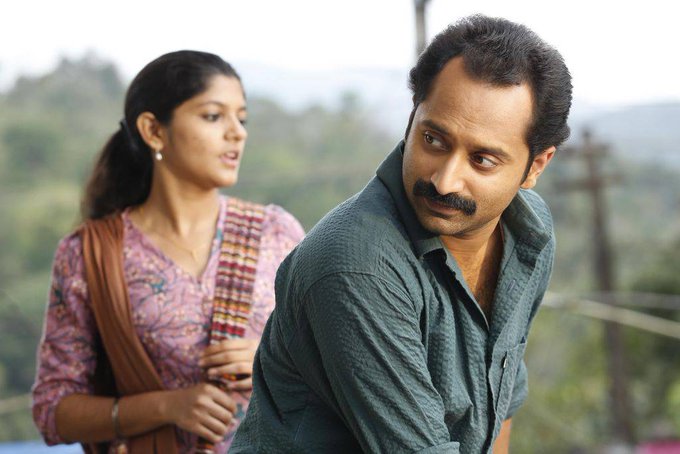
A slice of life that resonates with authenticity. FaF's portrayal and Dileesh Pothan's storytelling capture the essence of a small Kerala town. Humor, heart, and a delightful sense of place make this film a gem.
14. Peranbu (2018)
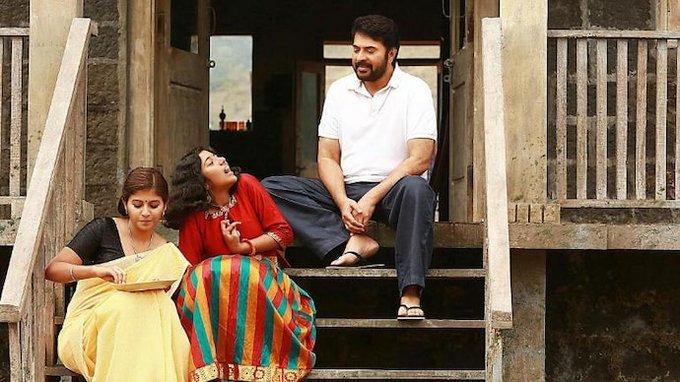
A poignant exploration of parental love and acceptance. Mammootty delivers a powerful performance, and Ram's sensitive storytelling shines. It's a deeply emotional journey that leaves a lasting impact.
15. Premam (2015)
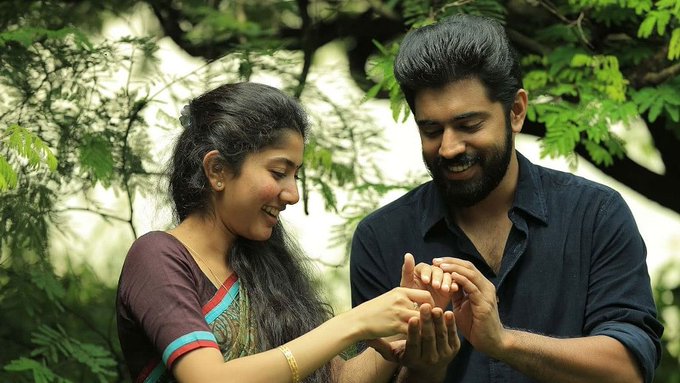
A charming coming-of-age romance that resonates with all ages. Alphonse Puthren's storytelling and Nivin Pauly's charismatic performance create magic. A delightful journey of love and maturity.
16. Thondimuthalum Driksakshiyum (2017)
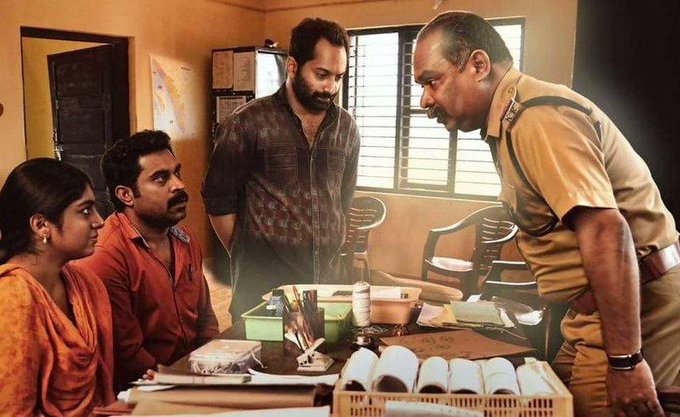
Thondimuthalum Driksakshiyum is a masterclass in realism and observation. The film thrives in its attention to the minutiae of everyday life, from cramped apartments and narrow village streets to the small, unremarkable spaces where human drama quietly unfolds. The cinematography feels unobtrusive yet deliberate, capturing gestures, glances, and hesitations with a precision that enhances both humor and tension. Naturalistic lighting and earthy color tones reinforce the grounded, lived-in feel of the environment. The narrative unfolds around morality, chance, and human folly, exploring how ordinary people navigate extraordinary situations. Characters are rich and layered, and their psychology is explored through dialogue, timing, and subtle reactions rather than exposition. One memorable sequence involves the theft investigation, where the camera lingers on small details, misplaced objects, nervous glances, and the social dynamics among bystanders, allowing tension and humor to coexist seamlessly. Thondimuthalum Driksakshiyum is a celebration of human imperfection, social observation, and the quiet power of storytelling grounded in reality.
17. North 24 Kaatham (2013)

North 24 Kaatham is a thoughtful, character-driven journey that explores human connection and personal growth against the backdrop of a road trip. The cinematography emphasizes movement and space, with Kerala’s streets, landscapes, and public spaces rendered with warmth and authenticity. Lighting is natural and unforced, capturing the subtleties of time and place while enhancing the intimacy of the story. Interiors, from homes to trains and buses, are carefully framed to reflect personality and context. The story is a quiet meditation on anxiety, responsibility, and the gradual unfolding of empathy. The protagonist’s psychology, including his struggles with fear and social awkwardness, is rendered with sensitivity, and his interactions with others reveal human vulnerability and resilience. One memorable moment is a serene riverbank conversation, where silence communicates more than words, highlighting the film’s patient, reflective pacing. North 24 Kaatham is immersive and gentle, drawing the audience into a deeply human exploration of connection, self-awareness, and the quiet beauty of ordinary encounters.
18. Jallikattu (2019)
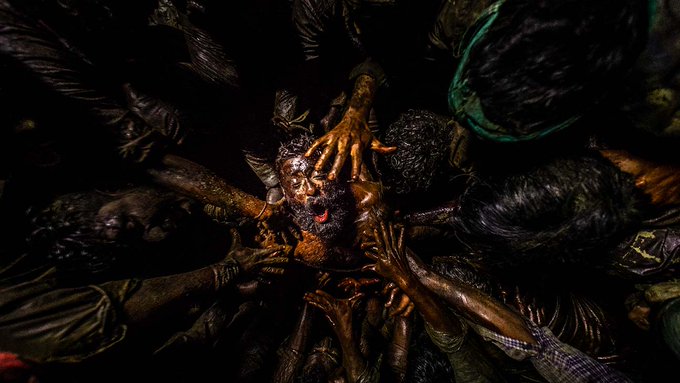
Jallikattu is pure cinematic energy captured in chaos and frenzy. The cinematography is frenetic yet controlled, following the panic and thrill of the hunt with visceral immediacy. Every street, alley, and field becomes a stage for human instinct, tension, and communal energy. Lighting shifts naturally between day and night, amplifying the primal, almost mythic quality of the narrative. The mise-en-scène is dense and immersive, with bodies, objects, and animals interacting in a way that conveys both disorder and narrative clarity. The story is a raw exploration of human nature, herd mentality, and the thin line between civilization and instinct. Characters are vividly individual yet collectively reactive, revealing how social dynamics evolve under stress. One unforgettable sequence captures the chaos of the chase, where the camera moves fluidly among the participants, immersing the audience in the frantic energy while maintaining clarity of narrative. Jallikattu is kinetic, primal, and deeply cinematic, a reflection on instinct, society, and the uncontainable force of human nature.
19. Mumbai Police (2013)
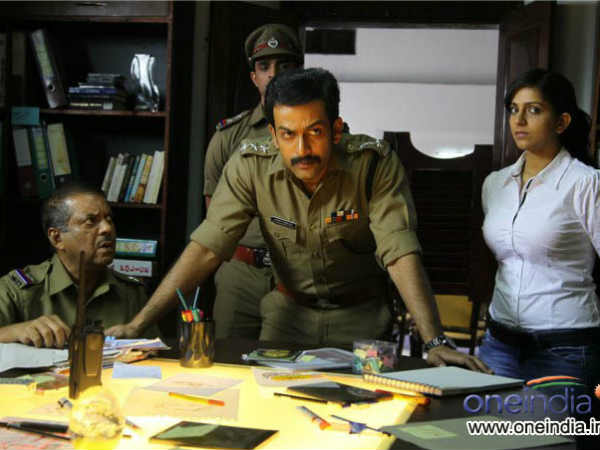
Mumbai Police is a taut, cerebral thriller that merges suspense with introspection. The urban landscape is depicted with precision, the narrow streets, dimly lit apartments, and police stations convey tension, secrecy, and urgency. Cinematography is deliberate, often framing characters in reflections or through obstructing objects to emphasize confusion, identity, and isolation. Lighting is used strategically, creating shadows that mirror the psychological murkiness at the core of the story. At its heart, the film is an exploration of memory, identity, and personal betrayal. The protagonist’s inner conflict, gradual revelation of truths, and moral dilemmas are portrayed with nuance, making the thriller as much about human psychology as criminal investigation. One standout scene is the revelation of hidden truths, where silence, body language, and framing generate suspense far beyond dialogue. Mumbai Police is engrossing because it rewards attention, observation, and reflection, delivering a suspenseful and emotionally resonant cinematic experience.
20. Kumbalangi Nights (2019)
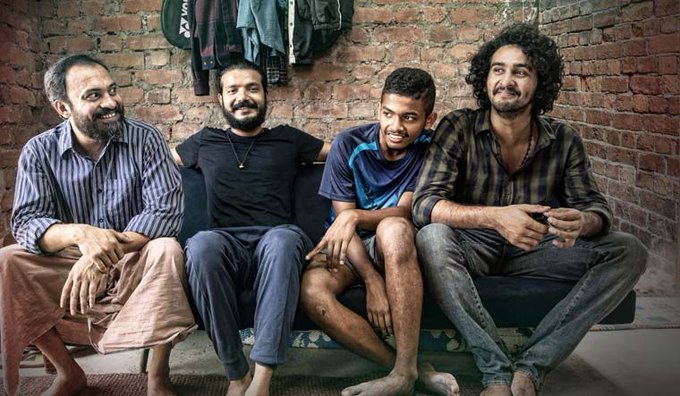
Kumbalangi Nights is an intimate, textured portrayal of family, love, and redemption. The cinematography celebrates Kerala’s coastal beauty while remaining grounded in lived-in interiors that reflect the characters’ personalities, struggles, and growth. Lighting is soft, natural, and evocative, creating warmth in everyday scenes and intimacy in moments of conflict or tenderness. The mise-en-scène, from cluttered homes to open riverbanks, is rich in detail and subtly informs the narrative. The narrative’s strength lies in its relationships, the complexities of sibling bonds, love, and personal transformation are explored with emotional honesty and nuance. Characters are flawed yet deeply relatable, and the film allows them to evolve organically over time. A memorable scene is the family gathering by the riverside, where laughter, tension, and unspoken history intermingle, capturing the rhythm of real-life intimacy. Kumbalangi Nights is cinematic in its observation of humanity, balancing humor, pathos, and beauty with remarkable finesse.
21. Ennu Ninte Moideen (2015)

Ennu Ninte Moideen is a heartbreaking and lyrical exploration of love, defiance, and societal constraints. The cinematography captures the sweeping landscapes of Kasaragod and the intimate, rustic interiors of village homes with equal care, creating a sense of both freedom and confinement. The use of natural lighting enhances the authenticity, from sun-drenched fields to dimly lit rooms where whispered plans and stolen glances carry immense emotional weight. The story is rooted in tragedy yet elevated by the deep humanity of its characters. The lovers’ bond is explored through quiet gestures, letters, and longing glances, contrasting the harsh realities of familial opposition and social expectation. One unforgettable scene depicts a chance meeting in the moonlight, where silence and subtle expressions communicate more than words could. The film lingers because it captures love’s enduring power and the crushing impact of societal norms, leaving a lingering ache that is both personal and universal.
22. Ustaad Hotel (2012)
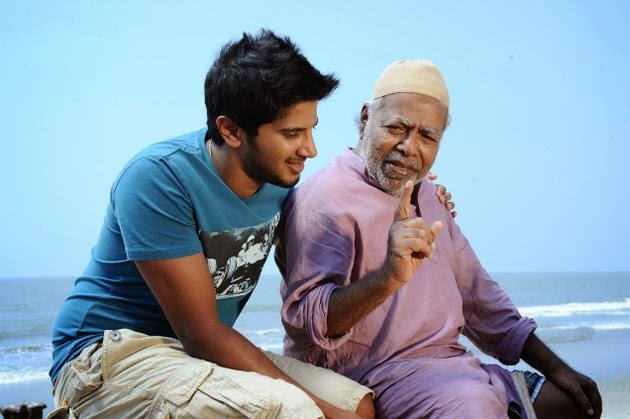
Ustaad Hotel is a warm, sensorial exploration of ambition, tradition, and the pursuit of personal meaning. The cinematography beautifully balances the intimate spaces of the hotel kitchen with the bustling streets and beaches of Kozhikode, grounding the story in both human and environmental texture. Lighting is soft and inviting, enhancing the warmth of shared meals, laughter, and mentorship. Every frame is composed to emphasize the tactile pleasures of food, labor, and connection, making the audience almost taste and feel the world onscreen. The narrative delves deeply into the protagonist’s transformation, from a man chasing worldly success to someone who discovers fulfillment in empathy, patience, and love for his craft. The relationships, particularly between the fatherly mentor and the young protagonist, are nuanced and layered. One memorable moment is the preparation of the biryani, a scene where attention to detail, ritual, and shared labor becomes a metaphor for life’s balance and care. Ustaad Hotel is a film that nourishes the heart as much as it captivates the senses, celebrating humanity in its quiet, thoughtful moments.
23. Thanmathra (2005)

Thanmathra is a profound, tender, and often painful exploration of memory, identity, and the human cost of Alzheimer’s disease. The cinematography delicately captures both public and private spaces-the family home, work, and hospital corridors, highlighting the protagonist’s gradual disorientation and the family’s emotional strain. Lighting is used subtly to reflect shifts in perception, memory, and reality, creating a visual language that mirrors cognitive decline without resorting to overt symbolism. The story focuses on the psychological and emotional landscapes of the characters, portraying the fragility of memory alongside enduring love and devotion. Moments of subtle recognition, confusion, or frustration are heightened through performance, framing, and pacing, making the audience feel the gradual erosion of identity alongside the protagonist. One particularly affecting scene shows a family dinner where the protagonist’s lapses are met with quiet grief and patience, conveying heartbreak and resilience simultaneously. Thanmathra is an immersive study of human vulnerability, empathy, and the intimate tragedy of a mind fading while love endures.
24. Bangalore Days (2014)

Bangalore Days is an exuberant, heartfelt ensemble piece that balances humor, romance, and personal growth. The cinematography captures the urban vibrancy of Bangalore alongside the intimate spaces of home and friendship, allowing the city to become a silent yet potent character. Lighting is natural and warm, enhancing the energy of youth and the tender intimacy of personal interactions. The setting from bustling streets to cozy apartments, emphasizes both the chaos and comfort of urban life. The narrative thrives on character psychology and relationships. Each protagonist is distinct, with desires, flaws, and insecurities explored organically through their interactions. One memorable sequence involves a chaotic, laughter-filled wedding scene where love, friendship, and conflict collide in a naturalistic way, highlighting the film’s ability to weave multiple storylines with emotional coherence. Bangalore Days is a celebration of connection, self-discovery, and the balance of independence and familial bonds, leaving the audience both uplifted and reflective.
25. Minnal Murali (2021)

Minnal Murali is a refreshing, textured take on the superhero genre rooted in local culture and human emotion. The cinematography blends kinetic action with intimate moments, capturing both the awe of superhuman feats and the grounded reality of village life. The lighting is dynamic,0daylight sequences feel airy and vivid, while night-time or fight sequences employ chiaroscuro to heighten tension and drama. The setting is rich, from the protagonist’s modest home to the vibrant streets and fields of the village, creating a tangible, lived-in world. The story explores power, responsibility, and self-discovery, anchored in well-drawn characters whose relationships and internal struggles feel authentic. The protagonist’s journey from ordinary to extraordinary is layered with humor, vulnerability, and moral reflection. One standout sequence depicts the protagonist confronting both a personal and physical challenge, blending action, emotion, and spectacle seamlessly. Minnal Murali succeeds because it balances superhero grandeur with deeply human storytelling, offering a cinematic experience that is thrilling, heartfelt, and culturally resonant.
— The Cinéprism
Keep reading
31 / 08 / 2026 · 383 reads
10 Best Endings in Film
A curated list of 10 unforgettable movie endings that leave a lasting impact long after the credits roll.
12 / 11 / 2025 · 5099 reads
Top 11 Greatest TV Shows:
These eleven extraordinary series redefine what television can be, merging unforgettable characters with stories that linger long after the screen goes dark.