Dispatch — Long Read
50 Greatest Thrillers of All Time - Part II
A definitive list of the greatest thriller films - iconic, intense, and endlessly gripping classics that defined suspense across generations.
The Cinéprism
20 / 12 / 2025 · 53 min read
24. 🎬 L.A. Confidential (1997) | Dir. Curtis Hanson
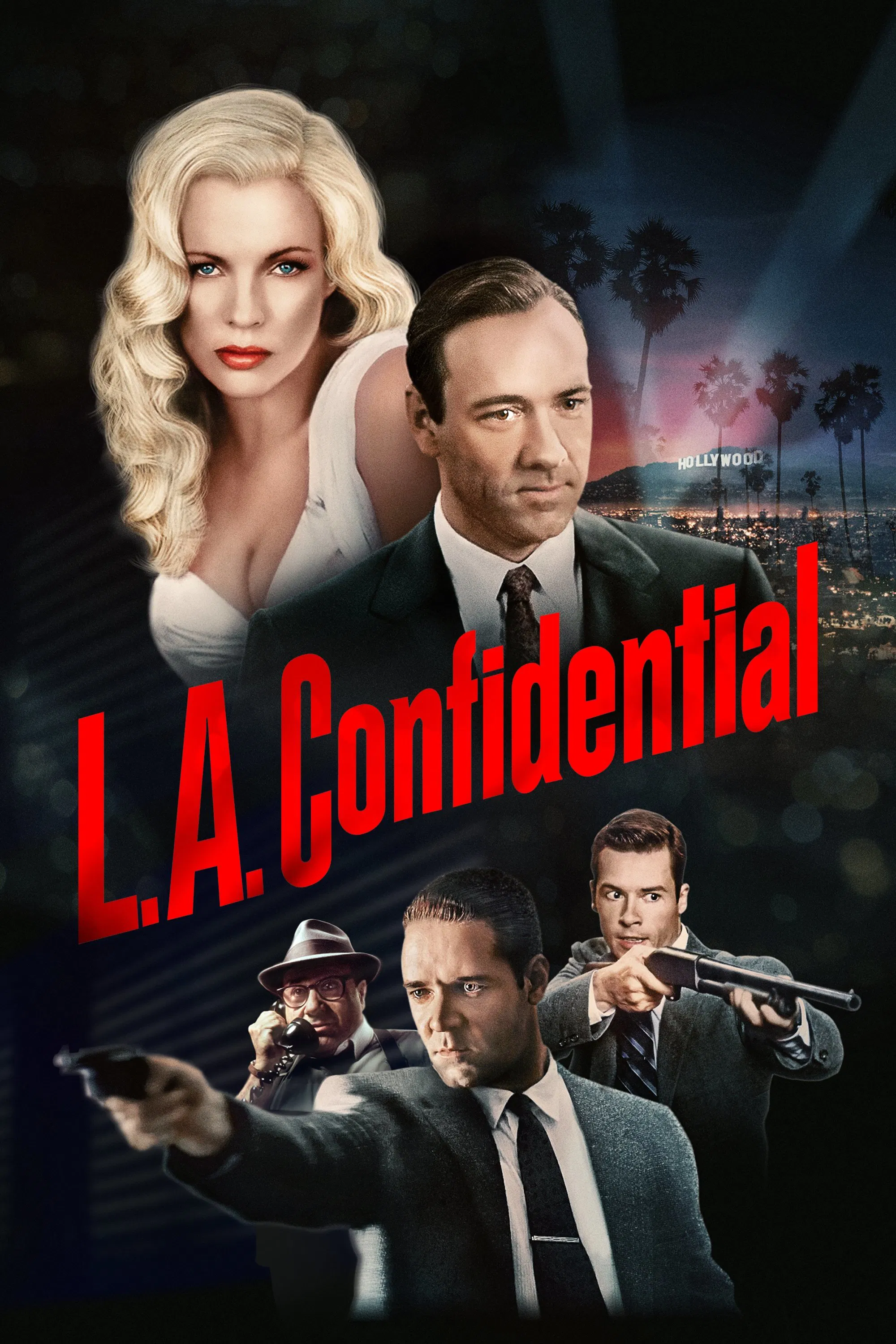
A neo-noir following three LAPD detectives investigating murders connected to corruption within their own department, their different approaches to law enforcement colliding as they uncover conspiracy reaching the highest levels of Los Angeles power structures. Curtis Hanson adapts James Ellroy's novel into examination of how police corruption operates through institutional protection of bad cops while destroying good ones who threaten the system, showing how 1950s Los Angeles's glamorous surface concealed violence and graft that made the city function. Kevin Spacey's Jack Vincennes is celebrity cop who consults on TV shows while taking bribes from tabloid magazines, Guy Pearce's Ed Exley is ambitious straight arrow whose adherence to rules makes him despised by colleagues who view integrity as betrayal, and Russell Crowe's Bud White is brutal enforcer whose violence against women abusers masks his own capacity for the brutality he claims to oppose. What makes L.A. Confidential essential is its examination of how different forms of police corruption coexist, showing how Vincennes's media-friendly graft, Exley's careerism that requires sacrificing colleagues, and White's vigilante violence all serve the department's interests despite appearing to conflict, proving that corruption doesn't require coordination when everyone benefits from maintaining the system.
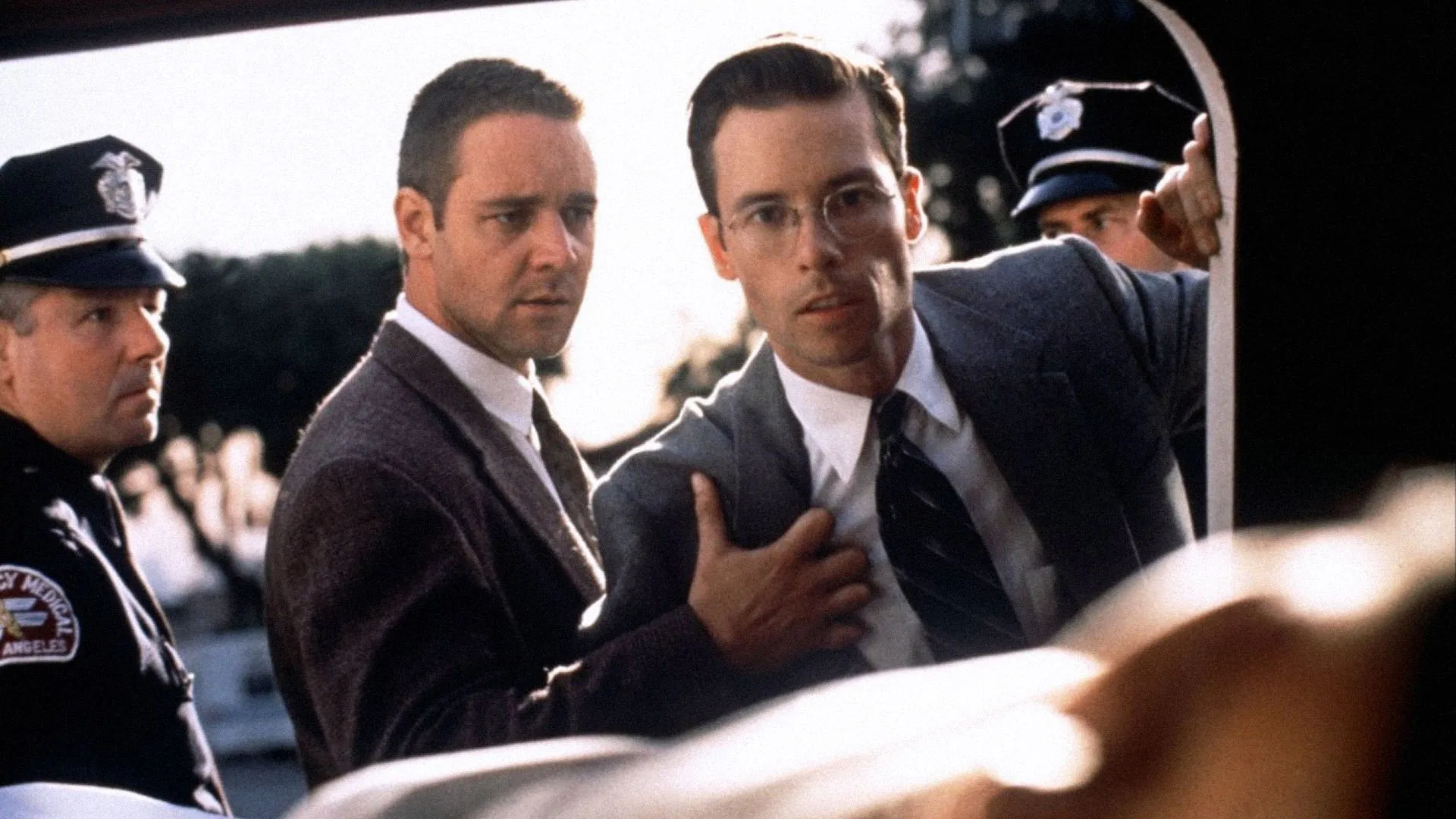
Hanson shoots 1950s Los Angeles with period detail that emphasizes the gap between Hollywood's manufactured glamour and the actual city's violence, showing how film industry and police corruption operate symbiotically to create image that conceals reality. The investigation reveals how the Nite Owl murders connect to protection racket operated by police captain who's been eliminating competition for mob-connected pornography and prostitution operation, his manipulation of his own detectives showing how institutional corruption makes everyone complicit. It succeeds because Hanson examines how police reform requires dismantling systems rather than removing individual corrupt officers, that solving one conspiracy doesn't change the structures that created it, proving that best neo-noir films use period settings to examine contemporary problems about institutional corruption that persist regardless of decade.
23. 🎬 The Usual Suspects (1995) | Dir. Bryan Singer
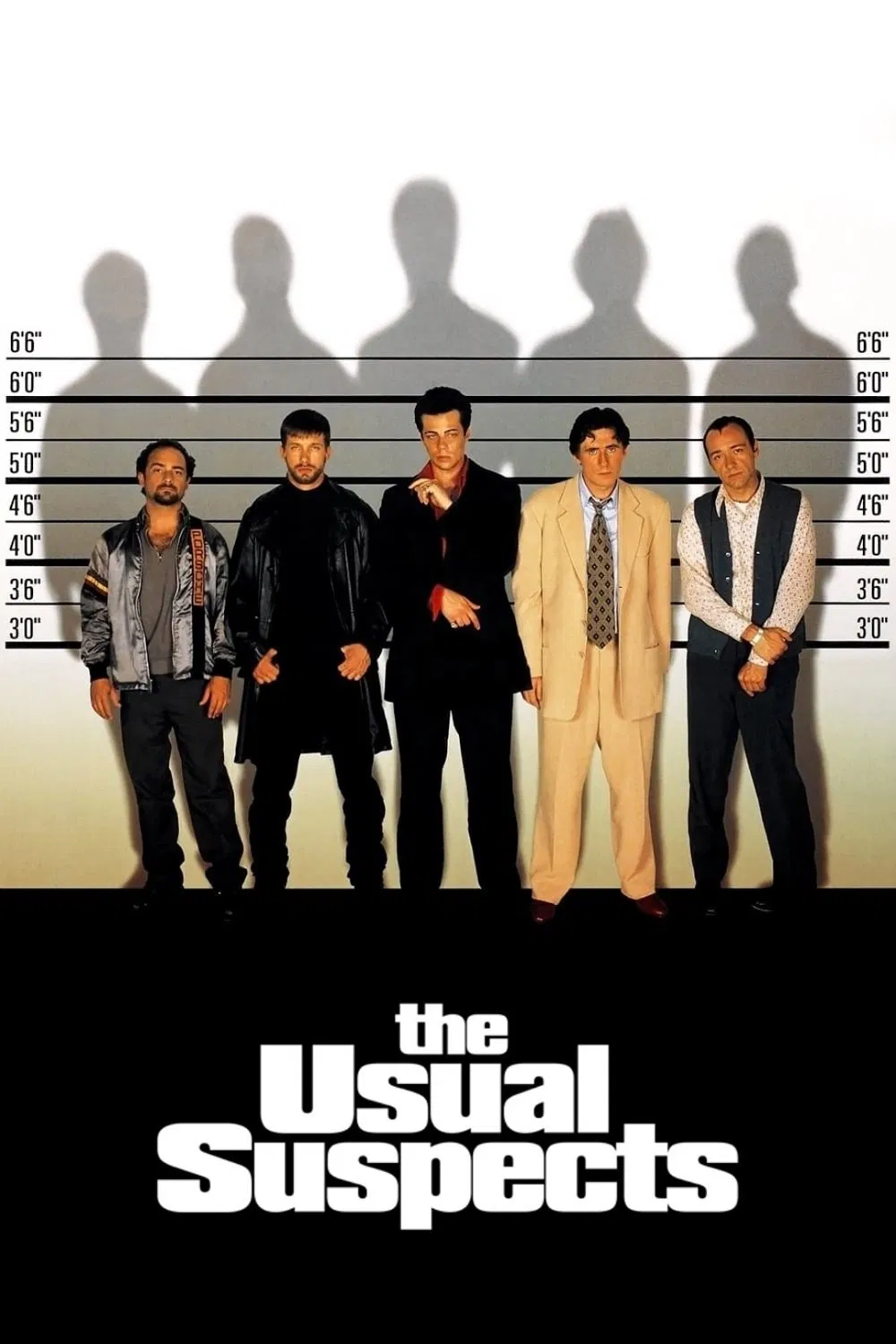
A crime thriller following five criminals brought together by police lineup who plan elaborate heist, their story told through interrogation of Verbal Kint, the sole survivor whose testimony may be unreliable, building to revelation that restructures everything we've witnessed. Bryan Singer and Christopher McQuarrie create puzzle box narrative examining how storytelling shapes reality, showing how Verbal constructs account of events that seems plausible until final moments reveal he's been manipulating the detective and audience through strategic use of truth and fiction. Kevin Spacey plays Verbal with seemingly guileless vulnerability, his physical disability and nervous demeanor making him appear incapable of the intelligence and ruthlessness required to be the mythical criminal Keyser Söze he's describing, his performance as unreliable narrator becoming the film's central magic trick. What makes The Usual Suspects memorable despite its gimmick is McQuarrie's screenplay building mythology around Söze that makes him seem simultaneously everywhere and nowhere, his reputation making everyone afraid while his actual existence remains unconfirmed until Verbal's escape reveals the truth hiding in plain sight throughout the interrogation. The film's structure uses flashbacks that appear to illustrate Verbal's story but which the ending reveals as constructed narrative using details from the police office, showing how the coffee mug and bulletin board provided raw material Verbal assembled into convincing fiction. Singer shoots with noir aesthetics that make the criminal world seem both glamorous and sordid, the heist and subsequent massacre at the pier creating genre expectations that the twist subverts by revealing we've been watching one man's elaborate performance rather than objective account.
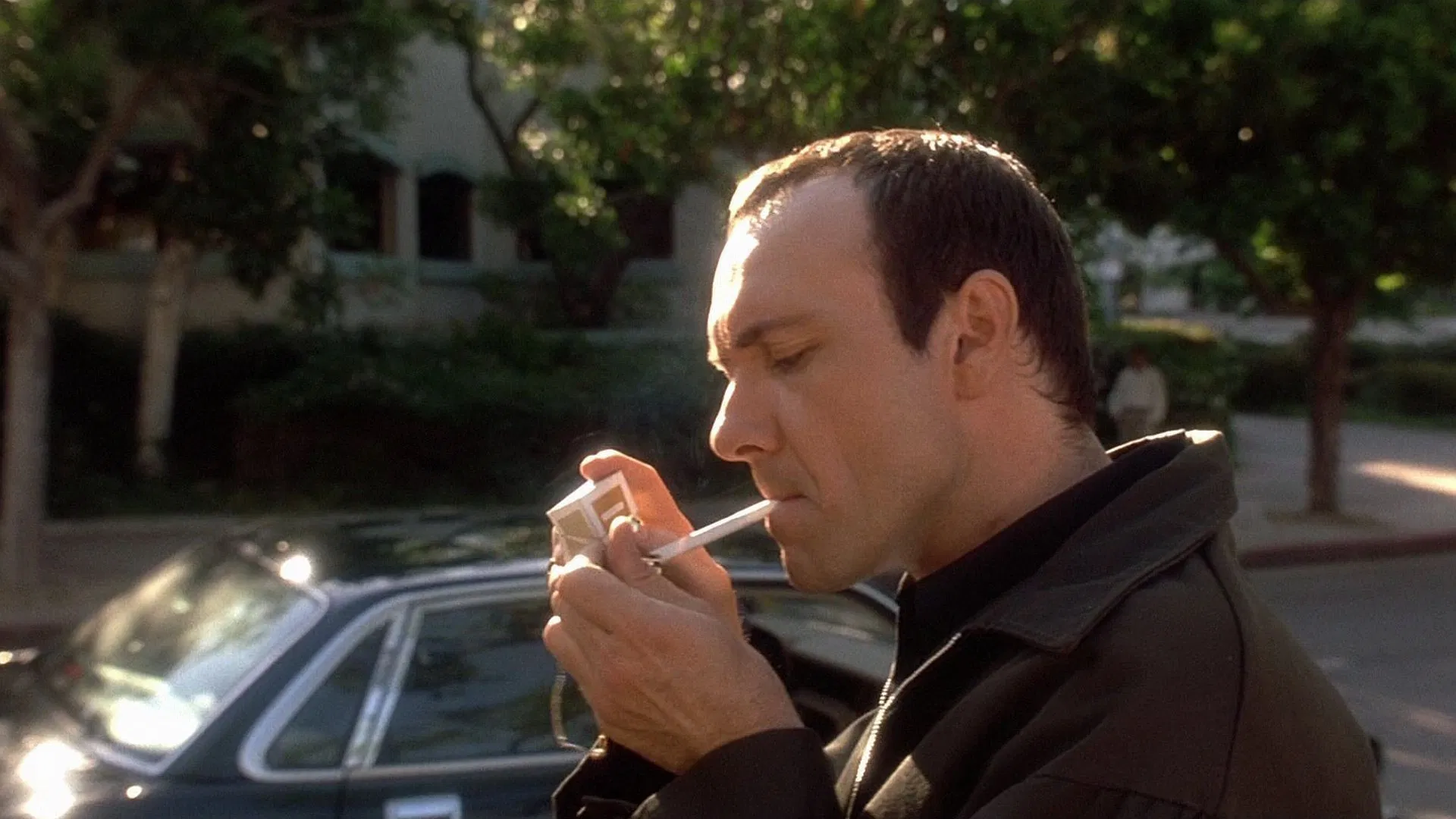
The famous final sequence where Verbal's limp disappears and we see how he constructed his story from surrounding details creates moment where viewers realize they've been as thoroughly deceived as Detective Kujan, proving that the most effective lies are those containing enough truth to seem credible. It succeeds because Singer and McQuarrie examine how storytelling itself is form of manipulation, that every narrative is constructed to serve teller's purposes, and that distinguishing between truth and performance becomes impossible when narrator is skilled enough at blending them, though the twist's effectiveness depends on accepting logical gaps about how Verbal could know details he wasn't present for, requiring suspension of disbelief that some viewers find too demanding for the revelation to land properly.
22. 🎬 Memento (2000) | Dir. Christopher Nolan
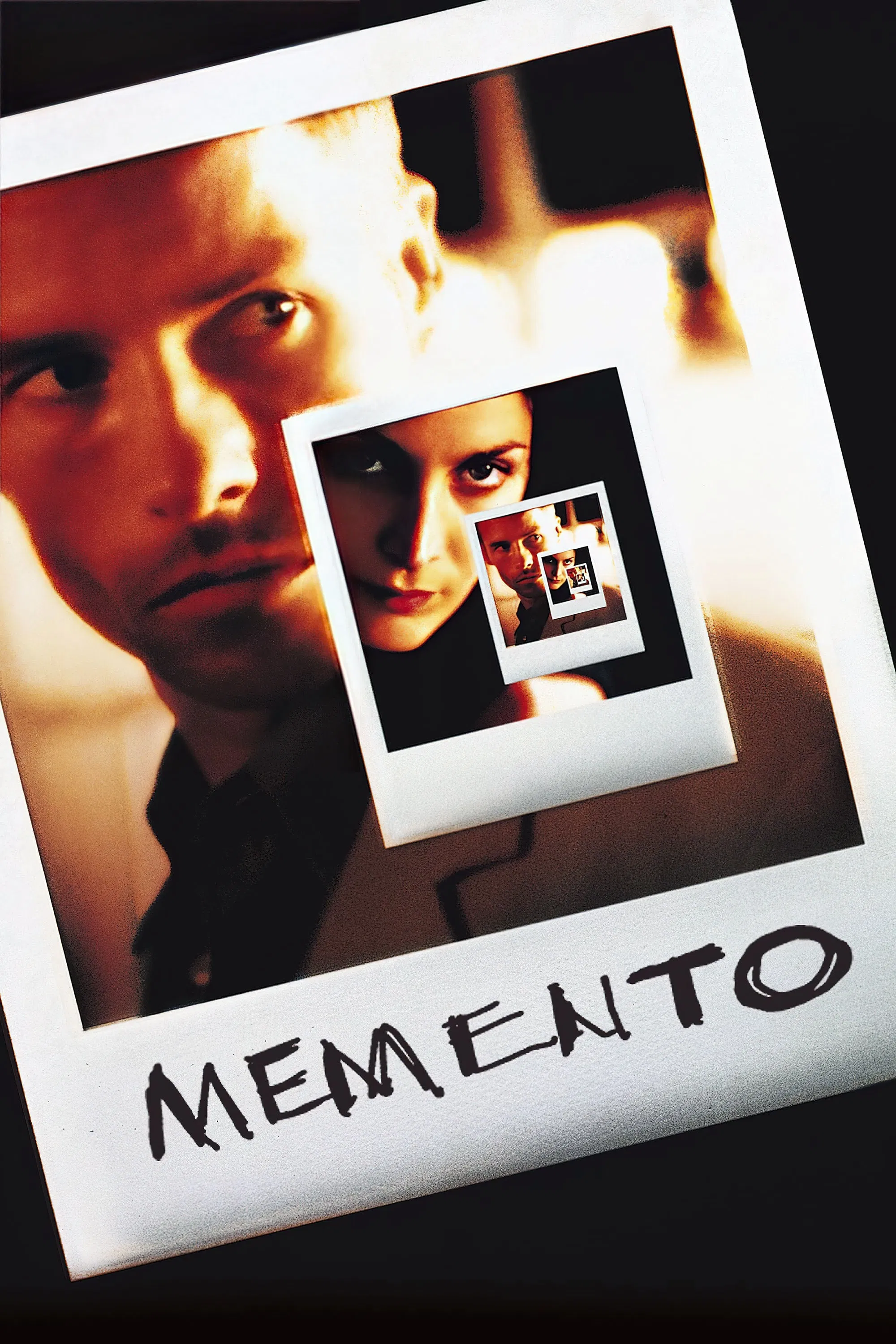
A film using reverse chronological structure to make viewers experience the protagonist's condition, following Leonard Shelby who cannot form new memories as he searches for his wife's killer using Polaroids and tattoos to track information he'll forget within minutes. Christopher Nolan creates puzzle box narrative that's simultaneously gimmick and profound examination of how memory constructs identity, showing how we become stories we tell ourselves about who we are, that identity persists only through narrative continuity we maintain by remembering our past. Guy Pearce plays Leonard with desperate focus of someone whose condition makes him vulnerable to manipulation by everyone he encounters, his certainty about his mission gradually revealed as potentially constructed by others for their own purposes, showing how unreliable memory is for everyone not just those with clinical amnesia. What makes Memento essential is its formal structure embodying thematic concerns about memory and identity, the reverse chronology forcing viewers to share Leonard's confusion by beginning each scene without context that would normally orient us, creating empathy through structural choice rather than emotional manipulation.
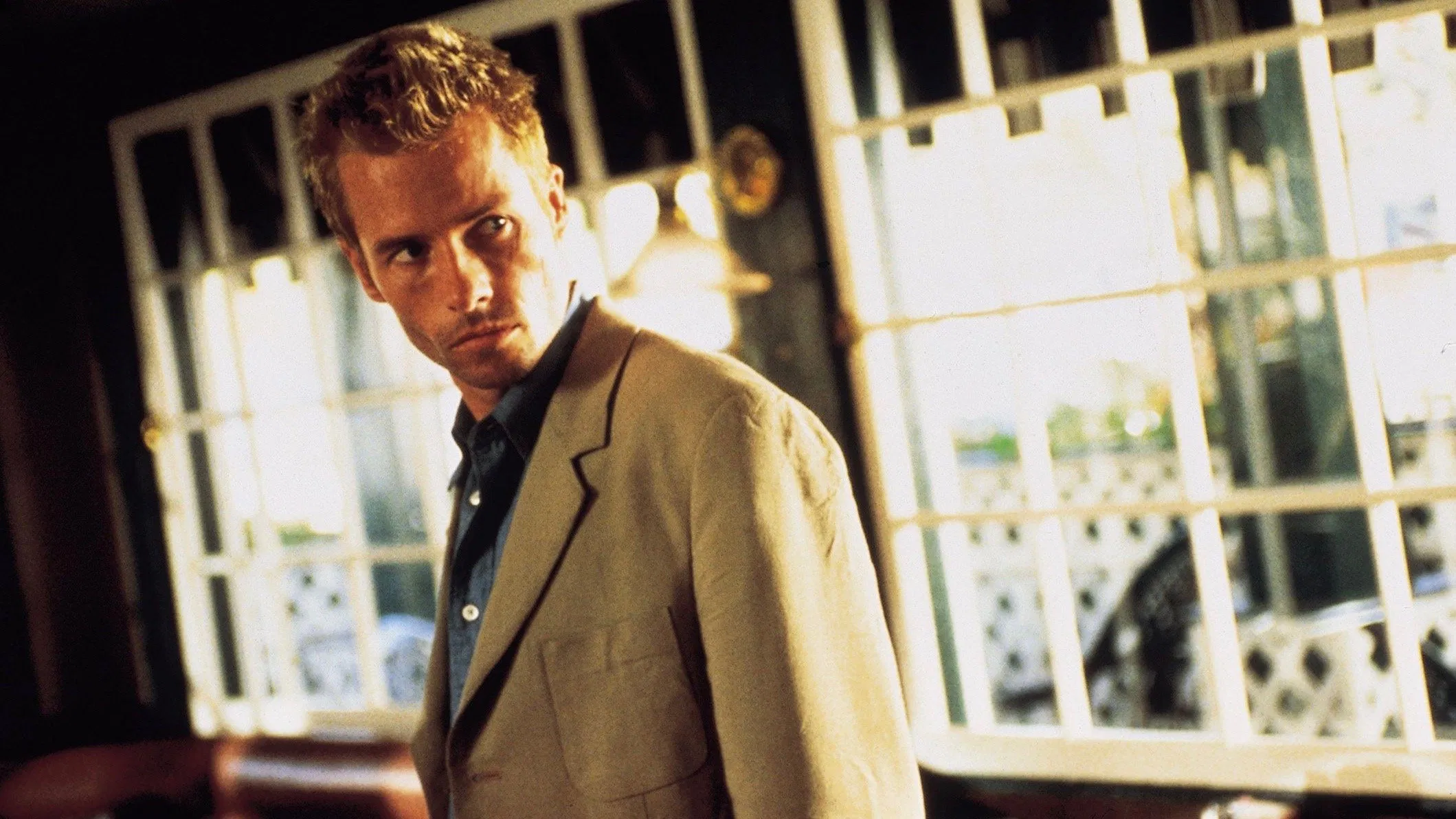
The film operates as noir detective story where the detective can't trust his own investigation, where every clue might be planted and every ally might be enemy, his condition making him perfect target for those willing to exploit his inability to remember their previous betrayals. Nolan's examination of how Leonard's quest might be meaningless exercise in perpetual motion shows how he's trapped in loop of forgetting and rediscovering the same information, whether his wife's killer has already been found or never existed as he remembers becoming questions the film refuses to answer definitively. The revelation that Leonard may have killed the actual murderer already and been manipulated into hunting new targets by people exploiting his condition creates devastating recognition that his entire mission is performance others direct while he believes he's pursuing autonomous goal. It succeeds because Nolan uses the condition as more than plot device, making formal structure embody thematic concerns about memory, identity, and revenge, proving that some truths about consciousness and self require experimental narrative techniques to express, that traditional linear storytelling would make philosophical points about memory's unreliability less experientially powerful than forcing audience to navigate same confusion that defines Leonard's existence.
21. 🎬 The Vanishing (1988) | Dir. George Sluizer
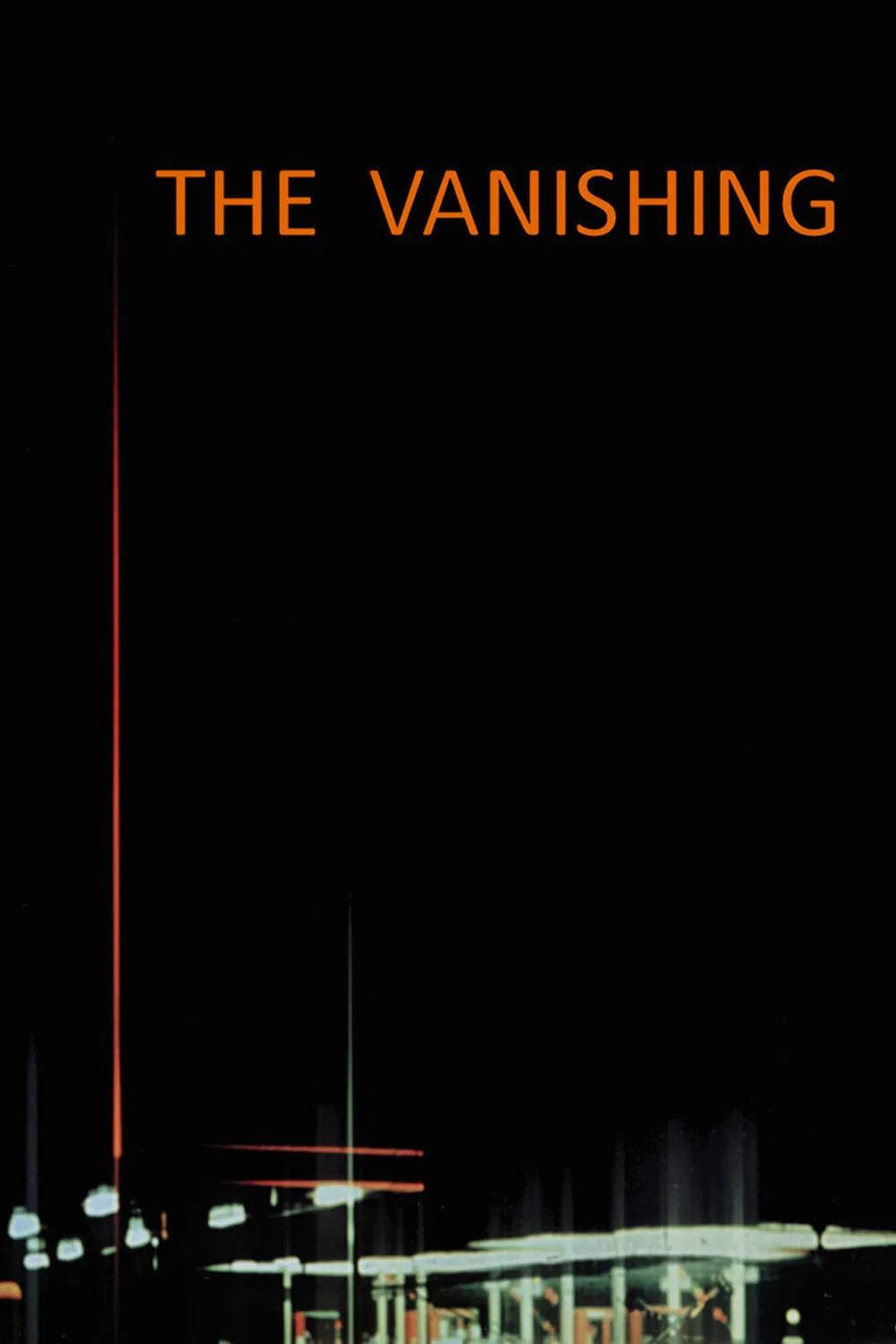
A Dutch thriller following Rex whose girlfriend Saskia disappears at highway rest stop, his three-year obsession with finding her leading him to accept offer from her kidnapper to learn what happened, even though doing so requires placing himself in same danger. George Sluizer creates genuinely disturbing examination of how normal people can commit atrocities through methodical planning divorced from emotional connection to victims, showing how Raymond's kidnapping and murder of Saskia was intellectual exercise in whether he could successfully execute crime without emotional motivation. Bernard-Pierre Donnadieu plays Raymond with chilling banality, his suburban life as chemistry teacher and family man making his crimes more disturbing than if he were obvious monster, his willingness to explain exactly what he did to Saskia representing sociopath's pride in his accomplishment. Gene Bervoets's Rex is obsessed survivor whose inability to move forward without knowing Saskia's fate makes him vulnerable to Raymond's offer, his decision to accept sedative that will lead to same death Saskia experienced representing ultimate act of love or self-destruction depending on interpretation.
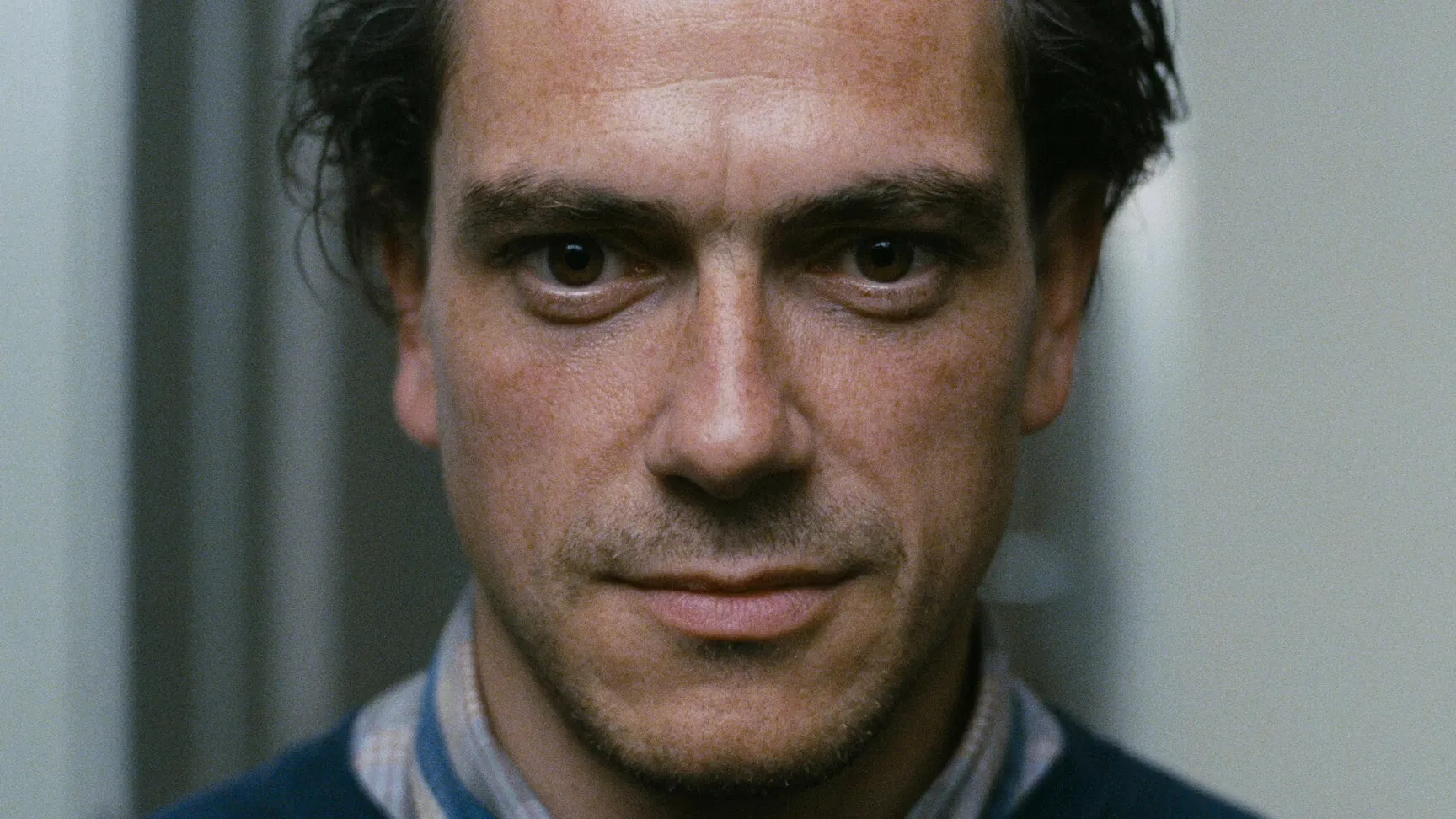
What makes The Vanishing genuinely horrifying is its examination of how Raymond's motivations are entirely abstract, his crime proving to himself he could do something terrible without feeling guilt, his complete lack of connection to Saskia as person making her merely object in his experiment about his own capacity for evil. Sluizer shoots with documentary-like realism that makes the horror emerge from mundane details, showing how Raymond practiced his abduction technique and selected random victim, his preparation transforming murder into routine task stripped of emotional significance. The film's ending, where Rex is buried alive experiencing Saskia's final moments, provides no catharsis or justice, just confirmation of what happened and recognition that Raymond will never face consequences because his crime was too perfectly executed. It succeeds because Sluizer refuses to make Raymond's evil comprehensible through trauma or psychology, showing instead how some people commit atrocities simply to prove they can, that evil doesn't require motivation beyond intellectual curiosity about whether crossing certain lines is possible without emotional cost, proving that most terrifying villains are those who treat murder as problem-solving rather than expressing rage or satisfying desire.
20. 🎬 Jaws (1975) | Dir. Steven Spielberg

A thriller about great white shark terrorizing beach town, police chief Brody, marine biologist Hooper, and shark hunter Quint attempting to kill it before peak tourist season brings more victims, their hunt becoming examination of masculinity, class, and how communities respond to existential threats. Steven Spielberg creates film that operates as monster movie and character study simultaneously, showing how the shark represents nature's indifference to human concerns while the town's response reveals how economic interests override public safety, Mayor Vaughn keeping beaches open despite deaths because tourism revenue matters more than lives. Roy Scheider plays Brody as competent cop whose fear of water makes him reluctant hero, his working-class pragmatism contrasted with Richard Dreyfuss's Hooper representing educated expertise and Robert Shaw's Quint embodying working-class resentment and self-destructive machismo. What makes Jaws essential beyond its technical achievement creating believable shark is its examination of how the three men's hunt becomes competition about whose approach to masculinity is valid, Quint's self-reliant brutality versus Hooper's scientific knowledge versus Brody's ordinary competence, their conflict as important as killing the shark.
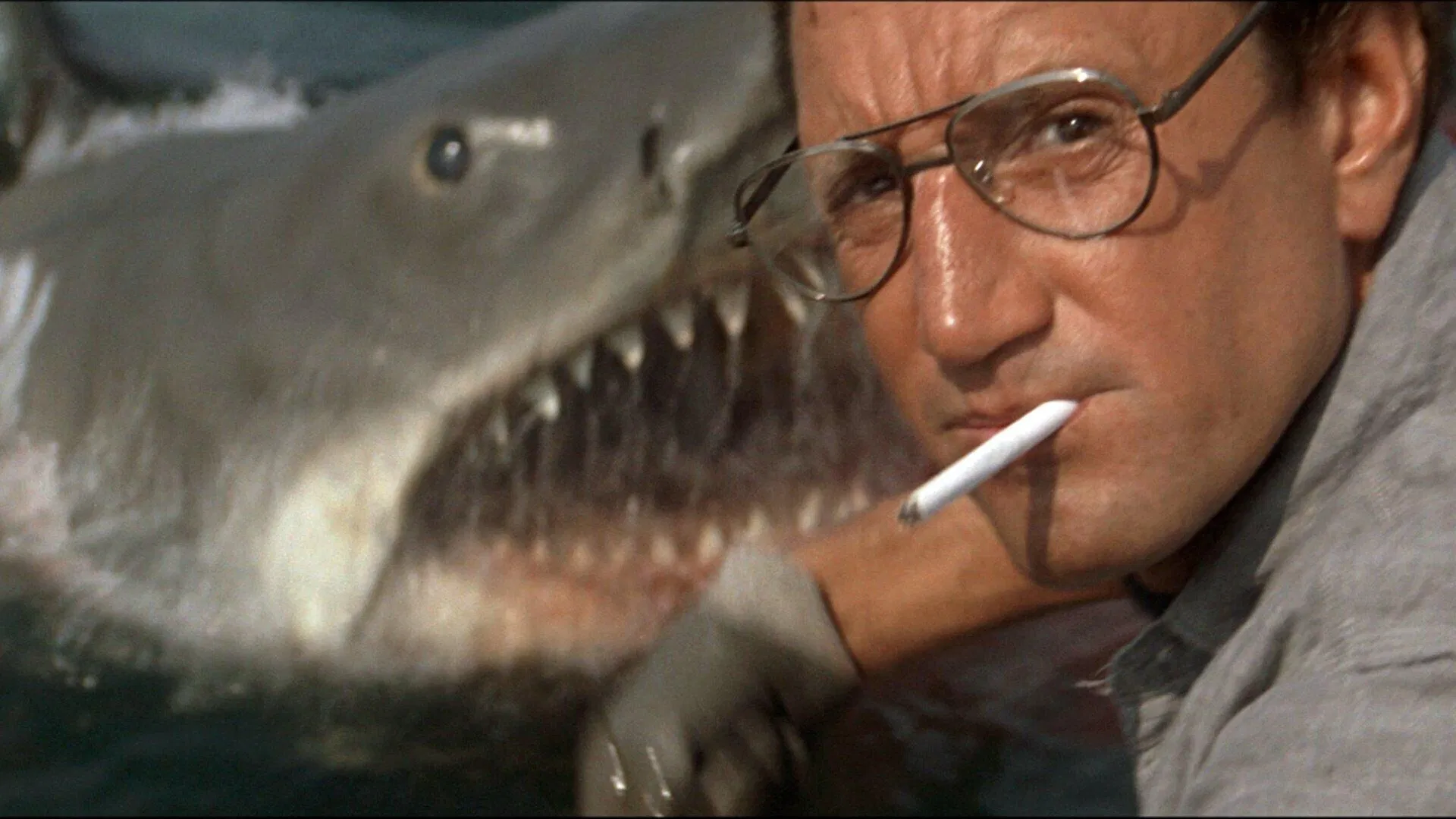
Spielberg shoots the shark attacks with strategic withholding, mechanical problems making him show less of the shark than planned, accidentally creating more effective suspense through suggestion rather than explicit display, proving that fear of what you can't see is more powerful than creature effects. The Indianapolis speech where Quint describes surviving shark attacks after delivering atomic bomb creates character depth that transforms him from caricature into traumatized veteran whose self-destruction makes sense given what he's experienced, his alcoholism and death wish revealed as symptoms of survivor guilt. The film's climax where Brody kills the shark after Quint's death represents triumph of ordinary competence over both nature's violence and toxic masculinity's self-destruction, showing how survival sometimes requires rejecting performances of heroism in favor of simply doing what works. It succeeds because Spielberg understands that monster movies work best when monsters represent something beyond themselves, that the shark is nature's indifference but also everything the town fears about losing control of their environment and economy, proving that best creature features use their monsters to examine human responses to threat rather than just providing scares.
19. 🎬 Die Hard (1988) | Dir. John McTiernan
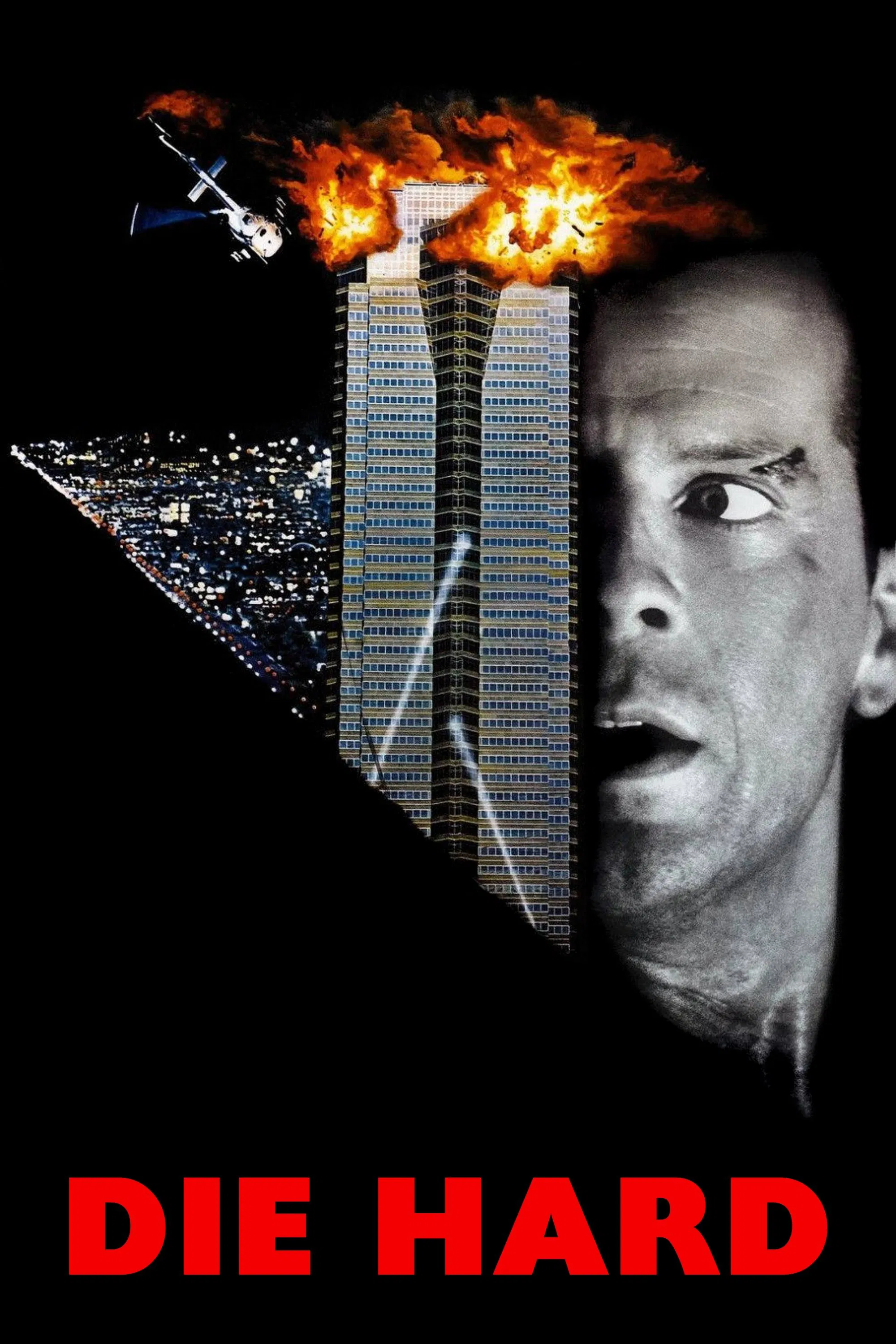
An action thriller following NYPD cop John McClane who's trapped in Nakatomi Plaza during Christmas party when terrorists take hostages, his attempts to survive and save his wife among the hostages creating template for action cinema that's rarely been equaled. John McTiernan creates film that operates as visceral action and examination of masculinity in crisis, showing how McClane's working-class approach to problem-solving through improvisation and endurance contrasts with both the terrorists' elaborate planning and the FBI's institutional response that makes everything worse. Bruce Willis plays McClane with blue-collar pragmatism and vulnerability that transforms action hero archetype, his character bleeding and terrified rather than invincible, his running commentary and desperate resourcefulness making him feel like actual person rather than superhero, his separation from his wife Holly providing emotional stakes beyond just surviving. Alan Rickman's Hans Gruber is perfect villain, his cultured demeanor masking criminal who's using terrorism as cover for elaborate heist, his intelligence making him worthy opponent for McClane while his underestimation of one cop with no shoes becomes his fatal miscalculation. What makes Die Hard essential is its examination of how institutions fail during crisis, showing how FBI's by-the-book response enables the terrorists while McClane's rule-breaking improvisation actually saves lives, that competence matters more than credentials when circumstances require adaptation rather than protocol.
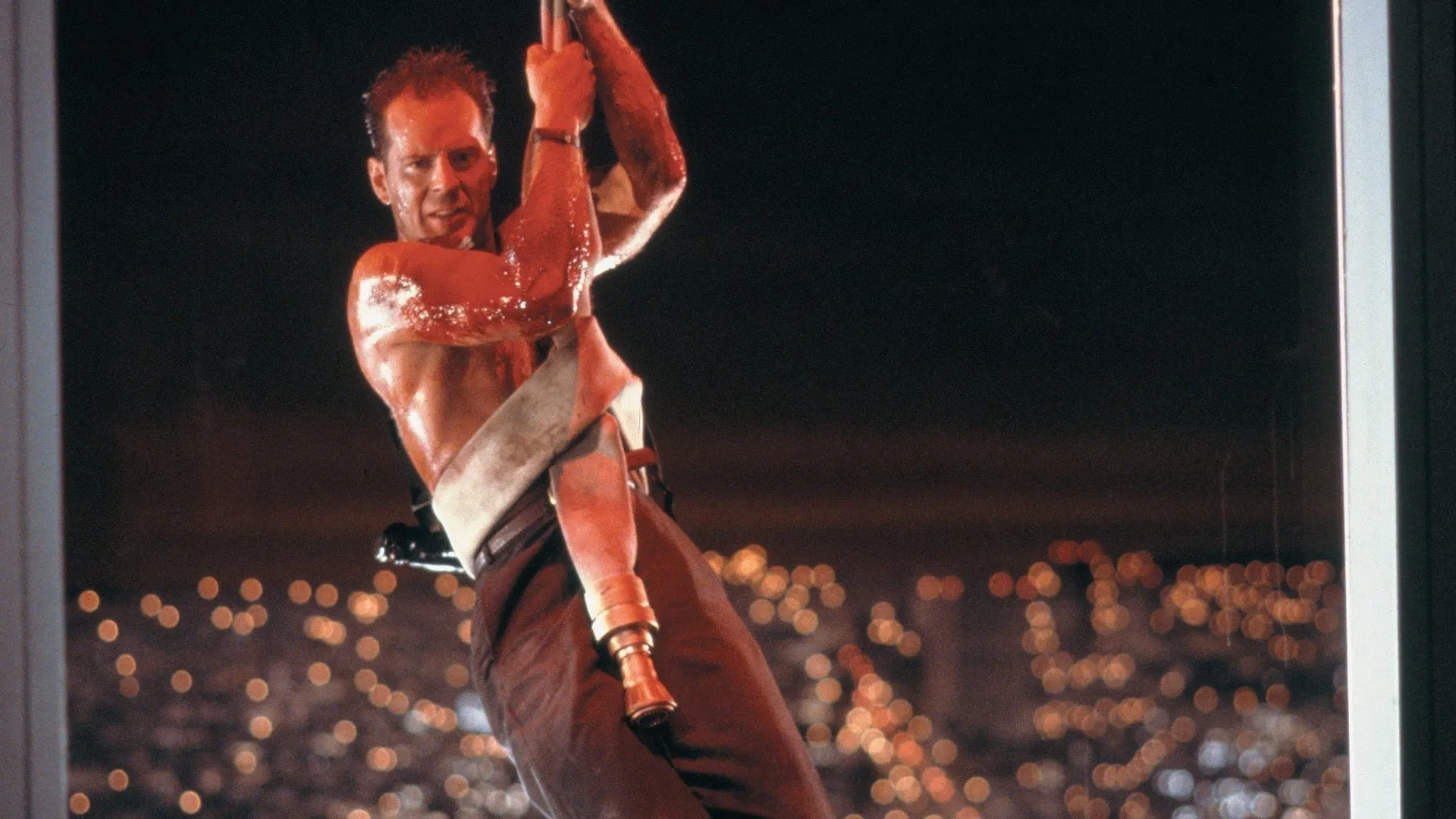
McTiernan shoots the Nakatomi Plaza as vertical battlefield, McClane's movement through ventilation shafts and up stairwells creating three-dimensional action that uses architecture strategically, the building itself becoming character that shapes the conflict. The film's treatment of McClane's relationship with Holly shows how his career cop identity has damaged their marriage, his inability to compromise about career versus her career representing masculine pride that terrorist attack forces him to confront, his final embrace with her suggesting he's learned something about what actually matters. It succeeds because McTiernan balances action with character, making McClane's survival matter emotionally not just as generic hero defeating villains, showing how his working-class resentment of wealth and authority makes him perfect protagonist for scenario where rich people's Christmas party and FBI's institutional arrogance both require regular guy to save the day through practical competence, proving that best action films use their setpieces to reveal character rather than just providing spectacle.
18. 🎬 The Sixth Sense (1999) | Dir. M. Night Shyamalan
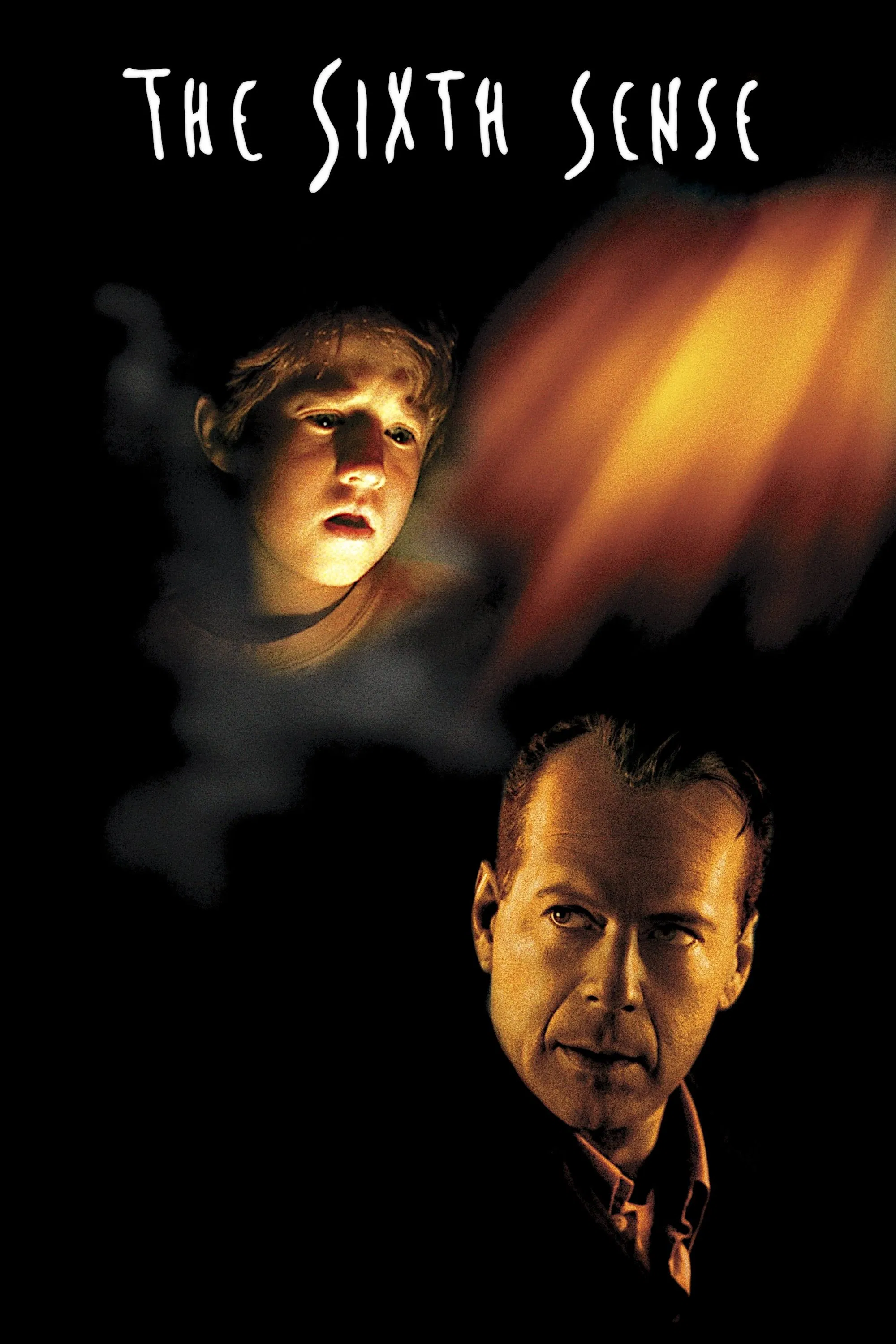
A supernatural thriller following child psychologist Malcolm Crowe treating Cole, a boy who claims to see dead people, their relationship developing as Malcolm tries to help Cole while processing his own trauma from being shot by former patient, building to revelation that restructures everything we've witnessed. M. Night Shyamalan creates film that operates as ghost story and examination of how we process trauma and guilt, showing how Malcolm's dedication to helping Cole represents attempt to redeem his failure with the patient who shot him, his inability to connect with his wife suggesting psychological wound that the twist ending reveals as literal death he hasn't accepted. Bruce Willis plays Malcolm with subdued gentleness that makes his investment in Cole's wellbeing feel genuine rather than professional, his patience with the boy's claims about seeing ghosts creating safe space for Cole to reveal his gift without being dismissed as crazy. Haley Joel Osment's Cole is the film's emotional center, playing a child whose ability to see dead people has isolated him from everyone, his terror and loneliness making Malcolm's belief and assistance represent first genuine connection he's experienced, their relationship becoming surrogate father-son dynamic that benefits both. What makes The Sixth Sense exceptional beyond its famous twist is how the film works on rewatch, scenes taking on completely different meaning when you know Malcolm is dead, his interactions showing how ghosts in Shyamalan's world don't know they're dead, how they remain in familiar patterns until they accept their deaths and move on.
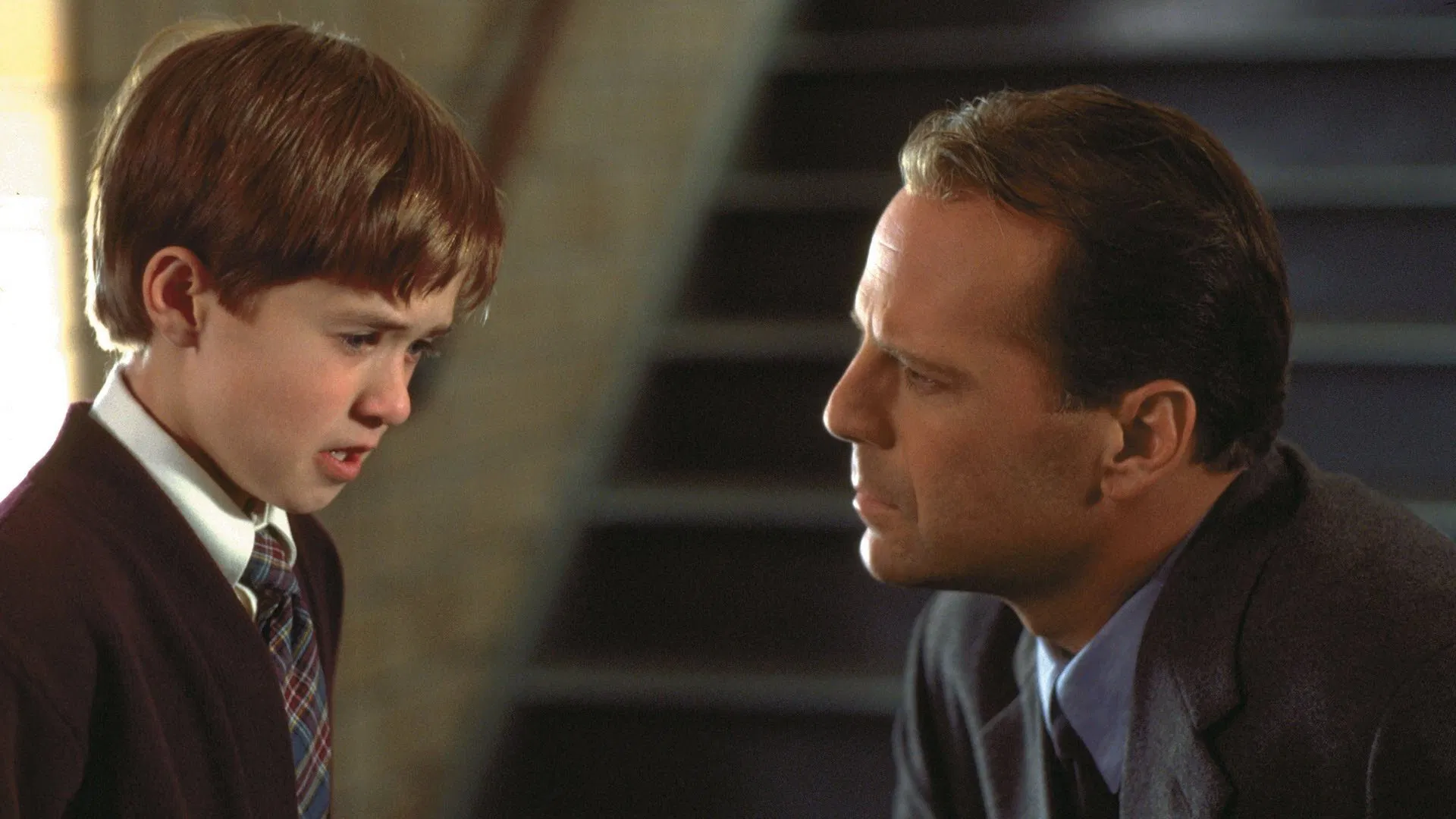
The film's examination of how Cole learns to use his gift to help ghosts find peace rather than just being terrified by them represents coming-of-age through accepting difference rather than trying to be normal, showing how abilities that seem like curses can become gifts when channeled toward helping others. Shyamalan shoots with emphasis on color red signaling ghostly presence, creating visual language that rewards attention while not making the twist obvious, his direction maintaining consistent rules about how ghosts behave that make the revelation feel earned rather than cheap trick. It succeeds because Shyamalan uses supernatural premise to examine how we avoid confronting painful truths, how Malcolm's inability to accept his death parallels how living people avoid processing trauma, that sometimes the most important ghost stories are about the living who are haunted by their pasts refusing to move forward, proving that best twist endings aren't just surprises but revelations that make thematic sense and require completely rethinking everything that came before.
17. 🎬 The Innocents (1961) | Dir. Jack Clayton
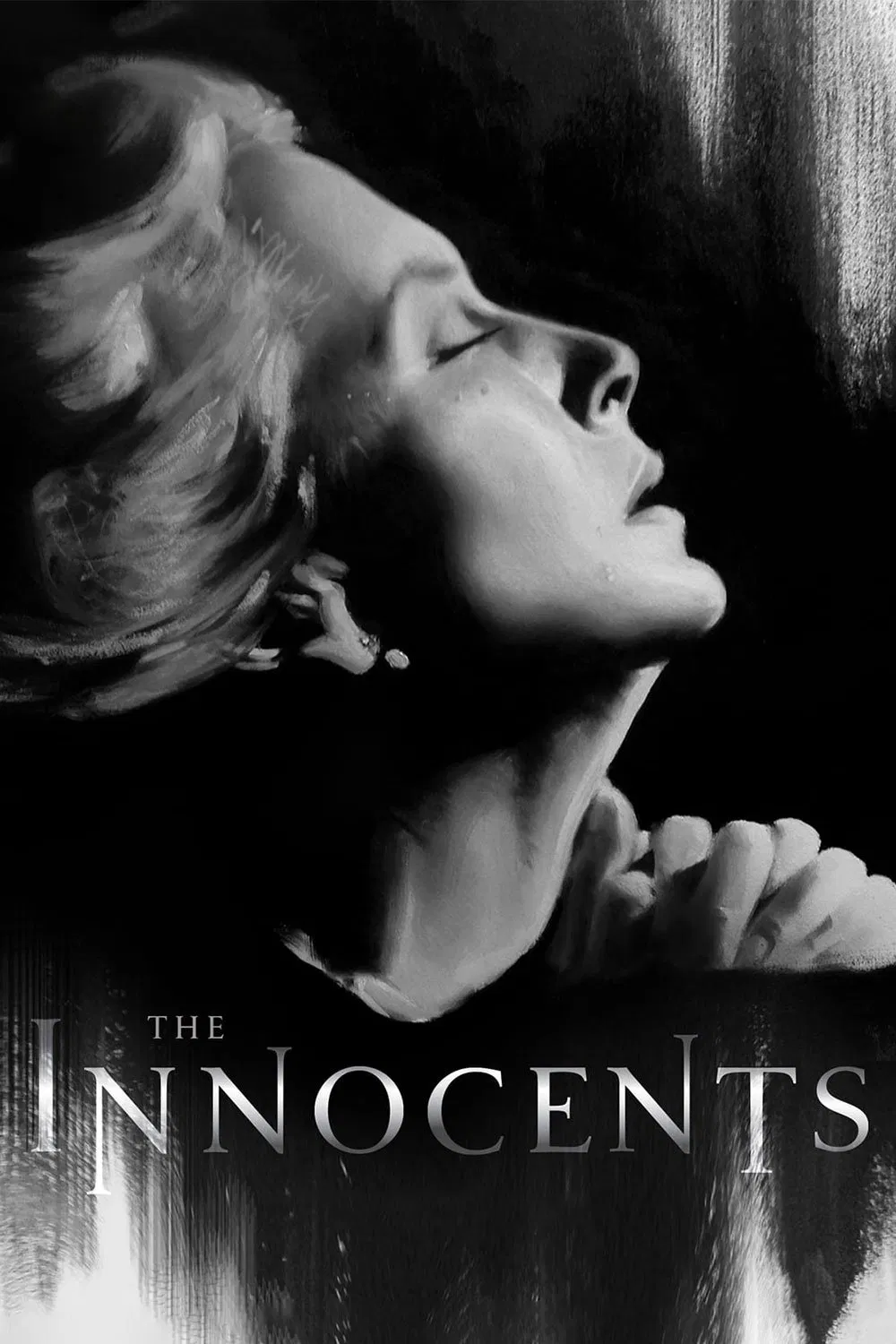
A Gothic horror following governess Miss Giddens hired to care for two children at remote English estate, her growing conviction that the children are possessed by ghosts of previous employees creating ambiguity about whether supernatural events are real or if she's experiencing psychological breakdown. Jack Clayton adapts Henry James's The Turn of the Screw with visual sophistication that maintains the source material's ambiguity, showing how Miss Giddens's repression and the children's behavior support both supernatural and psychological interpretations, refusing to confirm which reading is correct. Deborah Kerr plays Miss Giddens with brittle intensity that makes her simultaneously sympathetic and potentially unreliable, her Victorian propriety and religious conviction making her see sexual corruption in children's behavior that might be innocuous, her backstory suggesting repressed desires that could manifest as projected fears about the children's moral state. What makes The Innocents essential is its examination of how Victorian sexual repression and religious obsession with sin create conditions where normal childhood behavior gets interpreted as demonic possession, showing how Miss Giddens's intervention to save the children from ghosts she believes are corrupting them may actually be abuse driven by her own psychological issues rather than genuine supernatural threat.
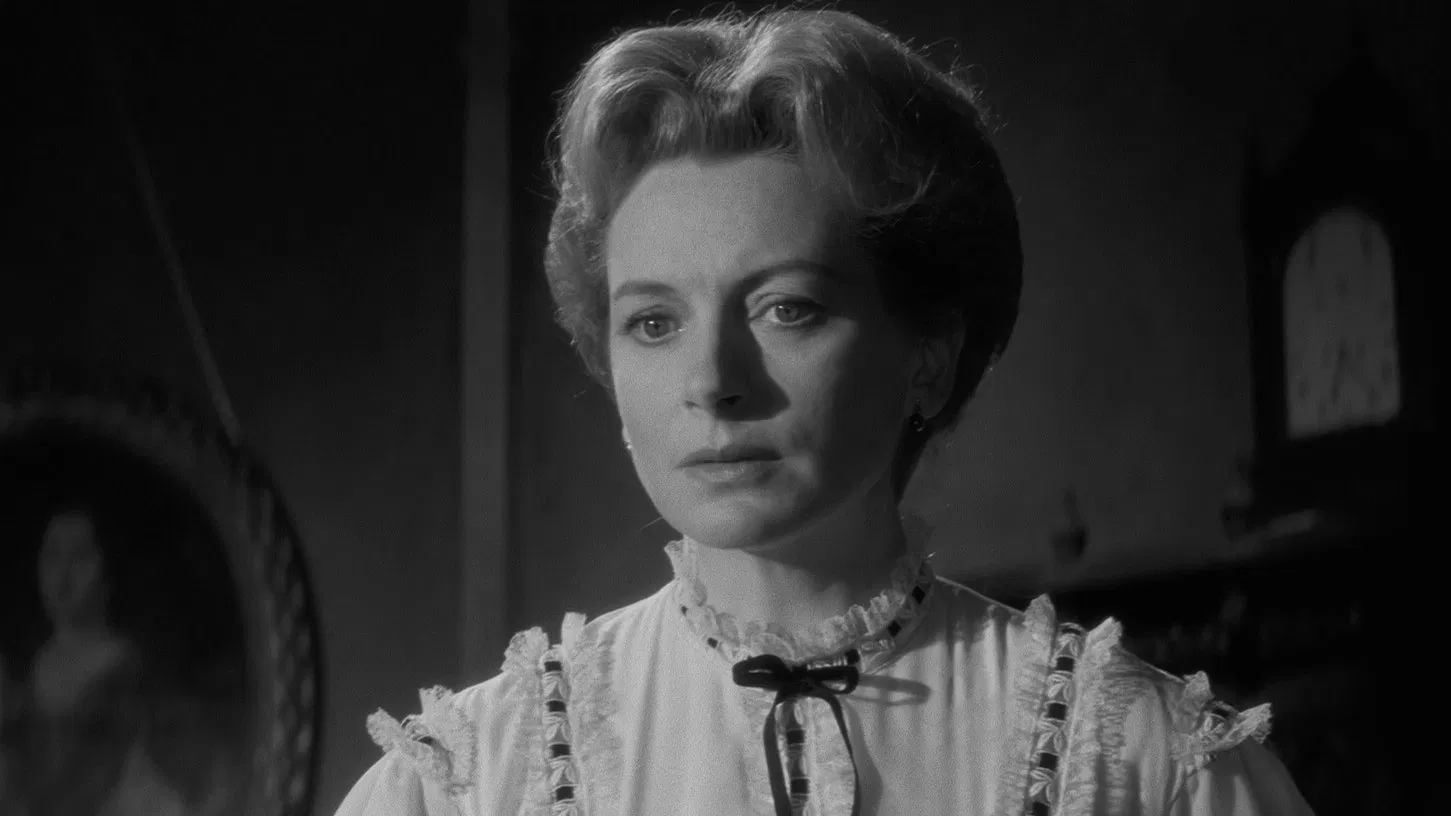
Clayton shoots with expressionistic lighting and deep focus cinematography that makes the estate's beautiful gardens and elegant interiors feel threatening, faces appearing in windows and figures glimpsed in distance creating persistent uncertainty about what's real versus what Miss Giddens imagines. The film's treatment of the children Miles and Flora shows them as either innocent victims of adult paranoia or genuinely sinister beings controlled by dead servants' spirits, their precocious behavior and strange songs interpretable as normal childhood imagination or evidence of corruption, maintaining ambiguity that makes both readings plausible. The ending where Miles dies during Miss Giddens's attempt to force him to acknowledge the ghost creates tragedy regardless of whether ghosts are real, showing how her conviction about saving him results in his death, proving that belief in supernatural doesn't require supernatural to actually exist for that belief to cause real harm. It succeeds because Clayton refuses to resolve the ambiguity, understanding that The Turn of the Screw's power comes from readers/viewers never knowing whether governess is hero saving children from evil spirits or repressed woman whose psychological breakdown leads her to abuse children she's supposed to protect, proving that best horror often leaves most important questions unanswered because certainty would diminish rather than enhance the terror.
16. 🎬 Diabolique (1955) | Dir. Henri-Georges Clouzot
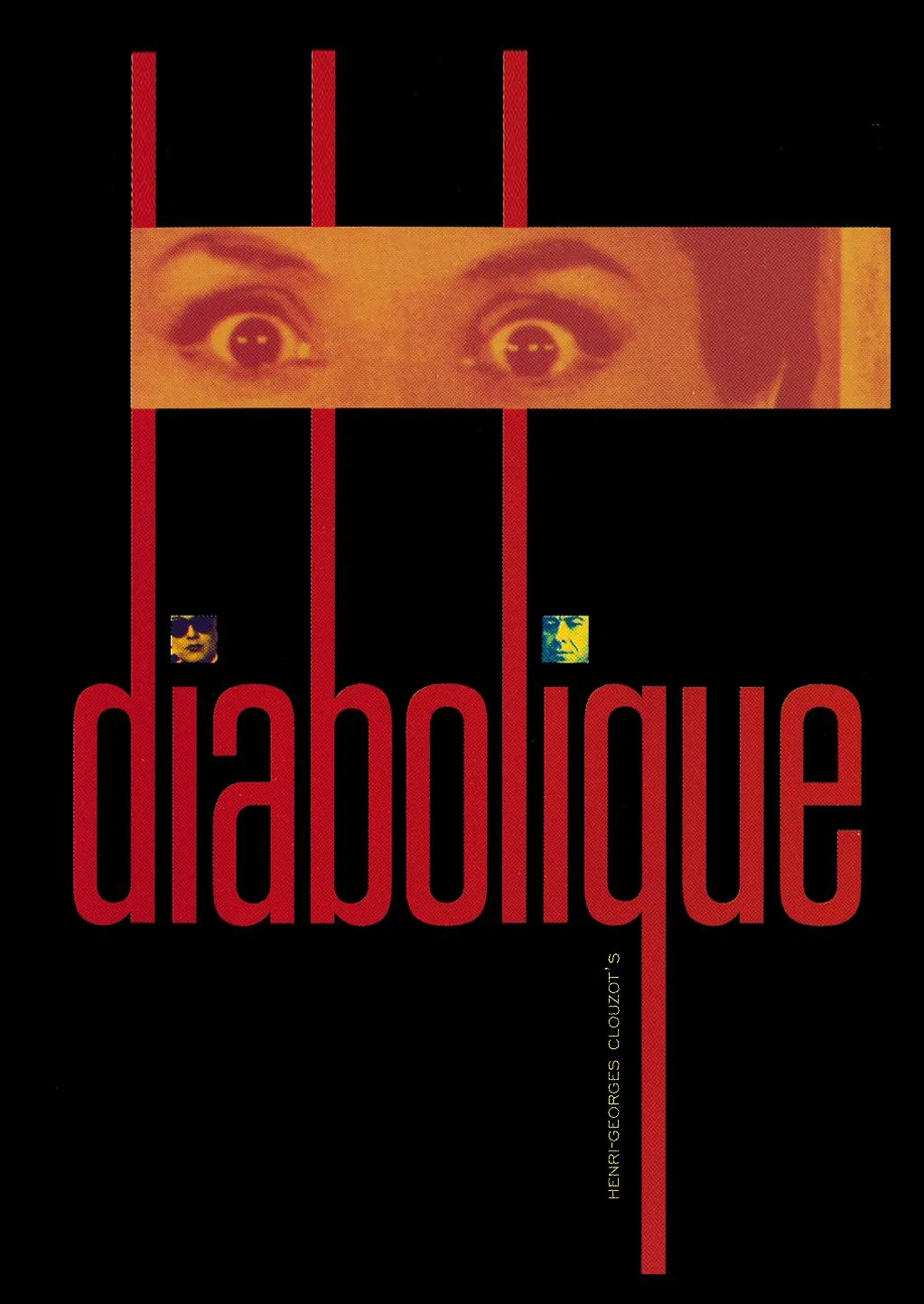
A French thriller following schoolmaster's wife Christina and his mistress Nicole who conspire to murder him, their plan going awry when his body disappears from where they left it, creating paranoid spiral where they don't know if he's actually dead or somehow survived and is tormenting them. Henri-Georges Clouzot creates masterpiece of sustained suspense examining how guilt and fear can destroy the guilty as effectively as any external punishment, showing how Christina's fragile health and Nicole's cold calculation both prove insufficient when their carefully planned murder produces results they can't control or understand. Véra Clouzot plays Christina with nervous vulnerability that makes her seem incapable of murder but whose desperation to escape her abusive husband makes her willing to cross lines she never imagined, her participation in the killing revealing how victimization can transform into capacity for violence when no other escape seems possible. Simone Signoret's Nicole is the stronger personality who planned the murder and manipulates Christina into executing it, her apparent loyalty concealing deeper game that the film gradually reveals through accumulating inconsistencies in her behavior.
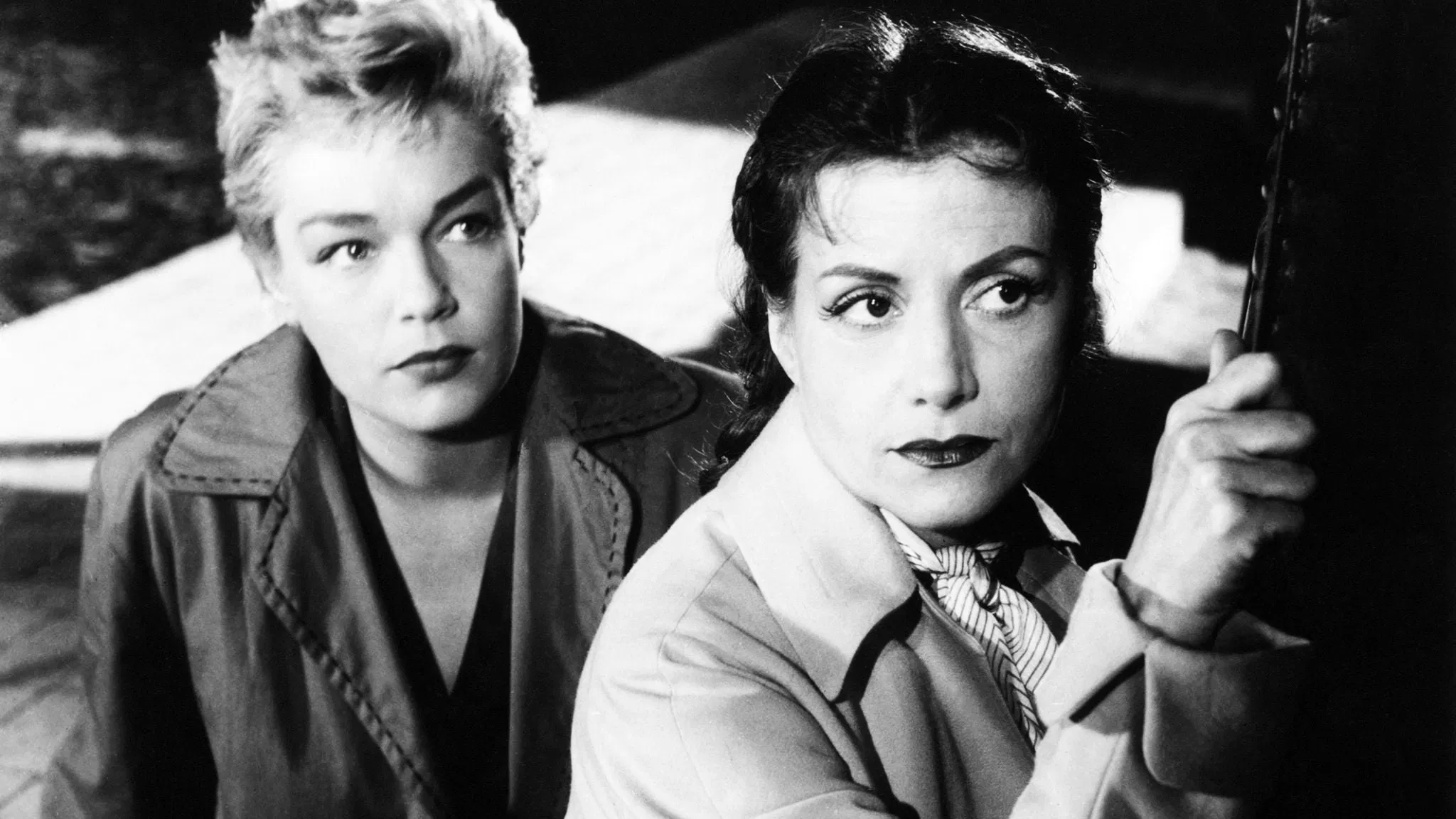
What makes Diabolique essential is its examination of how the murdered husband's disappearance creates horror more effective than if he were actually haunting them, showing how Christina's guilt makes her imagine she sees him everywhere, whether he's actually alive or if his ghost is real becoming less important than how her psychological state deteriorates under the weight of what she's done. Clouzot shoots with noir aesthetics that make the boarding school setting feel oppressive, the institutional environment's bland respectability concealing the violence and sexual exploitation that occurs within it, making the murder seem both terrible crime and understandable response to sustained abuse. The famous bathtub sequence where the husband's body is supposed to be disposed of creates almost unbearable tension, Clouzot holding shots longer than comfortable and using sound design to make every moment feel potentially dangerous, proving that suspense comes from audience anticipation rather than just showing violent acts. The film's twist ending revealing that Nicole and the husband were lovers conspiring to kill Christina by faking his death and making her think she'd murdered him creates reveal that's been endlessly imitated but rarely equaled, showing how the victim's weak heart made her perfect target for elaborate gaslighting designed to trigger fatal heart attack. It succeeds because Clouzot maintains ambiguity about supernatural versus psychological horror throughout, understanding that Christina's terror works whether husband is ghost or alive, that guilt creates its own punishment more effective than any external consequence, proving that best thrillers understand that what we imagine is often more terrifying than what we see.
15. 🎬 The Wages of Fear (1953) | Dir. Henri-Georges Clouzot
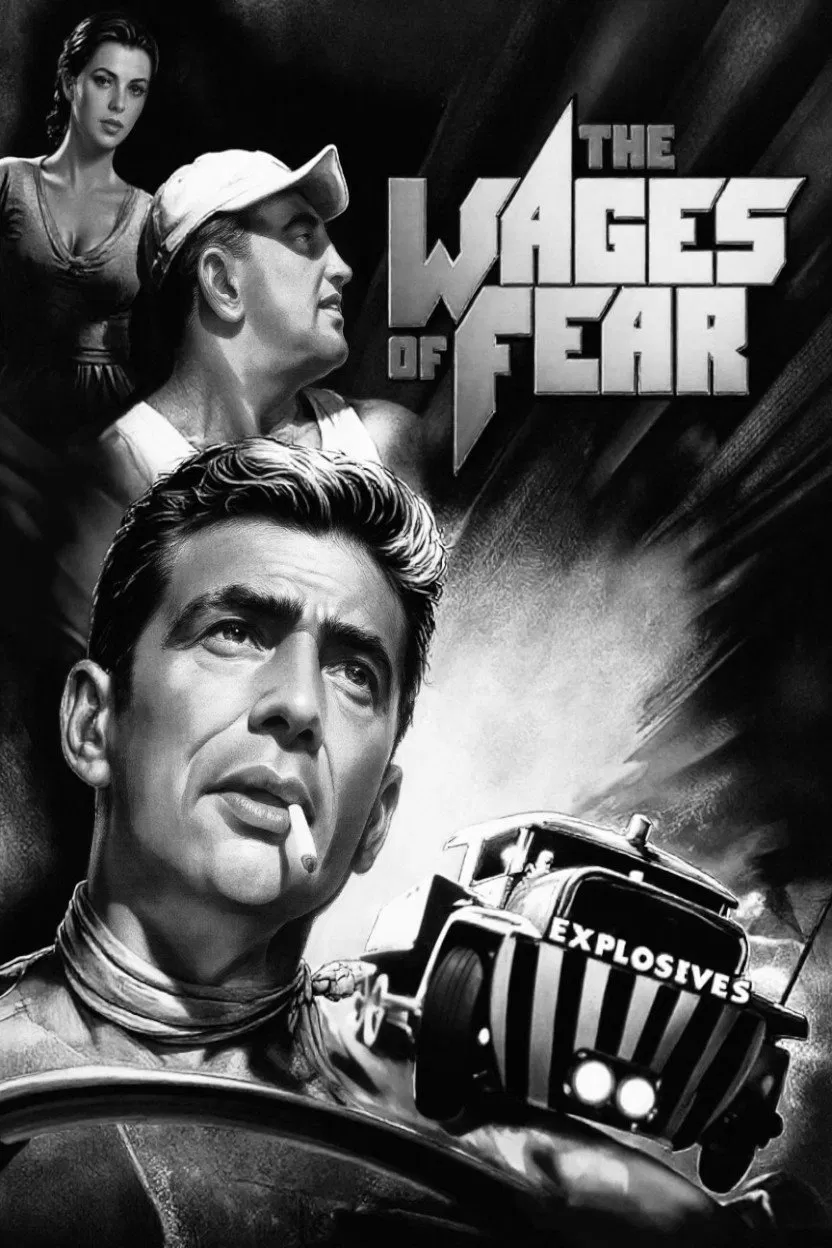
A French thriller following four desperate men in South American village who accept contract to drive trucks filled with nitroglycerin across dangerous mountain roads to oil field, their journey becoming examination of how economic desperation makes people accept work that will likely kill them. Henri-Georges Clouzot creates existential thriller that operates as both suspense film and critique of colonialism, showing how the oil company exploits local labor by paying well for work too dangerous for anyone with better options, how poverty makes suicide missions seem like rational economic choices. Yves Montand plays Mario as cynical Corsican whose cockiness masks desperation of someone trapped in village where no legitimate work exists, his relationship with younger man Jo showing how exploitation operates through every level of society, the exploited finding others to dominate when they can't escape their own subordination. What makes The Wages of Fear essential is its patient structure, spending nearly an hour establishing the village's stagnation and characters' desperation before the nitroglycerin transport even begins, showing how economic conditions create circumstances where accepting near-certain death for payment makes sense.
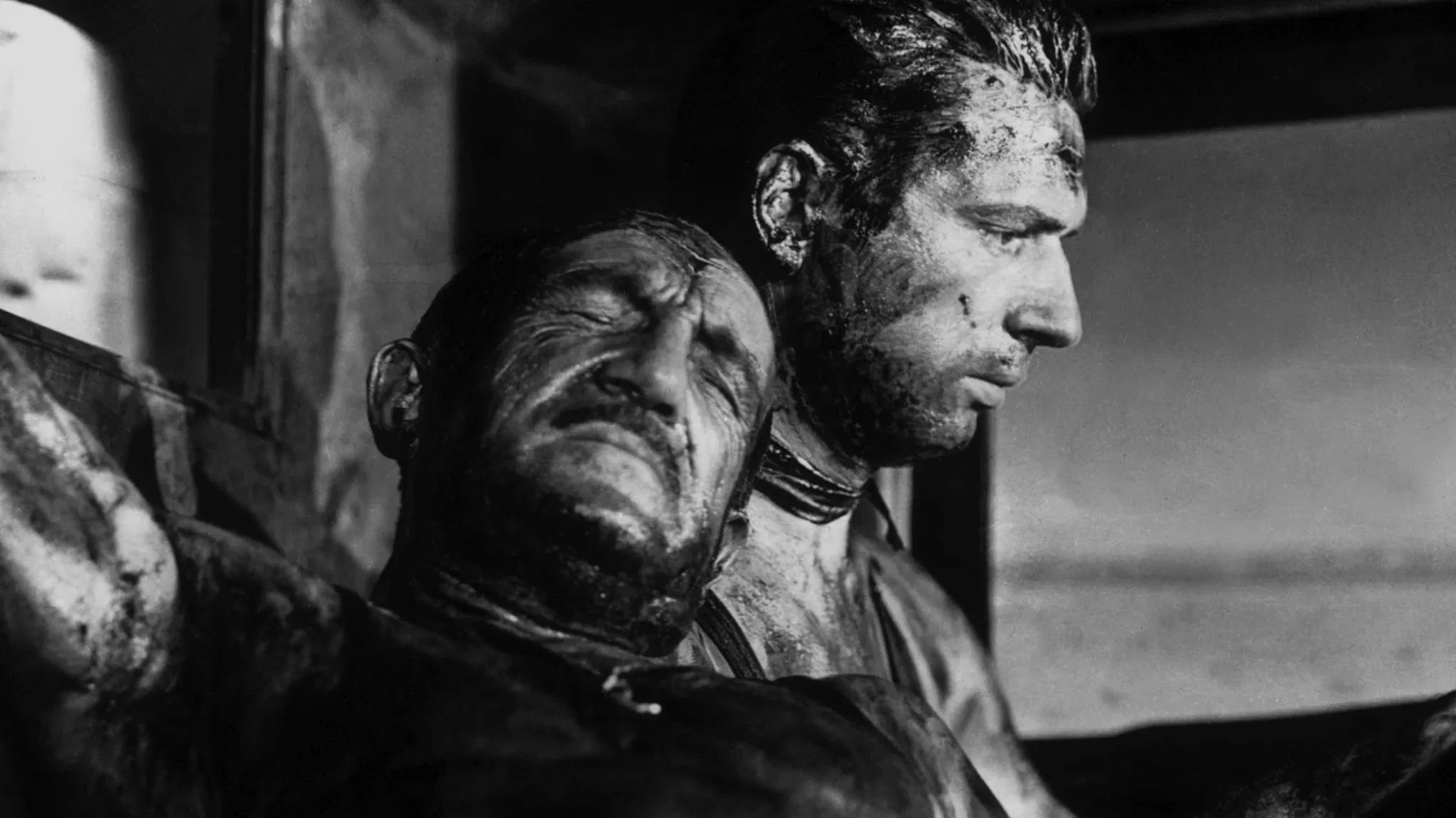
Clouzot shoots the journey with documentary-like attention to how the trucks navigate obstacles that could detonate their loads, each pothole and turn creating genuine suspense because we understand exactly what will happen if they crash or jostle the explosive cargo too roughly, making the physical logistics of the transport as important as character dynamics. The film's examination of how the men respond to sustained terror shows masculinity under pressure, Mario's confidence revealed as performance that crumbles when actual danger requires courage rather than bravado, while quieter characters prove more capable under stress than their demeanor suggested. The ending where Mario dies in accident after successfully completing the transport creates bitter irony that all his suffering and survival meant nothing because moment of carelessness killed him when the danger was supposedly over, suggesting that living under capitalism means you're never truly safe even when you've done everything required. It succeeds because Clouzot uses thriller mechanics to examine how economic systems create conditions where people's lives become disposable, showing that the real villain isn't the nitroglycerin but the company that pays poverty wages making dangerous transport job attractive, proving that best suspense films often examine systemic violence rather than just individual danger, that terror comes as much from recognizing how capitalism treats human life as expendable as from watching trucks navigate treacherous roads.
14. 🎬 Dial M for Murder (1954) | Dir. Alfred Hitchcock
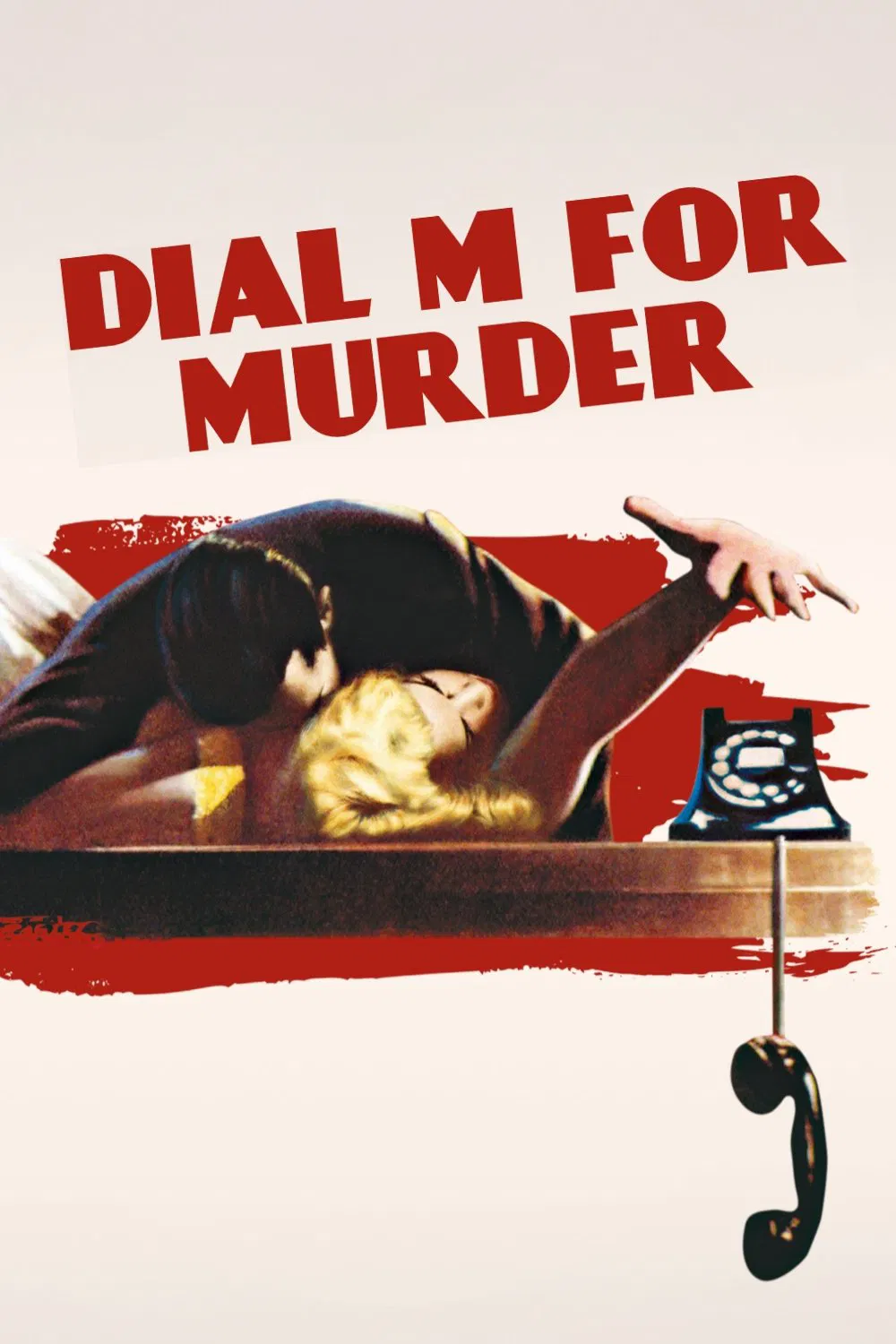
A thriller following Tony who plans to murder his wealthy wife Margot after discovering her affair, hiring hitman and creating elaborate alibi before the plan goes wrong and he must improvise to avoid being caught, the investigation and trial examining how criminals adapt when their perfect murders fail. Alfred Hitchcock creates chamber piece that operates almost as stage play, using limited locations and dialogue-driven plotting to show how Tony's intelligence and his detective adversary's create chess match where each move reveals character through how they solve problems under pressure. Ray Milland plays Tony with charming sociopathy, his casual willingness to murder his wife for money revealing someone who views people as obstacles to lifestyle he believes he deserves, his adaptation when the murder fails showing how his real skill is manipulation rather than physical violence. Grace Kelly's Margot is initially unaware of her husband's murder plot, her self-defense killing of the hitman making her briefly seem safe before Tony's manipulation of evidence makes her appear guilty, showing how patriarchal legal systems make women vulnerable to men who understand how to exploit institutional biases.
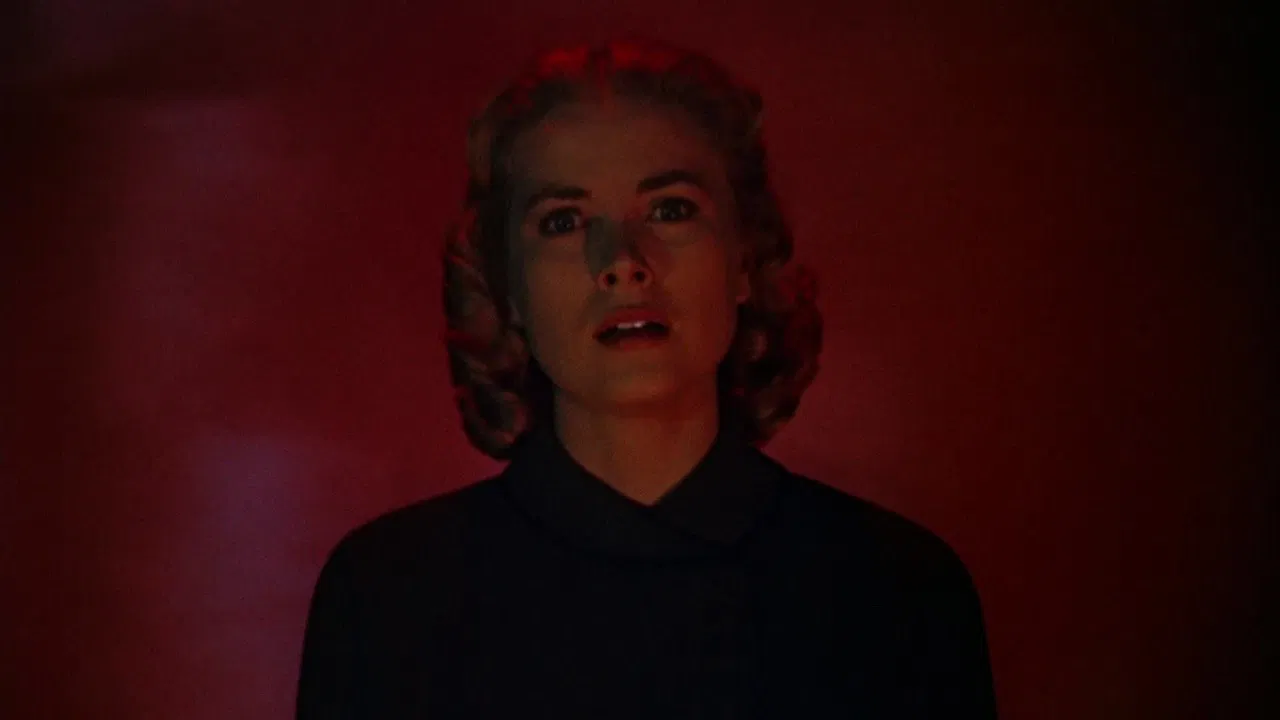
What makes Dial M for Murder compelling despite its theatrical origins is Hitchcock's visual storytelling making the confined spaces create claustrophobia, his original 3D photography creating depth that makes the single apartment set feel dimensionally complex rather than static. The film's examination of how Tony improvises when Margot survives by killing the hitman in self-defense shows criminal intelligence adapting to circumstances, his reframing of evidence to make her look guilty demonstrating how guilty people can manipulate investigation by providing alternative narratives that fit facts equally well. The detective's eventual solution comes through noticing small inconsistency in Tony's story, showing how perfect crimes fail through tiny oversight rather than dramatic revelation, that careful observation matters more than brilliant deduction in actually solving cases. It succeeds because Hitchcock examines how murder mysteries operate through competing narratives about same evidence, that determining guilt requires understanding whose interpretation of facts makes more sense, proving that best thrillers are often those that show how criminals think and how investigators think, making the audience participate in logical process of determining truth rather than just waiting for reveal.
13. 🎬 Shutter Island (2010) | Dir. Martin Scorsese
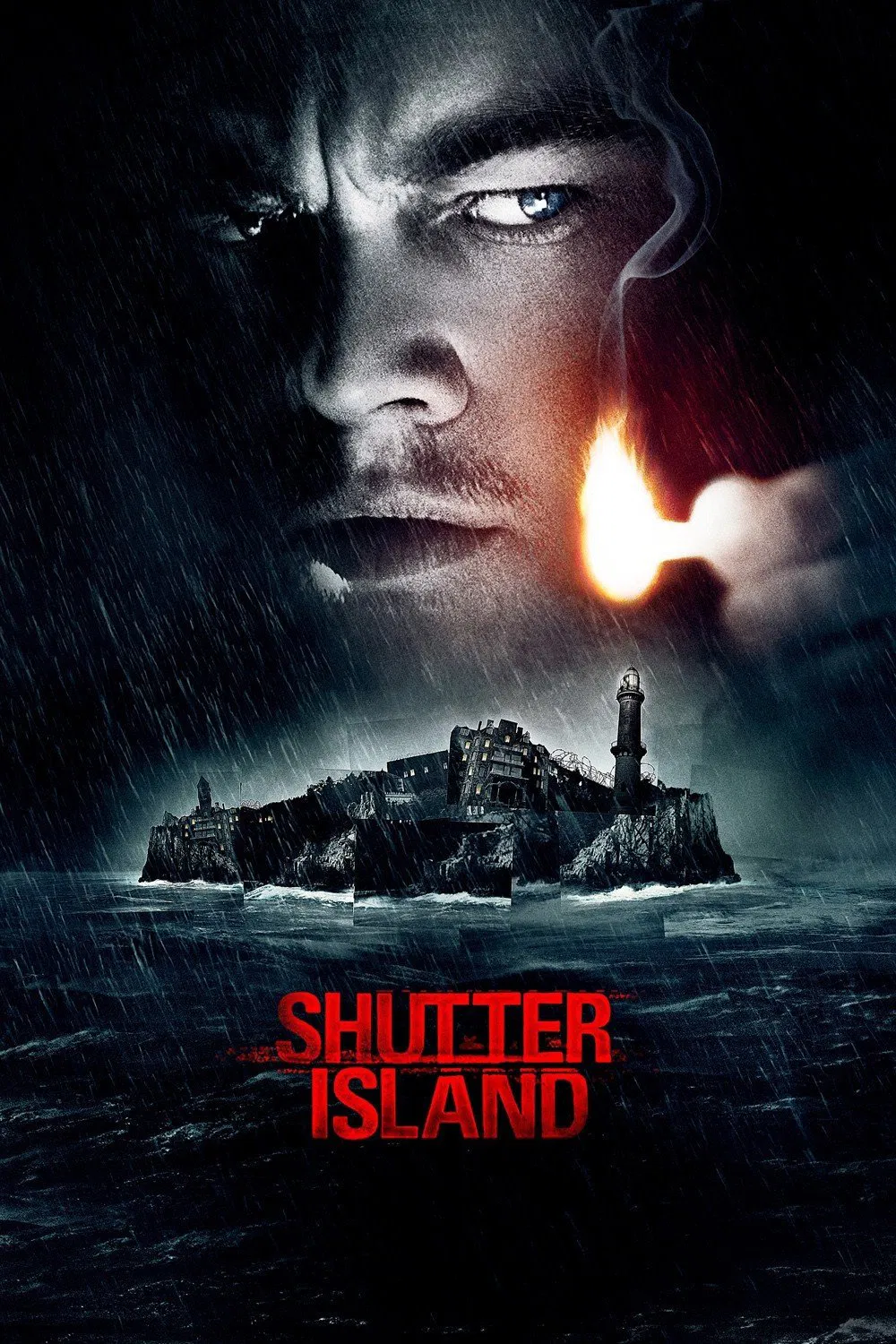
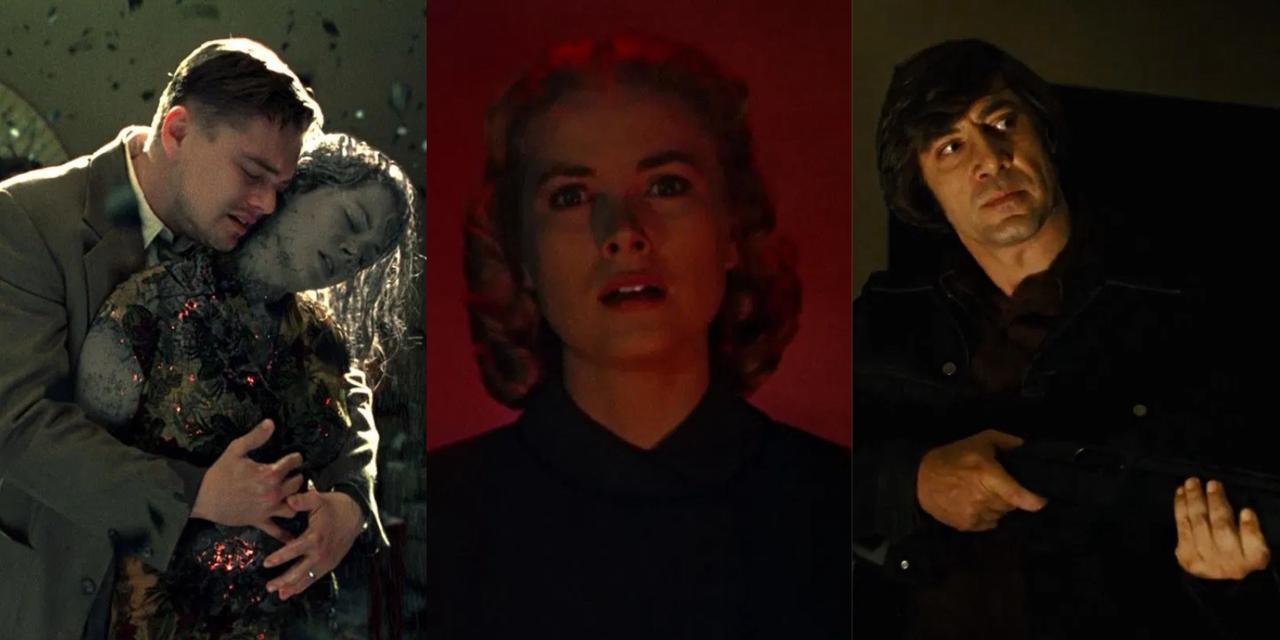
A psychological thriller following U.S. Marshal Teddy Daniels investigating disappeared patient at remote psychiatric hospital, his investigation revealing institutional secrets and his own repressed trauma, building to revelation that everything we've witnessed may be elaborate therapy designed to force him to confront the truth about himself. Martin Scorsese creates Gothic horror examining how trauma and guilt can make reality intolerable, showing how Teddy's investigation of the hospital parallels his avoidance of acknowledging what he's done, his conspiracy theories about institutional abuse representing both legitimate concerns about 1950s psychiatry and defense mechanism against accepting his own crimes. Leonardo DiCaprio plays Teddy with increasing paranoia that seems justified by the hospital's suspicious behavior until the twist reveals he's actually patient undergoing radical therapy, his delusion that he's marshal investigating murders more tolerable than accepting he killed his wife after she drowned their children during her own psychotic break. Mark Ruffalo's Chuck is revealed as Teddy's actual psychiatrist participating in the roleplay therapy, while Ben Kingsley's Dr. Cawley represents institutional authority that's either trying to help Teddy or gaslighting him depending on which interpretation you accept until the reveal clarifies their actual intent.
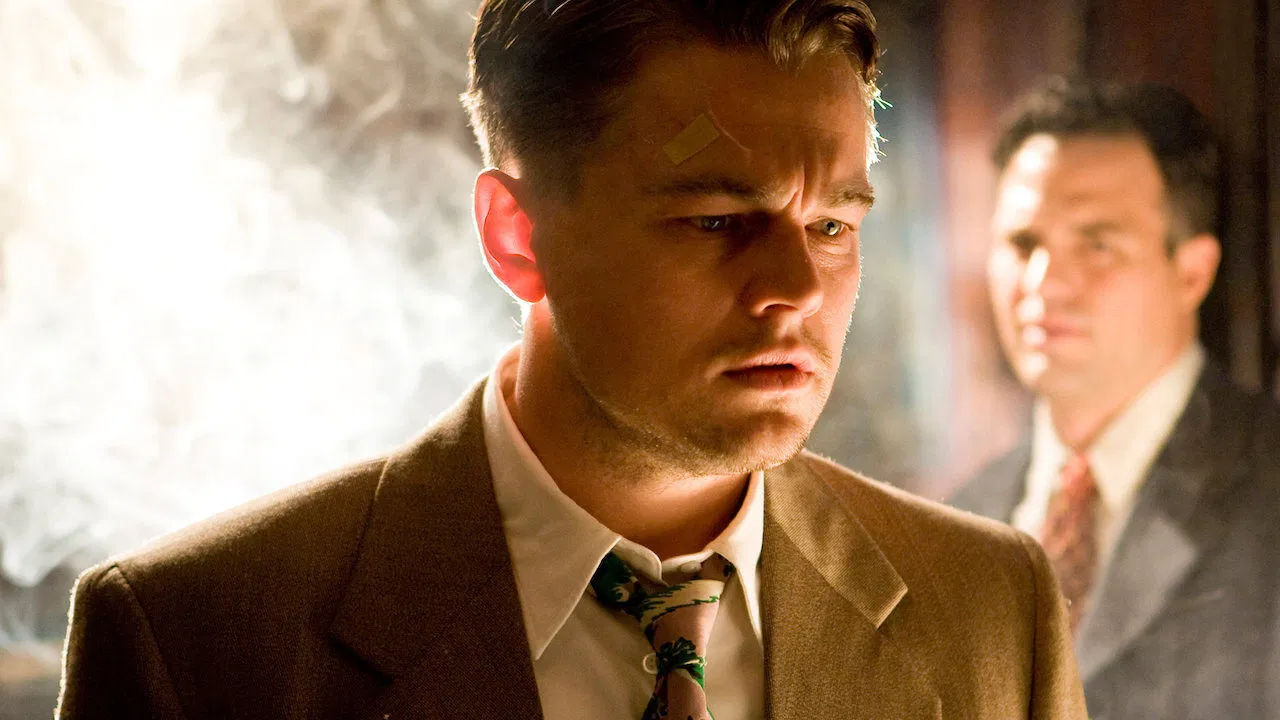
What makes Shutter Island work is how it functions as thriller even on rewatch when you know the twist, scenes taking on different meanings when understood as therapy rather than investigation, showing how Scorsese constructs narrative that supports both readings until the reveal forces recontextualization. The film shoots the hospital as Gothic nightmare, Robert Richardson's cinematography making the institution and surrounding island feel genuinely threatening, using expressionistic lighting and disturbing dream sequences that blur boundaries between Teddy's trauma and potential supernatural elements that the ending clarifies as manifestations of his guilt and mental breakdown. The ambiguous final line where Teddy asks if it's worse to live as monster or die as good man suggests he's choosing lobotomy over continuing to remember his crimes, that perhaps the therapy failed because living with truth is too unbearable, leaving viewers uncertain whether he's relapsed into delusion or making conscious choice to escape into madness. It succeeds because Scorsese examines how we construct realities that allow us to function when truth is unendurable, that Teddy's conspiracy theories about institutional abuse are more tolerable than accepting he murdered his wife, proving that psychological thrillers work best when they examine fundamental questions about identity and memory and whether sanity is always preferable to delusions that protect us from unbearable knowledge about ourselves.
12. 🎬 The Silence of the Lambs (1991) | Dir. Jonathan Demme
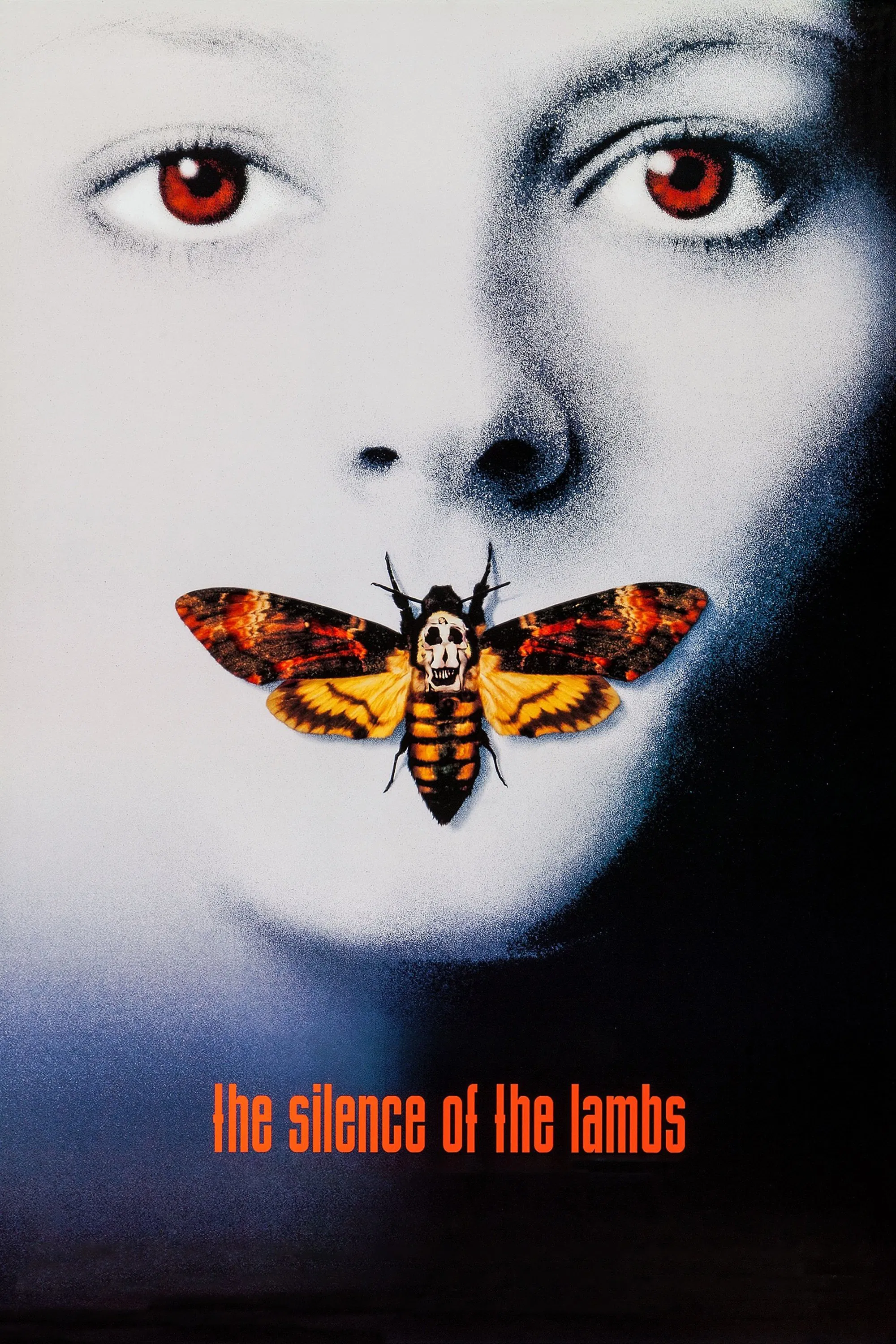
A thriller following FBI trainee Clarice Starling who's assigned to interview imprisoned psychiatrist and cannibal Hannibal Lecter for insights into serial killer Buffalo Bill, her encounters with Lecter becoming psychological warfare where helping her catch the killer requires her revealing herself to predator who analyzes her with surgical precision. Jonathan Demme creates film that operates as procedural and examination of how women navigate spaces designed to destroy them, showing how Clarice must perform competence for male supervisors while surviving both Lecter's psychological manipulation and Buffalo Bill's physical threat, her gender making her simultaneously ideal candidate for the assignment and vulnerable to everyone she encounters. Jodie Foster plays Clarice with determination that barely conceals insecurity, her working-class background and gender making her outsider in FBI's masculine culture, her sessions with Lecter becoming quid pro quo where each insight into Buffalo Bill requires her revealing trauma from her childhood that Lecter dissects to understand and control her. Anthony Hopkins's Lecter is perfect villain, his cultured sophistication and brilliant mind making him seductive despite his cannibalism, his analysis of Clarice revealing genuine interest in her potential while also demonstrating his complete lack of empathy, treating her as fascinating specimen rather than person.
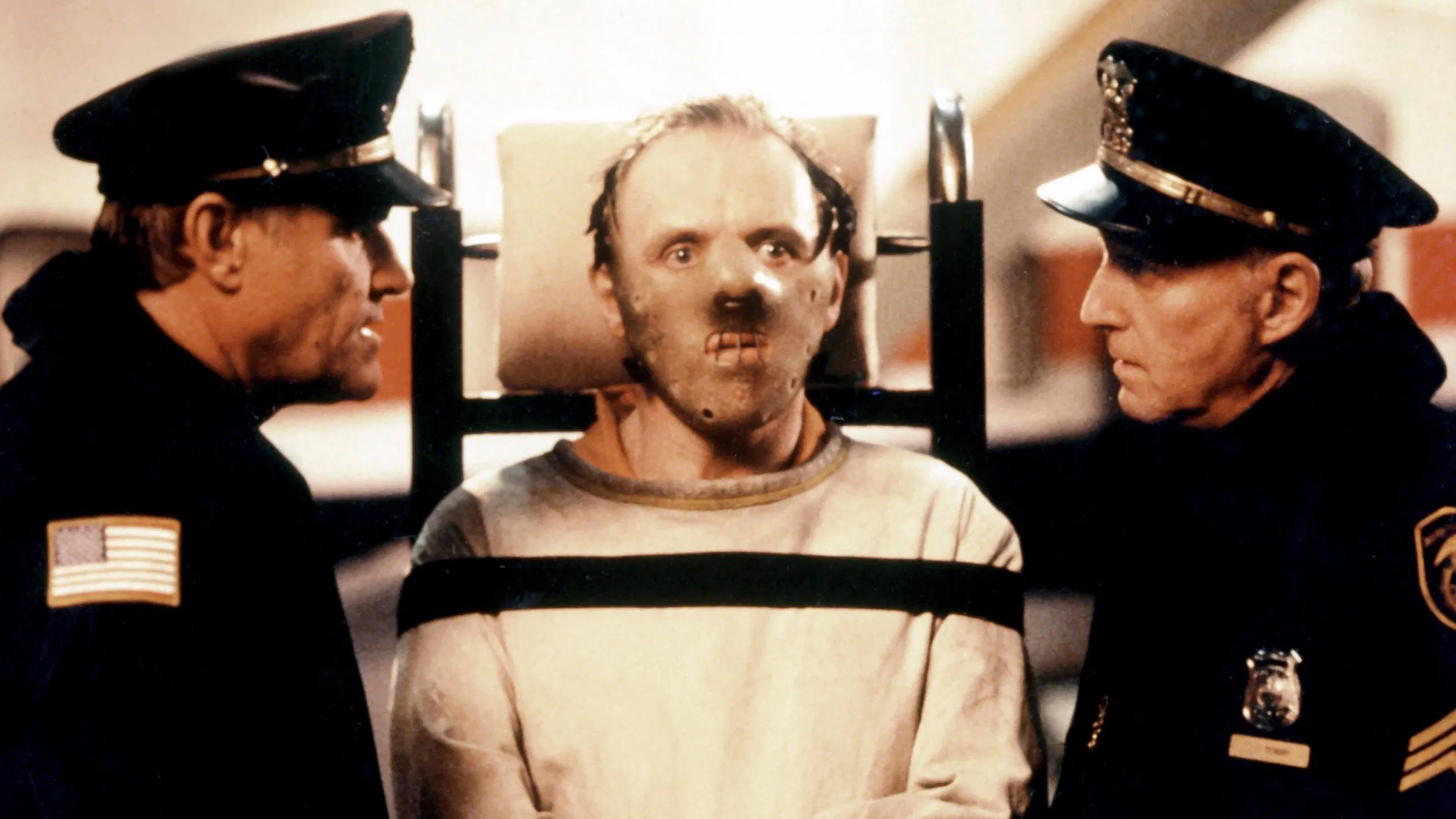
What makes The Silence of the Lambs essential is its examination of how patriarchal institutions treat women, showing how Clarice faces sexism from her FBI colleagues, objectification from asylum inmates she must walk past to reach Lecter, and patronization from local police unwilling to accept federal authority from young woman, her competence constantly questioned while male agents are presumed capable until proven otherwise. Demme shoots Clarice's encounters with Lecter using direct-to-camera framing that makes audience occupy her position, creating uncomfortable intimacy where we feel his analytical gaze, while the Buffalo Bill sequences emphasize his victims' terror and his objectification of women's bodies, making clear that skin-suit creation represents ultimate expression of violence against women. The film's climax where Clarice saves Catherine Martin in night-vision sequence creates genuine suspense where Buffalo Bill's ability to see in darkness makes him predator while she's blind, their confrontation showing how she survives through hearing and intuition rather than visual dominance typically granted protagonists. It succeeds because Demme examines how women survive in systems designed by and for men, showing how Clarice's success requires navigating misogyny from colleagues, manipulation from Lecter, and violence from Buffalo Bill, proving that catching serial killers matters less than studying how Clarice maintains humanity and competence while everyone around her treats her as either incompetent or prey.
11. 🎬 All the President's Men (1976) | Dir. Alan J. Pakula
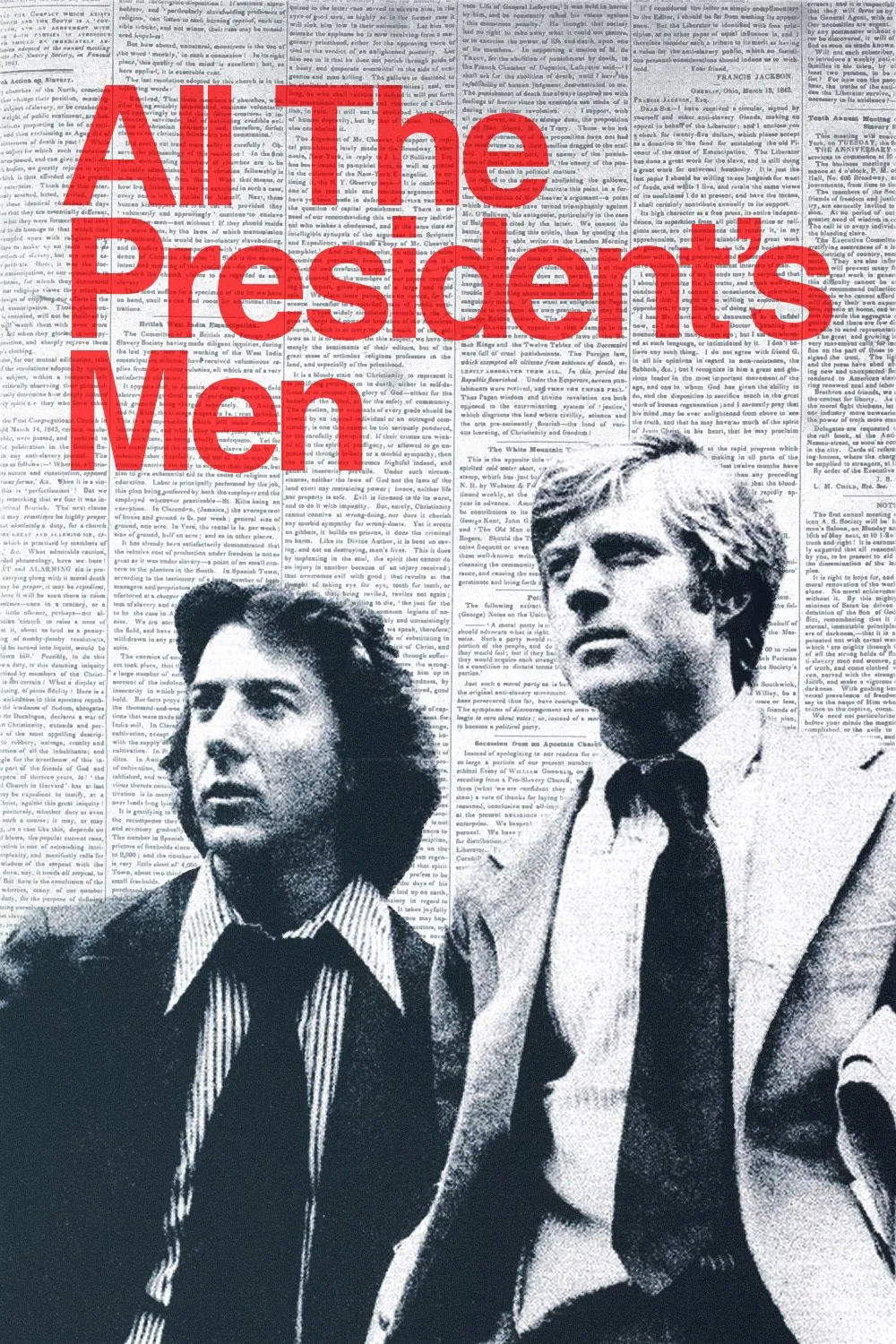
A political thriller following Washington Post reporters Bob Woodward and Carl Bernstein investigating break-in at Watergate complex, their methodical journalism uncovering conspiracy reaching highest levels of Nixon administration, showing how institutional journalism functioned before cable news and internet made sustained investigation economically difficult. Alan J. Pakula creates procedural that's really about reporting as detective work, showing how Woodward and Bernstein built case through countless interviews and document review rather than dramatic confrontations, their persistence rather than brilliance ultimately exposing presidential crimes that changed American politics. Robert Redford and Dustin Hoffman play Woodward and Bernstein with competitive partnership that shows journalism as collaboration where individual egos exist but serve larger goal of publishing truth, their different approaches complementing each other as Woodward's access to Deep Throat provides high-level confirmation while Bernstein's interviewing skills extract details from reluctant sources.
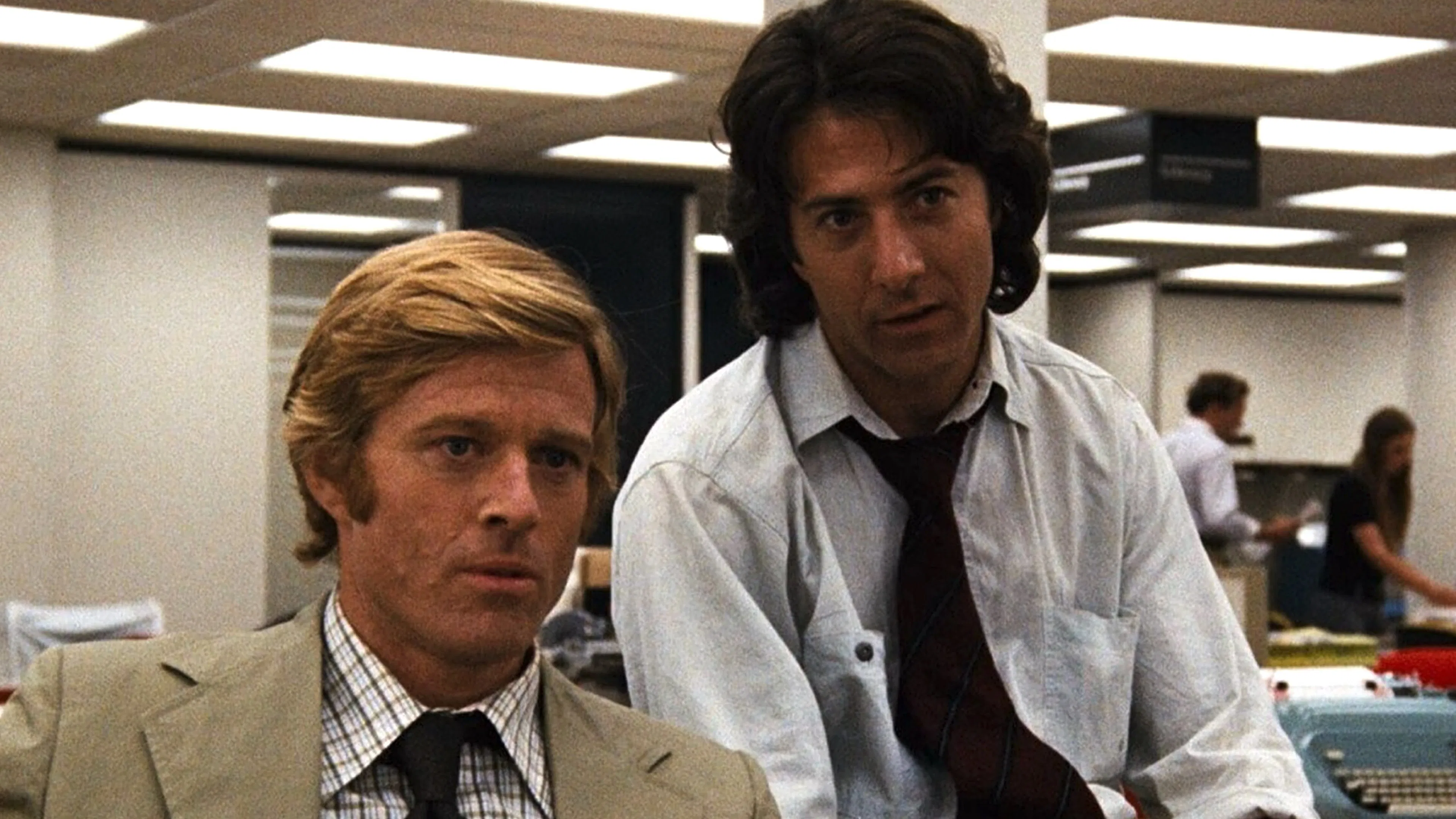
What makes All the President's Men essential is its commitment to showing journalism's actual process, depicting the tedious verification and source cultivation rather than just breakthrough moments, demonstrating how investigative reporting requires institutional support and editorial guidance to transform individual leads into published articles that hold power accountable. Pakula shoots the newsroom with documentary-like realism that makes the Washington Post feel like actual workplace rather than Hollywood set, Gordon Willis's cinematography using shadows and institutional architecture to create paranoid atmosphere where Woodward and Bernstein are constantly watched by forces that could destroy them professionally if they publish unverified accusations. The film's treatment of Deep Throat shows Woodward's clandestine meetings in parking garage becoming iconic image of whistleblowing, the source providing confirmation rather than information that shapes investigation's direction, showing how sources work in reality versus how conspiracy thrillers often portray them as providing all answers. The ending where Nixon resigns represents victory for journalism but Pakula's direction makes clear the toll on Woodward and Bernstein, their youth and naivete about challenging president replaced with understanding of how much power resists accountability. It succeeds because Pakula examines how journalism at its best functions as democratic check on executive power, showing that Watergate's exposure required institutional support from editors willing to back reporters, sources courageous enough to leak despite legal risks, proving that investigative journalism has become economically unsustainable for most newspapers, making this film document of era when newspapers had resources and will to pursue stories that challenged powerful people rather than just covering press releases.
10. 🎬 The Conversation (1974) | Dir. Francis Ford Coppola
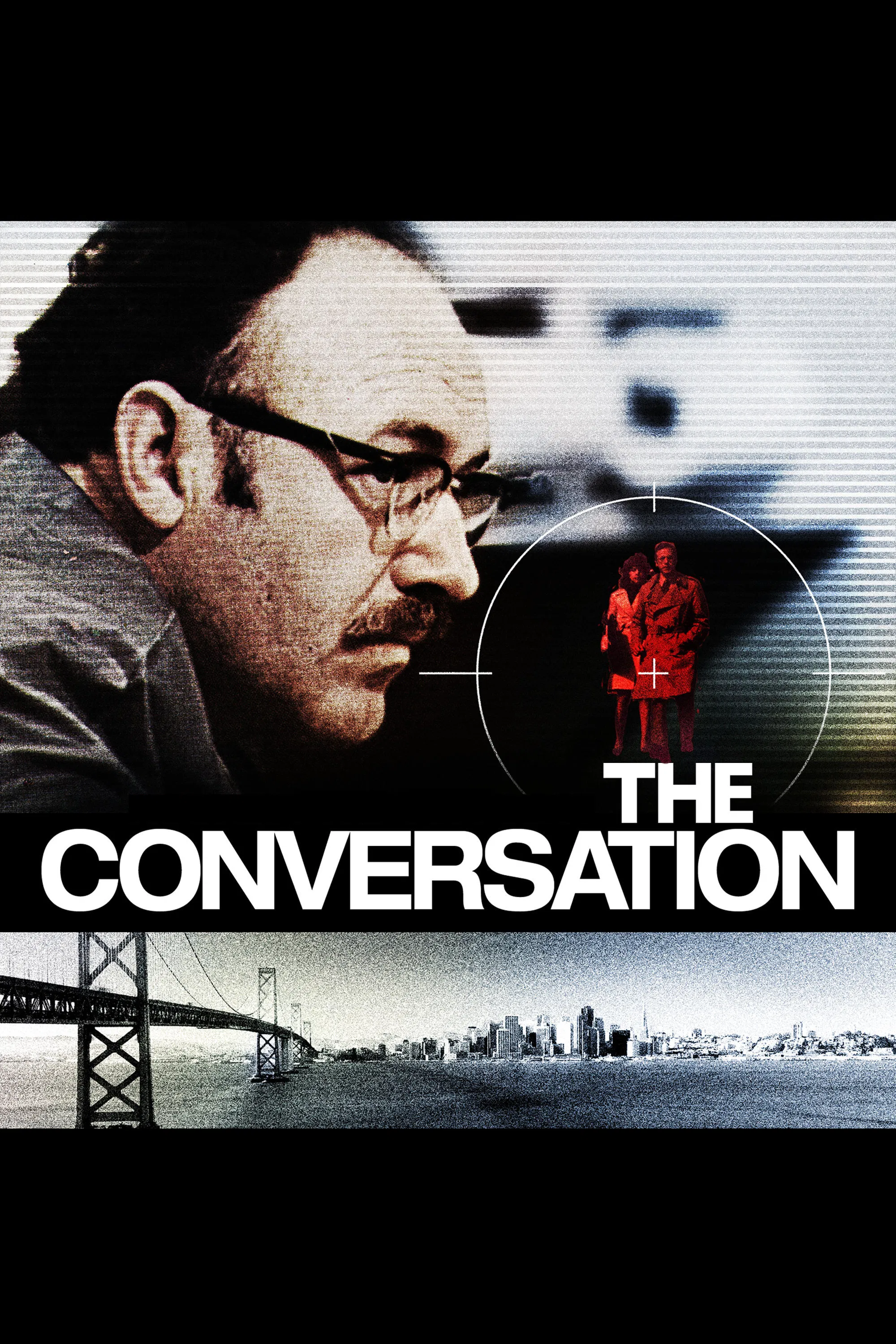
A paranoid thriller following surveillance expert Harry Caul who records conversation between young couple, his growing conviction that his recording will be used to harm them forcing him to confront his complicity in previous job that resulted in murders, his professional detachment giving way to paranoid certainty that he's being surveilled by those who hired him. Francis Ford Coppola creates examination of how surveillance technology makes privacy impossible and how those who facilitate surveillance inevitably become its victims, showing how Harry's expertise at eavesdropping creates prison of paranoia where he can't trust anyone or anything because he knows how thoroughly someone can invade your life if they want to. Gene Hackman plays Harry with repressed guilt and lonely professionalism, his character's technical brilliance masking deep dysfunction, his Catholic guilt about previous job where people died because of his recording making him determined to prevent it happening again while his paranoia makes him incapable of genuine human connection. What makes The Conversation essential is its examination of how interpretation shapes meaning, showing how Harry's repeated listening to the same conversation reveals different emphases that change his understanding of what's being planned, that surveillance doesn't provide truth but raw material requiring interpretation that reveals as much about listener as about those recorded.
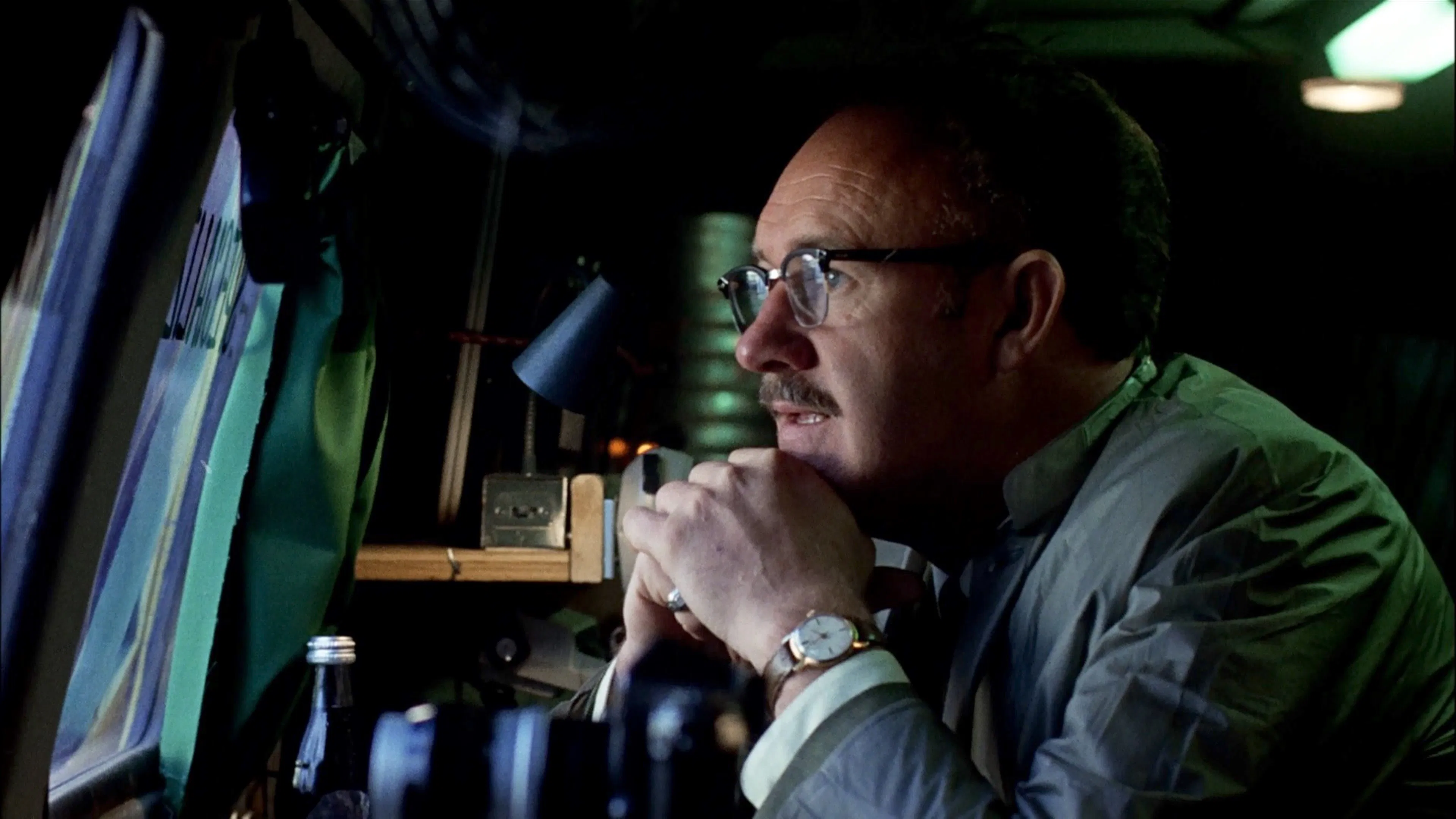
Coppola shoots Harry's world as sterile and isolated, his apartment devoid of personality and his relationships superficial, creating visual language where surveillance technology has replaced human connection, where Harry's skill at recording others has made him incapable of genuine communication with anyone. The film's structure builds paranoia through accumulating details suggesting Harry is being watched, his discovery that his apartment has been invaded and recording equipment planted creating recognition that surveillance experts are vulnerable to same techniques they use professionally, that his knowledge of how invasion works makes him hyperaware of being invaded but unable to prevent it. The ending where Harry destroys his apartment searching for surveillance equipment that may or may not exist creates ambiguous climax where he might be justifiably paranoid or experiencing breakdown, his professional expertise becoming indistinguishable from mental illness because surveillance culture makes paranoia rational response. It succeeds because Coppola examines how surveillance technology corrodes trust and privacy, showing that Harry's ability to record anyone has made him prisoner of his own expertise, that living in world where privacy is impossible means everyone becomes paranoid, proving that prescient thrillers from 1970s about surveillance are more relevant now when digital technology makes Harry's audio recordings seem primitive compared to how thoroughly governments and corporations monitor citizens continuously.
9. 🎬 Chinatown (1974) | Dir. Roman Polanski
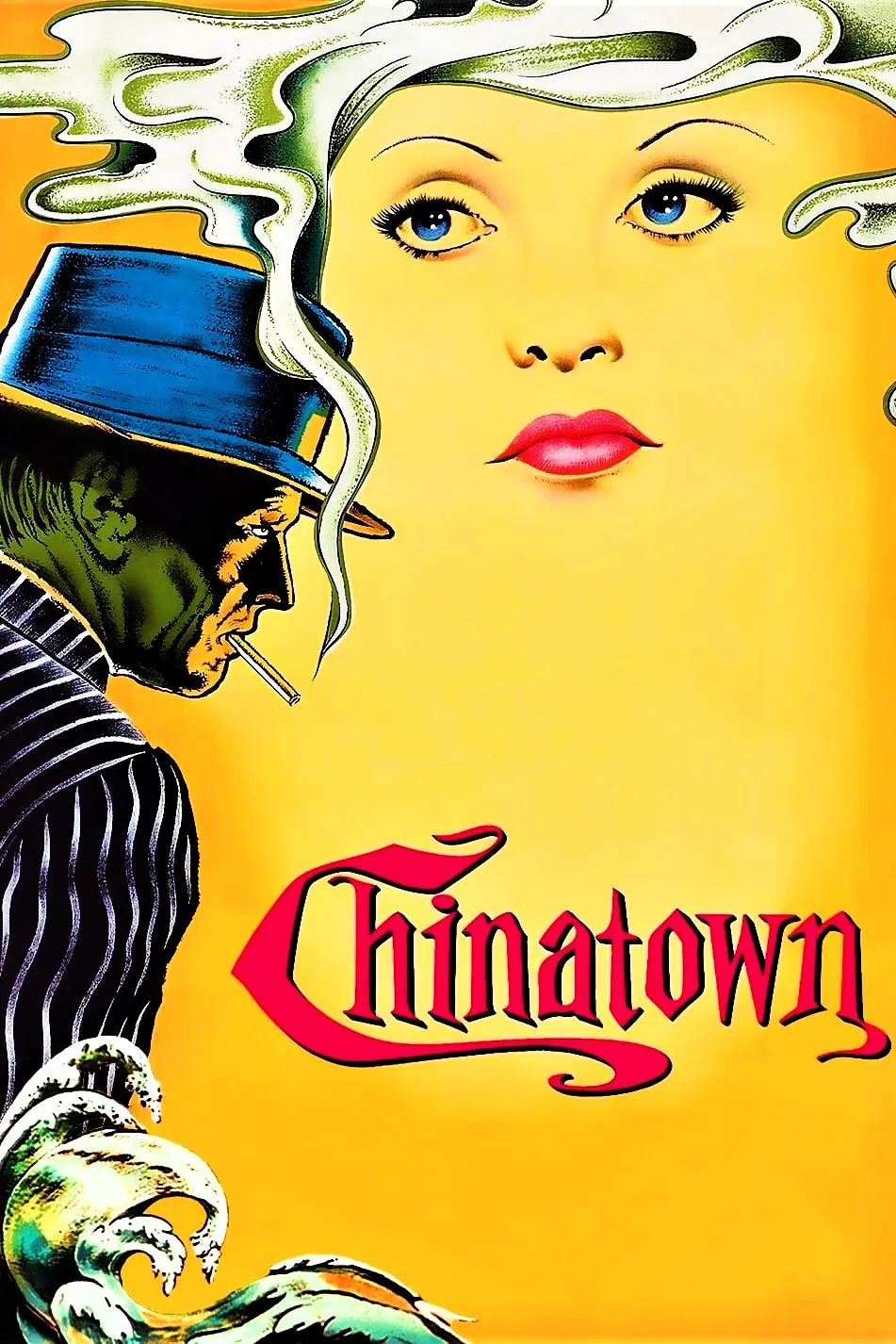
A neo-noir following private detective Jake Gittes investigating what seems like routine adultery case before uncovering water rights scandal and incest that reveals corruption at every level of 1930s Los Angeles power structure, his investigation destroying everyone he tries to help while powerful remain untouched. Roman Polanski and Robert Towne create definitive neo-noir examining how Los Angeles was built through theft and violence, showing how the city's founding required stealing water from farmers through fraud and force, how that original sin of corruption continues defining the city's power structures generations later. Jack Nicholson plays Gittes with cocky competence that gradually reveals itself as arrogance, his belief that he can expose corruption and save Evelyn Mulwray from her father's abuse reflecting naive faith in justice that the ending destroys through showing how power protects itself while victims are blamed for their own victimization. Faye Dunaway's Evelyn is woman whose incestuous rape by her father produced daughter she's protecting, her attempts to save Katherine from Noah Cross revealing how women's agency is constrained by patriarchal structures that side with powerful men regardless of their crimes. What makes Chinatown essential is its examination of how corruption operates through respectable institutions, showing how Cross uses banks and government agencies to steal water rights, how police serve wealthy rather than protecting everyone equally, creating system where Jake's investigation threatens those with power to destroy him while people he's trying to help lack power to protect themselves.
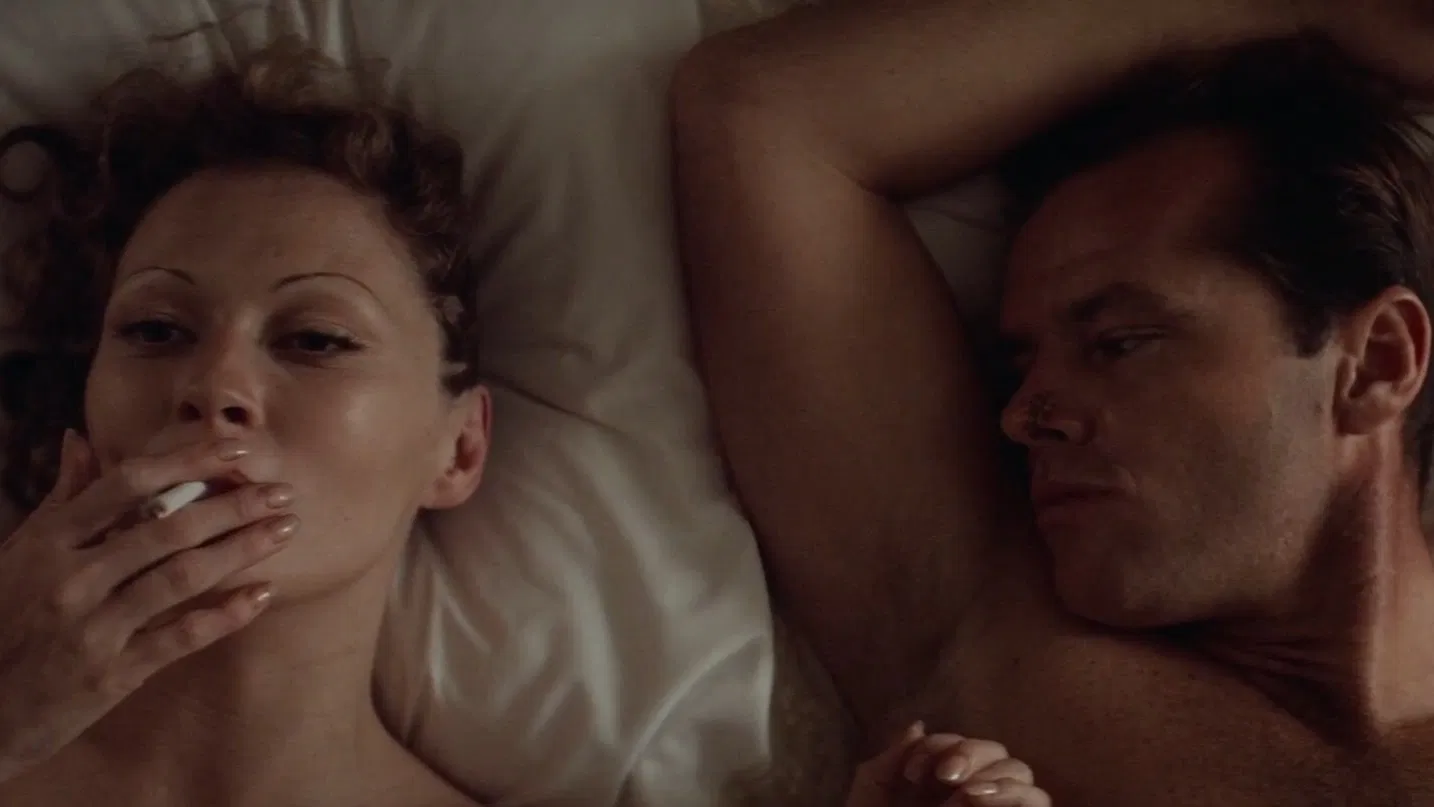
Polanski shoots 1930s Los Angeles with beautiful decay, John A. Alonzo's cinematography making the city's Spanish architecture and bright sun feel threatening rather than appealing, showing how beauty conceals violence that created it, that Los Angeles's glamour is built on stolen water and broken bodies. The famous ending where Evelyn is killed by police while Cross takes Katherine represents defeat so total that it redefined how noir films could conclude, showing that sometimes the bad guys win completely, that justice is fiction maintained by those whose power depends on preventing accountability, Jake's impotent "Forget it, Jake, it's Chinatown" representing recognition that some neighborhoods and some crimes exist outside law's reach. It succeeds because Polanski examines how power operates through making itself invisible, showing that Cross's water theft is legal because he owns the politicians who make laws, that Evelyn's murder by police serves Cross's interests because protecting powerful men requires eliminating women who accuse them, proving that most politically significant noirs are those showing how systemic corruption makes individual heroism meaningless, that sometimes investigating crime just gets you and everyone you care about killed while criminals thrive.
8. 🎬 Se7en (1995) | Dir. David Fincher
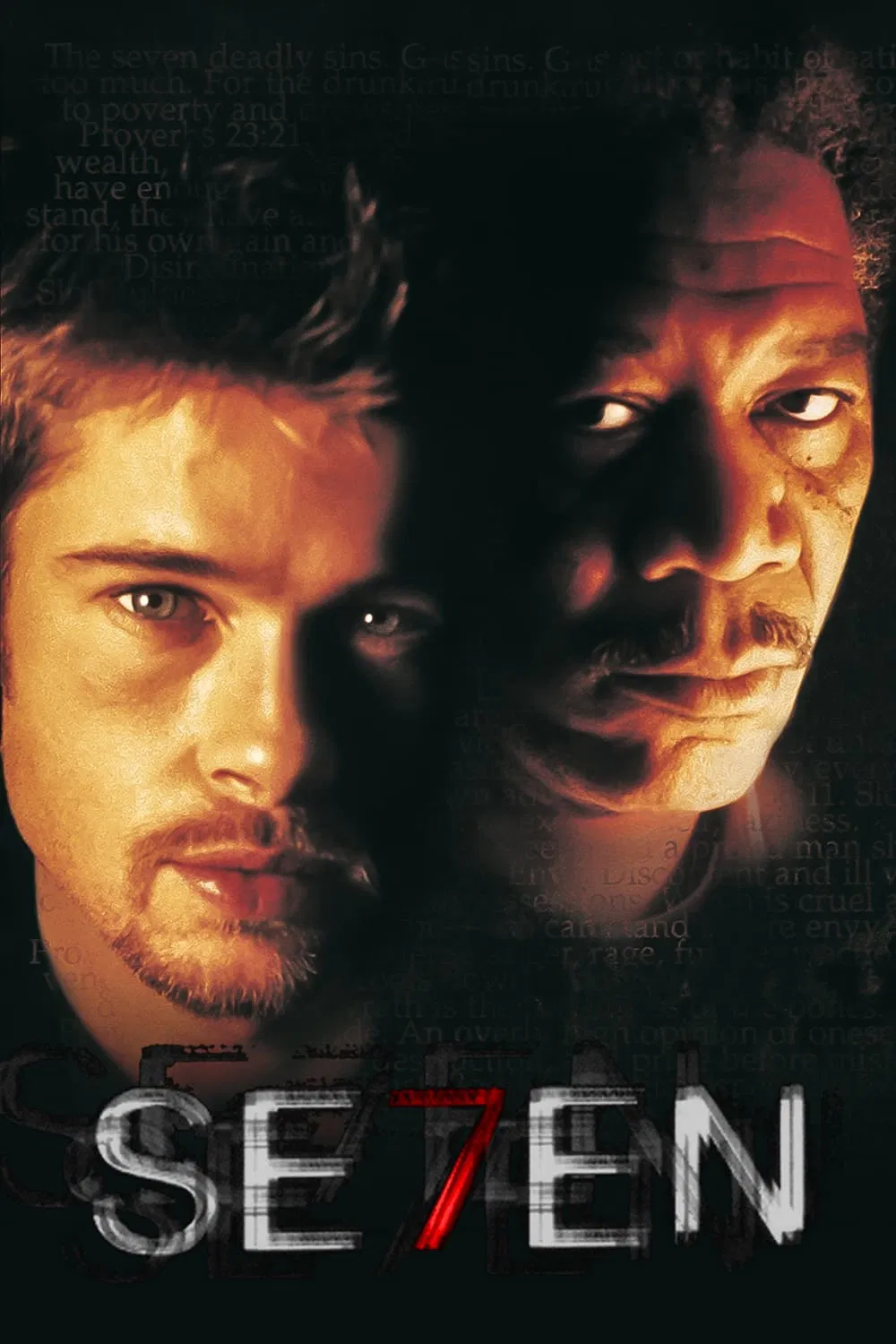
A thriller following detectives Somerset and Mills investigating serial killer using seven deadly sins as murder themes, their pursuit becoming examination of whether evil can be fought without being corrupted by it, building to ending where the killer's plan forces Mills to become wrath by murdering him, completing the killer's artistic vision. David Fincher creates nihilistic masterpiece examining how violence begets violence and whether maintaining humanity is possible when confronting genuine evil, showing how serial killer John Doe views his murders as righteous crusade against sinners, his seven deadly sins theme transforming murder into religious punishment. Morgan Freeman plays Somerset as veteran detective planning retirement, his exhaustion and cynicism representing someone who's seen too much horror to believe in justice or redemption, his partnership with Mills showing experienced cop trying to prevent younger partner from becoming as damaged as himself. Brad Pitt's Mills is idealistic detective whose anger issues make him vulnerable to manipulation, his belief that catching killers matters creating dedication that John Doe exploits by making himself catchable while ensuring that catching him requires Mills's final corruption.
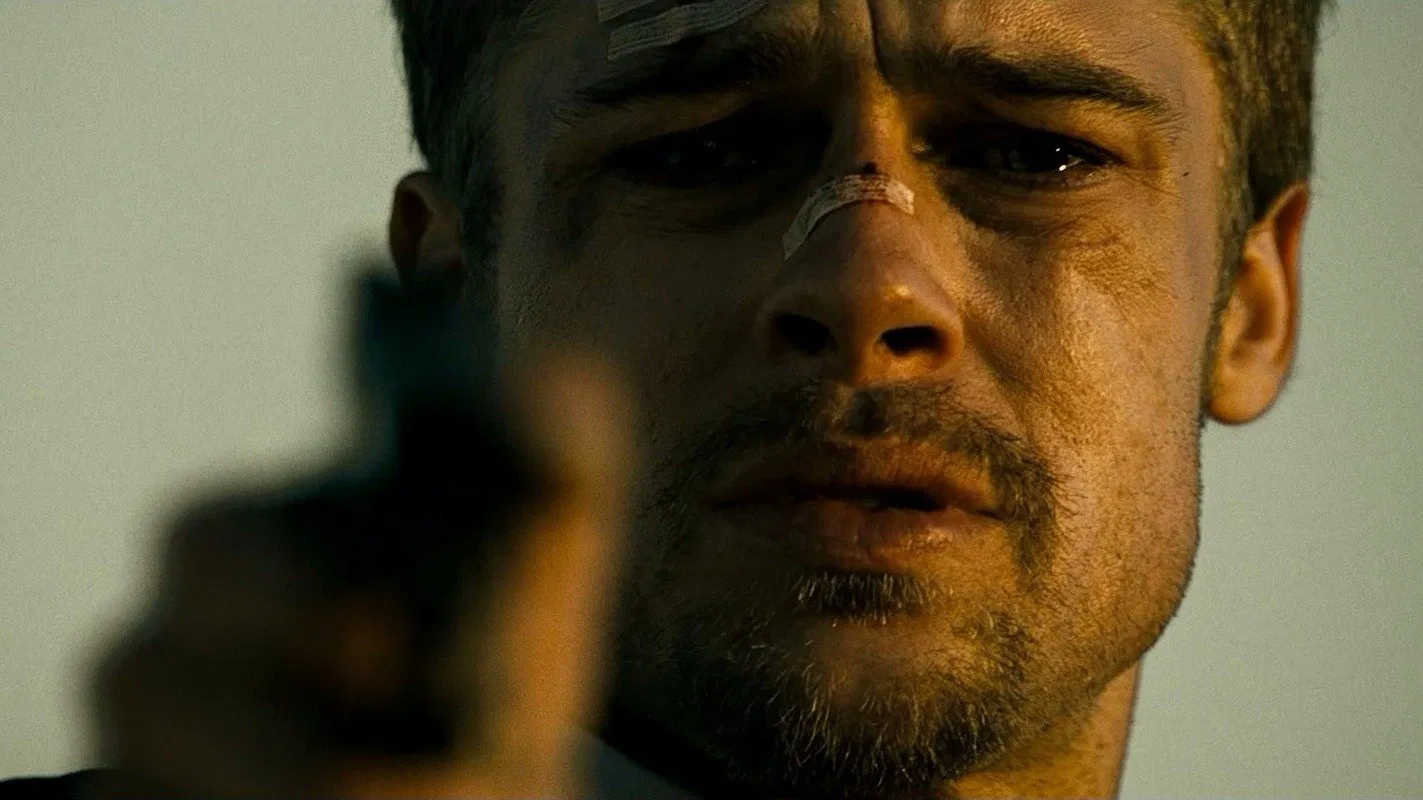
What makes Se7en essential is its examination of how serial killers construct narratives about their crimes that transform them from random violence into meaningful acts, showing how Doe's theological justification for murder represents need to make killing mean something, that his artistic pretensions mask banality of someone who simply enjoys inflicting pain but needs intellectual framework to elevate his sadism. Fincher shoots with rain and darkness that never lifts, Darius Khondji's cinematography making the unnamed city feel like hell where suffering is constant and escape impossible, every location diseased and decaying, visualizing world where Doe's pessimism about humanity seems justified by surrounding evidence. The famous "What's in the box?" ending where Mills discovers Doe has murdered his wife and mailed her head creates situation where Somerset's philosophy about avoiding emotional investment gets tested by his inability to prevent Mills from shooting Doe, completing the killer's plan by becoming embodiment of wrath. It succeeds because Fincher refuses consolation or hope, showing that Doe wins even in death because he's proven his point about human nature through forcing Mills to murder him, that fighting monsters requires becoming monstrous, proving that most disturbing thrillers are those suggesting evil isn't aberration but truth about humanity that civilization's rules temporarily suppress but which emerges when circumstances allow.
7. 🎬 No Country for Old Men (2007) | Dir. Joel & Ethan Coen
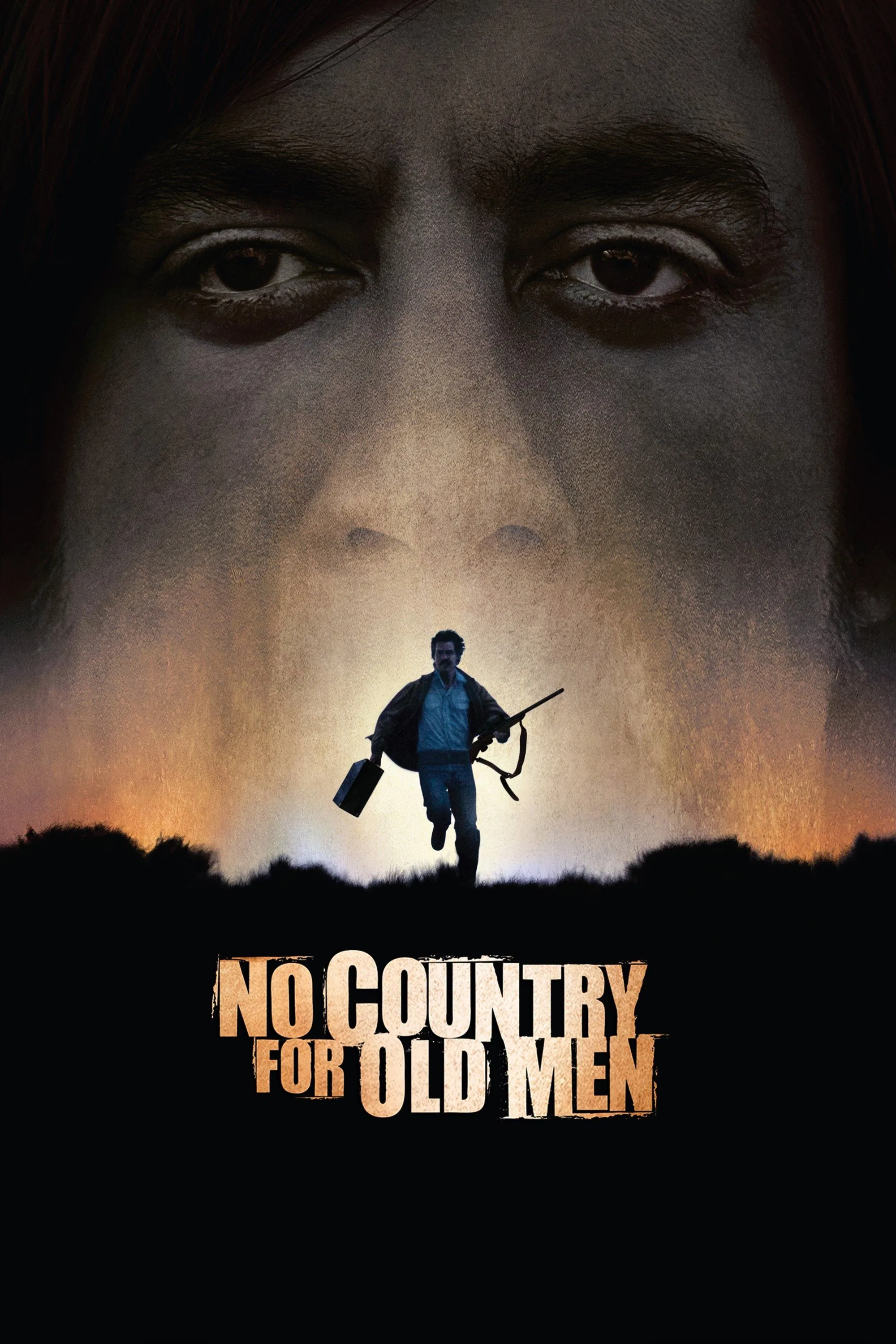
A neo-western following Vietnam veteran Llewelyn Moss who finds drug money at botched deal's crime scene and takes it, pursued by psychopathic hitman Anton Chigurh while Sheriff Ed Tom Bell tries to prevent the inevitable violence, the chase examining how random violence disrupts any notion of moral order or justice. The Coen Brothers adapt Cormac McCarthy's novel with absolute fidelity to its bleak vision, creating film about how the old codes of honor have been replaced by pure chaos, showing how Bell's attempts to maintain law and order are obsolete when confronted with Chigurh's philosophical violence that operates outside any moral framework Bell understands. Josh Brolin plays Moss with working-class pragmatism, his decision to take the money understandable given his economic circumstances but also dooming him, his survival skills from Vietnam insufficient against enemy who operates by different rules than any he's encountered. Javier Bardem's Chigurh is one of cinema's most terrifying villains, his bowl haircut and cattle gun creating memorable image, his philosophical justifications for murder making him more disturbing than simple psychopath, his coin tosses representing belief that fate determines who lives and dies but that he's fate's agent. What makes No Country for Old Men essential is its refusal to provide the confrontation between protagonist and antagonist that genre conventions promise, showing how Moss is killed off-screen by people we never see, how Bell arrives too late to do anything except witness aftermath, creating profound frustration that mirrors how violence actually operates rather than how movies typically depict it.
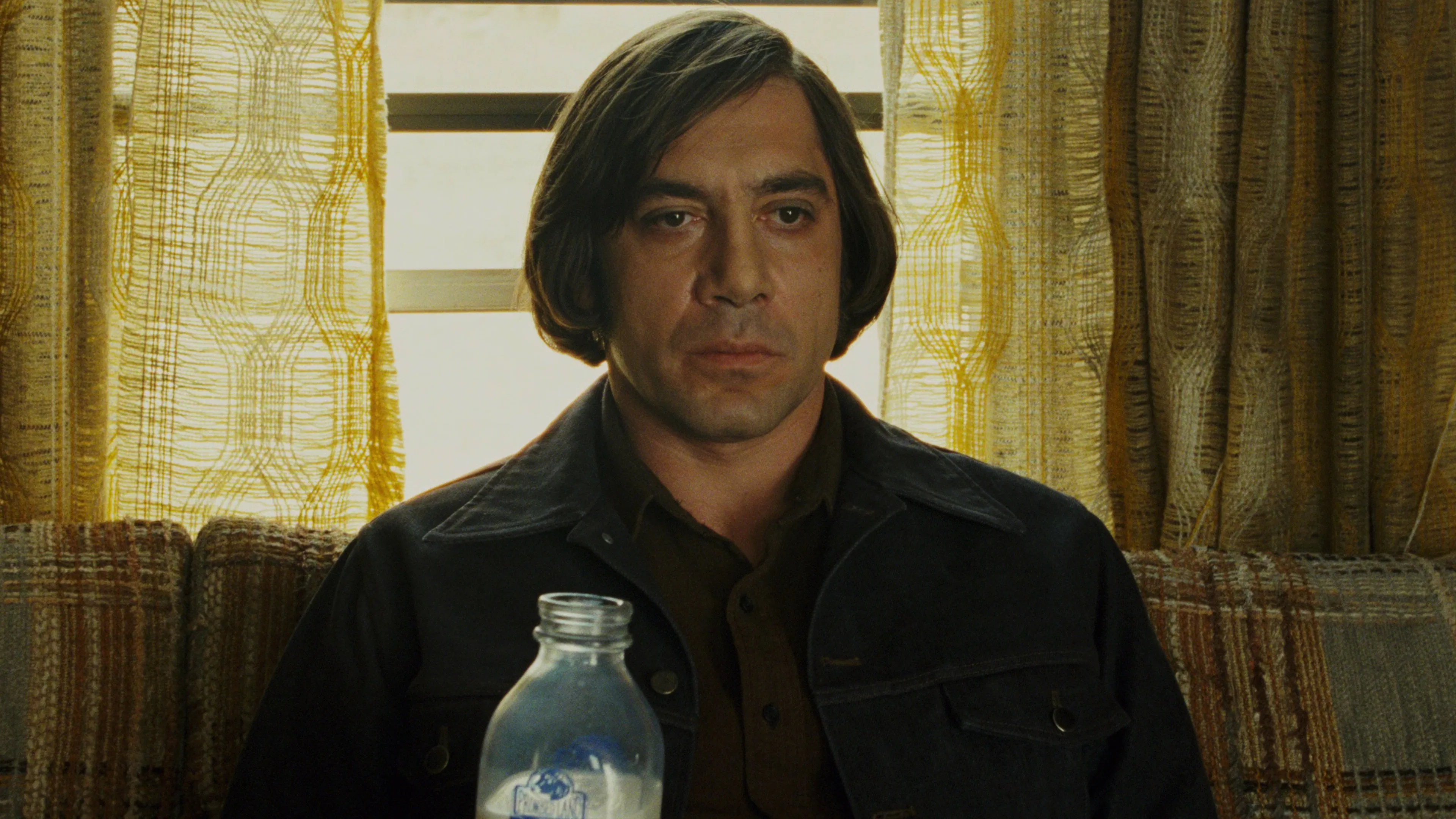
The Coens shoot the Texas-Mexico border with Roger Deakins's typically gorgeous cinematography that makes the landscape beautiful and hostile, empty spaces suggesting both freedom and exposure, nowhere to hide from violence that's coming regardless of what you do. Tommy Lee Jones's Sheriff Bell provides the film's moral center and its elegiac tone, a lawman recognizing that the world has changed in ways he can't understand or prevent, that violence has become so random and extreme that traditional law enforcement is obsolete, his dreams about his father representing lost past where codes and honor still mattered. It succeeds because the Coens and McCarthy understand that evil doesn't require explanation or motivation, that sometimes people die randomly and violently for reasons that make no sense, that law and order are comforting fictions that collapse when confronted with someone like Chigurh who simply doesn't care about the rules everyone else follows, proving that most philosophically ambitious thrillers are those that examine whether universe is ordered by justice or chaos.
6. 🎬 The Third Man (1949) | Dir. Carol Reed
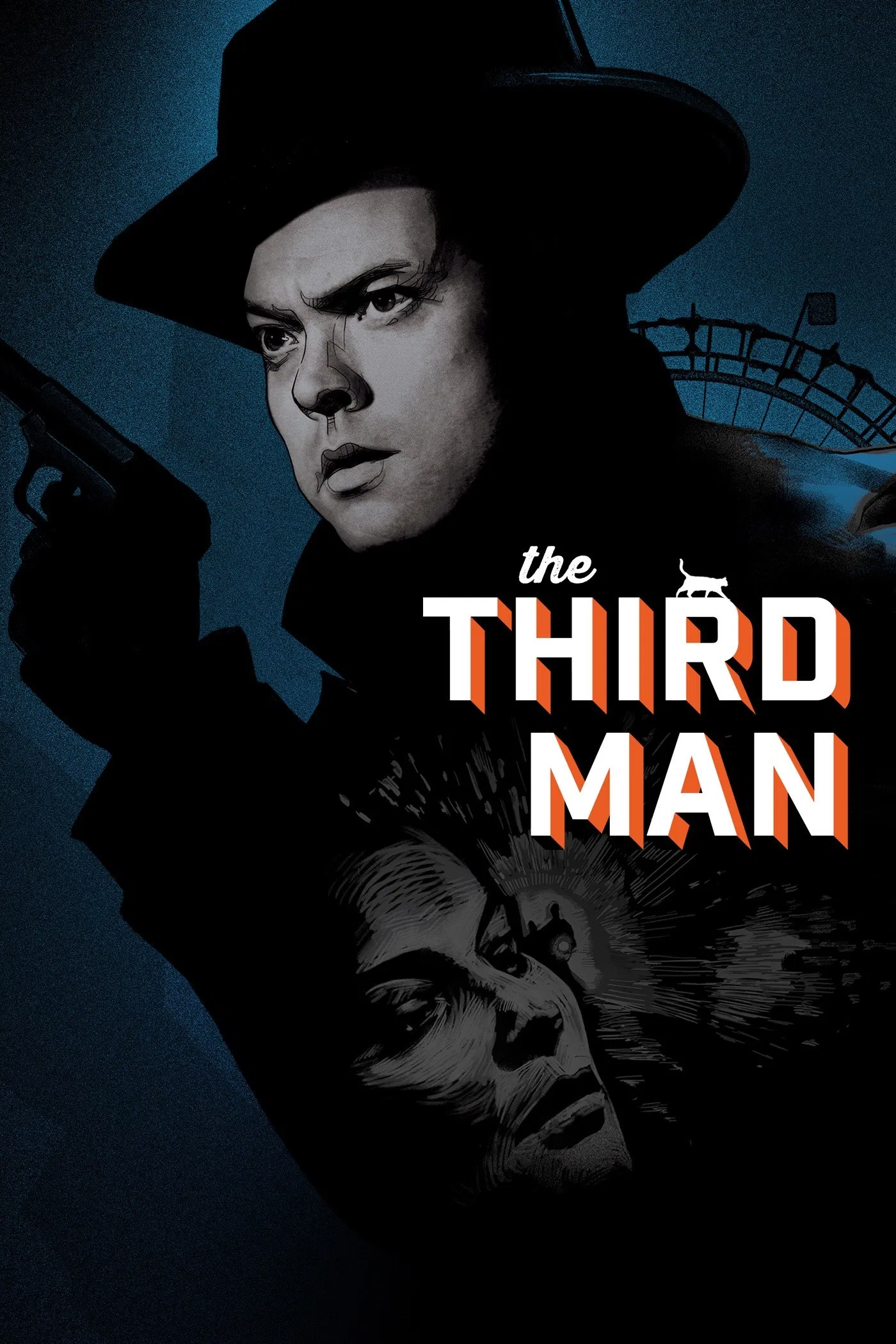
A noir thriller set in post-war Vienna following American writer Holly Martins investigating his friend Harry Lime's death, his discovery that Lime faked his death to continue black market racket diluting penicillin revealing how war's destruction creates conditions where profiteering thrives and old friendships mean nothing when survival and profit are at stake. Carol Reed creates masterpiece of moral corruption examining how Vienna's four-zone occupation created lawless space where criminals exploit bureaucratic confusion, showing how Lime's operation kills children through selling worthless medicine while he lives comfortably in occupied city's ruins. Joseph Cotten plays Holly with naive loyalty that gets systematically destroyed as he learns his friend is monster, his investigation driven by friendship before revelation of Lime's crimes forces him to help capture someone he came to vindicate. Orson Welles's Lime appears late in the film but dominates it, his famous cuckoo clock speech justifying his crimes through claiming that instability breeds creativity while peace breeds complacency revealing sociopath's ability to rationalize anything, his charm making him seductive despite his willingness to murder children for profit. What makes The Third Man essential is its examination of how post-war chaos created opportunities for those without conscience, showing how Lime exploits the jurisdictional confusion between Allied zones to operate with impunity, how his black market connects to every level of Viennese society because everyone needs things that legal channels can't provide.
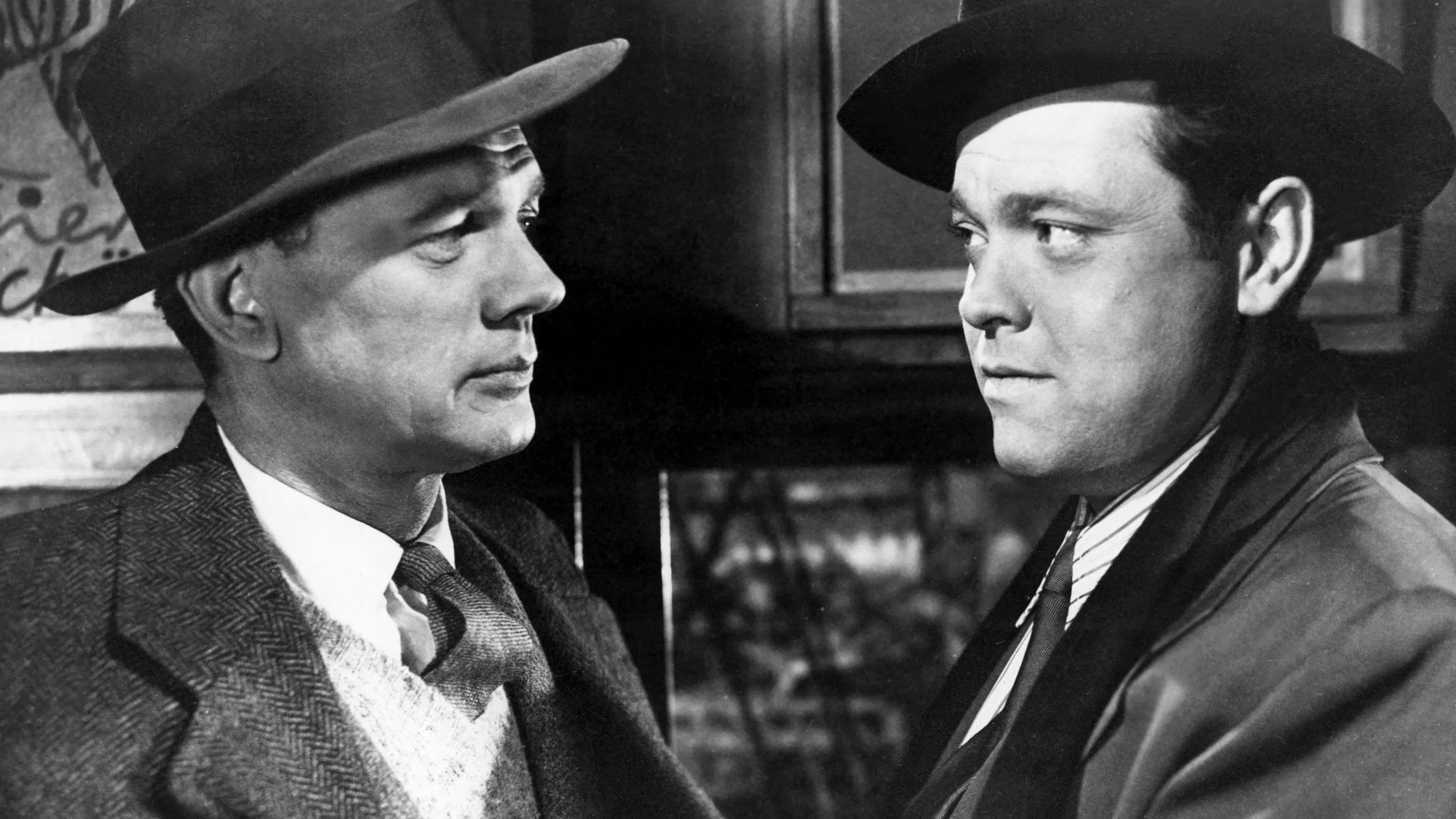
Reed shoots Vienna with expressionistic angles and shadows, Robert Krasker's cinematography making the bombed city feel dreamlike and threatening, the famous sewer chase creating claustrophobic finale where Lime's underground network becomes literal as he tries to escape through drainage system. Anton Karas's zither score creates haunting musical landscape that's became inseparable from the film, the repetitive theme suggesting both innocence and menace, making post-war Vienna feel like place where normal moral categories don't apply. The ending where Holly shoots Lime in the sewers represents betrayal of friendship in service of justice, though the film questions whether justice is possible in occupied city where institutional authority is fragmented and provisional, where today's ally is tomorrow's enemy and everyone is compromised by wartime necessities. It succeeds because Reed examines how war destroys not just cities but moral frameworks, showing how Lime's ability to profit from dying children represents capitalism's logical endpoint when regulation disappears and desperation makes people accept anything, proving that best political thrillers are often those set in liminal spaces where normal rules are suspended and we see what people become when institutional constraints disappear.
5. 🎬 Touch of Evil (1958) | Dir. Orson Welles
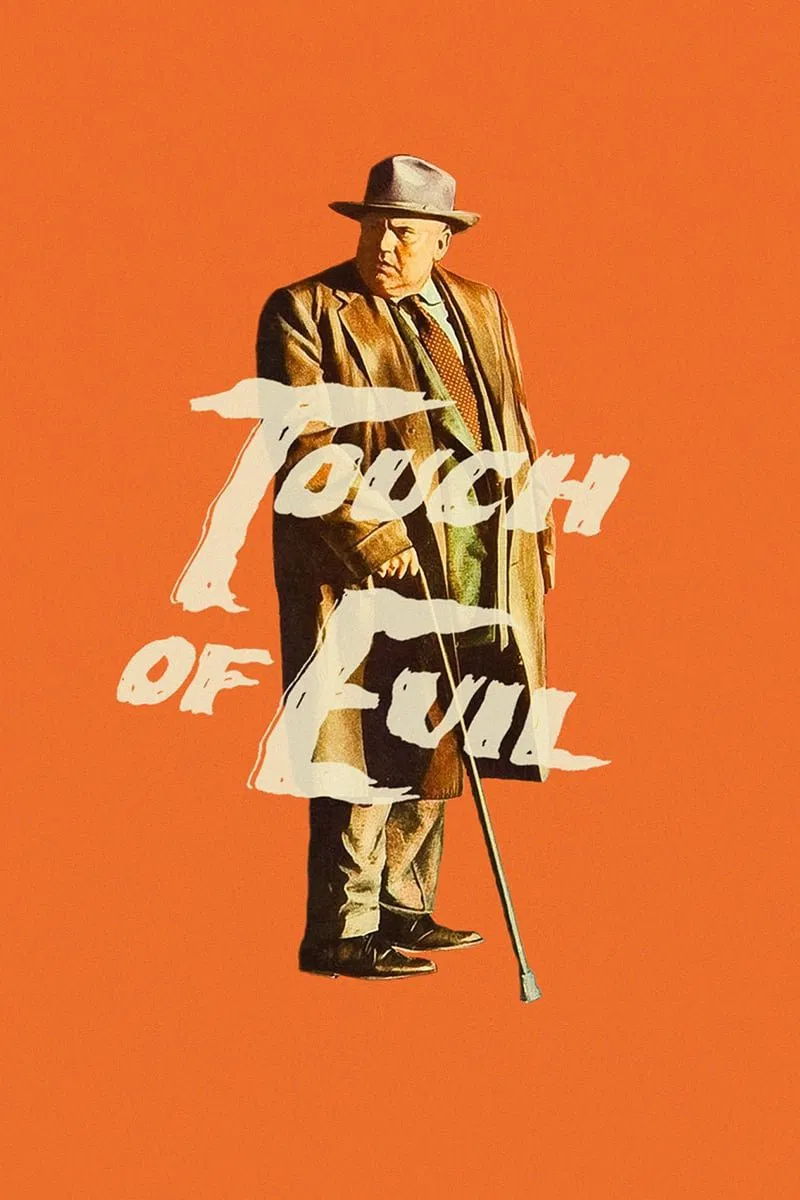
how Los Angeles was built through theft and violence, showing how the city's founding required stealing water from farmers through fraud and force, how that original sin of corruption continues defining the city's power structures generations later. Jack Nicholson plays Gittes with cocky competence that gradually reveals itself as arrogance, his belief that he can expose corruption and save Evelyn Mulwray from her father's abuse reflecting naive faith in justice that the ending destroys through showing how power protects itself while victims are blamed for their own victimization. Faye Dunaway's Evelyn is woman whose incestuous rape by her father produced daughter she's protecting, her attempts to save Katherine from Noah Cross revealing how women's agency is constrained by patriarchal structures that side with powerful men regardless of their crimes. What makes Chinatown essential is its examination of how corruption operates through respectable institutions, showing how Cross uses banks and government agencies to steal water rights, how police serve wealthy rather than protecting everyone equally, creating system where Jake's investigation threatens those with power to destroy him while people he's trying to help lack power to protect themselves. Polanski shoots 1930s Los Angeles with beautiful decay, John A. Alonzo's cinematography making the city's Spanish architecture and bright sun feel threatening rather than appealing, showing how beauty conceals violence that created it, that Los Angeles's glamour is built on stolen water and broken bodies. The famous ending where Evelyn is killed by police while Cross takes Katherine represents defeat so total that it redefined how noir films could conclude, showing that sometimes the bad guys win completely, that justice is fiction maintained by those whose power depends on preventing accountability, Jake's impotent "Forget it, Jake, it's Chinatown" representing recognition that some neighborhoods and some crimes exist outside law's reach. It succeeds because Polanski examines how power operates through making itself invisible, showing that Cross's water theft is legal because he owns the politicians who make laws, that Evelyn's murder by police serves Cross's interests because protecting powerful men requires eliminating women who accuse them, proving that most politically significant noirs are those showing how systemic corruption makes individual heroism meaningless, that sometimes investigating crime just gets you and everyone you care about killed while criminals thrive. 8. 🎬 Se7en (1995) | Dir. David Fincher | Streaming: Max A thriller following detectives Somerset and Mills investigating serial killer using seven deadly sins as murder themes, their pursuit becoming examination of whether evil can be fought without being corrupted by it, building to ending where the killer's plan forces Mills to become wrath by murdering him, completing the killer's artistic vision. David Fincher creates nihilistic masterpiece examining how violence begets violence and whether maintaining humanity is possible when confronting genuine evil, showing how serial killer John Doe views his murders as righteous crusade against sinners, his seven deadly sins theme transforming murder into religious punishment. Morgan Freeman plays Somerset as veteran detective planning retirement, his exhaustion and cynicism representing someone who's seen too much horror to believe in justice or redemption, his partnership with Mills showing experienced cop trying to prevent younger partner from becoming as damaged as himself. Brad Pitt's Mills is idealistic detective whose anger issues make him vulnerable to manipulation, his belief that catching killers matters creating dedication that John Doe exploits by making himself catchable while ensuring that catching him requires Mills's final corruption. What makes Se7en essential is its examination of how serial killers construct narratives about their crimes that transform them from random violence into meaningful acts, showing how Doe's theological justification for murder represents need to make killing mean something, that his artistic pretensions mask banality of someone who simply enjoys inflicting pain but needs intellectual framework to elevate his sadism. Fincher shoots with rain and darkness that never lifts, Darius Khondji's cinematography making the unnamed city feel like hell where suffering is constant and escape impossible, every location diseased and decaying, visualizing world where Doe's pessimism about humanity seems justified by surrounding evidence. The famous "What's in the box?" ending where Mills discovers Doe has murdered his wife and mailed her head creates situation where Somerset's philosophy about avoiding emotional investment gets tested by his inability to prevent Mills from shooting Doe, completing the killer's plan by becoming embodiment of wrath. It succeeds because Fincher refuses consolation or hope, showing that Doe wins even in death because he's proven his point about human nature through forcing Mills to murder him, that fighting monsters requires becoming monstrous, proving that most disturbing thrillers are those suggesting evil isn't aberration but truth about humanity that civilization's rules temporarily suppress but which emerges when circumstances allow. 7. 🎬 No Country for Old Men (2007) | Dir. Joel & Ethan Coen | Streaming: Paramount+ A neo-western following Vietnam veteran Llewelyn Moss who finds drug money at botched deal's crime scene and takes it, pursued by psychopathic hitman Anton Chigurh while Sheriff Ed Tom Bell tries to prevent the inevitable violence, the chase examining how random violence disrupts any notion of moral order or justice. The Coen Brothers adapt Cormac McCarthy's novel with absolute fidelity to its bleak vision, creating film about how the old codes of honor have been replaced by pure chaos, showing how Bell's attempts to maintain law and order are obsolete when confronted with Chigurh's philosophical violence that operates outside any moral framework Bell understands. Josh Brolin plays Moss with working-class pragmatism, his decision to take the money understandable given his economic circumstances but also dooming him, his survival skills from Vietnam insufficient against enemy who operates by different rules than any he's encountered. Javier Bardem's Chigurh is one of cinema's most terrifying villains, his bowl haircut and cattle gun creating memorable image, his philosophical justifications for murder making him more disturbing than simple psychopath, his coin tosses representing belief that fate determines who lives and dies but that he's fate's agent. What makes No Country for Old Men essential is its refusal to provide the confrontation between protagonist and antagonist that genre conventions promise, showing how Moss is killed off-screen by people we never see, how Bell arrives too late to do anything except witness aftermath, creating profound frustration that mirrors how violence actually operates rather than how movies typically depict it. The Coens shoot the Texas-Mexico border with Roger Deakins's typically gorgeous cinematography that makes the landscape beautiful and hostile, empty spaces suggesting both freedom and exposure, nowhere to hide from violence that's coming regardless of what you do. Tommy Lee Jones's Sheriff Bell provides the film's moral center and its elegiac tone, a lawman recognizing that the world has changed in ways he can't understand or prevent, that violence has become so random and extreme that traditional law enforcement is obsolete, his dreams about his father representing lost past where codes and honor still mattered. It succeeds because the Coens and McCarthy understand that evil doesn't require explanation or motivation, that sometimes people die randomly and violently for reasons that make no sense, that law and order are comforting fictions that collapse when confronted with someone like Chigurh who simply doesn't care about the rules everyone else follows, proving that most philosophically ambitious thrillers are those that examine whether universe is ordered by justice or chaos. 6. 🎬 The Third Man (1949) | Dir. Carol Reed | Streaming: Criterion Channel A noir thriller set in post-war Vienna following American writer Holly Martins investigating his friend Harry Lime's death, his discovery that Lime faked his death to continue black market racket diluting penicillin revealing how war's destruction creates conditions where profiteering thrives and old friendships mean nothing when survival and profit are at stake. Carol Reed creates masterpiece of moral corruption examining how Vienna's four-zone occupation created lawless space where criminals exploit bureaucratic confusion, showing how Lime's operation kills children through selling worthless medicine while he lives comfortably in occupied city's ruins. Joseph Cotten plays Holly with naive loyalty that gets systematically destroyed as he learns his friend is monster, his investigation driven by friendship before revelation of Lime's crimes forces him to help capture someone he came to vindicate. Orson Welles's Lime appears late in the film but dominates it, his famous cuckoo clock speech justifying his crimes through claiming that instability breeds creativity while peace breeds complacency revealing sociopath's ability to rationalize anything, his charm making him seductive despite his willingness to murder children for profit. What makes The Third Man essential is its examination of how post-war chaos created opportunities for those without conscience, showing how Lime exploits the jurisdictional confusion between Allied zones to operate with impunity, how his black market connects to every level of Viennese society because everyone needs things that legal channels can't provide. Reed shoots Vienna with expressionistic angles and shadows, Robert Krasker's cinematography making the bombed city feel dreamlike and threatening, the famous sewer chase creating claustrophobic finale where Lime's underground network becomes literal as he tries to escape through drainage system. Anton Karas's zither score creates haunting musical landscape that's became inseparable from the film, the repetitive theme suggesting both innocence and menace, making post-war Vienna feel like place where normal moral categories don't apply. The ending where Holly shoots Lime in the sewers represents betrayal of friendship in service of justice, though the film questions whether justice is possible in occupied city where institutional authority is fragmented and provisional, where today's ally is tomorrow's enemy and everyone is compromised by wartime necessities. It succeeds because Reed examines how war destroys not just cities but moral frameworks, showing how Lime's ability to profit from dying children represents capitalism's logical endpoint when regulation disappears and desperation makes people accept anything, proving that best political thrillers are often those set in liminal spaces where normal rules are suspended and we see what people become when institutional constraints disappear. 5. 🎬 Touch of Evil (1958) | Dir. Orson Welles | Streaming: Prime Video A noir thriller following Mexican narcotics detective Mike Vargas investigating bombing on Mexican border, his discovery that celebrated American cop Hank Quinlan plants evidence to secure convictions revealing how police corruption operates through legendary detectives whose reputations make their testimony unquestioned. Orson Welles creates baroque masterpiece examining how border zones become lawless spaces where American and Mexican authority overlap and neither functions properly, showing how Quinlan's career built on manufactured evidence represents police work that values convictions over truth because the public demands results regardless of how they're achieved. Charlton Heston plays Vargas as idealistic cop whose Mexican nationality makes him outsider to American justice system, his investigation of Quinlan threatening powerful man whose connections and reputation make him untouchable until irrefutable evidence of his corruption emerges. Welles himself plays Quinlan as grotesque figure whose obesity and limp represent physical manifestation of moral corruption, his murder of Joe Grandi to frame Vargas showing how far he'll go to protect his reputation, his justification that he only frames guilty people revealing how cops rationalize constitutional violations.
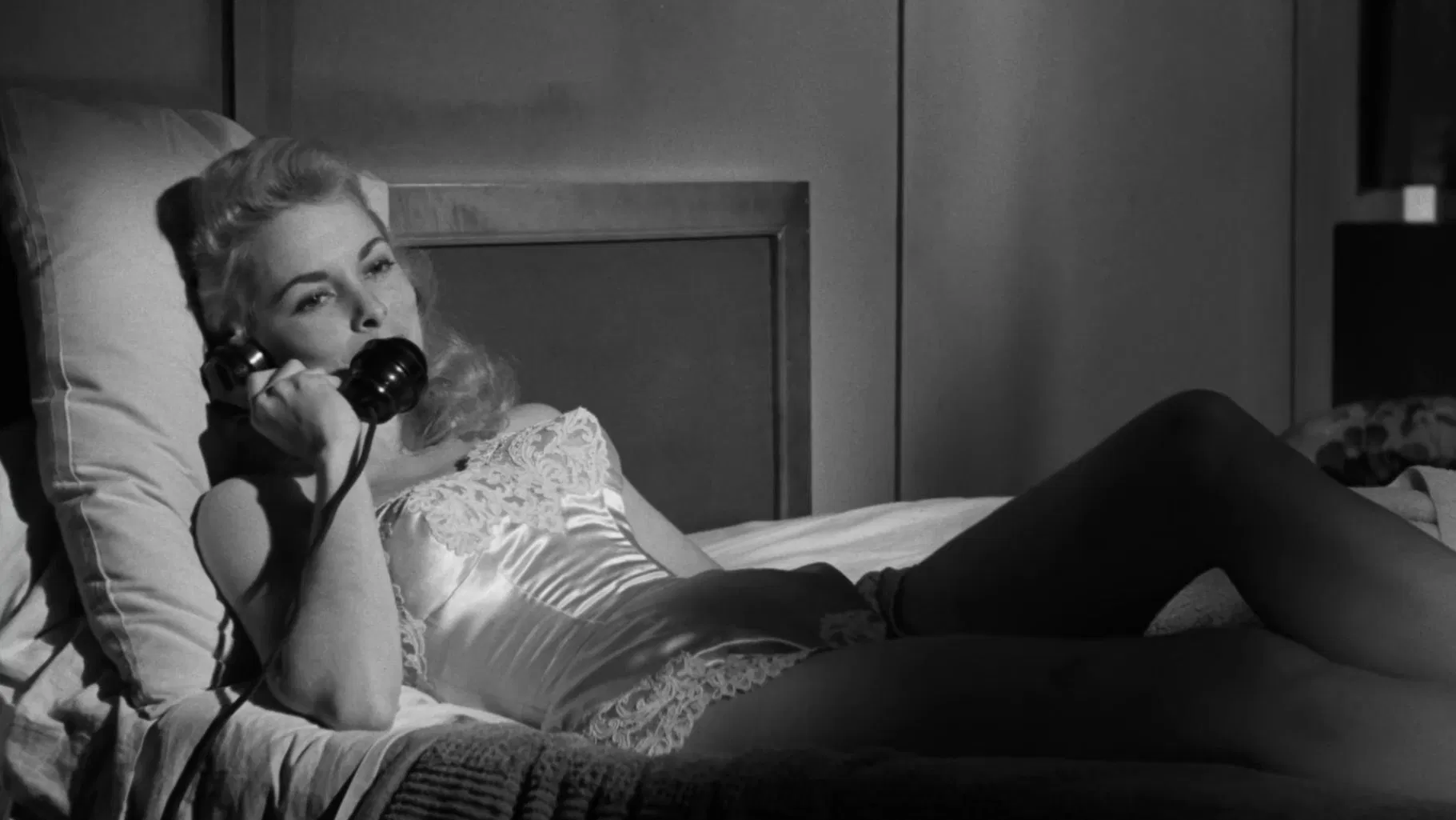
What makes Touch of Evil essential is its famous opening shot, a three-minute unbroken take following car with bomb through crowded border town until explosion, Welles's technical virtuosity establishing the permeable border and cultural confusion that defines the setting. Welles shoots with extreme angles and deep focus that makes every frame visually complex, Russell Metty's cinematography creating noir aesthetic that emphasizes shadows and reflections, showing how border town exists in moral gray area where American law and Mexican sovereignty create jurisdictional confusion that criminals exploit. The film's examination of how Quinlan's wife's murder motivated his career of planting evidence shows how personal trauma becomes justification for systematic violation of rights, how cops who've experienced victimization feel entitled to circumvent legal protections they view as obstacles to catching criminals they know are guilty. The ending where Quinlan is killed after recording reveals his confession represents police corruption exposed but also suggests that nothing will change, that institutional rot runs deeper than individual bad cops, that border zones will continue being spaces where law is provisional and violence is constant. It succeeds because Welles examines how borders create zones of exception where normal rules don't apply, showing how Quinlan's corruption is enabled by jurisdictional confusion and reputation that makes his word trusted over actual evidence, proving that most formally audacious thrillers are often those using visual style to make thematic arguments about how power operates through making certain spaces and people exceptions to rules that supposedly apply universally.
4. 🎬 M (1931) | Dir. Fritz Lang
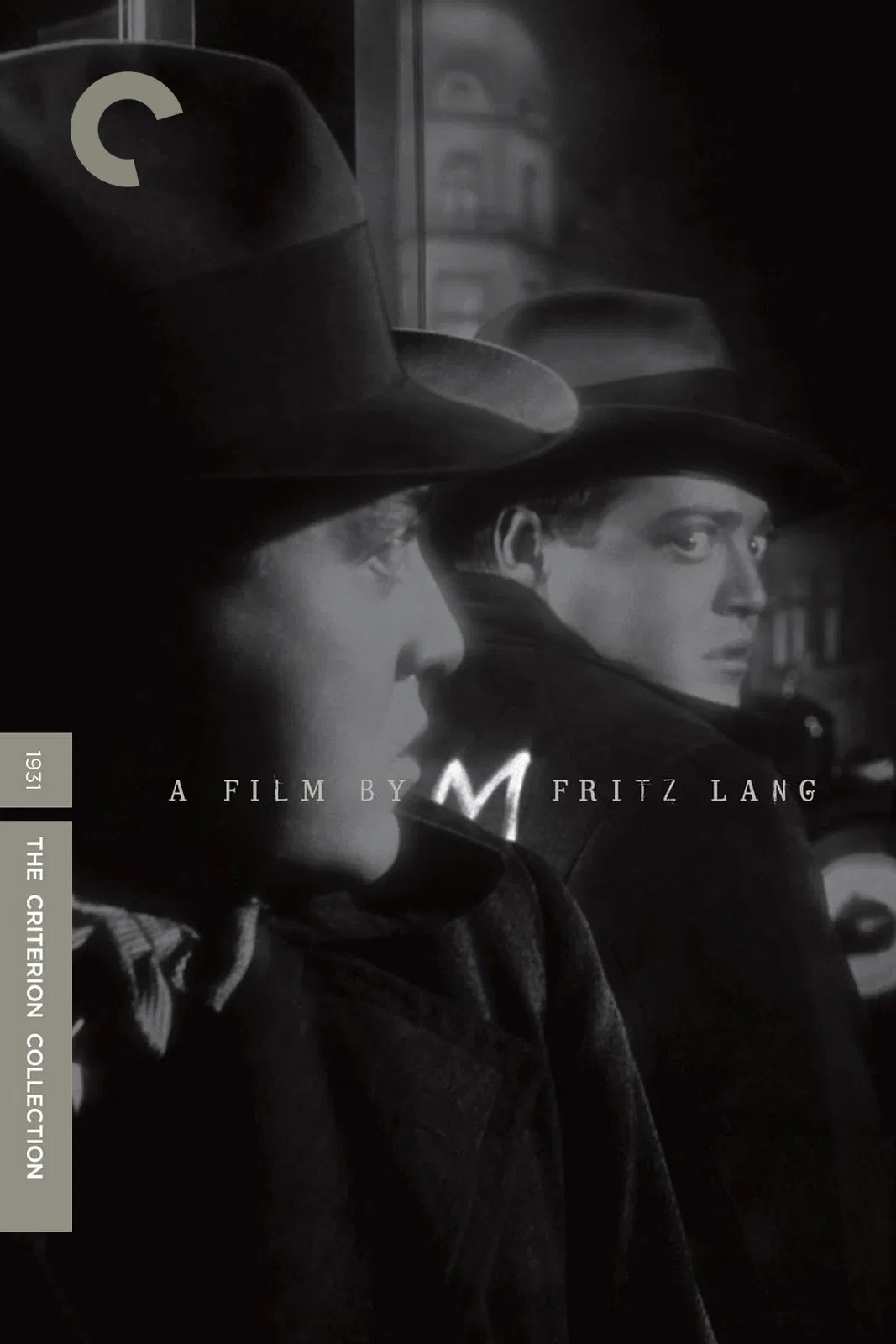
A German thriller following police and criminal underworld both hunting child murderer, their parallel investigations showing how societies respond to terror through abandoning normal procedures and rights, how the desire to catch monsters makes everyone willing to become monstrous themselves. Fritz Lang creates first modern serial killer film examining how media sensationalism and public panic create conditions where police state tactics seem justified and where criminals form vigilante justice system because official investigation is disrupting their operations. Peter Lorre plays the child killer with performance that makes him simultaneously sympathetic and monstrous, his breakdown during criminal trial revealing someone who recognizes his compulsions are evil but claims inability to control them, asking whether psychological compulsion reduces moral culpability or if outcomes matter more than intentions. What makes M essential is its examination of how the killer's presence forces police to implement mass surveillance and arbitrary arrest, how criminal underworld organizes manhunt because police crackdown is disrupting their business, showing how both legitimate and illegitimate systems prioritize their own interests over actual justice.
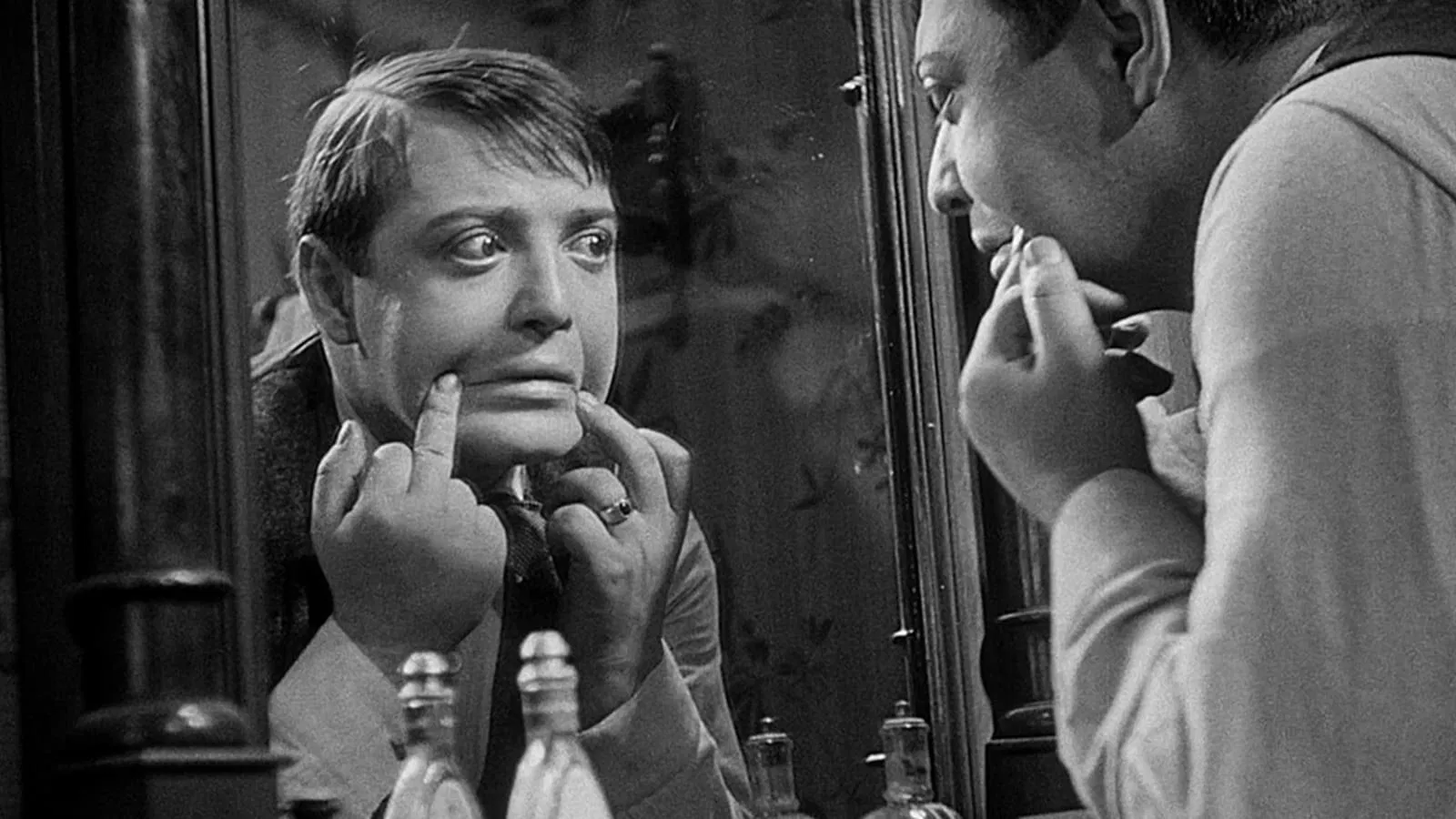
Lang shoots with expressionistic shadows and innovative sound design, his use of whistled tune identifying the killer before we see him creating audio signature that makes him recognizable, showing how cinema could use sound for narrative purposes beyond just recording dialogue. The film's structure as parallel investigations shows how criminals prove more effective at finding the killer than police because underworld networks provide surveillance infrastructure that official channels lack, their success raising questions about whether efficiency justifies extralegal violence or if rule of law matters more than outcomes. The famous trial sequence where criminals judge the killer in abandoned distillery creates kangaroo court that's simultaneously horrifying violation of rights and understandable response to police inability to protect children, showing how vigilante justice emerges when institutional justice seems inadequate. The ending where police arrive before criminals execute the killer represents state authority reasserting itself but Lang's direction makes clear this is temporary victory, that the cycles of violence and public panic will continue because serial killers are symptoms of modern urban anonymity rather than aberrations that can be permanently eliminated. It succeeds because Lang examines how societies sacrifice freedom for security when sufficiently frightened, showing how M's crimes create surveillance state where everyone watches everyone else and suspects anyone behaving strangely, proving that most politically prescient thrillers are often those that predict how fear makes people accept authoritarianism as protection, that 1931 film about German city implementing police state through mass surveillance and arbitrary detention became documentary of what was about to happen to entire nation.
3. 🎬 Rear Window (1954) | Dir. Alfred Hitchcock
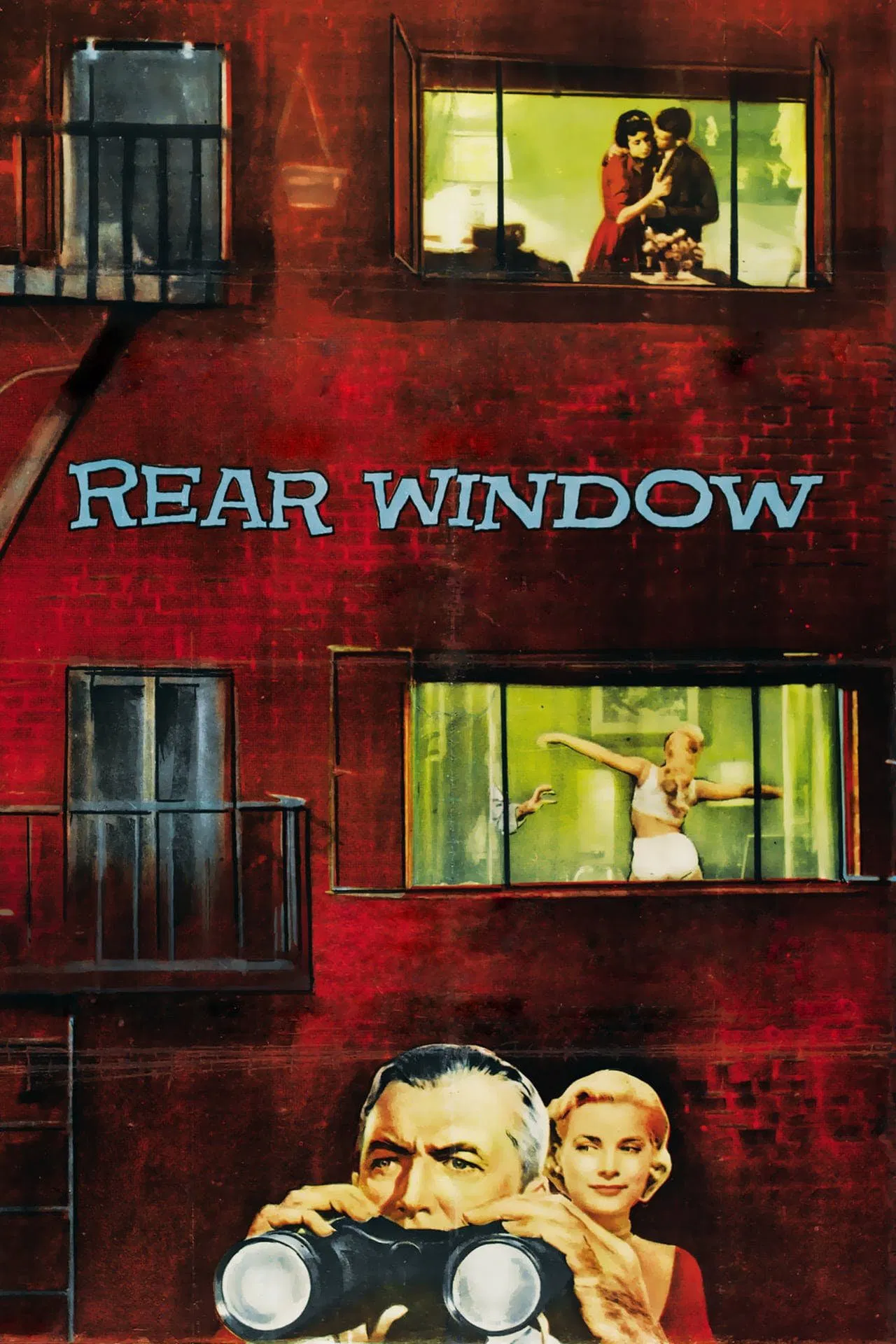
A thriller following photographer Jeff confined to wheelchair with broken leg who watches his neighbors through his apartment window, his growing conviction that he's witnessed murder creating investigation where his immobility makes him vulnerable to the killer he's accusing. Alfred Hitchcock creates masterpiece of pure cinema examining how voyeurism shapes perception and whether watching people transforms observation into understanding or just projection of our own anxieties and desires onto others' lives we only partially comprehend. James Stewart plays Jeff as someone whose professional photography has made him comfortable observing rather than participating, his confinement making literal what was already his preferred mode of engaging with world, his relationship with Lisa showing how his emotional unavailability stems from preference for watching life rather than living it. Grace Kelly's Lisa is fashion model whose glamour and availability Jeff resists because committing to her would require him giving up freedom to travel and work that defines his identity, her participation in his investigation becoming way of proving she can be partner he needs rather than just beautiful woman he doesn't think fits his adventurous life.
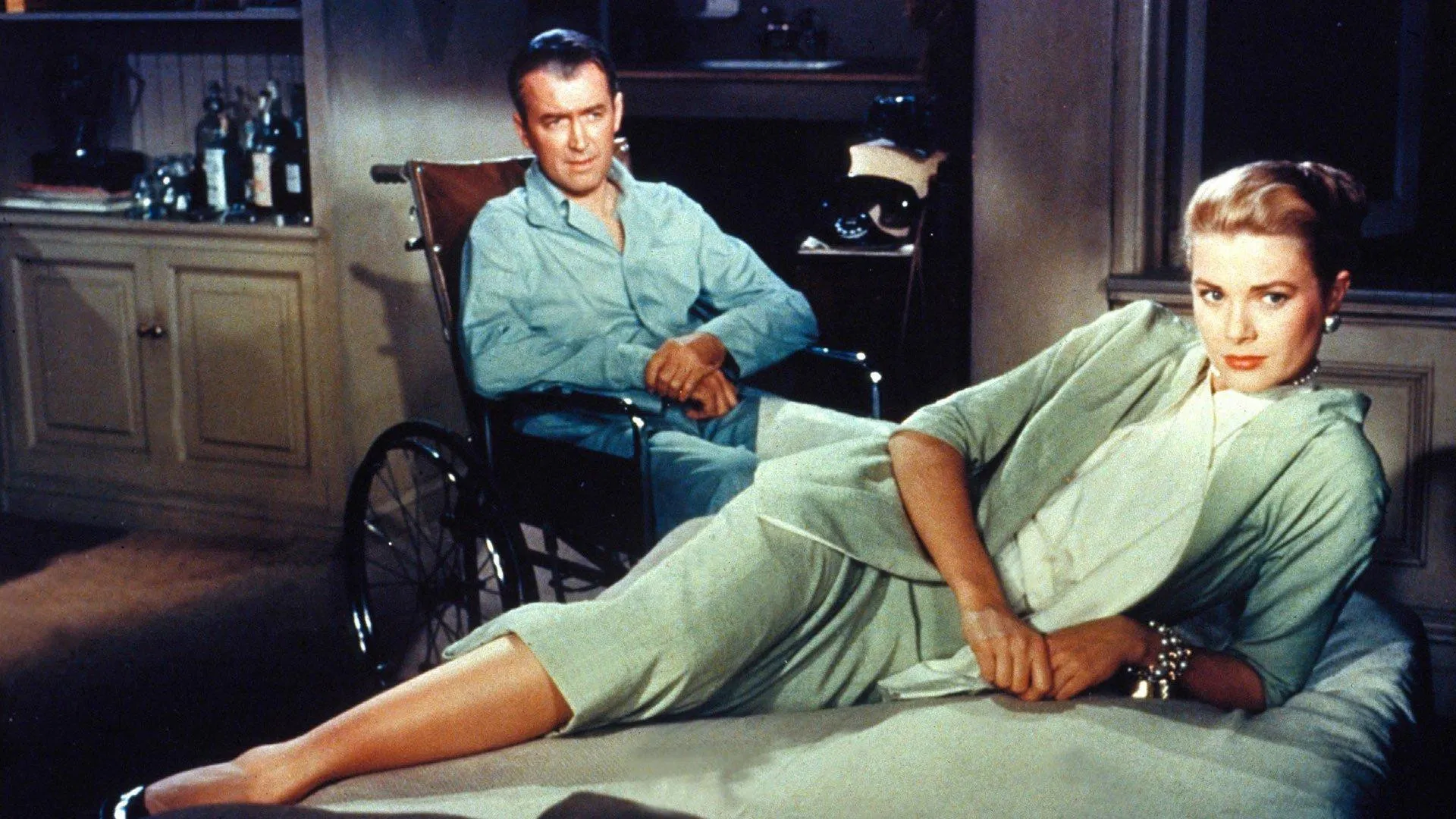
What makes Rear Window essential is its formal restriction to Jeff's apartment, showing everything from his perspective through what he can see from his window, making audience share his limited viewpoint and forcing us to interpret same ambiguous evidence he's using to conclude his neighbor is murderer. Hitchcock shoots the apartment complex as vertical slice of urban life, each apartment window revealing different domestic scenario that Jeff and Lisa project meanings onto, their interpretations revealing as much about their own anxieties about marriage and domesticity as about neighbors they're watching. The film's examination of how Jeff's suspicions about the salesman murdering his invalid wife reflect his own fears about being trapped in marriage reveals how surveillance operates as projection, showing how we see in others what we're afraid of in ourselves, that Jeff's conviction about murder stems partly from recognizing his own capacity for wanting to escape commitment through violence. The climactic confrontation where the murderer discovers Jeff watching him and comes to kill him creates suspense from Jeff's immobility, his broken leg making him unable to flee or fight effectively, proving Hitchcock's theory that suspense comes from audience knowing more than characters or in this case knowing as little as protagonist trapped in wheelchair. It succeeds because Hitchcock examines how looking shapes what we see, that observation isn't objective but filtered through our own psychology and assumptions, proving that most philosophically complex thrillers are those that implicate audience in voyeurism, making us aware that our pleasure in watching comes from same impulses as protagonist's surveillance, that we're all guilty of watching others' lives rather than examining our own.
2. 🎬 Vertigo (1958) | Dir. Alfred Hitchcock
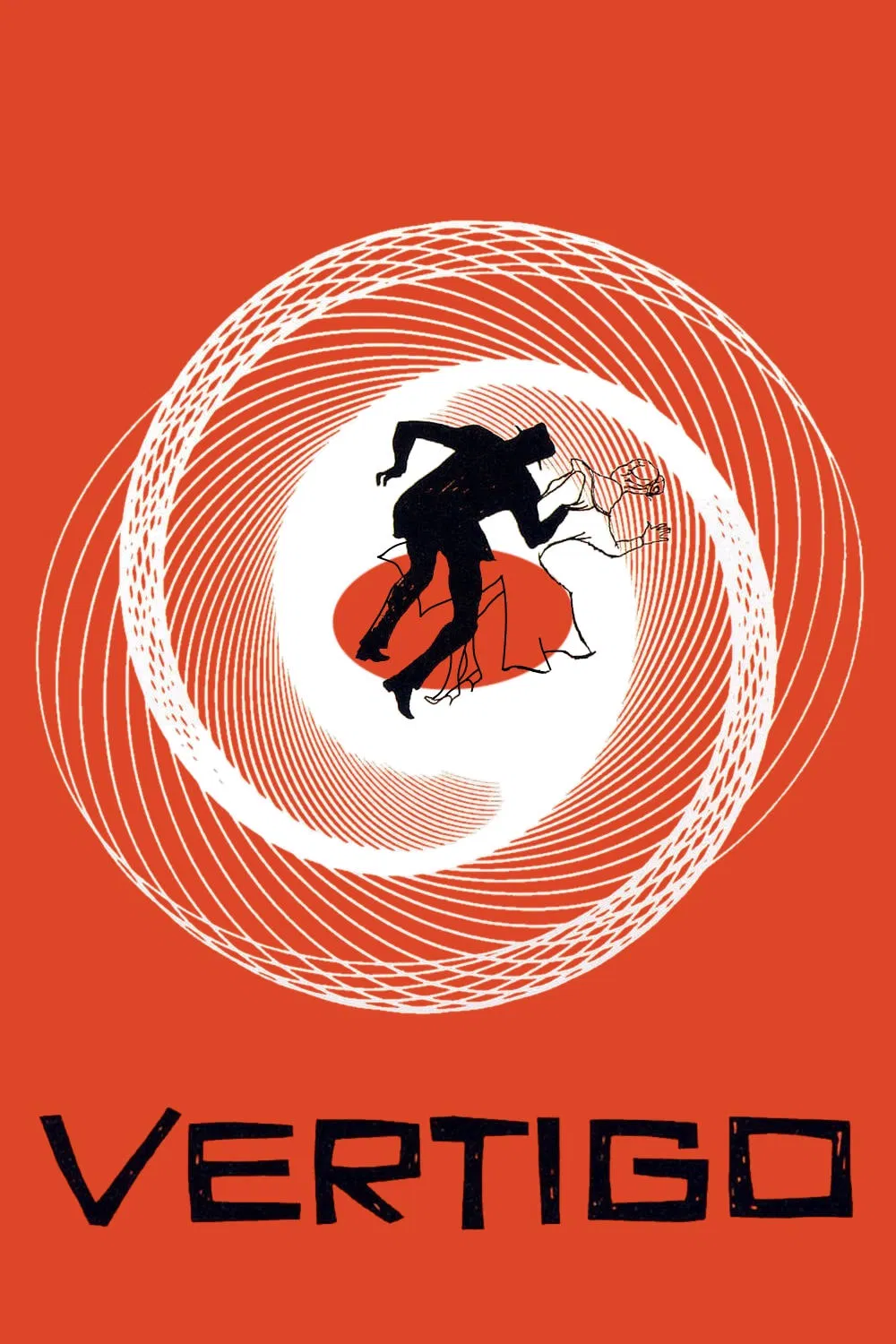
A psychological thriller following detective Scottie whose acrophobia forces his retirement, his subsequent obsession with woman he's hired to follow leading him into elaborate deception where his desire to control and remake her reveals how romantic love can become form of violence when man tries to transform woman into his ideal rather than accepting who she actually is. Alfred Hitchcock creates his most personal and disturbing film examining how male obsession operates through attempting to possess and reshape women, showing how Scottie's attempt to remake Judy into Madeleine represents extreme version of how romantic relationships often involve one person trying to change the other rather than accepting them as autonomous beings with their own desires and identities. James Stewart plays against his typical persona as Scottie, his character's obsession and cruelty toward Judy revealing darker side of American masculine idealism, his insistence that she dye her hair and change her clothes to resemble dead Madeleine showing how his love is really narcissistic need to control rather than genuine care for actual person.
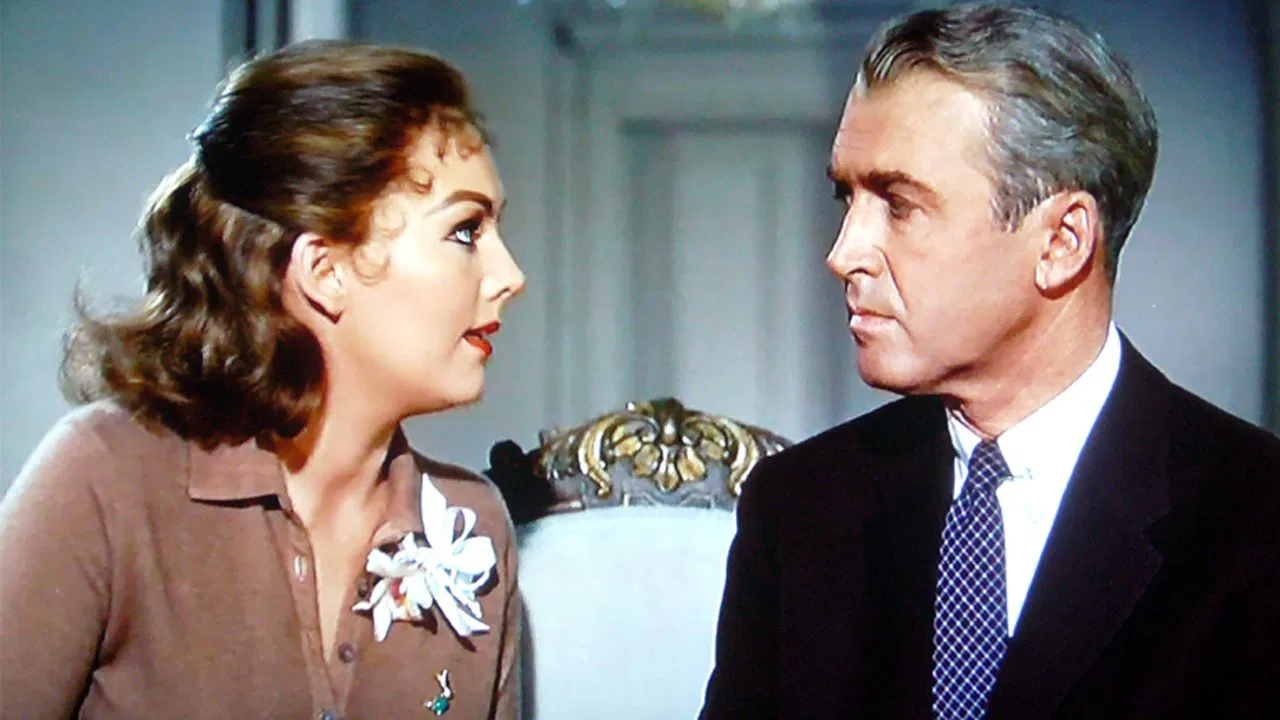
Kim Novak plays both Madeleine and Judy, her performance showing how same woman must perform different identities to satisfy men's desires, her eventual confession that she was hired to impersonate Madeleine so the real Madeleine's husband could murder his wife revealing how Scottie has been manipulated but also how he's willing to manipulate Judy to recreate his lost fantasy. What makes Vertigo essential is its examination of how male romantic obsession operates through fetishizing women's appearances while ignoring their actual humanity, showing how Scottie falls in love with Madeleine's performance of mysterious melancholy rather than knowing anything real about her, his subsequent obsession with Judy stemming from her resemblance to his fantasy rather than any interest in who she actually is. Hitchcock shoots with expressionistic color and camera movement that visualizes Scottie's psychological state, Robert Burks's cinematography using saturated greens and reds while Bernard Herrmann's score creates swooning romantic atmosphere that the narrative reveals as diseased, showing how what seems like grand passion is really pathology. The famous dolly zoom shot visualizing Scottie's vertigo when looking down from heights became iconic technique, Hitchcock using formal innovation to make psychological condition visceral, proving that best thrillers use technical virtuosity to serve thematic concerns rather than just impressing audience. The ending where Scottie's attempt to cure his vertigo by returning to scene of Madeleine's death leads to Judy's actual death creates tragedy where his need to control and understand what happened destroys the woman he claims to love, showing how his obsession was always about his own needs rather than caring for her. It succeeds because Hitchcock examines how romantic obsession operates as form of violence, showing that Scottie's love for Madeleine/Judy represents desire to possess and control rather than acceptance and care, proving that most psychologically disturbing thrillers are often those that examine how normal romantic behavior exists on spectrum with stalking and abuse, that male obsession culture calls romantic is often just socially acceptable form of not accepting women's autonomy.
1. 🎬 Psycho (1960) | Dir. Alfred Hitchcock
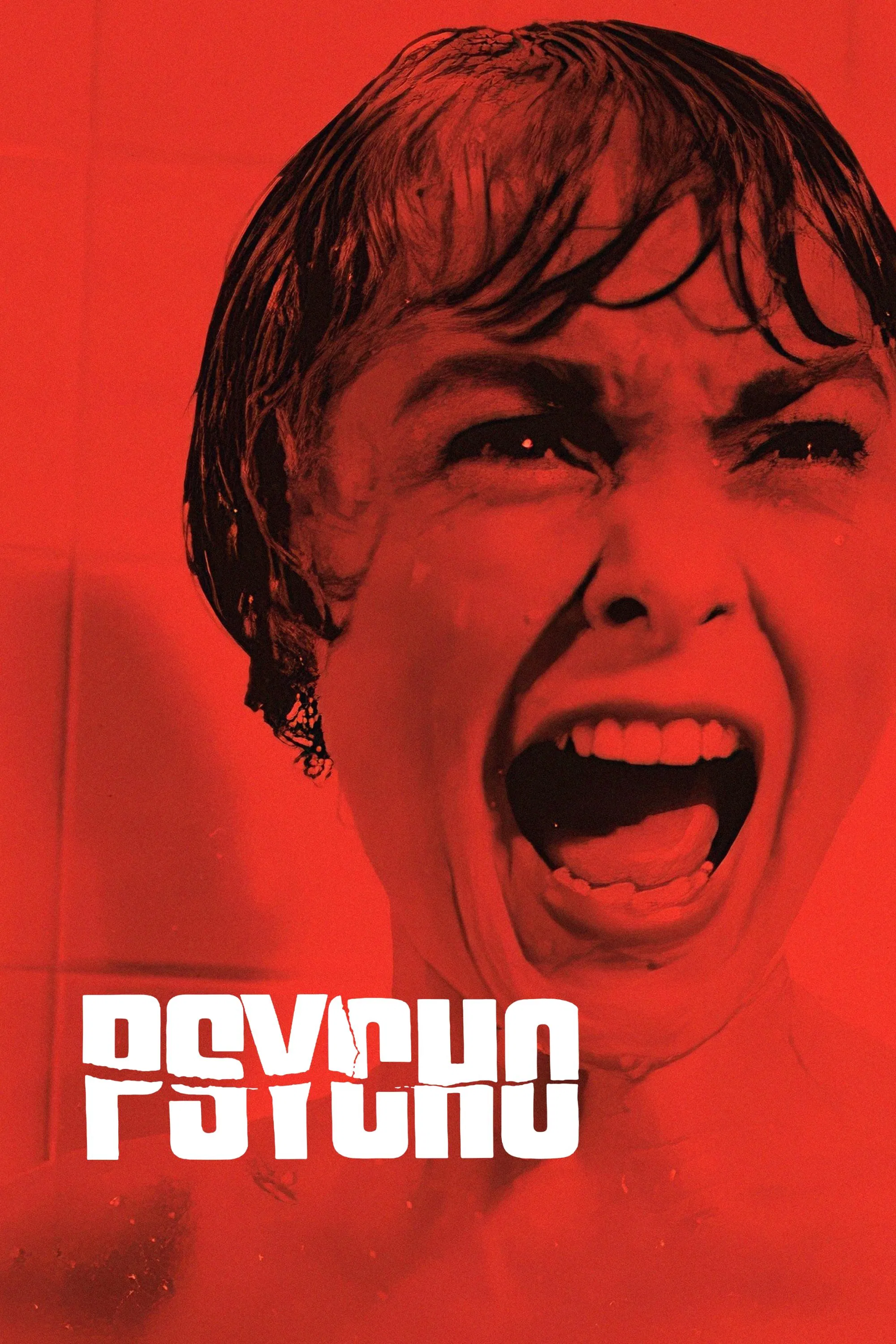
A horror thriller that revolutionized cinema by killing its protagonist forty minutes in, following Marion Crane who steals money and stops at Bates Motel before being murdered in shower by Norman Bates, the investigation by her sister and detective revealing Norman's split personality where he becomes his dead mother when sexually aroused or threatened. Alfred Hitchcock creates most influential thriller ever made, destroying audience expectations by making star Janet Leigh the victim rather than final girl, using her death to examine how cinema manipulates viewer identification and showing that no one is safe when genre conventions themselves can be violated. Anthony Perkins plays Norman with awkward charm that makes him sympathetic before revealing his capacity for violence, his performance creating template for sympathetic psychopath where politeness and vulnerability mask genuine danger, his dual nature representing Freudian examination of how repression creates monsters. What makes Psycho essential beyond its famous shower scene is its examination of how Norman's inability to accept his mother's death led him to preserve her corpse and develop alternate personality that embodies her, his crimes revealing how family dysfunction and sexual repression create conditions for psychosis, that Norman's murders stem from his mother's domination that he's internalized so thoroughly he's become her.
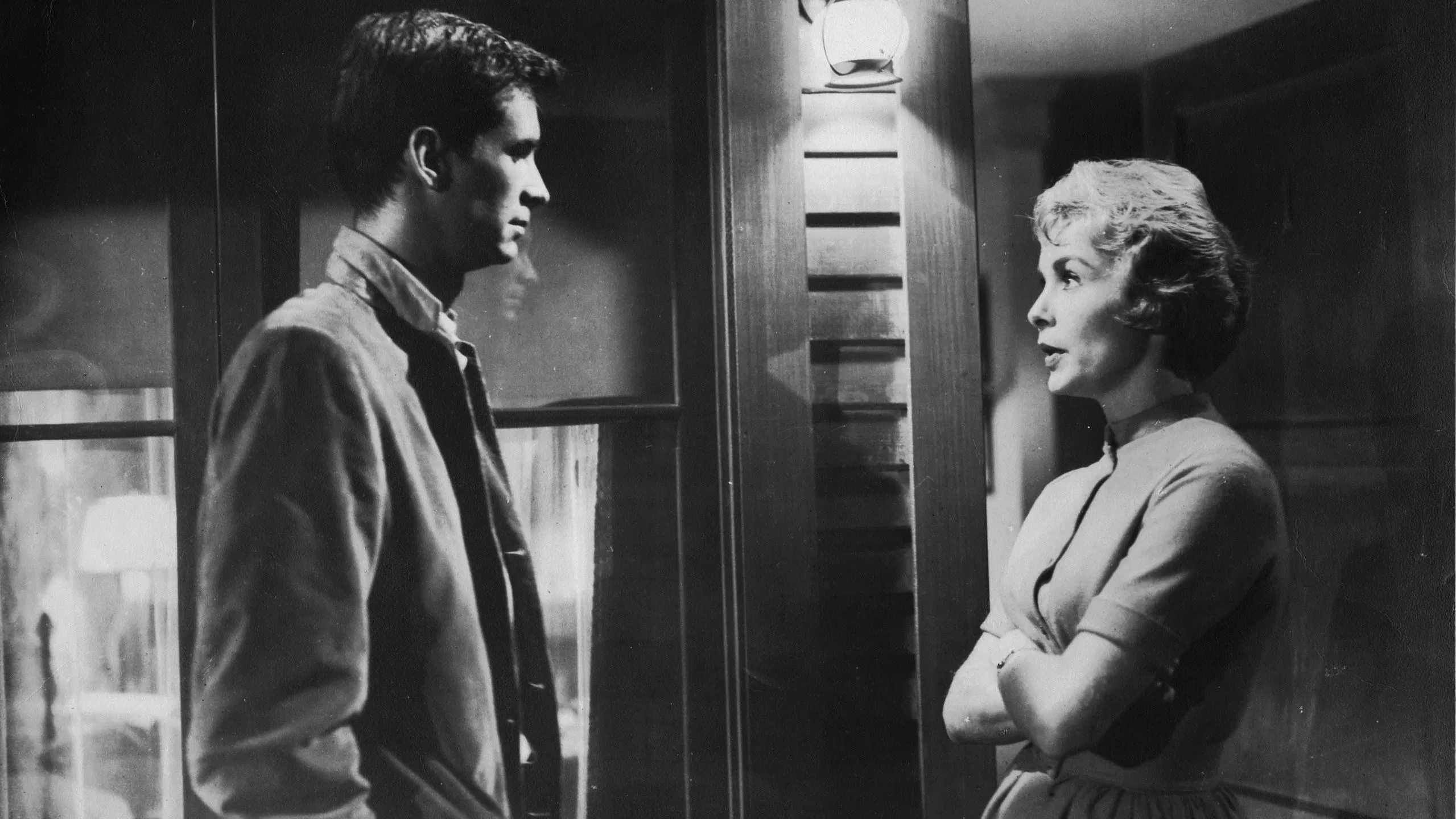
Hitchcock's direction makes the shower murder cinema's most famous sequence, using rapid cuts and Bernard Herrmann's shrieking strings to create violence that's more suggested than shown, proving that editing and sound create more effective horror than graphic imagery, that what audience imagines is more powerful than what they see explicitly. The film's structure as two distinct halves, Marion's theft and flight followed by investigation of her disappearance and discovery of Norman's crimes, shows how Hitchcock could violate every rule about protagonist continuity and audience identification while maintaining suspense, proving that thriller conventions exist to be broken when violation serves larger purpose. The psychiatrist's explanation of Norman's condition at film's end represents attempt to rationalize what we've witnessed, providing psychological framework that reduces Norman from inexplicable evil to case study, though Hitchcock's final shot of Norman's face dissolving into his mother's skull suggests that psychological explanation doesn't fully contain the horror of what he's become. It succeeds because Hitchcock understood that Psycho required shocking audiences beyond what they expected from thrillers, that killing the star character early and revealing the charming motel owner is cross-dressing murderer keeping his mother's corpse would destroy audience's sense of safety, proving that most influential thrillers are those that change what audiences expect from genre itself, that Psycho's legacy is making viewers recognize that anyone can die at any moment and that the normal-seeming person helping you might be the monster, forever altering how suspense operates in cinema.
— The Cinéprism
Keep reading
12 / 11 / 2025 · 5103 reads
Top 11 Greatest TV Shows:
These eleven extraordinary series redefine what television can be, merging unforgettable characters with stories that linger long after the screen goes dark.
11 / 01 / 2026 · 504 reads
11 Critically Acclaimed Netflix Shows
From royal sagas and psychological thrillers to groundbreaking true crime, discover the 11 essential series that define Netflix's golden era.