
Dispatch — Long Read
CINEMAS GREATEST CONTRADICTION
A deep dive into the beautiful, messy contradictions that define the greatest films ever made
The Cinéprism
31 / 01 / 2026 · 7 min read
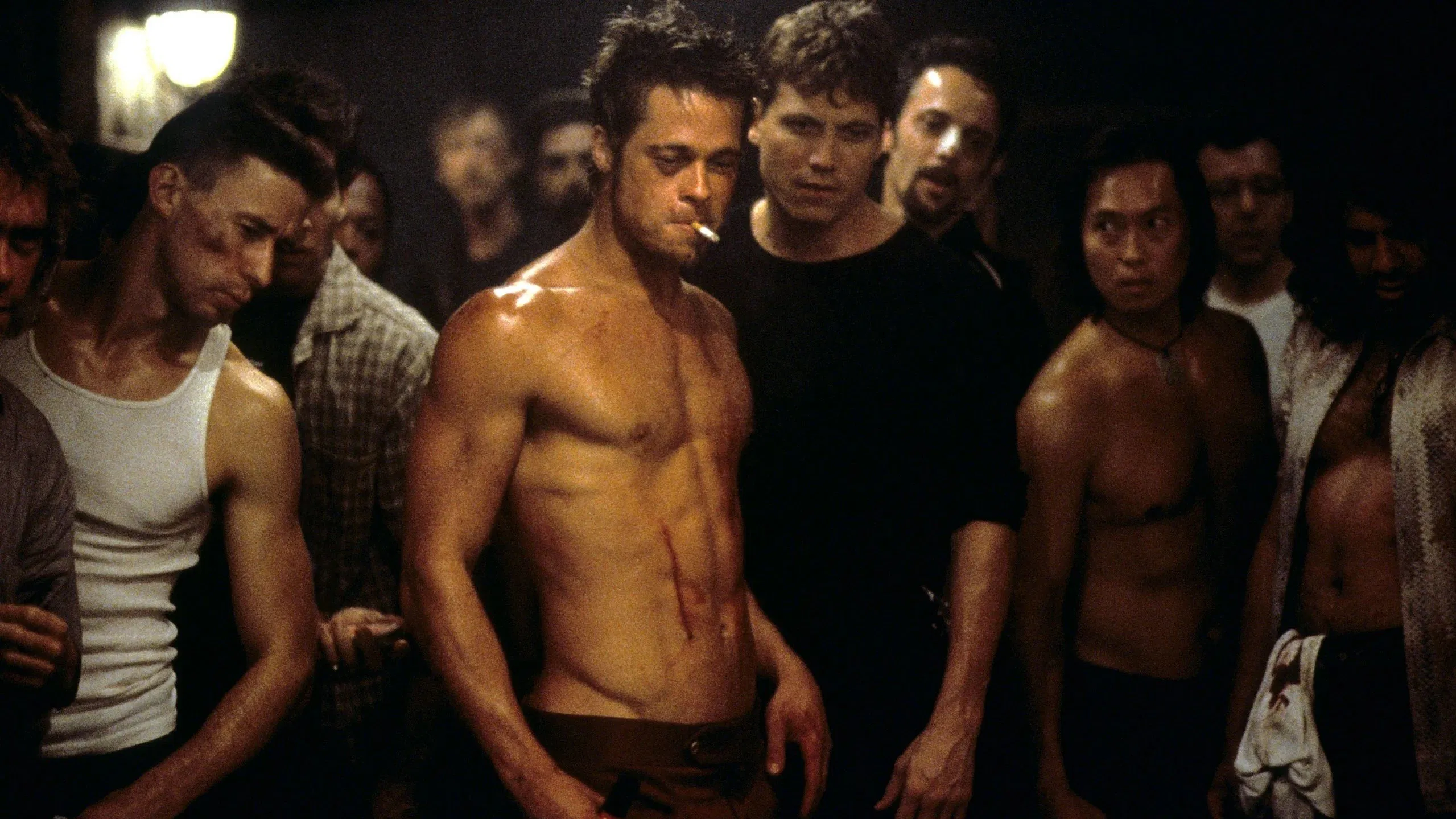
Fight Club (1999)

A violent satire on masculinity and consumerism where identity is shattered through rebellion. An insomniac office drone, numb to his IKEA-catalog life, meets Tyler Durden, a charismatic soap salesman with a philosophy of destruction. Together, they form an underground bare-knuckle fighting league that evolves into "Project Mayhem," an anarchic movement targeting the financial foundations of society. The narrator’s journey is a brutal awakening to the realization that his greatest enemy, and his idealized self, are closer than he thinks.
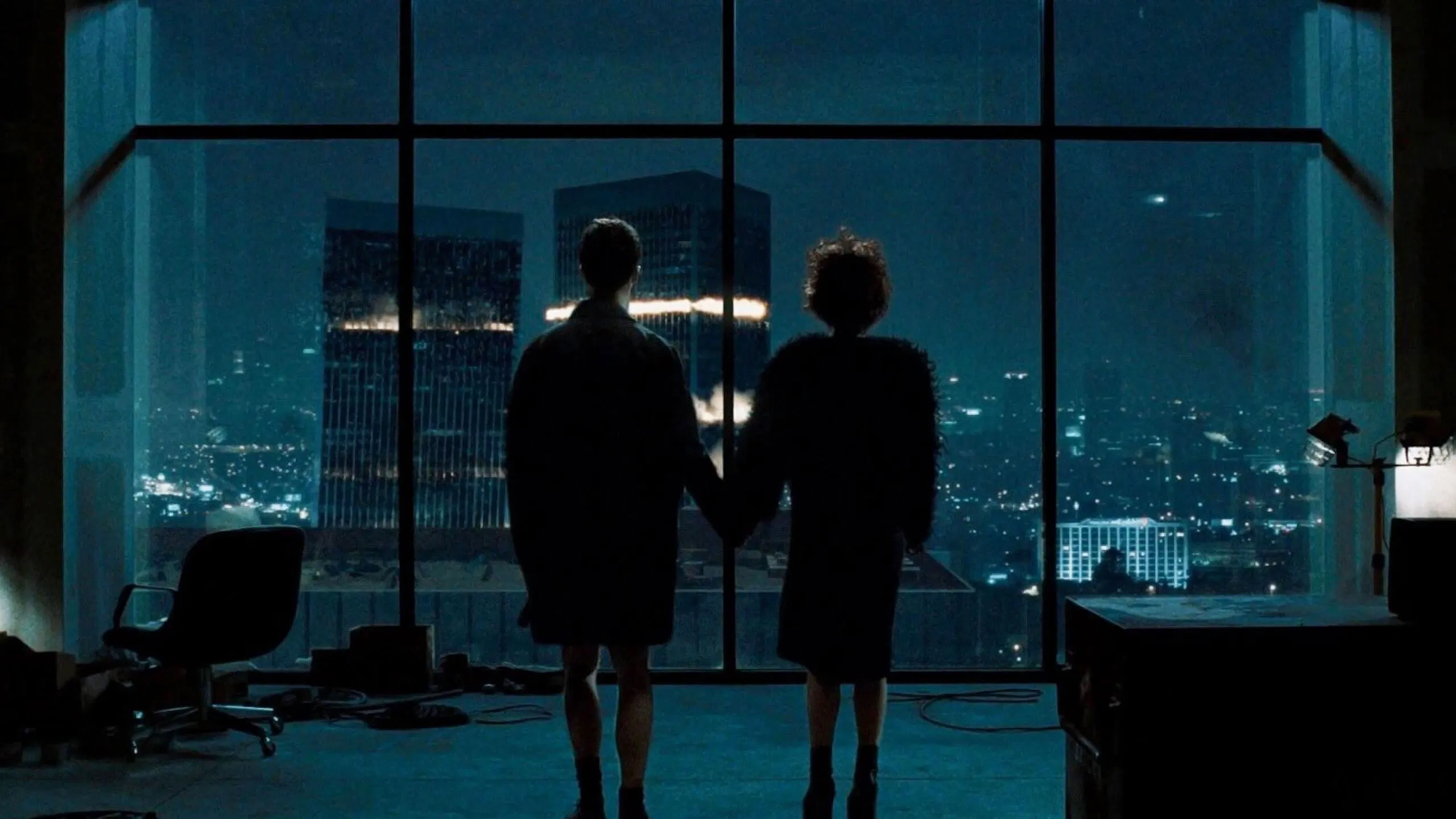
David Fincher’s stylish assault on the senses is a deeply contradictory film. It condemns consumerism while being a slick, marketable product itself. It critiques toxic masculinity while inadvertently becoming a bible for it. Ultimately, it explores the terrifying void of modern existence, suggesting that the only way to find an authentic self in a world of copies is to burn everything down and start over, even if it means destroying yourself in the process.
Babylon (2022)

Excess, ambition, and madness define this look at Hollywood’s birth, soaked in sweat, blood, and noise. Set in the boozy, drug-fueled twilight of the 1920s silent film era, this epic follows a tapestry of characters - including an ambitious starlet, a rising Latino executive, and an aging matinee idol - as they navigate the chaotic transition to "talkies." It is a frenetic chronicle of the meteoric rise and devastating fall of careers, capturing the ruthless machinery of an industry that chews up talent and spits it out, all in the name of creating magic on the silver screen.

Damien Chazelle presents a dazzling paradox: a love letter to cinema written in vomit and blood. It argues that the most beautiful art is often born from the ugliest impulses of human depravity. The film is an exhaustingly maximalist experience that celebrates the immortal power of movies while unflinchingly depicting the disposable nature of the people who make them, showing the grotesque reality behind the dream factory.
Crimes of the Future (2022)

Body horror meets philosophy as pain, desire, and evolution collide in a decaying future. In a polluted, analog future where humanity is experiencing "Accelerated Evolution Syndrome," physical pain has largely disappeared for the masses. Saul Tenser is a performance artist who grows new, vestigial organs in his body, which his partner Caprice surgically removes for live audiences. Their avant-garde shows attract the attention of a secretive government registry and a radical underground group that believes these bodily changes are the next necessary step in human evolution.

Director David Cronenberg returns to his roots to posit a disturbing contradiction: in a world without pain, surgery becomes the new sex. The film is a philosophical meditation wrapped in visceral body horror, exploring how humanity might adapt to a dying environment. It challenges our conventional definitions of beauty, suggesting that in a decaying world, the only truly creative act left is the radical alteration of our own flesh.
Long Shot (2019)

Politics meets romance in a story of idealism, humor, and unexpected sincerity. Fred Flarsky, a stubborn and idealistic journalist, unexpectedly reconnects with Charlotte Field, his former babysitter who is now the poised and powerful U.S. Secretary of State preparing for a presidential run. In a whimsical move, she hires him as her speechwriter to add humor to her campaign. Despite their opposing lifestyles and intense public scrutiny, their professional relationship blossoms into an unlikely romance that challenges their cynical views on both politics and love.

This film finds harmony in the contradiction of high-stakes geopolitical maneuvering and raunchy stoner comedy. It works perfectly because beneath the vulgar humor lies a genuine, sincere heart. It subverts traditional gender dynamics by presenting a powerful female lead and a supportive male partner, arguing that shared values and authentic connection are ultimately more important than political "optics."
Scott Pilgrim vs. the World (2010)
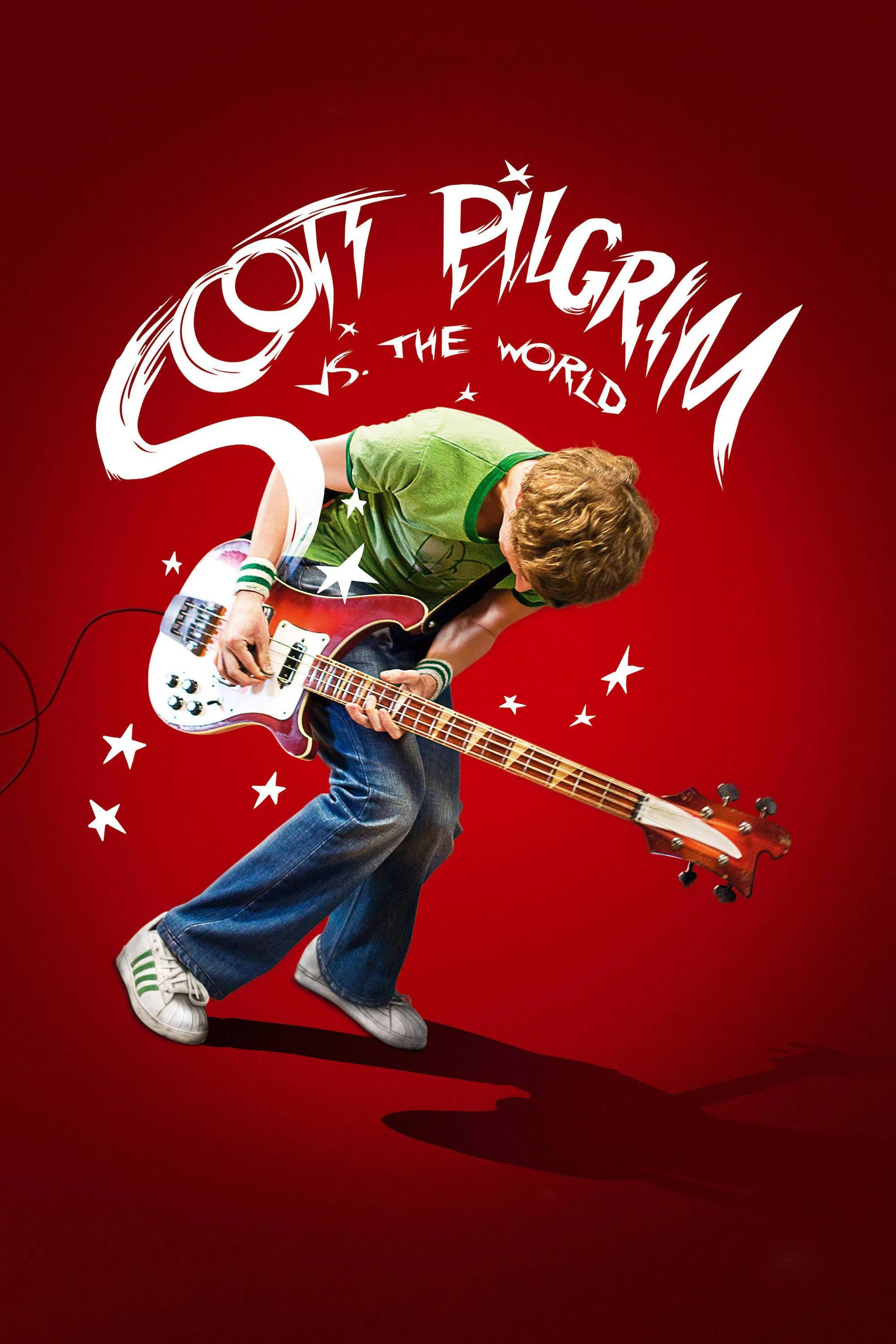
Love plays out as a video game, exploring youth, ego, and emotional immaturity with electric style. Scott Pilgrim, a slacker bass player in Toronto, falls instantly for the enigmatic delivery girl Ramona Flowers. However, to date her, he discovers he must defeat her "Seven Evil Exes" in mortal combat. The film plays out as a kinetic, hyper-stylized living video game, where Scott must level up, gain experience points, and face increasingly difficult bosses, all while navigating the messy reality of his own romantic baggage.
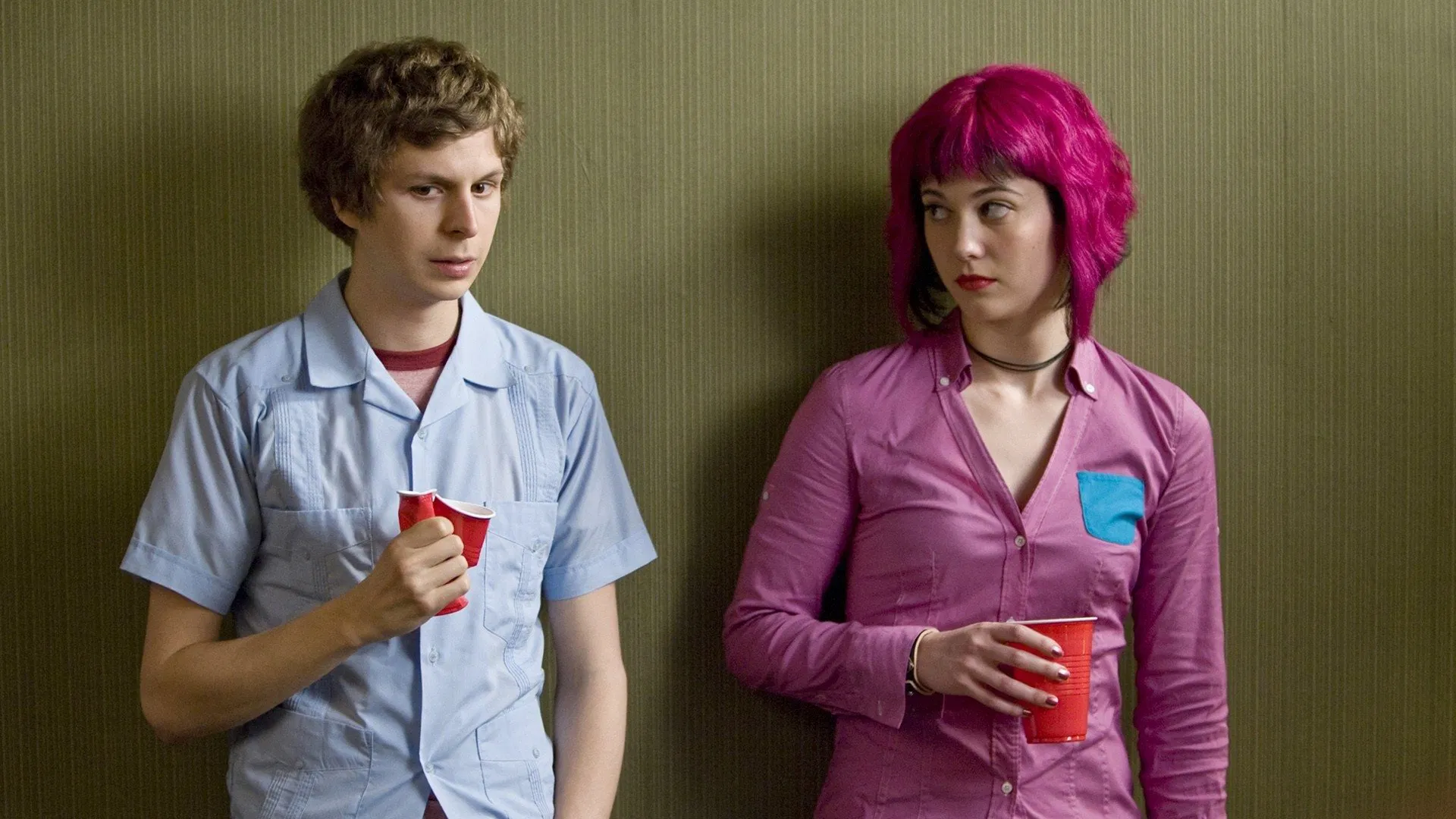
Edgar Wright’s visual masterpiece uses the dazzling aesthetic of video games and comics to mask a deeper story about emotional immaturity. The central contradiction is that Scott sees himself as the noble hero of an epic quest, while actually being a selfish, unreliable narrator of his own life. The "battles" are metaphors for the baggage we all carry, and the film ultimately argues that true victory isn't defeating others, but conquering your own ego and accepting self-respect.
The Tree of Life (2011)
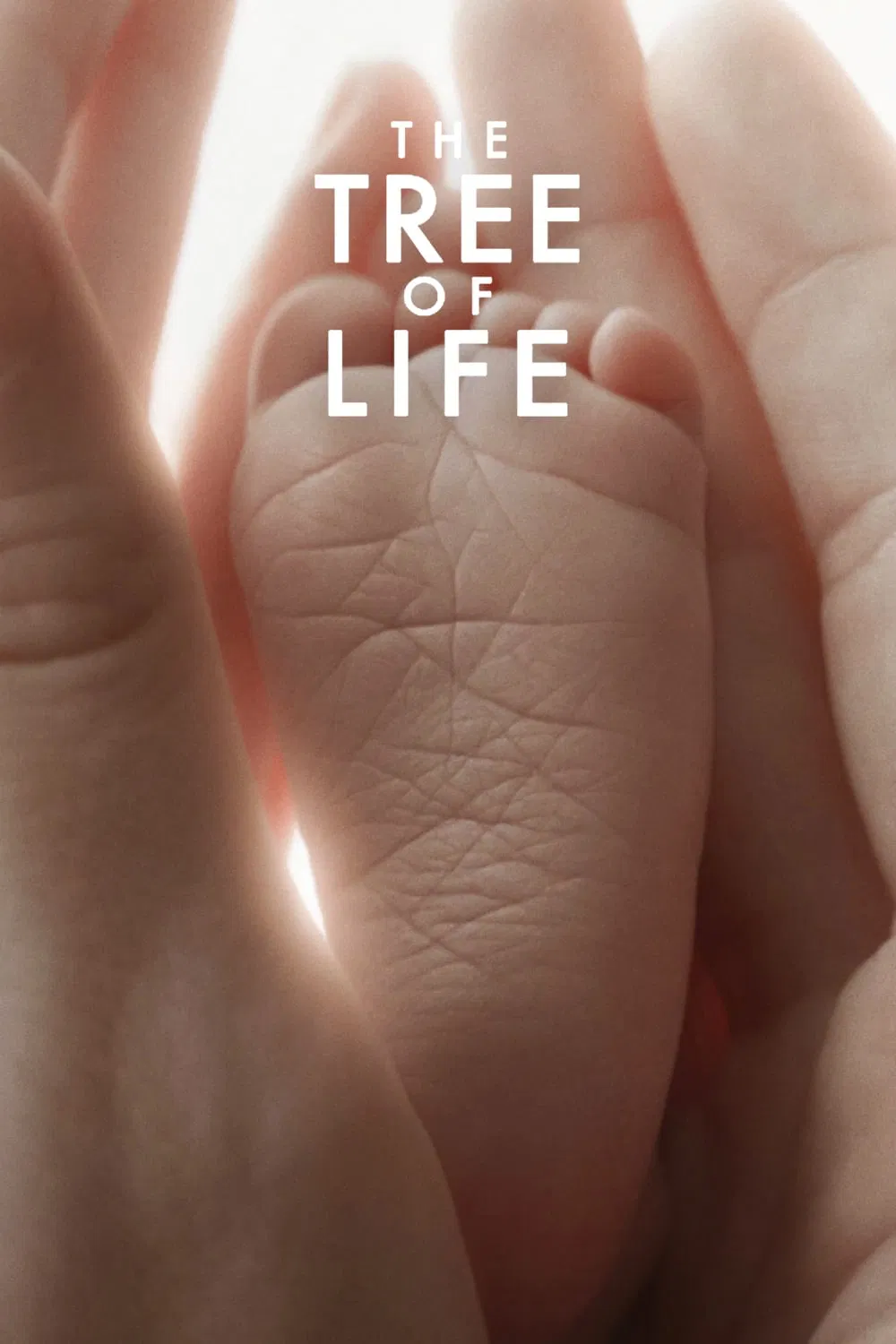
A cosmic meditation linking memory, grief, and faith to the very nature of existence. The film traces the journey of Jack O'Brien, from his innocent childhood in 1950s Texas to his disillusioned adulthood in modern skyscrapers. His life is framed by the opposing forces of his parents: the nurturing, grace-filled mother and the stern, authoritarian father. The narrative fractures and expands, connecting Jack’s personal memories and profound grief over a lost brother to the origins of the universe itself, spanning from the Big Bang to the age of dinosaurs and beyond.

Terrence Malick’s magnum opus is perhaps cinema’s greatest paradox, juxtaposing the intimate micro-history of one family against the macro-history of the cosmos. It explores the eternal tension between the "way of nature" (brute force and survival) and the "way of grace" (love and sacrifice). It is a challenging experience that suggests our individual suffering, while painful, is just one small, necessary note in the vast symphony of existence.
It’s a Wonderful Life (1946)

Life’s quiet meaning is revealed through a journey of despair, kindness, and second chances. On Christmas Eve, George Bailey, a man who has sacrificed every personal dream to help his small town of Bedford Falls, faces financial ruin and contemplates suicide. A guardian angel named Clarence intervenes, showing George an alternate reality where he was never born. Witnessing how bleak his town and the lives of his loved ones would be without his presence, George realizes the immense impact of his seemingly ordinary existence.

Often mistaken for a cozy holiday trifle, Frank Capra’s film is at its core a dark exploration of existential despair and thwarted ambition. The profound contradiction here is that George feels like an abject failure precisely because he is such a good man; his sacrifices have trapped him in a life he never wanted. The film argues that true success is not measured by wealth or escape, but by the quiet, invisible web of kindness that connects a community.
Citizen Kane (1941)
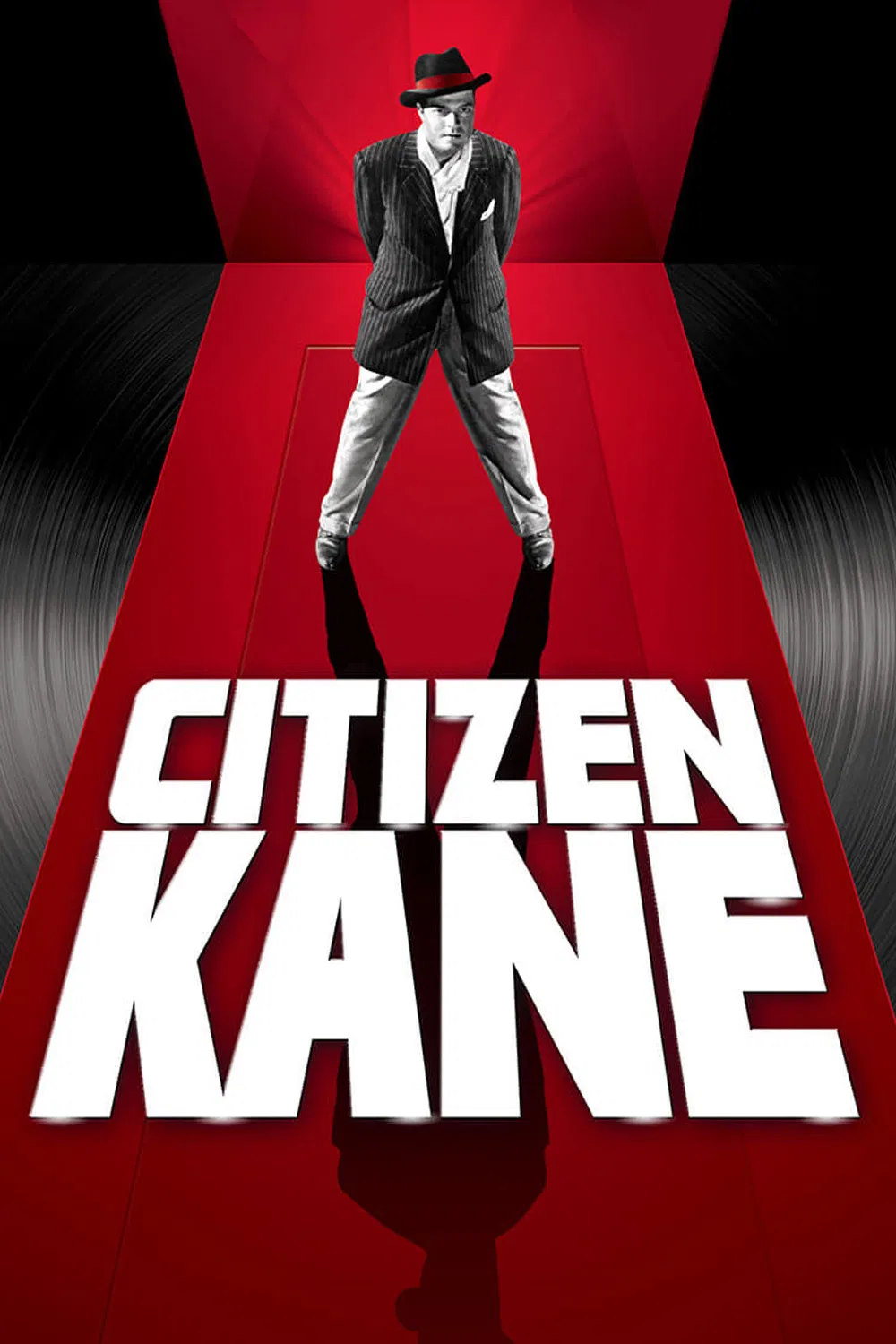
A study of power, ego, and the myth of greatness, serving as cinema’s ultimate character study. Following the lonely death of publishing tycoon Charles Foster Kane in his vast palatial estate, a reporter scrambles to uncover the meaning of his enigmatic final word: "Rosebud." Through a series of flashbacks told by those who knew him, the film pieces together Kane’s life - from a child taken from his home to become a wealthy heir, to an idealistic newspaper publisher, and finally to a tyrannical recluse living in an unfinished fortress filled with accumulated possessions.
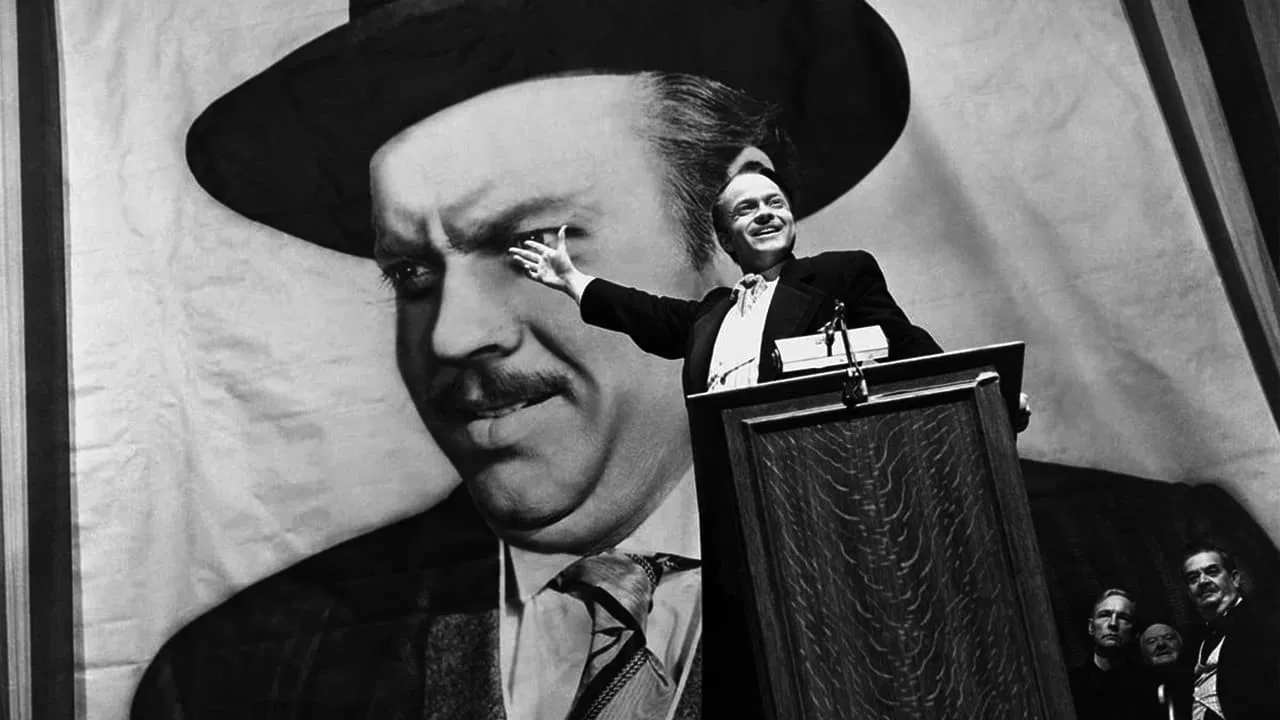
Orson Welles’ revolutionary debut is a timeless study in the emptiness of power. It presents the ultimate paradox of the American Dream: a man who had everything the world could offer yet possessed nothing of real value. Kane spends his life trying to buy love and control public opinion, only to die alone. The film masterfully shows the facade of greatness crumbling to reveal a frightened child longing for a lost innocence that no amount of money could retrieve.
The King of Comedy (1982)
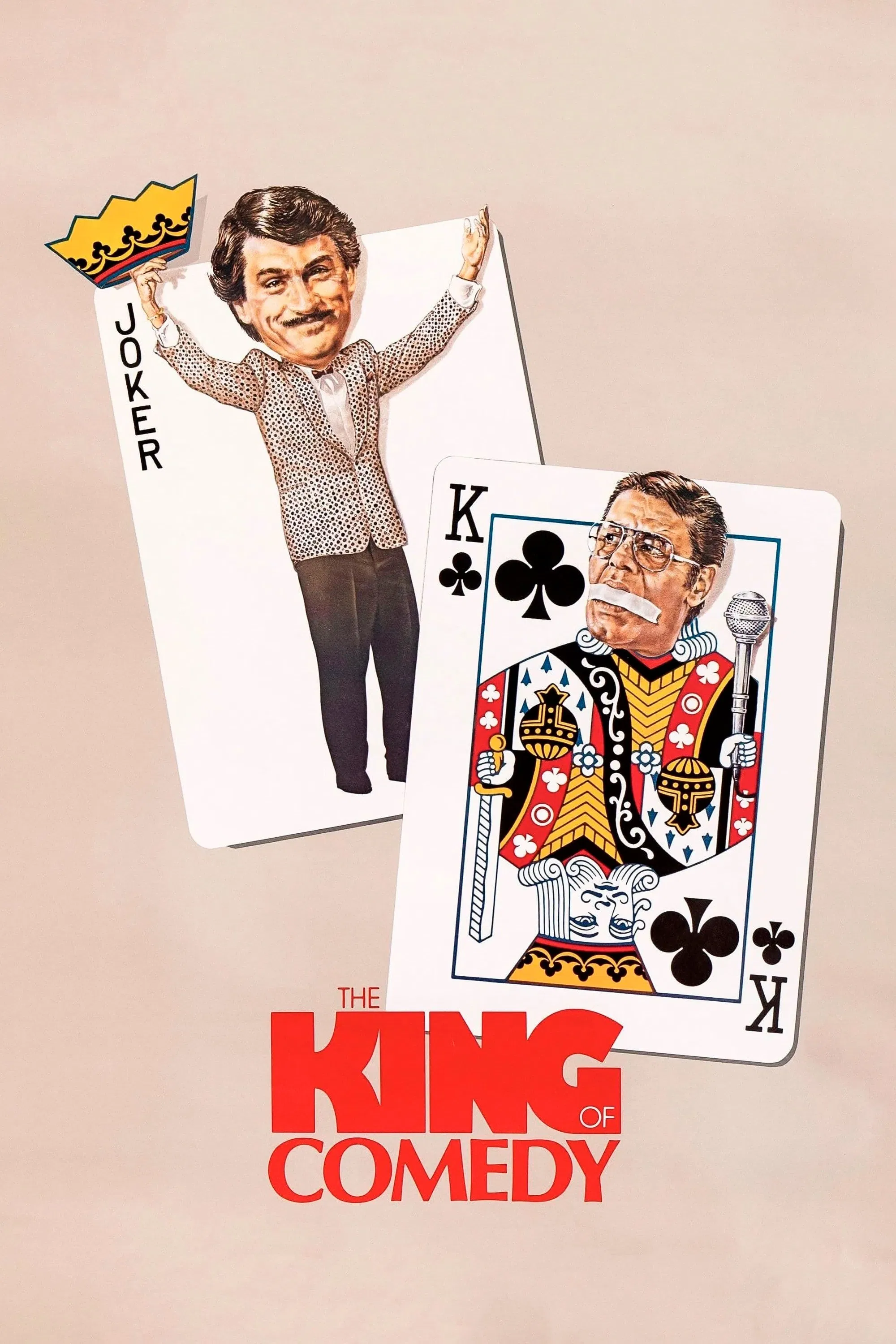
An unsettling look at fame as obsession that proved awkward, prophetic, and deeply disturbing. Rupert Pupkin is a delusional, aspiring stand-up comedian who believes he is destined to be the successor to late-night host Jerry Langford. Unable to take no for an answer through normal channels, Rupert’s admiration turns into a pathological obsession. He eventually kidnaps Langford, demanding a spot on his show as ransom, believing that his fifteen minutes of fame will validate his entire miserable existence.
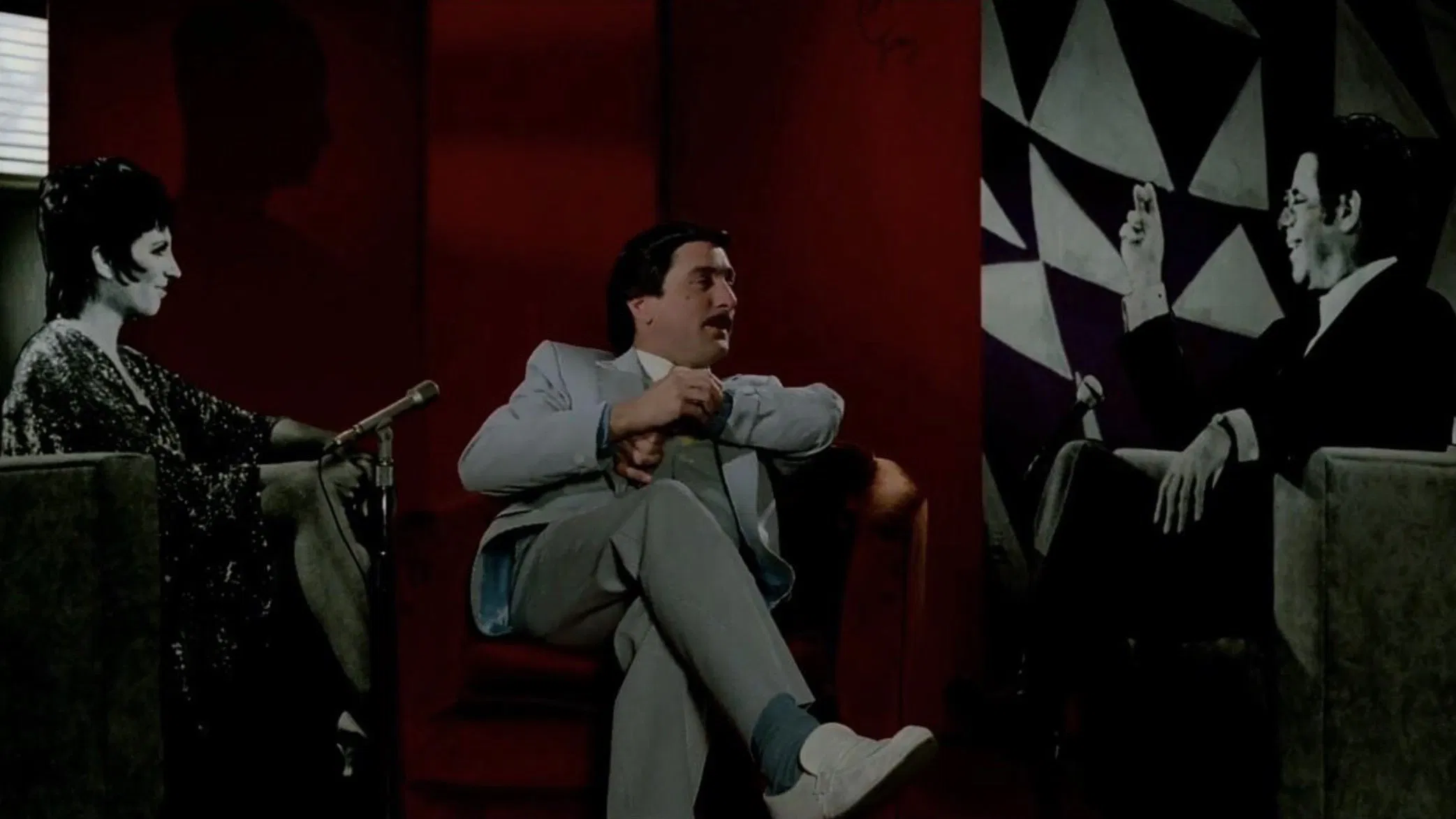
Martin Scorsese delivers a cringe-inducing masterpiece that was decades ahead of its time in predicting culture's obsession with celebrity and viral fame. The central contradiction is Rupert himself; he is simultaneous pathetic and terrifying, hilarious and deeply disturbed. The film explores the frightening reality that in a media-saturated world, the line between talent and notoriety is nonexistent, suggesting that many would rather be king for a night than anonymous for a lifetime, no matter the cost to their sanity.
— The Cinéprism
Keep reading
11 / 01 / 2026 · 506 reads
11 Critically Acclaimed Netflix Shows
From royal sagas and psychological thrillers to groundbreaking true crime, discover the 11 essential series that define Netflix's golden era.

20 / 11 / 2025 · 608 reads
The Family Man: More than a spy story
What makes Family Man likeable?