Dispatch — Long Read
Best film to watch this weekend in JioHotstar
Best films to watch on worst Ad driven streaming service, JioHotstar.
The Cinéprism
22 / 11 / 2025 · 29 min read
1. 🎬 Nobody (2021)
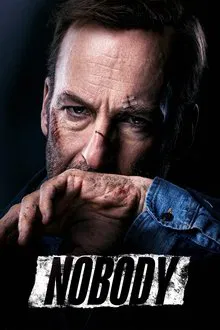
Hutch Mansell appears to be an ordinary suburban dad whose life has settled into mundane routine, but when his home is burgled and he fails to defend his family, suppressed frustrations and a hidden past begin bubbling to the surface. Ilya Naishuller's film reveals that Hutch is a former government assassin who walked away from that life for domesticity, and the break-in triggers a violent chain reaction when he defends a young woman on a bus from drunk thugs, inadvertently provoking Russian mobsters. Bob Odenkirk's casting is inspired precisely because he doesn't fit action hero molds; his everyman appearance makes Hutch's transformation from passive suburban father to efficient killing machine both surprising and darkly comic. The film understands that men, particularly middle-aged men, often feel invisible and emasculated by domestic routine, that the mundane responsibilities of family life can feel like prison even when you love your family, and that violence offers seductive promise of feeling powerful and alive again.
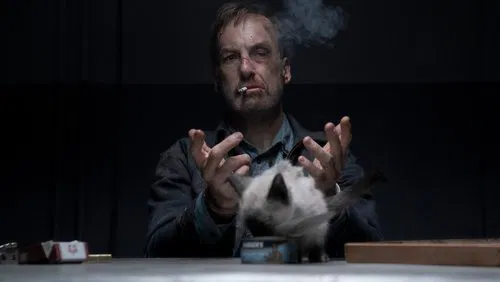
What makes Nobody work beyond its action sequences is its examination of how we perform different versions of ourselves across contexts, how Hutch has been playing "normal husband and father" so long he's forgotten who he was underneath, and how easily that performance can slip when circumstances provide excuse. Christopher Lloyd as Hutch's father and RZA as his brother create family of retired operatives who've all tried to leave violence behind but discover it's not something you can simply quit; it's woven into identity in ways that domesticity can never fully suppress. The action choreography is brutal and inventive, showing violence as exhausting and painful rather than graceful, with Hutch taking as much damage as he dishes out. It's a film about midlife crisis expressed through ultraviolence, about how easily we can rationalize returning to destructive patterns by telling ourselves we're protecting family, and about whether you can ever truly leave your past behind or if it's always waiting for circumstances to call it back.
2. 🎬 Furiosa: A Mad Max Saga (2024)
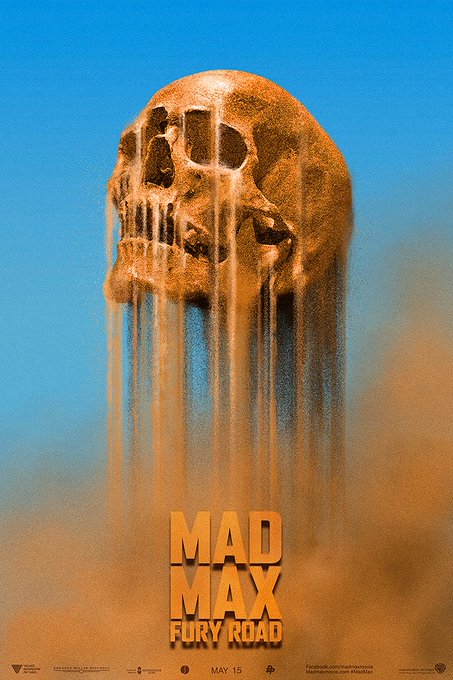
Before she became Max's ally in Fury Road, Furiosa was a child stolen from the Green Place, spending years surviving in the Wasteland under warlords Dementus and Immortan Joe, plotting her eventual return home. George Miller's prequel expands his post-apocalyptic mythology with operatic scope, showing how Furiosa transformed from kidnapped child into the warrior we met in Fury Road, how violence and survival shaped her while never fully breaking her spirit. Anya Taylor-Joy takes over the role from Charlize Theron, playing Furiosa's journey across years with physicality and minimal dialogue that makes her interior life visible through action and expression rather than words. Chris Hemsworth's Dementus is a different kind of antagonist than Immortan Joe, a charismatic madman whose humor and affability make him more unsettling than straightforward villainy, a warlord who sees Furiosa's potential and alternately protects and exploits her.
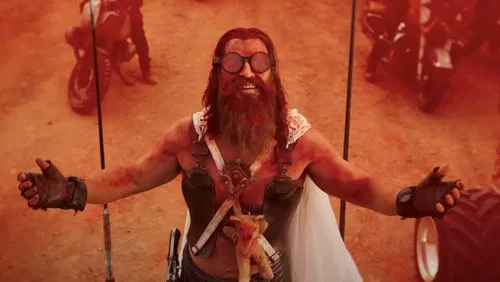
What makes Furiosa compelling beyond its spectacular action is its examination of how women survive in spaces designed to destroy them, how Furiosa learns to navigate male violence by making herself useful while never losing sight of her goal to escape and return home. Miller shoots with the same practical-effects-driven intensity that made Fury Road revolutionary, creating chase sequences and battles that feel tangible and dangerous rather than digitally weightless. The film's color palette shifts across acts, from the green abundance of her childhood home through increasingly desaturated wasteland browns and reds, visualizing how the world itself has been poisoned. What distinguishes this from typical origin stories is Miller's understanding that trauma doesn't create heroes but shapes survivors, that Furiosa's strength comes not from the violence inflicted on her but from her refusal to let that violence define her entirely, and that sometimes revenge is less about justice than about reclaiming agency stolen by those who treated you as property.
3. 🎬 Sookshmadarshini (2024)
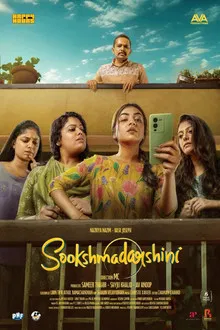
Priya, a homemaker with time and observational skills, becomes convinced her new neighbor is hiding something dark, but her attempts to investigate are dismissed as paranoid nosiness by those around her. M.C. Jithin crafts a Hitchcockian thriller that plays with perspective and perception, making us question whether we're witnessing legitimate suspicion or obsessive projection. Nazriya Nazim anchors the film with a performance that balances determination and doubt, making Priya's investigation feel both justified and potentially unhinged, her curiosity legitimate even when her methods cross boundaries. The film's visual language emphasizes watching and being watched, using windows and frames within frames to create constant sense of surveillance, making the neighborhood itself feel like panopticon where everyone observes but no one truly sees.
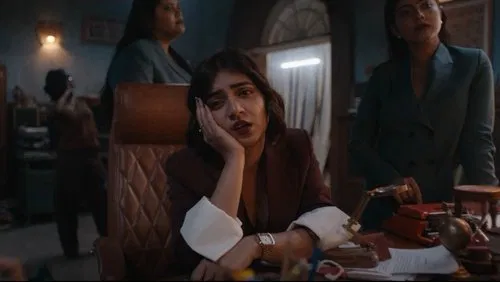
What distinguishes Sookshmadarshini is its exploration of how women's intuition is systematically dismissed, how boredom and isolation can sharpen observation into obsession, and how the truth, when it finally emerges, might be more disturbing than anyone imagined. The supporting cast, particularly Priya's husband and neighbors, create believable community where everyone has their own concerns and Priya's fixation seems like displacement of her own dissatisfaction rather than genuine threat detection. The pacing is patient, allowing suspicion to build gradually as small details accumulate, making Priya's conviction feel earned even when others dismiss her. It's a reminder that sometimes the most dangerous people are those who seem most normal, that paying attention to details everyone else ignores can be both gift and curse, and that women who notice things are often labeled as crazy precisely because their observations threaten comfortable narratives about safety and community.
4. 🎬 Tangled (2010)
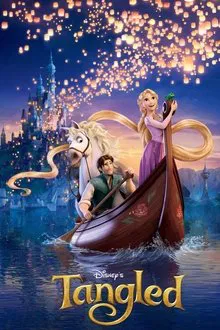
Rapunzel has lived her entire life locked in a tower, told by Mother Gothel that the outside world is dangerous and only her adoptive mother's love keeps her safe, until thief Flynn Rider stumbles into her prison and offers unwitting escape. Disney's adaptation of the Rapunzel fairy tale is remarkable for understanding that the story is fundamentally about abusive parental relationships disguised as love, about how isolation is used as control mechanism, and about recognizing that protection claimed by those who confine you is actually about their needs rather than your safety. Mandy Moore's Rapunzel is voice of sheltered innocence discovering agency, her initial excitement about leaving the tower constantly undercut by guilt that Gothel has spent eighteen years cultivating. Zachary Levi's Flynn begins as cynical thief but becomes genuine partner in Rapunzel's journey toward self-discovery and autonomy.

What makes Tangled psychologically complex beneath its musical adventure surface is its depiction of Gothel, voiced with chilling warmth by Donna Murphy, as narcissistic parent who sees her child as resource rather than person, whose "love" is possessive and conditional. The film shows how abusive relationships operate through gaslighting, guilt, and cycles of punishment and affection that keep victims confused about whether what they're experiencing is actually abuse. Rapunzel's journey isn't just about escaping a tower but about unlearning the messages Gothel has planted about her worthlessness without her "mother's" guidance. The animation uses light as recurring motif, Rapunzel's magic hair glowing when she's true to herself and darkening under Gothel's influence, visualizing how authentic self emerges when freed from controlling relationships. It's about recognizing that some people who claim to love you are actually vampires feeding off your energy and potential, and that sometimes the scariest step isn't leaving prison but accepting that the person you thought loved you was actually your jailer.
5. 🎬 Joker (2019)
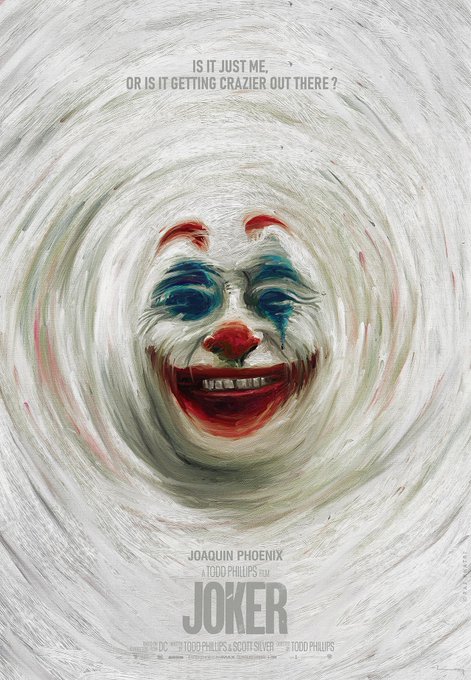
Arthur Fleck is a mentally ill aspiring comedian living with his mother in decaying Gotham, working as a party clown while society treats him with contempt until accumulated humiliations trigger transformation into the Joker. Todd Phillips crafts a character study that uses the DC Comics villain as framework to examine how societies create the monsters they claim to fear, how mental illness combined with social neglect creates dangerous individuals, and how inequality and cruelty make violence feel like inevitable response. Joaquin Phoenix delivers an Oscar-winning performance of disturbing physicality, playing Arthur's mental deterioration and transformation with body language that makes him both pitiable and terrifying, his involuntary laughter becoming sonic representation of pain that can't be articulated any other way. The film is deliberately ambiguous about what's real and what's Arthur's delusion, making viewers question which events actually occurred and which are fantasies of a fracturing mind. What makes Joker controversial is its sympathetic portrayal of a character who becomes mass murderer, its suggestion that Arthur is as much victim as perpetrator, created by a system that abandons vulnerable people then acts shocked when they become violent.
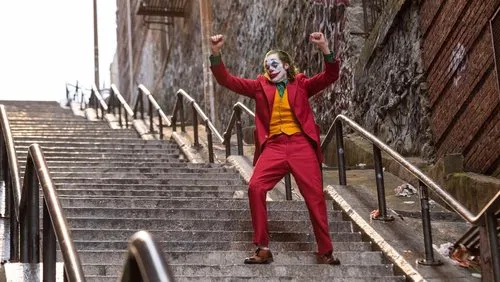
The film operates in dialogue with Scorsese's Taxi Driver and The King of Comedy, using those templates to create portrait of loneliness and rage in late capitalism. Phillips shoots Gotham as urban hellscape of garbage strikes and wealth inequality, making Arthur's descent feel environmentally determined rather than individual moral failure. The film asks uncomfortable questions about complicity, about how many Arthurs exist in our societies, ignored and mocked until they snap, and whether creating more compassionate systems might prevent the violence we then use as justification for more cruelty. It's about how we fail mentally ill people, how fame becomes more appealing than health when you've been invisible your entire life, and how society's collective cruelty creates individuals who channel all that accumulated pain into spectacular violence that finally makes people pay attention.
6. 🎬 Wall Street (1987)
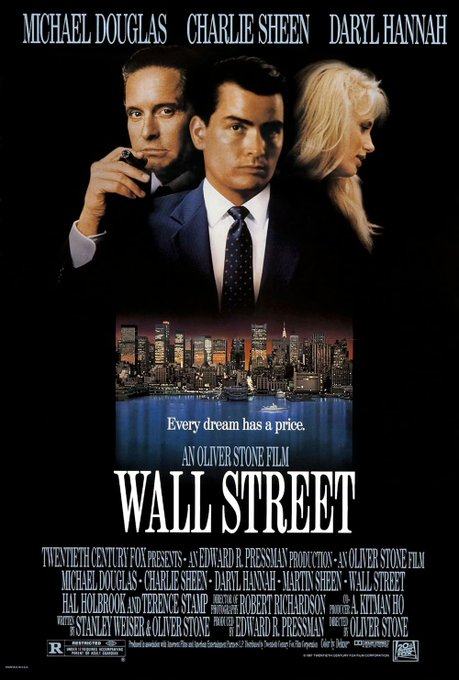
Bud Fox is an ambitious young stockbroker desperate to make his mark, becoming entranced by corporate raider Gordon Gekko, whose "greed is good" philosophy represents everything Bud thinks he wants until he realizes the human cost of accumulating wealth without conscience. Oliver Stone creates a film that was meant as critique of 1980s excess but became aspirational for exactly the people it intended to condemn, showing how Gekko's charisma and success make his amorality seem like wisdom rather than sociopathy. Michael Douglas's Oscar-winning Gekko is magnetic precisely because he believes what he says, his speeches about greed and capitalism's virtues delivered with such conviction that they're seductive even when we know they're justifying exploitation. Charlie Sheen's Bud represents the viewer, someone whose working-class father taught him honest values but whose ambition makes him vulnerable to Gekko's mentorship and the promise of wealth that seems just within reach if he's willing to compromise.
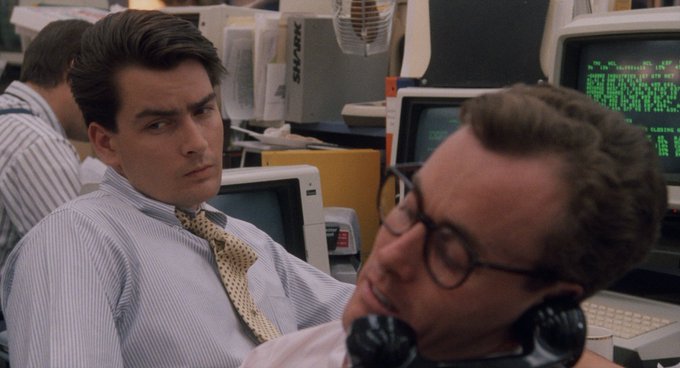
What makes Wall Street endure is its understanding that capitalism doesn't require everyone to be as explicitly ruthless as Gekko; it requires enough Buds willing to compromise incrementally, to tell themselves that this one unethical choice is acceptable because everyone else is doing it, to rationalize exploitation because refusing means remaining poor while others get rich. The film's climactic confrontation between Bud and his father, played by Martin Sheen, forces choice between the values you were raised with and the success you've been taught to pursue. Stone shoots the financial world with as much visual excitement as he shoots war in his other films, making boardroom battles and trading floors feel like combat, showing that capitalism is warfare by other means. It's about how mentors can be predators, how ambition makes us vulnerable to corruption, and how the system rewards exactly the behavior that destroys trust, stability, and the social bonds that make civilization possible.
7. 🎬 Black Friday (2004)
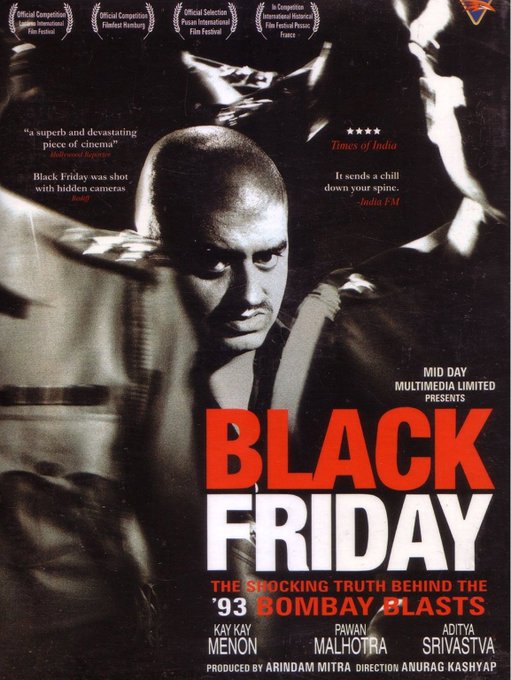
Based on S. Hussain Zaidi's book, the film chronicles the planning, execution, and investigation of the 1993 Mumbai bomb blasts that killed hundreds, following both the conspirators and the police working to catch them. Anurag Kashyap's breakthrough demonstrates how docudrama can be both gripping cinema and serious social document, using the blasts as entry point into examining communal tensions, police methods, and how ordinary people get radicalized into committing atrocities. The ensemble cast, including Kay Kay Menon, Pavan Malhotra, and Aditya Srivastava, brings authenticity to roles based on real people without reducing them to types, showing conspirators as humans with motivations rather than one-dimensional terrorists. Kashyap's direction avoids manipulation, presenting events with minimal editorializing and allowing the horror to emerge from accumulated detail rather than emotional manipulation.

The film's controversial release, delayed years due to legal challenges claiming it might prejudice ongoing trials, speaks to its power and the discomfort it causes by refusing to simplify complex events into good versus evil narratives. What makes Black Friday essential is its insistence on showing how violence has context without excusing it, how investigations involve both dedication and brutality, and how trauma echoes across communities long after bombs stop exploding. The film examines how post-Babri Masjid demolition riots created conditions where violence seemed like rational response to some, how smugglers became terrorists when political grievances merged with criminal networks, and how police pursuit of conspirators sometimes involved methods as ruthless as the attacks themselves. It's about how cycles of violence perpetuate themselves, how each atrocity justifies the next, and how ordinary people become capable of extraordinary evil when they've been convinced they're defending their community against existential threat.
8. 🎬 The Dark Knight (2008)
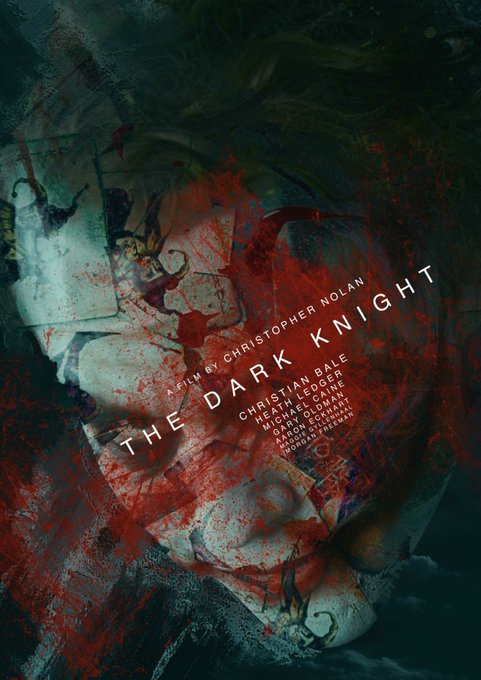
Batman's attempts to clean up Gotham are complicated when the Joker emerges, a terrorist with no apparent motive beyond chaos who forces Batman to question whether his methods are effective or are actually making things worse. Christopher Nolan elevates superhero cinema into genuine crime epic, using Batman mythology to explore themes about terrorism, surveillance, vigilante justice, and whether fighting monsters requires becoming one. Christian Bale's Bruce Wayne is increasingly isolated by his double life, his effectiveness as Batman coming at the cost of any possibility of normal existence, while Aaron Eckhart's Harvey Dent represents the legitimate path to justice that gets corrupted by trauma and rage. Heath Ledger's posthumous Oscar-winning Joker is anarchist philosopher testing whether civilization is natural state or thin veneer that disappears under pressure, whether people are fundamentally good or only behave when order is enforced.

What makes The Dark Knight transcend its genre is its willingness to engage seriously with post-9/11 questions about how far democracies should go in fighting terrorism, whether torture and mass surveillance are acceptable when the stakes are high enough, and whether becoming the thing you fight is inevitable or choice. Nolan shoots Gotham as actual city rather than stylized comic book setting, using Chicago locations and IMAX cameras to create sense of scale and realism that makes Batman feel less like fantasy and more like logical response to institutional failure. The film's central gambit, where Joker rigs two ferries with explosives and forces passengers to choose between self-preservation and mass murder, crystallizes the philosophical battle between Batman's belief in human decency and Joker's conviction that everyone is one bad day away from becoming him. It's about whether hope is naive or necessary, whether institutions can be reformed or must be torn down, and whether Batman is hero protecting civilization or symptom of exactly the failure he's trying to prevent.
9. 🎬 Inception (2010)
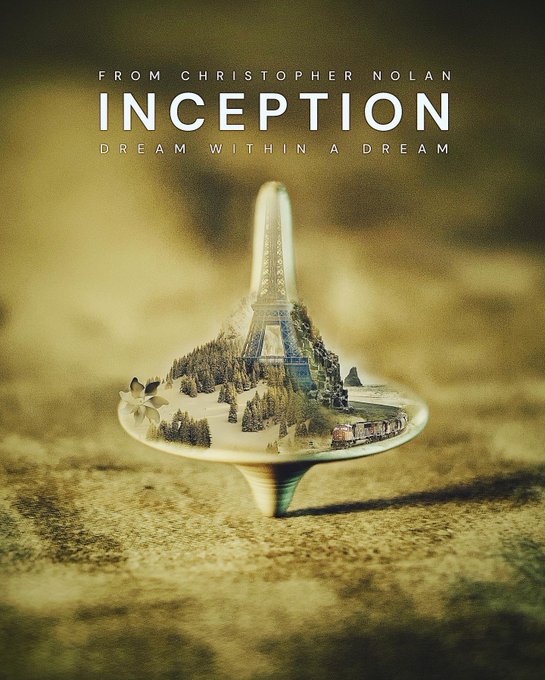
Dom Cobb leads a team that performs corporate espionage by infiltrating targets' dreams, but his latest job requires "inception" - planting an idea so deeply that the target believes it's their own original thought. Christopher Nolan constructs a puzzle box narrative that operates simultaneously as heist film, science fiction exploration of consciousness, and examination of grief and guilt that makes moving forward impossible. Leonardo DiCaprio's Cobb is man trapped by memory of his dead wife, whose presence haunts his subconscious and threatens every operation, making professional life inseparable from personal trauma. The ensemble, including Joseph Gordon-Levitt, Tom Hardy, Ellen Page, and Marion Cotillard, creates a team whose different skills and personalities allow Nolan to explore different aspects of dreamscape infiltration while building genuine relationships. What makes Inception work despite its conceptual complexity is its emotional core: Cobb's desperate attempt to let go of his wife's memory so he can return to his children, even though that means accepting his role in her death.

The film's nested dream structure, where dreams within dreams have different time scales and rules, creates action sequences that play with physics and architecture in ways that feel genuinely innovative, particularly the rotating hallway fight and the collapsing city dreamscape. Nolan's commitment to practical effects wherever possible gives the impossible scenarios tangible weight that CGI alone couldn't achieve. The famous ambiguous ending, where we never definitively learn whether Cobb has returned to reality or remains dreaming, isn't just clever twist but thematic statement about how reality is less important than our acceptance of where we are, and whether distinguishing between dream and reality matters when you've found peace. It's about how guilt can become prison more effective than any physical confinement, how memory of those we've lost can prevent us from being present for those who need us now, and whether letting go of past, even painful past, is betrayal or necessary for survival.
10. 🎬 Kick-Ass (2010)

Dave Lizewski is a comic book-reading teenager who decides to become a superhero despite having no powers, training, or any qualification beyond a wetsuit and reckless disregard for his own safety, accidentally inspiring actual vigilantes with tragic backstories. Matthew Vaughn's adaptation of Mark Millar's comic interrogates superhero fantasies by showing what would actually happen if ordinary person tried crimefighting, how quickly you'd get hurt, how incompetent you'd be, and how real violence isn't choreographed or heroic but brutal and terrifying. Aaron Taylor-Johnson plays Dave with earnest naivety that makes his transformation from ineffective wannabe to actual participant in violent vigilante war both believable and disturbing. Chloë Grace Moretz's Hit-Girl is the film's controversial element, an eleven-year-old assassin trained by her father to be weapon against the criminals who destroyed their lives, raising questions about whether the film celebrates or critiques the idea of children as violent instruments of revenge.

Nicolas Cage's Big Daddy is delusional father who's convinced himself that training his daughter to kill is legitimate parenting rather than abuse, even though his backstory suggests his entire mission is based on lies he's told himself. What makes Kick-Ass work despite its tonal whiplash between comedy and extreme violence is its understanding that superhero fantasies are appealing precisely because they offer simple solutions to complex problems, where punching bad guys solves injustice and moral clarity is possible. The film simultaneously indulges in and deconstructs these fantasies, showing how empowering violence feels while making clear that real bodies break, real consequences follow, and real heroism is nothing like comics promised. The stylized action sequences, shot like comic book panels come to life, contrast with the moments of genuine horror when violence has consequences, when characters we care about die, and when the fantasy collides with reality. It's about how we're raised on stories that promise violence is answer while living in reality where violence only creates more problems, and whether choosing to engage with violence means you're hero or just another person contributing to cycles of harm.
11. 🎬 Scarface (1983)
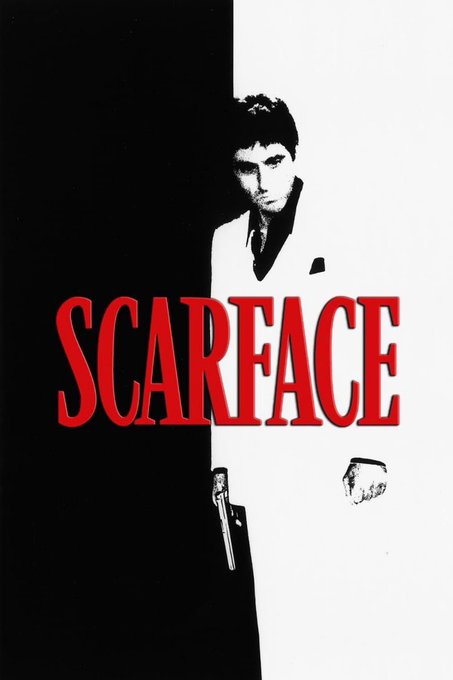
Tony Montana arrives in Miami as a Cuban refugee and builds a drug empire through ruthless ambition and spectacular violence, his ascent mirroring America's own contradictions about who deserves success and what methods are acceptable. Brian De Palma's remake updates the 1932 original for the cocaine era, using excessive violence and baroque visual style to create a world of pure id where restraint is weakness and more is never enough. Al Pacino delivers one of cinema's most iconic performances, playing Tony with operatic intensity that borders on self-parody but never crosses the line, making him simultaneously magnetic and repulsive, a character whose ambition and rage embody immigrant hunger pushed to monstrous extremes. Michelle Pfeiffer brings icy beauty to Elvira, the trophy wife who sees through Tony's facade and recognizes that all his power and wealth can't buy authenticity or peace. Steven Bauer's Manny provides the conscience Tony lacks, a friend whose loyalty is tested by Tony's paranoia and possessiveness.
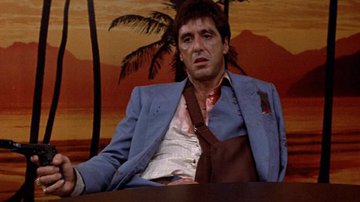
What makes Scarface endure beyond its quotable lines and iconic imagery is its understanding that Tony's story is American tragedy, a man who achieved everything the dream promised and found only paranoia, isolation, and death waiting at the top. De Palma's direction is deliberately excessive, using split screens, extended sequences of violence like the chainsaw scene, and Giorgio Moroder's synth score to create aesthetic that's both heightened and grimly realistic. The famous climactic shootout, where Tony makes his last stand screaming "Say hello to my bad friend" while gunned down in his gaudy mansion, is both ridiculous and tragic, showing a man who gained everything but lost whatever humanity he started with. The film examines how immigrant communities are exploited and then blamed for the drug trade that American demand creates, how capitalism rewards exactly the ruthlessness it claims to condemn, and how the American dream, when pursued through violence, transforms dreamers into monsters who've achieved material success while destroying everything that makes life meaningful.
12. 🎬 21 Grams (2003)
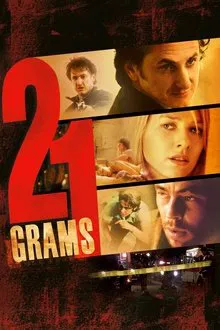
Three people's lives intersect after a tragic accident: a mathematician awaiting a heart transplant, an ex-con who's found religion, and a wife and mother who loses her family. Alejandro González Iñárritu's film is structurally fragmented, telling its story out of chronological order to mirror how trauma disrupts linear time, how moments before and after catastrophe blend together in memories that won't organize themselves neatly. Sean Penn plays Paul with physically committed performance that shows his body failing while his desperation to live intensifies. Benicio Del Toro's Jack is man whose redemption through Christianity is genuine but insufficient when he causes deaths he can't undo, no matter how much faith he has. Naomi Watts's Cristina survives the accident that killed her husband and daughters but loses herself to grief and rage, seeking meaning or revenge or anything that makes sense of loss that's fundamentally senseless.
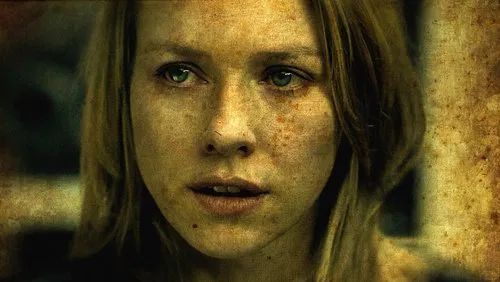
What makes 21 Grams emotionally devastating is its examination of how grief and guilt are non-transferable, how having an explanation for tragedy doesn't make it bearable, and how revenge or forgiveness are both insufficient responses to loss that's truly catastrophic. The film's title references the mythical weight lost at moment of death, the soul's supposed measurable absence, but the film shows that what we lose when people die weighs far more than 21 grams; it's the entire world they inhabited with us, the future we imagined, the meaning their presence provided. Iñárritu shoots with handheld intimacy that makes every frame feel precarious, mirroring how tragedy makes us aware that safety is always illusion. The performances are raw and often difficult to watch, actors playing grief not as dramatic performance but as physical and psychological disintegration. It's about how we survive unsurvivable loss, how guilt destroys even those who aren't technically responsible, and how the randomness of tragedy is what makes it unbearable because if there's no reason, then there's no way to prevent it from happening again.
13. 🎬 The Wild Robot (2024

Roz, a robot designed for efficiency and completing tasks, crash-lands on an uninhabited island and must learn to survive in the natural world while raising an orphaned gosling. Chris Sanders adapts Peter Brown's book with visual beauty and emotional depth that examines what it means to be alive, what constitutes consciousness, and whether nurture is programming or choice. Lupita Nyong'o voices Roz with evolving emotional range, starting with robotic precision and gradually developing warmth and individuality through her interactions with the island's animal inhabitants. The gosling Brightbill, voiced by Kit Connor, provides the catalyst for Roz's transformation, needing care and love that aren't in her original programming, forcing her to develop capacities she wasn't designed to possess. What makes The Wild Robot exceptional is its examination of how motherhood transforms us, how caring for another being changes your very sense of self, regardless of whether that self is organic or mechanical, biological parent or accidental guardian.
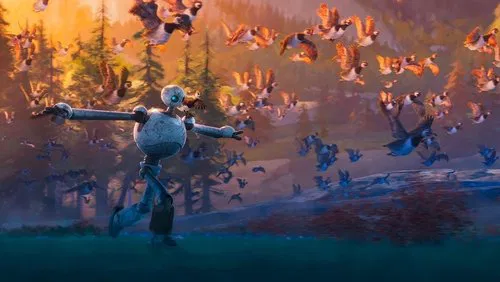
The animation is stunning, creating a world where technology and nature coexist awkwardly before eventually finding harmony, showing Roz's initial incompatibility with the island gradually transforming into belonging. The film explores themes of found family, belonging, and identity without becoming precious or manipulative, allowing genuine emotion to emerge from Roz's journey from tool following programming to individual making choices based on love. It's about how consciousness might emerge from connection rather than being prerequisite for it, how taking care of others changes who we are in fundamental ways, and whether being "programmed" to love makes that love any less real than love that emerges spontaneously.
14. 🎬 Dune: Part Two (2024)
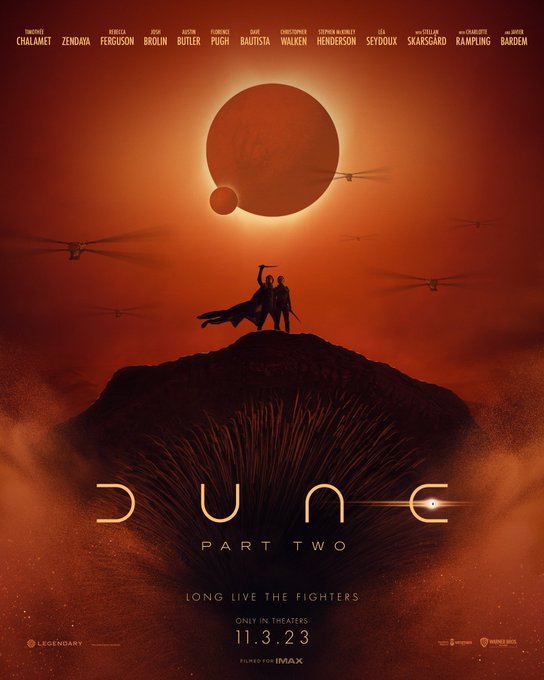
Paul Atreides allies with the Fremen of Arrakis, embracing his role as prophesied leader while knowing the holy war his ascension will trigger will kill billions, forced to choose between love and humanity's survival. Denis Villeneuve completes his adaptation of Frank Herbert's novel with expanded scope that deepens the first film's themes about colonialism, religious manipulation, and how prophecy becomes self-fulfilling when people believe in it. Timothée Chalamet's Paul transforms from reluctant messiah into something more complex and darker, a man who sees the future and knows that every path leads to horror but chooses the one where humanity survives, even if he becomes the monster required to ensure that survival. Zendaya's Chani provides the film's moral center and romantic core, a Fremen warrior who loves Paul but recognizes that his transformation into religious icon betrays everything the Fremen are fighting for. Austin Butler's Feyd-Rautha is sadistic aristocrat who represents the old order Paul is displacing, while Florence Pugh's Princess Irulan observes how power actually operates behind civilization's facade.

What makes Part Two exceptional is its willingness to show Paul's ascension as tragedy rather than triumph, how becoming the hero everyone needs requires sacrificing the person you wanted to be, and how saving humanity means accepting that billions will die screaming your name. Villeneuve's visual language creates alien world that feels tangible and lived-in, from the desert of Arrakis to the stark black-and-white brutality of Giedi Prime. The film's action sequences, particularly the worm-riding and final battle, are spectacular while maintaining character focus and thematic coherence. It's about how heroes become tyrants not through corruption but through doing what's necessary, how religious fervor is both tool and danger, and whether anyone who achieves enough power to save humanity can remain humane enough to deserve that power.
15. 🎬 Little Miss Sunshine (2006)
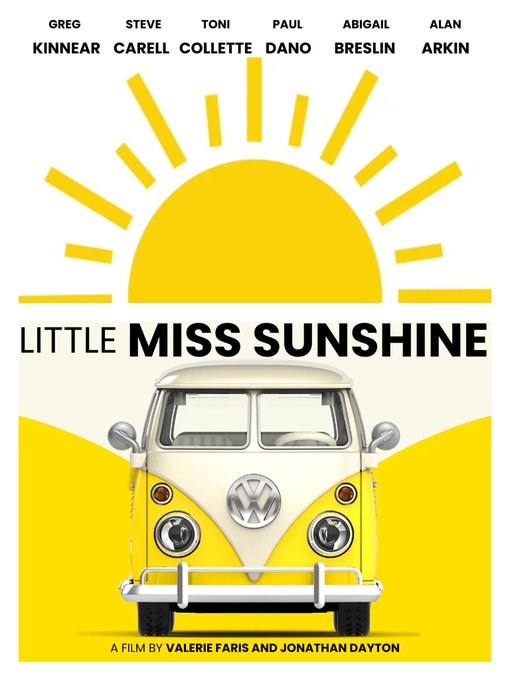
The Hoover family piles into a breaking-down VW bus to get their daughter Olive to a beauty pageant in California, each member carrying their own failures and dreams that make the road trip as much about family dysfunction as it is about competition. Jonathan Dayton and Valerie Faris create a film that could have been bitter or cruel about the family's various inadequacies but instead finds affection and humor in how they support each other despite themselves. Abigail Breslin's Olive is the film's innocent heart, a girl who shouldn't succeed in beauty pageant culture because she doesn't fit its narrow standards but whose family's love makes her immune to that judgment. Greg Kinnear's father is motivational speaker whose philosophy about winners and losers is tested by his own repeated failures. Toni Collette's mother holds everyone together through exhaustion and compromised dreams. Steve Carell's uncle is suicidal Proust scholar whose intellectual elitism gradually gives way to recognition that his family's messy love matters more than academic success.
Alan Arkin's foul-mouthed grandfather provides both comic relief and genuine wisdom about living fully before dying. Paul Dano's brother has taken a vow of silence until he can join the Air Force, his eventual breakdown when he learns he's colorblind providing the film's most heartbreaking moment. What makes Little Miss Sunshine resonate is its understanding that American success mythology damages everyone who can't or won't conform to narrow definitions of winning, and that real success is actually the support system you build with people who love you despite your failures. The film's climactic beauty pageant performance, where Olive's age-inappropriate routine shocks the judges and audience, becomes moment of family solidarity as they all join her onstage rather than let her face humiliation alone. It's about how we define success, whether failing at what you love is worse than succeeding at what you hate, and whether being a family means sharing the same values or just showing up for each other when it matters most.
16. 🎬 Ford v Ferrari (2019)
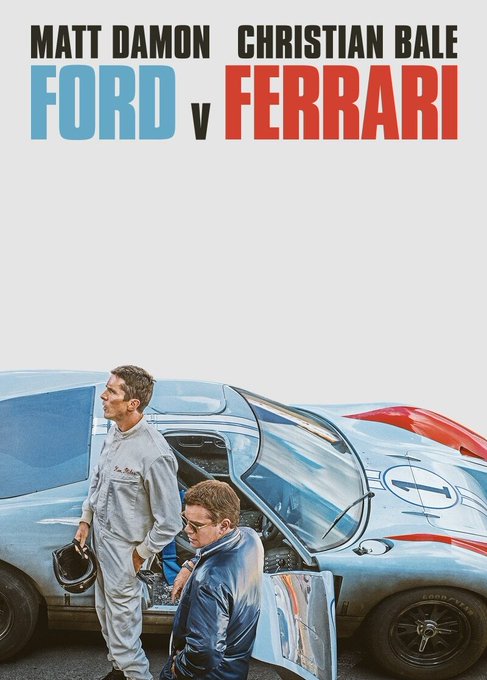
Carroll Shelby and Ken Miles attempt to build a race car that can beat Ferrari at Le Mans, navigating corporate interference, engineering challenges, and the fundamental conflict between racing as passion and racing as business. James Mangold directs with genuine affection for both the technical aspects of automotive engineering and the human relationships that make racing meaningful beyond winning. Matt Damon's Shelby is businessman-racer who's learned to navigate corporate structures, while Christian Bale's Miles is pure racer whose inability to compromise or perform for sponsors makes him both the perfect driver and impossible employee. Their friendship is the film's emotional core, two men who understand each other completely even when external pressures try to force them apart. Jon Bernthal's Lee Iacocca and Josh Lucas's Leo Beebe represent different corporate philosophies, innovation versus risk management, showing how Ford's bureaucracy nearly destroys what it commissioned.
What makes Ford v Ferrari exceptional is its ability to make racing sequences comprehensible and thrilling to non-enthusiasts, showing the cars as extensions of the drivers rather than just machines, making technical details emotionally resonant. The film builds to Le Mans with patience, allowing us to understand exactly what's at stake and why it matters, making the actual race sequence genuinely suspenseful even though historical outcome is known. The film's treatment of Miles's fate and Ford's decision about the race finish examines how corporations take credit for individual achievement while ensuring individuals remain expendable. It's about how passion and commerce are fundamentally opposed, how artists of any kind must navigate systems that want to profit from their gifts while controlling them, and whether winning matters when the victory is taken from you by people who contributed nothing but owned everything.
17. 🎬 Oppenheimer (2023)
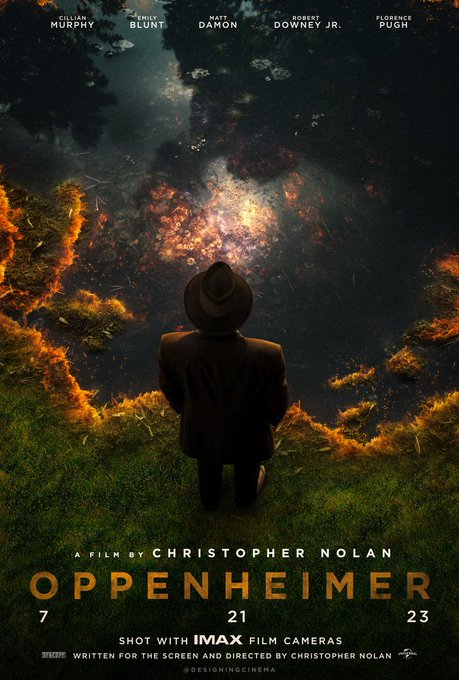
J. Robert Oppenheimer leads the Manhattan Project to create the atomic bomb, achieving scientific breakthrough that ends World War II while birthing technology that makes human extinction possible, spending his later years grappling with the consequences of what he's built. Christopher Nolan's biographical epic examines genius, ambition, politics, and whether scientific achievement can be separated from moral responsibility for how that knowledge is used. Cillian Murphy's Oppenheimer is brilliantly complicated, a man whose intellectual curiosity and desire to contribute to defeating fascism lead him to create weapon he immediately regrets, whose leftist sympathies and complicated personal life later make him target during Red Scare persecution. Emily Blunt's Kitty Oppenheimer provides complex portrait of spouse trying to maintain her own identity while living in genius's shadow. Robert Downey Jr.'s Lewis Strauss embodies wounded pride and bureaucratic revenge, a man whose entire campaign against Oppenheimer stems from perceived slights. What makes Oppenheimer extraordinary is Nolan's formal approach, intercutting between three timelines: the bomb's creation, Oppenheimer's security clearance hearing, and Strauss's Senate confirmation, using different film stocks and aspect ratios to distinguish perspectives and gradually revealing how these events connect.
The film's absence of actual Trinity test explosion footage, cutting to Oppenheimer's face as silence gives way to delayed sound of what he's wrought, is masterstroke of restraint that makes the moment more powerful than spectacle could. Ludwig Göransson's score builds dread through ticking clocks and building tones that mirror both scientific progress and apocalyptic implications. The film examines how America used and then discarded Oppenheimer, how political winds can transform hero into suspect, and how scientific community grapples with creating knowledge that has destructive applications. It's about whether scientists bear responsibility for what politicians and militaries do with their discoveries, whether Oppenheimer's guilt was appropriate or narcissistic self-importance, and whether the man who birthed the atomic age spent his remaining years as prophet warning against technology he made possible or scapegoat for collective sins.
18. 🎬 The Devil Wears Prada (2006)
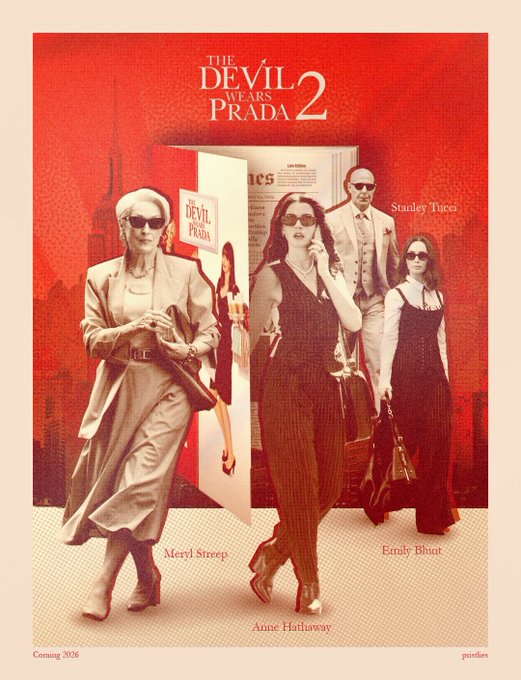
Andy Sachs takes a job as assistant to Miranda Priestly, editor of Runway fashion magazine, initially dismissing fashion as frivolous but gradually recognizing both the artistry involved and how the job is consuming her identity. David Frankel adapts Lauren Weisberger's novel with surprising depth, using fashion world as backdrop to examine mentorship, ambition, work-life balance, and what we're willing to sacrifice for success. Anne Hathaway's Andy begins as audience surrogate, journalism graduate who sees fashion as beneath her but needs the job for her career, gradually transforming into someone who excels at the work but loses herself in the process. Meryl Streep's Miranda is one of cinema's great performances, creating a character who could have been one-dimensional villain but instead becomes complicated portrait of woman who's achieved everything in male-dominated industry by being harder, colder, and more demanding than any man, whose perfectionism isn't cruelty but recognition that excellence requires uncompromising standards. Emily Blunt's Emily and Stanley Tucci's Nigel provide different perspectives on working for Miranda, true believers who've made peace with sacrificing personal lives for professional achievement.

What makes The Devil Wears Prada resonate is its honest examination of how success in demanding careers requires sacrifices that affect everyone around you, how ambition and personal life are often incompatible, and how there's no right answer about whether those trade-offs are worth it. The film shows fashion as art and business, beautiful creations that result from talented people working under impossible pressure, making clear that what seems frivolous to outsiders is actually world where creativity meets commerce in ways that aren't that different from any other industry. Andy's ultimate choice to walk away isn't framed as right or wrong but as decision about what kind of person she wants to be, understanding that Miranda's path leads to professional fulfillment but personal isolation. It's about whether you can succeed in demanding careers without becoming the kind of person you'd never want to be around, how mentorship can be both gift and poison, and whether there's such a thing as having it all or if every choice forecloses others.
19.🎬 Lost in Translation (2003)

Bob Harris is a fading American movie star in Tokyo filming a whiskey commercial, while Charlotte is a young woman accompanying her celebrity photographer husband, both adrift in a culture they don't understand and marriages that have stopped providing meaning. Sofia Coppola's second feature is a masterwork of atmosphere and unspoken emotion, creating a love story that isn't really about love but about recognition, about two people finding each other in a moment when both desperately need to be seen. Bill Murray delivers one of his finest performances, playing Bob's midlife crisis not as comedy but as quiet desperation, a man successful enough that he should be happy but finds himself spiritually exhausted, going through motions in both career and marriage. Scarlett Johansson's Charlotte is recent philosophy graduate whose education promised purpose but delivered only uncertainty, married to someone she thought she knew who now seems like stranger. What makes Lost in Translation extraordinary is its willingness to sit with loneliness rather than solve it, to show how Bob and Charlotte's connection is profound precisely because it's temporary, because they meet each other at exactly the moment when they're both questioning everything and can be honest in ways that permanence would make impossible.
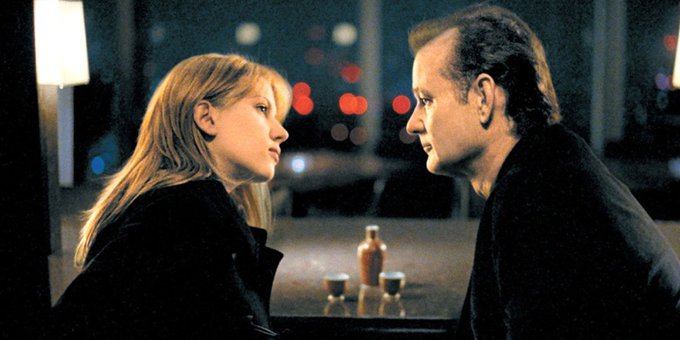
Coppola shoots Tokyo as dreamscape of neon and crowds, beautiful and alienating, using the city's foreignness to externalize her characters' internal displacement. Lance Acord's cinematography captures the liminal spaces these characters inhabit: hotel bars, karaoke rooms, hospital waiting areas, places where you pause but don't belong. The film's rhythm is languid, allowing scenes to breathe and silences to accumulate meaning, making the rare moments of connection between Bob and Charlotte feel earned rather than manufactured. Their relationship develops through small gestures and shared experiences: lying on a hotel bed watching terrible movies, escaping to karaoke where performance allows them to express what conversation can't, wandering Tokyo at night when the city becomes playground rather than maze. The film understands that sometimes the most important relationships in our lives are the brief ones, the people we meet when we're most vulnerable who remind us we're capable of feeling something, even if that something can't last.
20. 🎬 Promising Young Woman (2020)

Cassie dropped out of medical school after her best friend's rape and suicide, now spending her nights pretending to be drunk in clubs to teach predatory men lessons they won't forget, until someone from her past reappears and Cassie's mission of vengeance focuses on those directly responsible for her friend's death. Emerald Fennell's debut weaponizes aesthetic brightness and pop music against dark subject matter, creating tonal dissonance that keeps audiences off-balance, using candy-colored visuals and upbeat soundtrack to mask a story about how rape culture is maintained through complicity and institutional protection. Carey Mulligan delivers a career-defining performance, playing Cassie's trauma and rage beneath a performance of normalcy, her eyes dead even when she's smiling, showing someone who's been broken by grief and fury channeled into systematic campaign against rape culture's enablers.

The film's genius is its expansion of accountability beyond the rapist himself to everyone who participated in protecting him: the friend who watched and did nothing, the dean who dismissed the victim's claims to protect the university's reputation, the lawyer who destroyed her credibility, the woman who should have been an ally but chose institutional loyalty over solidarity. Fennell structures Cassie's revenge as methodical progress through these complicit parties, each confrontation revealing how rape culture functions not through individual monsters but through collective willingness to look away, to prioritize comfort over justice, to tell ourselves that getting involved isn't our responsibility. Bo Burnham's Ryan represents the ultimate betrayal, the "nice guy" who seems different but turns out to have been there that night, whose niceness is performance that makes him more dangerous than obviously predatory men because we're trained to trust people who seem harmless.
— The Cinéprism
Keep reading
31 / 08 / 2026 · 383 reads
10 Best Endings in Film
A curated list of 10 unforgettable movie endings that leave a lasting impact long after the credits roll.
12 / 11 / 2025 · 5099 reads
Top 11 Greatest TV Shows:
These eleven extraordinary series redefine what television can be, merging unforgettable characters with stories that linger long after the screen goes dark.