
Dispatch — Long Read
Movies should be watched at Cinema Halls.
Why going to the cinema is important for an experience.
The Cinéprism
10 / 11 / 2025 · 2 min read

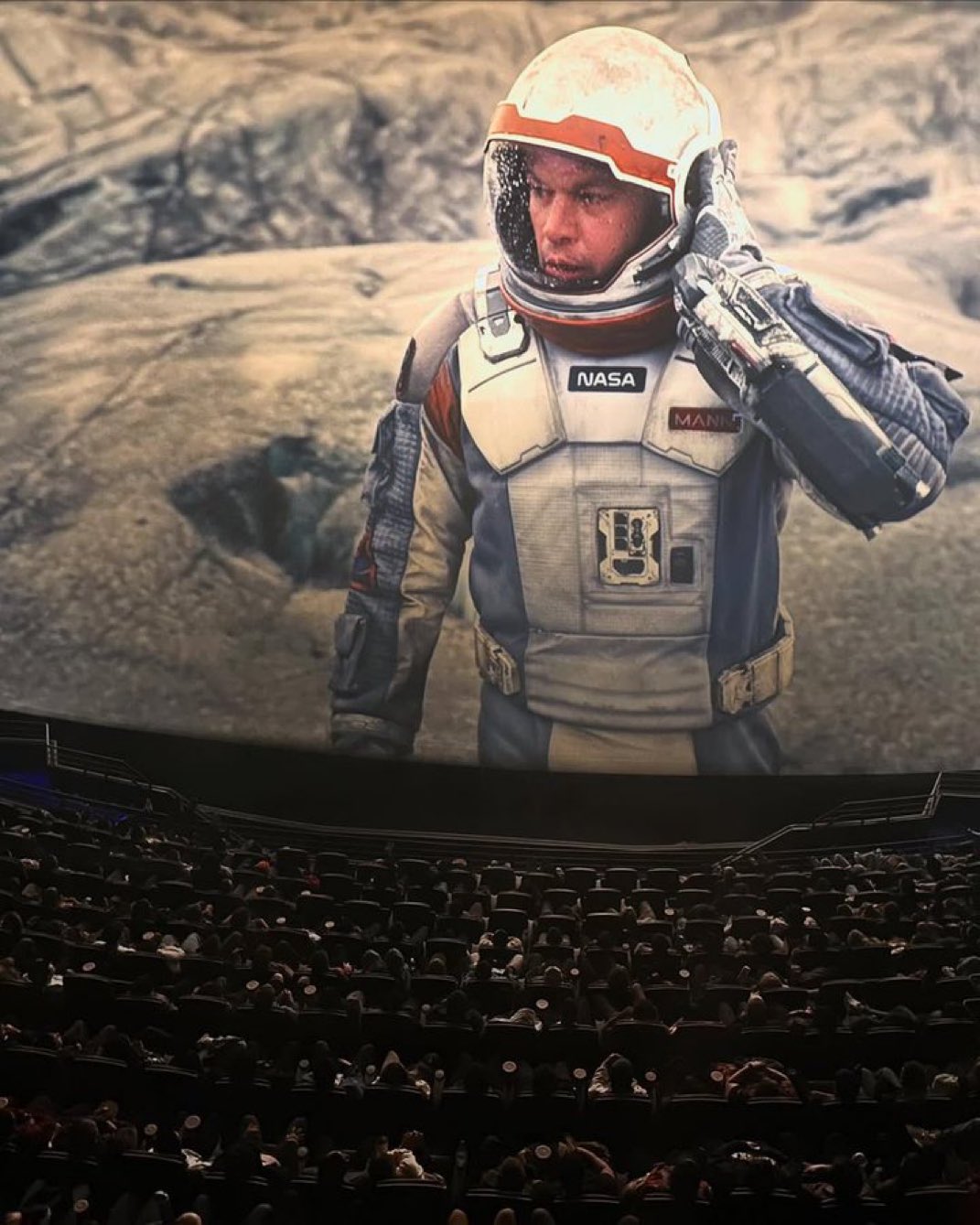
Watching a movie in a cinema hall and watching one on an OTT (Over-the-Top) platform are two entirely different experiences, not just in setting but in essence.
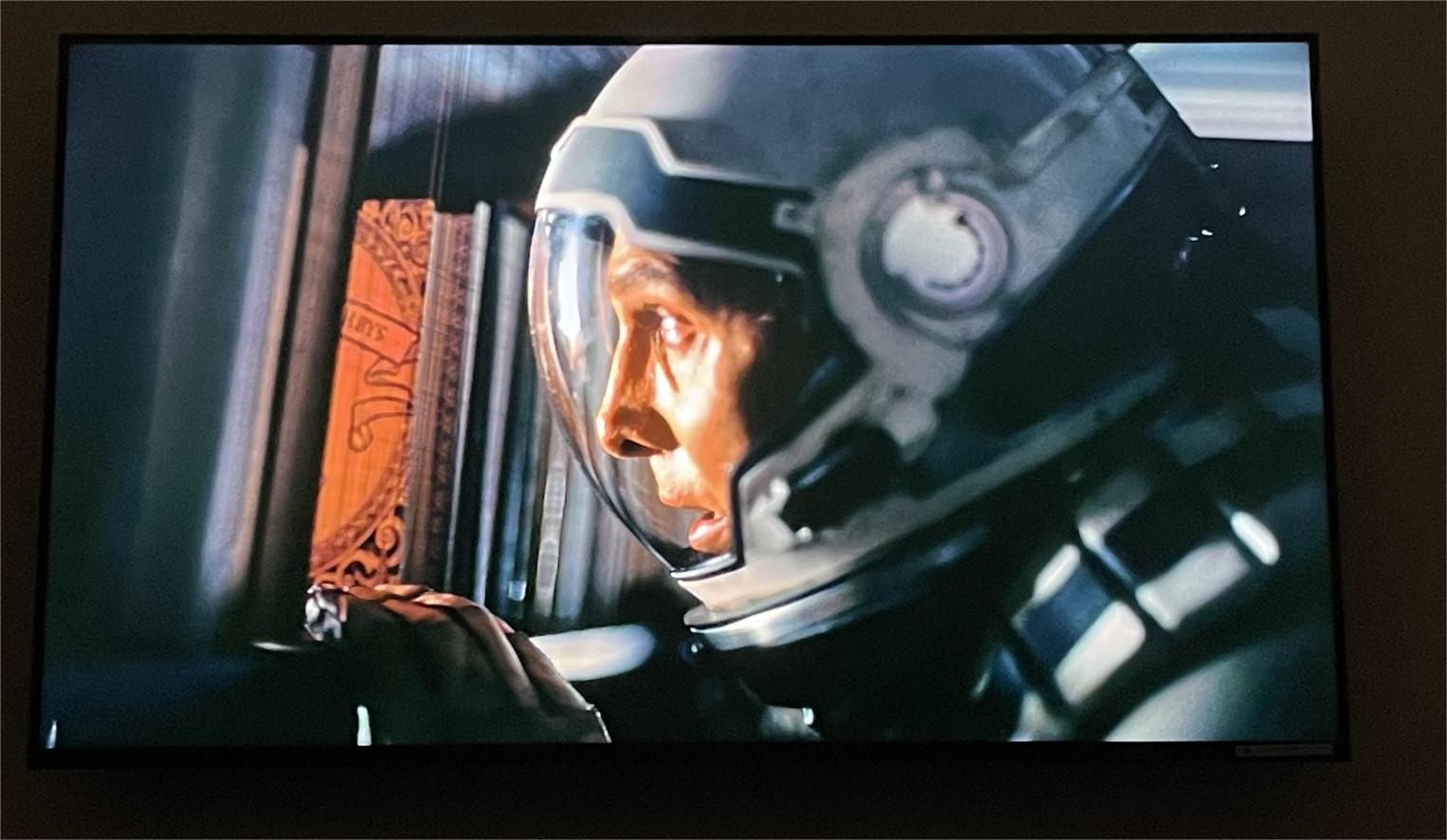
The way you connect, feel, and absorb a story changes drastically depending on where and how you watch it.
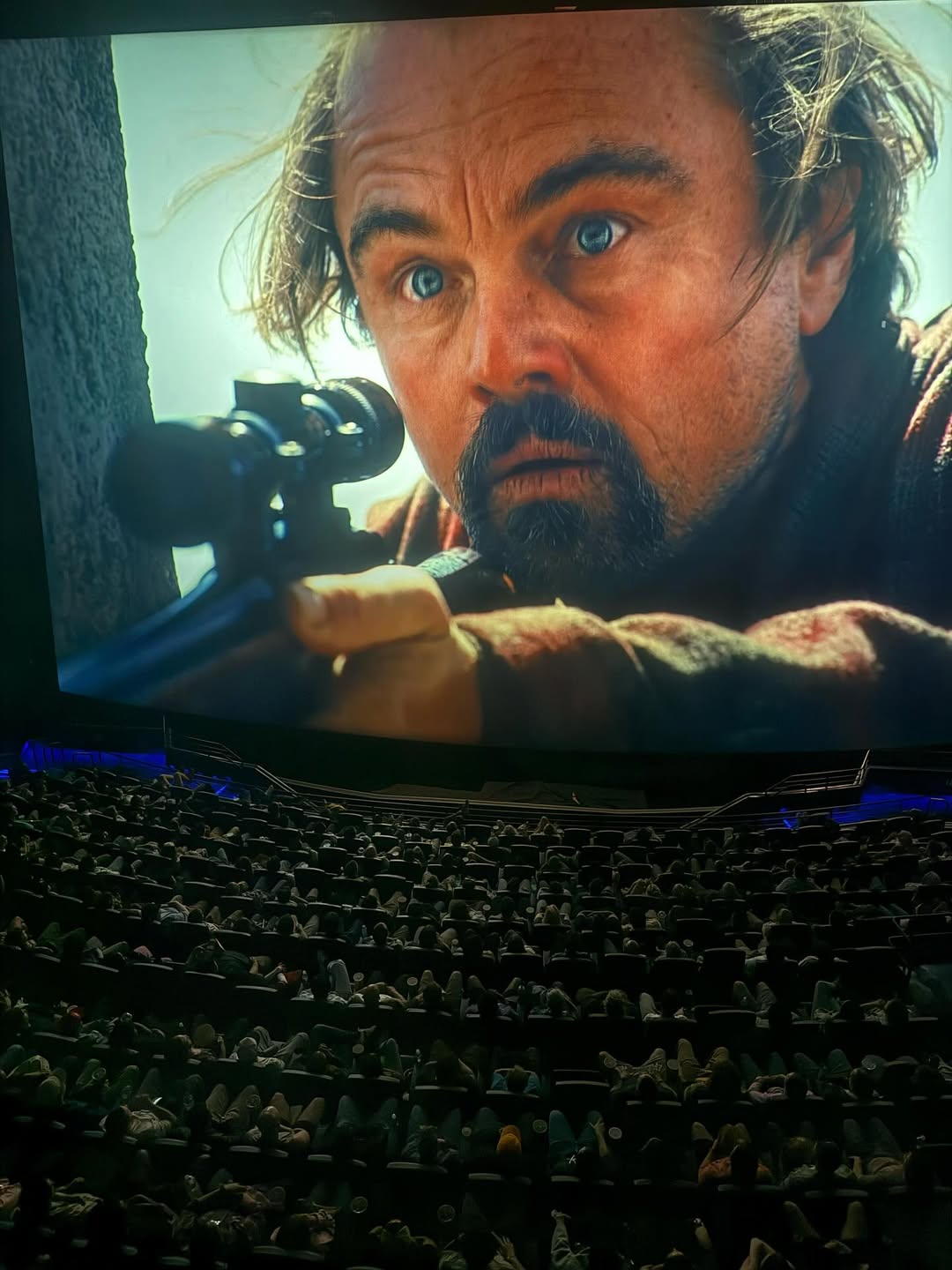
In a cinema hall, you surrender yourself completely to the film. Once the lights dim, the outside world fades away. There is no pause, no rewind, no distraction; you are locked into the filmmaker’s world exactly as it was meant to be experienced. Every sound and every silence carries weight. The enormous screen, the collective reactions of the audience, and the deep, resonant sound make it impossible to look away. You live through the story in real time, breathing in its rhythm, sharing the laughter, the gasps, the applause, and the stillness of hundreds of people feeling the same emotion together. It is immersive, communal, and almost sacred — a rare form of connection between art and audience.
“Watching a film in IMAX is like being a part of the story, not just a spectator”
— James Cameron
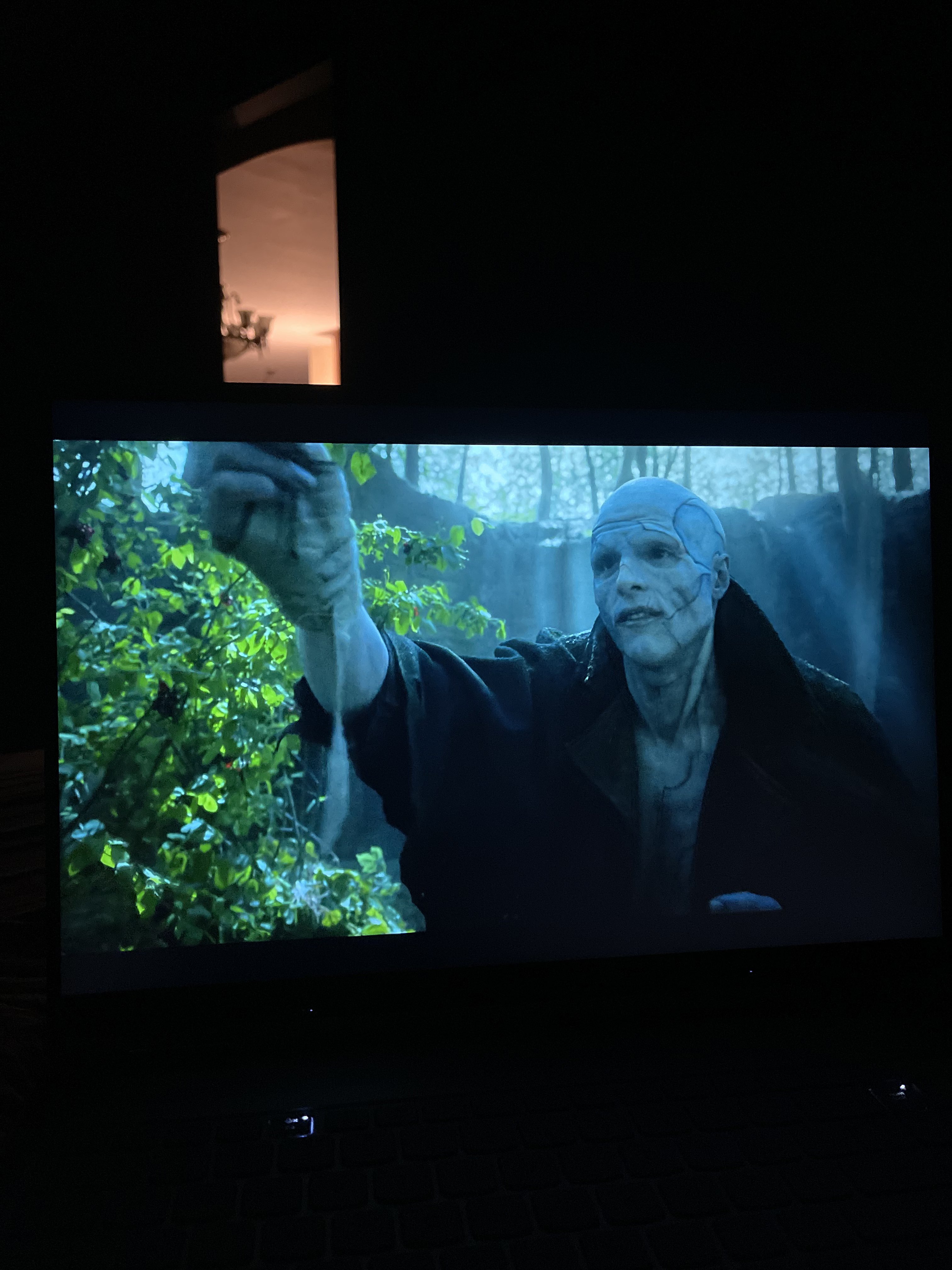
On OTT platforms, convenience and comfort take over the experience. You can pause, skip, multitask, or even finish the movie over several sittings. You have control over every moment, but that control comes at a cost. When you pause a scene, you interrupt the emotional flow that the director carefully built. When you watch while checking your phone or eating dinner, you divide your attention, and the film becomes background noise rather than a lived experience. The story that was once meant to draw you in and hold you captive now becomes something you consume passively, like any other piece of online content.

Take a film like Dune, for example. In a theatre, its vast deserts, the haunting score, and the quiet intensity of its characters pull you into the world of Arrakis. The vibrations of Hans Zimmer’s music echo in your chest, the silence before a sandstorm feels alive, and the sheer scale of the visuals overwhelms your senses. Watching it on an OTT platform cannot replicate that. The sound becomes smaller, the visuals lose depth, and the sense of awe that defines Dune diminishes with every pause or distraction.
“Frankly, to watch Dune on a television, the best way I can compare it is to drive a speedboat in your bathtub. For me, it’s ridiculous. ”
— Denis Villeneuve
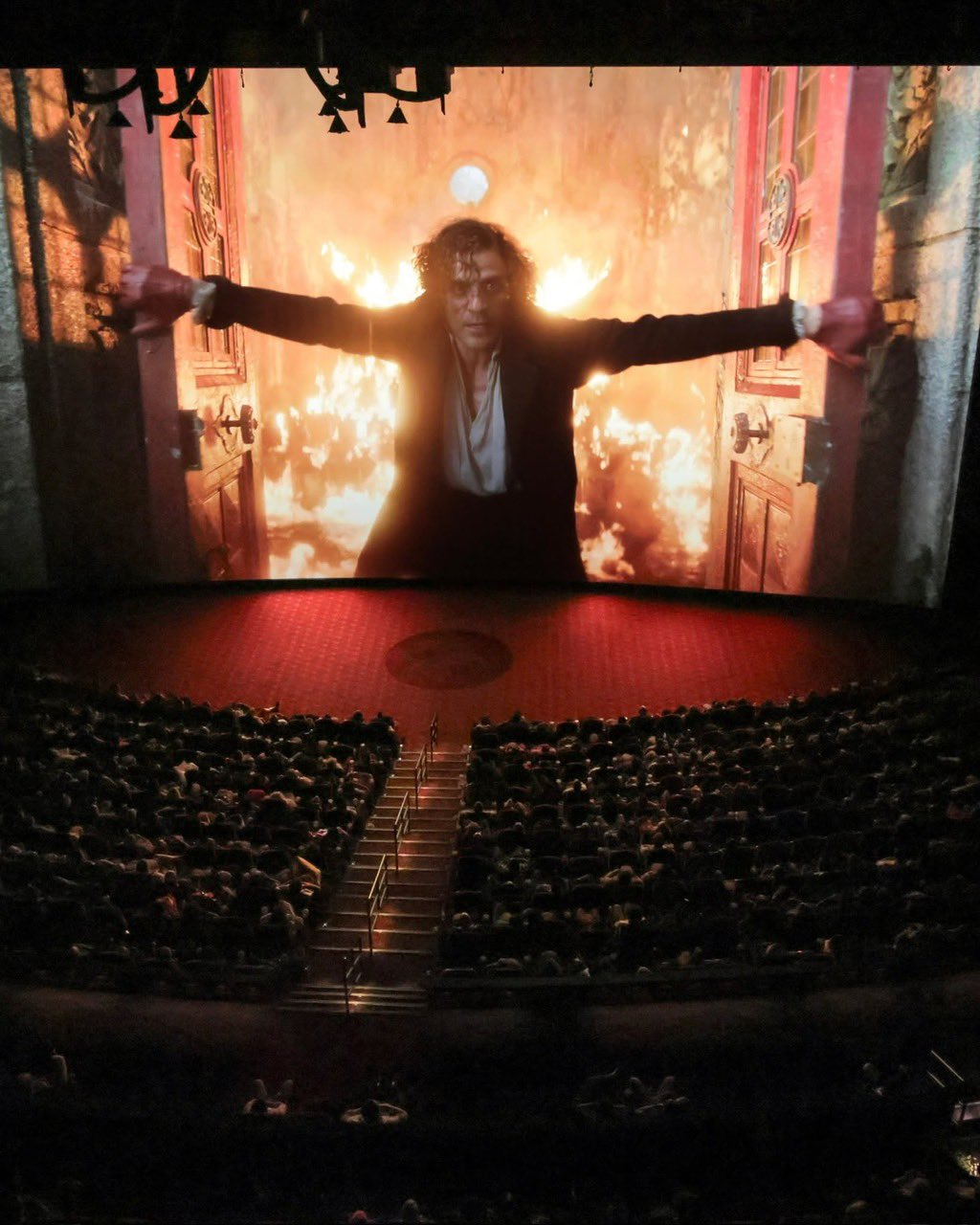
The difference between cinema and OTT lies not in technology, but in surrender. A cinema hall demands your time, focus, and emotion, and in return, it gives you an experience that lingers long after the credits roll. OTT gives you control and comfort, but often at the expense of immersion and intensity. In theatres, you live the story. On OTT, you simply watch it.
“Every time I go to the cinema and pay my money and sit down and watch a film go up on-screen, I want to feel that the people who made that film think it’s the best movie in the world, that they poured everything into it and they really love it.”
— Christopher Nolan
— The Cinéprism
Keep reading
31 / 08 / 2026 · 391 reads
10 Best Endings in Film
A curated list of 10 unforgettable movie endings that leave a lasting impact long after the credits roll.
15 / 09 / 2026 · 143 reads
Top 15 Movies with Plot Twists You Might Have Missed
15 movies packed with hidden clues, subtle details, and twists that hit differently once you know what to look for.