Dispatch — Long Read
The 12 Best Asian Films of 2025
A curated selection of the 12 best Asian movies of 2025, celebrating powerful storytelling, visionary filmmaking, and the voices shaping modern Asian cinema.
The Cinéprism
21 / 12 / 2025 · 13 min read
1. 🎬 No Other Choice (2025)
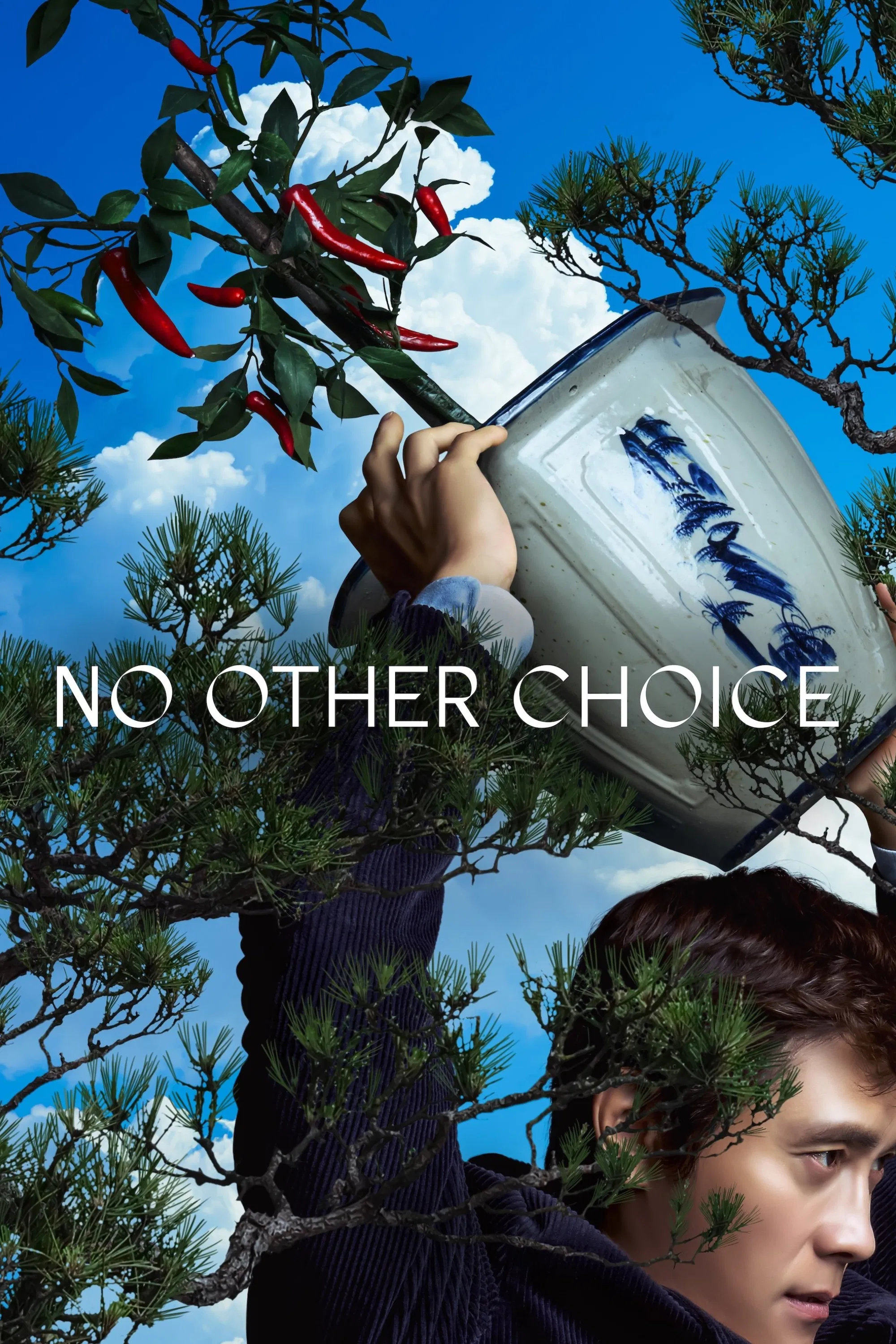
A laid-off corporate executive decides to murder his rival job applicants to secure a position and maintain his family's lifestyle. It is a razor-sharp satire of late-stage capitalism and class anxiety, blending dark humor with visceral thrills to show how far a man will go to remain "essential."
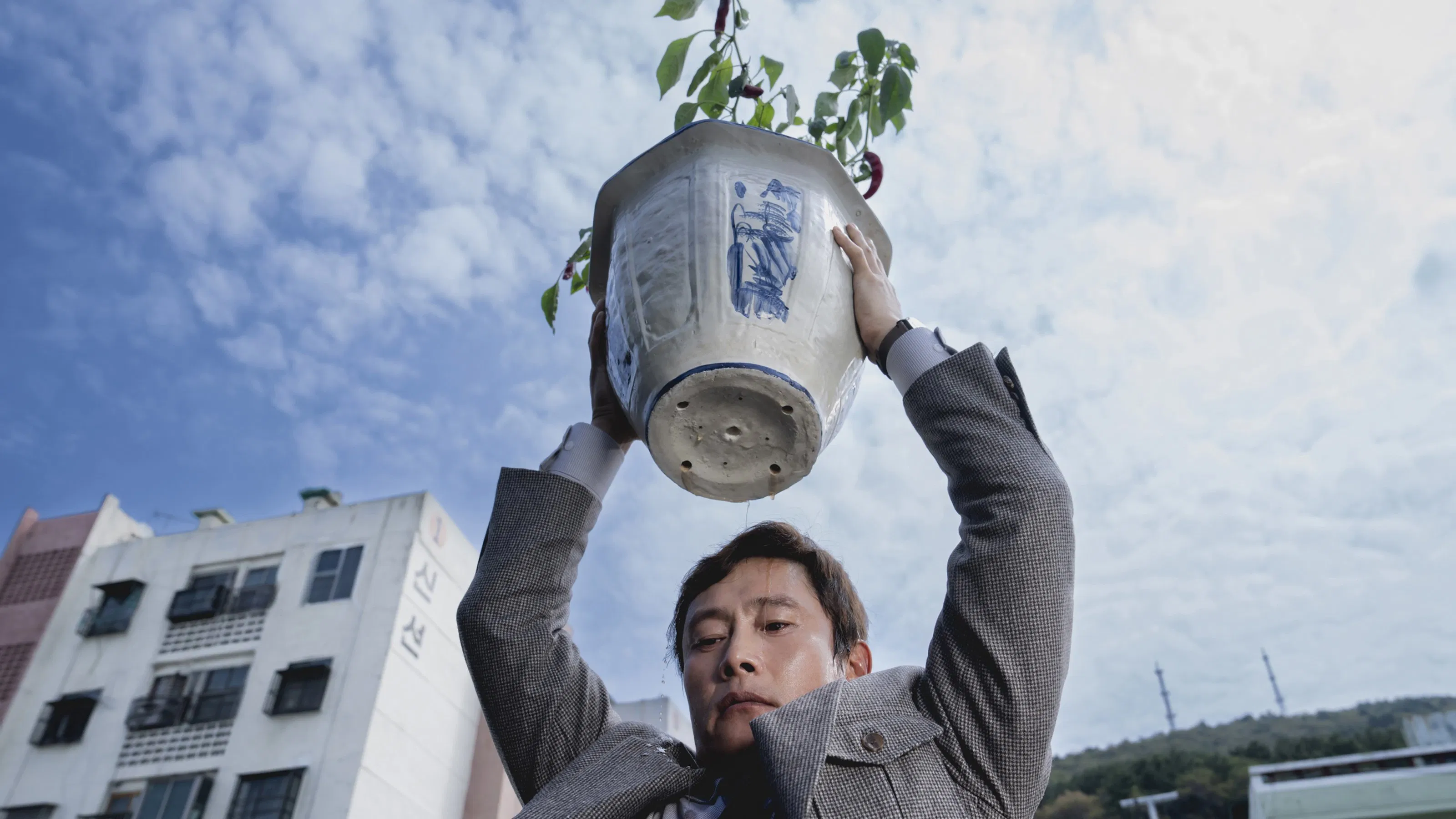
A satirical black comedy thriller that reunites director Park Chan-wook with Lee Byung-hun, adapting Donald Westlake's novel The Ax into a scathing critique of the hyper-competitive Korean corporate landscape. The film follows Man-su, a desperate paper industry expert who, after losing his job to outsourcing and automation, decides that the only way to secure a new position is to physically eliminate his competition. Park Chan-wook trades his usual baroque vengeance for a colder, more clinical look at middle-class desperation, showing how the fear of losing social status can drive an ordinary "salaryman" to become a serial killer. Lee Byung-hun plays Man-su with a terrifying blandness, his descent into murder framed not as a psychotic break but as a pragmatic career move, while Son Ye-jin as his wife provides the emotional anchor that slowly erodes as the body count rises. The film is visually precise, using the sterile, fluorescent-lit aesthetics of office spaces to contrast with the messy, improvised violence of the killings. It succeeds because Park treats the murders with a dark absurdity that mirrors the cutthroat nature of modern capitalism, proving that in a society obsessed with success, the most dangerous person is the one who has nothing left to lose but his dignity.
2. 🎬 The World of Love (2025)
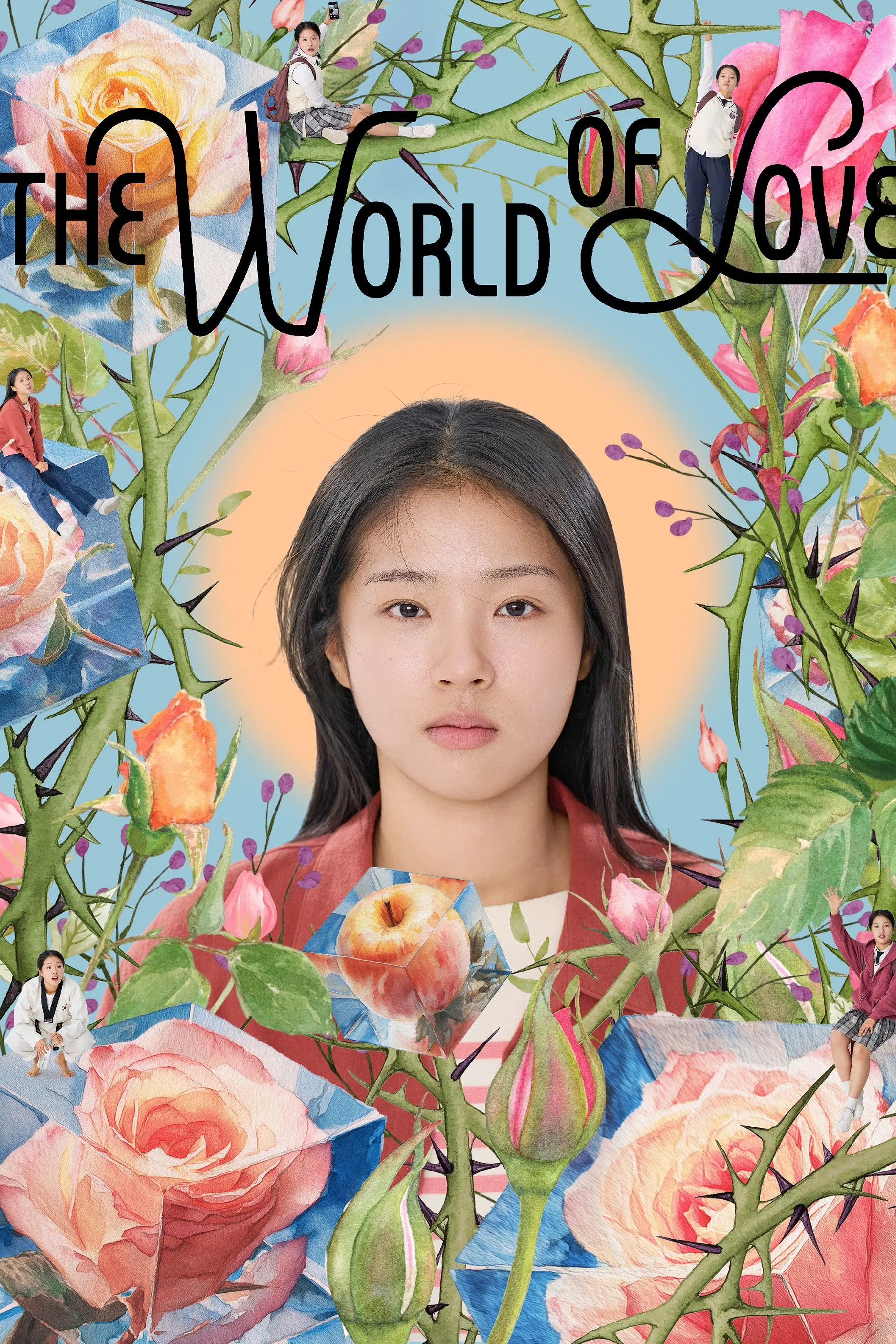
A 17-year-old girl navigates the complex web of family expectations, intense female friendships, and the confusing arrival of first love. It is a sensitive, beautifully observed portrait of adolescence that captures the quiet devastation and sudden joys of growing up.
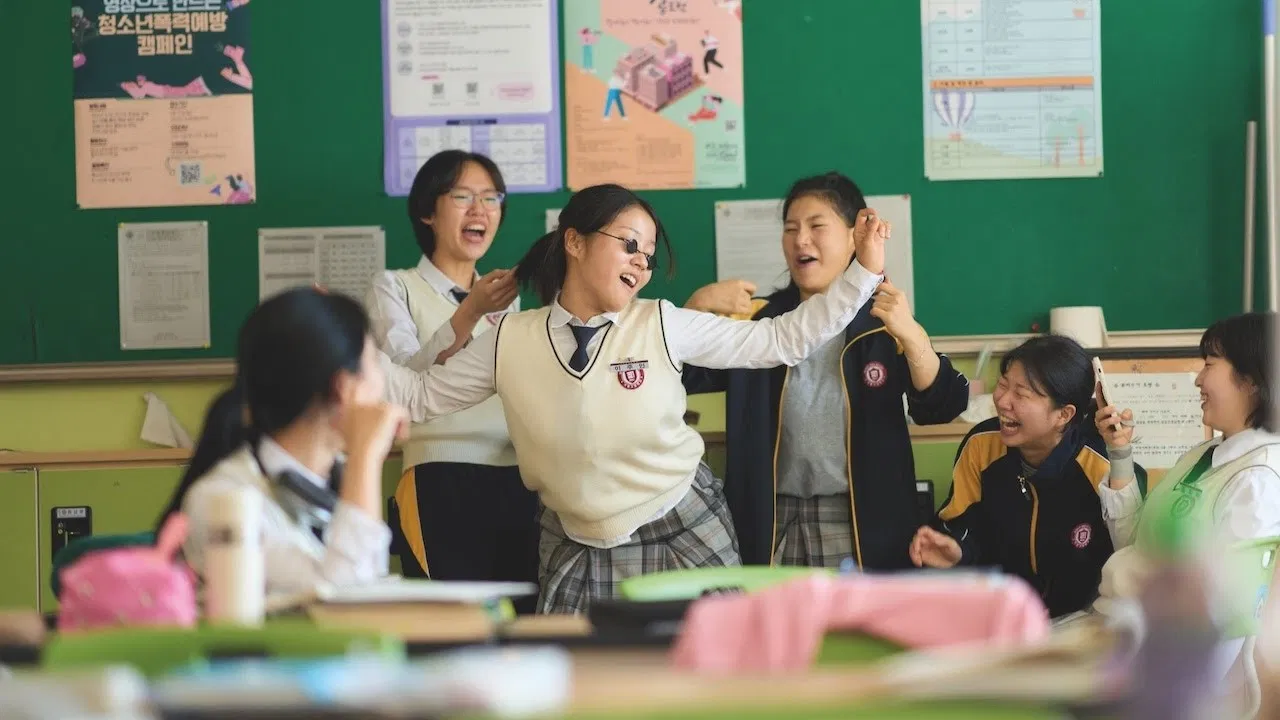
A tender yet piercing coming-of-age drama that shifts director Yoon Ga-eun's focus from childhood to the turbulent emotional landscape of adolescence, following 17-year-old Jooin as she navigates the shifting tectonics of family, friendship, and first love. Unlike the melodramatic tropes often seen in high school dramas, Yoon captures the quiet, earth-shattering intensity of teenage feelings where a single glance or unanswered text can feel like the end of the world. The film is anchored by a naturalistic performance from a newcomer cast, who portray the messy reality of growing up in a high-pressure Korean society where academic success is expected to take precedence over emotional development. Yoon’s camera lingers on small details - hands brushing, shared earbuds, the silence in a classroom - to build an atmosphere of intimacy that feels almost intrusive. The narrative explores how Jooin learns that love is not just about romance but about the painful process of separating one's identity from one's parents. It succeeds because it respects the gravity of teenage emotions without condescension, offering a luminous, heartbreaking portrait of that fleeting moment when you realize the world is much bigger and scarier than you thought.
3. 🎬 Human Resource (2025)
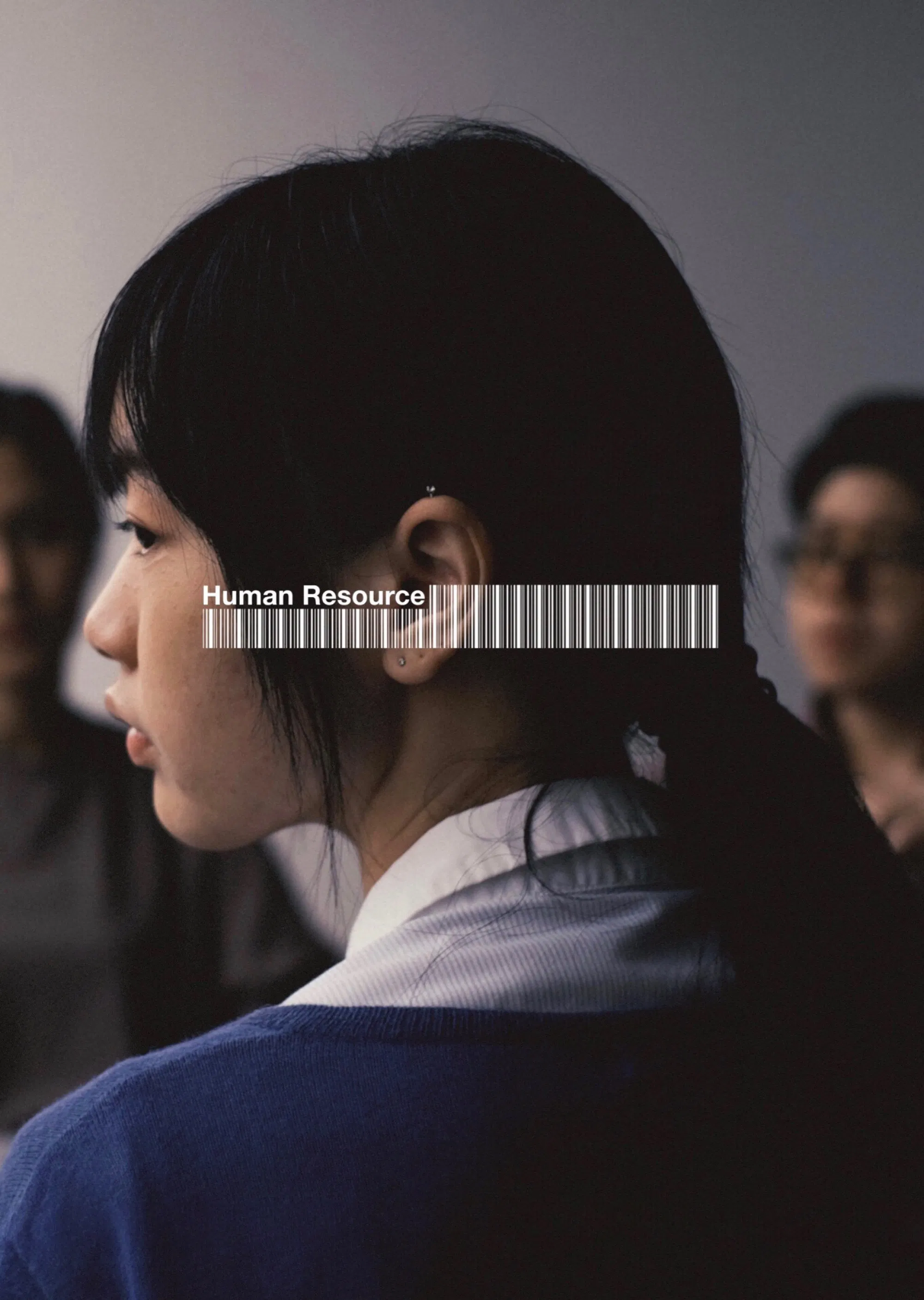
A pregnant HR manager fights to keep her job and her dignity in a hyper-capitalist office culture that treats employees as data points rather than people. It is a visually striking, dryly humorous, and deeply anxious examination of the modern workplace and the cost of "professionalism."

A stylized Thai drama set in the sterile glass-and-steel canyons of Bangkok, following Fren, a pregnant HR officer who must navigate a hostile corporate environment that views human beings as disposable "resources." Nawapol Thamrongrattanarit utilizes his signature deadpan visual style to critique the dehumanizing nature of modern office culture, where efficiency is valued above empathy and pregnancy is seen as a "productivity flaw." Prapamonton Eiamchan delivers a stoic, internal performance as Fren, whose growing belly becomes a silent act of rebellion in an office designed for robots. The film uses sound design to devastating effect, contrasting the hushed, air-conditioned silence of the office with the chaotic, vibrant noise of the street food stalls outside, symbolizing the disconnect between the corporate world and actual life. The narrative tension comes not from dramatic outbursts but from the passive-aggressive warfare of emails, performance reviews, and the quiet threat of replacement. It succeeds because it exposes the absurdity of a system that demands workers give their lives to companies that would replace them in a week, proving that the scariest dystopia is the one we clock into every Monday morning.
4. 🎬 What Does the Nature Say to You (2025)
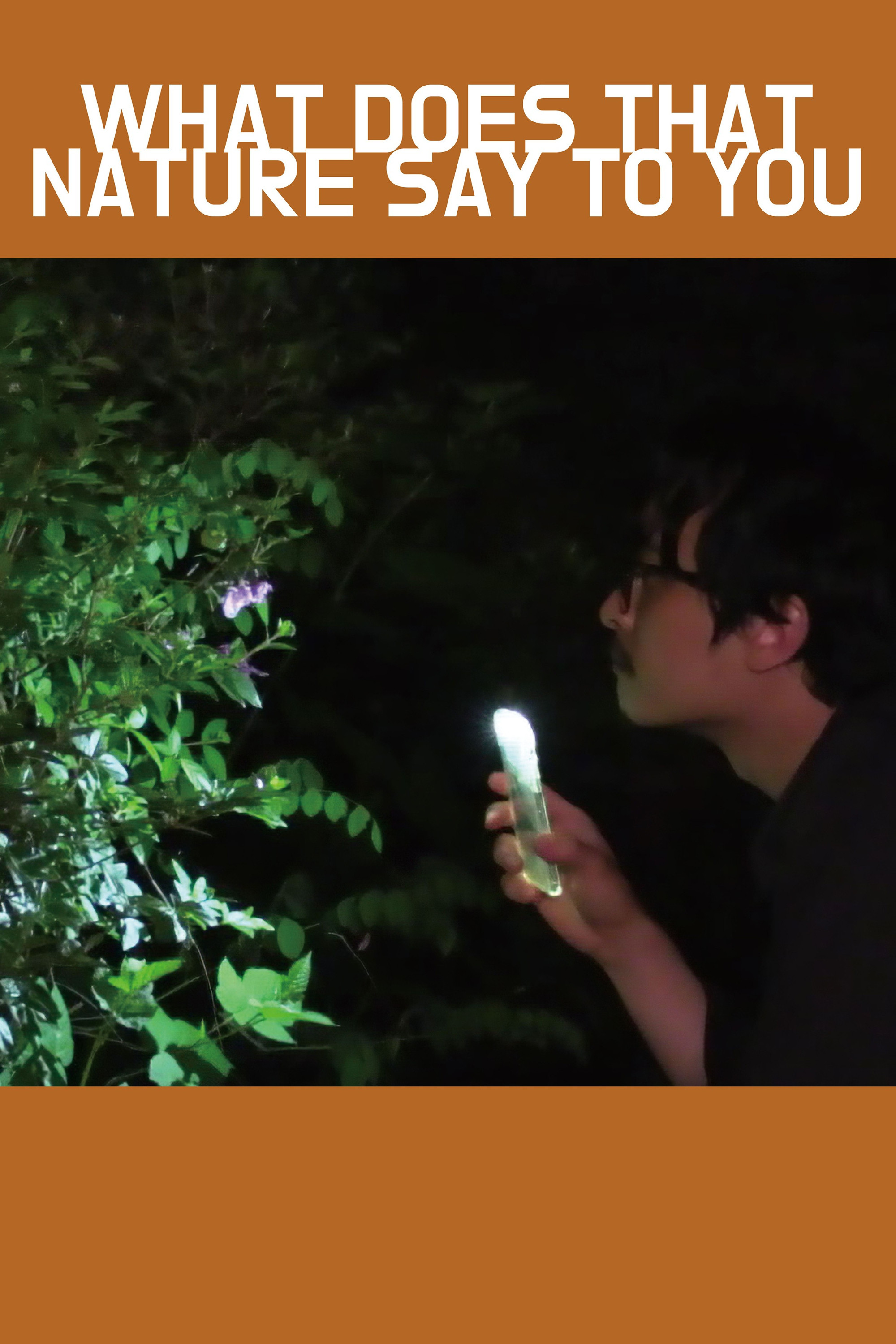
A poet visits his girlfriend for a weekend that becomes a series of awkward conversations, drunken philosophical debates, and quiet revelations about their relationship. It is a signature Hong Sang-soo film that uses humor and repetition to explore the fragility of human connection and the ego of the artist.
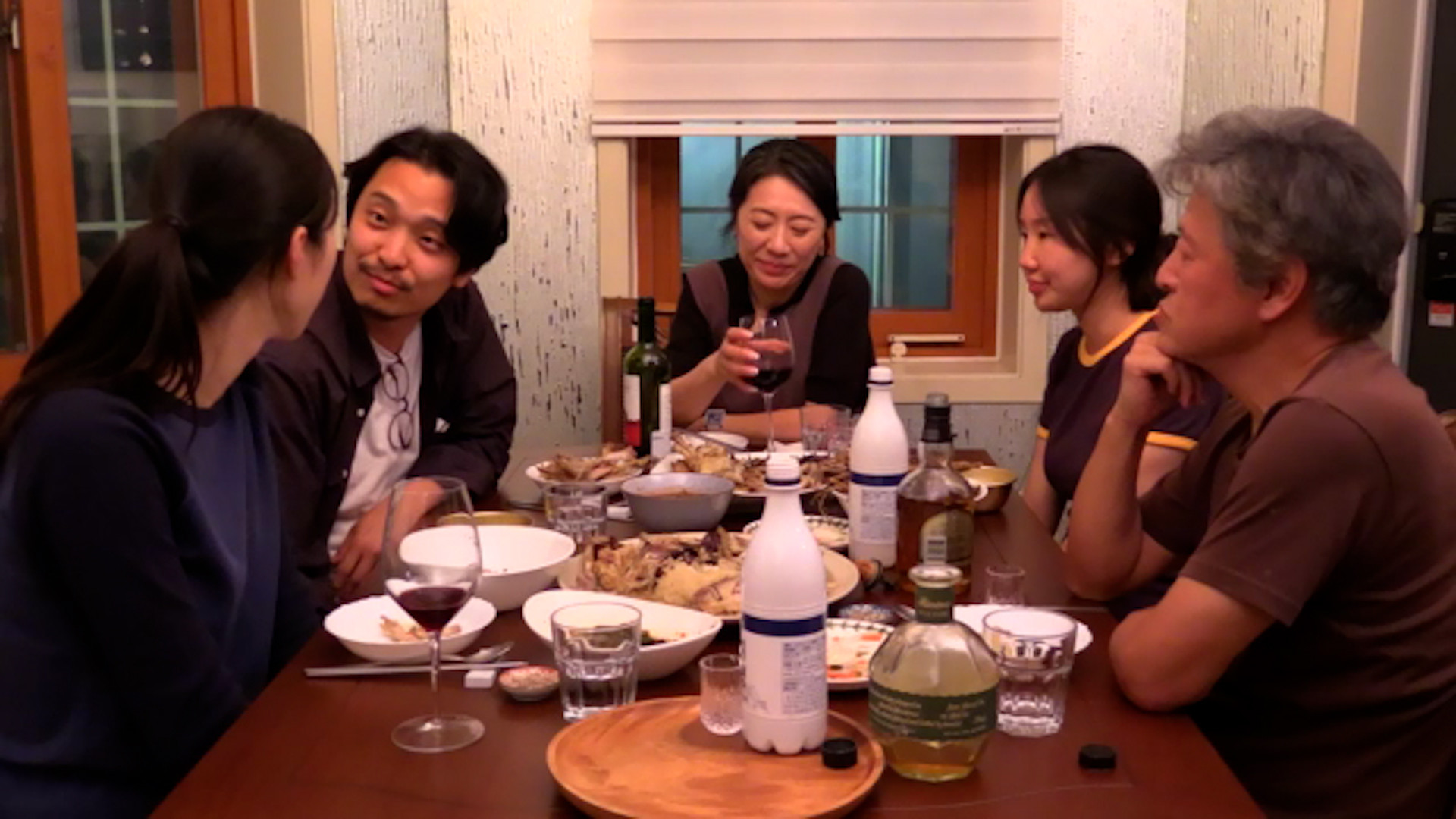
A minimalist, conversation-driven film following Dong-hwa, a poet in his 30s who unexpectedly visits his long-time girlfriend Jun-hee at her seaside home, setting off a chain of quiet confrontations and existential musings. Hong Sang-soo continues his exploration of the awkward spaces between men and women, using his trademark long takes and zooms to capture the rhythm of real-life dialogue, complete with pauses, misunderstandings, and drunken confessions. The film is shot in black and white, stripping away distraction to focus entirely on the faces of the actors as they debate the meaning of art, nature, and their own faltering relationship. The "nature" of the title refers not just to the landscape but to human nature, specifically the inability of the male protagonist to be honest with himself about his insecurities. The interactions are filled with the subtle, cringe-inducing humor that Hong is famous for, exposing the gap between what people say and what they actually mean. It succeeds because it finds profound philosophical depth in the most mundane interactions, proving once again that Hong Sang-soo is the master of capturing the beautiful, messy redundancy of life.
5. 🎬 Renoir (2025)
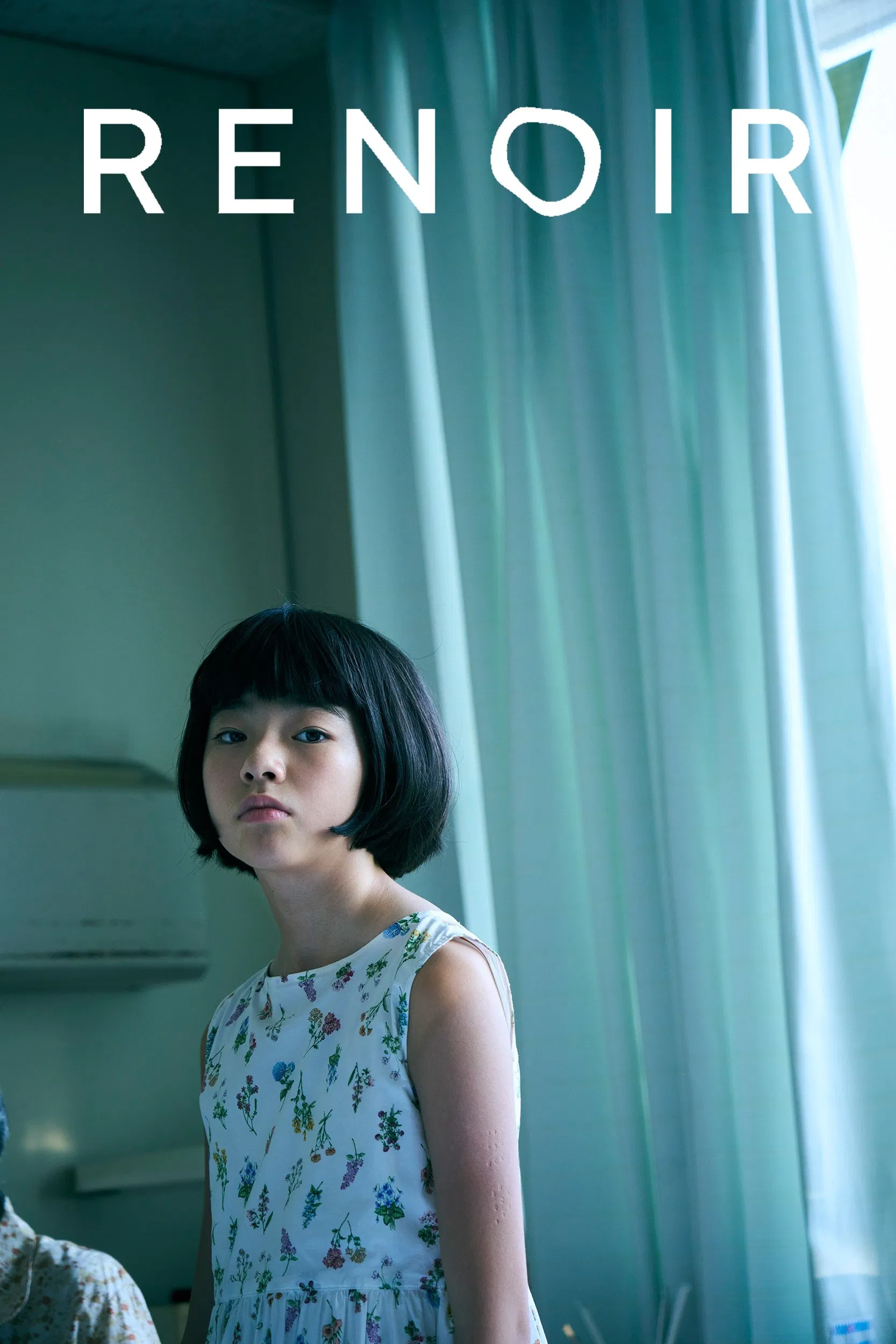
A young girl in 1980s Tokyo retreats into a world of fantasy and telepathy to cope with her father's terminal illness and her mother's exhaustion. It is a gentle, heartbreakingly real coming-of-age story that explores how children use imagination to shield themselves from the incomprehensible weight of death.
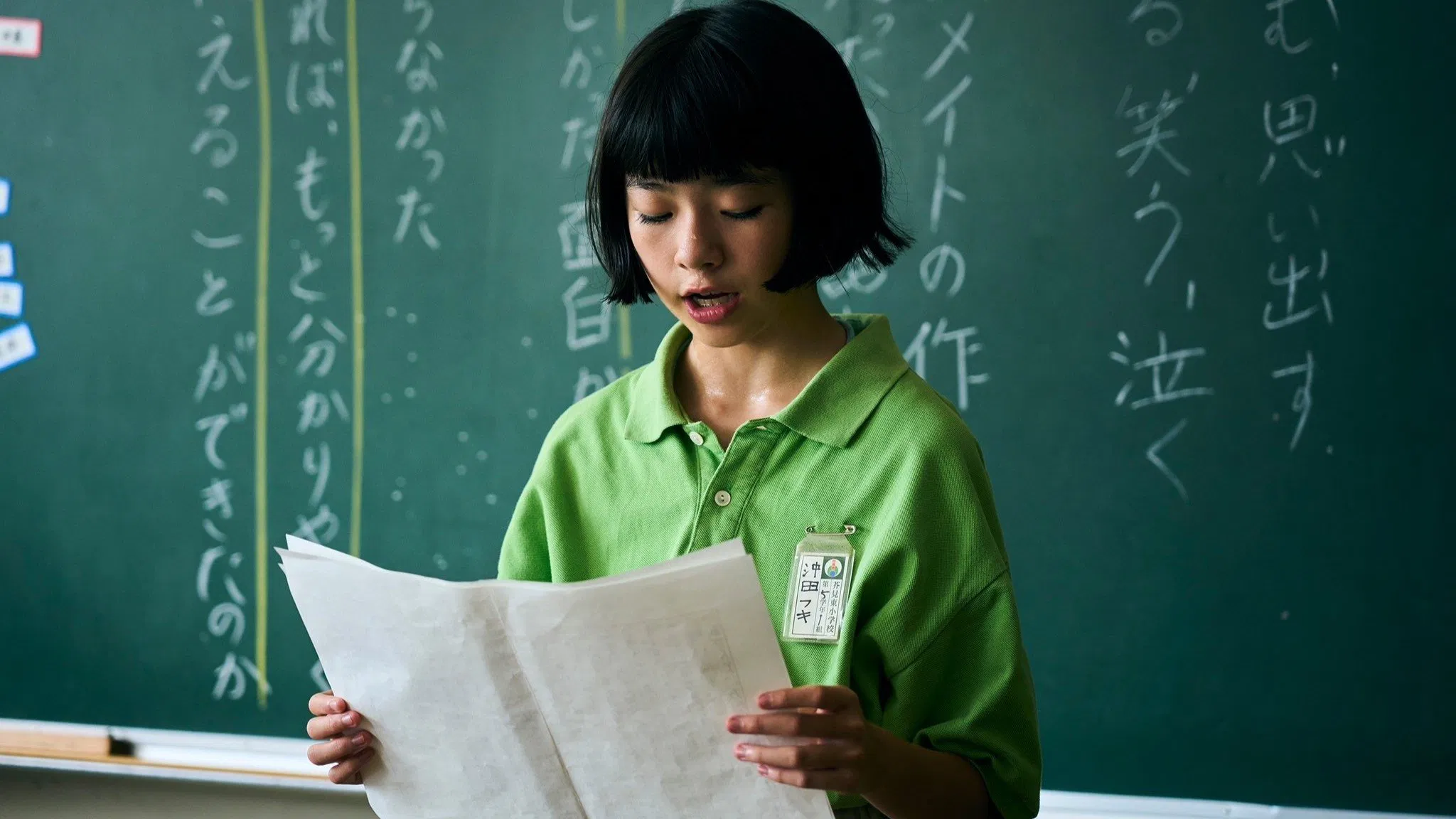
A poignant Japanese drama set in 1987 Tokyo, following 11-year-old Fuki, whose rich imagination becomes her refuge as her father battles terminal cancer and her mother struggles to hold the family together. Chie Hayakawa, following her success with Plan 75, pivots to a more intimate scale, capturing the specific texture of late-80s Japan while exploring the universal experience of a child processing death before she fully understands it. The film avoids melodrama by filtering the tragedy through Fuki’s perspective, where the impending loss is mixed with the mundane concerns of school, friendship, and her fascination with telepathy and the supernatural. The cinematography by Hideho Urata uses a soft, nostalgic palette that feels like a fading memory, contrasting the warmth of childhood summers with the cold reality of the hospital. The film’s title refers not just to the painter but to the way art and imagination can color our perception of painful realities. It succeeds because it treats the child’s perspective with absolute seriousness, showing that children are not just passive observers of grief but active participants who create their own mythologies to survive it.
6. 🎬 Mickey 17 (2025)
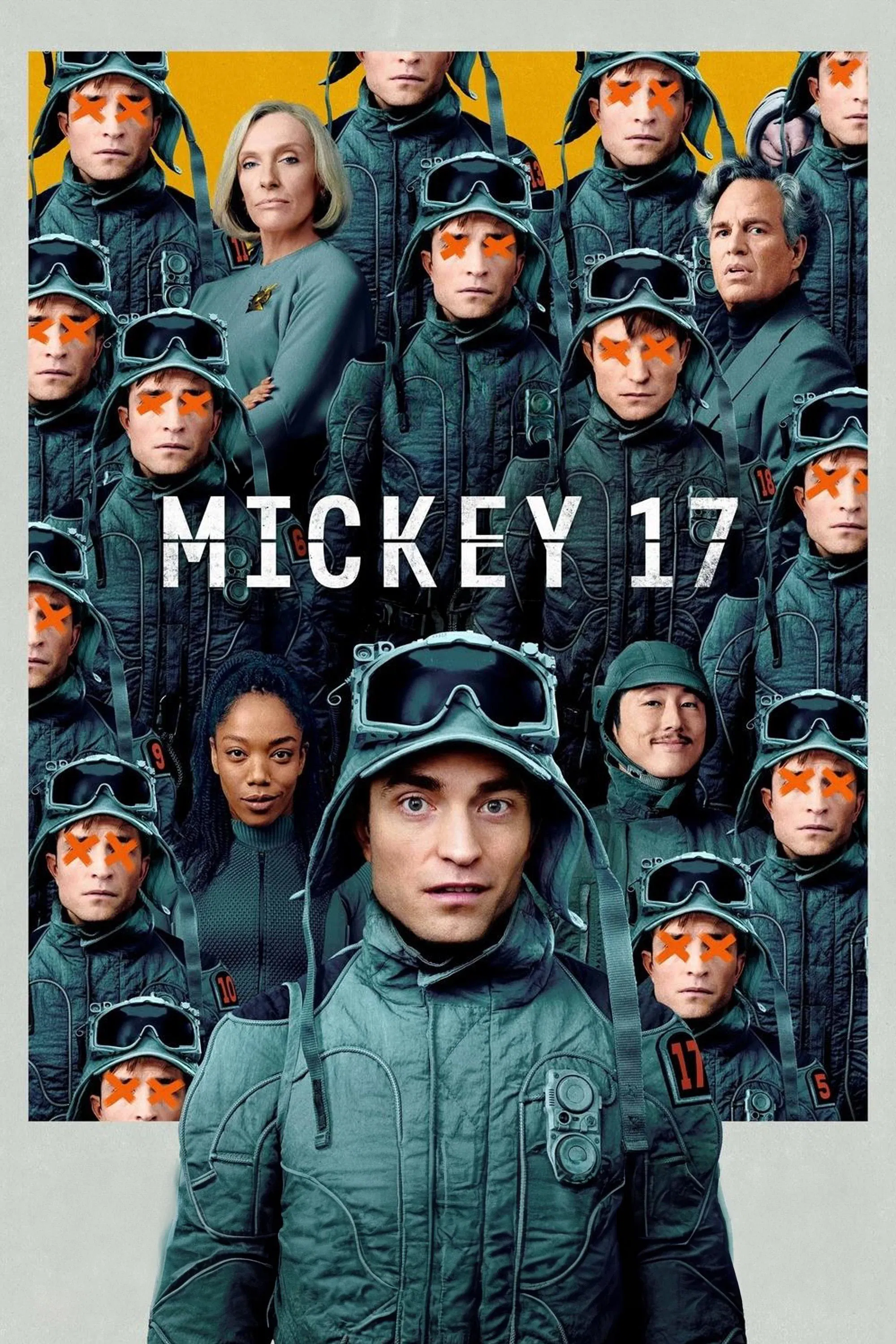
A disposable employee on a space colonization mission is cloned every time he dies, but chaos ensues when one version survives and meets his replacement. It is a biting, darkly funny sci-fi satire that uses the concept of immortality to explore the ultimate exploitation of the worker.
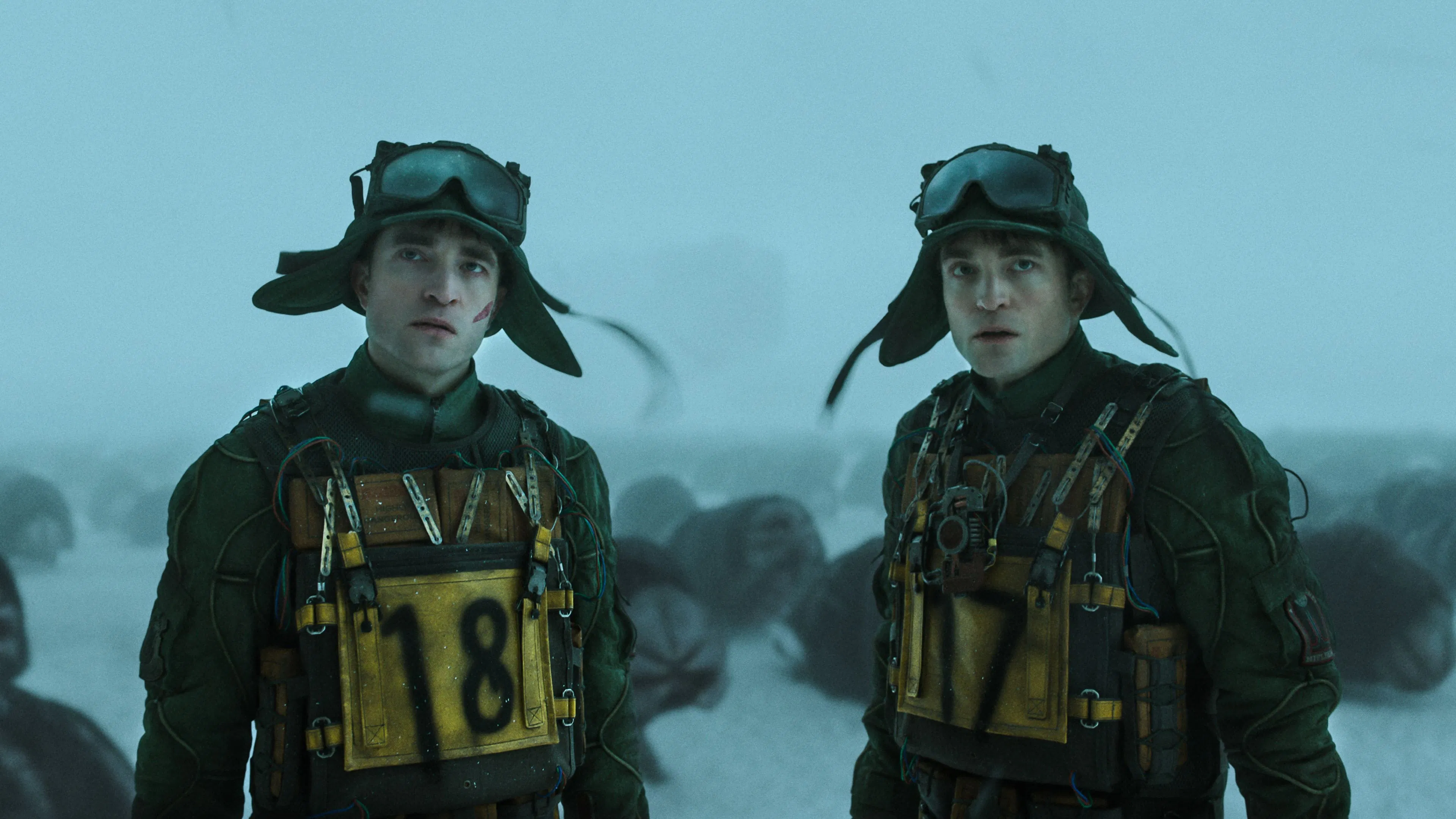
A sci-fi black comedy based on the novel Mickey7, starring Robert Pattinson as an "Expendable"—a disposable employee on a human expedition to colonize the ice world Niflheim, who is cloned with his memories intact every time he dies. Bong Joon-ho returns with his first film since Parasite, blending high-concept science fiction with his sharp class consciousness, using the premise of a renewable worker to critique the gig economy and the disposability of labor. Pattinson plays multiple versions of Mickey with distinct personalities, exploring the existential horror of waking up to find you are just a copy of a dead man, yet still expected to go to work. The production design creates a gritty, industrial future that feels lived-in and dangerous, far removed from the polished aesthetic of typical space operas. The conflict arises when one Mickey survives, leading to a situation where two clones exist simultaneously, a bureaucratic crime in this future society. It succeeds because Bong balances the philosophical questions of identity and soul with his trademark dark humor and slapstick violence, proving that even in the far future, the working class will still be getting the worst jobs in the universe.
7. 🎬 Resurrection (2025)
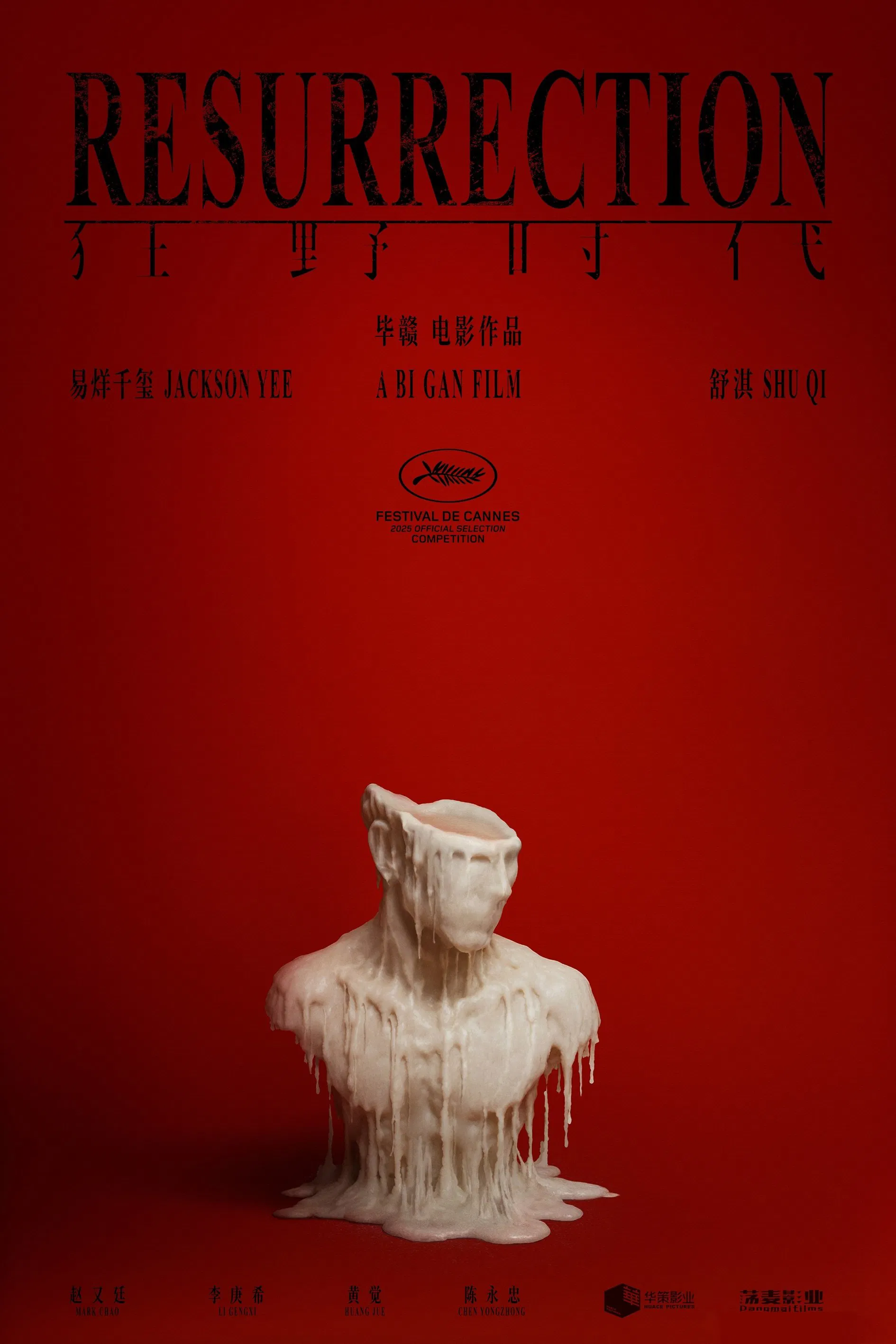
In a future where humans have traded dreams for eternal life, an outcast embarks on a surreal journey to bring imagination back to a hollow world. It is a mesmerizing, poetic sci-fi epic that prioritizes atmosphere and sensory immersion over traditional storytelling to explore the essence of humanity.
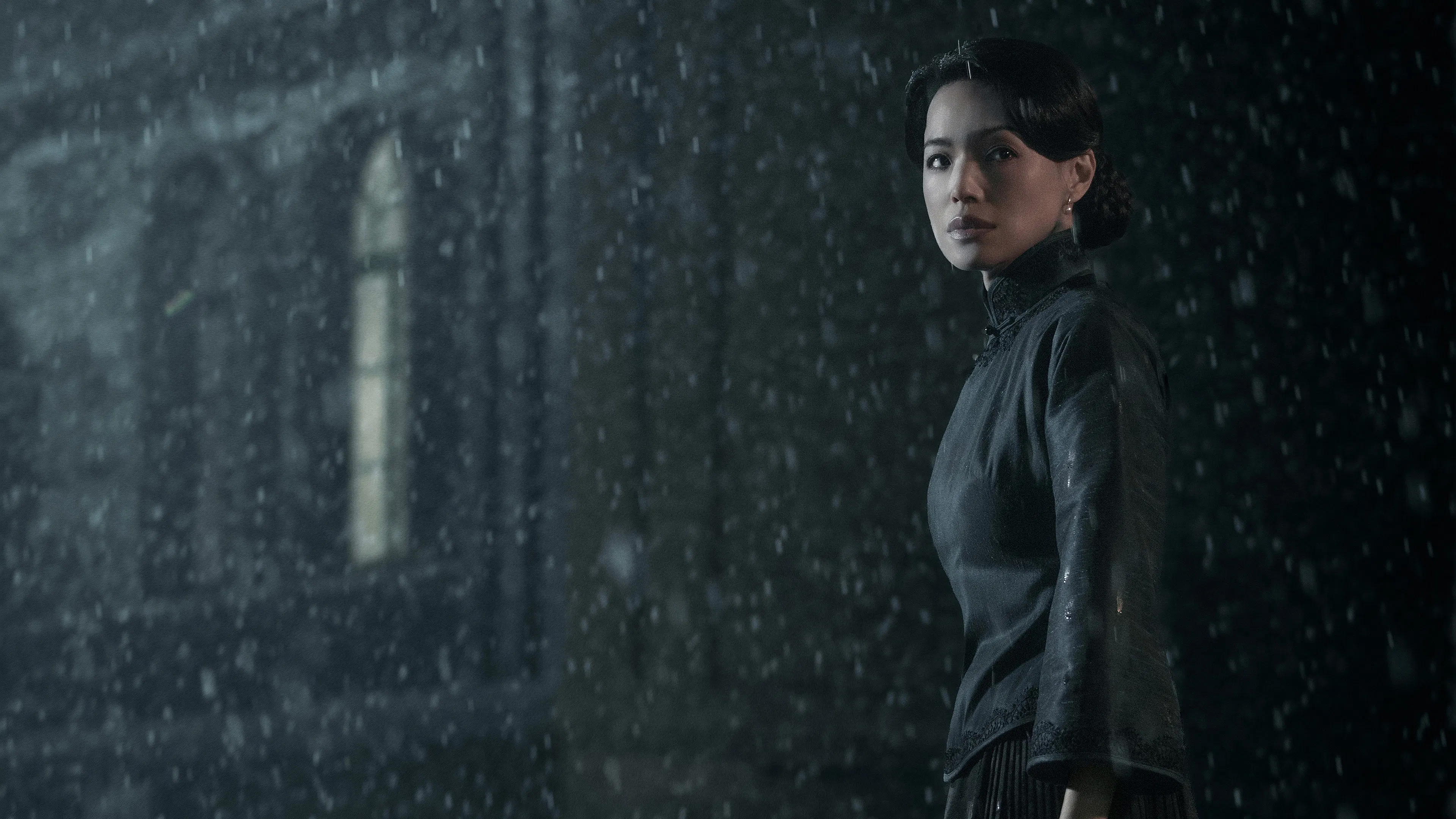
A visually stunning Chinese sci-fi fantasy set in a post-apocalyptic future where humanity has surrendered the ability to dream in exchange for immortality, following a "Dreamer" who attempts to restore imagination to the world. Bi Gan, known for his long takes and dreamlike narratives in Long Day’s Journey Into Night, pushes his aesthetic to the limit, creating a world that feels like a painting come to life, filled with decaying industrial ruins and lush, reclaiming nature. Jackson Yee stars as the protagonist, a silent figure navigating a society of hollow immortals, his journey structured like a video game or a classic myth. The film utilizes experimental 3D and immersive sound design to place the audience inside the character’s sensory experience, blurring the line between the film’s reality and the hallucinations of the protagonist. The narrative is less a linear story and more a series of poetic encounters, exploring themes of memory, time, and the spiritual cost of technological advancement. It succeeds because Bi Gan creates a cinematic language that is entirely his own, offering a sensory experience that argues the ability to dream is the only thing that makes eternal life worth living.
8. 🎬 Kokuho (2025)

The son of a yakuza boss dedicates his life to mastering the art of Kabuki, facing prejudice and rivalry as he aims to become a Living National Treasure. It is a sweeping, multi-generational saga of artistic obsession, class conflict, and the brutal sacrifices required to achieve perfection.
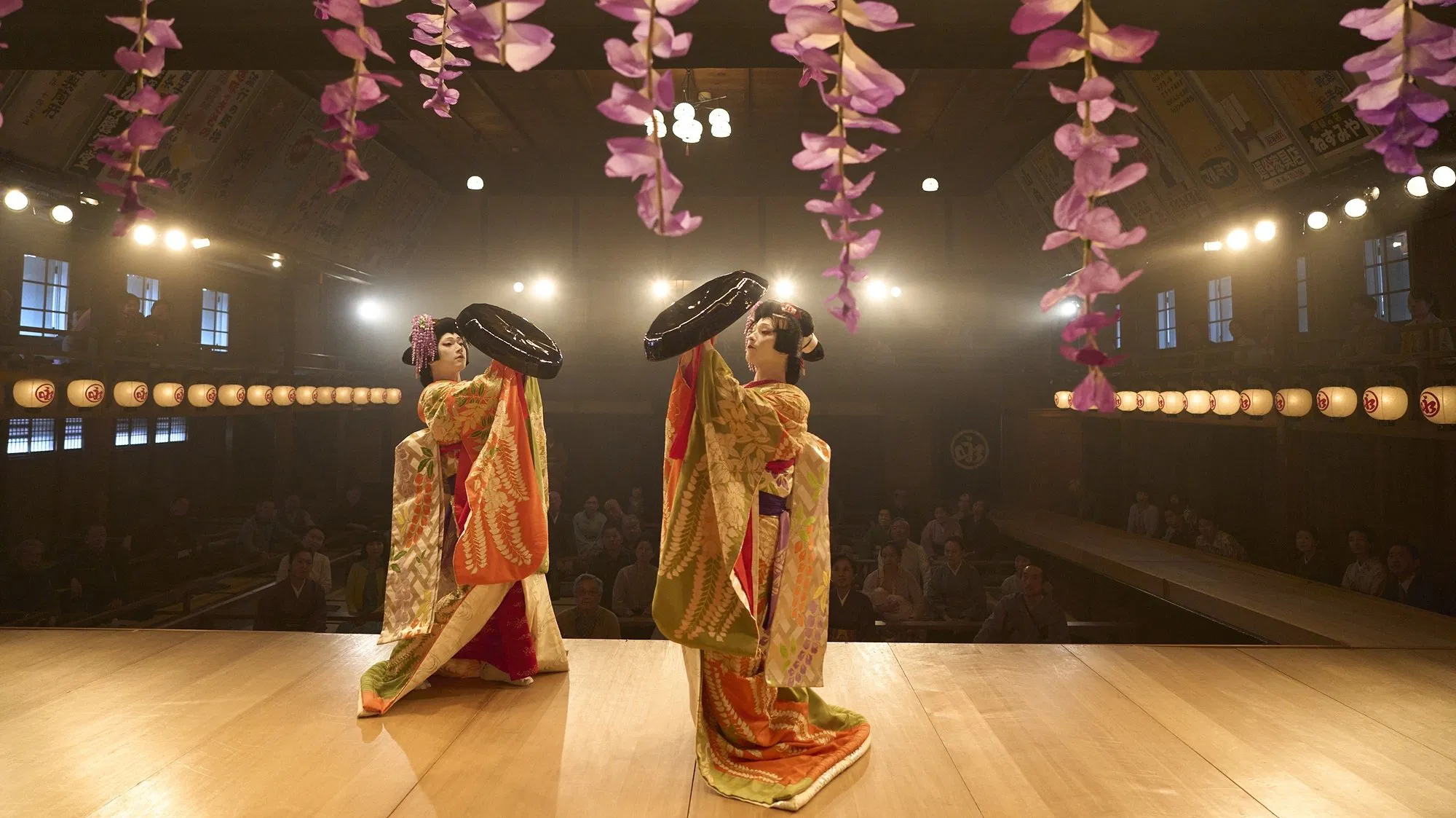
An epic Japanese drama spanning fifty years, chronicling the rise of a young yakuza's son who enters the rigid, traditional world of Kabuki theater and strives to attain the status of a "Living National Treasure" (Kokuho). Lee Sang-il adapts the monumental novel by Shuichi Yoshida, directing a visually sumptuous film that treats the stage of Kabuki as a battlefield of ambition, blood lineage, and artistic perfection. Ryo Yoshizawa gives a transformative performance, physically embodying the grace and discipline required of an onnagata (a male actor playing female roles), while navigating the treacherous politics of a closed world that despises his criminal origins. The film examines the tension between preservation and innovation, showing how traditional arts survive only through the obsessive, sometimes destructive devotion of their practitioners. The cinematography captures the vibrant colors and stylized movement of the plays, contrasting them with the gritty, violent reality of the protagonist's background. It succeeds because it frames art not as a polite pursuit but as a matter of life and death, proving that the most beautiful performances are often forged in the deepest pain.
9. 🎬 Lost Land (2025)
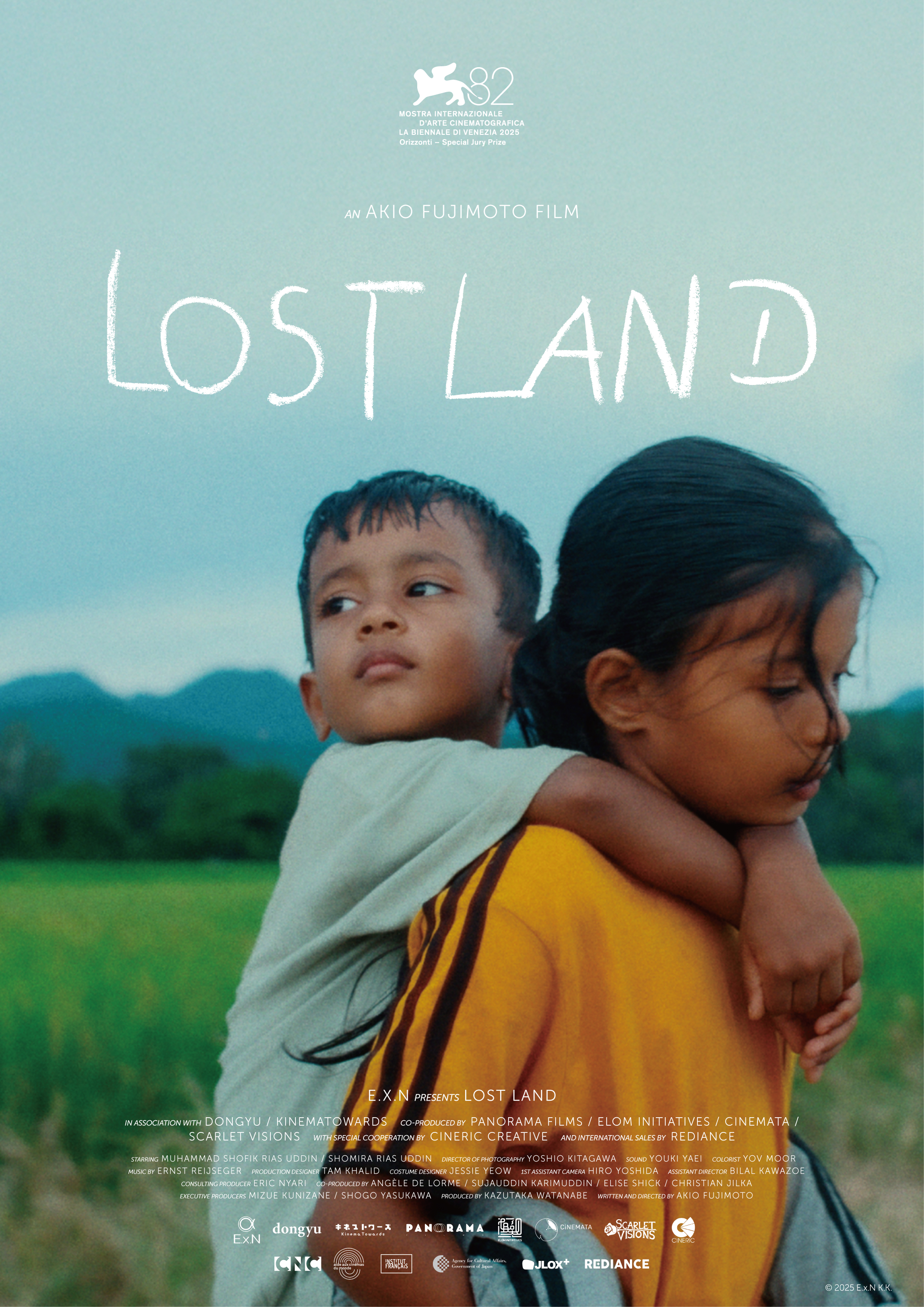
Two young Rohingya siblings undertake a dangerous, illegal journey across borders to reunite with their family, dodging traffickers and border guards. It is a raw, deeply empathetic survival drama that sheds light on the plight of stateless refugees through the innocent eyes of children.
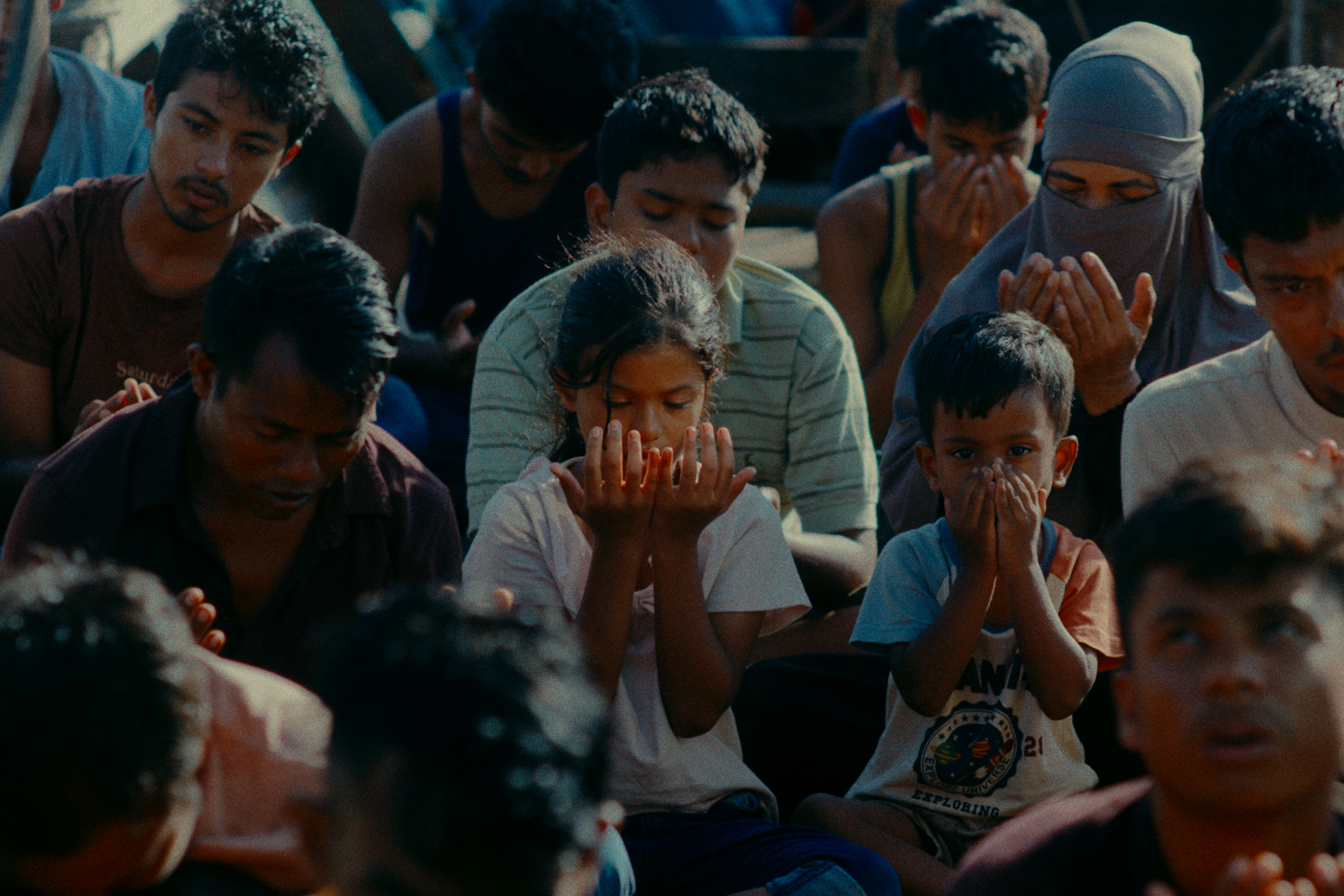
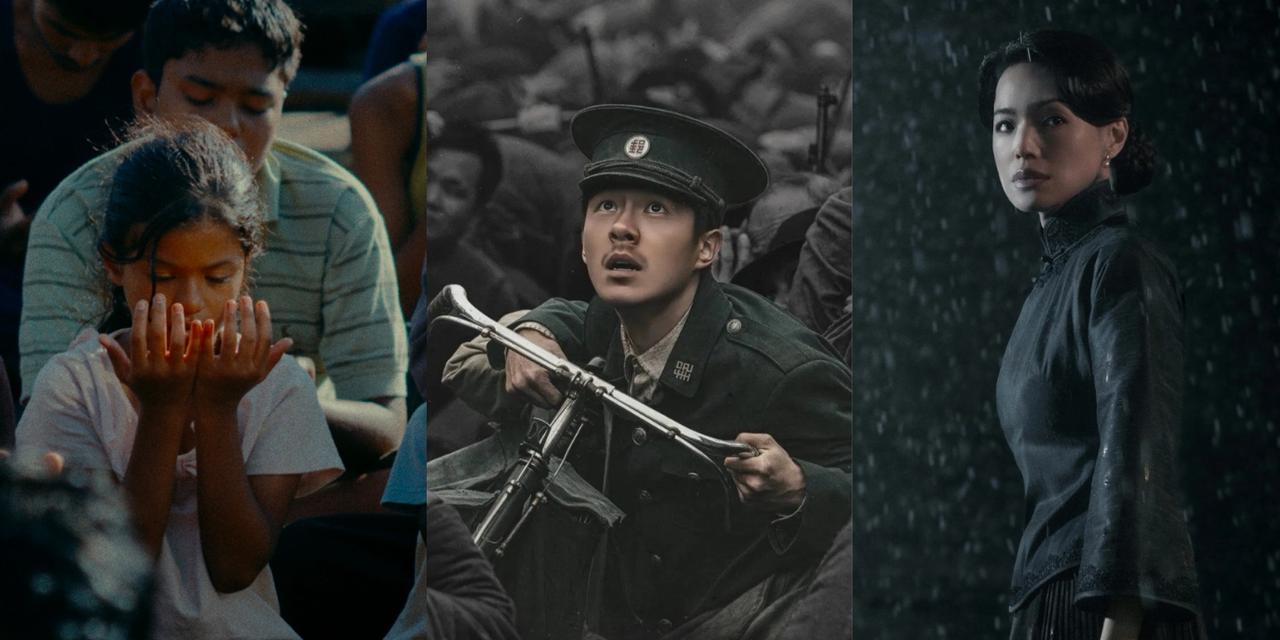
A harrowing docu-drama following two Rohingya siblings, a 9-year-old girl and her 4-year-old brother, as they make a perilous journey from a refugee camp in Myanmar to Malaysia to find their parents. Akio Fujimoto, known for his realistic portrayals of immigrant lives, casts non-professional Rohingya actors to tell a story that is heartbreakingly authentic, blurring the lines between fiction and documentary. The film is shot with a handheld, observational style that places the viewer directly in the mud and chaos of the journey, capturing the physical exhaustion and the constant, invisible threat of being caught. The children’s performances are miraculous in their unpolished honesty, anchoring the political tragedy in the immediate, visceral need for safety and food. The film avoids manipulating the audience with music or melodrama, letting the stark reality of their situation speak for itself. It succeeds because it gives a face and a voice to a stateless people often reduced to statistics in the news, creating a powerful, undeniable testament to the resilience of children in a world that has decided they do not exist.
10. 🎬 Left Hand Girl (2025)
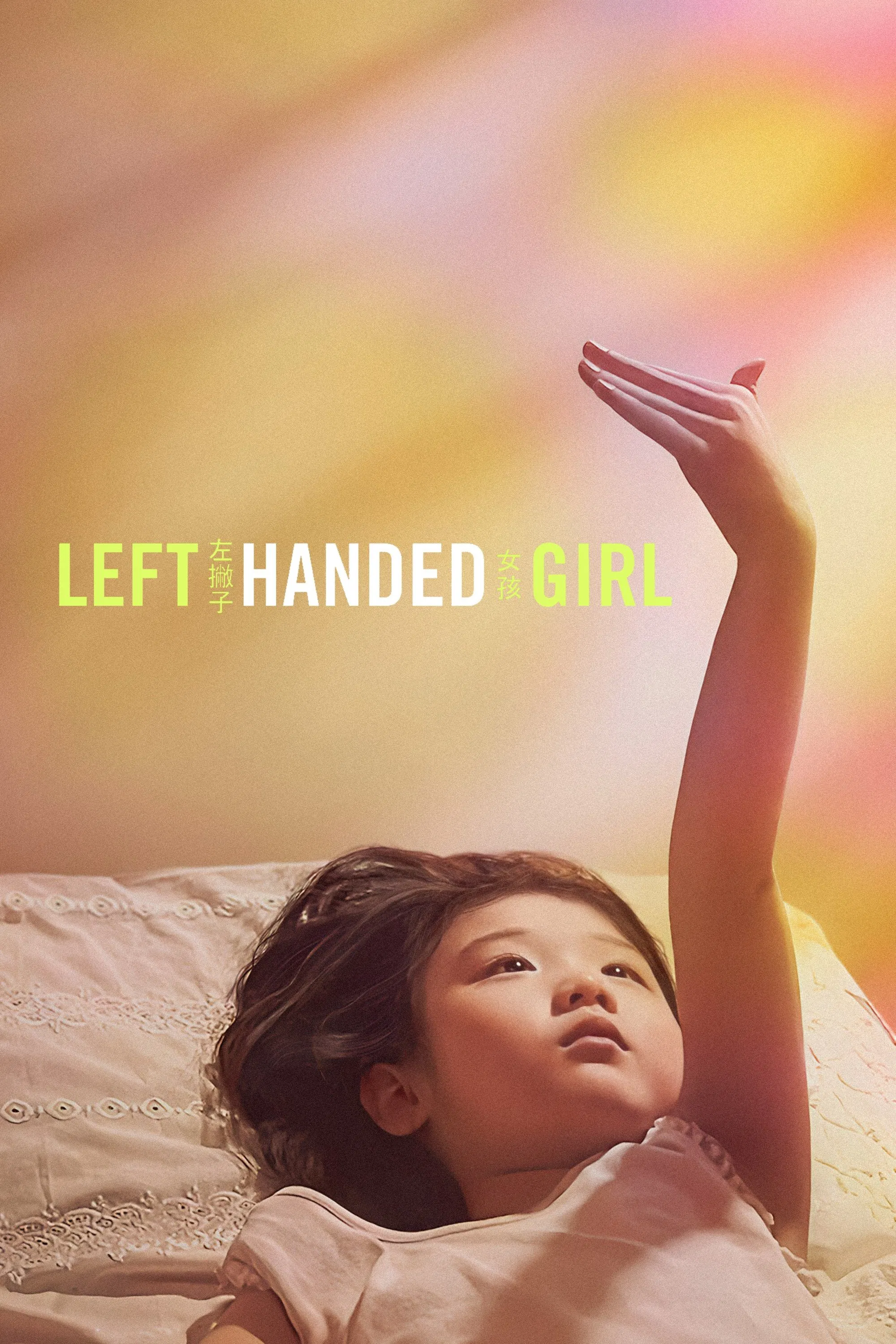
A single mother in Taipei tries to "fix" her left-handed daughter through superstition, while the daughter seeks freedom through music. It is a vibrant, rhythmic family drama about the clash between tradition and modernity, and the difficult, noisy love between a mother and child.
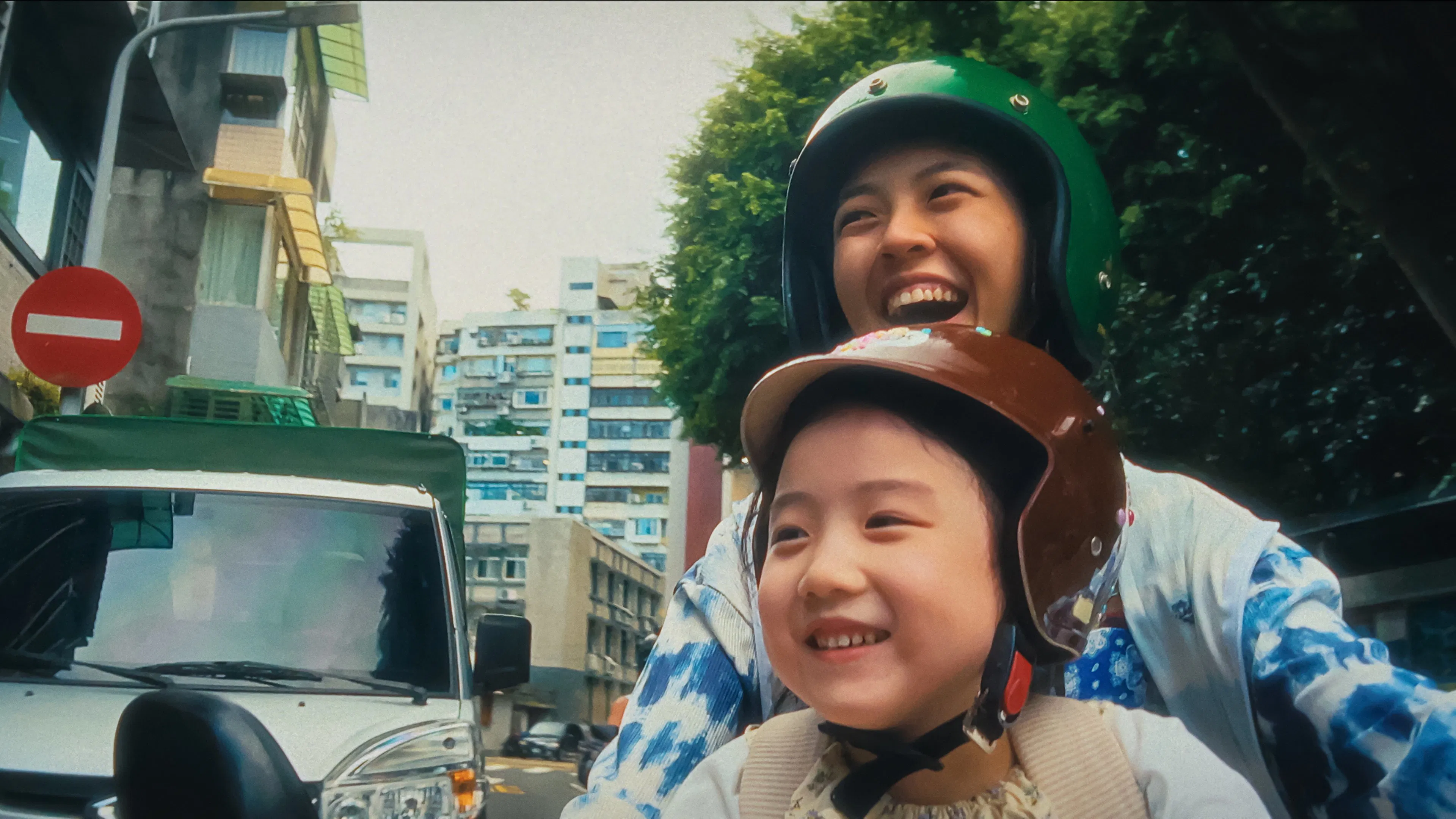
A Taiwanese family drama set in the neon-lit streets of Taipei, exploring the generational clash between a superstitious single mother and her modern, left-handed daughter who dreams of being a drummer. Shih-Ching Tsou, a longtime producer for Sean Baker, makes her solo directorial mark with a film that pulses with the energy of the city, examining how traditional beliefs about "bad luck" (like being left-handed) create invisible walls within families. The film balances humor and heartbreak, showing the mother’s frantic visits to temples and fortune tellers as misguided acts of love, while the daughter’s drumming becomes a rhythmic act of defiance. The cinematography captures the humid, vibrant atmosphere of Taipei’s night markets and cramped apartments, grounding the story in a specific cultural reality. The narrative builds to a reconciliation that doesn't solve every problem but acknowledges that love can exist without total understanding. It succeeds because it treats the superstitions not as backward nonsense but as a desperate attempt to control an unpredictable world, offering a compassionate look at how mothers and daughters try to protect each other in opposite ways.
11. 🎬 Dead to Rights (2025)
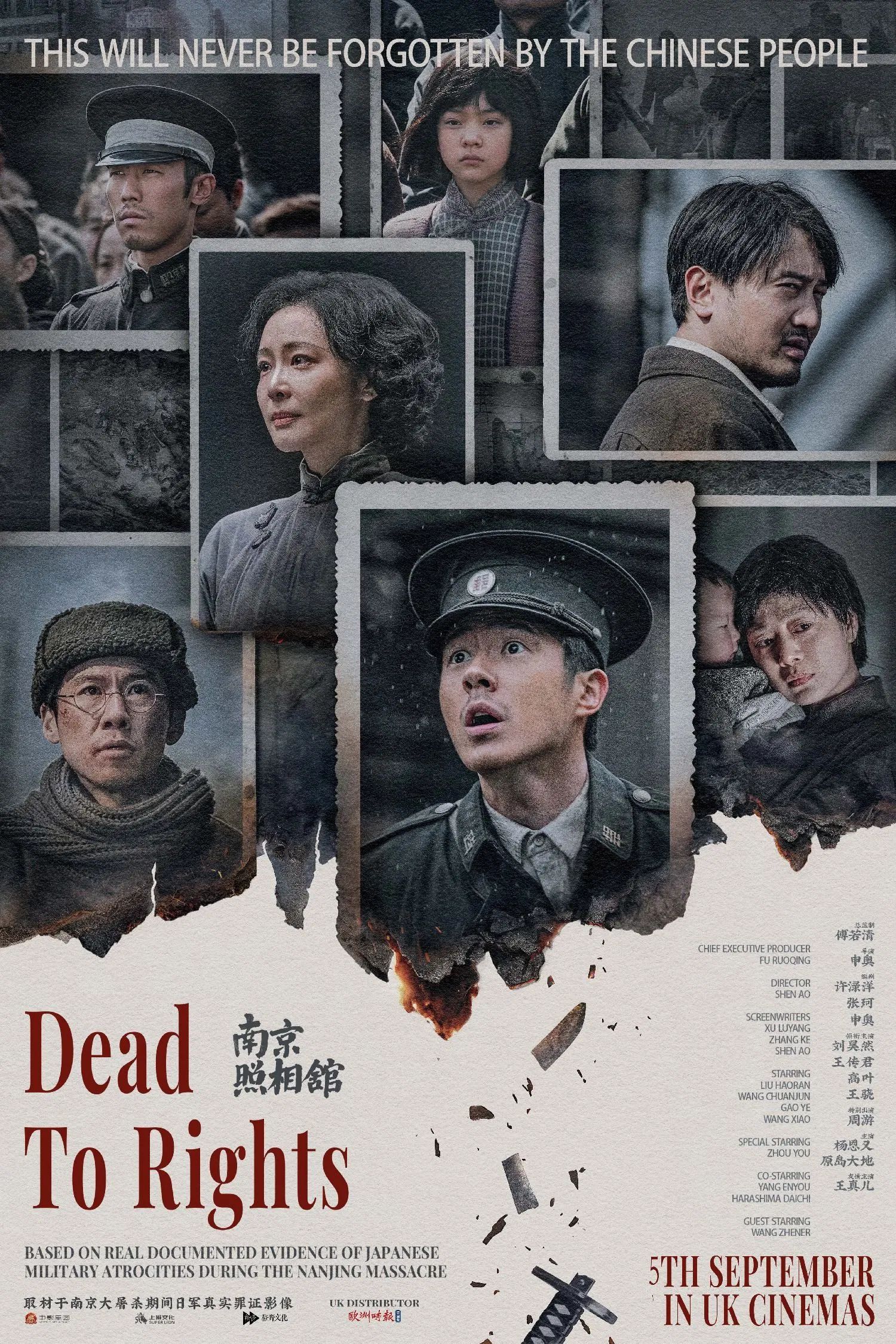
A survivor of the Nanjing Massacre poses as a photo developer for the occupying forces, secretly documenting their war crimes to ensure the truth survives. It is a harrowing, suspenseful war drama about the importance of bearing witness and the camera as a weapon of resistance.
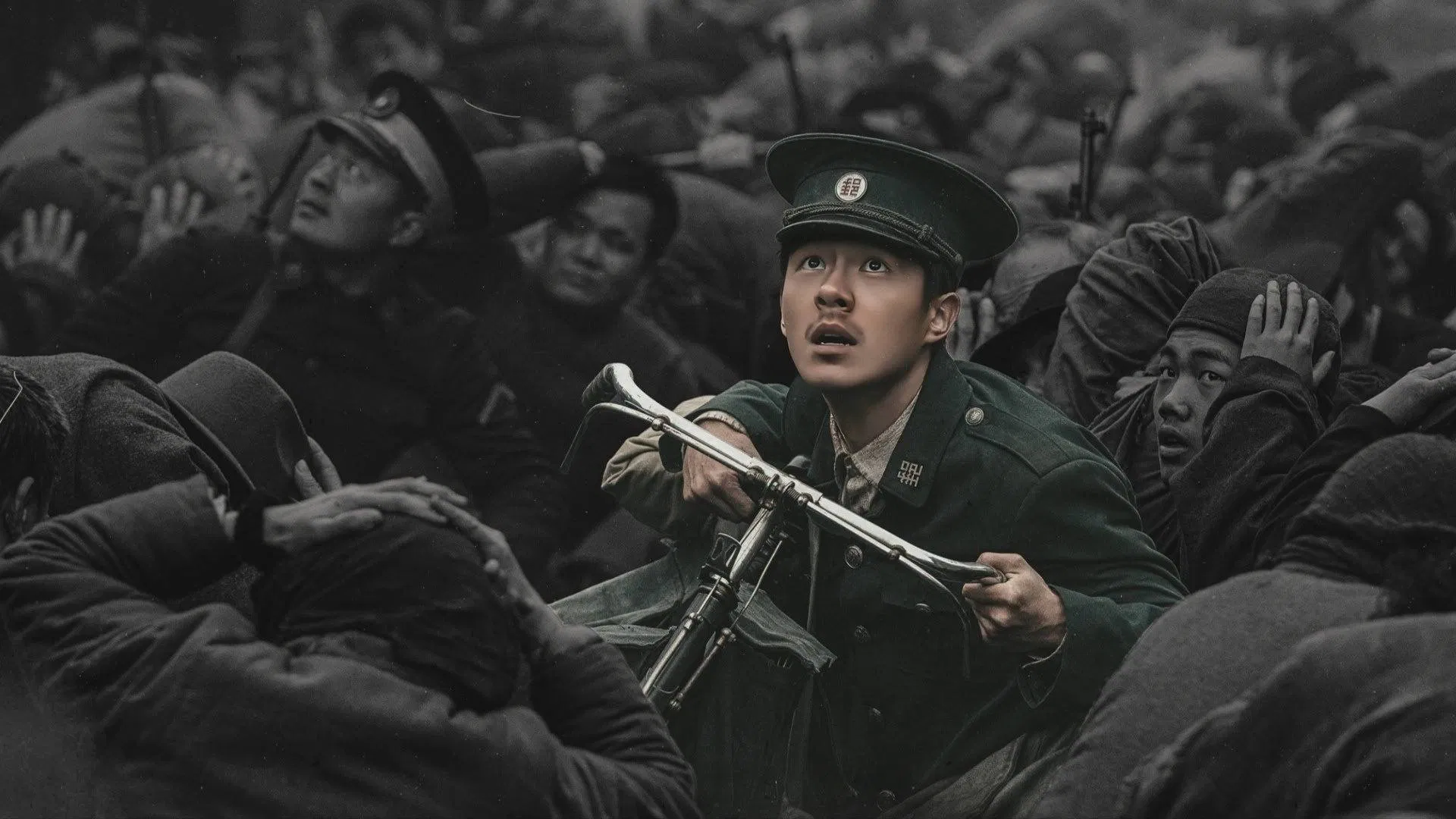
A tense historical thriller set during the 1937 Nanjing Massacre, following a Chinese man who escapes execution by posing as a photo developer for the Japanese army, using his position to document the atrocities and smuggle evidence to the outside world. Shen Ao directs a film that is grueling to watch but impossible to look away from, focusing on the power of the image as a tool of resistance and a witness to history. The protagonist is not a soldier but a terrified civilian who finds courage through his camera lens, his silent act of preservation becoming a monumental act of defiance against erasure. The film is visually stark, often using the framing of a camera viewfinder to limit the horror to what can be captured, which paradoxically makes it more terrifying. It avoids jingoism to focus on the human cost of war and the moral burden of the witness. It succeeds because it tells a story of survival through the act of remembering, proving that while armies can destroy cities, they cannot destroy the truth if someone is brave enough to record it.
12. 🎬 Rental Family (2025)
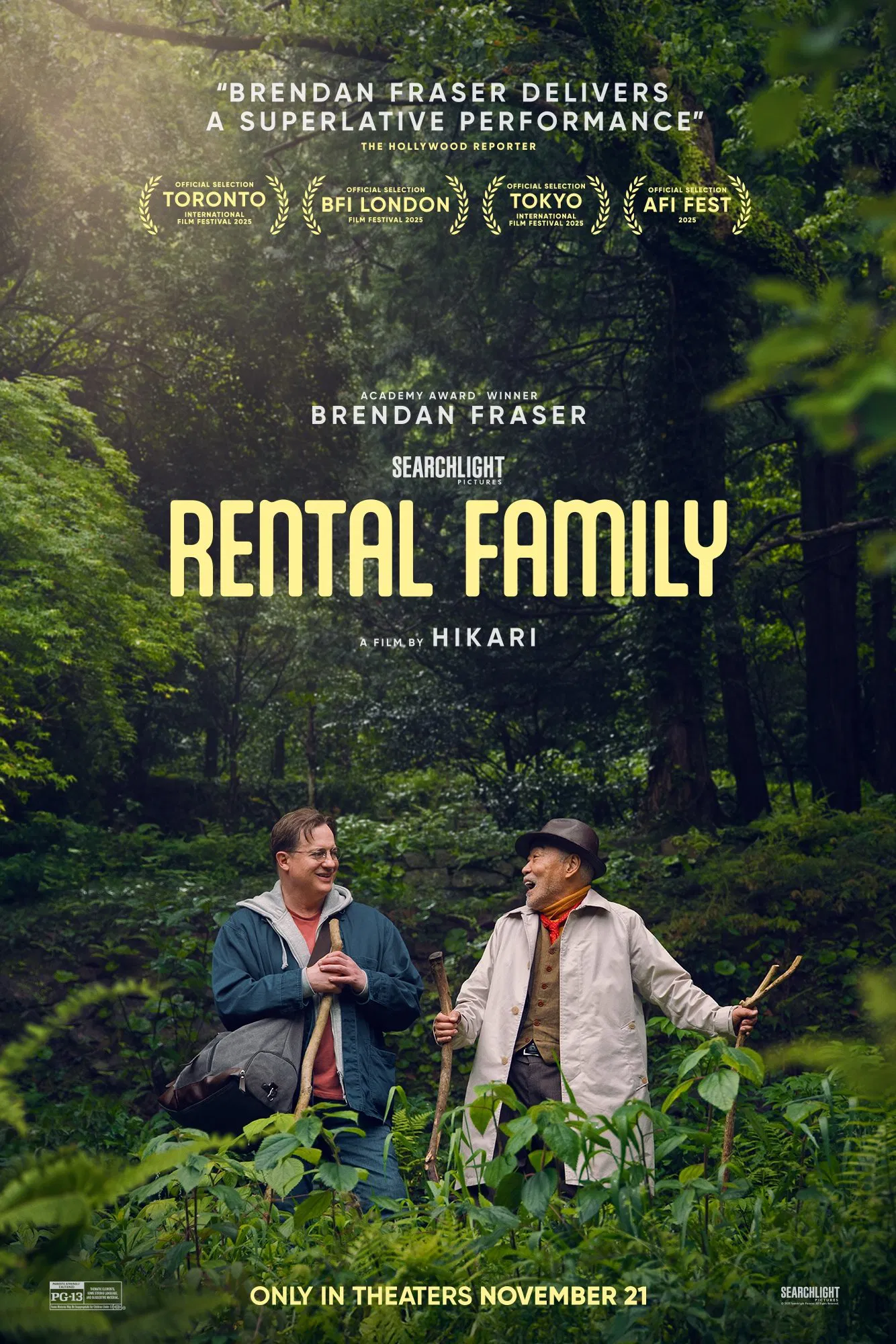
A washed-up American actor in Tokyo finds work playing fake family members for lonely clients, discovering real connection in the most artificial of circumstances. It is a warm, empathetic comedy-drama about loneliness, performance, and the universal human need to belong.
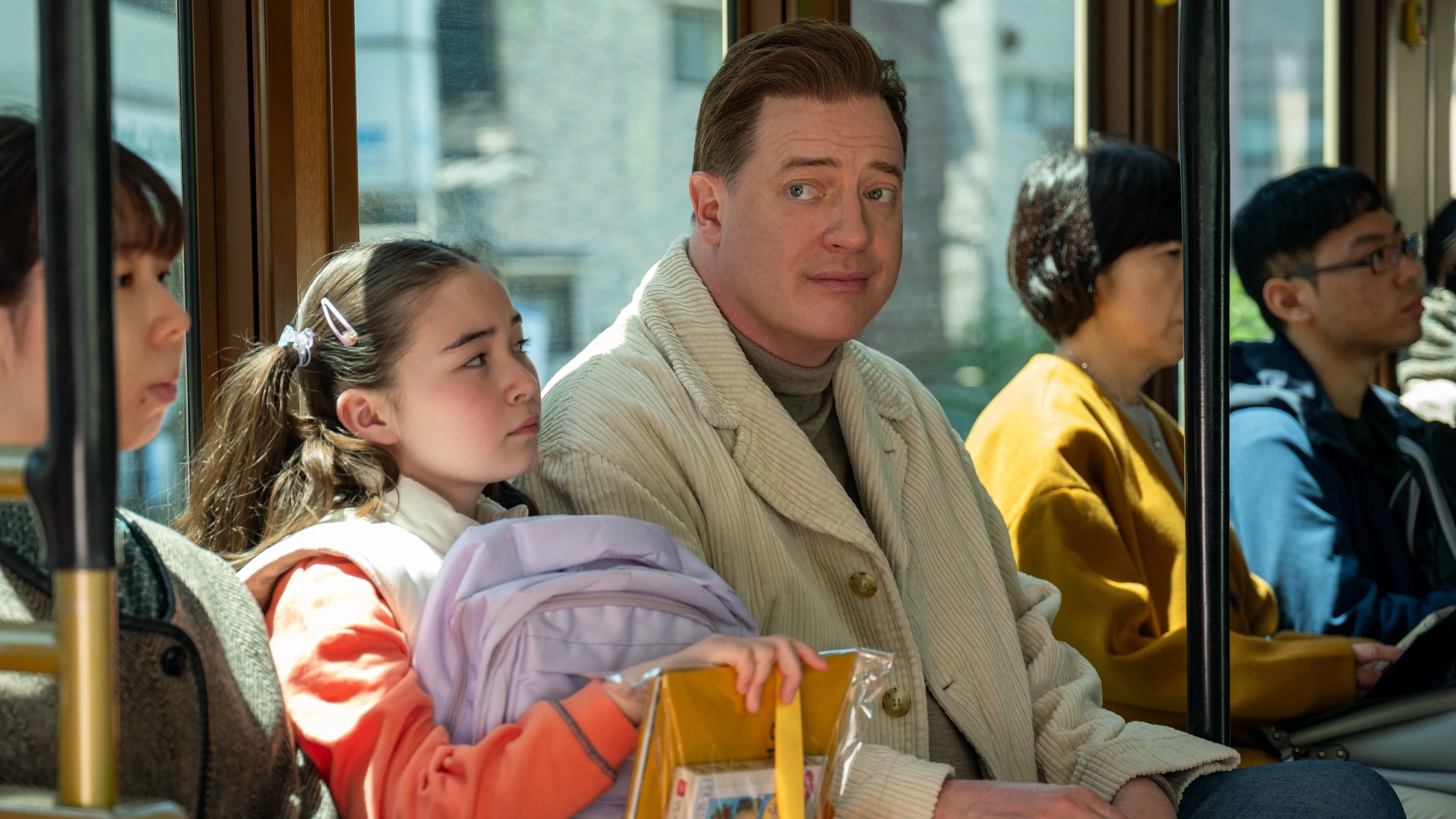
A bittersweet comedy-drama starring Brendan Fraser as a lonely, down-on-his-luck American actor living in Tokyo who finds a new lease on life by working for a "rental family" agency, playing fathers, grandfathers, and friends for hire. Hikari directs with a gentle, humanistic touch, exploring the uniquely Japanese phenomenon of renting people to fill emotional voids, while also examining the universal themes of loneliness and connection. Fraser gives a soulful, vulnerable performance as a man who is good at pretending to be family but has failed to build one of his own, his interactions with his clients revealing the deep reservoirs of sadness hidden behind Japan's polite facade. The film balances fish-out-of-water comedy with poignant moments of genuine connection, blurring the lines between the roles we play and who we really are. It succeeds because it refuses to judge the characters for their transactional relationships, instead suggesting that even a "fake" connection can provide real comfort, and that sometimes, pretending to be someone else is the first step to finding yourself.
— The Cinéprism
Keep reading
31 / 08 / 2026 · 383 reads
10 Best Endings in Film
A curated list of 10 unforgettable movie endings that leave a lasting impact long after the credits roll.
12 / 11 / 2025 · 5099 reads
Top 11 Greatest TV Shows:
These eleven extraordinary series redefine what television can be, merging unforgettable characters with stories that linger long after the screen goes dark.