
Dispatch — Long Read
The 20 Best War Movies of the 21st Century
A definitive look at the most powerful war films of the 21st century - stories that go beyond the battlefield to explore courage, sacrifice, trauma, and the human cost of conflict.
The Cinéprism
20 / 12 / 2025 · 36 min read
1. 🎬 Inglourious Basterds (2009) | Dir. Quentin Tarantino
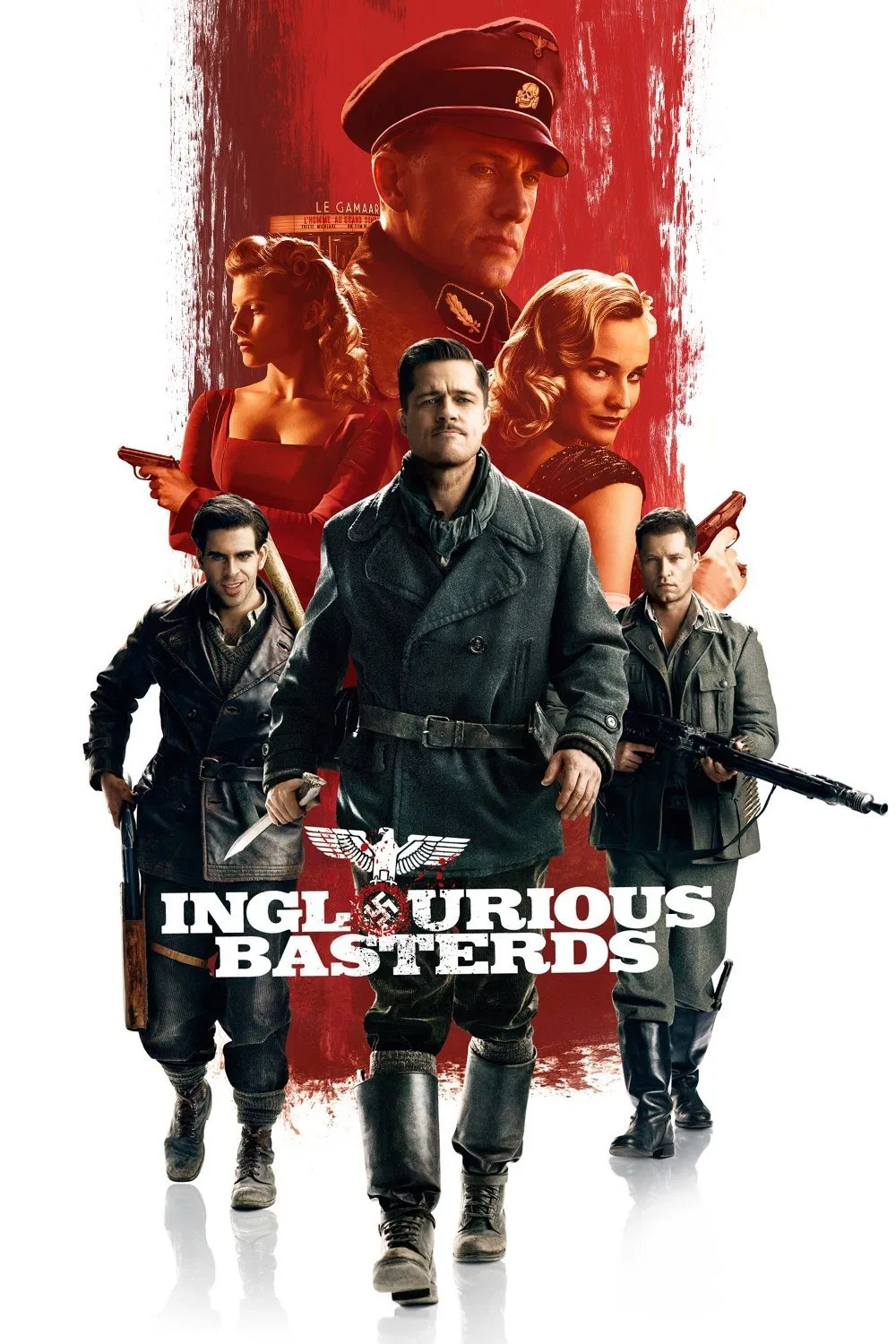
A revisionist World War II film following Jewish-American soldiers who scalp Nazis in occupied France, their mission intersecting with cinema owner Shoshana's own revenge plot against Nazi leadership attending her theater's premiere, the parallel vengeances culminating in alternate history where Hitler and high command are killed. Quentin Tarantino creates his most ambitious examination of cinema's power, showing how movies can rewrite history and provide cathartic justice that reality denied, that fiction's ability to kill Hitler represents wish fulfillment acknowledging that actual Holocaust survivors never got this satisfaction. Christoph Waltz's Hans Landa is the film's terrifying center, his opening interrogation of French farmer hiding Jewish family creating unbearable tension through polite conversation that masks murderous intent, his linguistic skills and detective work making him perfect villain whose eventual defeat feels earned despite the historical impossibility. Brad Pitt's Aldo Raine leads the Basterds with theatrical violence, their scalping of Nazis representing Jewish revenge fantasy where victims become perpetrators of violence against their oppressors, Tarantino making their brutality entertaining while also examining how revenge operates through adopting enemy's methods. What makes Inglourious Basterds essential is its examination of cinema as weapon, showing how Shoshana's plan to burn the Nazi leadership in her theater literalizes film's capacity to destroy fascism, that the movie itself becomes instrument of historical revision where Jewish characters get revenge rather than being exterminated. Tarantino structures the film as chapters that build toward convergence of multiple assassination plots, his characteristic dialogue creating lengthy scenes where characters discuss cinema and language while underlying threat of violence makes every conversation potentially fatal.
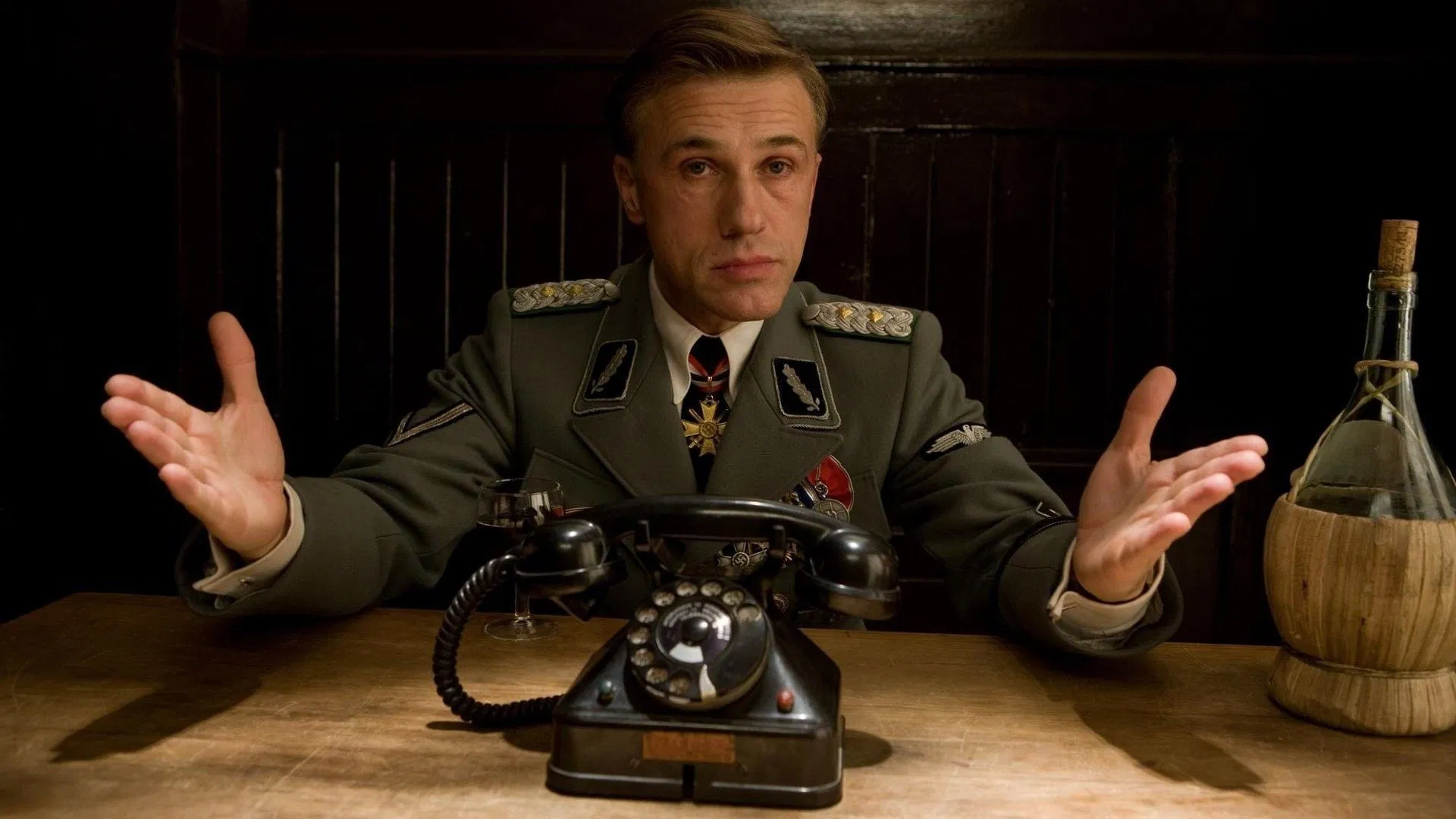
The film's treatment of language shows how Landa's multilingual abilities give him power in occupied Europe while also becoming his vulnerability when he can't speak Italian convincingly, proving that war films can examine how language itself becomes battlefield. It succeeds because Tarantino uses genre filmmaking to examine how cinema shapes collective memory, showing that rewriting history through fiction provides satisfaction that historical accuracy cannot, proving that most audacious war films are those that acknowledge their own artifice while arguing that emotional truth matters more than factual accuracy when depicting atrocities.
2. 🎬 Dunkirk (2017) | Dir. Christopher Nolan
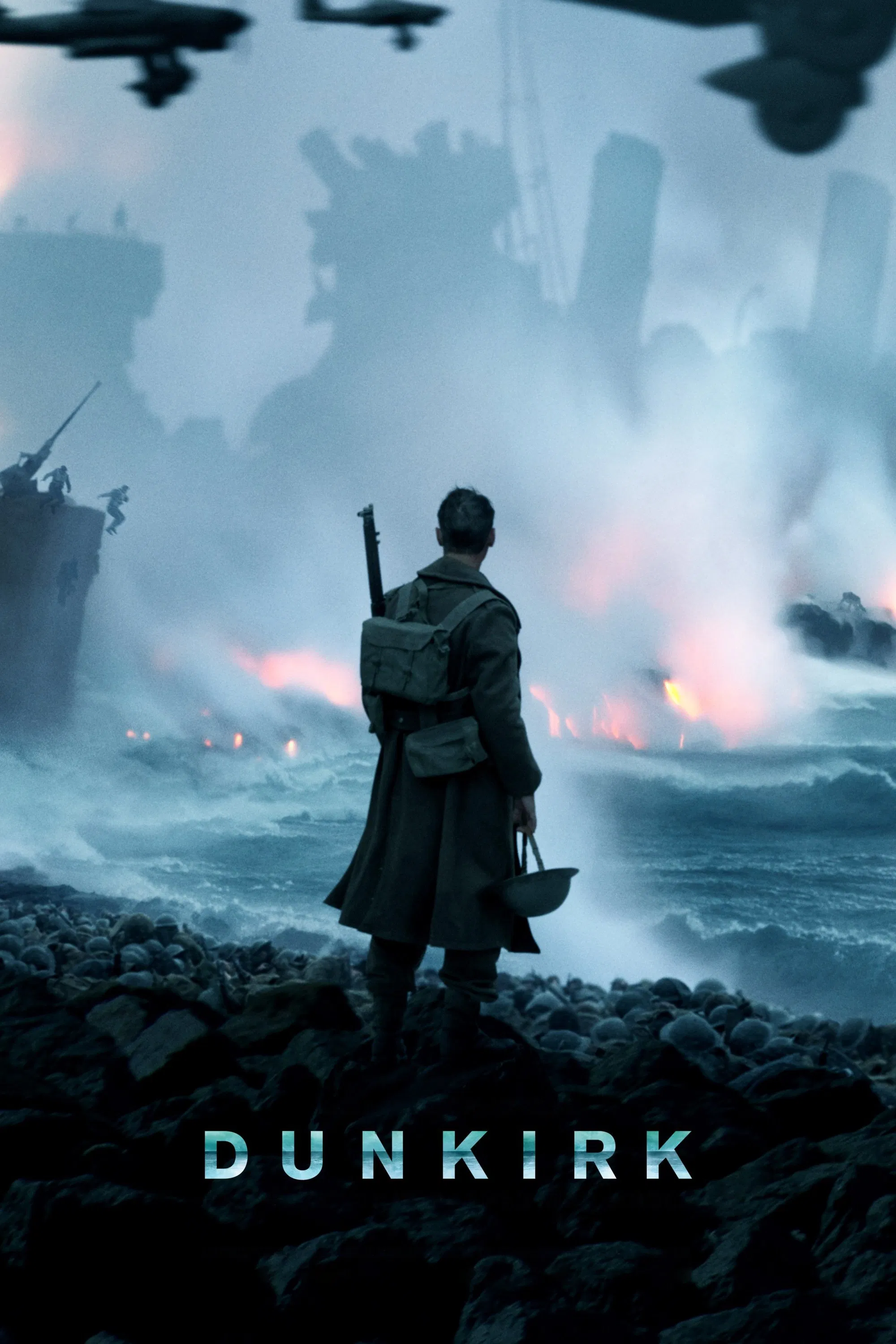
A war film following the 1940 Dunkirk evacuation from three perspectives operating on different time scales: one week on the beach, one day on a civilian rescue boat, and one hour in RAF pilot's cockpit, their convergence showing how military defeat became moral victory through civilian sacrifice. Christopher Nolan creates formally ambitious structure examining how survival sometimes requires abandoning conventional notions of heroism, showing how British soldiers' retreat from Dunkirk represented failure transformed into triumph through propaganda and collective effort that saved hundreds of thousands when annihilation seemed certain. Fionn Whitehead, Harry Styles, and other young actors play soldiers whose primary goal is survival rather than heroism, their desperation to escape the beach showing how warfare strips away glory to reveal terror and self-preservation as primary motivations. Mark Rylance's Mr. Dawson captains civilian vessel crossing Channel to rescue soldiers, his determination representing British civilian contribution that made evacuation possible while his loss of young crew member shows how rescue missions exact their own costs.
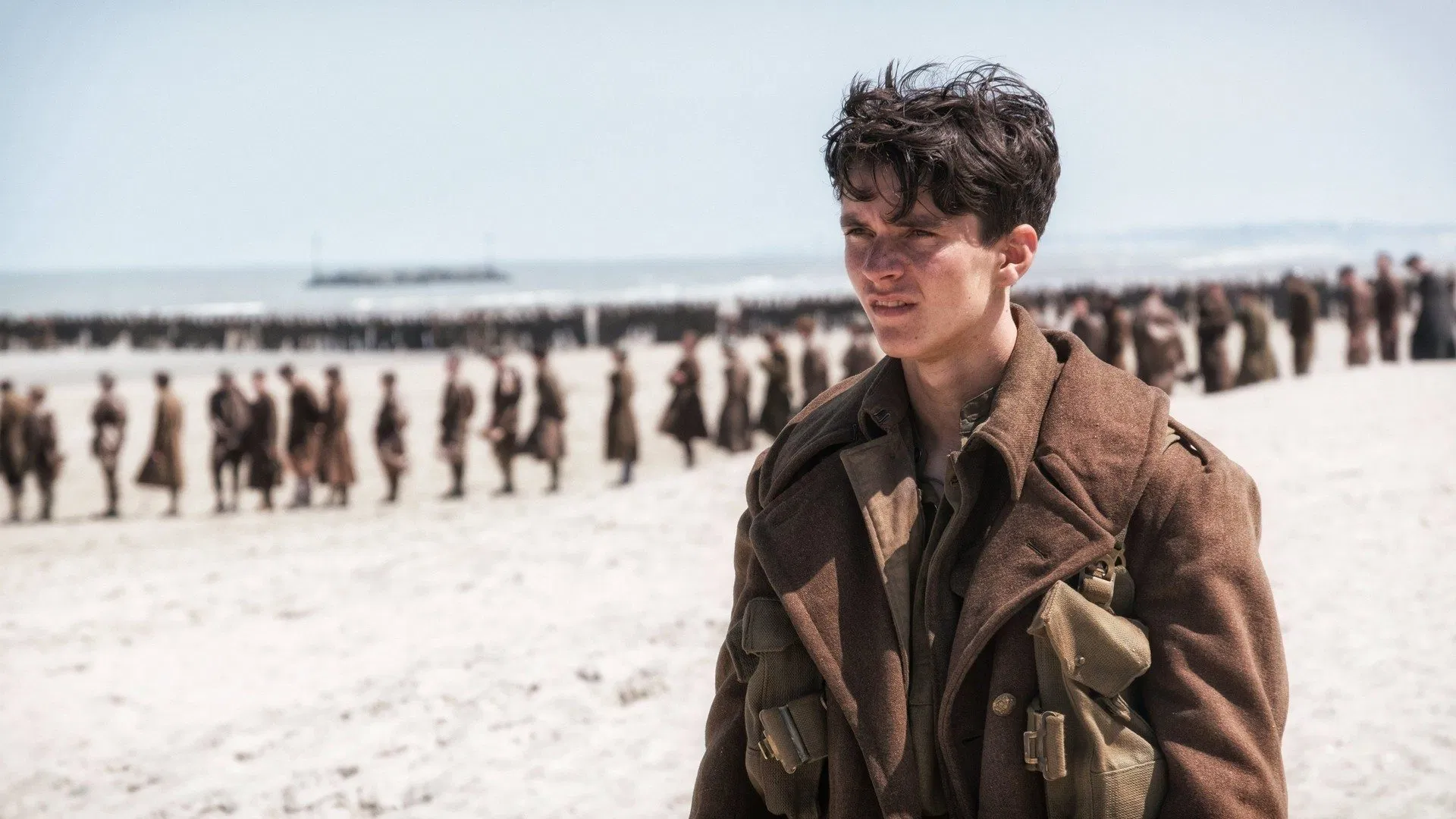
What makes Dunkirk essential is Nolan's structural ambition using three timelines that eventually converge, showing how the week-long beach evacuation, day-long boat rescue, and hour-long air battle all contributed to the larger operation, their different temporal scales creating narrative complexity that rewards attention. Nolan shoots with IMAX cameras capturing the beach's vast emptiness and the Spitfire cockpit's claustrophobia, Hoyte van Hoytema's cinematography making the scale of both the trapped army and the rescue armada visible, showing hundreds of thousands of men vulnerable on exposed beach. The film's minimal dialogue emphasizes experiential over explanatory approach, Hans Zimmer's ticking score building tension that never fully releases, creating persistent anxiety matching soldiers' terror of being bombed or torpedoed while waiting for rescue that might not come. It succeeds because Nolan examines how military disasters can become foundational myths when civilians transform defeat into deliverance, showing that Dunkirk's significance lies less in tactical outcome than in demonstrating national resilience, proving that most formally innovative war films are those that use structure to make arguments about how we remember historical events differently depending on where we were and what role we played.
3. 🎬 1917 (2019) | Dir. Sam Mendes
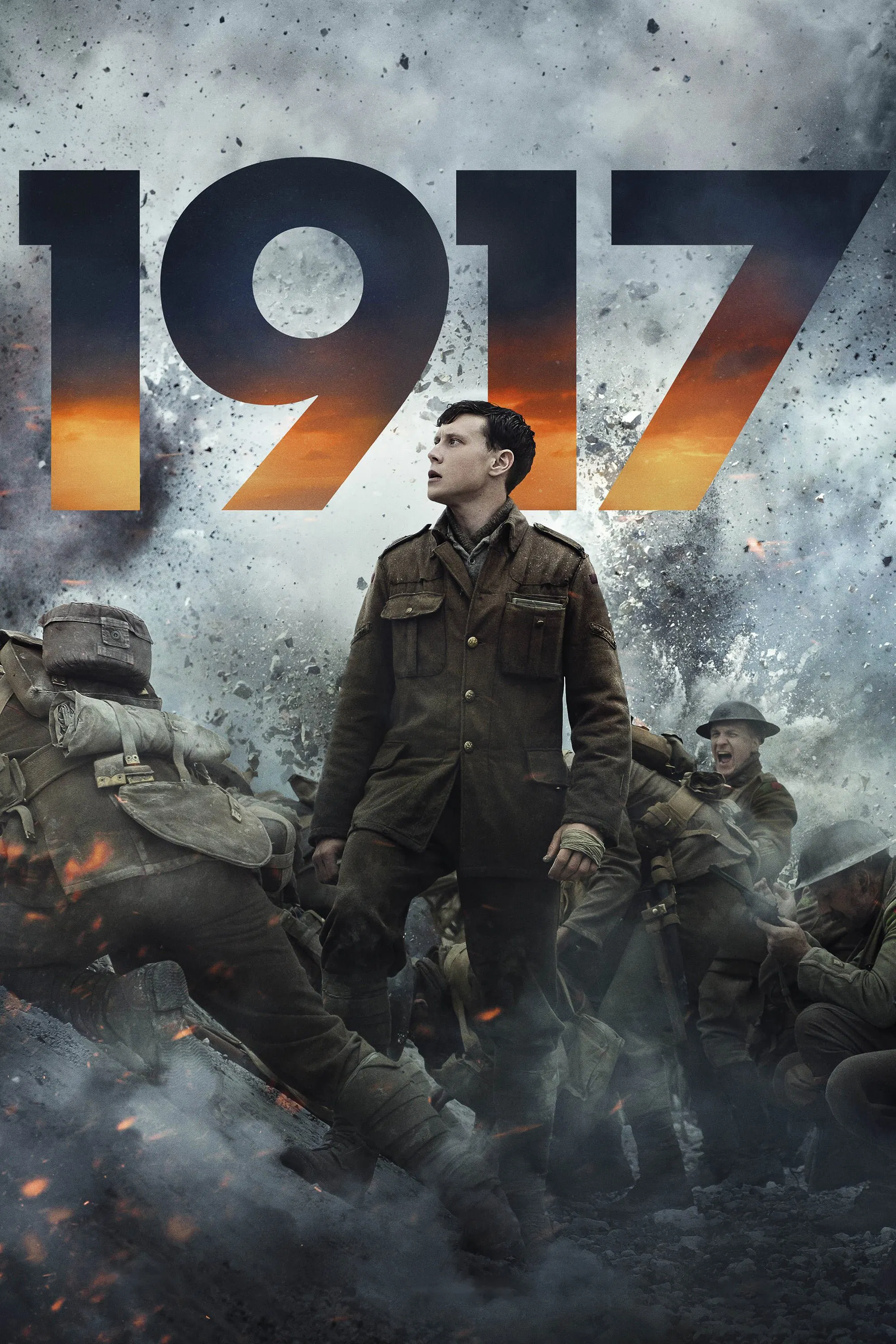
A World War I film following two British soldiers given mission to cross No Man's Land and German territory to deliver message canceling attack that would walk into trap, their journey captured in what appears to be single continuous take emphasizing real-time urgency. Sam Mendes creates technical showcase that uses apparent unbroken shot to make audience experience time's passage as soldiers do, showing how the mission's time limit creates constant pressure where any delay means sixteen hundred men will die in futile assault. George MacKay plays Schofield with determination that barely conceals terror, his character's journey from relative safety of British trenches through recently abandoned German positions and across devastated French countryside showing Western Front's landscape of industrial death. Dean-Charles Chapman's Blake is his companion until being killed by German pilot they rescued, his death transforming Schofield's mission from shared duty to personal obligation to honor friend's sacrifice. What makes 1917 essential is its formal commitment to appearing as single take, Roger Deakins's cinematography and careful planning creating seamless transitions that make two-hour film feel like real-time experience, proving that technical ambition serves thematic purpose of making audience feel soldiers' exhaustion and desperation.
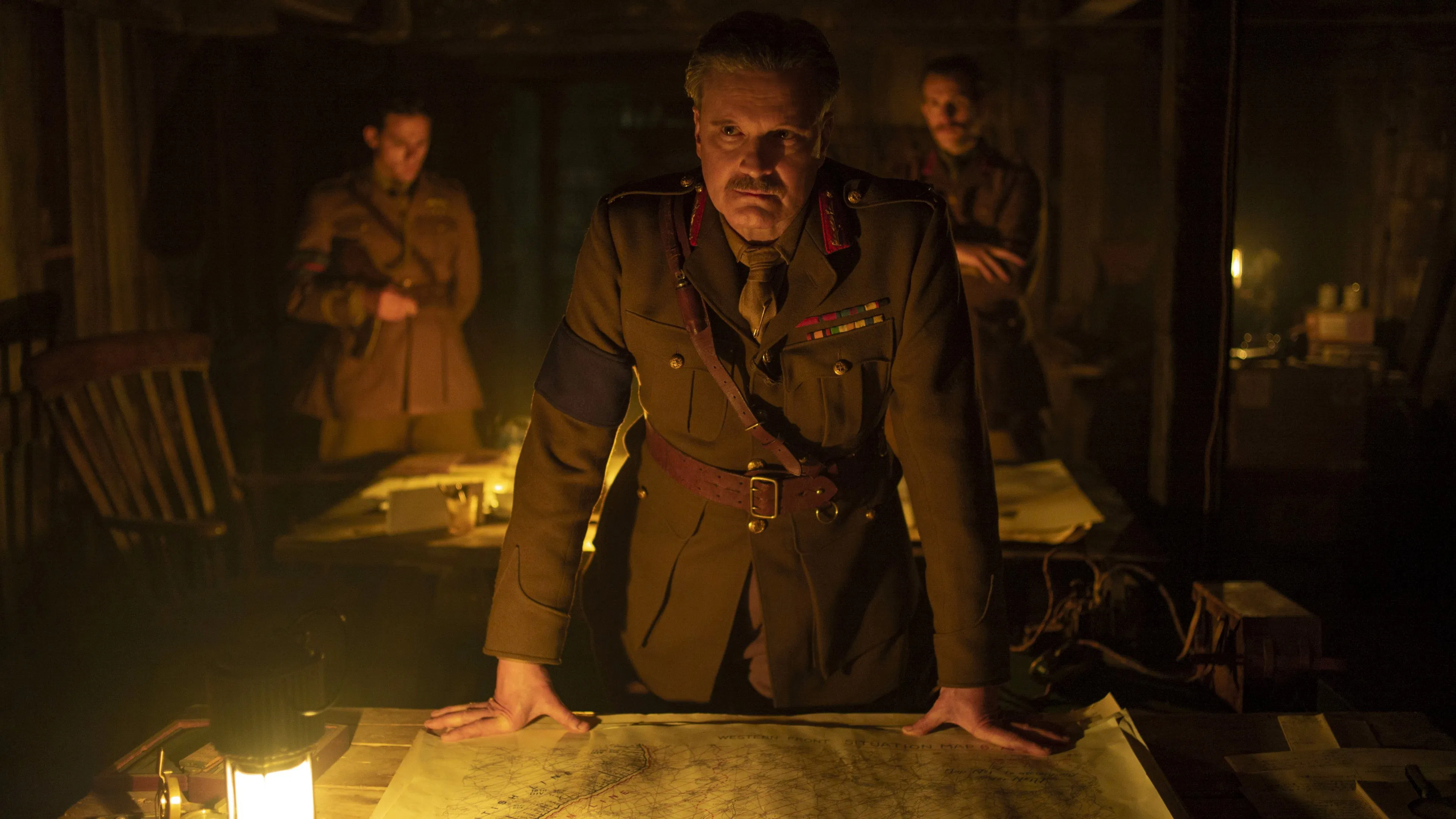
Mendes shoots the trenches and No Man's Land with attention to how terrain itself becomes obstacle, showing how barbed wire, craters, and mud make movement dangerous even without enemy fire, the landscape itself weaponized through years of artillery that's transformed France into moonscape. The film's treatment of how soldiers navigate between British and German lines shows how modern warfare created spaces of death where advancing means exposing yourself to machine guns and artillery that make heroic charges into mass slaughter, that survival requires moving carefully through terrain designed to kill anyone crossing it. The sequence where Schofield runs parallel to attacking troops trying to reach commanding officer before assault begins creates unbearable tension as we watch him risk death to prevent larger massacre, showing how individual courage matters even when systems are designed to waste lives through incompetent leadership. It succeeds because Mendes uses formal constraint of continuous shot to make philosophical argument about war's temporality, showing that soldiers experience combat as unbroken stream of threats rather than edited highlights, proving that most technically ambitious war films are those where formal innovation serves to make audience experience rather than just observe what soldiers endured.
4. 🎬 The Hurt Locker (2008) | Dir. Kathryn Bigelow
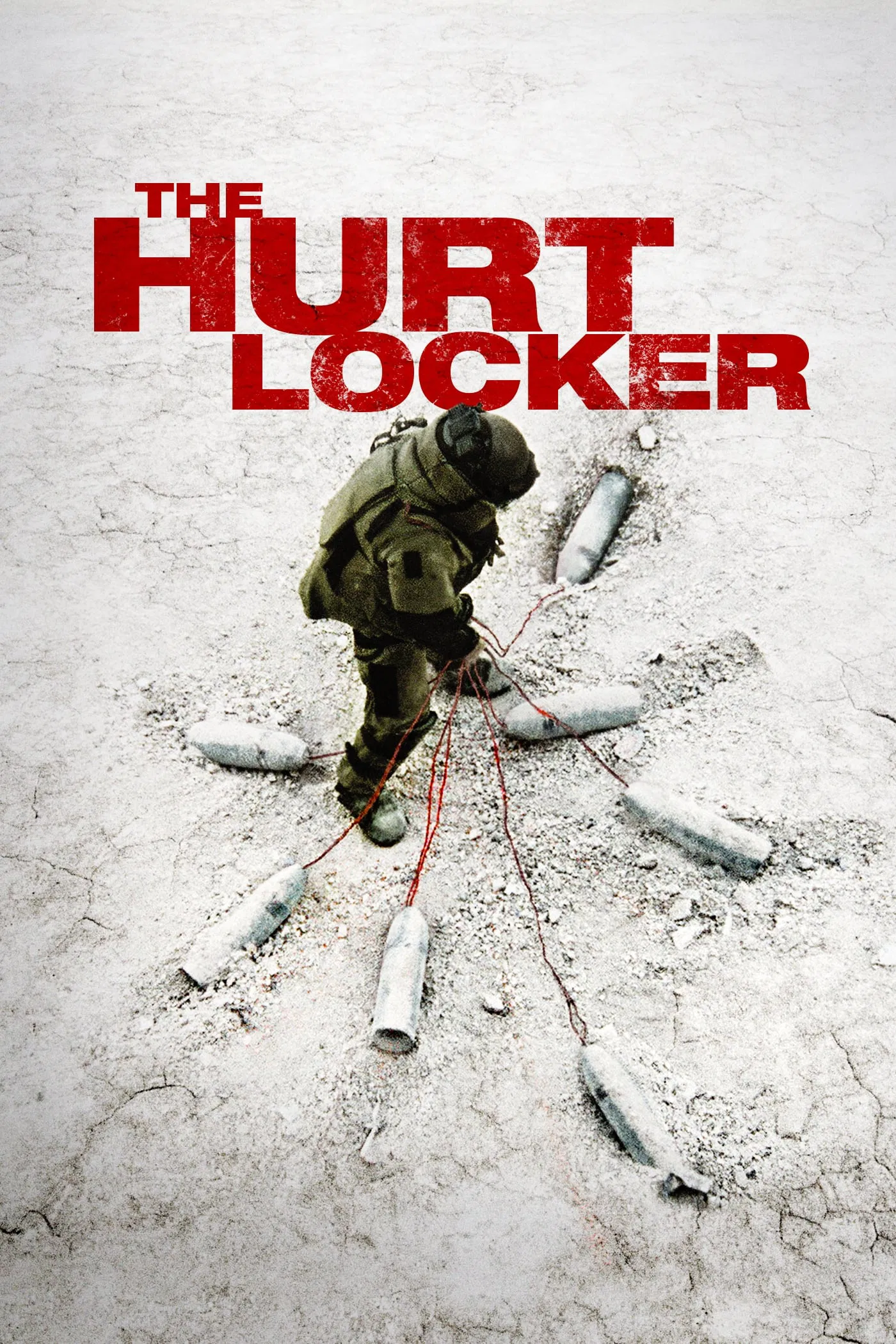
A war film following Army bomb disposal team in Iraq, Sergeant James's addiction to danger and disregard for safety protocols creating tension with team members who want to survive their deployment rather than take unnecessary risks defusing improvised explosive devices. Kathryn Bigelow creates examination of how warfare becomes addiction for those who excel at violence, showing how James's skill at bomb disposal masks death wish or need for adrenaline that makes him incapable of civilian life, that some soldiers are broken by war while others are completed by it. Jeremy Renner plays James with cocky competence that his team recognizes as suicidal, his decision to investigate suspicious situations rather than calling in support showing someone who needs to prove himself repeatedly through risking death, making him simultaneously their best chance of survival and most likely to get them killed. Anthony Mackie's Sanborn and Brian Geraghty's Eldridge are team members whose reasonable fear of death makes James's recklessness infuriating, their conflict representing different philosophies about risk assessment where James treats every bomb as personal challenge while they view survival as primary objective.
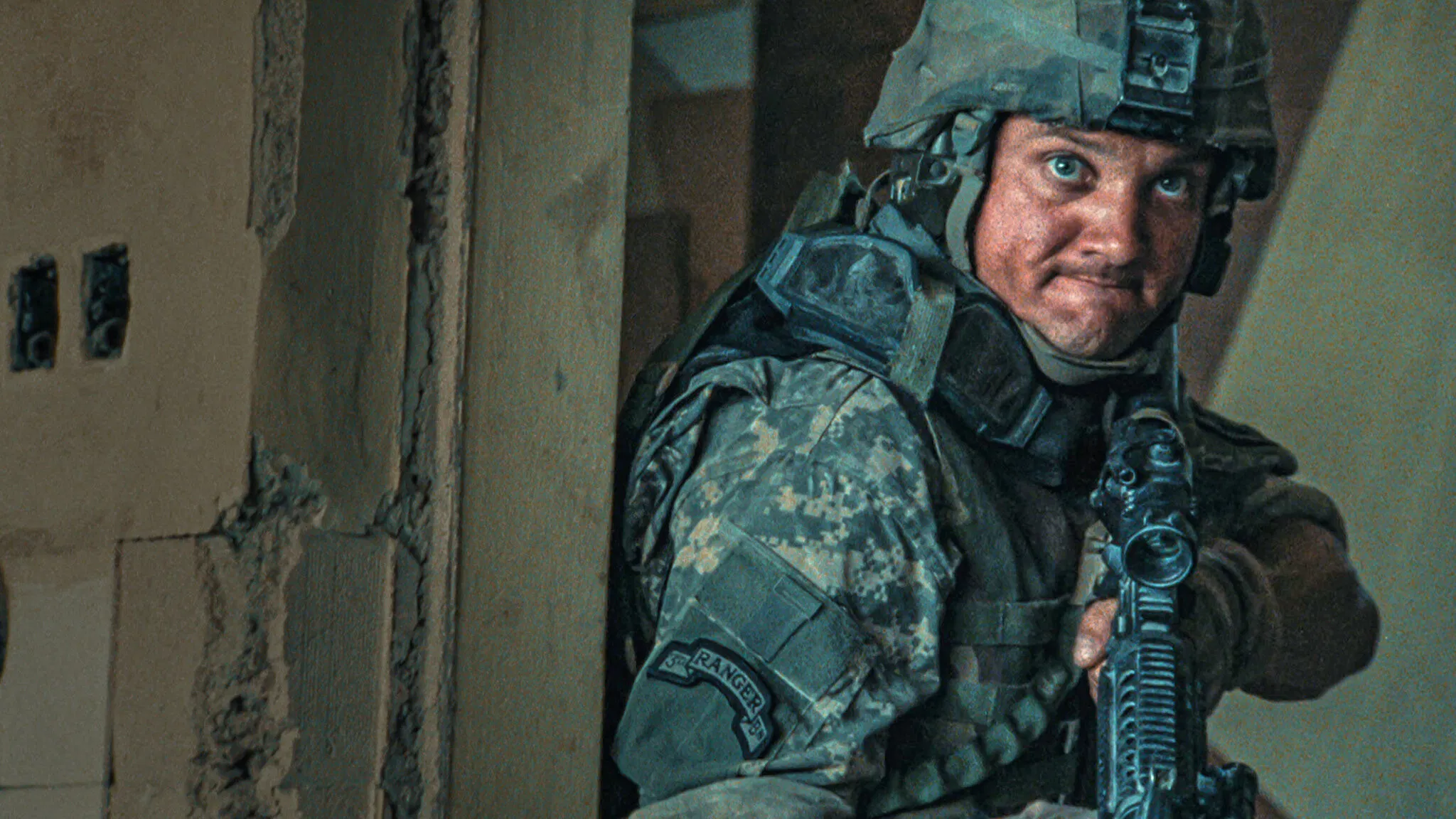
What makes The Hurt Locker essential is its examination of how Iraq War operated through constant low-level threat where IEDs could be anywhere, showing how soldiers develop paranoia about every pile of trash or parked car potentially containing bombs, that hypervigilance required for survival creates psychological damage that persists long after deployment ends. Bigelow shoots the bomb disposal sequences with documentary-like immediacy, Barry Ackroyd's handheld cameras creating sensation of being present as James works, the tension coming from knowledge that single mistake means death for everyone nearby, making technical procedure into life-or-death drama. The film's structure as series of missions during James's rotation shows cumulative toll of constant exposure to death, each successful disposal just prelude to next bomb that might kill him, creating exhausting rhythm that mirrors soldiers' experience of deployment as endless series of threats. The ending where James returns to Iraq for another tour after brief attempt at civilian life reveals someone who's only comfortable when death is imminent, showing how war creates addicts who need combat's intensity because normal life feels unbearably boring. It succeeds because Bigelow examines how modern warfare creates new forms of trauma through constant threat rather than pitched battles, showing that soldiers fighting in Iraq and Afghanistan face different psychological challenges than previous wars because enemy is invisible and every moment could be last, proving that most psychologically acute war films are those examining how sustained exposure to death becomes addiction for some even as it destroys others.
5. 🎬 All Quiet on the Western Front (2022) | Dir. Edward Berger
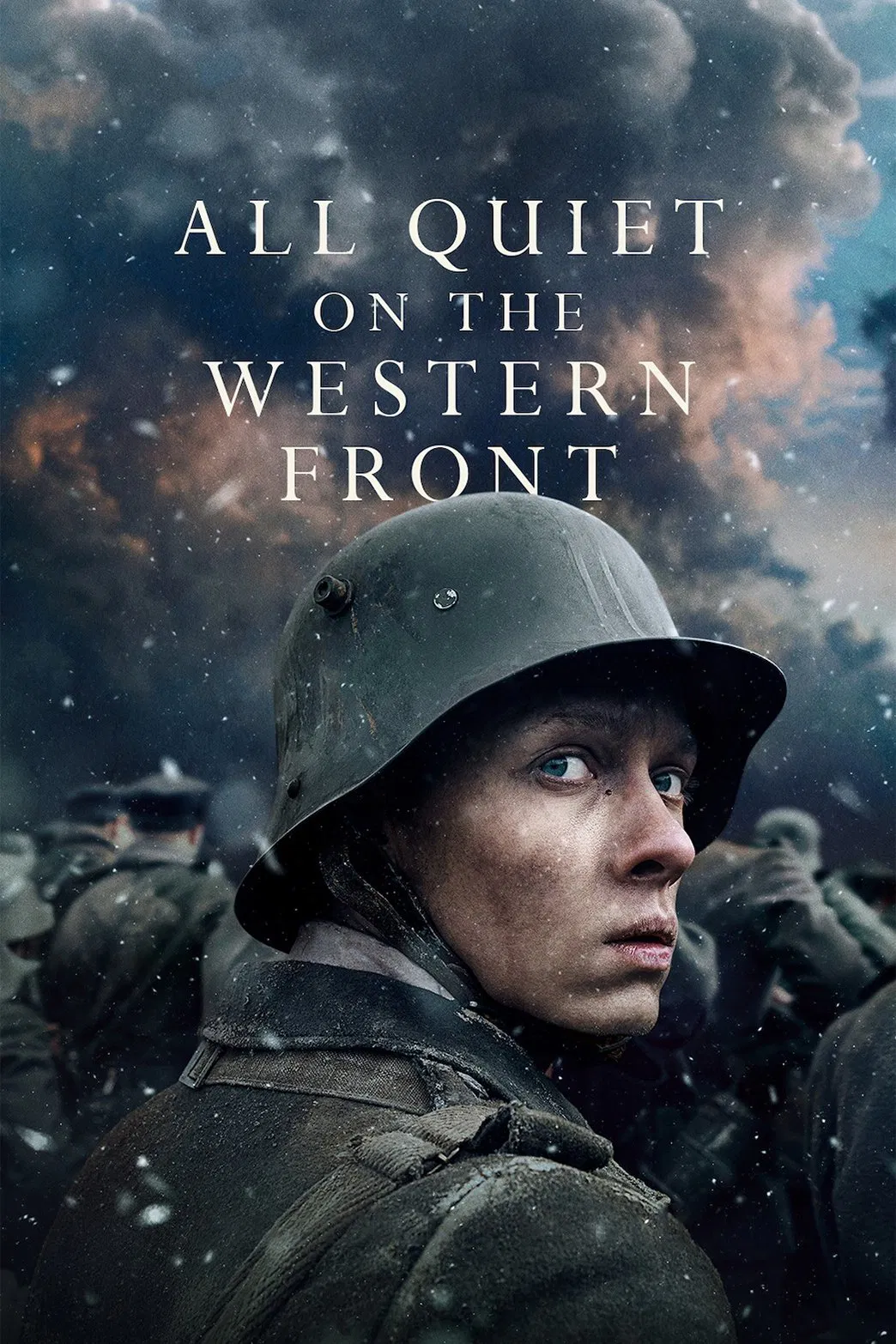
A German anti-war film following young recruit Paul Bäumer whose enthusiasm for serving the Fatherland gets destroyed by trench warfare's industrial horror, his gradual disillusionment showing how nationalist propaganda prepares boys for glory while reality is mud, hunger, and senseless death. Edward Berger adapts Erich Maria Remarque's novel with visceral brutality that makes World War I's futility tangible, showing how Paul and his classmates are ground into meat by artillery, machine guns, and gas attacks that make individual bravery irrelevant when killing has been industrialized. Felix Kammerer plays Paul with transformation from innocent to traumatized survivor, his face aging years across months of combat, his return home on leave showing how gulf between soldiers' experience and civilians' understanding makes communication impossible. What makes All Quiet on the Western Front essential is its examination of how nationalism sends young men to die for abstract concepts while generals and politicians who declared war never face bullets, showing parallel storyline of German armistice negotiations where men in suits discuss honorable terms while soldiers die in final hours before ceasefire takes effect. Berger shoots the Western Front with mud and blood that never wash away, James Friend's cinematography making the trenches feel like graves where men wait to be killed, the No Man's Land sequences showing how advancing means running into machine gun fire that cuts down waves of soldiers before they reach enemy lines.
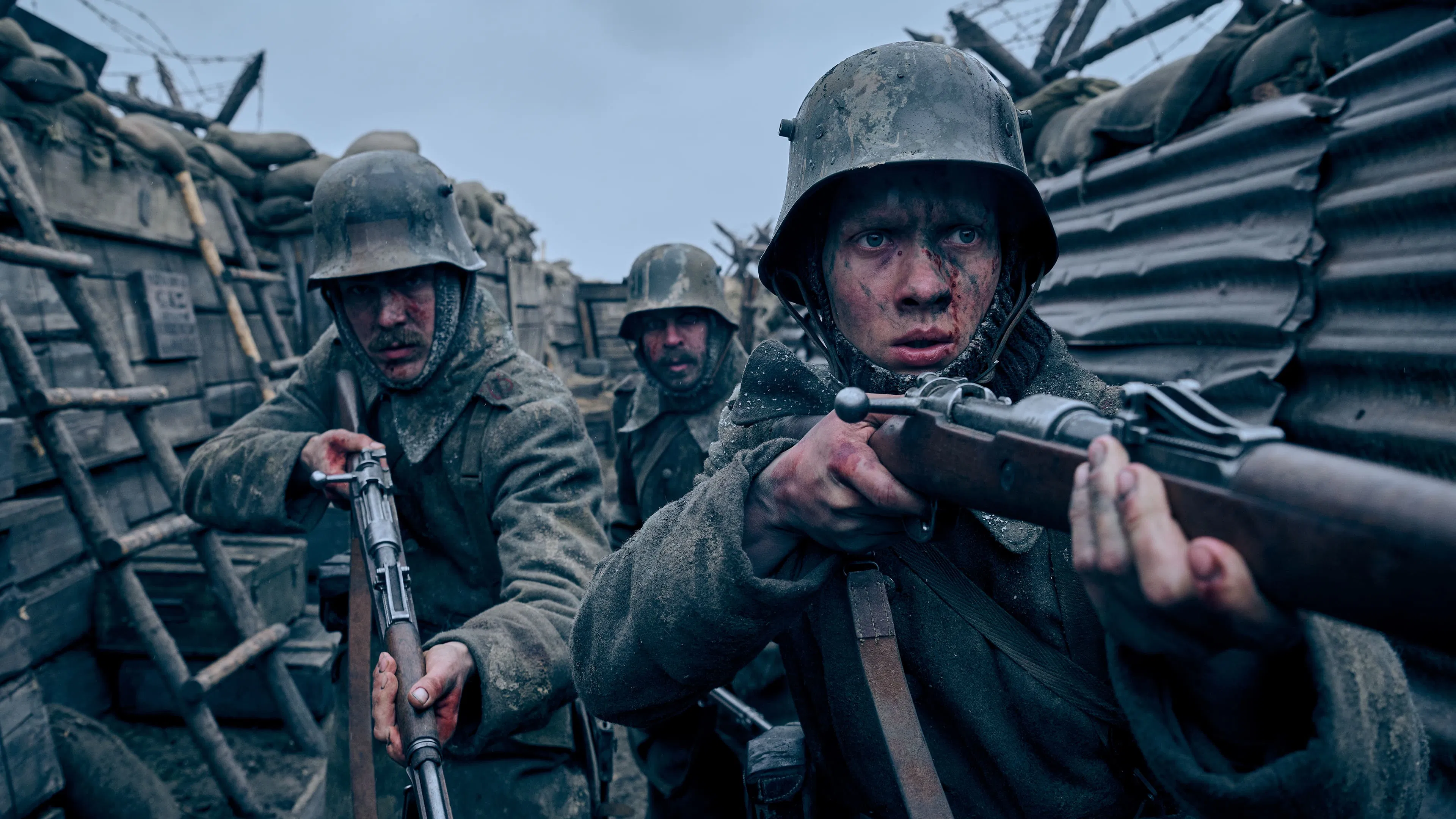
The film's treatment of how Paul kills French soldier in shell crater creates rare moment of individual combat where he must watch the man die slowly, their shared humanity in that confined space making abstract enemy into real person whose death weighs on Paul's conscience, showing how warfare requires dehumanizing opponents to make killing psychologically tolerable. The famous ending where Paul is killed by sniper in final minutes before armistice takes effect represents ultimate futility, showing how every death in war is meaningless but those occurring after peace terms are agreed feel especially absurd, proving that timing of death matters less than that young men die for old men's conflicts. It succeeds because Berger refuses to make warfare even slightly redemptive, showing combat as mechanized slaughter where individual courage or skill matter less than luck, that World War I represents modernity's culmination where industrial efficiency applied to killing created unprecedented carnage, proving that most powerful anti-war films are those that strip away any possible glory to show warfare as it actually is rather than how propaganda depicts it.
6. 🎬 The White Ribbon (2009) | Dir. Michael Haneke
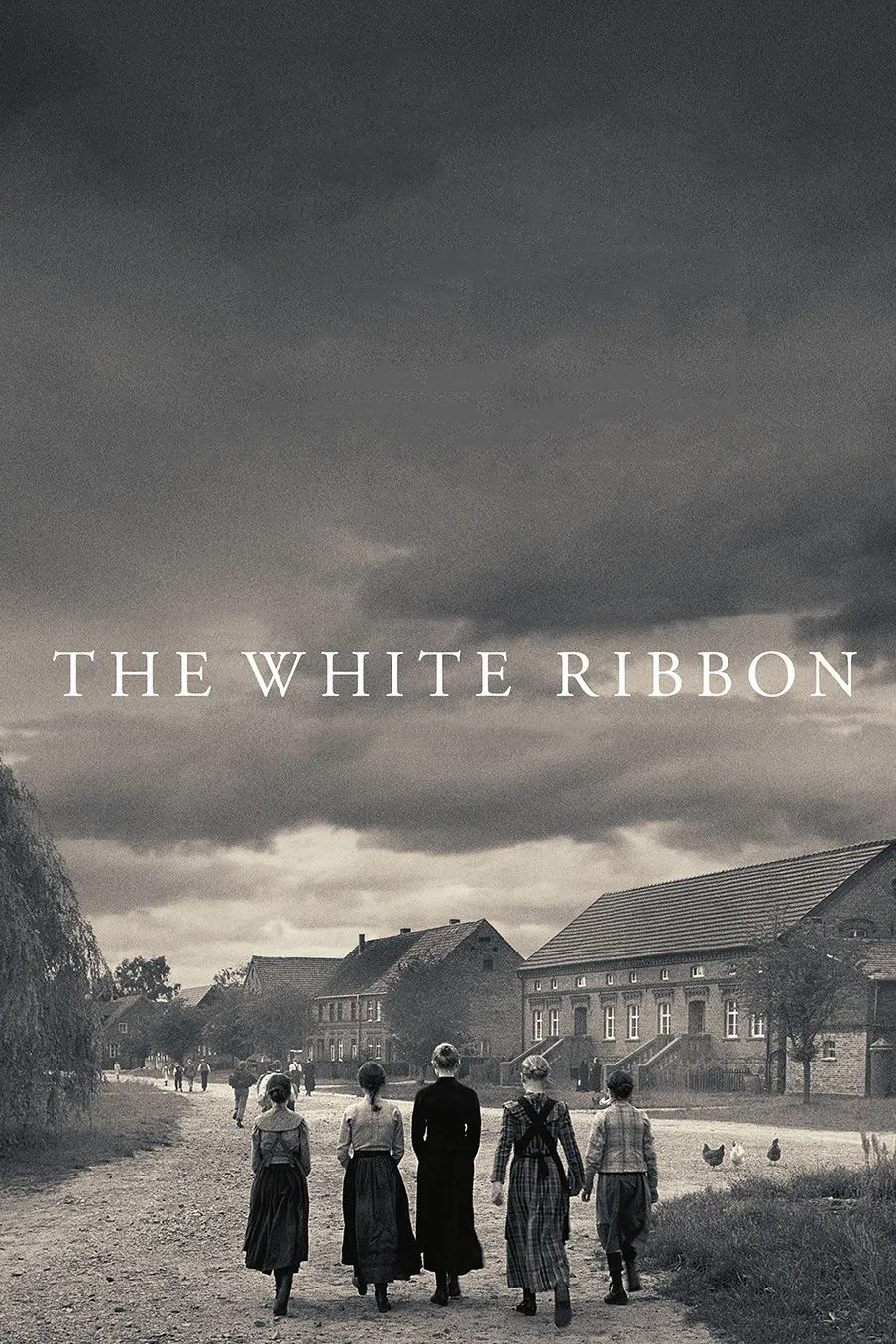
A German period drama set in village on eve of World War I, mysterious accidents and cruelties against children and animals revealing authoritarian and repressive structures that will eventually produce Nazism, the film examining how childhood abuse and rigid patriarchy create conditions for fascism's emergence. Michael Haneke creates deliberately opaque narrative where we never definitively learn who committed the crimes but recognize that the village's entire social order is diseased, showing how Protestant moral rigidity and class hierarchy create children capable of systematic cruelty disguised as righteousness. The ensemble cast creates believable pre-WWI German village where pastor, doctor, baron, and teacher maintain social order through violence and shame, their children absorbing lessons about power and punishment that they'll apply when they grow into adults who enable or commit Nazi atrocities. What makes The White Ribbon essential is its examination of how fascism emerges from supposedly civilized society, showing how authoritarian parenting, religious fundamentalism, and class oppression create psychological conditions where young people develop capacity for violence against vulnerable people while believing they're enacting divine justice.
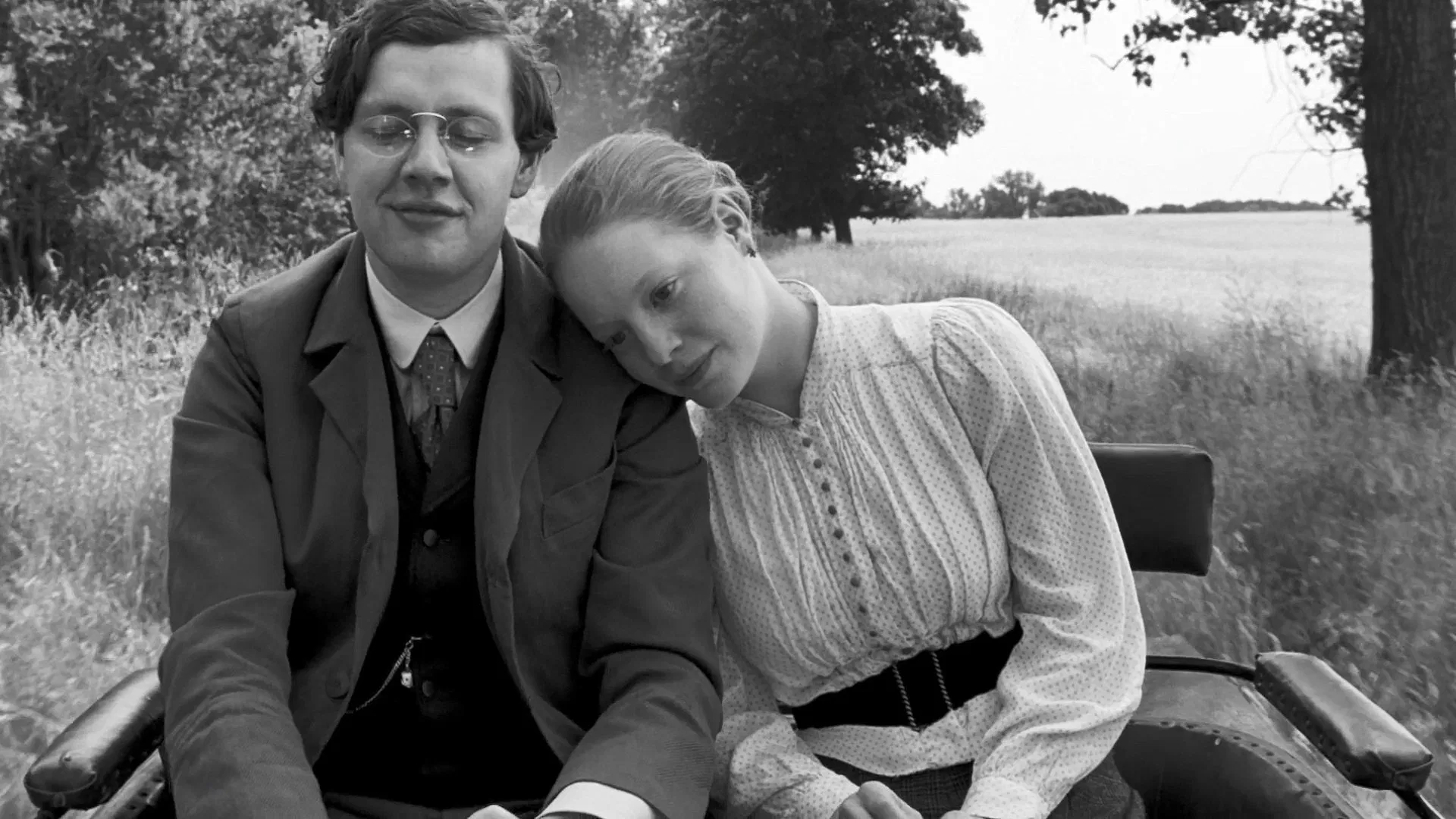
Haneke shoots in high-contrast black and white that makes the village look simultaneously beautiful and sinister, Christian Berger's cinematography creating austere aesthetic matching the characters' repressed existence, showing how surface respectability conceals abuse and cruelty that everyone knows about but no one acknowledges. The film's structure as mystery that refuses solution represents Haneke's argument that identifying individual perpetrators matters less than recognizing the entire system is guilty, that children raised with violence and shame internalize those lessons and will eventually create society built on systematic violence against those deemed inferior. The narrator's role as teacher who observes but cannot prove what he suspects creates frustration where adult responsibility means recognizing that evil is happening but lacking power to prevent it, showing how institutions protect abusers when victims lack social standing to make accusations credible. It succeeds because Haneke examines how Nazism didn't emerge from nowhere but from specific cultural and religious traditions that emphasized obedience over empathy, punishment over forgiveness, proving that most politically urgent historical films are those showing how fascism develops through processes that seem normal until accumulated abuses produce generation capable of organized genocide.
7. 🎬 Fury (2014) | Dir. David Ayers
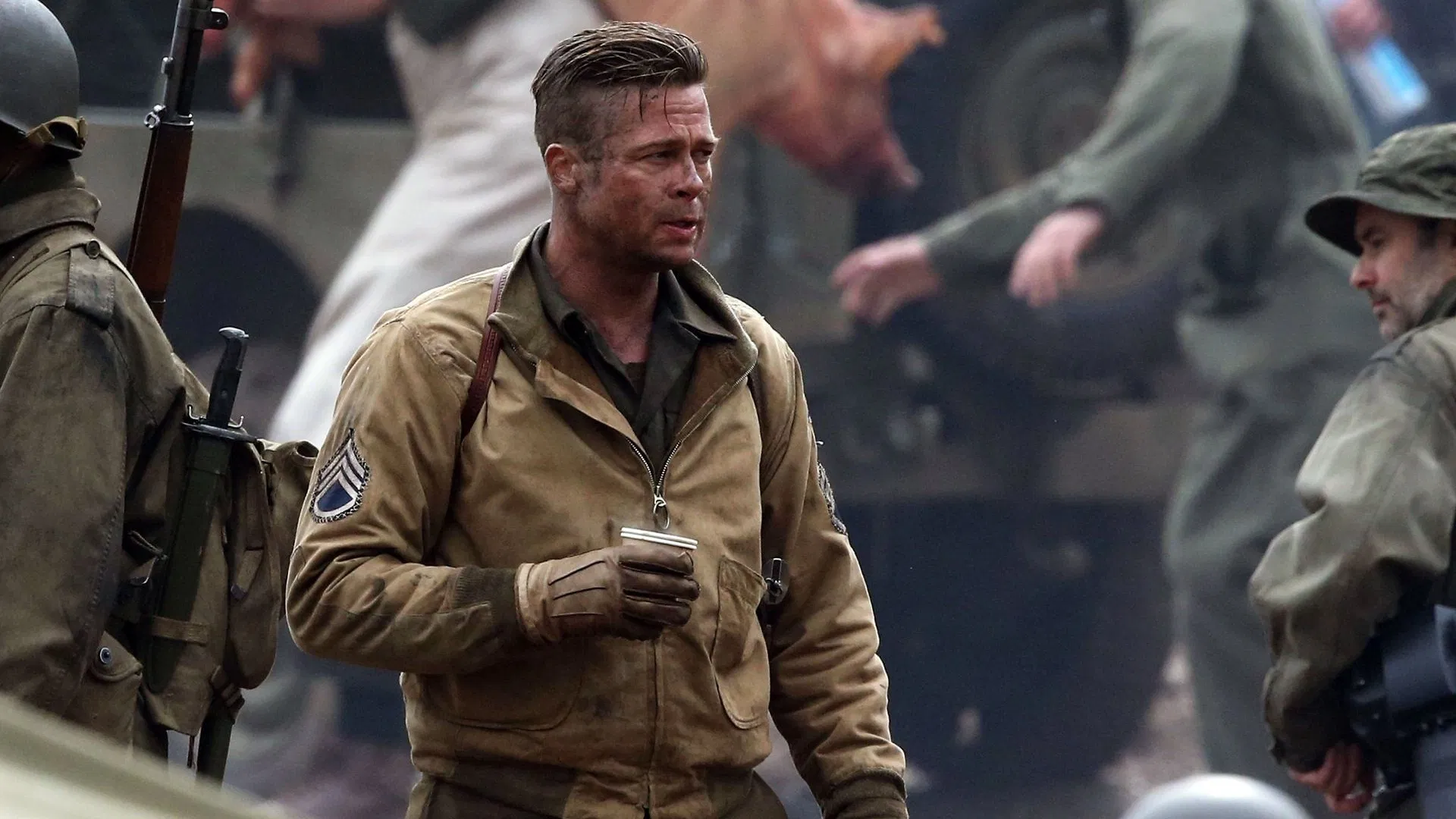
A World War II film following American tank crew in final months of European theater, their experience of total war where German resistance intensifies as Allies approach German territory, showing how veteran soldiers become brutalized by sustained combat while new recruits must adapt or die. David Ayers creates visceral examination of how tank warfare operated through claustrophobic metal boxes where crew members' survival depends on coordination and trust, showing how Sherman tanks' inferior armor compared to German panzers meant American crews relied on numerical superiority and tactical positioning rather than technological advantage. Brad Pitt plays Wardaddy as tank commander whose leadership has kept his crew alive through combination of skill and willingness to commit atrocities, his execution of prisoners and forcing Norman to shoot German soldier showing how he believes survival requires abandoning conventional morality. Logan Lerman's Norman is assistant driver and bow gunner, initially naive clerk typist thrown into combat role, his transformation from someone who can't kill to someone who does it without hesitation showing how warfare either breaks people or makes them into killers. What makes Fury compelling despite its familiar war movie beats is its examination of how tank crews become families isolated from larger army, showing how Wardaddy, Boyd "Bible" Swan, Trini "Gordo" Garcia, and Grady "Coon-Ass" Travis have developed interdependence where each member's role is essential and loss would be catastrophic, their crude bonding concealing genuine affection.
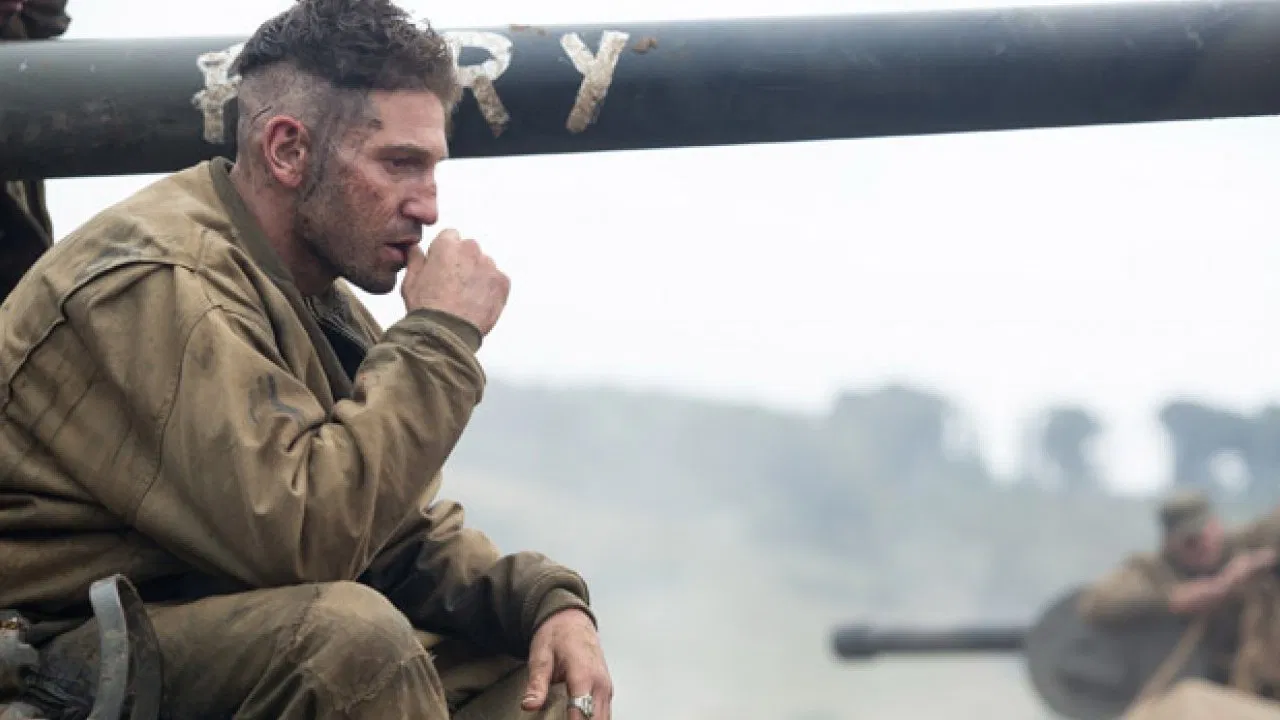
Ayers shoots the tank battles with clarity about tactics and geography, showing how terrain and positioning determine outcomes when Sherman's thin armor means getting hit usually means death, the famous sequence where five Shermans ambush superior German tank demonstrating how coordination and aggression overcome technological disadvantage. The film's treatment of German civilians shows how soldiers distinguish between combatants and occupied populations, Norman's brief connection with German woman creating moment of humanity before her death shows how war destroys innocent along with guilty, that civilians suffer regardless of which side they're on. The climactic sequence where Wardaddy's crew makes last stand against SS battalion creates familiar last-stand narrative but Ayers's direction makes the hopeless defense feel earned rather than exploitative, showing how Wardaddy chooses death fighting rather than surrender because he knows SS will execute them anyway. It succeeds because Ayers examines how sustained combat requires psychological armor as much as tank armor, showing that surviving warfare means accepting moral compromises and violence that would be prosecutable war crimes in different context, proving that honest war films are those admitting that good soldiers must do terrible things and that distinction between hero and war criminal is often just which side won.
8. 🎬 Letters from Iwo Jima (2006) | Dir. Clint Eastwood
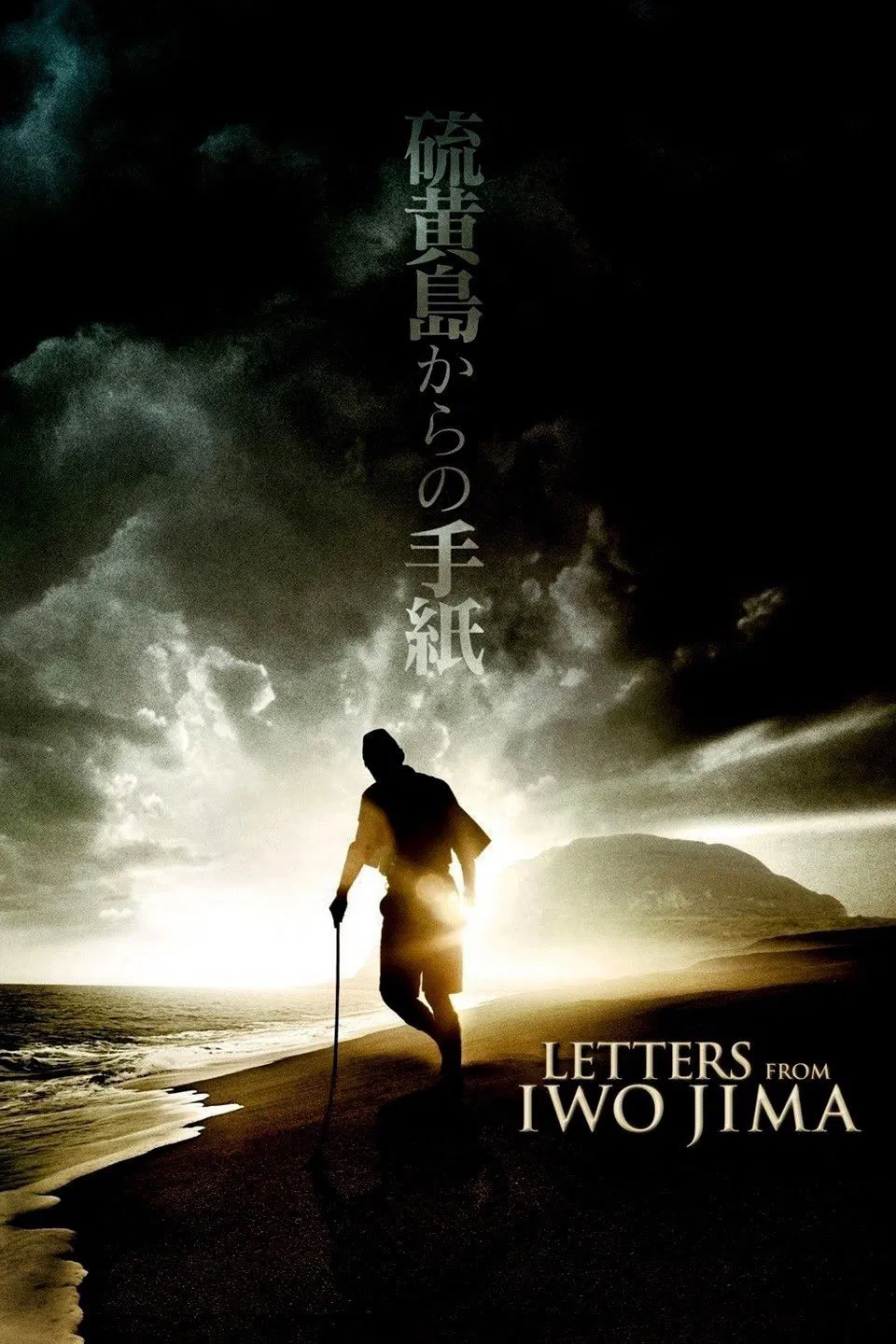
A war film showing Battle of Iwo Jima from Japanese perspective, General Kuribayashi's defensive strategy prolonging American casualties while his soldiers face certain death defending island they know Japan will lose, their letters home revealing humanity of men portrayed as fanatics in American war films. Clint Eastwood creates companion piece to Flags of Our Fathers examining same battle from both sides, showing how Japanese soldiers were men with families and doubts rather than suicidal zealots, that their fighting to the death represented orders from command rather than cultural death wish, that patriotism and duty compel soldiers regardless of nationality. Ken Watanabe plays Kuribayashi as general who studied in America and respects his enemy, his innovative defensive tactics maximizing American casualties while knowing his own defeat is certain, his correspondence with family revealing someone who understands the war is lost but must fight anyway because honor and duty require it. Kazunari Ninomiya's Saigo is conscripted baker who wants to survive and return to his wife, his letters expressing doubt about dying for emperor while his actions show how soldiers do their duty despite private misgivings, that survival instinct conflicts with cultural expectations about honorable death. What makes Letters from Iwo Jima essential is its humanization of Japanese soldiers typically portrayed as screaming kamikaze stereotypes, showing how they faced same fears and desires as American enemies, that their defensive tactics were brilliant military strategy rather than fanaticism, that they died because their government's leadership was terrible not because their culture was inferior.
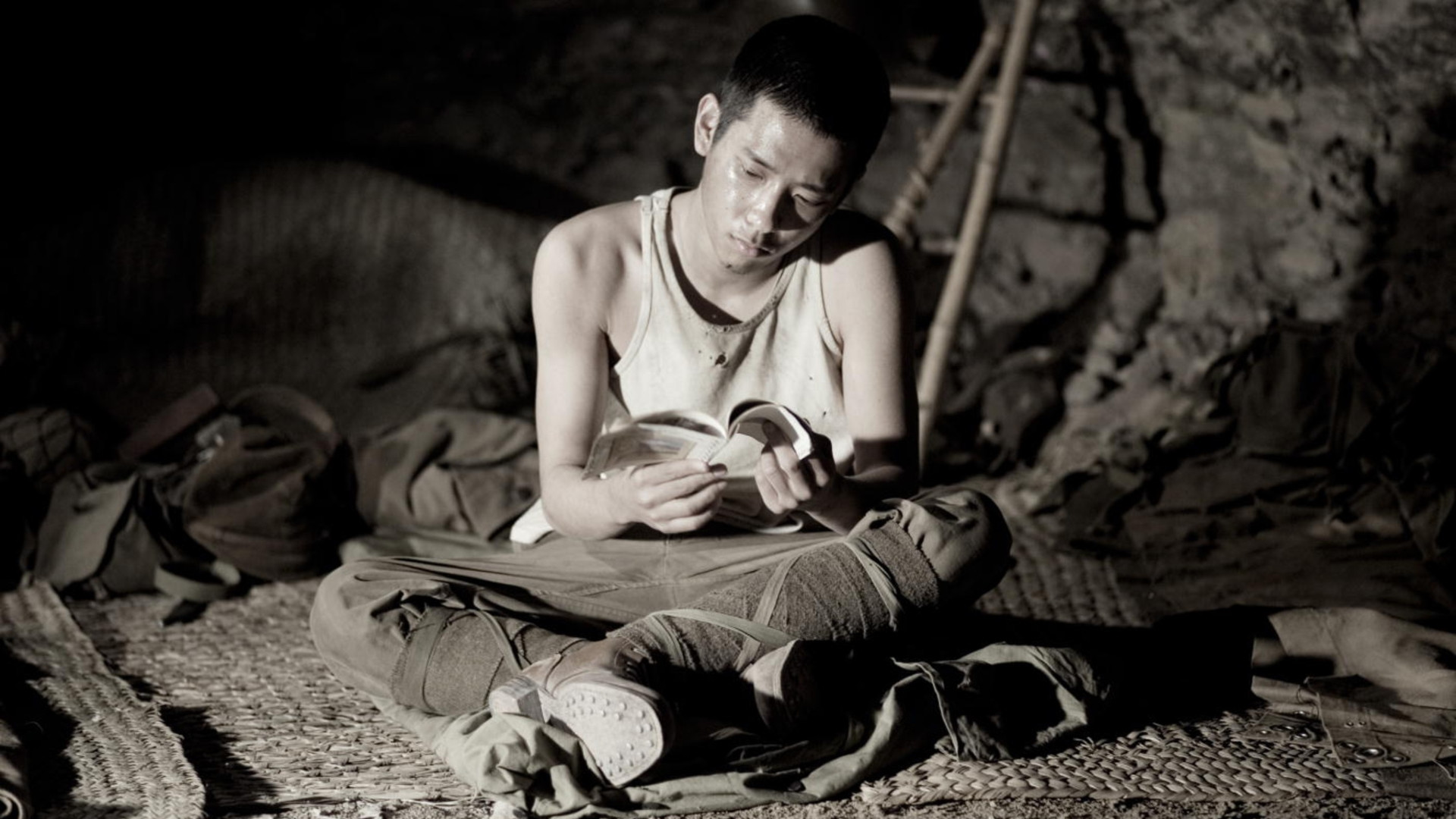
Eastwood shoots the island's caves and tunnels where Japanese forces hid from American bombardment, Tom Stern's desaturated cinematography making the volcanic ash and rock feel like moonscape, showing how Kuribayashi's tunnel strategy allowed smaller force to inflict heavy casualties on vastly superior American invasion. The film's examination of how Japanese military culture demanded suicide rather than surrender shows how imperial ideology made survival shameful, that soldiers who wanted to live faced pressure from officers who believed death preferable to defeat, creating tragedy where men killed themselves to avoid being killed or captured. The ending where Kuribayashi orders final charge knowing everyone will die represents acceptance of inevitable defeat, his death in battle showing how even generals who recognized strategic futility were trapped by cultural expectations about honorable endings. It succeeds because Eastwood examines how nationalism makes enemies of people who might be friends under different circumstances, showing that Japanese soldiers defending Iwo Jima were victims of their government's policies as much as American soldiers attacking were, proving that most empathetic war films are those that show both sides as humans rather than reducing one side to faceless enemy.
9. 🎬 City of Life and Death (2009) | Dir. Lu Chuan
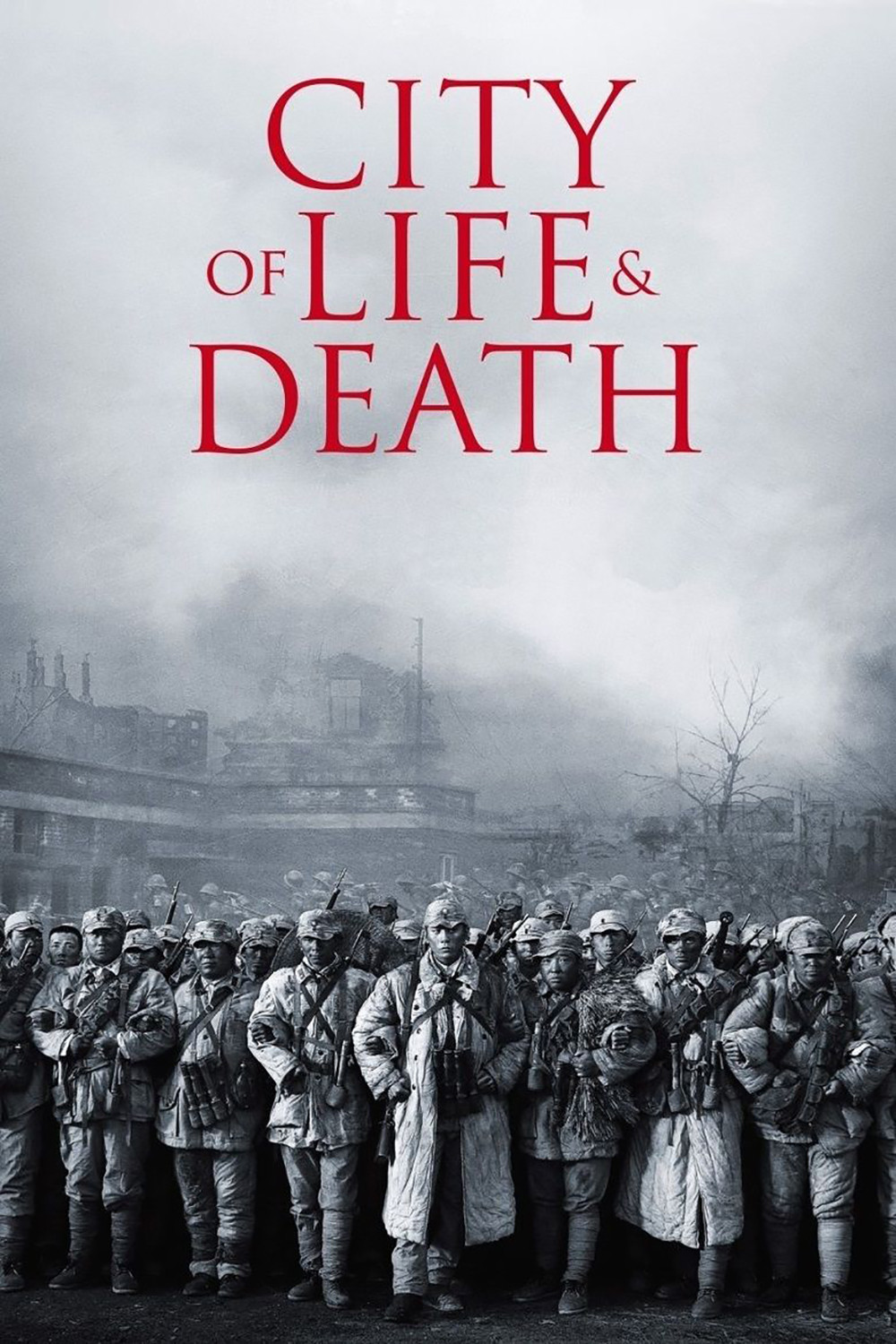
A Chinese war film depicting the Rape of Nanking, showing six weeks of mass murder, sexual violence, and destruction when Japanese troops occupied Chinese capital, the atrocities examined through multiple perspectives including Chinese civilians, Japanese soldiers, and Western observers trying to create safety zone. Lu Chuan creates devastating examination of how warfare becomes genocide when command structure permits or encourages atrocities, showing how Japanese soldiers massacred hundreds of thousands of Chinese civilians through combination of military orders and individual sadism enabled by absence of discipline. The film follows multiple characters including Chinese soldier struggling to survive, comfort woman who becomes sex slave, Japanese soldier whose initial humanity gets destroyed by participating in atrocities, and Western businessman who helps protect refugees in international safety zone. What makes City of Life and Death essential is its unflinching depiction of how genocide operates through systematic dehumanization and bureaucratic organization, showing how Japanese forces treated Chinese civilians as less than human, their mass executions and rape as military sport revealing how quickly civilization disappears when authority permits violence. Lu shoots in black and white that emphasizes documentary-like realism, Cao Yu's cinematography capturing scale of destruction and individual moments of terror, showing how hundreds of thousands died through combination of military efficiency and random cruelty that makes the massacre feel both organized and chaotic.
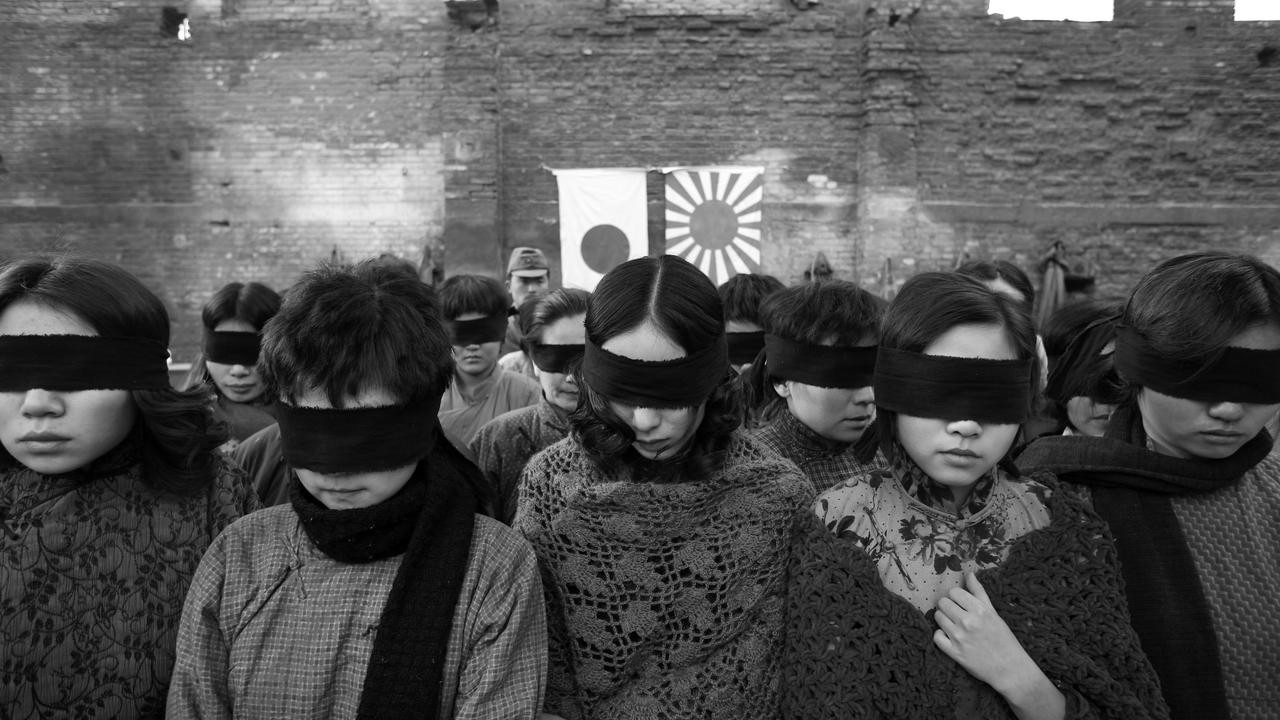
The film's treatment of John Rabe's safety zone shows how Western observers witnessed Japanese atrocities and tried to document them for international community that did nothing to intervene, their testimony representing historical evidence that Japanese government continued denying for decades after the war. The sequence showing mass executions at Yangtze River represents the massacre's scope, thousands of prisoners machine-gunned and bayoneted in single day, their bodies dumped in river that becomes choked with corpses, showing how industrial-scale killing makes individual deaths meaningless statistics while each represented person with family and future that ended violently. It succeeds because Lu refuses to make Japanese soldiers simply monstrous, showing how some initially resisted participating in atrocities before peer pressure and command expectations made them complicit, that genocide requires ordinary people willing to commit extraordinary evil when their government tells them it's acceptable, proving that most important war films about atrocities are those that examine how civilized people become mass murderers through processes that seem incomprehensible until you watch them unfold step by step.
10. 🎬 Troy (2004) | Dir. Wolfgang Petersen
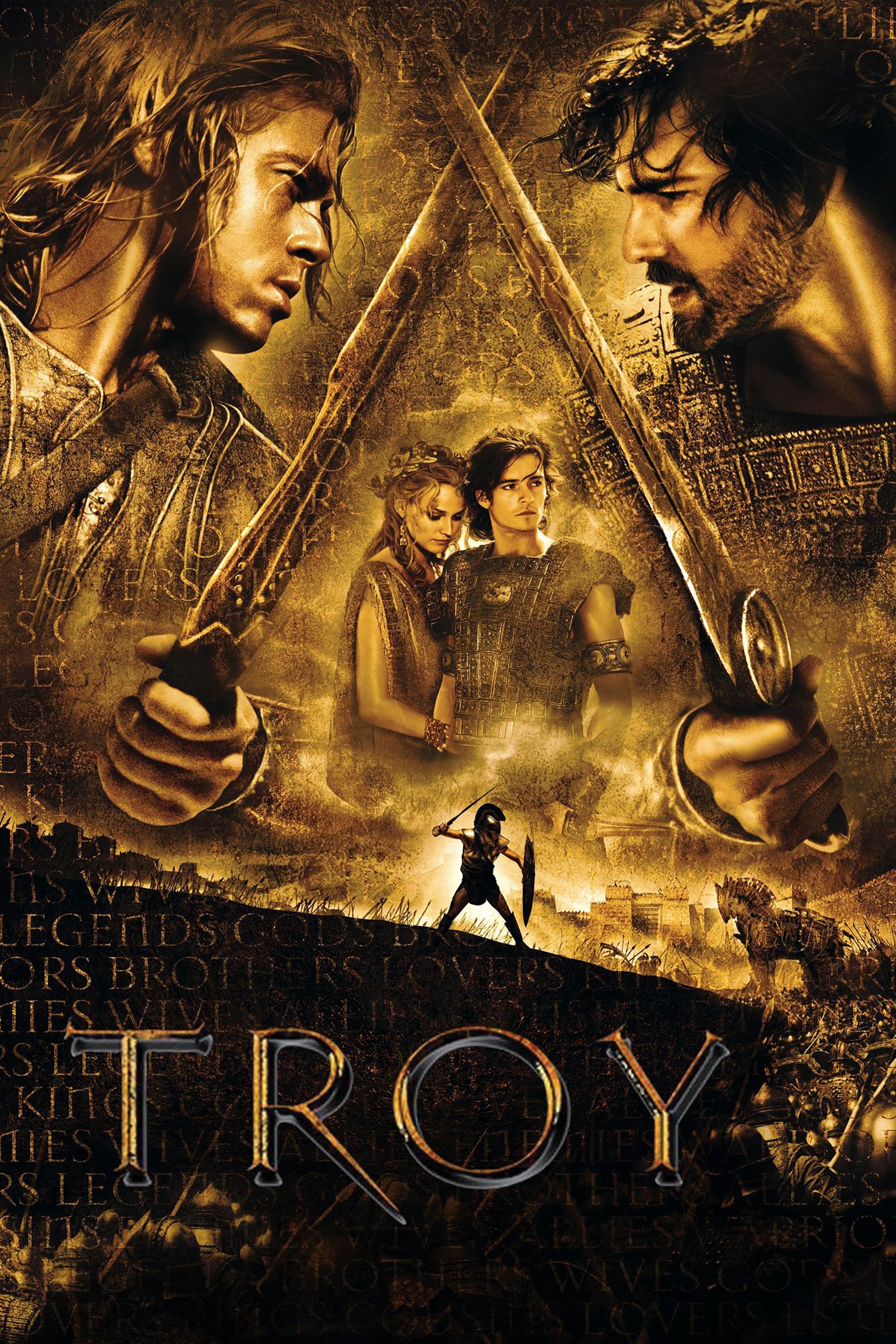
An epic adaptation of Iliad following Trojan War's final year, Achilles's rage and Hector's duty creating personal conflict within larger war sparked by Paris stealing Helen from Menelaus, the siege examining how individual honor and collective warfare intersect in Bronze Age combat. Wolfgang Petersen creates spectacle that grounds mythological story in physical reality, showing the war as messy political conflict where gods are absent and men fight for glory, revenge, and territory rather than divine will, stripping away supernatural elements to focus on human motivations. Brad Pitt plays Achilles as warrior whose prowess makes him legend, his refusal to fight after Agamemnon insults him showing how personal honor matters more than collective victory to greatest heroes, his return to battle after Hector kills Patroclus transforming war from political to personal. Eric Bana's Hector is the film's moral center, a prince who fights to protect Troy despite knowing his brother's theft of Helen was wrong, his death at Achilles's hands representing tragedy where the most honorable warrior dies while his city falls. What makes Troy work despite its departures from Homer is its examination of how Bronze Age warfare operated through individual combat between champions while masses of soldiers fought in formations, showing how Achilles's single-combat victories against enemies' best warriors could demoralize entire armies, making individual prowess strategically significant. Petersen shoots the siege with attention to ancient warfare's tactics, showing how Trojans' defensive walls made assault extremely costly while Greeks' naval blockade slowly starved the city, the ten-year conflict's duration making sense when you understand how pre-gunpowder sieges required patience rather than assault.

The film's treatment of the Trojan Horse shows how the war ended through deception rather than combat prowess, that even the greatest warriors like Achilles couldn't breach Troy's walls but that cunning strategy succeeded where force failed. The climactic sack of Troy shows how sieges ended in massacre and enslavement, the Greeks' victory meaning death or slavery for Trojan civilians, showing how ancient warfare made no distinction between combatants and civilians once walls were breached. It succeeds because Petersen makes mythological war feel grounded in military history rather than fantasy, showing how Bronze Age combat actually functioned while maintaining the story's themes about honor, glory, and how individual choices shape collective destinies, proving that historical epics work best when they respect both the source material's themes and historical reality of warfare in the period depicted.
11. 🎬 The Pianist (2002) | Dir. Roman Polanski
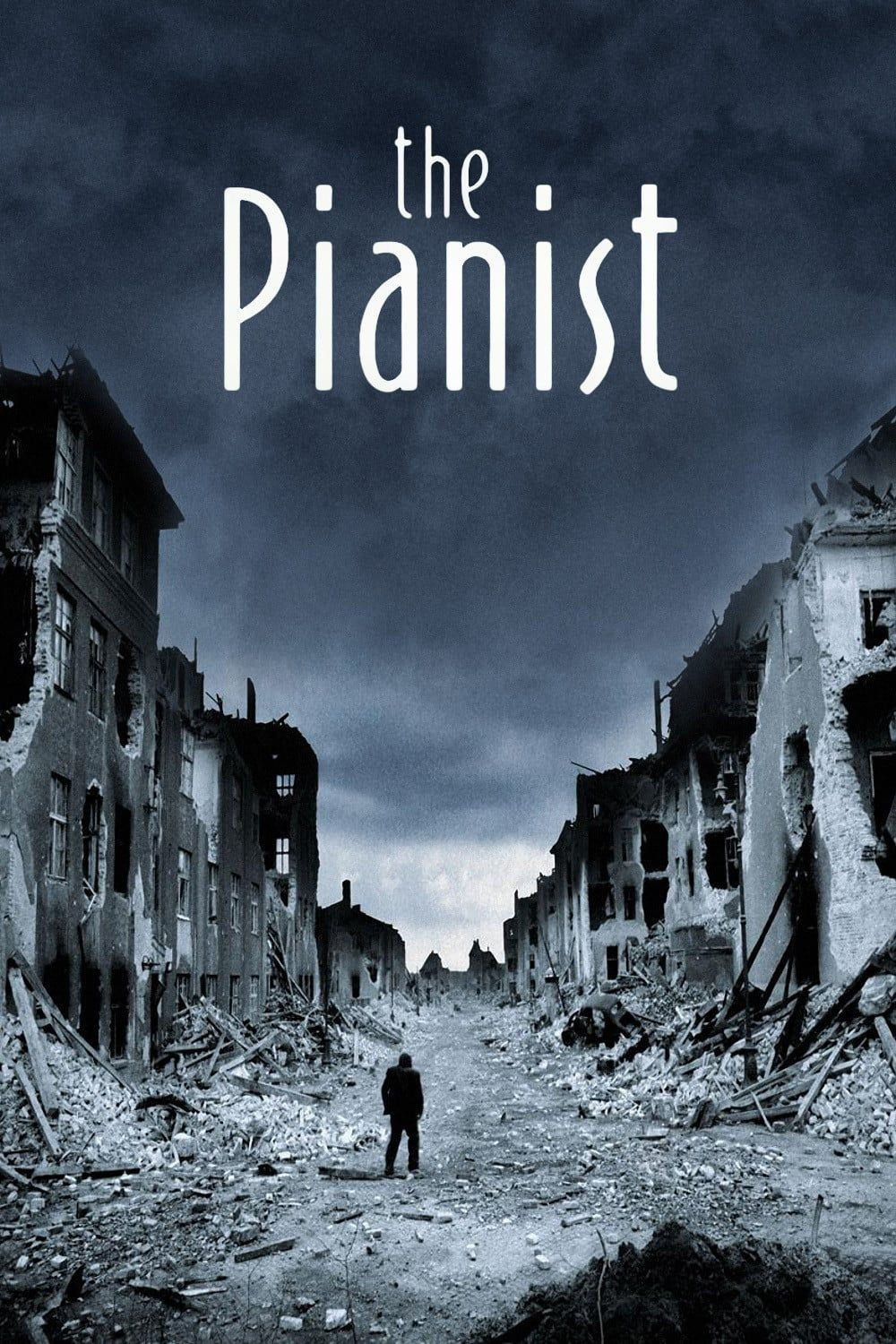
A Holocaust survival story following Władysław Szpilman, a Polish Jewish pianist who survives the Warsaw Ghetto and Nazi occupation through combination of luck, help from others, and sheer will to live, his experience showing how staying alive during genocide requires compromises and depends on factors beyond individual control. Roman Polanski creates his most personal film examining survival without heroics or melodrama, showing how Szpilman survives through accidents of timing and assistance from people who risk their lives to hide him, his survival less about his own actions than about others' decency and fortune that he's hidden when searches occur elsewhere. Adrien Brody plays Szpilman with gaunt desperation that makes visible starvation and hiding's physical toll, his performance almost wordless in final act as he becomes ghost haunting Warsaw's ruins, his body transformed by hunger until he barely seems human. What makes The Pianist essential is Polanski's refusal to make Holocaust redemptive or find meaning in suffering, showing how Szpilman survives without becoming better person or learning lessons, that survival is itself victory without requiring it to produce spiritual growth or make the experience worthwhile. Polanski's depiction of Warsaw Ghetto shows escalating horrors with restraint making them more powerful, showing routine cruelty and random violence without sensationalizing, letting accumulation of atrocities create portrait of how ghettos functioned as holding areas before extermination camps.
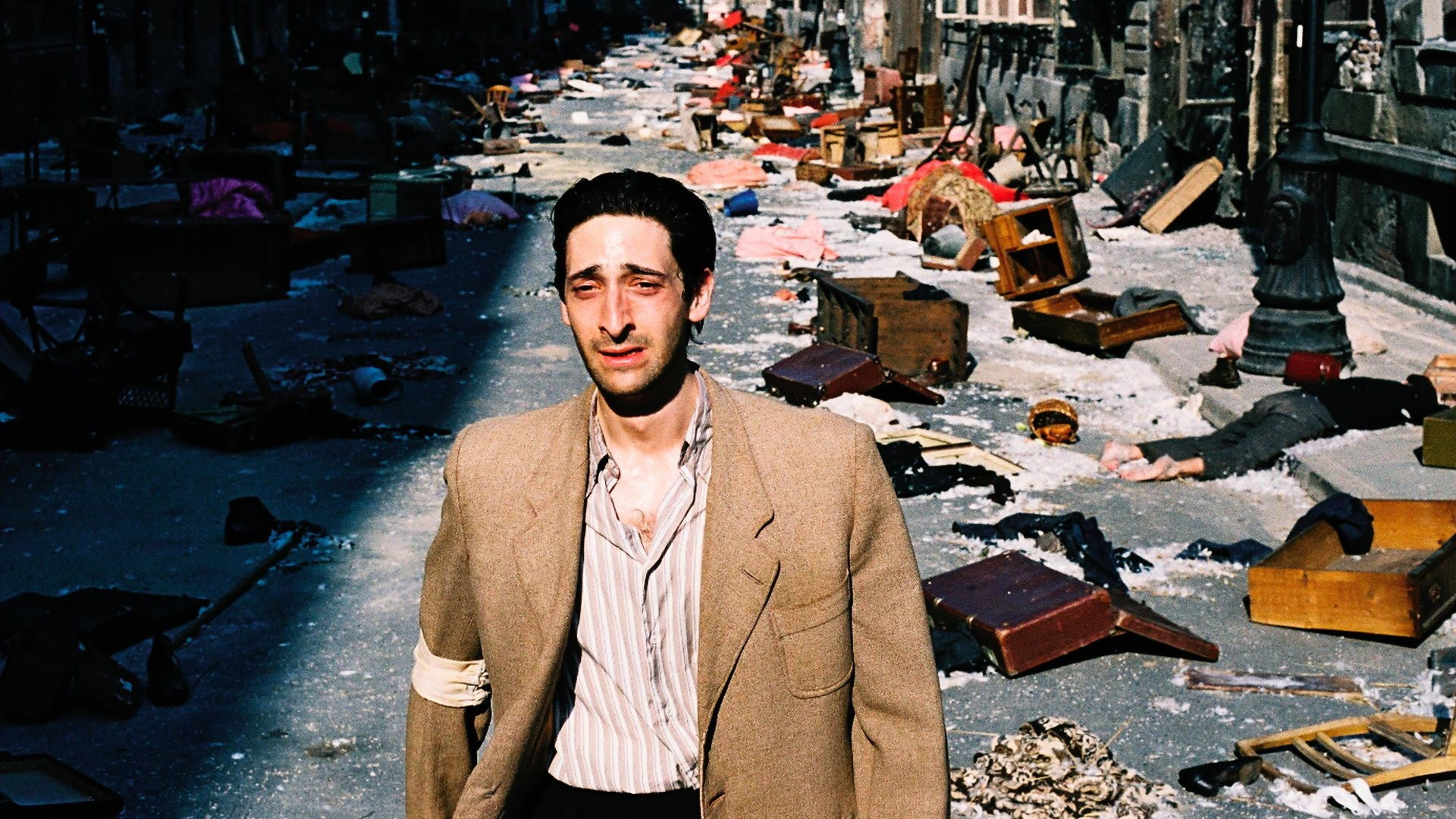
The film's treatment of how Szpilman is hidden by various Poles shows how some risked everything to save Jews while others collaborated or remained indifferent, that Holocaust required both active persecution and passive acceptance by populations that could have resisted but mostly didn't. The climactic scene where German officer Hosenfeld hears Szpilman play piano and chooses to help him rather than report him suggests that humanity persists even in circumstances designed to destroy it, that art can create connection transcending ideology when someone recognizes beauty they can't ignore. It succeeds because Polanski treats Holocaust with appropriate seriousness while showing Szpilman as individual rather than symbol, his survival both miraculous and accidental, proving that sometimes bearing witness doesn't require making suffering meaningful, just showing what happened and that some people survived despite everything designed to kill them.
12. 🎬 Master and Commander: The Far Side of the World (2003) | Dir. Peter Weir
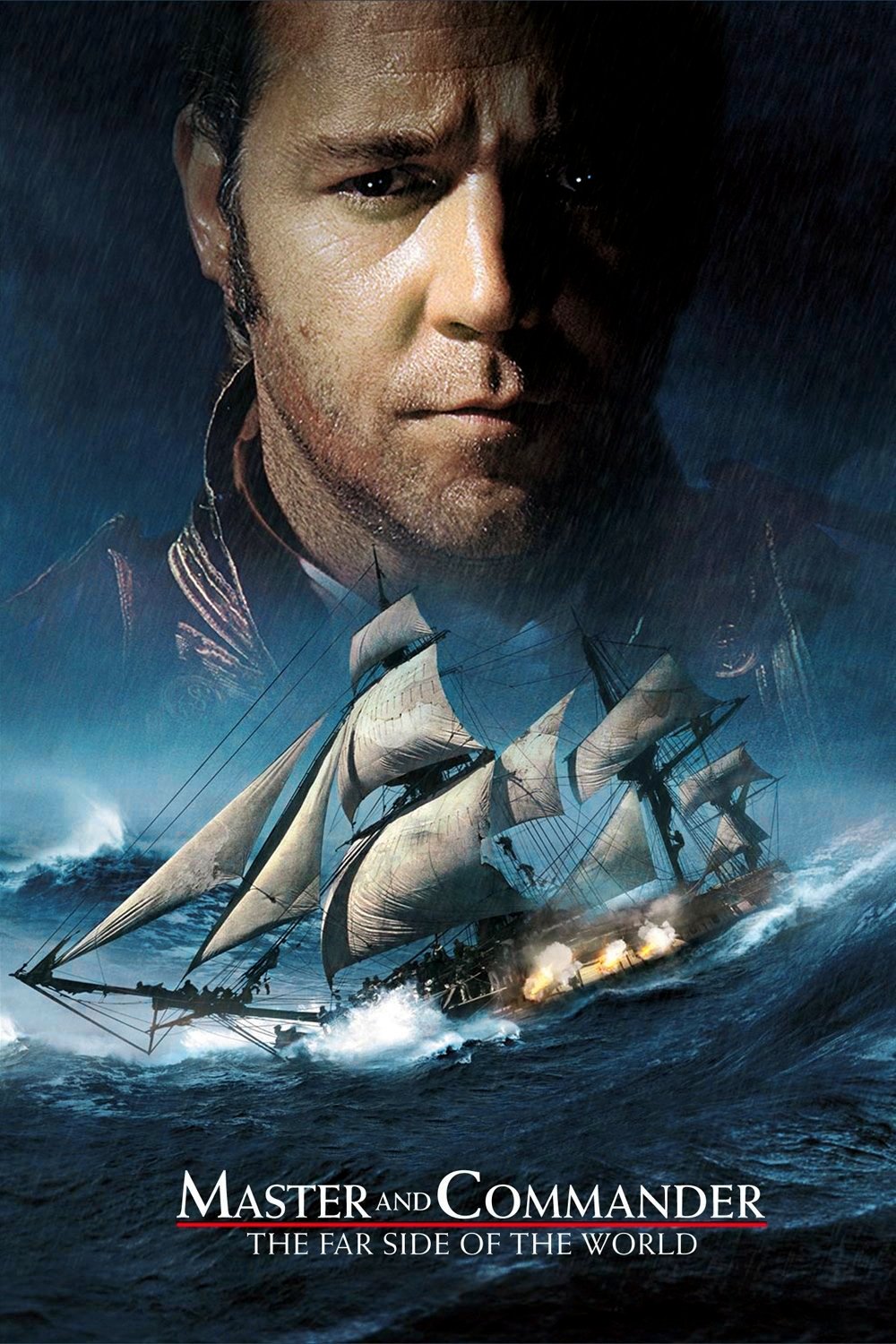
A naval warfare film following HMS Surprise during Napoleonic Wars as Captain Aubrey pursues superior French privateer through South Atlantic and Pacific, the chase examining leadership, duty, and how Enlightenment science conflicts with naval tradition when ship's surgeon wants to stop for natural history research while captain wants to continue pursuit. Peter Weir creates meticulous recreation of age-of-sail naval warfare examining how wooden ships operated through discipline and seamanship, showing how life aboard warship required constant labor and adaptation to sailing conditions while preparing for combat that could destroy the ship in minutes. Russell Crowe plays Aubrey as competent captain whose aggressive pursuit of French ship risks his crew and vessel, his leadership balanced between inspiring loyalty through shared danger and making decisions his officers question but follow because naval discipline demands obedience. Paul Bettany's Dr. Maturin is Aubrey's friend whose scientific interests conflict with military mission, his desire to study Galápagos wildlife representing Enlightenment values that naval warfare subordinates to strategic concerns, their friendship showing how different priorities coexist through mutual respect despite conflicting immediately when circumstances require choosing between them.
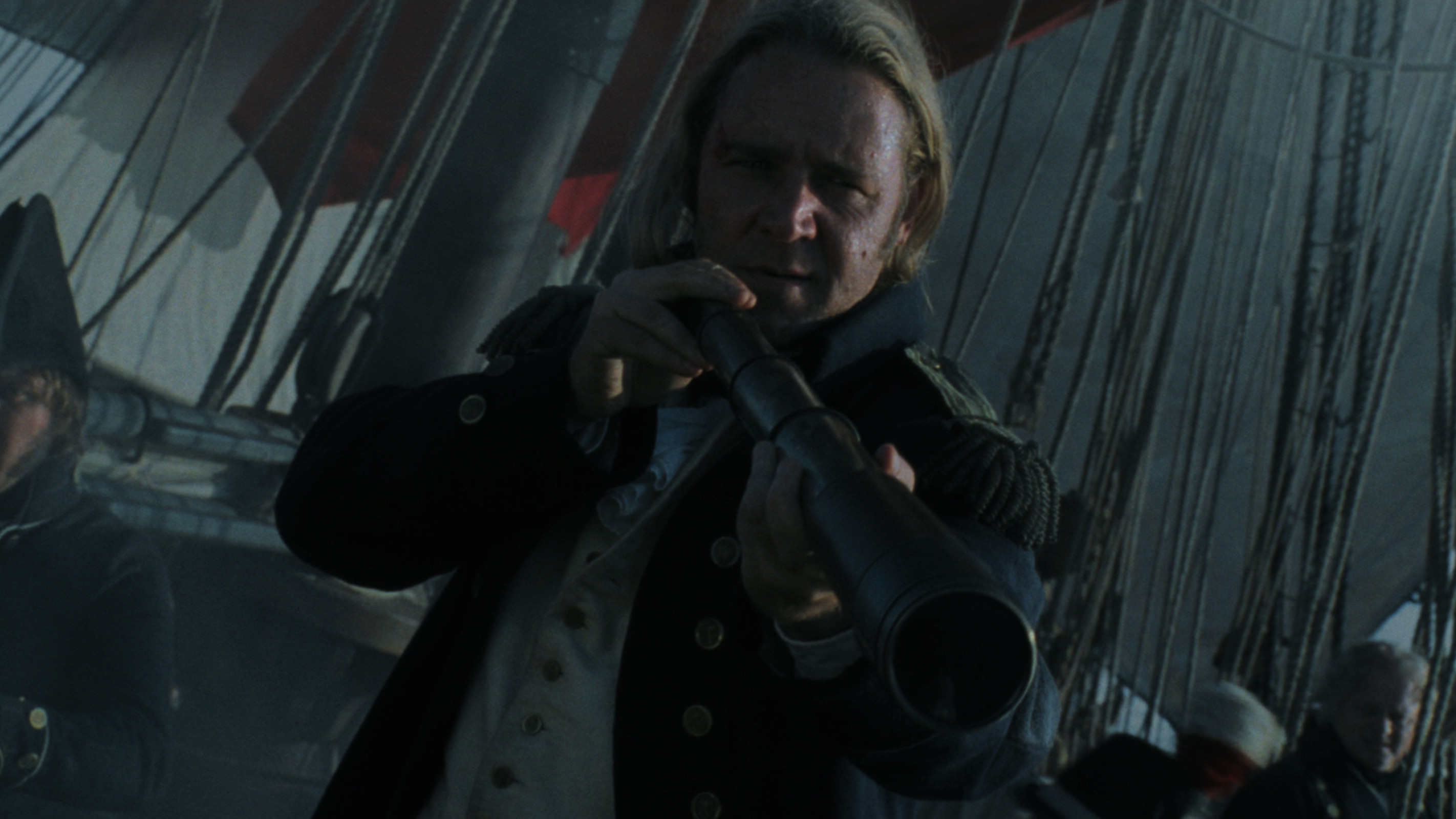
What makes Master and Commander exceptional is its attention to period detail and sailing authenticity, showing how the Surprise operates through crew coordination and how naval combat in age of sail involved maneuvering to get favorable wind position and broadside angles, making tactical positioning as important as gunnery. Weir shoots the naval battles with clarity about what's happening tactically, Russell Boyd's cinematography capturing both the ship's cramped below-decks spaces and the ocean's vast emptiness, showing how sailors lived in wooden world surrounded by sea that could kill them through storm or combat. The film's treatment of how Aubrey handles crew dissatisfaction and potential mutiny shows naval leadership requiring balance between discipline and morale, that captains maintained authority through combination of competence, shared hardship, and willingness to use violence when challenges to authority threatened ship's cohesion. The ending where Aubrey disguises the Surprise as whaling ship to ambush the superior French vessel shows how cunning and surprise could overcome material disadvantage, that naval warfare rewarded innovation and deception as much as superior firepower. It succeeds because Weir treats age-of-sail warfare seriously, showing how these ships actually functioned rather than just providing wooden backdrops for adventure, proving that period war films work best when they immerse viewers in historical specificity rather than using period as mere costume for contemporary action movie.
13. 🎬 Downfall (2004) | Dir. Oliver Hirschbiegel
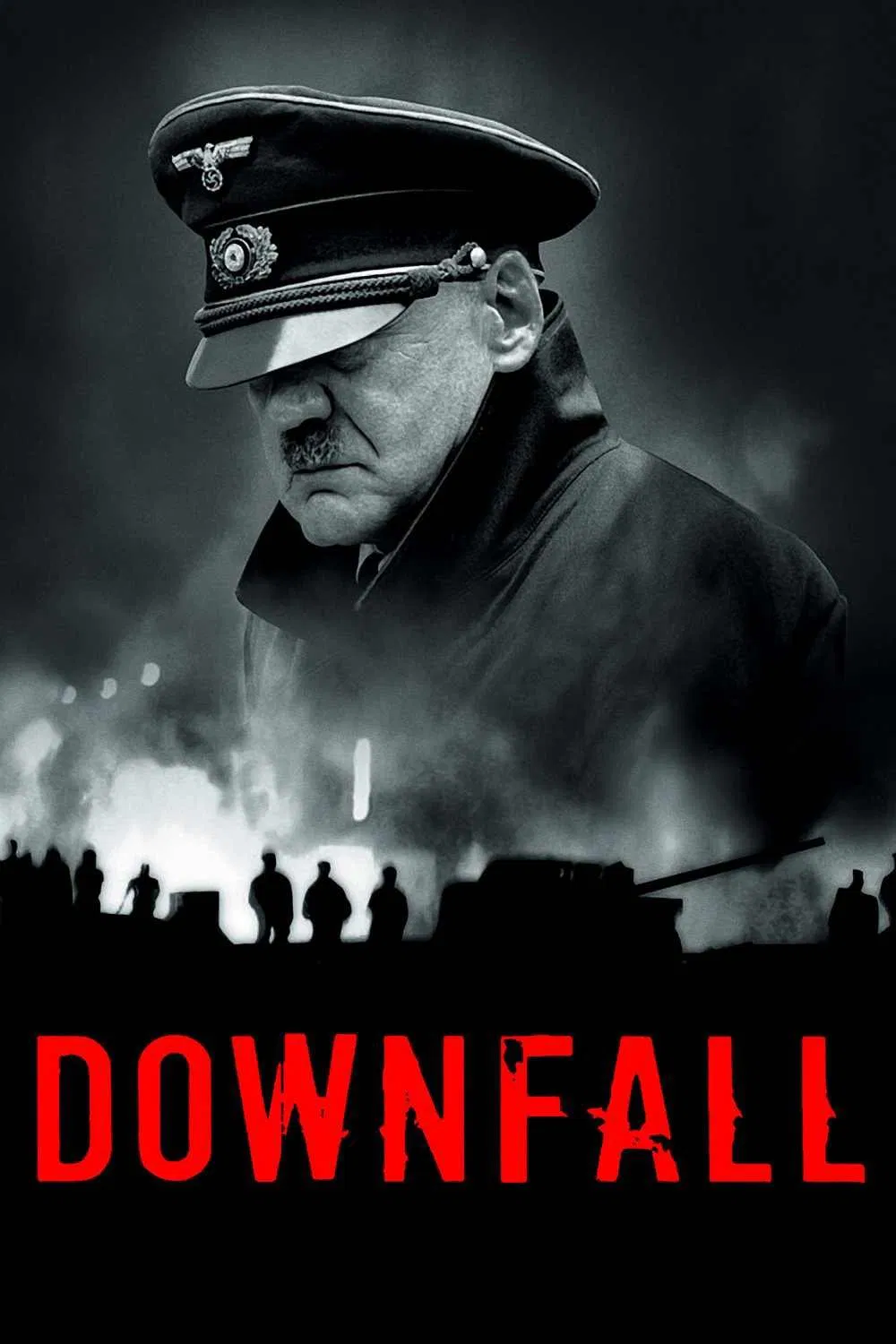
A German war film depicting Hitler's final days in Berlin bunker as Soviet forces close in, his deterioration and the Nazi leadership's denial about imminent defeat showing how dictatorship's end involves leaders sacrificing remaining followers rather than accepting responsibility for catastrophe they created. Oliver Hirschbiegel creates claustrophobic examination of how totalitarianism collapses, showing Hitler as human monster whose magnetic control over followers persists even when defeat is obvious, that fascism's true believers remained loyal until literally the final hours despite knowing the war was lost. Bruno Ganz plays Hitler with performance that humanizes without rehabilitating, showing how the dictator was simultaneously banal elderly man and architect of genocide, his rages and sentimentality coexisting with capacity for ordering deaths of millions, proving that monsters are human rather than supernatural. Alexandra Maria Lara's Traudl Junge is Hitler's secretary, her perspective as young woman who believed Nazi propaganda showing how ordinary Germans were complicit through working for regime without necessarily committing atrocities directly, her memoir the film adapts representing attempt to understand her own complicity decades later.
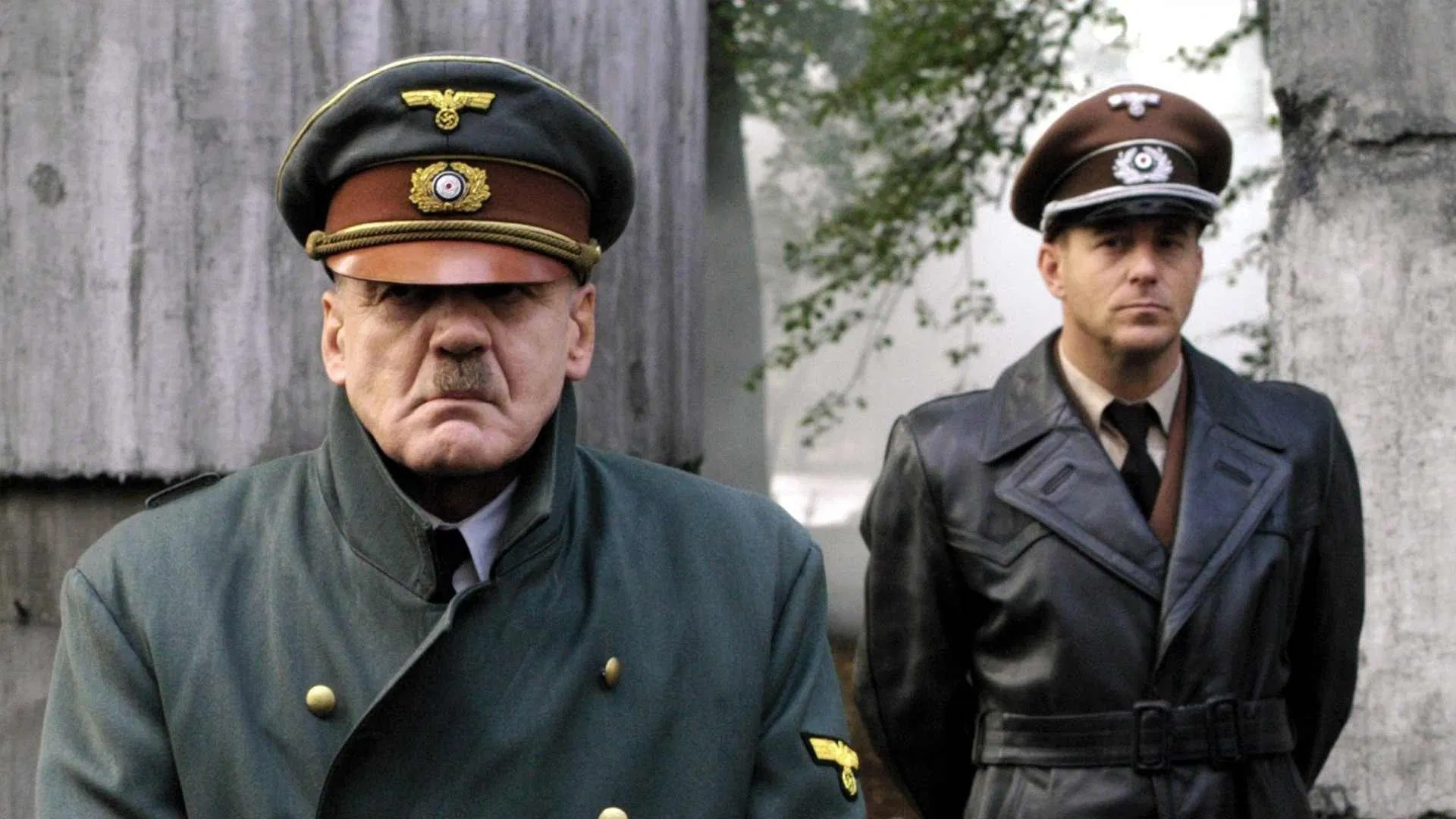
What makes Downfall essential is its depiction of Führerbunker's atmosphere where Nazi leadership maintained delusions about non-existent armies coming to relieve Berlin while Soviet artillery destroyed the city above them, showing how totalitarian systems create realities where truth becomes whatever the leader says regardless of facts. Hirschbiegel shoots the bunker as tomb where Nazis await inevitable death, Rainer Klausmann's cinematography emphasizing cramped spaces and artificial light while above-ground sequences show Berlin's destruction through Soviet assault, the contrast making clear that while Hitler and inner circle hide underground, ordinary Germans suffer consequences of his decisions. The film's treatment of Nazi leadership's final actions shows Goebbels murdering his children rather than letting them live in post-Nazi world, Eva Braun's suicide alongside Hitler representing loyalty taken to its logical conclusion, that true believers chose death over admitting their ideology was catastrophically wrong. The ending where Traudl escapes Berlin and encounters Hitler Youth still fighting creates devastating recognition that children are last defenders of regime that used them, that Nazis' final crime was sacrificing Germany's youth for ideology that had already failed. It succeeds because Hirschbiegel examines how fascism ends through leaders abandoning followers they claimed to serve, showing that Hitler's final orders were for German people to be destroyed because they'd proven unworthy of his vision, proving that most important films about Nazi Germany are those showing not just their crimes but their ultimate cowardice when faced with consequences of their actions.
14. 🎬 Kingdom of Heaven (2005) | Dir. Ridley Scott
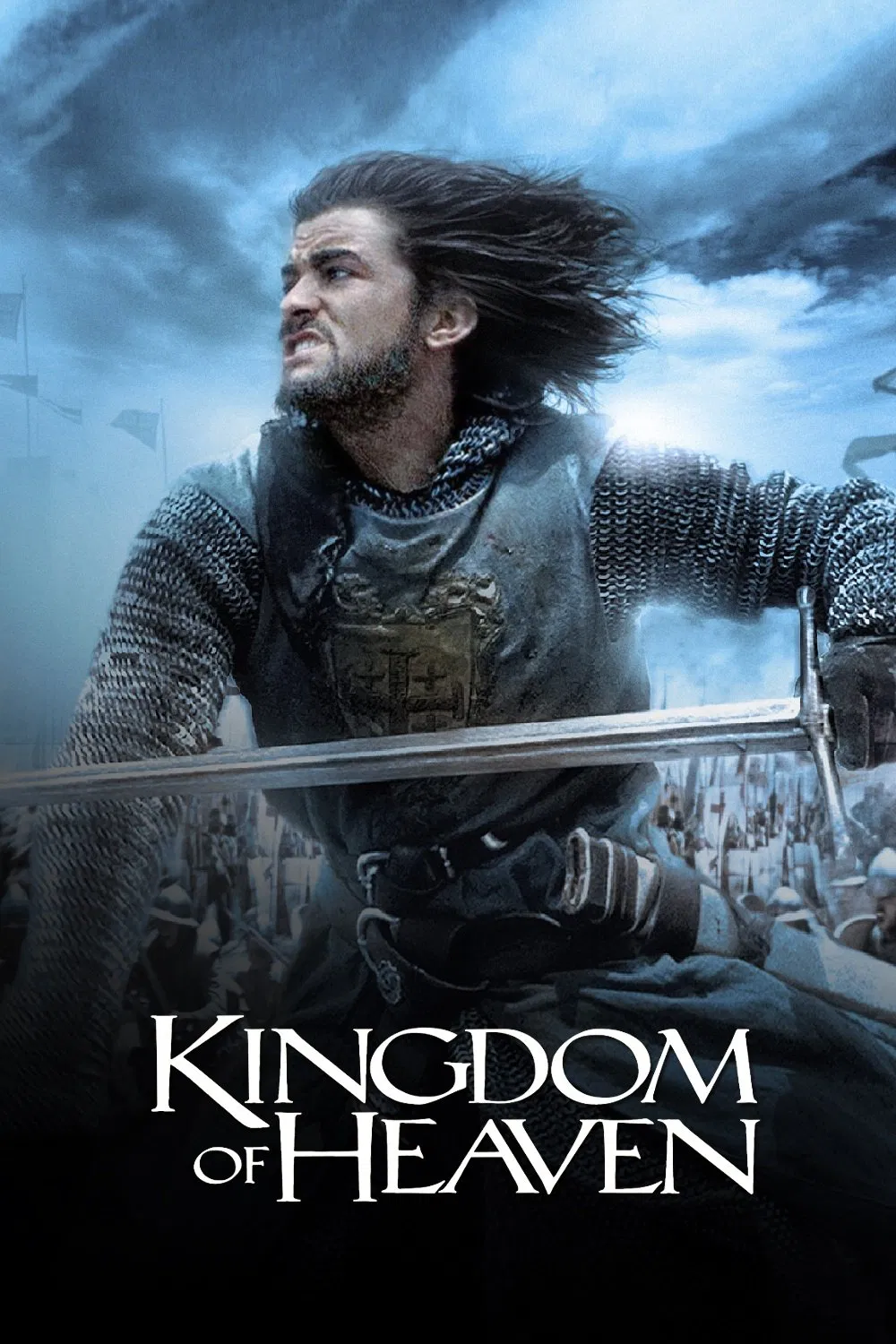
A Crusades epic following blacksmith Balian who travels to Jerusalem and becomes defender of the city during Saladin's siege, the conflict examining how religious warfare operates through leaders who use faith to justify conquest while showing possibilities for coexistence between Christians and Muslims when tolerance is chosen over zealotry. Ridley Scott creates film examining how Crusades represented clash between fundamentalism and pragmatism within each religion, showing how Balian's secular humanism and Saladin's relatively tolerant Islam represent alternatives to Christian and Muslim extremists who want holy war. Orlando Bloom plays Balian as reluctant warrior whose craftsmanship makes him valuable for engineering Jerusalem's defenses, his evolution from grieving blacksmith to city's defender showing how circumstances create heroes from ordinary people thrust into leadership roles they didn't seek. Eva Green's Queen Sibylla represents political complexity where Christians in Outremer were caught between European Crusaders wanting conquest and local Christians who'd lived alongside Muslims for generations, her brother King Baldwin's leprosy creating succession crisis that extremists exploit. What makes Kingdom of Heaven essential in its Director's Cut is how it examines Crusades as political rather than purely religious conflict, showing how leaders on both sides manipulated faith for territorial ambitions while more thoughtful characters recognized that Jerusalem's diversity required tolerance that fundamentalists on both sides refused to accept.
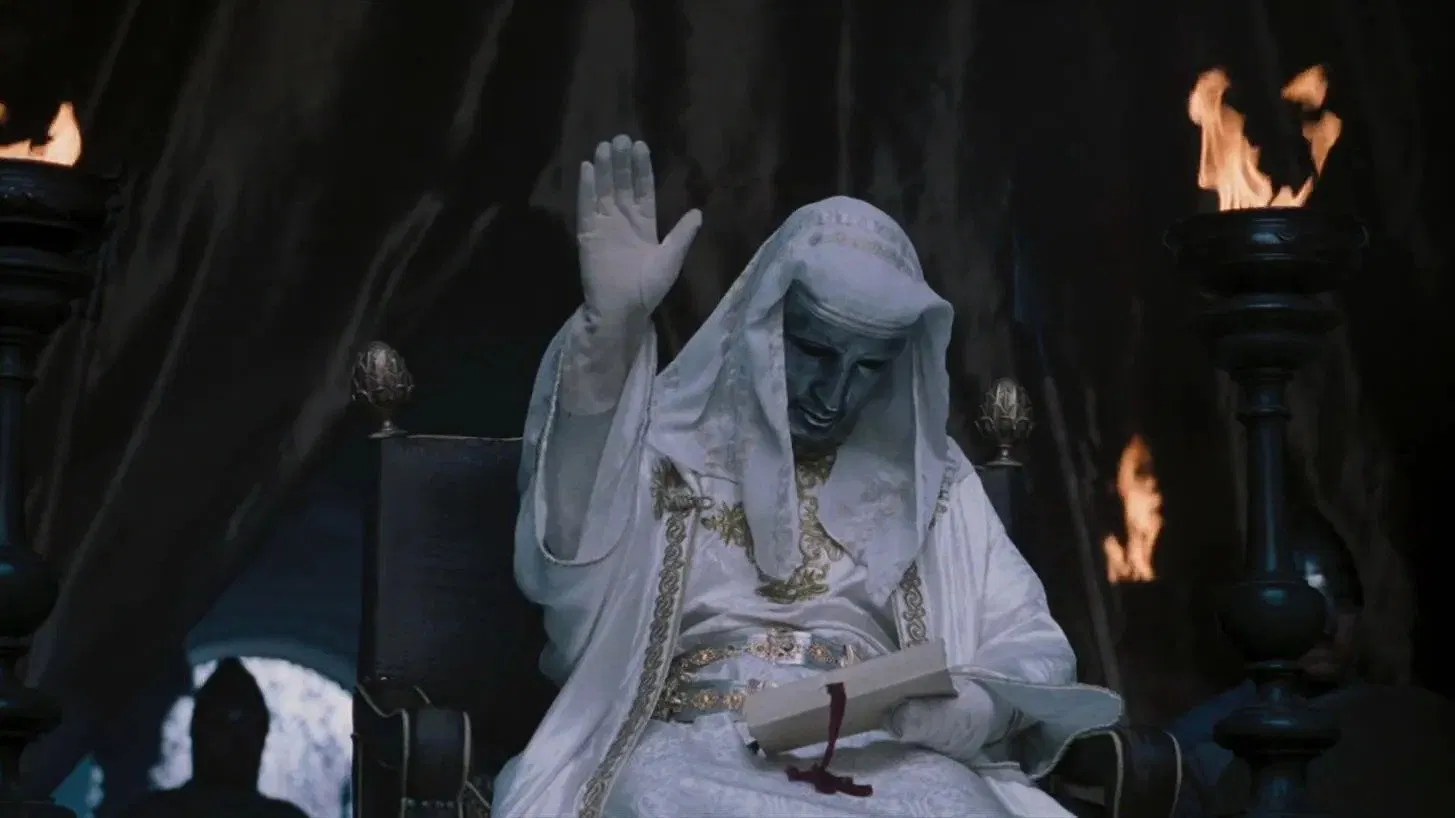
Scott shoots the siege warfare with epic scale, John Mathieson's cinematography capturing both Jerusalem's beauty and the massive armies converging to fight over it, the battle sequences showing medieval siege warfare's brutality while the negotiation scenes reveal how leaders could choose peace over continued bloodshed when pragmatism overcame ideology. The film's treatment of Saladin shows him as honorable adversary whose tolerance contrasts with Christian extremists like Guy de Lusignan, proving that religious warfare is never simply good versus evil but involves factions within each religion debating whether coexistence is possible or if extermination is necessary. The ending where Balian negotiates Jerusalem's surrender rather than letting civilians die in hopeless defense represents choosing life over holy war, that sometimes preserving people matters more than controlling sacred sites, though film's final scene showing Balian returning to blacksmithing while Richard the Lionheart prepares new Crusade suggests that reasonable men's choices get overridden by kings wanting glory. It succeeds because Scott examines how religious conflict involves debates within religions as much as between them, showing that Crusades represent failure of tolerance rather than inevitable clash of civilizations, proving that most politically significant historical epics are those showing possibilities for coexistence alongside actual violence that resulted when fundamentalism triumphed over pragmatism.
15. 🎬 Incendies (2010) | Dir. Denis Villeneuve
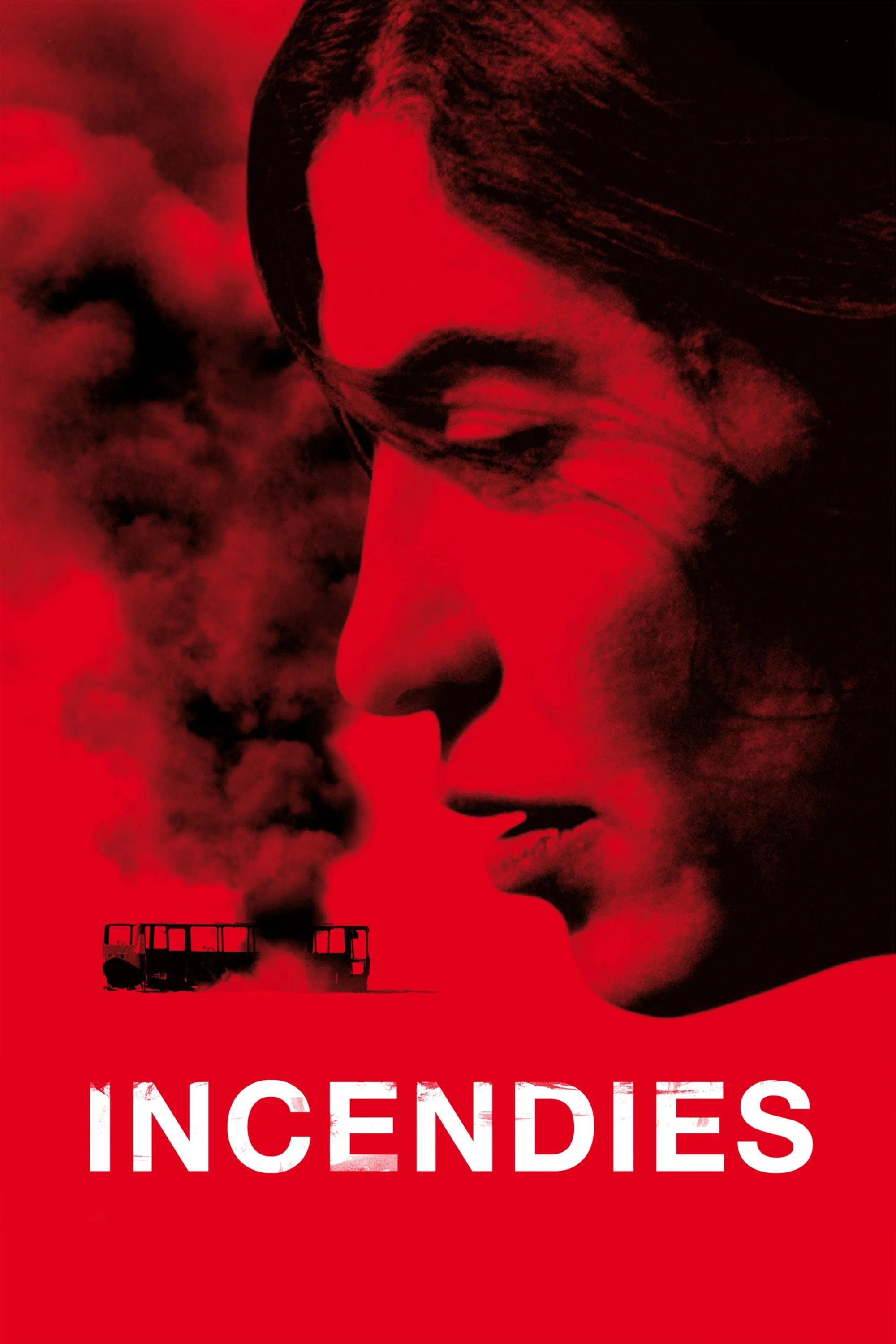
A devastating Canadian-French drama following twins Jeanne and Simon Marwan as they travel to an unnamed Middle Eastern country to uncover their mother Nawal’s secret past, the narrative weaving between the twins' present investigation and Nawal's life during a brutal civil war to examine how cycles of violence and sectarian hatred consume generations. Denis Villeneuve adapts Wajdi Mouawad’s play with a cold, surgical precision that masks a boiling emotional core, showing how the "accident of birth" determines one's fate in a region defined by religious and political blood feuds. Lubna Azabal plays Nawal as a "Woman Who Sings" to endure the unendurable, her journey from a young woman seeking her lost son to a political prisoner subjected to systematic torture representing the resilience and ultimate breaking of the human spirit. What makes Incendies essential is its structure as a Greek tragedy disguised as a modern mystery, using the reveals of Nawal’s life to illustrate the horrific logic of war where the victim and the perpetrator are often inextricably linked.
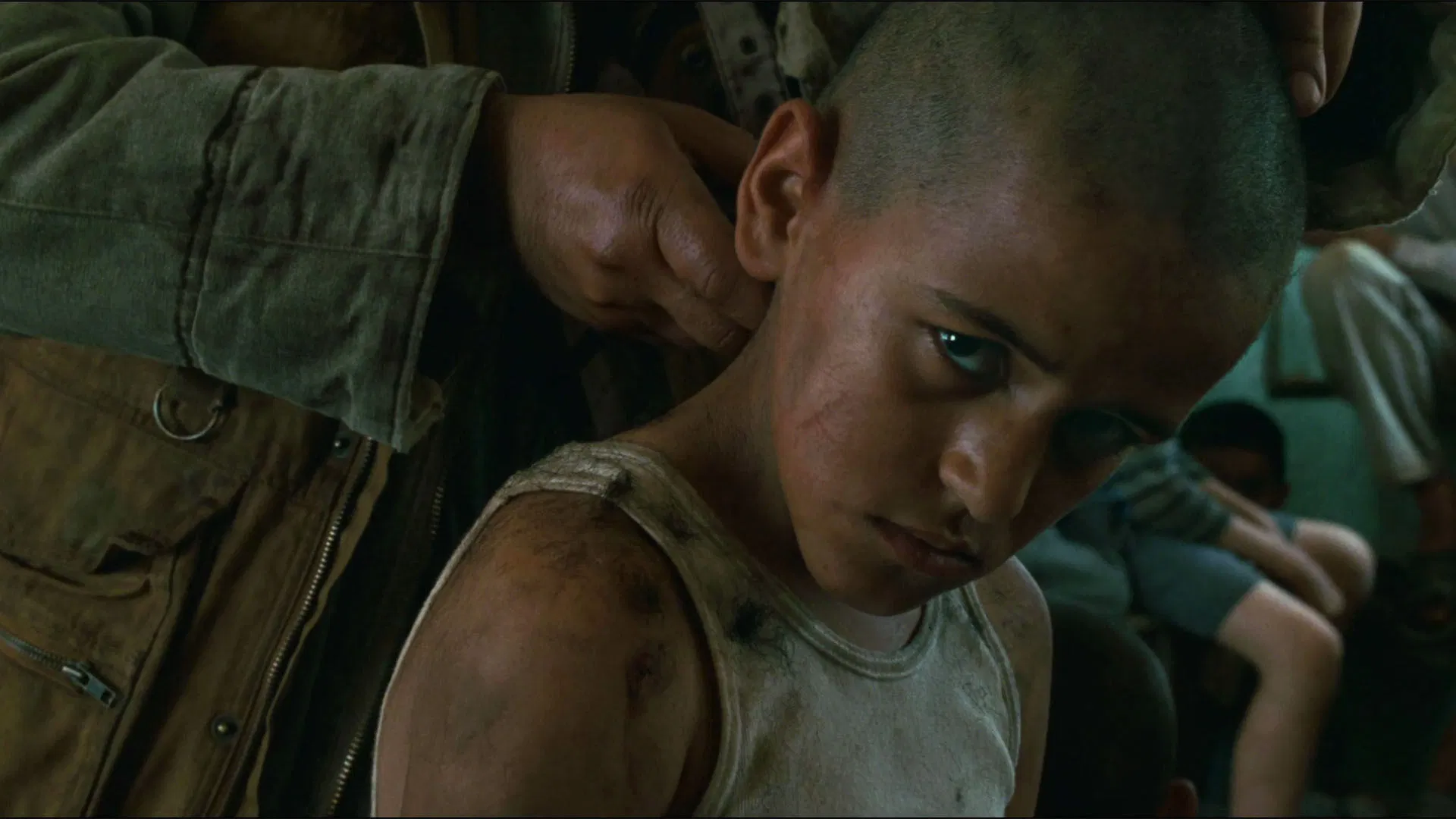
Villeneuve shoots the parched, sun-drenched landscapes with a sense of ancient permanence, André Turpin's cinematography capturing the transition from the sterile offices of Canada to the war-torn villages of the Levant, showing how history remains "written in blood" on the land. The film’s treatment of the bus massacre sequence is a masterclass in escalating dread, showing how quickly neighbors turn into executioners when fueled by religious zealotry, the silence following the violence being more harrowing than the gunfire itself. The famous twist ending, while operatic in its scope, serves as a profound argument against the futility of revenge, showing that the only way to break the cycle of hate is through a truth so painful it renders further violence impossible. It succeeds because Villeneuve balances the epic scale of a regional conflict with the intimate trauma of a single family, proving that the most powerful war films are those that show how the "fires" of conflict burn long after the treaties are signed, leaving scars that only total, devastating honesty can begin to heal.
16. 🎬 Zero Dark Thirty (2012) | Dir. Kathryn Bigelow
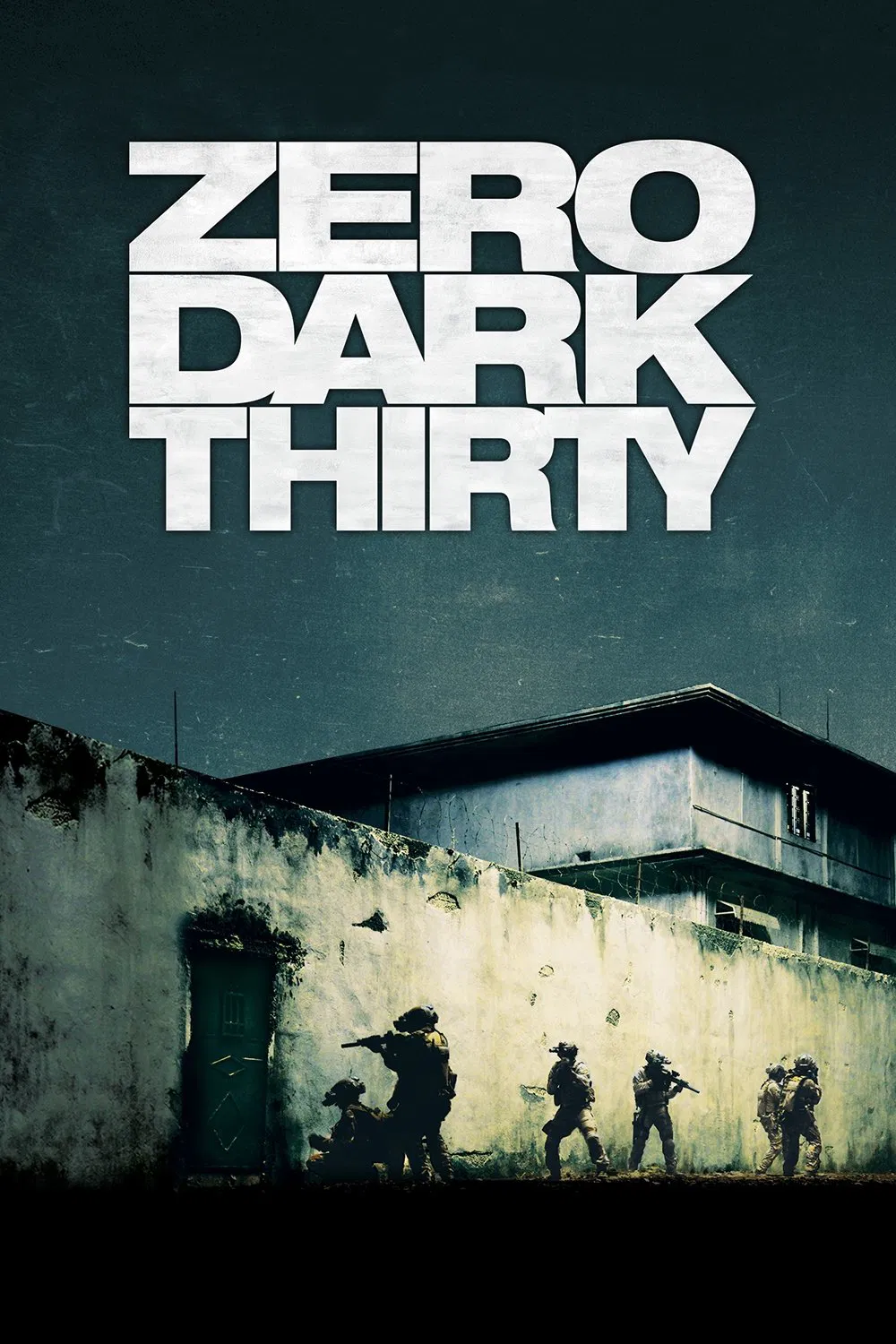
A clinical, procedural chronicle of the decade-long manhunt for Osama bin Laden, following Maya, a CIA analyst whose monomaniacal obsession with finding "UBL" mirrors the United States' own singular focus on retribution after the September 11 attacks. Kathryn Bigelow and screenwriter Mark Boal provide an unvarnished look at the "War on Terror," examining the moral compromises of the CIA's "black sites" and the bureaucratic hurdles of intelligence work without offering easy answers about the efficacy or ethics of torture. Jessica Chastain plays Maya with a steely, internalised ferocity, her transformation from a nervous recruit witnessing an "enhanced interrogation" to a hardened operator who views the mission as her entire identity showing the corrosive effect of prolonged warfare on the individual soul. What makes Zero Dark Thirty essential is its dedication to the "long game" of intelligence, showing that the capture of the world's most wanted man was the result of tedious data analysis and professional intuition rather than Hollywood-style heroics.
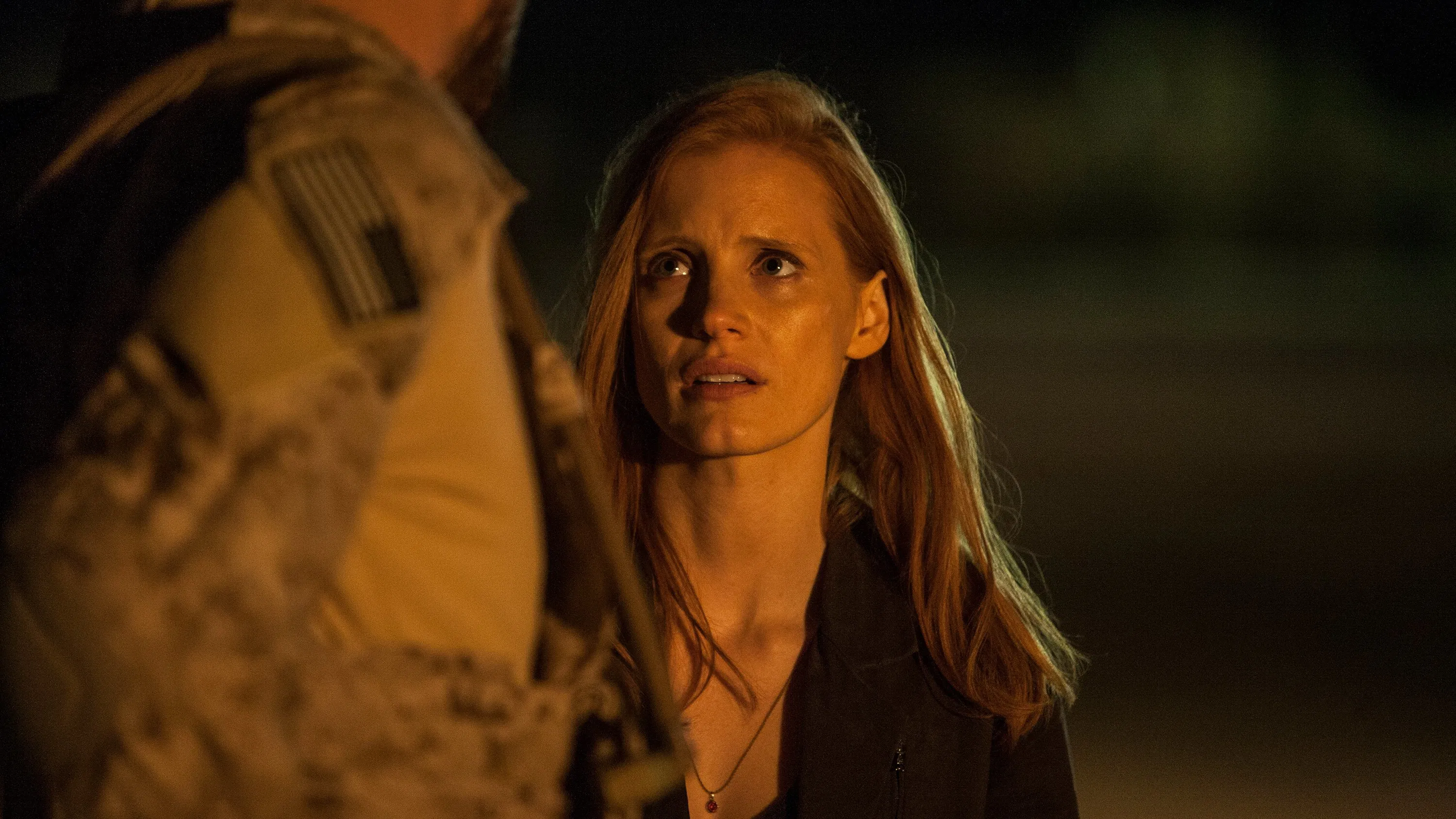
Bigelow shoots the film with a detached, journalistic aesthetic, Greig Fraser's cinematography capturing the dusty streets of Pakistan and the sterile corridors of Langley with equal realism, building tension through information rather than action. The climactic Abbottabad raid is presented in near-real-time using night-vision green, a sequence that strips away the music and the glory to show the messy, mechanical reality of a special operations mission where the line between "enemy" and "bystander" is razor-thin. The film's treatment of the "interrogation" scenes remains controversial, but Bigelow presents them as a historical reality of the era, forcing the viewer to confront the darkness that was authorized in the name of security. The ending, where Maya sits alone on a transport plane and is asked "Where do you want to go?", represents the existential void that follows the completion of a life-defining mission, suggesting that when the war is over, there may be nothing left of the person who fought it. It succeeds because Bigelow refuses to make the mission redemptive, showing that the "victory" over bin Laden came at a tremendous moral and psychological cost, proving that the most honest accounts of modern warfare are those that acknowledge the shadow cast by the pursuit of justice.
17. 🎬 The Zone of Interest (2023) | Dir. Jonathan Glazer
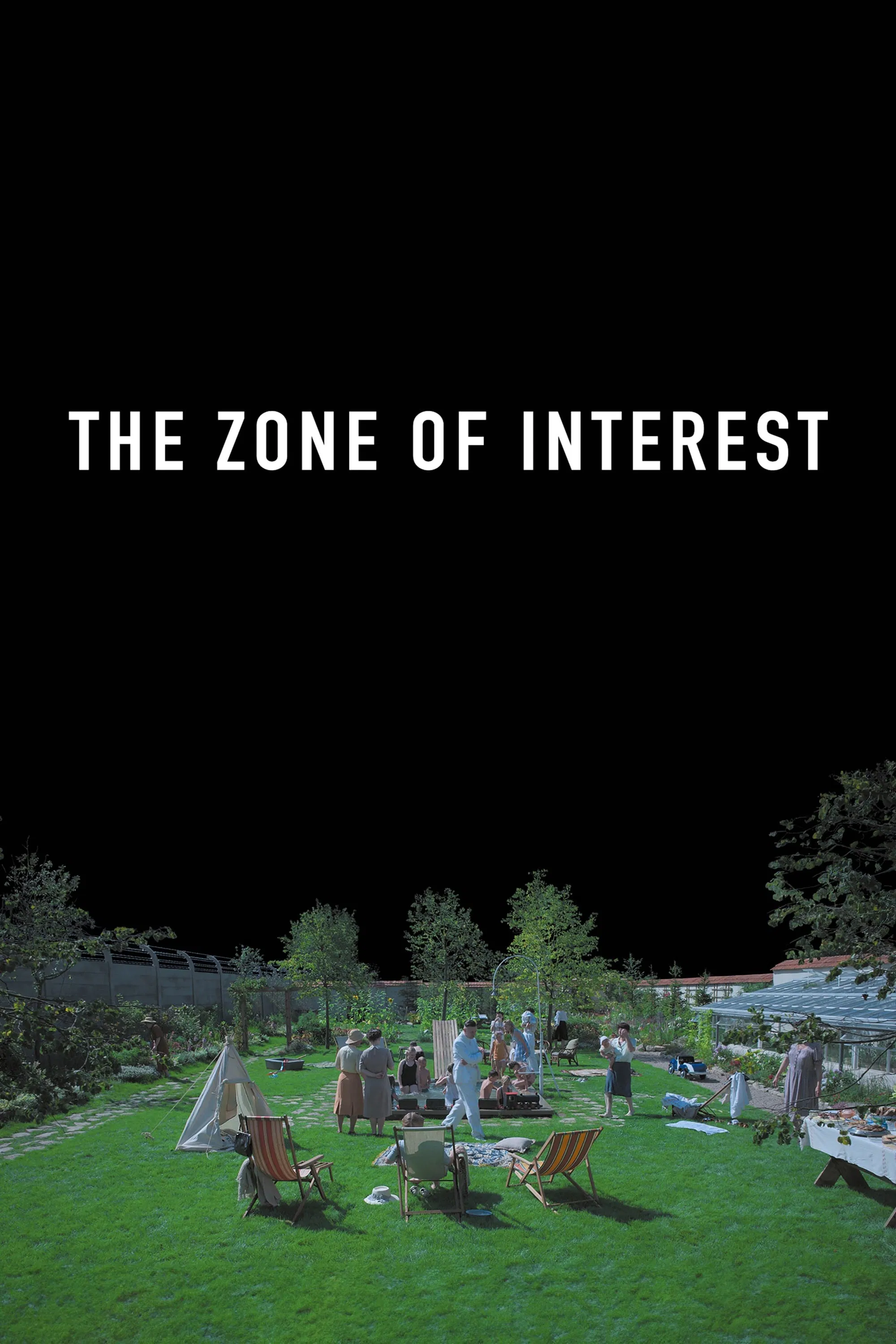
A chillingly banal portrait of the domestic life of Auschwitz commandant Rudolf Höss and his wife Hedwig, who strive to build a "dream life" for their family in a house and garden located just over the wall from the extermination camp, the film examining the "banality of evil" through what is unseen and unheard. Jonathan Glazer ignores the traditional iconography of the Holocaust, never taking the camera inside the camp and instead focusing on the mundane details of garden parties, pool days, and career promotions, showing how the perpetrators compartmentalized mass murder into a background noise of their everyday existence. Christian Friedel plays Rudolf as a middle-manager of genocide, more concerned with the efficiency of crematorium designs and administrative transfers than the human lives he is extinguishing, his performance showing how bureaucracy can sanitize the most horrific crimes. Sandra Hüller's Hedwig is the "Queen of Auschwitz," a woman whose pride in her "paradise" is entirely dependent on her ability to ignore the screams and the smoke billowing over her fence, embodying the psychological complicity of the German civilian population.
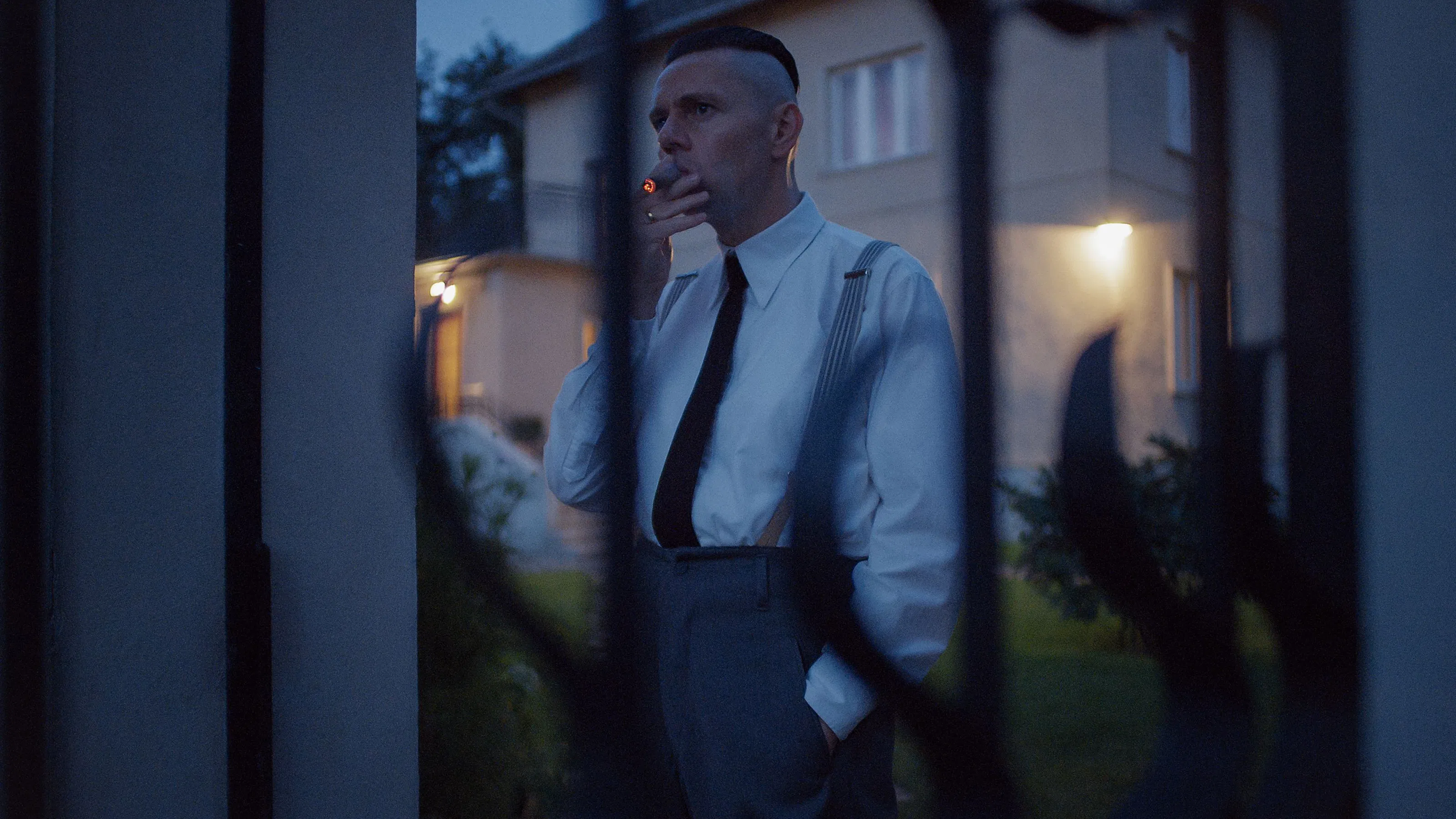
What makes The Zone of Interest essential is its innovative use of sound design; Johnnie Burn creates a "second film" occurring entirely off-screen which consists of the constant hum of the ovens, the distant shouts, and the industrial thrum of the camp, creating a sensory dissonance that is more terrifying than any visual depiction of the gas chambers. Glazer shoots with hidden cameras and natural light to give the film a cold, "Big Brother" feel, Łukasz Żal's cinematography capturing the vibrant colors of the garden against the gray, ash-flecked reality of the environment. The film’s treatment of the "night sequences," shot in thermal imaging to show a local girl hiding food for the prisoners, provides the only glimpse of resistance in a world defined by total apathy. The ending, which briefly jumps to the present-day museum at Auschwitz, creates a bridge between the historical atrocity and its current status as a curated memory, forcing the viewer to reflect on how we observe evil. It succeeds because Glazer recognizes that the most profound horror of the Holocaust was not its exceptionalism but its integration into a "normal" life, proving that the most powerful anti-fascist films are those that show how easily humanity can be discarded for the sake of a well-kept lawn.
18. 🎬 Quo Vadis, Aida? (2020) | Dir. Jasmila Žbanić
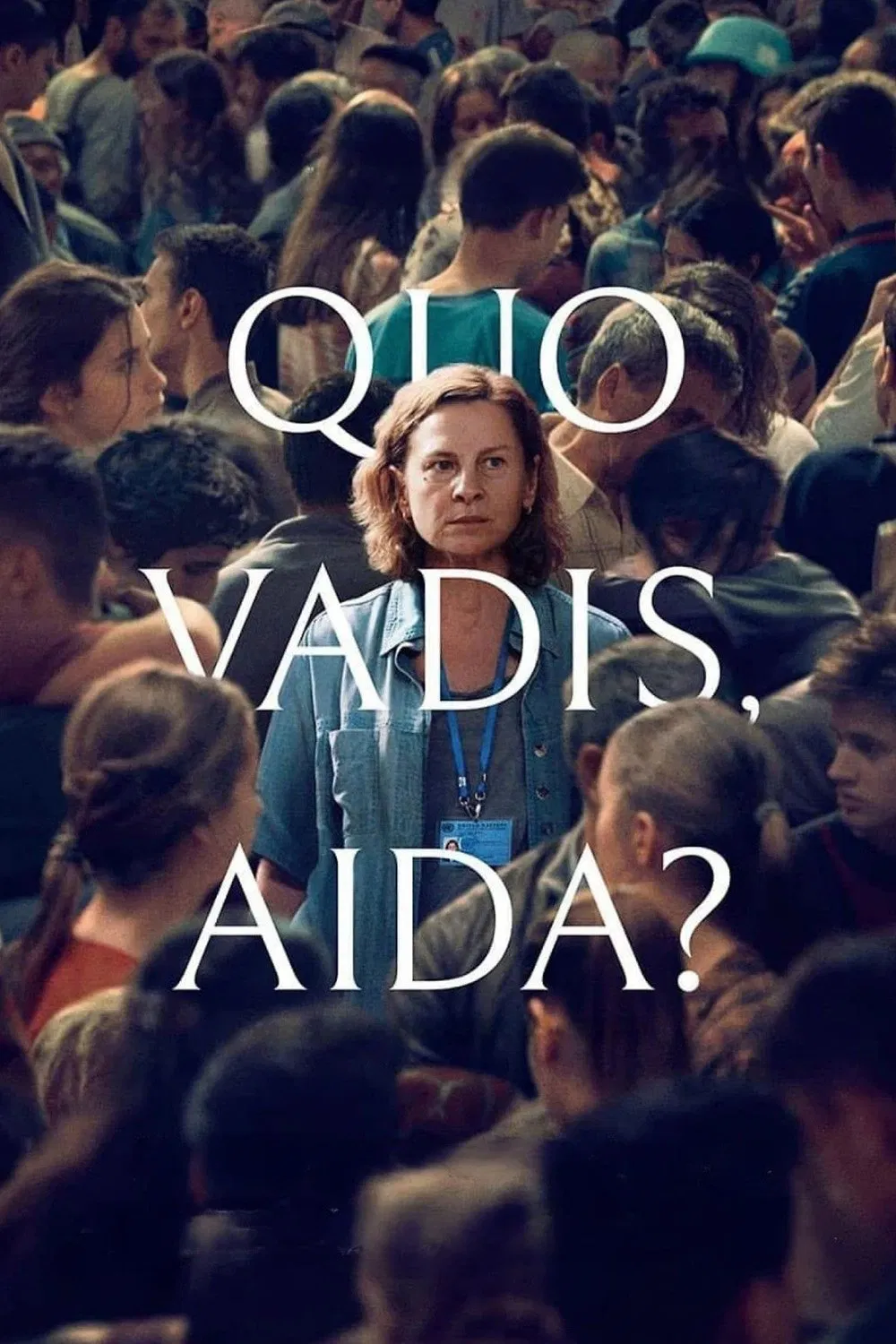
A harrowing account of the 1995 Srebrenica massacre, following Aida, a UN translator who desperately tries to save her husband and two sons as the Serbian army enters the supposed "safe area" while the international community watches in paralyzed incompetence. Jasmila Žbanić creates a masterclass in escalating tension and bureaucratic failure, showing how the promise of UN protection became a death warrant for thousands of Bosnian Muslims due to a lack of political will and military courage. Jasna Đuričić gives a towering performance as Aida, her frantic movement between the Dutch UN commanders and the terrified refugees capturing the frantic energy of a mother who realizes the system meant to save her family is actually betraying them. The film portrays General Ratko Mladić as a performative villain who hands out bread to children for the cameras while his soldiers prepare for mass execution, showing the theatricality of war crimes and the manipulation of truth.
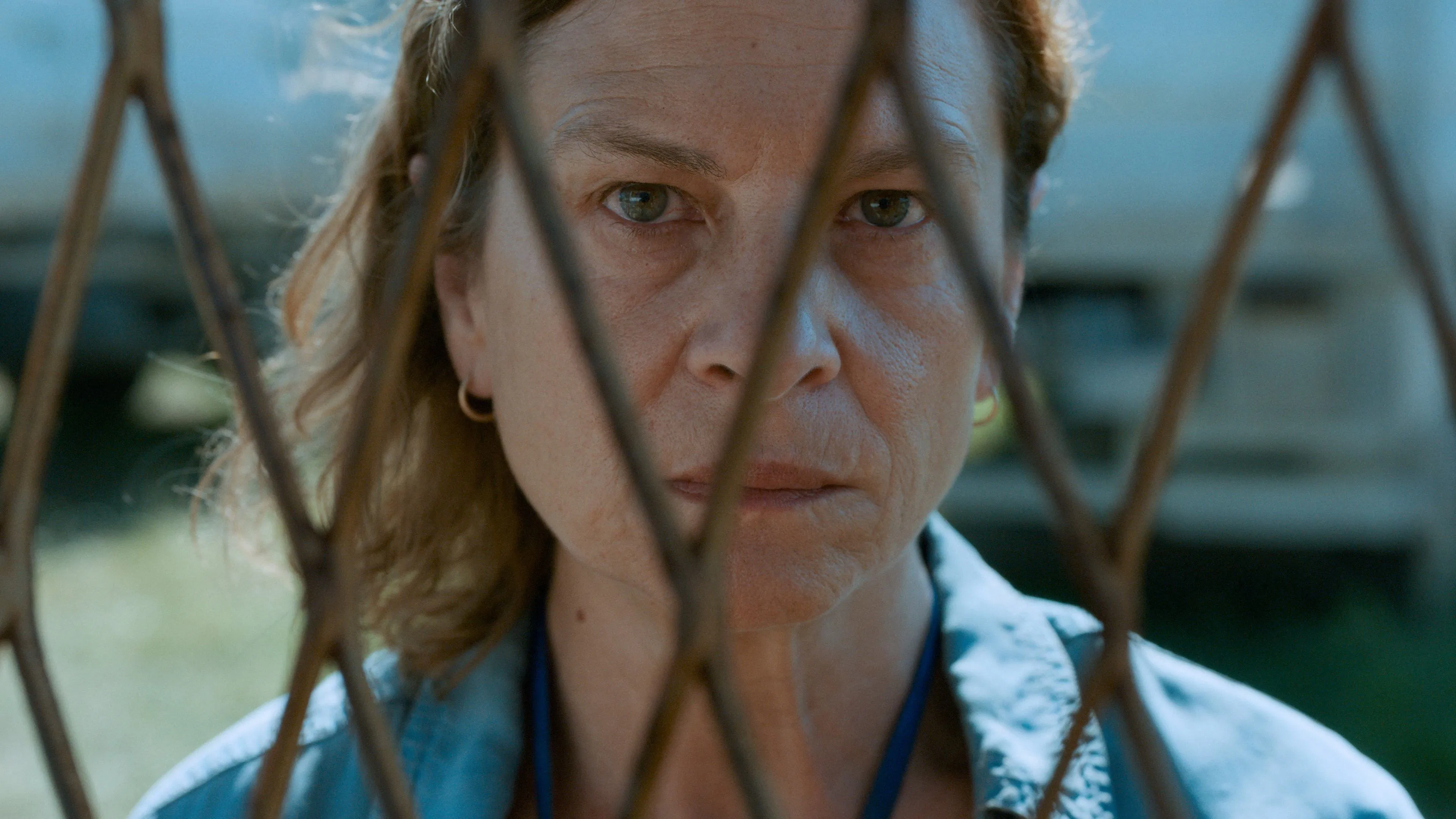
What makes Quo Vadis, Aida? essential is its focus on the "translator" as a bridge between two worlds that refuse to understand each other, Aida's role forcing her to translate the very lies that will lead to her family's death. Žbanić shoots the overcrowded UN hangar with a claustrophobic intensity, the heat and the desperation of the refugees becoming palpable, while the "negotiation" scenes in the Dutch headquarters reveal the cowardice of officers who hide behind "procedures" while a genocide unfolds outside their windows. The film's treatment of the final "selection" process is devastating in its restraint, focusing on the faces of the men being led away and the silent realization of the women left behind, refusing to sensationalize the violence to emphasize the profound loss. The ending, set years later as Aida returns to her former apartment now occupied by a Serbian family, represents the unresolved trauma of the Balkan conflict and the difficulty of "peace" when the perpetrators and victims are forced to live side-by-side. It succeeds because Žbanić refuses to offer a heroic narrative, instead documenting a monumental failure of humanity that remains a stain on the conscience of the 20th century, proving that the most urgent historical films are those that demand accountability for the "neutrality" that allows evil to thrive.
19. 🎬 Son of Saul (2015) | Dir. László Nemes
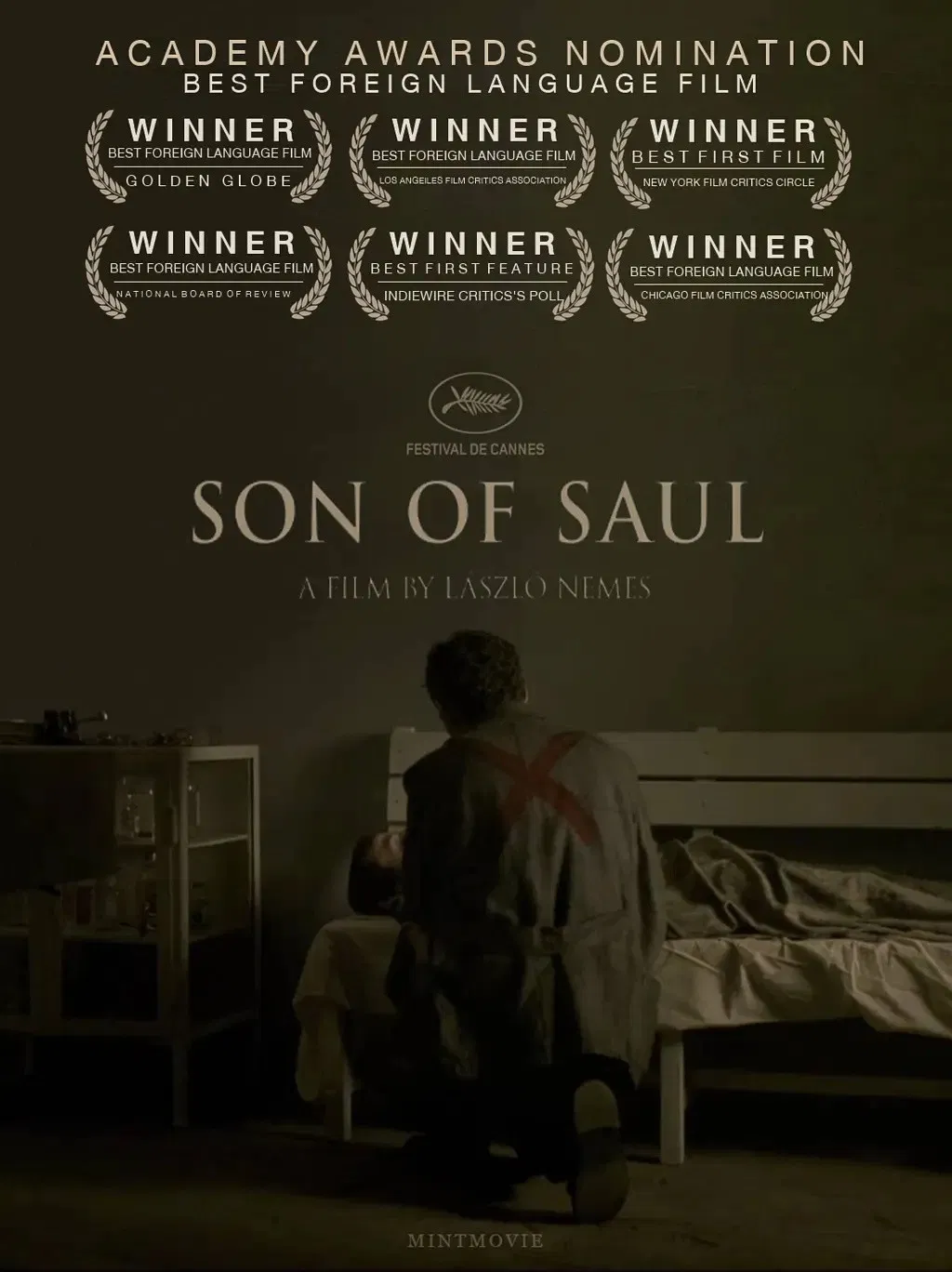
A visceral, immersive descent into the machinery of the Holocaust, following Saul Ausländer, a member of the Sonderkommando (Jewish prisoners forced to assist in the gassing and cremation of their fellow inmates) at Auschwitz-Birkenau, who becomes obsessed with giving a proper Jewish burial to a boy he believes is his son. László Nemes utilizes a revolutionary aesthetic by shooting in a narrow 4:3 aspect ratio with a shallow depth of field that keeps the camera fixed on the back of Saul’s head to create a subjective experience of "the zone" where the atrocities of the camp are a blurred, out-of-focus background to Saul's singular mission. Géza Röhrig plays Saul with a dead-eyed, mechanical detachment that slowly cracks under the weight of his spiritual quest, his performance showing how survival in the camp required the death of the self, and how his ritualistic obsession is a desperate attempt to reclaim his humanity.
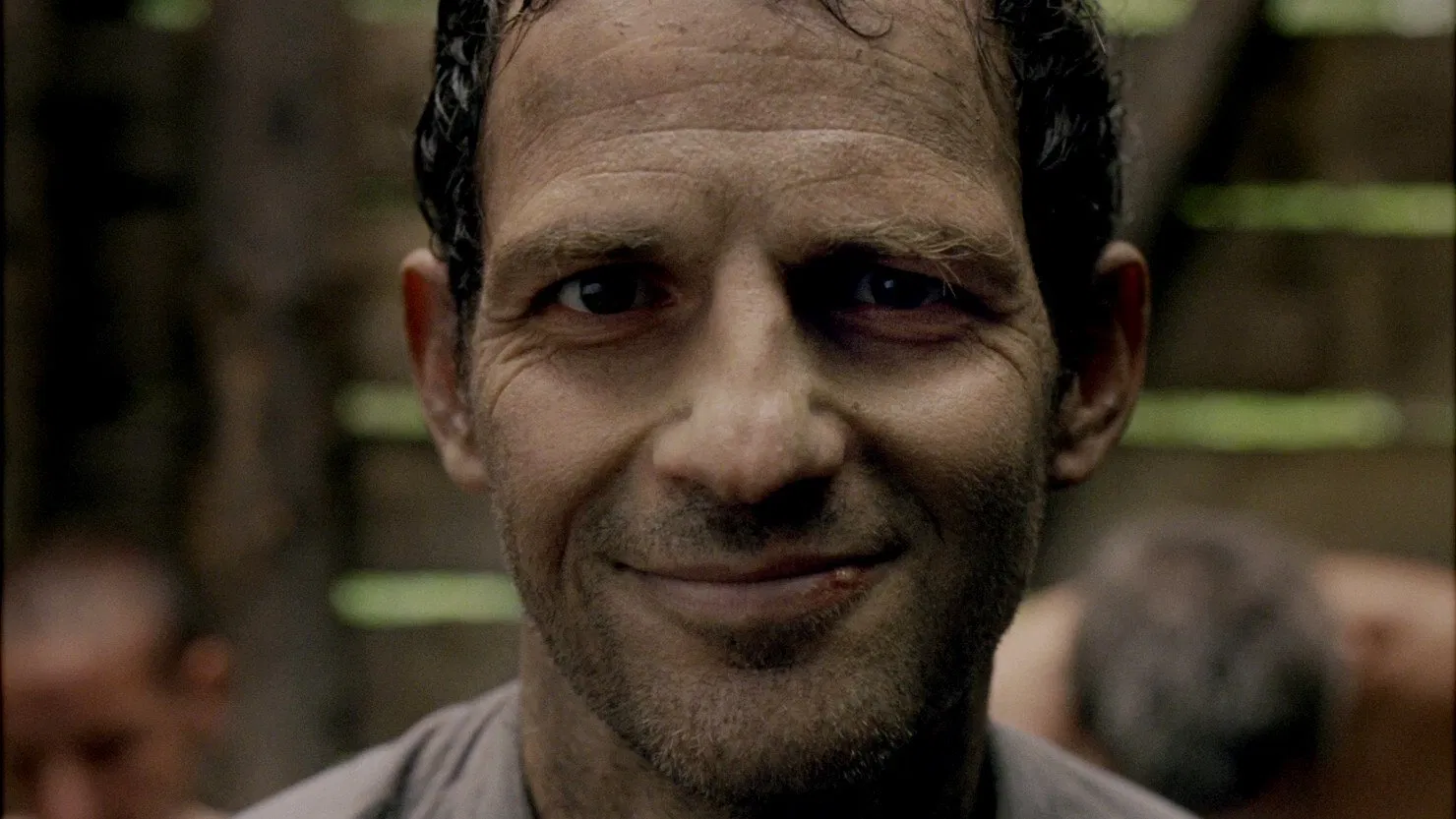
What makes Son of Saul essential is its refusal to "show" the Holocaust in a traditional sense; by keeping the horrors in the periphery, the film forces the viewer to imagine the unseen, making the experience more claustrophobic and terrifying than any explicit depiction. Nemes uses long, choreographed takes that move through the "factory of death," the sound design filling the gaps with a cacophony of languages, machinery, and screams that create a sense of total sensory overload. The film’s treatment of the Sonderkommando uprising provides a rare glimpse of armed resistance, but Nemes frames it as a chaotic, doomed effort that contrasts with the quiet, focused dignity of Saul’s religious task, suggesting that a spiritual act can be as rebellious as a physical one. The ending, featuring a rare moment of natural beauty and a fleeting smile, provides a devastatingly brief reprieve before the inevitable conclusion of the camp’s logic, showing that in a place designed for total annihilation, even a small act of grace is a monumental victory. It succeeds because Nemes reinvents the visual language of the Holocaust film, moving away from sentimentality toward a primal, aesthetic honesty that captures the "gray zone" of moral survival, proving that the most profound way to honor the victims is to witness the impossible choices they were forced to make within the heart of the darkness.
20. 🎬 Jojo Rabbit (2019) | Dir. Taika Waititi
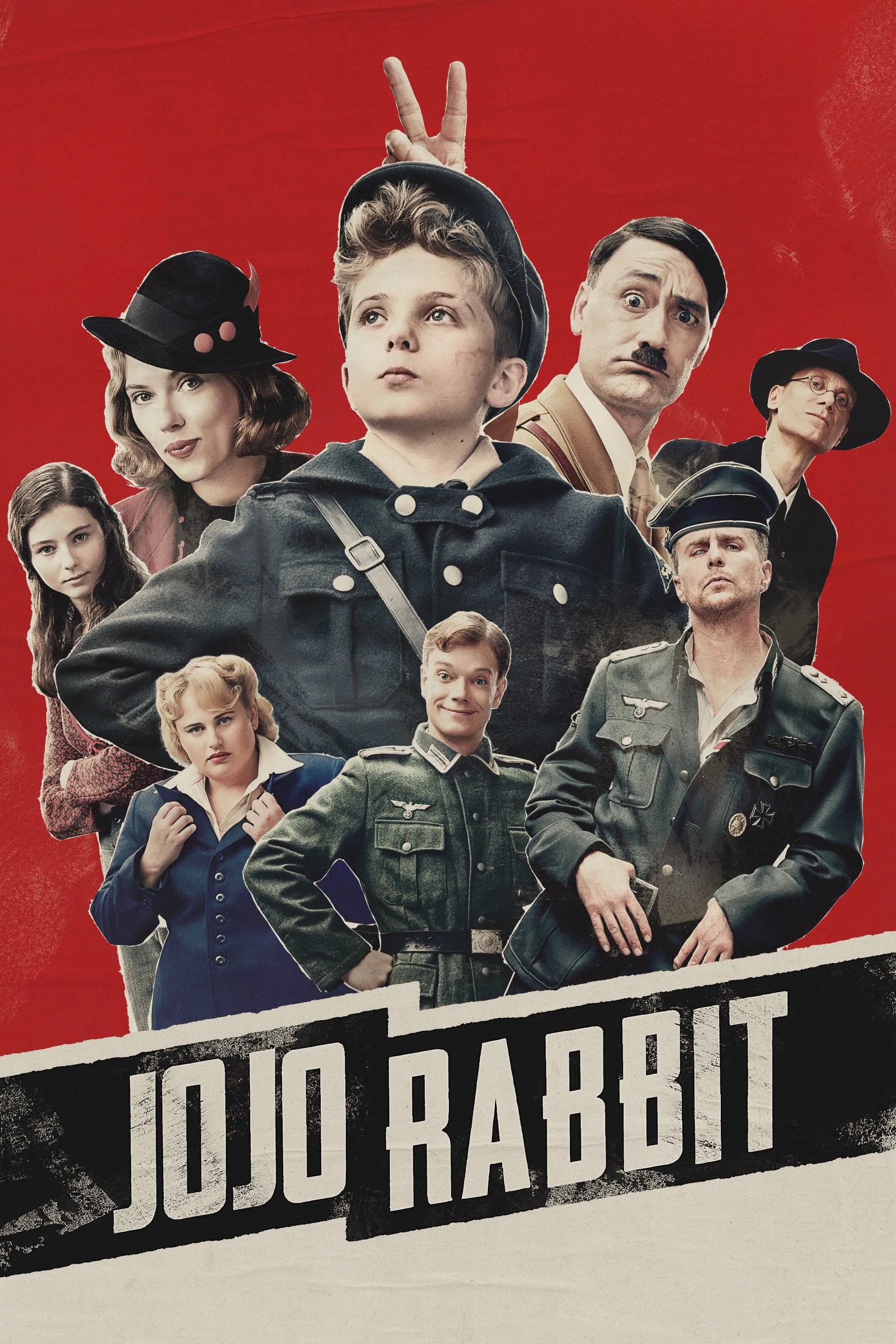
A satirical anti-hate film set in the final days of World War II, following ten-year-old Jojo Betzler, a lonely German boy whose blind nationalism is embodied by his imaginary friend Adolf Hitler, until his discovery of a Jewish girl hiding in his attic forces him to confront his indoctrination. Taika Waititi balances risky tonal shifts between slapstick comedy and devastating tragedy to examine how hate is taught to children, presenting the Third Reich not as a terrifying monolith but as a ridiculous absurdity viewed through the eyes of a naive fanatic. Roman Griffin Davis plays Jojo with a vulnerability that makes his initial anti-Semitism pitiful rather than threatening, capturing the confusion of a child who wants to belong to a club that happens to be a genocidal regime, while Thomasin McKenzie's Elsa provides the human reality that shatters his propaganda-fueled delusions. Scarlett Johansson's Rosie is the film's moral anchor, a mother who practices resistance through joy and compassion, teaching Jojo that "dancing is for people who are free" and trying to preserve his innocence in a world demanding brutality.
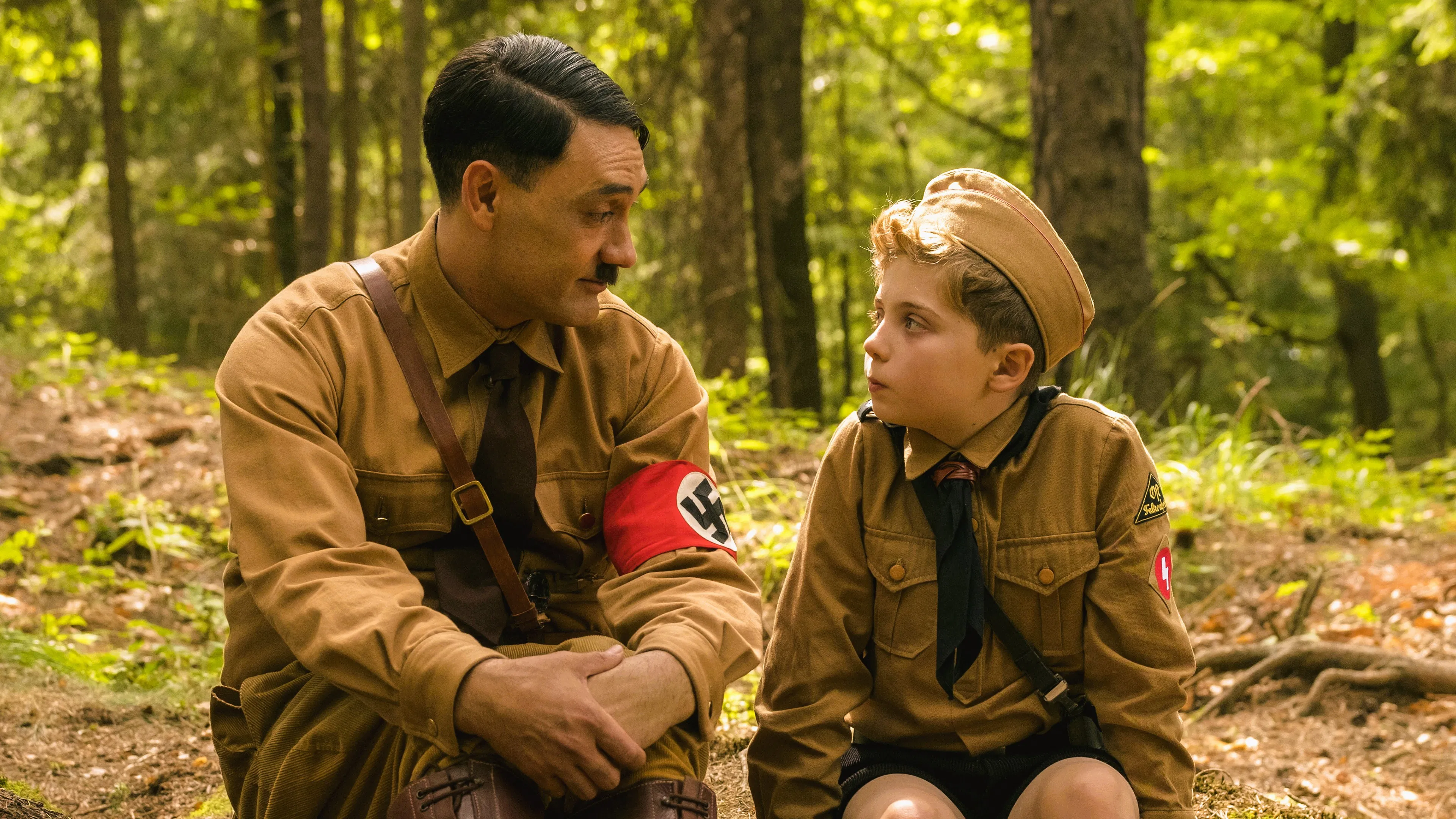
What makes Jojo Rabbit essential is its visual strategy of filming Nazi Germany in vibrant, saturated colors rather than the traditional desaturated grays, reflecting Jojo's romanticized view of the war before reality inevitably crashes in. Waititi uses the motif of shoes to devastating effect, establishing Rosie's presence through her distinctive footwear so that a later shot of hanging feet communicates a horrific death without showing a face, a moment that instantly pivots the film from comedy to heartbreak. The character of Captain K, played by Sam Rockwell, represents the disillusioned soldier who recognizes the war is lost and the ideology is hollow, his tragic arc showing the waste of human potential within a fascist system. It succeeds because Waititi understands that mocking tyrants is a potent form of resistance, stripping away Hitler's power by reducing him to a petulant child's fantasy while simultaneously honoring the victims through moments of profound silence and grace, proving that love is the only logical response to the absurdity of hate.
— The Cinéprism
Keep reading
31 / 08 / 2026 · 391 reads
10 Best Endings in Film
A curated list of 10 unforgettable movie endings that leave a lasting impact long after the credits roll.
15 / 09 / 2026 · 143 reads
Top 15 Movies with Plot Twists You Might Have Missed
15 movies packed with hidden clues, subtle details, and twists that hit differently once you know what to look for.