
Dispatch — Long Read
🎬 Top 10 Martin Scorsese films:
A master storyteller, Martin Scorsese’s top films dive deep into crime, faith, and human emotion; blending realism, rhythm, and raw power that define modern cinema.
The Cinéprism
10 / 11 / 2025 · 15 min read
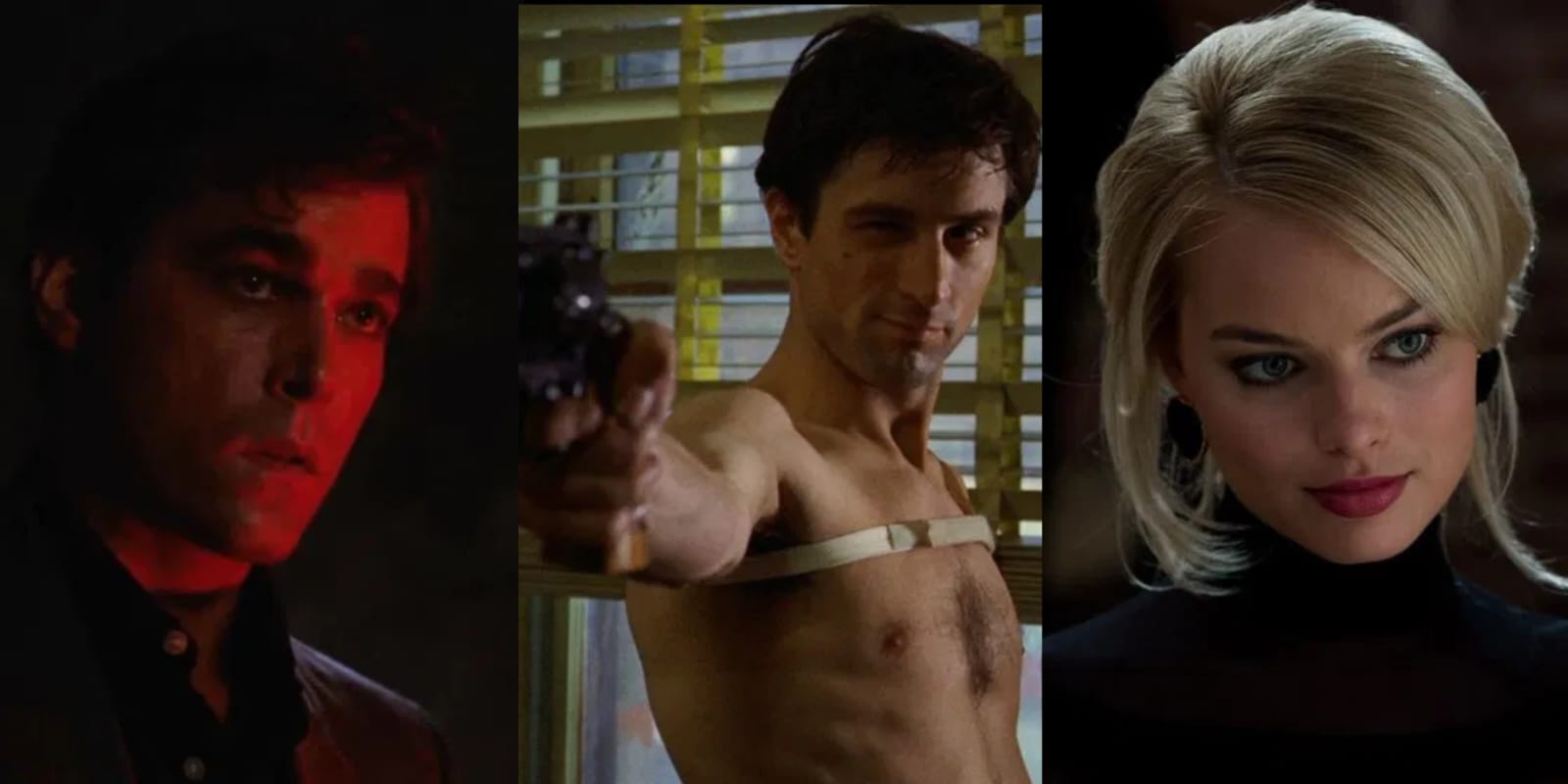
10. "The Wolf of Wall Street" (2013)
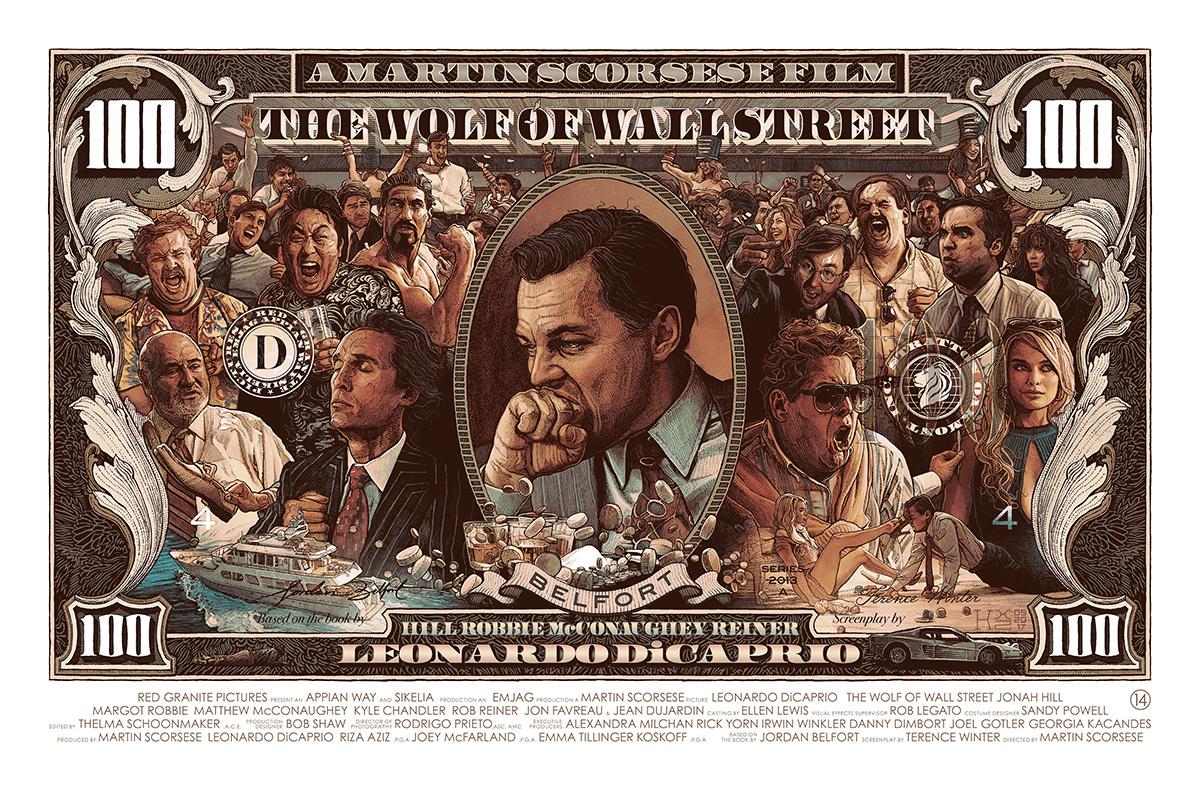
Based on the true story of Jordan Belfort, a stockbroker who built an empire through fraud, deception, and spectacular corruption, The Wolf of Wall Street chronicles his rise from penny stock trader to multimillionaire criminal living a life of unimaginable debauchery. What makes Scorsese's film so unsettling is its refusal to moralize; instead, it immerses us completely in Belfort's worldview, showing us exactly how seductive the promise of easy money can be, how quickly ethical boundaries dissolve when everyone around you is getting rich, and how capitalism's most grotesque impulses are merely exaggerations of its fundamental logic. The film presents three hours of drugs, sex, and financial crime not as cautionary tale but as documentary evidence of a system designed to reward sociopathy.
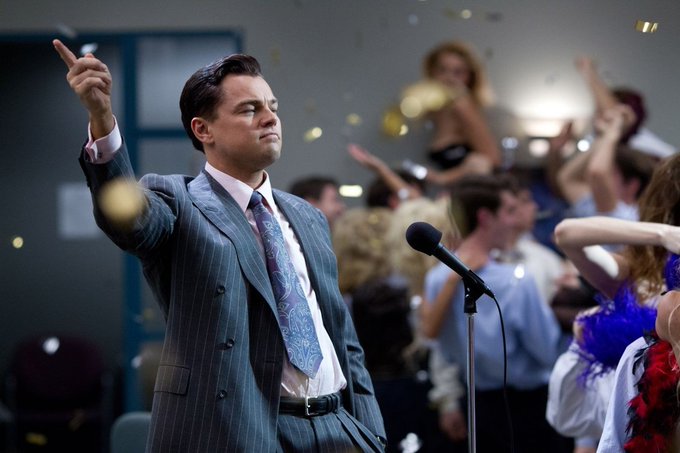
Leonardo DiCaprio delivers a fearless, almost feral performance, playing Belfort not as a villain but as a motivational speaker from hell, a man whose charisma is weaponized to separate marks from their money. His physical comedy is astounding, particularly in the Quaalude sequence that has become legendary, but it's the moments of quiet calculation that reveal the true horror. Jonah Hill, as Belfort's deranged partner Donnie Azoff, matches DiCaprio's intensity with a performance of grotesque comedy that masks genuine menace. Scorsese's direction is electric, employing every trick in his arsenal to maintain breakneck pacing across the massive runtime, breaking the fourth wall, using freeze frames and voice-over, creating a kinetic energy that mirrors the high of the lifestyle being depicted. The film's controversial ending, where Belfort essentially gets away with everything and reinvents himself as a motivational speaker, is the most damning indictment of all. The Wolf of Wall Street succeeds because it understands that greed isn't an aberration in American capitalism but its purest expression, and that we're all drawn to the spectacle even as we pretend to condemn it.
09. "Mean Streets" (1973)
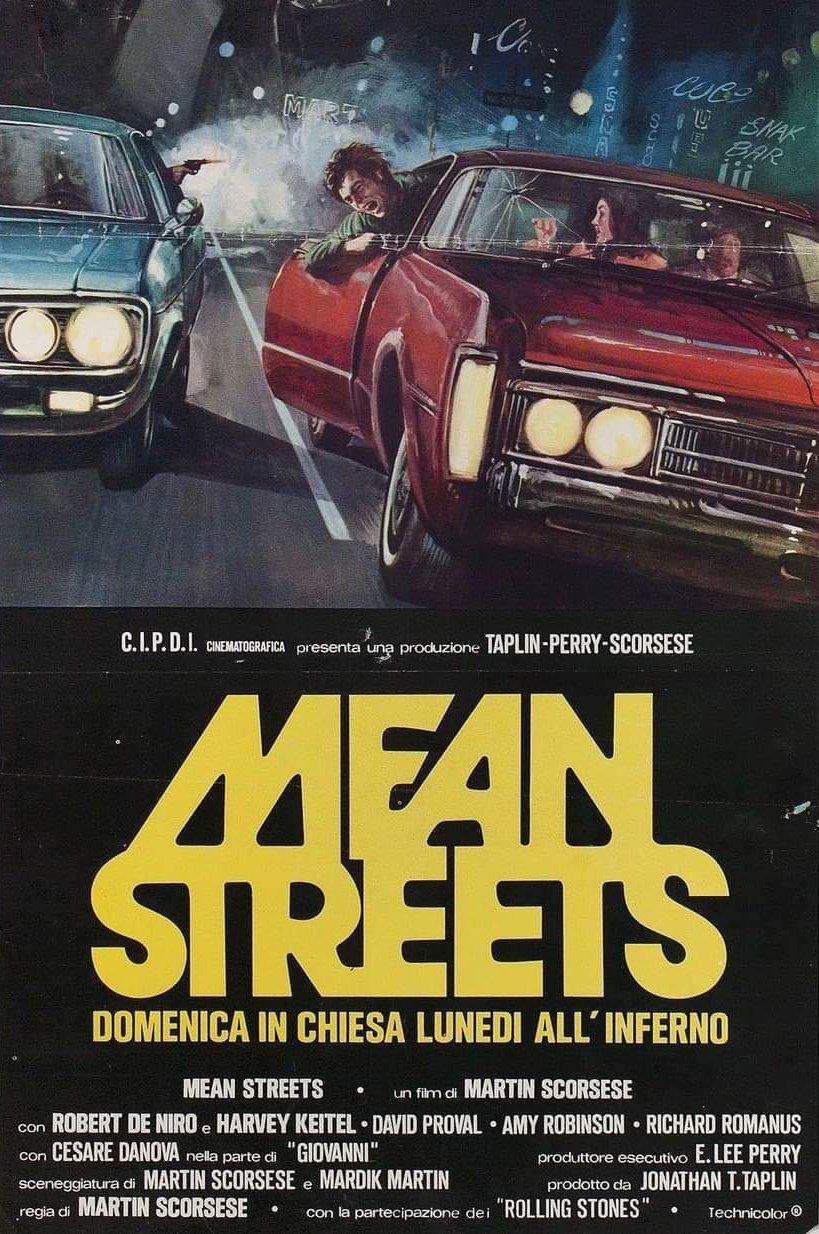
Set in the Little Italy of Scorsese's youth, Mean Streets follows Charlie, a low-level mob collector torn between his Catholic guilt, his ambition within the organization, and his loyalty to Johnny Boy, his reckless, self-destructive friend whose mounting debts and inability to take anything seriously threaten to drag them both down. What distinguishes Mean Streets from countless other crime films is its intense intimacy; this is not a story about criminal masterminds or grand schemes but about small-time hustlers trapped by geography, loyalty, and their own limitations. Scorsese shoots the streets of Little Italy like a cage, every bar and alley a dead end, every relationship a form of imprisonment. The film's structure is loose, almost documentary-like, more interested in capturing the texture of this world than in conventional plot mechanics.
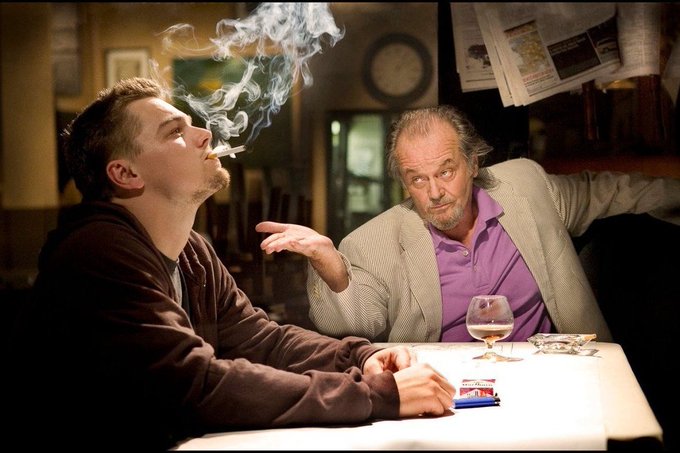
Harvey Keitel, in his first major collaboration with Scorsese, brings wounded intensity to Charlie, a man whose attempts at redemption are constantly undermined by the world he can't escape. Robert De Niro explodes onto the screen as Johnny Boy, all manic energy and self-destructive impulses, creating a character who is simultaneously lovable and impossible to save. Their chemistry crackles with the authenticity of real friendship tested by incompatible trajectories. Scorsese's use of popular music was revolutionary, particularly the way he employs the Ronettes' "Be My Baby" and the Rolling Stones' "Jumpin' Jack Flash" not as background but as emotional commentary, as carriers of memory and feeling. The cinematography, often handheld and urgent, captures both the claustrophobia of these characters' lives and the occasional moments of transcendence they achieve despite everything. Mean Streets matters because it showed that crime films could be personal, that the streets could be spiritual battlegrounds, and that salvation might be impossible in a world designed to corrupt. It remains Scorsese's most raw and unfiltered work, a film made before success required compromise.
08. "Shutter Island" (2010)
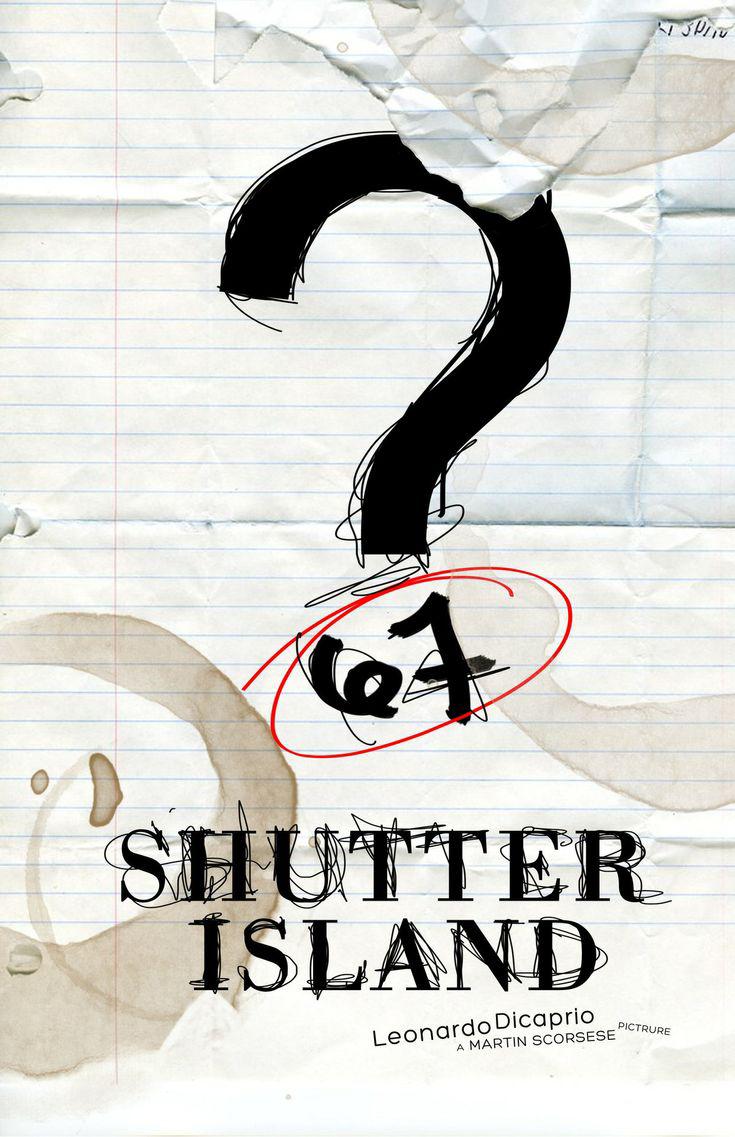
U.S. Marshal Teddy Daniels arrives at Ashecliffe Hospital for the criminally insane, located on the isolated Shutter Island, to investigate the disappearance of a patient who murdered her children. As Teddy digs deeper, the investigation becomes increasingly surreal, the hospital staff evasive, his dreams haunted by his dead wife, and reality itself begins to fragment. Scorsese approaches the material with the precision of a clockmaker, constructing a narrative puzzle where every detail, every conversation, every dream sequence contains clues to a truth that becomes more horrifying the closer we get to it. What elevates Shutter Island beyond clever thriller is its emotional core; this is ultimately about a man's desperate attempt to escape unbearable guilt through self-created delusion.
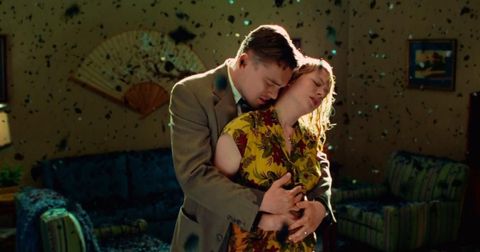
Leonardo DiCaprio anchors the film with a performance of mounting desperation, playing Teddy's confusion and rage with such conviction that we believe every moment of his investigation even as we sense something is profoundly wrong. Mark Ruffalo, as his partner Chuck, brings quiet groundedness that serves as counterpoint to DiCaprio's intensity. Ben Kingsley's Dr. Cawley is a masterclass in ambiguity, somehow both sinister and compassionate depending on how we choose to interpret his actions. Scorsese's visual approach is deliberately heightened, using expressionistic lighting, impossible camera angles, and Hitchcockian suspense techniques to create a world that feels perpetually off-balance. The production design transforms the island into a Gothic nightmare, all crumbling stone and dark corridors and spaces that seem designed to trap rather than heal. The film's controversial ending, which some viewers found too neat, is actually its most devastating element; the final line suggests that perhaps Teddy has chosen delusion over truth because reality is simply too painful to bear. Shutter Island works because it understands that psychological horror is not about jump scares but about the terror of losing trust in your own mind, and that sometimes the most terrifying monsters are the ones we create to protect ourselves from even worse truths.
07. "Gangs of New York" (2002)
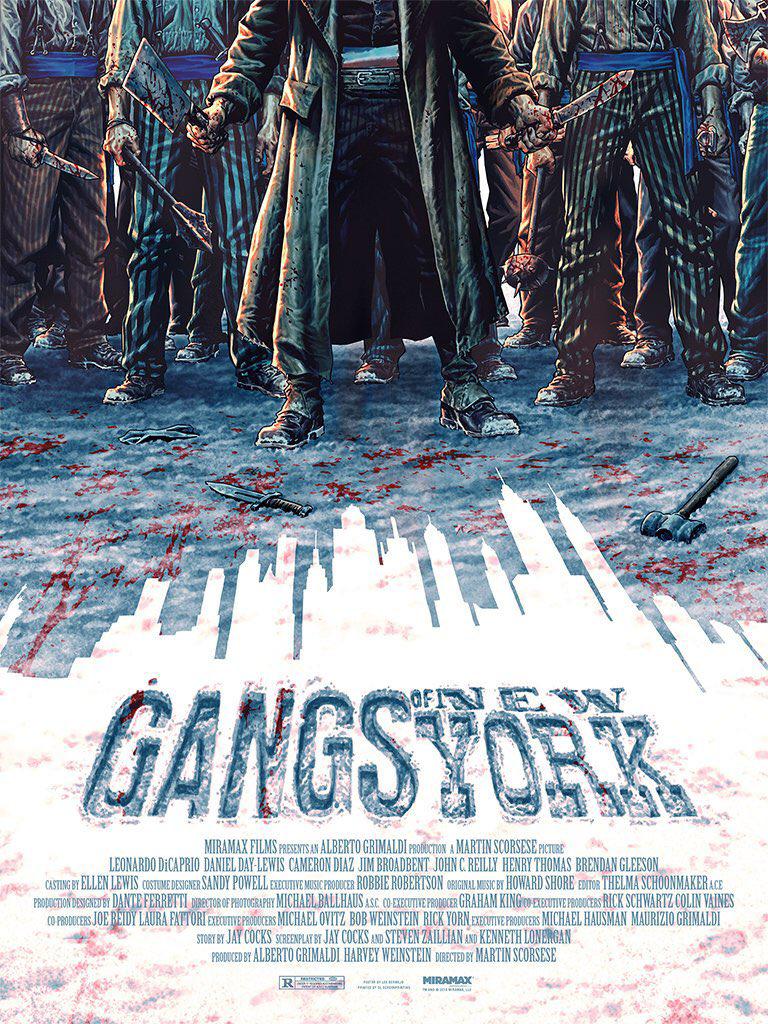
Set in the Five Points district of 1860s New York, the film follows Amsterdam Vallon as he returns to the neighborhood where his father was murdered years earlier by Bill "The Butcher" Cutting, a nativist gang leader who now rules the Five Points with charismatic brutality. Amsterdam's quest for revenge becomes entangled with the larger forces tearing America apart: waves of Irish immigration, anti-draft riots during the Civil War, and the violent birth of political machines that would define American cities for generations. Scorsese's vision is operatic and sprawling, attempting nothing less than a creation myth for modern America, showing how the nation was forged not through noble ideals but through tribal violence, ethnic hatred, and the raw struggle for survival and power.
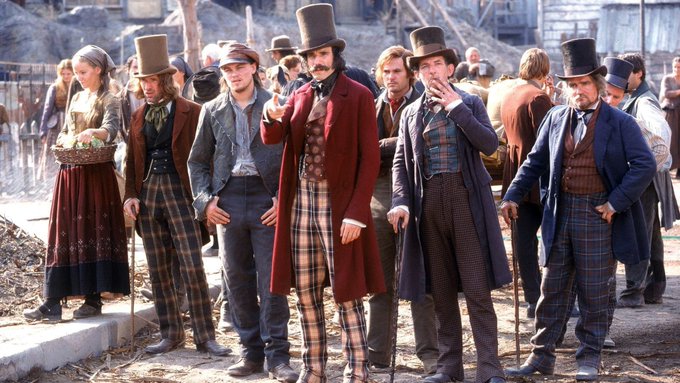
Daniel Day-Lewis delivers one of cinema's most iconic villain performances as Bill the Butcher, creating a character who is terrifying, magnetic, and somehow tragic, a man whose entire identity is built on hatred of the "foreign hordes" yet who possesses a twisted code of honor that makes him more compelling than purely evil. Leonardo DiCaprio, as Amsterdam, provides the moral center, though his character's journey from revenge to something resembling understanding feels less fully realized. Cameron Diaz, as pickpocket Jenny Everdeane, brings street-smart toughness to a role that could have been merely decorative. Scorsese's recreation of 19th century New York is staggering in its detail and grime, capturing a city that was more like a war zone than the romantic gaslit world of period pieces. The film's climax, which intersperses the personal vendetta with the Draft Riots, creates spectacular chaos while making clear that individual stories are swept away by historical forces beyond any person's control. Gangs of New York is flawed, sometimes unwieldy in its ambitions, but it succeeds as a reminder that American identity was built on violence and exclusion, and that the tribal hatreds of the past are never as distant as we'd like to believe.
06. "The King of Comedy" (1982)
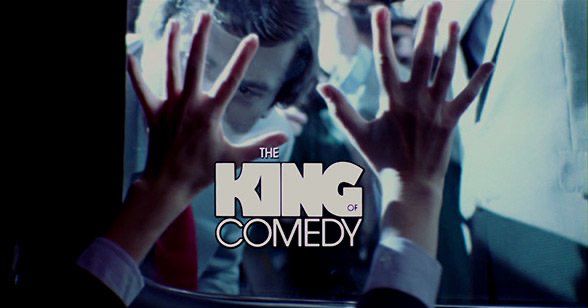
Rupert Pupkin is a failed comedian living with his mother, spending his days fantasizing about appearing on "The Jerry Langford Show," practicing his routine in his basement to imaginary audiences and dream scenarios where he is already famous. When his attempts to meet Langford through normal channels fail, Rupert's delusions metastasize into action, leading to kidnapping and extortion in service of getting his fifteen minutes. Scorsese and screenwriter Paul Zimmerman create something far more unsettling than a simple stalker thriller; this is a film about the American desperation for recognition, about how celebrity culture creates monsters by suggesting that fame is the only form of validation that matters, and about the impossibility of distinguishing between delusion and ambition in a society that worships visibility above all else.
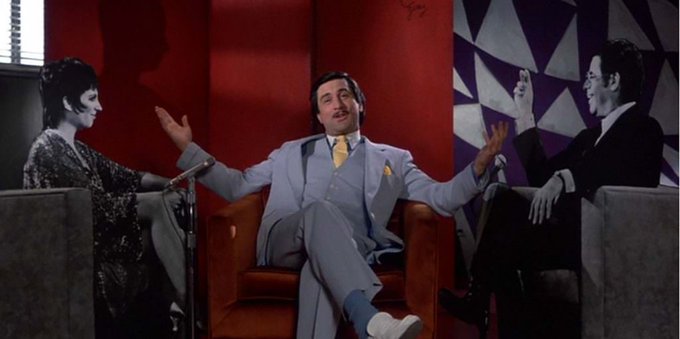
Robert De Niro gives one of his most daring performances, playing Pupkin not as overtly crazy but as tragically banal, a man whose ordinariness is precisely what makes him dangerous. He maintains Rupert's cheerful demeanor even in the most inappropriate situations, creating comedy that curdles into cringe and then into genuine dread. Jerry Lewis, cast against type as Jerry Langford, brings exhausted cynicism to a man imprisoned by his own success, every interaction with fans revealing his complete disconnection from normal human contact. Sandra Bernhard, as Masha, Rupert's accomplice, delivers unhinged energy that makes Rupert's delusions seem almost reasonable by comparison. Scorsese's direction is deliberately flat and cold, draining the color from both Rupert's fantasy sequences and his reality, making it increasingly difficult to distinguish between the two. The film's ending is its masterstroke, suggesting that in America, it doesn't matter how you become famous, only that you achieve it, and that Rupert's crime might have actually been a rational strategy in an insane system. The King of Comedy predicted reality television, social media fame, and our current moment where mass shooters plan their crimes as viral content. It's a comedy that has never been funny, a satire that feels more like documentary with each passing year.
05. "Casino" (1995)
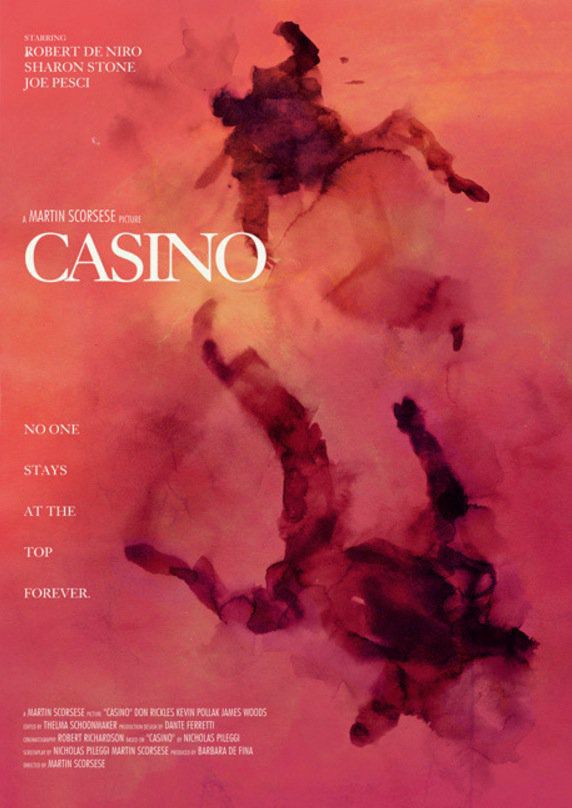
Spanning decades, Casino chronicles the rise and fall of Sam "Ace" Rothstein, a brilliant handicapper given control of a Las Vegas casino by the mob, his volatile friendship with enforcer Nicky Santoro, and his disastrous marriage to hustler Ginger McKenna. Scorsese uses the casino as microcosm for America itself, a place where illusions are manufactured, money is extracted through mathematical precision, and the house always wins until hubris and human nature inevitably cause collapse. The film is exhaustive in its detail, explaining exactly how casinos operate, how the mob skimmed profits, how regulators were bought, showing us the machinery before demonstrating how personality and ego gum up even the most efficient criminal enterprise. It's Goodfellas in the desert, but colder, more cynical, more aware that the party always ends.
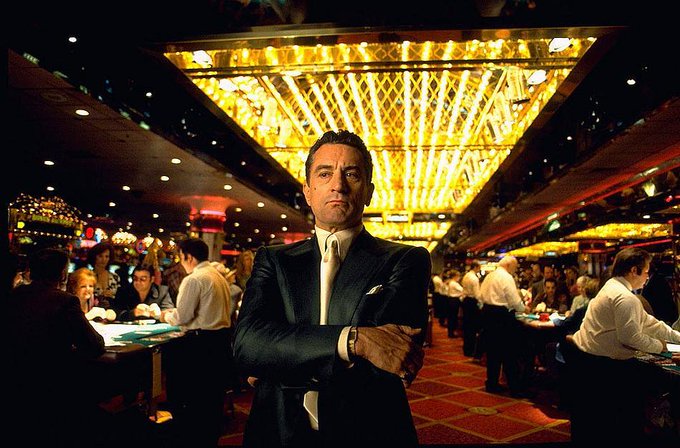
Robert De Niro plays Ace with controlled precision, a man whose genius is his ability to eliminate variables and manage risk, making his fatal flaw his inability to see that Ginger is the one gamble he cannot win. Joe Pesci, reunited with Scorsese and De Niro, makes Nicky Santoro even more terrifying than Tommy in Goodfellas because Nicky's violence serves no purpose, it's merely his nature expressing itself regardless of consequences. Sharon Stone received her only Oscar nomination for Ginger, delivering a performance of escalating desperation that shows addiction as a form of self-destruction that pulls everyone nearby into its gravity. Scorsese's direction is characteristically virtuosic, using voice-over from multiple perspectives, extended tracking shots through the casino floor, quick cuts and freeze frames that create a sense of barely controlled chaos. The film's brutal ending, where everyone gets exactly what's coming to them, feels less like justice than inevitability. Casino succeeds because it understands that Vegas is not an escape from America but its truest expression, a place where we can see clearly how greed, violence, and corruption are not aberrations but the system working exactly as designed.
04. "The Departed" (2006)
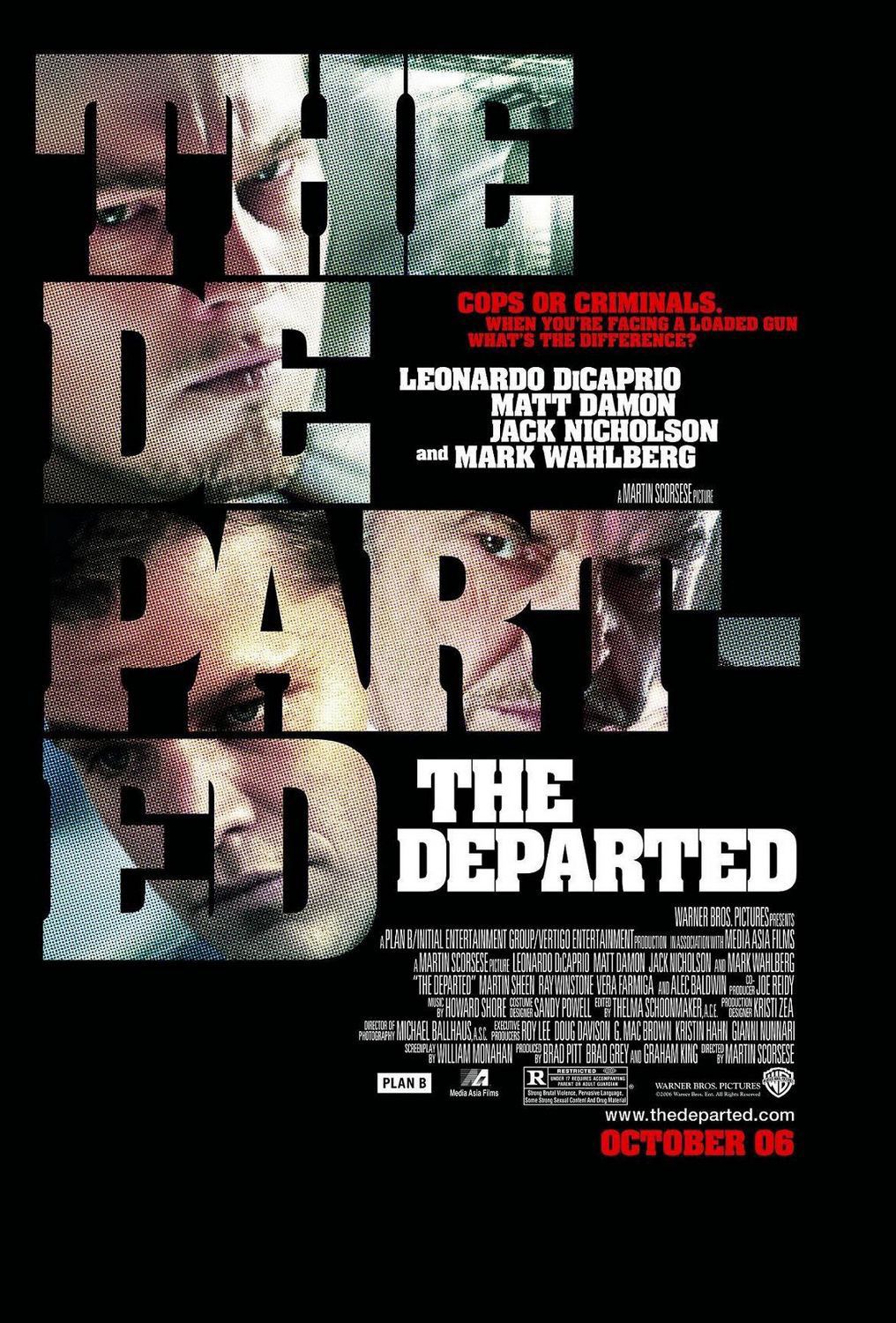
In Boston, two men live mirrored lives: Billy Costigan, a cop deep undercover in the Irish mob run by Frank Costello, and Colin Sullivan, a mobster planted within the police department. As both organizations realize they have a rat, the two men race to expose each other before their covers are blown, creating a cat-and-mouse game where the mice don't know they're both being hunted. Scorsese's remake of the Hong Kong film Infernal Affairs relocates the action to Boston's Irish criminal underworld, using the city's tribal loyalties and working-class resentments as backdrop for a story about identity, loyalty, and the impossibility of maintaining integrity in systems designed to corrupt. The film operates with thriller precision while maintaining Scorsese's thematic concerns about masculinity, violence, and the thin line between cops and criminals.
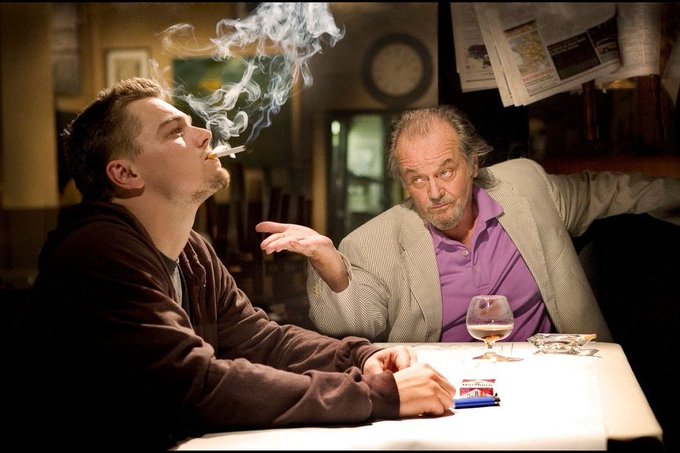
Leonardo DiCaprio brings raw desperation to Billy, a man whose deep cover operation is destroying him psychologically, who no longer knows which version of himself is performance and which is real. Matt Damon plays Colin as smooth surface hiding panic, a man whose success is built on betrayal yet who still craves legitimacy and respect. Jack Nicholson, as Frank Costello, chews scenery with demonic glee, creating a villain who is both theatrical and genuinely terrifying, a man whose philosophy is that no one is clean. The supporting cast, including Mark Wahlberg's Oscar-nominated turn as a profane sergeant and Alec Baldwin as the political climber, create a world where everyone has an angle. Scorsese's direction is urgent and propulsive, using rapid cutting and the Stones and Dropkick Murphys to create relentless forward momentum. The film's shocking final act, which kills off major characters with sudden brutality, reinforces that in this world there are no heroes, only survivors and corpses. The Departed works because it understands that identity is performance, that institutions corrupt everyone they touch, and that sometimes the only appropriate ending is for everyone to lose.
03. "Raging Bull" (1980)
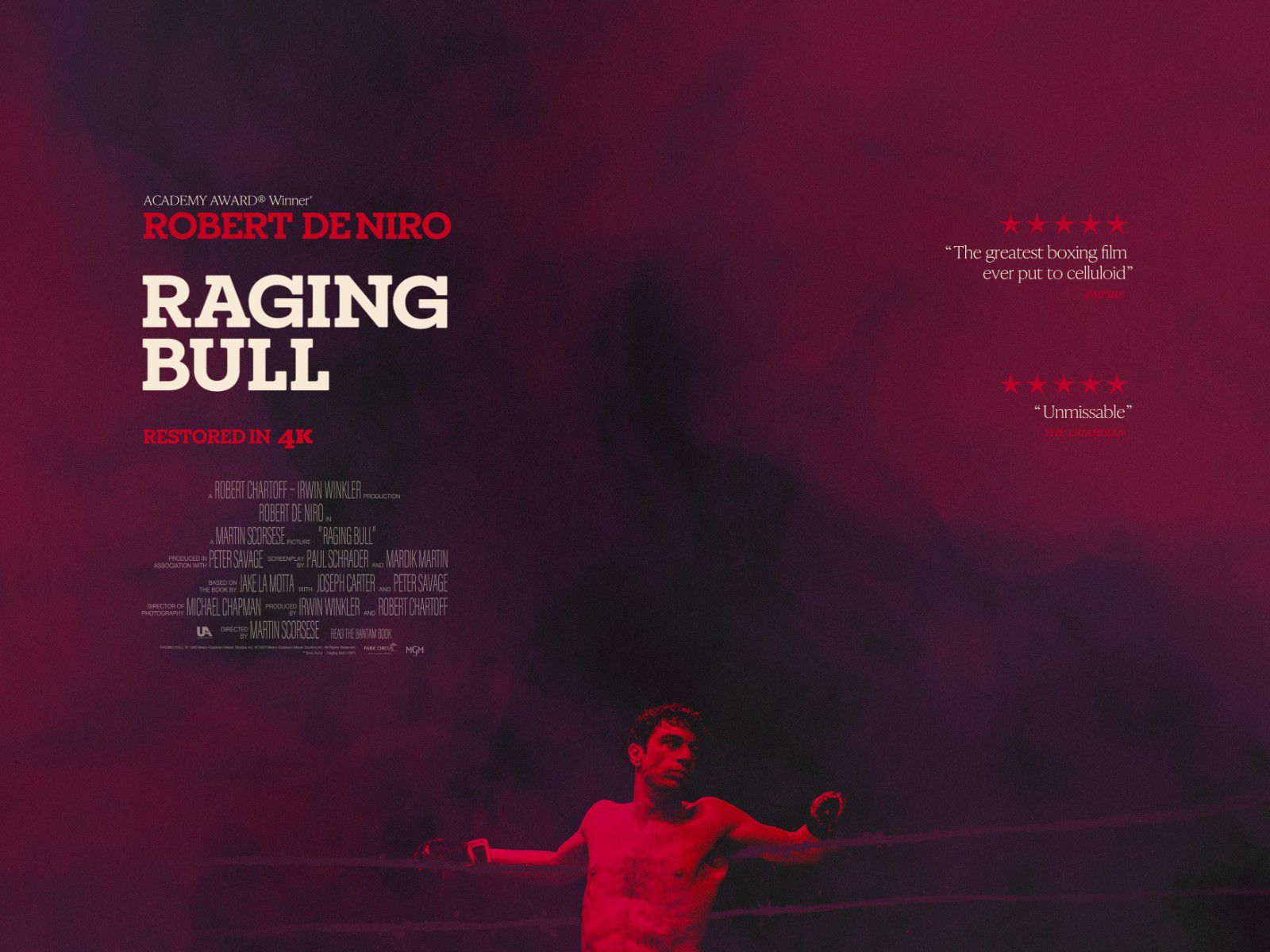
Jake LaMotta was middleweight champion of the world, but Raging Bull is not interested in celebrating his victories. Instead, Scorsese and De Niro create an unflinching portrait of a man whose rage and jealousy destroy everything he touches, his relationships, his family, ultimately himself. The boxing ring becomes merely one arena among many where Jake inflicts and receives punishment, his need to absorb pain as intense as his need to deliver it. Shot in stark black and white that recalls both tabloid photographs and art cinema, the film refuses to make Jake sympathetic or his journey redemptive, it simply observes with pitiless clarity how a working-class kid from the Bronx channeled all his demons into his fists and still ended up alone, bloated, reciting bad poetry in a nightclub.
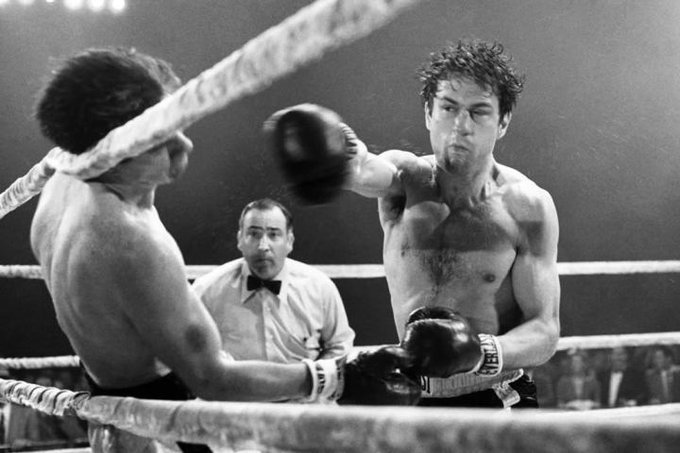
Robert De Niro's performance is volcanic, requiring him to gain sixty pounds between filming the prime Jake and the washed-up has-been he becomes. But it's not the physical transformation that stuns, it's the emotional truth, the way De Niro shows us a man who cannot articulate his feelings except through violence, whose love for his wife manifests as jealous rage, whose relationship with his brother is both suffocating intimacy and inevitable betrayal. Joe Pesci, in his first collaboration with Scorsese, plays Joey LaMotta with weary patience, a man who knows his brother is destroying himself but cannot prevent it. Cathy Moriarty, in her debut, brings street-smart toughness to Vickie, refusing to play the victim even as we watch Jake's paranoia poison everything. Scorsese's shooting of the fight sequences is revolutionary, using slow motion, animalistic sound design, and expressionistic flourishes to make the violence feel both balletic and horrifyingly intimate, blood spattering the camera lens, the sound of fists on flesh amplified to sickening levels. The film's controversial ending, where the broken Jake recites "I could have been a contender" in a dingy dressing room mirror, is devastating precisely because Jake lacks the self-awareness to understand he was a contender and threw it all away. Raging Bull endures because it refuses to explain or excuse its protagonist, showing us instead that sometimes people destroy themselves not despite their talents but through them.
02. "Taxi Driver" (1976)
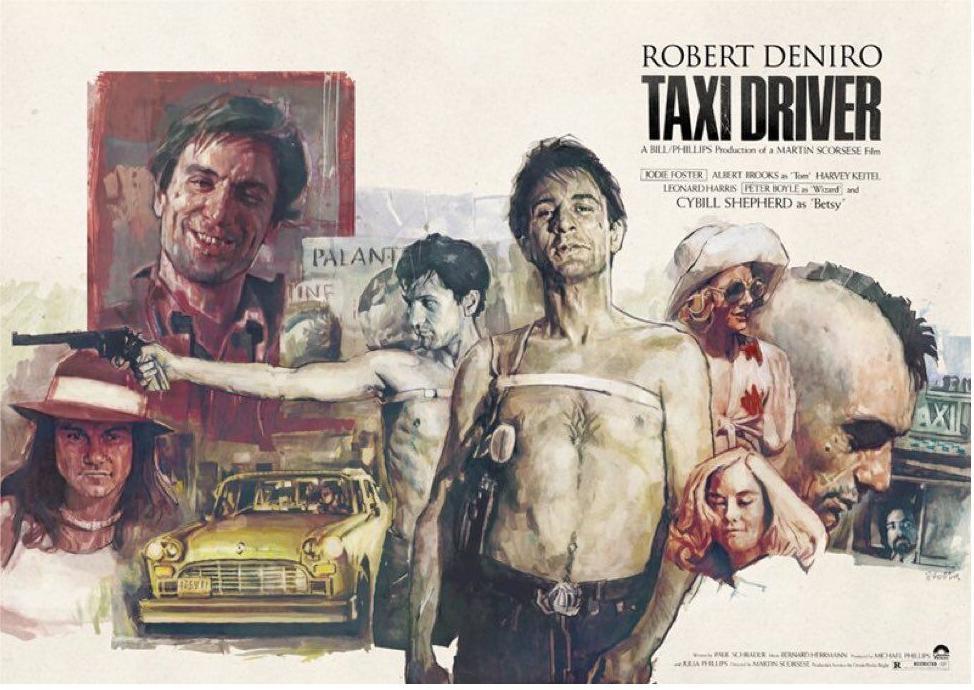
Travis Bickle is a Vietnam veteran suffering from insomnia, driving a taxi through the nighttime streets of Manhattan, bearing witness to the pimps, prostitutes, and violence that constitute the city's after-hours reality. His attempts to connect with normal society fail, his awkward courtship of campaign worker Betsy ending in humiliation, and Travis's already tenuous grip on sanity begins to slip toward violence as the only form of communication he understands. Scorsese and screenwriter Paul Schrader create something that functions simultaneously as character study, as social commentary about post-Vietnam America's fracturing, and as prophecy of the violent loners who would increasingly define American life. The film's genius is in refusing to explain Travis, we see everything through his eyes but never fully understand him, making him both sympathetic and terrifying.
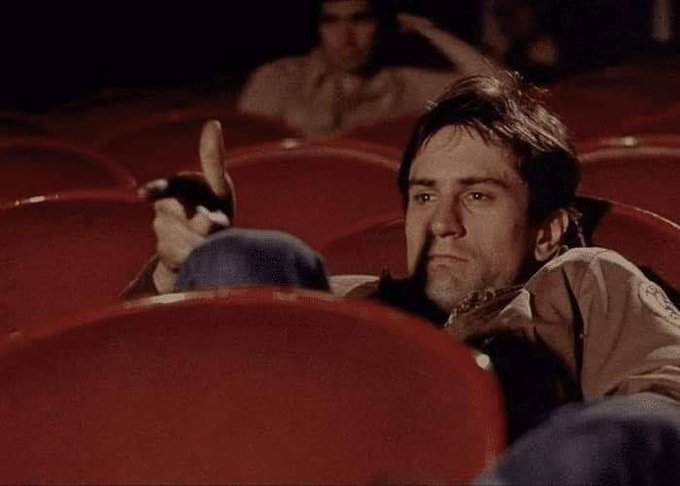
Robert De Niro inhabits Travis with coiled intensity, creating a character whose politeness barely masks rage, whose attempts at self-improvement, exercise, weapons training, date planning, are preparation for violence rather than genuine connection. The famous "You talkin' to me?" scene, improvised by De Niro, captures Travis's complete disconnection from reality, rehearsing confrontation alone in his apartment with only his reflection for company. Jodie Foster, at thirteen, brings heartbreaking authenticity to Iris, the child prostitute Travis fixates on saving, her street-kid wariness suggesting someone who has already seen too much. Harvey Keitel's pimp, Sport, is both predator and in his twisted view, protector, creating moral ambiguity that complicates Travis's mission. Scorsese's visual approach turns New York into hell, streets perpetually rain-slicked, neon signs reflected in puddles, steam rising from manholes as if the city itself is overheating. Bernard Herrmann's jazz score, his final composition before death, creates musical tension between romance and menace. The film's ending, where Travis becomes a media hero for his violent rampage, is its most disturbing element, suggesting that America celebrates violence when it targets the "right" people and that Travis's madness might be merely an extreme version of national pathology. Taxi Driver remains horrifyingly relevant because Travis Bickle never died, he just keeps reappearing in different forms, each iteration convinced that violence is cleansing and that society's rot justifies any response.
01. "Goodfellas" (1990)
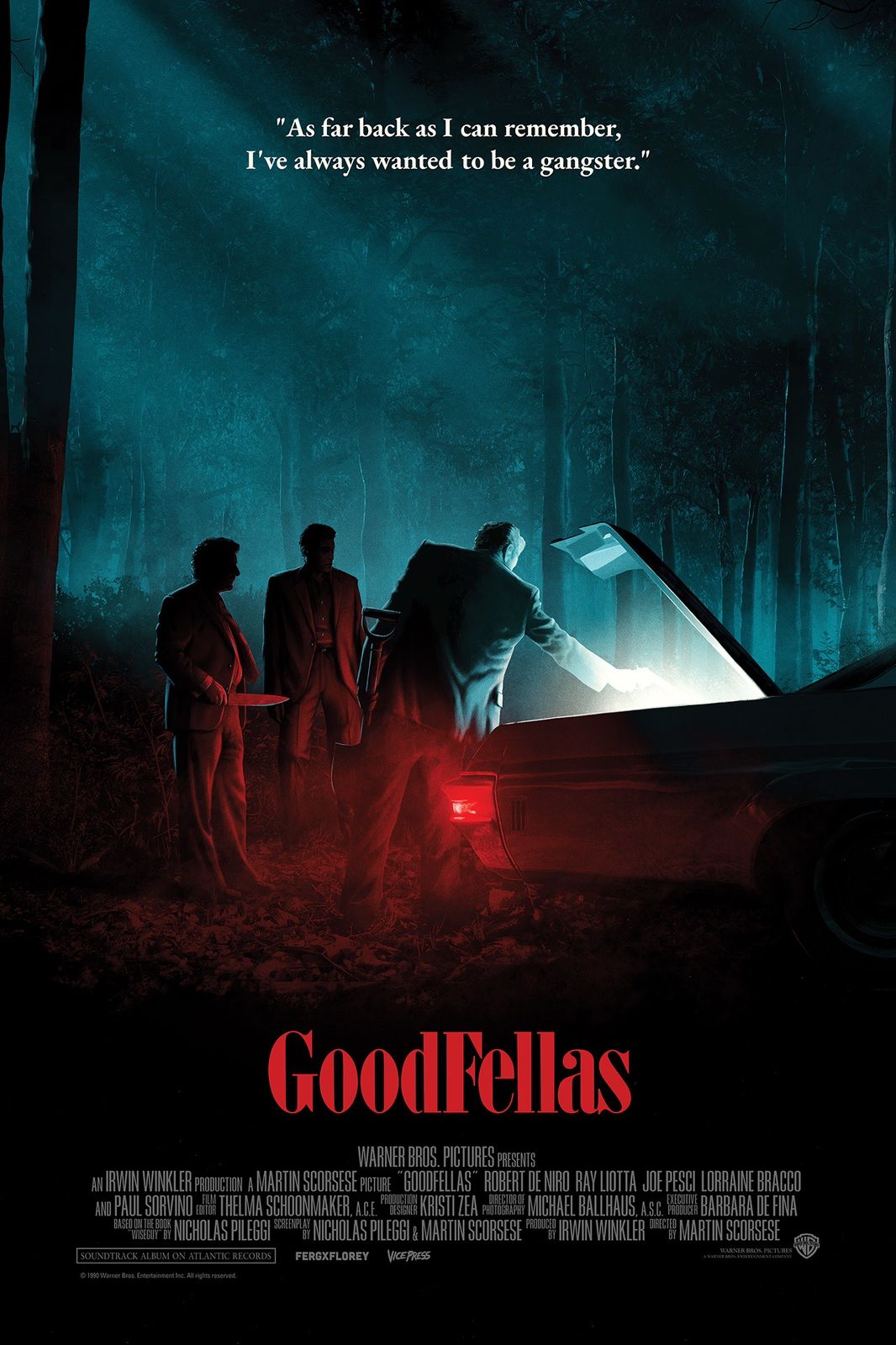
Henry Hill wanted to be a gangster from childhood, seduced by the power and respect commanded by the wiseguys in his Brooklyn neighborhood. Goodfellas chronicles his rise through the ranks, his partnership with volatile Tommy DeVito and smooth Jimmy Conway, the scores, the relationships, the lifestyle, and the paranoia that comes from knowing that everyone is simultaneously your best friend and potential murderer. Scorsese's adaptation of Nicholas Pileggi's book Wiseguy is a masterclass in cinematic storytelling, using voice-over, freeze frames, needle drops, and extended tracking shots to create a world that is simultaneously glamorous and grotesque, seductive and terrifying. The film's genius is in showing exactly how organized crime operates, the rules, the hierarchies, the economic logic, before demonstrating how personality and ego make betrayal inevitable.
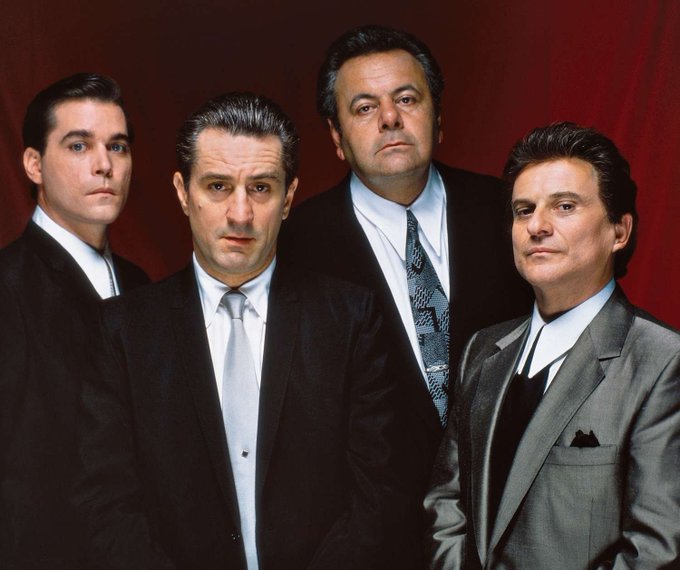
Ray Liotta's Henry Hill narrates his own rise and fall with the enthusiasm of a true believer who cannot see the contradictions in what he's describing, making him the perfect unreliable narrator. Robert De Niro's Jimmy Conway is all smooth menace, a man whose friendly demeanor masks cold calculation, who will kill you and feel bad about it but kill you nonetheless. Joe Pesci, in an Oscar-winning performance, makes Tommy DeVito one of cinema's most terrifying characters, his hair-trigger violence stemming from insecurity and the need to constantly prove his toughness. The famous "Funny how?" scene demonstrates Pesci's genius, turning a moment of camaraderie into potential murder and back again, showing how quickly things can turn deadly in this world. Lorraine Bracco, as Henry's wife Karen, provides the female perspective on mob life, initially seduced by the lifestyle before recognizing it as a prison. Scorsese's direction is at the height of his powers, the Copacabana tracking shot alone justifying film school, but it's the accumulation of details, how wiseguys eat, talk, dress, conduct business, that makes the world feel completely lived-in. The film's final section, depicting Henry's cocaine-fueled paranoia and the inevitable betrayals, is filmmaking at its most virtuosic, rapid-fire editing and multiple storylines creating chaos that mirrors Henry's psychological state. Goodfellas endures because it understands that the mob is not about honor or family, it's about money and violence and the temporary pleasure of feeling powerful before everything collapses. It's the American Dream with a gun.
— The Cinéprism
Keep reading
31 / 08 / 2026 · 383 reads
10 Best Endings in Film
A curated list of 10 unforgettable movie endings that leave a lasting impact long after the credits roll.
12 / 11 / 2025 · 5099 reads
Top 11 Greatest TV Shows:
These eleven extraordinary series redefine what television can be, merging unforgettable characters with stories that linger long after the screen goes dark.