Dispatch — Long Read
Top 11 Must-Watch TV Mini Series.
Experience powerful stories in compact form - gripping, cinematic series that deliver depth, drama, and brilliance in just a few episodes.
The Cineprism
13 / 11 / 2025 · 16 min read
1. True Detective (Season 1)
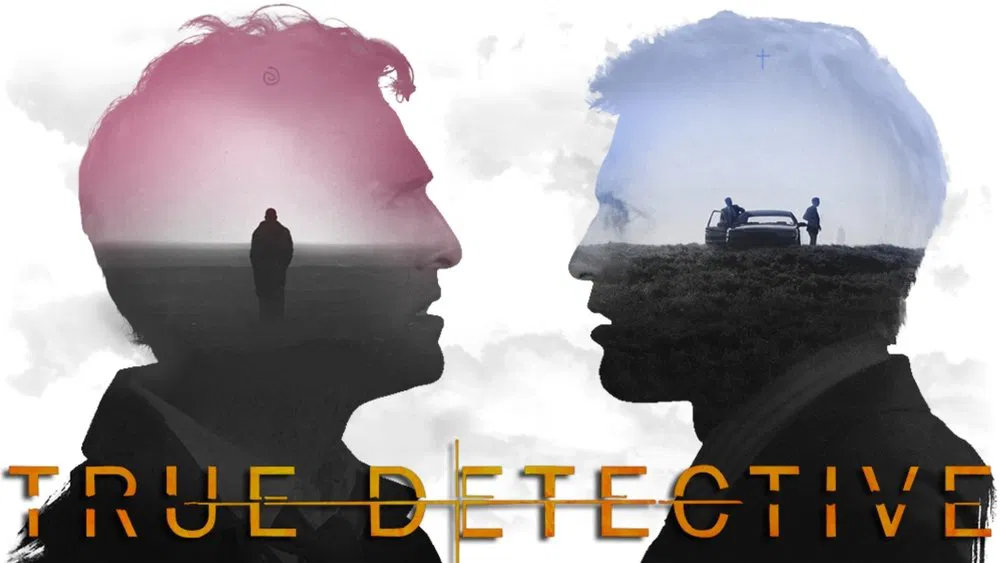
Spanning seventeen years, True Detective follows detectives Rust Cohle and Marty Hart as they investigate a series of ritualistic murders in rural Louisiana, their initial investigation in 1995, the personal toll it takes on both men, and their return to the case in 2012 when evidence suggests they missed something crucial. What elevates this beyond standard procedural is Pizzolatto’s ambition to fuse noir detective fiction with dense philosophical inquiry, particularly Cohle’s nihilistic monologues about the flat circle of time and the futility of human existence. The series uses its dual timeline structure not as gimmick but as thematic reinforcement, showing how the past never truly passes, how trauma and obsession echo across decades, and how the men we become are imprisoned by the men we were.
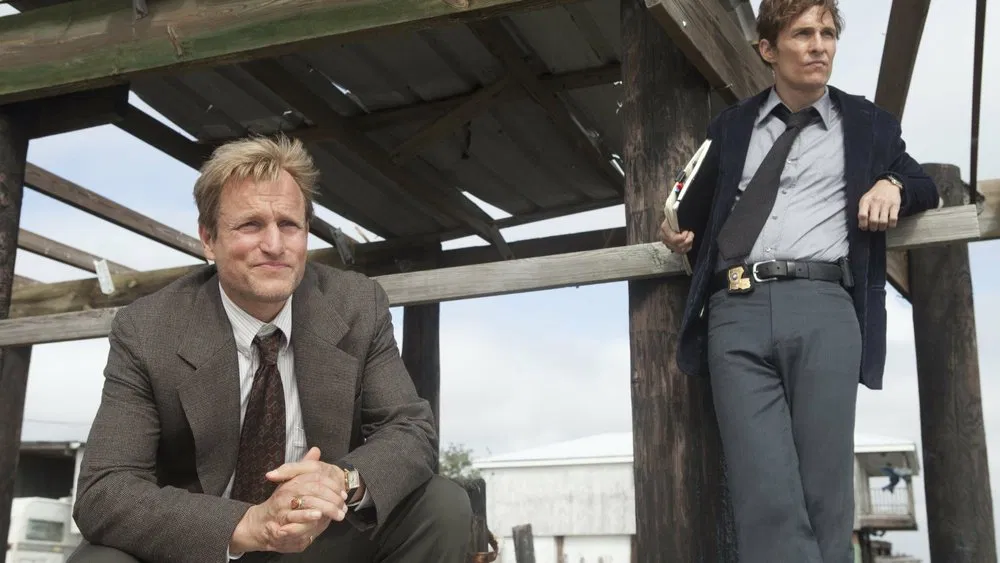
Matthew McConaughey delivers a career-redefining performance as Rust Cohle, embodying both the burnt-out philosopher of 2012 and the intensely focused detective of 1995, creating a character whose intellectual density masks profound damage. Woody Harrelson’s Marty Hart provides the necessary counterweight, playing a man of conventional masculinity whose life slowly disintegrates under the weight of his own hypocrisy and Rust’s uncompromising worldview. Their chemistry is combustible, two fundamentally incompatible personalities bound by a case that becomes obsession. Director Cary Joji Fukunaga shoots Louisiana as both beautiful and rotting, using long takes and atmospheric cinematography to create a world where horror exists just beneath the surface of everyday life. The famous six-minute single-take raid in episode four is virtuoso filmmaking, but it’s the quieter moments of investigation and conversation that give the series its weight. The finale divided audiences, some wanting more elaborate conspiracy while Pizzolatto insisted on something more grounded and existential, but the series succeeds because it understands that the real horror is not the crimes committed but the darkness we carry within ourselves and the stories we construct to make that darkness bearable.
2. Beef
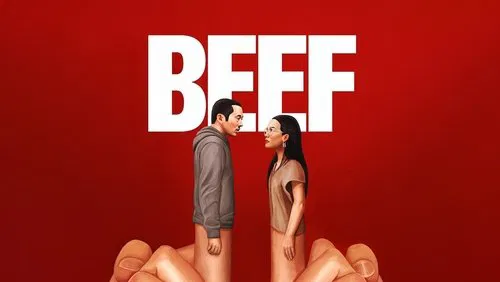
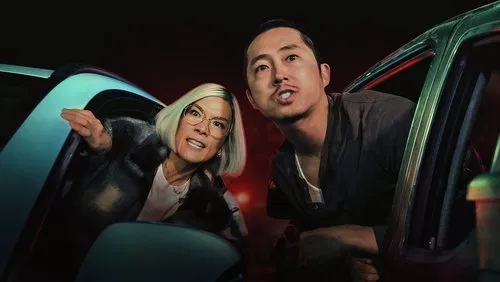
When Danny Cho, a struggling contractor, and Amy Lau, a successful entrepreneur, engage in a road rage confrontation, their mutual antagonism spirals into full-scale warfare that threatens to destroy both their lives. What begins as dark comedy gradually reveals itself as tragedy, showing how two people trapped by circumstance, expectation, and their own self-destructive impulses use each other as outlets for rage that has nowhere else to go. Lee Sung Jin’s series is remarkable for its tonal control, balancing absurdist humor with genuine psychological insight, showing how quickly civilization’s veneer cracks when someone provides a target for all our accumulated resentments.
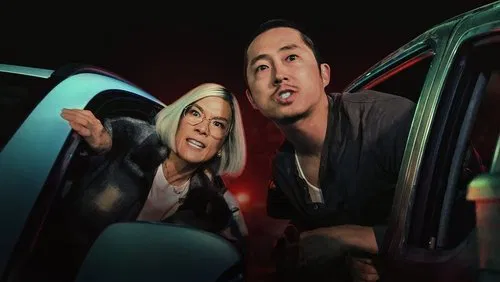
Steven Yeun and Ali Wong deliver career-best performances, both playing characters who are simultaneously sympathetic and monstrous, victims and perpetrators. Yeun’s Danny is all masculine frustration and immigrant disappointment, a man watching the American dream recede while drowning in debt and family obligation. Wong’s Amy performs success while suffocating beneath it, her perfect life a carefully maintained illusion that the confrontation with Danny allows her to abandon. Their escalating conflict becomes almost erotic in its intensity, each finding in the other someone who finally sees their rage and matches it. The series’ visual language is striking, using Los Angeles’s sprawling geography to emphasize isolation and the vast distances between people who share the same spaces. What makes Beef exceptional is its refusal to resolve cleanly; the series understands that rage doesn’t have simple origins or easy solutions, that sometimes our anger at specific people is really anger at systems we cannot fight, and that connection, when it finally comes, might arrive too late to save anyone. It’s a comedy about how badly we’re all doing that somehow becomes one of the most moving examinations of loneliness in recent television.
3. Chernobyl
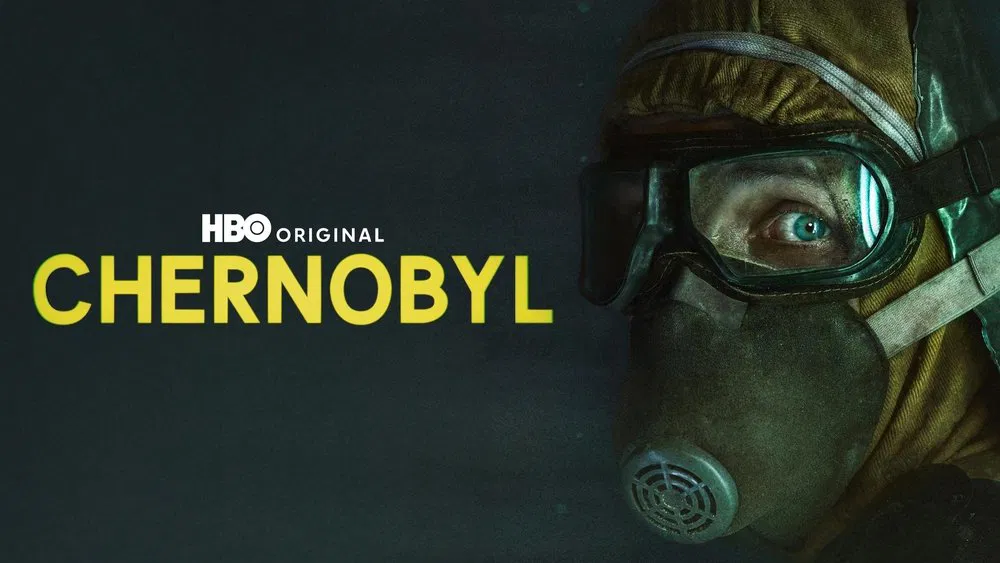
On April 26, 1986, reactor four of the Chernobyl Nuclear Power Plant exploded, releasing radiation across Europe and triggering a crisis that the Soviet government first denied, then downplayed, then finally confronted with devastating human cost. Craig Mazin’s miniseries follows the scientists, bureaucrats, and ordinary citizens who responded to the disaster, focusing particularly on Valery Legasov, the physicist who led the investigation while fighting against institutional lies at every level. What makes Chernobyl exceptional is its refusal to simplify; this is not a story of heroes versus villains but of a system so committed to its own mythology that it literally poisoned its people rather than admit failure. The series methodically explains the science, the politics, and the human decisions that led to catastrophe, showing how small acts of negligence, combined with institutional arrogance, can lead to unthinkable consequences.
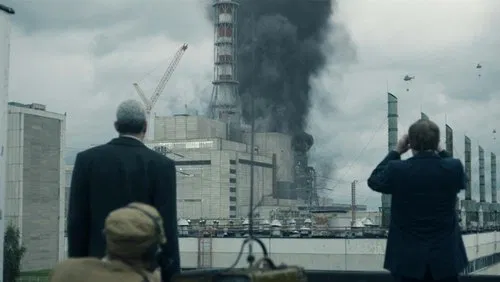
Jared Harris delivers a powerhouse performance as Legasov, embodying a man caught between scientific truth and political necessity, his growing despair visible in every scene as he realizes the system he served values lies over lives. Stellan Skarsgård’s Boris Shcherbina, the Soviet deputy chairman assigned to manage the crisis, undergoes the series’ most profound transformation, from party loyalist to someone who finally sees the rot at the system’s core. Emily Watson’s Ulana Khomyuk, a composite character representing the many scientists who investigated, provides moral clarity and righteous anger. Director Johan Renck shoots the disaster with restrained horror, showing radiation not through visual effects but through its effects on human bodies, the slow dissolution of flesh, the invisible enemy that cannot be fought only endured. The series’ commitment to authenticity, from production design to the moral complexity of its characters, creates immersive dread. Chernobyl succeeds because it understands that the real disaster was not the explosion but the lies that followed, and that when institutions prioritize image over truth, the cost is always paid in human lives.
4. Sharp Objects

Camille Preaker, a troubled reporter fresh from psychiatric hospitalization, returns to her oppressive Missouri hometown to cover the murders of two young girls. What she finds is not just a killer but a return to the source of her own damage, her mother Adora’s toxic household, her teenage half-sister’s disturbing behavior, and the ghosts of her own past that never stopped haunting her. Director Jean-Marc Vallée and showrunner Marti Noxon adapt Gillian Flynn’s novel with atmospheric dread, shooting Wind Gap as a place where beauty and decay are inseparable, where Southern gentility masks profound sickness, and where the past literally writes itself on Camille’s skin in the form of self-carved words covering her body.
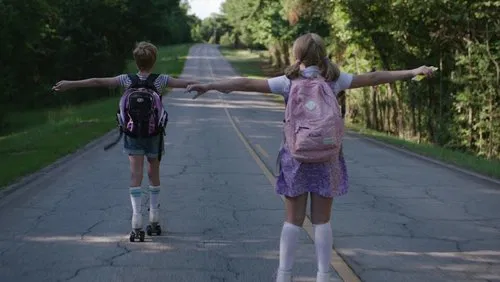
Amy Adams gives perhaps her finest performance, playing Camille as someone barely holding together, numbing herself with alcohol and casual sex while investigating murders that mirror her own psychic wounds. Her physical transformation, the revelation of the scarred words covering her body, becomes visual metaphor for trauma that cannot be hidden no matter how hard we try. Patricia Clarkson is chillingly perfect as Adora, creating a mother whose love is poison, whose need to nurture manifests as Munchausen by proxy, whose Southern belle performance masks sociopathic control. Eliza Scanlen’s Amma oscillates between sweet child and feral teenager, keeping both Camille and the audience off-balance. Vallée’s direction employs quick flashes of memory and trauma, subliminal images that mirror Camille’s fractured psyche, creating atmosphere of constant unease. The series’ methodical pacing frustrated some viewers, but the deliberate slow-burn allows the horror to accumulate, to seep into every interaction until the shocking finale arrives with inevitable force. Sharp Objects succeeds because it understands that the most lasting damage is inflicted by those who claim to love us, that some families are systems of abuse disguised as care, and that escaping the past requires confronting exactly how deep the wounds go.
5. My Mister
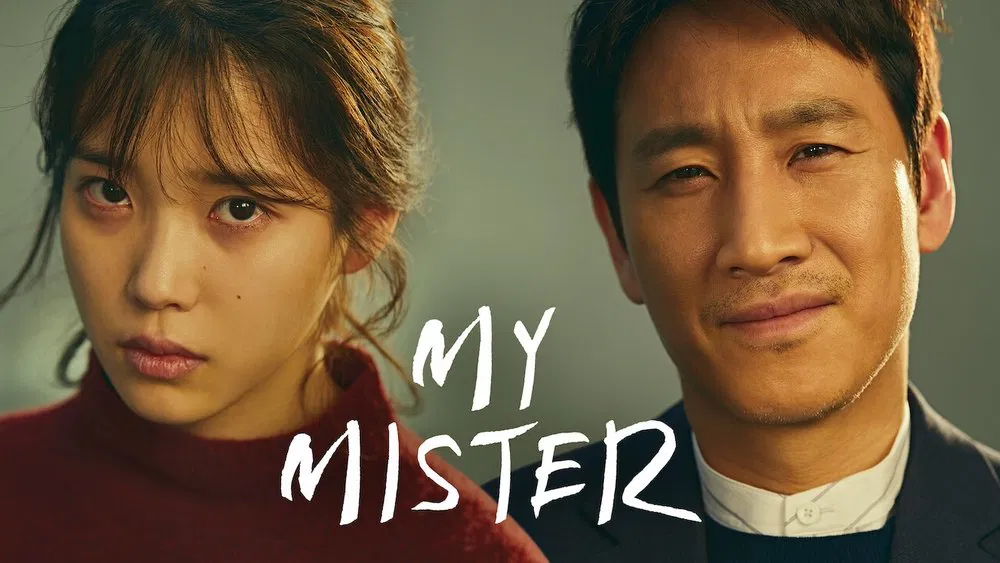
Park Dong-hoon is a middle-aged structural engineer trapped in a loveless marriage, ground down by family obligation and workplace politics, living a life of quiet desperation. Lee Ji-an is a young temp worker drowning in debt, supporting her bedridden grandmother while enduring abuse and exploitation. When Ji-an is paid to spy on Dong-hoon by his corrupt boss, she begins listening to his conversations through a wiretap, and this strange, invasive act becomes the foundation for the most meaningful relationship in both their lives. Park Hae-young’s series is extraordinary in its patience and restraint, refusing melodrama or romance, instead showing how two people can save each other simply by bearing witness to each other’s suffering.

Lee Sun-kyun brings devastating subtlety to Dong-hoon, a man who has learned to endure everything with stoic silence, his face a mask of resignation that occasionally cracks to reveal bottomless sadness. IU (Lee Ji-eun) is a revelation as Ji-an, playing her not as victim but as survivor, someone whose hardness is armor against a world that has shown her only cruelty. Their relationship, conducted largely through overheard conversations and brief encounters, becomes the series’ emotional core, two people who understand each other’s loneliness without needing to explain it. The supporting cast, particularly Dong-hoon’s brothers and their own struggles, creates a portrait of working-class Korean life marked by disappointment and perseverance. The series’ visual language is muted and naturalistic, shooting Seoul’s gray streets and cramped apartments with documentary-like authenticity. What makes My Mister exceptional is its understanding that healing is not dramatic but incremental, that sometimes salvation comes from simply knowing someone else sees you, and that kindness between strangers can be more profound than love between intimates. It’s a series about how we endure, how small acts of compassion create meaning in meaningless circumstances, and how connection, when it finally comes, doesn’t fix our problems but makes them bearable.
6. The Queen’s Gambit
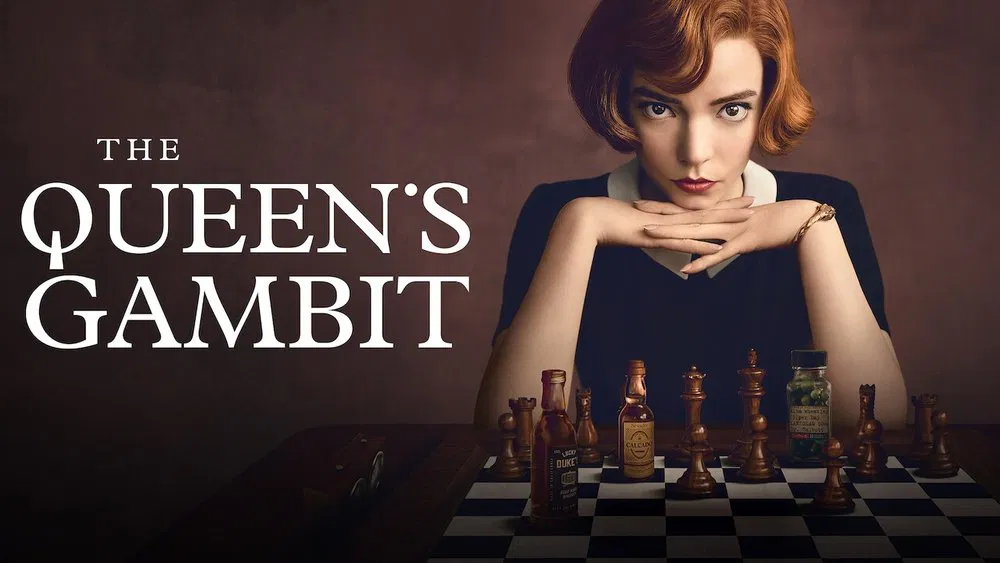
Beth Harmon is orphaned as a child and introduced to chess in her orphanage’s basement, discovering both a prodigious talent for the game and an addiction to the tranquilizers the institution dispenses to keep children docile. As she rises through the chess world of the 1960s, becoming a celebrity and champion while battling the demons of addiction and abandonment, her journey becomes an examination of what genius costs, how women navigate male-dominated spaces, and whether self-destructive patterns can be overcome or only managed. Scott Frank’s adaptation of Walter Tevis’s novel is remarkable for making chess visually compelling, using overhead shots of boards, quick cuts between players, and imaginative projections on ceilings to make intellectual combat feel as exciting as physical action.

Anya Taylor-Joy is magnetic as Beth, playing her genius not as quirky or endearing but as isolating, her ability to see patterns on the board extending to manipulating people off it. Taylor-Joy shows Beth’s addiction not through scenery-chewing breakdown but through the quiet desperation of someone who needs substances to silence the noise in her brilliant mind. The supporting cast, particularly Marielle Heller as the alcoholic adopted mother who becomes Beth’s unlikely ally and Thomas Brodie-Sangster as the Kentucky chess champion who mentors and befriends her, provide emotional grounding. The production design is extraordinary, using period-appropriate fashion and color palettes that shift with Beth’s mental state, her costumes becoming bolder and more striking as her confidence grows. The series’ depiction of chess tournaments as glamorous, high-stakes events might be historically dubious but works dramatically, creating visual interest in scenes of people sitting silently moving pieces. What makes The Queen’s Gambit resonate beyond its genre is its understanding that genius doesn’t erase damage, that talent can be both gift and curse, and that winning doesn’t necessarily mean healing. It’s a series about learning to accept help, about found family, and about the realization that being the best is hollow if you’re alone.
7. Black Bird
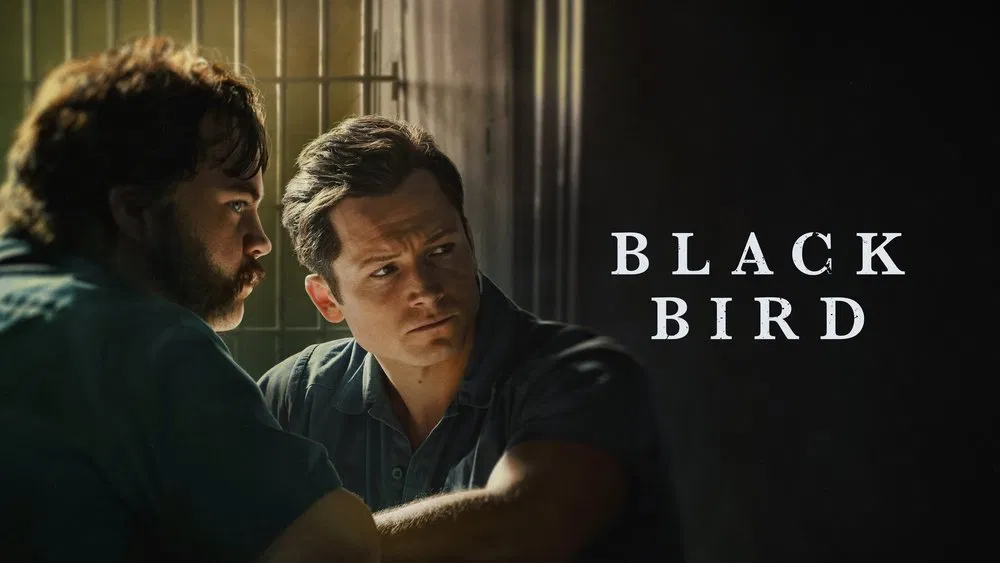
Jimmy Keene, a high school football hero turned drug dealer, is offered an extraordinary deal while serving a ten-year sentence: transfer to a maximum-security psychiatric prison, befriend suspected serial killer Larry Hall, extract a confession about the location of bodies, and earn his freedom. What follows is a masterclass in tension as Jimmy must convince a paranoid, delusional killer to trust him while maintaining his own sanity in one of America’s most dangerous institutions. Dennis Lehane’s adaptation refuses to sensationalize, instead focusing on the psychological game between two men, one performing friendship to escape prison, the other desperate for connection yet aware he’s being used, creating a dynamic where every conversation is tactical warfare.
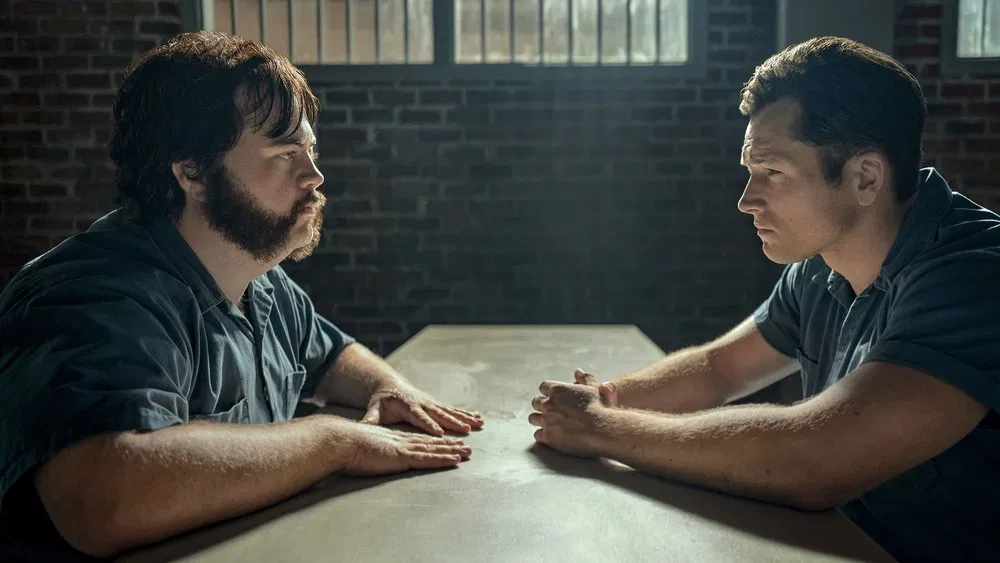
Taron Egerton delivers a career-best performance as Jimmy, showing the psychological toll of maintaining a lie in an environment where one mistake means death or permanent imprisonment. His transformation from cocky dealer to someone genuinely disturbed by what he’s learning is gradual and convincing. Paul Walter Hauser is absolutely chilling as Larry Hall, playing him not as obvious monster but as pathetic, needy man-child whose crimes emerge through disturbing details rather than theatrical confession. Hauser makes Larry simultaneously pitiable and terrifying, creating a character study of how serial killers can hide in plain sight through sheer ordinariness. Ray Liotta, in one of his final performances, brings weary authority to Jimmy’s father, a retired cop whose pride in his son becomes desperate hope for redemption. The series’ claustrophobic cinematography traps us inside the prison with Jimmy, the institutional greens and grays creating visual monotony that mirrors psychological pressure. What elevates Black Bird beyond true crime procedural is its exploration of performance and authenticity, how Jimmy must become a convincing friend to a killer while not losing himself in the process, and the haunting question of whether extracting truth justifies the psychological damage inflicted in its pursuit.
8. Godless
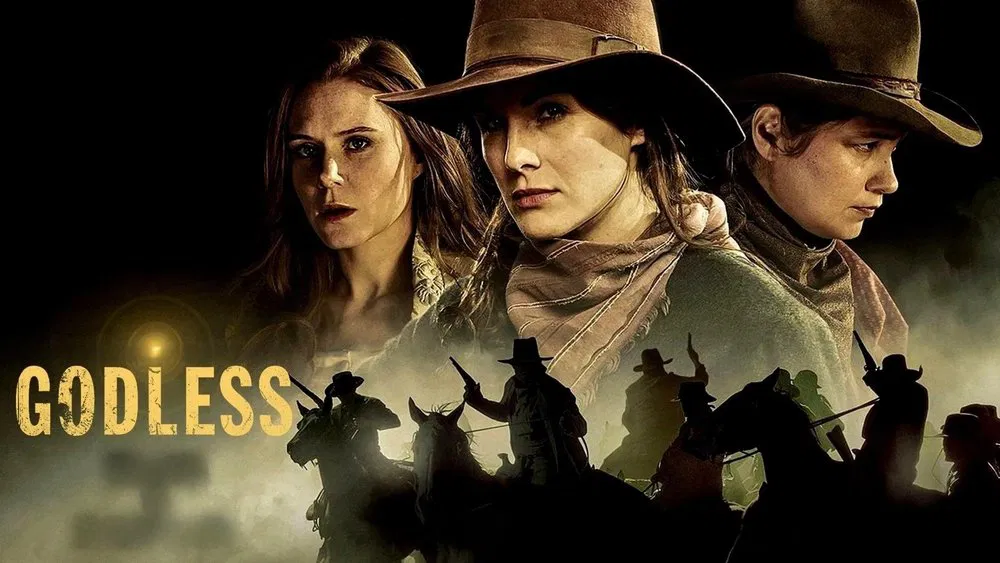
In 1880s New Mexico, the mining town of La Belle has become almost entirely female after a mining accident killed most of its men. Into this precarious community rides Roy Goode, a wounded outlaw fleeing from Frank Griffin, his former mentor turned vengeful pursuer, a psychopathic preacher leading a gang of killers determined to destroy Roy and anyone who helps him. Scott Frank’s miniseries uses Western iconography while interrogating its assumptions, showing women running ranches, forming community, and preparing for violence not as victims waiting for male protection but as capable survivors who have learned self-reliance through tragedy.
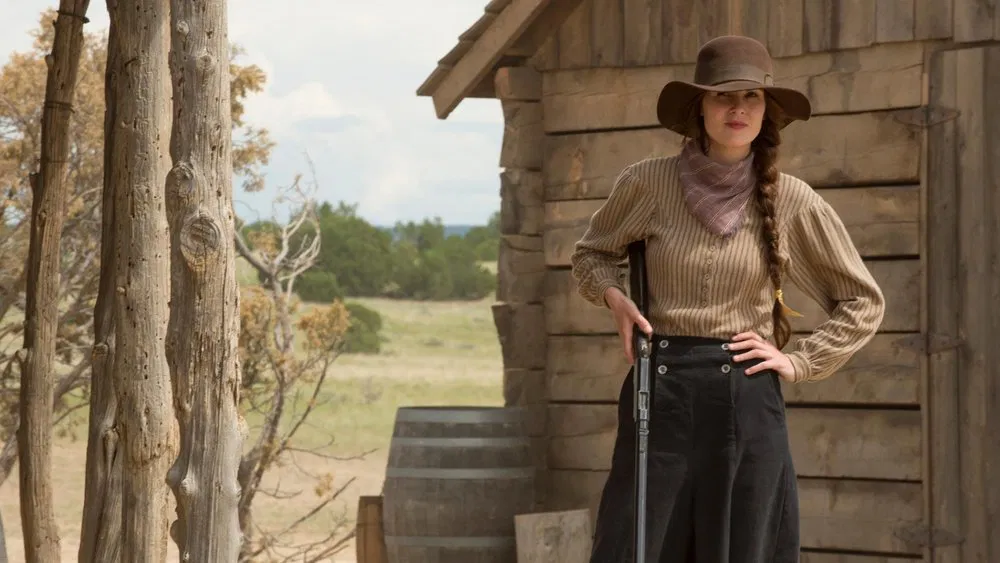
Jeff Daniels is mesmerizingly evil as Frank Griffin, creating a villain whose biblical rhetoric masks pure sadism, whose fatherly affection for Roy has curdled into obsessive hatred. Daniels plays Frank as both terrifying and pathetic, a man whose need for control manifests as apocalyptic violence. Jack O’Connell brings wounded intensity to Roy, a man trying to escape his past while knowing it’s hunting him. Michelle Dockery anchors the series as Alice Fletcher, a ranched woman with a Paiute son, who takes in Roy despite the danger, her quiet competence and moral clarity providing counterpoint to Frank’s chaos. Merritt Wever’s Mary Agnes, La Belle’s de facto leader, embodies pragmatic toughness born from necessity. The cinematography is stunning, shooting New Mexico’s landscapes with painterly beauty while never forgetting the harshness of frontier life. The series’ climactic shootout is expertly staged violence, but what makes Godless memorable is its interest in aftermath and consequence, in how violence scars everyone it touches. The series succeeds because it understands that Westerns are fundamentally about community formation and the violence required to protect or destroy it, and that women’s stories deserve the same epic treatment usually reserved for men’s myths.
9. The Haunting of Hill House
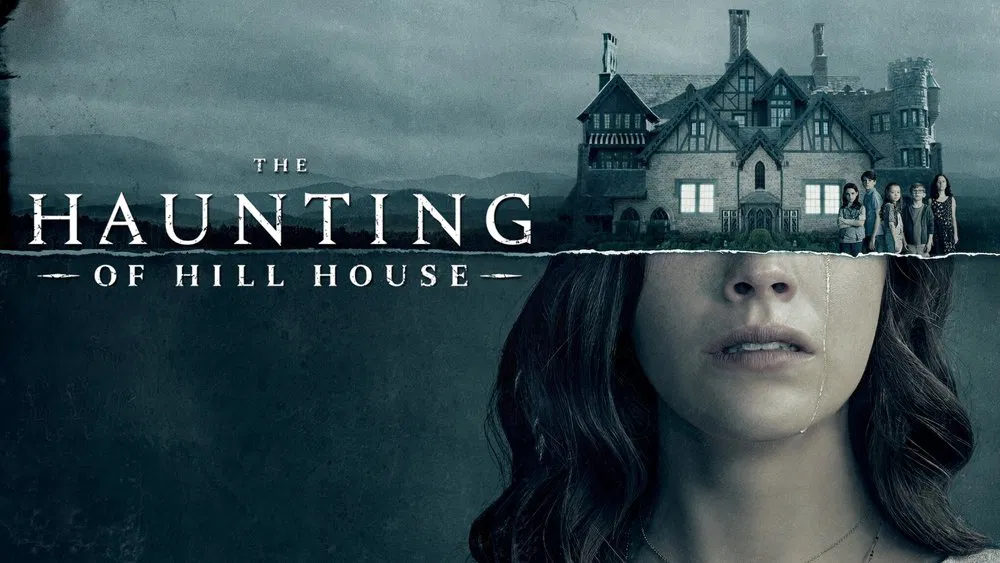
The Crain family spent one terrible summer in Hill House, and in the present day, the five siblings remain fractured by what they experienced, each carrying damage that manifests differently but stems from the same source. As the past and present intertwine through dual timelines, Mike Flanagan transforms Shirley Jackson’s novel into an examination of how childhood trauma echoes across decades, how families develop dysfunctional patterns in response to pain, and how the past literally haunts us until we confront it. What elevates this beyond horror genre is its profound emotional honesty; the scares serve character and theme rather than existing for their own sake, and the true terror comes not from jump scares but from the realization that we can never truly escape our childhoods.
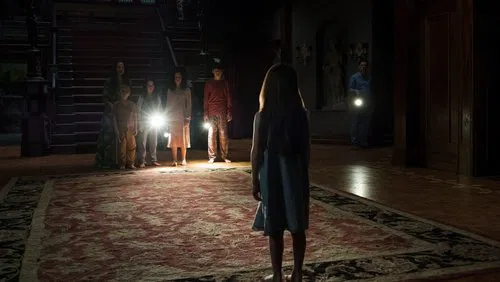
The ensemble cast is uniformly excellent, with each actor playing both the child and adult versions of their characters or having their younger counterparts mirror their mannerisms so precisely that the transitions feel seamless. Carla Gugino and Henry Thomas anchor the flashbacks as the parents whose own traumas doom the family, while Victoria Pedretti’s Nell becomes the series’ emotional core, the most damaged sibling whose fate drives the narrative. Flanagan’s direction is technically virtuoso, particularly episode six’s seamless two-hour “one-take” funeral sequence that tracks between characters and time periods with breathtaking fluidity, but he never lets style overwhelm substance. The series uses its horror elements to externalize psychological states, making grief, addiction, and mental illness visible as ghosts and hauntings. The hidden ghosts scattered throughout episodes, background figures the characters don’t see, create rewarding repeat viewing but also serve thematic purpose: we’re always surrounded by our past even when we’re not conscious of it. The Haunting of Hill House succeeds because it understands that the scariest stories are about how we haunt ourselves, how family can be both sanctuary and prison, and how love persists even through damage that feels irreparable.
10. The Penguin
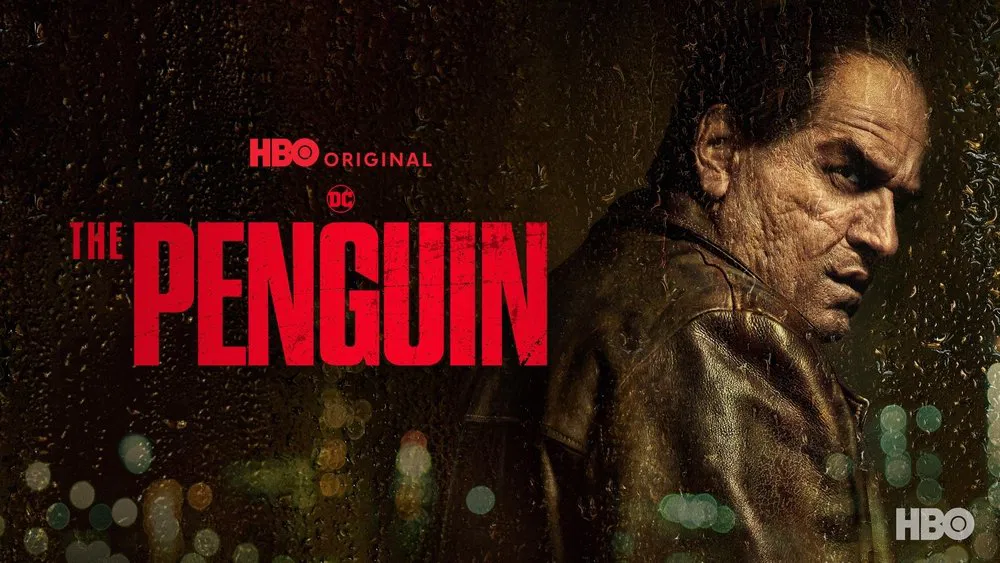
Following the events of The Batman, Oswald Cobblepot seizes the power vacuum in Gotham’s underworld, his rise from middling lieutenant to kingpin chronicled with operatic intensity and gritty realism. Lauren LeFranc’s series discards superhero trappings almost entirely, functioning instead as prestige crime drama in the Sopranos tradition, using Gotham’s post-flood chaos to examine power, class resentment, and the American myth of self-made success. What makes The Penguin exceptional is its refusal to soften its protagonist; Oz is not antihero seeking redemption but villain whose every choice serves his own ambition, whose occasional moments of seeming humanity are ultimately revealed as strategic performance.
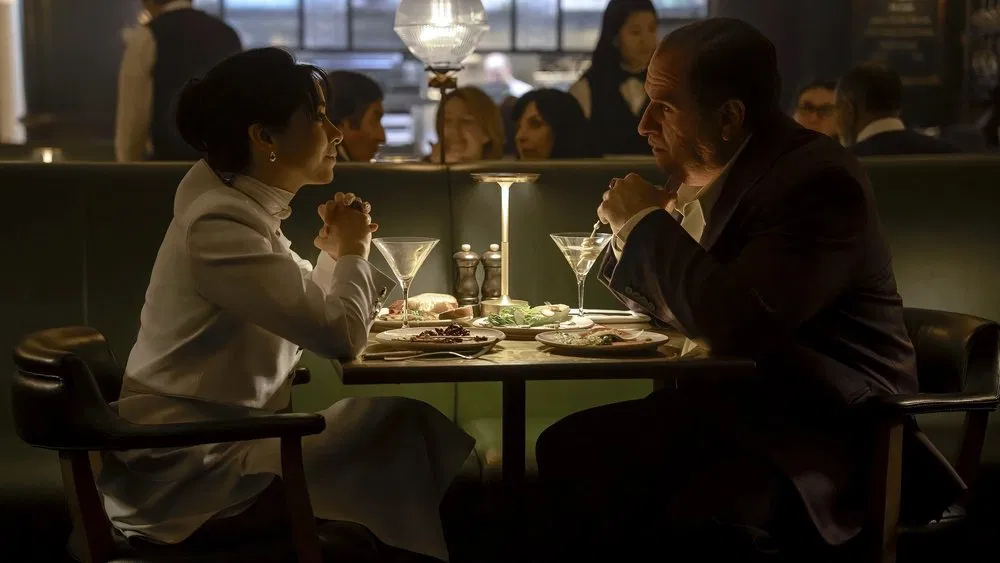
Colin Farrell disappears entirely beneath prosthetics and accent work, creating a Penguin who is simultaneously pathetic and terrifying, a man whose physical limitations and working-class origins fuel resentment that manifests as ruthless calculation. Farrell shows us exactly how Oz manipulates everyone around him, performing vulnerability and loyalty while betraying anyone the moment they’re no longer useful. Cristin Milioti is devastating as Sofia Falcone, the series’ secret weapon, a woman destroyed by her family and Arkham who emerges as Oz’s most dangerous opponent precisely because she understands him. Their scenes crackle with mutual recognition, two people from nothing determined to take everything regardless of cost. The series’ Gotham is fully realized, post-flood ruins and class divisions creating visual metaphor for social collapse. The direction favors long takes and naturalistic lighting, making the violence feel consequential rather than cartoonish. What elevates The Penguin beyond IP exercise is its thematic coherence; this is a story about how American capitalism creates monsters by promising everyone they can climb to the top while ensuring the game is rigged, and how the most dangerous people are those with nothing to lose and everything to prove. The finale’s gutting final moments confirm what we’ve suspected throughout: Oz was never going to change because success didn’t heal his damage, it simply gave him more resources to inflict it on others.
11. The Night Of
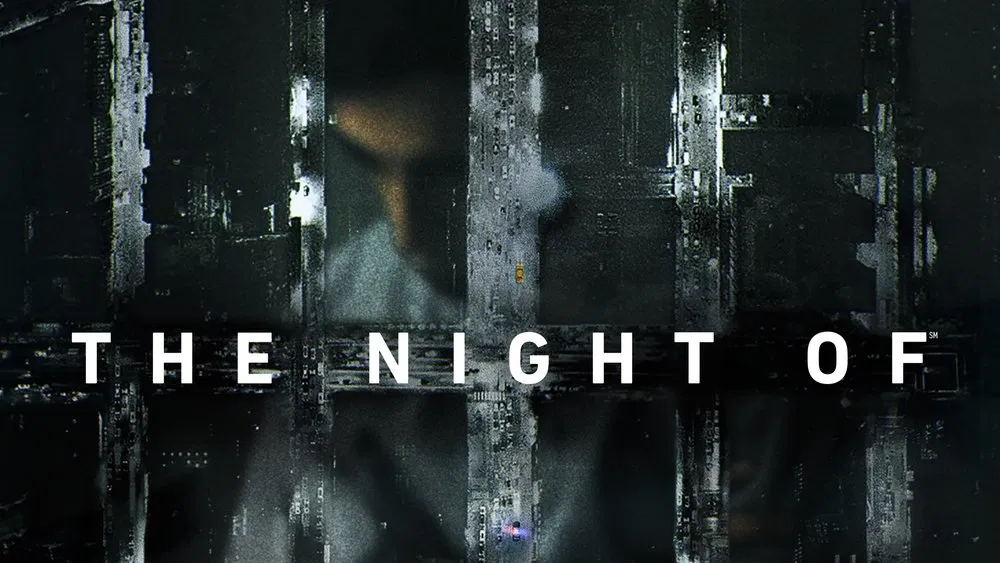
Nasir Khan, a Pakistani-American college student, makes a series of small decisions one night that lead to catastrophe: borrowing his father’s cab, picking up a mysterious girl, using drugs, waking up to find her murdered and himself covered in blood with no memory of what happened. What follows is not a mystery about who committed the crime but a procedural examination of how the justice system processes bodies, transforming a scared kid into a hardened defendant while lawyers, cops, and media turn tragedy into career opportunity. Richard Price and Steven Zaillian create something that functions as both gripping legal thriller and damning social commentary, showing how criminal justice is less about determining guilt than managing cases efficiently.
Riz Ahmed gives a heartbreaking performance as Naz, showing his transformation from innocent college kid to someone prison has fundamentally changed, his eyes growing harder, his body marked with violence, his very self eroded by incarceration. John Turturro’s John Stone, an ambulance-chasing lawyer with eczema-covered feet who takes Naz’s case, becomes the series’ unlikely moral center, a man who sees Naz as a person rather than case number even as everyone else reduces him to statistics and stereotypes. Michael Kenneth Williams’ Freddy, the inmate who takes Naz under his protection, creates complex mentorship that is both salvation and corruption. The series’ visual approach is naturalistic and precise, shooting Rikers Island and courtrooms with documentary-like authenticity that makes every procedural detail feel lived-in. The attention to seemingly minor elements, Stone’s feet, the cat he adopts, Naz’s progressive transformation, creates texture that enriches rather than distracts from the central narrative. What makes The Night Of essential viewing is its refusal to provide easy answers; even as the case reaches conclusion, the series insists that the damage inflicted by the system is irreversible, that innocence once taken cannot be restored, and that justice, when it comes, arrives too late to matter for the person it was meant to protect. It’s a devastating portrait of how institutions designed to protect us can become instruments of destruction, and how one night can ruin not just lives but entire families caught in criminal justice’s indifferent machinery.
— The Cineprism
Keep reading
31 / 08 / 2026 · 383 reads
10 Best Endings in Film
A curated list of 10 unforgettable movie endings that leave a lasting impact long after the credits roll.
12 / 11 / 2025 · 5099 reads
Top 11 Greatest TV Shows:
These eleven extraordinary series redefine what television can be, merging unforgettable characters with stories that linger long after the screen goes dark.