
Dispatch — Long Read
Top 15 Anti-Romantic Films.
Films that celebrate doomed romance.
The Cinéprism
11 / 12 / 2025 · 39 min read
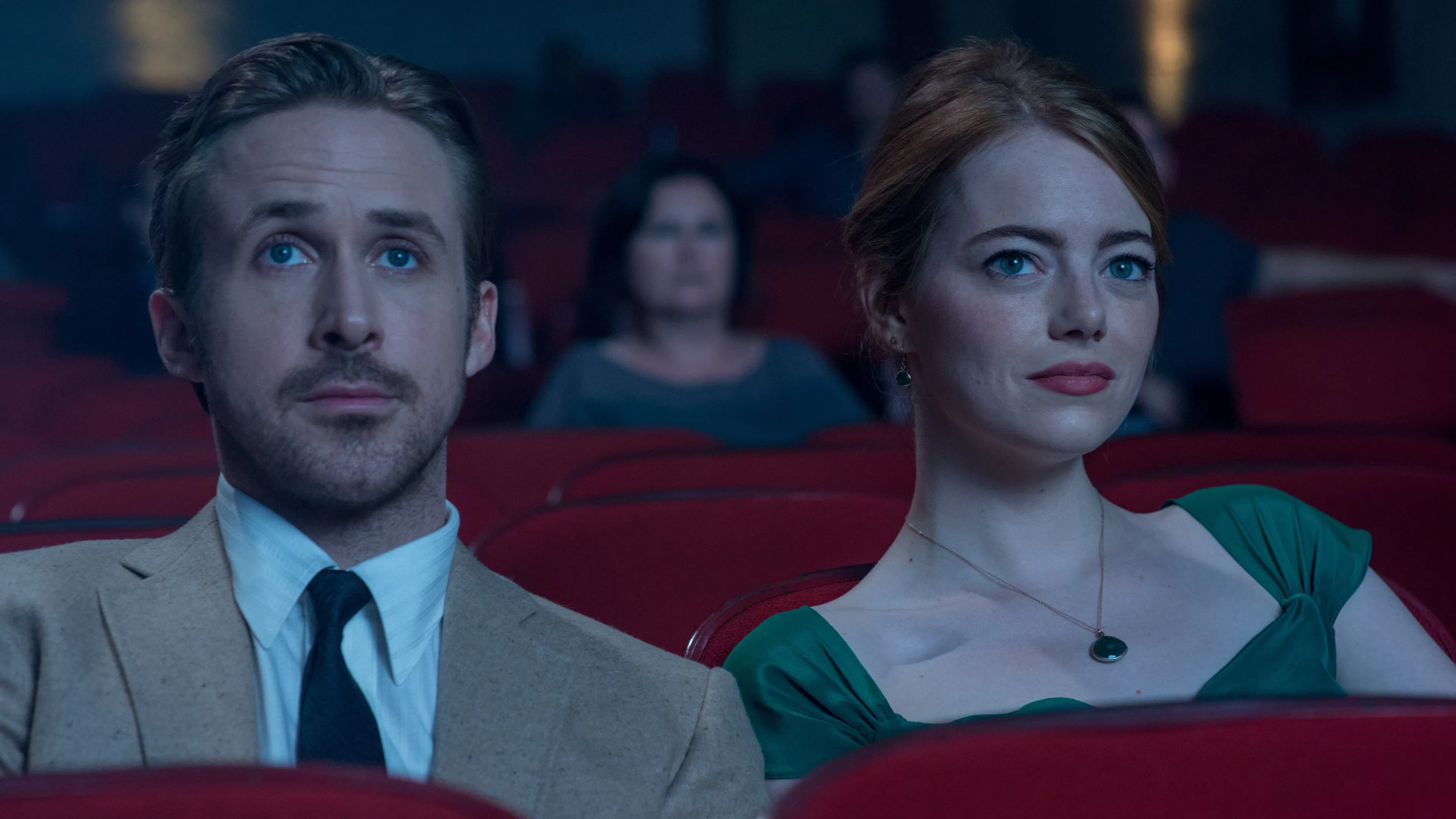
🎬 Eternal Sunshine of the Spotless Mind (2004)

Joel discovers his ex-girlfriend Clementine has undergone a procedure to erase all memories of their relationship, prompting him to do the same, only to realize mid-erasure that he wants to keep the memories despite the pain they carry. Michel Gondry and Charlie Kaufman create science fiction romance that examines whether love worth having is love worth remembering even when it ends badly, whether painful memories have value, and what remains of relationship after all evidence of it disappears. Jim Carrey plays Joel with subdued vulnerability rare for him, a withdrawn man whose emotional guardedness contributed to the relationship's failure but whose desperation to preserve memories shows how much Clementine meant despite their incompatibility. Kate Winslet's Clementine is impulsive and colorful, changing her hair color constantly as visible manifestation of her need for reinvention and escape from patterns that trap her. Mark Ruffalo, Kirsten Dunst, Elijah Wood, and Tom Wilkinson play the Lacuna employees who perform the erasure, their own romantic complications mirroring and complicating the central relationship.What makes Eternal Sunshine brilliant is its structure, moving backward through Joel's memories as they're erased, starting with the relationship's bitter end and progressing to early excitement and tenderness, showing how even relationships that fail contain moments of genuine connection and happiness. Gondry's visual approach makes the erasure process surreal and dreamlike, memories fragmenting and disappearing around Joel as he tries to hide Clementine in parts of his mind the technicians won't think to look, buildings crumbling and scenes bleeding into each other as consciousness dissolves. Ellen Kuras's cinematography shifts between the cold blue reality of the present and the warmer tones of memory, making the past feel more alive than Joel's current existence. The production design creates memory spaces that feel slightly wrong, details missing or distorted in ways that signal we're watching reconstruction rather than objective record.

The film's treatment of the Lacuna employees, particularly the revelation that Mary had the procedure herself and forgot her affair with Dr. Mierzwiak, creates parallel story about how erasing pain doesn't prevent repeating patterns, that we might be doomed to make same mistakes regardless of whether we remember making them before. The film's ending, where Joel and Clementine learn about their erased relationship and choose to try again despite hearing recordings of everything that went wrong, represents either hopeful belief in love's persistence or tragic acknowledgment that we're compelled to repeat destructive patterns even when warned. Kaufman's script raises questions about whether identity persists without memory, whether painful experiences shape us in ways that matter, and if happiness achieved through erasure is genuine or just another form of denial.It's about how we can't selectively remember only good parts of relationships, how pain and joy are package deal, and whether trying to protect yourself from hurt means missing out on everything that makes life worth living. The film suggests that even failed relationships contain value, that what we learn from loving someone persists even after the person is gone, and that choosing to risk heartbreak again despite knowing the likely outcome represents courage rather than stupidity. Gondry and Kaufman propose that memory makes us who we are, that erasing past means erasing self, and that sometimes the most romantic gesture isn't grand declaration but simple willingness to try again with full knowledge of how badly things can go wrong. The film's humanism insists that connection is worth pursuing even when it causes suffering, that love's temporariness doesn't diminish its value, and that accepting someone completely means accepting that you'll eventually hurt each other and choosing them anyway.
🎬 Masaan (2015)
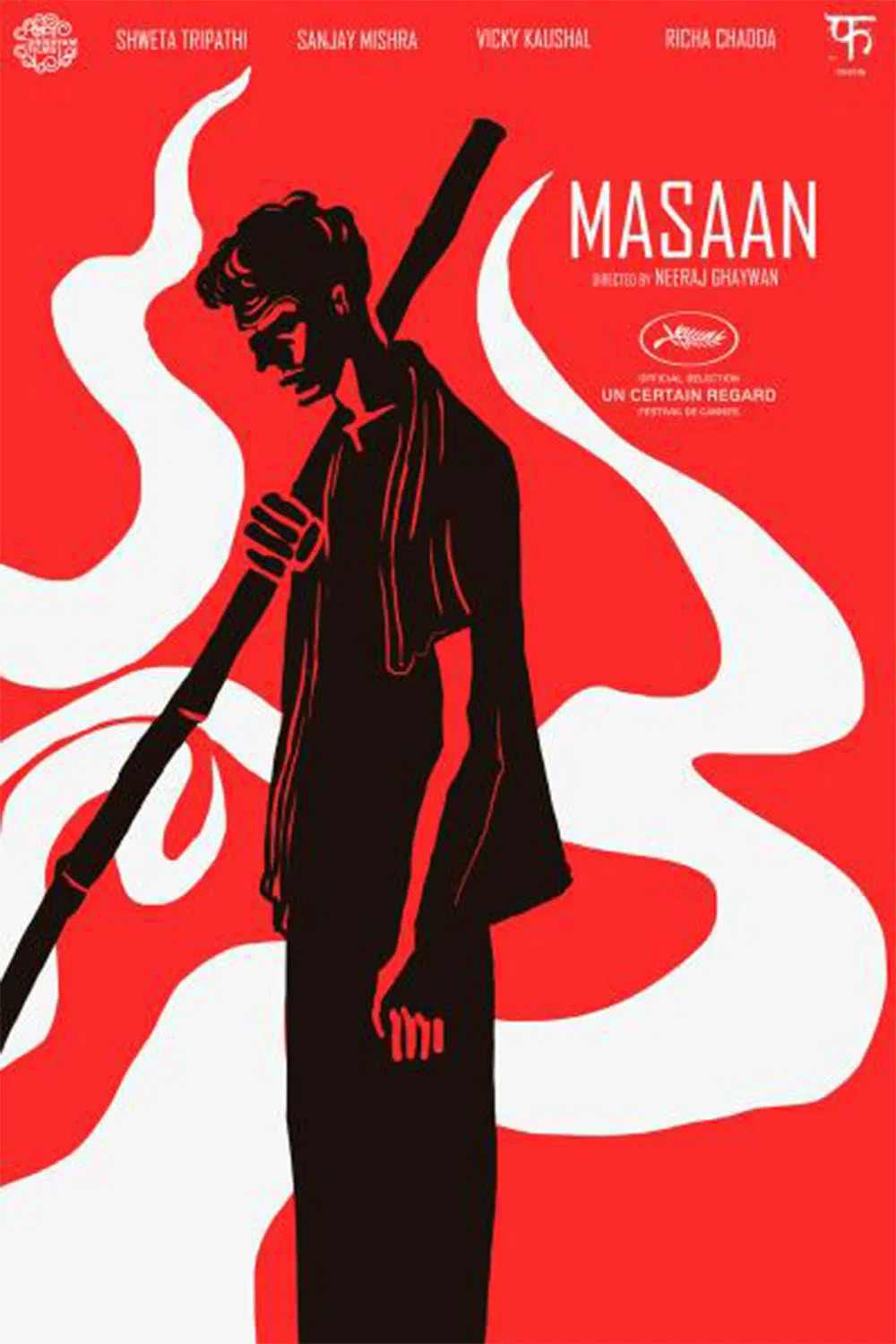
Two parallel stories unfold in Varanasi: Devi, a woman whose secret relationship leads to tragedy and blackmail, and Deepak, a young Dalit man whose romance across caste lines is doomed by social structures neither can escape. Neeraj Ghaywan's debut is quietly devastating examination of how caste, gender, and economic inequality destroy lives and relationships, using personal stories to indict systems that treat people as expendable. Richa Chadha plays Devi with understated strength, showing how trauma and shame isolate her even as she tries to rebuild her life, her relationship with her father providing the film's emotional anchor. Vicky Kaushal's Deepak is engineering student whose love for upper-caste Shaalu represents hope for transcending social barriers, their courtship tender and hopeful until reality intervenes. Sanjay Mishra as Devi's father brings quiet dignity to a man trying to protect his daughter from consequences of rigid morality he doesn't believe in but can't escape.What makes Masaan essential is its refusal to melodramatize suffering or offer false hope, showing instead how systemic oppression operates through shame, economic pressure, and violence both overt and structural. The film treats caste as omnipresent reality that shapes every interaction, Deepak's family working the cremation ghats handling dead bodies that upper-caste people won't touch, their economic survival dependent on position in hierarchy they can never escape. Ghaywan shoots Varanasi with documentary-like naturalism, showing the city's beauty and spirituality alongside its poverty and rigid social structures, the Ganges representing both purification and disposal, where bodies are cremated and ashes scattered. Avinash Arun's cinematography captures intimate moments and wide shots of the ghats with equal care, making personal and political inseparable.
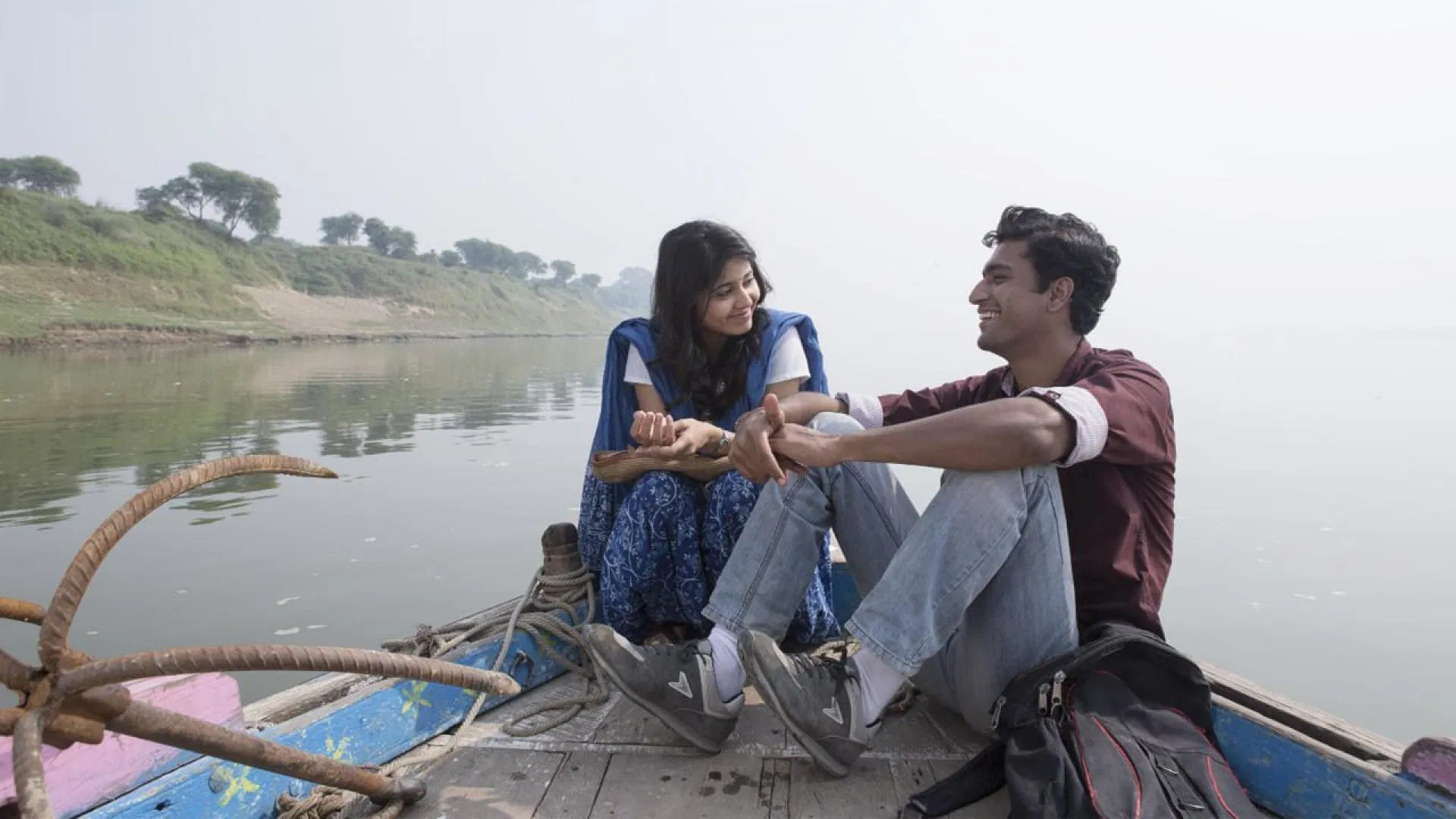
The film's two storylines mirror each other thematically without intersecting narratively until the final scene, both examining how society punishes those who transgress boundaries of acceptable behavior, how women and lower-caste people bear disproportionate consequences for choices others make freely. Devi's boyfriend's suicide and her subsequent blackmail by a corrupt police officer show how institutions meant to protect instead exploit vulnerability, while Deepak and Shaalu's relationship ends in her death in a motorcycle accident that might have been preventable if not for her family's disapproval requiring them to hide their relationship. The film's ending, where Devi and Deepak share a moment of recognition on a train, suggests that survival itself is victory when systems are designed to break you, that acknowledging shared pain creates connection even between strangers.It's about how social structures kill in ways that aren't always visible, how shame and honor become weapons to enforce hierarchies, and whether individual resistance to these systems matters when the systems are so much larger than any person. The film suggests that love across social boundaries is revolutionary act that society can't allow because it threatens the categories maintaining inequality, that Romeo and Juliet narratives play out daily in societies that claim to be modernizing but remain fundamentally rigid. Ghaywan proposes that grief is political, that who gets to mourn freely and who must hide their pain reflects larger questions about whose lives matter and whose are expendable. The film's humanism insists that people deserve dignity regardless of caste or gender, that love between equals should be possible regardless of social position, but its realism acknowledges that deserving something doesn't mean you'll get it when power structures are invested in maintaining inequality.
🎬 In the Mood for Love (2000)
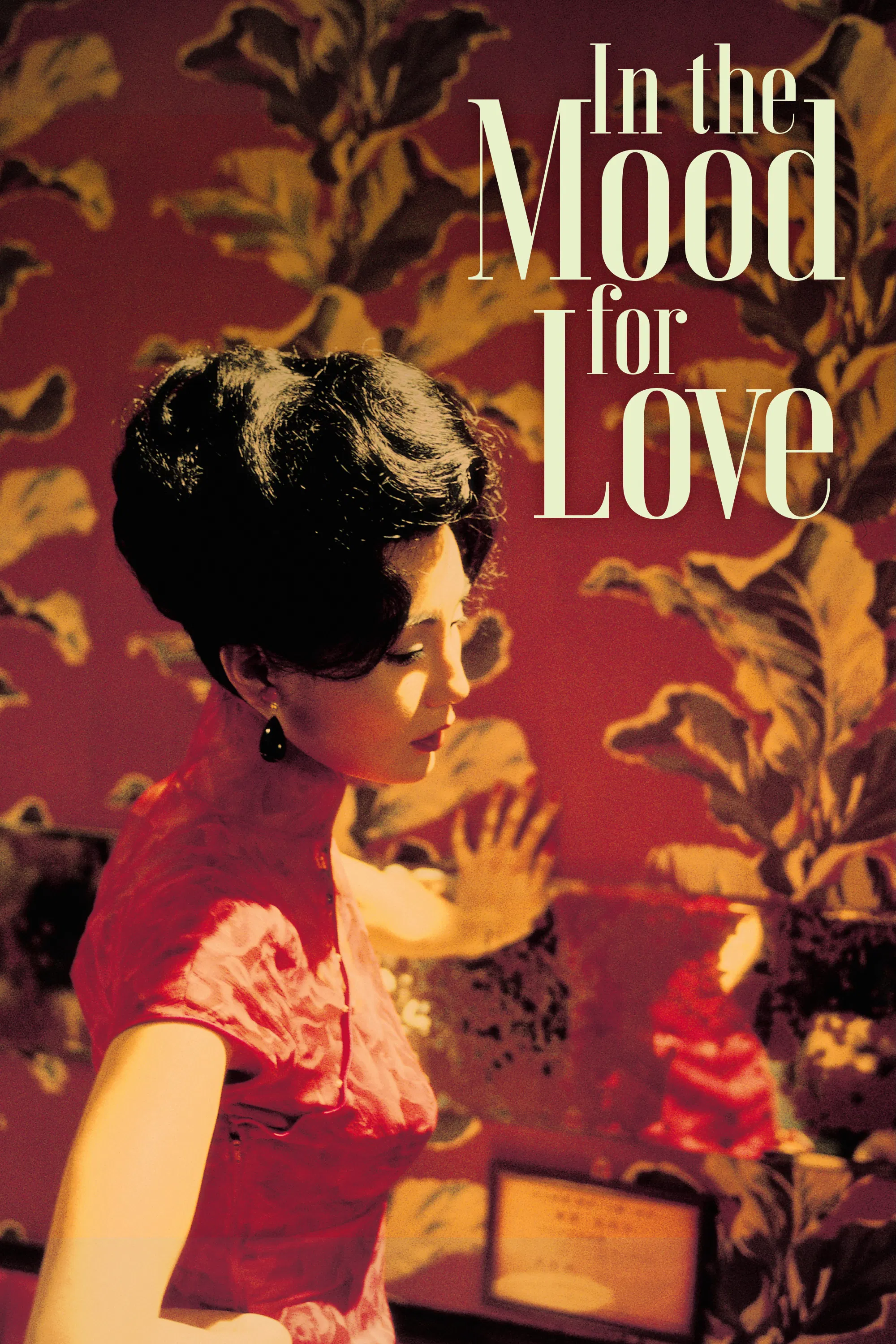
Chow and Su discover their spouses are having an affair with each other, their shared loneliness and betrayal drawing them together in relationship that remains unconsummated despite obvious mutual attraction. Wong Kar-wai creates masterpiece of restraint and visual poetry, using confined spaces, repetition, and gorgeous cinematography to examine desire, fidelity, and the roads not taken. Tony Leung's Chow is journalist whose dignified reserve barely contains his hurt and longing, while Maggie Cheung's Su is secretary whose elegance and composure mask profound sadness, their slow-motion walks through narrow corridors becoming the film's signature image of unfulfilled desire. The cheating spouses are never shown, remaining off-screen presences whose absence structures the entire narrative, their betrayal creating void that Chow and Su orbit without crossing into.What makes In the Mood for Love extraordinary is its visual language, Christopher Doyle and Mark Lee Ping-bin's cinematography creating images of such saturated beauty that every frame could stand alone as photograph, the reds and ambers of the cramped apartments and rain-slicked streets suggesting passion that characters refuse to express. Wong shoots through doorways and windows, using frames within frames to show characters as isolated even when together, their inability to consummate their connection visualized through barriers that separate them. The film's use of repetition, showing variations of the same scenes with slight differences, creates rhythm that mirrors how Chow and Su replay their encounters, imagining how they might have been different. Shigeru Umebayashi's score and Nat King Cole's songs create melancholic soundtrack that emphasizes longing and loss.
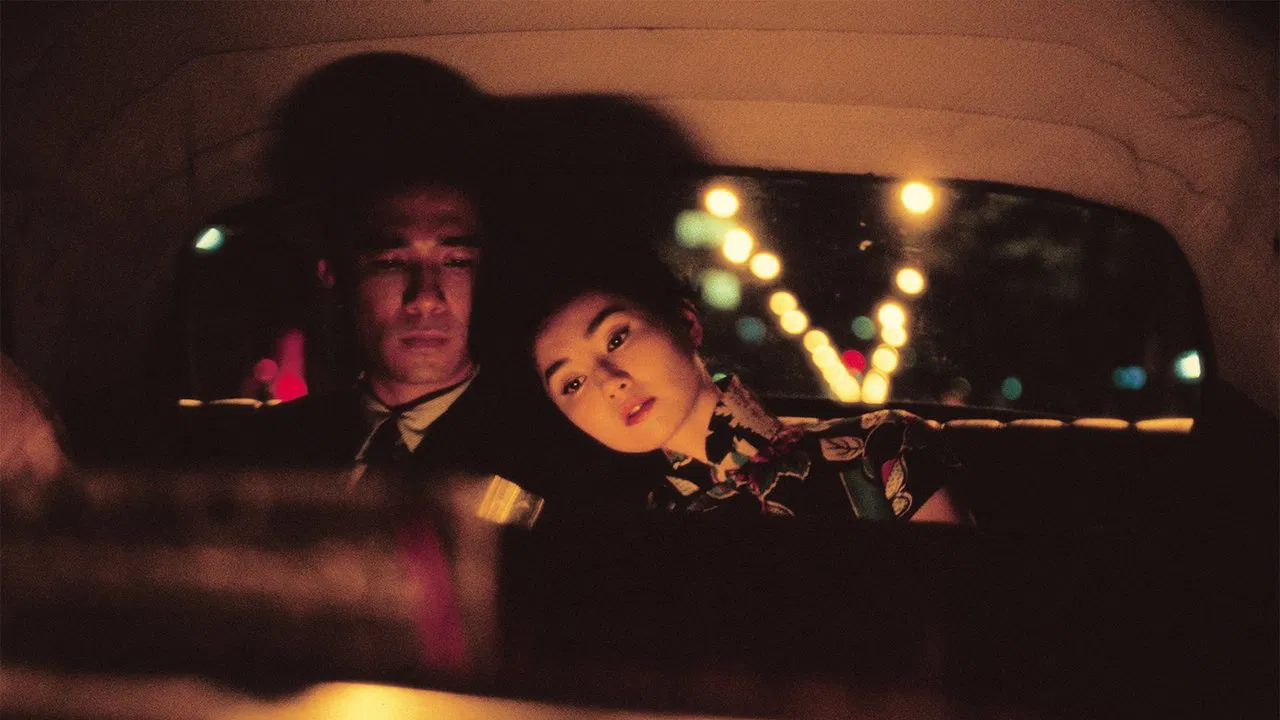
The qipao dresses Su wears, different in nearly every scene, become expression of interiority she can't voice, the beautiful confining garments suggesting how propriety and self-respect prevent her from acting on desires that might free her from loveless marriage. The film's treatment of 1962 Hong Kong creates specific cultural context where reputation and social propriety matter more than individual happiness, where being seen entering someone's room carries implications that must be avoided regardless of actual behavior. Chow and Su's decision to maintain fidelity to spouses who've betrayed them represents either moral victory or tragic waste, depending on whether you believe restraint is virtue or just different form of cowardice.The film's ending, where Chow whispers his secrets into a hole in Angkor Wat walls, suggests that some feelings can never be expressed directly, that what remains unsaid might be more powerful than confession. The epilogue showing both characters years later, their moment of possible connection permanently lost, creates devastating sense of opportunity missed, of how timing and circumstance prevent relationships that might have provided happiness. It's about how desire and propriety conflict, how betrayal by others doesn't justify our own betrayals, and whether maintaining moral high ground is worth the loneliness it creates. The film suggests that the affairs we don't have matter as much as those we do, that restraint shapes us as much as action, and that sometimes the most romantic gesture is respecting boundaries even when crossing them would satisfy immediate desire. Wong proposes that love unexpressed might be purer than love consummated because it remains idealized, untainted by the compromises and disappointments that actual relationships require, though he also shows how choosing idealization over reality means choosing loneliness over connection.
🎬 Casablanca (1942)
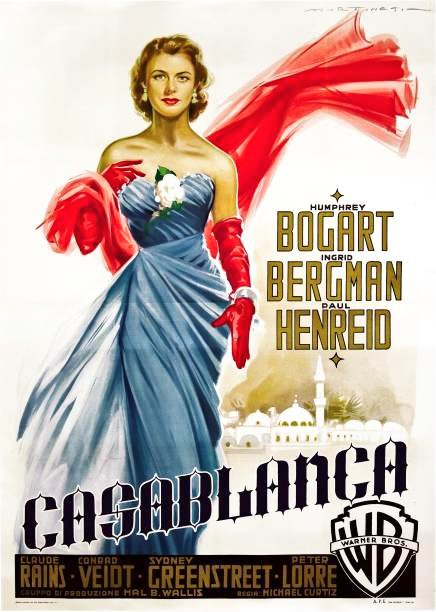
Rick Blaine runs a nightclub in Vichy-controlled Casablanca where refugees seek exit visas to escape Nazi-occupied Europe, his cynical neutrality tested when his former lover Ilsa appears with her husband, a resistance leader needing Rick's help to continue fighting fascism. Michael Curtiz creates wartime romance that's simultaneously escapist entertainment and serious engagement with moral choices during crisis, using love triangle to examine sacrifice, duty, and whether individual happiness matters when civilization hangs in balance. Humphrey Bogart's Rick is American expatriate whose claims of neutrality mask deep wounds, his transformation from bitter isolationist to committed antifascist mirroring America's own journey from isolationism to World War II engagement. Ingrid Bergman's Ilsa is woman caught between love for Rick and duty to her husband's cause, her genuine feeling for both men creating moral complexity rather than simple choice between good and bad options. Paul Henreid's Victor Laszlo is idealized resistance fighter whose dedication to defeating fascism makes him admirable but also makes relationship with him a form of service rather than partnership.What makes Casablanca endure beyond its quotable dialogue and iconic ending is its understanding that wartime requires sacrifices that peacetime doesn't, that personal happiness becomes luxury when larger questions about freedom and tyranny are at stake. The film's treatment of Rick and Ilsa's Paris romance, shown in brief flashbacks before the Nazi occupation, establishes their connection as genuine before circumstances beyond their control separated them. Arthur Edeson's cinematography uses noir lighting and shadows to create atmosphere of danger and moral ambiguity, while Max Steiner's score transforms period songs into emotional commentary. The supporting cast, including Claude Rains as cynically pragmatic Captain Renault, Peter Lorre and Sydney Greenstreet as black market operators, and Dooley Wilson as Sam, creates complete world where everyone has compromised in different ways to survive.
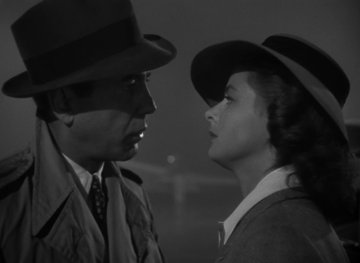
The film's famous ending, where Rick ensures Ilsa and Victor escape together while he stays behind to face consequences, represents sacrifice of personal happiness for greater good, Rick's growth from self-interested cynic to someone capable of heroism through his love for Ilsa and recognition that her husband's work matters more than their romance. The final scene between Rick and Renault, walking into fog together after shooting a Nazi officer, suggests beginning of beautiful friendship and Rick's commitment to fighting fascism rather than remaining neutral. The film examines how love can be both most important thing in individual life and something that must be set aside when historical moment demands it, how personal and political are inseparable during crisis.It's about whether individual happiness should be sacrificed for collective good, how we make impossible choices between what we want and what's right, and whether love's value is diminished or enhanced by being renounced for higher purpose. The film suggests that Rick's love for Ilsa is proven through letting her go, that protecting what she represents by ensuring she continues supporting her husband's resistance work matters more than his own satisfaction. Curtiz proposes that heroism isn't about grand gestures but about making right choice when it costs you everything you want, and that sometimes the most romantic ending is the one where lovers don't end up together because they recognize something matters more than their happiness. The film's continued resonance comes from its understanding that crisis reveals character, that the comfortable cynicism of peacetime becomes untenable when faced with genuine evil, and that choos
🎬 Brief Encounter (1945)
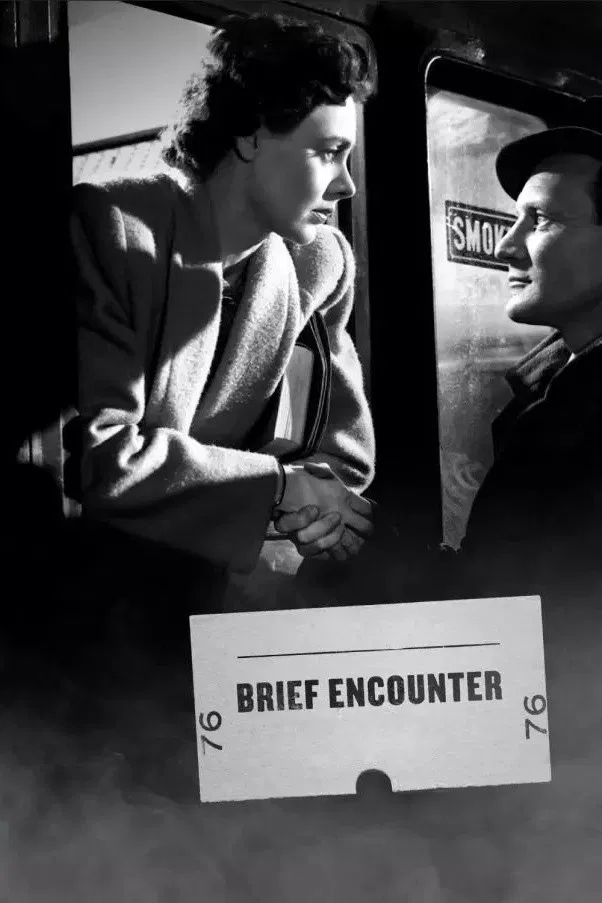
Laura and Alec are both married when they meet by chance at a railway station, their weekly encounters developing into love affair that remains largely unconsummated as they struggle between desire and duty to their respective spouses. David Lean adapts Noël Coward's play into examination of middle-class British restraint, showing how social propriety and personal morality can make even mutual love feel like betrayal requiring renunciation. Celia Johnson's Laura narrates the story as confession to her oblivious husband, her interior monologue revealing passion and guilt that her composed exterior never shows. Trevor Howard's Alec is doctor whose stability and kindness make him genuinely attractive alternative to Laura's comfortable but unexciting marriage, their connection representing possibility of passion rather than mere escape from unhappiness. Cyril Raymond's Fred, Laura's husband, is kind and decent man whose only fault is being unexciting, making Laura's temptation more complicated than simple choice between good and bad options.What makes Brief Encounter essential is its honest examination of how good people can be tempted by affairs, how longing for something more than comfortable domesticity doesn't make you villain, and how choosing duty over desire doesn't necessarily make you happy. The film treats both Laura's marriage and her attraction to Alec as real and valid, refusing to make either man a caricature or Laura's choice straightforward. Robert Krasker's cinematography uses the railway station as recurring location representing transition and possibility, trains arriving and departing marking time and opportunity, while Rachmaninoff's Piano Concerto No. 2 becomes Laura's interior emotional landscape, expressing passion she can't voice. The film's structure as flashback confession creates distance that allows Laura to narrate her near-affair with perspective of someone who chose restraint, though whether that choice brought peace or just resignation remains ambiguous.
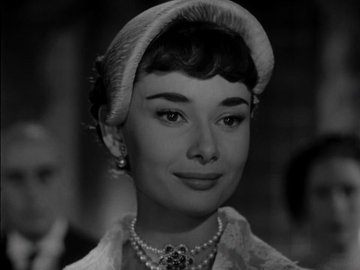
The various minor characters at the railway station, including the ticket clerk and her romantic troubles, create working-class mirror to Laura and Alec's middle-class restraint, showing how different social positions enable different choices about love and propriety. The film's treatment of the physical aspects of the affair is remarkable for its restraint, their most intimate moments being conversations and one passionate kiss, the unconsummated nature of their connection making it both more poignant and potentially more powerful because it remains in realm of possibility rather than messy reality. The ending, where Alec leaves for South Africa and Laura nearly throws herself under a train before returning home to her husband, suggests that surviving temptation and choosing conventional life requires its own form of courage.It's about how we live with roads not taken, how duty and desire conflict in ways that don't have satisfying resolution, and whether the life you choose is better than the one you imagine with someone else. The film suggests that Laura's restraint is both admirable and tragic, that choosing her marriage over her passion represents maturity but also diminishment of possibility. Lean proposes that most people live lives of quiet compromise, that extraordinary passion is rare and perhaps unsustainable, and that there's dignity in choosing stability over excitement even when your heart argues otherwise. The film's power comes from refusing to judge Laura while also refusing to romanticize affairs, showing instead how complicated emotional life is for people who try to do right thing when right thing conflicts with what would make them happy. It's deeply British in its emphasis on propriety and restraint, but universal in its recognition that many people harbor secret longings for lives they'll never live, and that choosing the conventional path doesn't mean you don't wonder about alternatives you rejected.
🎬 Lost in Translation (2003)
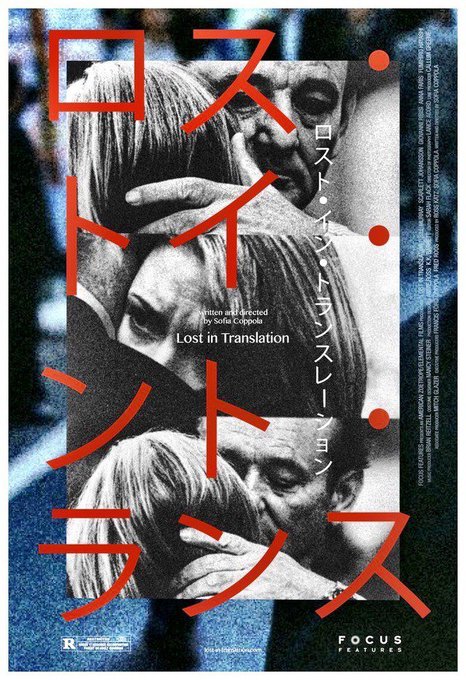
Bob Harris is a fading American movie star in Tokyo filming a whiskey commercial, while Charlotte is a young woman accompanying her celebrity photographer husband, both adrift in a culture they don't understand and marriages that have stopped providing meaning. Sofia Coppola's film creates a love story that isn't really about love but about recognition, about two people finding each other in a moment when both desperately need to be seen. Bill Murray delivers one of his finest performances, playing Bob's midlife crisis not as comedy but as quiet desperation, a man successful enough that he should be happy but finds himself spiritually exhausted, going through motions in both career and marriage. Scarlett Johansson's Charlotte is recent philosophy graduate whose education promised purpose but delivered only uncertainty, married to someone she thought she knew who now seems like stranger. What makes Lost in Translation extraordinary is its willingness to sit with loneliness rather than solve it, to show how Bob and Charlotte's connection is profound precisely because it's temporary, because they meet each other at exactly the moment when they're both questioning everything and can be honest in ways that permanence would make impossible. Coppola shoots Tokyo as dreamscape of neon and crowds, beautiful and alienating, using the city's foreignness to externalize her characters' internal displacement. Lance Acord's cinematography captures the liminal spaces these characters inhabit: hotel bars, karaoke rooms, hospital waiting areas, places where you pause but don't belong. The film's rhythm is languid, allowing scenes to breathe and silences to accumulate meaning, making the rare moments of connection between Bob and Charlotte feel earned rather than manufactured. Their relationship develops through small gestures and shared experiences: lying on a hotel bed watching terrible movies, escaping to karaoke where performance allows them to express what conversation can't, wandering Tokyo at night when the city becomes playground rather than maze. The film understands that sometimes the most important relationships in our lives are the brief ones, the people we meet when we're most vulnerable who remind us we're capable of feeling something, even if that something can't last.

What distinguishes Lost in Translation from typical romance is its maturity about what Bob and Charlotte's connection means. This isn't about leaving their partners or starting new lives together; it's about two lonely people finding temporary refuge in each other before returning to the lives they've chosen. The film examines marriage not as institution that fails or succeeds but as ongoing negotiation between who you are and who you're expected to be, how even good marriages can feel like cages when you've lost yourself, and how sometimes you need a stranger to help you remember who you wanted to be. Charlotte's husband isn't villain but distracted professional whose work comes before her, while Bob's wife exists only through phone calls about carpet samples, their conversations showing how domestic minutiae can replace actual intimacy. The film suggests that both marriages might survive precisely because Bob and Charlotte found each other, that sometimes what you need isn't escape but reminder that you're still capable of connection. The famous whispered ending, where Bob tells Charlotte something we can't hear before they part forever, is perfect precisely because we don't know what he says. Coppola understands that their relationship belongs to them alone, that sharing everything with the audience would cheapen it, and that sometimes the most important words are the ones that remain private. The film is about the loneliness that comes with adulthood even when you've achieved what you're supposed to want, how success in career or marriage doesn't guarantee happiness, and how sometimes you need someone who sees you without history or expectations to remind you that you're more than your roles and obligations. It's about the relationships that don't fit neat categories, the people who change you even though they're only in your life briefly, and whether it's possible to feel less alone in the world when you've found even one person who understands what you mean without needing to explain it.
🎬 Raincoat (2004)
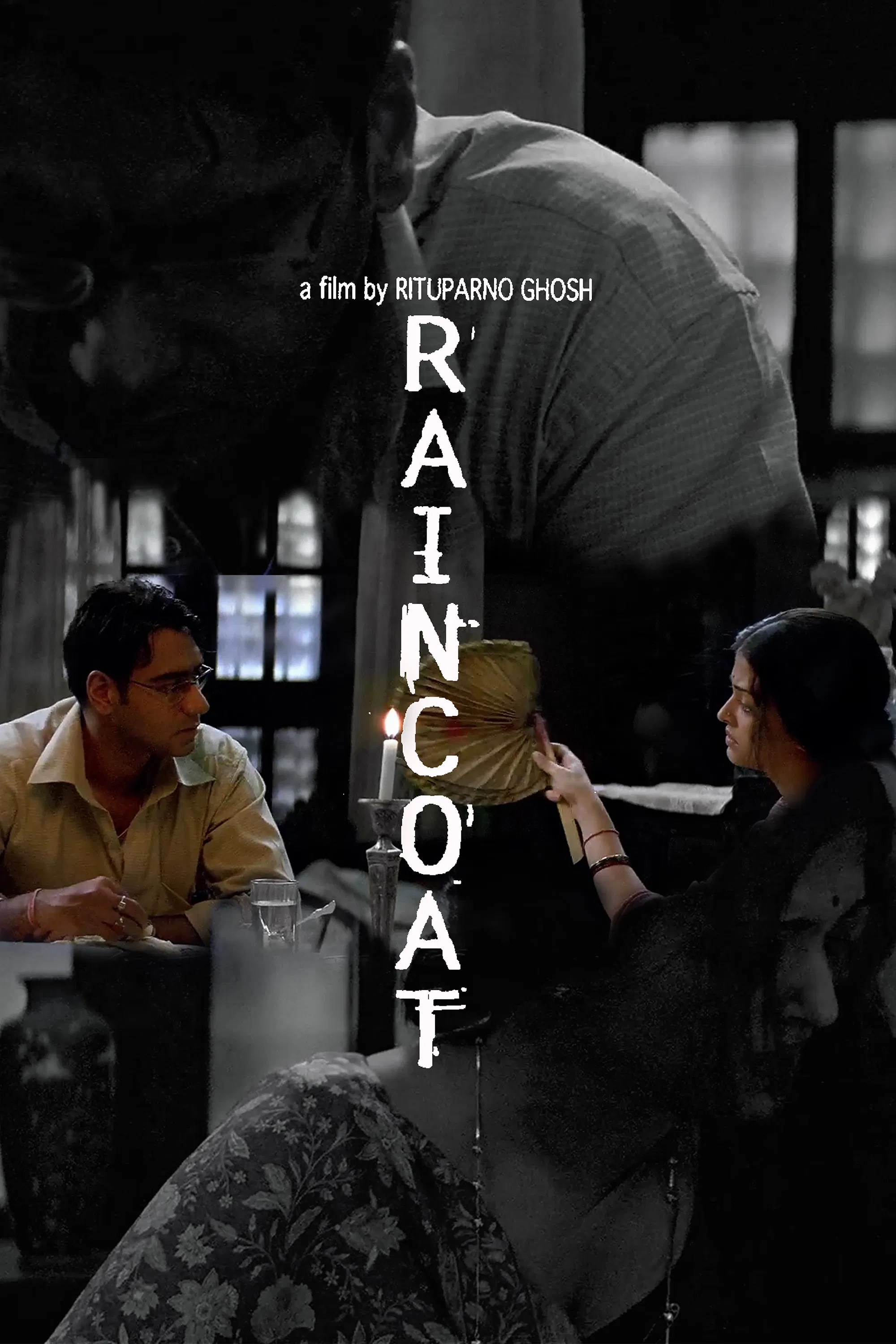
Mannu visits his former lover Neeru in Calcutta seeking money for a business deal, their reunion in her cramped apartment revealing the years of separation, compromised dreams, and lingering connection that neither has fully abandoned. Rituparno Ghosh creates chamber piece set almost entirely in one location, using constraint to intensify emotional examination of love, pride, and the gap between what we project and who we actually are. Ajay Devgn's Mannu is man whose confident exterior gradually cracks to reveal desperation and failure, his journey from demanding former lover to humbled human being forming the film's dramatic arc. Aishwarya Rai's Neeru presents herself as successfully married woman before circumstances reveal she's separated and struggling, her own pride matching Mannu's until vulnerability becomes only honest option. What makes Raincoat exceptional is its patience, spending nearly two hours in confined space as these characters gradually reveal themselves, stripping away pretense until only raw truth remains. Ghosh shoots the apartment with naturalistic lighting and minimal camera movement, making the space feel both intimate and claustrophobic, the rain outside creating cocoon that isolates them from external world. The film's dialogue is carefully calibrated, each character revealing information strategically, protecting themselves while testing whether the other still cares, their conversation a dance of revelation and concealment. The supporting characters, including Neeru's landlord and the pawnshop owner, exist primarily to create obstacles and complications that force Mannu and Neeru into continued proximity, giving them reasons to stay together as rain provides excuse for delay. Debojyoti Mishra's minimal score enhances rather than directs emotion, allowing silences and ambient sound to carry weight.
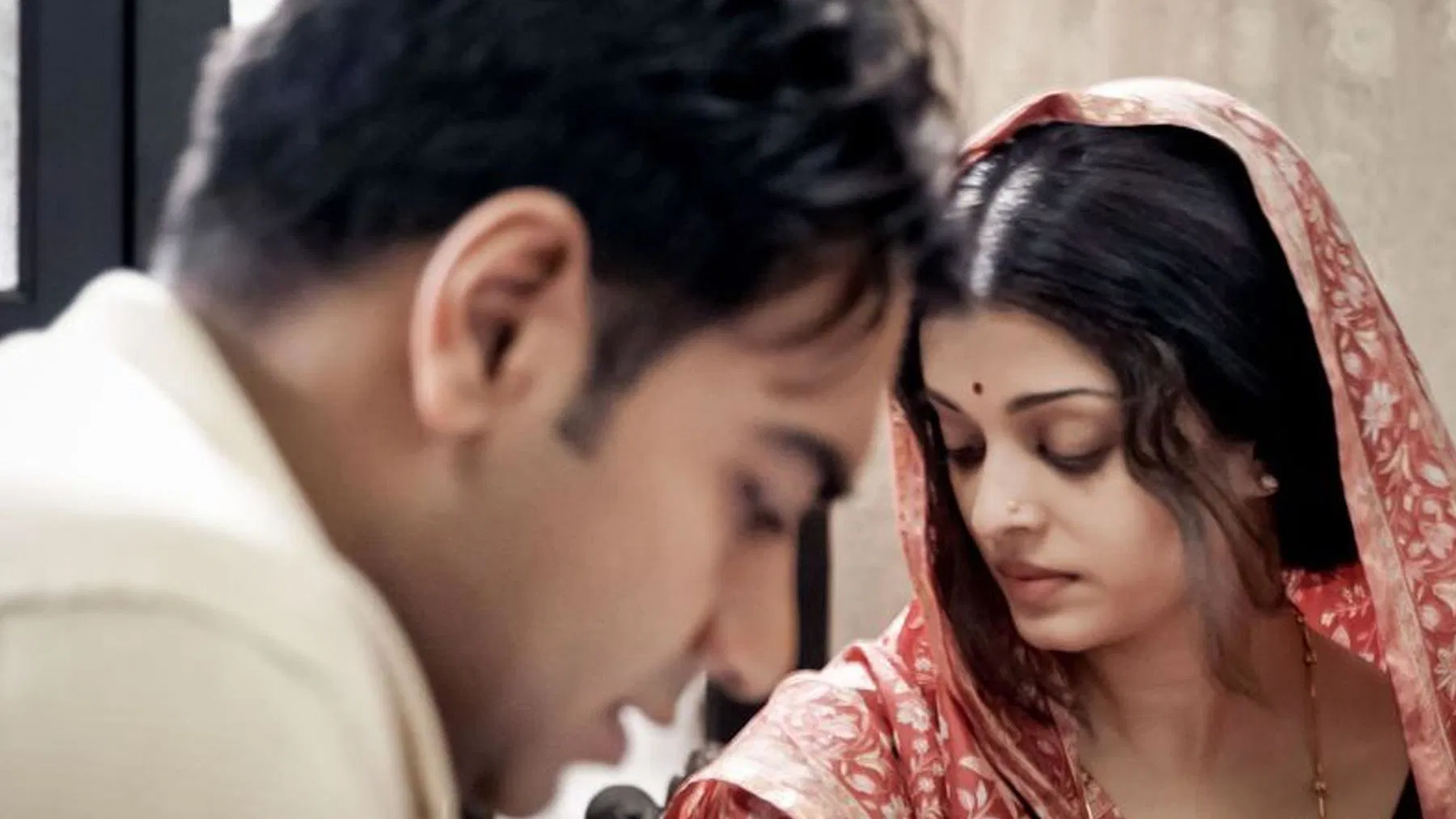
The film's structure as extended conversation creates theatrical intimacy rare in cinema, showing how people who once knew each other completely must navigate the distance created by years apart and lives that haven't turned out as planned. Mannu's eventual admission that he needs money and Neeru's revelation that she's pawned her possessions to give it to him create moment of mutual recognition where pride gives way to love that persists despite everything that's changed. The film examines how we perform success for former lovers, how admitting failure feels like confirming their decision to leave was right, and how sometimes the most loving gesture is helping someone even when they haven't earned it and you can't afford it. It's about the gap between who we want to be seen as and who we actually are, how time changes people but also reveals essential qualities that persist, and whether love that didn't work out loses its validity or remains important even in failure. The film suggests that Mannu and Neeru's connection was real even though their relationship couldn't survive practical circumstances, that loving someone doesn't mean being able to build life with them, and that sometimes the most you can offer former lovers is witness to their struggle without judgment. Ghosh proposes that dignity in poverty requires more courage than success, that asking for help is harder than offering it, and that measuring love by whether relationships last misses how much we're shaped by people who pass through our lives. The film's ending, where both characters return to their separate struggles with slightly more hope because someone witnessed their pain and helped anyway, suggests that connection doesn't require happy ending to matter, that brief moments of genuine understanding between people can sustain us through difficulties that romance couldn't solve.
🎬 (500) Days of Summer (2009

Tom is greeting card writer convinced Summer is his soulmate, the film chronicling their relationship nonlinearly as it progresses from meet-cute to breakup, examining how romantic expectations clash with reality when the other person doesn't share your fantasy. Marc Webb creates romantic comedy that's actually about romantic comedies, using Tom's story to examine how cultural narratives about love distort actual relationships, how believing in destiny prevents seeing person in front of you clearly. Joseph Gordon-Levitt plays Tom as likable but ultimately immature man whose investment in being in love exceeds his interest in who Summer actually is, his heartbreak genuine but also somewhat self-inflicted because he ignored all her warnings about not wanting serious relationship. Zooey Deschanel's Summer is the film's complicated element, written as manic pixie dream girl the film supposedly critiques but also confirming many of those tropes, her emotional unavailability and eventual marriage to someone else validating Tom's sense of betrayal despite her consistency about not wanting commitment. What makes (500) Days of Summer work despite its structural tricks is its honesty about how we construct narratives about relationships that don't match reality, how Tom's version of their story emphasizes romantic moments while downplaying incompatibilities that Summer never hid. The film's nonlinear structure, jumping between different numbered days in their relationship, creates pattern where happy moments are undercut by knowledge of eventual failure, while difficult moments gain poignancy from memory of earlier joy. Eric Steelberg's cinematography shifts between idealized romantic lighting during Tom's fantasy sequences and more naturalistic shooting of actual events, visualizing the gap between expectation and reality. The film's postmodern touches, including musical number and split-screen sequence showing Tom's expectations versus what actually happens at Summer's party, create self-awareness about romantic genre conventions.

The film's examination of Tom's arrested development, his architecture degree abandoned for safe job writing greeting cards and his belief that finding right woman will give his life meaning, creates portrait of passive masculinity that waits for life to happen rather than actively creating it. Tom's friends and younger sister provide commentary on his romantic delusions, pointing out that Summer was consistent about not wanting relationship while Tom heard what he wanted to hear. The film's ending, where Tom meets Autumn after finally pursuing his architectural dreams, suggests he's learned something though the joke name implies he might just repeat the same pattern with a new woman, the film remaining ambiguous about whether he's actually grown or just moved on. It's about how we project our desires onto other people, how believing someone is your soulmate prevents seeing them as autonomous person with their own wants, and whether there's meaningful difference between love and being in love with the idea of being in love. The film suggests that Tom's heartbreak stems less from losing Summer specifically than from losing the narrative he'd constructed where their relationship was destined, that her marriage to someone else proves love isn't about finding right person but about being ready and willing when connection occurs. Webb proposes that romantic comedies have taught us to value grand gestures over compatibility, to believe in fate rather than choice, and to think relationships failing means someone did something wrong rather than recognizing that sometimes people simply want different things. The film's ultimate message is that you can't make someone love you by loving them hard enough, that respecting someone's stated boundaries matters more than believing you know what they really want, and that sometimes the relationship you need to fix is the one with yourself rather than seeking validation through romance.
🎬 Chungking Express (1994)
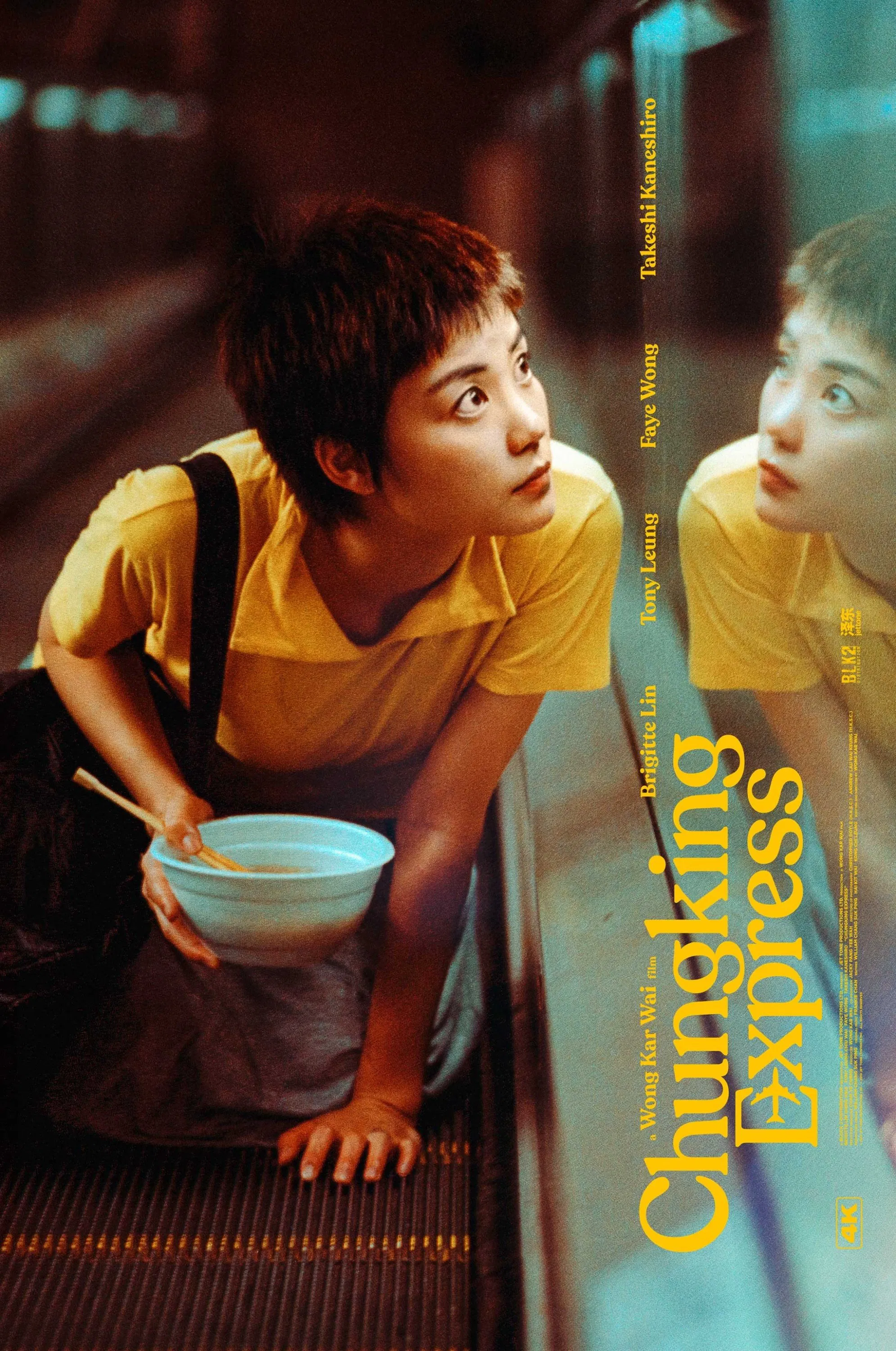
Two loosely connected stories follow Hong Kong police officers nursing romantic disappointment: He Qiwu obsesses over his breakup by buying canned pineapples that expire on his ex-girlfriend's birthday, while officer 663's routine is disrupted when Faye, a snack bar worker, breaks into his apartment to redecorate it. Wong Kar-wai creates hyperkinetic romance about loneliness in crowded cities, using Hong Kong's dense urban environment as backdrop for characters missing connection despite being surrounded by people. Takeshi Kaneshiro's He Qiwu deals with heartbreak through arbitrary rituals and eventually connects with mysterious drug smuggler played by Brigitte Lin, their brief encounter representing possibility of romance emerging from urban anonymity. Tony Leung's officer 663 is creature of habit whose flight attendant girlfriend's departure leaves him talking to soap and towels, while Faye Wong's character expresses her crush through secretly entering his apartment and changing small things, her odd courtship method both creepy and endearing. What makes Chungking Express distinctive is its loose, improvisational feeling despite careful construction, Wong shooting with handheld cameras at real Hong Kong locations to capture energy and chaos of city life. Christopher Doyle's cinematography uses step-printing and overexposed film stocks to create visual restlessness matching characters' emotional states, the city rendered as blur of neon and motion. The film's structure as two separate stories connected only thematically and by the Midnight Express snack bar allows Wong to explore variations on loneliness and connection without forcing coherent narrative. The Mamas & the Papas' "California Dreamin'" becomes Faye's theme, her constant playing of it both annoying and charming, representing her dreamy dissociation from her mundane job.
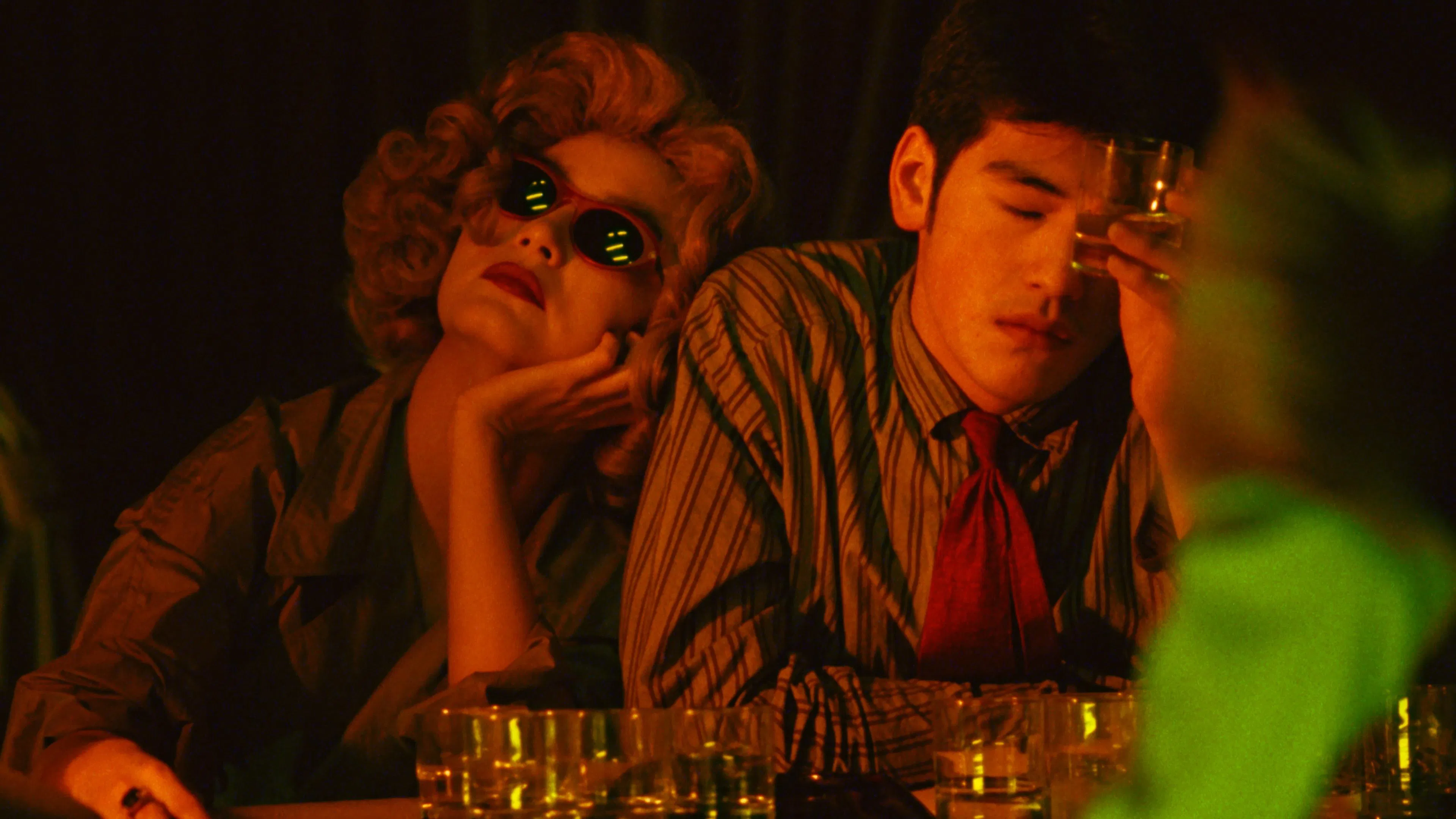
The film's treatment of urban loneliness examines how proximity doesn't equal connection, how you can be surrounded by millions and still feel isolated, and how the randomness of city life means that any encounter could potentially lead to romance or just be another moment that passes. He Qiwu's extended internal monologues about his strategies for moving on and his eventual realization that life continues regardless of his plans create portrait of someone whose romantic disappointment has made everything else lose meaning temporarily. The film's second story about officer 663 and Faye develops more slowly, their connection delayed by his obliviousness and her shyness, their eventual relationship beginning after she's already transformed his apartment in secret, suggesting that love sometimes requires one person to make aggressive move while the other catches up. It's about how we cope with rejection through arbitrary rituals that give us sense of control, how loneliness makes us open to connections we'd normally dismiss, and whether love found by accident is less meaningful than love pursued intentionally. The film suggests that heartbreak creates temporary openness where we're vulnerable to new people and experiences, that the best relationships might start when we're not actively looking, and that sometimes what seems like coincidence is actually someone working hard to get your attention in ways you're too distracted to notice. Wong proposes that cities are simultaneously isolating and full of possibility, that anyone you pass could be significant but probably won't be, and that recognizing connection when it appears requires being present rather than lost in past heartbreak. The film's energy and optimism about urban romance, despite focusing on lonely people, creates portrait of city life as adventure where next moment might bring the person who changes everything, if you're paying enough attention to notice them.
🎬 The Bridges of Madison County (1995)
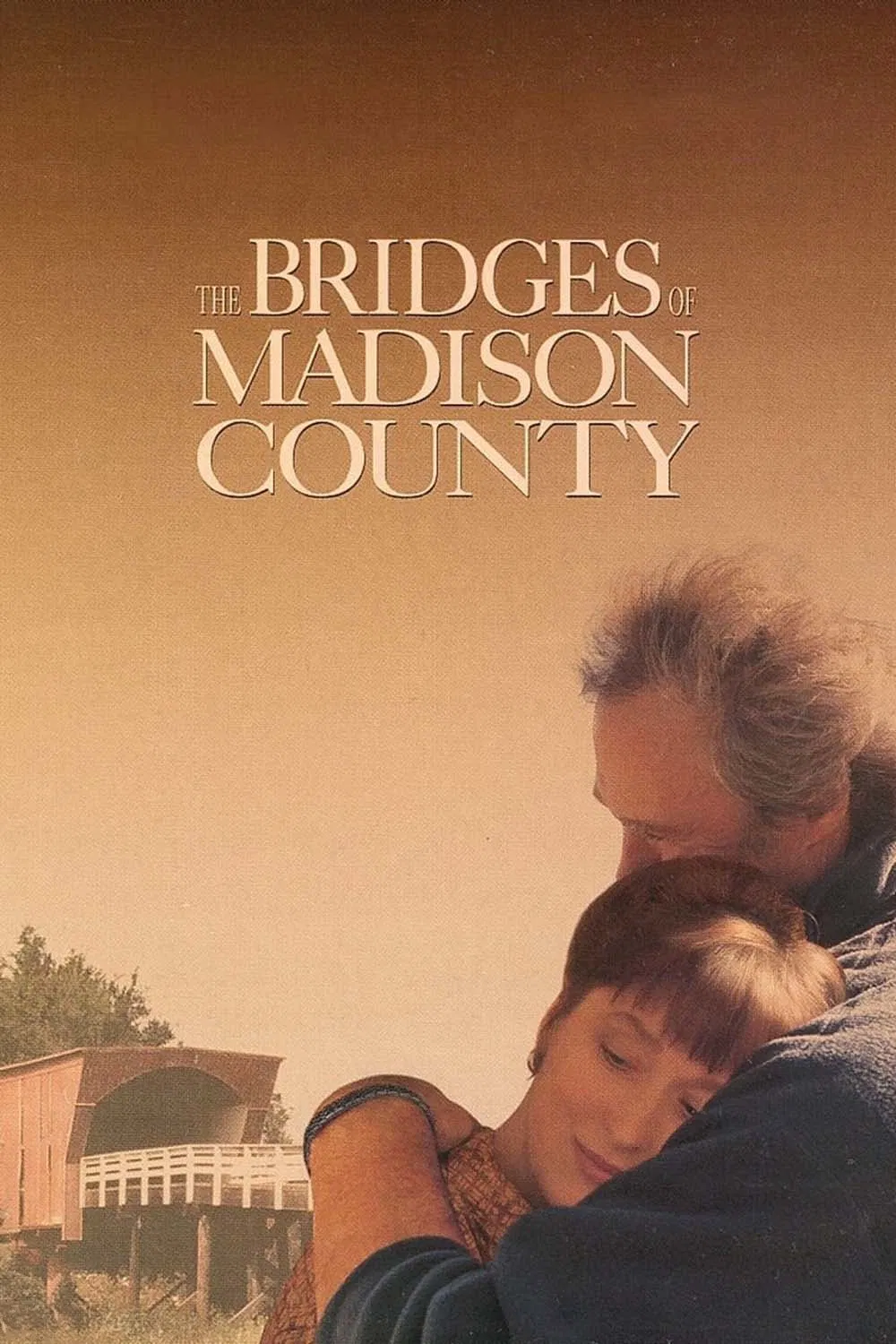
Francesca is Italian war bride living isolated existence on Iowa farm when photographer Robert Kincaid arrives asking directions to covered bridges, their four-day affair becoming the defining romance of her life despite her choice to stay with her family. Clint Eastwood adapts Robert James Waller's novel with restraint and maturity, examining how ordinary people experience extraordinary love that doesn't fit into their lives, and how choosing duty over passion shapes the rest of your existence. Meryl Streep plays Francesca with layered complexity, showing a woman whose competent exterior hides dreams deferred and desires unexpressed, her attraction to Robert representing both specific man and general hunger for life beyond domestic routine. Eastwood's Robert is gentle and sophisticated, worldly photographer whose nomadic lifestyle contrasts with Francesca's stationary domesticity, their mutual attraction immediate but complicated by her marriage and children. What makes The Bridges of Madison County powerful despite its potentially melodramatic premise is Eastwood's visual restraint and the actors' subtle performances, playing the affair as both passionate and melancholic because both characters know it can't last. Jack N. Green's cinematography emphasizes the Iowa landscape's beauty and the farmhouse's isolation, making Francesca's life visibly constrained and Robert's arrival a rupture in routine. The film's framing device, where Francesca's adult children discover her journals after her death and learn about the affair their father never knew about, creates perspective on how one relationship can define your interior life even as you fulfill exterior obligations to other relationships. The reading of Francesca's words and the evidence of Robert's continued love through the decades, his possessions at death revealing he kept her memory central, creates portrait of love that endured through separation.
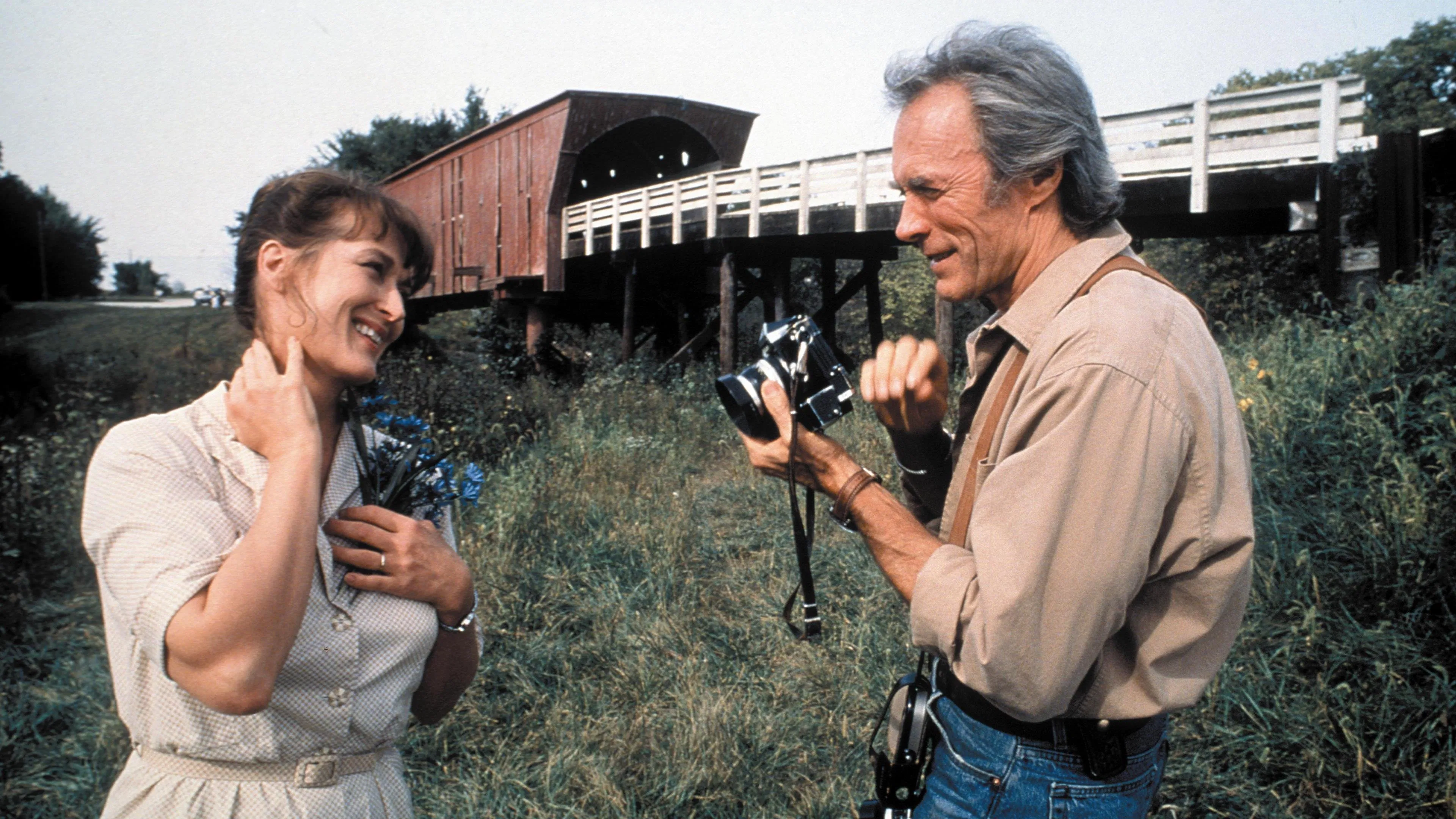
The film's treatment of Francesca's decision to stay, specifically the scene where she sits in her truck at a traffic light while Robert's truck is stopped ahead of her and she must choose whether to leave her family or let the light change and return home, creates almost unbearable tension because we understand both options' validity. Francesca chooses her children over her happiness, her sense of duty over her desire, and the film respects that choice while also showing its cost, the life she lives afterward functional but diminished by knowledge of what she refused. The film examines how women of Francesca's generation were expected to sacrifice personal fulfillment for family stability, how that sacrifice was both admirable and tragic, and whether duty fulfilled joylessly constitutes virtue or just slow death. It's about roads not taken and how we live with choices that were right but painful, how brief encounters can matter more than decades of marriage, and whether being faithful to someone means denying yourself the one thing that would make you happy. The film suggests that Francesca's choice was noble but also that nobility has costs, that she gave her family stability but gave herself only memory, and that measuring love by duration misses how intensity matters more than length. Eastwood proposes that some loves are too powerful to contain within conventional relationships, that recognizing this doesn't make existing commitments less valid, and that sometimes the most loving choice is letting someone go rather than destroying families to be together. The film's ending, where Francesca's ashes are scattered at the bridges and her children gain understanding of their mother's hidden life, suggests that even secret loves deserve acknowledgment, that the relationships we hide matter as much as those we display, and that understanding our parents' full humanity, including their sacrifices and regrets, allows us to appreciate what they gave us even as we mourn what they gave up.
🎬 Romeo and Juliet (1968)
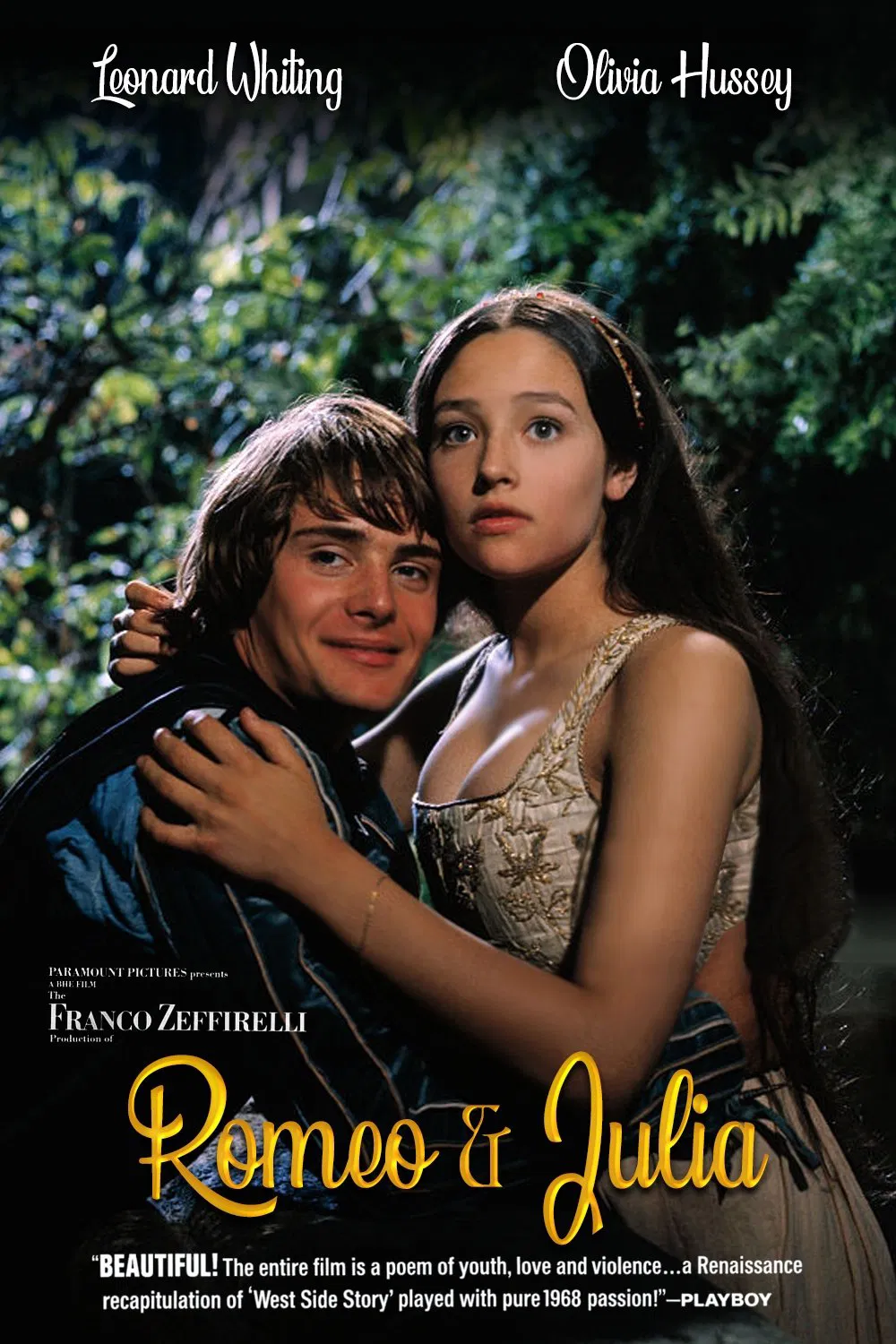
Two teenagers from feuding Veronese families fall in love and marry secretly, their attempt to be together despite family hatred leading to series of misunderstandings and deaths that ultimately reconcile the families too late to save the lovers. Franco Zeffirelli adapts Shakespeare's tragedy with visual beauty and emotional directness, casting age-appropriate actors whose youth emphasizes how adult conflicts destroy children who want to transcend inherited hatred. Leonard Whiting's Romeo and Olivia Hussey's Juliet bring genuine adolescent passion to roles often played by actors too old to convey the impulsiveness and intensity of teenage love. The supporting cast, including Michael York as Tybalt, John McEnery as Mercutio, and Pat Heywood as the Nurse, create world where personal grudges and family honor matter more than individual happiness. What makes Zeffirelli's version endure despite countless adaptations is its commitment to Shakespeare's language while making the visual storytelling clear and emotionally accessible, trusting that adolescent leads can handle the poetry if directors trust them. Pasqualino De Santis's cinematography captures Renaissance Italy with natural light and period-accurate costumes and settings, making Verona feel like real place rather than theatrical backdrop. Nino Rota's score builds emotional intensity without overwhelming Shakespeare's words, knowing when to support and when to step back. The film's famous balcony scene and the lovers' wedding night create genuine romantic chemistry that makes their eventual deaths feel like preventable tragedy rather than inevitable fate.
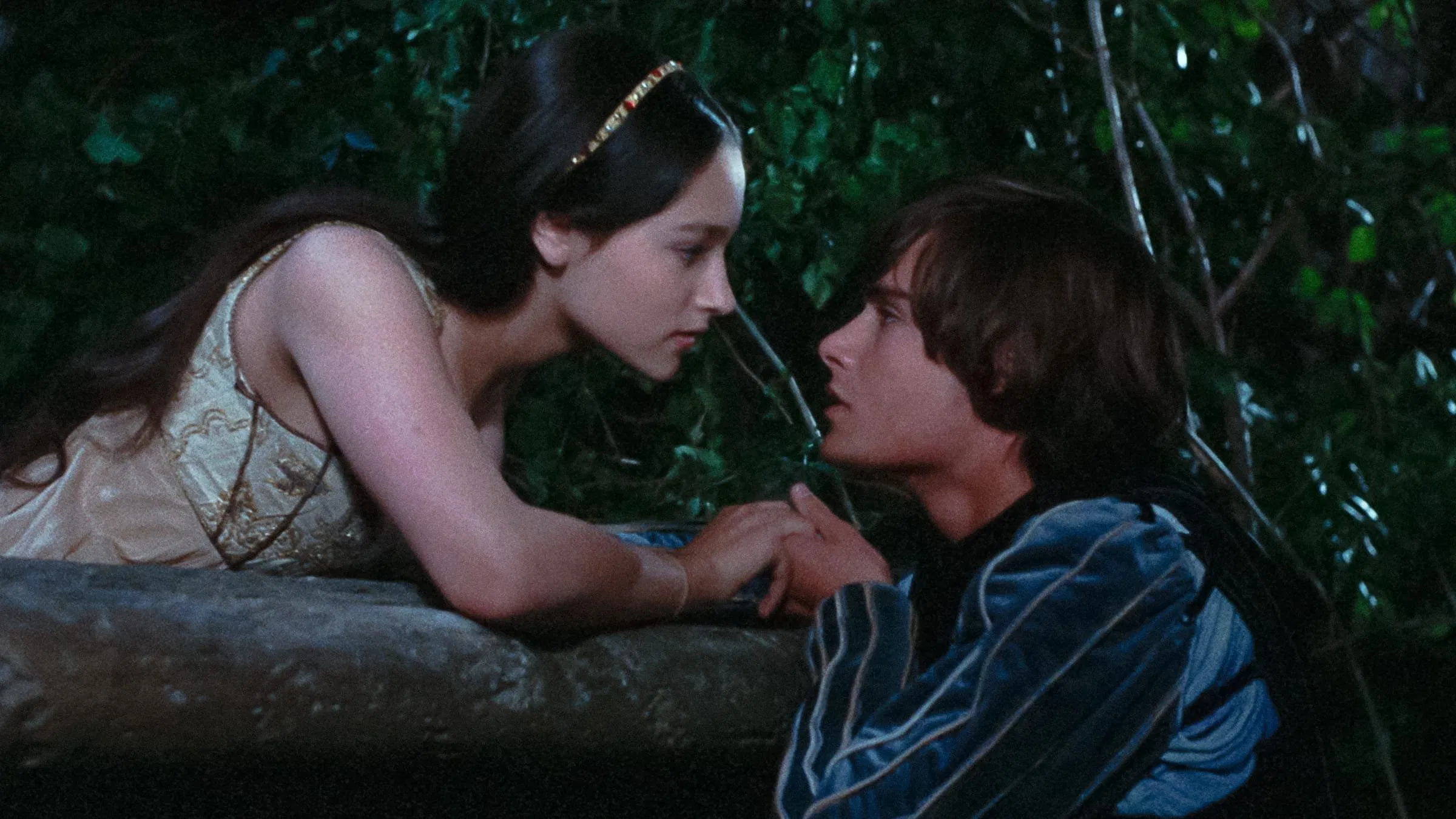
The film's treatment of the feuding families emphasizes how cycles of violence perpetuate themselves, how ancient grudges whose origins no one remembers continue destroying new generations, and how Romeo and Juliet's love represents possible escape from this cycle that the adults ultimately prevent through their inability to set aside hatred. Mercutio's death and Romeo's revenge killing of Tybalt show how quickly situations escalate when honor culture demands blood for blood, while the Friar's well-intentioned plans fail because everyone is too committed to secrecy and too distrustful of communication. The film's ending, where both families discover their children dead and agree to end the feud, suggests that tragedy could have been prevented if adults had prioritized children's happiness over family pride. It's about how inherited hatred destroys those who had nothing to do with original conflicts, how love between supposed enemies threatens power structures invested in maintaining divisions, and whether any cause is worth sacrificing your children to maintain. The film suggests that Romeo and Juliet's tragedy isn't about fate or stars but about adults who value pride over life, that their deaths are preventable at multiple points if anyone had chosen compassion over revenge, and that reconciliation built on dead teenagers is hollow victory. Zeffirelli proposes that young love, for all its impulsiveness and naivety, might be more honest than adult relationships compromised by practicality and prejudice, that choosing love over family loyalty requires courage adults often lack, and that society's insistence on appropriate matches based on class and family destroys possibilities for connection across boundaries. The film's power comes from making five-hundred-year-old play feel immediate and relevant, showing how societies still sacrifice young people to conflicts they didn't create and asking whether we've learned anything from centuries of repeating this pattern.
🎬 Lootera (2013)

Pakhi is daughter of wealthy Bengali zamindar who falls in love with archaeologist Varun, marrying him before discovering he's actually a con artist who robbed her father and left her for dead, their paths crossing again years later when both are diminished by circumstances. Vikramaditya Motwane adapts O. Henry's "The Last Leaf" into period romance set in 1950s India, using gorgeous cinematography and deliberate pacing to examine love, betrayal, and redemption. Sonakshi Sinha plays Pakhi with understated grace, her transformation from vibrant young woman to someone broken by betrayal and tuberculosis creating tragic arc that never becomes melodramatic. Ranveer Singh's Varun is charming deceiver whose genuine feelings for Pakhi complicate his criminal mission, his return to her life years after his betrayal motivated by guilt and love intertwined impossibly. What makes Lootera exceptional is Motwane's commitment to mood and atmosphere over plot, allowing the romance to develop slowly through glances and small gestures before the betrayal reorganizes everything we've seen, making us question whether Varun's feelings were ever real or just part of the con. Mahendra J. Shetty's cinematography creates period-perfect 1950s India through natural lighting and muted color palette, the Bengal countryside and later Dalhousie hill station rendered with painterly beauty that reflects Pakhi's artistic sensibility. Amit Trivedi's score uses period-appropriate orchestration while avoiding Bollywood's typical bombast, creating musical landscape that's romantic and melancholic simultaneously.

The film's structure, divided between the courtship and robbery in Bengal and the reunion in Dalhousie, creates before and after that shows how betrayal changes both people, Pakhi broken physically and emotionally while Varun has become hunted man whose crimes finally caught up with him. The parallel with O. Henry's story, where dying artist believes she'll die when last leaf falls from tree outside her window, becomes literal in Lootera's climax where Varun paints a leaf to give Pakhi reason to keep living. The film examines whether redemption is possible for serious betrayals, whether loving someone justifies the harm you caused them, and what forgiveness means when the person seeking it can't undo the damage they've done. It's about how love and deception can coexist, how someone can genuinely care for you while actively betraying you, and whether feelings that led to harm count as real love or just complicate straightforward villainy. The film suggests that Varun's love for Pakhi was real even as his betrayal was calculated, that people are capable of holding contradictory feelings simultaneously, and that recognizing you've destroyed someone you love doesn't automatically grant you forgiveness or reconciliation. Motwane proposes that some betrayals are unforgivable but that understanding why someone hurt you might provide peace even without absolving them, and that redemption is personal journey rather than something granted by those you've harmed. The film's ending, where Varun likely dies after painting the leaf that saves Pakhi, suggests that loving someone sometimes means giving them reason to live even when you can't be part of that life, that the most you can offer after catastrophic betrayal is removing yourself while ensuring they survive your departure.
🎬 La La Land (2016)

Mia is aspiring actress and Sebastian is jazz pianist, both pursuing artistic dreams in Los Angeles while falling in love, their relationship thriving when they support each other's ambitions but fracturing when success requires sacrifices neither wants to make. Damien Chazelle creates musical romance about the conflict between artistic integrity and commercial success, between love and ambition, and whether you can have both or must choose. Emma Stone plays Mia with vulnerability that makes her repeated rejections painful while maintaining determination that prevents pity, her one-woman show representing artistic vision that might be self-indulgent or brilliant depending on whether anyone sees value in it. Ryan Gosling's Sebastian is purist who loves jazz but needs to eat, his journey from idealism to compromise and back showing how artists negotiate between integrity and survival. What makes La La Land distinctive despite its classical musical influences is Chazelle's understanding that contemporary audience needs different approach to the genre, using longer takes and practical choreography that shows actors actually dancing rather than cutting around them, while maintaining artifice that announces this is deliberate fantasy rather than naturalism. Linus Sandgren's cinematography uses saturated colors and changing light to mark seasons and emotional states, the LA locations transformed through lighting and production design into spaces where breaking into song feels logical rather than jarring. Justin Hurwitz's score and songs blend jazz influences with contemporary sensibility, creating music that's simultaneously nostalgic and current.
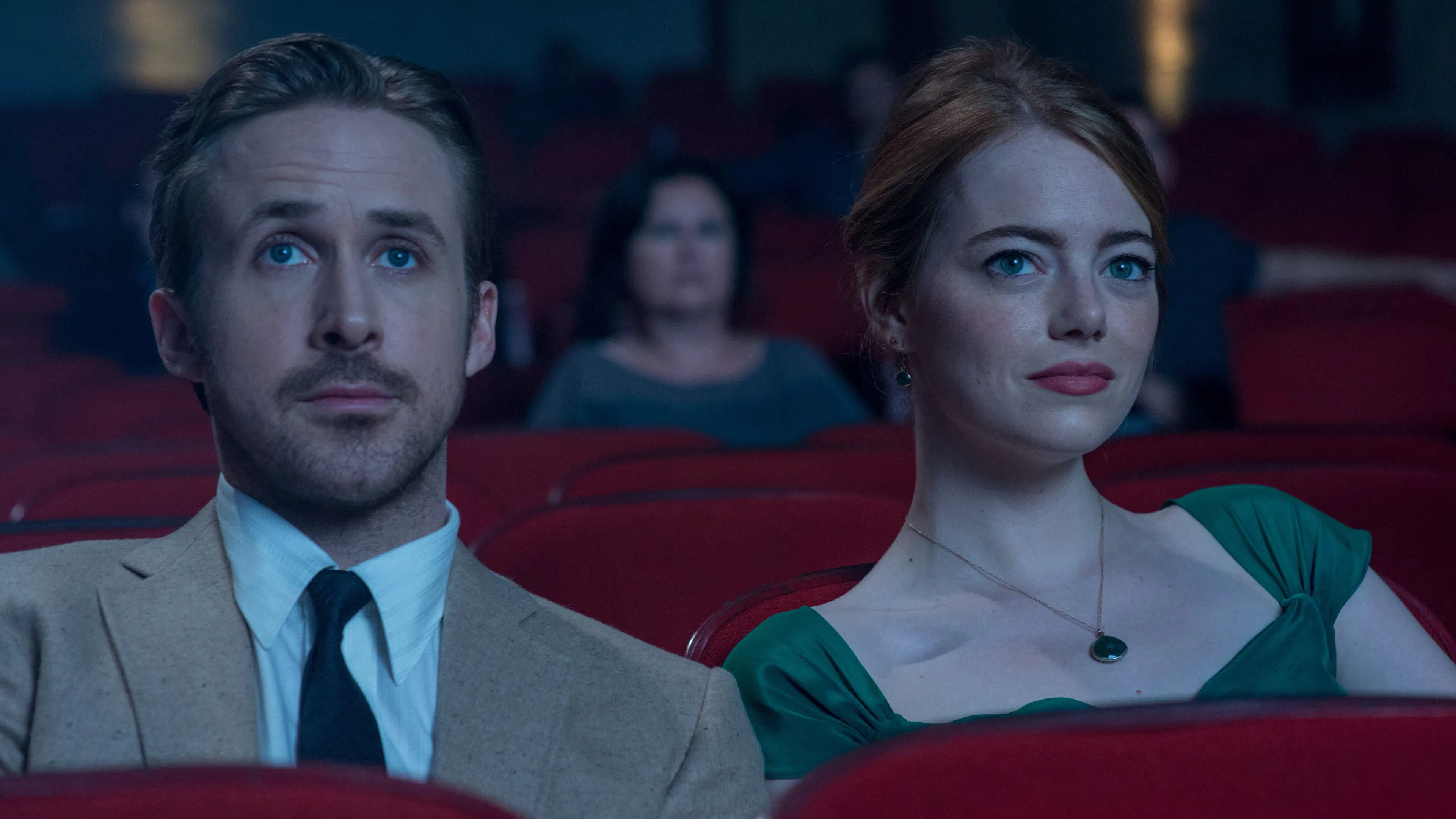
The film's famous opening number "Another Day of Sun" creates thesis statement about LA as city of dreamers, all the drivers stuck in highway traffic secretly pursuing artistic ambitions, their collective frustration and hope expressed through elaborate dance number. The relationship between Mia and Sebastian develops through shared artistic passions, their dates involving jazz clubs and classic movie theaters, creating romance between people who understand each other's dedication to craft. The film's examination of commercial compromise, particularly Sebastian's decision to join his friend's successful pop-jazz fusion band, creates central conflict where his financial stability makes relationship possible but requires artistic compromises that make him miserable. The film's controversial epilogue, showing fantasy version of their lives where both achieve dreams while staying together, followed by return to reality where they've succeeded but separated, creates devastating contrast between what we want from romantic narratives and what actually happens when ambition matters as much as love. The final glance between Mia and Sebastian, now with different partners but acknowledging what they meant to each other, suggests that relationships can be important and transformative even when they don't last forever, that sometimes the person who helps you become who you're meant to be isn't the person you end up with. It's about whether you can maintain relationship when both people have all-consuming ambitions, how supporting your partner's dreams sometimes means accepting they'll outgrow you, and whether sacrificing artistic integrity for financial stability is wisdom or betrayal of self. The film suggests that loving someone doesn't automatically make them right person to build life with, that timing matters as much as compatibility, and that success achieved at expense of relationship feels hollow even when it's everything you claimed to want. Chazelle proposes that we romanticize struggling artists but that poverty isn't noble and making compromises to survive isn't selling out, while also showing how those compromises can hollow out the passion that made you interesting in first place. The film's ultimate argument is that life requires impossible choices between things we value equally, that you can't have everything no matter what rom-coms promised, and that sometimes the price of achieving your dreams is losing the person who believed in you before anyone else did.
🎬 Devdas (1955)
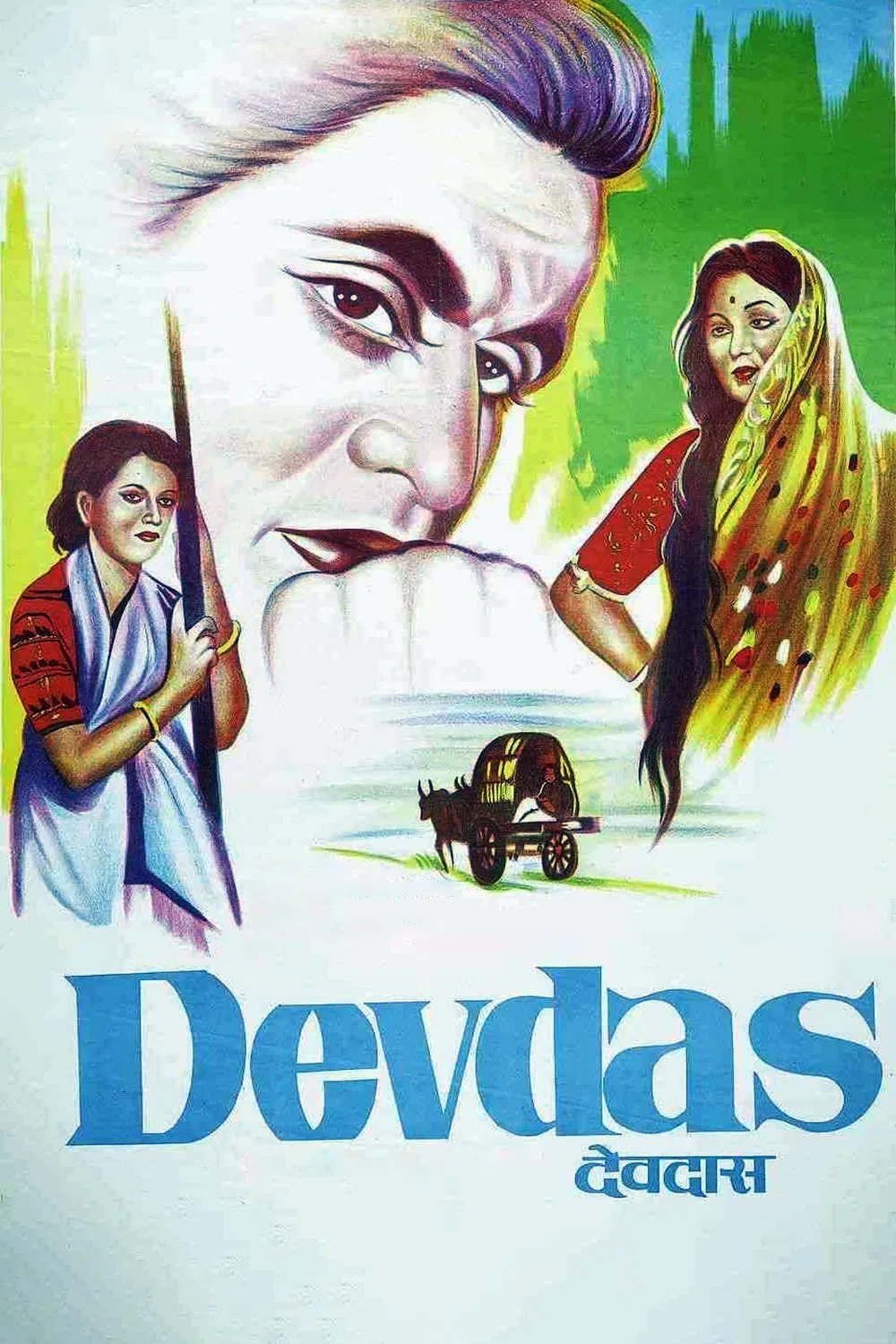
Devdas returns to his village after years in Calcutta, planning to marry his childhood love Paro, but his family's snobbery and his own weakness prevent the marriage, sending him into spiral of alcoholism and self-destruction while Paro marries an older widower and courtesan Chandramukhi loves him hopelessly. Bimal Roy adapts Sarat Chandra Chattopadhyay's novel into definitive version of this oft-filmed tragedy, using the love triangle to examine class barriers, patriarchal control, and masculine weakness disguised as romantic suffering. Dilip Kumar plays Devdas as deeply flawed romantic, his inability to act decisively and his retreat into alcohol creating tragedy rooted in character rather than external circumstances. Suchitra Sen's Paro is woman whose love is genuine but who refuses to destroy herself for man who won't fight for her, her decision to marry the widower representing pragmatic choice that Devdas's romanticism codes as betrayal. Vyjayanthimala's Chandramukhi is courtesan whose unrequited love for Devdas shows how he inspires devotion he doesn't deserve, her dignity and selflessness contrasting with his self-pity. What makes Roy's Devdas essential is its refusal to romanticize the protagonist's alcoholism and self-destruction, showing instead how his weakness harms everyone who loves him and how his grand romantic gestures are really cowardice dressed up as tragedy. The film examines how class barriers prevent relationships across social positions, how Devdas's family's rejection of Paro stems from her family's lower status despite their wealth, and how patriarchal structures give fathers absolute control over daughters' marriages regardless of their wishes. Kamal Bose's cinematography uses light and shadow to create visual representation of Devdas's interior dissolution, his descent into alcoholism marked by increasingly dark and claustrophobic environments.
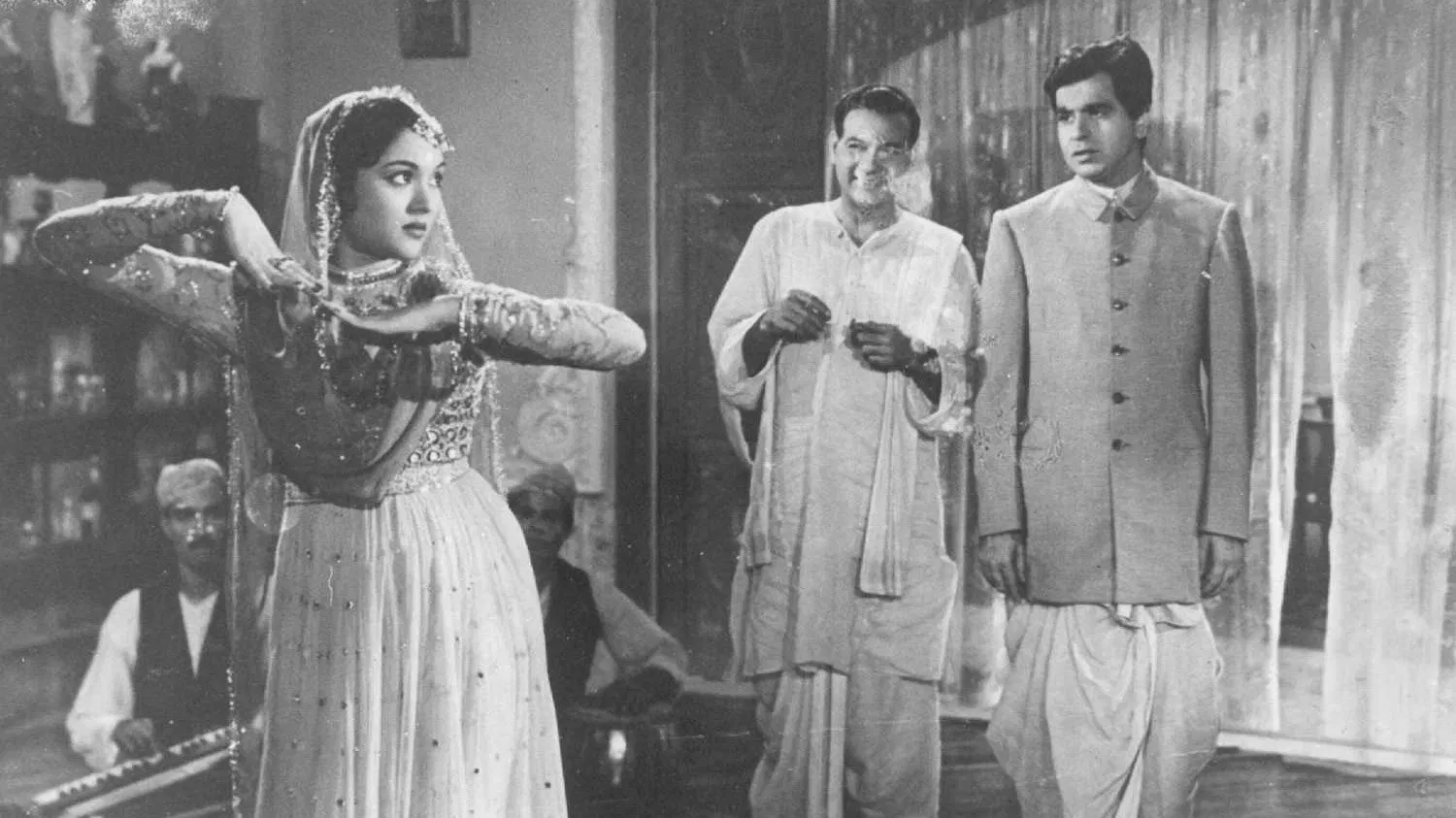
The film's treatment of the three central characters shows different responses to impossible social situations, Paro choosing practical stability, Chandramukhi offering devotion without expectation of reciprocity, and Devdas choosing self-destruction that he convinces himself is nobility. The musical numbers, while fewer than typical Bollywood films of the period, create emotional peaks where internal feelings get external expression, particularly Chandramukhi's songs about loving someone who doesn't love you back. The film's ending, where Devdas dies outside Paro's house while she's locked inside by her husband, creates tragic culmination that suggests both that his love was genuine and that it was insufficient, that dying for someone doesn't constitute proof of love when you were too weak to live for them. It's about how romantic idealization prevents actual relationship, how some men love the idea of woman more than the woman herself, and whether self-destruction constitutes tragic romance or just selfish manipulation of those who care about you. The film suggests that Devdas's weakness isn't his love for Paro but his inability to act on it when action was possible, that his subsequent suffering is self-inflicted even if social barriers made their marriage difficult, and that treating alcohol-fueled decline as romantic tragedy misses how it's really just pathetic waste. Roy proposes that women shouldn't sacrifice themselves for men who won't fight for them, that love requires courage and action rather than just feeling, and that society enables masculine weakness by treating men's emotional paralysis as depth while expecting women to be practical. The film's continued cultural resonance comes from its archetypical examination of romantic martyrdom and whether suffering for love constitutes nobility or just avoidance of responsibility for your own choices.
🎬 Sapta Sagaradaache Ello (Side A & B) (2023)

Manu and Priya are young working-class couple in Bangalore whose plans for future are destroyed when Manu is imprisoned for manslaughter protecting Priya's brother, the two-part film examining their separation and its consequences across a decade. Hemanth M. Rao creates epic romance told in two perspectives, Side A following their courtship and Manu's imprisonment, Side B showing both their lives after release and how differently they've processed their separation. Rakshit Shetty's Manu is devoted lover whose decade in prison transforms him from hopeful young man to someone broken by loss and injustice, his release revealing that external freedom doesn't restore what imprisonment took. Rukmini Vasanth's Priya must survive alone while Manu is imprisoned, her choices during his absence creating moral complications that neither character nor audience can simply judge. What makes Sapta Sagaradaache Ello exceptional is its refusal to sentimentalize working-class romance or to make Priya's survival choices simply right or wrong, showing instead how poverty and social structures create impossible situations where every option involves compromise. Side A establishes their relationship through small moments of shared dreams and practical planning, their love tangible and specific rather than abstract, making Manu's imprisonment feel like theft of future they'd carefully constructed together. Side B shows how ten years changes people, how Priya's life continued while Manu's was suspended, how she made choices for survival that he experiences as betrayal even though he wouldn't have wanted her to wait in poverty.

The film's two-part structure allows exploration of same events from different perspectives, Side A positioning Manu as romantic hero sacrificing himself for love while Side B reveals complications that challenge that simple narrative, showing that Priya's experience of his imprisonment was different from his own and that her choices came from circumstances he wasn't present to witness. Advaitha Gurumurthy's cinematography captures Bangalore's working-class neighborhoods with documentary-like authenticity, showing the economic pressures that inform every decision, making their romance inseparable from material reality of their lives. Charan Raj's score creates emotional landscape that's melancholic without being manipulative, understanding that tragedy of this story emerges from accumulated small injustices rather than single dramatic event. It's about how poverty doesn't make love impossible but shapes it in ways that middle-class romance narratives ignore, how being imprisoned punishes not just the convict but everyone who loves them, and whether expecting someone to wait a decade while you're absent is romantic devotion or just selfishness. The film suggests that Manu's anger at Priya's survival choices represents failure to recognize that his sacrifice, however noble, created situation where she had to survive alone without the life they'd planned, that love doesn't obligate anyone to decades of loneliness waiting for uncertain future. Rao proposes that working-class romance faces obstacles that middle-class people can't fully comprehend, that postponing happiness for better circumstances might mean never experiencing it when circumstances never improve, and that judging people's choices during crisis from position of comfort reveals more about the judger than the judged. The film's ending leaves their reunion ambiguous, suggesting that some separations create distances that can't be bridged simply through renewed declaration of love, that time and trauma change people fundamentally, and that sometimes the most honest ending is acknowledging that love alone isn't sufficient to overcome everything that's happened.
— The Cinéprism
Keep reading
31 / 08 / 2026 · 391 reads
10 Best Endings in Film
A curated list of 10 unforgettable movie endings that leave a lasting impact long after the credits roll.
11 / 01 / 2026 · 504 reads
11 Critically Acclaimed Netflix Shows
From royal sagas and psychological thrillers to groundbreaking true crime, discover the 11 essential series that define Netflix's golden era.