
Dispatch — Long Read
Top 15 Gangster Films of the 21st Century
A tightly curated list of the most acclaimed and influential gangster films of the modern era.
The Cinéprism
13 / 12 / 2025 · 25 min read
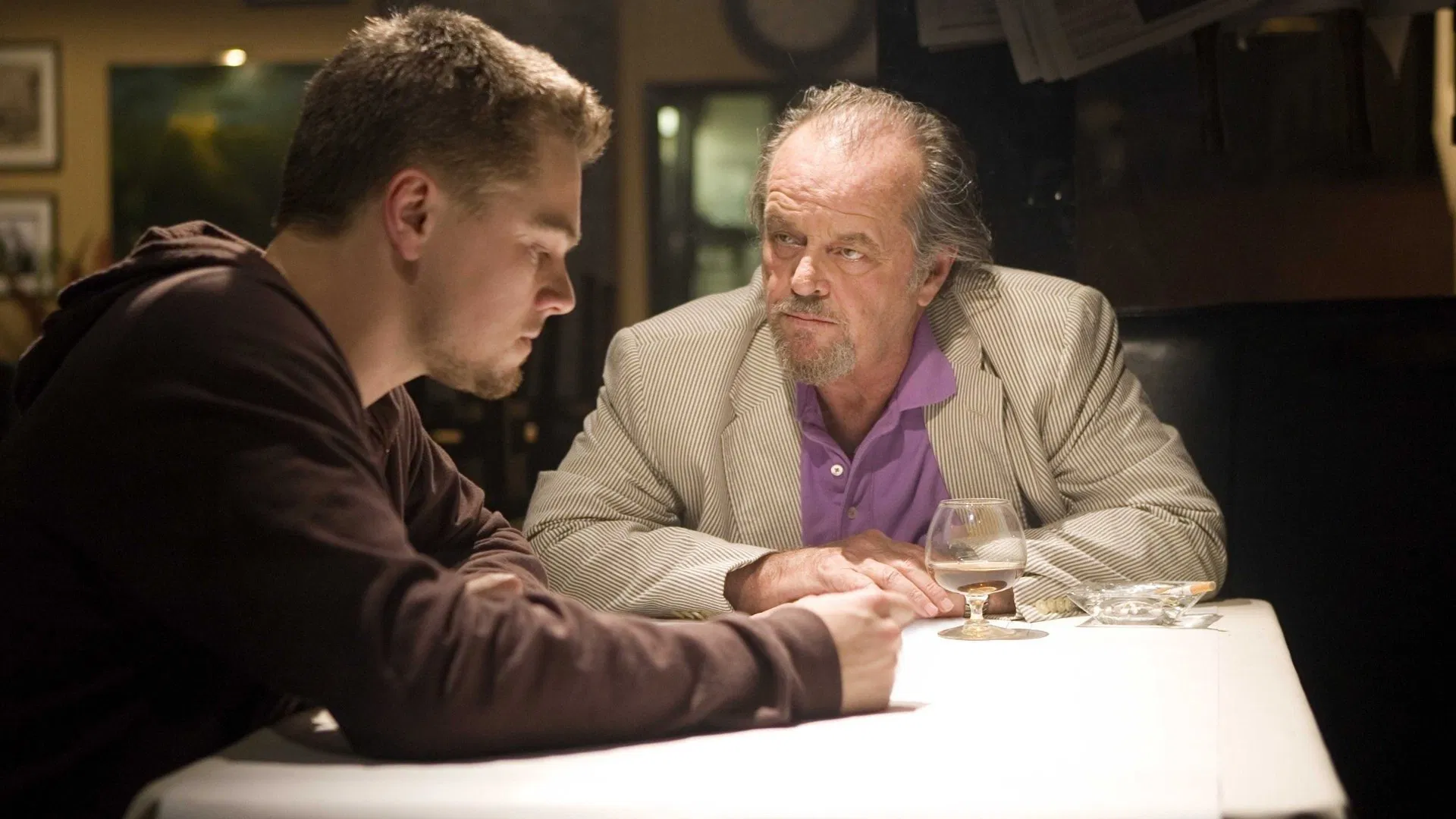
1. 🎬 American Gangster (2007)
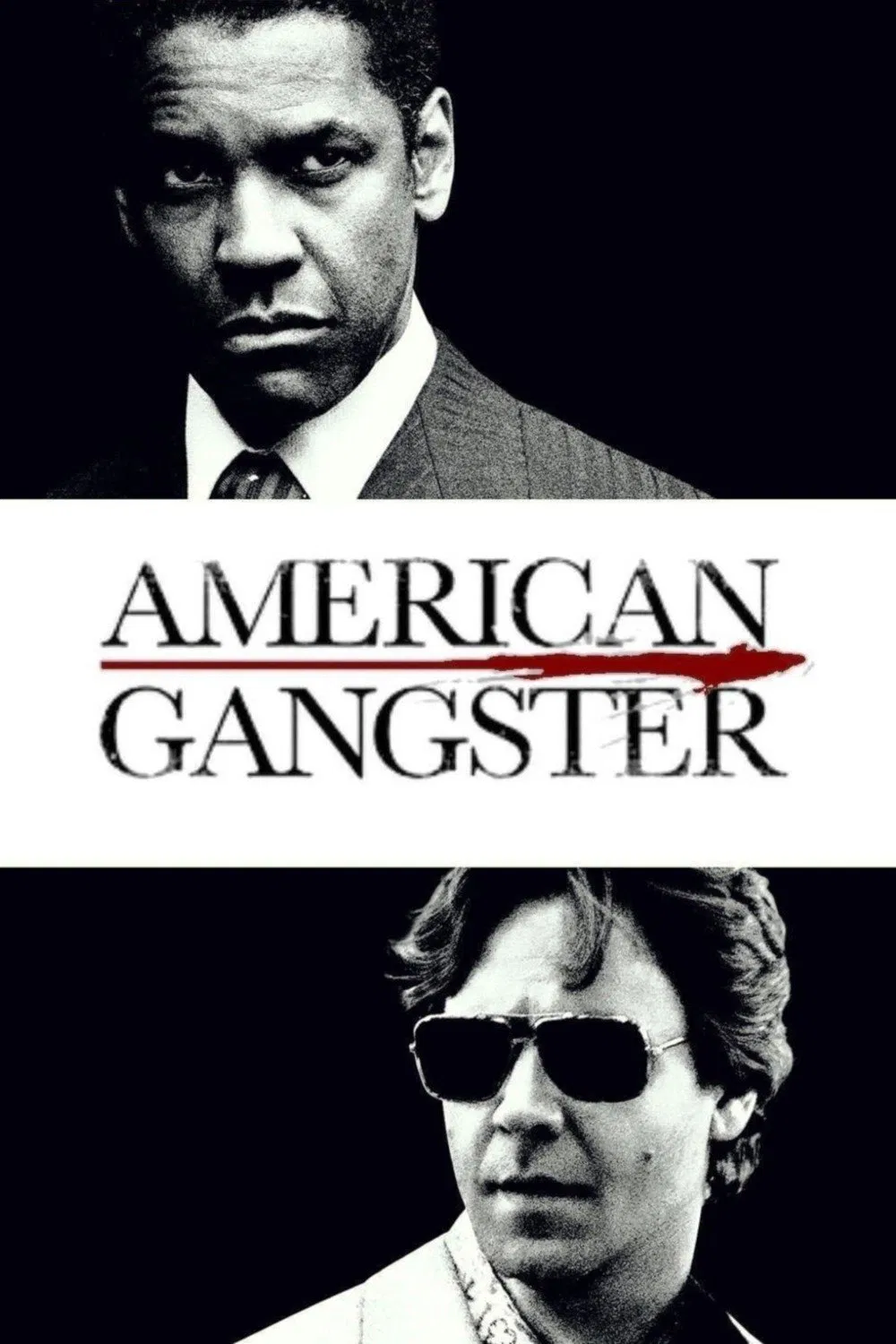
A sprawling crime epic that examines the heroin trade through parallel stories of Frank Lucas, the Harlem kingpin who revolutionized drug importation, and Richie Roberts, the honest cop trying to bring him down in a department built on corruption. Ridley Scott constructs the film as business case study disguised as gangster movie, showing how Lucas (Denzel Washington) applied corporate strategy to street-level drug dealing, cutting out middlemen by importing pure heroin directly from Southeast Asia in the coffins of dead American soldiers. Washington plays Lucas with quiet calculation, a man whose ambition and intelligence would have made him successful in legitimate business but who chose crime because America's racial barriers left few other paths to the wealth he craved. Russell Crowe's Roberts is messy idealist, a cop whose dedication to the job destroyed his marriage, whose refusal to participate in departmental corruption makes him pariah among his fellow officers. The film understands that both men are outsiders in their respective worlds, Lucas too ambitious and disciplined for street crime, Roberts too honest for the NYPD of the 1970s.
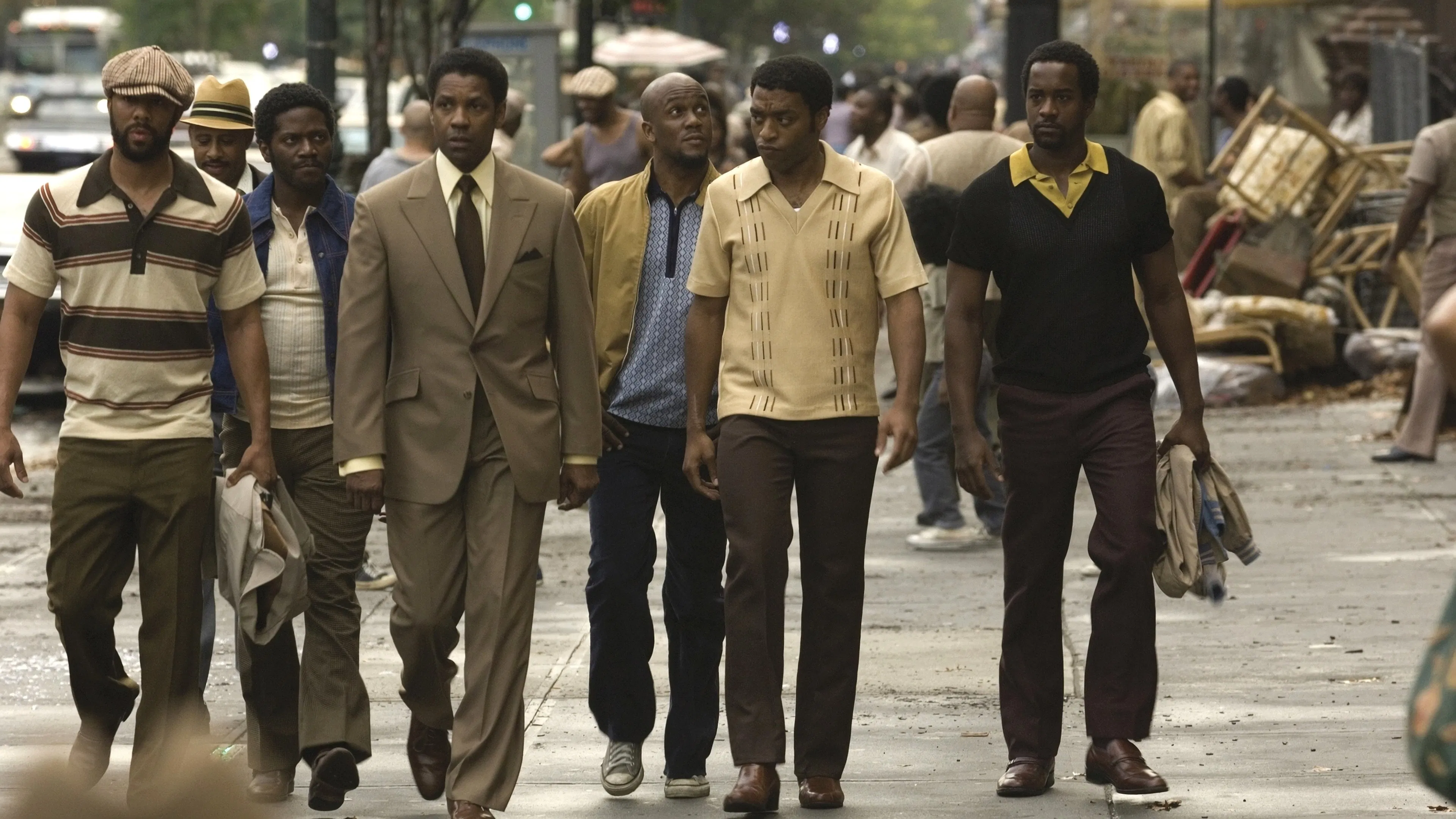
What makes American Gangster compelling despite its nearly three-hour runtime is Scott's refusal to glamorize either side, showing the drug trade's human cost while also depicting how systemic corruption makes honest police work nearly impossible. The period detail is meticulous without being showy, the 1970s Harlem and New York rendered through costume, music, and production design that feels lived-in rather than museum-piece recreation. Harris Savides's cinematography uses natural light and muted colors to create aesthetic that's both stylish and grounded, avoiding the hyper-stylization that would undercut the film's examination of crime as business. The film's central irony is that Lucas's downfall comes not from his criminal activities but from breaking his own rule about staying invisible, wearing a chinchilla coat to a boxing match that draws attention he'd carefully avoided. It works because it treats the drug trade as rational business decision rather than moral failing, showing how poverty and racism create conditions where crime becomes logical choice, while never excusing the destruction that business causes in communities already struggling to survive.
2. 🎬 Sexy Beast (2000)

A crime film that operates more like psychological horror, following retired safecracker Gaz enjoying Spanish retirement until his past arrives in the form of Don Logan, a psychotic enforcer who won't take no for an answer about one last job. Jonathan Glazer's debut announces a completely original voice in crime cinema, using the genre framework to create character study about masculinity, violence, and the impossibility of escaping your past. Ray Winstone's Gaz is content in retirement with his wife Deedee, their villa life of poolside leisure representing everything he worked toward through years of crime. Ben Kingsley's Don Logan is pure id unleashed, a man whose refusal to accept rejection transforms simple recruitment pitch into days of psychological warfare, his profane tirades becoming increasingly unhinged as Gaz continues refusing. The film's genius is making Don terrifying not through physical violence but through sheer relentless persistence, his inability to process the word "no" revealing someone fundamentally broken. Ian McShane's Teddy Bass is the crime boss who sent Don, urbane and sophisticated in ways that make him more dangerous than Don's obvious psychosis.
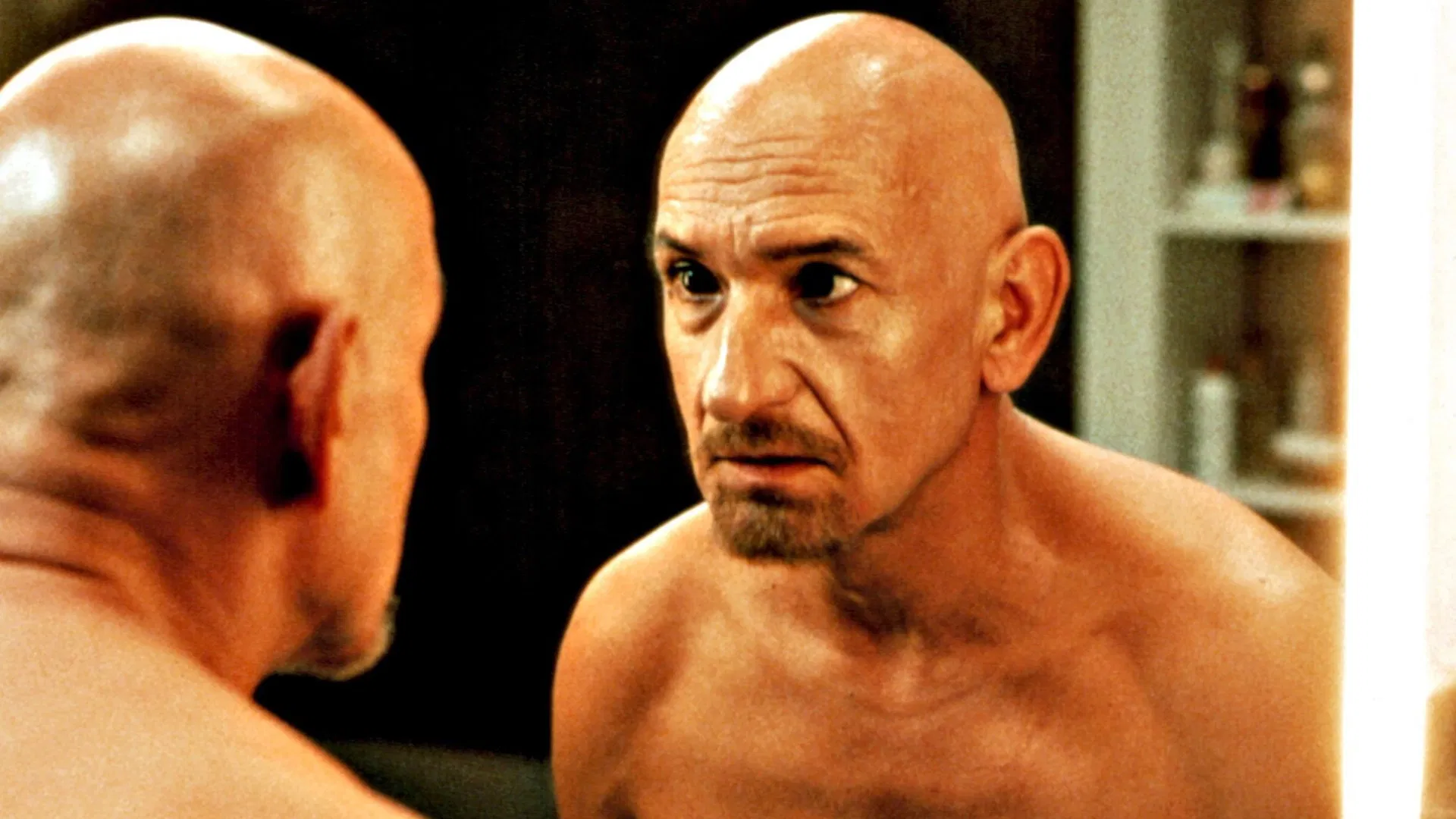
What makes Sexy Beast exceptional is Glazer's willingness to strip away everything except character dynamics, the heist itself barely mattering compared to the psychological battle between Gaz and Don. The film moves with dream logic, Don's arrival preceded by nightmares of a monstrous rabbit creature that suggests Gaz's unconscious knows what's coming. Ivan Bird's cinematography captures Spain's heat and beauty while making it feel claustrophobic and threatening once Don arrives, paradise transformed into prison. The violence, when it comes, is sudden and brutal, Don's murder by Gaz's friend Aitch both shocking and inevitable, the only way to make him stop talking. The film's examination of retirement asks whether you can ever truly leave crime behind or if your past always finds you, whether the life you build afterward is real or just temporary reprieve before consequences arrive. It succeeds because it understands that the most terrifying villains aren't the ones who threaten violence but the ones who won't stop, who can't be reasoned with or bought off, whose persistence is more weapon than any gun, and because Kingsley's performance creates one of cinema's most unforgettable monsters despite barely committing any on-screen violence.
3. 🎬 City of God (2002)
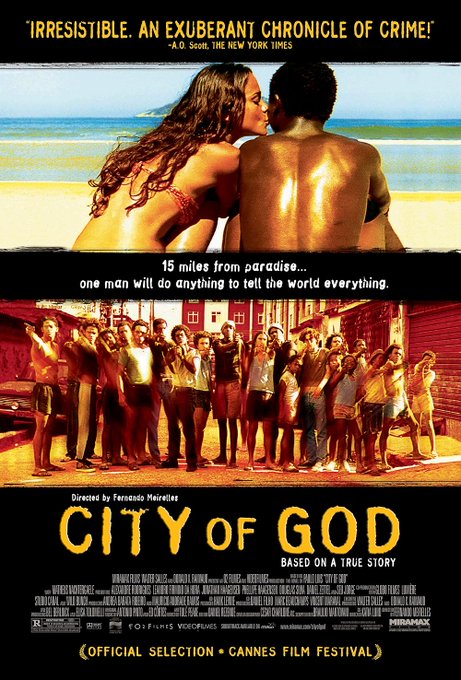
A Brazilian film that uses favela gang warfare to examine how poverty and systemic neglect create cycles of violence that consume entire generations. Spanning three decades in Rio's Cidade de Deus, the film follows photographer Rocket trying to escape the favela while his childhood friend Li'l Zé becomes Rio's most feared drug lord. Fernando Meirelles and Kátia Lund shoot with documentary-like immediacy that makes the violence feel urgent and real, using handheld cameras and natural lighting to capture the favela's beauty and brutality. Alexandre Rodrigues's Rocket is our guide, someone who witnesses the violence without fully participating, whose desire for photography offers possible escape from the only world he's known. Leandro Firmino's Li'l Zé is terrifying precisely because he's not a monster but a product of environment that offered no legitimate paths to power or respect, his transformation from rejected child to sociopathic gang leader showing how violence becomes logical response to poverty and exclusion.

What makes City of God essential is its refusal to exoticize favela life or offer simple solutions, showing instead how drug trade and gang violence are symptoms of larger failures in Brazilian society, how kids pick up guns because that's the only power available to them. The film's structure, looping back to show how current conflicts have roots in past grievances and childhood slights, creates sense that violence perpetuates itself, that each generation inherits hatreds they didn't create and passes them on intensified. César Charlone's cinematography captures the favela as vibrant community destroyed by gang warfare, showing both the life that exists there and the death that increasingly dominates it. The film's use of actual favela residents in many roles adds authenticity that professional actors couldn't provide, making the violence feel like documentation rather than fiction. The film's ending, where younger kids form their own gang and plan to kill the current leaders, suggests that this cycle continues endlessly, that solving gang violence requires addressing the poverty and exclusion that create it, and that without systemic change, each generation will repeat the same patterns. It succeeds because it makes the favela's violence comprehensible without excusing it, showing how rational people make terrible choices when survival requires it, and forcing viewers to recognize their complicity in systems that abandon entire communities to violence and then blame them for the predictable results.
4. 🎬 Gangs of New York (2002)
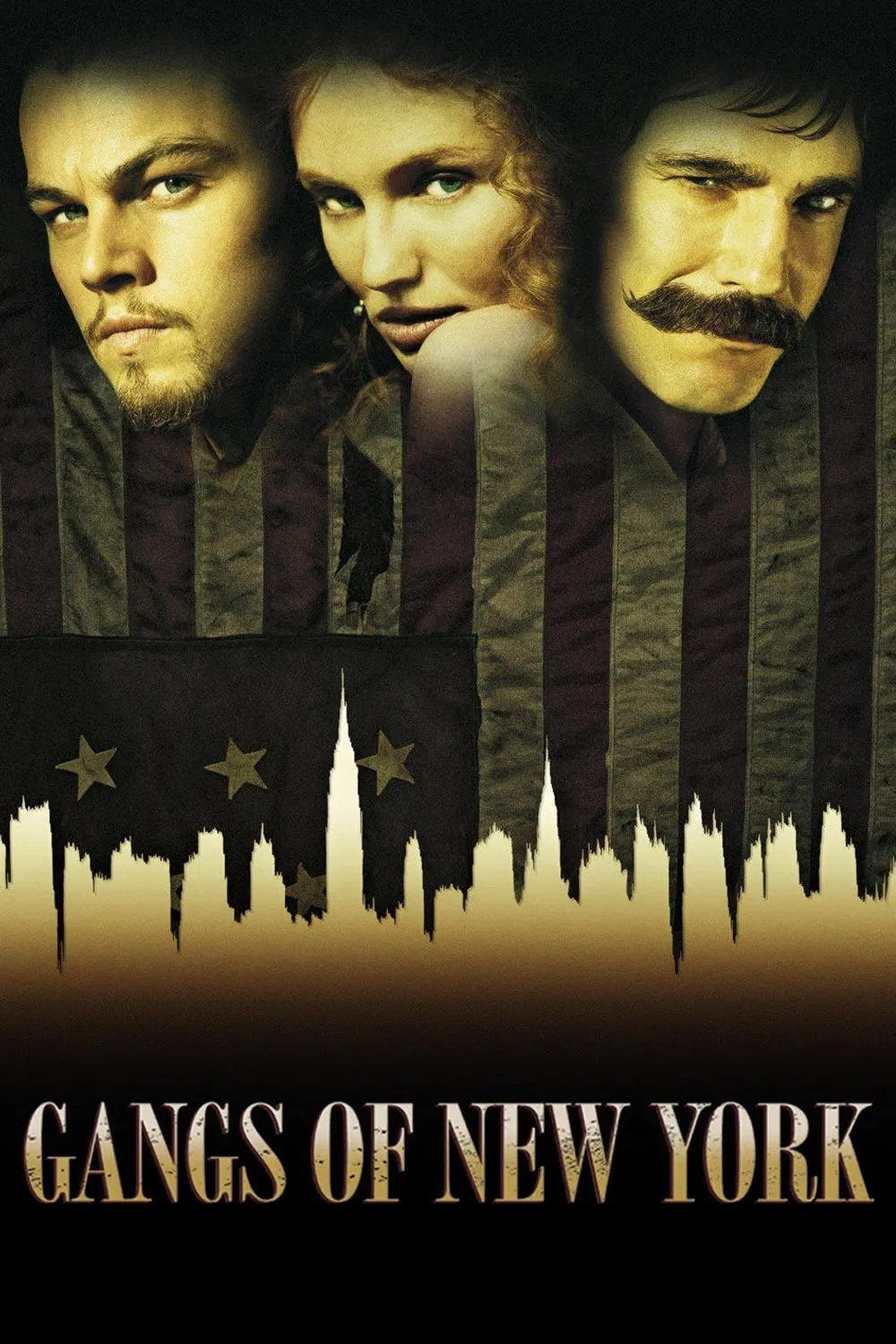
A historical epic that uses 1860s New York gang warfare to examine American identity formation, following Amsterdam Vallon's quest to avenge his father's murder by Bill the Butcher while Five Points descends into Draft Riots chaos. Martin Scorsese creates his most ambitious film, a sprawling examination of how America was built through violence between immigrant groups competing for scarce resources and political power. Leonardo DiCaprio's Amsterdam returns to Five Points after years in reform school, infiltrating Bill's gang to get close enough to kill him, his revenge mission complicated by genuine connection he develops with the man who murdered his father. Daniel Day-Lewis's Bill the Butcher is Scorsese's greatest villain, a nativist who hates Irish immigrants with theatrical passion while also respecting Amsterdam's father more than anyone else in his life, his contradictions making him fascinating rather than simply evil. Cameron Diaz's Jenny Everdeane is pickpocket and sometime prostitute navigating Five Points's dangers, her survival skills and pragmatic morality making her Amsterdam's equal rather than prize to be won.
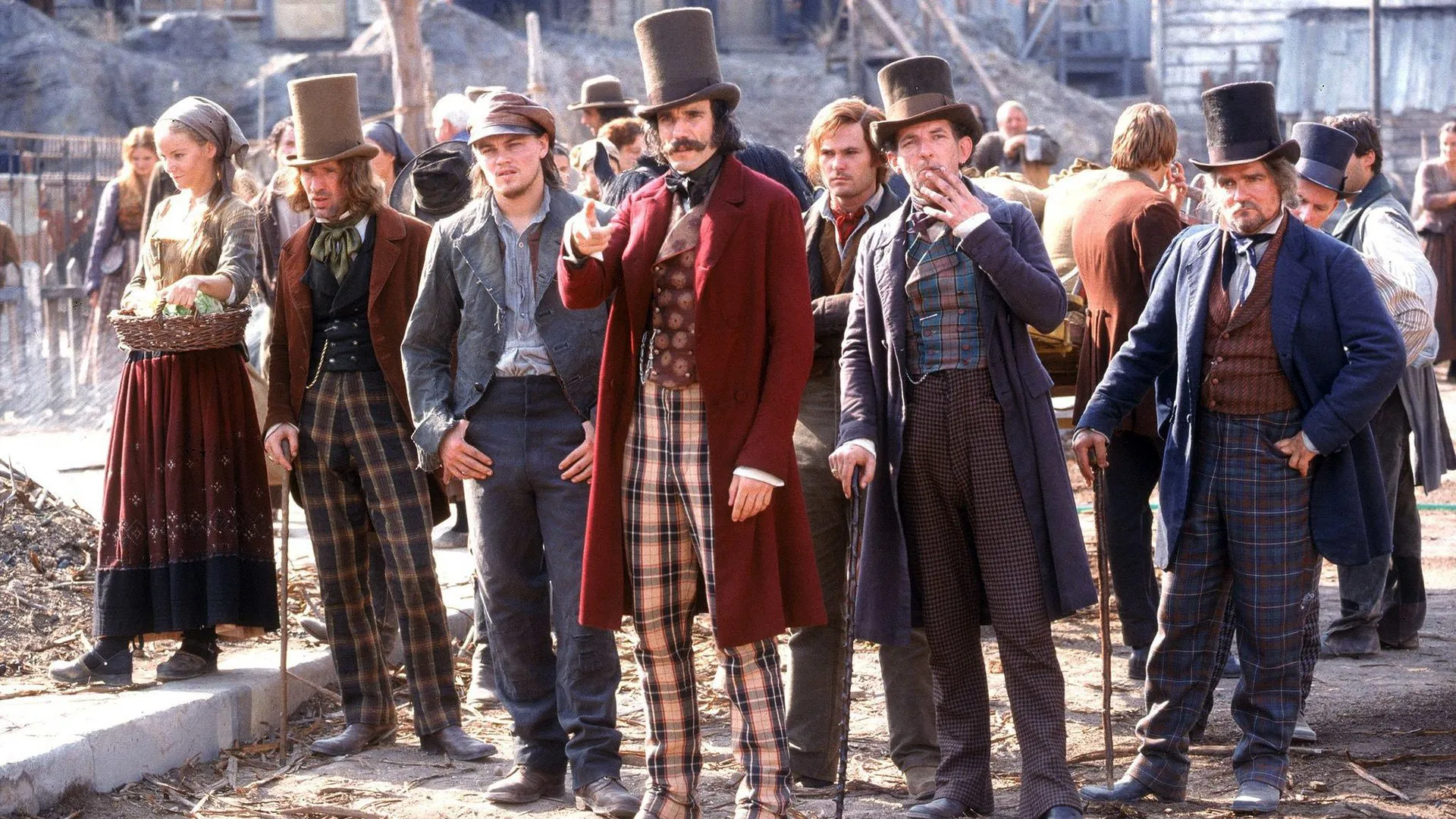
What makes Gangs of New York remarkable despite its occasionally unwieldy plotting is Scorsese's commitment to showing American democracy's violent foundations, how citizenship was fought for rather than granted, how immigrant groups had to battle both each other and established Americans for any place in society. The production design by Dante Ferretti creates Five Points as complete world, the immigrant neighborhood's poverty and violence rendered with detail that makes it feel documentary rather than recreation. Michael Ballhaus's cinematography uses firelight and shadow to create pre-electric atmosphere while maintaining visual clarity during chaotic action sequences. The Draft Riots sequence, where class warfare and racial violence explode simultaneously while Amsterdam and Bill have their final confrontation, creates apocalyptic vision of democracy failing under pressure of inequality and injustice. The film's ending, showing Five Points being demolished and rebuilt as modern New York emerges, suggests that progress requires destroying what came before, that the violence that built the city gets buried under development but remains as foundation. It succeeds because it refuses to make American history noble or inevitable, showing instead how the nation was constructed through ethnic violence and political corruption, and asking whether the democracy we ended up with was worth the blood required to create it.
5. 🎬 Eastern Promises (2007)
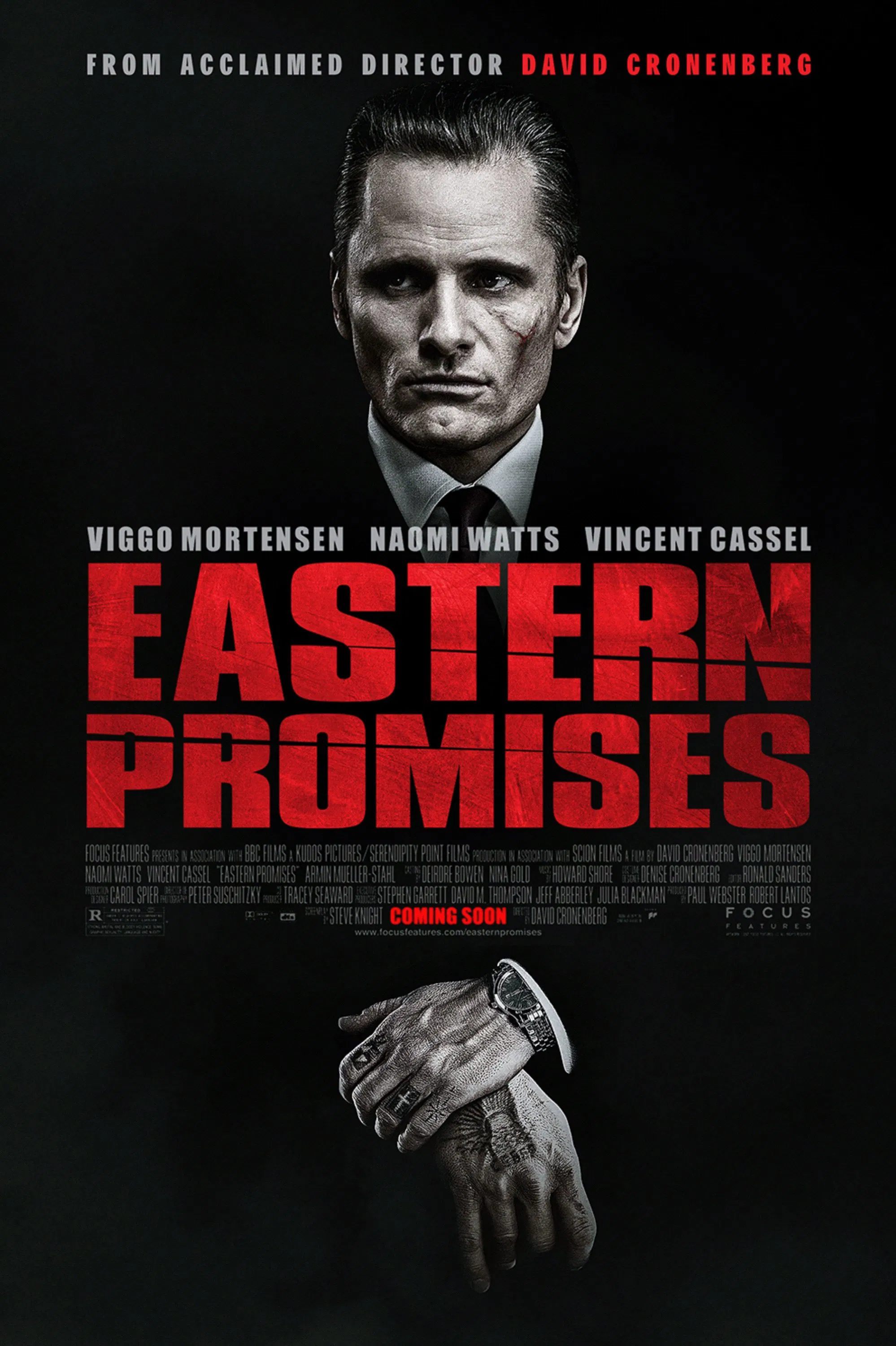
A crime film that examines Russian organized crime in London through the eyes of midwife Anna who becomes entangled with the Vory v Zakone after a teenage prostitute dies in childbirth. David Cronenberg creates thriller that's really about identity and belonging, using the Russian mob as backdrop for examining immigration, family, and the lies we tell to survive. Naomi Watts's Anna is outsider who accidentally threatens the Semyon crime family when she seeks to identify the dead girl's family using her diary, her determination to protect the orphaned baby drawing her into world she doesn't understand. Viggo Mortensen's Nikolai is the family's driver, appearing to be loyal soldier while actually being undercover FSB agent, his double life creating constant tension as he tries to protect Anna while maintaining his cover. Armin Mueller-Stahl's Semyon is patriarch who runs the family as legitimate businessman, his restaurant serving as front for trafficking and murder. Vincent Cassel's Kirill is Semyon's son, desperately trying to prove himself worthy despite being fundamentally unsuited for the life, his friendship with Nikolai complicated by barely suppressed attraction.
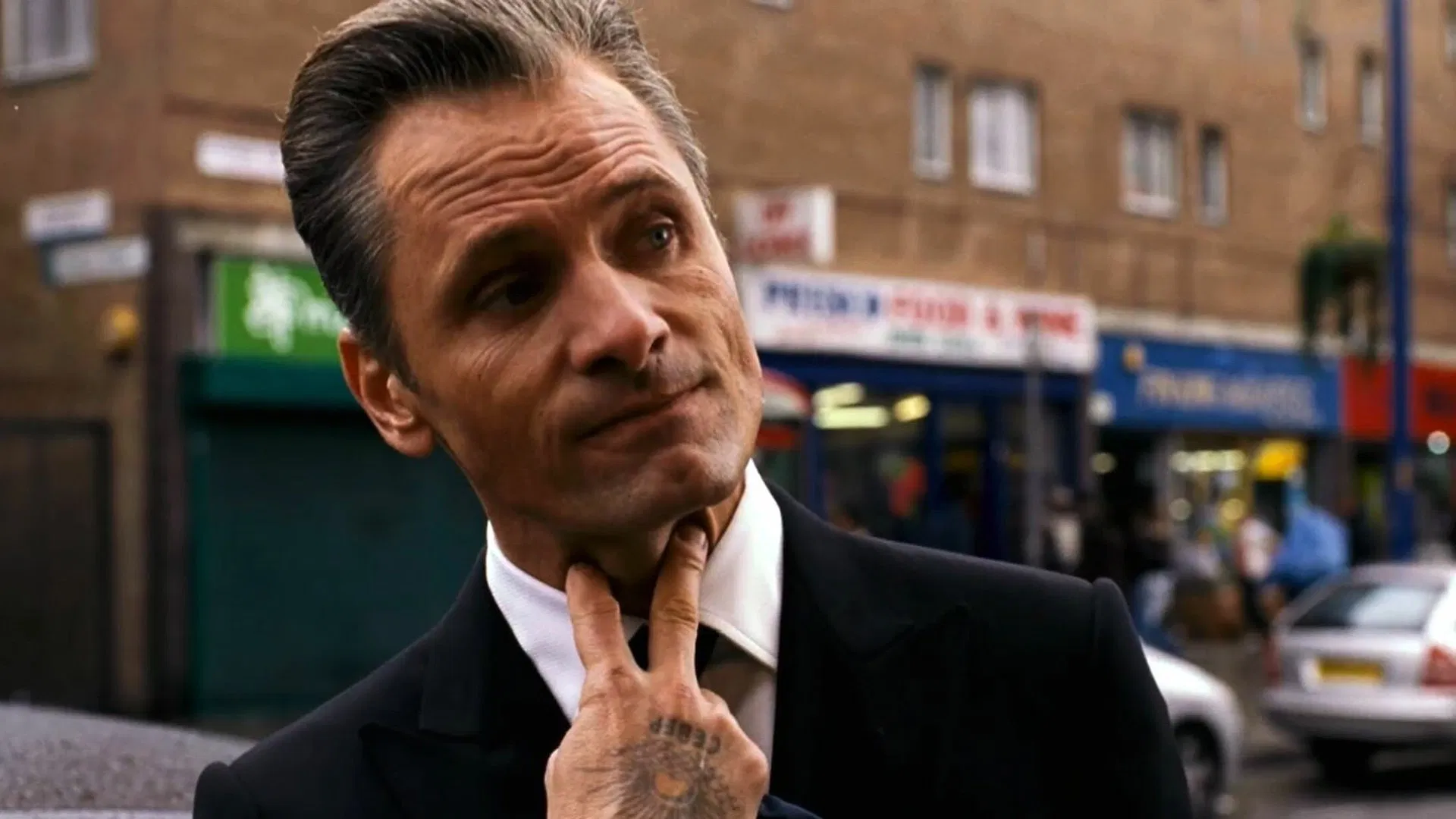
What makes Eastern Promises essential is Cronenberg's clinical examination of violence and belonging, showing the Russian mob as structured organization with specific codes and rituals that members navigate to survive. The famous bathhouse fight scene, where Nikolai fights off assassins while completely naked, strips away any glamour from violence, showing it as desperate struggle where survival matters more than dignity. Howard Shore's score uses Russian instrumentation sparingly, creating atmosphere without becoming obvious or orientalizing. Peter Suschitzky's cinematography emphasizes cold blues and institutional greens, London rendered as unwelcoming place where immigrants exist in margins. The film's examination of family asks whether blood relation matters more than chosen loyalty, whether Semyon's biological family deserves protection despite their criminality, and what it means that Nikolai creates more authentic family with Anna despite his deception. The ending, where Nikolai becomes the new boss after exposing Semyon's crimes, suggests that fighting criminal organizations from inside might be more effective than external law enforcement, but also that becoming the thing you're fighting might be inevitable cost. It succeeds because it treats organized crime as cultural institution rather than just criminality, showing how it provides structure and belonging for immigrants who've lost everything else, while never excusing the violence and exploitation that structure enables.
6. 🎬 The Departed (2006)
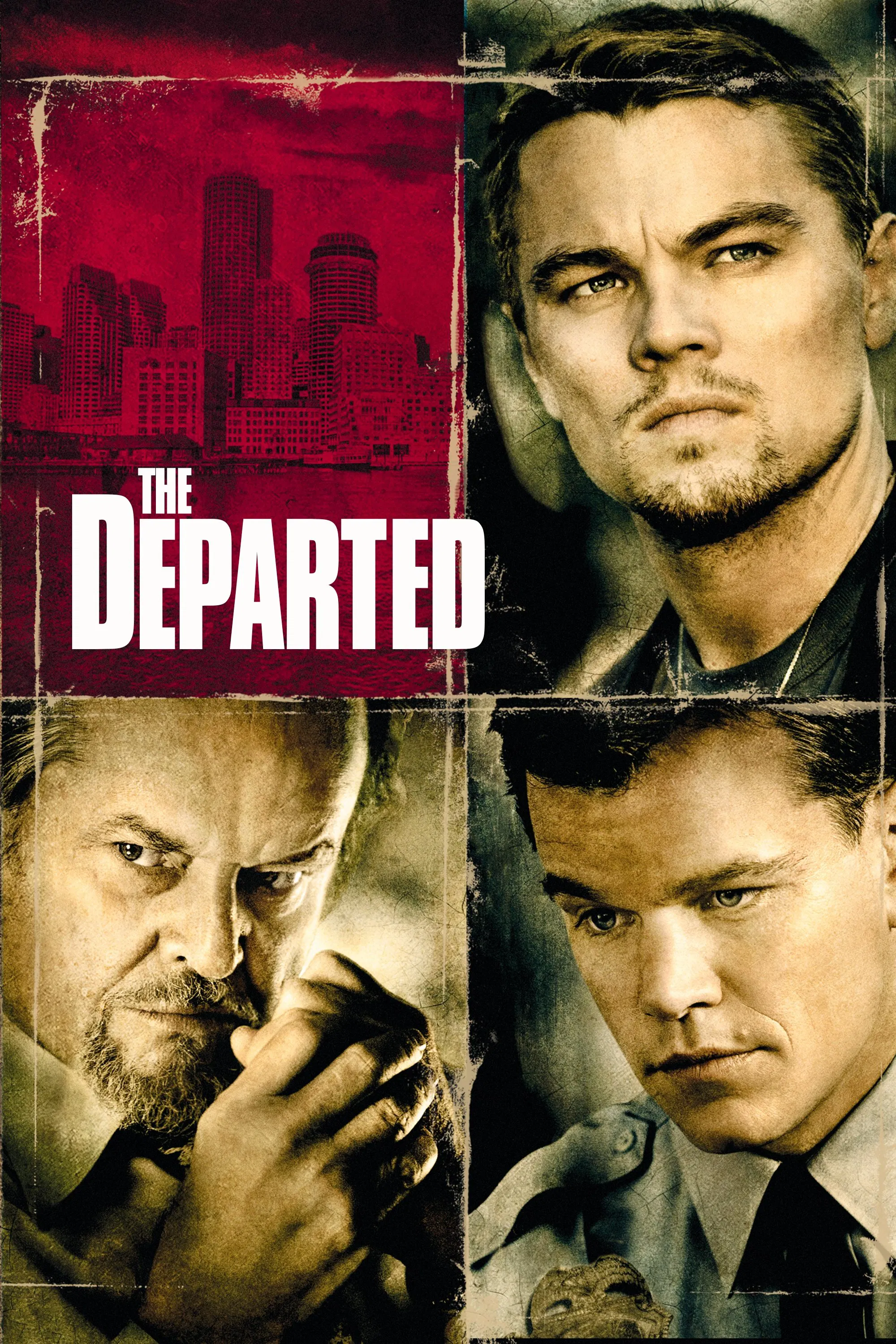
A film that operates as both quintessential Scorsese and his most commercially accessible work, stripping the gangster genre down to its essential tension: identity as performance and the cost of living double lives. Set in Boston, the story follows two moles, Billy Costigan embedded in Frank Costello's Irish mob and Colin Sullivan planted in the Massachusetts State Police, both trying to expose the other before their covers are blown. What begins as cat-and-mouse thriller evolves into something far more unsettling, a meditation on how pretending to be someone else eventually erases who you actually were. DiCaprio plays Costigan with frayed-nerve intensity, a cop so deep undercover he's forgotten how to separate performance from reality, while Damon's Sullivan is all smooth surface, a man who's been lying so long he might not have anything underneath. Jack Nicholson's Costello is pure theatrical menace, a gangster who sees everyone as either entertainment or threat, his unpredictability making every scene he's in feel dangerous.
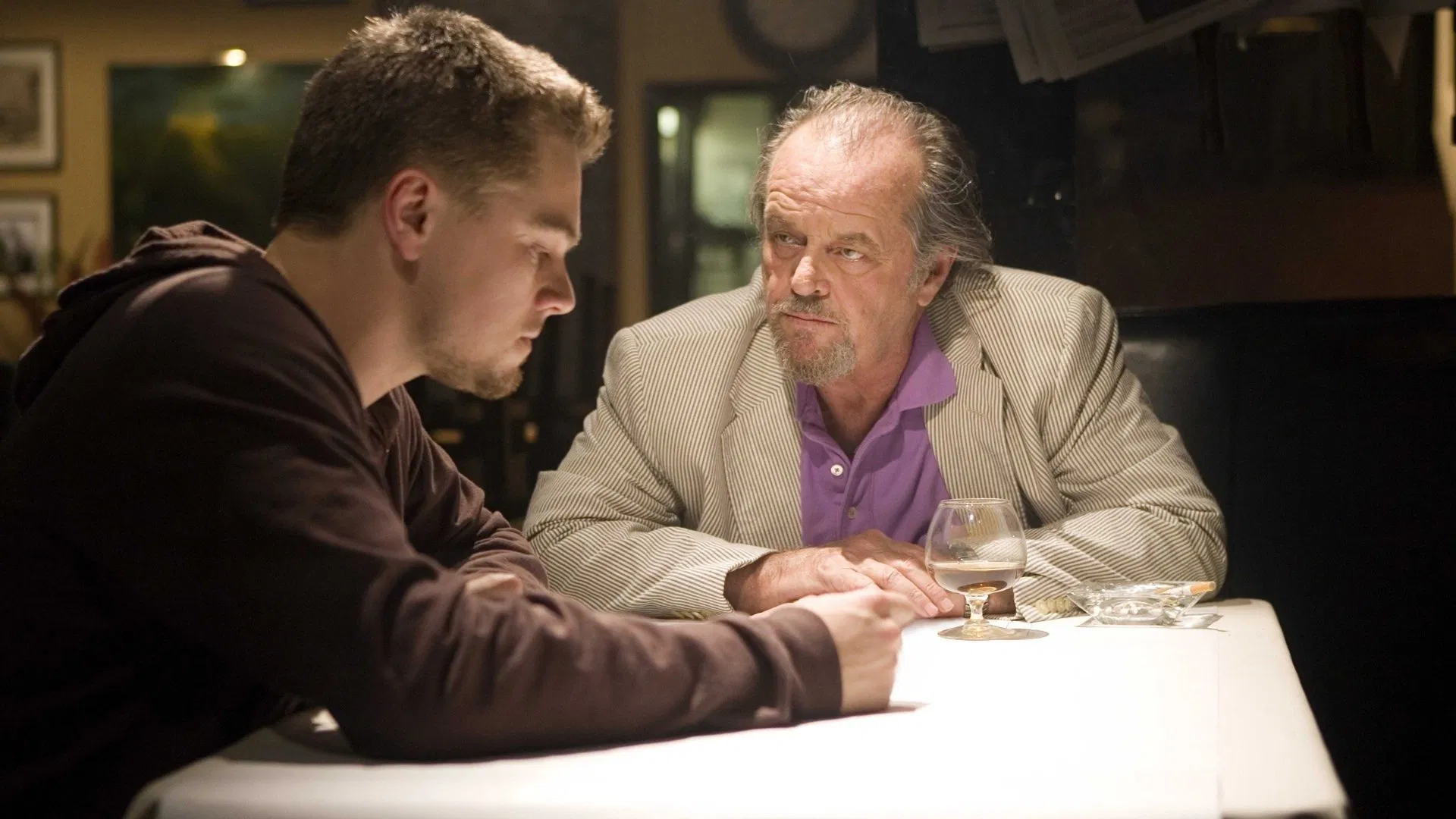
What elevates The Departed beyond its Hong Kong source material is Scorsese's understanding that crime films are really about masculinity and its performances, about men proving themselves through violence and deception until they can't remember what they were trying to prove. The film's relentless pacing never lets tension dissipate, every conversation a potential exposure, every phone call a risk. Michael Ballhaus's cinematography captures Boston as city of distinct territories, Irish neighborhoods and government buildings rendered as separate kingdoms with different rules. The screenplay by William Monahan crackles with profane poetry, characters trading insults and threats that reveal deeper insecurities. The film's shocking ending, where nearly everyone dies in quick succession, refuses the catharsis typical genre narratives provide, suggesting instead that this cycle of violence and deception simply continues with new players. It succeeds because it understands that the real tragedy isn't death but living so long as someone else that you've lost any coherent sense of self, that in the war between cops and criminals, the soldiers on both sides become indistinguishable, and that loyalty in this world is just another con waiting to be exposed.
7. 🎬 Gangs of Wasseypur (2012)
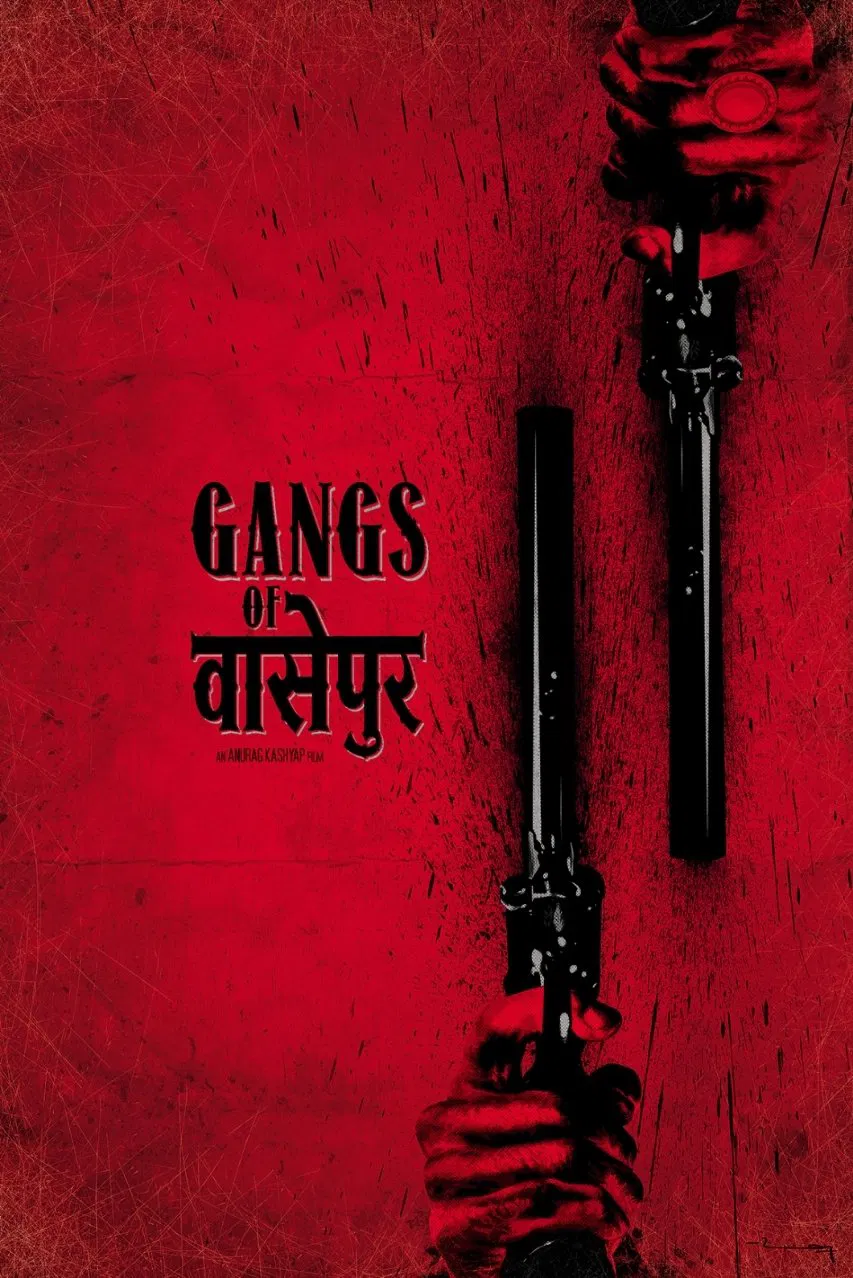
An Indian epic that uses three generations of gang warfare in coal-mining town to examine how cycles of revenge consume families and how industrial exploitation creates conditions for organized crime. Anurag Kashyap creates five-hour saga across two parts, following the Khan family's blood feud with Ramadhir Singh from the 1940s through 2009, showing how personal vendettas become intertwined with political corruption and economic inequality. The sprawling cast creates complete world where everyone has motivations and histories, where violence has specific causes rather than being random chaos. Manoj Bajpayee's Sardar Khan is second-generation revenge seeker whose obsession with killing Ramadhir destroys his family, Nawazuddin Siddiqui's Faizal Khan is Sardar's son who inherits the feud and brings it to bloody conclusion, while Tigmanshu Dhulia's Ramadhir Singh is the political boss whose original theft and murder set everything in motion.
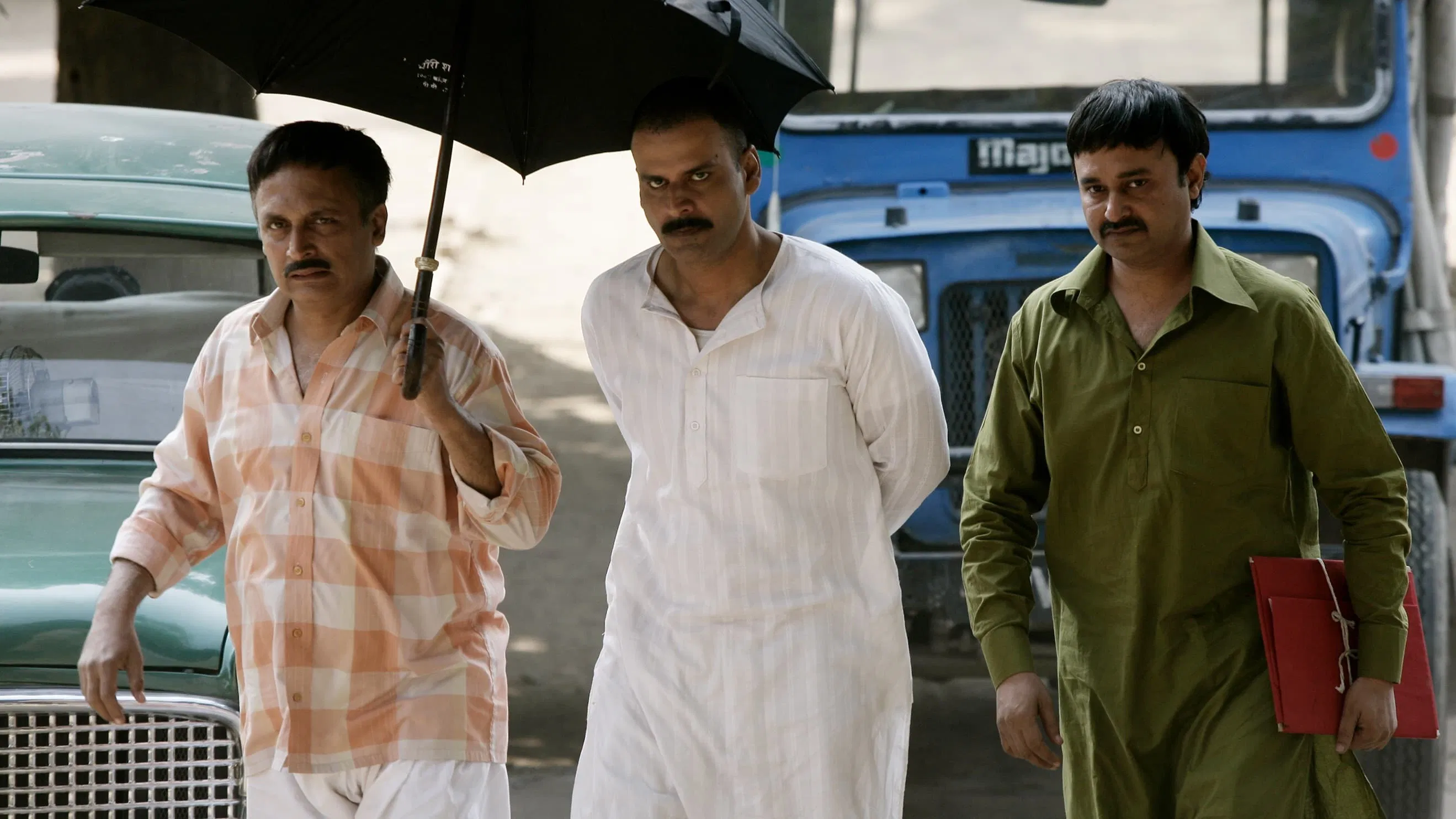
What makes Gangs of Wasseypur essential is Kashyap's refusal to glamorize the violence or make anyone purely heroic, showing instead how revenge becomes addiction that justifies itself through past wrongs, how each generation inherits hatred and adds to it. The film's structure, jumping between time periods and showing how past actions have current consequences, creates web of causality where everything is connected, where the coal mining that brings wealth also creates the criminal networks that fight over it. Rajeev Ravi's cinematography captures Wasseypur's dusty poverty and the coal industry's environmental destruction, showing how the town itself is victim of forces beyond local gang warfare. The film's musical choices, using Bollywood hits as ironic counterpoint to brutal violence, creates tonal complexity where humor and horror coexist uncomfortably. The film's examination of how Bollywood films themselves shape the gangsters' self-image, Faizal modeling himself on film heroes, suggests that media representation of crime creates templates that real criminals follow. It succeeds because it treats five hours as necessary rather than indulgent, using the runtime to create complete portrait of how violence perpetuates across generations, how industrial capitalism and political corruption create conditions where crime becomes rational choice, and how revenge, once started, becomes self-sustaining cycle that destroys everyone involved while solving nothing.
8. 🎬 The Irishman (2019)
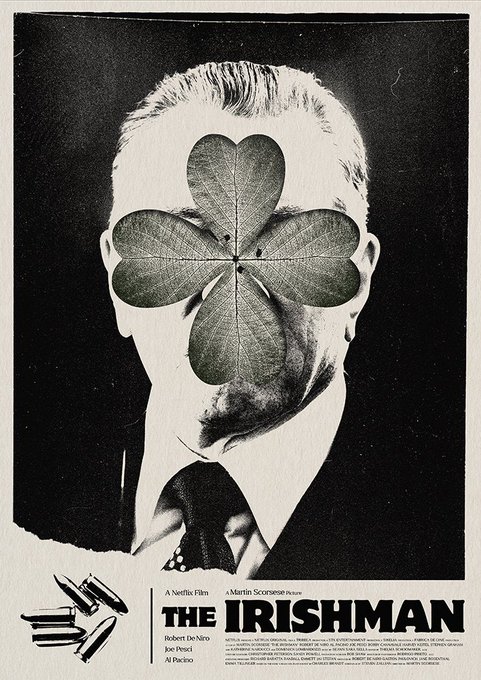
A film that feels like Scorsese's career summation and reckoning, using the life of Frank Sheeran to examine loyalty, memory, and the ultimate emptiness of the gangster life he's spent decades depicting. Spanning decades through de-aging technology that's sometimes distracting but ultimately necessary, the film follows Sheeran from truck driver to Mafia hitman to nursing home resident with no one left who remembers or cares about his past. Unlike Scorsese's earlier crime films with their propulsive energy and stylistic flourishes, The Irishman is patient and melancholic, a three-and-a-half-hour meditation on aging and regret. De Niro plays Sheeran with quiet understatement, a man who followed orders without questioning, whose loyalty to Russell Bufalino and Jimmy Hoffa defined his life but ultimately left him alone. Pesci, in performance completely different from his usual volatility, plays Bufalino as soft-spoken patriarch whose gentle demeanor makes his capacity for violence more chilling. Pacino's Hoffa is all bluster and ego, a union leader who can't accept that his power is gone, whose inability to compromise makes him expendable.
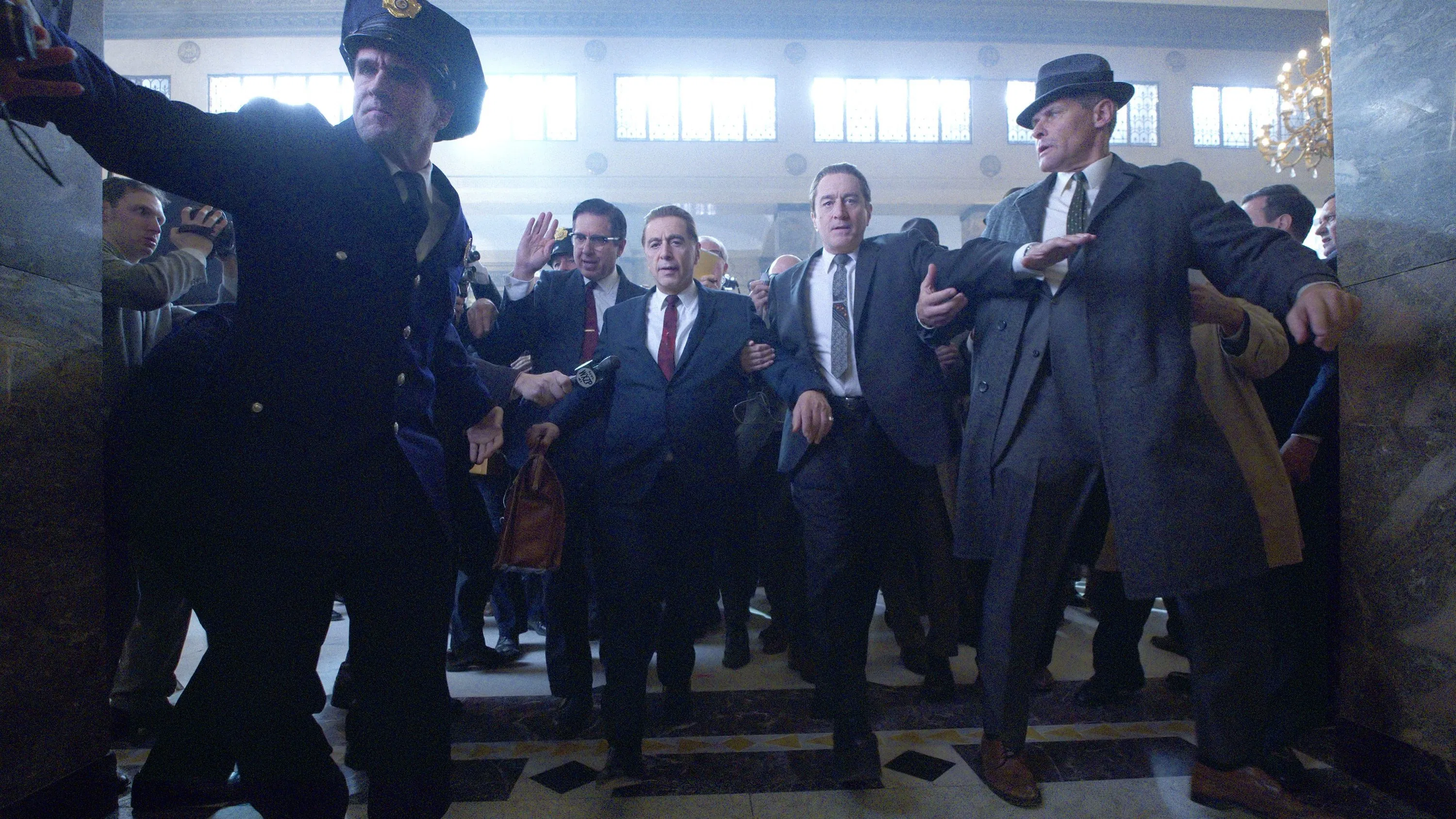
What makes The Irishman essential is its willingness to strip away the glamour from organized crime, showing elderly Sheeran painting houses while his daughter stops speaking to him, his wife dies barely remembered, and everyone who mattered in his life is dead or disappeared. The film's structure, with Sheeran narrating from the nursing home, creates constant awareness that everything we're watching is past, that all the power and violence and loyalty led to an old man alone with regrets he can't articulate. Rodrigo Prieto's cinematography shifts across decades, the color palette and lighting evolving to mark time's passage. The infamous lack of movement in De Niro's de-aged body during certain scenes ironically works, showing how the technology can't quite recapture youth, just as Sheeran can't recapture the man he was. The film's final act, where Sheeran presumably kills Hoffa on orders from Bufalino, is shot with documentary-like flatness that drains it of drama, suggesting that even the most significant murders are just work to men who've killed so many they've stopped counting. It succeeds because it asks whether the gangster life, stripped of stylistic energy, is worth living, and answers definitively that it isn't, that loyalty to men who see you as disposable leaves you with nothing, and that by the time you realize this, everyone who might have cared is already gone.
9. 🎬 A History of Violence (2005)
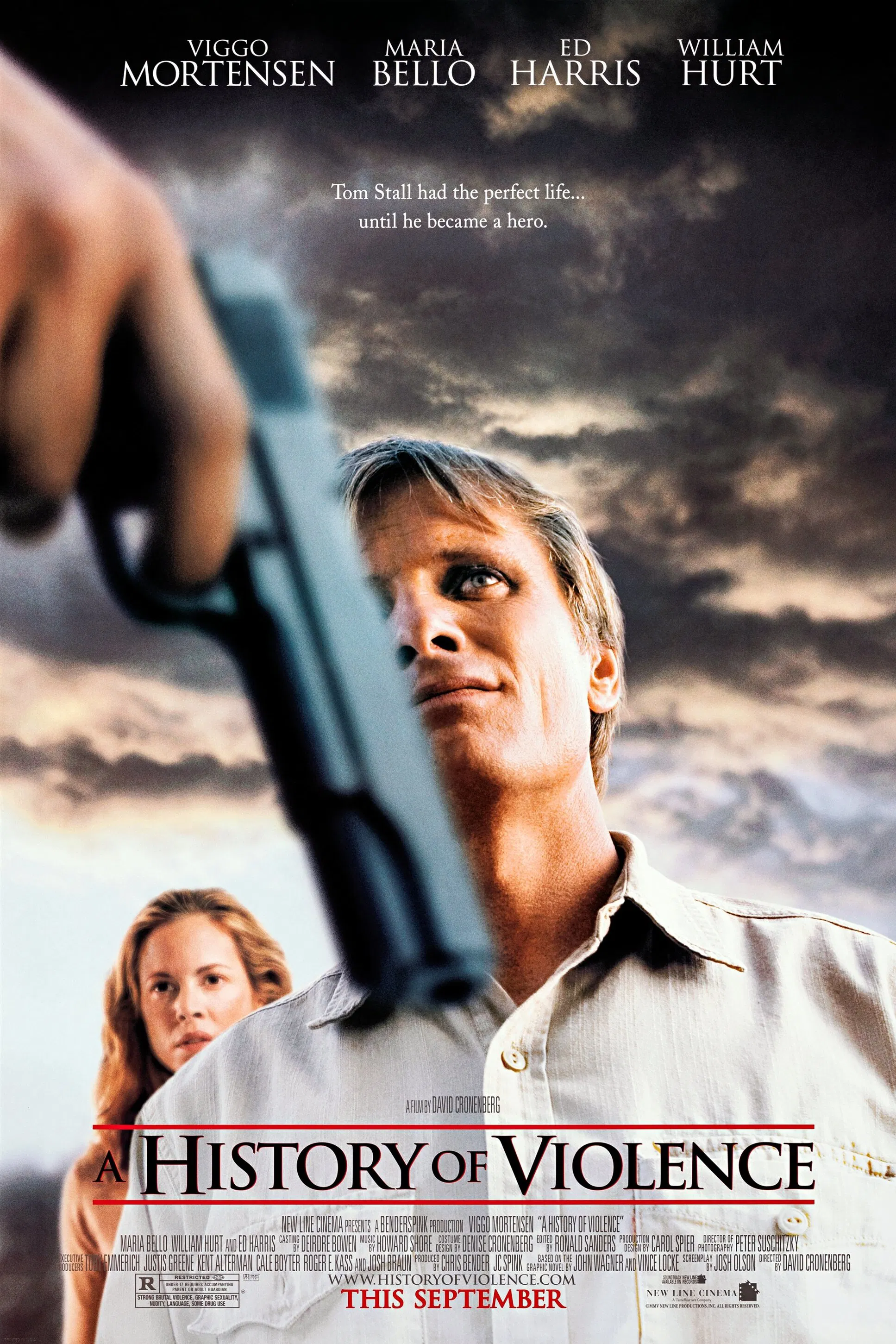
A film that uses small-town diner owner's violent past catching up with him to examine American mythology about violence, redemption, and whether you can ever truly leave behind who you were. Tom Stall lives quiet life in Indiana with his wife and kids until he kills two robbers attempting to hold up his diner, the incident making him local hero and attracting attention from Philadelphia mobsters who claim he's actually Joey Cusack, enforcer who disappeared years ago. David Cronenberg creates thriller that's really horror film about identity, asking whether Tom is pretending to be someone else or if Joey was the performance and Tom is who he actually became. Viggo Mortensen plays Tom/Joey with layered ambiguity, his mild-mannered exterior cracking to reveal capacity for extreme violence that seems both rusty and instinctive. Maria Bello's Edie is wife who must confront that she might not know the man she's married to, that their entire life together could be built on lies. Ed Harris's Fogarty is mobster with scarred face who comes demanding answers, while William Hurt's Richie is Joey's brother, still in the life Joey abandoned.

What makes A History of Violence disturbing is how it shows Tom's violence as both shocking and darkly satisfying, the film acknowledging that there's pleasure in watching him efficiently kill people who threaten his family while also showing how that violence infects everything around it. Cronenberg shoots the violence with unflinching clarity, no stylization or choreography to soften the brutality, bodies breaking and bleeding in ways that feel genuinely painful. The film's examination of American small-town life shows it as fragile construction, everyone performing normalcy while barely containing violence just beneath surface. The sex scenes between Tom and Edie, one tender and one violent after his identity is revealed, show how violence changes intimacy, how knowledge of someone's capacity for brutality makes every interaction uncertain. The film's ending, where Tom returns home after killing his brother and sits silently with his family who don't know whether to forgive him, refuses resolution, leaving viewers to decide whether redemption is possible or if violence is permanent stain. It succeeds because it refuses to make violence heroic or consequence-free, showing how it destroys even justified killers, and asking whether America's mythology about starting over and leaving your past behind is achievable or just story we tell ourselves while violence keeps surfacing from histories we tried to bury.
10. 🎬 Infernal Affairs (2002)
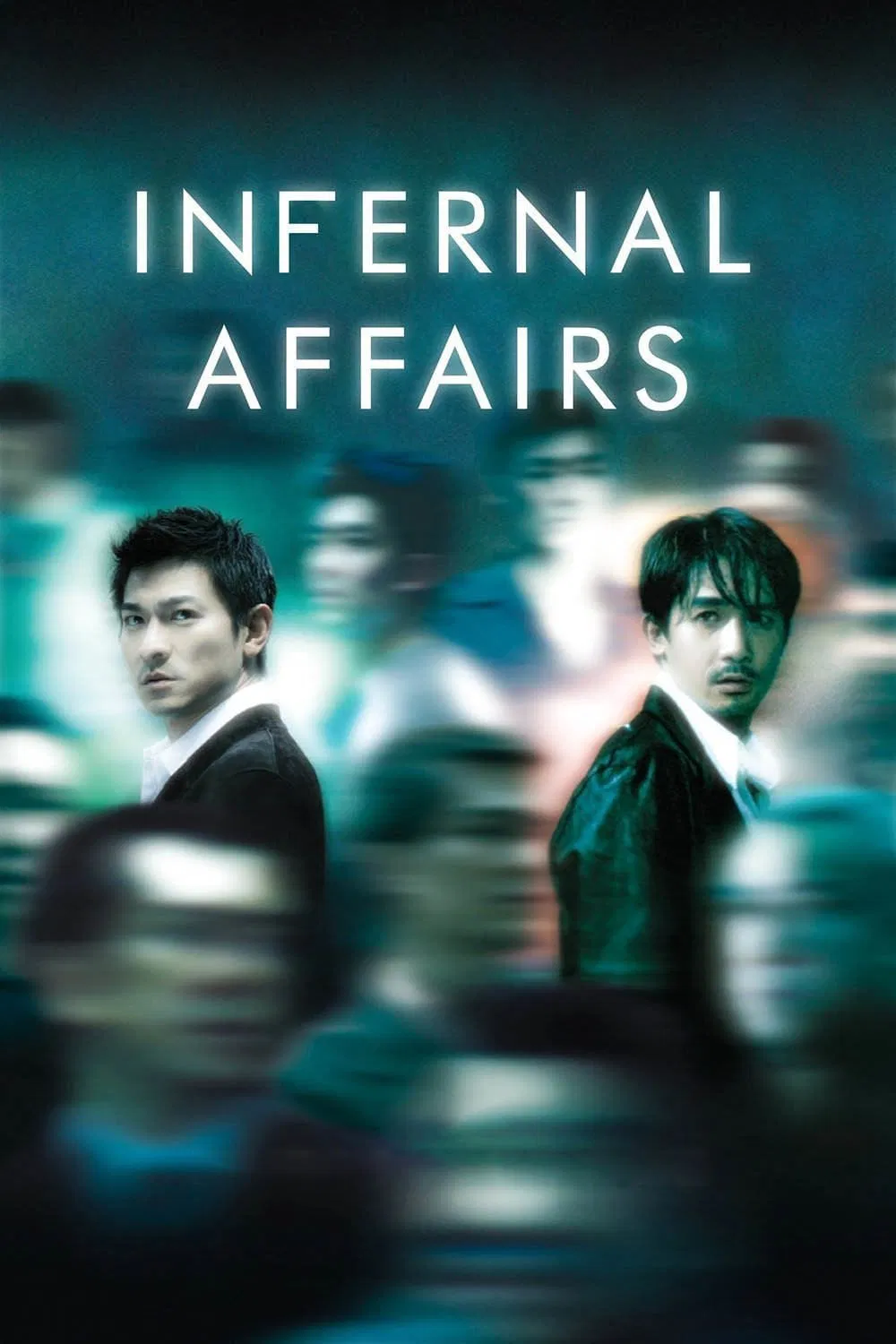
A Hong Kong thriller that became template for The Departed, following two moles, Yan embedded in triad gang and Ming planted in police force, both racing to expose each other before their covers are blown. Andrew Lau and Alan Mak create procedural that's as much about identity and performance as it is about crime, showing how living double lives for years erases the boundary between who you're pretending to be and who you actually are. Tony Leung's Yan is cop deep undercover who's forgotten how to be anything except criminal, his decade in the triads making him more comfortable with gangsters than with the police handlers who occasionally contact him. Andy Lau's Ming is triad mole who's risen through police ranks and now lives respectable life he initially joined to undermine, his success making him question whether he wants to return to criminal world even if the triads demand it. The film's tension comes from watching both men try to identify the mole in their organization while being the mole themselves, each investigation potentially exposing their own deception.
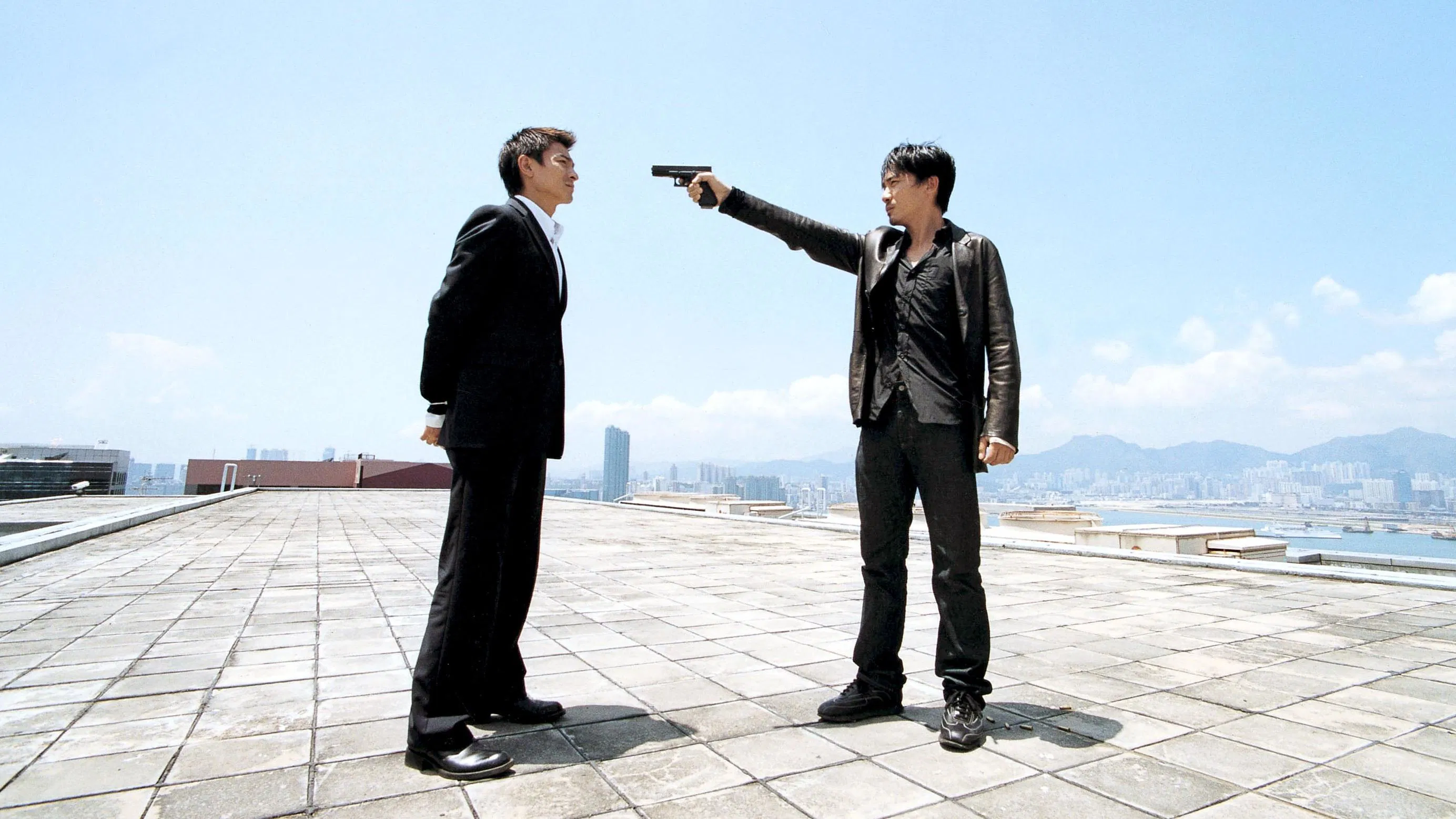
What makes Infernal Affairs superior to many of its imitators is its psychological depth, treating both characters' identity crises as genuine rather than just plot mechanics, showing how sustained deception damages psyche in ways that can't be easily reversed. The film moves with propulsive efficiency, no wasted scenes or unnecessary subplots, every moment building tension toward inevitable confrontation. Andrew Lau and Lai Yiu-fai's cinematography uses Hong Kong's vertical architecture and neon-lit streets to create environment of constant surveillance and paranoia, no space truly private or safe. The film's examination of loyalty asks whether Ming's years of faithful police service make him more cop than criminal despite his original allegiance, and whether Yan's decade undercover makes him irredeemable gangster despite his badge. The ending, where Yan dies and Ming escapes consequences, is bleaker than The Departed's mutual destruction, suggesting that sometimes the bad guys win because they're better at being cops than actual cops are. It succeeds because it understands that identity is performance, that given enough time pretending to be someone you become them, and that the tragedy isn't getting caught but realizing you've lost whoever you were before the deception began, that there's no returning to authentic self because years of lying have erased it completely.
11. 🎬 A Prophet (2009)
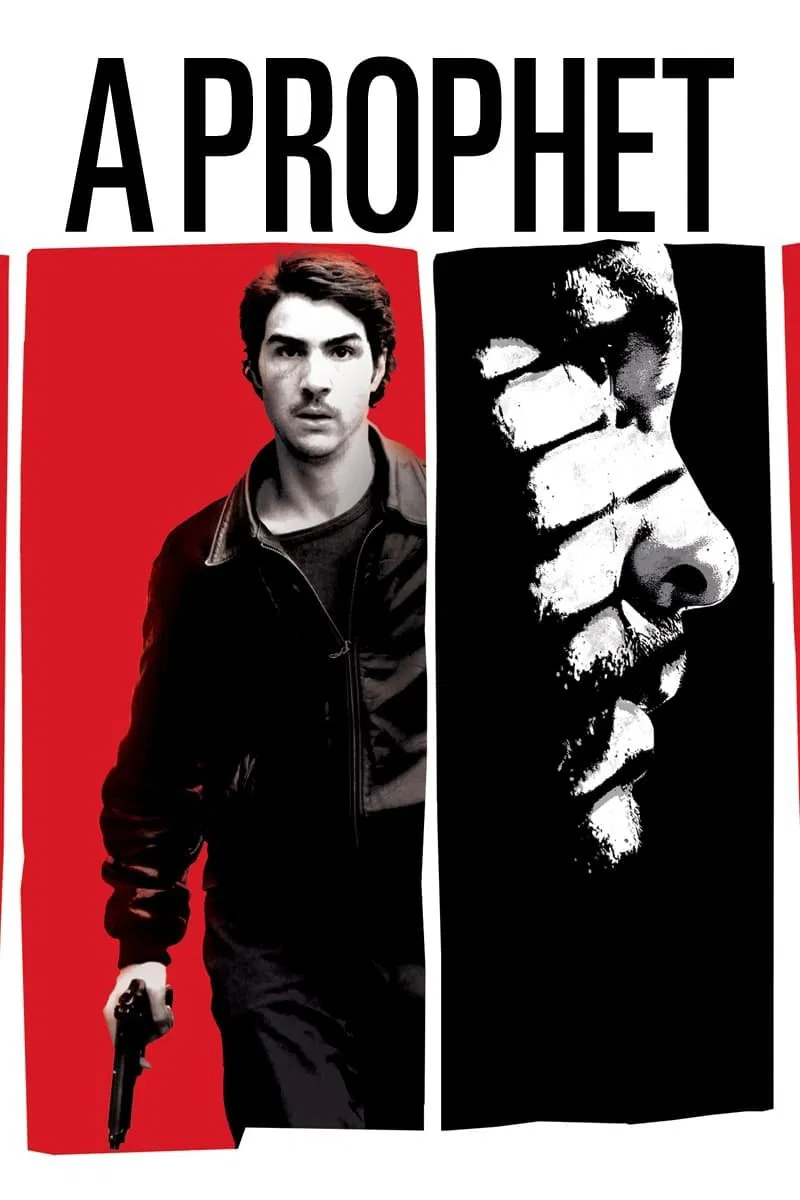
A French prison film that operates as gangster movie bildungsroman, following Malik, a 19-year-old illiterate Arab sentenced to six years, who survives by becoming enforcer for Corsican gang before building his own criminal empire. Jacques Audiard creates procedural that shows prison as university of crime, where Malik learns everything from reading to murder, his education in violence and manipulation preparing him for criminal career after release. Tahar Rahim's Malik begins as frightened kid who can barely write his own name, his transformation into calculating crime boss shown through accumulation of compromises and crimes that gradually harden him into someone unrecognizable from who he was. Niels Arestrup's César Luciani is Corsican mob boss who forces Malik to kill an Arab inmate, beginning relationship of mentorship and exploitation that defines Malik's prison years. The film's genius is showing how survival in prison requires becoming criminal even if you weren't one before, how the system itself creates the criminals it claims to reform.
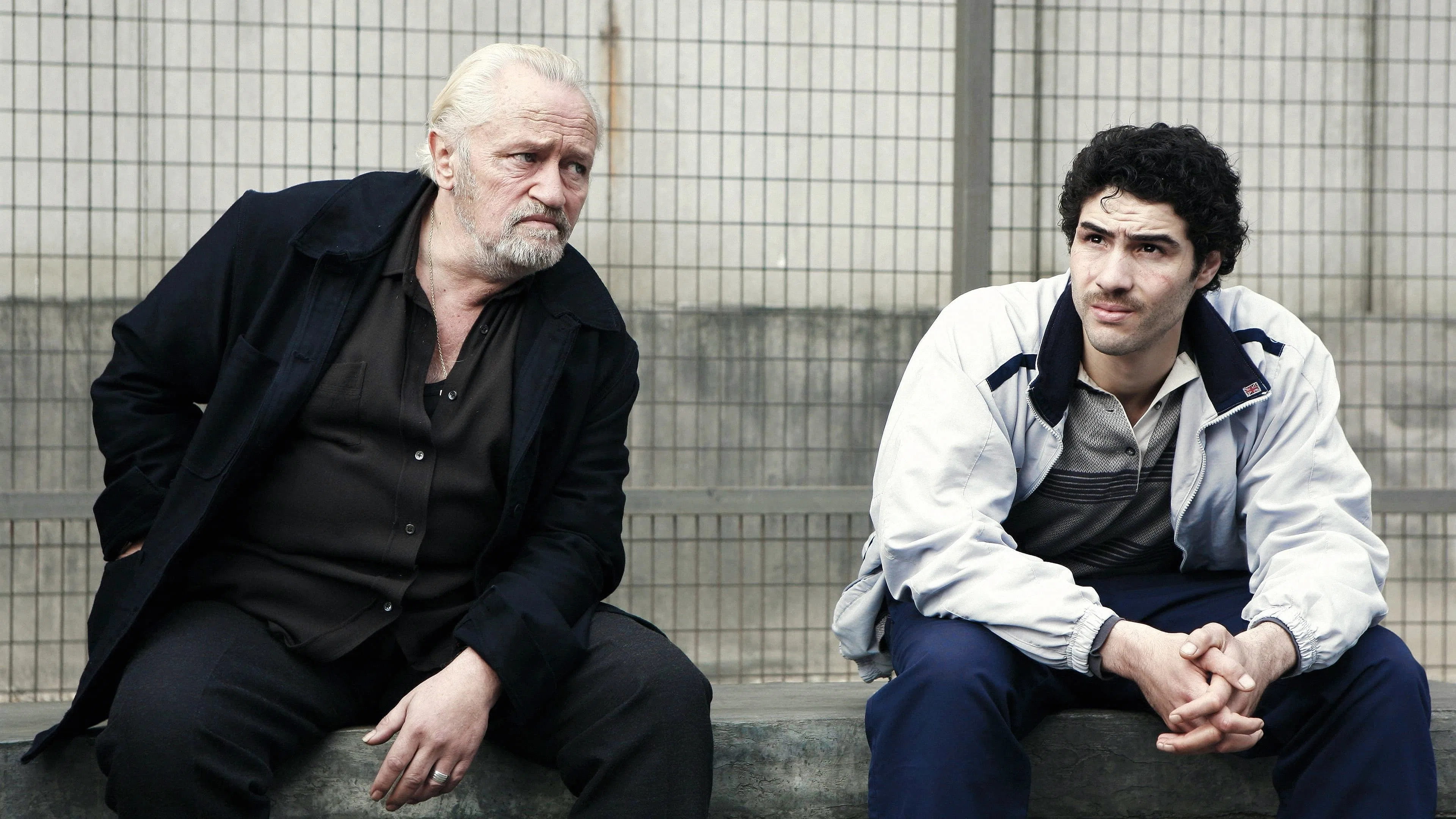
What makes A Prophet exceptional is Audiard's willingness to show Malik's moral corruption as gradual process rather than single moment, each crime building on previous ones until he's capable of things that would have horrified his younger self. The film uses magical realist elements sparingly, Malik's murdered victim appearing as ghost guide, suggesting that violence leaves marks on psyche that can't be erased. Stéphane Fontaine's cinematography captures prison as labyrinth of territories controlled by different ethnic gangs, showing how institutional racism creates divisions that inmates exploit or navigate to survive. The film's examination of how prison functions as criminal networking opportunity rather than rehabilitation shows systemic failure at every level, inmates leaving more dangerous than when they entered. The ending, where Malik walks out of prison surrounded by supporters while César dies alone, suggests that new generation of criminals has displaced the old, that cycles of violence continue with fresh players. It succeeds because it shows crime as learned behavior rather than inherent quality, that anyone subjected to enough pressure and offered enough incentives can become monster, and that systems designed to punish criminals might actually manufacture them through environments that reward violence and punish vulnerability.
12. 🎬 Company (2002)
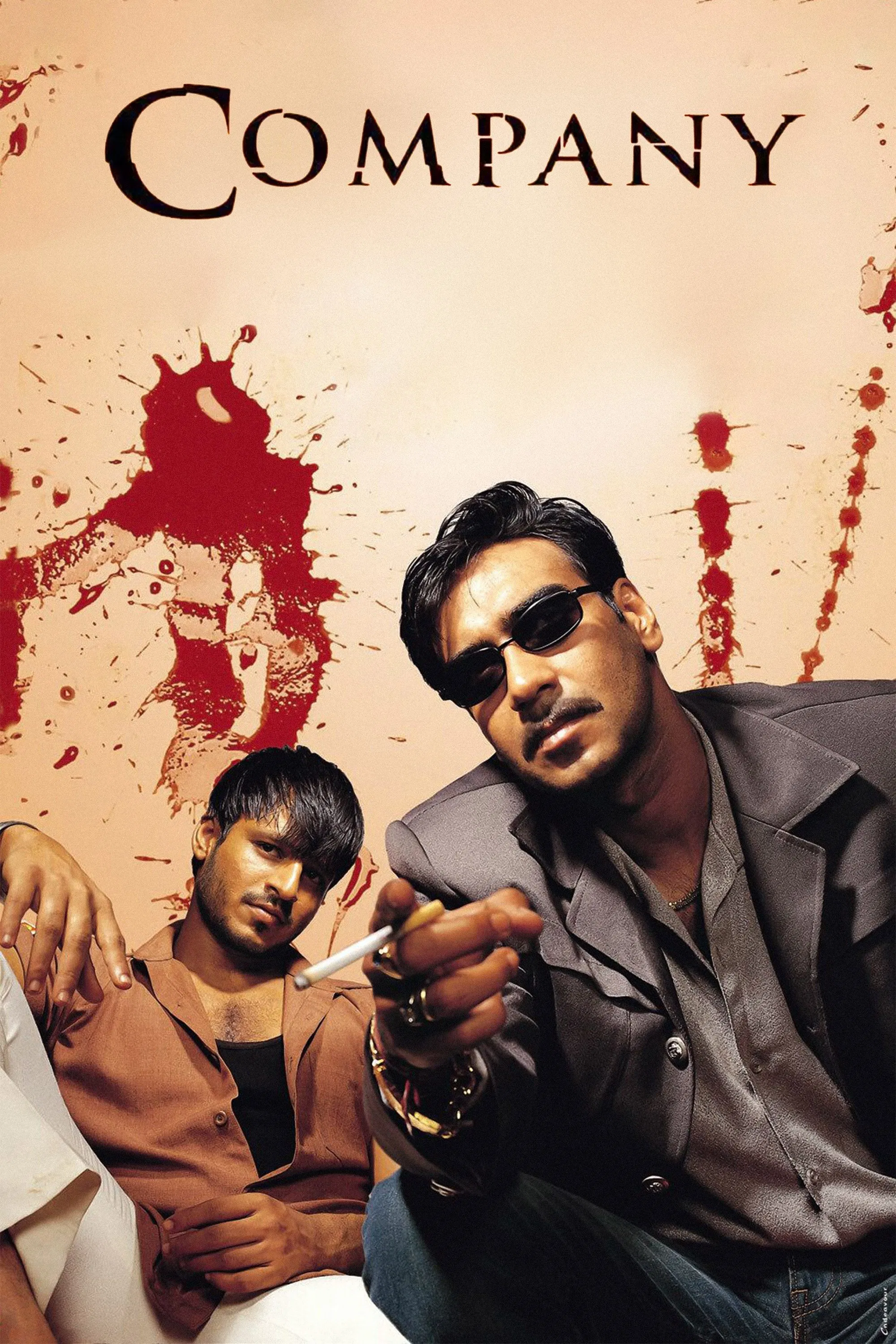
An Indian film that examines Mumbai underworld through the relationship between gang boss Malik and his lieutenant Chandu, their partnership fracturing when ambition and paranoia destroy trust. Ram Gopal Varma creates crime film influenced by The Godfather and Goodfellas but distinctly Indian, showing how organized crime operates in Mumbai's specific context of political corruption and film industry connections. Ajay Devgn's Malik is calculating boss who sees crime as business, his emotional detachment allowing him to make decisions that prioritize organization over individuals. Vivek Oberoi's Chandu is loyal soldier whose competence and ambition make him both valuable and threatening, his eventual split from Malik destroying both men. Manisha Koirala's Saroja is Malik's wife, watching helplessly as the criminal life she accepted consumes the man she loves.
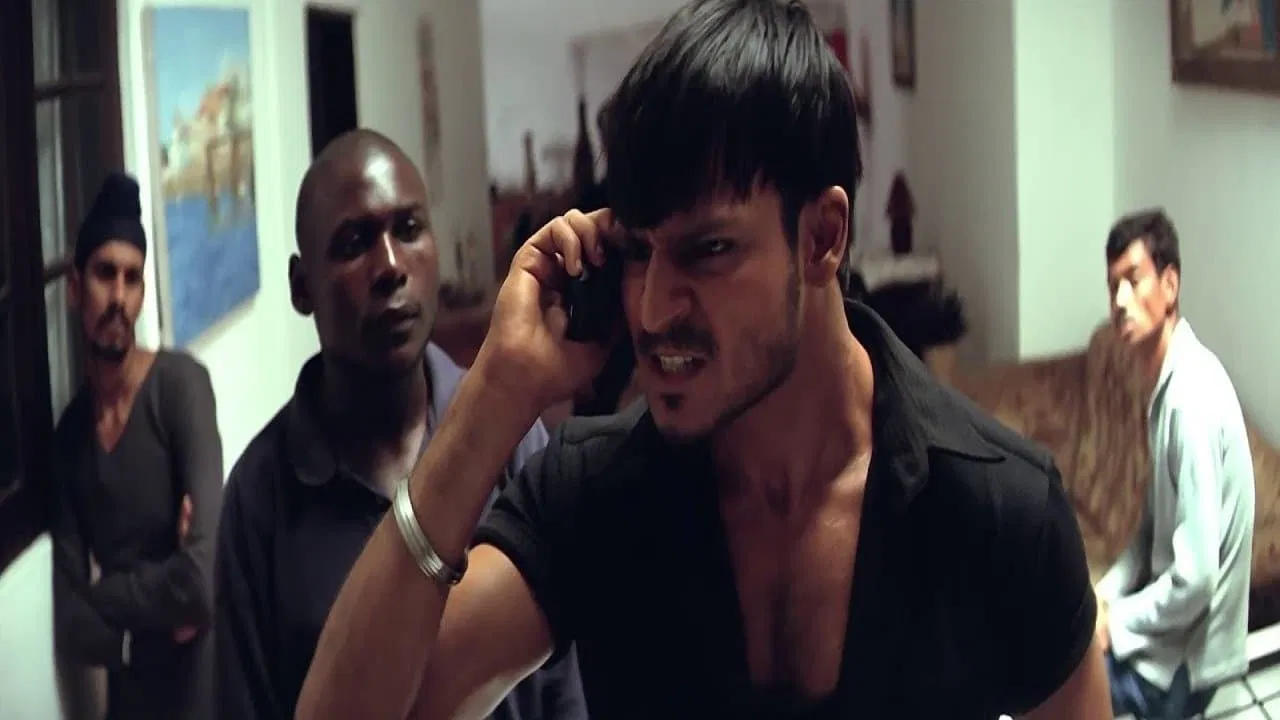
What makes Company essential in Indian gangster cinema is Varma's stripping away of Bollywood excess, creating procedural that shows crime as work rather than adventure, meetings and negotiations mattering more than action sequences. The film's examination of how gang splits happen shows paranoia as self-fulfilling prophecy, Malik's suspicion of Chandu creating exactly the betrayal he feared, showing how crime requires trust that criminal life systematically destroys. Hemant Chaturvedi's cinematography uses handheld cameras and natural lighting to create documentary aesthetic that makes the violence feel immediate and unglamorous. The film's examination of police-criminal collusion shows how law enforcement and organized crime are symbiotic rather than opposed, each needing the other to justify their existence and secure their funding. It succeeds because it demystifies organized crime while showing how it functions as alternative economic system for those excluded from legitimate opportunities, and because it understands that the most dangerous moment in any organization is when successors emerge, threatening the power structures that currently exist.
13. 🎬 The Drop (2014)
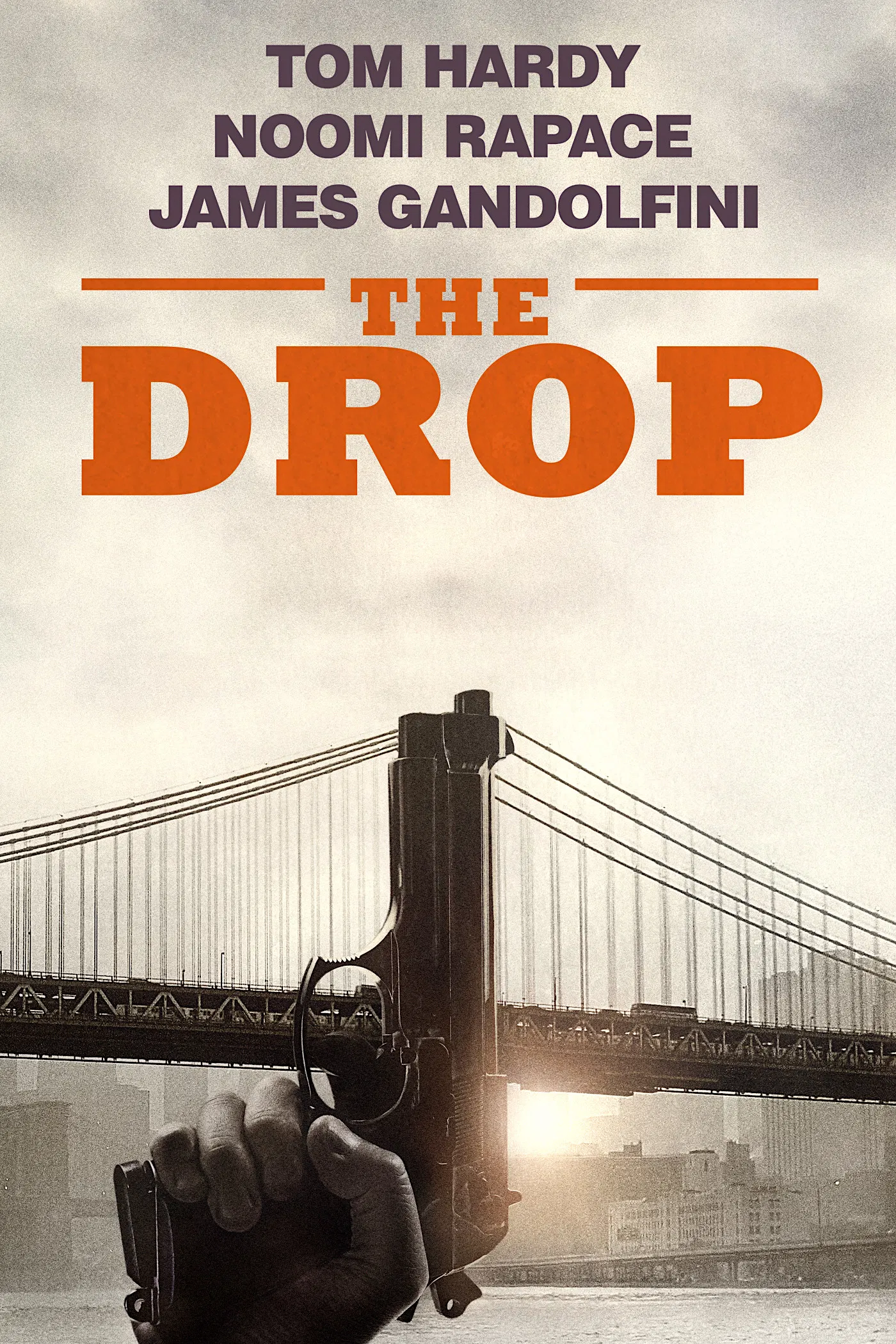
A quiet crime film that uses Brooklyn bar as nexus for Chechen mob's money laundering operation, following bartender Bob Saginowski whose ordinary exterior hides complicated past and capacity for violence. Michaël Roskam creates slow-burn thriller more interested in character than plot, showing criminal underworld through perspective of working-class people caught in its margins. Tom Hardy plays Bob with wounded gentleness, a soft-spoken man who tends bar, rescues abused dogs, and seems almost simple until circumstances reveal he's anything but. Noomi Rapace's Nadia is damaged woman trying to rebuild her life, her connection with Bob developing through their shared care for the rescued pit bull. James Gandolfini, in his final role, is Cousin Marv, former neighborhood power who now manages the bar for Chechen owners, his resentment at lost status making him dangerous and pathetic simultaneously.
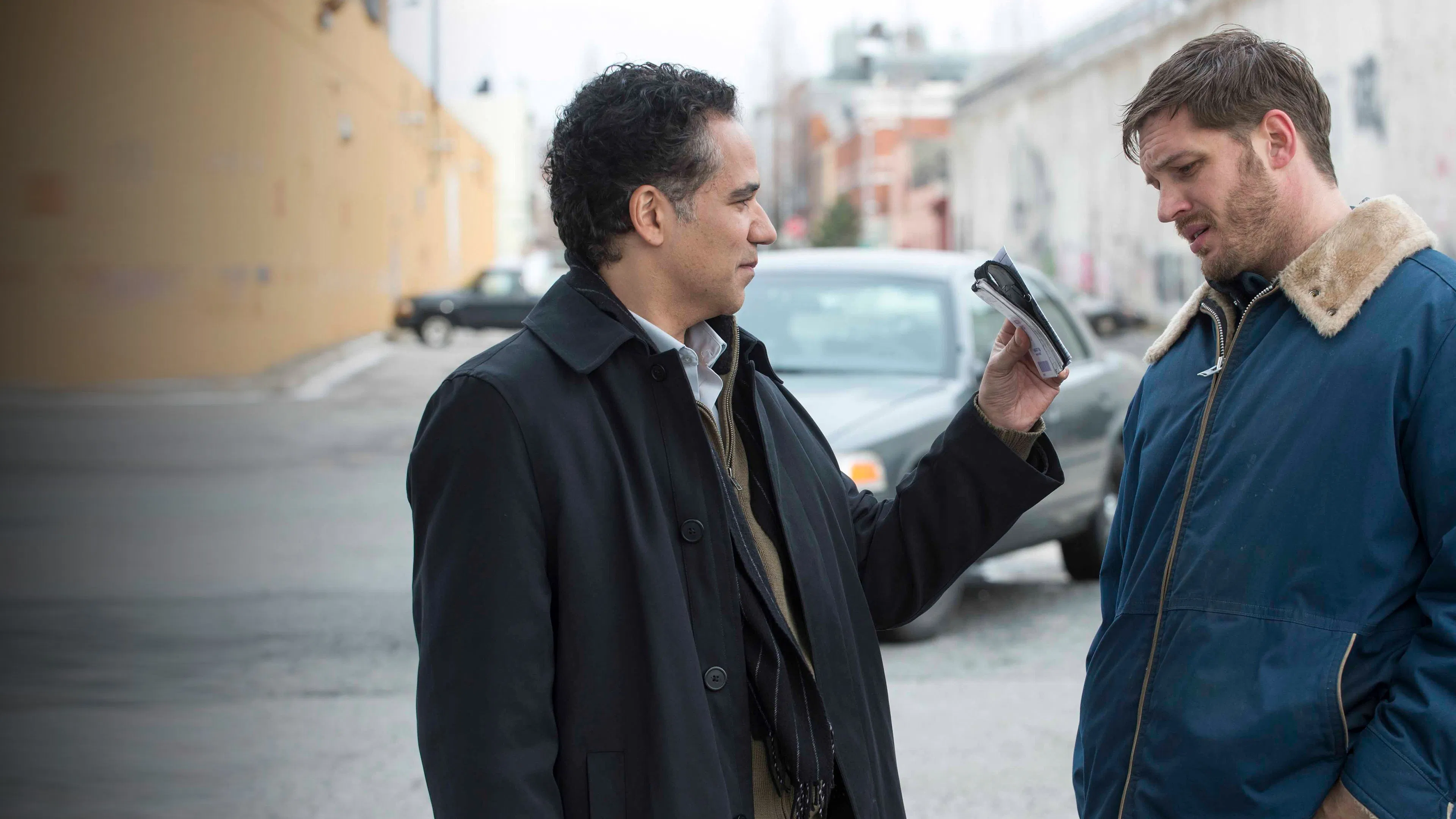
What makes The Drop exceptional is its patience, allowing tension to build through accumulated detail rather than manufactured crisis, showing Bob's life as series of routines that get slowly disrupted. The film uses Brooklyn's working-class neighborhoods as character, showing community where everyone knows everyone but secrets persist, where criminal activity operates alongside legitimate life without clear boundaries. Nicolas Karakatsanis's cinematography emphasizes cold blues and grays, winter light making everything feel slightly hopeless and isolated. The film's revelation about Bob's past, that he killed the previous bar owner in the robbery everyone discusses, recontextualizes everything we've seen, his gentleness revealed as hard-won restraint rather than natural temperament. The climactic violence is brief and brutal, Bob efficiently eliminating threats before returning to his quiet life, suggesting that violence is tool he can use when necessary but chooses not to unless forced. It succeeds because it treats crime as mundane reality rather than exciting adventure, showing how working-class people navigate criminal structures they didn't create and can't escape, and suggesting that the most dangerous people are often the quiet ones who've learned to control what they're capable of.
14. 🎬 Animal Kingdom (2010)
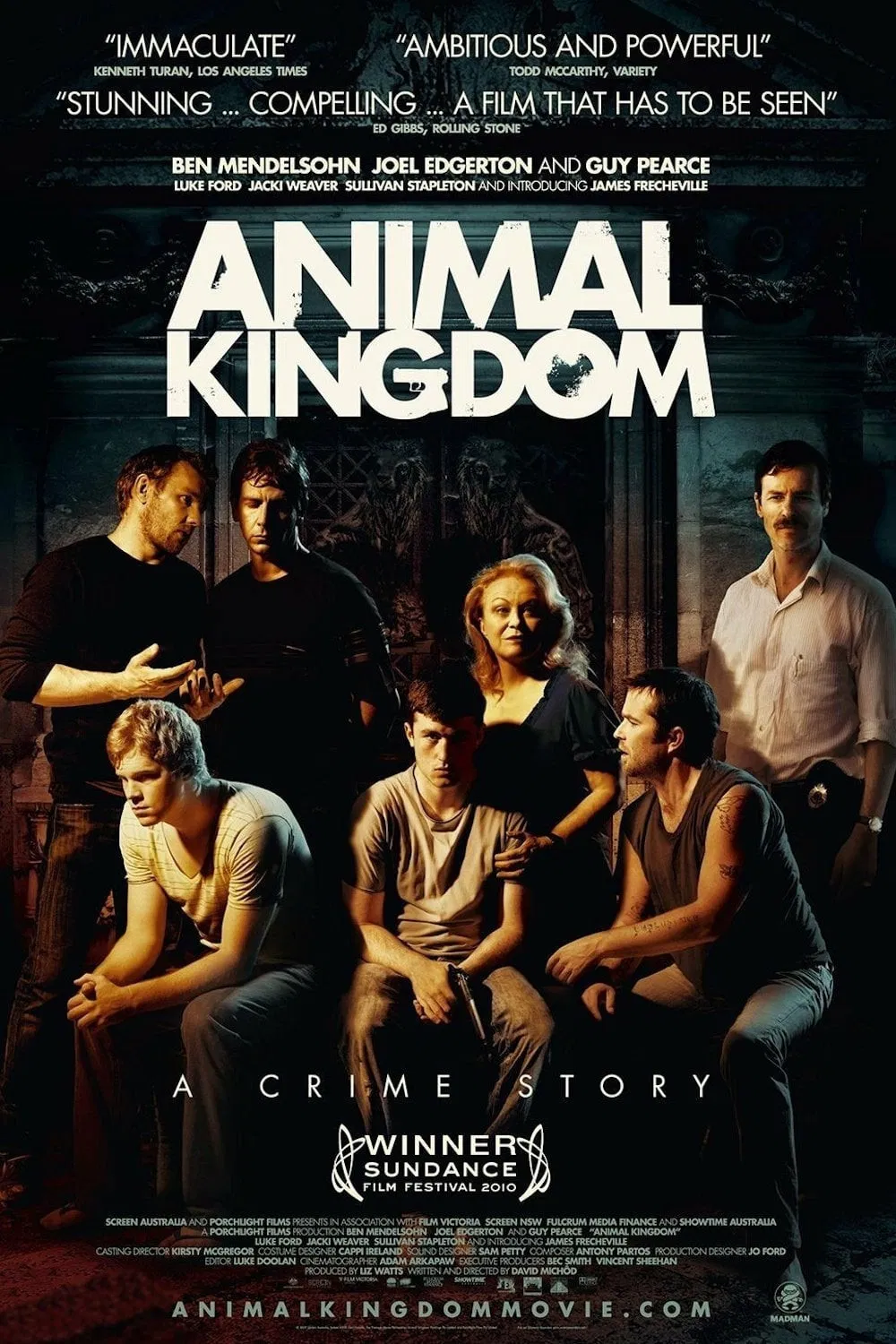
An Australian crime film that examines Melbourne's underworld through the eyes of teenager J who moves in with his criminal family after his mother's overdose, watching as their organization collapses under police pressure. David Michôd creates family drama disguised as crime thriller, showing how dysfunction and violence get passed down through generations, how criminal families normalize pathology until it seems like ordinary life. James Frecheville's J is passive observer who gradually learns to manipulate the chaos around him, his survival requiring him to betray everyone who claims to protect him. Jacki Weaver's Smurf is the family matriarch, all maternal warmth and sociopathic control, her inappropriate affection for her sons suggesting incestuous undertones that explain their emotional damage. Ben Mendelsohn's Pope is oldest son, a violent sociopath whose paranoia and need for control make him dangerous to everyone including his own family.
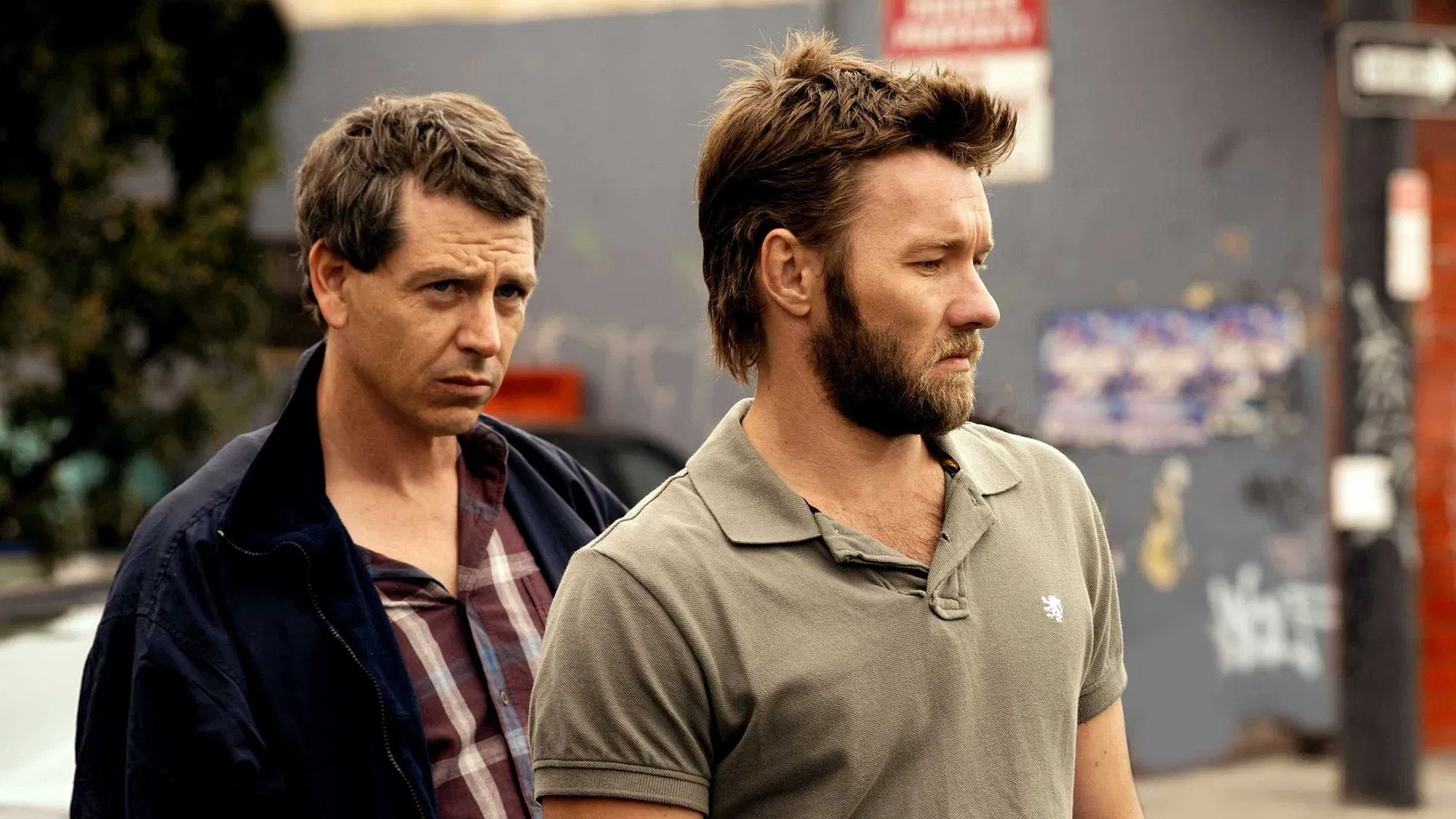
What makes Animal Kingdom disturbing is its examination of how criminal families function as cults, Smurf's manipulation keeping her sons dependent and loyal even as she destroys their lives, how love and abuse become indistinguishable when parents use affection as weapon. The film's pacing is deliberately slow, allowing tension to build as the police close in and the family becomes increasingly desperate and violent. Adam Arkapaw's cinematography uses natural light and muted colors to create suburban Melbourne as ordinary place where extraordinary violence happens, showing how crime operates in regular neighborhoods rather than obvious criminal zones. The film's most shocking moment, Pope's execution of two police officers in retaliation for his friend's death, creates point of no return where family's destruction becomes inevitable. The ending, where J testifies against Pope while maintaining relationship with Smurf, suggests that survival requires ruthlessness equal to those you're escaping, that J has learned his family's lessons even while betraying them. It succeeds because it shows how criminal families destroy everyone in them, how children inherit trauma and pathology from parents who claim to love them, and how sometimes the only way to survive your family is becoming exactly as manipulative and ruthless as they are.
15. 🎬 The Gentlemen (2019)

A return to form for Ritchie after his Hollywood studio detours, following American expat Mickey Pearson who's built massive marijuana empire in UK and now wants to sell it, triggering complex game of double-crosses and power plays. The film operates as both throwback to Ritchie's earlier British gangster films and evolution of his style, maintaining the convoluted plotting and colorful characters while showing increased maturity and control. Matthew McConaughey's Mickey is Southern gentleman gangster who's turned weed cultivation into art form, buying estates from cash-poor aristocrats and using their land for grows. Charlie Hunnam's Ray is Mickey's right hand, trying to manage the sale while various parties try to steal or sabotage it. Hugh Grant steals scenes as Fletcher, sleazy private investigator turned aspiring screenwriter who's researched Mickey's operation and now tries to sell the information.
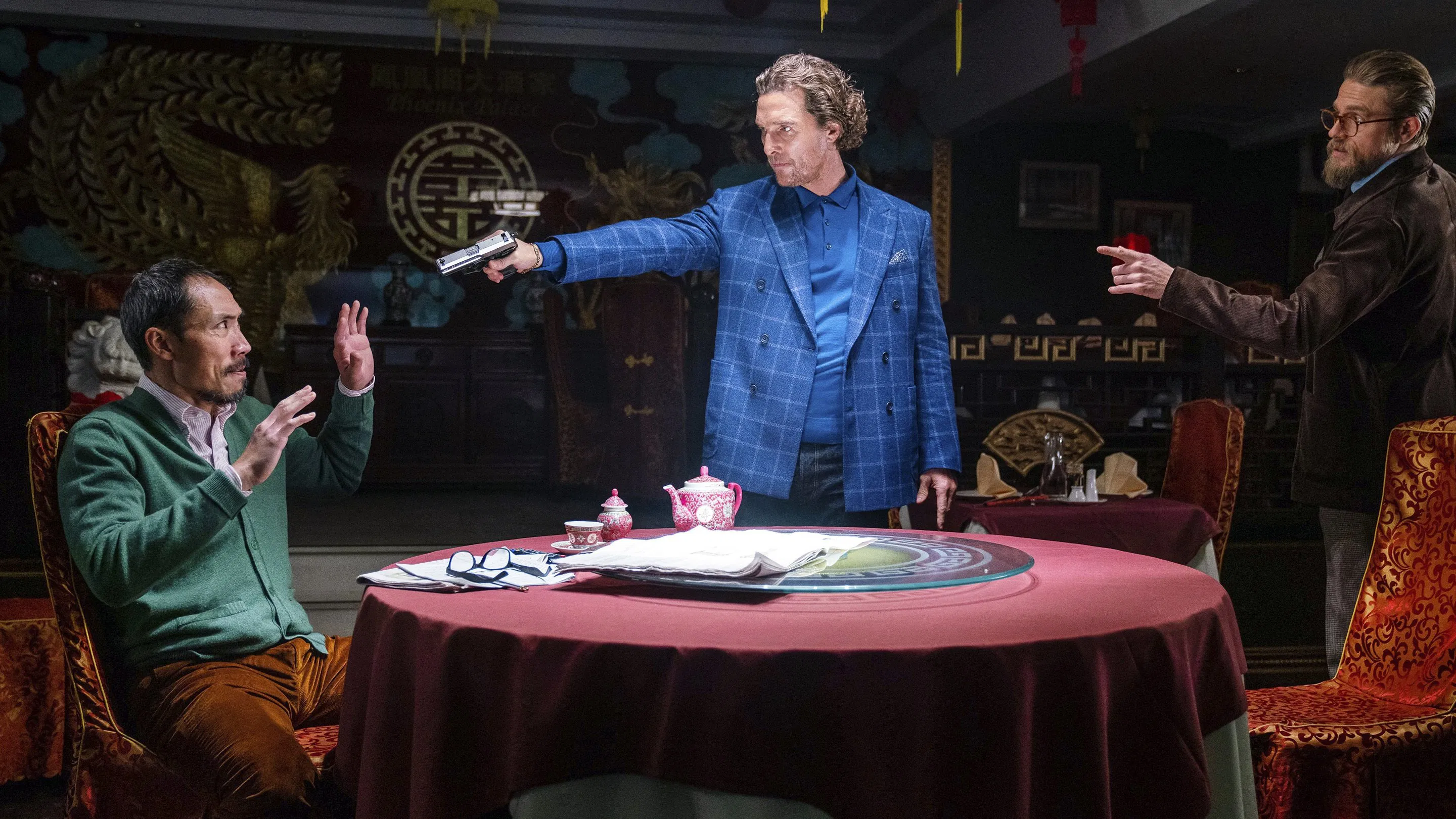
What makes The Gentlemen work is Ritchie's genuine affection for criminal competence, showing Mickey's operation as sophisticated business facing threats from amateurs and opportunists who underestimate him. The film's structure as Fletcher narrating his screenplay to Ray creates meta-commentary on crime films themselves, acknowledging genre conventions while playing with them. The dialogue crackles with Ritchie's signature profane eloquence, characters trading insults and threats that reveal intelligence beneath criminal exteriors. Alan Stewart's cinematography uses rich colors and composed frames that make London's criminal underworld look simultaneously elegant and dangerous. The violence, when it comes, is brutal and often darkly funny, maintaining tone where nothing is sacred but everyone is entertaining. It succeeds because it understands that crime films are about style as much as substance, that watching smart people outmaneuver each other is endlessly entertaining, and that sometimes the pleasure is in the journey rather than destination, in watching plans unfold and implode with equal creativity.
— The Cinéprism
Keep reading
31 / 08 / 2026 · 383 reads
10 Best Endings in Film
A curated list of 10 unforgettable movie endings that leave a lasting impact long after the credits roll.
12 / 11 / 2025 · 5099 reads
Top 11 Greatest TV Shows:
These eleven extraordinary series redefine what television can be, merging unforgettable characters with stories that linger long after the screen goes dark.