
Dispatch — Long Read
Top 25 Mollywood movies from 2020s.
Mollywood has levelled up this decade — sharper writing, bold themes, lived-in characters, and filmmaking that feels both rooted and world-class. Here are some of my favourites from this decade.
The Cinéprism
14 / 11 / 2025 · 18 min read
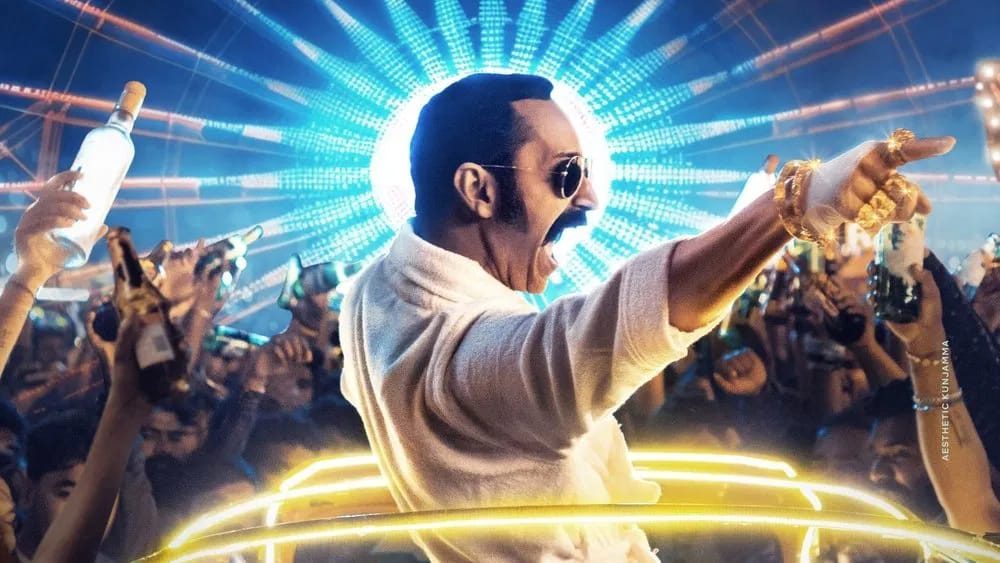
1. Malik

Spanning decades, Malik follows Sulaiman Malik as he rises from a small-time smuggler to the undisputed leader of a coastal community, protecting his people from state oppression while gradually becoming indistinguishable from the politicians he despises. Mahesh Narayanan crafts a nonlinear narrative that reveals character through accumulated detail, using multiple timelines to show how power corrupts even the most well-intentioned.
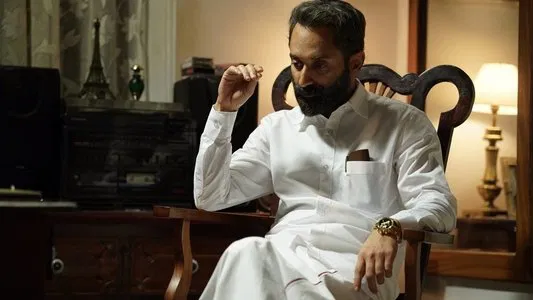
Fahadh Faasil delivers a transformative performance across different ages, embodying Malik's evolution from passionate youth to calculating patriarch with subtle shifts in posture and voice. The film's technical brilliance, particularly its seamless long takes that move through time and space, serves thematic purpose rather than showmanship. What makes Malik exceptional is its refusal to romanticize resistance; it shows how leaders become complicit in the systems they fight, how communities become dependent on strongmen who ultimately betray them, and how the personal costs of political struggle are borne by those least able to afford them.
2. Drishyam 2
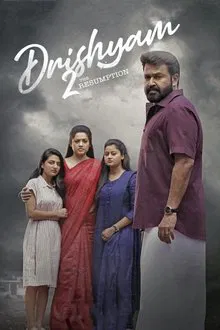
Six years after the events of the first film, Georgekutty and his family attempt to live normal lives while the police continue investigating the unsolved disappearance. Jeethu Joseph's sequel is remarkable for its patience, spending the first half establishing the psychological toll of maintaining a lie before systematically dismantling the audience's assumptions about what we think we know. Mohanlal anchors the film with restrained intensity, showing how Georgekutty's protective instincts have calcified into paranoia, how the weight of the secret has aged him beyond his years.
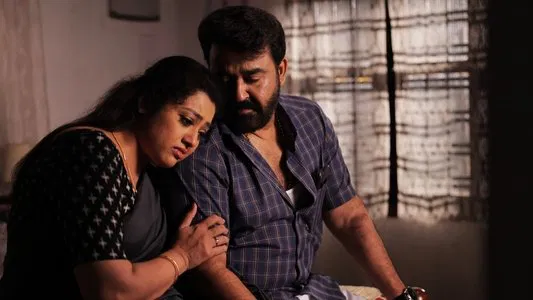
The screenplay is intricate clockwork, planting details that only reveal their significance hours later, trusting the audience to remember and rewarding that attention with revelations that feel both surprising and inevitable. What elevates Drishyam 2 is its exploration of how crime echoes across time, how families fractured by shared secrets can never truly heal, and how the past, no matter how carefully buried, eventually demands acknowledgment.
3. Joji
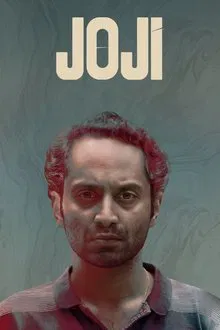
Joji is the youngest son of a wealthy plantation owner, a college dropout whose family regards him with thinly veiled contempt. When his domineering father suffers a stroke, Joji sees an opportunity to claim what he believes is rightfully his, but greed and ambition quickly spiral into something far darker. Fahadh Faasil is mesmerizing, playing Joji not as a villain but as a pathetic, seething man-child whose desperation makes him dangerous. His performance is almost entirely internal;
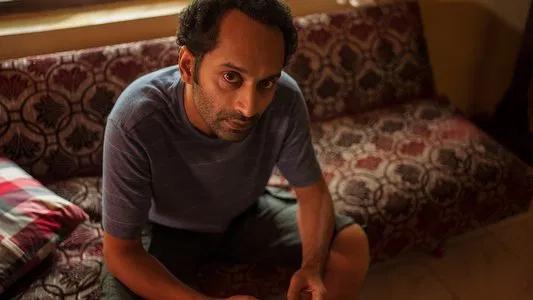
Joji rarely raises his voice, but Faasil makes visible the calculations happening behind his eyes. Dileesh Pothan's direction is deliberately slow, allowing tension to accumulate until the atmosphere becomes almost unbearable. The film finds horror in the mundane, in the way ordinary spaces become sites of unspeakable acts, and understands that true evil rarely announces itself with fanfare. It festers in ordinary homes, among ordinary people, until suddenly the unthinkable becomes inevitable.
4. Nayattu

Three police officers, two men and a woman, become fugitives after a series of misunderstandings and bad luck make them targets of a massive manhunt orchestrated by politicians protecting their interests. Martin Prakkat's film is remarkable for its claustrophobic intensity, trapping its protagonists in an ever-tightening net where every escape route closes and every supposed ally becomes a betrayer
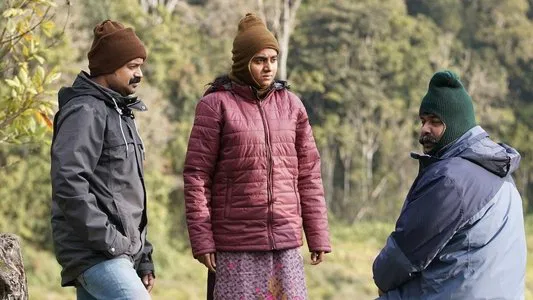
The performances are uniformly excellent, with Kunchacko Boban, Joju George, and Nimisha Sajayan bringing desperate authenticity to characters whose only crime was being in the wrong place when powerful people needed someone to blame. The film's visual approach emphasizes entrapment, using tight framing and handheld cameras to create constant unease. What makes Nayattu devastating is its understanding that justice is a luxury unavailable to those without power or political protection, and that institutions designed to serve the public will sacrifice individuals without hesitation when self-preservation demands it.
5. Bhoothakaalam
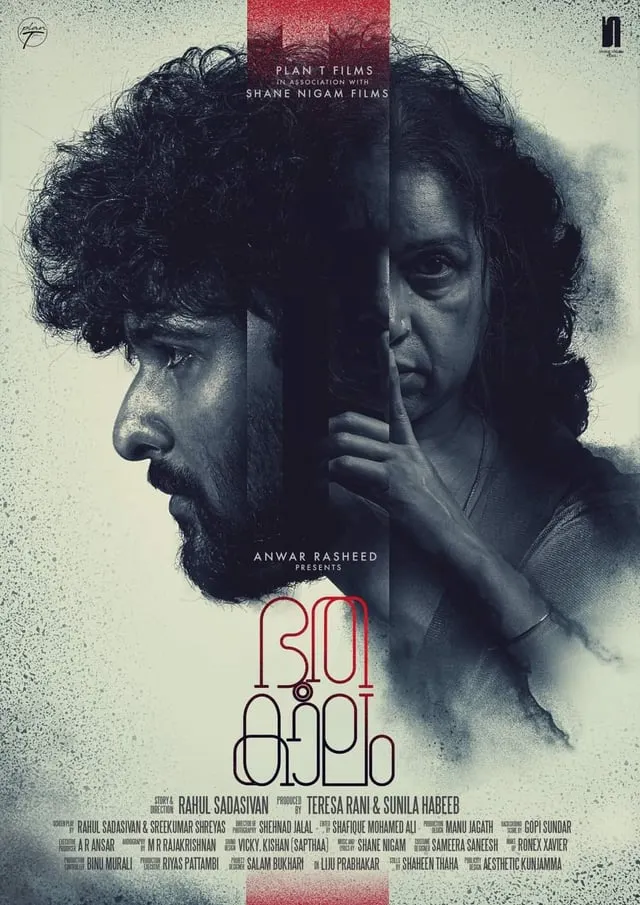
Asha and her adult son Vinu live together in a decaying apartment, both suffocating under the weight of depression, unemployment, and a family history of mental illness. As Asha begins experiencing what might be supernatural occurrences or manifestations of her deteriorating mental state, the film blurs the line between psychological horror and domestic tragedy. Rahul Sadasivan's direction is patient and unsettling, using sound design and visual ambiguity to keep us uncertain about what's real.
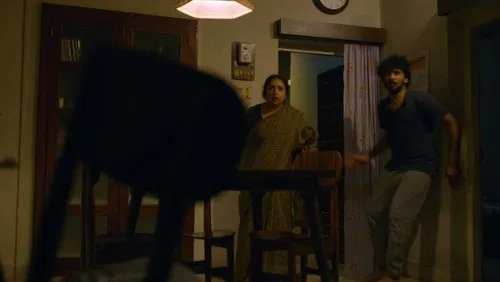
Shane Nigam and Revathi deliver performances of devastating vulnerability, portraying a mother and son whose love for each other cannot protect them from the darkness they've inherited. The film's power lies in its refusal to clarify whether the hauntings are literal or psychological; either way, the terror is real, and the damage is irreversible. Bhoothakaalam succeeds because it understands that sometimes the most terrifying ghosts are the ones living in our DNA.
6. Bramayugam
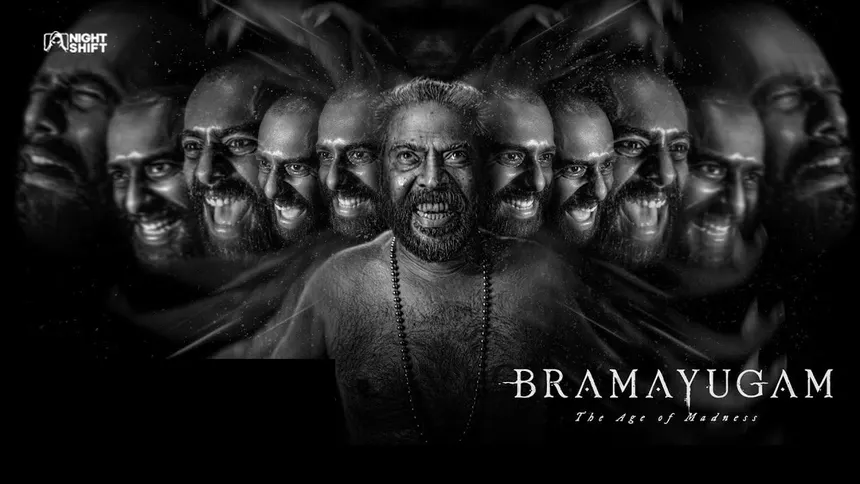
Set in 17th century Kerala, a singer fleeing slavery seeks refuge in a mysterious mansion inhabited by an enigmatic Brahmin whose hospitality conceals sinister intentions. Rahul Sadasivan strips away modern horror conventions, relying instead on atmosphere, sound design, and the unsettling performances to generate fear that feels primal. Mammootty is magnetic as the host, playing him with such ambiguous charm that we're never certain whether we're watching a benevolent savior or a demon in human form.
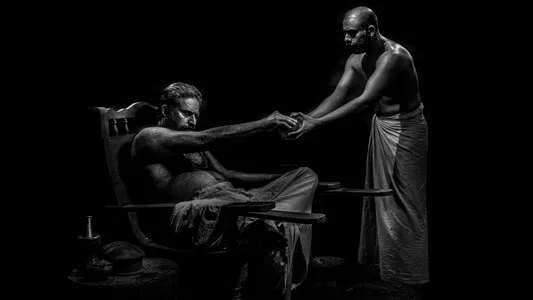
Set in 17th century Kerala, a singer fleeing slavery seeks refuge in a mysterious mansion inhabited by an enigmatic Brahmin whose hospitality conceals sinister intentions. Rahul Sadasivan strips away modern horror conventions, relying instead on atmosphere, sound design, and the unsettling performances to generate fear that feels primal. Mammootty is magnetic as the host, playing him with such ambiguous charm that we're never certain whether we're watching a benevolent savior or a demon in human form.
7. Manjummel Boys

A group of friends from Manjummel village take a vacation to Kodaikanal, where a visit to the dangerous Guna Caves turns catastrophic when one of them falls into a forbidden section with no apparent way out. What follows is a harrowing rescue attempt as his friends refuse to abandon him despite impossible odds and official warnings. Chidambaram directs with visceral immediacy, making the claustrophobic cave sequences genuinely terrifying while maintaining emotional investment in every character.
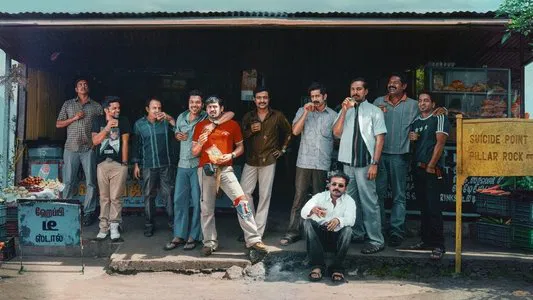
The ensemble cast creates believable camaraderie, making us care deeply about their bond before testing it under extreme circumstances. The film's technical achievement in shooting within actual cave environments adds authenticity that CGI could never replicate. What elevates Manjummel Boys beyond genre exercise is its emotional core; this is a story about ordinary people discovering extraordinary courage, about friendship that transcends self-preservation, and about the human capacity for hope in the darkest places.
8. 2018
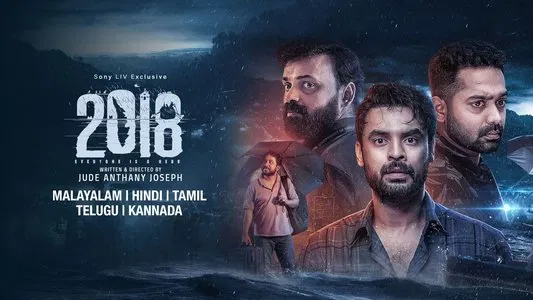
Rather than focusing on a single protagonist, the film weaves together various perspectives: families trapped by rising waters, rescue workers risking everything, ordinary citizens becoming heroes, and government officials coordinating relief efforts. Jude Anthany Joseph's ambitious approach creates a mosaic of human experience during catastrophe, showing how disaster strips away social divisions and reveals both humanity's best and worst instincts. The ensemble cast, featuring almost every major Malayalam star, brings authenticity to roles that could have been mere archetypes.
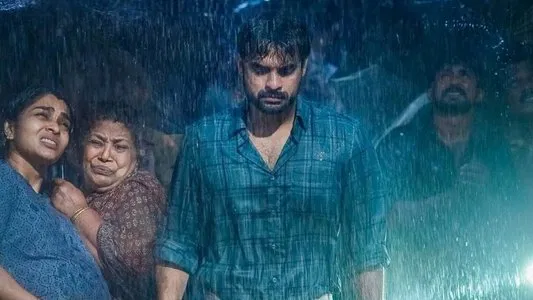
The technical achievement of recreating the floods is staggering, but the film never loses sight of individual human stories within the spectacle. The pacing is methodical, building tension as the waters rise while allowing moments of quiet devastation to land with full emotional weight. What makes 2018 resonate is its refusal to sentimentalize; it shows heroism alongside bureaucratic failure, miraculous rescues alongside preventable deaths, and understands that recovery from trauma is collective work requiring sustained effort long after the waters recede.
9. Kishkindha Kaandam
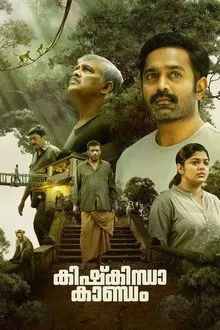
When a retired army officer's grandson disappears, his new daughter-in-law begins investigating, uncovering inconsistencies in the family's account and dark secrets hidden beneath their respectable surface. Dinjith Ayyathan builds suspense through careful revelation rather than manufactured twists, trusting the audience to piece together clues alongside the protagonist. Asif Ali and Aparna Balamurali anchor the film with performances that balance suspicion and vulnerability, while Vijayaraghavan's portrayal of the officer whose memory may be failing creates constant uncertainty about reliability. The film's visual language uses the claustrophobic family home to emphasize entrapment, every room holding secrets, every conversation laden with subtext. What distinguishes Kishkindha Kaandam is its exploration of how families construct narratives to protect themselves from unbearable truths, and how the past, when repressed rather than confronted, returns in ways that destroy everything.
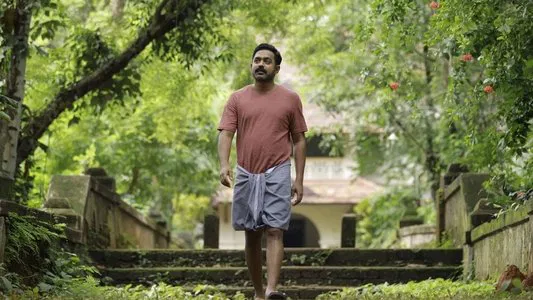
The film's visual language uses the claustrophobic family home to emphasize entrapment, every room holding secrets, every conversation laden with subtext. What distinguishes Kishkindha Kaandam is its exploration of how families construct narratives to protect themselves from unbearable truths, and how the past, when repressed rather than confronted, returns in ways that destroy everything.
10. Mukundan Unni Associates
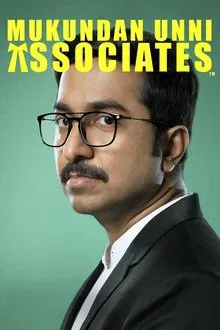
Mukundan Unni is a struggling lawyer willing to do absolutely anything to build his practice, from ambulance chasing to manufacturing cases to far worse. Abhinav Sunder Nayak's debut is remarkable for its refusal to soften its protagonist; this is not an antihero seeking redemption but a sociopath whose complete lack of ethics becomes darkly comedic precisely because he's so transparent about it. Vineeth Sreenivasan delivers a fearless performance, playing Mukundan with such cheerful amorality that we're simultaneously appalled and fascinated.
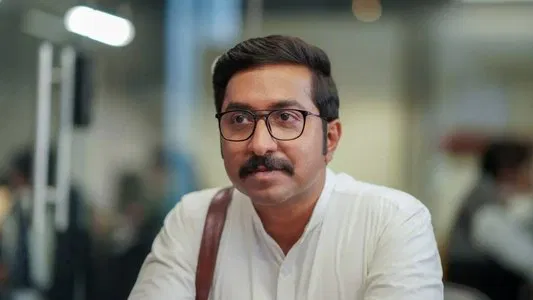
The film's satirical targets are sharp, skewering legal corruption, media sensationalism, and the success-at-any-cost mentality that defines modern professional life. The direction maintains a light touch even while depicting genuinely disturbing behavior, creating tonal complexity that keeps audiences off-balance. What makes the film work is its understanding that we're all complicit in systems that reward people like Mukundan, and that his success is less aberration than logical endpoint of values we claim to reject but secretly admire.
11. Minnal Murali

Jaison, a young tailor in a small Kerala village, gains superpowers after being struck by lightning, discovering he can move with incredible speed. What follows is not a typical superhero narrative but something more intimate and culturally specific, grounded in family dynamics, local conflicts, and the question of what heroism means in a rural context where the threats are personal rather than cosmic. Basil Joseph directs with infectious energy, balancing humor, action, and genuine emotion while avoiding the darkness that has consumed many superhero films.
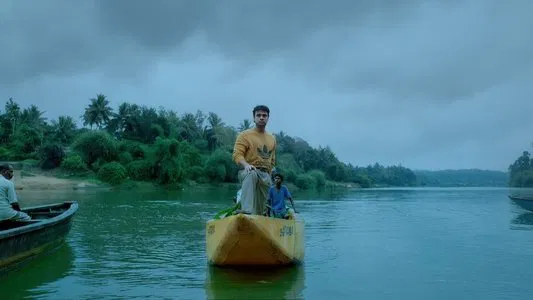
Tovino Thomas brings earnest charm to Jaison, making his journey from selfish dreamer to reluctant hero feel earned rather than inevitable. The film's production design and action choreography create a superhero aesthetic that feels distinctly Indian rather than derivative. What elevates Minnal Murali is its understanding that superhero stories work best when rooted in community, when saving the world means saving the people you actually know, and when power is ultimately about choice rather than destiny.
12. Aavesham

Three college freshmen being bullied by seniors seek help from Ranga, a local gangster, leading to an unlikely friendship that spirals into increasingly absurd situations. Jithu Madhavan's film is remarkable for its tonal control, balancing comedy, action, and genuine emotion while maintaining internal logic even as events become more outlandish. Fahadh Faasil is electric as Ranga, creating a character who is simultaneously threatening and childlike, whose need for connection manifests as protective violence toward the boys who give him purpose.
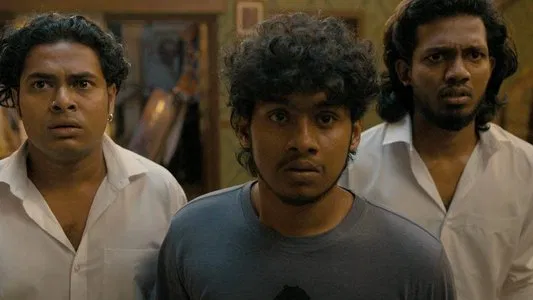
The supporting cast brings infectious energy, their chemistry making the central friendship feel authentic even in heightened circumstances. The action sequences are stylishly choreographed but never lose sight of character, violence always serving emotional beats rather than existing for spectacle. What makes Aavesham work is its exploration of how men, especially those from working-class backgrounds, struggle to express affection except through performance and protection, and how found families can be more meaningful than biological ones.
13. The Great Indian Kitchen

A newlywed woman moves into her husband's family home, where she's expected to perform endless cooking and cleaning for men who treat her labor as invisible and her presence as functional rather than human. Jeo Baby's film is radical in its mundanity, showing with documentary-like detail the repetitive, thankless work women perform while men sit idle, expecting service as their birthright. Nimisha Sajayan delivers a performance of mounting frustration, her character's gradual awakening to the injustice of her situation made all the more powerful by its restraint.

The film's visual language emphasizes entrapment and repetition, the camera lingering on dirty dishes and kitchen spaces that become prison cells. What makes The Great Indian Kitchen essential is its refusal to dramatize; there are no villains, just ordinary men upholding systems that benefit them, making the oppression feel systemic rather than individual. It's a film that makes the invisible visible, forcing audiences to confront how patriarchy operates through the mundane expectations of daily life.
14. Ayyappanum Koshiyum
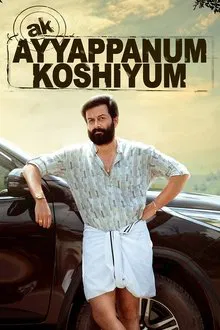
Koshy, a local police officer, arrests Ayyappan, a retired army man, for drunk driving, sparking a conflict that escalates from petty revenge into all-consuming vendetta. Sachy's film uses the personal rivalry to explore larger social tensions between different forms of masculine authority and class backgrounds. Biju Menon and Prithviraj Sukumaran deliver powerhouse performances, both embodying men whose entire identities are built on respect and control, making compromise impossible even when destruction is certain.
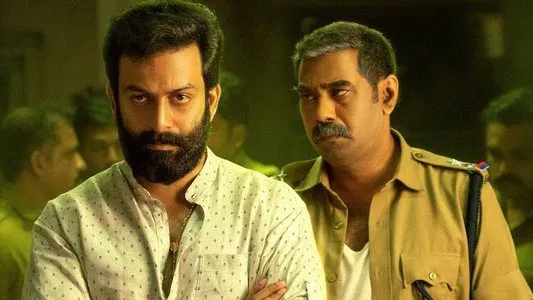
The film's pacing is deliberate, allowing the conflict to develop organically through accumulated slights rather than manufactured plot mechanics. What distinguishes Ayyappanum Koshiyum is its refusal to take sides; both men are simultaneously sympathetic and monstrous, victims of masculine conditioning that demands they never back down regardless of consequences. The climax is cathartic violence that resolves nothing, underscoring how patriarchal notions of honor trap men in cycles of revenge that benefit no one.
15. Anjaam Pathiraa
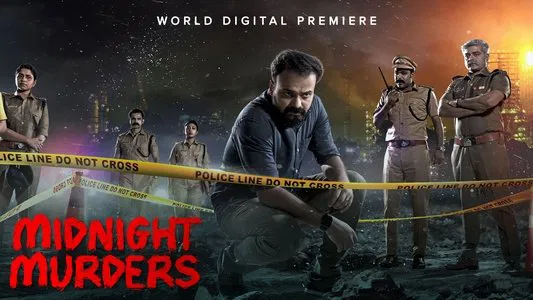
When police officers are murdered in their homes, a criminologist is brought in to help catch a killer who seems to be targeting law enforcement with personal knowledge of their lives. Midhun Manuel Thomas constructs his thriller with methodical precision, balancing police procedural authenticity with psychological cat-and-mouse games between investigator and killer. Kunchacko Boban brings intelligence and vulnerability to the criminologist, making his deductive process compelling to watch.
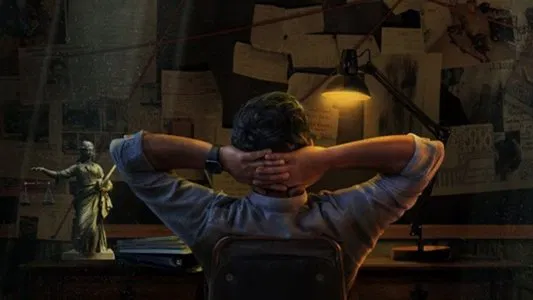
The film's strength lies in its script, which plants clues fairly while maintaining suspense, and its willingness to explore the psychological motivations behind the murders without excusing them. The direction maintains taut pacing across the runtime, using Kochi's urban landscape to create atmosphere of paranoia. What elevates Anjaam Pathiraa is its exploration of how past traumas metastasize into present violence, and how the line between justice and revenge blurs when the system fails those it's meant to protect.
16. Thudarum
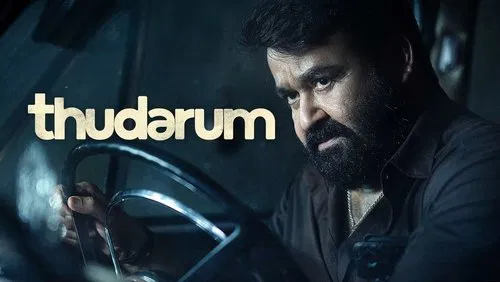
While specific details remain under wraps, early indications suggest Thudarum will tackle pressing social themes with the nuanced approach that distinguishes the best of regional Indian cinema. The title, meaning "continues," hints at generational themes or ongoing struggles that span time. Malayalam cinema's recent track record of combining commercial appeal with serious subject matter suggests this will be another example of how regional films are pushing boundaries while maintaining accessibility.
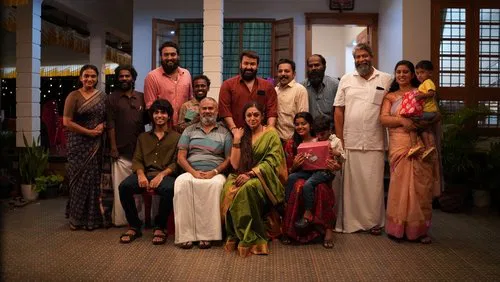
The anticipation surrounding the project speaks to audiences' hunger for films that challenge rather than comfort, that interrogate social structures rather than reinforce them. If Thudarum lives up to its promise, it will join the growing canon of Malayalam films proving that Indian cinema's most vital work is happening outside traditional commercial centers.
17. Aavasavyuham

In a rundown housing complex, eccentric residents navigate bizarre rules and social hierarchies while strange events unfold with dreamlike logic. Krishand's debut is defiantly experimental, using absurdist humor and surreal imagery to critique social structures in ways realistic drama cannot. The ensemble cast embraces the material's strangeness, playing heightened characters whose exaggerated behavior reveals uncomfortable truths about how we police conformity and maintain hierarchies.

The film's visual language is deliberately artificial, using theatrical staging and stylized compositions to emphasize that this is allegory rather than realism. What makes Aavasavyuham fascinating is its refusal to explain itself; the film trusts audiences to decode its symbolism and draw connections to contemporary social issues. It's challenging, occasionally frustrating, but ultimately rewarding for viewers willing to engage with cinema that prioritizes ideas over easy entertainment.
18. Gaganachari

Set in a future where aliens have conquered Earth, survivors live in bunkers and navigate the new reality with varying degrees of acceptance and resistance. Arun Chandu works within budgetary constraints to create a world that feels specific and lived-in despite limited resources, prioritizing ideas and character over expensive effects. The film's humor comes from the collision between cosmic stakes and mundane human concerns, showing how people adapt to even the most bizarre circumstances.

The cast embraces the material's inherent silliness while grounding the comedy in recognizable human behavior. What makes Gaganachari notable is its demonstration that science fiction doesn't require massive budgets when imagination and wit can compensate for technological limitations, and that sometimes the most effective social commentary comes wrapped in genre packaging that lowers audiences' defenses.
19. Kaathal – The Core
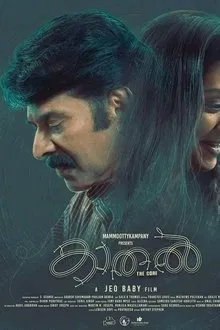
Mathew, a respected man in his community preparing to run for local office, faces personal reckoning when his wife files for divorce, revealing he's gay and their marriage has been a decades-long performance. Jeo Baby's film is remarkable for its restraint, avoiding melodrama while honestly depicting the pain inflicted by societal homophobia on everyone involved. Mammootty delivers one of his finest late-career performances, playing Mathew's carefully maintained facade and the person hidden beneath it with equal authenticity.
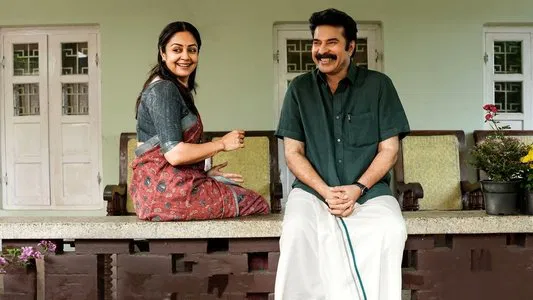
Jyotika matches him with a performance of quiet devastation, portraying a woman whose entire life was built on a lie not of her making. The film's power lies in its refusal to vilify anyone; Mathew is both victim of oppressive social norms and perpetrator of deception toward his wife, creating moral complexity that resists easy judgment. Kaathal succeeds because it understands that progress requires difficult conversations about how traditional institutions harm everyone forced to inhabit them dishonestly, and that compassion must extend even to those whose choices have caused pain.
20. Iratta
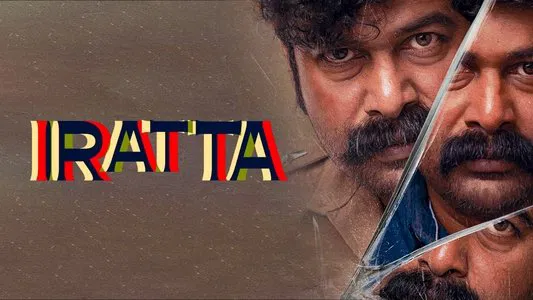
When a deputy superintendent is found dead in his own station, his twin brother, also a police officer, arrives to investigate, uncovering layers of resentment, jealousy, and buried trauma. Rohit M.G. Krishnan's debut is atmospherically oppressive, using rain-soaked visuals and claustrophobic framing to mirror the protagonist's deteriorating mental state. Joju George delivers a tour-de-force dual performance, differentiating the twins through subtle shifts in body language and expression while maintaining the ambiguity necessary for the film's central mystery.

The non-linear narrative structure reveals information strategically, forcing viewers to reassess everything they think they understand about the brothers' relationship. What makes Iratta compelling is its exploration of how childhood trauma and parental favoritism can poison sibling bonds beyond repair, and how the masks we wear professionally can fracture our sense of self until we no longer recognize who we truly are.
21. Janaganamana
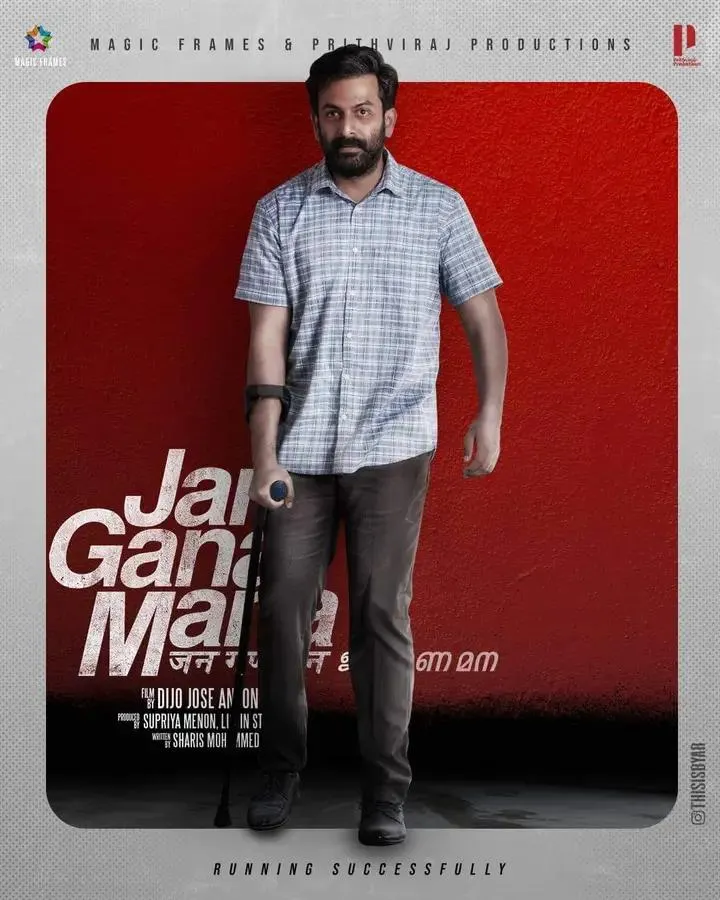
When a college professor is accused of terrorism after a bomb blast at a military hospital, a fiery lawyer takes his case, uncovering a conspiracy that reaches the highest levels of power. Dijo Jose Antony's film is boldly political, using the trial structure to interrogate how institutions manipulate nationalism to silence dissent and protect the powerful. Prithviraj Sukumaran is magnetic as the lawyer, delivering passionate courtroom monologues that crackle with righteous fury while the script ensures his character remains grounded rather than heroic archetype.
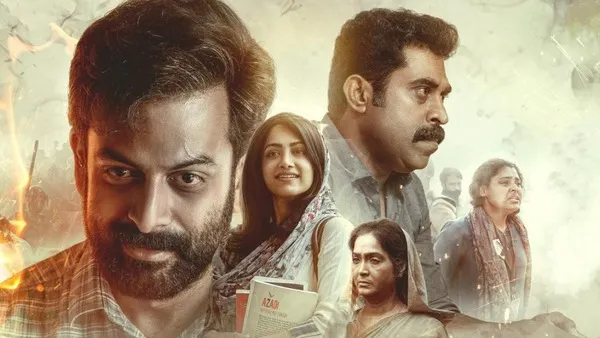
The film's strength lies in its willingness to ask uncomfortable questions about military accountability, media manipulation, and how easily public opinion can be weaponized against the innocent. The pacing builds tension methodically, each revelation landing with impact as the case's true dimensions emerge. What makes Janaganamana significant is its courage in challenging sacred cows, showing how patriotism can become tool of oppression, and insisting that true national service sometimes means exposing uncomfortable truths rather than celebrating convenient myths.
22. Aadujeevitham: The Goat Life
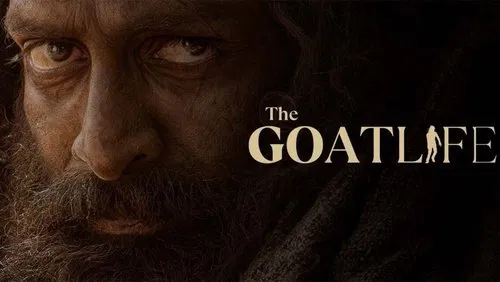
Najeeb, a Keralite migrant worker, arrives in Saudi Arabia hoping for prosperity but instead finds himself trapped in desert slavery, forced to herd goats in complete isolation under a cruel master. Blessy's long-gestating passion project is a testament to physical filmmaking, shot in actual desert conditions that subject both cast and crew to the same harshness faced by its protagonist. Prithviraj Sukumaran undergoes stunning physical transformation, losing dramatic weight to embody Najeeb's deterioration with visceral authenticity that makes every moment of suffering feel earned rather than performed.
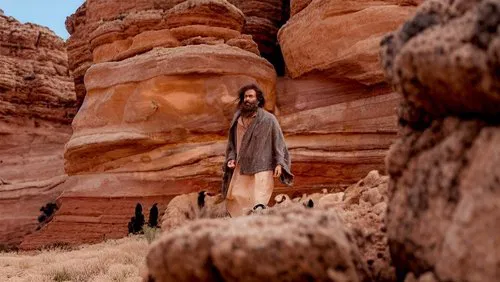
The film's deliberate pacing mirrors the grinding monotony of Najeeb's existence, refusing to romanticize or rush his ordeal, trusting audiences to endure alongside him. A.R. Rahman's haunting score and K.U. Mohanan's cinematography transform the desert into both majestic and merciless landscape. What makes Aadujeevitham powerful is its refusal to sensationalize migrant worker exploitation, instead showing with documentary-like honesty the systemic dehumanization that occurs when vulnerable people are stripped of rights and identity, becoming invisible even to themselves.
23. Romancham
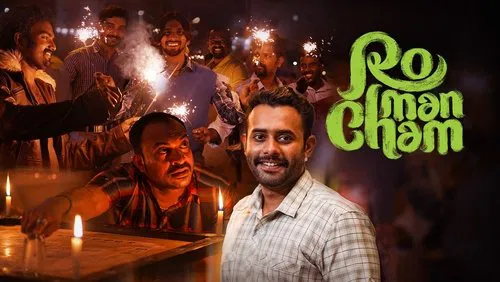
Seven bachelors living together in Bengaluru decide to experiment with an Ouija board for entertainment, inadvertently opening doors they cannot close and triggering supernatural events that spiral hilariously and terrifyingly out of control. Jithu Madhavan's debut feature demonstrates remarkable tonal control, knowing exactly when to lean into comedy and when to deliver legitimate scares without undermining either. The ensemble cast creates believable camaraderie, their natural chemistry making us care about these goofballs even as they make every wrong decision possible.

The film's technical craft is impressive, using sound design and practical effects to create atmosphere that feels genuinely unsettling despite the comedic framework. What makes Romancham work is its understanding that the best horror comedies don't mock the horror but find humor in how ordinary people respond to extraordinary supernatural circumstances, and that friendship's true test comes when things go spectacularly, supernaturally wrong.
24. Sookshmadharshini

Priya, a homemaker with time and observational skills, becomes convinced her new neighbor is hiding something dark, but her attempts to investigate are dismissed as paranoid nosiness by those around her. M.C. Jithin crafts a taut thriller that plays with perspective and perception, making us question whether we're witnessing legitimate suspicion or obsessive projection. Nazriya Nazim anchors the film with a performance that balances determination and doubt, making Priya's investigation feel both justified and potentially unhinged.

The film's visual language emphasizes watching and being watched, using windows and frames within frames to create constant sense of surveillance. What distinguishes Sookshmadharshini is its exploration of how women's intuition is systematically dismissed, how boredom and isolation can sharpen observation into obsession, and how the truth, when it finally emerges, might be more disturbing than anyone imagined. It's a reminder that sometimes the most dangerous people are those who seem most normal, and that paying attention to details everyone else ignores can be both gift and curse.Mollywood has levelled up this decade — sharper writing, bold themes, lived-in characters, and filmmaking that feels both rooted and world-class. Here are some of my favourites from this decade.
25. Ponman
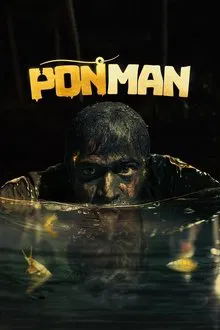
Pony, a young man from a village, gets drawn into the dangerous world of gold smuggling across the Kerala-Karnataka border, his initial desperation for money evolving into something more complex as he navigates criminal hierarchies and moral compromises. Jothish Shankar's directorial debut brings slick visual style to a story grounded in the economic realities that push ordinary people toward illegal activity. Basil Joseph delivers a layered performance, showing Pony's transformation from naive newcomer to hardened operator without losing the character's essential humanity.

The film's action sequences are crisply choreographed, but what gives them weight is our investment in Pony's survival and the relationships he forms within the smuggling network. The supporting cast, including seasoned actors playing mentors and rivals, creates a convincing criminal ecosystem where loyalty and betrayal exist in constant tension. What makes Ponman engaging is its refusal to moralize simplistically; it shows how systemic economic inequality creates conditions where crime becomes rational choice, and how once you enter that world, exit becomes increasingly impossible regardless of initial intentions.
— The Cinéprism
Keep reading

31 / 08 / 2026 · 383 reads
10 Best Endings in Film
A curated list of 10 unforgettable movie endings that leave a lasting impact long after the credits roll.

12 / 11 / 2025 · 5099 reads
Top 11 Greatest TV Shows:
These eleven extraordinary series redefine what television can be, merging unforgettable characters with stories that linger long after the screen goes dark.