
Dispatch — Long Read
Why The Odyssey Is a Must-Watch for Indians
Nolan's The Odyssey isn't a distant Greek myth for Indians it's our own story of exile, war, and the long road home. Here's why it's a must-watch.
The Cinéprism
18 / 07 / 2026 · 7 min read
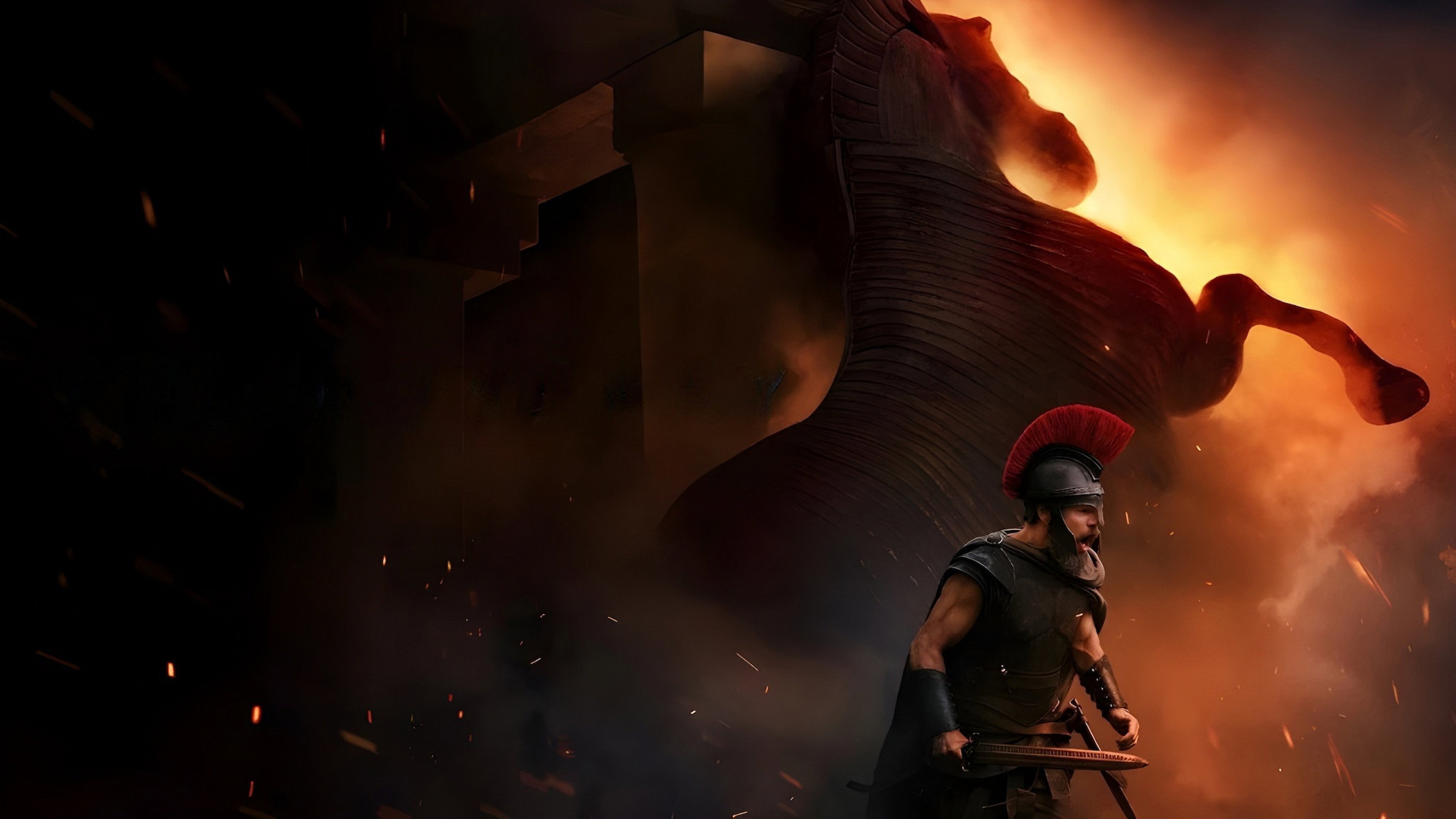
The oldest story in human history has finally found one of its greatest cinematic storytellers and for Indian audiences, it arrives feeling less like a foreign myth and more like a memory we have always carried. With The Odyssey, Christopher Nolan transforms Homer's timeless epic into an unforgettable theatrical experience, grand in scale yet deeply intimate, blending myth, memory, and spectacle into a visually breathtaking journey. But beneath its Greek surface lies something every Indian will recognise instantly: the ache of exile, the weight of war, and the long, aching road home.
We are, after all, a civilisation built on epics. Long before we ever learned Homer's name, we grew up on the Ramayana and the Mahabharata stories of exile and return, of righteous war and its terrible cost, told and retold across generations until they became the very grammar of how we feel. To an Indian, Odysseus is not a stranger. He is a cousin of Rama, cast out and wandering, tested by gods and monsters, held together only by the memory of home. Nolan's film speaks in a language we already know by heart.
A World That Already Feels Like Ours
Even the world The Odyssey moves through feels native to us. Here is a universe where the gods do not sit distant in their heavens but reach down into the lives of men — quarrelling over a single mortal's fate, punishing him, protecting him, bending the winds and the waves to their will. To many a Western viewer this may read as ancient exotica; to an Indian, it is simply how epics work. We have watched Krishna take up the reins of Arjuna's chariot, seen the divine walk among us on the field of Kurukshetra, grown up certain that the gods are always close enough to interfere. Poseidon's wrath and Athena's favour need no explaining to a people who have never once doubted that the heavens are paying attention.
Nolan's Vision on the Screen
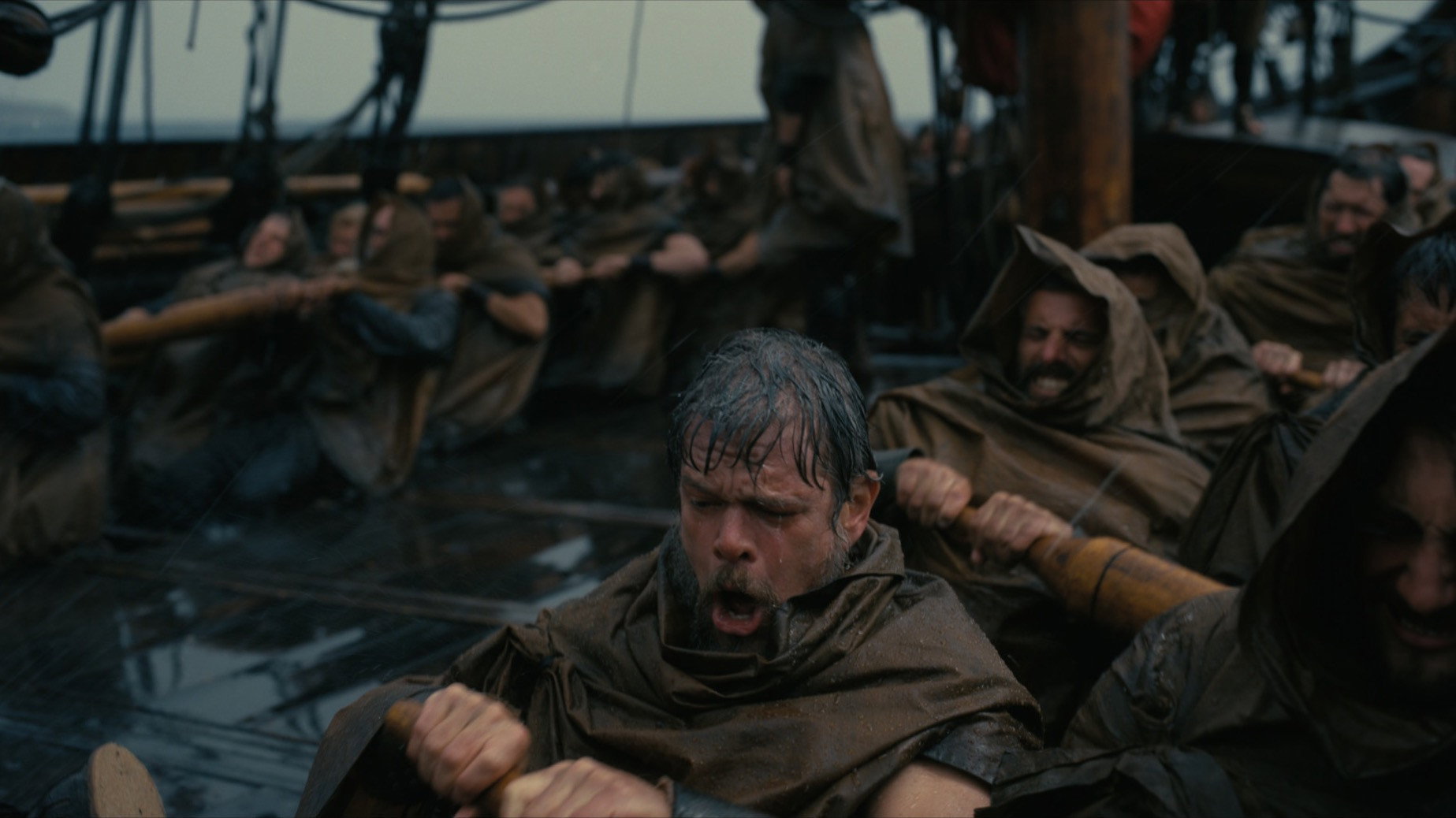
The story opens with Odysseus stranded on a remote island, haunted by fragmented memories of the Trojan War. As those memories gradually unfold, the narrative pieces together his extraordinary journey home. The first half takes its time, more concerned with laying the foundation for what follows than delivering immediate thrills, but every thread eventually finds its purpose. The ensemble cast is staggering you could genuinely spend the first hour playing "spot the celebrity" yet no performance ever distracts from the story, each actor instead adding to the sheer scale of Nolan's vision. Where the film truly soars is in its second half, where emotional weight, breathtaking action, and spectacular set pieces converge into a gripping third act that delivers on everything the first half patiently builds toward. Ludwig Göransson's score, relatively restrained early on, becomes absolutely phenomenal in the latter half, elevating every major emotional and action beat and reminding audiences why he is a three-time Academy Award winner.
There is something else, too, hidden in the very shape of Nolan's storytelling that speaks to the Indian imagination. His fractured, non-linear structure memories surfacing out of order, past and present folding into one another mirrors a way of understanding time that we have carried for millennia. The West tends to imagine time as a straight line, a march from beginning to end. India has always thought in circles in yugas that turn and return, in births and rebirths, in the long wheel of karma that carries the past forever into the present. Odysseus reassembling his life out of scattered fragments is not merely a clever device to us; it is a profoundly familiar way of seeing a life as something remembered, circled back to, and made whole only at the very end.
The Long Road Home
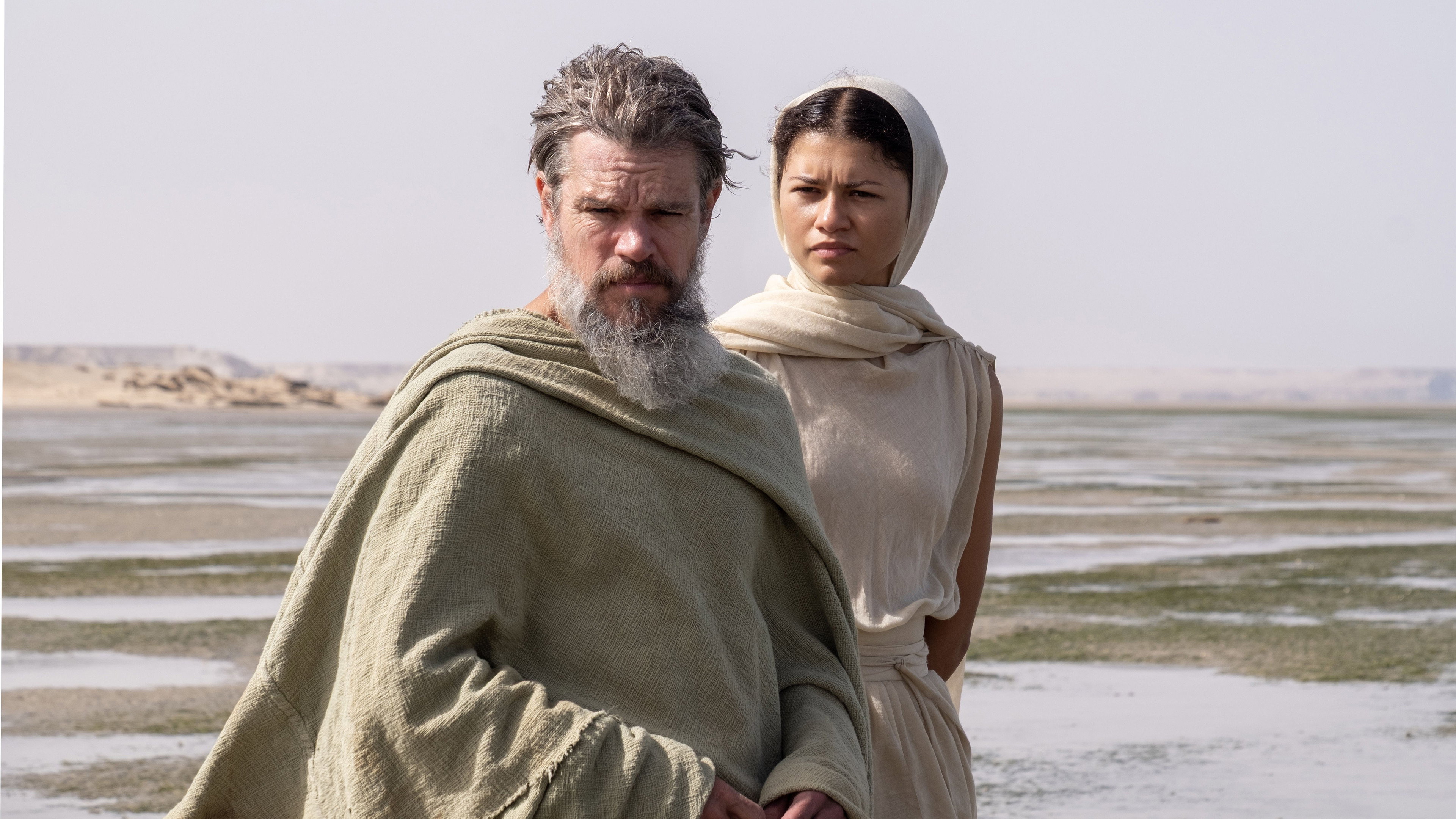
But for Indians, the film's deepest chord is not its spectacle. It is nostos the longing to return. We are a people who understand displacement in our bones. Partition uprooted millions; our diaspora is among the largest on earth; there is scarcely a family that does not have someone who left for the Gulf, for a foreign degree, for a better life carrying home like a wound that will not close. Odysseus's ten-year struggle to reach Ithaca is not an abstraction to us. It is the migrant worker counting the years, the student staring at a skyline that isn't his, the exile who still dreams in the language of a place he cannot reach. Rama's fourteen years of vanvaas and his return to Ayodhya is India's own Odyssey and Nolan's film reawakens that same longing with staggering power.
No antagonist in the film will feel more intimate to us than the sea itself. Odysseus is undone not by an army but by the ocean punished by its god, lost upon its endless water, kept from home by the very element that should have carried him back. India knows this cruelty of the sea. Our conquerors arrived by water, and in a darker chapter, so did our exiles leave by it the girmitiya, the indentured, shipped across the kala pani, the black water, to distant plantations from which most would never return. To cross that ocean was to risk losing everything at once: home, caste, name, and the certainty of ever seeing the shore of your birth again. Odysseus adrift and unreachable is no myth to the descendants of those crossings. It is family history, written in salt.
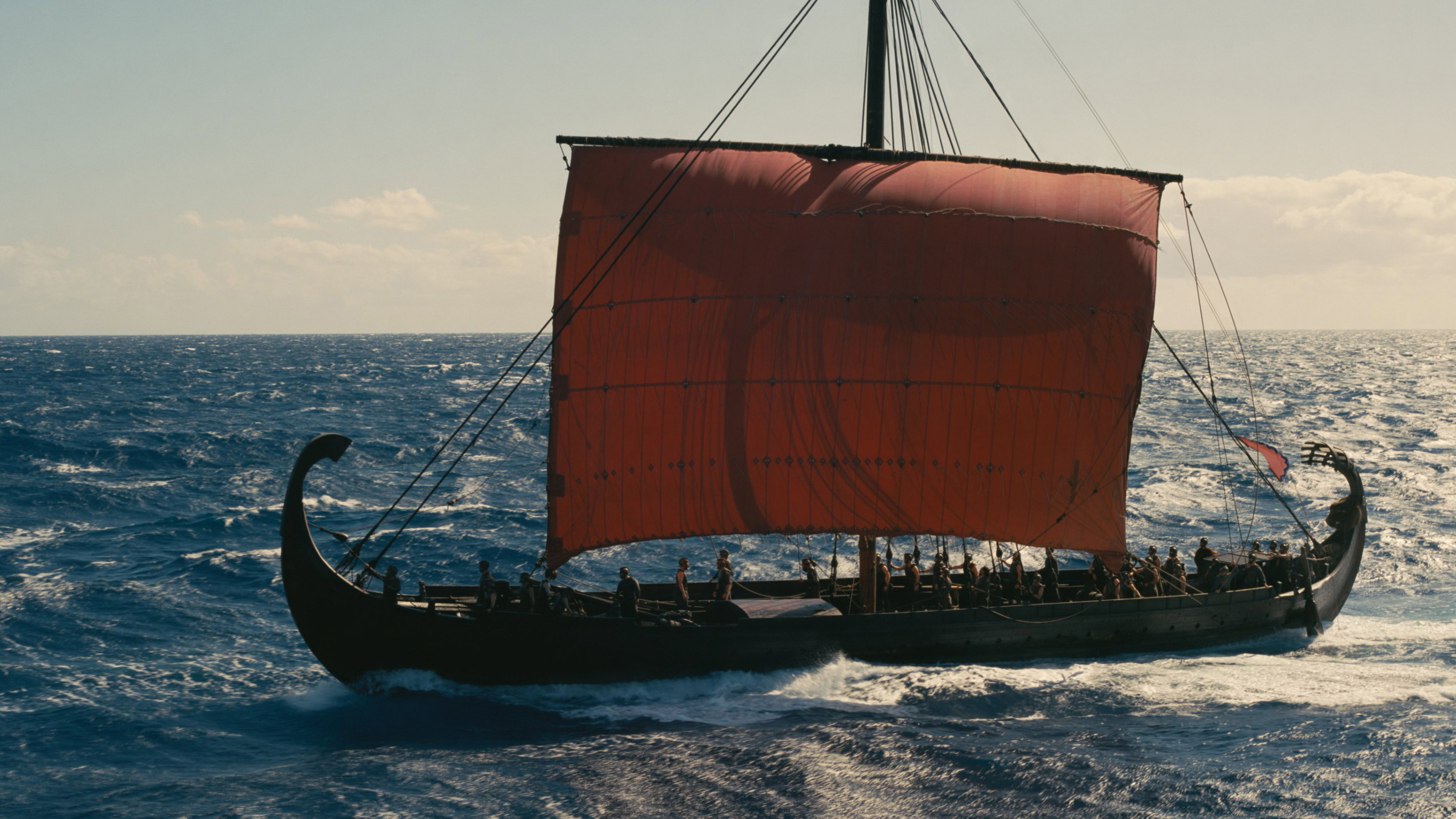
“Odysseus adrift and unreachable is no myth to the descendants of those crossings. It is family history, written in salt.”
The Cost of War
And then there is the war. The Odyssey begins after Troy has already fallen, and the film never lets us forget what that victory cost. Indians raised on the Mahabharata understand this instinctively that Kurukshetra ended not in glory but in ash, that a war can be won and still destroy everything worth winning it for. The brutality of the Trojan War hangs over the film like smoke, a reminder that the hero returning home is also a man returning from slaughter, carrying the dead with him.
It is here, in fact, that the film's one real weakness reveals itself and it is a distinctly Indian disappointment. Nolan presents Odysseus primarily as a heroic leader, largely avoiding the moral ambiguity and cunning complexity that define him in Homer's epic. For an audience raised on the Mahabharata where even the righteous triumph through deceit, where no hero is ever wholly clean this restraint feels like a missed opportunity. We are, perhaps, more comfortable than most with heroes who are also deeply flawed, and we might have wished for a little more of that shadow.
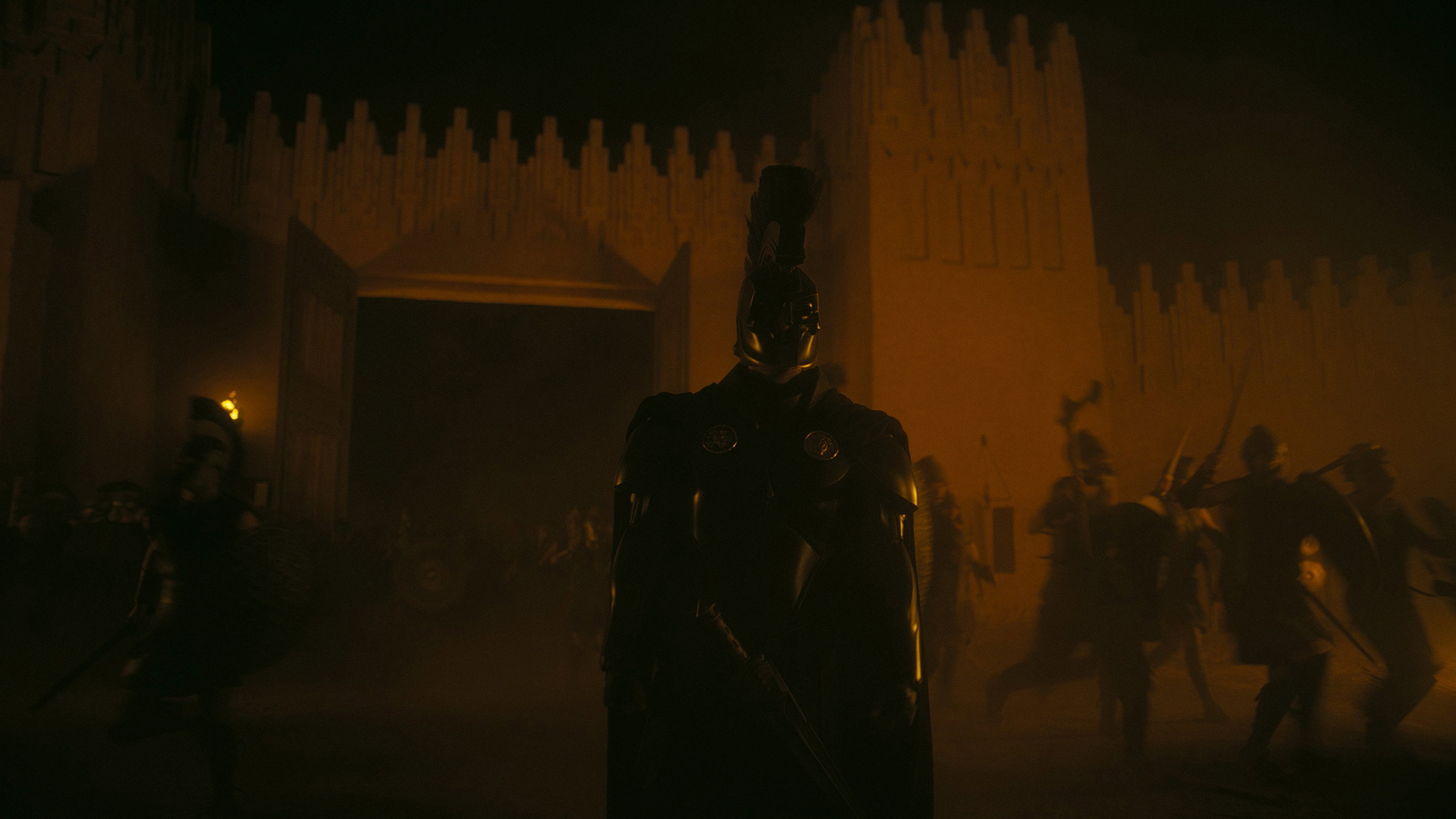
A Home Occupied
Yet the theme that may resonate most deeply is the one hiding in plain sight. While Odysseus wanders, his home is not his own. His palace stands overrun by suitors who devour his household, occupy his halls, and press upon his waiting wife a home invaded and held by others while its rightful master is kept far away. For a nation that spent two centuries under occupation, that yearned across generations for the restoration of its own house, this image lands with a force it may not carry anywhere else. Odysseus's return in disguise, patient, reclaiming everything that was taken from him is the story of a homeland lost and won back. We have lived that story. We know exactly what it means.
Nor should we overlook Penelope, waiting at the other end of that impossible journey. For twenty years she holds the home together, weaving and unweaving her shroud to keep the suitors at bay, guarding a house and a hope that everyone around her has long abandoned. India has always understood the woman who waits and has, at times, asked far too much of her from Sita keeping her faith through fire and exile to the countless wives and mothers who held households, and even nations, together while the men were away at war. Penelope's fidelity, and the quiet cunning with which she defends it, belongs to a tradition of women we know in our bones: the keepers of the home, upon whom the entire idea of return quietly depends.
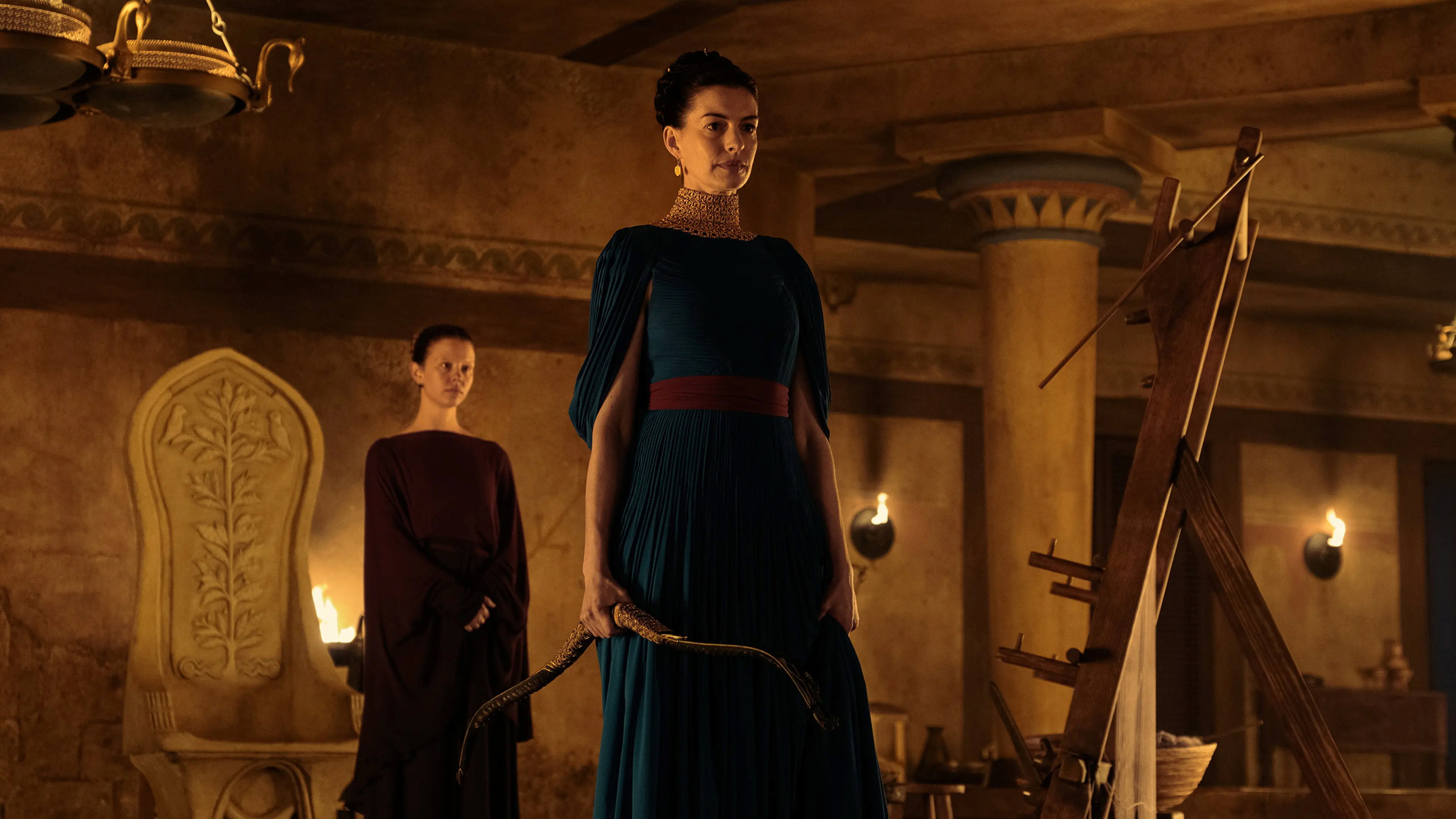
Meant for the Biggest Screen
Perhaps this is why the film insists on being seen the way it was meant to be on the largest screen possible, in a hall full of strangers. The Odyssey was never a story to be read alone; it was sung aloud, performed before a gathered crowd, passed from voice to voice across the centuries. India understands this better than almost anyone, for we too received our epics not from the page but from performance from the Ramlila staged in village grounds, from the katha-vachak who could hold a courtyard spellbound for hours, from grandmothers who turned the Mahabharata into a bedtime tale and left us quietly changed by morning. To sit in a darkened theatre and watch this story unfold together is to return to the oldest tradition of all the communal telling of a tale that belongs to everyone at once.
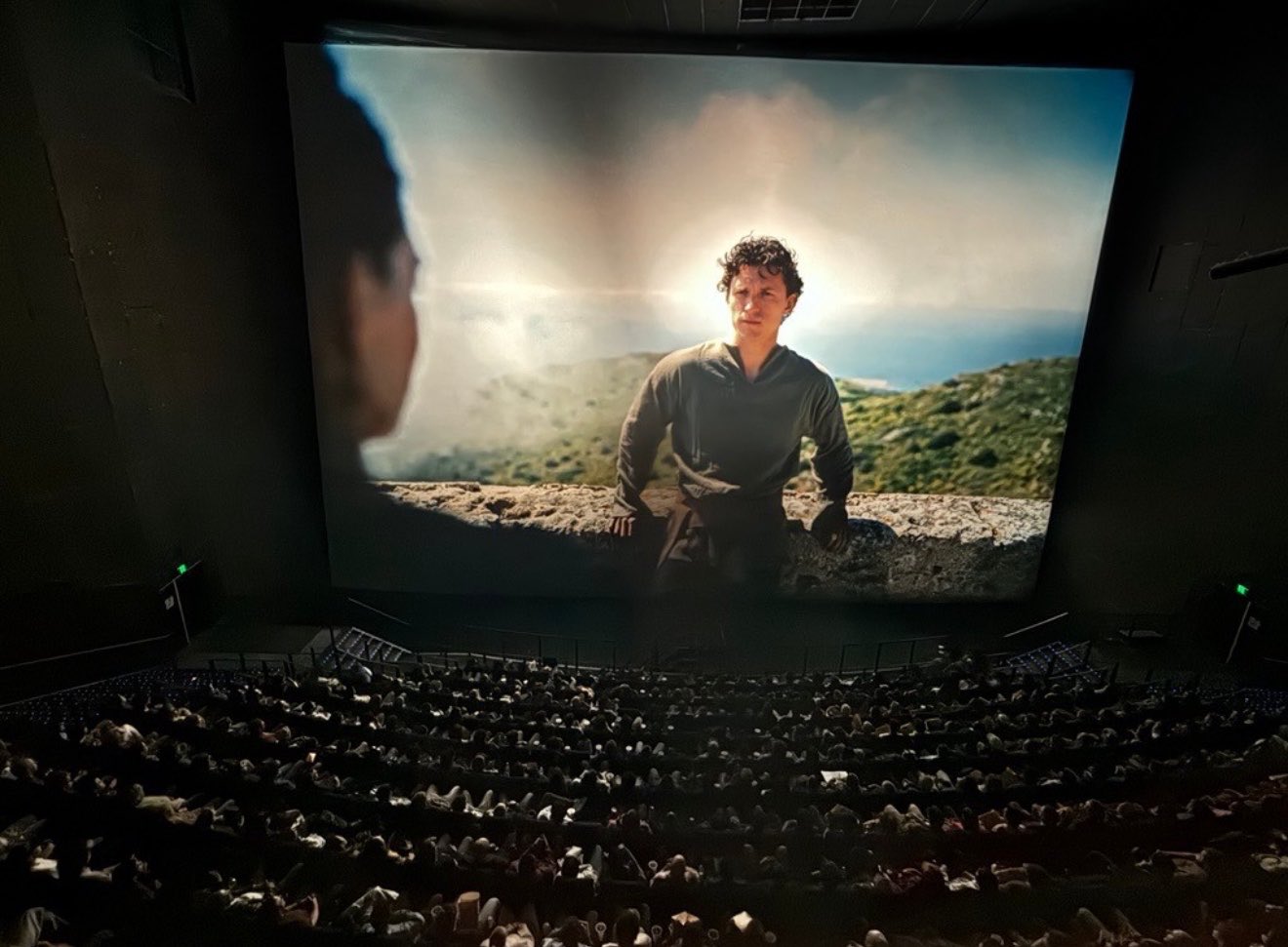
And so The Odyssey becomes, for Indian audiences, something more than a magnificent blockbuster. It is a mirror. Christopher Nolan once again proves why he remains one of the defining filmmakers of our time, delivering an epic filled with awe, emotion, and technical brilliance a film made for the biggest screen possible. But watch it as an Indian, and you will find you are not watching someone else's myth at all. You are watching your own the exile, the war, the occupied home, the impossible journey back. It is the oldest story in the world, and somehow, it has always also been ours.
— The Cinéprism
Keep reading
31 / 08 / 2026 · 383 reads
10 Best Endings in Film
A curated list of 10 unforgettable movie endings that leave a lasting impact long after the credits roll.

12 / 11 / 2025 · 5099 reads
Top 11 Greatest TV Shows:
These eleven extraordinary series redefine what television can be, merging unforgettable characters with stories that linger long after the screen goes dark.