Dispatch — Long Read
Why We Fall in Love with Fictional Characters More Than Real People
"Stories don't create people. They reveal them."
The Cinéprism
26 / 06 / 2026 · 3 min read
Stories don't create people. They reveal them
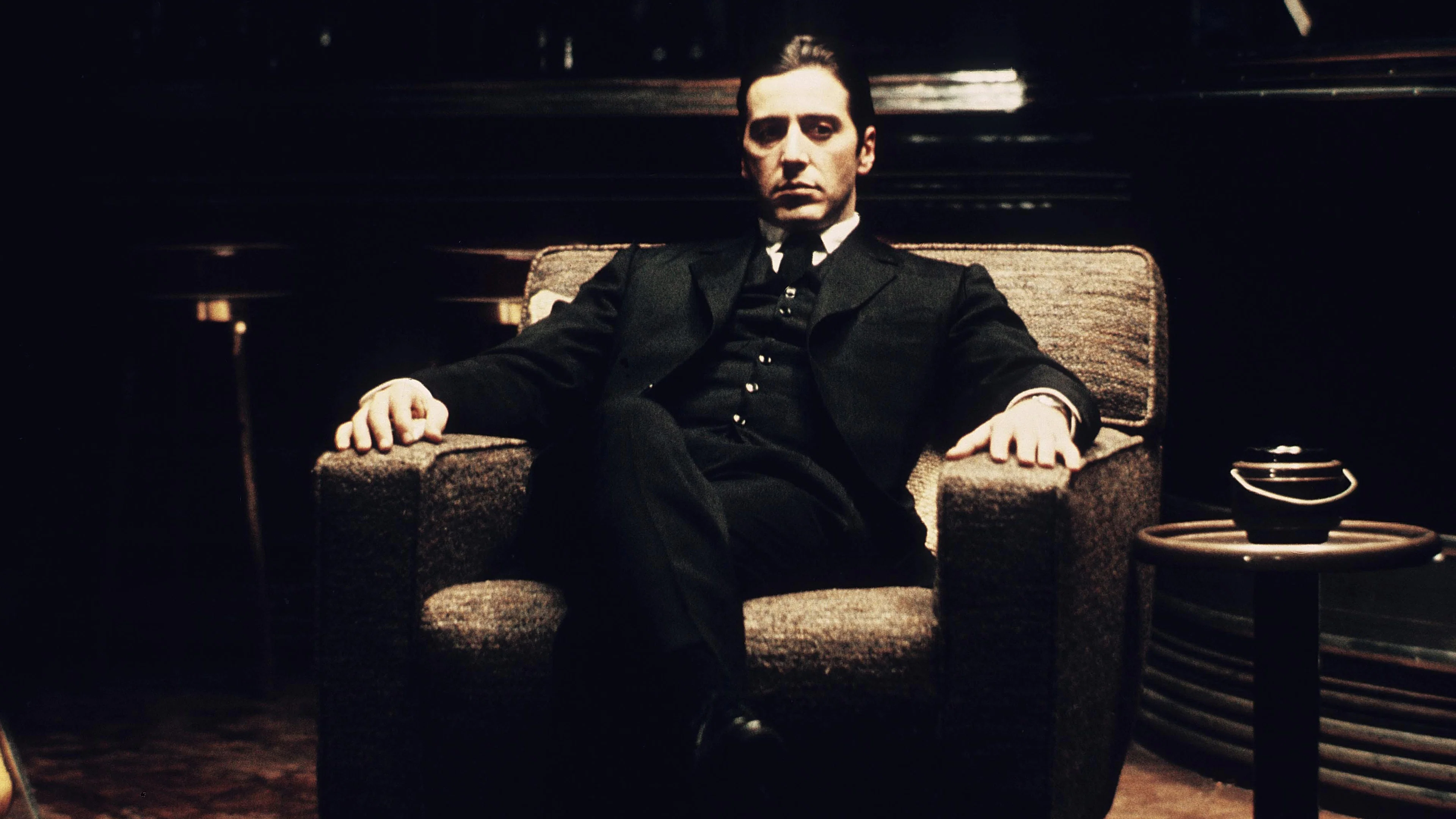
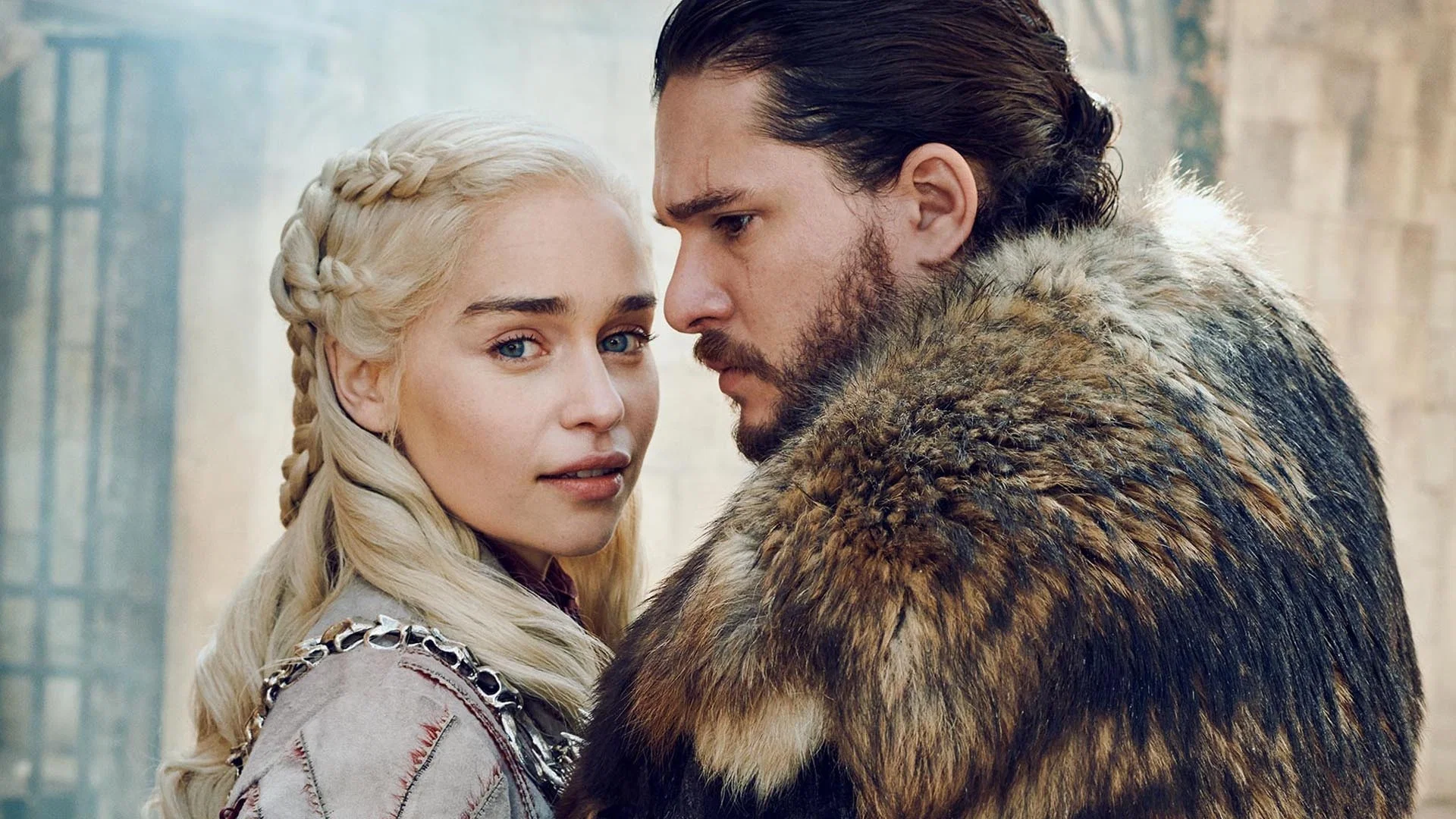
There is something profoundly strange about the way human beings experience fiction. Most of us will never meet a Michael Corleone, a Chihiro, an Ethan Edwards, a Lee Chandler, or a Fleabag. We know they were imagined by writers, performed by actors, and assembled through hundreds of creative decisions inside an editing room. Yet many of us carry them through our lives with an emotional permanence reserved for very few real people. We quote them without thinking. We revisit them at different stages of our lives. Sometimes we mourn them. Sometimes they shape our moral imagination. Sometimes they even influence the people we become. It raises an uncomfortable question. How can someone who never existed understand us better than people who do?
Cinema creates the impossible experience of completely knowing another human being
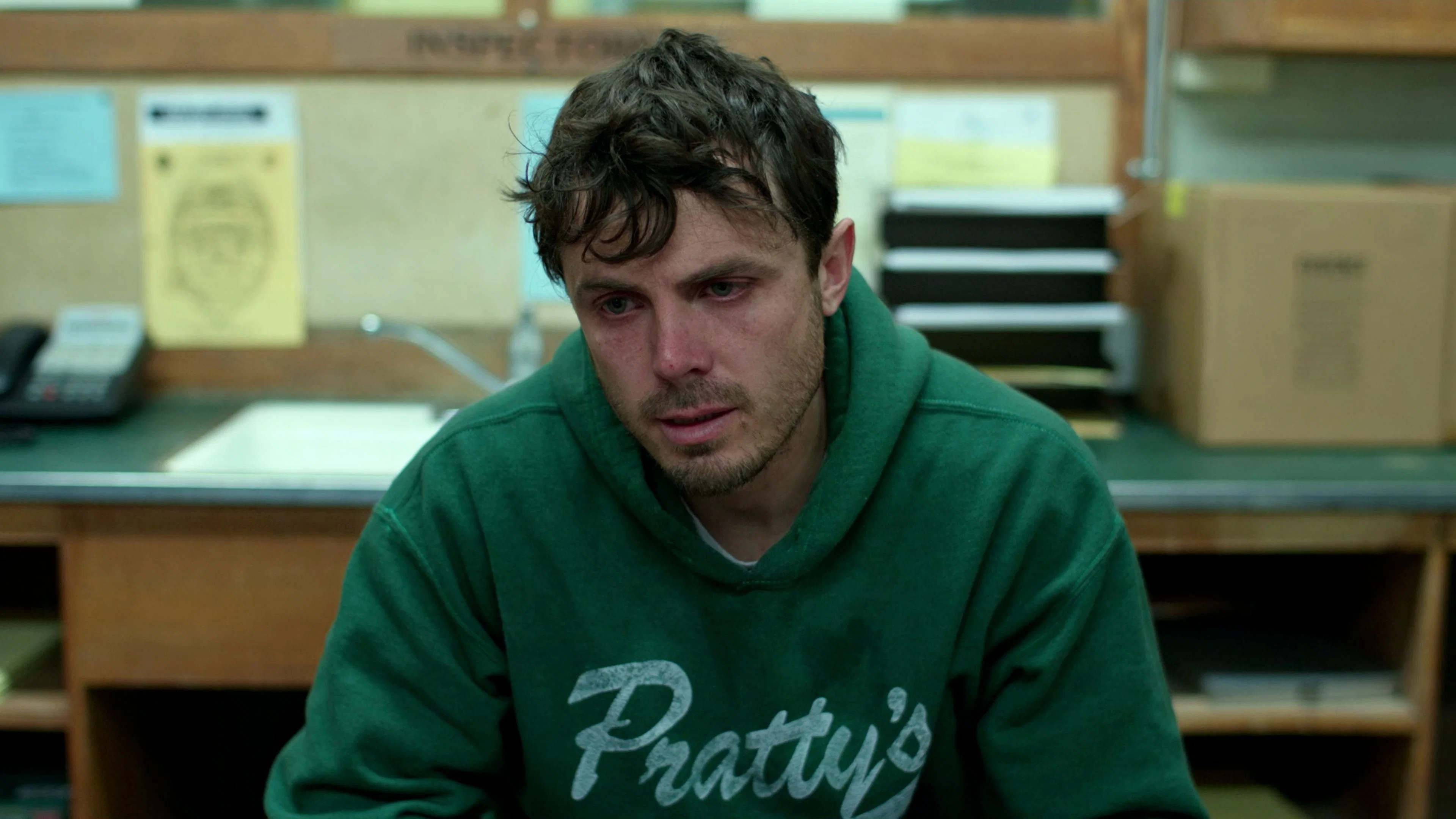
The obvious answer is that great characters are simply well written. But that explanation barely scratches the surface. The real reason lies much deeper, somewhere between psychology, philosophy, and the unique language of cinema itself. The French philosopher Simone Weil once wrote that attention is the purest form of generosity. Cinema, at its best, is an extraordinary act of attention. For two or three hours, it asks us to inhabit another consciousness completely. It strips away the social performances that dominate everyday life and allows us to witness a person in moments that no stranger, friend, or even family member could ever see. We watch Michael Corleone hesitate before becoming the man he swore he would never become. We sit with Lee Chandler in silence as grief quietly consumes him. We understand Theodore Twombly's loneliness before he himself can articulate it. We accompany Chihiro as childhood slowly gives way to courage. Real life rarely grants us this privilege. Every person we know exists behind layers of performance. They edit themselves constantly. They protect their insecurities, conceal their contradictions, and reveal only fragments of who they are. Stories can.
Understanding is a powerful thing
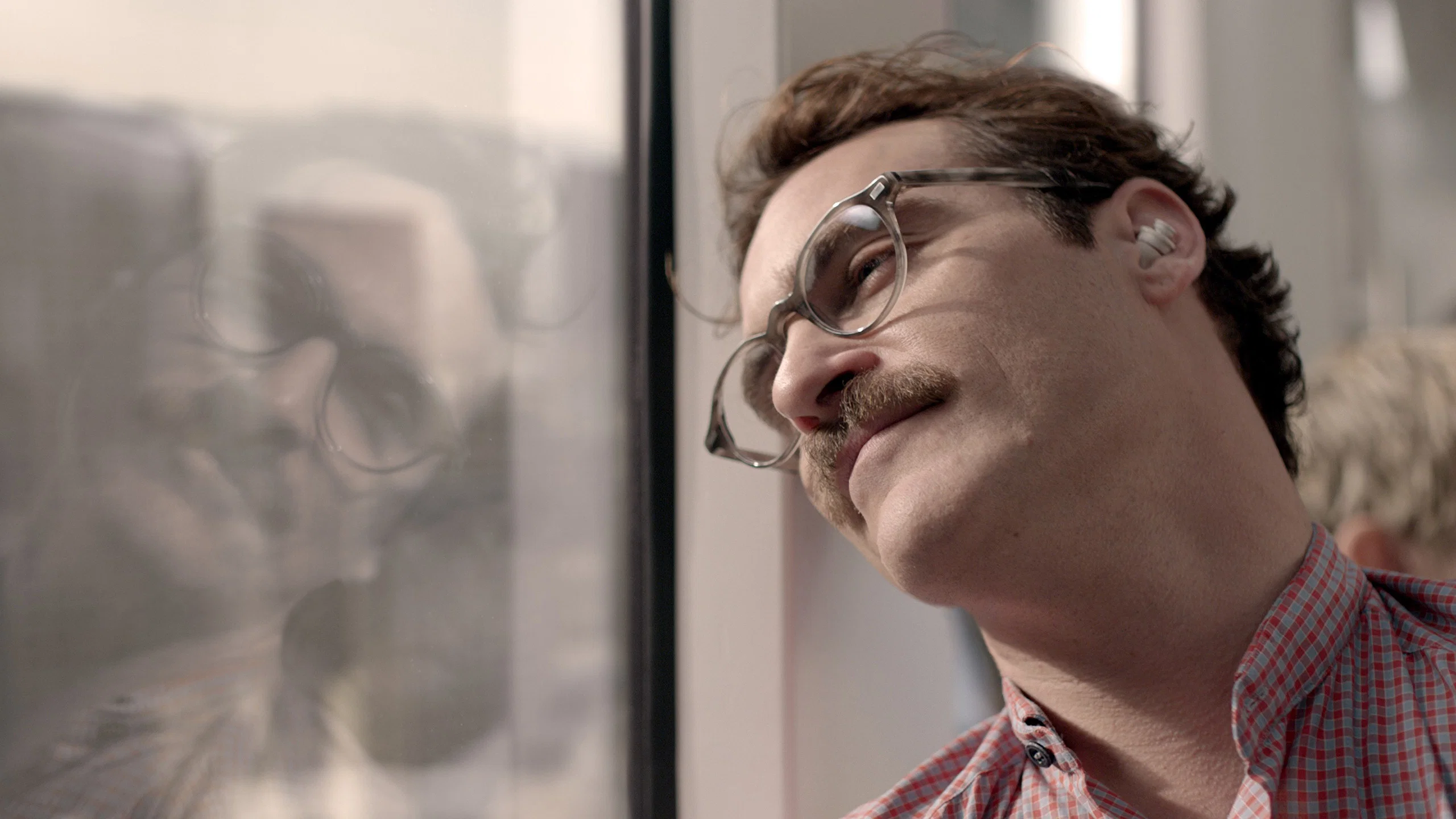
That is perhaps the greatest illusion and the greatest gift of fiction. Cinema creates the impossible experience of completely knowing another human being. Not because fictional characters are more authentic than real people, but because storytelling compresses an entire emotional life into something we can fully witness. Every decision, every silence, every failure, every contradiction becomes visible to us. We are invited not merely to observe behaviour but to understand it. Understanding is a powerful thing. Psychologists often describe our attachment to fictional characters as parasocial relationships, one-sided emotional bonds formed with people who cannot reciprocate them. While the concept explains part of the phenomenon, it misses something essential. We become attached because they make us feel understood.
The emotions are fictional. The connection isn't

Great characters articulate emotions that often exist beneath language itself. Loneliness in Her. Guilt in Manchester by the Sea. Obsession in There Will Be Blood. Regret in In the Mood for Love. Identity in Spirited Away. We may never have lived their lives, but we recognise the emotional landscapes they inhabit because they mirror our own. That is why the greatest characters age alongside us. A twenty-year-old watches Taxi Driver and sees alienation. The same person returns at forty and sees self-destruction. At sixty, they may see tragedy. The film hasn't changed. The viewer has.
They were never real. The emotions always were
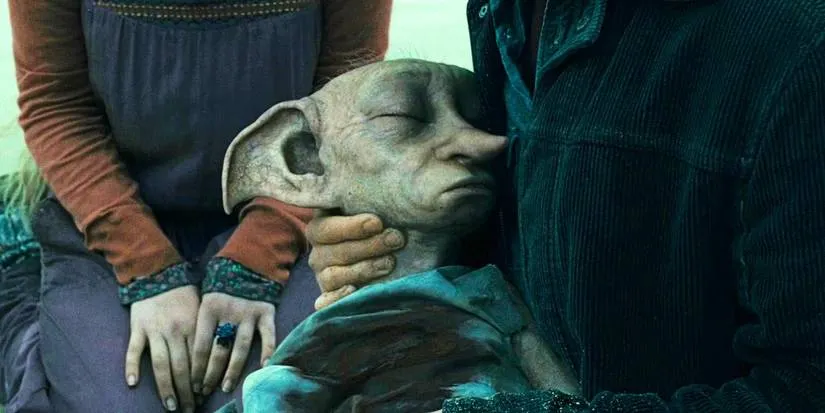
Perhaps that is the true purpose of fictional characters. They are not substitutes for real people. They are mirrors through which we gradually come to understand ourselves. Long after plots fade and endings blur, we remember people. Not because they existed, but because, for a few extraordinary hours, they allowed us to experience something almost impossible in ordinary life: the feeling of being completely seen while completely seeing another human being in return. Maybe that is why the people who never existed often leave the deepest marks on us. Not because they were fictional. But because the emotions they awakened were entirely real.
— The Cinéprism
Keep reading
31 / 08 / 2026 · 391 reads
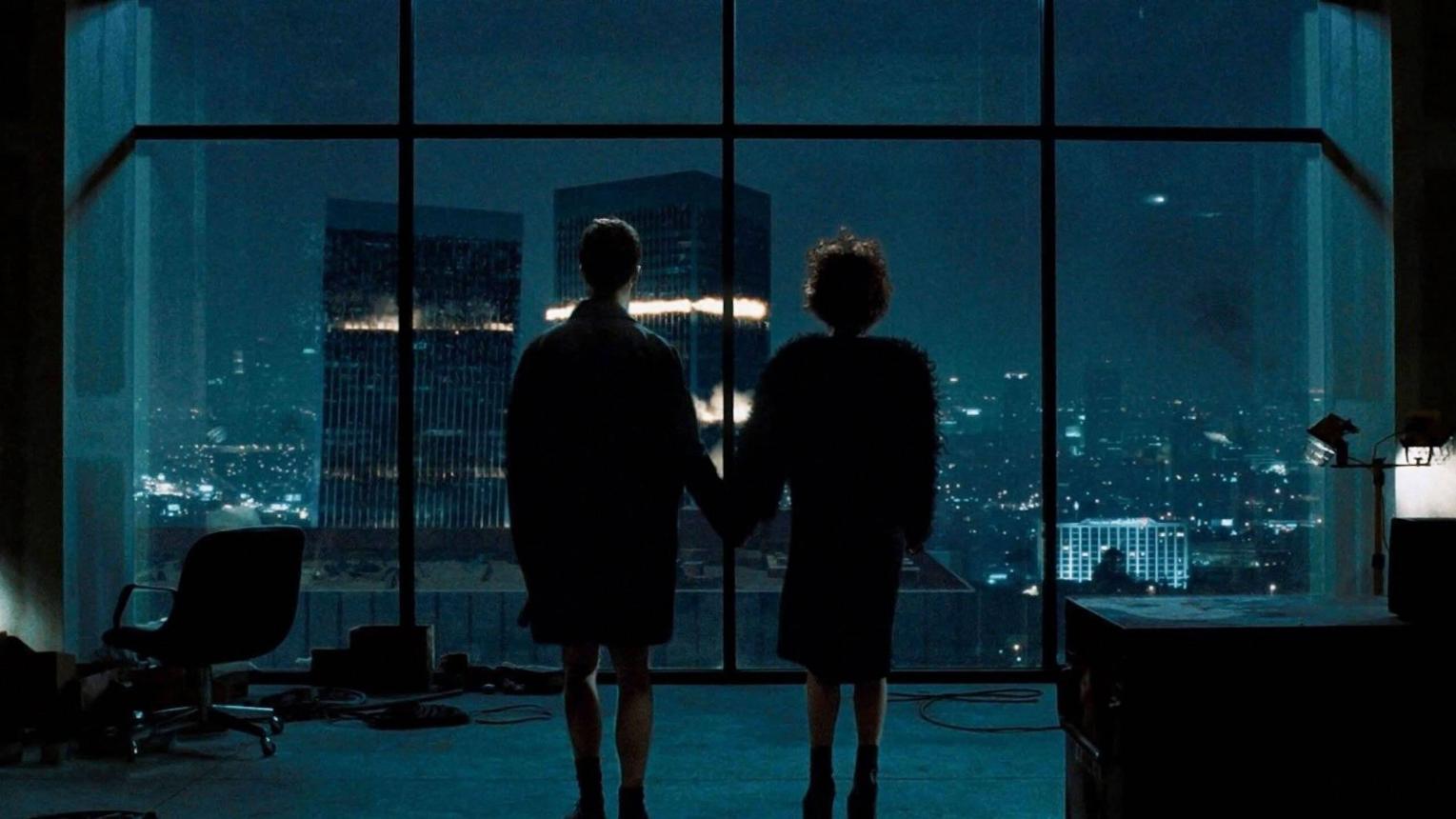
10 Best Endings in Film
A curated list of 10 unforgettable movie endings that leave a lasting impact long after the credits roll.
15 / 09 / 2026 · 143 reads
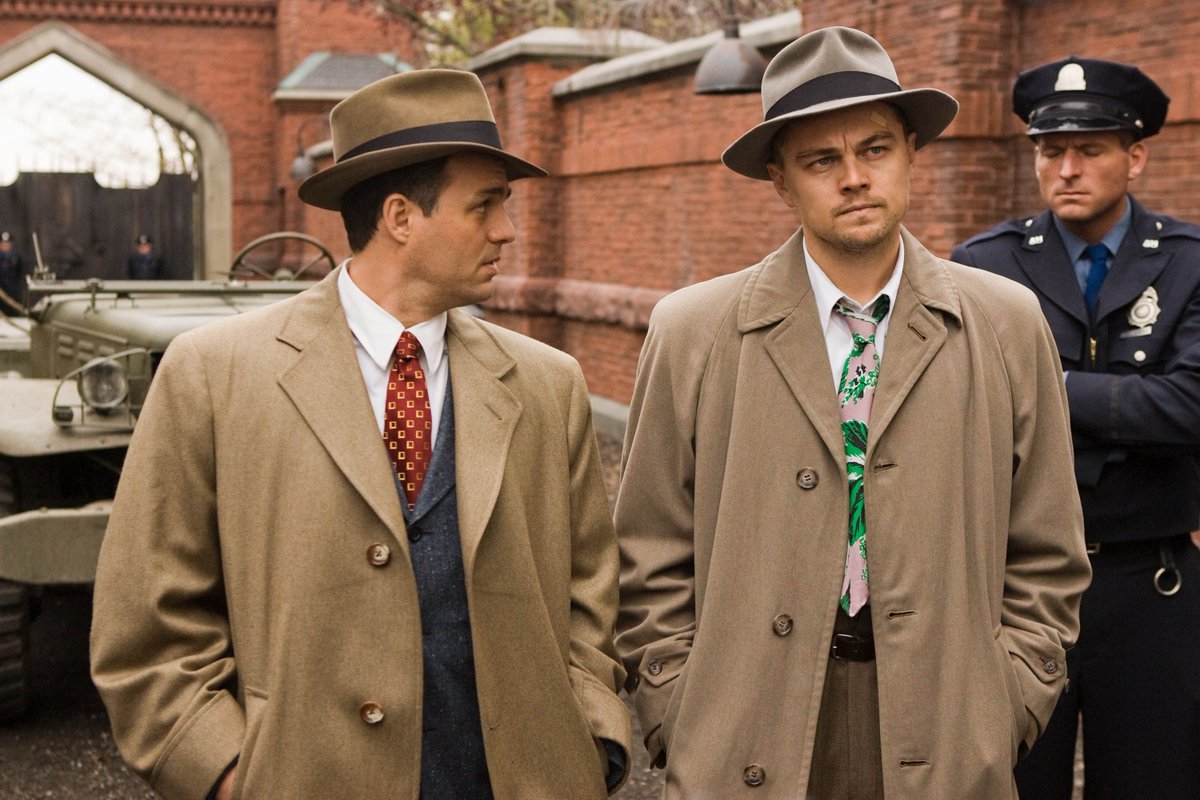
Top 15 Movies with Plot Twists You Might Have Missed
15 movies packed with hidden clues, subtle details, and twists that hit differently once you know what to look for.