
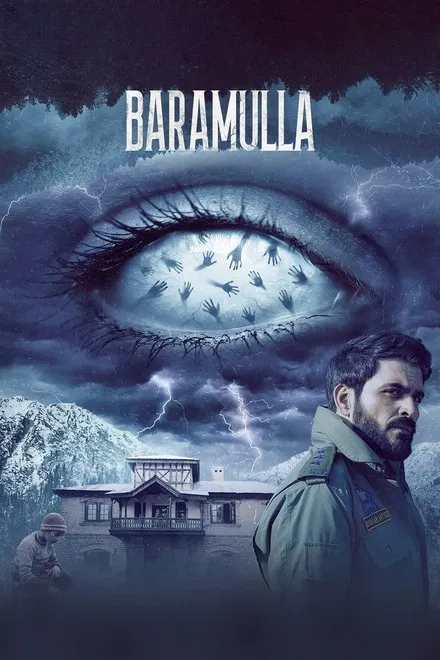
Still — Baramula (2025)
Baramula .
Baramulla – When the Real Horror is Human
- Director
- Aditya Suhas Jambhale
- Year
- 2025
- Language
- Hindi
- Streaming
- Netflix
— The Review
Baramulla – When the Real Horror is Human
Some stories take decades to surface, buried under politics, convenience, and silence. Baramulla finally exhumes one of them. Aditya Jambhale’s latest blends horror with investigative thriller, crafting a film that is as much about the ghosts of a house as it is about the ghosts of history, the Kashmiri Pandit exodus.
The real horror isn’t paranormal, it’s human. Baramulla, now streaming on Netflix, is a fearless cinematic journey that merges horror, psychological suspense, and deep-rooted social trauma to tell the untold story of the Kashmiri Pandit exodus. Director Aditya Jambhale walks a daring narrative tightrope, drawing the audience into a Kashmir wrapped in mist, trauma, and both real and supernatural horrors. The film uses its horror elements not simply to frighten but to evoke the lasting pain and sorrow of a paradise marred by violence.
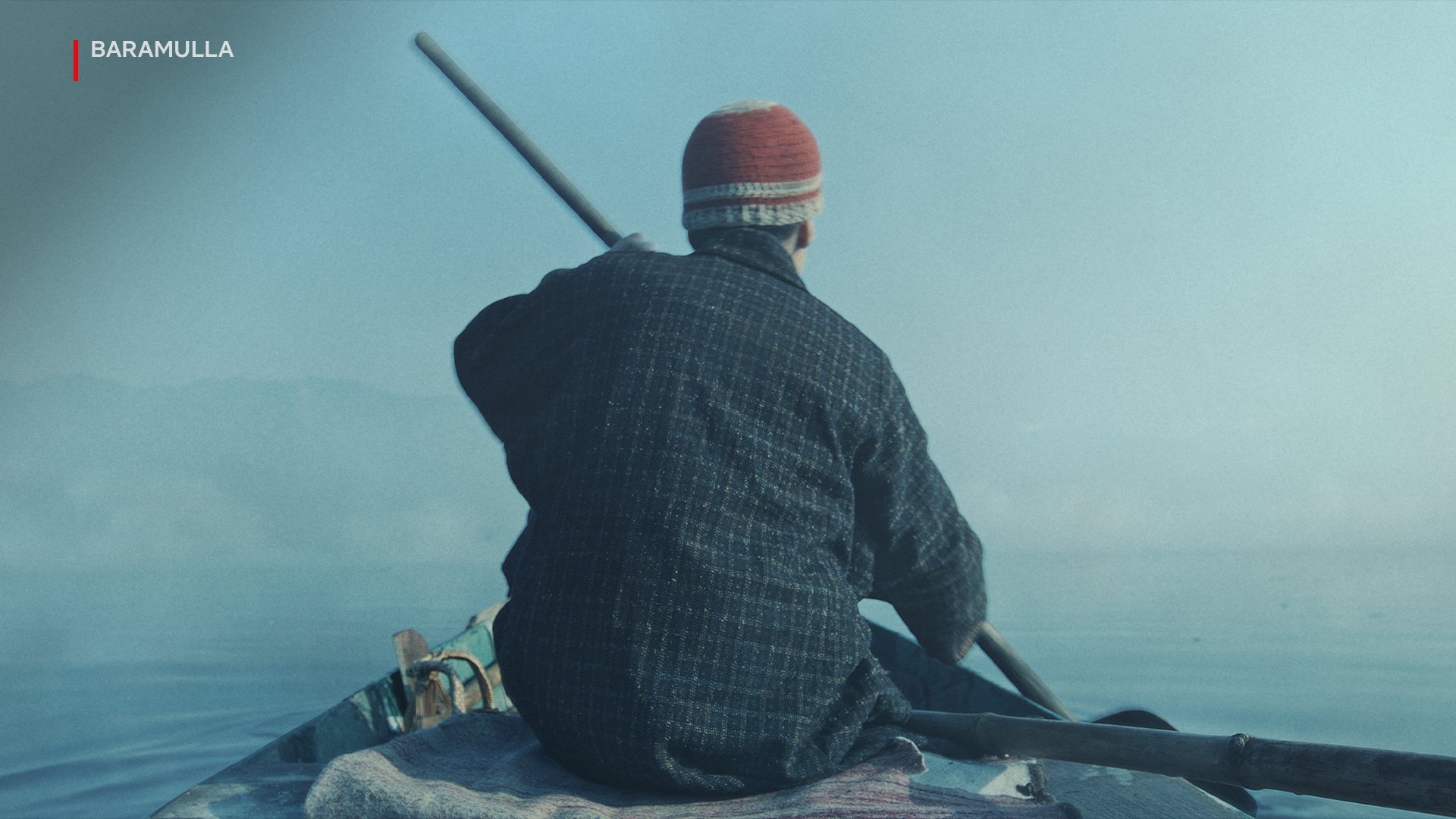
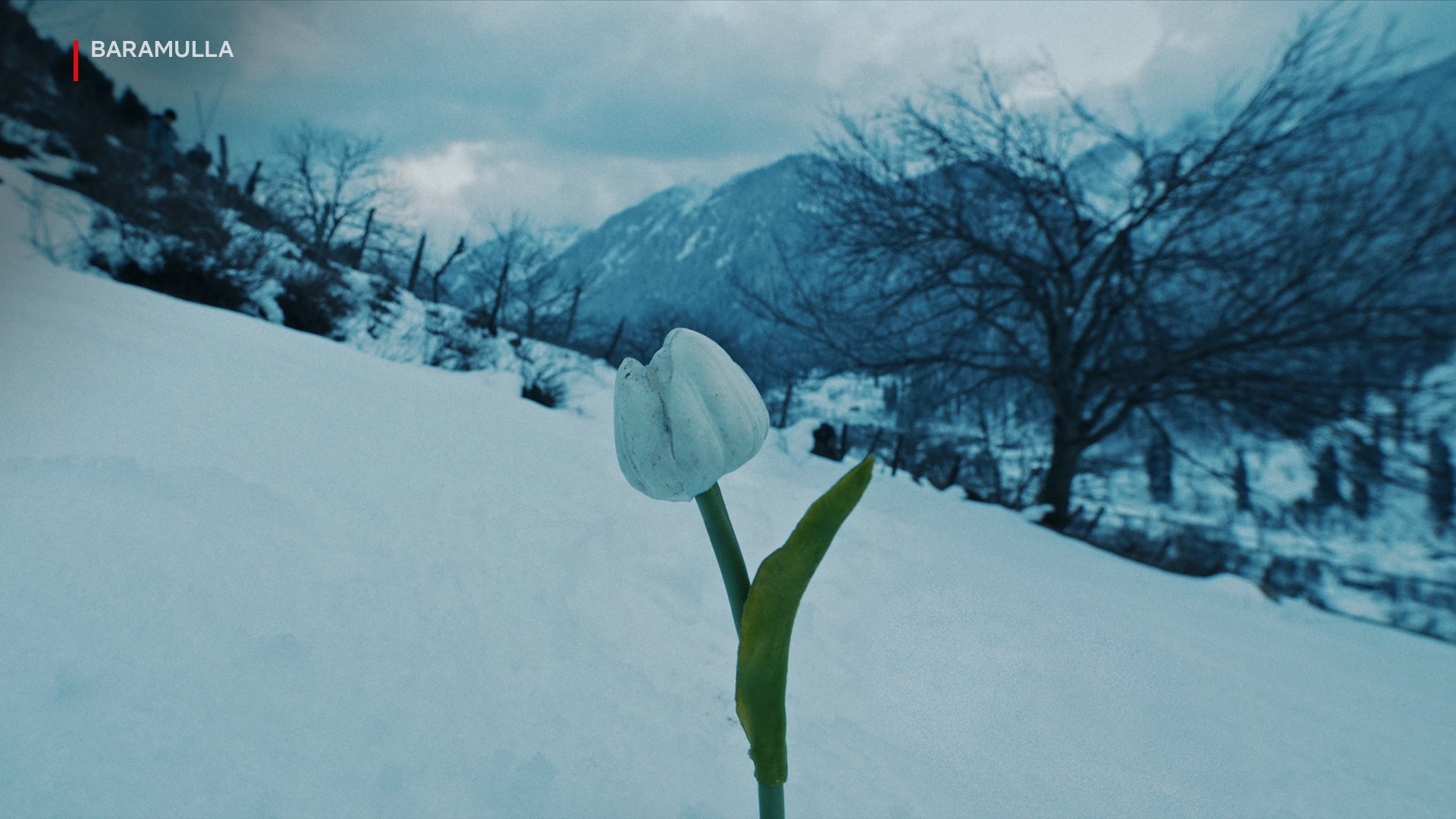
Baramulla stands out for its emotional restraint and precision. Instead of sensationalism, it opts for haunting ambiguity, relying on the interplay of colour, music, and visual motifs like the recurring tulip, a fragile symbol of hope amidst ruin. Cinematographer Arnold Fernandes captures the valley’s cold air and echoing emptiness with poetic stillness. Every frame breathes desolation, the crumbling homes, the pale tulips, the vast, silent snowfields. It is a world haunted not by spirits but by memories.
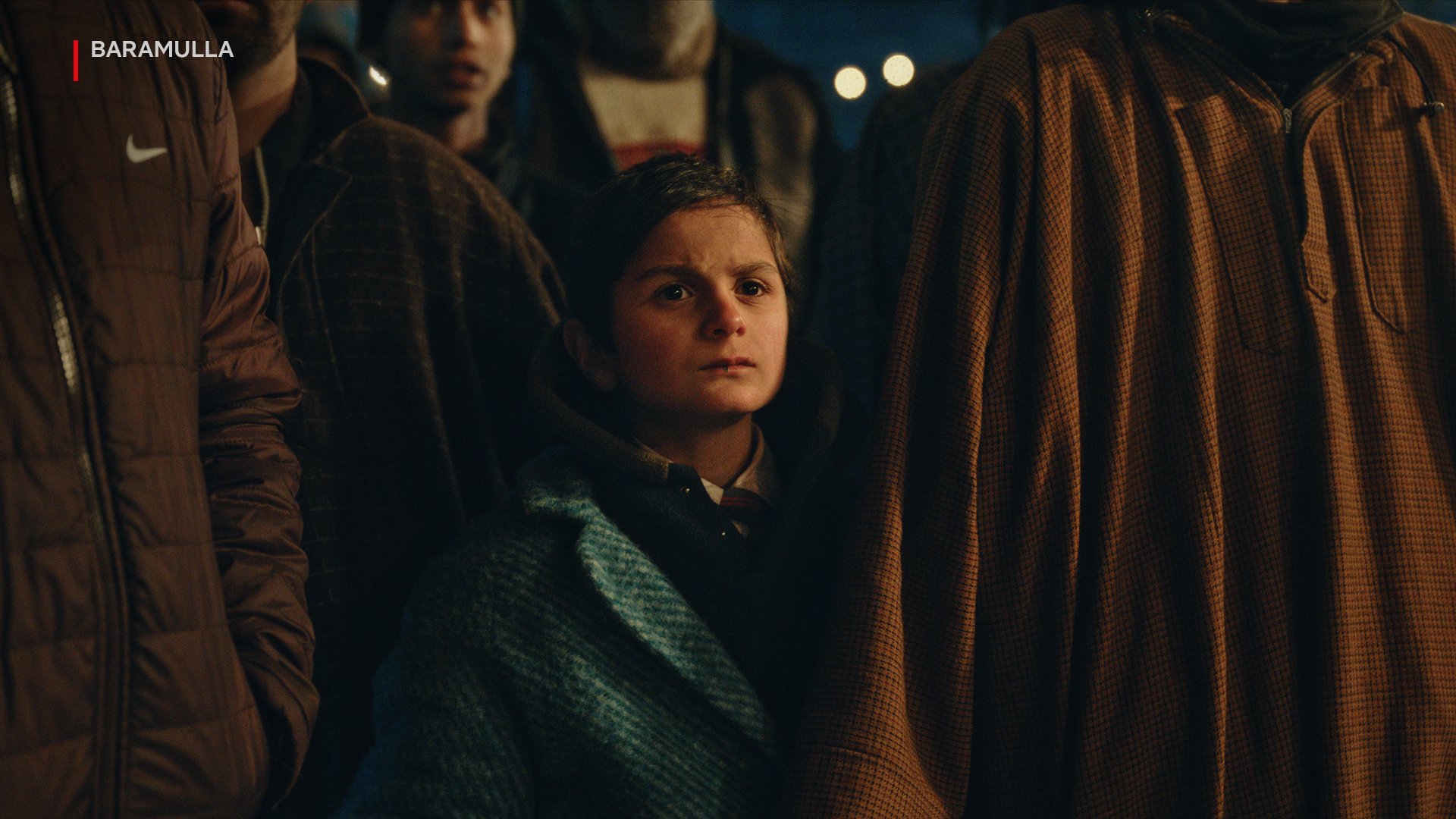
Manav Kaul, as the tormented DSP Ridwaan Sayyed, anchors the narrative with a performance heavy with unspoken grief and moral conflict. Opposite him, Bhasha Sumbli delivers a standout turn, embodying a mother and wife whose quiet resilience drives the film’s emotional core through her desperate search for her daughter. Through her eyes, the story finds its soul. The strained family dynamic and her quiet curiosity that unravels the haunting past become the film’s truest source of horror, grounding its supernatural edges in lived human pain.
Instead of leaning on jump scares, Baramulla builds unease through silence, shadow, and sound. The house itself becomes a living, grieving character, its rooms soaked in memory, its corridors echoing with absence. The duality of past and present, gunfire and ghosts, betrayal and survival, paints Kashmir as a land where trauma refuses to die. Here, the horror isn’t in what is seen but in what still lingers.
The film’s slow pace and shifting tones demand patience, but the reward is worth it. The final act carries a chilling weight, even if some threads feel hurried and the resolution slightly restrained. Yet, the emotional impact endures because Baramulla never exploits its subject. It confronts it with empathy, using genre not as escape but as revelation.
In the end, Baramulla is rare Hindi cinema, bold, lyrical, and unflinching. By filtering real historical pain through horror, it restores humanity to a story long buried by political convenience. Its power lies in silence, in restraint, in the tulip that blooms despite the frost. This is not just a film, it is a reckoning, a quiet and necessary haunting.
— The Verdict
- Plot
- 91
- Screenplay
- 91
— The Cinéprism
The Contact Sheet — Stills
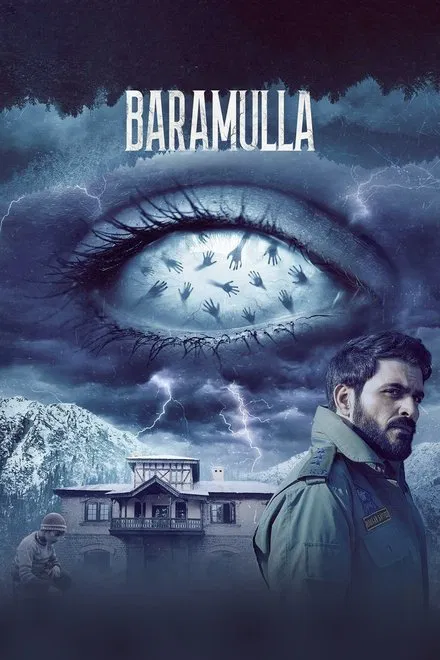 01 / 07
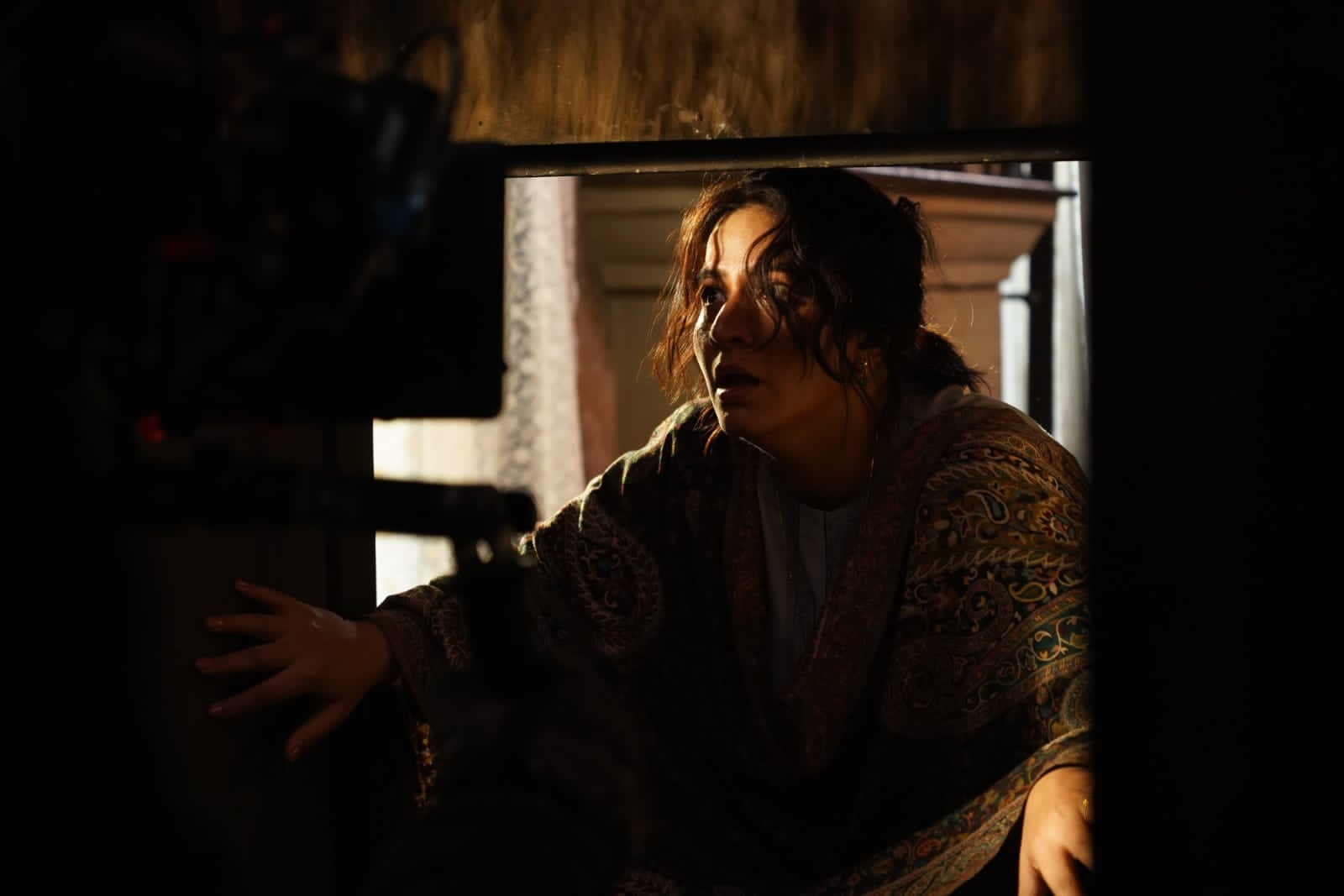 02 / 07
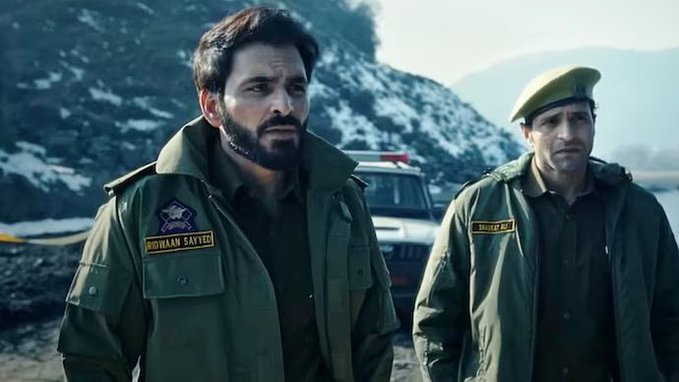 03 / 07
 04 / 07
 05 / 07
 06 / 07
 07 / 07
Also on the marquee
More reviews.
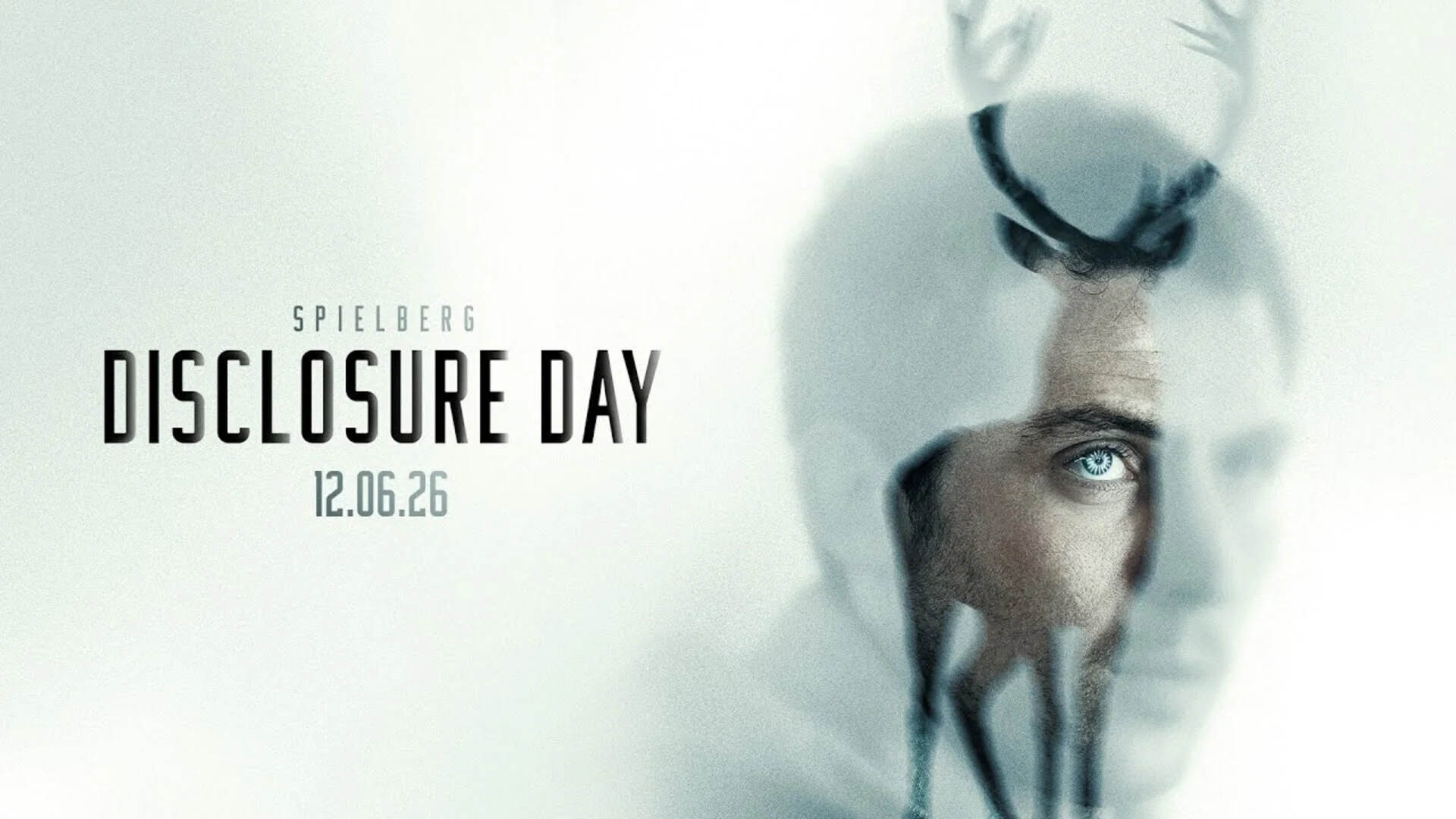
Steven Spielberg · 2026
Disclosure Day
A kind of film that reminds you how exciting original storytelling can be.

Curry Barker · 2026
Obsession
A horror film that gets under your skin rather than relying solely on constant scares.
Lee Cronin · 2026
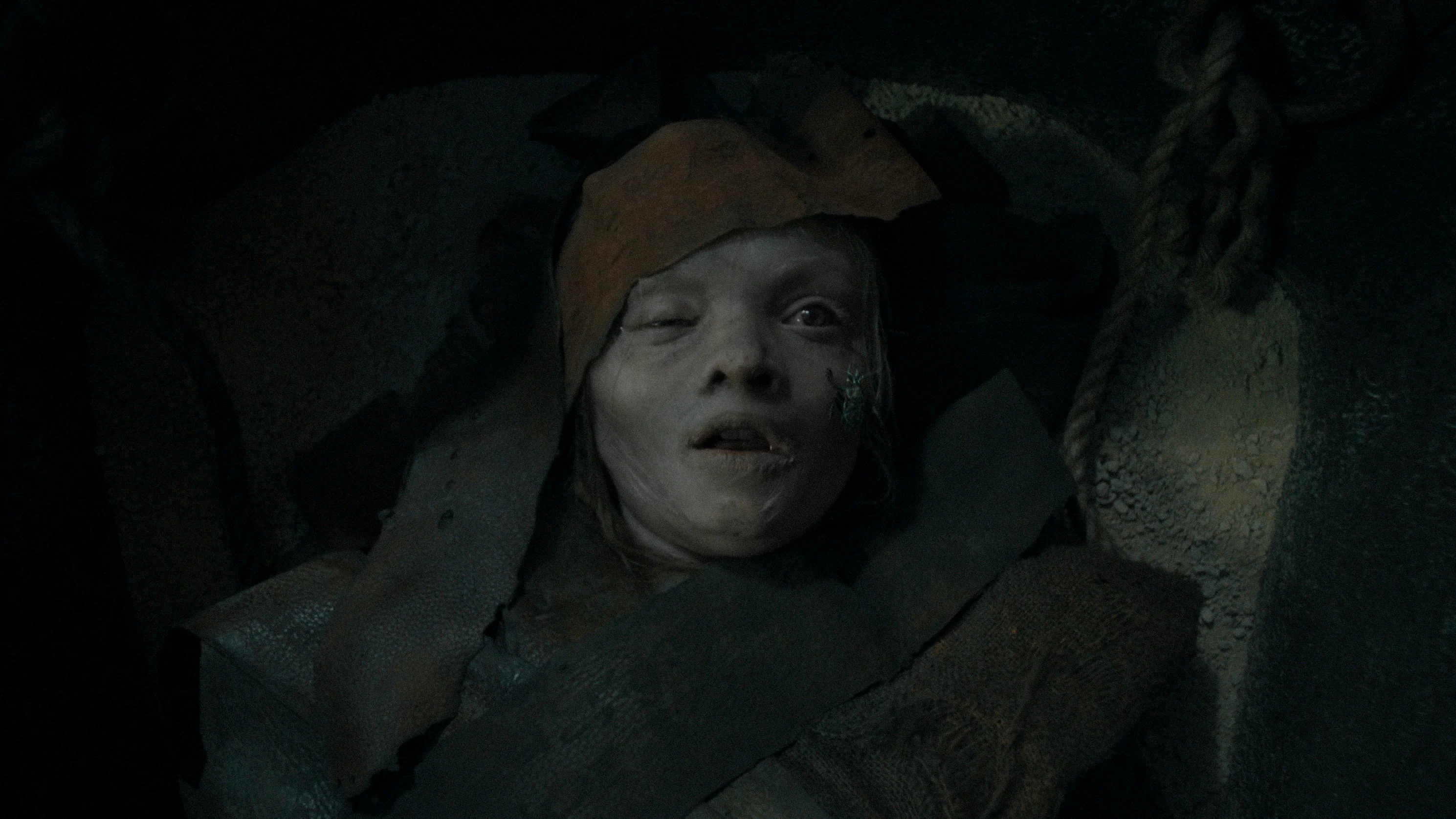
Lee Cronin's The Mummy
There’s a certain confidence in the way The Mummy announces itself, measured, ominous, and visually assured. Lee Cronin, who has steadily built a reputation…