
Dispatch — Long Read
25 Indian Movies to Watch on YouTube for Free.
Some of the best Indian films you can stream on YouTube for free
The Cinéprism
23 / 11 / 2025 · 24 min read
1. 🎬 Ankur (1974)
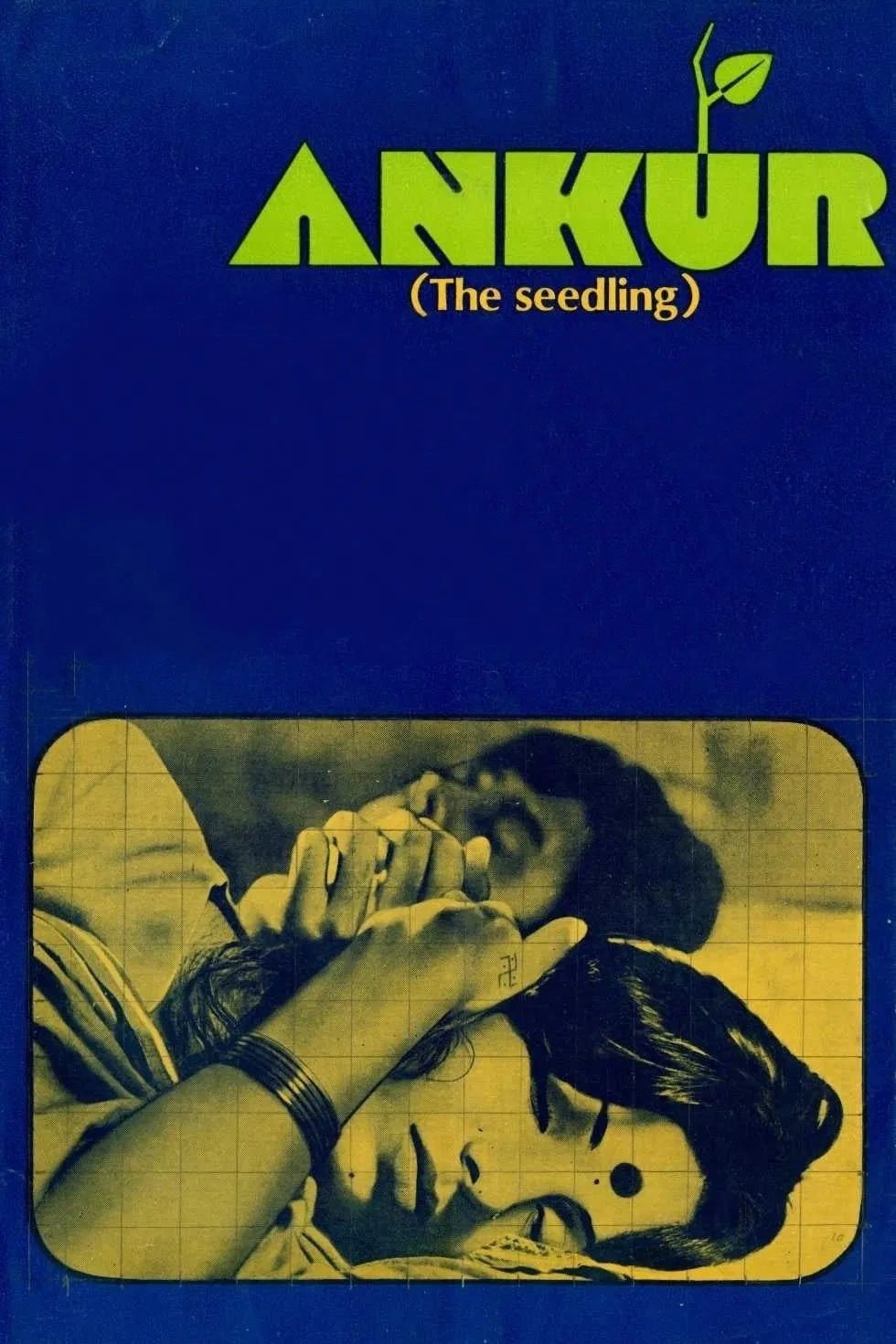
In rural Andhra Pradesh, a young landlord's son takes charge of his family's estate and begins an affair with Lakshmi, a deaf-mute servant woman whose alcoholic husband works their fields. Shyam Benegal's debut feature announced the arrival of India's New Cinema movement, a film that examines feudalism, caste, and how power corrupts even those who consider themselves progressive. Shabana Azmi's Lakshmi communicates everything through her eyes, showing a woman trapped by poverty, disability, and men who see her as property rather than person. Anant Nag's landlord begins with genuine affection but gradually reveals himself as another exploiter, his modernity superficial veneer over ancient hierarchies he perpetuates.
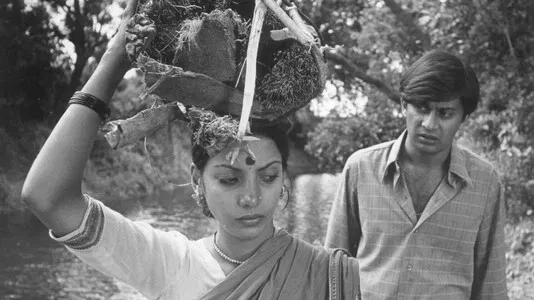
What makes Ankur devastating is its understanding that exploitation isn't always violent or deliberately cruel; sometimes it's wrapped in kindness and affection, making it harder to recognize and resist. The title, meaning "seedling," suggests both beginning and potential, but the film shows how seeds planted in soil of inequality can only grow poisoned fruit. Benegal doesn't offer revolutionary solutions or triumphant endings; instead, he shows how systems of oppression reproduce themselves through personal relationships, and how those born into privilege rarely recognize their complicity even when they're causing direct harm.
2. 🎬 Ugly (2013)
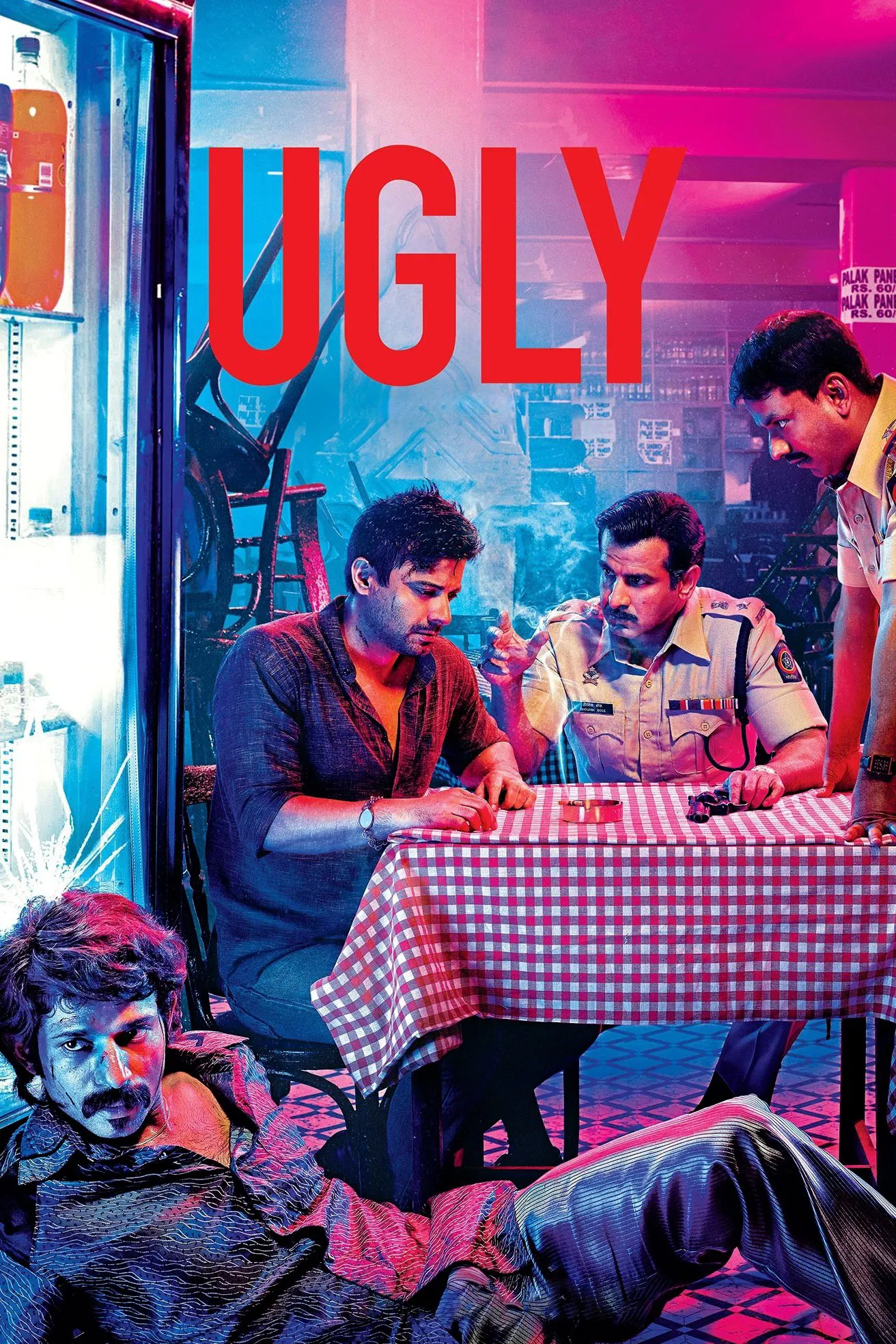
A ten-year-old girl disappears, and her divorced parents, the mother's new husband, and various other characters engage in blame-shifting and self-preservation rather than genuine effort to find her. Anurag Kashyap's most unforgiving film strips away any pretense of heroism or redemption, showing people whose first instinct is always to protect themselves even when a child's life hangs in the balance. The ensemble cast, including Rahul Bhat, Ronit Roy, and Vineet Kumar Singh, commits fully to playing despicable characters without seeking audience sympathy. Each person is trapped in their own narcissism, their own agenda, their own version of events where they're never the villain.
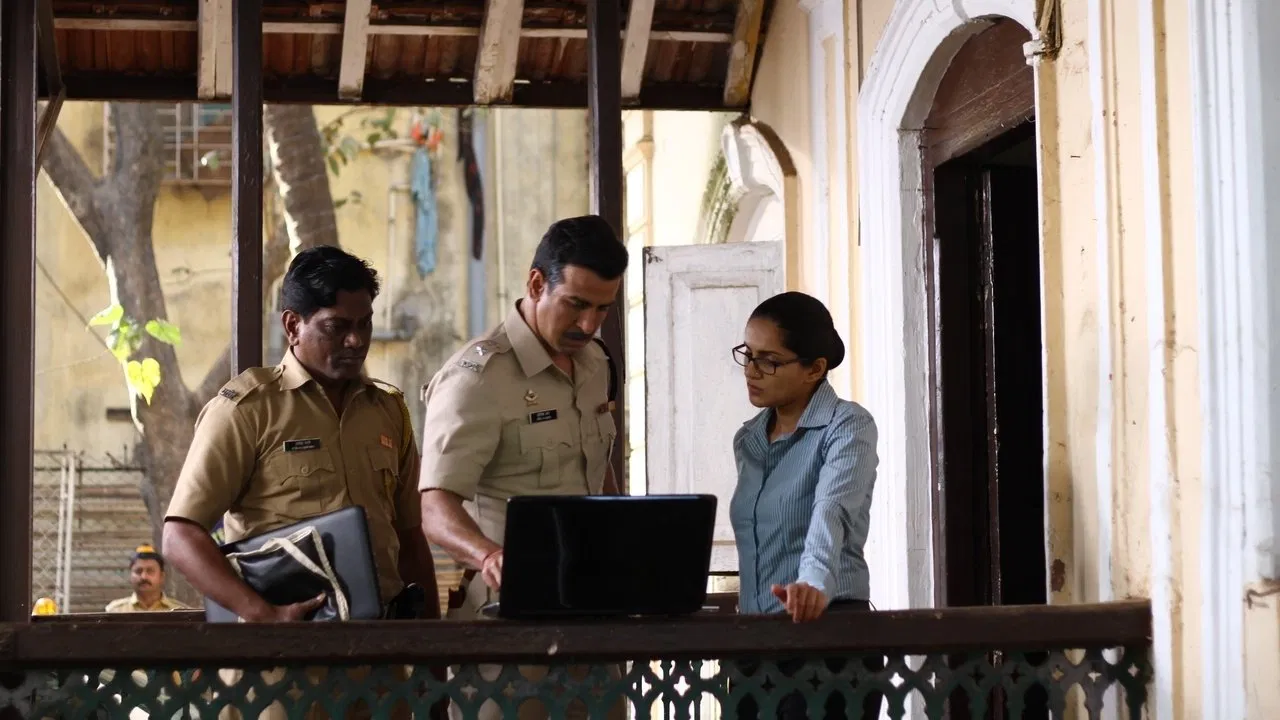
Kashyap's direction is claustrophobic and urgent, using Mumbai's oppressive urban landscape to create constant unease. What makes Ugly devastating is its refusal to offer catharsis or moral clarity; everyone is complicit, everyone is ugly, and the real horror is recognizing these aren't monsters but ordinary people whose selfishness has catastrophic consequences. The film forces us to confront how easily we prioritize our own interests over others' survival, and how crisis doesn't bring out our best selves but often reveals the worst. It's a film that leaves you shaken not by what happens but by what it reveals about human nature when self-interest collides with moral obligation.
3. 🎬 Maqbool (2003)

In Mumbai's underworld, Maqbool is the trusted lieutenant of crime lord Abbaji, but when Nimmi, Abbaji's mistress, seduces Maqbool and plants seeds of ambition, what follows is betrayal, murder, and psychological disintegration. Vishal Bhardwaj transposes Macbeth into contemporary India with such precision that Shakespeare's insights into ambition and guilt feel freshly relevant. Irrfan Khan gives one of cinema's finest performances, playing Maqbool not as villain but as man whose weakness is his humanity, his love for Nimmi genuine even as it leads him to murder his father figure.
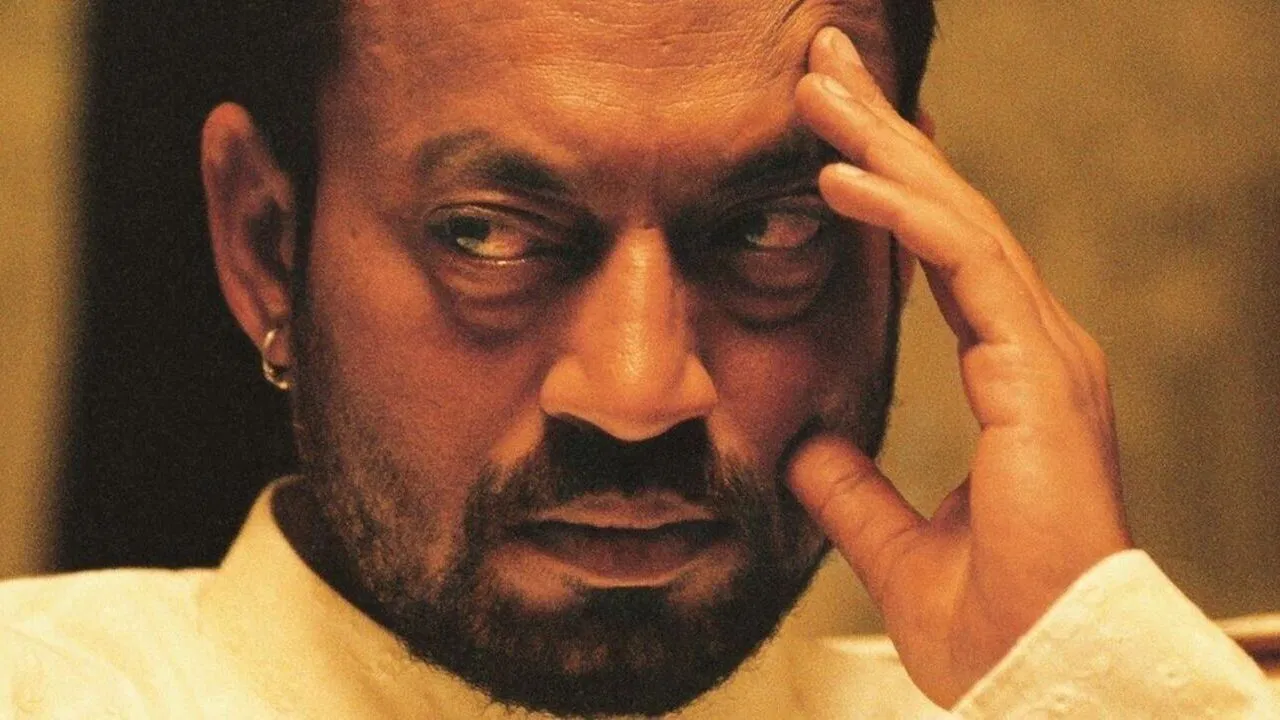
Tabu is devastating as Nimmi, playing her not as one-dimensional manipulator but as woman using the only power society has given her to escape her own cage. Pankaj Kapur's Abbaji radiates paternal warmth that makes the betrayal cut deeper. Bhardwaj shoots Mumbai's underworld as both realistic and nightmarish, where power and paranoia are inseparable. What makes Maqbool exceptional is its understanding that tragedy is not about good people making mistakes but about human beings destroying themselves through the very qualities they thought were strengths, and that in criminal worlds where everyone is compromised, the greatest crime might be daring to want something for yourself.
4. 🎬 Hera Pheri (2000)
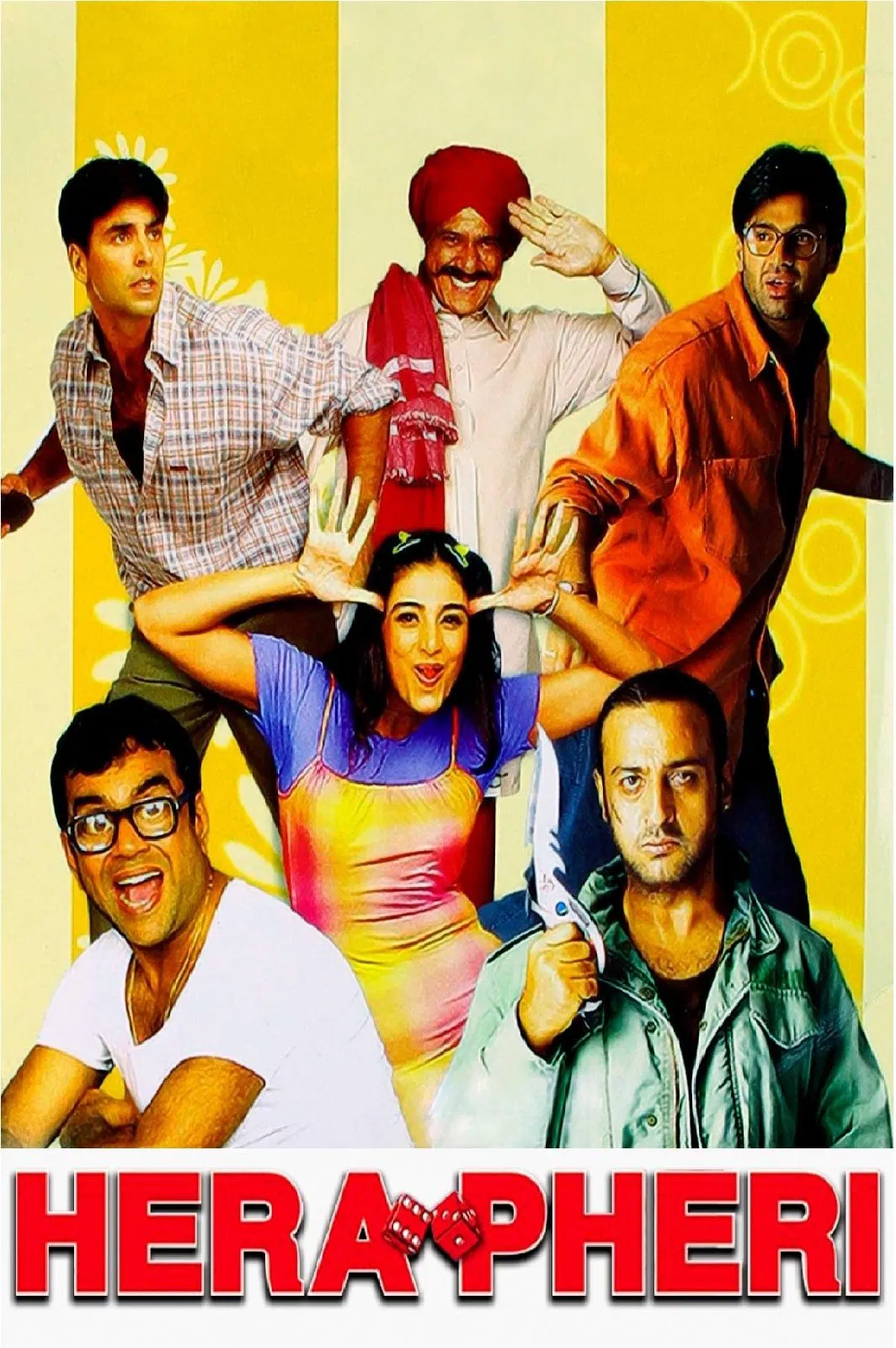
Three desperate men - a frustrated garage owner, a lazy wastrel, and a gullible simpleton - stumble into a ransom scheme through a wrong number, seeing it as their escape from poverty. Priyadarshan's comedy is beloved because it treats its working-class protagonists with affection while acknowledging their desperation. Akshay Kumar, Suniel Shetty, and Paresh Rawal create perfect comic chemistry, their different personalities and desperation levels creating conflict and comedy.
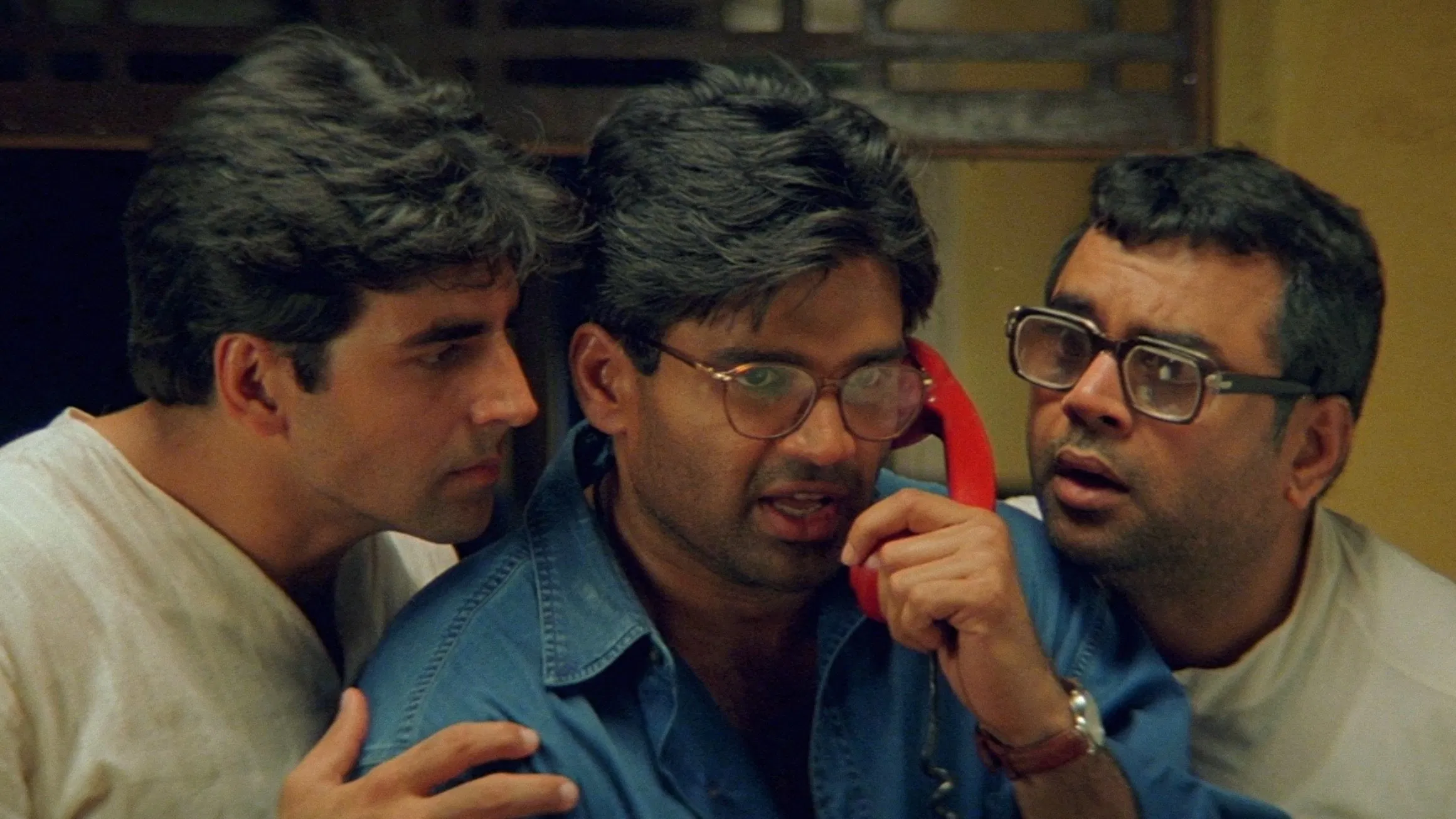
What makes Hera Pheri endure beyond its laughs is its understanding of how poverty traps people in cycles of bad decisions, how desperation makes us vulnerable to schemes we know are probably doomed, and how friendship persists even when circumstances make it inconvenient. The film never mocks its characters for being poor or naive; instead, it shows how they're trying to survive in a system that offers no legitimate paths to prosperity. It's a comedy that recognizes economic anxiety and responds with empathy rather than judgment, showing that sometimes the only rational response to absurd circumstances is to laugh and keep trying.
5. 🎬 Kaun (1999)

On a stormy night, a woman alone in her house receives visits from two men - one claiming to be a friend, another claiming to be a security officer - while a serial killer is loose in the city. Ram Gopal Varma's minimalist thriller unfolds almost entirely in one location with three actors, building paranoia through claustrophobia and the simple question of who to trust when everyone's story seems plausible. Urmila Matondkar anchors the film with a performance of mounting terror that keeps us uncertain about her own reliability. The film's power lies in its restraint; Varma resists showing violence, instead creating dread through suggestion and the woman's growing confusion about who's protecting and who's threatening her.

What makes Kaun effective is its understanding that isolation makes us vulnerable to manipulation, that serial killer stories tap into primal fears about trusting strangers, and that sometimes the scariest scenario is being trapped with someone whose intentions remain unknowable. The twist ending recontextualizes everything we've seen, showing that our assumptions about innocence and guilt can be completely wrong, and that the person we trust might be the one we should fear most.
6. 🎬 Mera Saaya (1966)
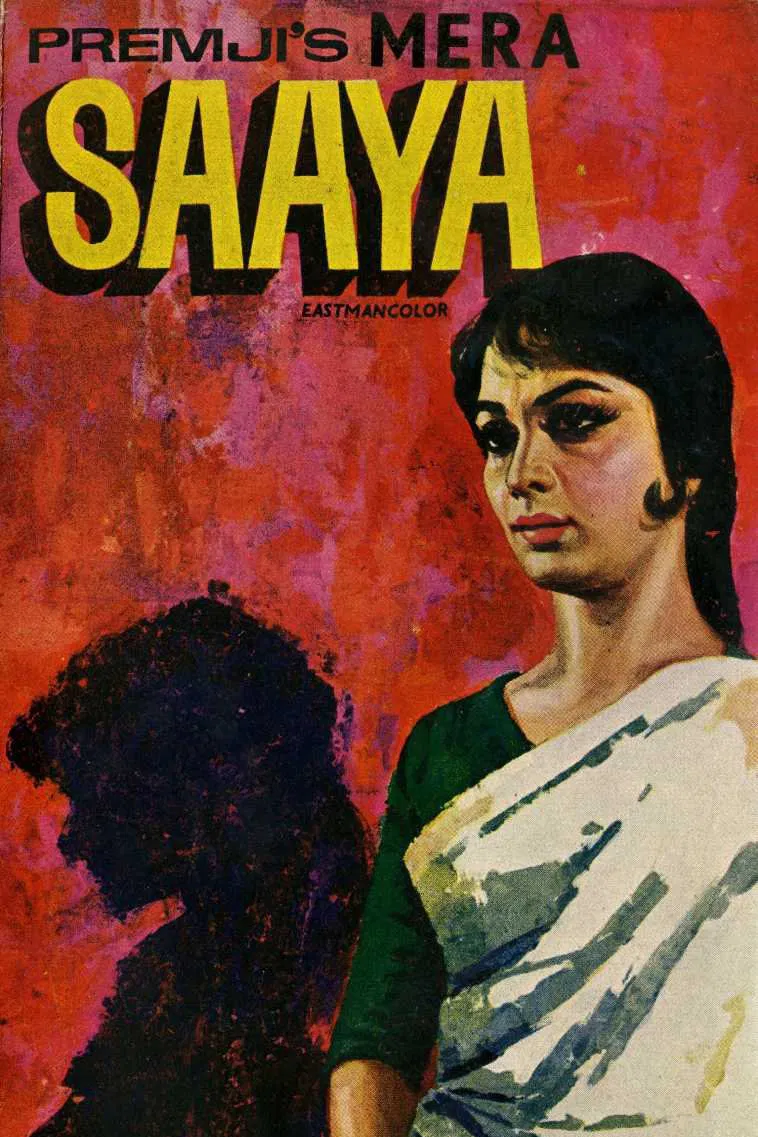
A lawyer's wife dies in an accident, but years later, he encounters a woman who looks exactly like her, raising questions about identity, grief, and whether the dead can return. Raj Khosla's gothic thriller uses the doppelgänger device to explore how grief distorts perception and how desperate we become to recover what we've lost. Sunil Dutt plays a man whose certainty about what's real gradually erodes as evidence mounts that his dead wife has somehow returned. Sadhana in a dual role creates distinction between the innocent wife and the mysterious lookalike through subtle shifts in performance.
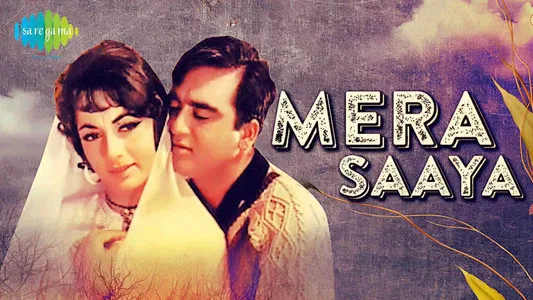
What makes the film resonate is its exploration of how we cling to the past, how loss makes us vulnerable to manipulation or delusion, and how identity is constructed through recognition by others. The film's atmosphere is consistently eerie, using shadows and Gothic visual language to create a world where the supernatural feels possible. It reminds us that grief is a kind of madness, that wanting something badly enough can make us see what isn't there, and that sometimes the cruelest thing you can do to someone is offer them hope that the dead might return.
7. 🎬 Aamir (2008)
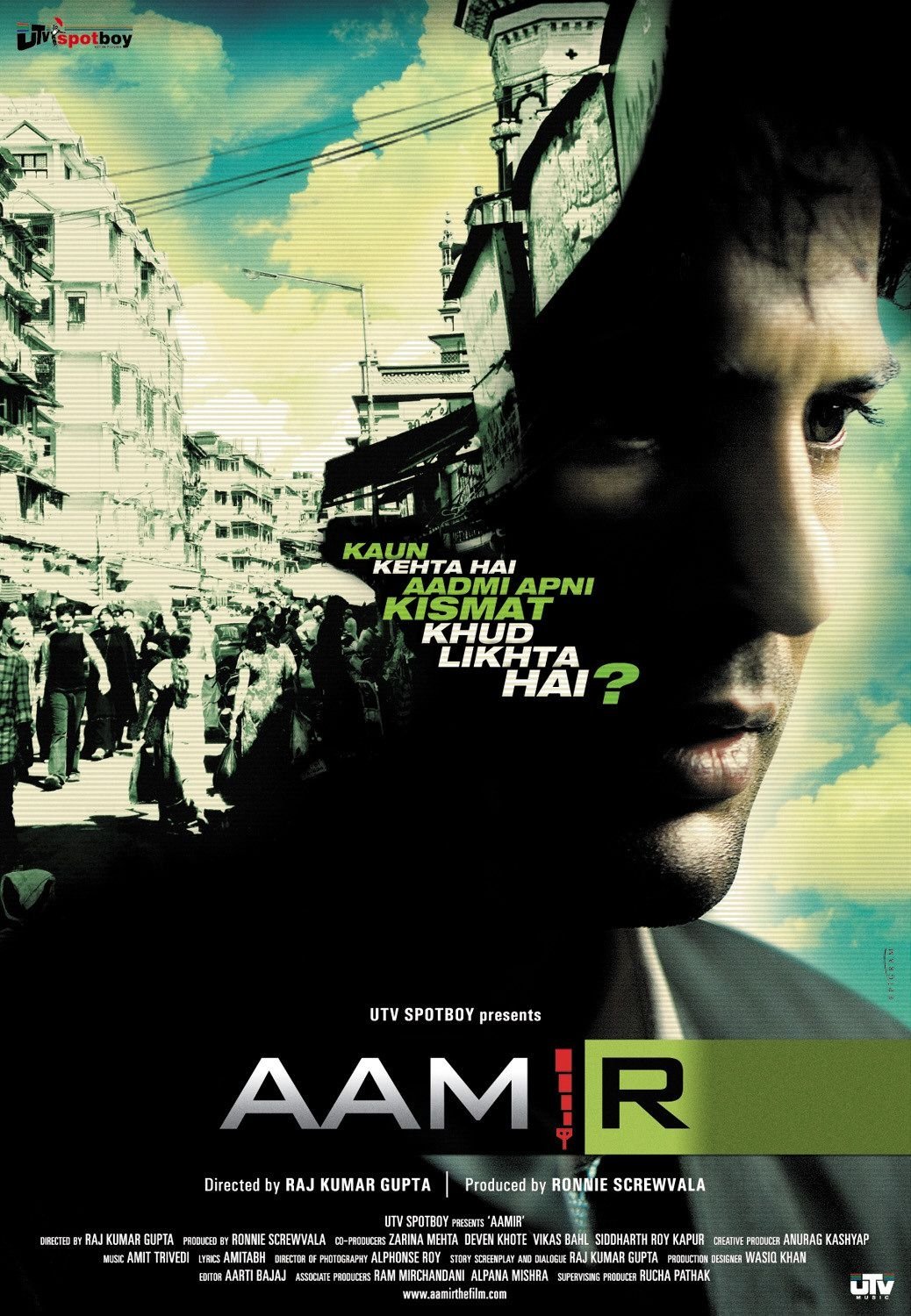
A doctor returns to Mumbai from London and receives a phone call that launches him into a nightmarish day of following instructions from an unknown caller who's kidnapped his family and placed him at the center of a terrorist plot. Rajkummar Rao's debut as lead showcases his ability to carry a film through pure anxiety and moral conflict. Raj Kumar Gupta's thriller is remarkable for its real-time tension and its examination of how ordinary people can be coerced into participating in violence. The film traps its protagonist and audience in an impossible situation where every choice seems wrong, where compliance means becoming complicit in terrorism but resistance means sacrificing family.
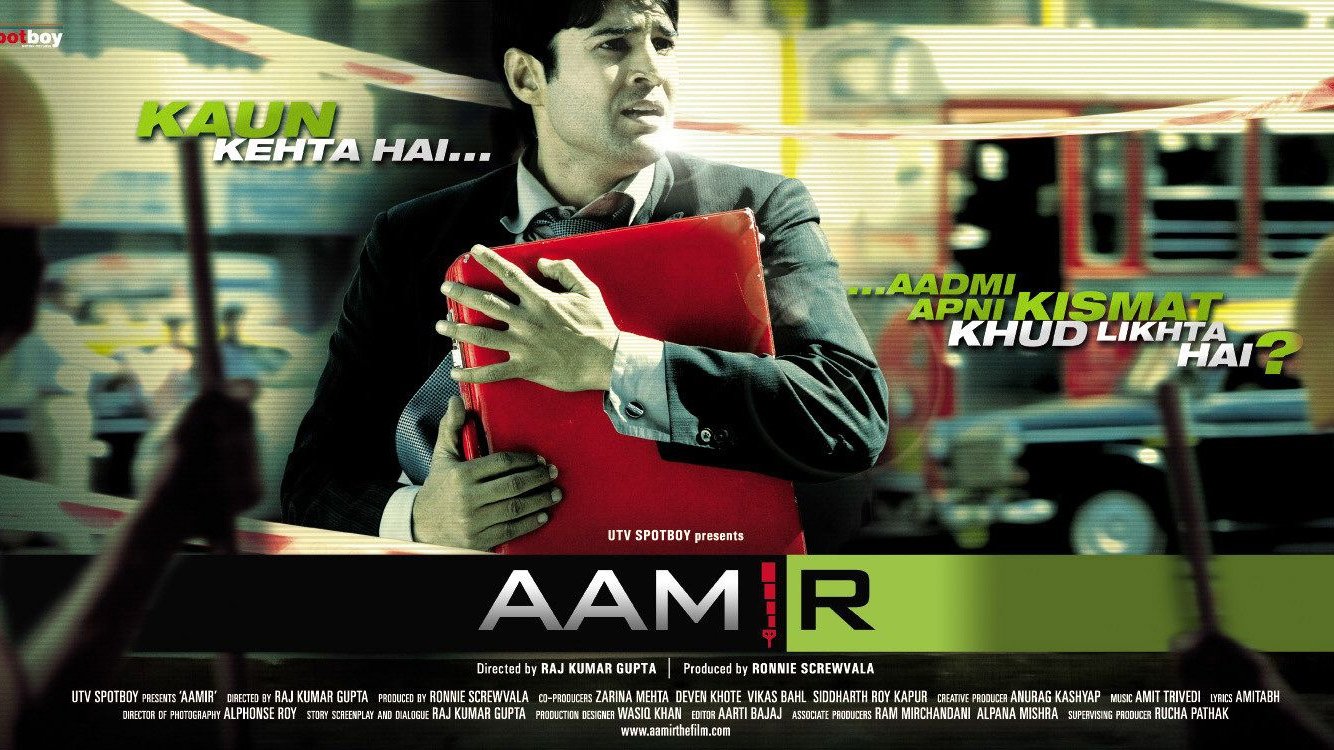
What makes Aamir powerful is its refusal to provide easy answers about terrorism, instead showing how economic desperation, religious identity, and state violence create conditions where some people conclude violence is their only option. The film doesn't excuse terrorism but contextualizes it, showing the human faces behind political violence while forcing us to question what we'd do in the same circumstances. It's a thriller that uses genre conventions to explore larger questions about complicity, choice under duress, and whether morality means anything when all options are terrible.
8. 🎬 Manorama Six Feet Under (2007)
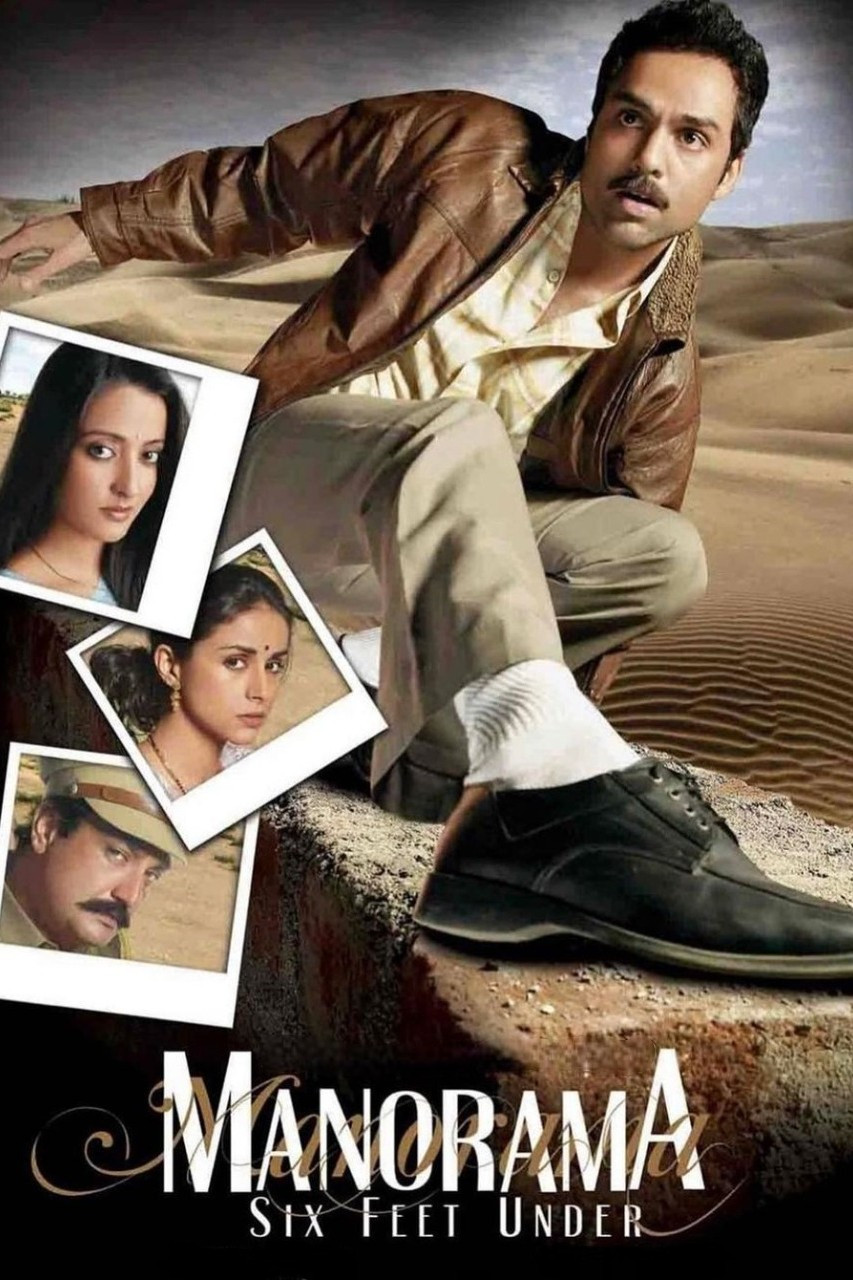
Satyaveer Randhawa is a failed author working as a public works engineer in a small Rajasthani town, writing pulp detective fiction to escape his mundane existence. When a mysterious woman hires him to investigate her husband, Satyaveer's fantasy of being a real detective leads him into a conspiracy involving local politics, water rights, and powerful interests willing to kill to protect their secrets. Navdeep Singh's debut is remarkably assured, creating a world-weary noir aesthetic in dusty, sun-baked locations where desperation and corruption have become normalized. Abhay Deol brings hangdog charm to Satyaveer, playing him as an ordinary man whose literary pretensions make him simultaneously perceptive and dangerously naive.

The film's visual language uses Rajasthan's arid landscape to emphasize moral drought, where water is currency and human life is cheap. What makes Manorama exceptional is its understanding of noir's essential pessimism, showing how individual investigations into systemic corruption are futile because the rot extends too deep, and how curiosity in the wrong places becomes death sentence. It's a reminder that small-town India has its own darkness, that development and progress often mean someone powerful is stealing from those without power, and that speaking truth doesn't lead to justice when those with power control the very definition of truth.
9. 🎬 Anand (1971)
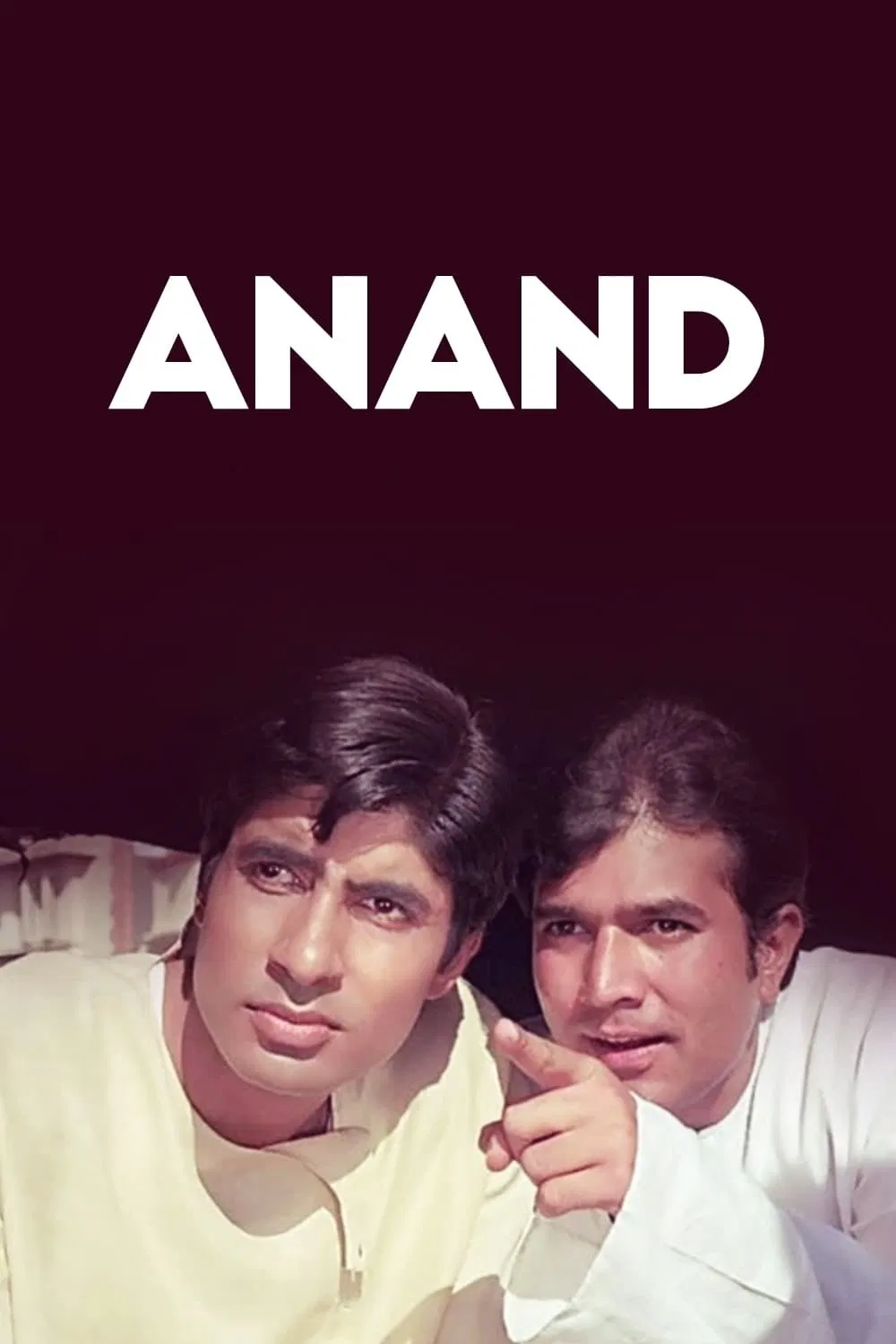
Anand is dying of cancer but refuses to let his limited time become a tragedy, instead filling every moment with joy, laughter, and connection with everyone he meets. Rajesh Khanna's performance captures a man who's made peace with death by committing fully to life, who knows his days are numbered so he ensures they're numbered well. What makes Anand inspiring is his impact on Dr. Bhaskar, the serious physician who treats him and learns that healing isn't just about extending life but about ensuring life has meaning. Anand doesn't deny his condition or pretend he's not scared; he simply refuses to let fear steal the time he has left.
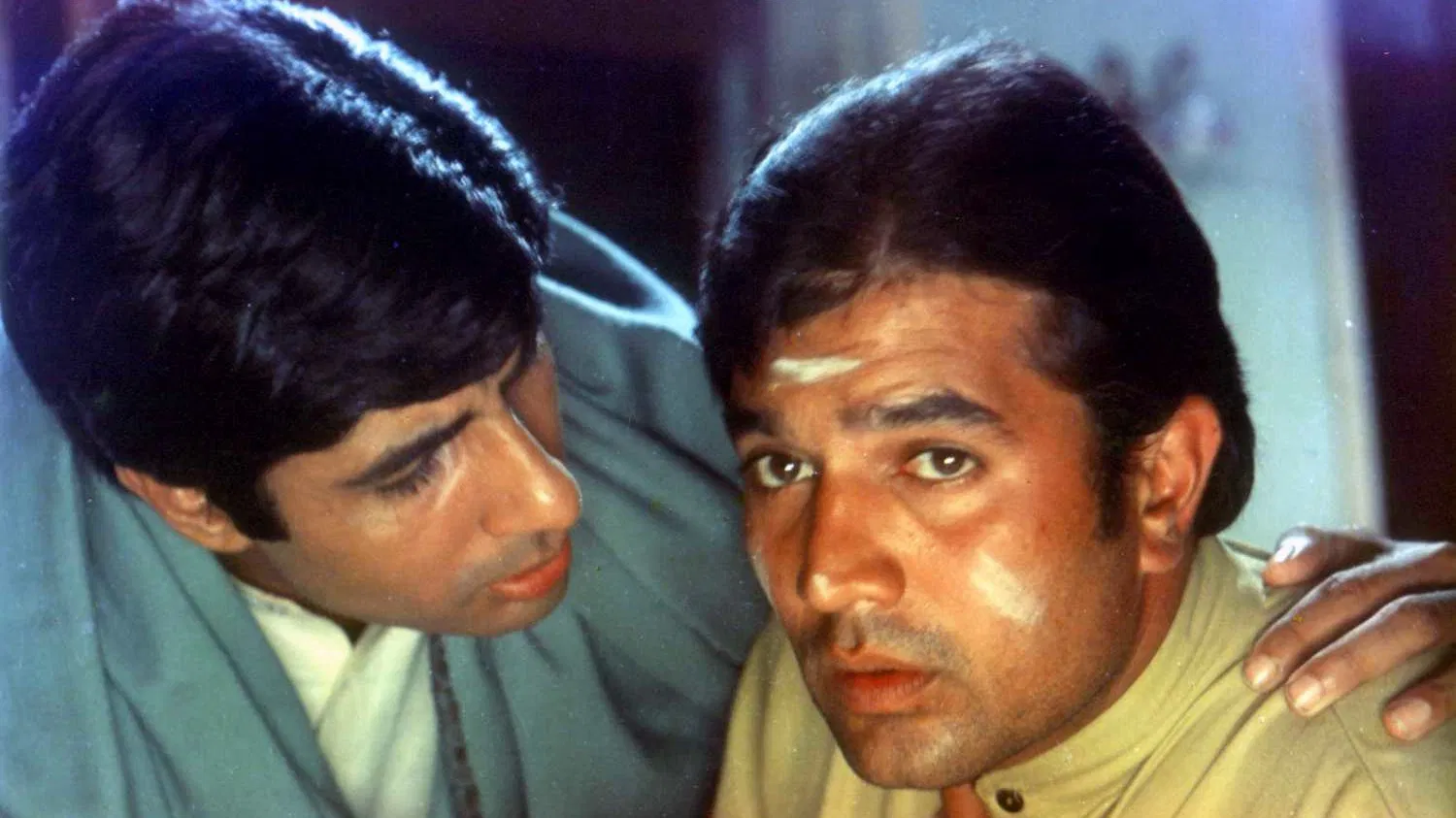
Hrishikesh Mukherjee directs with gentle humanism that never becomes manipulative, allowing Anand's philosophy to emerge through his interactions rather than speeches. The film's framing device, where Dr. Bhaskar narrates Anand's story while writing a book about him, adds layers of meaning about how we're remembered and what constitutes a life well-lived. What makes Anand timeless is its insistence that joy is a choice even in the face of death, that the most courageous thing any of us can do is choose connection over isolation, and that legacy isn't measured in years lived but in lives touched.
10. 🎬 Ship of Theseus (2013)

Three stories - a blind photographer documenting the world through sound, a monk dealing with illness and pharmaceutical patents, and a stockbroker tracking a stolen kidney - explore questions of identity, ethics, and what it means to maintain principles when circumstances challenge them. Anand Gandhi's debut is philosophically dense yet emotionally engaging, using each storyline to examine different aspects of how we define ourselves and whether that definition survives when our circumstances change fundamentally. The blind photographer must decide who she is when surgery restores her sight and changes how she perceives the world. The monk confronts whether refusing medicine on principle makes sense when it means preventable death.

The stockbroker's pursuit of justice for a kidney theft leads him to question his own complicity in systems of exploitation. What makes Ship of Theseus exceptional is its refusal to provide easy answers, instead trusting audiences to engage with complex ethical questions without neat resolutions. The title references the ancient paradox: if every part of a ship is replaced over time, is it still the same ship? The film applies this to human identity, asking whether we remain ourselves when our bodies, beliefs, or circumstances change, and suggesting that perhaps coherent identity is less important than how we navigate change with integrity.
11. 🎬 Ranjhanaa (2013)

Kundan has loved Zoya since childhood, his Hindu devotion to his Muslim neighbor becoming obsessive as they grow up in Varanasi's religiously divided landscape. What begins as romantic pursuit gradually reveals itself as examination of toxic love, religious intolerance, and how politics manipulates personal relationships. Dhanush's Kundan is simultaneously sympathetic and disturbing, his love genuine but so possessive and violent that it becomes indistinguishable from control. Sonam Kapoor's Zoya is trying to forge her own path while multiple men claim ownership of her future. The film is remarkable for showing how easily love curdles into possession, how religious identity becomes weapon rather than faith, and how political movements exploit personal grievances.

Aanand L. Rai directs with visual beauty that contrasts with the ugliness of communalism, shooting Varanasi's ghats and lanes as both sacred and sites of potential violence. What makes Ranjhanaa challenging is its refusal to fully condemn or celebrate Kundan; he's product of a society that teaches men to see women as property and religion as identity that must be defended through violence. The film forces us to examine how romantic love narratives often mask controlling behavior, and how nationalism and religious fervor are often just personal inadequacy seeking collective identity.
12. 🎬 Sadma (1983)
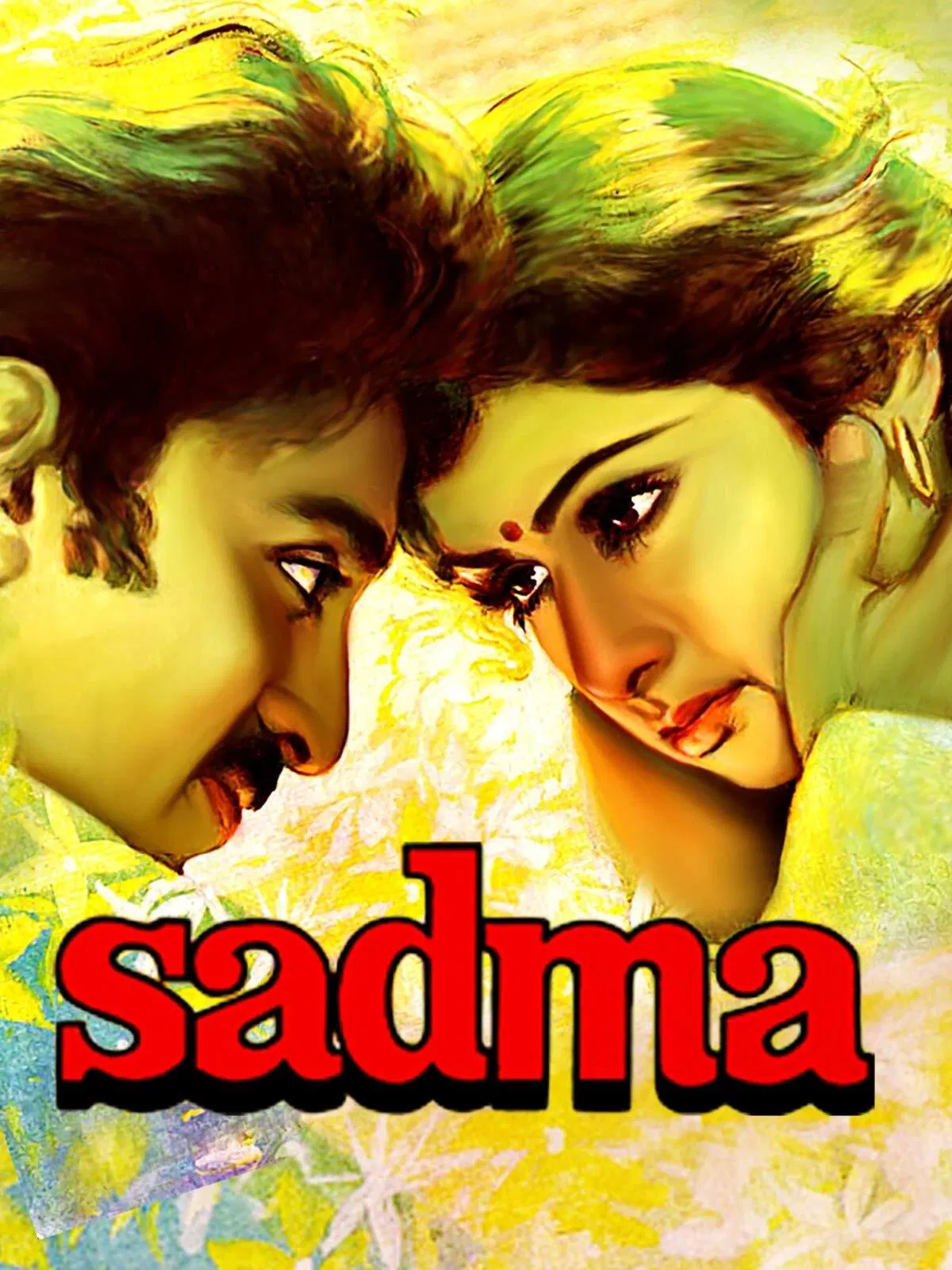
A young woman suffers brain damage in an accident and regresses mentally to childhood, rescued by a school teacher who cares for her while trying to locate her family. Balu Mahendra adapts his own Tamil film with devastating sensitivity, examining how we construct identity through memory and what remains when memory is lost. Sridevi's performance is extraordinary, playing Reshmi's childlike state without condescension, making her both vulnerable and joyful. Kamal Haasan's Somu develops paternal affection that gradually transforms into romantic love, creating ethical complexity about the appropriateness of falling for someone who's mentally a child even if physically an adult.
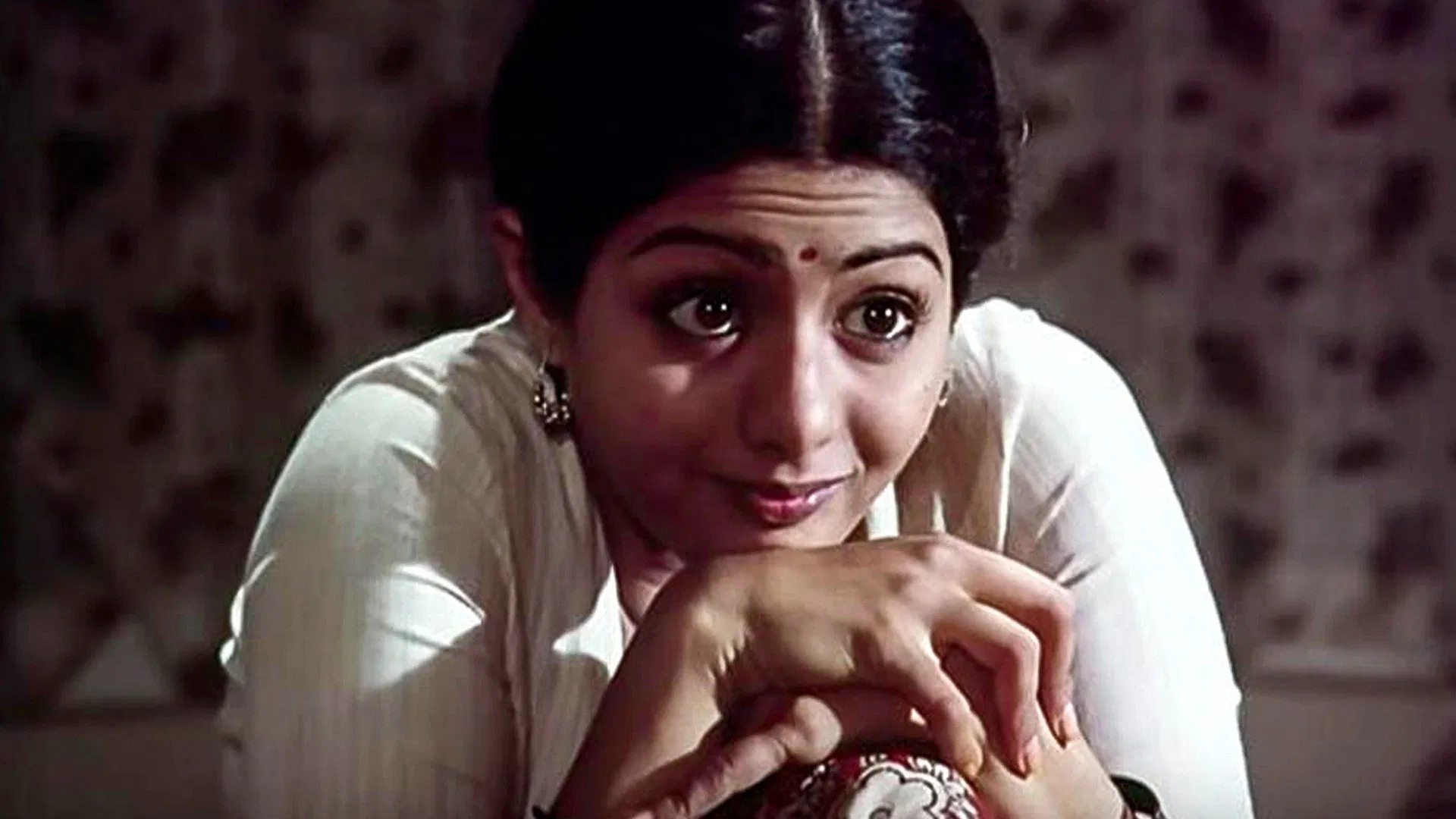
The film handles this delicate material with unusual nuance, acknowledging the moral complications while understanding that Somu's feelings, however inappropriate, are genuine. What makes Sadma heartbreaking is its conclusion, where Reshmi recovers her memory but loses all recollection of the time with Somu, meaning the most important relationship in his life never existed for her. It's a meditation on how identity is constructed through others' recognition, how love requires mutual memory, and how some connections, no matter how profound, leave no trace when memory fails.
13. 🎬 8 AM Metro (2023)

Every morning, strangers share a Mumbai metro compartment, their lives intersecting briefly before dispersing into the city. The film follows these parallel lives, showing how urban existence creates proximity without connection, how we're surrounded by people whose struggles mirror our own yet remain invisible to each other. The ensemble cast represents different strata of Mumbai society, each dealing with economic pressure, relationship struggles, or existential questions about whether their daily grind serves any larger purpose.
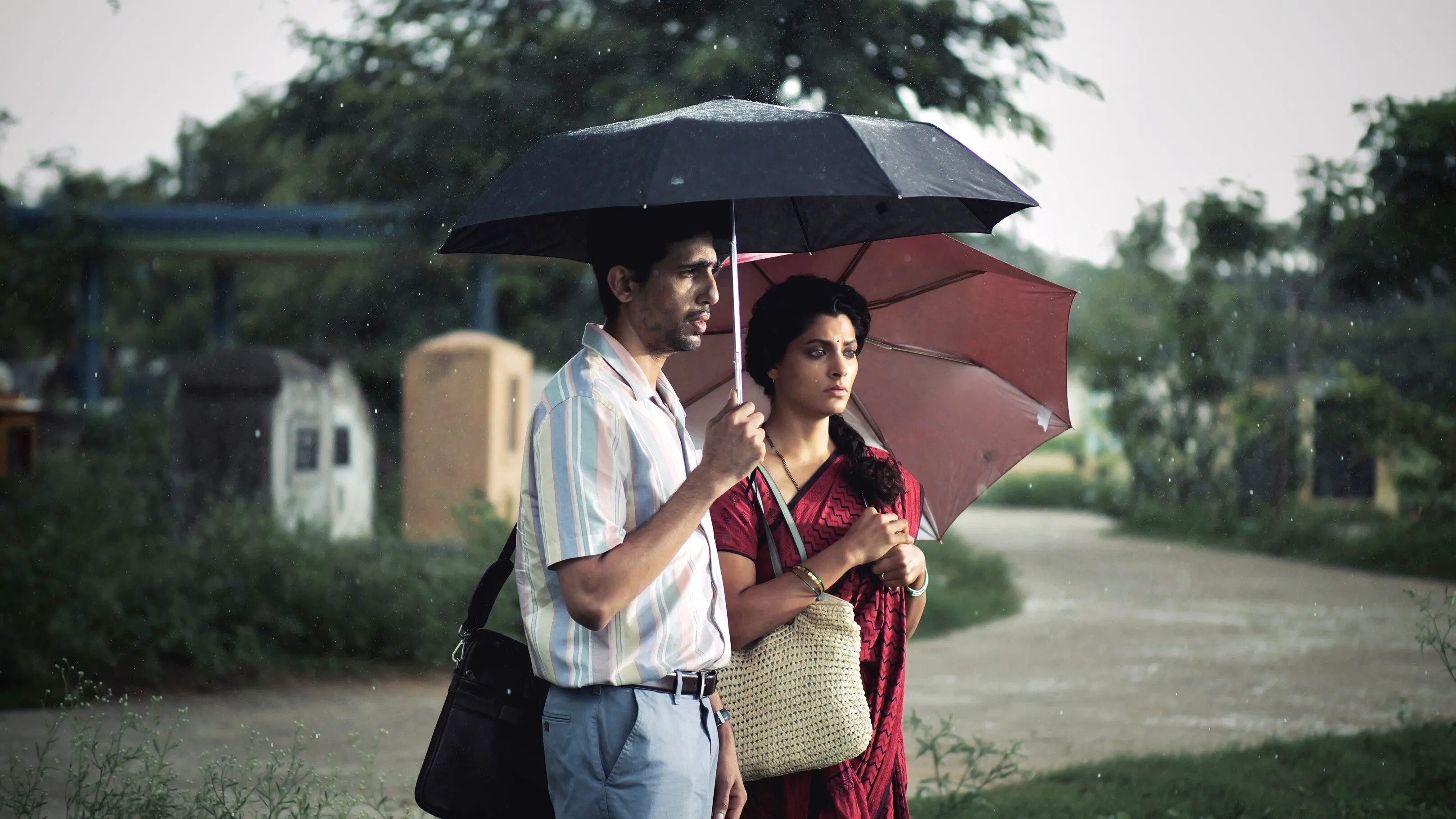
What makes the film resonate is its refusal to force these lives into a single narrative; instead, it accepts that urban life is fragmentary, that we're all protagonists of our own stories that briefly overlap with others before diverging again. The metro becomes metaphor for modern existence: moving forward constantly yet arriving at destinations that feel temporary, sharing space with strangers whose humanity we rarely acknowledge. It's a film about loneliness in crowds, about how proximity doesn't equal connection, and about the small moments of recognition between strangers that remind us we're all struggling similarly, if only we'd look up from our phones and see each other.
14. 🎬 Raincoat (2004)
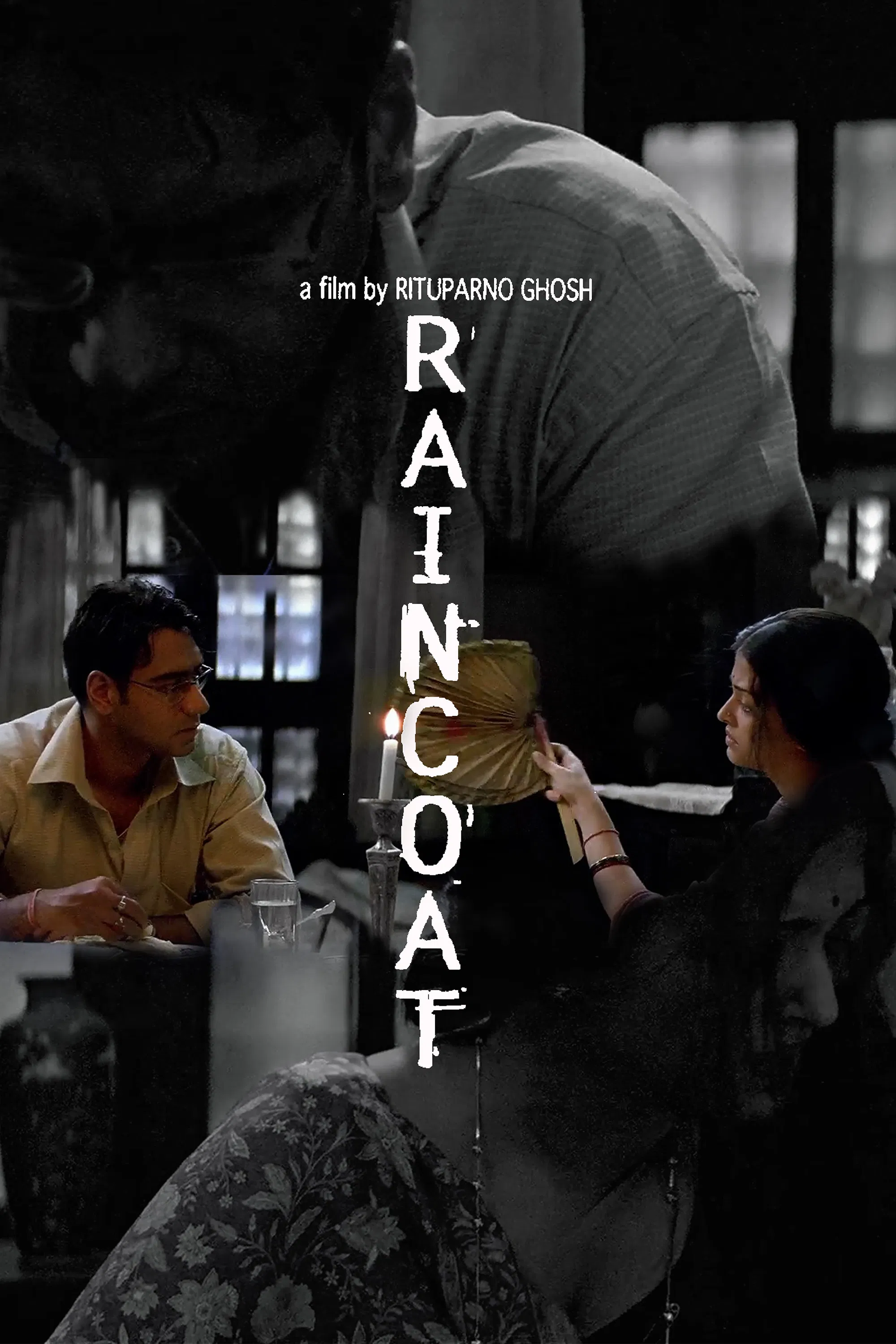
Manu and Neeru were once in love but circumstances separated them. Years later, Manu visits Neeru in Calcutta during a rainstorm, both desperately poor and trying to maintain dignity while their present circumstances make clear how far they've fallen. Rituparno Ghosh directs with chamber-piece intimacy, the film unfolding almost entirely in Neeru's modest apartment as the former lovers dance around what they're really there to say. Ajay Devgn and Aishwarya Rai deliver performances stripped of glamour, playing people ground down by poverty who maintain elaborate fictions to preserve self-respect. Manu claims he's doing well while clearly broke; Neeru pretends her husband is arriving soon when he's actually abandoned her.

What makes Raincoat devastating is its understanding that poverty is humiliating, that love doesn't survive when basic survival is uncertain, and that sometimes the kindest thing we can do for people we once loved is maintain the fiction that we're doing fine. The rain outside becomes sonic backdrop for their conversation, a cleansing they both need but can't achieve because their problems aren't metaphorical but material. It's a film about dignity in destitution, about how we perform success even when we're drowning, and about the specific cruelty of watching someone you loved struggle while you're equally helpless to help them or yourself.
15. 🎬 Lootera (2013)

Set in 1950s Bengal and then Dalhousie, a conman poses as an archaeologist to rob a wealthy landowner, but his relationship with the man's daughter becomes complicated when genuine feelings develop. Vikramaditya Motwane crafts a period romance that's visually sumptuous while emotionally devastating, using the post-independence setting to explore how old worlds were ending and new ones uncertain. Ranveer Singh's Varun is both charming deceiver and genuinely conflicted, while Sonakshi Sinha's Pakhi is not naive victim but woman who chooses to believe in love even after learning the truth.

What makes Lootera exceptional is its understanding that betrayal doesn't always end love, that sometimes we choose to forgive what we know we shouldn't, and that redemption is possible but doesn't undo the harm caused. The film's second half, where Varun returns years later as Pakhi is dying, becomes meditation on whether past sins can be atoned for and whether love survives betrayal. Motwane shoots with painterly beauty that references Satyajit Ray, creating a world where beauty and tragedy coexist, where love and deception are inseparable. It's a film about choices made in desperation, about whether we can escape our pasts or are forever defined by our worst actions, and about how forgiveness is sometimes the only power left to those who've been harmed.
16. 🎬 Piku (2015)
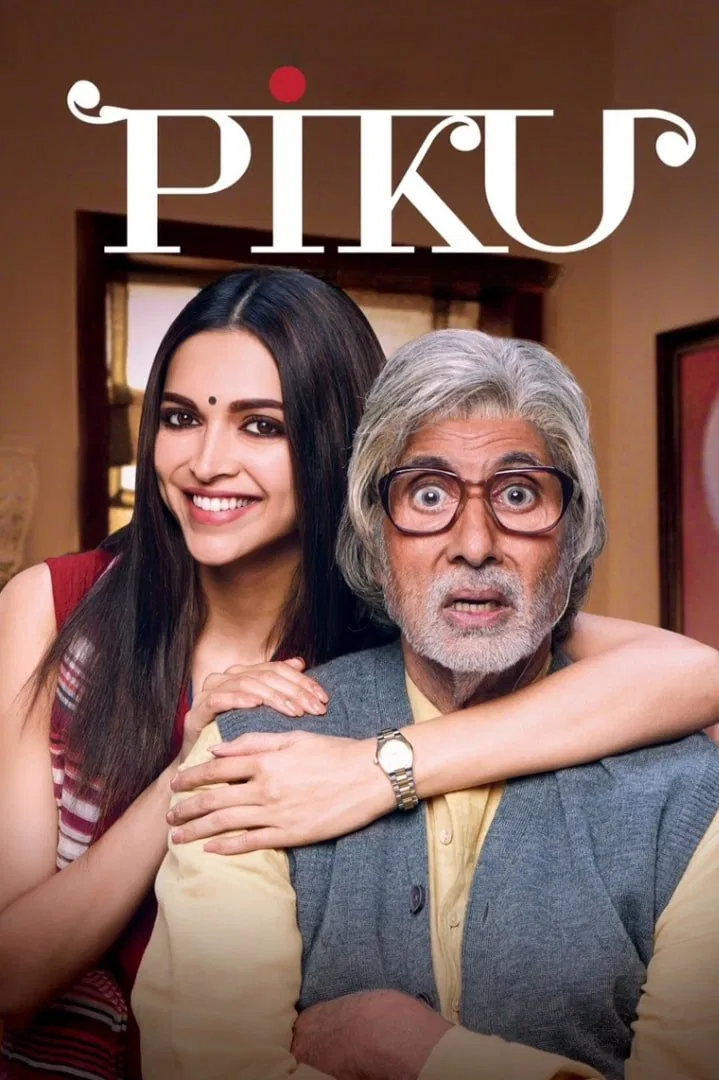
Piku Banerjee is a Delhi architect whose life revolves around managing her hypochondriac father Bhaskor's obsessive concerns about his bowel movements, their codependent relationship preventing her from building any life of her own until a road trip to Kolkata forces confrontation with mortality and autonomy. Shoojit Sircar's film is deceptively simple, using the specificity of constipation and Bengali family dynamics to examine aging, parental care, and how love can become suffocating when boundaries disappear. Deepika Padukone's Piku is sharp-tongued and exhausted, playing a woman whose competence has made her indispensable, whose father's dependency has consumed her youth, and whose resentment coexists with genuine affection in ways that feel uncomfortably real. Amitabh Bachchan's Bhaskor is monstrously self-absorbed and oddly endearing, an aging intellectual whose anxiety has narrowed to bodily functions but whose vitality and opinions remain undimmed, demanding attention and care while insisting on his independence. Irrfan Khan's Rana is taxi company owner forced to drive them to Kolkata, his exasperation gradually transforming into understanding and attraction, providing outside perspective on their dysfunction while getting drawn into their orbit.
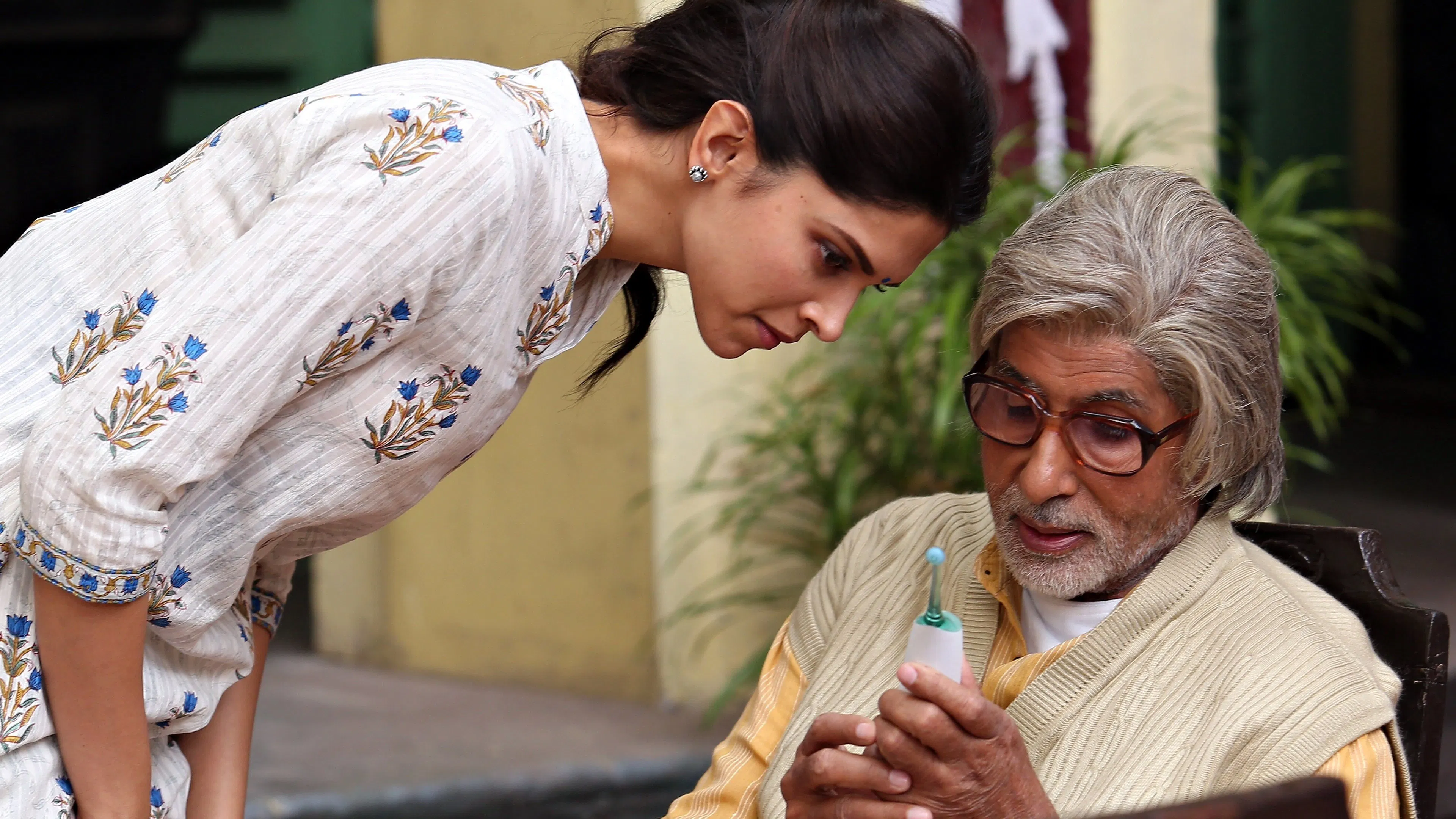
What makes Piku remarkable is its refusal to sentimentalize caregiving or parent-child relationships, showing instead how duty and love become indistinguishable, how taking care of aging parents is simultaneously noble and enraging, and how resentment doesn't negate affection but coexists with it in messy, realistic ways. The film treats Bhaskor's constipation not as crude joke but as legitimate medical and psychological concern, using his obsession with digestion as metaphor for control, for the ways aging reduces us to bodies that won't cooperate, and for how intimacy between family members includes the undignified realities we'd never discuss with others. Sircar shoots with documentary-like naturalism that makes every interaction feel observed rather than performed, trusting the specificity of Bengali family dynamics and bathroom obsessions to be universally recognizable to anyone who's dealt with aging parents. The road trip from Delhi to Kolkata becomes enforced family therapy, the car's confined space making avoidance impossible, forcing conversations about independence, marriage, mortality, and whether Piku has sacrificed too much of her life to her father's anxieties.
17. 🎬 Swades (2004)
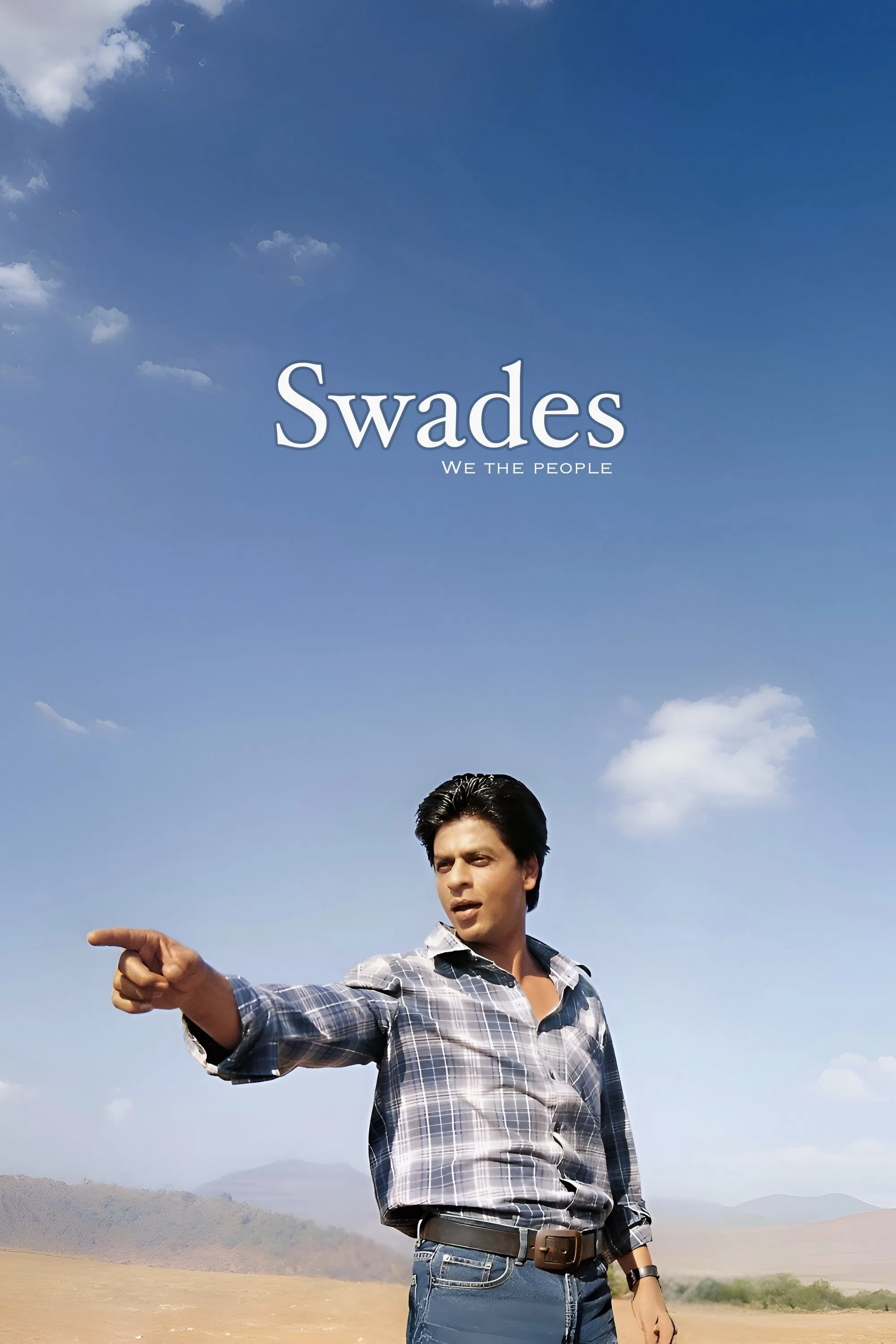
NASA scientist Mohan Bhargav returns to India to bring his nanny to America, but his brief visit to her village transforms him as he confronts the disconnect between his professional success abroad and the basic needs unmet in his homeland. Ashutosh Gowariker's film avoids easy nationalism or NRI guilt-tripping, instead showing Mohan's genuine struggle between the comfortable life he's built and the harder work of contributing where he's actually from. Shah Rukh Khan plays Mohan's transformation with restraint, showing someone who's achieved everything he set out to accomplish and now questions what it all means. The village's problems aren't romanticized or simplified; Gowariker shows caste discrimination, gender inequality, and bureaucratic incompetence as interconnected obstacles that require systemic solutions, not individual heroics.
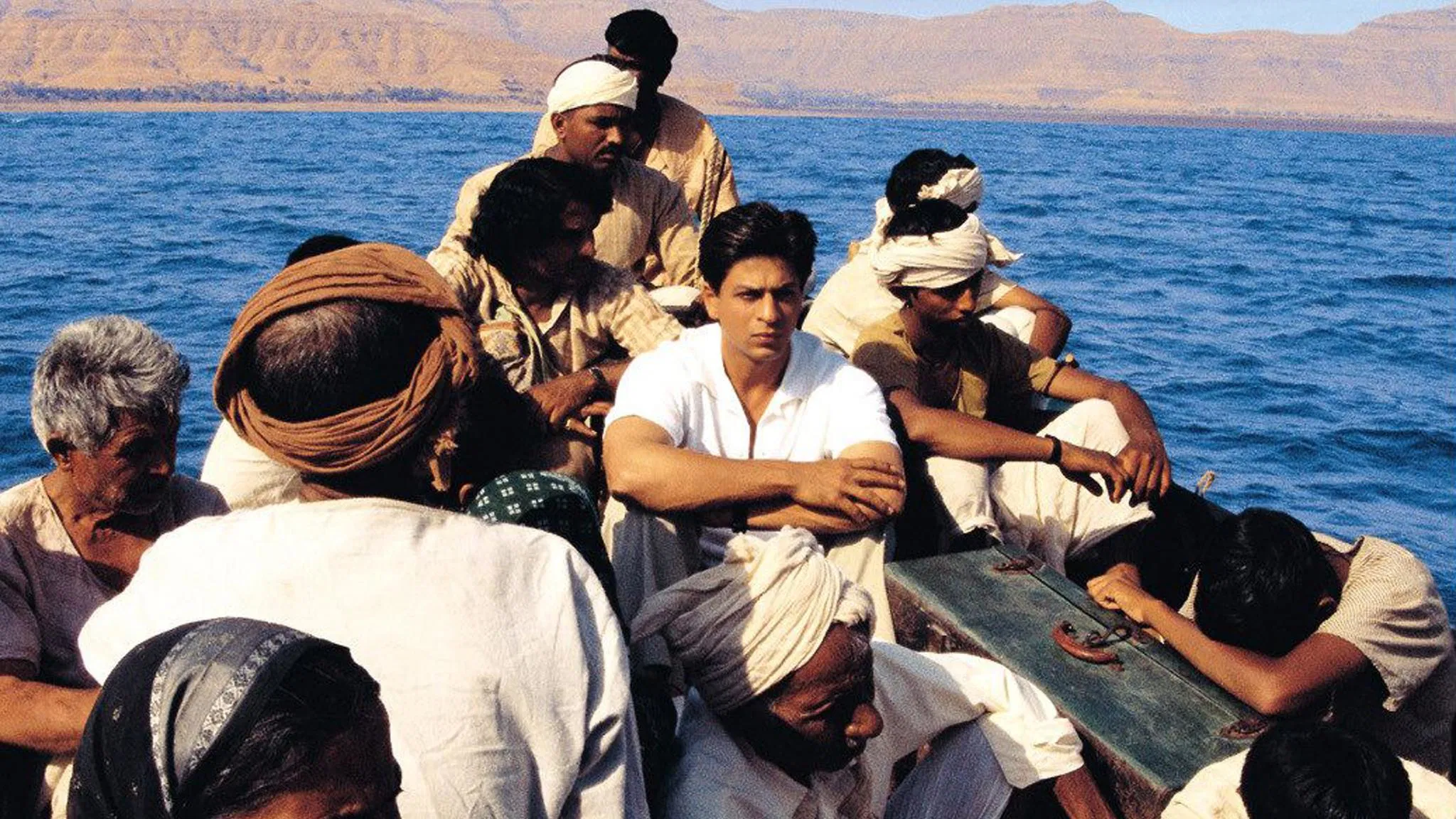
What makes Swades compelling is its understanding that development means addressing basic needs like electricity and water rather than abstract patriotism, and that real contribution requires staying and doing unglamorous work rather than writing checks from abroad. The film asks whether education and skills acquired for personal advancement can be redirected toward collective good, and whether "brain drain" is individual choice or failure of nations to provide meaningful opportunities. It's about coming home, whether literally or philosophically, and discovering that success measured by external standards feels hollow when divorced from purpose and community.
18. 🎬 No Smoking (2007)

K is a chain smoker who's forced into a rehabilitation program by his wife and enters a mysterious facility run by Baba Bangali, where methods become increasingly surreal and violent. Anurag Kashyap adapts Stephen King with audacious visual style, creating a film that's deliberately divisive and confusing, operating according to dream logic where meaning is symbolic rather than literal. John Abraham plays K as man whose addiction has become his identity, making the program's attempts to break him feel like assault on his very self. What makes No Smoking fascinating is its commitment to being unpleasant and disorienting, refusing to provide comfort or clear interpretation.
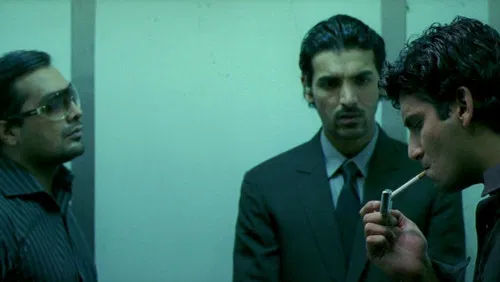
The film can be read as allegory about addiction, about fascist methods of control, about marriage, about loss of identity, or all of the above simultaneously. Kashyap shoots with expressionistic exaggeration, creating a world where reality is negotiable and cause-effect relationships don't function normally. The film was commercial disaster and critical punching bag, but its willingness to alienate audiences in service of artistic vision makes it more interesting than many safer films. It's about how addiction becomes who we are rather than what we do, how attempts to save us can become another form of violence, and how sometimes the cure is worse than the disease, especially when imposed by those who claim to know what's best for us.
19. 🎬 The Lunchbox (2013)

A mistaken delivery in Mumbai's lunchbox service connects Ila, a neglected housewife, to Saajan, a widower nearing retirement. Through notes exchanged in the lunchbox, they develop connection that becomes lifeline for both, offering intimacy they're missing in their actual lives. Ritesh Batra's debut is a masterclass in restraint, building profound emotion through what remains unspoken, through handwritten notes and carefully prepared meals that say everything their lives don't allow them to express. Irrfan Khan plays Saajan with subtle shifts in expression, showing how someone closed off begins opening to possibility again. Nimrat Kaur's Ila is woman slowly awakening to realization that she's become invisible in her own home, that her labor and presence are taken for granted.
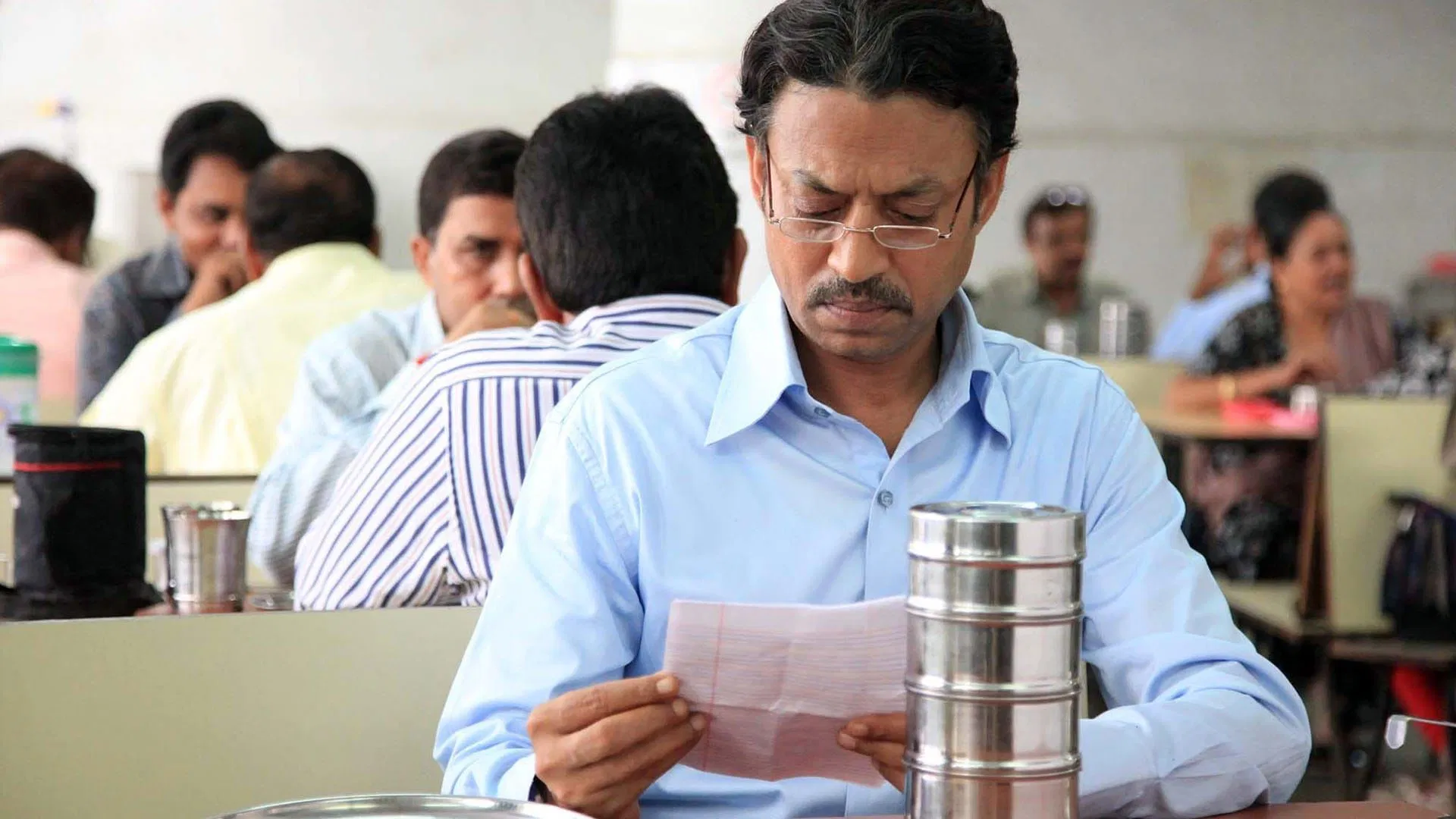
What makes The Lunchbox special is its understanding that connection, no matter how profound, cannot always transcend circumstance, that sometimes the most meaningful relationships are with people we'll never actually meet, and that loneliness can be both prison and shared language. The film treats Mumbai's dabbawala system with documentary-like attention, showing how this efficient machinery designed to deliver sustenance becomes vehicle for emotional connection. Batra doesn't sentimentalize; he knows that Ila and Saajan's connection, however real, exists in space separated from their actual lives, and that some relationships, no matter how significant, can only exist in liminal spaces, never manifesting in ways society recognizes.
20. 🎬 Pyaasa (1957)
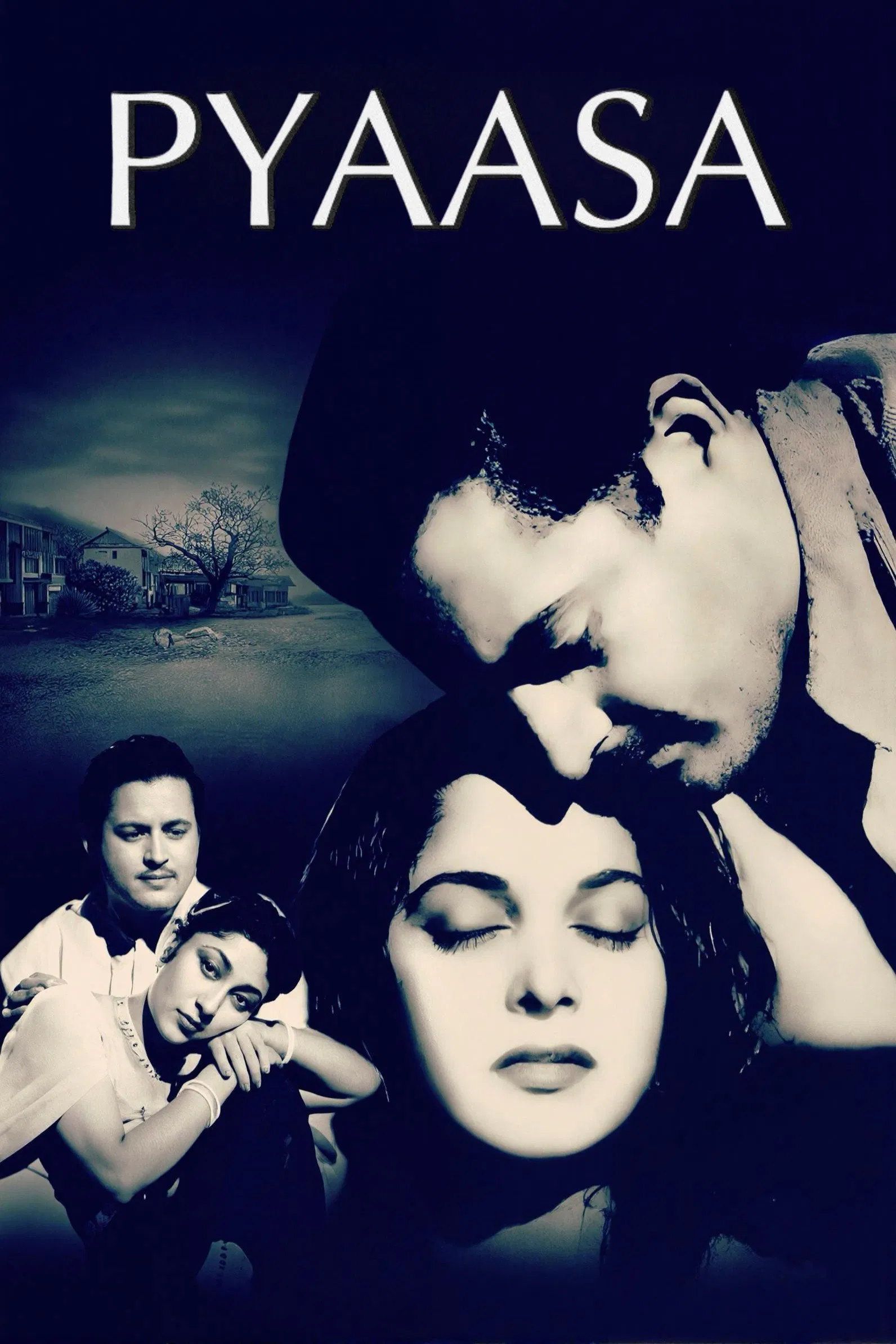
Vijay is a poet whose work is rejected by commercial publishers and his own family, leaving him destitute and contemplating suicide until prostitute Gulabo recognizes his genius even as respectable society ignores it. Guru Dutt's masterpiece is both romantic melodrama and scathing critique of post-independence India's hypocrisy, where art and artists are celebrated only after death or when commodified. Dutt plays Vijay with wounded idealism, a man whose belief in poetry's power makes him vulnerable to exploitation by those who see art as product rather than expression. Waheeda Rehman's Gulabo is the film's moral center, a sex worker whose profession society condemns but whose appreciation for beauty is more authentic than the respectable people who exploit Vijay's work.
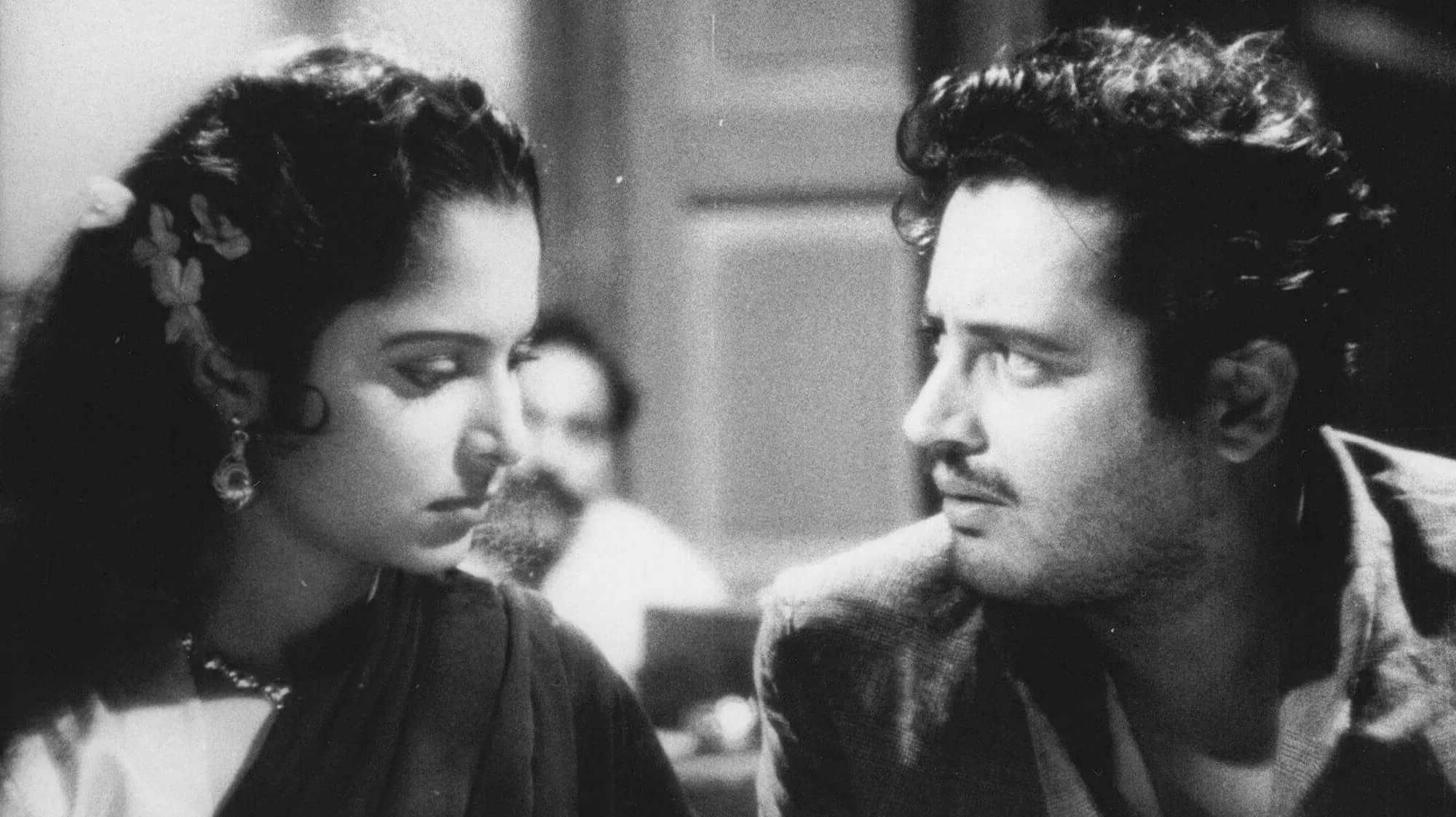
The film's visual language is expressionistic, using shadows and compositions that reflect German cinema and film noir, creating a world where beauty and squalor coexist. What makes Pyaasa timeless is its understanding that artistic integrity and commercial success are often incompatible, that society celebrates artists while treating them terribly, and that those society marginalizes often have greater capacity for genuine appreciation than the elite who claim cultural sophistication. The famous sequence where Vijay reads his poetry to an audience unaware he's the author, watching them celebrate his work while he remains unknown and broke, crystallizes the film's bitter irony about how we value art but not artists.
21. 🎬 Shaurya (2008)
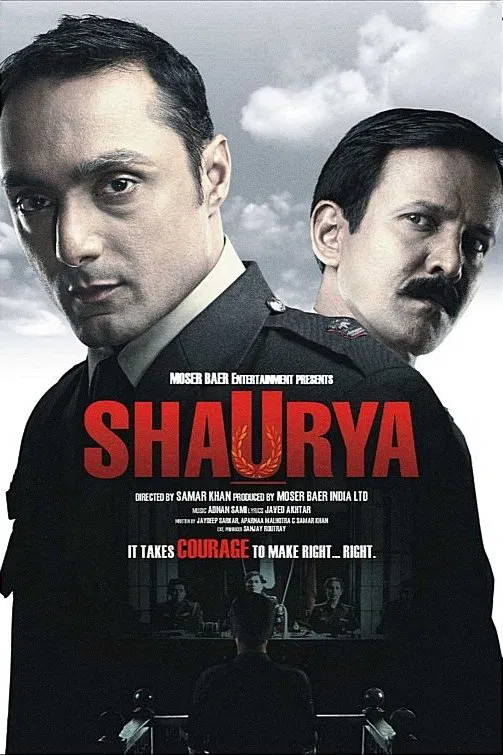
In Kashmir, an army officer is court-martialed for killing his commanding officer, with defense attorney Siddhant assigned to the case uncovering a conspiracy that challenges his assumptions about military honor and justice. Samar Khan's film is an adaptation of A Few Good Men relocated to India's most militarized zone, using courtroom drama to examine army's role in Kashmir and whether national security justifies human rights violations. Rahul Bose plays Siddhant with intelligence and moral questioning, a man whose investigation forces him to confront whether institutions he serves are just. Kay Kay Menon's prosecution and Minissha Lamba's witness provide different perspectives on what constitutes duty and honor.

What makes Shaurya significant is its willingness to question military conduct in Kashmir, suggesting that some operations cross lines from security to oppression, and that soldiers sometimes face impossible choices between following orders and maintaining conscience. The film doesn't simplify; it understands that counterinsurgency creates moral complexity where everyone feels justified and everyone's hands are dirty. It's about whether justice is possible in systems designed around hierarchy and obedience, and whether speaking truth about military misconduct is patriotic or treason, depending on who controls the definition of both.
22. 🎬 Shool (1999)

Inspector Samar Pratap Singh is an honest cop posted in Bihar, where he confronts corruption, political interference, and institutional rot that makes doing his job nearly impossible. E. Niwas's film is uncompromising in depicting how police become tools of political power rather than law enforcement, how honesty becomes liability rather than virtue. Manoj Bajpayee's Samar is man being ground down by system that punishes integrity, where every attempt to do right is blocked by superiors who profit from status quo. The film shows Bihar's specific political culture in the 1990s but speaks to larger truths about how law enforcement becomes politicized across India.
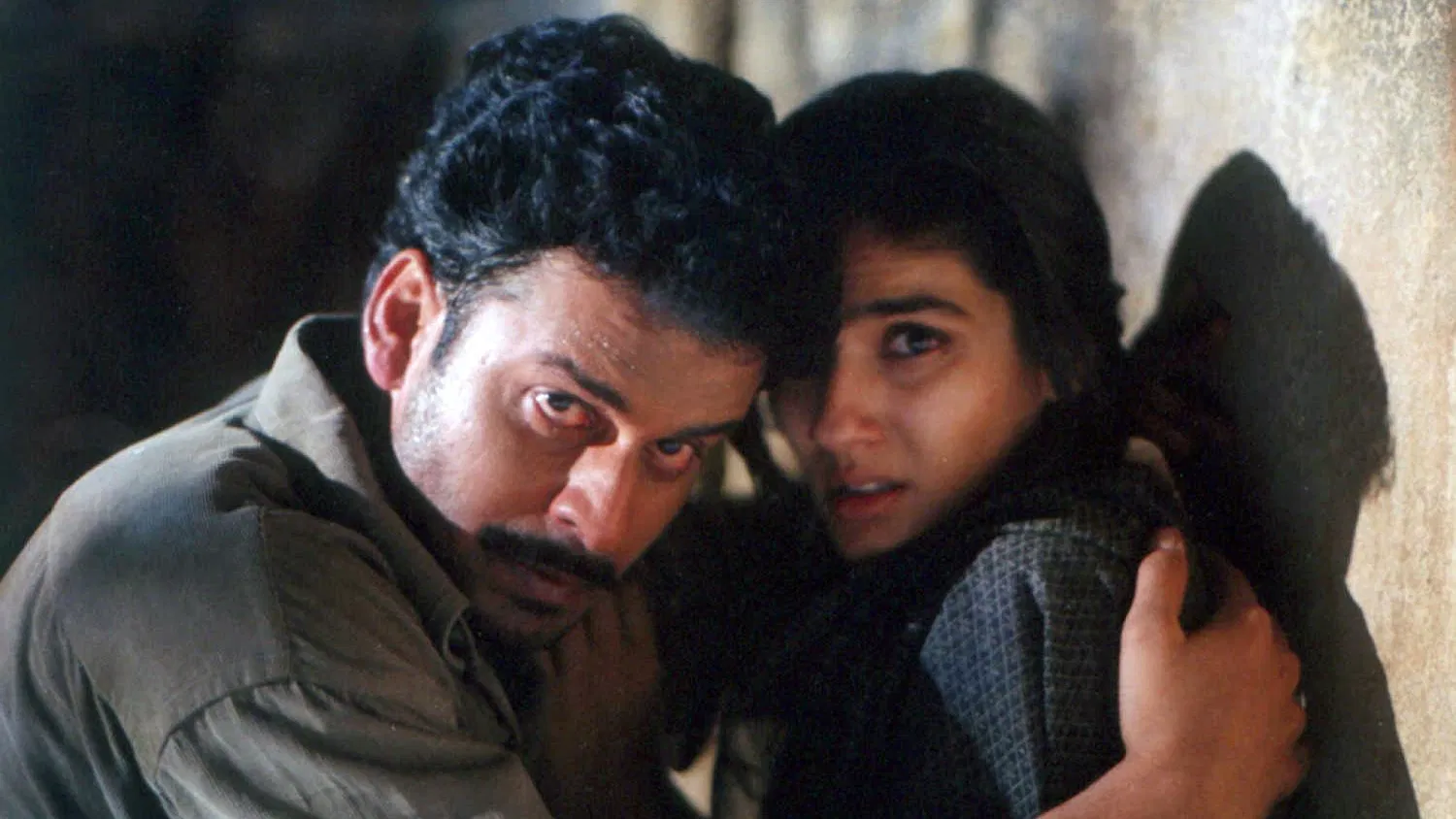
What makes Shool powerful is its understanding that individual honesty is insufficient against institutional corruption, that families pay the price for one member's principles, and that sometimes the good guys don't win because the system isn't designed to let them. The film's violence is brutal and consequence-laden, showing that threats against honest officers and their families are real and often carried out. It's about the impossible position of police officers who want to serve justice in institutions that serve power, and about how the cost of integrity is paid not just by individuals but by everyone who depends on them, making righteousness feel like selfish indulgence when family safety is at stake.
23. 🎬 Sehar (2005)

In early 2000s Lucknow, a police unit wages war against organized crime, using extrajudicial methods to eliminate criminals the courts can't or won't convict. Kabeer Kaushik's film examines encounter killings and whether eliminating due process is justified when legal systems are too slow or too corrupt to deliver justice. Arshad Warsi plays the operation's moral center, a cop who believes in law while recognizing its limitations. The film is remarkable for not simplifying its moral questions; it shows genuine criminals terrorizing communities while also questioning whether police have the right to execute suspects without trial. The operations are shown as both necessary to break criminal networks and as violations of everything law is supposed to represent.
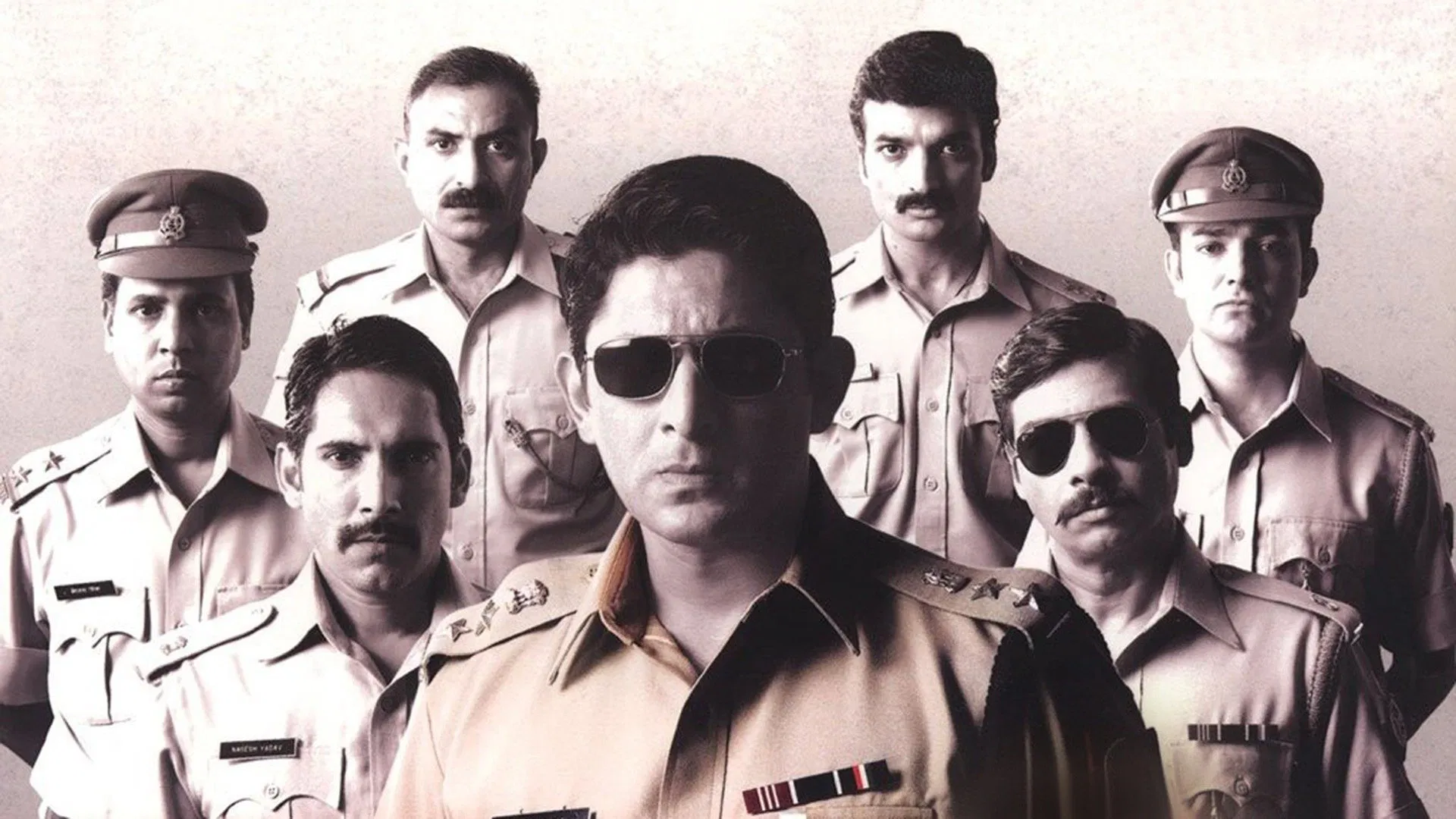
What makes Sehar challenging is its refusal to declare whether the cops are heroes or villains; they're both, simultaneously defending communities and undermining the legal principles that should govern society. The film understands that when institutions fail, people resort to violence while telling themselves it's for the greater good, and that once you start eliminating due process, there's no clear line determining when to stop. It's about how fighting monsters risks becoming monstrous, and whether short-term security achieved through extrajudicial killings is worth long-term damage to rule of law.
24. 🎬 Chachi 420 (1997)
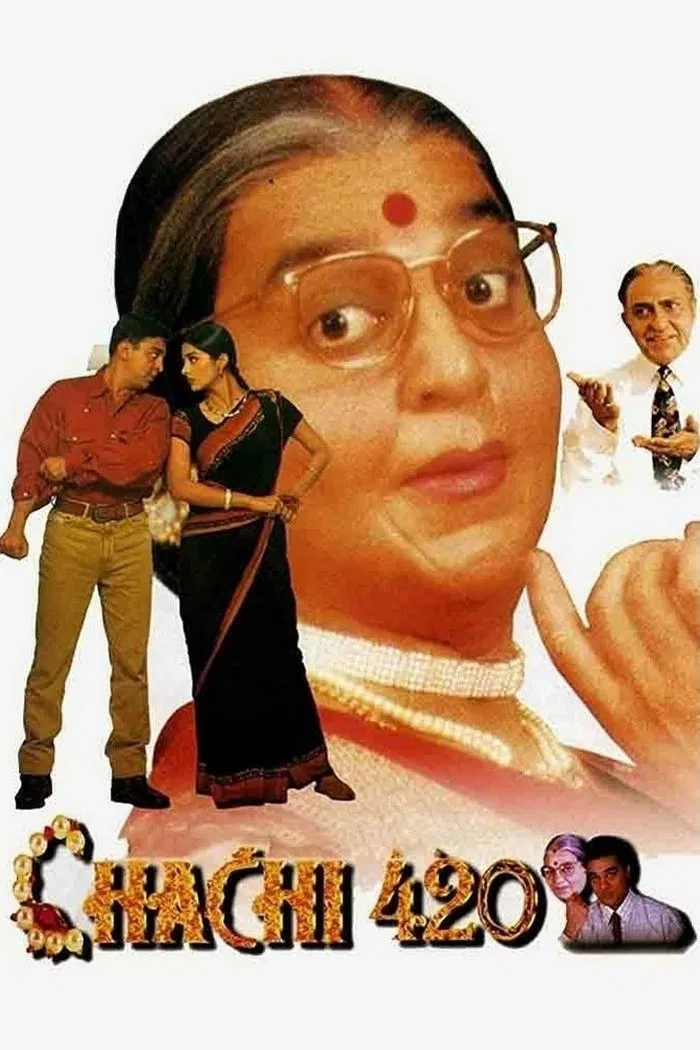
Jaiprakash, desperate to see his daughter after divorce, disguises himself as a elderly female housekeeper to gain access to his ex-wife's home. Kamal Haasan directs and stars in this adaptation of Mrs. Doubtfire, bringing physical comedy and emotional depth to a premise that could have been merely farcical. What makes Chachi 420 work is Haasan's commitment to the drag performance, playing the disguise not as joke but as genuine transformation, making us believe other characters wouldn't recognize him. The film balances comedy with genuine pathos about divorce and fathers' access to children, showing how family court decisions, however well-intentioned, can separate parents from children in ways that damage everyone.
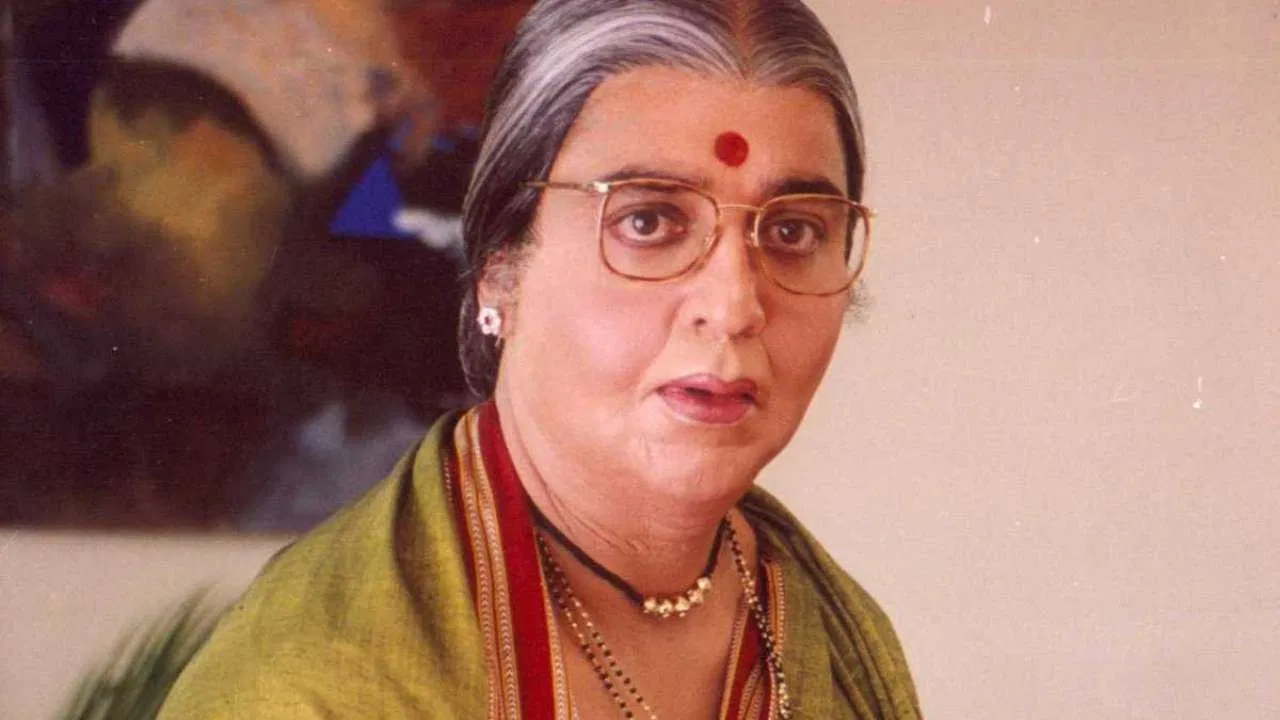
The disguise becomes vehicle for Jaiprakash to understand his ex-wife's perspective, to see his own failures as husband and father, and to rebuild relationship with his daughter without his own ego interfering. What makes the film resonate is its understanding that divorce's biggest victims are children caught between warring parents, and that sometimes elaborate deception is necessary not to win but simply to be present in your child's life. It's about fathers learning that parenting requires listening rather than controlling, and that sometimes you have to literally see through different eyes to understand what you've been missing.
25. 🎬 Dor (2006)

Two women from different parts of India become connected by tragedy: Zeenat's husband accidentally killed Meera's husband, and now Meera must decide whether to grant pardon that will save Zeenat's husband from execution. Nagesh Kukunoor's film is about how patriarchy oppresses women differently but always limits their choices, about how women's lives are defined by men's actions and decisions. Ayesha Takia's Zeenat is young widow traveling across India seeking pardon, while Gul Panag's Meera is young widow pressured by her in-laws to refuse mercy. The film shows how both women are trapped by social expectations around widowhood, how their grief and agency are secondary to family honor and male authority.
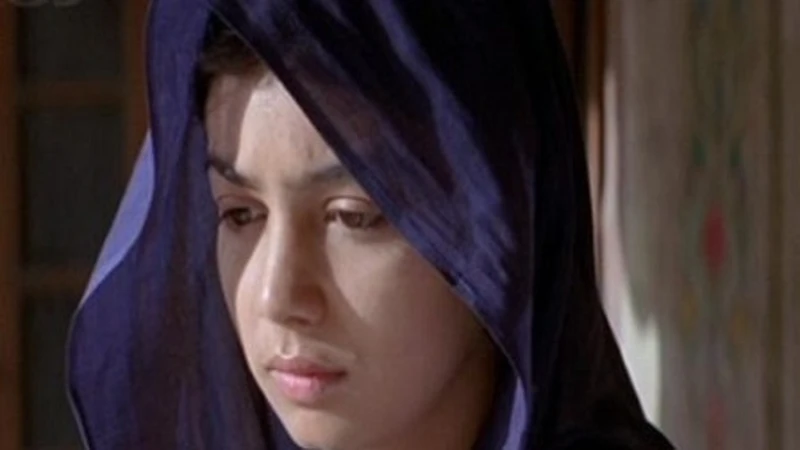
What makes Dor powerful is its focus on female friendship developing between women whose circumstances have made them adversaries, and its understanding that women's solidarity is threatening to patriarchal structures that depend on women remaining divided. The film's climax, where Meera must choose between vengeance that society expects and mercy that her heart desires, becomes question about whether women can break cycles of violence or are forced to perpetuate them. It's about how women bear consequences of men's conflicts, and how female friendship can create spaces of resistance within oppressive structures, offering possibility of different choices than the ones society demands.
— The Cinéprism
Keep reading
20 / 11 / 2025 · 613 reads
The Family Man: More than a spy story
What makes Family Man likeable?

13 / 11 / 2025 · 2865 reads
Top 11 Must-Watch TV Mini Series.
Experience powerful stories in compact form - gripping, cinematic series that deliver depth, drama, and brilliance in just a few episodes.