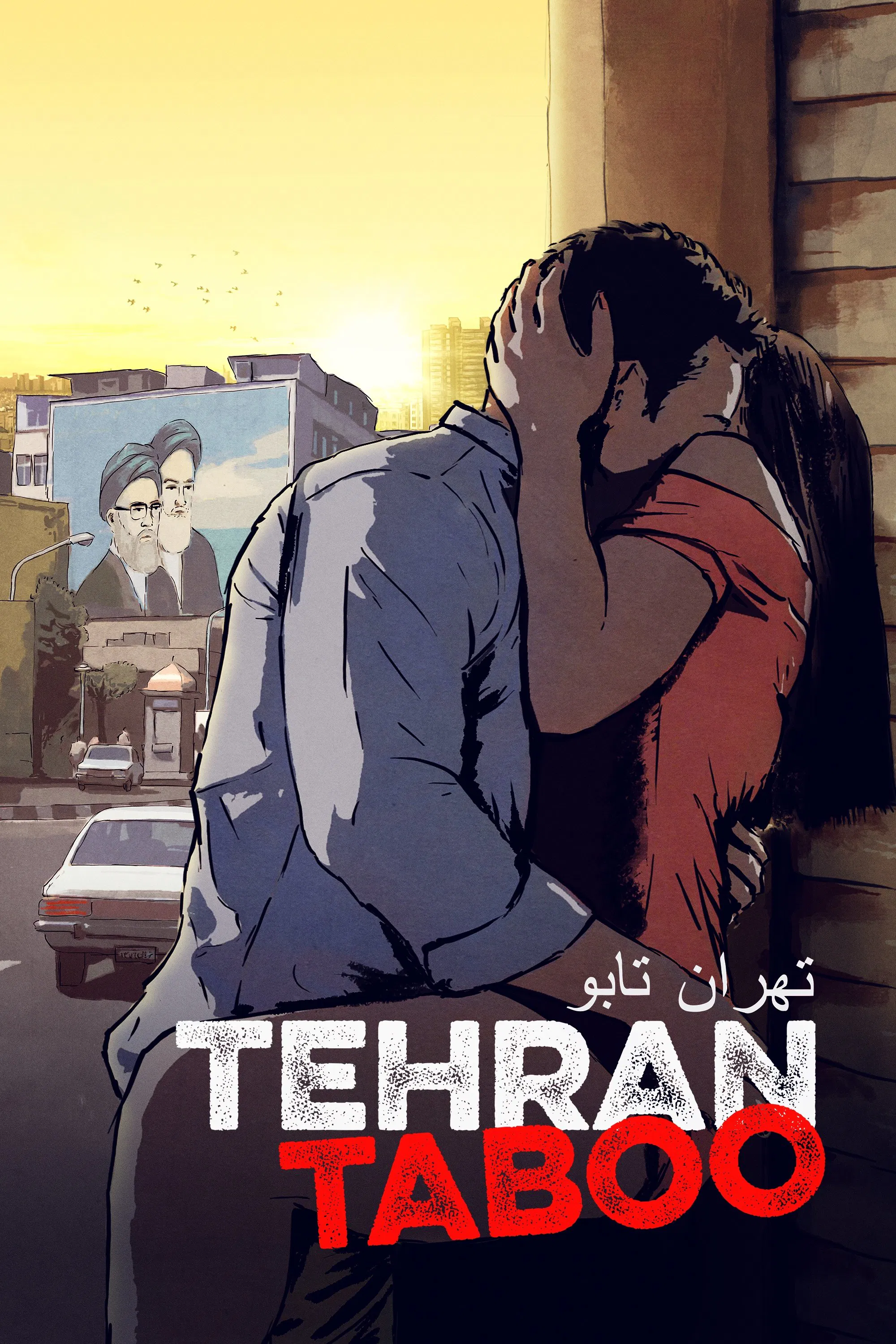
Still — Tehran Taboo (2017)
Tehran Taboo.
An unflinching psychological portrait disguised as an animated feature.
- Director
- Ali Soozandeh
- Year
- 2017
- Language
- English
- Streaming
- Youtube
— The Review
An unflinching psychological portrait disguised as an animated feature.
The film follows the intersecting lives of four young people navigating the suffocating restrictions of an Islamic society in Iran. What unfolds is less a standard narrative of rebellion and more an autopsy of systemic hypocrisy; an examination of survival, sexuality, and desperation filtered through a deeply conservative environment.
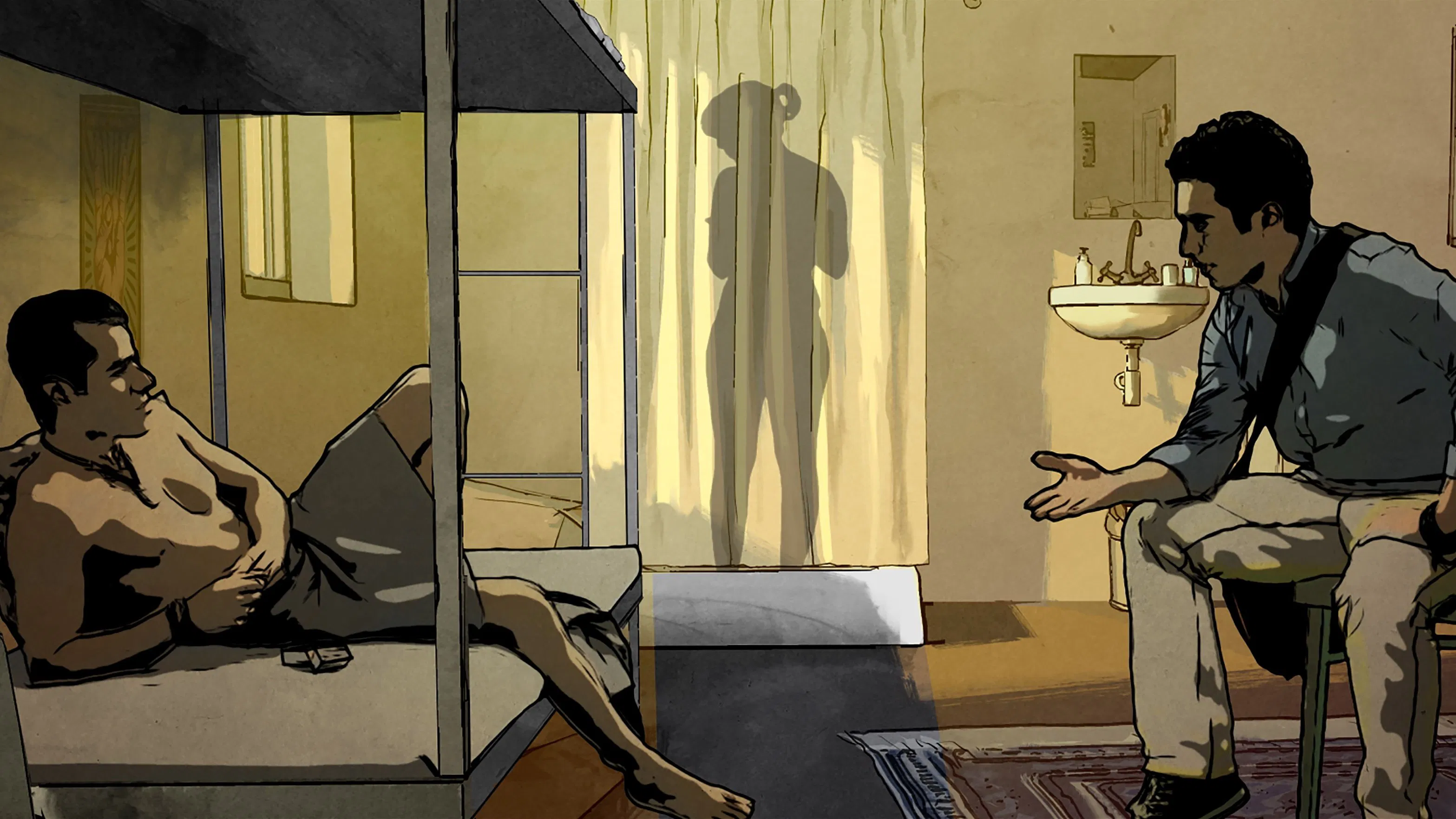
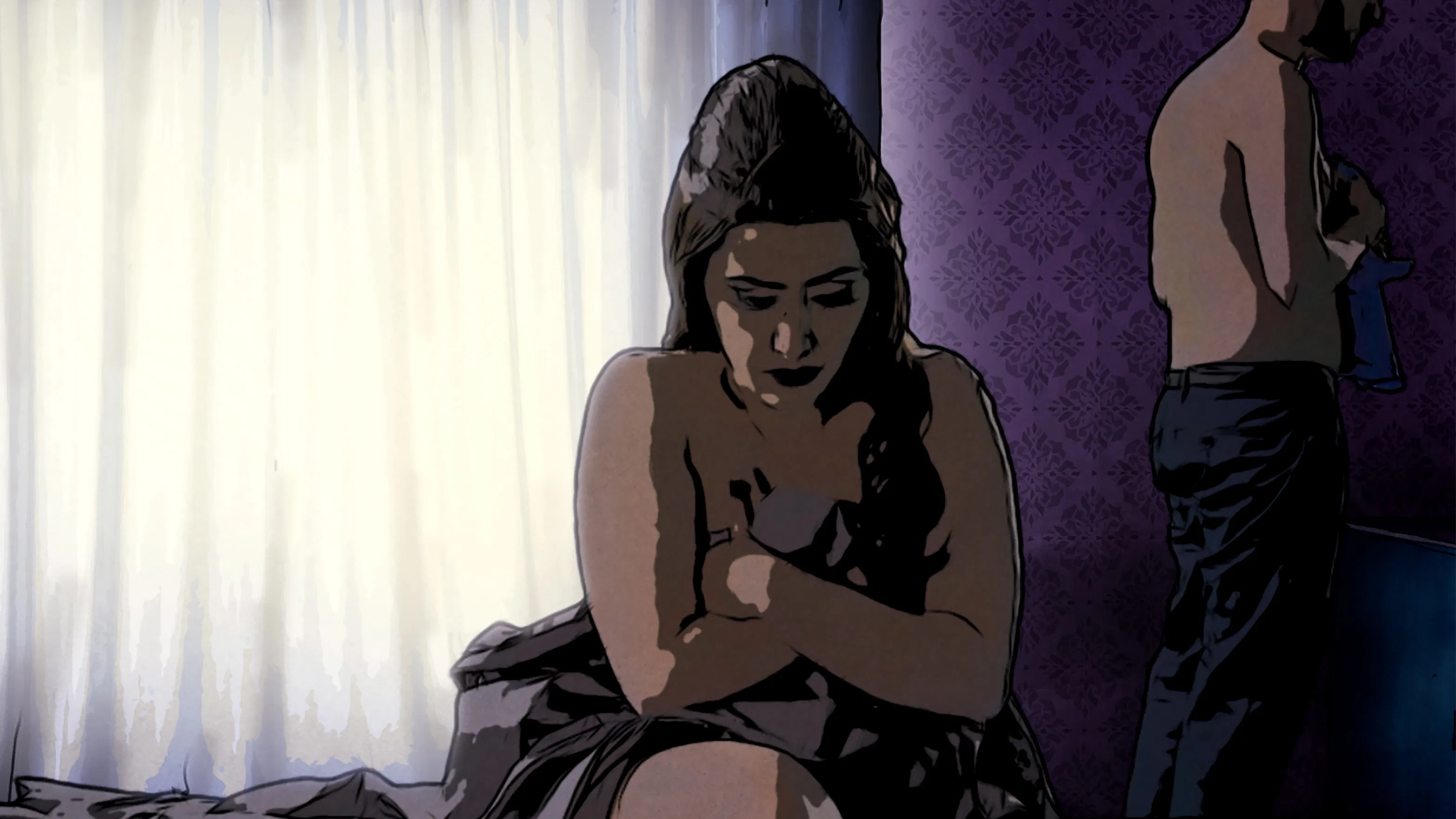
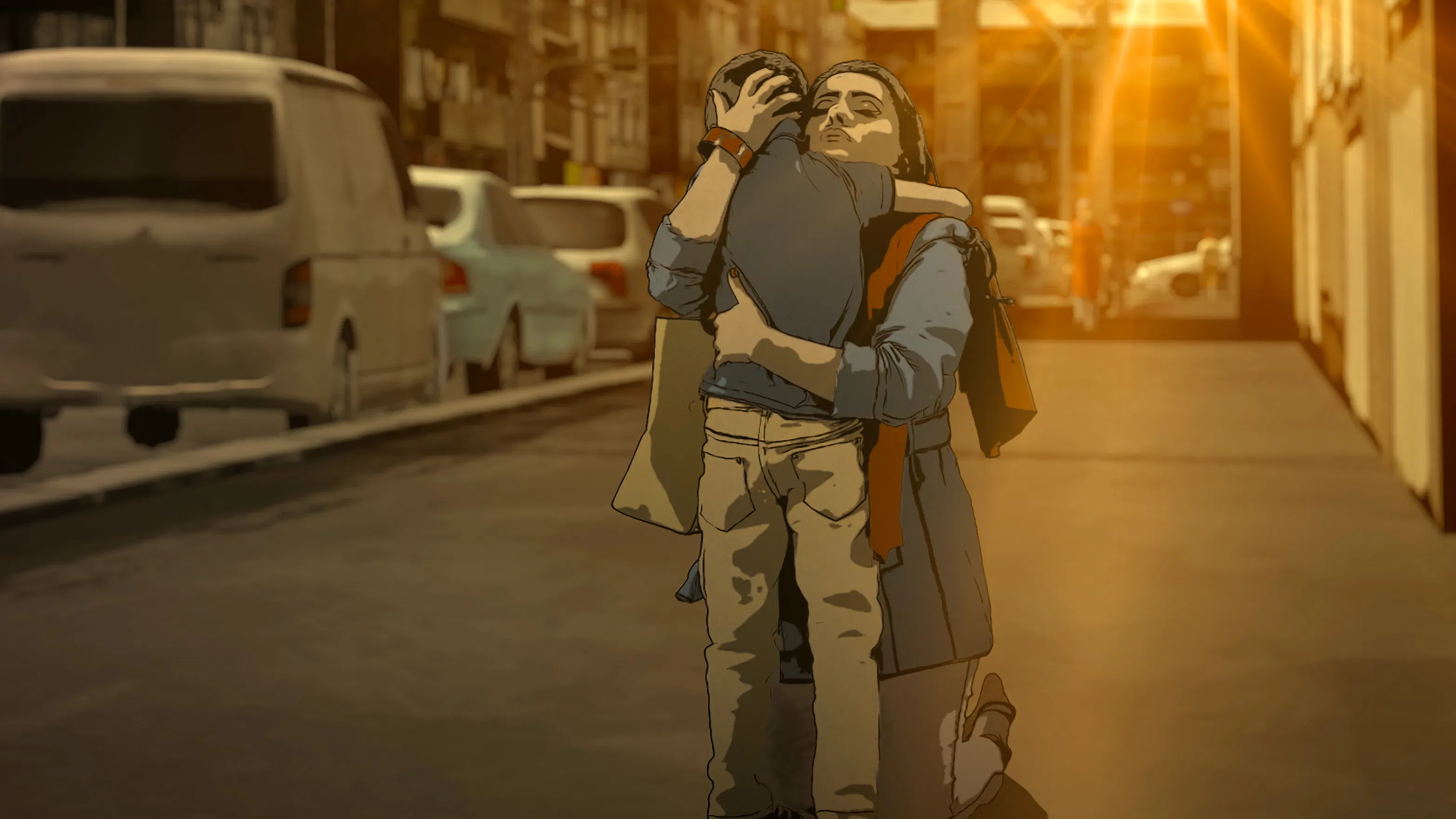
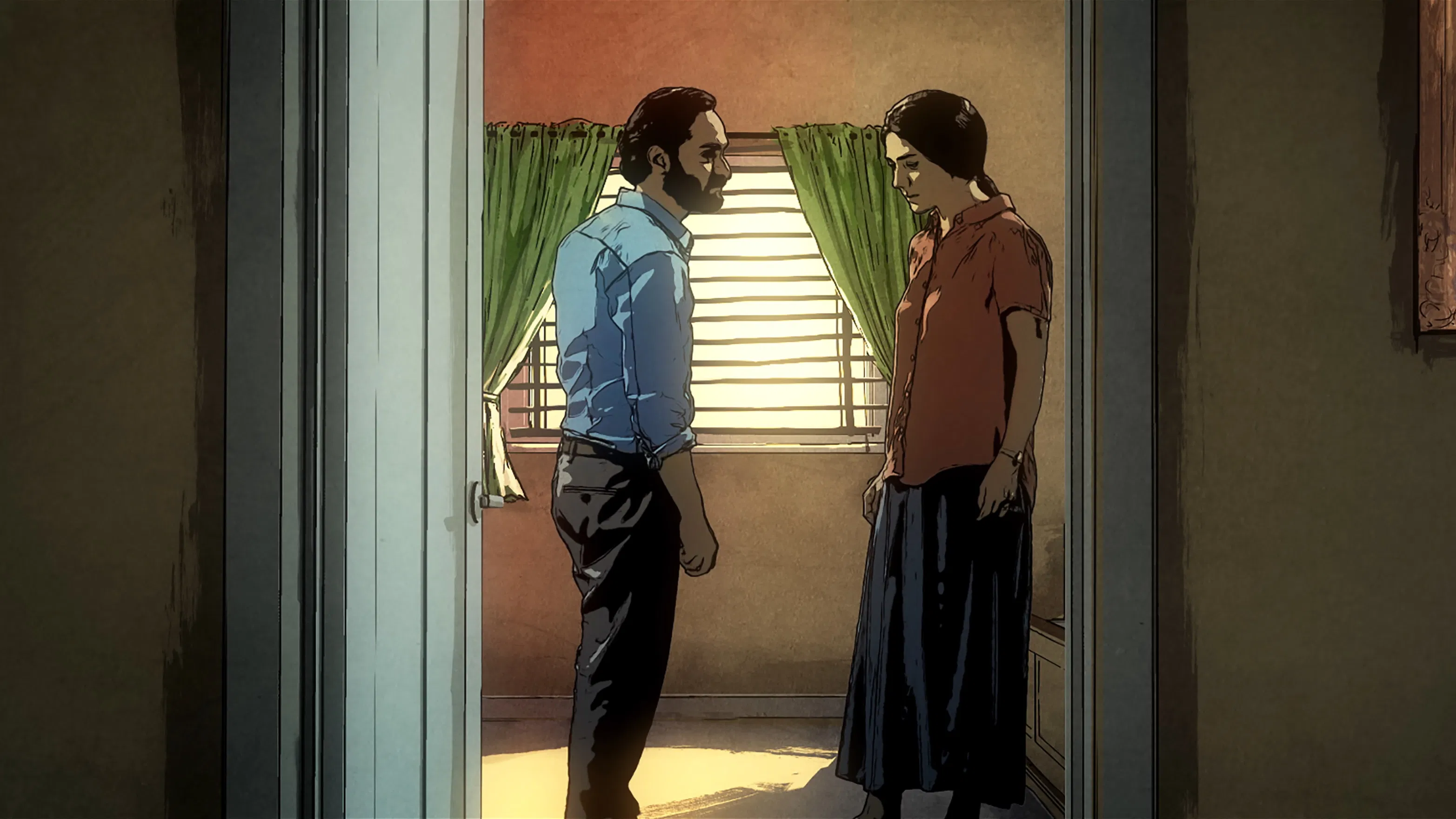
Director Ali Soozandeh delivers a masterful critique, balancing shocking reality with artistic necessity. Because filming such mature material on location was impossible, the production utilized rotoscoping. This stylistic choice becomes a brilliant metaphor: tracing over reality just as the characters must constantly paint over their true selves to survive. Every animated frame, every hidden transaction, feels like evidence that both reveals the truth and obscures the danger. The film masterfully explores how purity is a constructed illusion, not a lived reality, in the messy spaces between religious law and human desire.
Visually, the film is a vibrant yet claustrophobic maze. Unlike traditional dramas that hide their tragedies in the shadows, this movie brings the horror of oppression into the daylight, into the familiar, everyday spaces of cabs, cramped apartments, and underground clubs. The crowded streets mirror the constant surveillance the characters endure, and the intimate, closed door scenes are shot with the anxiety of a confession. Soozandeh controls the tone remarkably well; he sustains tension without sensationalism, relying instead on moral complexity. Each person faces manifestations of their deepest fears, turning the societal into something deeply personal. Whether it is a desperate mother navigating corrupt legal channels to keep a roof over her son, or a young woman making frantic choices to maintain a facade of virtue, the pacing rewards patience with mounting unease.
What makes Tehran Taboo exceptional is its refusal to offer closure. The film does not ask if these characters are moral or immoral, but rather asks how anyone can remain pure when the system demands corruption for survival. It turns the animated medium into a mirror for our own comfortable liberties, forcing us to judge the environment rather than the individuals. It is a film that lingers long after it ends, less for its shock value than for its haunting authenticity. It is not something you watch on a daily basis, it is a visceral feeling of asking yourself what you would do if you were trapped in their shoes.
— The Verdict
- Stylistic Mimicry
- 92
- Thematic Depth
- 88
- Pacing and Flow
- 85
— The Cinéprism
The Contact Sheet — Stills
 01 / 04
 02 / 04
 03 / 04
 04 / 04
Also on the marquee
More reviews.
Aditya Suhas Jambhale · 2025
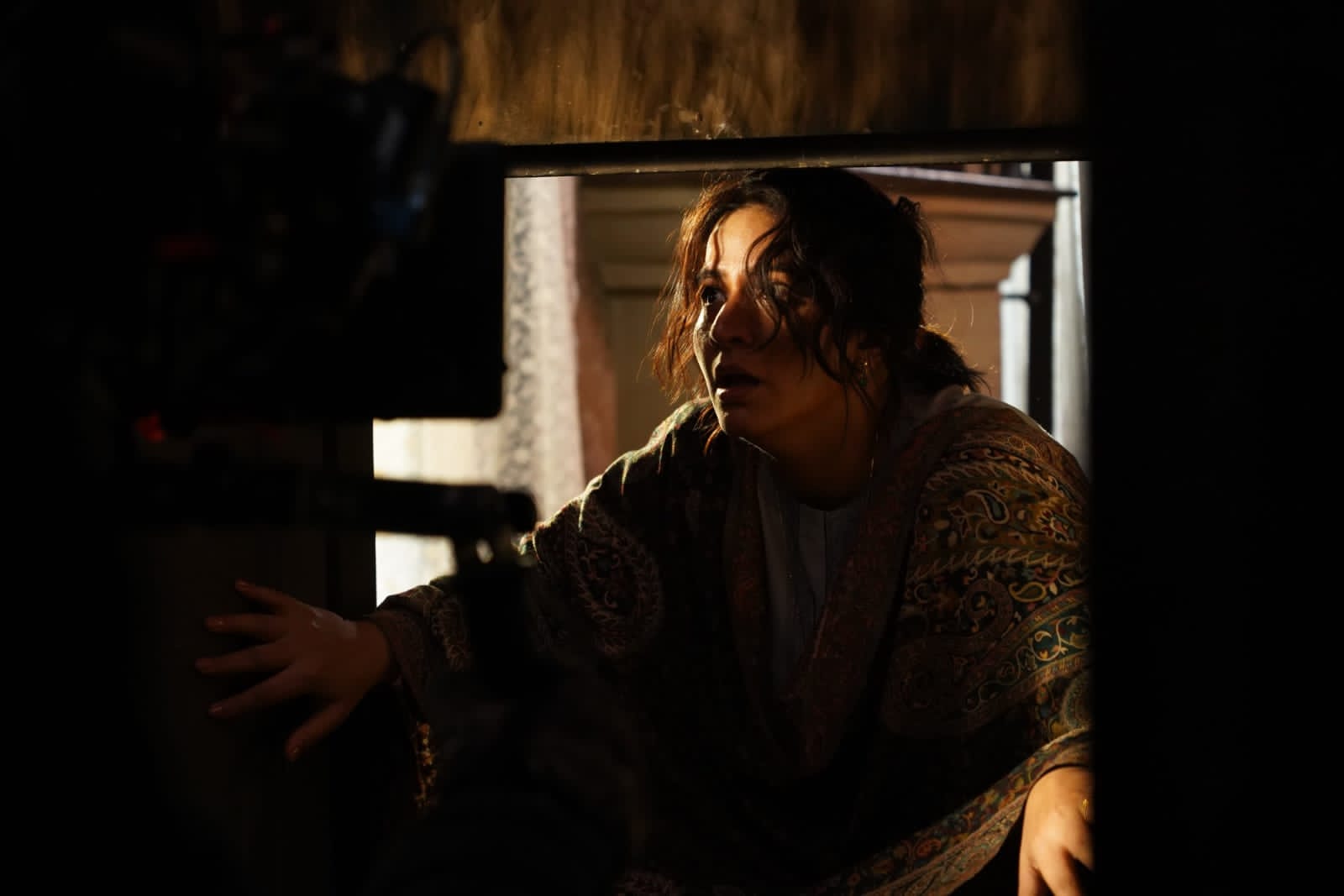
Baramula
Baramulla – When the Real Horror is Human
Aditya Dhar · 2025
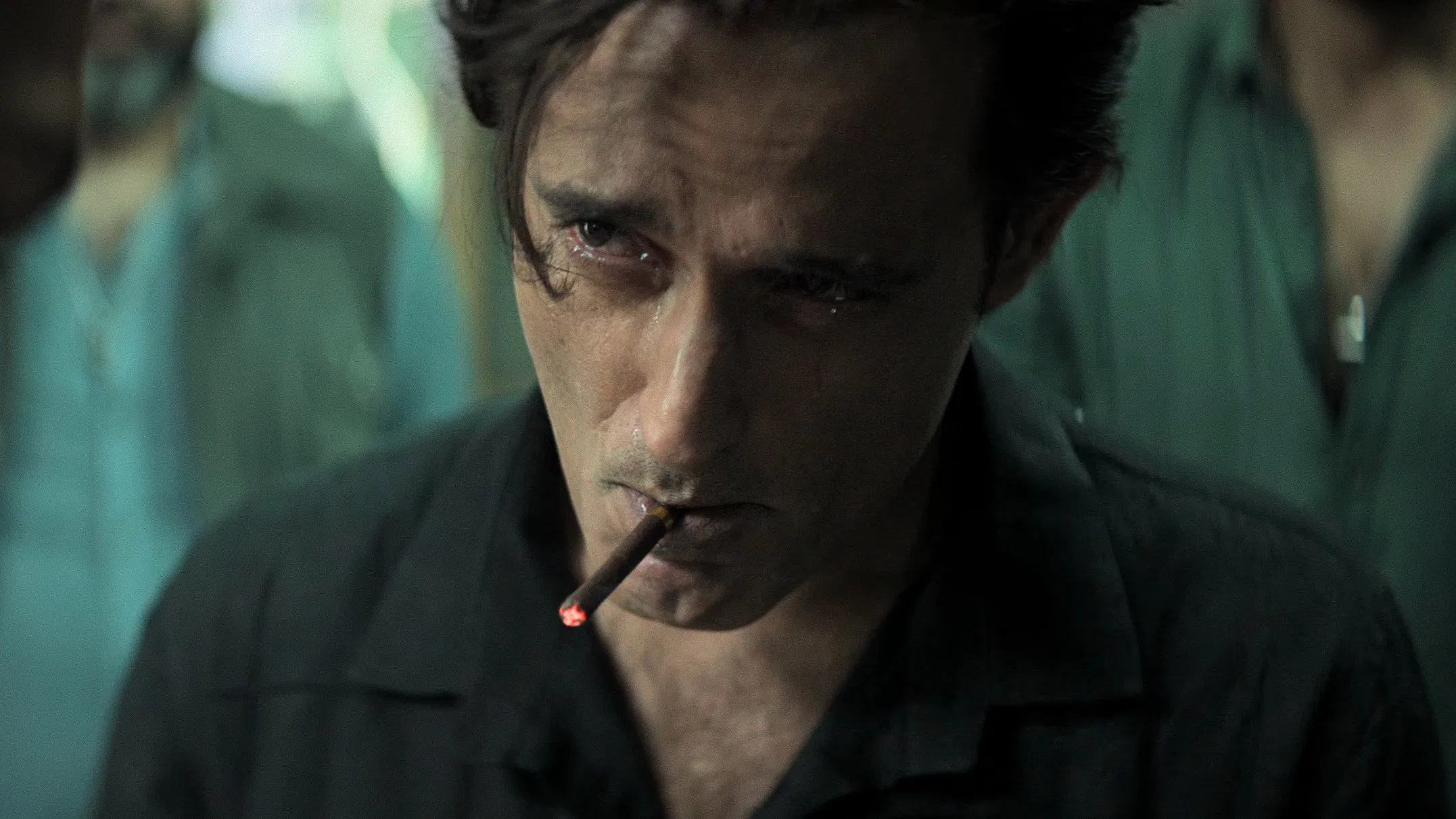
Dhurandhar
Dhurandhar is a bruising, unvarnished espionage thriller that pulls you into a world where spying isn’t glamorous - it’s a slow, suffocating, methodical deca…

Destin Daniel Cretton · 2026
Spider-Man: Brand New Day
Four movies in and Tom Holland's Spider-Man is finally allowed to grow up a little, and for the most part, that's exactly what makes Brand New Day work.